Circadian Rhythm: Weight Loss and Meal Timing
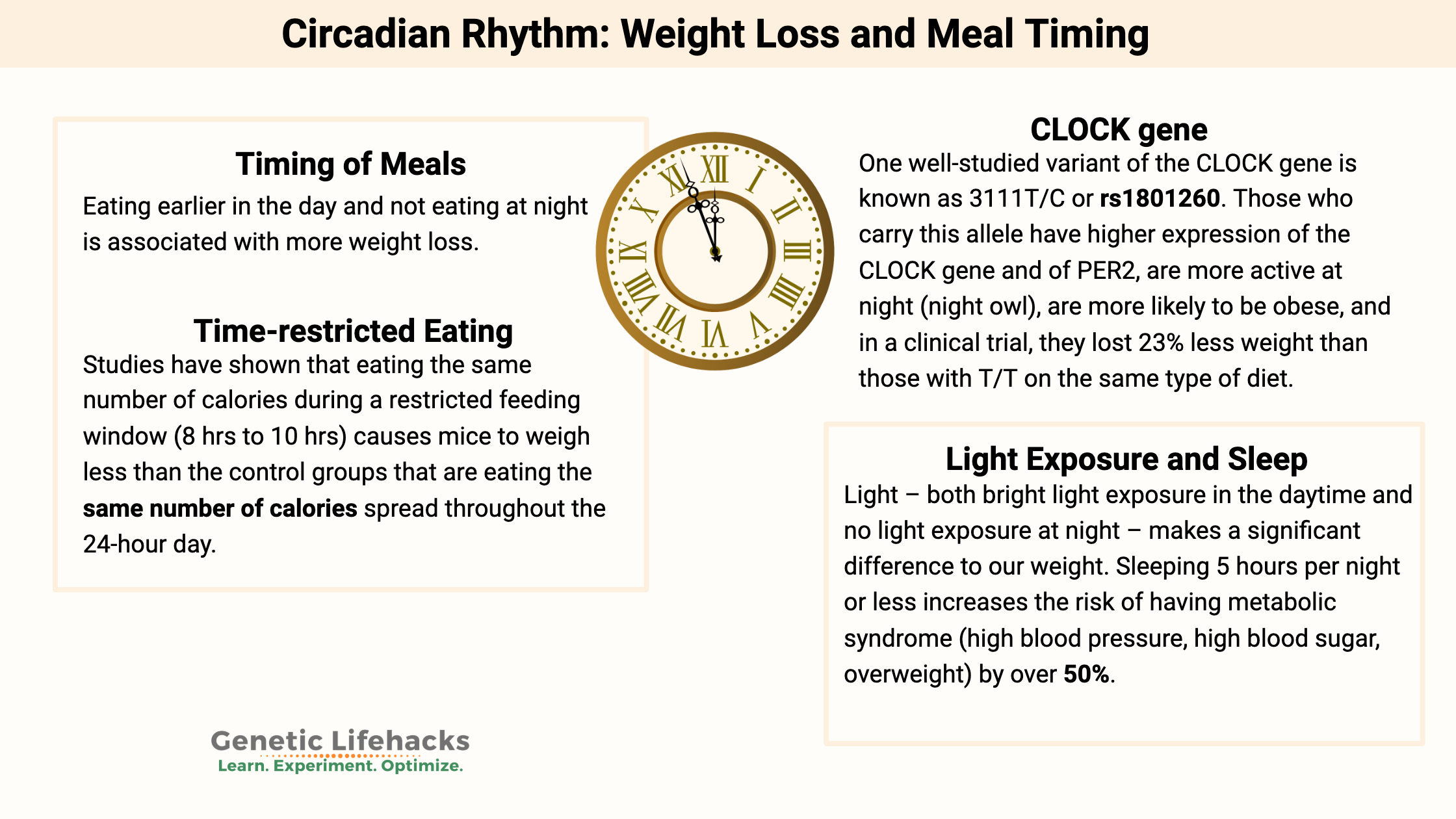
It isn’t just what you eat, it is WHEN you eat. Learn how meal timing impact weight – and how your genes are important here.
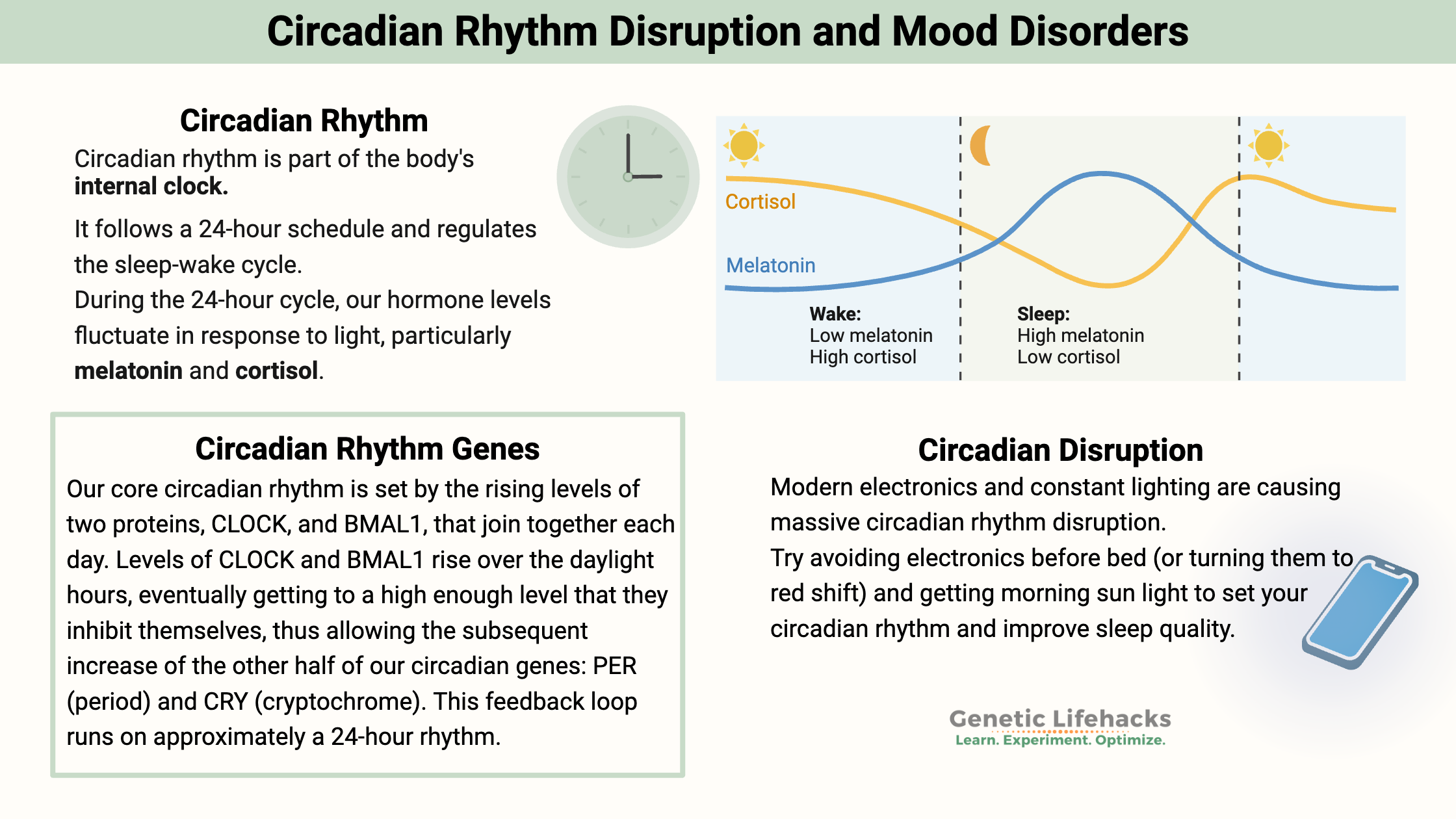
Circadian rhythm disruption can drive mood disorders. Learn more about the genes involved and the ways to normalize your circadian rhythm.
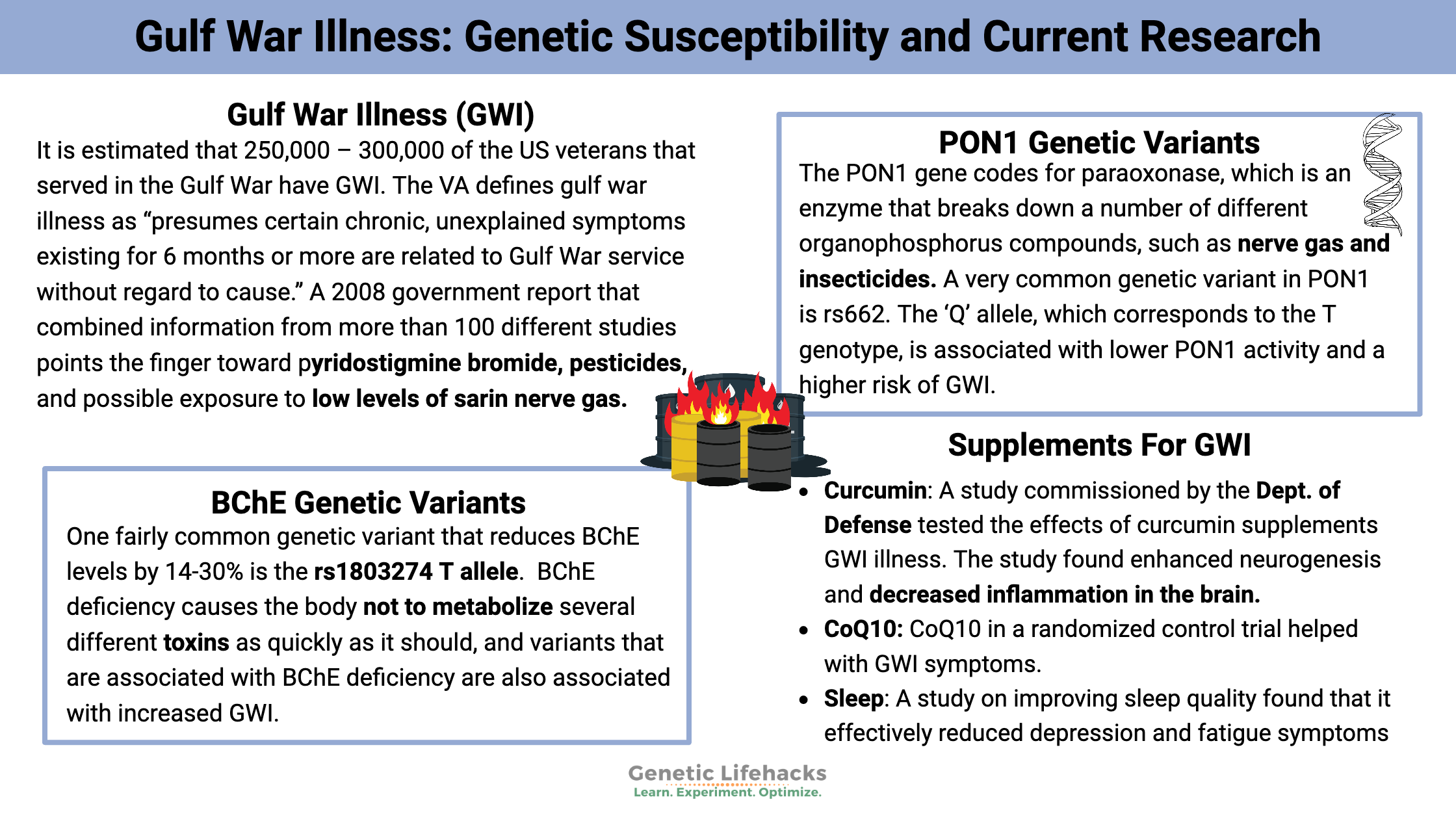
Many genetic variants have been studied for Gulf War Illness. Take a look into the research behind the illness and discover some possible solutions to help with symptoms.
Every published article on geneticlifehacks.com, grouped by topic. 502 articles · 50 topics Expand all Collapse all Addiction4 Alzheimer's Prevention16 Arrhythmia & Heart Function10 Athletics & Exercise12 Autoimmune Diseases23 Blood Pressure6 Brain and Mood55 Cancer Prevention12 Carbohydrate Metabolism4 Cholesterol & Lipids10 Chronic Inflammation12 Clotting & Blood13 Cognitive Function15 COVID, Long … Read more
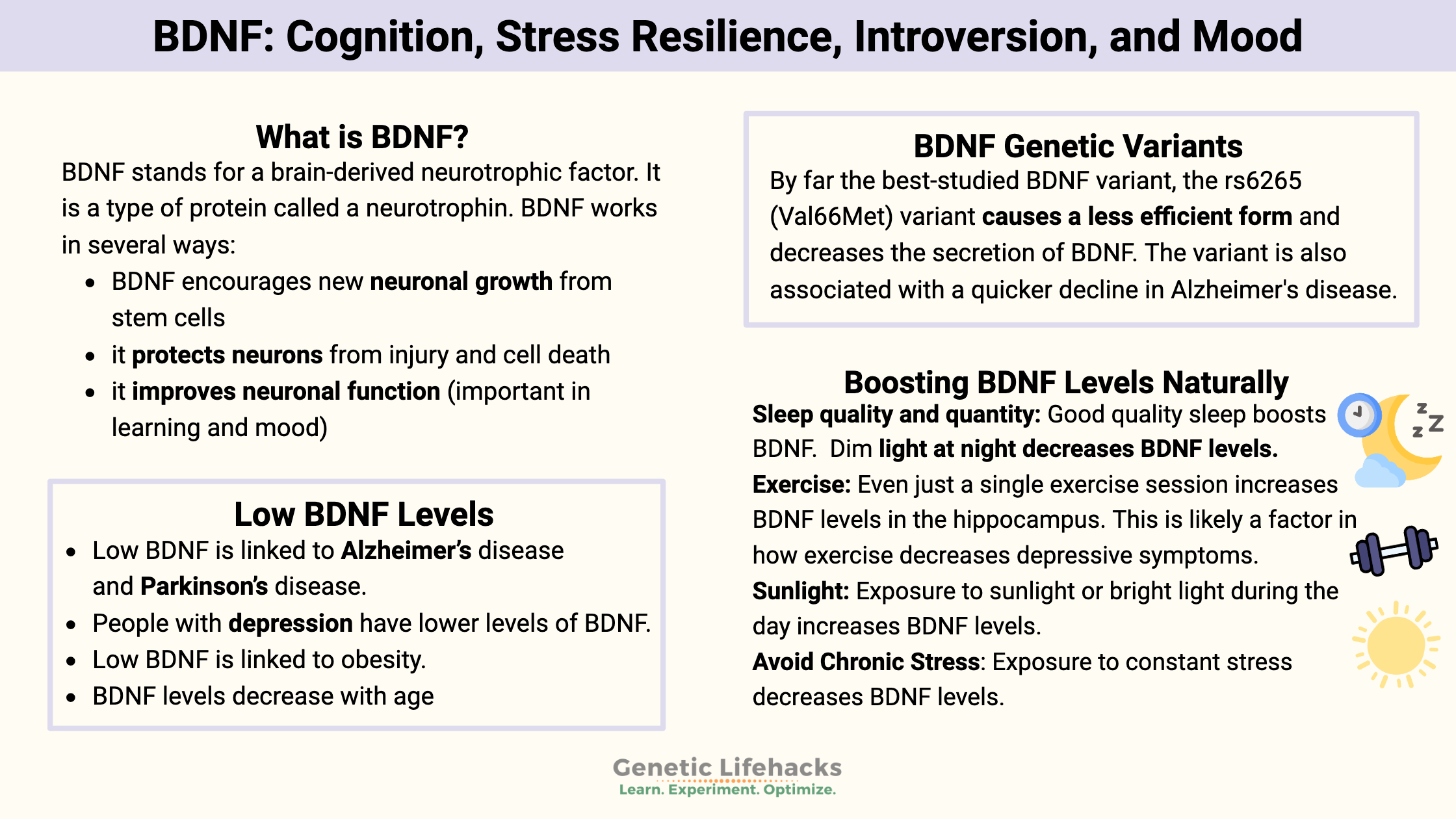
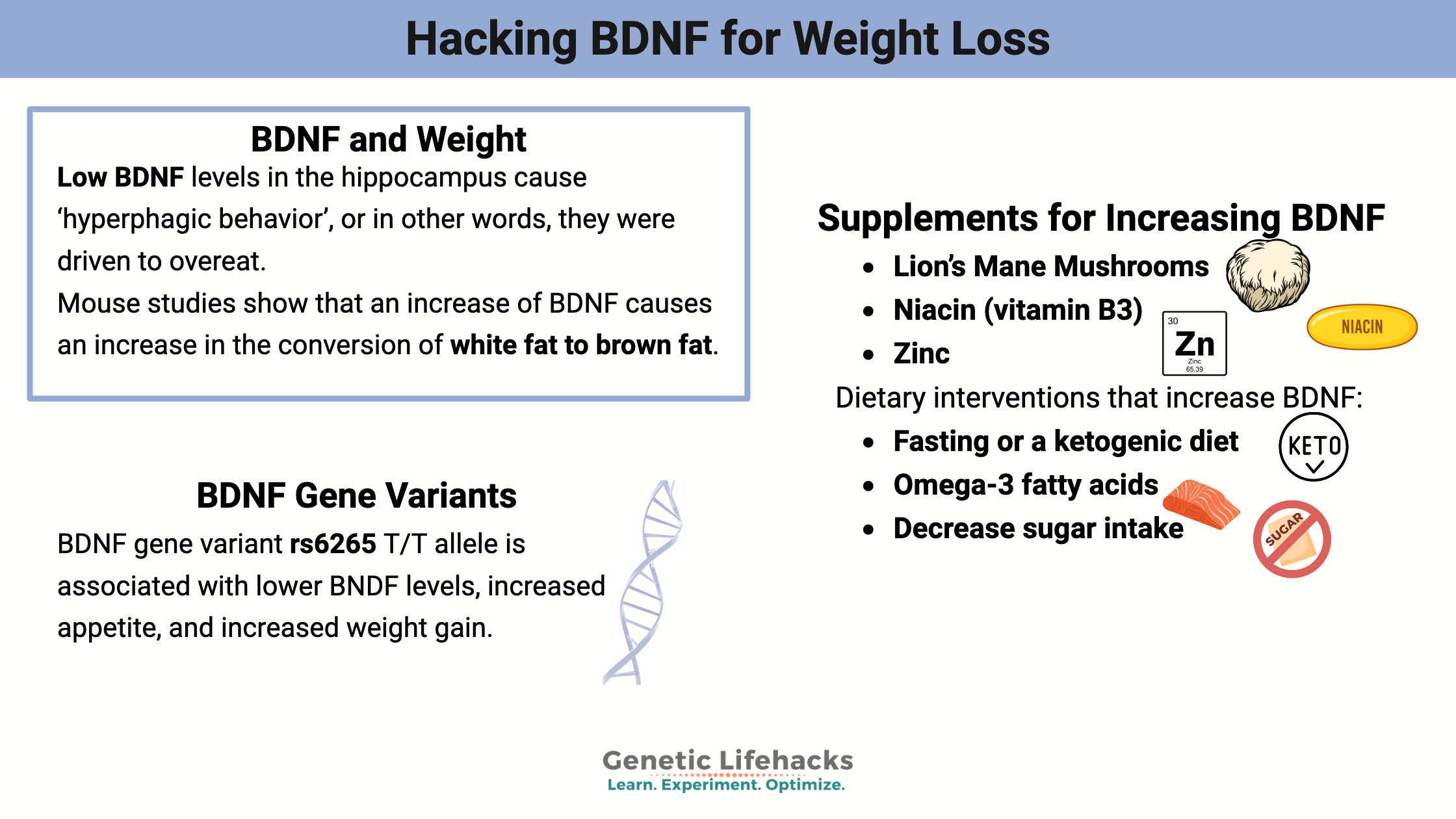
Brain-derived neurotrophic factor (BDNF) is a fascinating growth hormone that performs many functions in our brain. Its involvement helps to support neurons and neuronal growth. In addition, it plays a role in long-term memory — and it also is important in obesity.
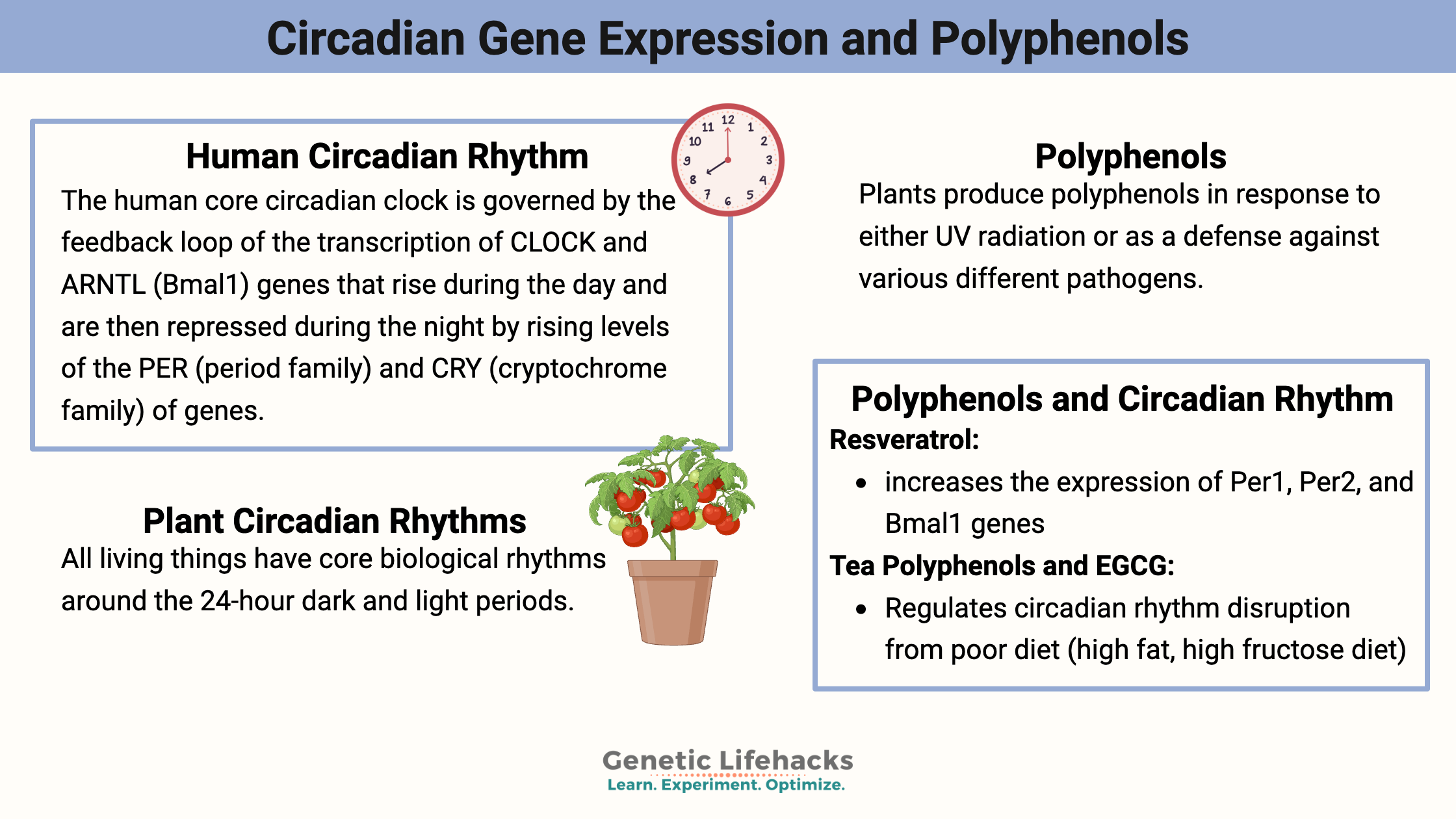
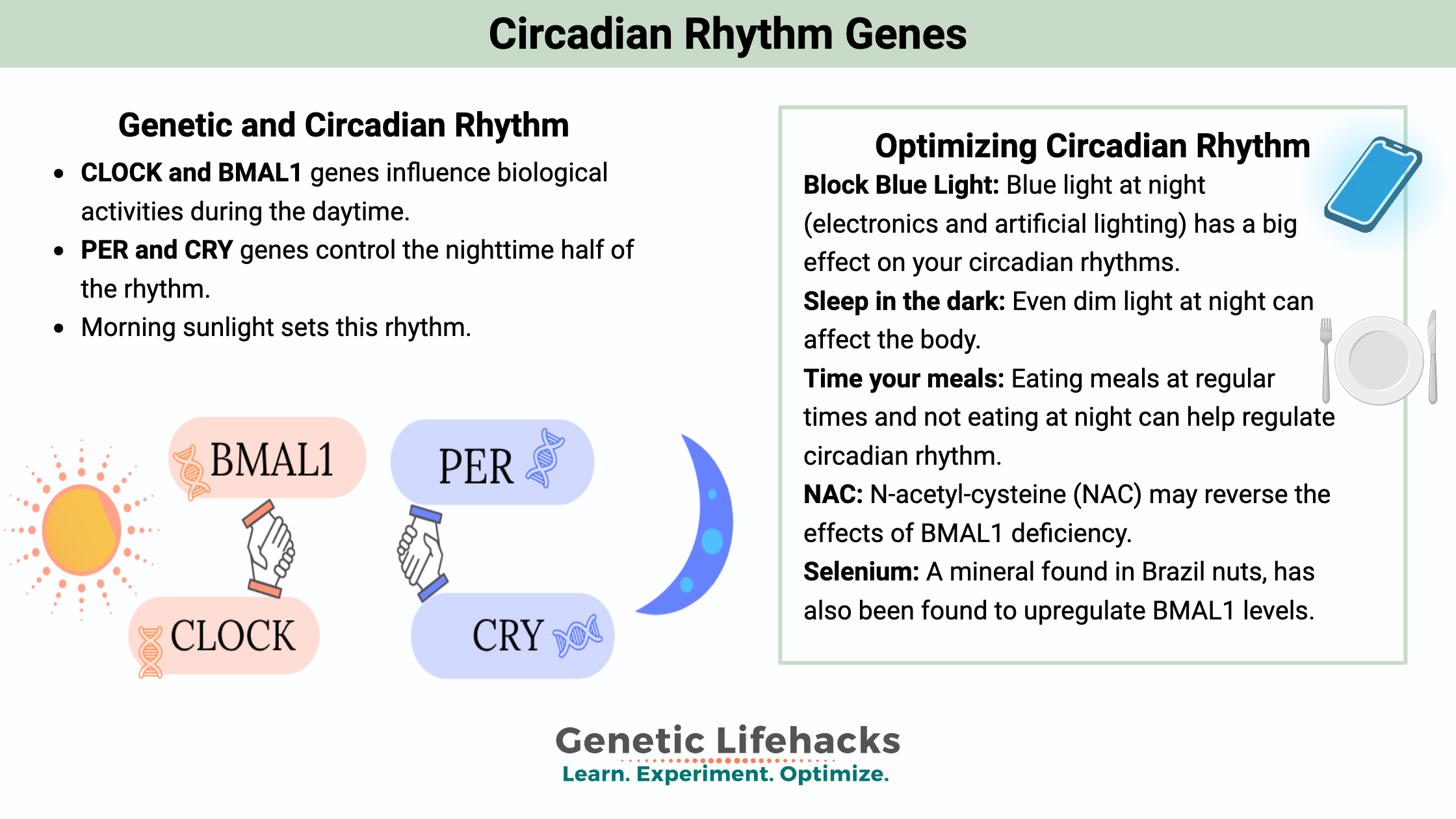
The body’s circadian clock regulates many different functions over the course of a 24-hour day. The genes that code for different parts of the circadian clock have a wide-ranging effect on sleep, mood, and overall health.