
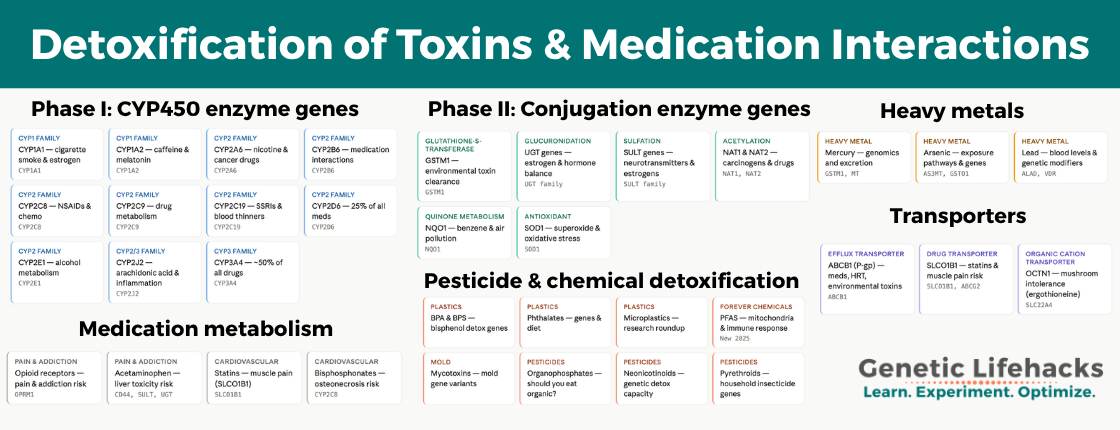
Genetic variants in detox enzymes explain why people react so differently to the same medication, toxin, or environmental exposure. Phase I genes (CYP450 family) transform compounds into reactive intermediates; Phase II genes (GSTM1, UGT, SULT, NAT, and others) make them water-soluble for excretion; transporter genes (ABCB1, SLCO1B1) move them in and out of cells.
Foundations & overview articles: Start here to understand the overall system before diving into individual genes.
- Phase I & Phase II detoxification overview
- Glutathione: Master antioxidant & detoxification
- Nrf2 pathway: Activating your body’s detox genes
Browse by pathway below, or jump to heavy metals, environmental chemicals, or specific medications.
Member tools: View your Detoxification Summary Reports to see which articles to read first.
Phase I: CYP450 enzyme genes
The CYP450 family of enzymes converts toxins and medications into water-soluble forms for Phase II processing.
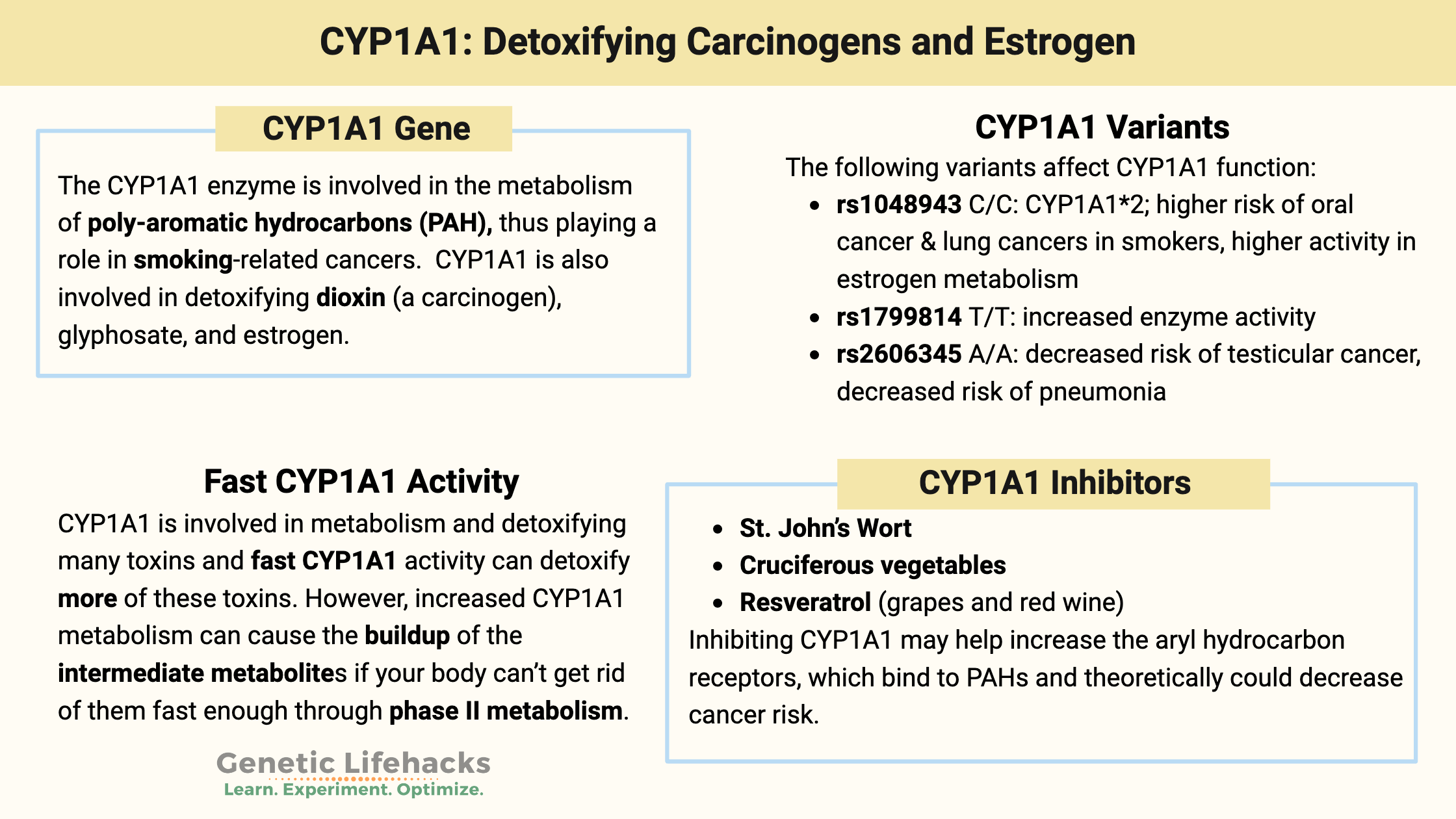
CYP1A1: Detoxifying Cigarette Smoke and Estrogen
The CYP1A1 enzyme handles some of the body’s most consequential detoxification processes, including breaking down polycyclic aromatic hydrocarbons (PAHs from smoke and vehicle exhaust), metabolizing estrogen, and even playing a role in gut immune function.
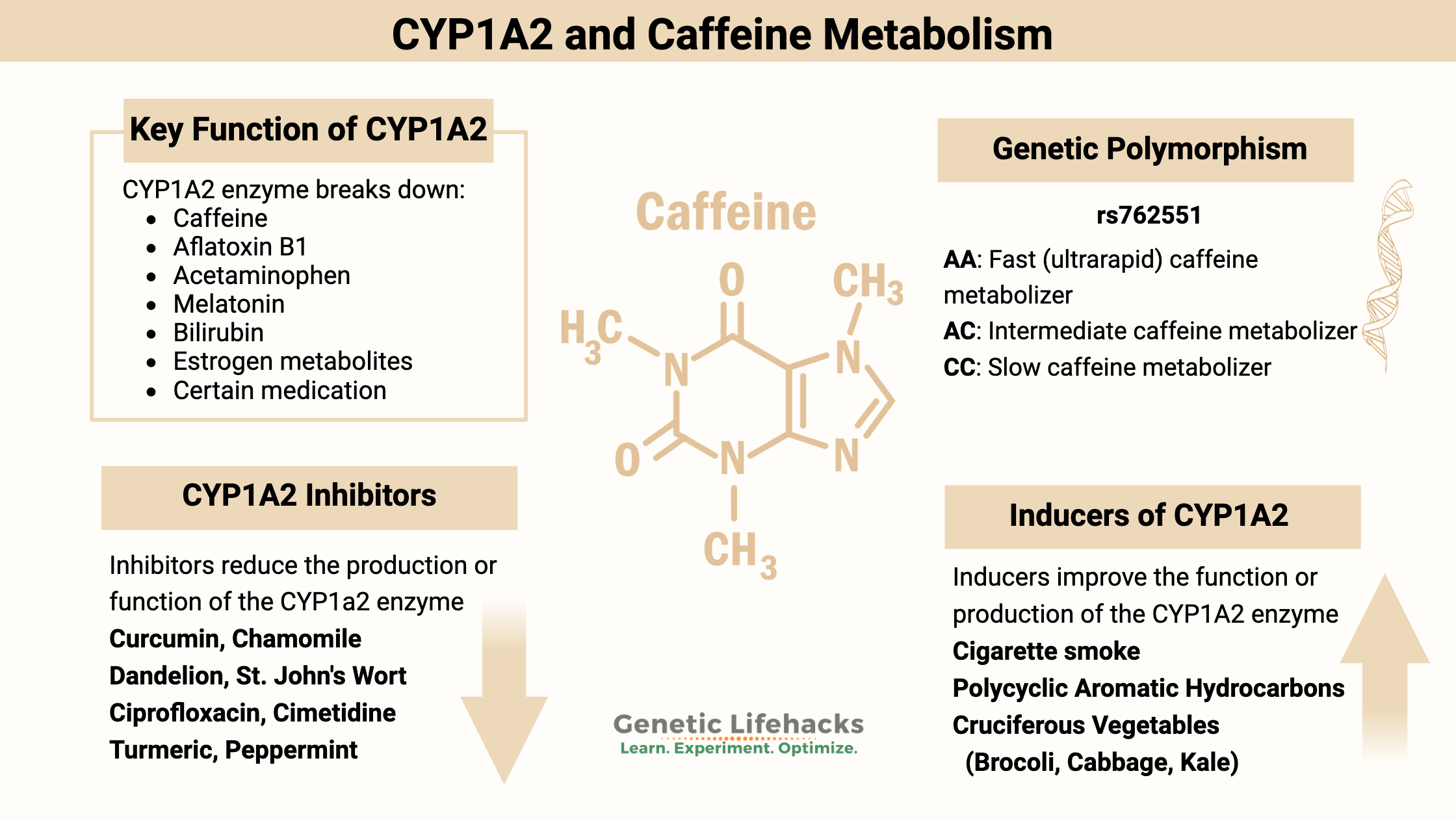
CYP1A2 Gene: Fast or Slow Caffeine Metabolizer and More
CYP1A2 is best known for caffeine metabolism — fast metabolizers clear it quickly, while slow metabolizers are more sensitive to caffeine’s effects. But caffeine is only part of the picture, and this enzyme also processes melatonin, several antidepressants, and is significantly induced by smoking.
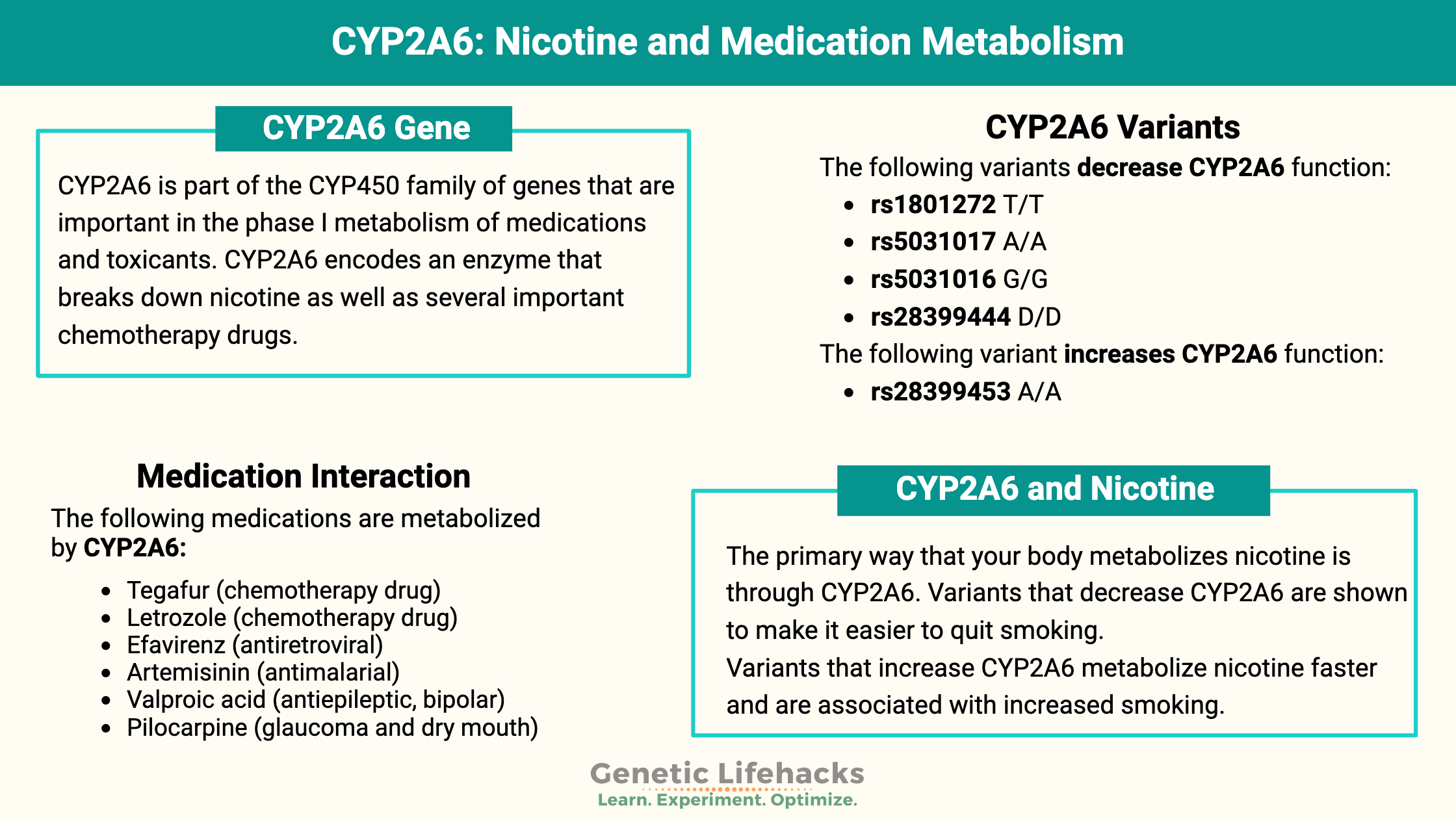
CYP2A6: Breaking down nicotine and other medications
Nicotine is the main substrate of CYP2A6, and your speed as a metabolizer affects smoking risk. Slow metabolizers tend to smoke fewer cigarettes and find it easier to quit. Beyond nicotine, CYP2A6 also processes several cancer medications and other compounds.
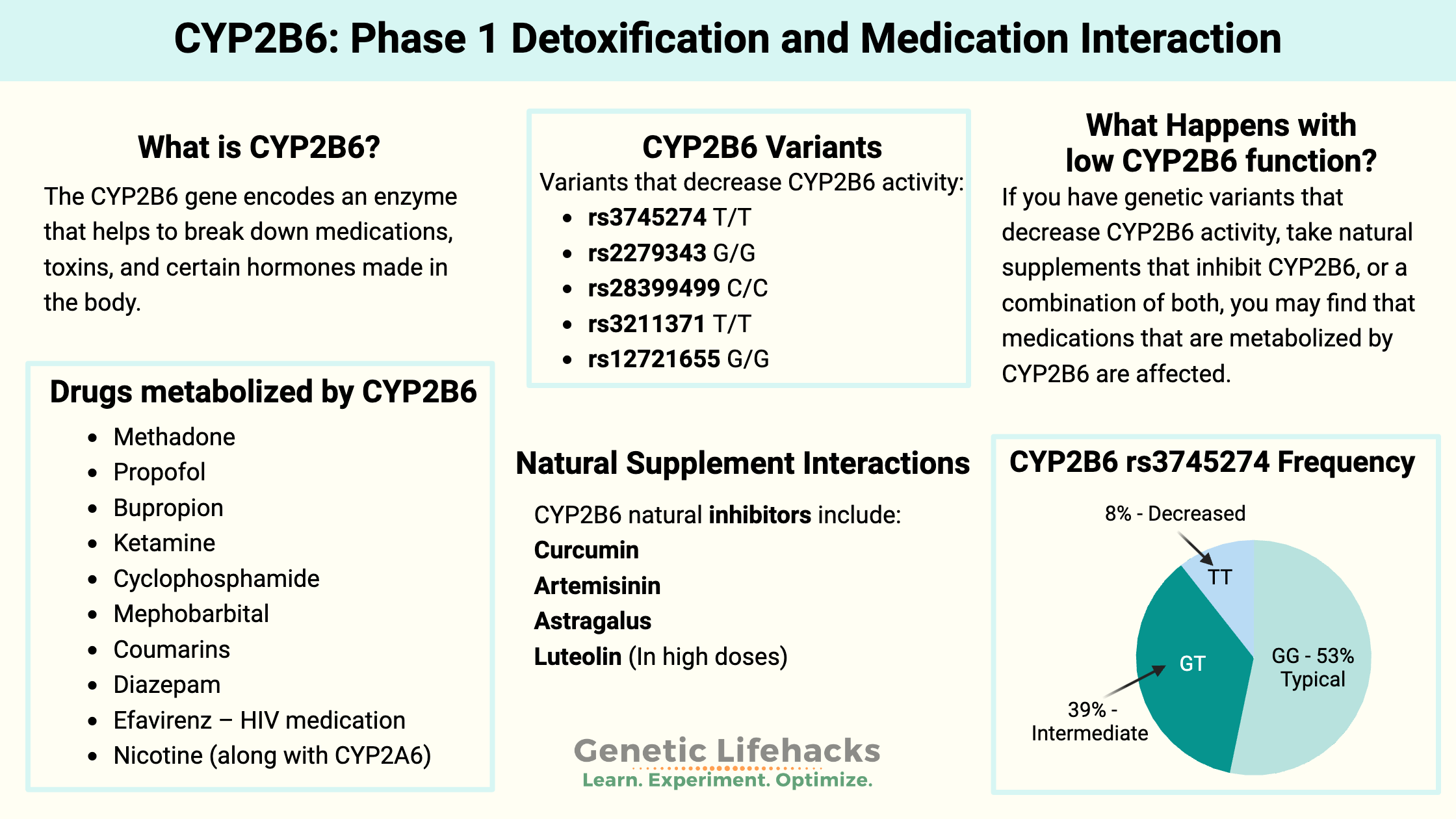
CYP2B6: Genetic Variants That Interact with Medications
CYP2B6 metabolizes a specific but important set of drugs, including efavirenz (HIV medication), the antidepressant bupropion, and methadone. Variants in this gene are somewhat common and can dramatically shift how much of a drug remains active in your body.
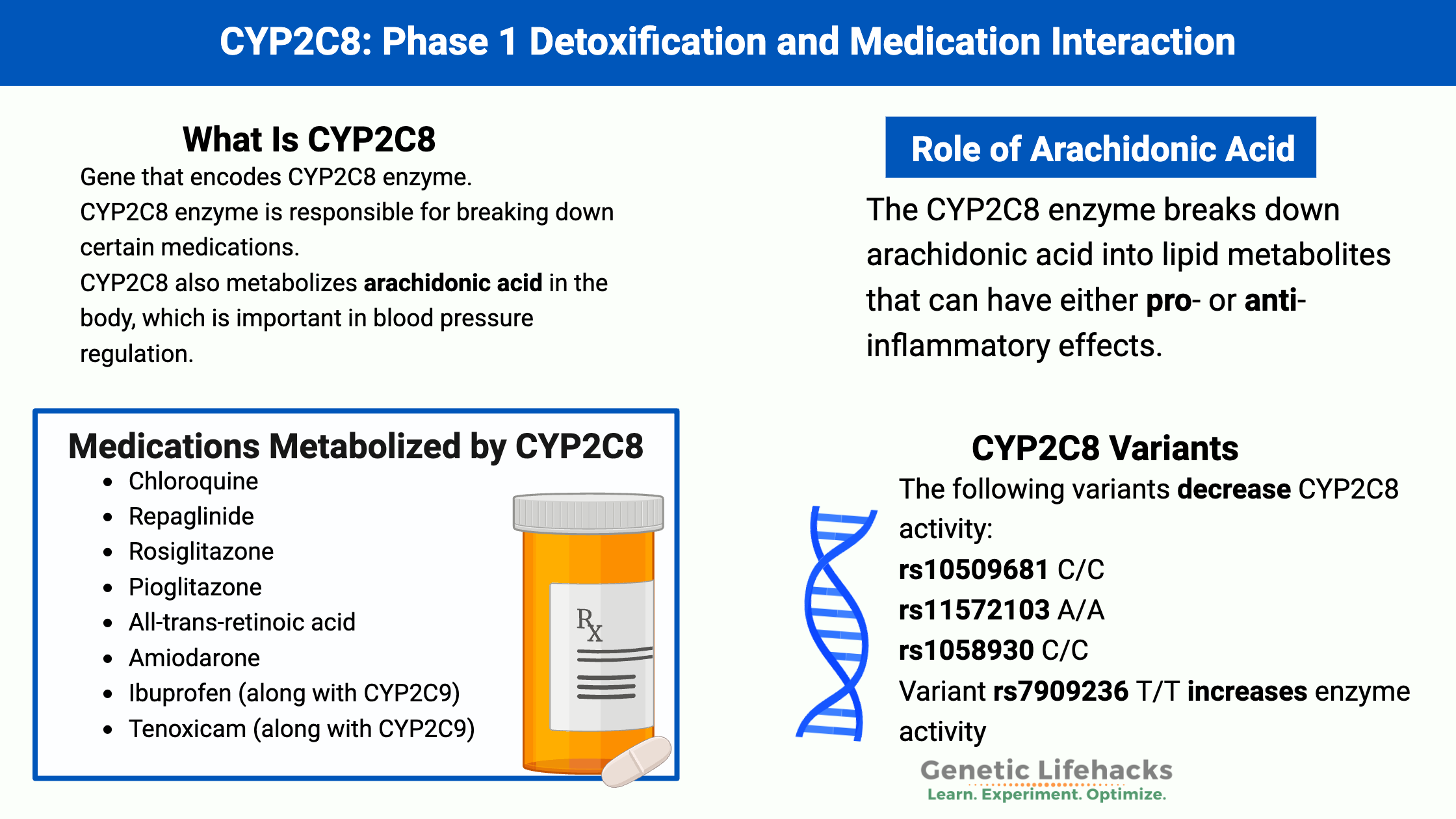
CYP2C8: Prescription Medications and Arachidonic Acid
CYP2C8 metabolizes paclitaxel and other chemotherapy agents, as well as NSAIDs like ibuprofen. It also plays a role in arachidonic acid metabolism, linking it to inflammation. Variants here can increase toxicity risk or reduce drug effectiveness.
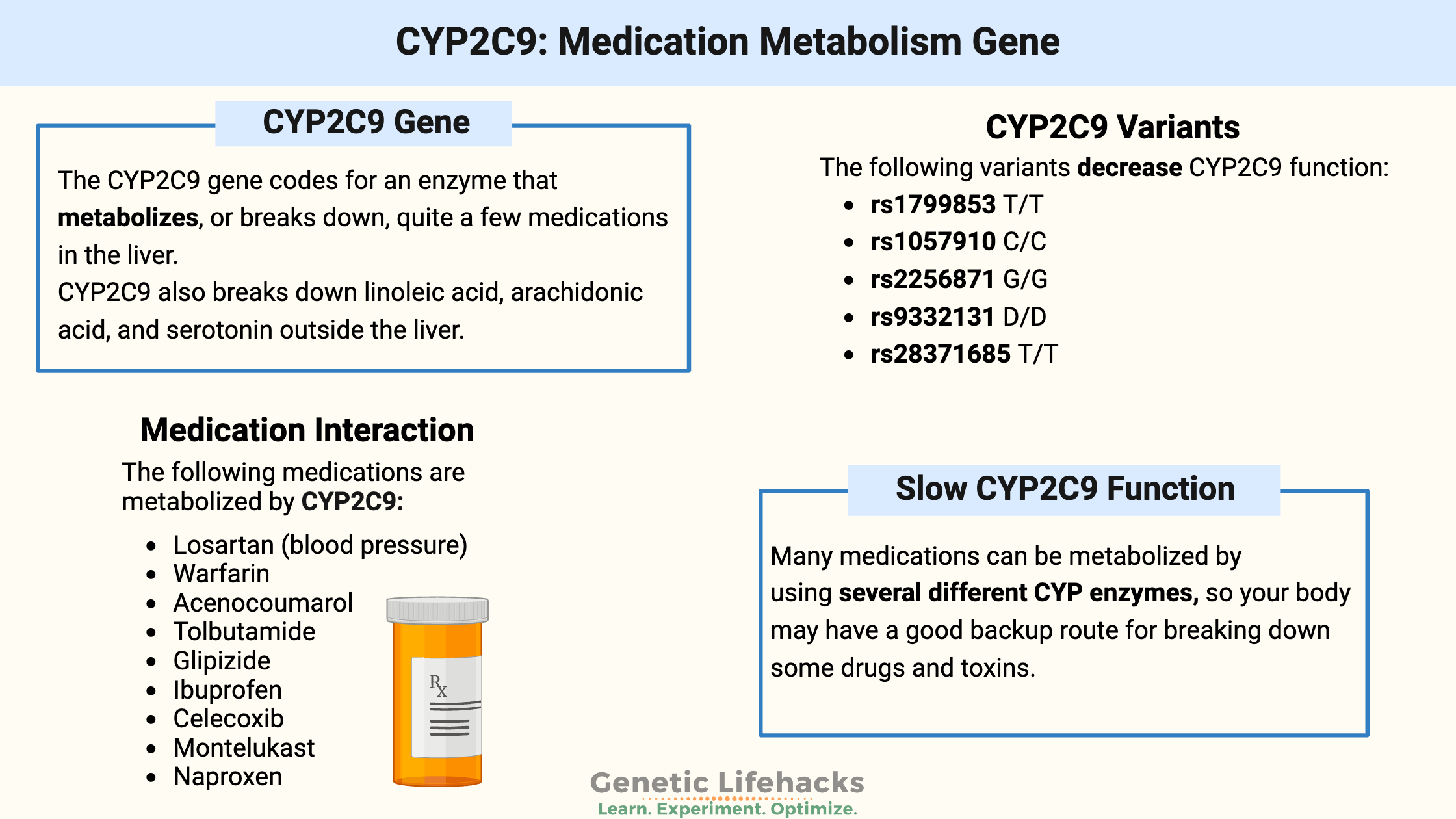
CYP2C9: Genetic Variants and Drug Metabolism
CYP2C9 is one of the most clinically significant CYP genes because its substrates include warfarin (blood thinner), NSAIDs, and several diabetes and blood pressure medications. Poor metabolizers can accumulate dangerously high drug levels, and variants also affect arachidonic acid signaling.
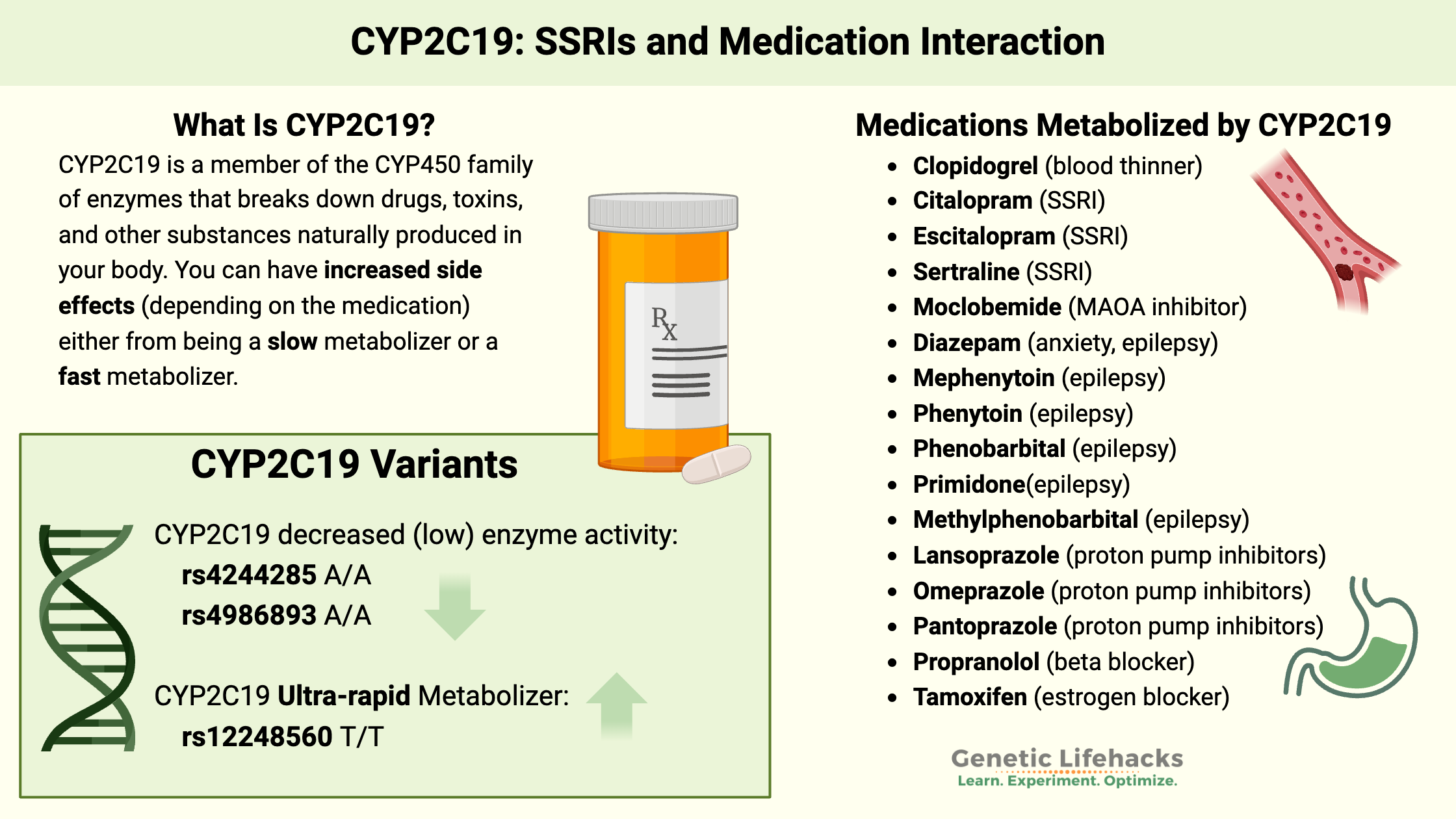
CYP2C19 Genetic Variant Impact Medications (SSRIs, Blood Thinners) and Toxins
CYP2C19 is a well-studied pharmacogenomics gene that metabolizes clopidogrel (Plavix), several SSRIs, oral progesterone, and antacids like omeprazole. A non-functional variant – carried by about 2% of the population – affects medications.
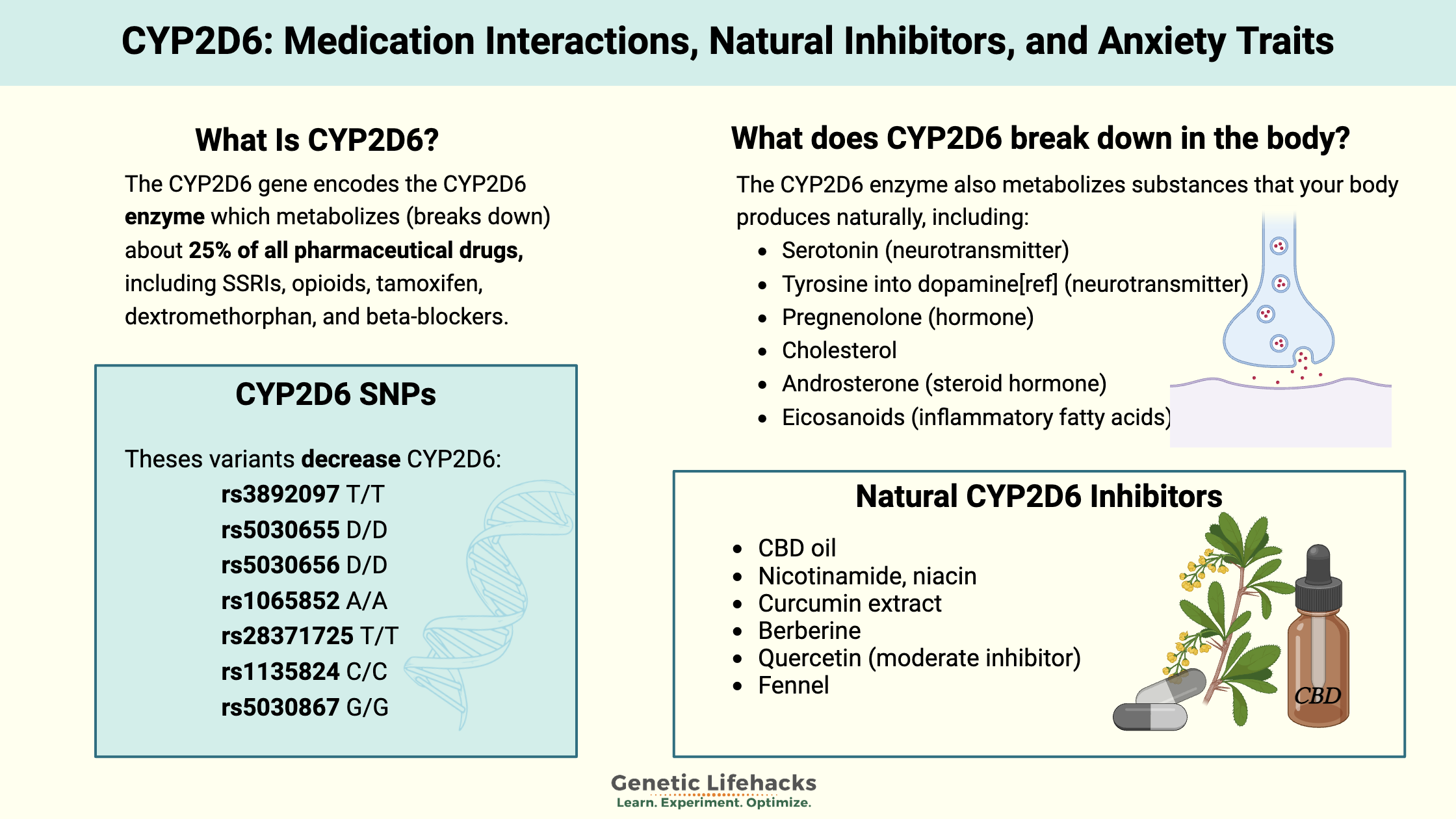
CYP2D6: Medication Interactions, Natural Inhibitors, and Anxiety Traits
CYP2D6 is responsible for metabolizing about 25% of all commonly prescribed medications, including codeine, tamoxifen, many antidepressants, and beta-blockers. This article also covers natural inhibitors and an interesting link to anxiety-related traits.
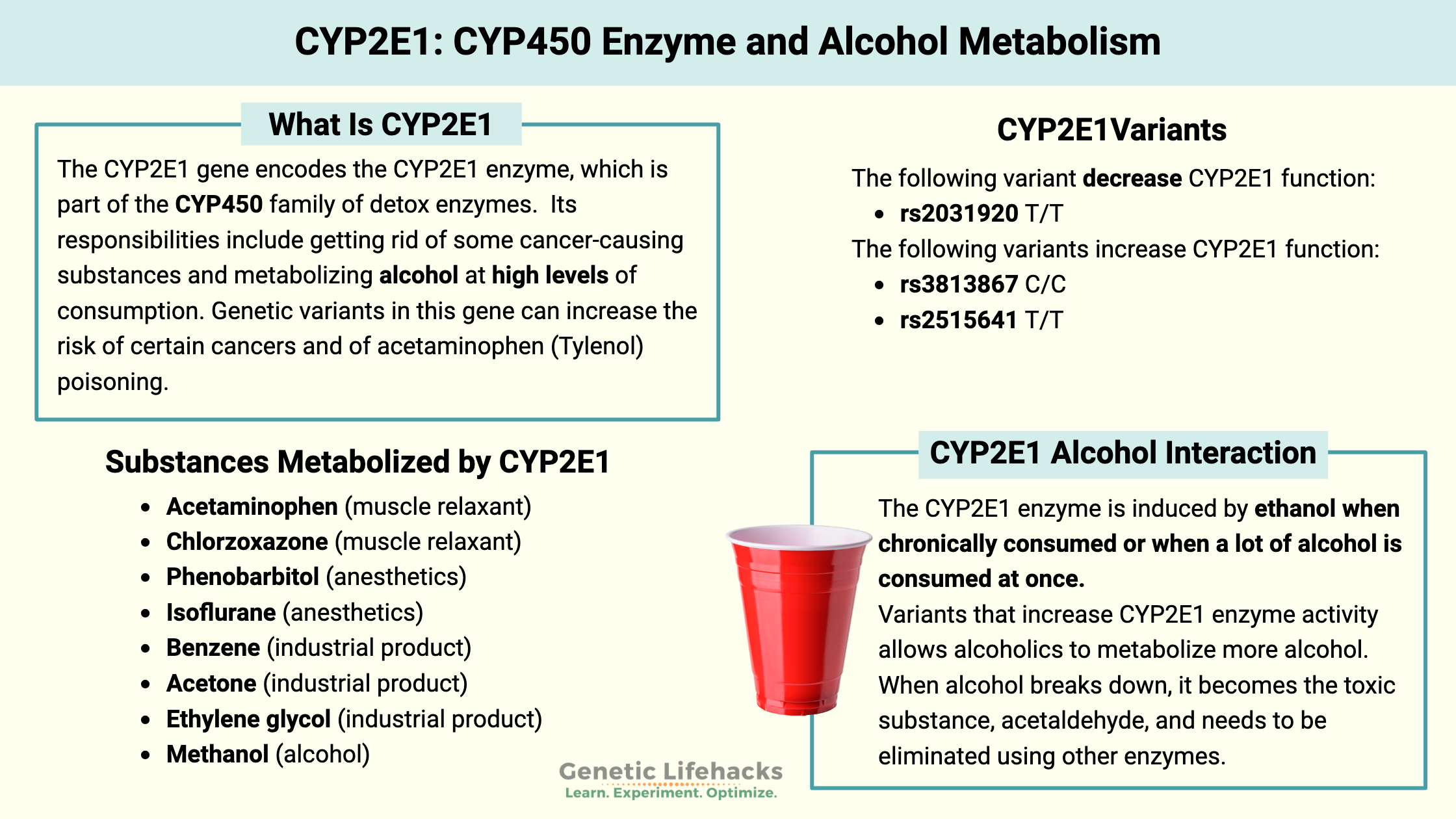
CYP2E1: Breaking down alcohol and more
CYP2E1 takes on substrates that are toxic in excess, including alcohol, acetaminophen, and a range of industrial solvents and chemical exposures. When this enzyme is highly active, it can actually generate more reactive metabolites, causing increased oxidative stress and liver damage.
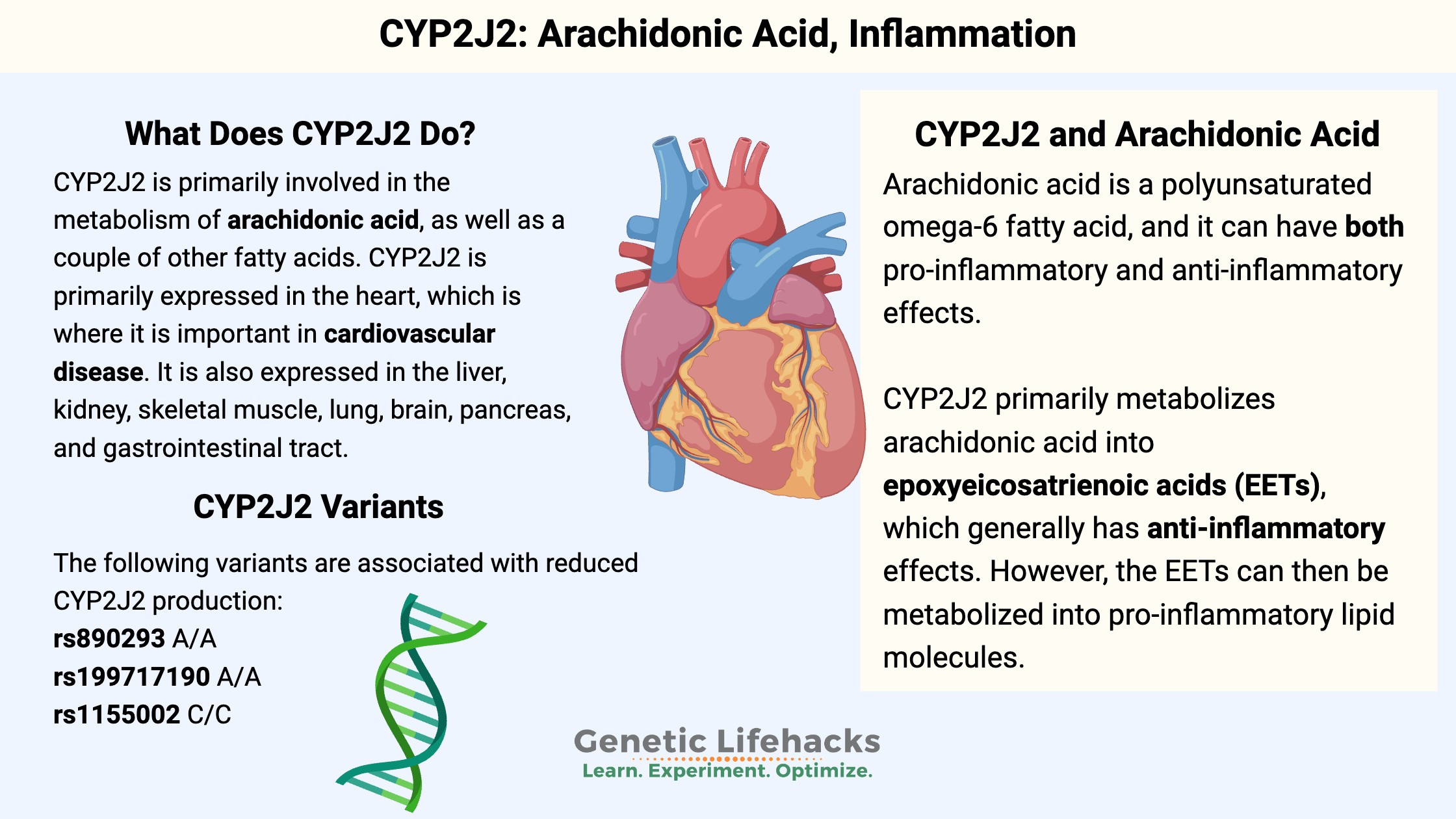
CYP2J2: Arachidonic Acid, Inflammation, and Heart Disease
CYP2J2 is highly expressed in the heart rather than the liver. Its main job is converting arachidonic acid into epoxyeicosatrienoic acids (EETs), which are lipid mediators with cardioprotective and anti-inflammatory properties. Reduced CYP2J2 activity is linked to higher cardiovascular risk and inflammatory conditions.
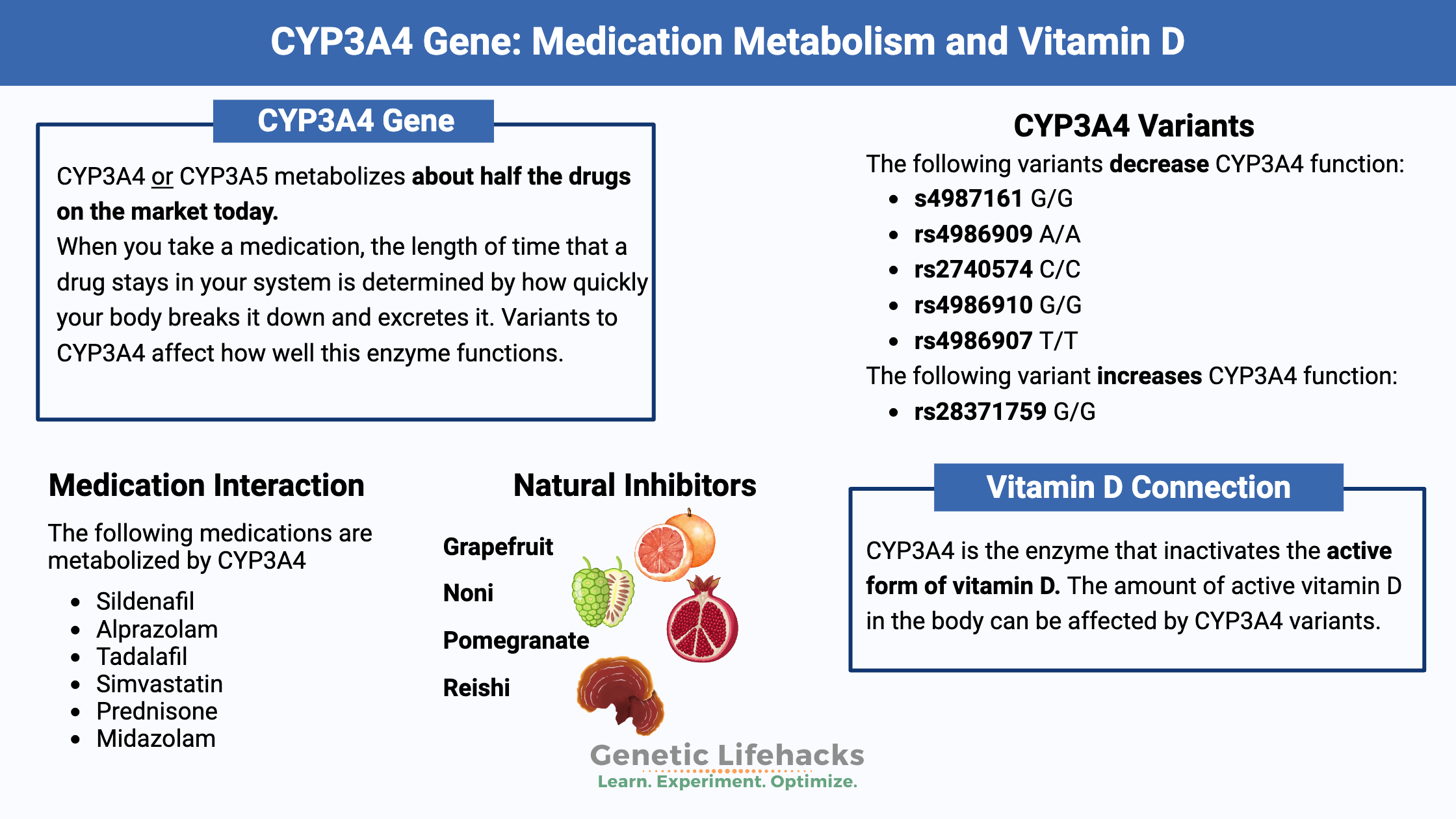
CYP3A4 Gene: Impacting Prescription Drugs
CYP3A4 is the most abundant CYP450 enzyme in the liver and the most important for drug metabolism overall, handling ~50% of prescription medications. It also plays a role in vitamin D activation and steroid hormone clearance. In addition to being affected by genetic variants, grapefruit juice, St. John’s Wort, and other supplements can affect CYP3A4/5 expression.
.
Phase II: Conjugation enzyme genes
Phase II enzymes attach molecules to toxins to make them easier to excrete from the body. Variants here affect estrogen balance, drug clearance, and environmental toxin buildup.
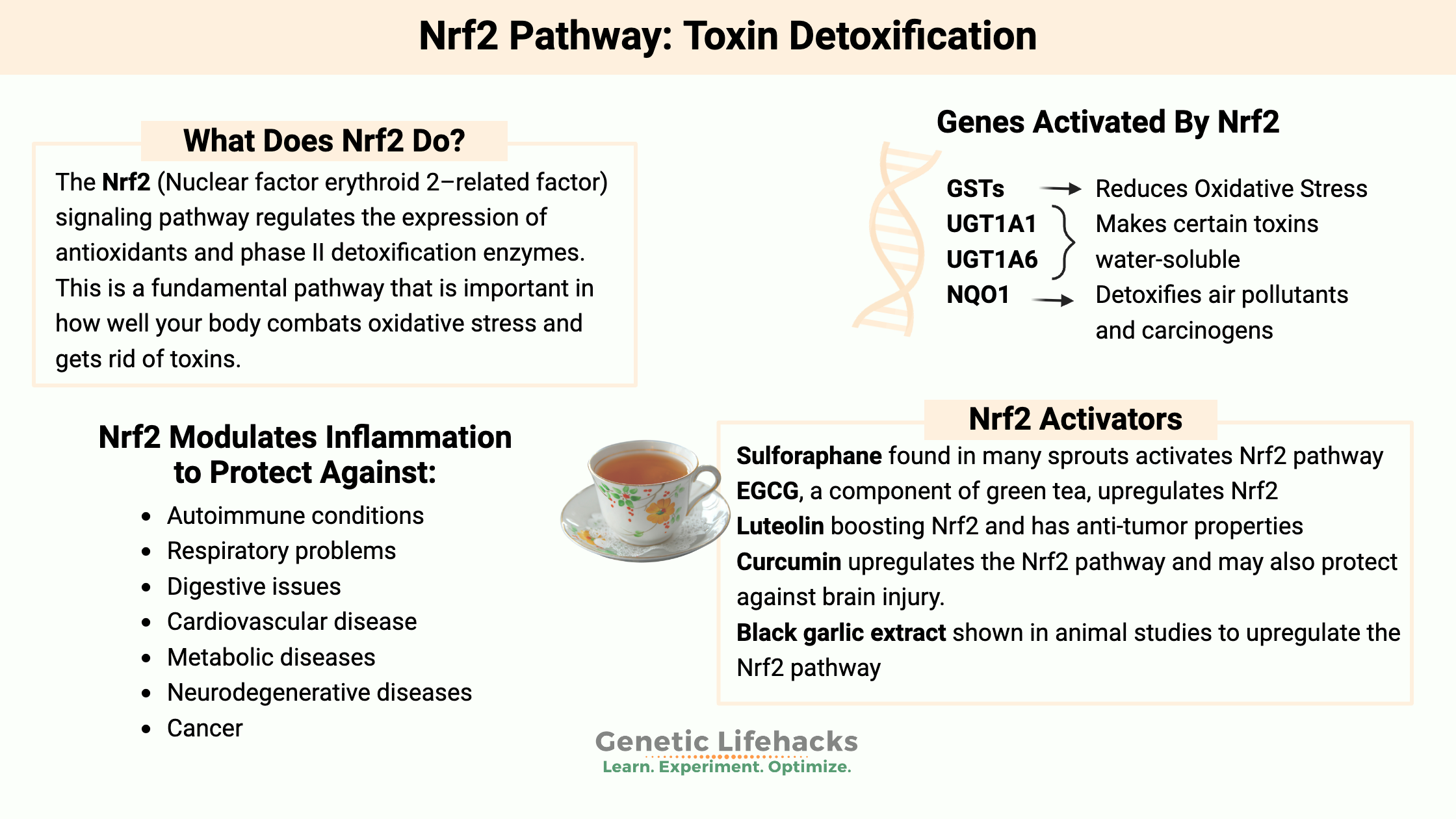
Nrf2 Pathway: Increasing the Body’s Ability to Get Rid of Toxins
Nrf2 is the transcription factor that switches on the genes responsible for glutathione production, antioxidant enzymes, and detox conjugation pathways in phase II detoxification. Variants in the NFE2L2 gene influence how readily your Nrf2 pathway activates in response to toxin exposure.
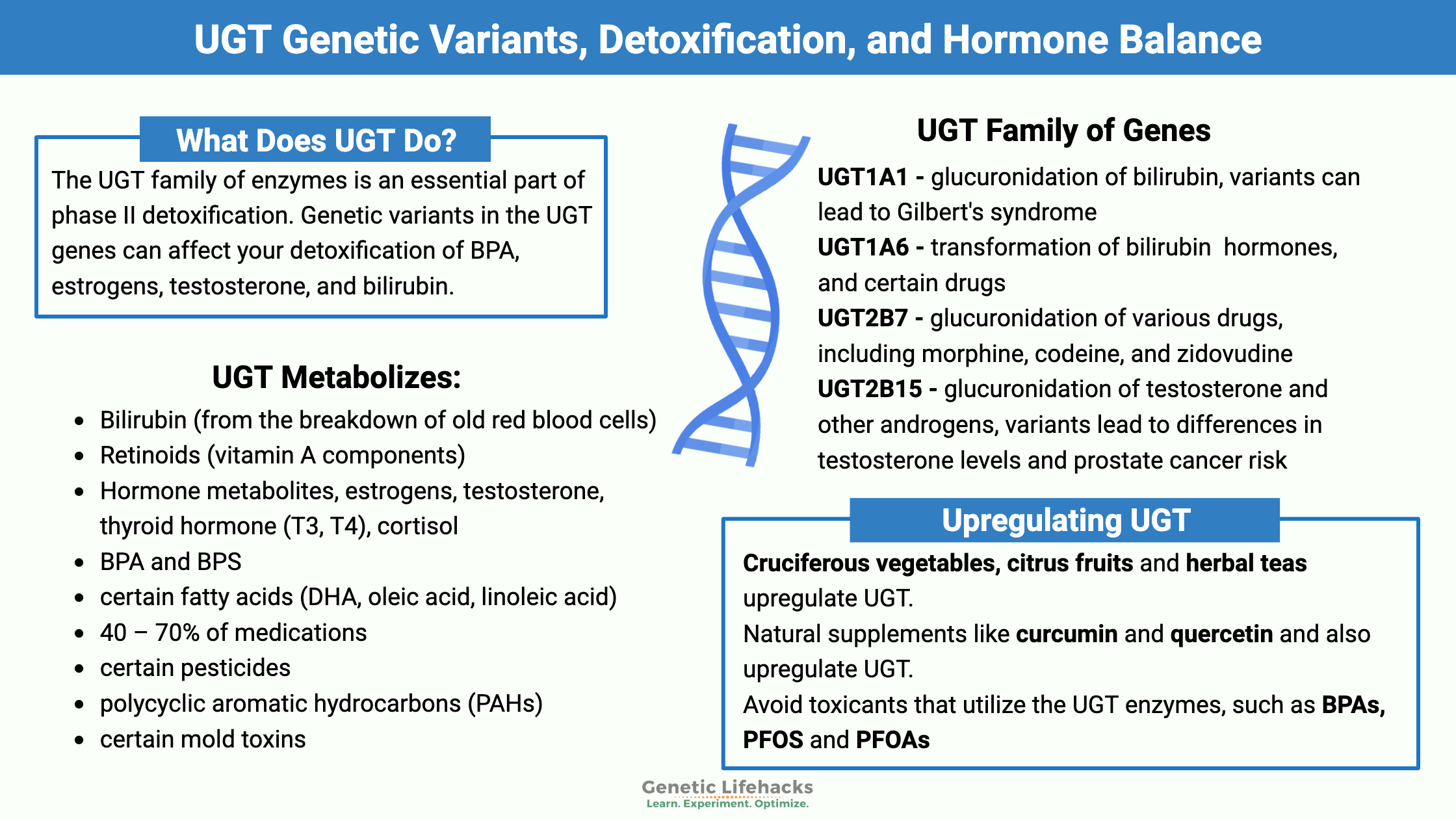
Glucuronidation: UGT Genetic Variants, Detoxification, and Hormone Balance
Glucuronidation is one of the most active conjugation pathways in the liver, responsible for clearing out estrogen, testosterone, bilirubin, many medications, and environmental toxins for excretion. The UGT gene family drives this process, and variants can slow clearance enough to affect hormone balance, toxin clearance, and drug metabolism.
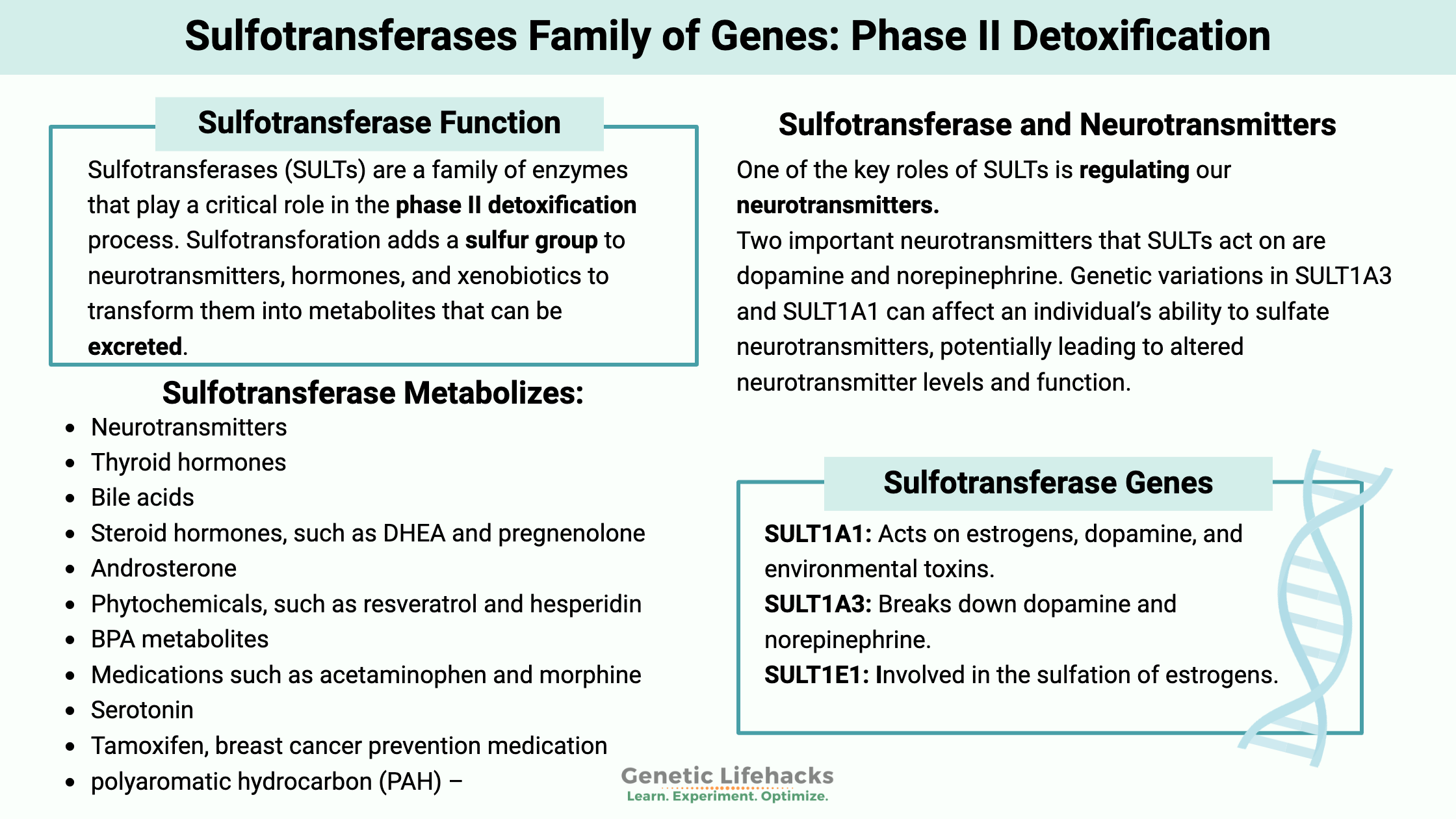
Sulfotransferases: SULT Genes, Phase II Detoxification, and Sulfur
Sulfation, which is carried out by the SULT family of enzymes, is a key phase II detoxification pathway for inactivating estrogens and steroid hormones as well as for clearing neurotransmitters such as dopamine and serotonin. The process requires adequate sulfur, which links diet and gut health to how well this pathway works.
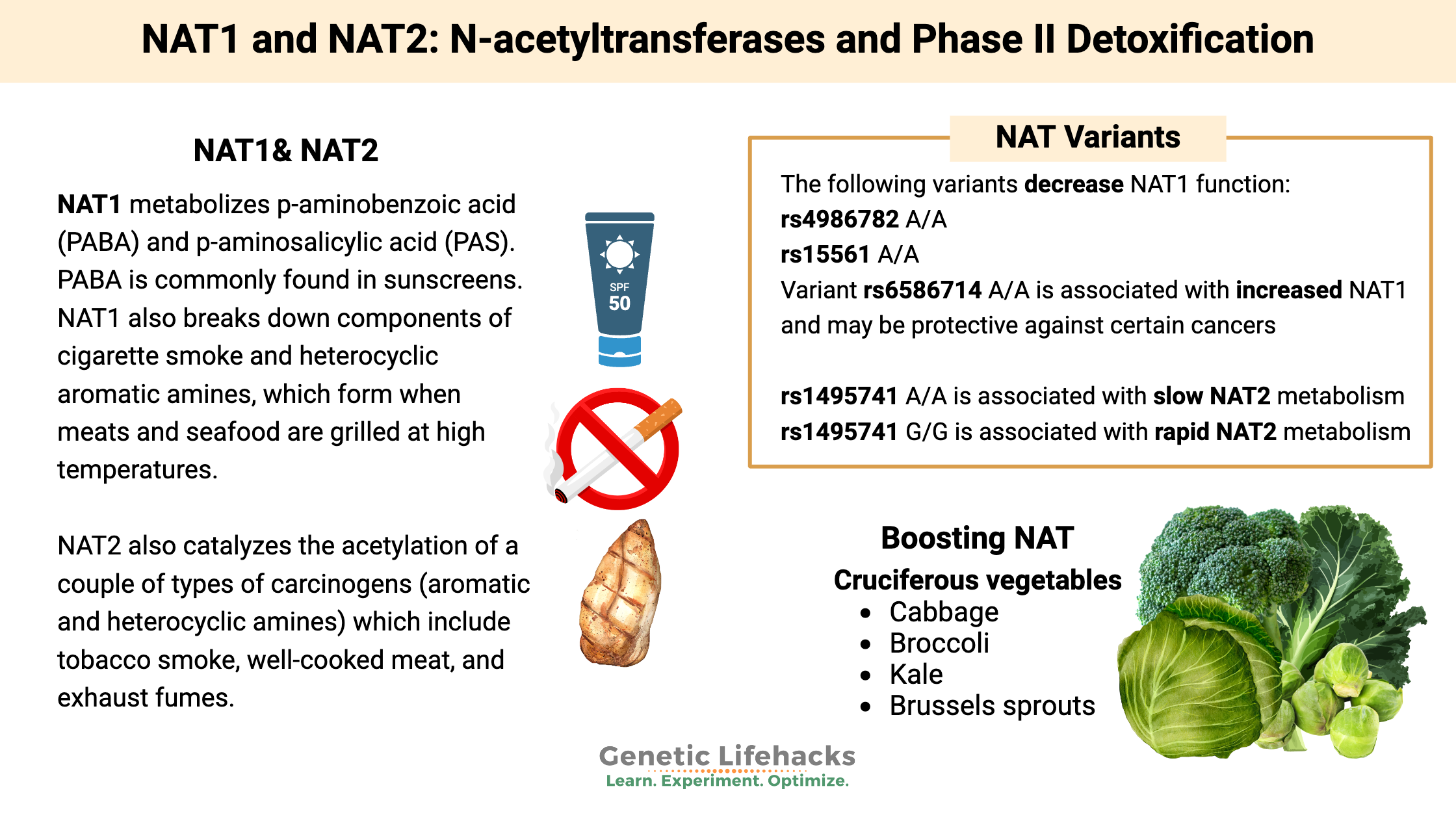
NAT1 and NAT2: N-acetyltransferases and Phase II Detoxification
The NAT enzymes handle a specific but toxicologically important class of compounds: aromatic amines found in cigarette smoke, charred and processed meats, and certain medications. NAT2 slow acetylators accumulate higher levels of these compounds (e.g., cigarette smokers) and face a greater cancer risk. This article explains how to identify your acetylator status from your genetic data.
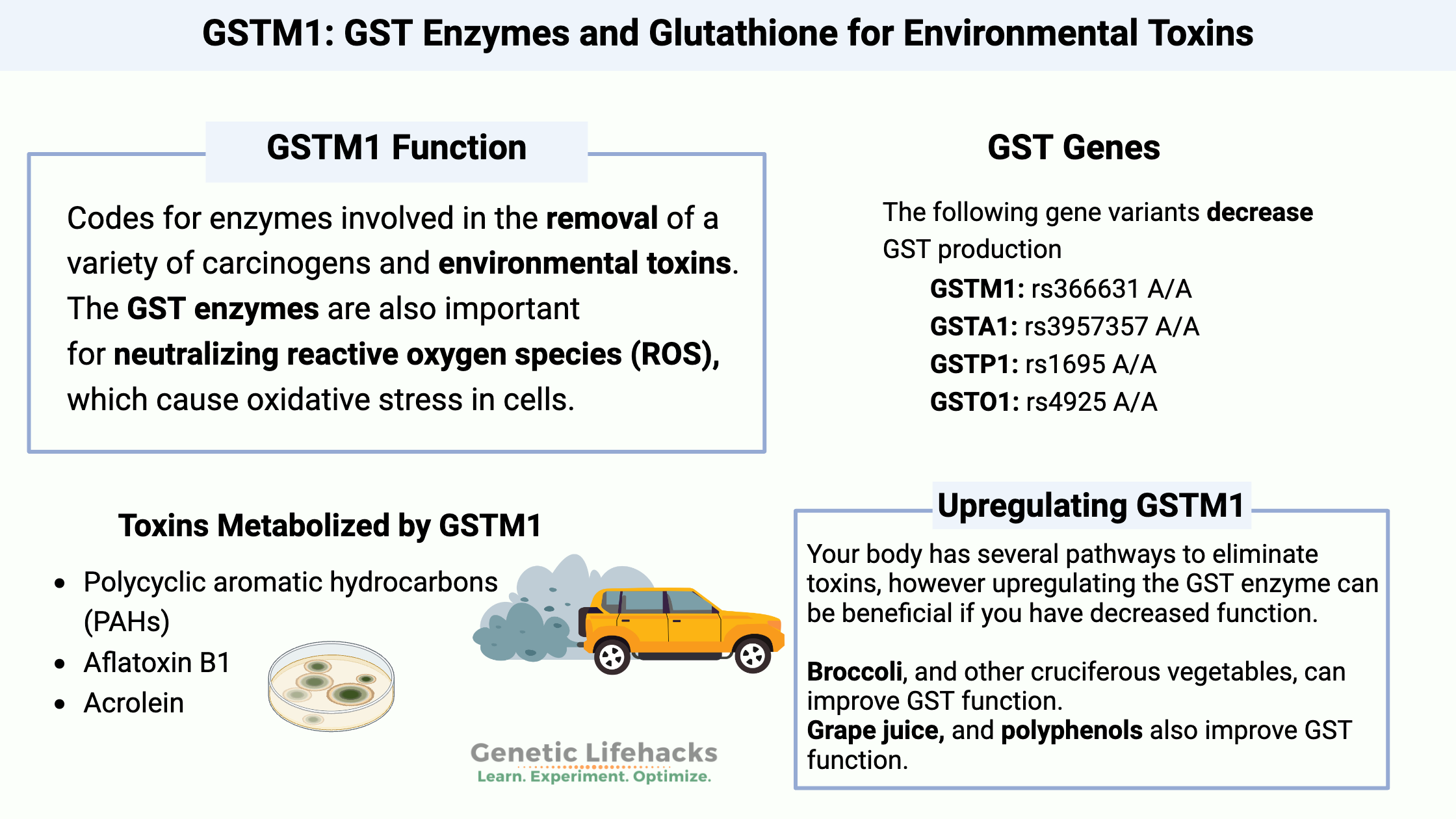
GSTM1: GST Enzymes and Glutathione for Environmental Toxins
Glutathione S-transferase enzymes attach glutathione to reactive toxins, which renders them water-soluble and ready for excretion. This is important for clearing heavy metals, pesticides, and oxidative byproducts. This article covers GSTM1 and related GST variants, and what the null genotype means for daily toxin exposure.
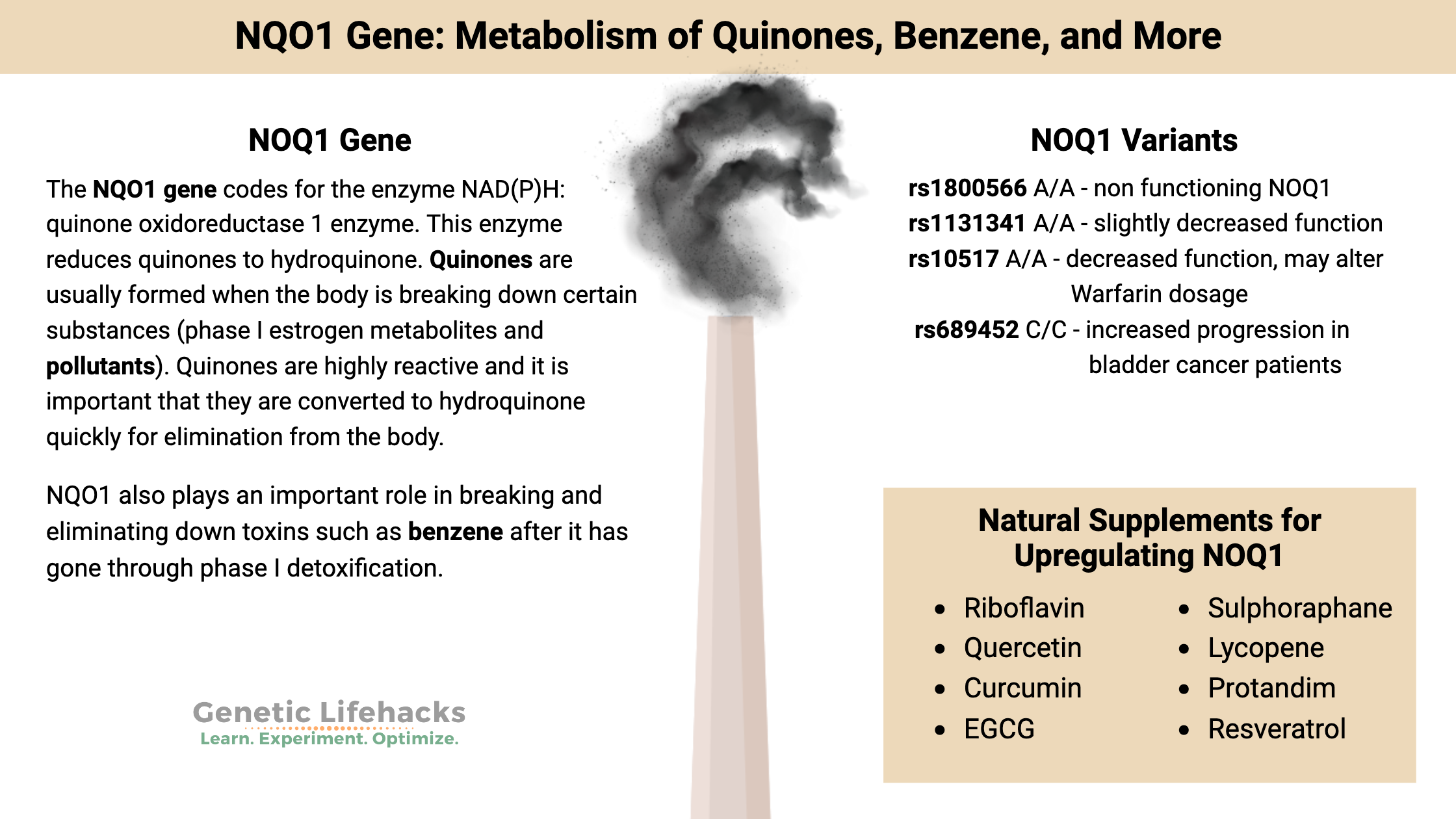
NQO1 Gene: Metabolism of Quinones, Benzene, and More
NQO1 (NAD(P)H quinone oxidoreductase 1) protects cells by converting reactive quinones, which are the toxic byproducts of benzene, air pollution, and cigarette smoke, into less harmful forms before they can damage DNA. It also plays a role in recycling vitamins C and E as antioxidants.
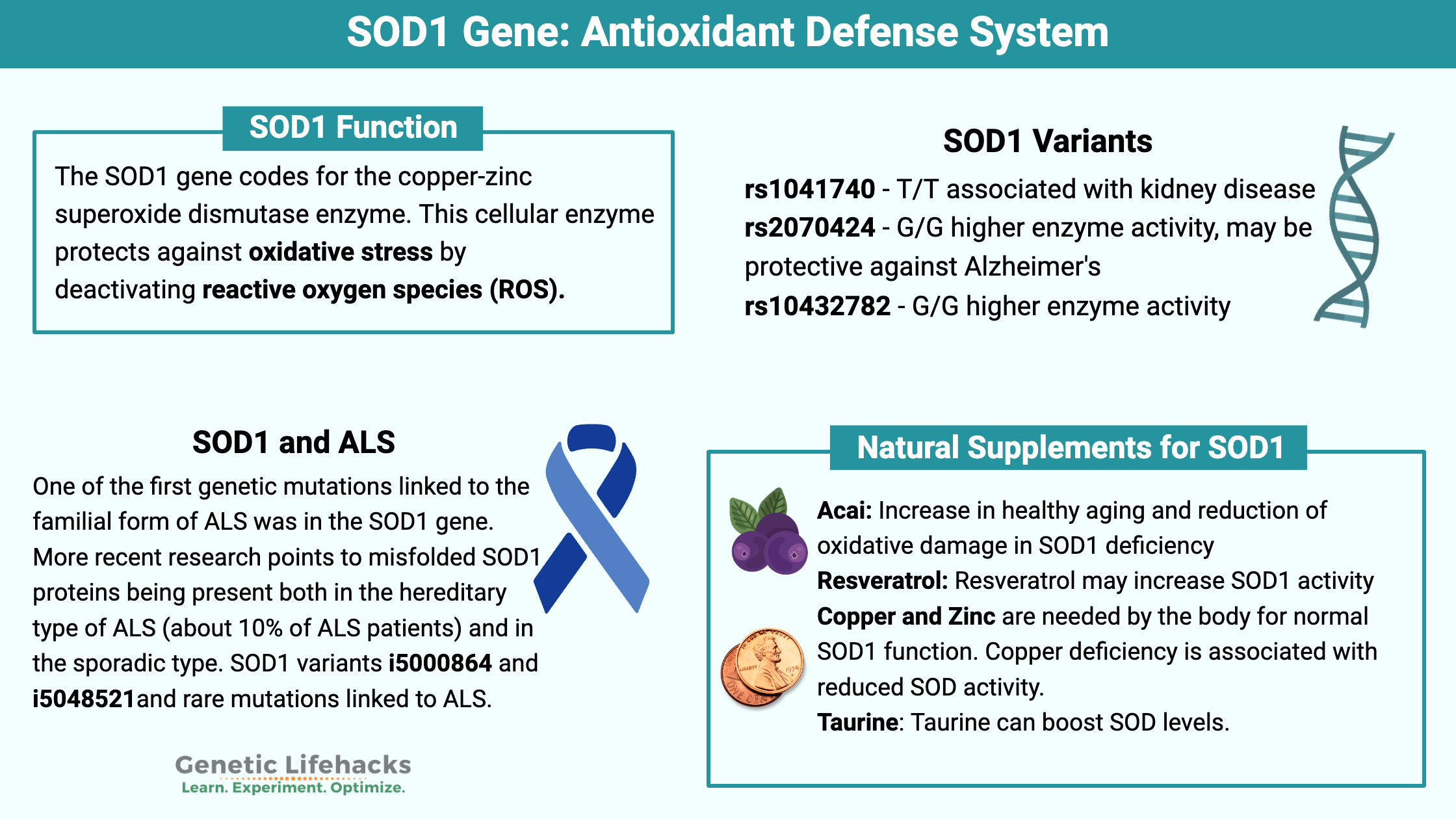
SOD1 Gene: Your Antioxidant Defense System
Superoxide dismutase 1 (SOD1) is one of the body’s primary defenses against oxidative stress, converting damaging superoxide radicals into less harmful hydrogen peroxide. SOD1 operates inside the cell rather than in the liver, which makes it relevant to mitochondrial health, neurological function, and chronic disease risk.
Transporter genes
Transporters move substances into and out of cells. Variants here affect how well medications reach their targets or how well you excrete processed toxins.
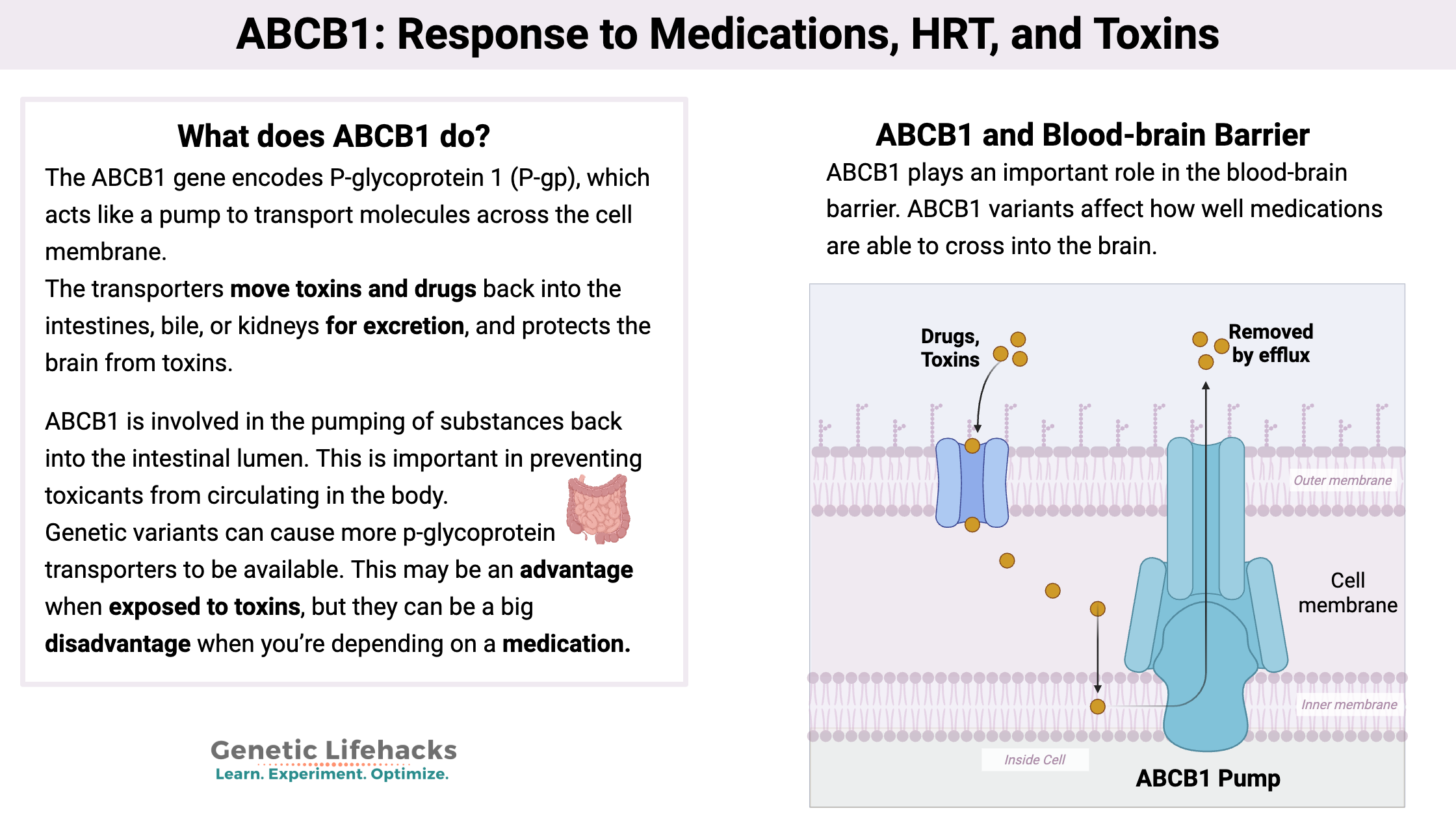
ABCB1 (P-glycoprotein): Response to Medications, HRT, and Environmental Toxins
P-glycoprotein, encoded by ABCB1, acts as a cellular efflux pump that actively pushes out drugs, environmental toxins, and hormones from cells before they can accumulate. It’s highly expressed at the blood-brain barrier, intestinal lining, kidneys, placenta, and skin. Genetic variants affect medication efficacy, HRT response, amyloid clearance, and Parkinson’s risk from pesticide exposure.
.
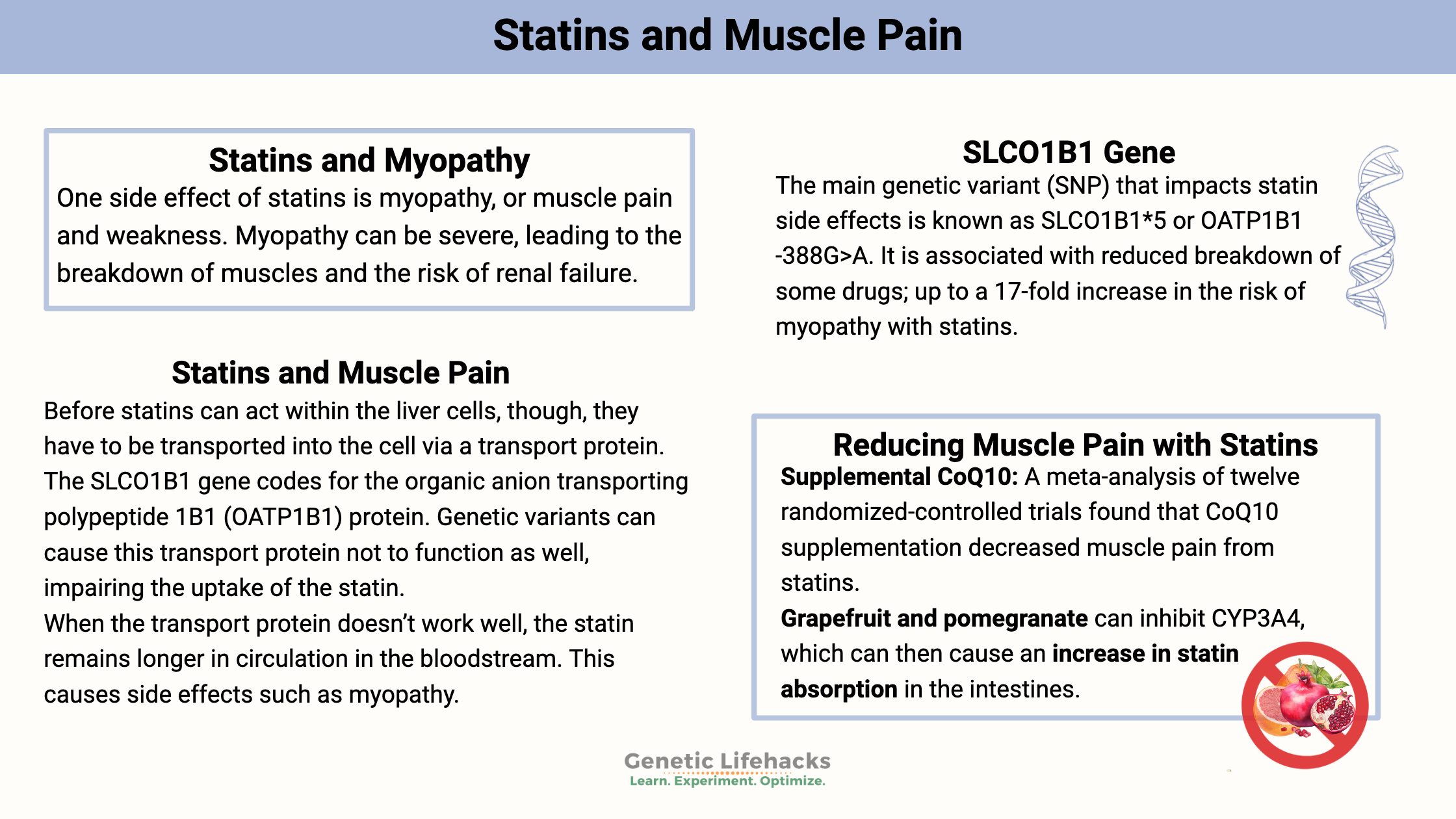
Will statins give you muscle pain? SLCO1B1 and ABCG2
Statins lower cholesterol by inhibiting HMG-CoA reductase, but before they can act in the liver, they have to be transported into liver cells via SLCO1B1 (OATP1B1). When this transporter doesn’t function well, statins remain in circulation longer. SLCO1B1 variants raise myopathy risk from statins. A second transporter gene, ABCG2, also plays a role in cholesterol transport and has been linked to either muscle pain or liver problems from statins.
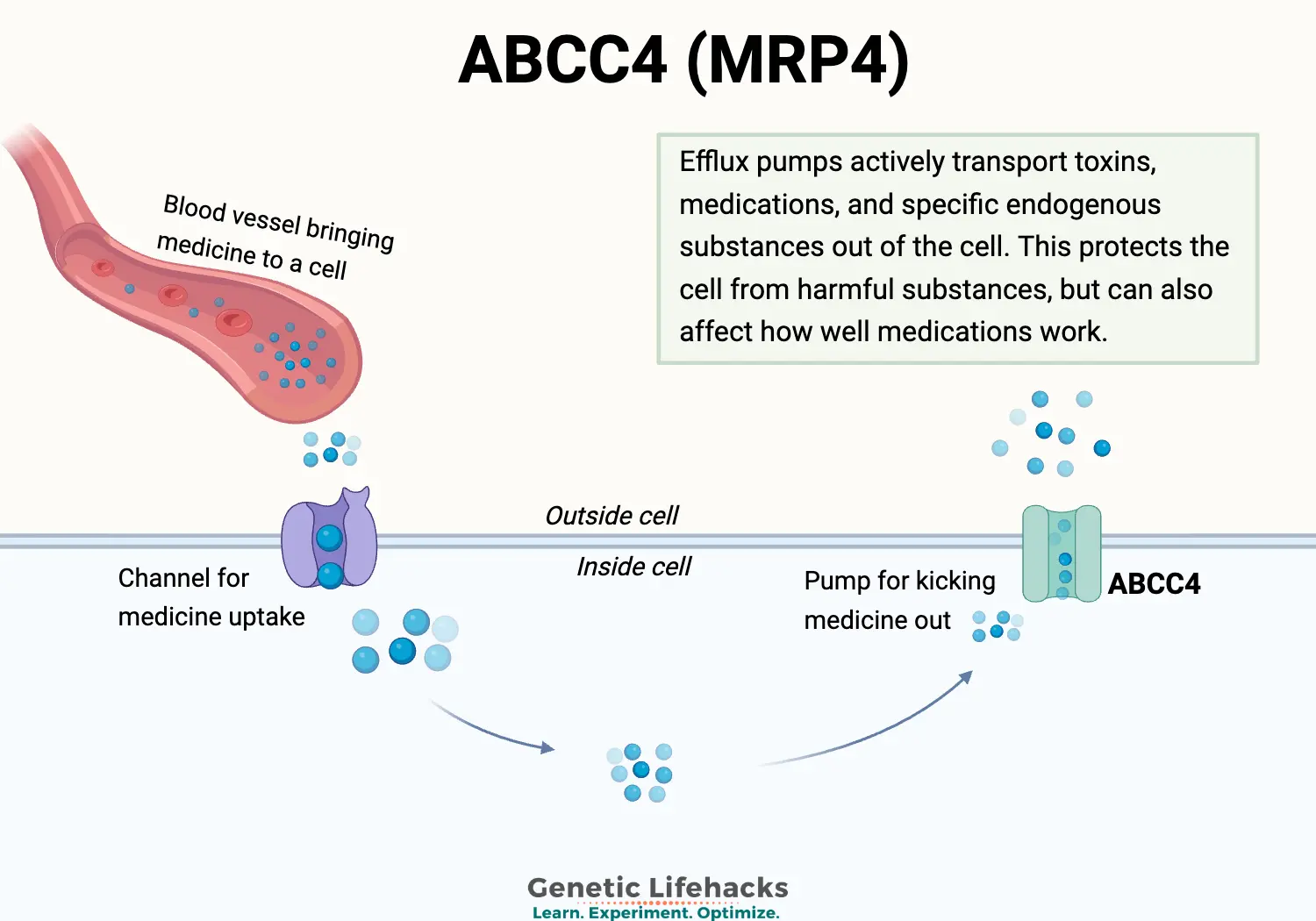
ABCC4 (MRP4) Gene: Drug Transport, Genetic Variants, and Medication Response
Learn how the ABCC4 (MRP4) gene transports drugs, toxins, cAMP, and prostaglandins. Explore common variants, medication interactions, and factors that alter ABCC4 activity.
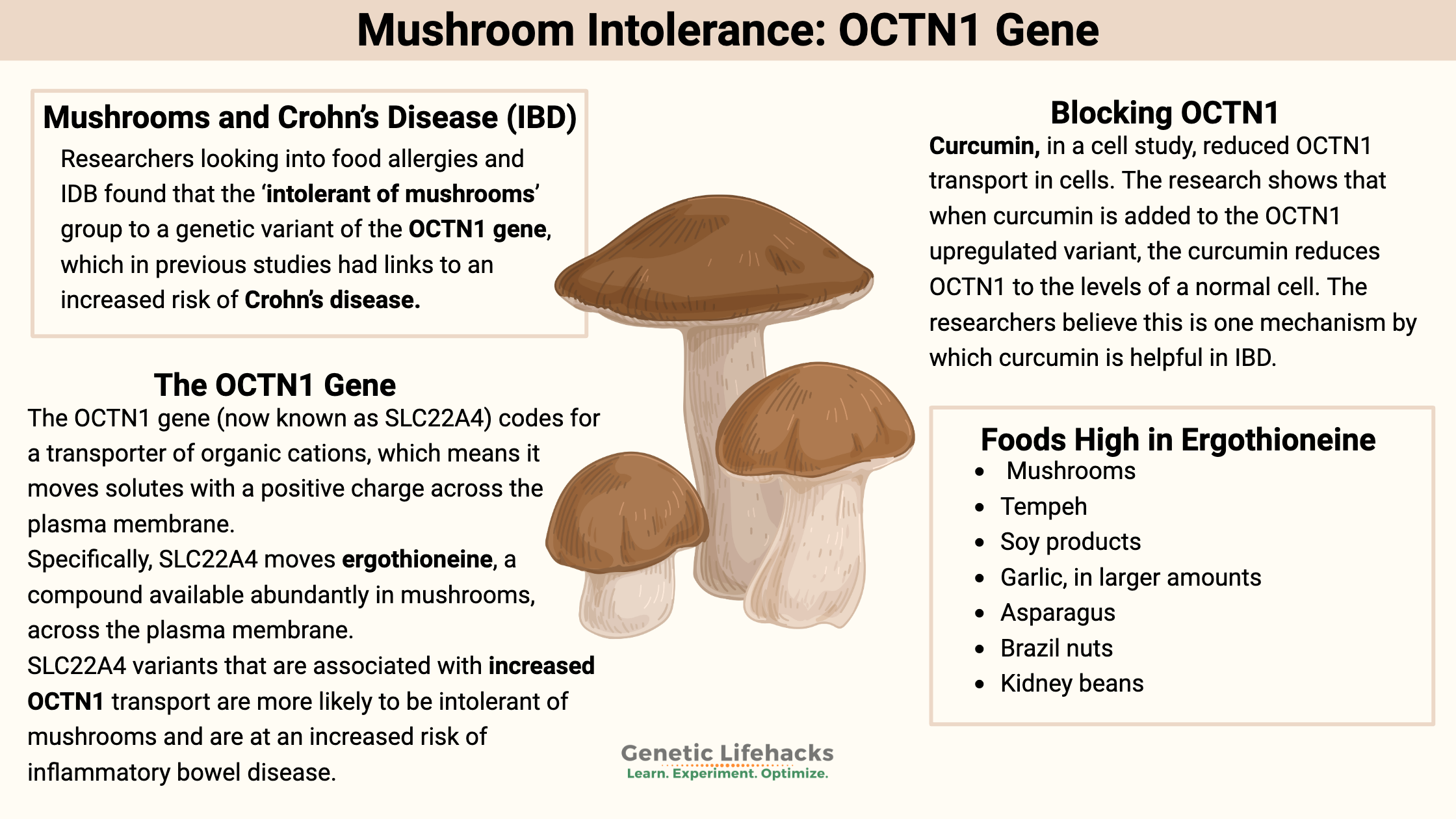
Mushroom Intolerance: Ergothioneine and the OCTN1 Gene
Mushrooms contain a healthy antioxidant called ergothioneine. But for people with an SLC22A4 (OCTN1)transporter genetic variant, this antioxidant can be too much of a good thing, leading to intestinal problems in IBD.
Heavy metal detoxification genes
Genetic variants influence how effectively your body excretes heavy metals like mercury, arsenic, and lead.
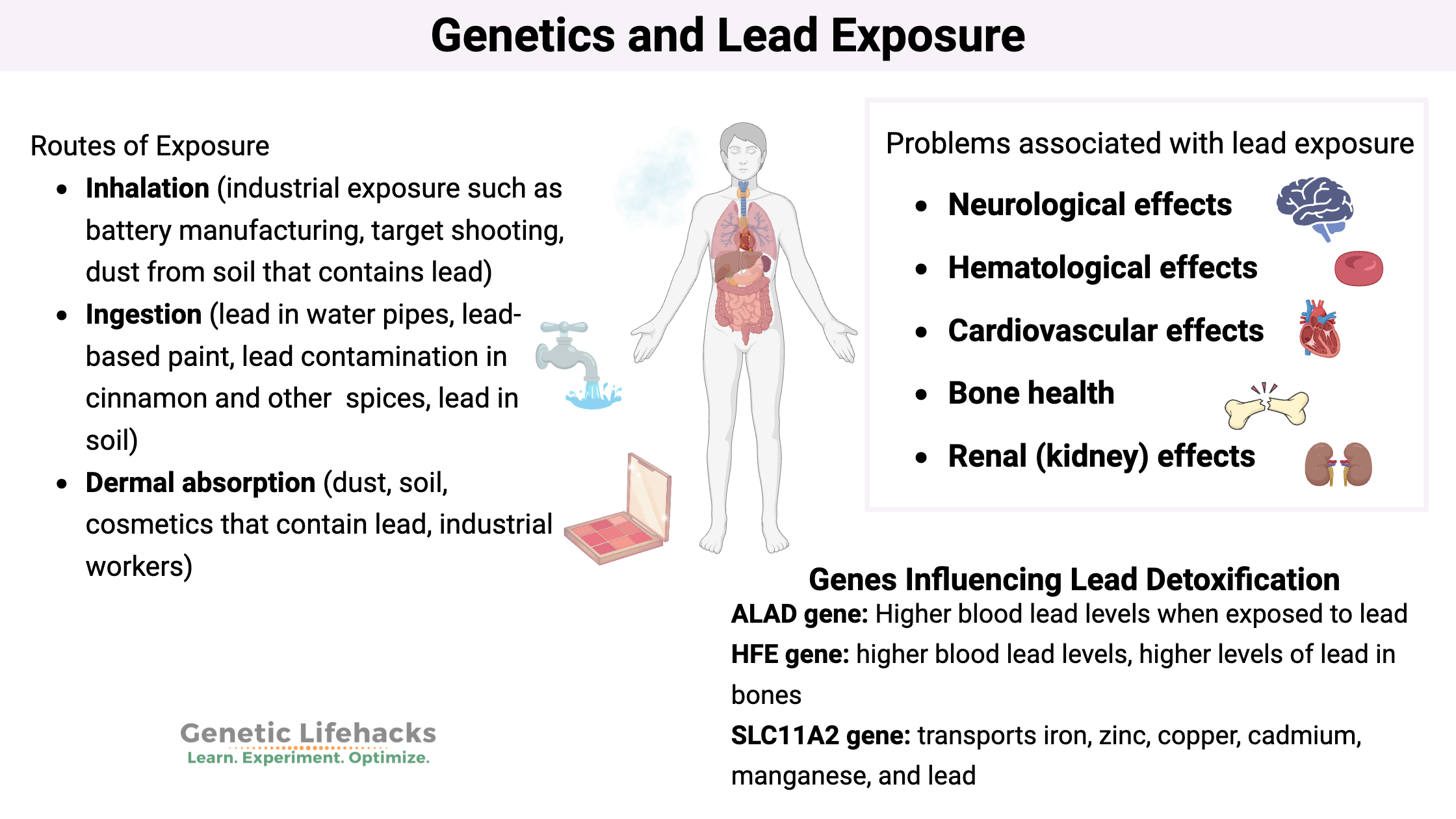
Getting the Lead Out: Genetics and Lead Exposure
Lead exposure is a problem with old house paint, contaminated soil, plumbing fixtures, and industrial exposure. Once absorbed, its health effects include neurological damage, decreased red blood cell production, and cardiovascular effects. Variants in the heme system, VDR, and iron-related genes shift the threshold at which lead causes harm, meaning two people with identical exposures can have very different health outcomes.
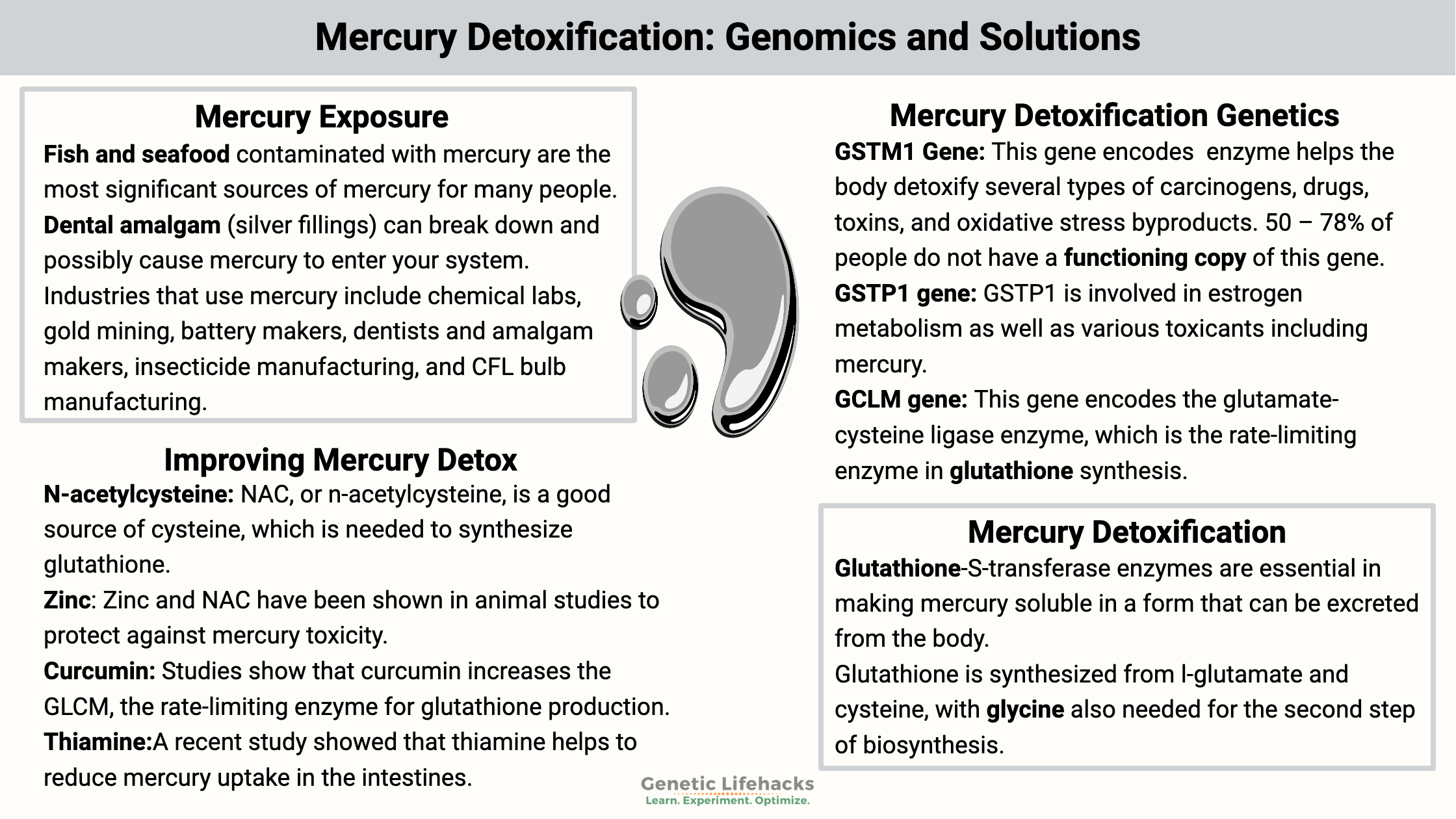
Mercury Detoxification: Genomics and Solutions
Mercury is toxic even at very low levels, accumulating in the central nervous system and kidneys and causing neurological effects ranging from memory impairment to tremor. Organic mercury (methylmercury from fish) is significantly more dangerous than inorganic forms and crosses the blood-brain barrier readily. Genetic variants determine how quickly individuals can excrete mercury.
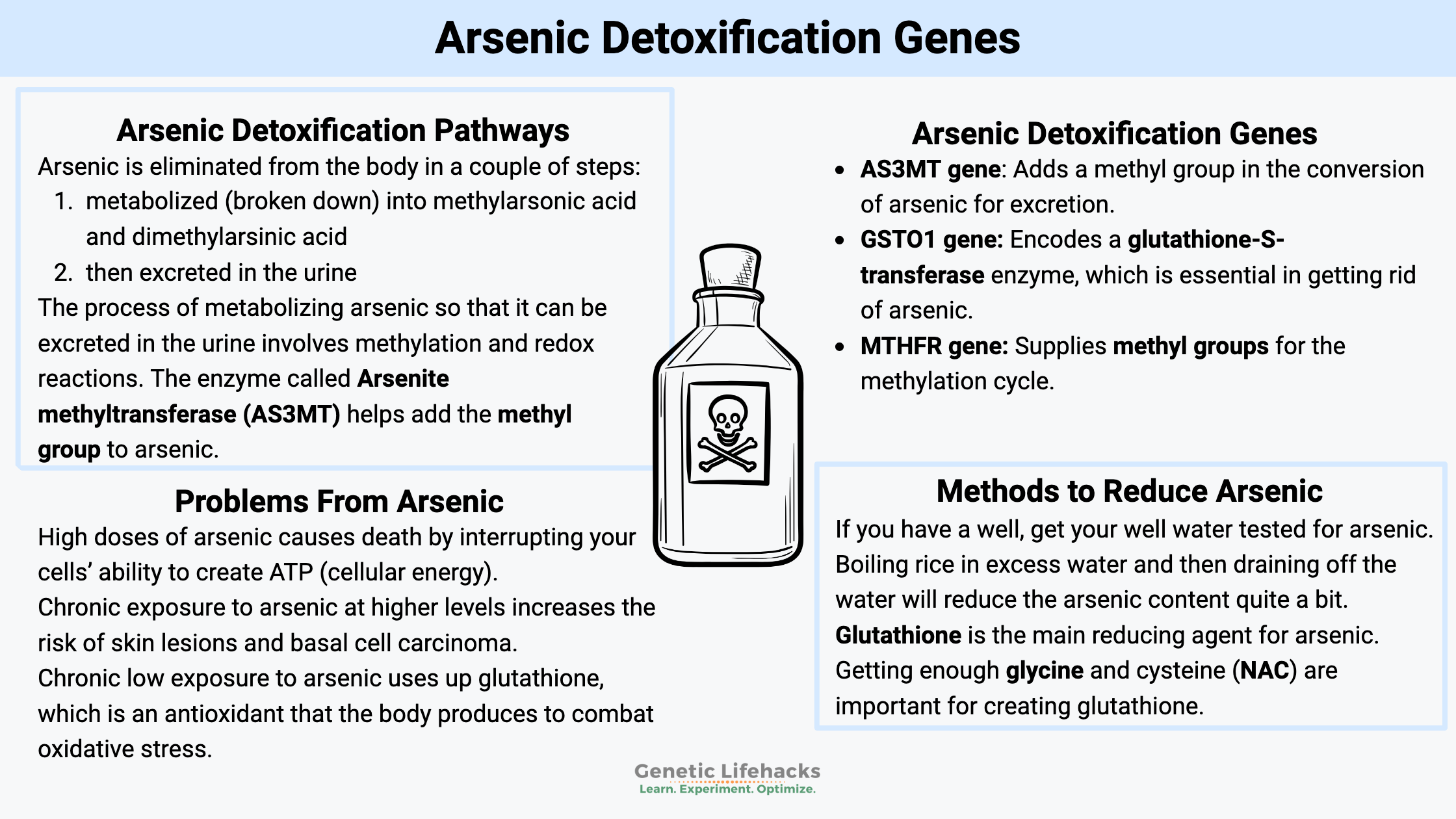
Arsenic Detoxification and Your Genes
Arsenic exposure is common -about 7% of US water wells exceed EPA thresholds, rice absorbs it from soil, and people on gluten-free diets show nearly double the urinary arsenic due to rice-flour products. The body clears arsenic through AS3MT-mediated methylation, a process that requires both glutathione and adequate methyl groups. With AS3MT or GSTO variants, toxic intermediates accumulate, increasing breast cancer and skin cancer risk.
Environmental & chemical toxin exposure
How your genes affect your susceptibility to everyday chemical exposures — plastics, pesticides, mold, and more.
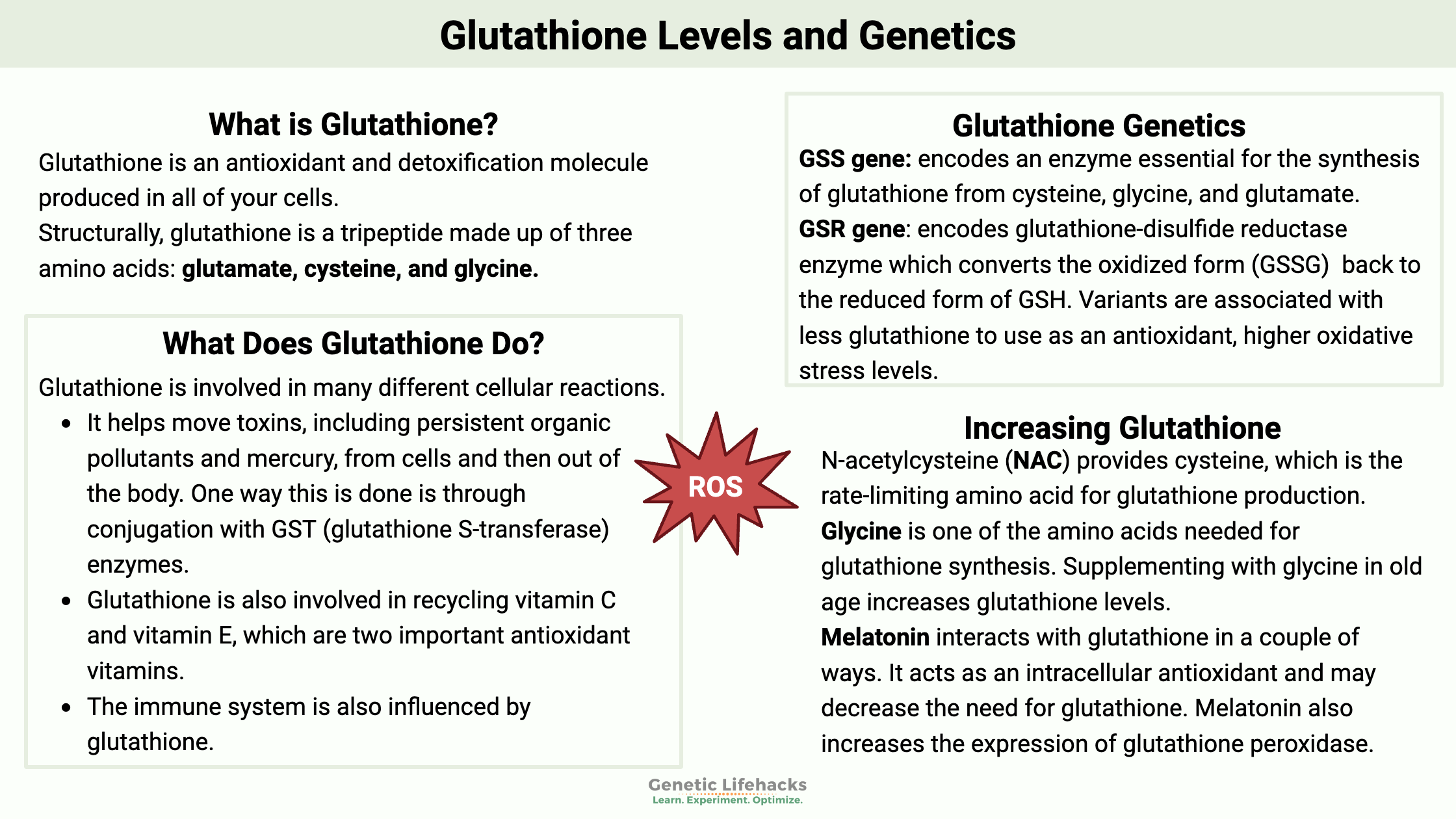
Glutathione: Master Antioxidant, Reducing Oxidative Stress, and Detoxification
Glutathione is required for arsenic methylation, mercury excretion, mycotoxin clearance, and acetaminophen detoxification. Genetic variants that affect production enzymes (particularly GCLC and GSS) are important. This article covers which variants matter, how oxidative stress depletes glutathione, and what the evidence shows for diet and supplements to support production.
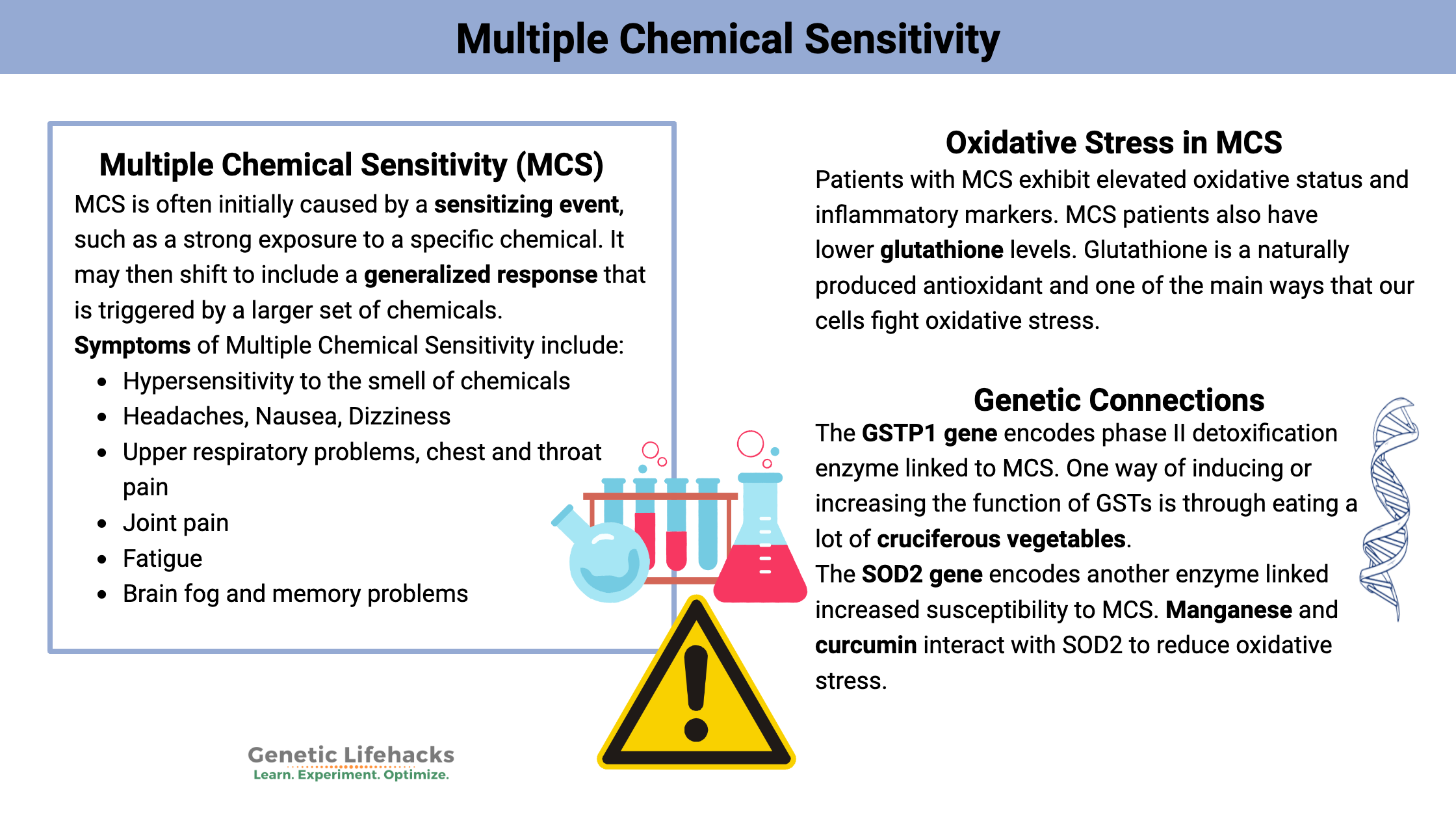
Multiple Chemical Sensitivity (MCS): Genetics, Causes, and Solutions
Multiple Chemical Sensitivity (MCS) typically begins with a sensitizing chemical exposure and then broadens to trigger reactions to a wider set of exposures. This article looks at the genetic research pointing to interactions between reduced detoxification enzyme activity and olfactory system variants, and covers why understanding your specific genetic pathways may be more useful than a generic approach.
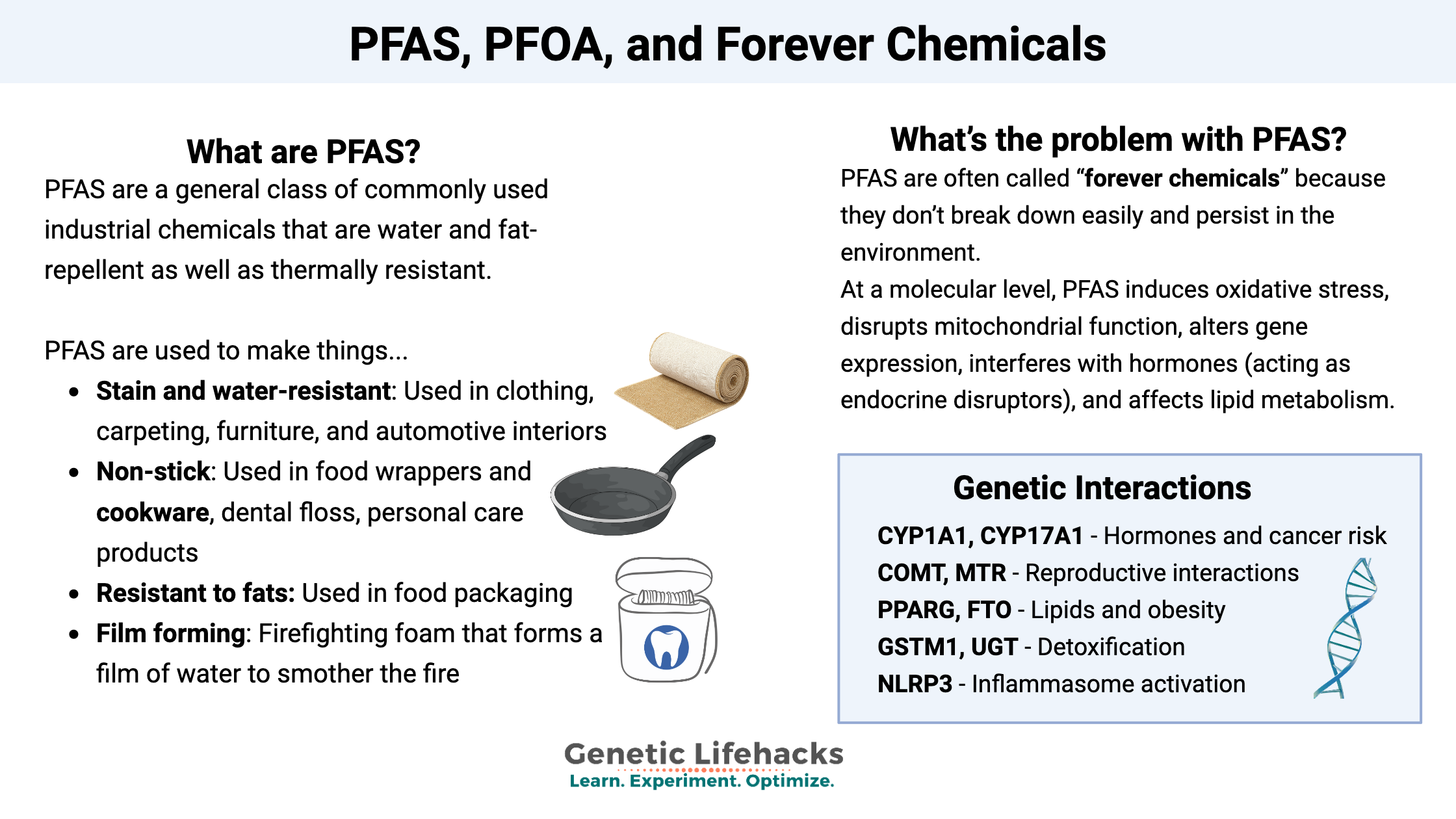
PFAS, Your Genes, and Your Health: From Mitochondrial Function to Immune Response
PFAS (‘forever chemicals’) are found in non-stick cookware, food packaging, water-resistant clothing, and firefighting foam. New research links them to immune suppression, thyroid disruption, reproductive problems, and increased cancer risk. Because the body has a limited ability to break down or excrete PFAS, genetic variants in detoxification and immune response pathways play a role in how accumulating exposure affects someone.
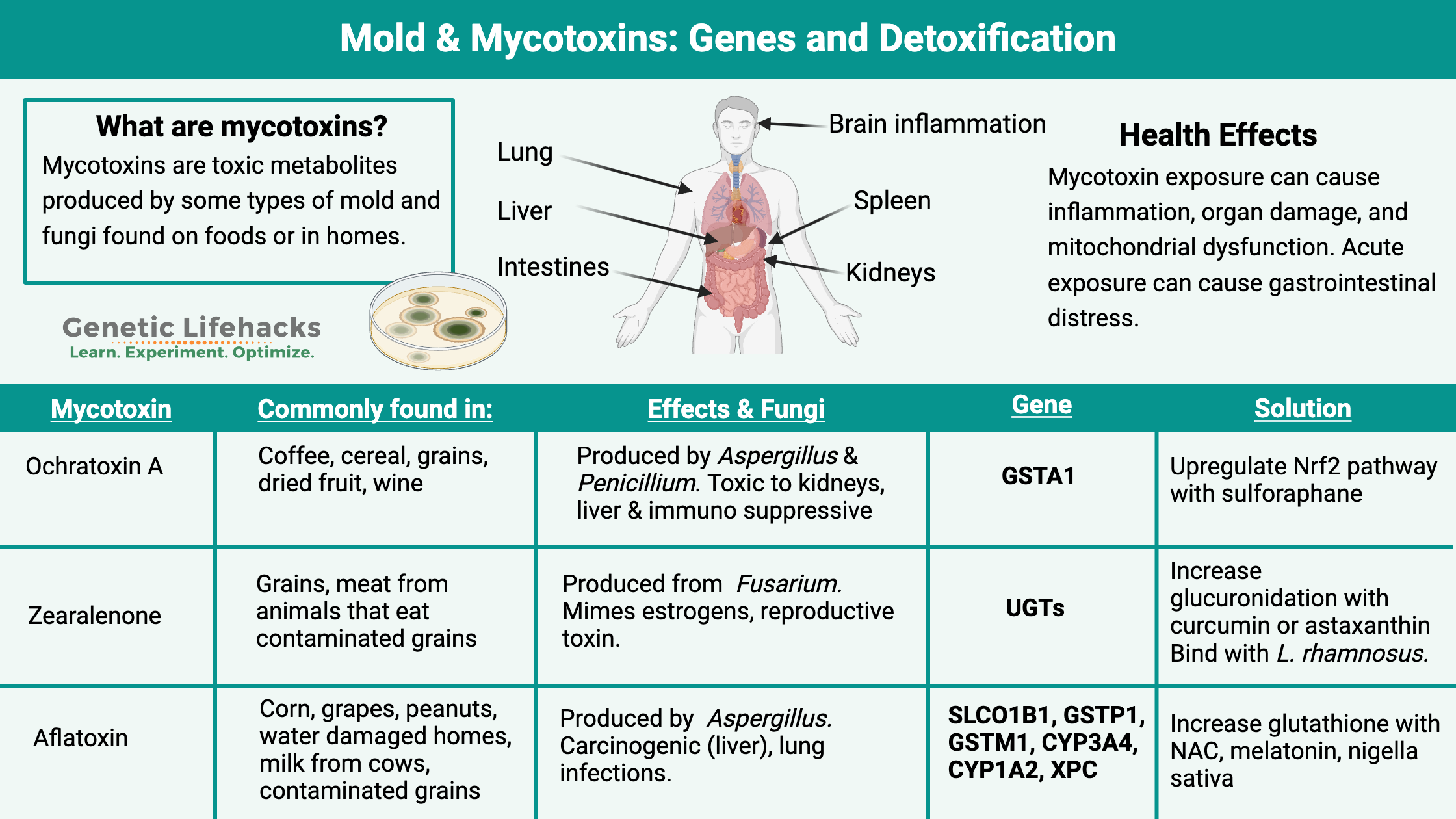
Mold Genes: How Mold and Mycotoxins Interact with Genetics
More than 300 mycotoxins are produced by common molds, and we’re all exposed to trace amounts through food, coffee, grains, and sometimes the buildings we live and work in. Most people clear low-level mycotoxin exposure through Phase I and II detox pathways, but variants that reduce enzyme activity can allow mycotoxins to accumulate and cause harm. This article covers eight specific mycotoxins, their health effects, genetic variants most relevant to detox, and practical solutions.
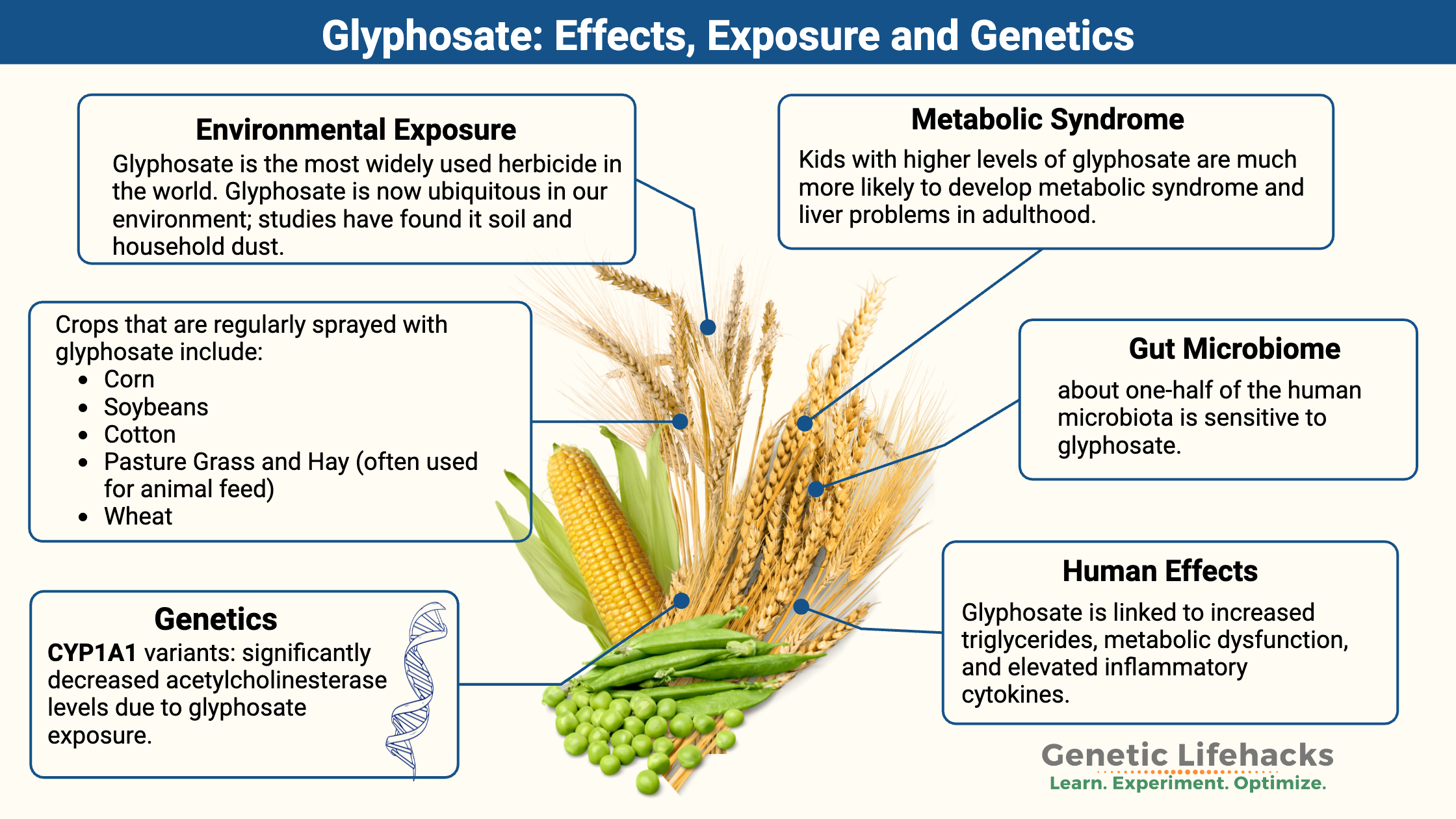
Glyphosate Exposure: Genetics and the Impact on Our Health
Glyphosate is the most heavily used herbicide globally, and researchers find it in many foods, water, and even human urine samples. Glyphosate disrupts the gut microbiome composition and affects the shikimate pathway in gut bacteria. For people with CYP1A1 genetic variants, research in agricultural workers shows a stronger association between glyphosate exposure and reduced acetylcholinesterase levels, a marker of liver stress.
.
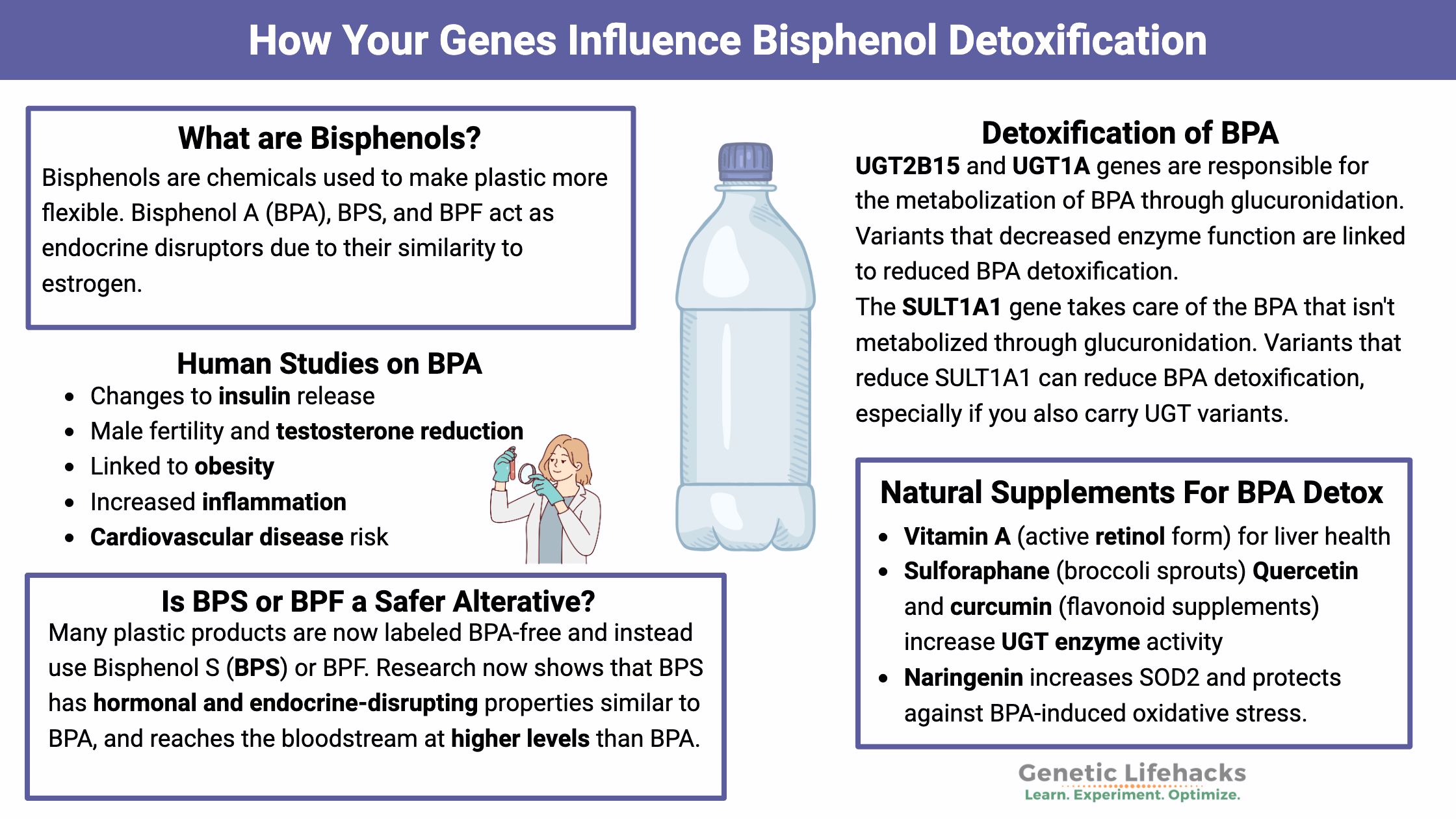
BPA and BPS: How Your Genes Influence Bisphenol Detoxification
BPA and its common substitutes, BPS and BPF, act as estrogen mimics in the body, and their clearance depends directly on the UGT and SULT conjugation enzymes covered in the Phase II detox hub. Reduced activity in these enzymes, whether from genetic variants or enzyme inhibition, results in higher bisphenol levels from the same exposure.
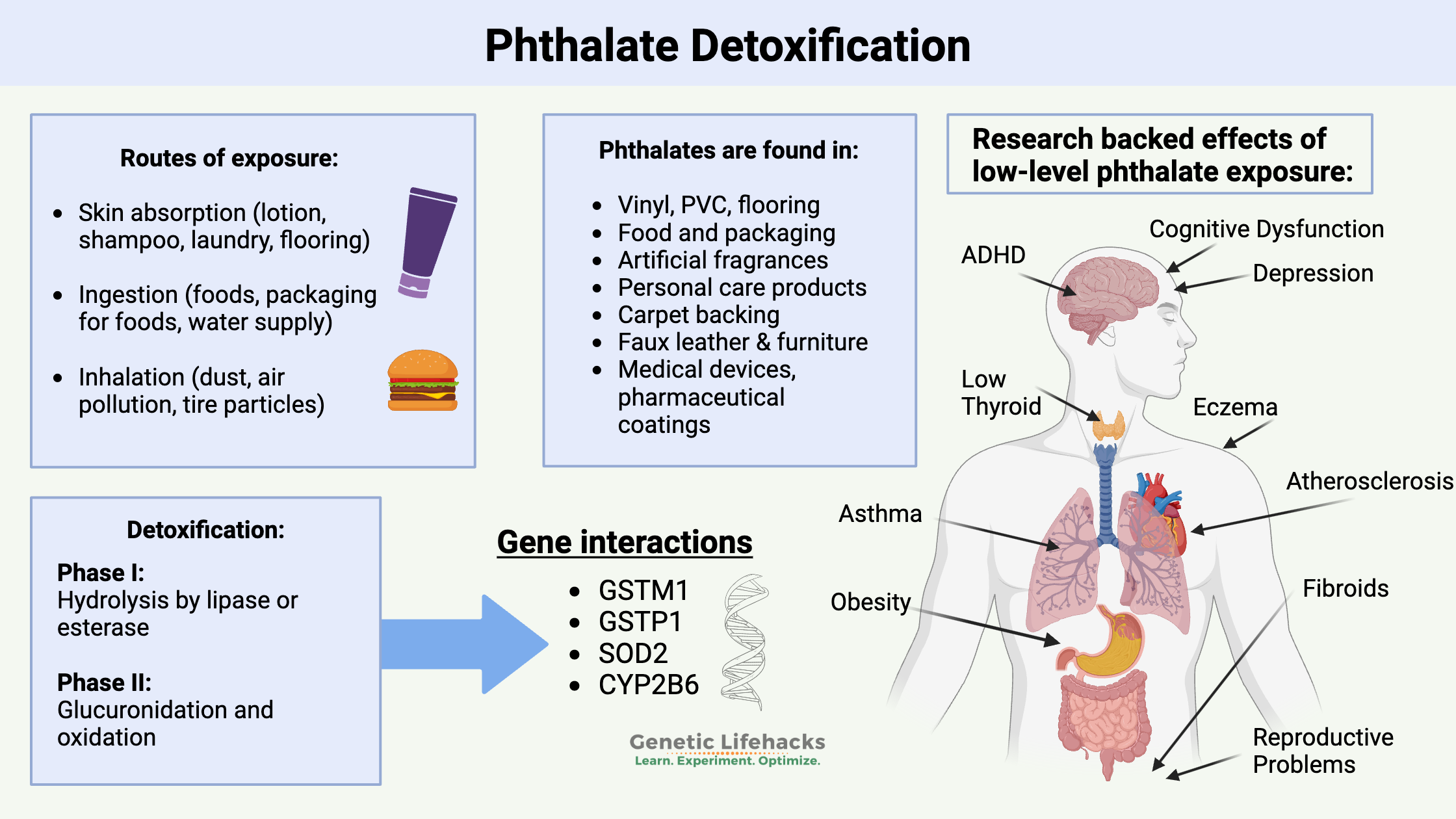
Phthalates: Genes, Diet, and Detoxification Pathways
Phthalates are used to make plastics flexible and are present in food packaging, fragrances, cosmetics, vinyl flooring, and medical tubing, making them nearly impossible to avoid. They act as endocrine disruptors, interfering with sex hormone signaling, and their metabolism involves CYP and UGT enzymes. Genetic variants in key detox pathways influence how much phthalates are likely to affect you at low levels.
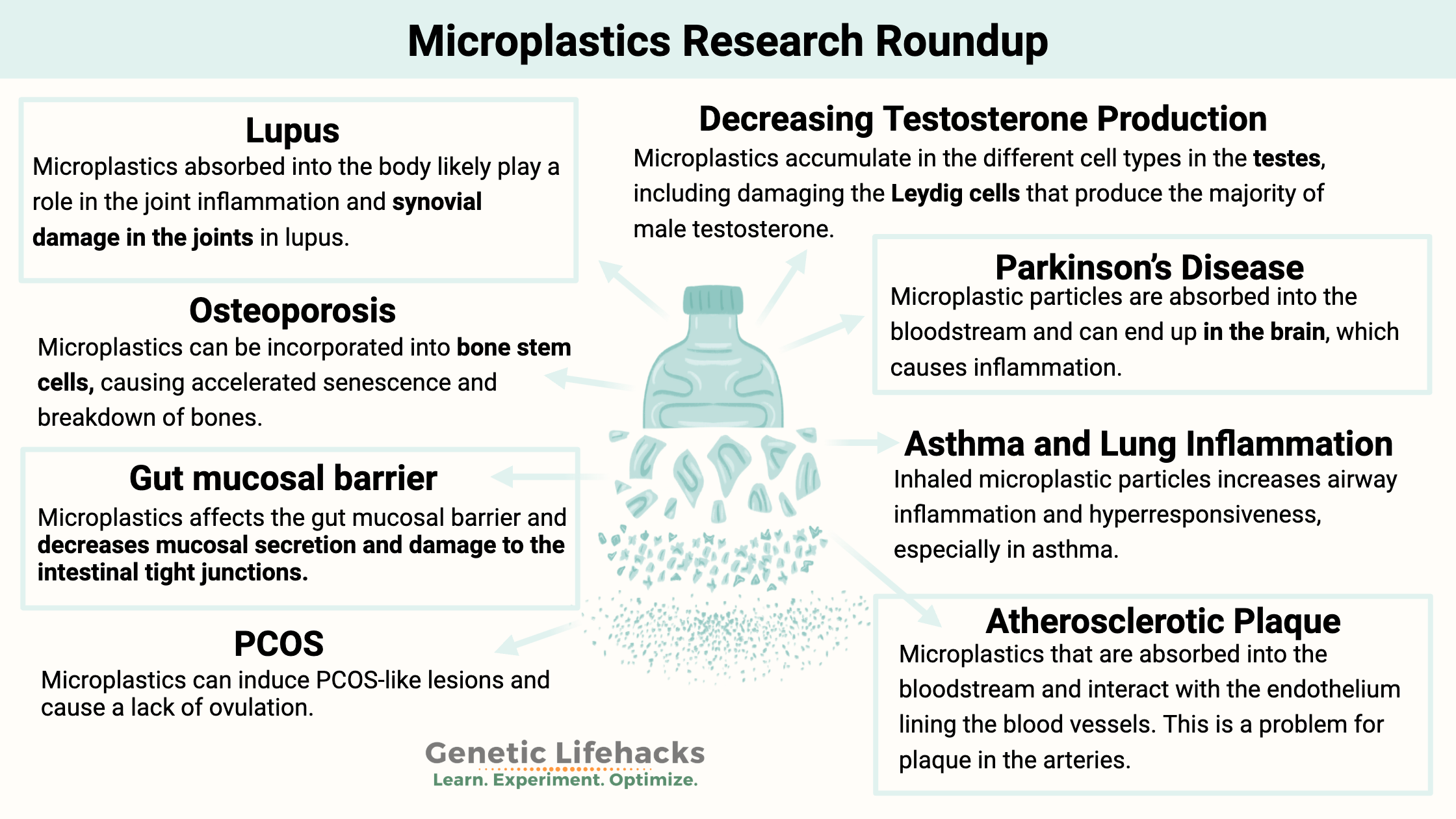
Microplastics Research Roundup
Microplastics are found in human blood, breast milk, lung tissue, atherosclerotic plaque, and the placenta. Microplastics present a physical as well as chemical burden. This article compiles recent research across multiple body systems, covering the mechanisms proposed for harm, the significant exposure sources, and the current state of evidence on what might actually reduce your body burden.
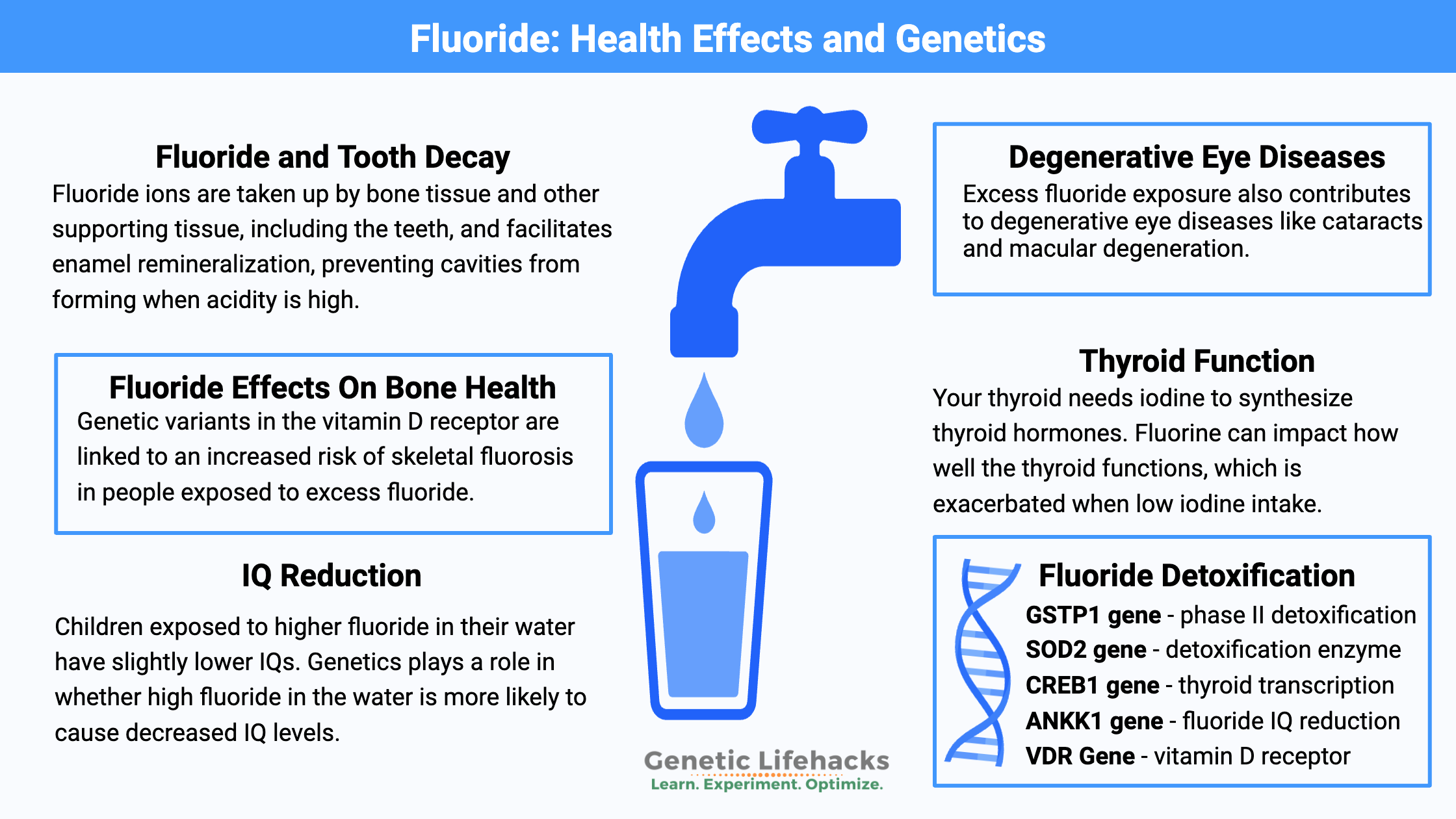
Fluoride: Understanding Its Effects on Health
Learn about the pros and cons of fluoride for dental health and overall wellness, its sources, toxicity levels, and how genetics influence fluoride sensitivity. This article looks at the recent toxicology research, explains the sources and exposure levels of concern, and covers how genetic variants influence sensitivity.
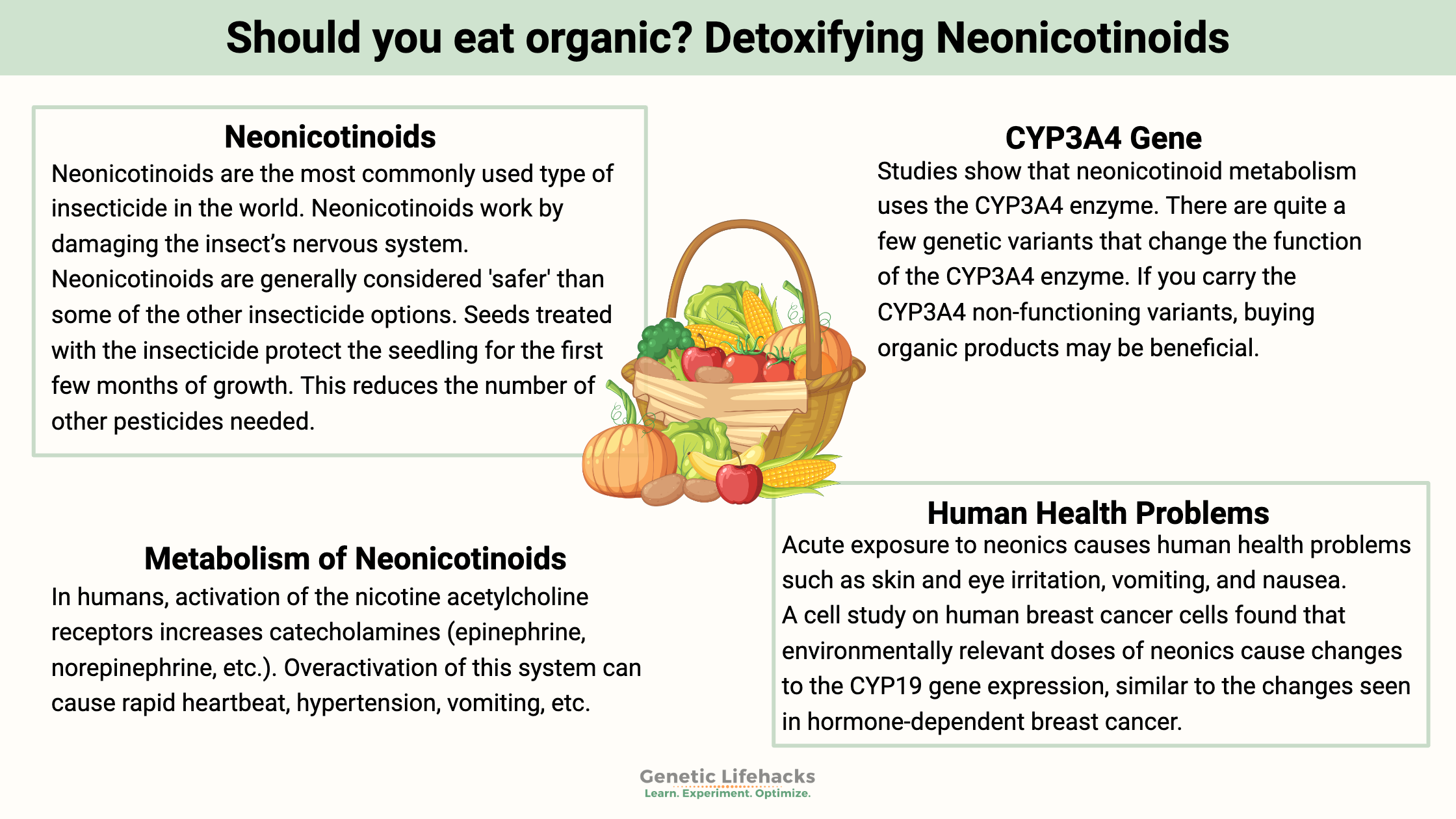
Pesticides: Detoxifying Neonicotinoids with CYP Genes
Neonicotinoids are the dominant insecticide class today, designed to target insect nicotinic acetylcholine receptors. There are concerns about neurological effects from chronic low exposure in children and adults. CYP enzyme variants affect how quickly neonicotinoids are metabolized, meaning some people clear them easily while others may have longer exposure.
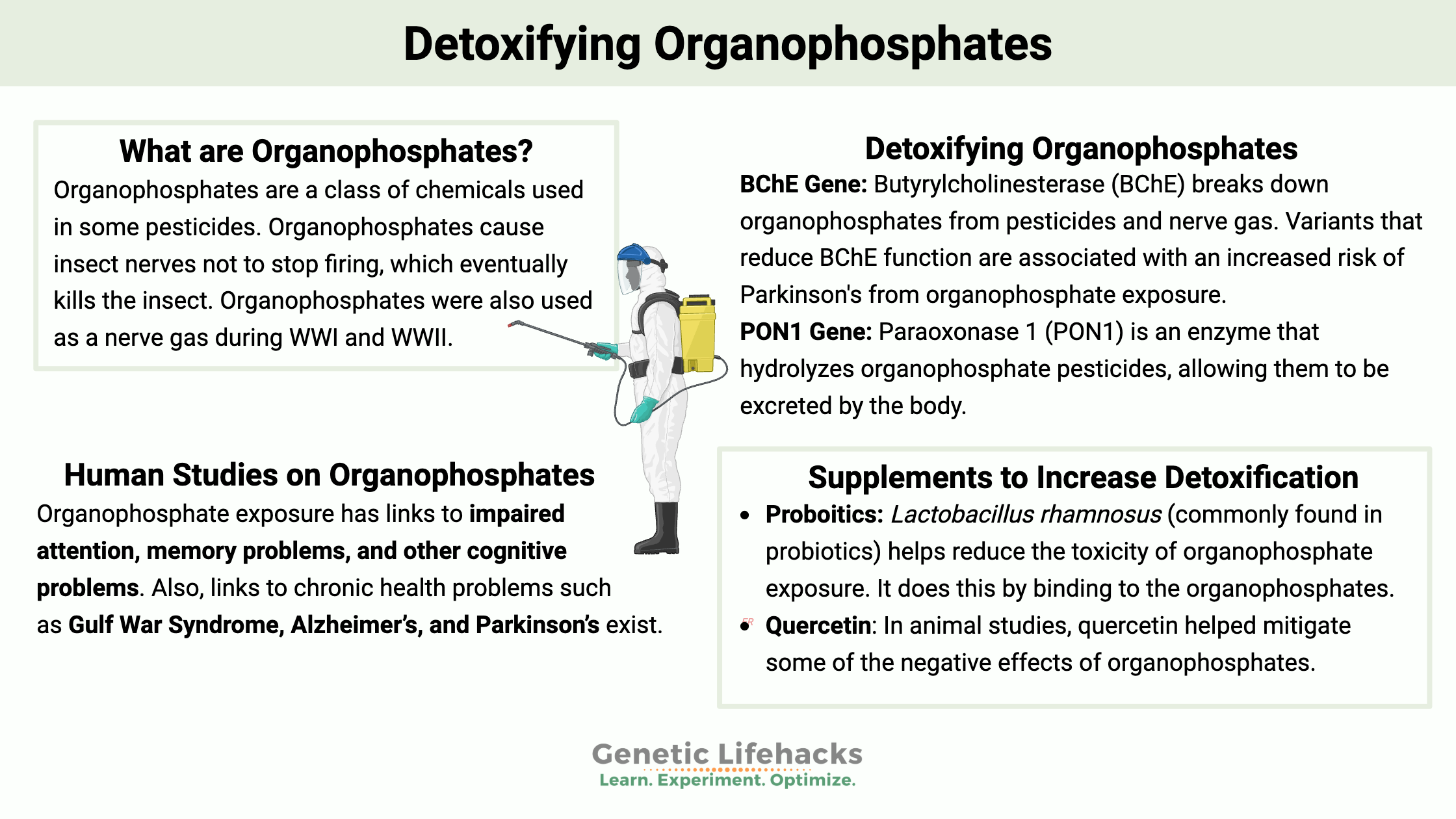
Pesticides: Detoxifying Organophosphates
Part two of the pesticide series focuses on organophosphates, which work by blocking acetylcholinesterase (the enzyme that terminates acetylcholine signals), making them acutely toxic at high doses and a concern with chronic low-level dietary exposure. The PON1 gene encodes paraoxonase, the primary enzyme for breaking down organophosphates.
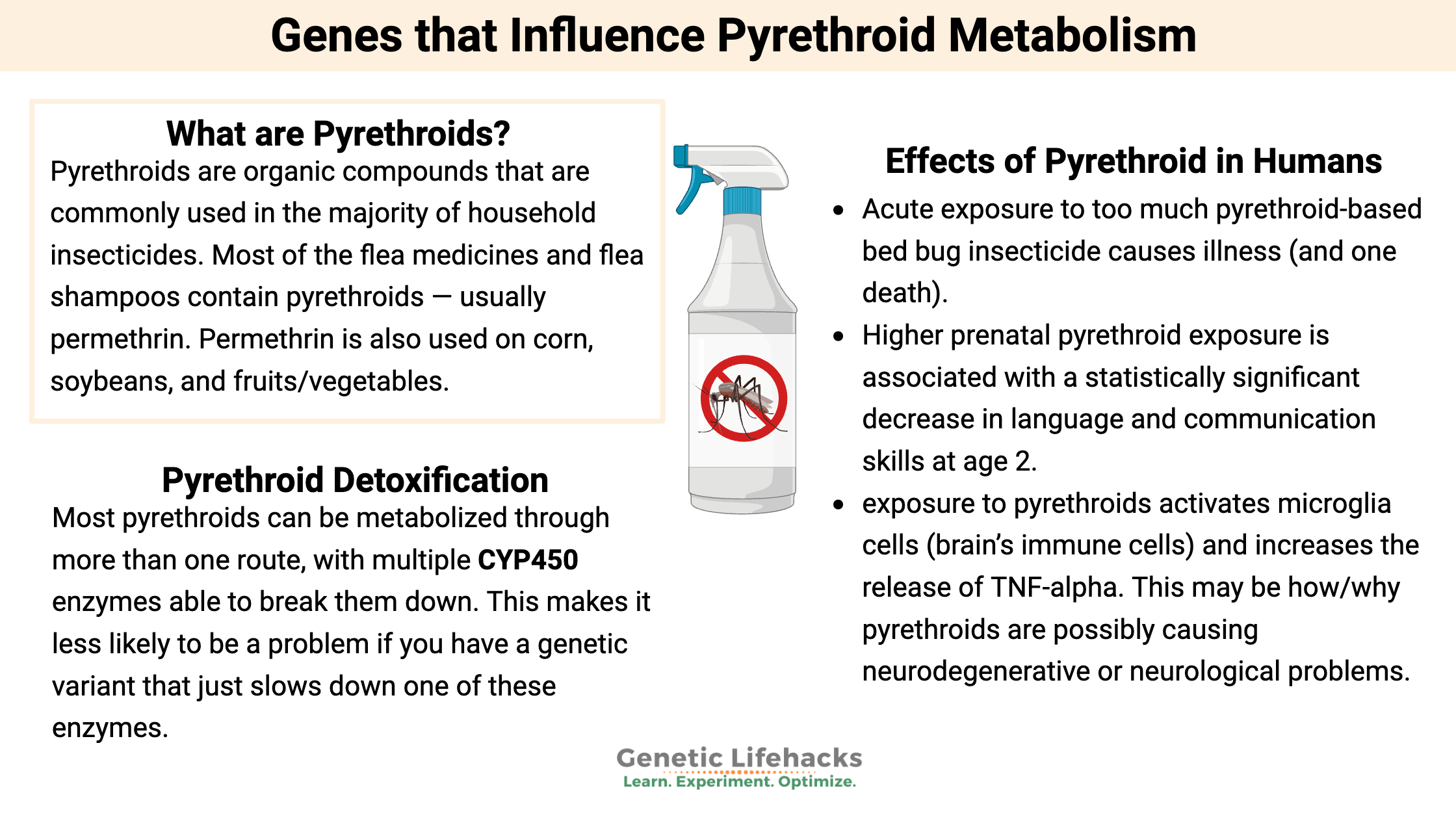
Pesticides: Genes That Influence Pyrethroid Metabolism
Part three of the pesticide series looks at pyrethroids, often marketed as safer pesticide alternatives. While their acute toxicity is lower, they still act on neurological targets and are metabolized by carboxylesterase and CYP enzymes. The article covers pyrethroid sources, the relevant genetic variants, and how household vs. dietary exposure compares for most people.
Specific medications
Articles focused on a particular drug or drug class, including why a medication may work differently for you.
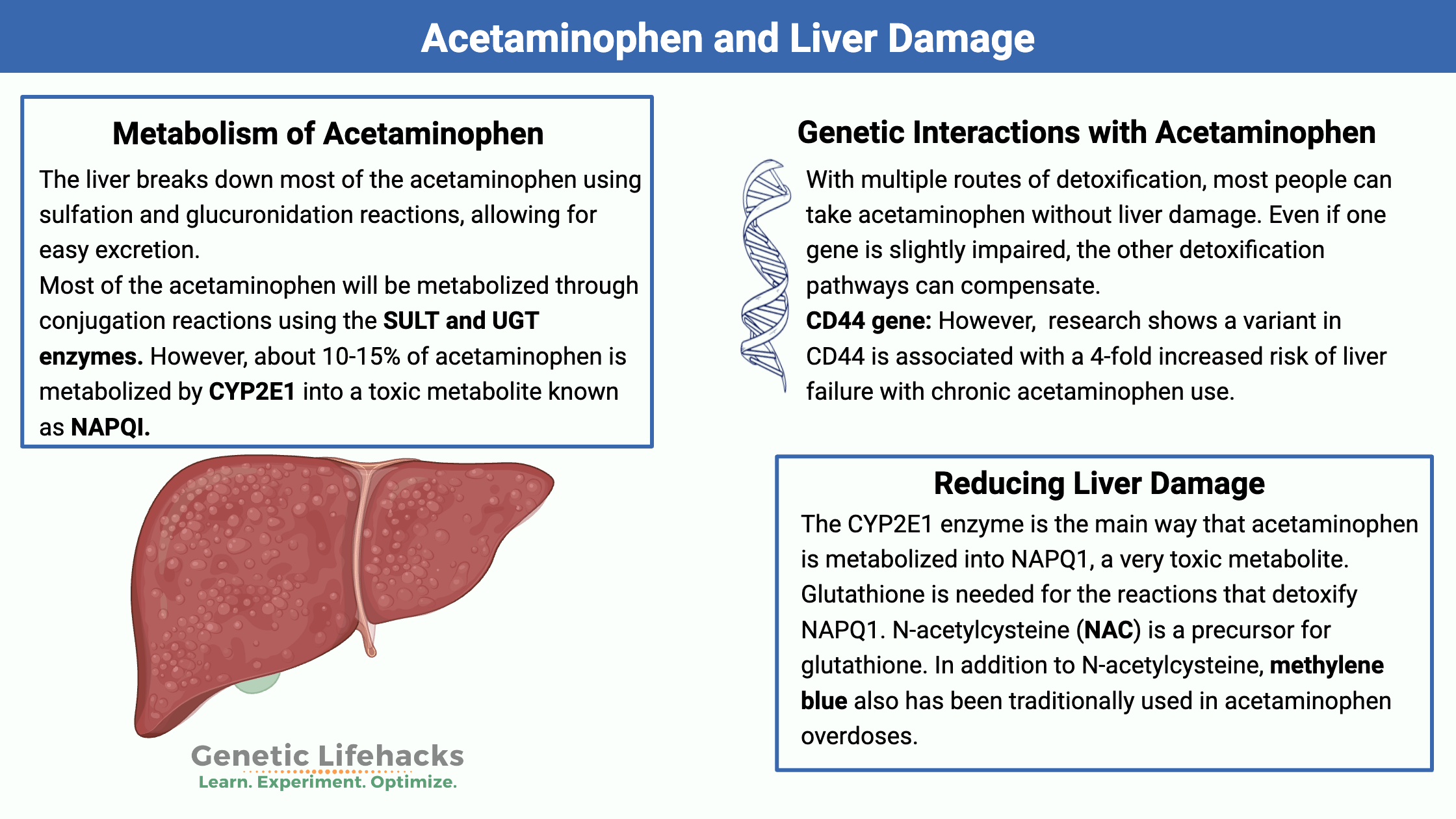
Acetaminophen Toxicity: How Genetic Susceptibility Combines with Environmental Factors
Acetaminophen is the leading cause of acute liver failure in the US, and genetics explains why some people sustain damage well within the standard dosing range. The liver processes acetaminophen mainly via SULT and UGT conjugation pathways. When these are slow or saturated, more is shunted to CYP2E1, producing the reactive NAPQI intermediate. When glutathione is depleted, liver damage can occur.
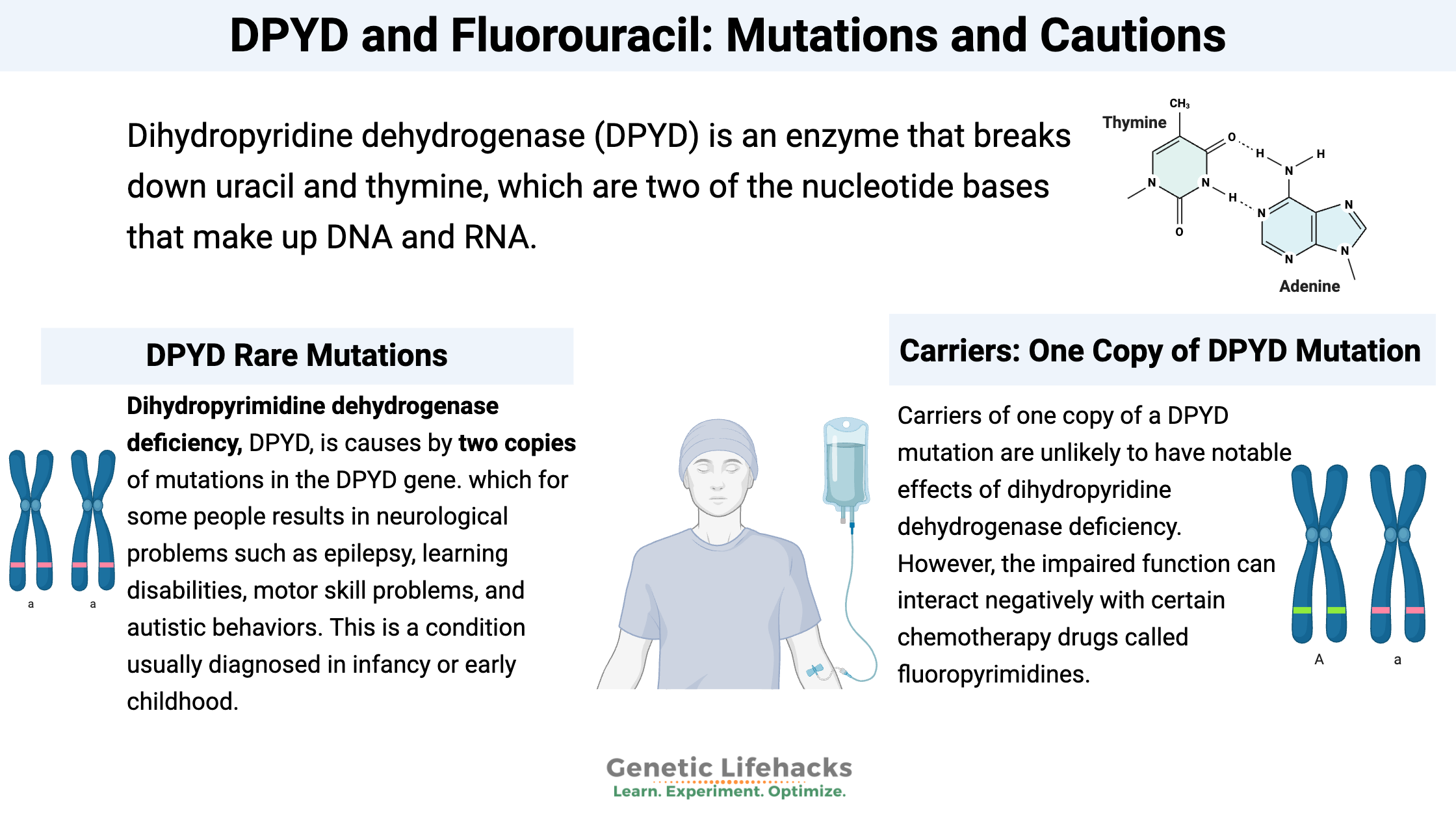
DPYD and 5-Fluorouracil Reactions, Chemotherapy
5-Fluorouracil (5-FU) is a widely used chemotherapy drug for colorectal, breast, and other cancers, and DPYD is one of the most clinically actionable pharmacogenomics genes. The DPYD enzyme breaks down 5-FU after it has done its work; reduced-function variants allow the drug to accumulate to toxic levels, causing severe mucositis, neutropenia, and potentially fatal cardiotoxicity.
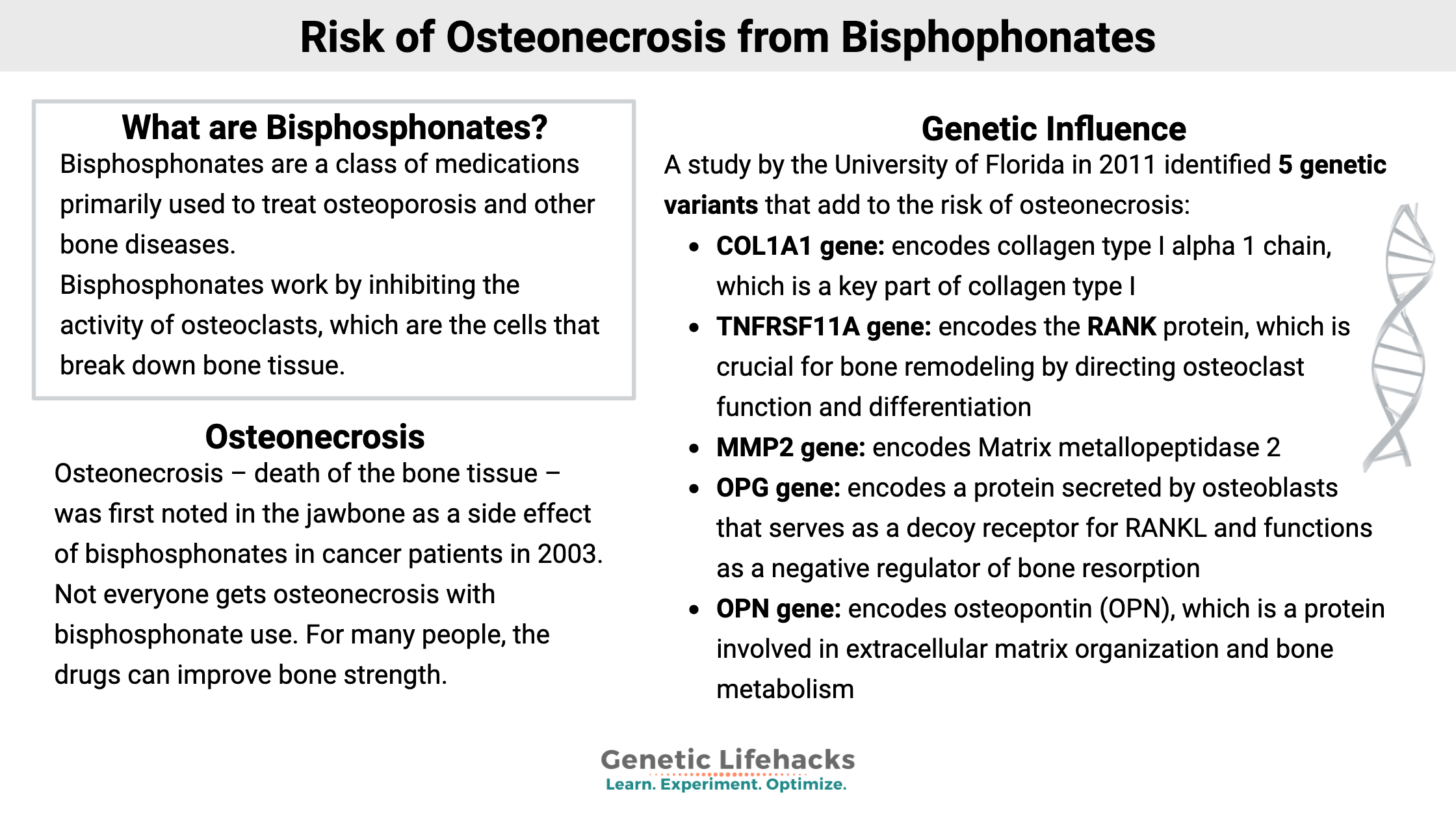
Risk of Osteonecrosis from Bisphosphonates
Bisphosphonates are commonly prescribed for osteoporosis and bone metastases, but a small percentage of users develop osteonecrosis of the jaw. Genetic variants are part of the susceptibility picture, contributing to why this side effect is unpredictable from clinical risk factors alone.
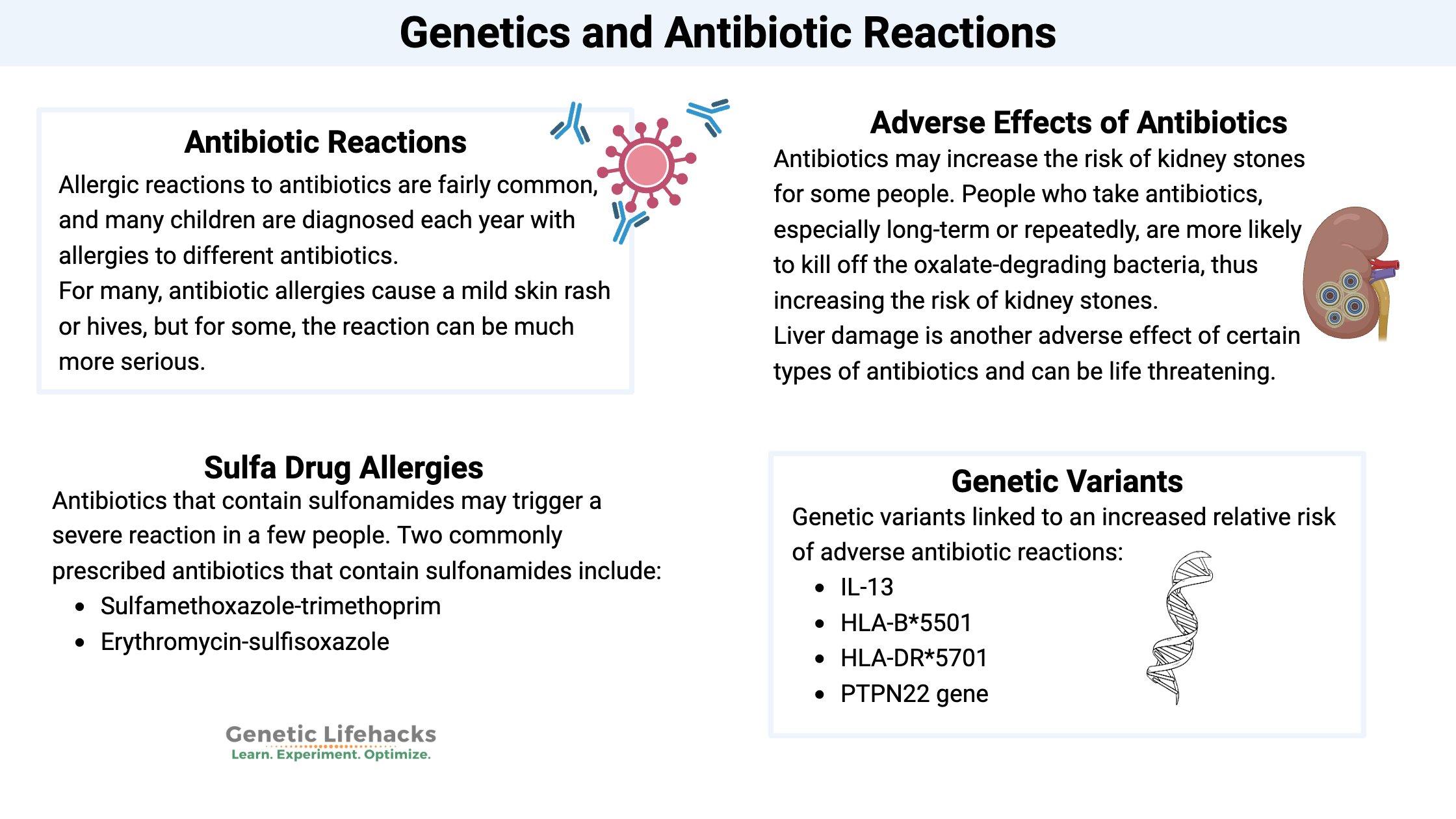
Antibiotics: Genetics and Antibiotic Reactions
Antibiotic allergies and adverse reactions are common, and certain gene variants significantly raise the risk of hypersensitivity reactions to specific antibiotic classes, ranging from rash and drug fever to severe reactions. This article covers the genetic variants, the antibiotic classes they affect, and what the research shows about susceptibility.
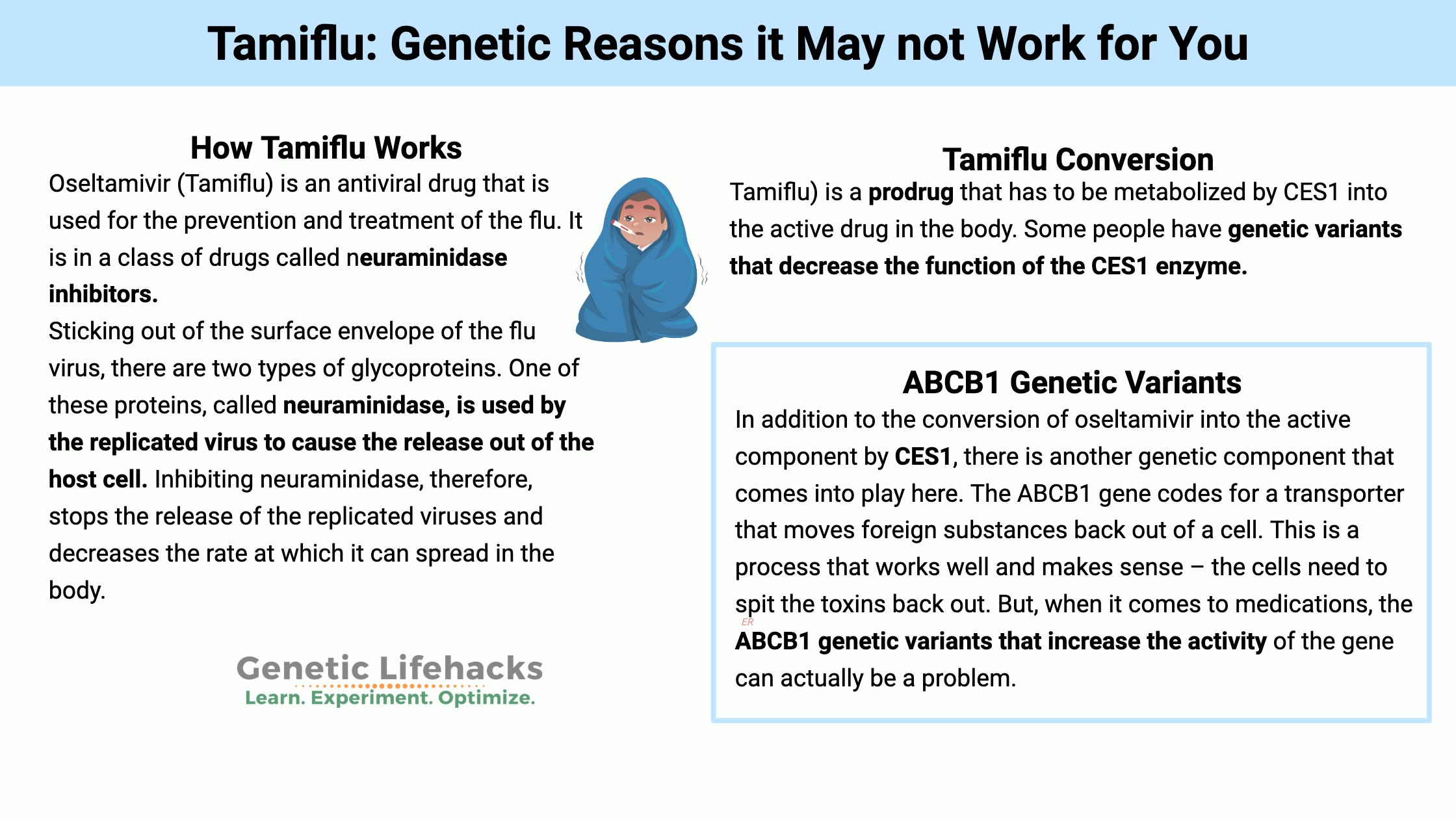
Tamiflu: Genetic Reasons It May Not Work for You
Oseltamivir (Tamiflu) is a prodrug that must be enzymatically converted to its active antiviral form, and genetic variants in the enzymes responsible for this conversion affect how much active drug is actually produced. This means some people receive little clinical benefit from a standard dose despite taking it correctly.
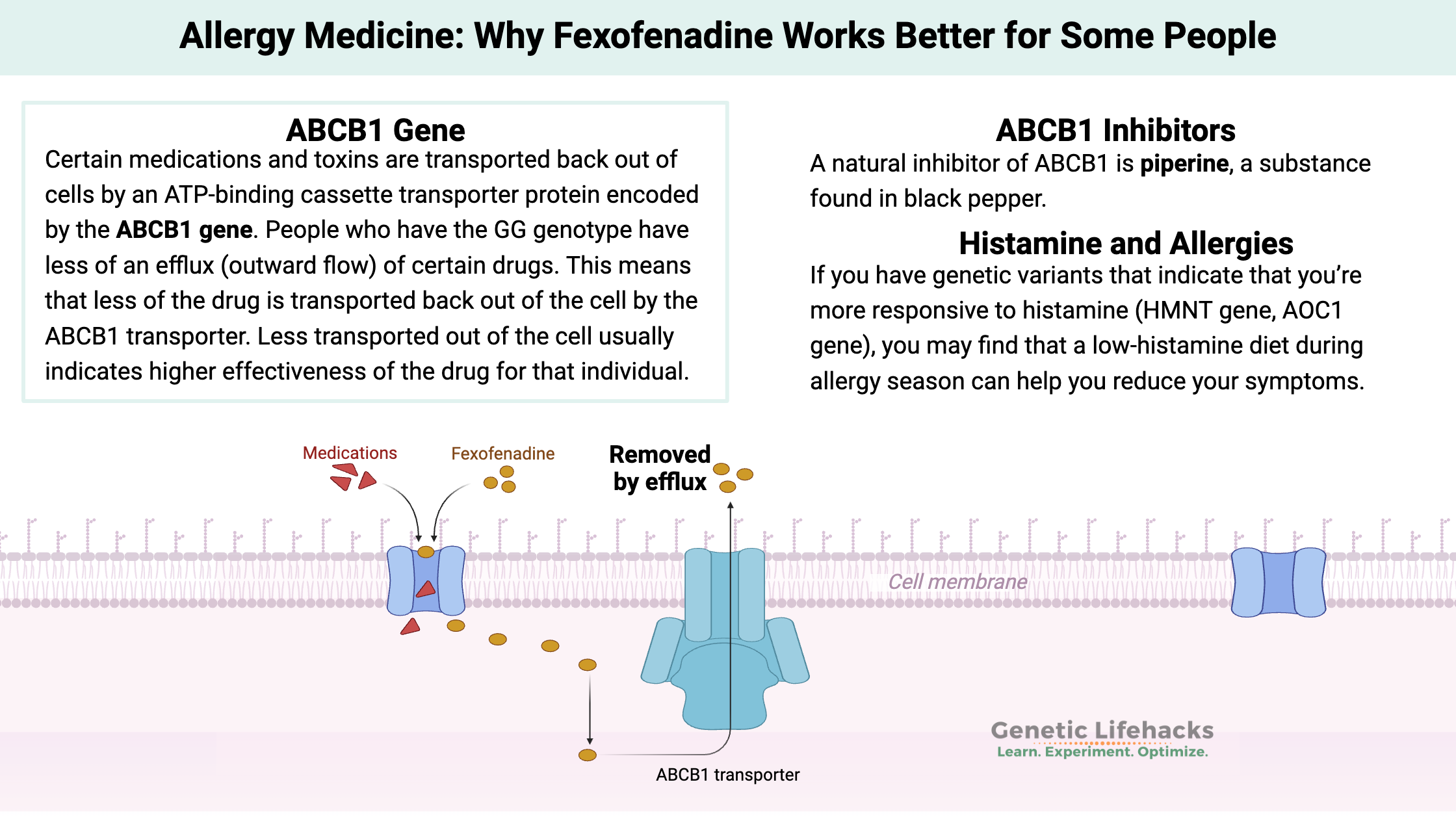
Allergy Medicine: Why Fexofenadine Works Better for Some People
Fexofenadine is an antihistamine that works better for some people than for others. Getting fexofenadine into cells requires functional SLCO1B1 and ABCB1 transporters. Variants that reduce transporter activity can leave fexofenadine unable to reach adequate tissue concentrations.
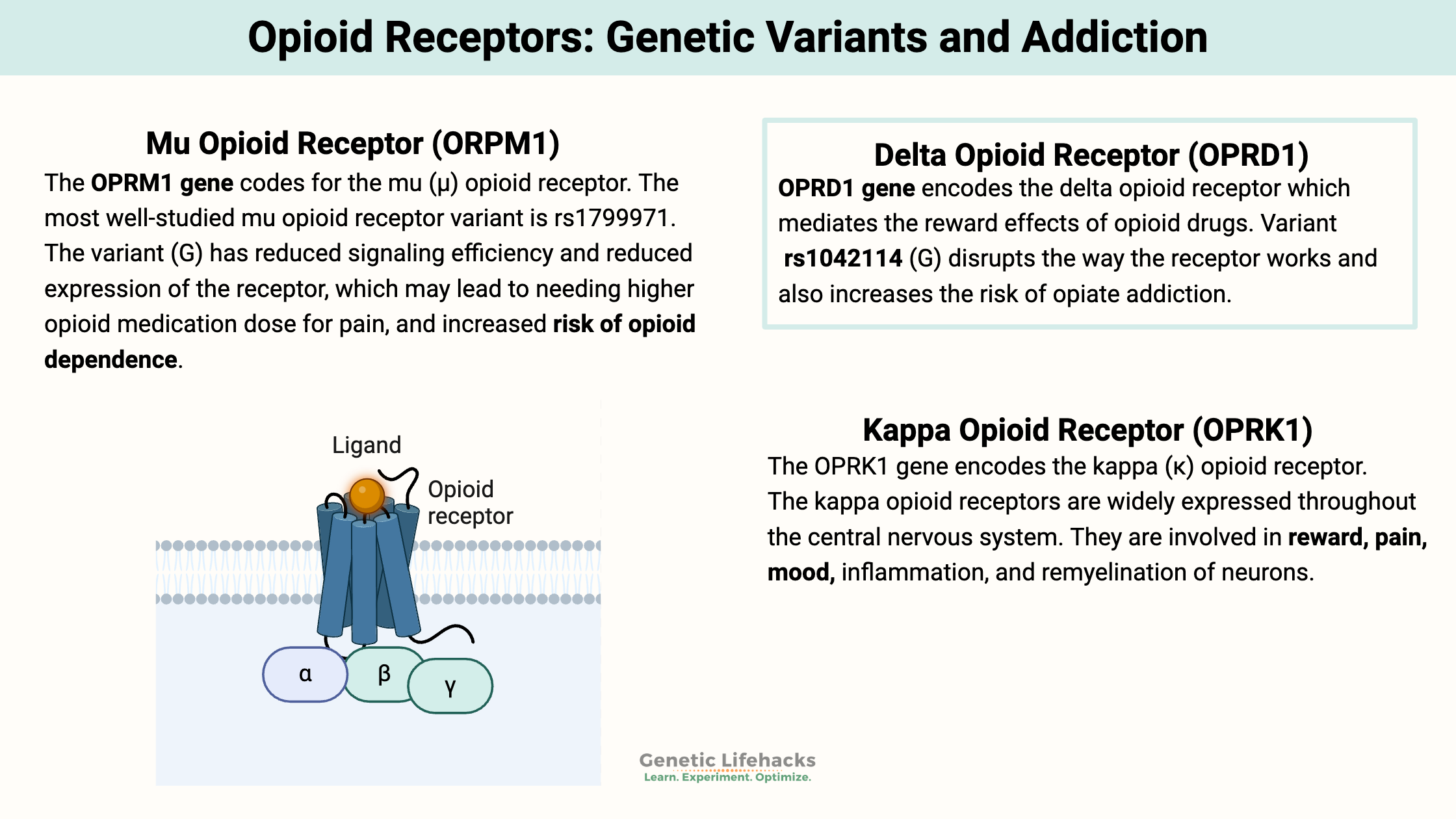
Opioid Receptors: Genetic Variants and Addiction
The OPRM1 gene encodes the mu-opioid receptor, which is the primary target of opioid analgesics and the key mediator of their pain-relieving and reward effects. Variants here affect both how much pain a person experiences and how their body responds to opioid drugs, influencing the dose needed for adequate analgesia and addiction risk.
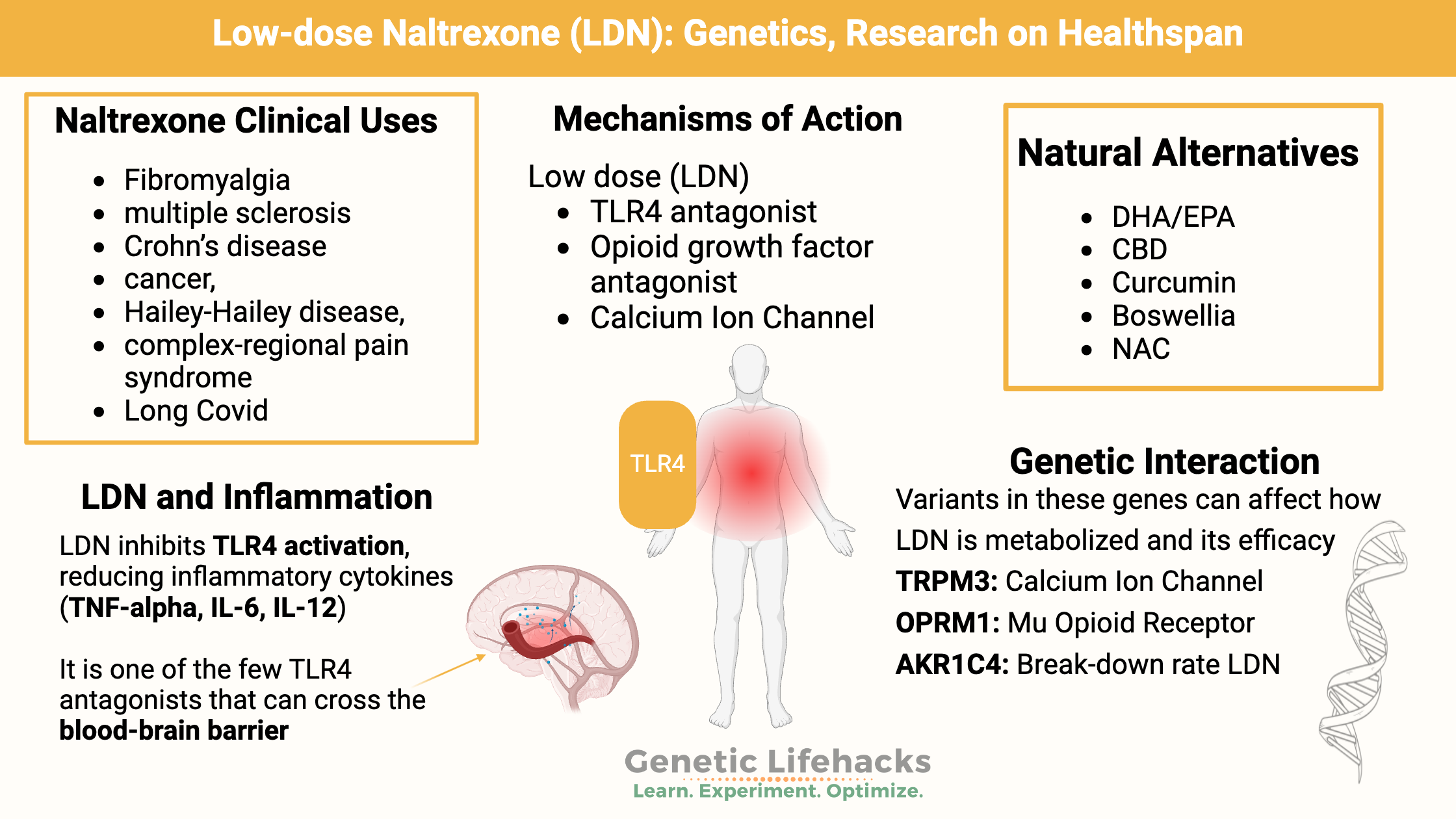
Low-Dose Naltrexone: LDN & Genetics
LDN dampens microglial activation and neuroinflammation. Clinical trials show promise for autoimmune conditions, fibromyalgia, and ME/CFS. OPRM1 variants affect receptor sensitivity to naltrexone’s blockade, and CYP variants affect its metabolism — both shaping whether a given person is likely to respond and at what dose.