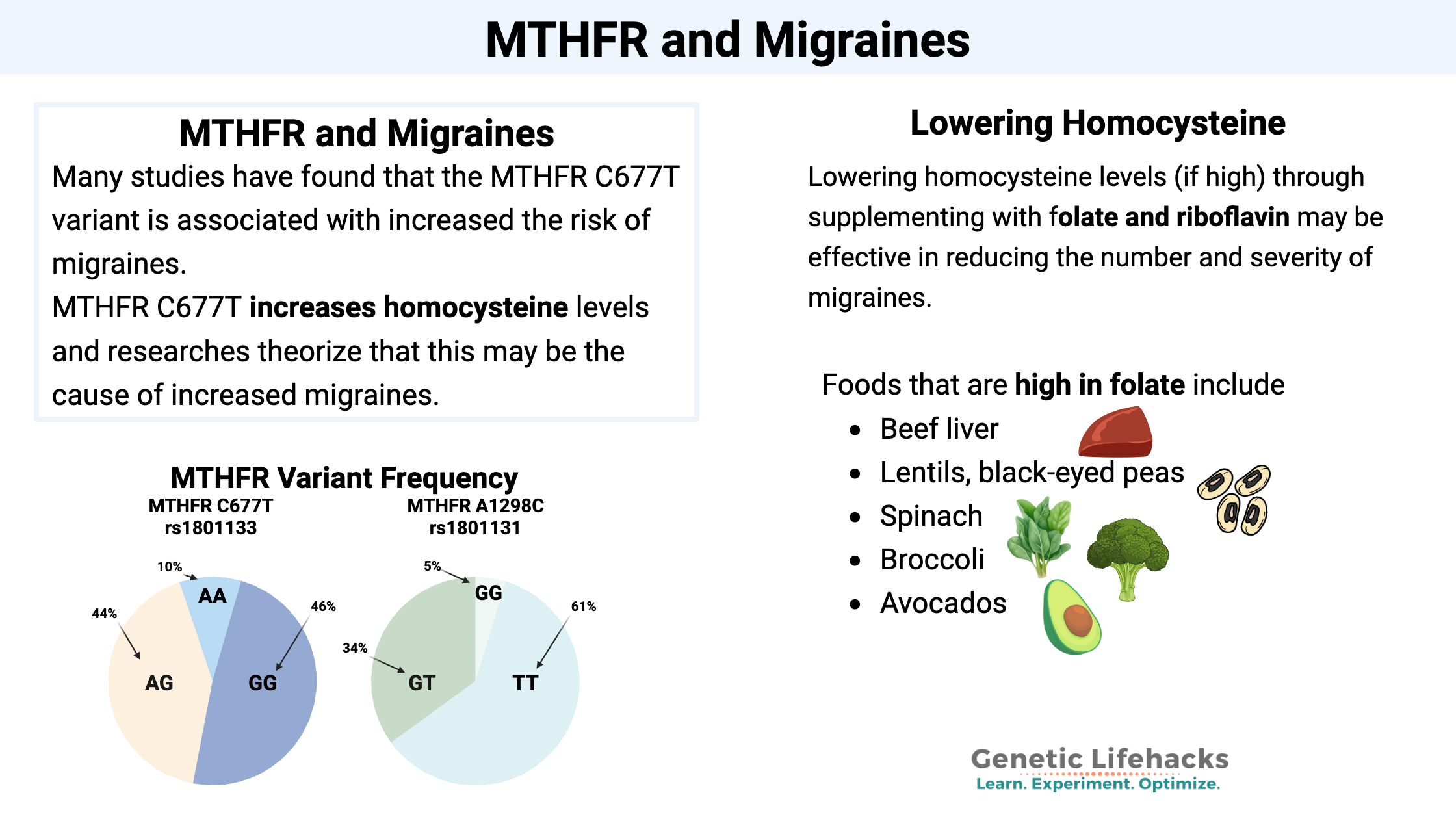
MTHFR and Migraines
The MTHFR C677T variant increases the risk of migraines. Learn how to check your genetic data and how to mitigate the risk.

The MTHFR C677T variant increases the risk of migraines. Learn how to check your genetic data and how to mitigate the risk.
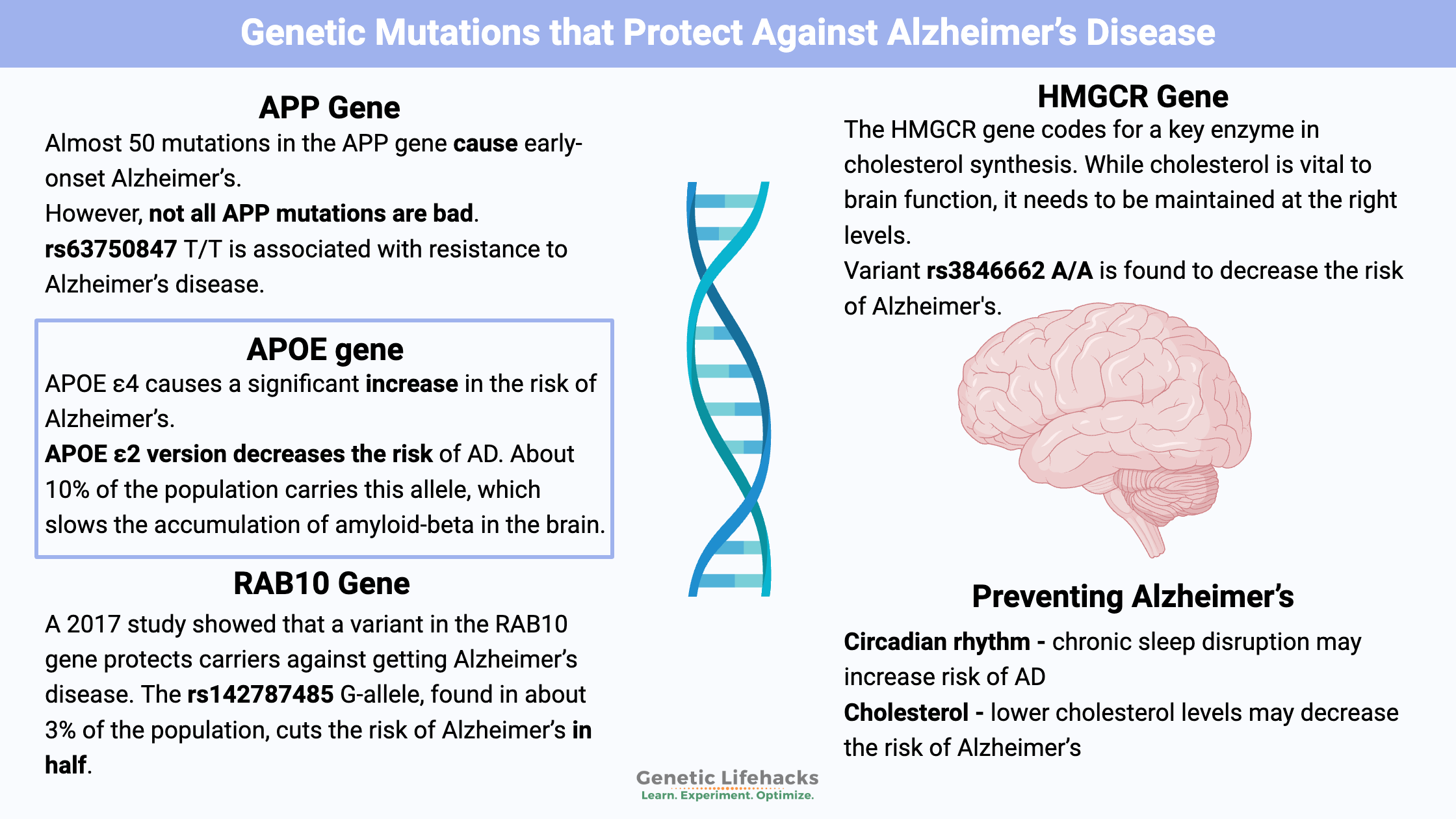
Just like there are genetic variants that increase the risk of Alzheimer’s, there are also variants that protect against this disease. Check your genetic data to get a better picture of your risk factors. (Member’s article)
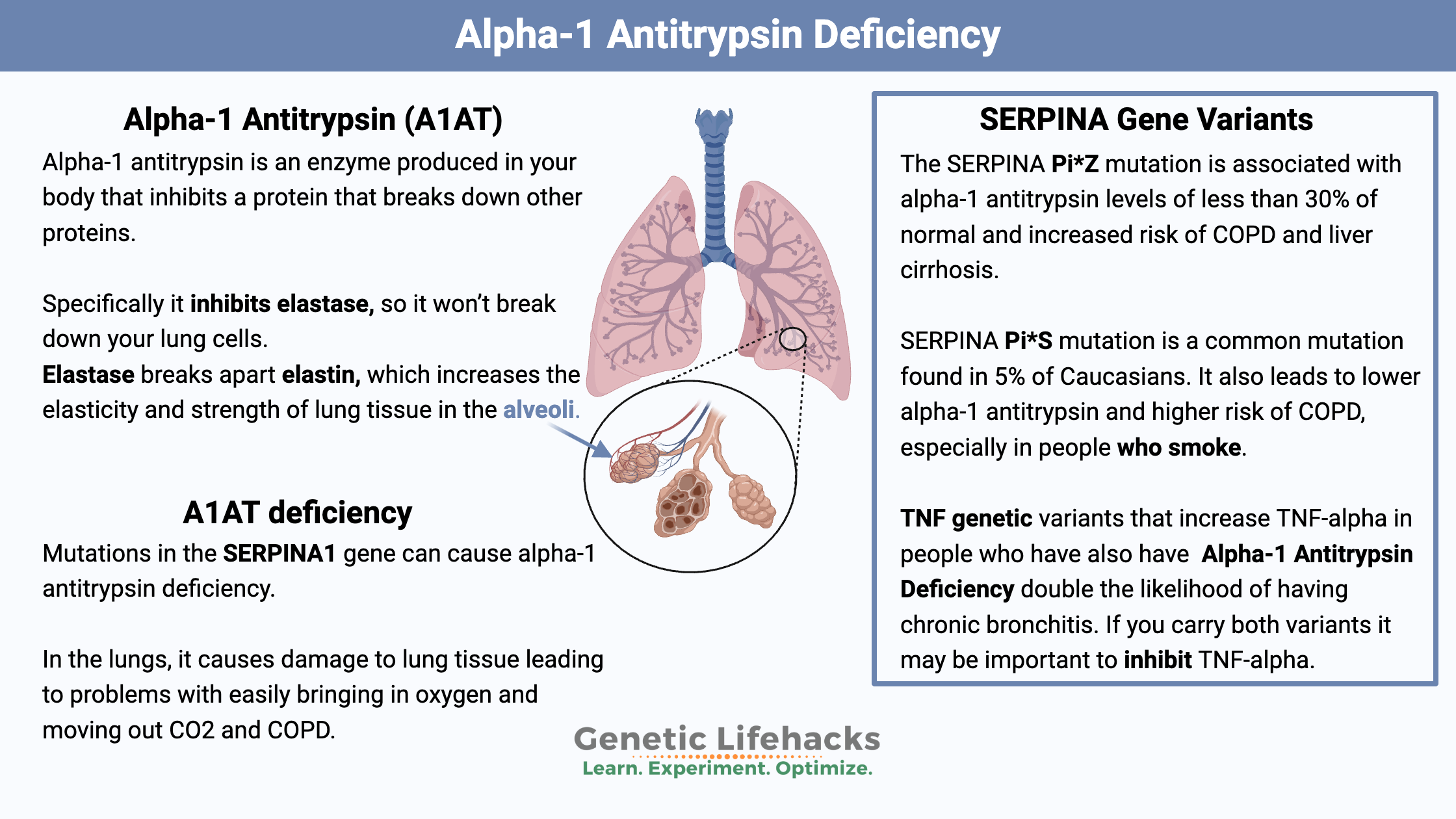
A genetic mutation in the SERPINA1 gene causes alpha-1 antitrypsin deficiency. This increases a person’s susceptibility to COPD (chronic obstructive pulmonary disease) and, in some cases, cirrhosis of the liver. Knowing that you carry this mutation can be a great incentive to avoid smoking and to be kind to your liver.
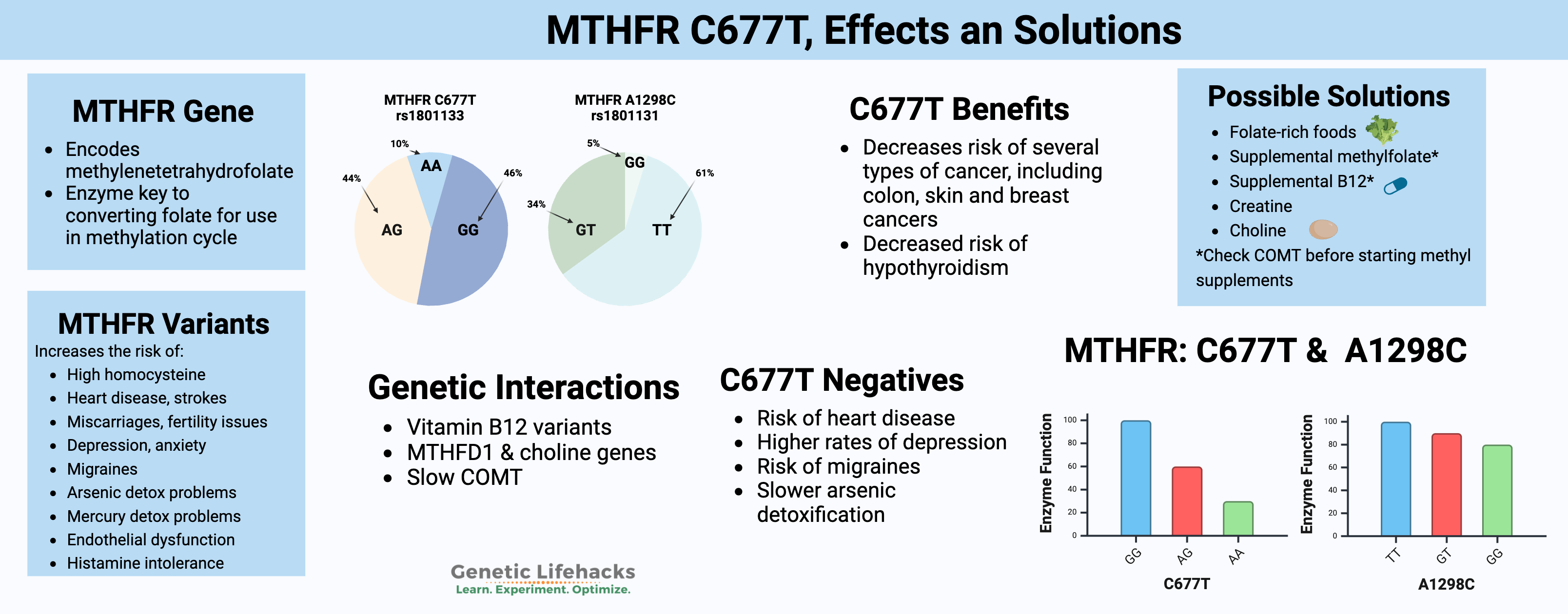
Key takeaways: The MTHFR enzyme converts folate (vitamin B9) to its active form, 5-MTHF. Folate is used to create methyl groups, which cells use to synthesize neurotransmitters, detoxify toxicants, methylate DNA, and maintain a healthy heart. The common MTHFR C677T and A1298C variants lower enzyme function (up to ~70–80% for … Read more
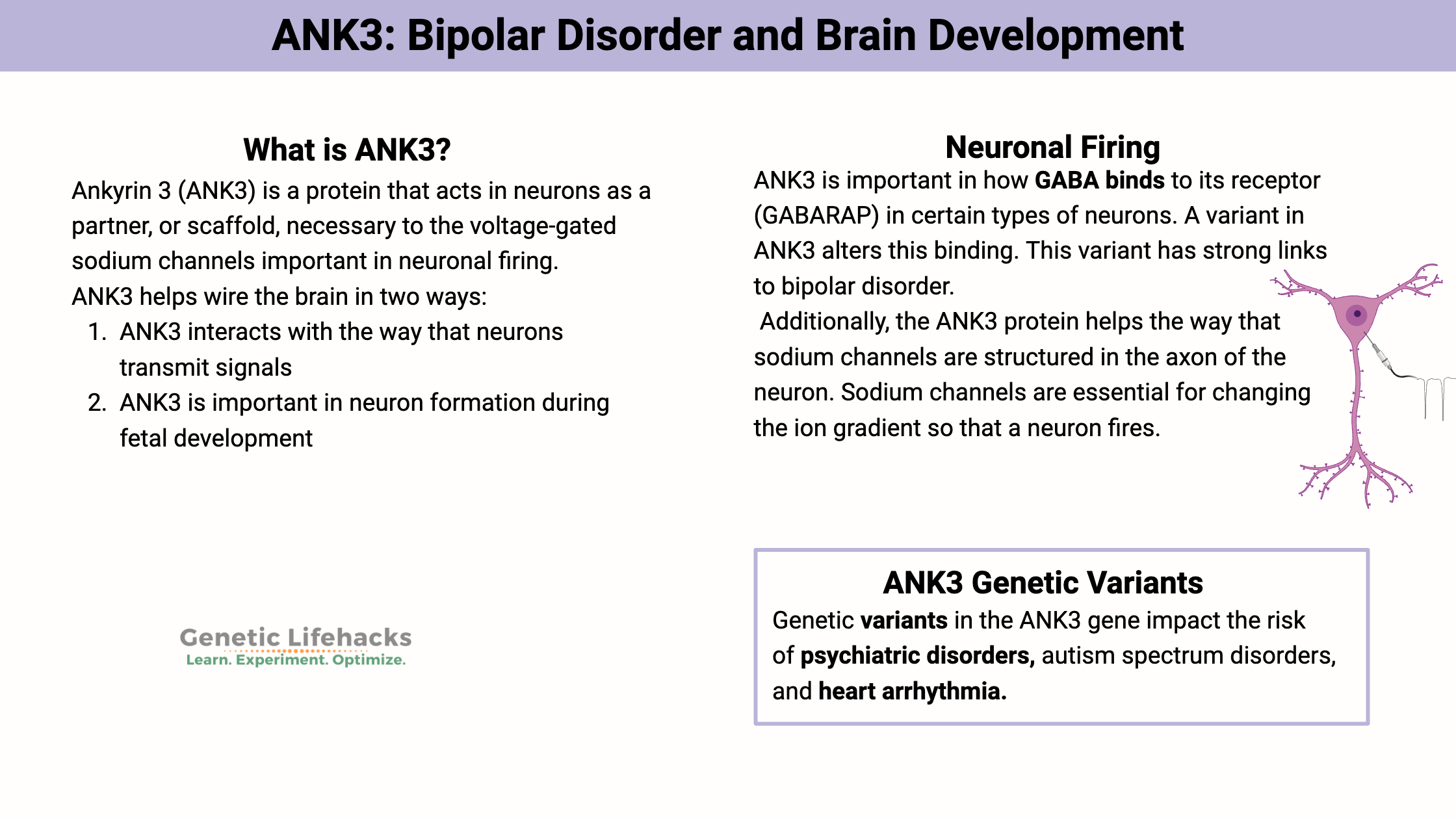
The genetic variants in the ANK3 gene impact the risk of psychiatric disorders that include bipolar disorder and autism spectrum disorders, and heart arrhythmia. Discover how ANK3 impacts neuronal formation and transmission and how this ties into an increased risk of psychiatric disorders.
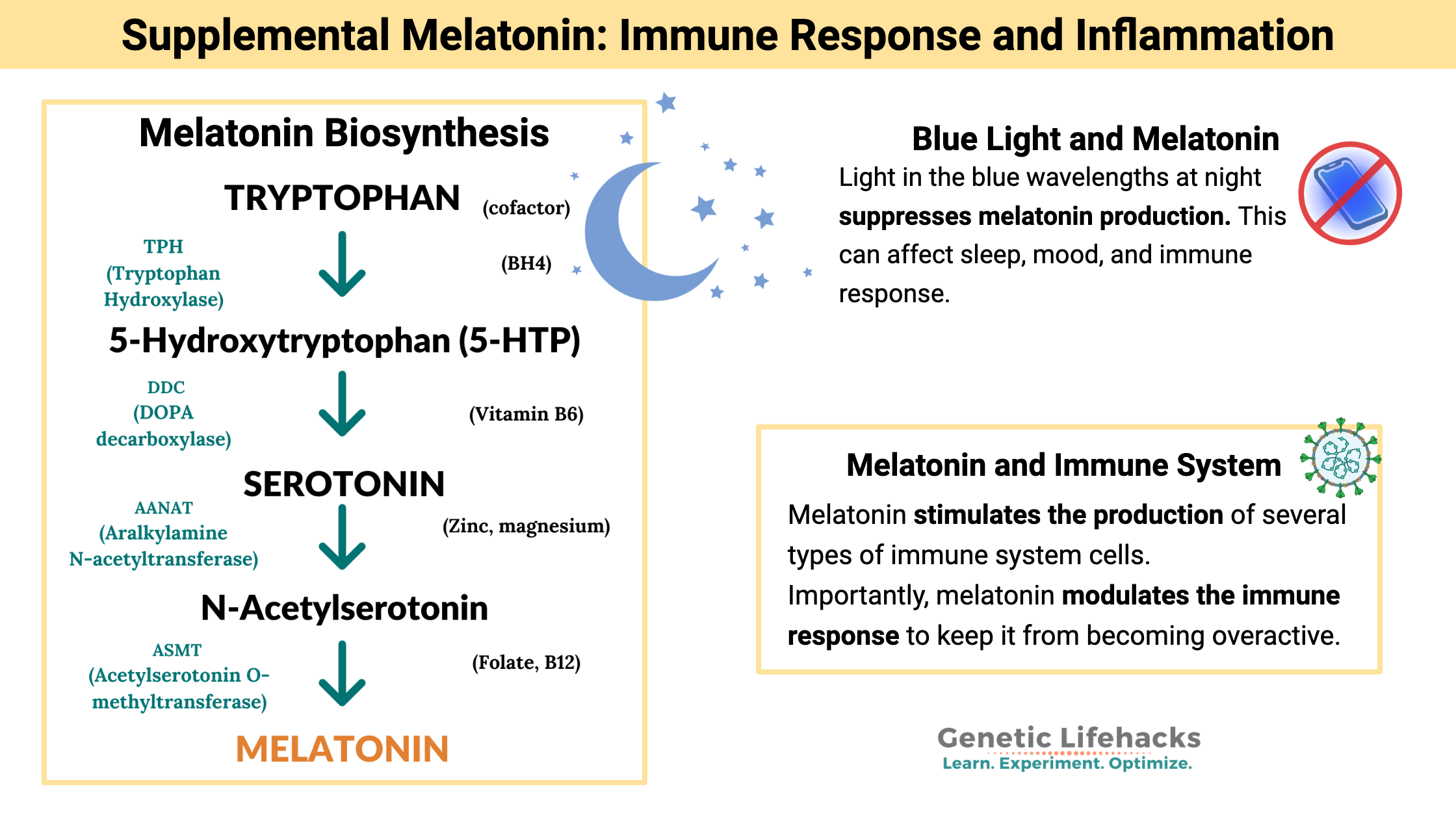
Melatonin is important for setting your circadian rhythm and for immune health. Dig into the details on melatonin supplements, scientific research, and more.
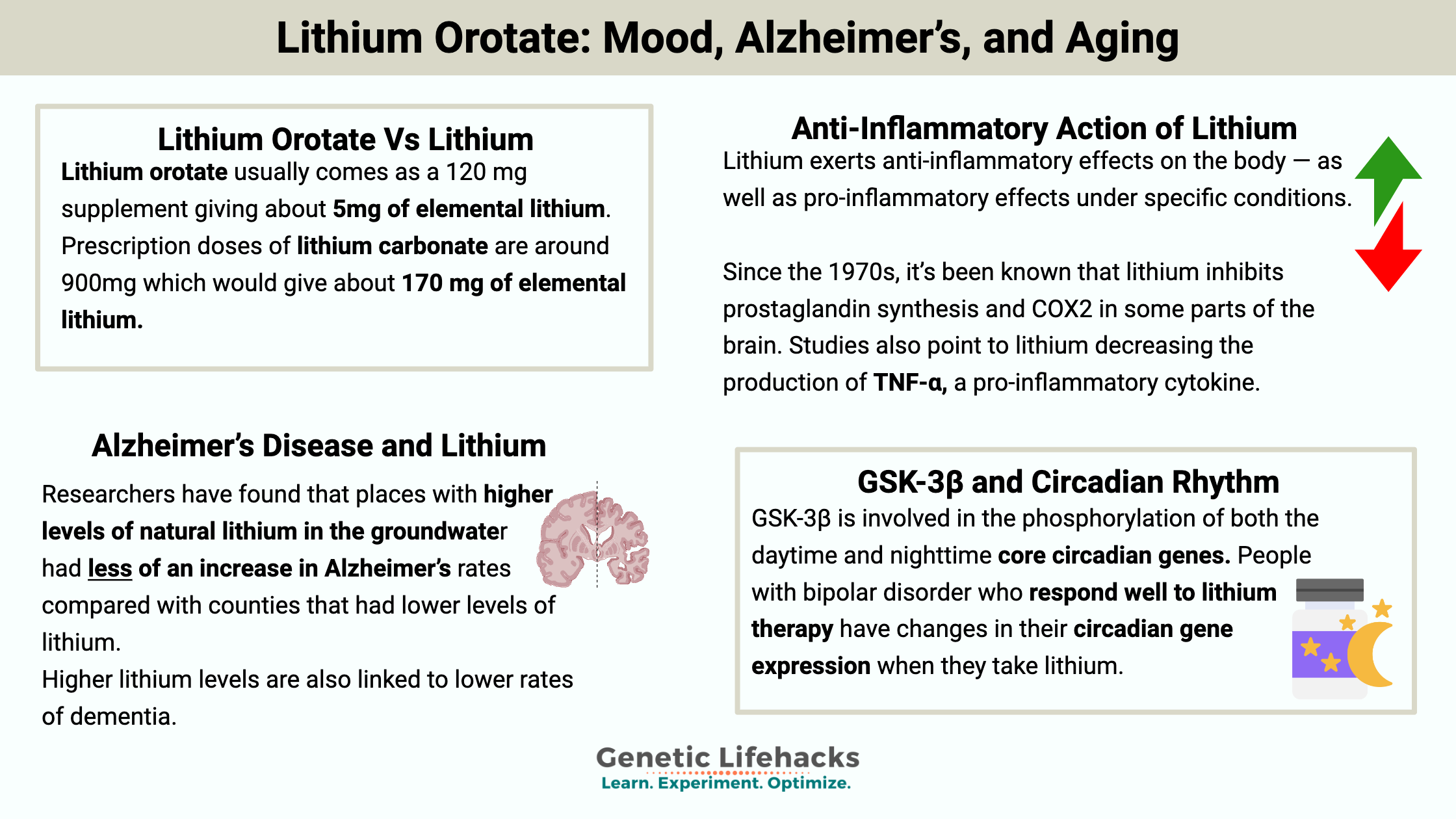
Studies show that lithium in ground water is linked to lower levels of Alzheimers, depression, and aggression. Find out how lithium may be important in Alzheimer’s prevention.
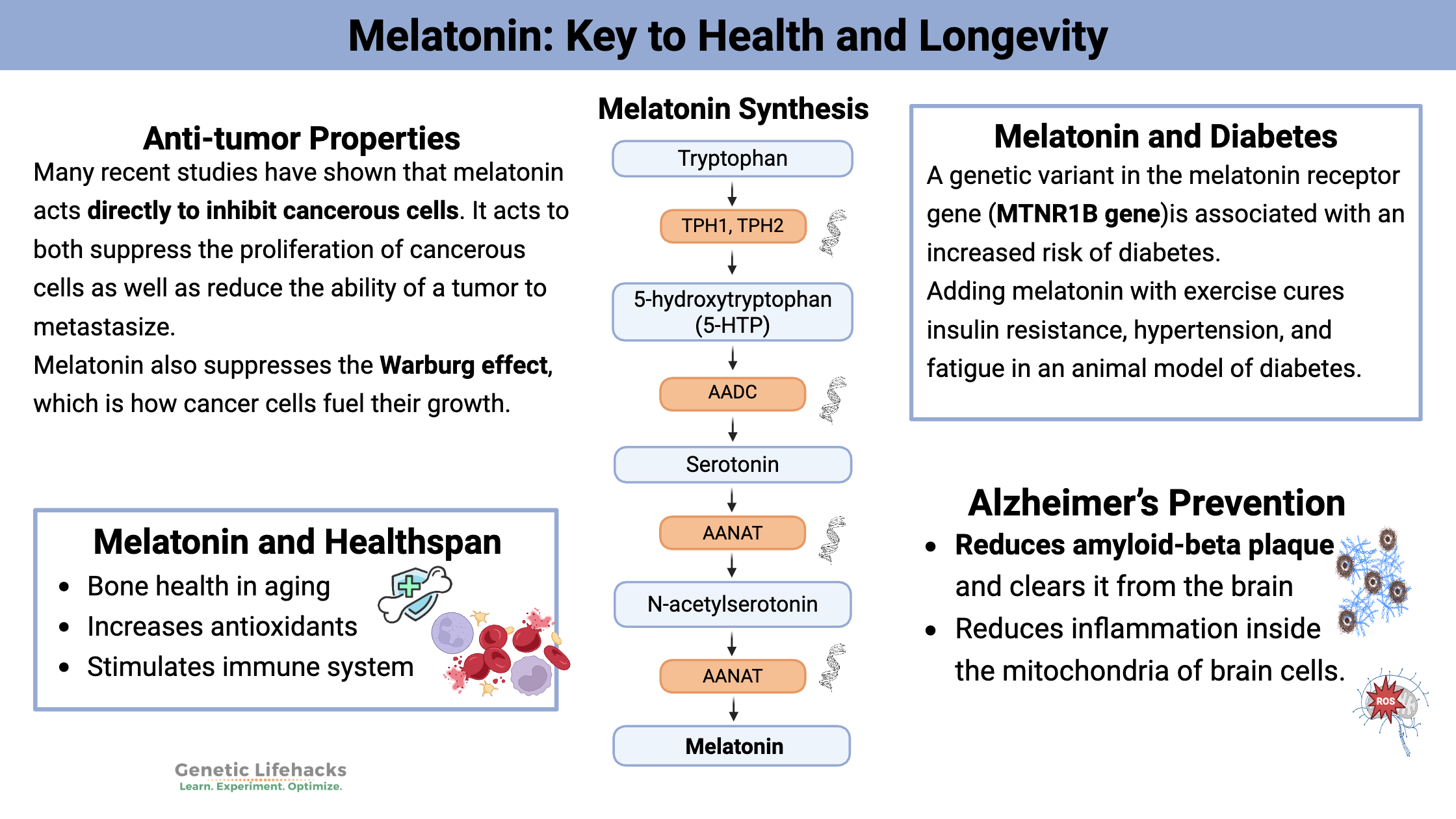
More than just a sleep hormone, melatonin is at the heart of many health topics. Your genetic variants play a big role in the production of melatonin. Learn how your lifestyle and diet interact with your melatonin-related genes.
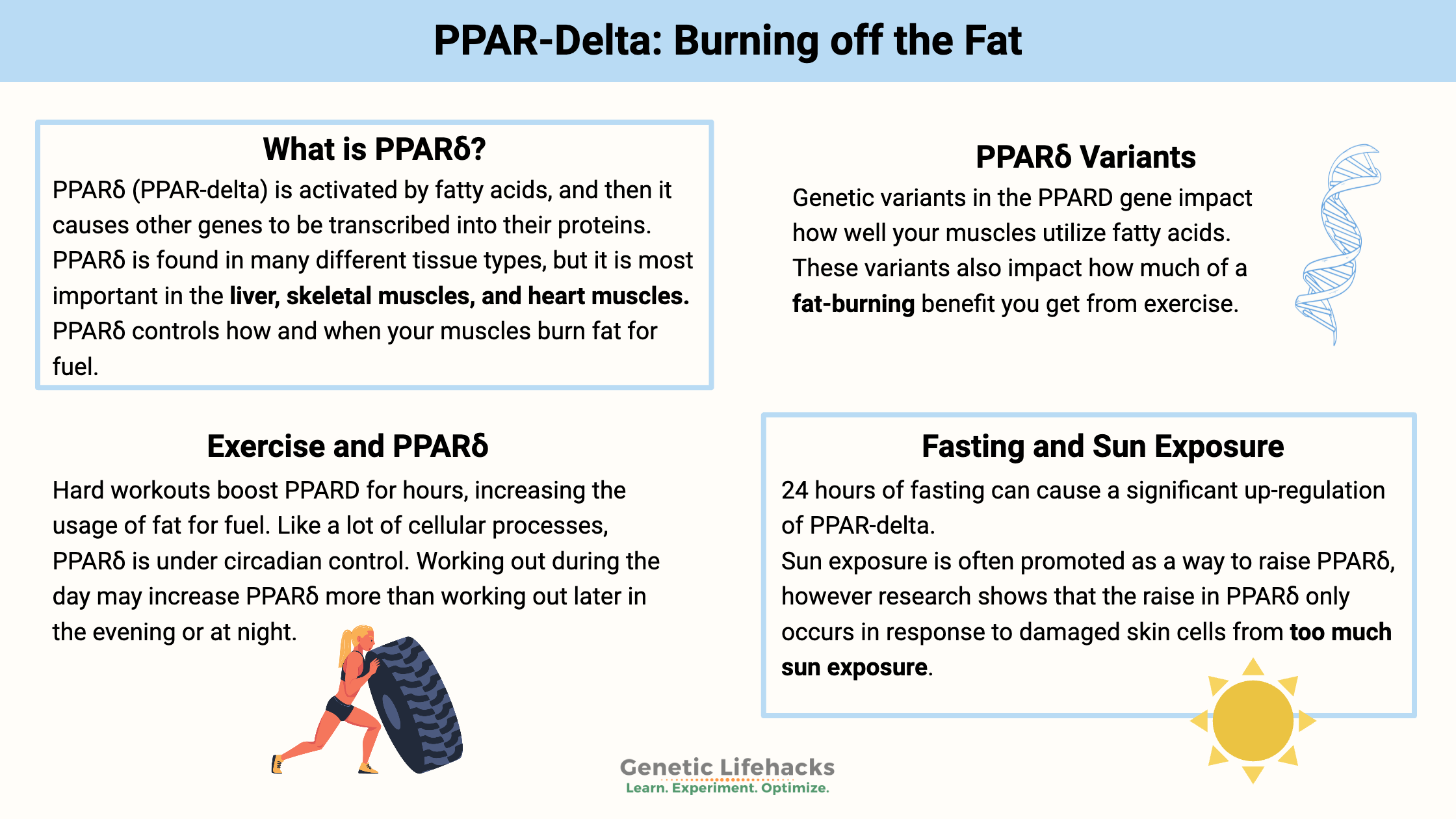
PPARδ is a key player in how and when your muscles burn fat for fuel. Genetic variants in the PPARD gene impact how well your muscles utilize fatty acids. These variants also impact how much of a fat-burning benefit you get from exercise.
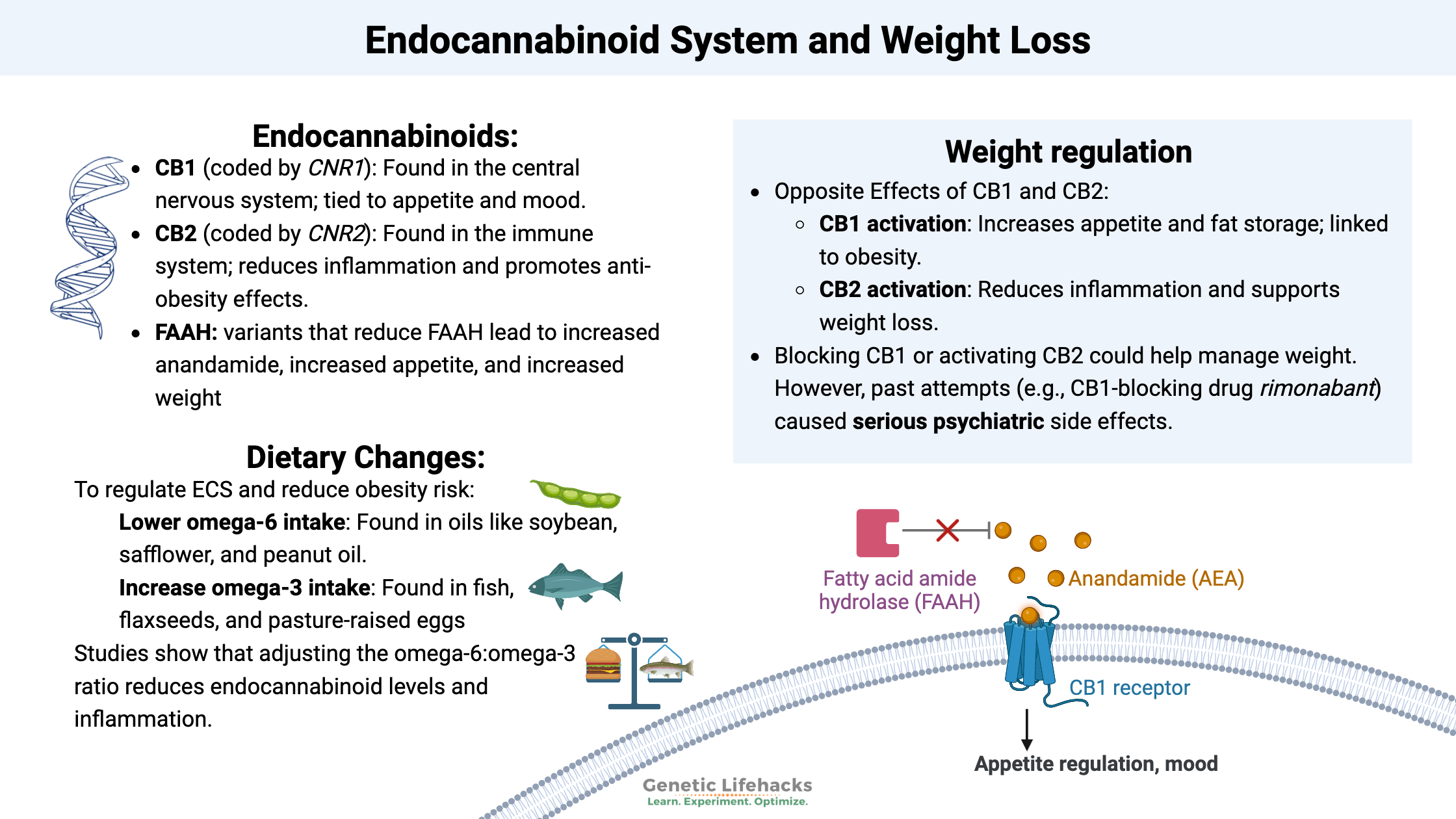
Genetic variants in the endocannabinoid system are strongly linked to increased appetite and higher weight. Find out if you naturally have ‘the munchies’. (Member’s article)
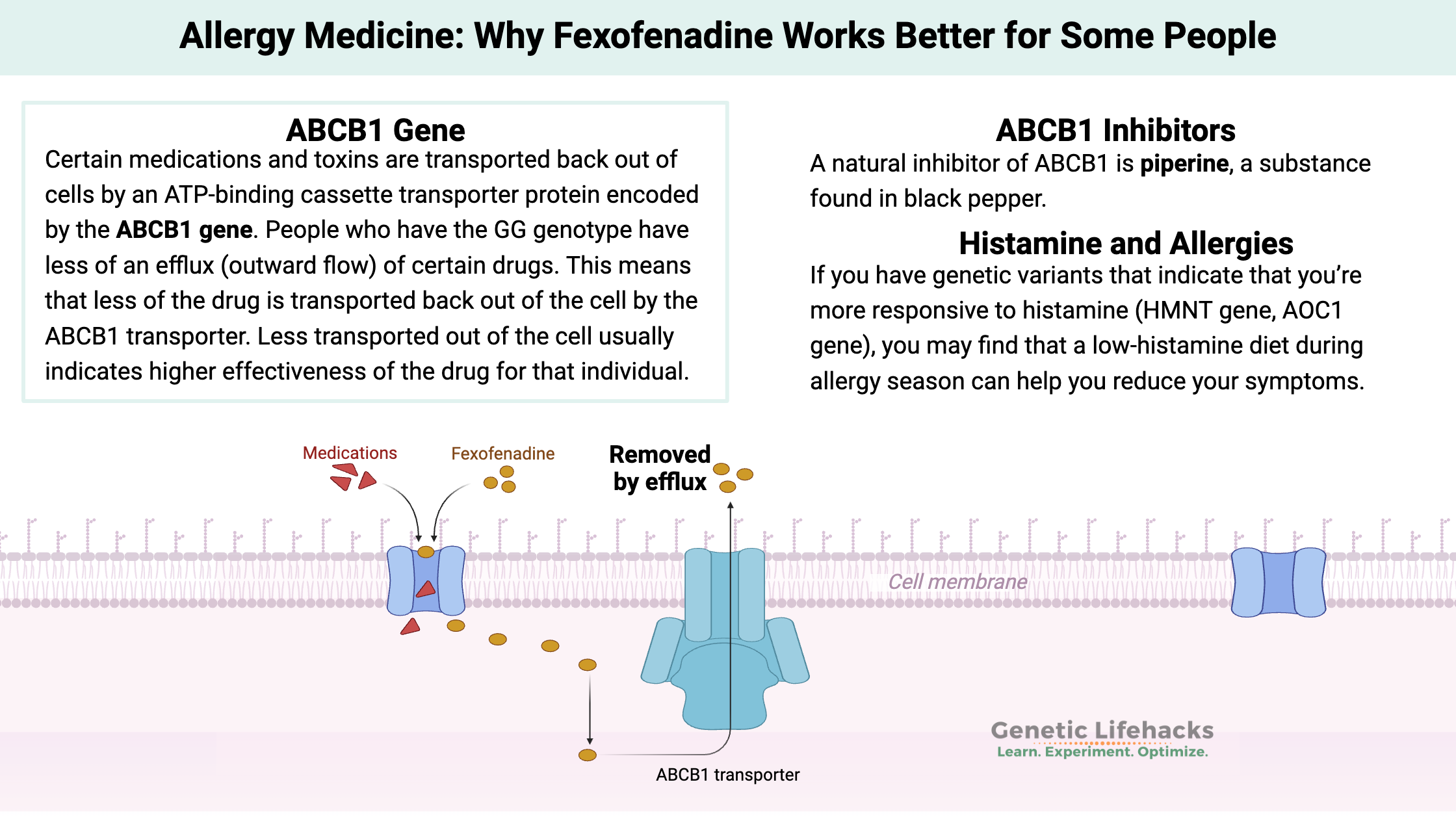
Ever wonder why a certain medication may work great for a friend and do nothing for you? One reason could be the genes involved in transporting the medication into and out of your cells. This article looks at the research studies on fexofenadine and the Multidrug Resistance Protein variants.
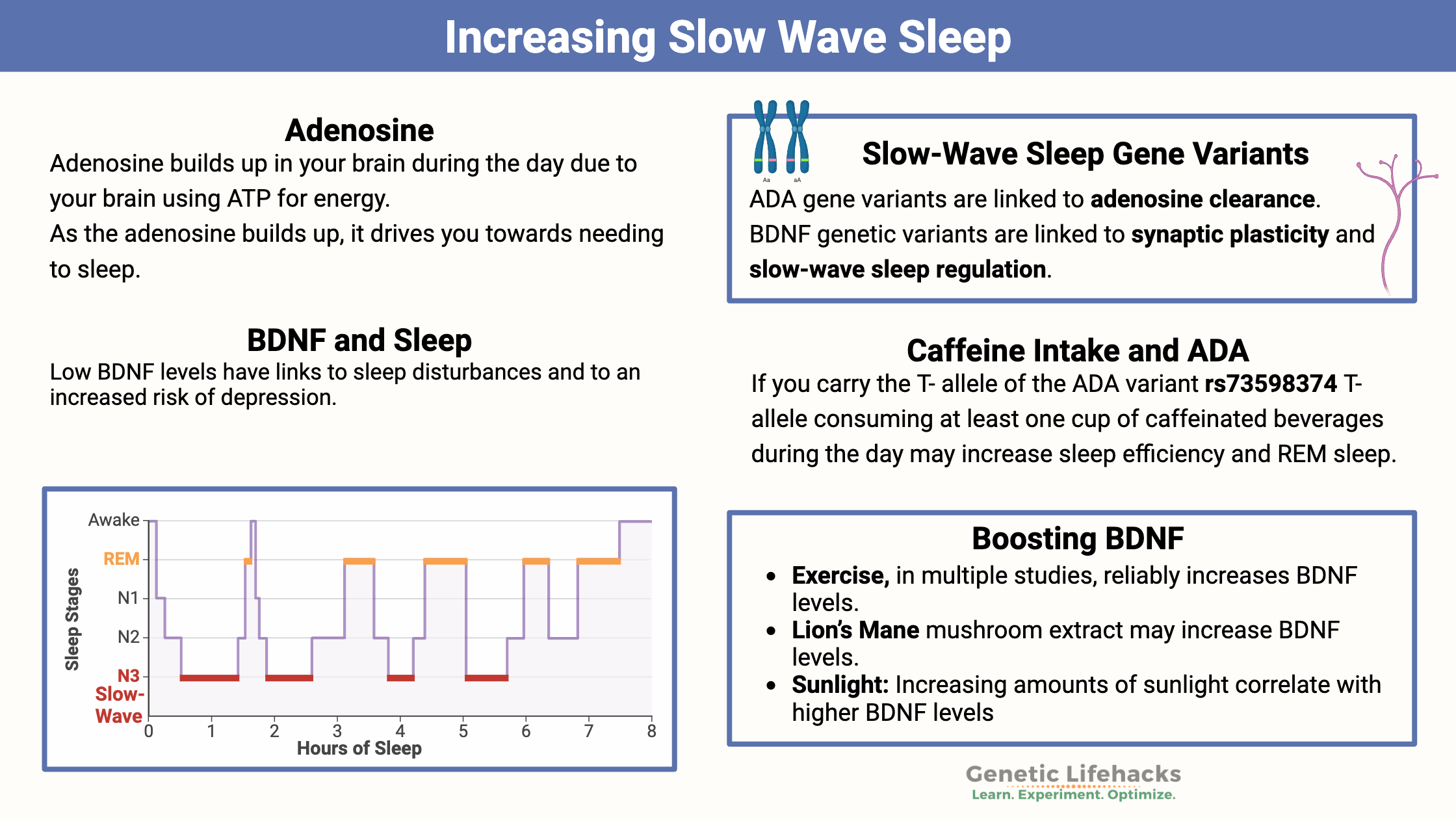
Find out how genes interact with your lifestyle in controlling the amount of deep sleep you get each night. Check out your genetic variants and hack your sleep. (Member’s article)
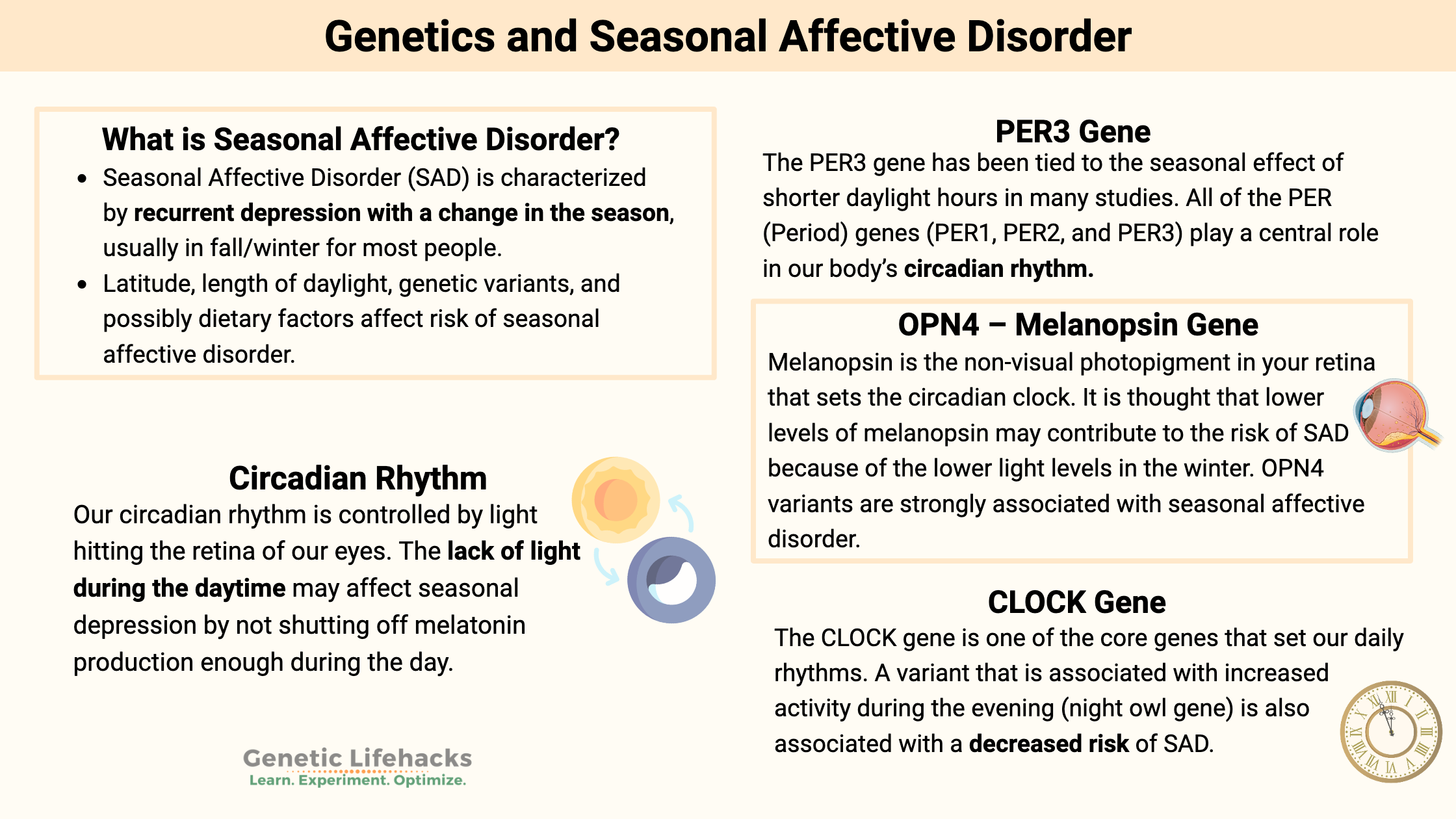
Seasonal Affective Disorder (SAD) is characterized by recurrent depression with a change in the season usually in fall/winter for most. Scientists think this is possibly due to an aberrant response to light – either not enough brightness to the sunlight or not enough hours of light. Your genes play a big role in this responsiveness to light.
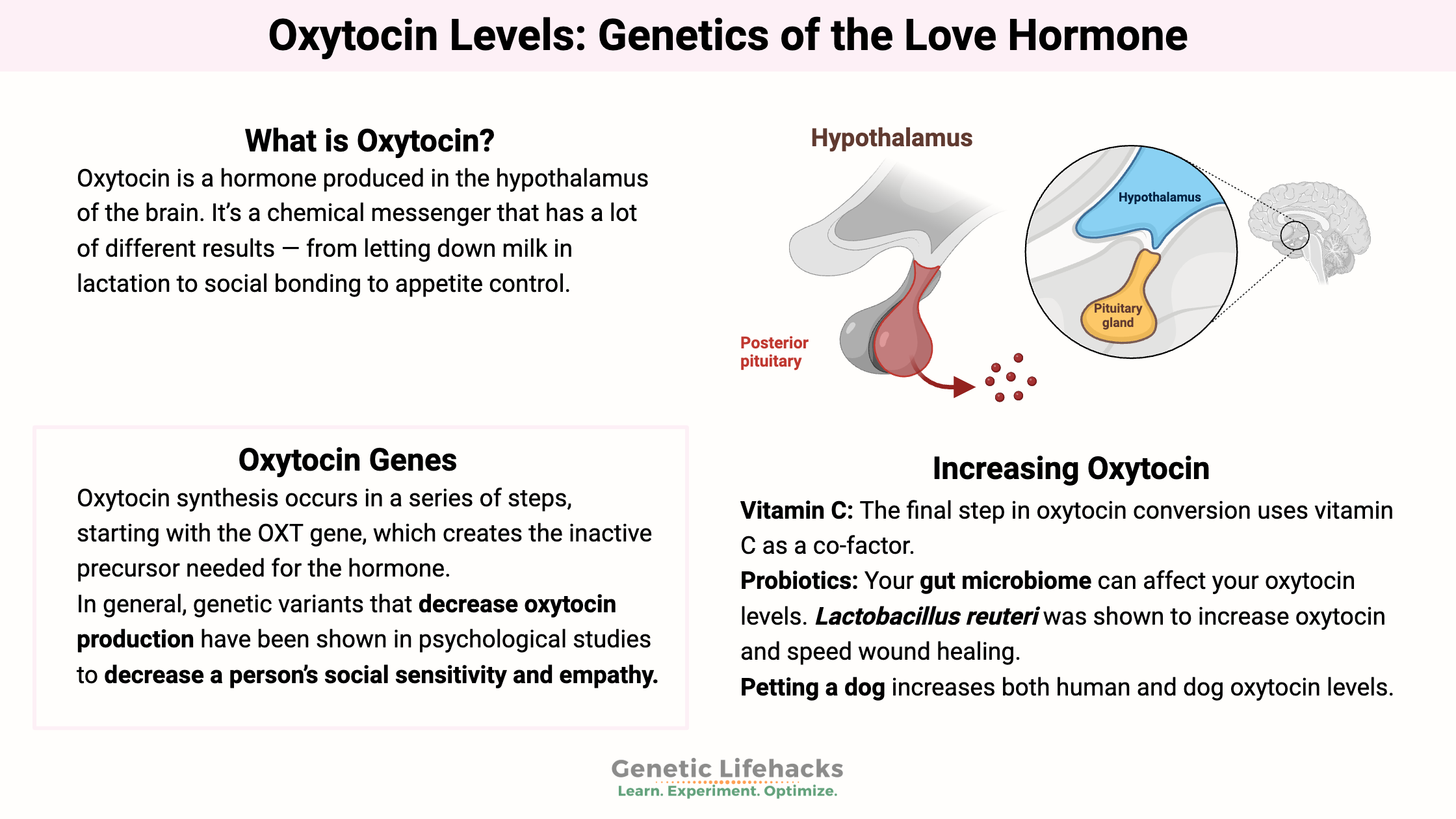
Oxytocin is called the love hormone. Genetic variants in the OXT gene are linked to being more social and empathetic vs being more of an introvert.
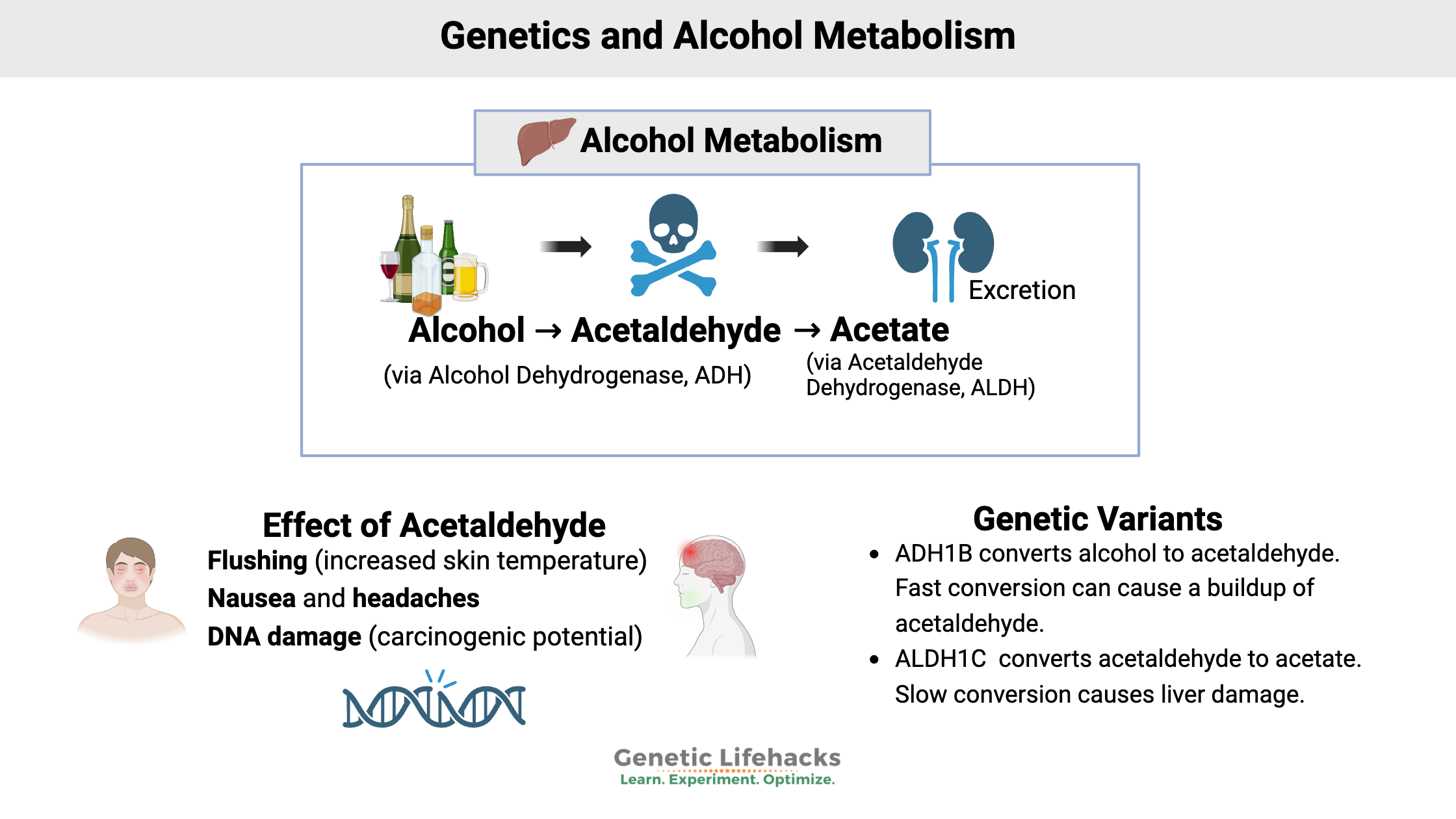
Wondering why you don’t react the same way to alcohol as your friends do? Some people metabolize alcohol faster leaving a build-up of acetaldehyde. Learn more about why this can be a health problem for some.
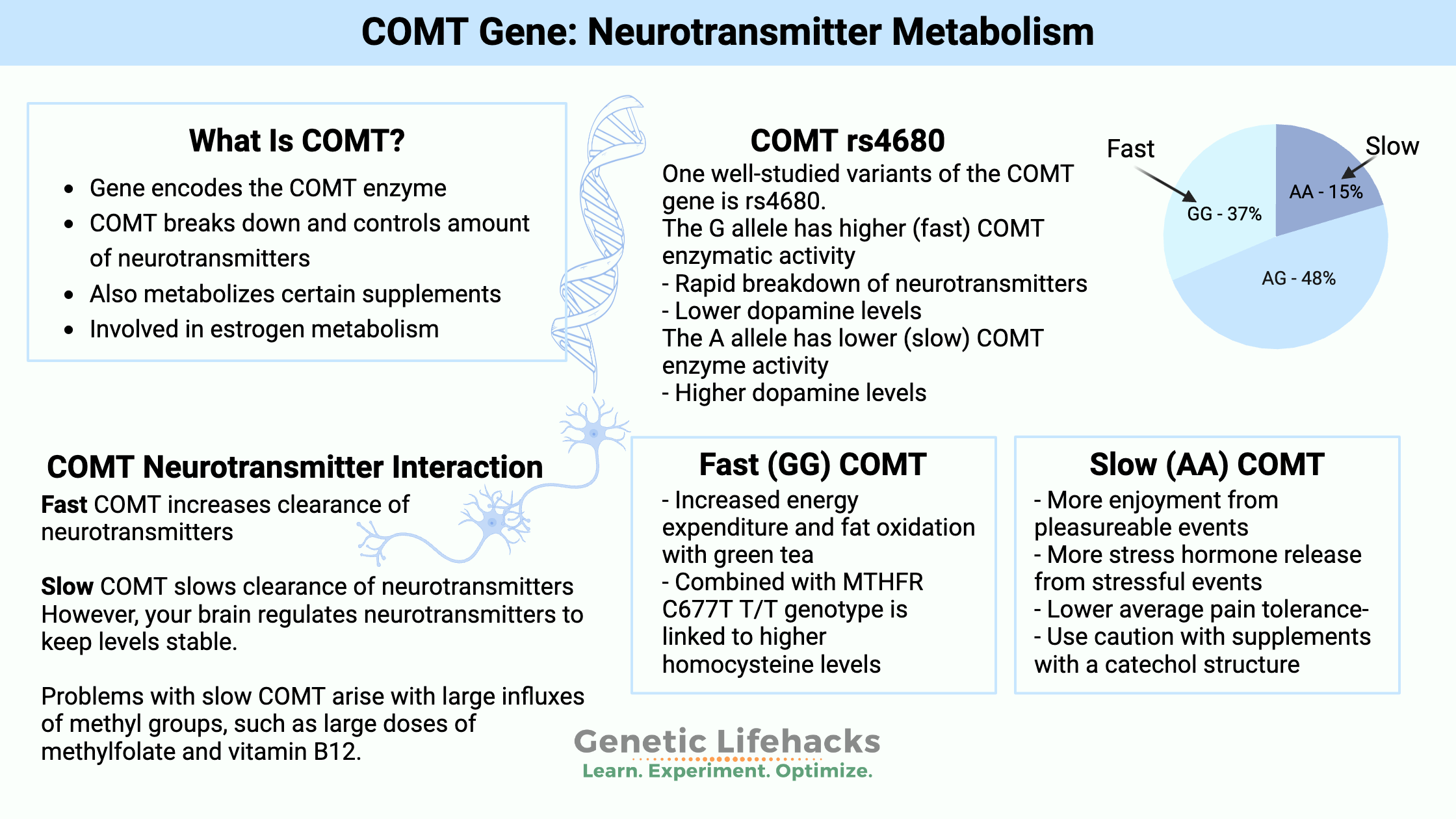
Wondering why your neurotransmitters are out of balance? It could be due to your COMT genetic variants. The COMT gene codes for the enzyme catechol-O-methyltransferase which breaks down (metabolizes) the neurotransmitters dopamine, epinephrine, and norepinephrine.
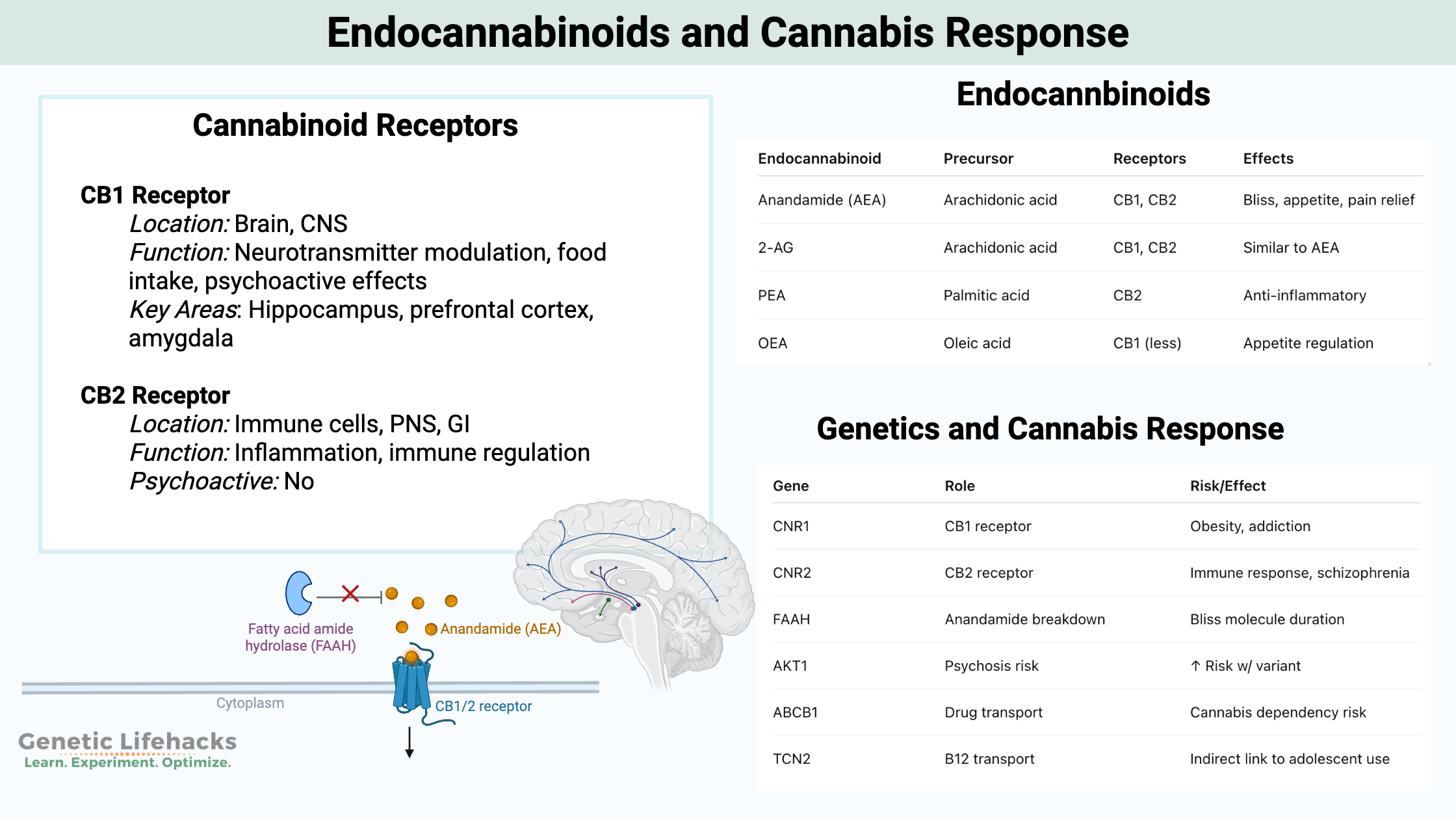
Discover how genetic variants influence your susceptibility to substance abuse, and how the variants impact your body’s reaction to cannabis. (Member’s article)
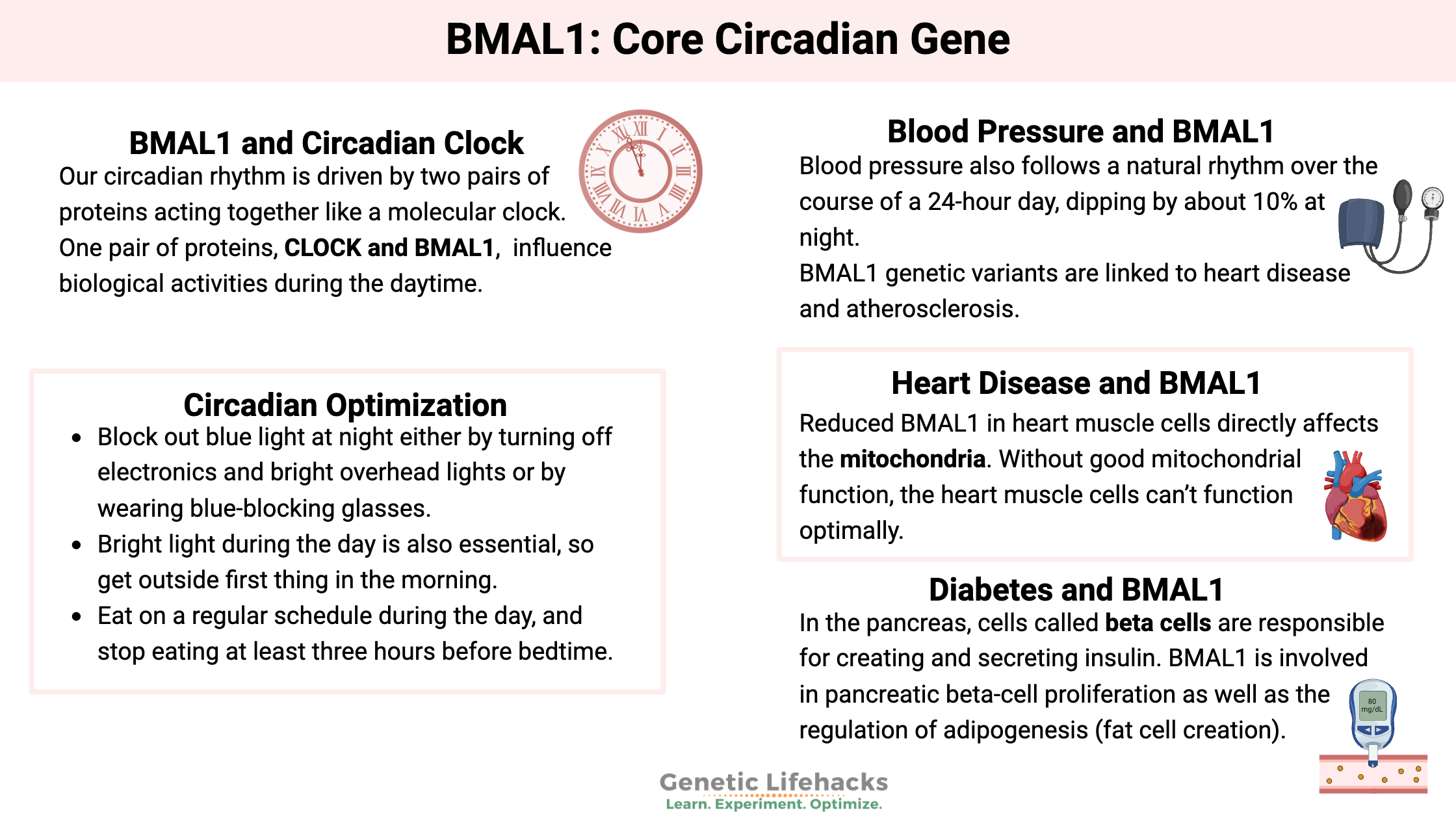
A core circadian rhythm gene, BMAL1, influences heart disease risk, diabetes, and cancer. Check your genes and learn how to mitigate the risk.
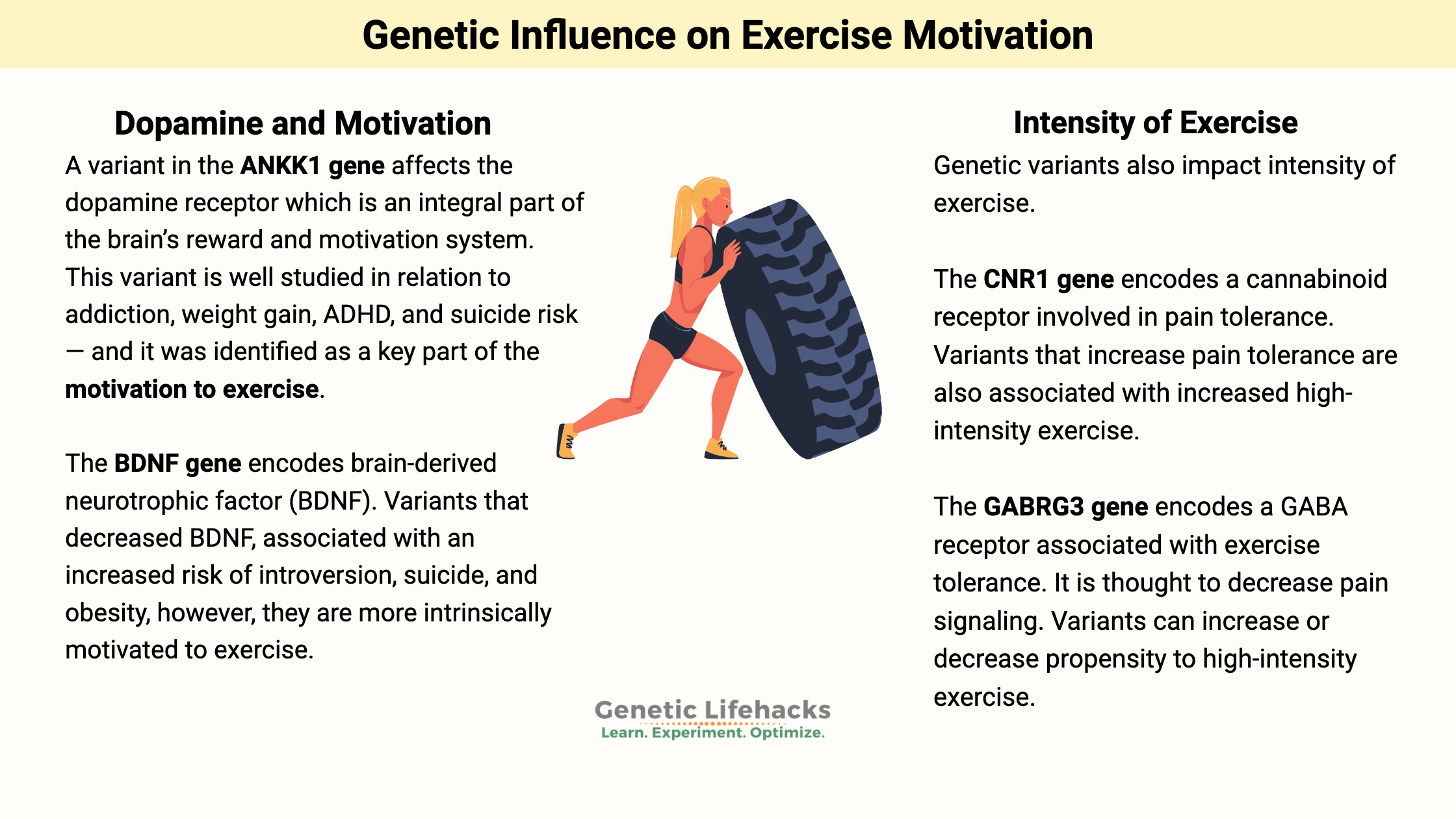
A study in the journal Behavioral Brain Research paints a fascinating picture of why some people are more motivated to exercise. The study looked at the dopaminergic system to see how people’s genetic variants could alter the ‘reinforcing value’ of exercise.
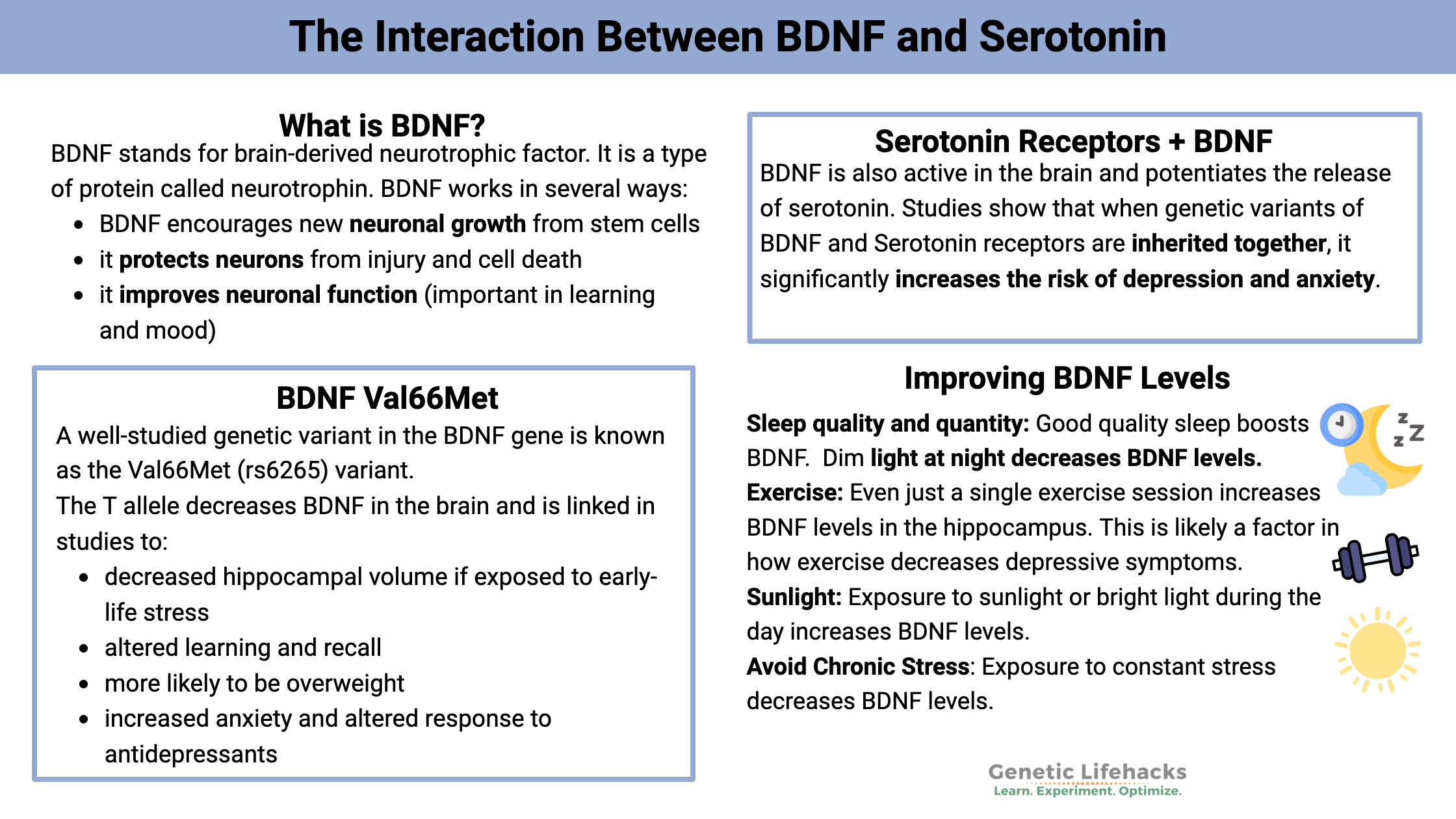
Genetic variants in the BDNF and serotonin receptor genes combine to increase the risk of depression and anxiety. Learn more about BDNF and how these variants interact — and check your genetic data to see how this applies to you.
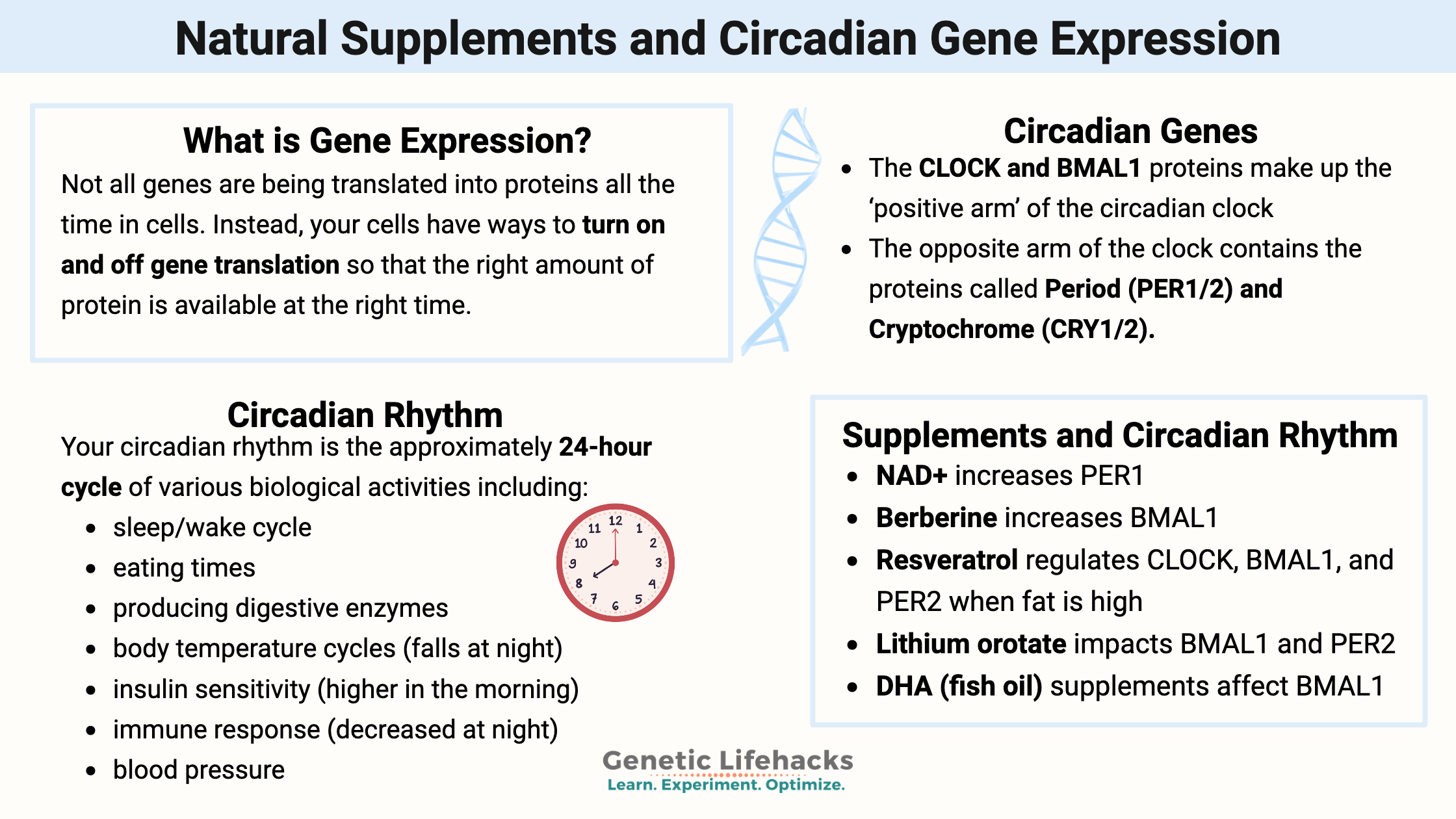
Did you know that some supplements change the expression of your core circadian clock genes? Your core circadian rhythm genes are foundational to your health, and some supplements alter that rhythm.
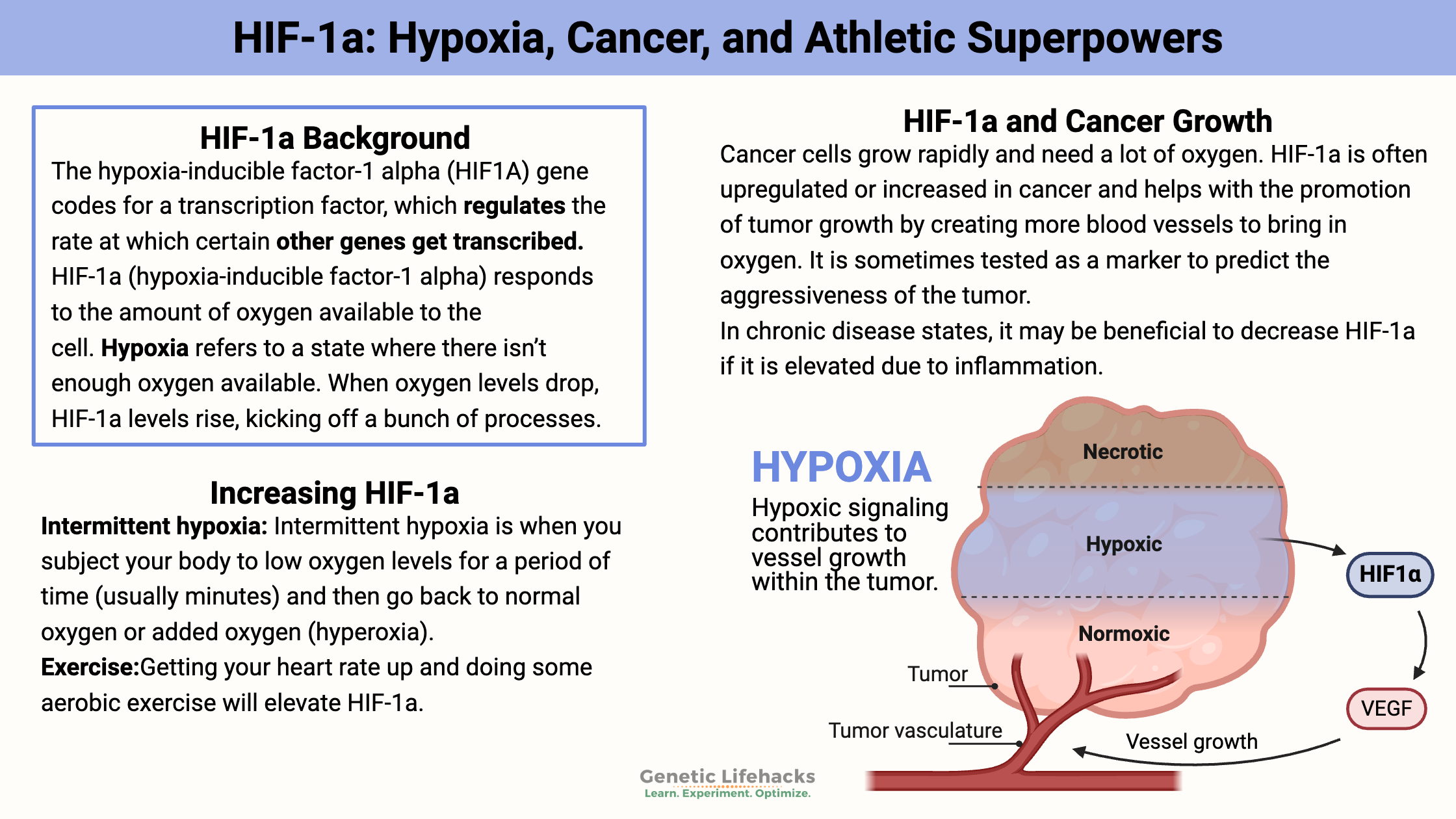
The hypoxia-inducible factor-1 alpha (HIF1A) gene codes for a transcription factor, that responds to the amount of oxygen available to the cell. This is important in cancer prevention, and several HIF1A genetic variants alter the susceptibility to several types of cancer.
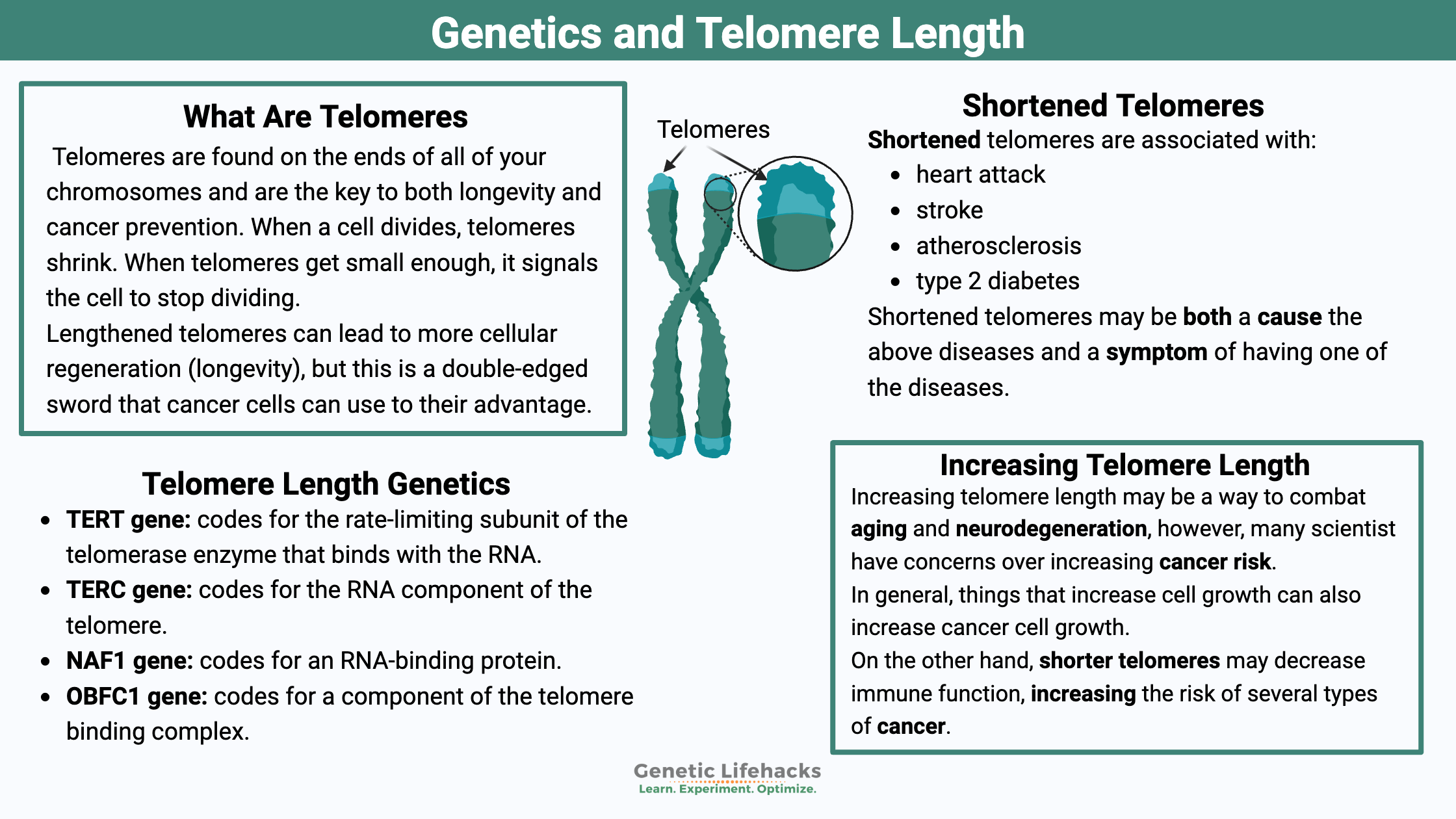
Your telomeres are the region at the end of each chromosome that keeps your DNA intact when your cells divide. Genetics plays a role here – along with diet and lifestyle.
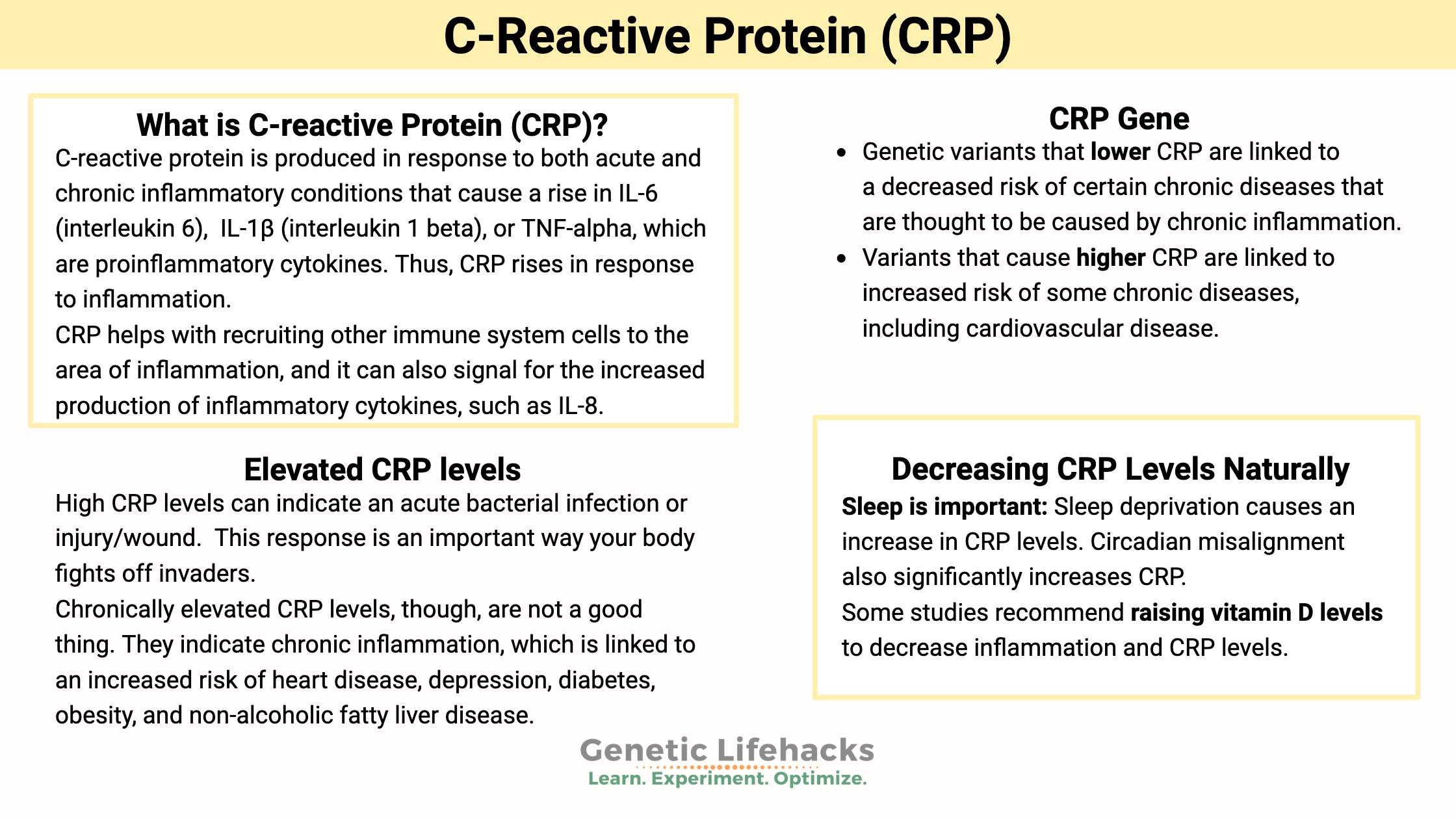
Chronic inflammation is the driver of many common diseases such as heart attacks, diabetes, obesity, and autoimmune diseases. C-Reactive Protein is a marker of inflammation. Genetic variants can increase or decrease CRP levels.
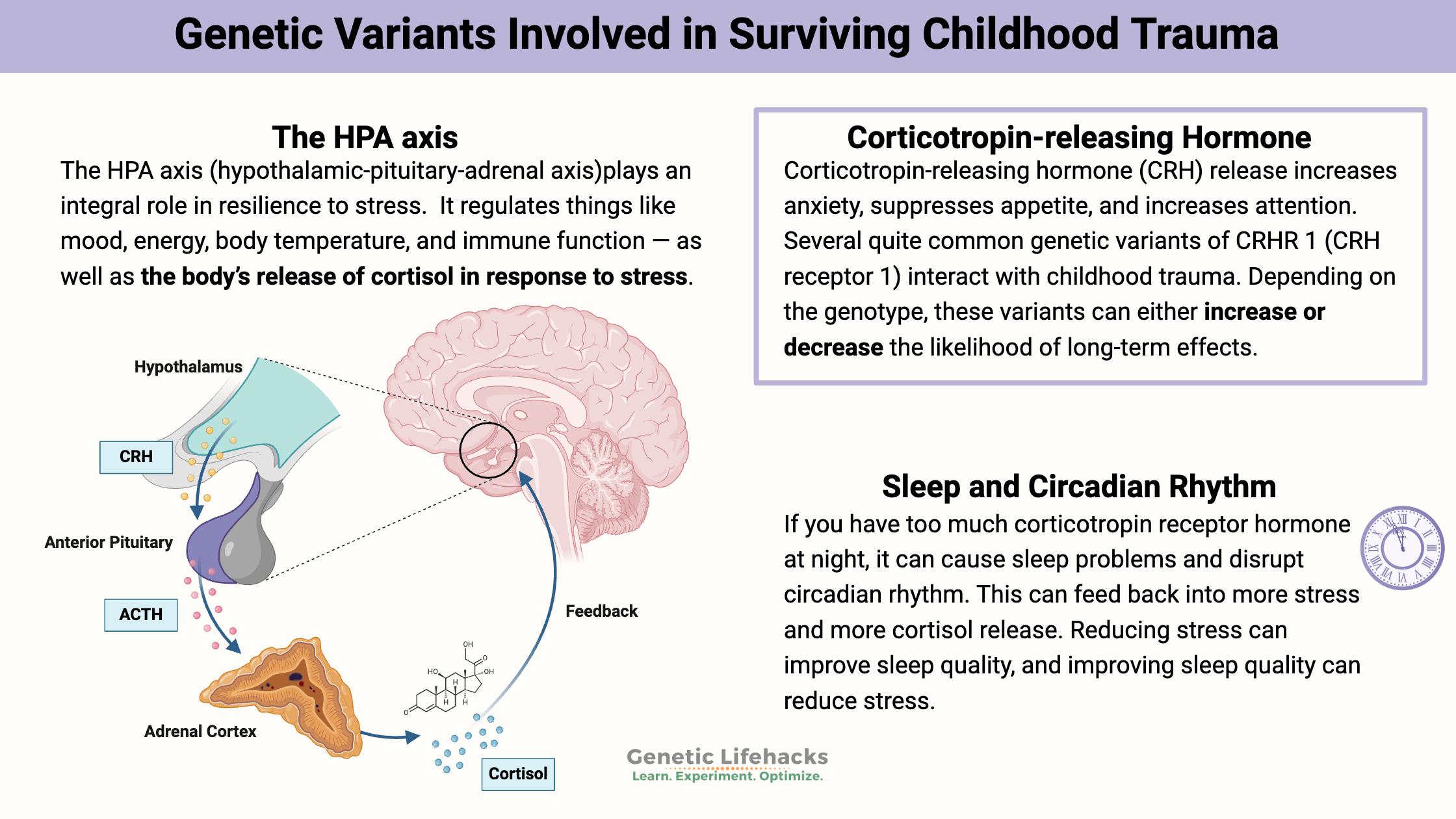
Exposure to childhood trauma, such as exposure to abuse, violence, or repeated stress, can have a long-lasting effect. Genetic differences in the CRHR1 gene are linked to elevated cortisol levels in adults who were exposed to trauma in childhood.