
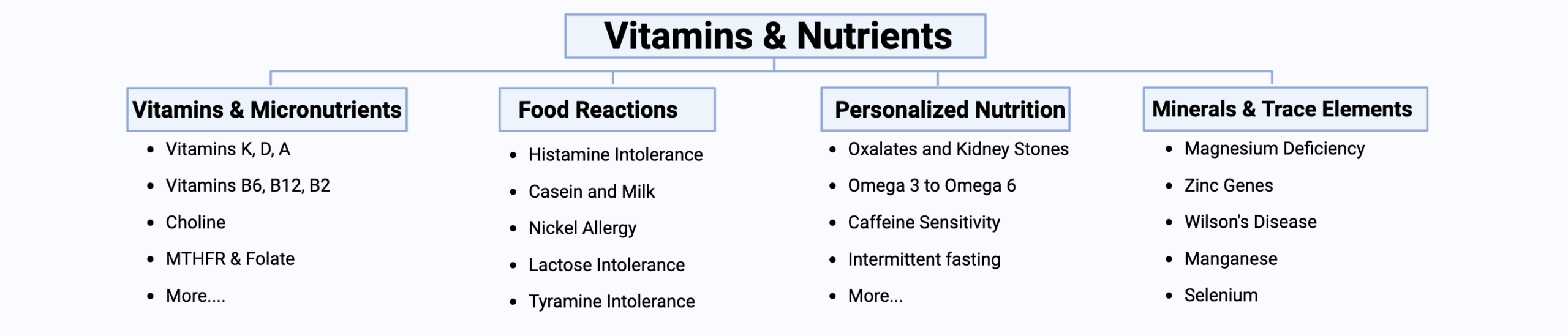
Your genes influence how well your cells absorb, transport, and utilize nutrients. We are all genetically different, and your genes give you unique dietary needs and strengths. Genetic data can give you a starting point to know where you may need more – or less – of a specific nutrient. It can also point to problems with specific foods, like dairy, or with a component of foods, like histamine or tyramine.
Here you will find the tools you need to dial in your nutrition. This isn’t a one-size-fits-all approach! No protocols here… Instead, you’ll learn which nutrients are likely important for you, and then pick from possible solutions in the Lifehacks section.
Members: Check out your Vitamins & Nutrients Summary Report
Vitamins & Micronutrients
Vitamins and micronutrients interact with genetic variants related to their absorption, transport into cells, conversion into their active form, and serum levels.
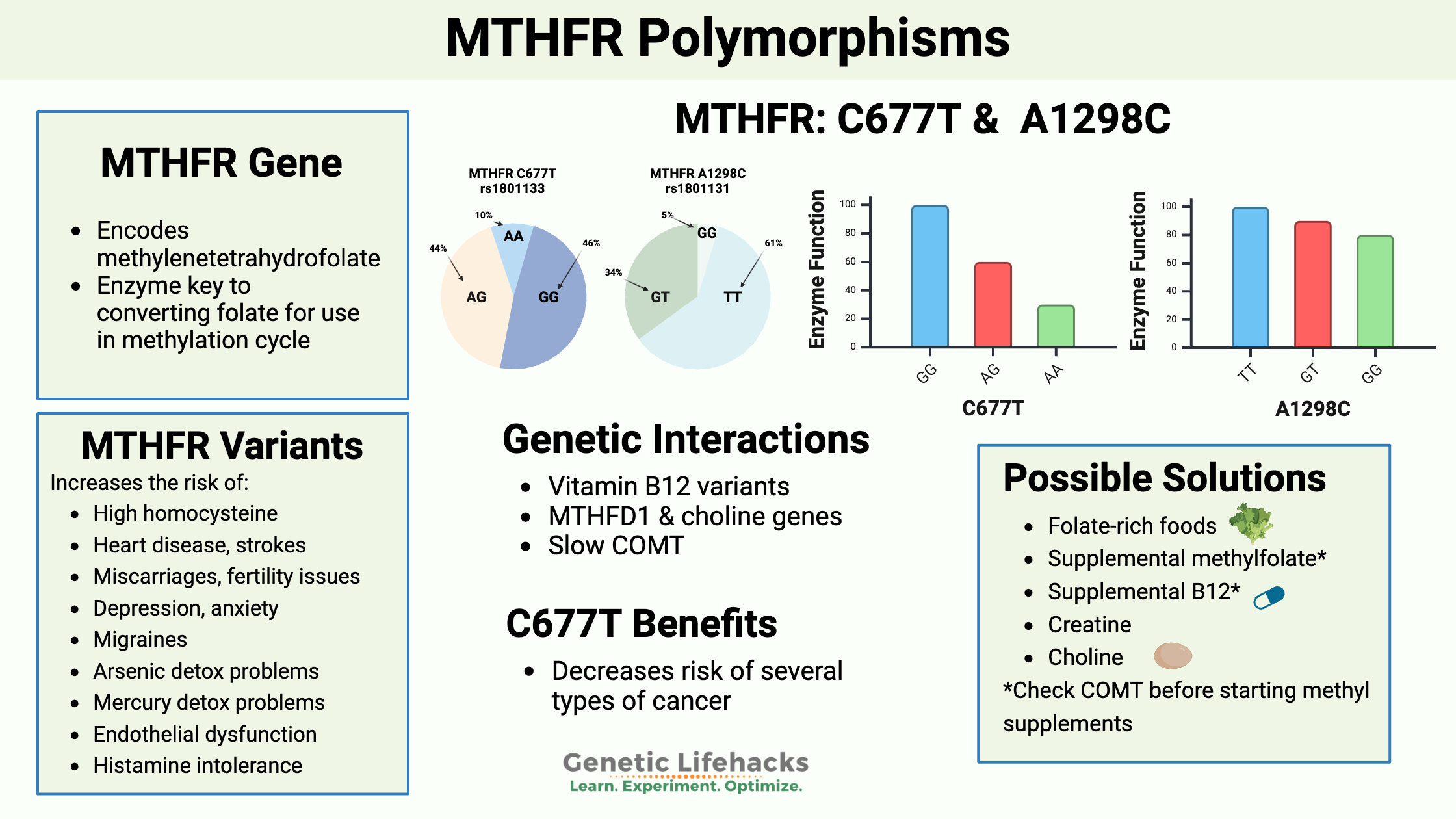
MTHFR Gene Explained: C677T and A1298C Variants, Testing, and Solutions
MTHFR C677T and A1298C variants can alter how your body utilizes folate (vitamin B9) for creating neurotransmitters, detoxifying toxicants, and maintaining a healthy heart. MTHFR is a key gene in the methylation cycle.
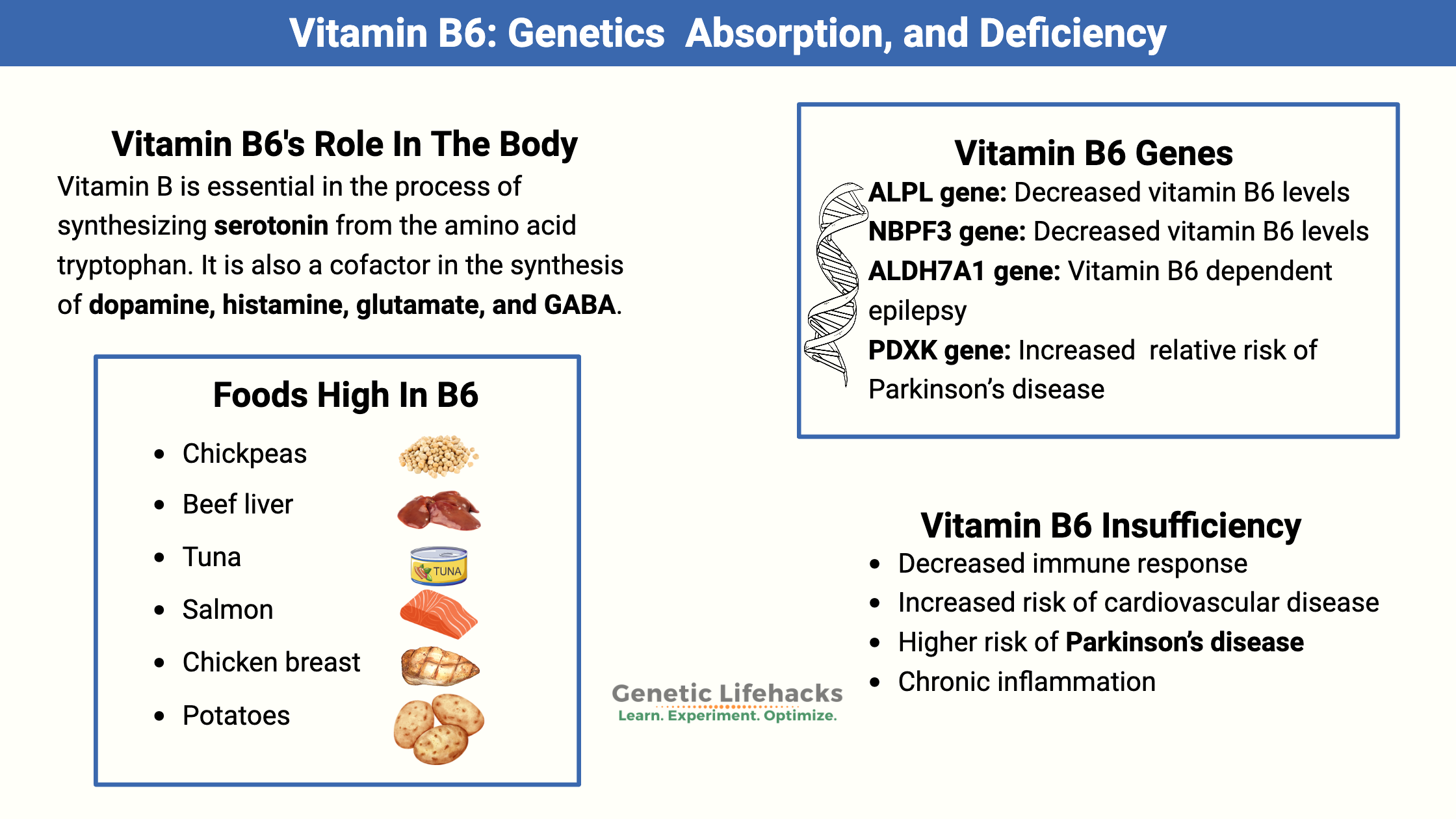
Vitamin B6: Genetics, Absorption, and Deficiency
Vitamin B6 is an important co-factor in hundreds of different enzymatic reactions. Genes involved in vitamin B6 activation, transport, and metabolism can contribute to low B6 availability. Low levels of B6 are linked to an increased risk of diabetes, cardiovascular disease, neurodegenerative diseases, and cancer.
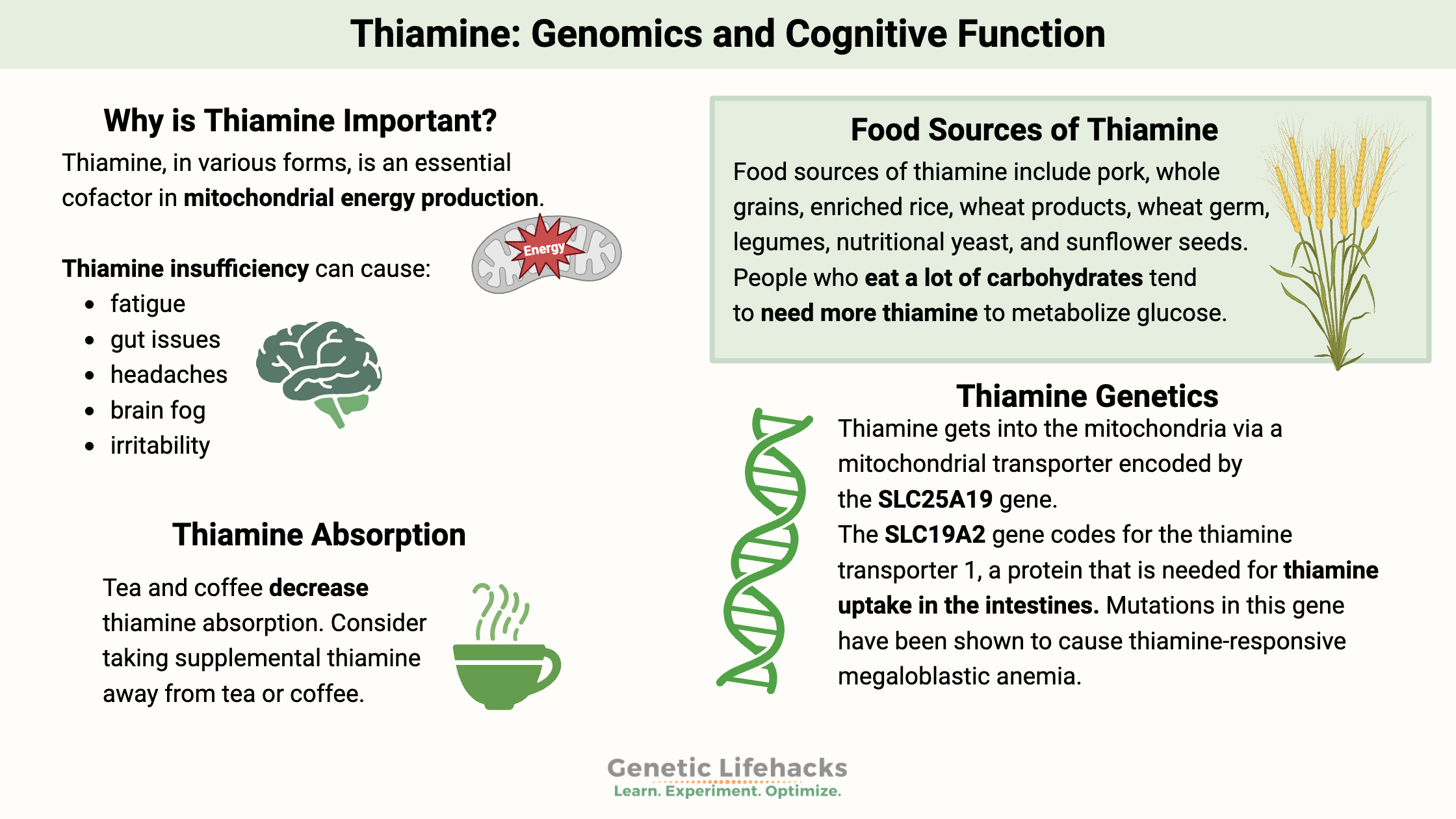
Thiamine: Genomics, Cellular Energy, and Cognitive Function
Thiamine (vitamin B1) is essential for energy production and brain function. Learn how SLC19A2, SLC19A3, and other genes affect your need for thiamine.
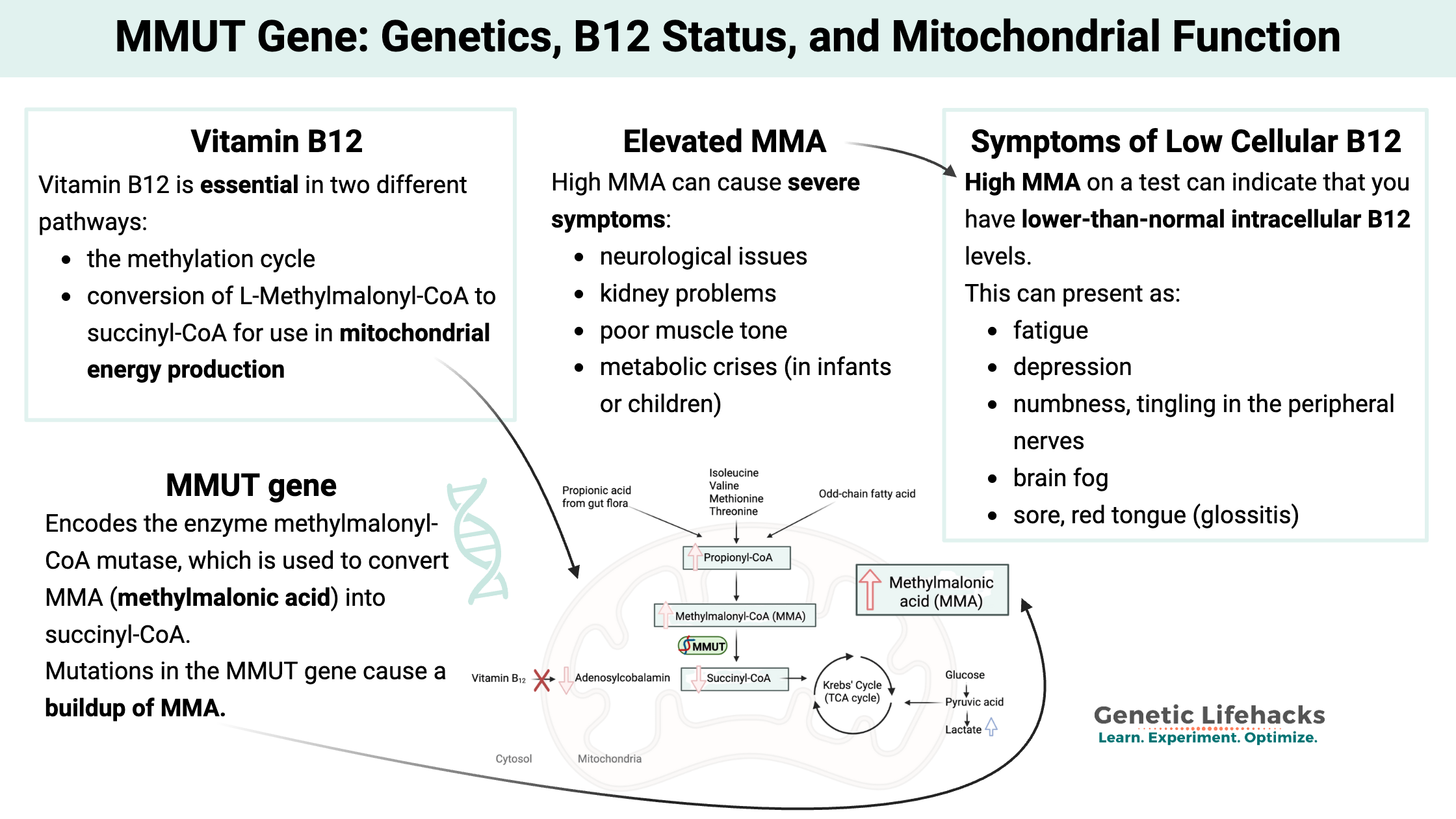
MMUT Gene Variants & Methylmalonic Acid (MMA): B12 Status & Genetics
MMUT gene variants affect how your body uses B12 for mitochondrial energy. Learn how MMA testing reveals intracellular B12 deficiency and which form of B12 can help.
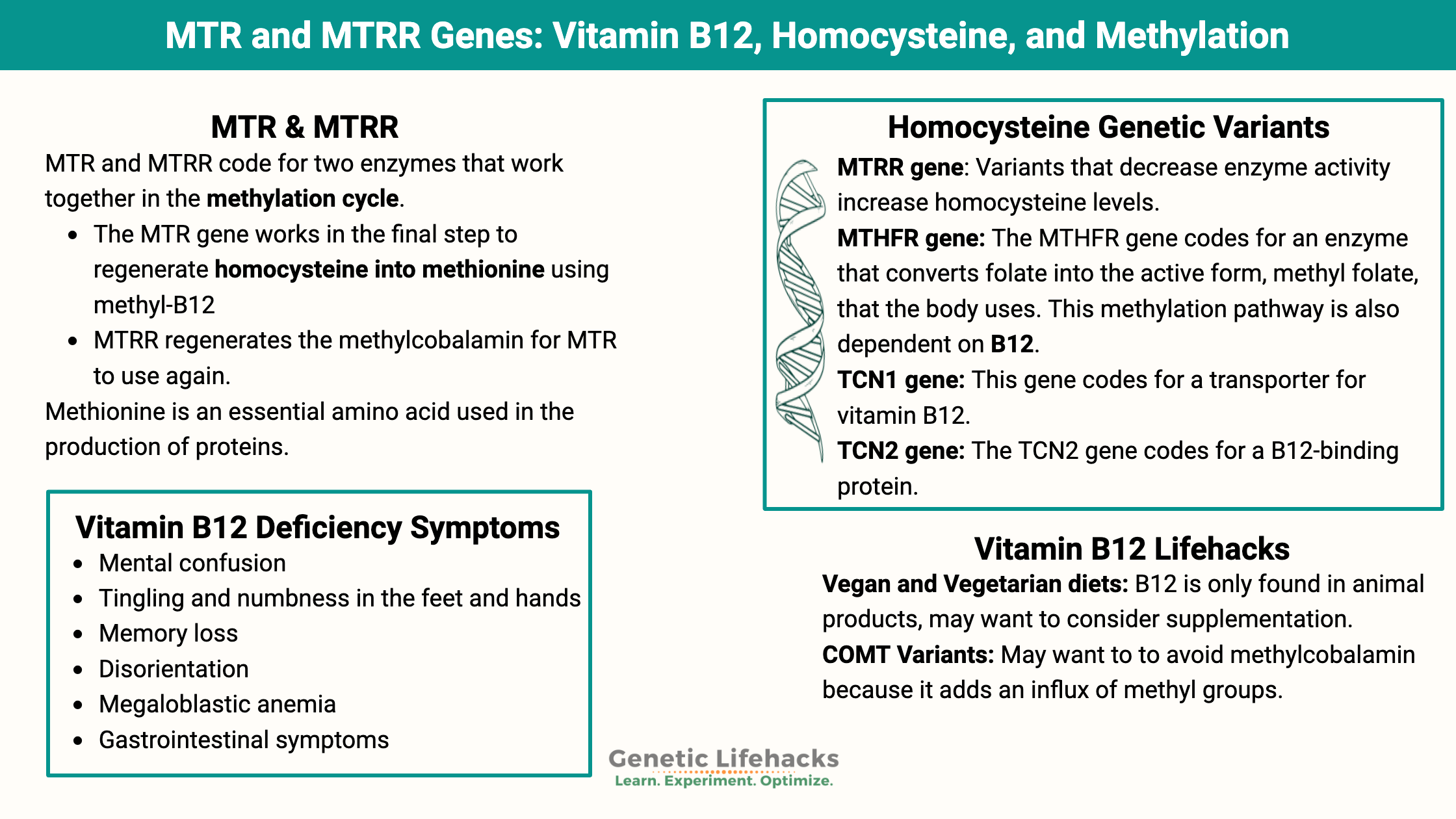
Vitamin B12, MTR & MTRR, and Methylation
Variants in B12 absorption, transport, and methylation, including MTR and MTRR, can affect your need for vitamin B12. Some people may need a little more B12, and others may thrive on different forms of B12.
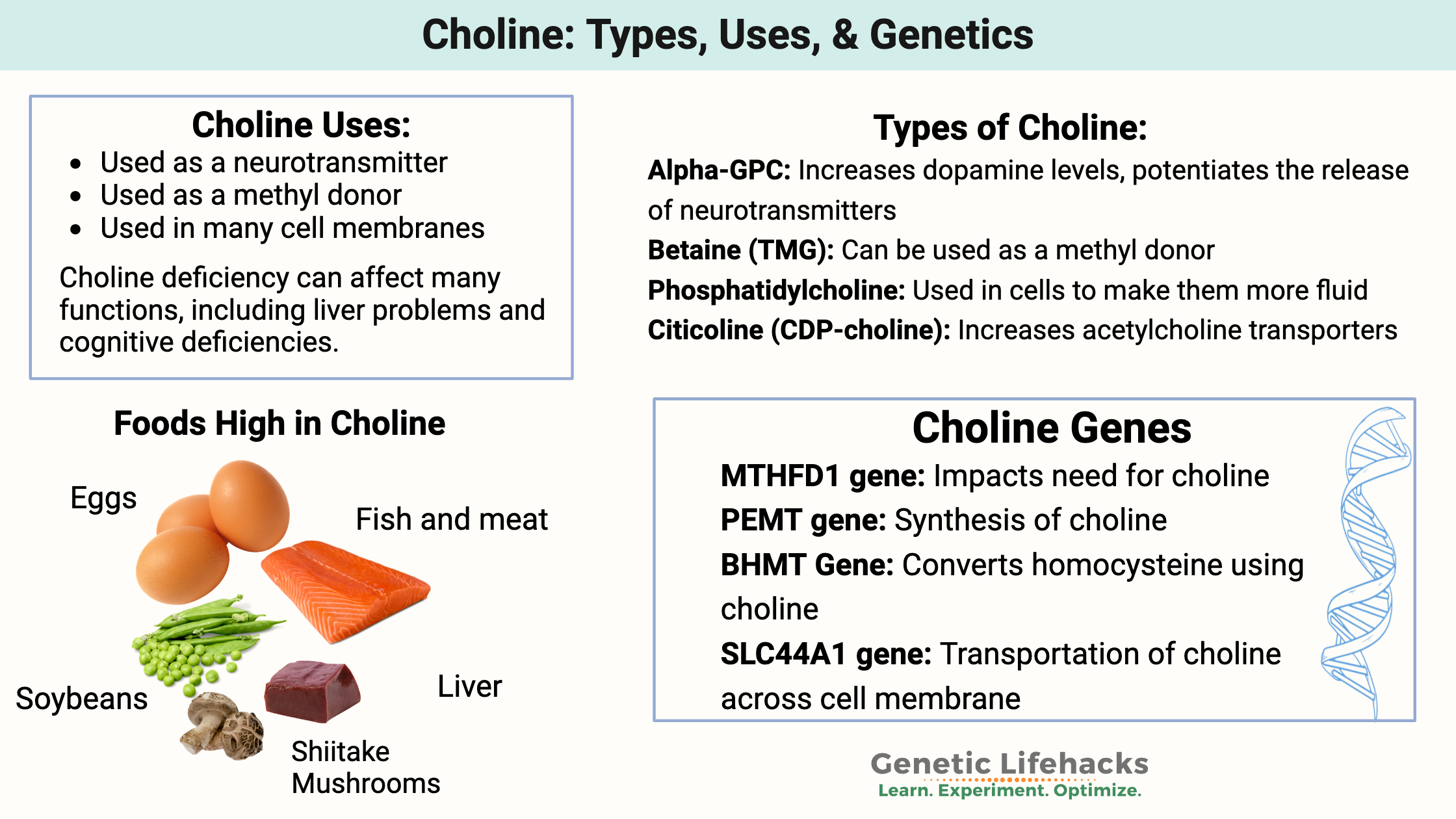
Which Type of Choline Works Best with Your Genes?
PEMT, MTHFD1, and CHKA genes can affect your need for choline and how it is metabolized. Compare food sources and supplement forms, including citicoline, alpha-GPC, PC, and betaine.
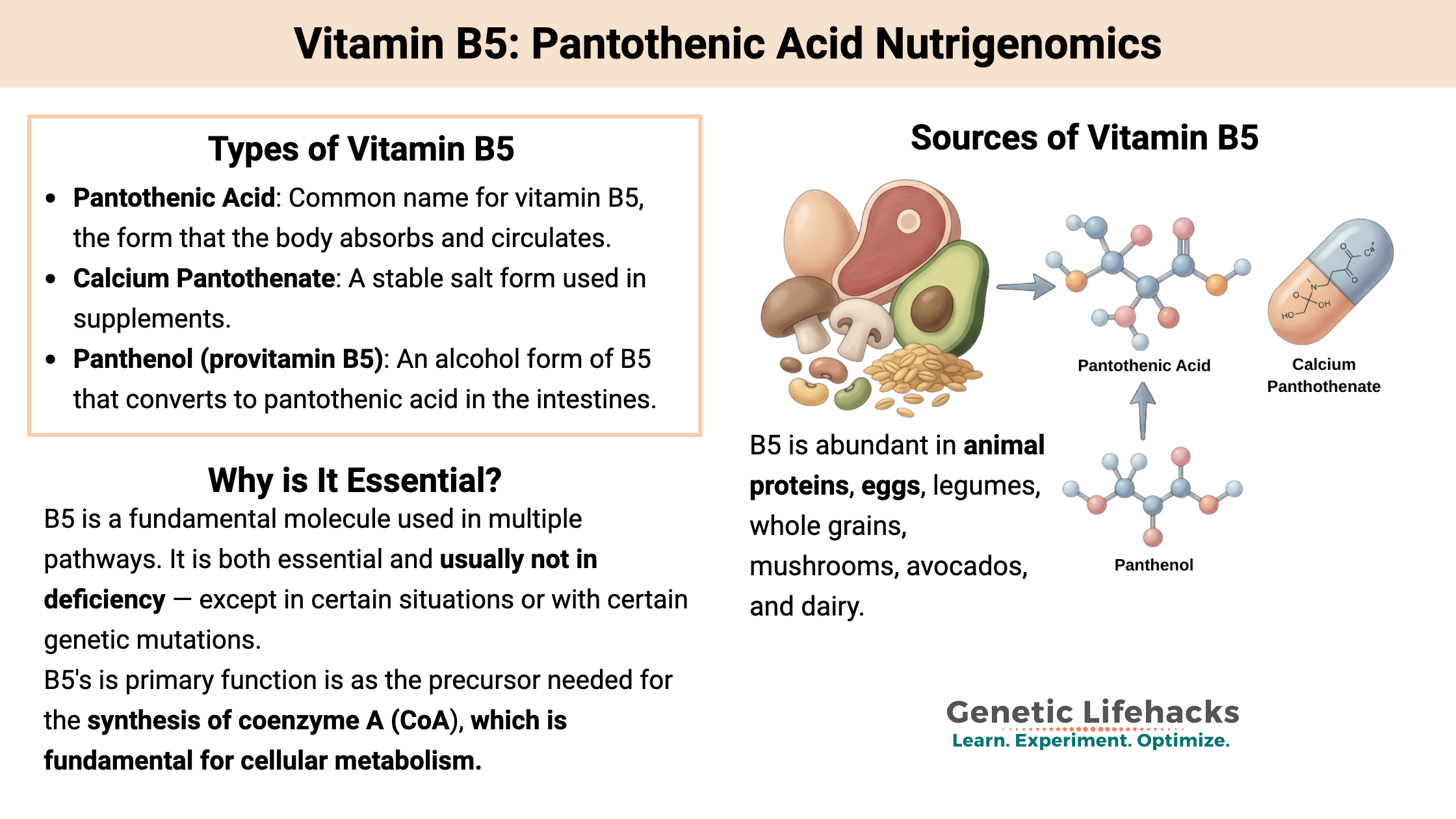
Vitamin B5 (Pantothenic Acid): Genetics, Deficiency, and Neurodegenerative Disease
Pantothenic acid (vitamin B5) is essential for coenzyme A synthesis and brain energy. Learn about B5 deficiency, PANK2 mutations, and links to Alzheimer’s.
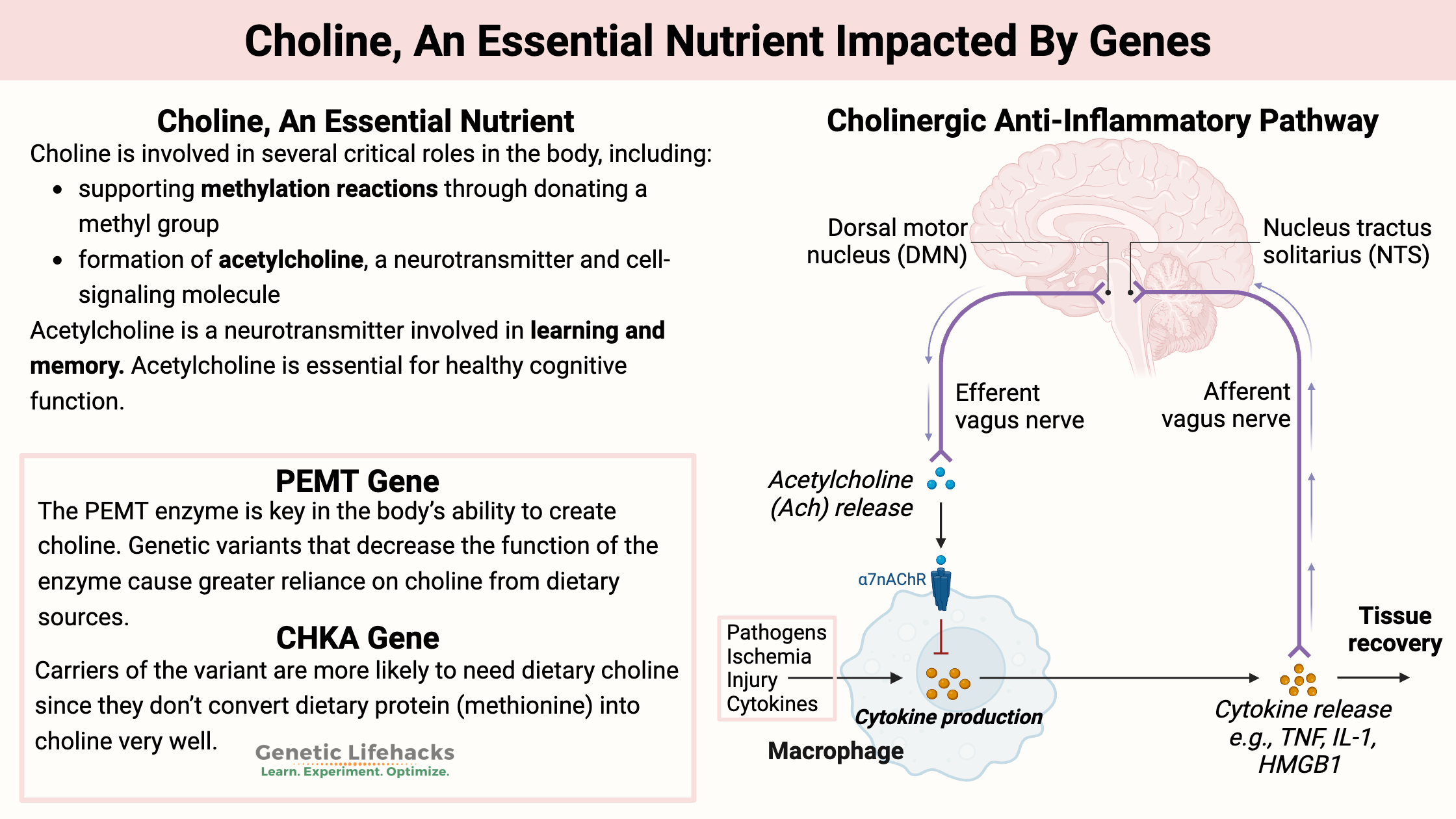
Choline, An Essential Nutrient Impacted By Genes
Your need for choline depends on genes such as PEMT and CHKA. Learn how your genes may affect how much you need from your diet.
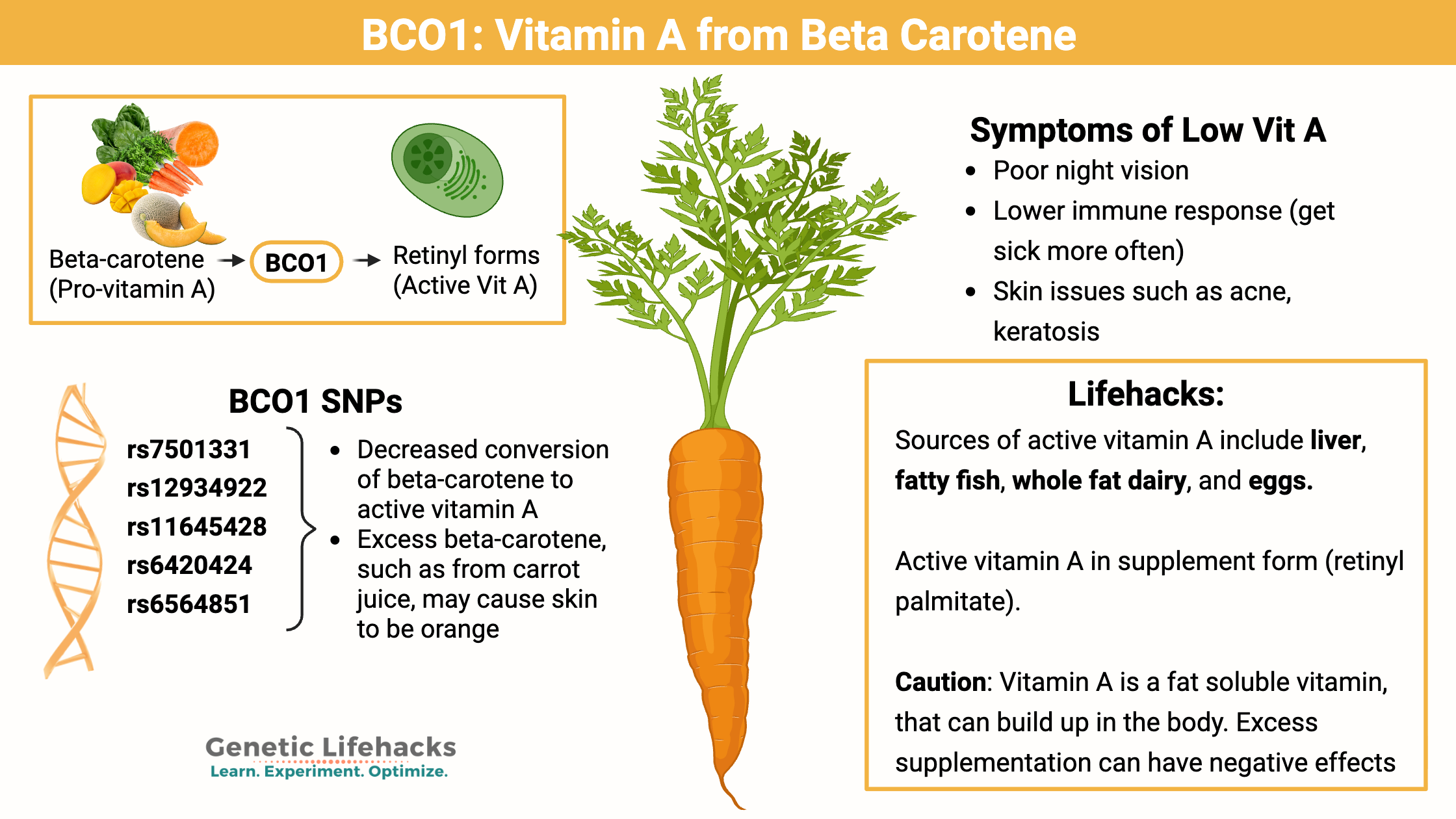
BCO1 Gene: Converting Beta-Carotene to Vitamin A
BCO1 variants can reduce the conversion of beta-carotene into the active form of vitamin A (retinol). Find out how to check your genotype and which form of vitamin A may be most ideal for you.
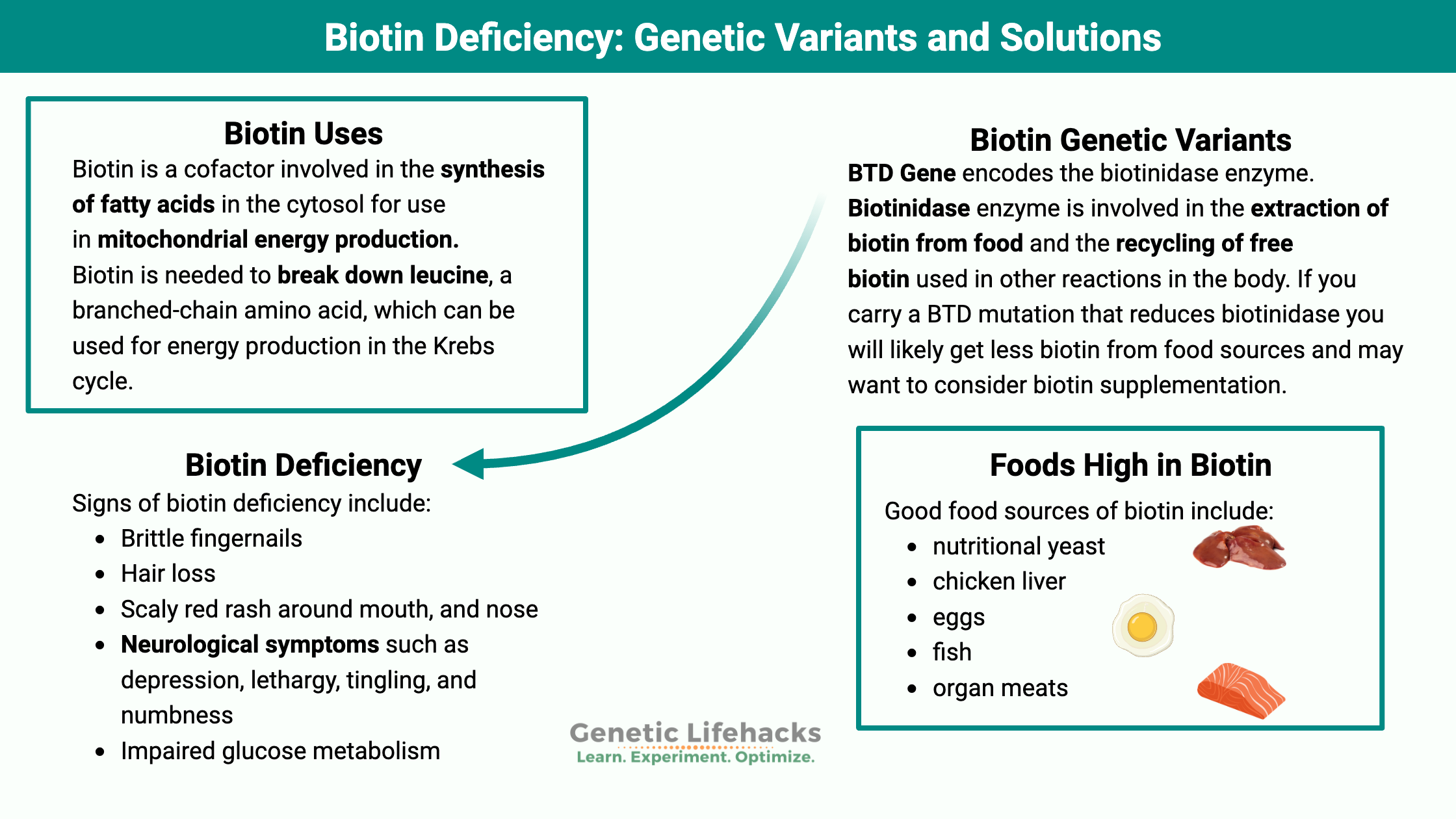
Biotin Deficiency: Genetic Reasons for Increasing Biotin
Biotin, also known as vitamin B7 or vitamin H, is a cofactor that aids in the metabolism of fats, carbohydrates, and proteins. Biotin deficiency due to diet is pretty rare, but there are genetic variants that can increase your risk for biotin deficiency or insufficiency.
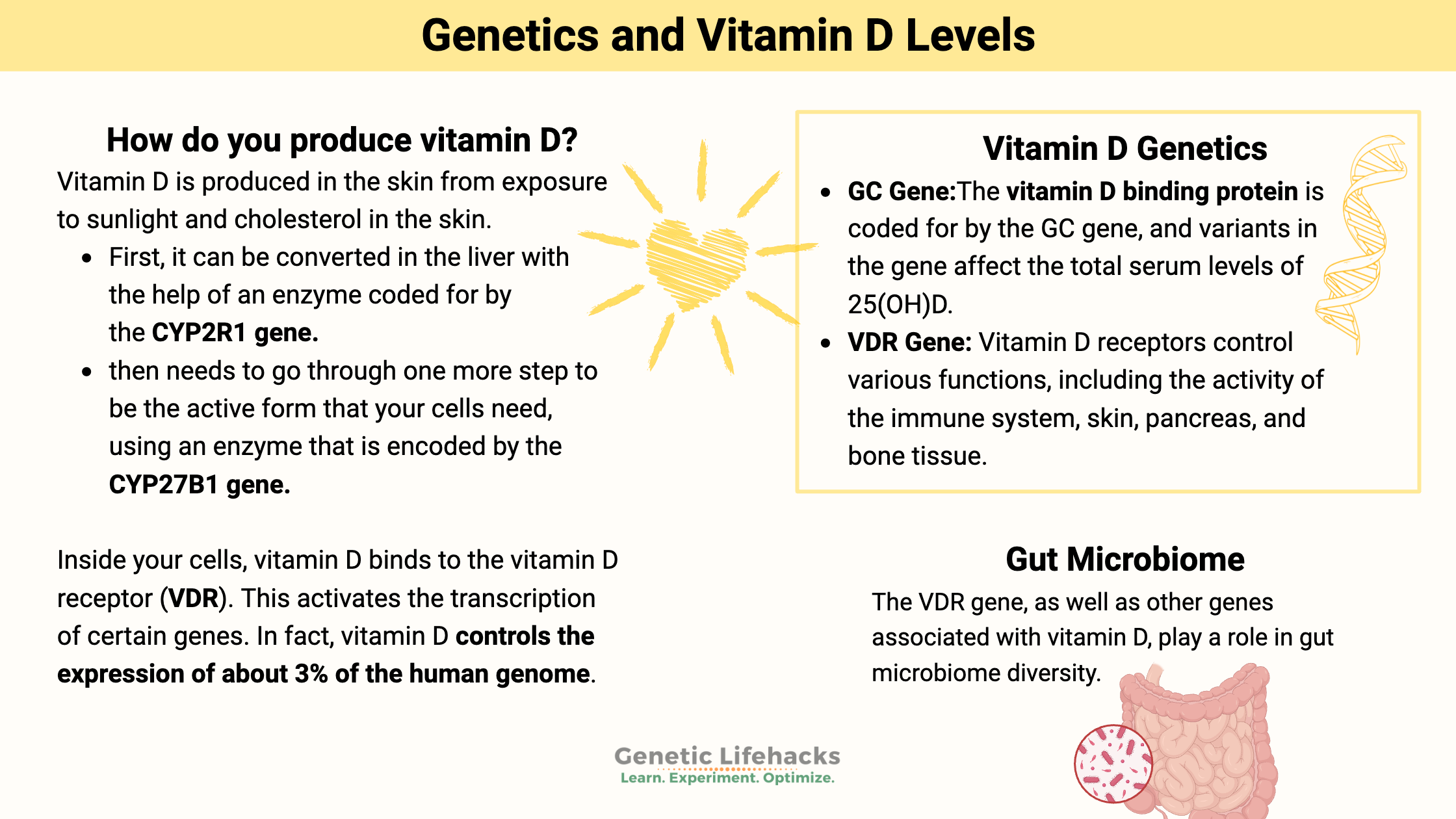
Vitamin D Genes
Genetic variants can affect vitamin D synthesis, transport, activation, and receptor signaling. Learn more about how vitamin D is synthesized in the body and how your genetic variants impact your levels.
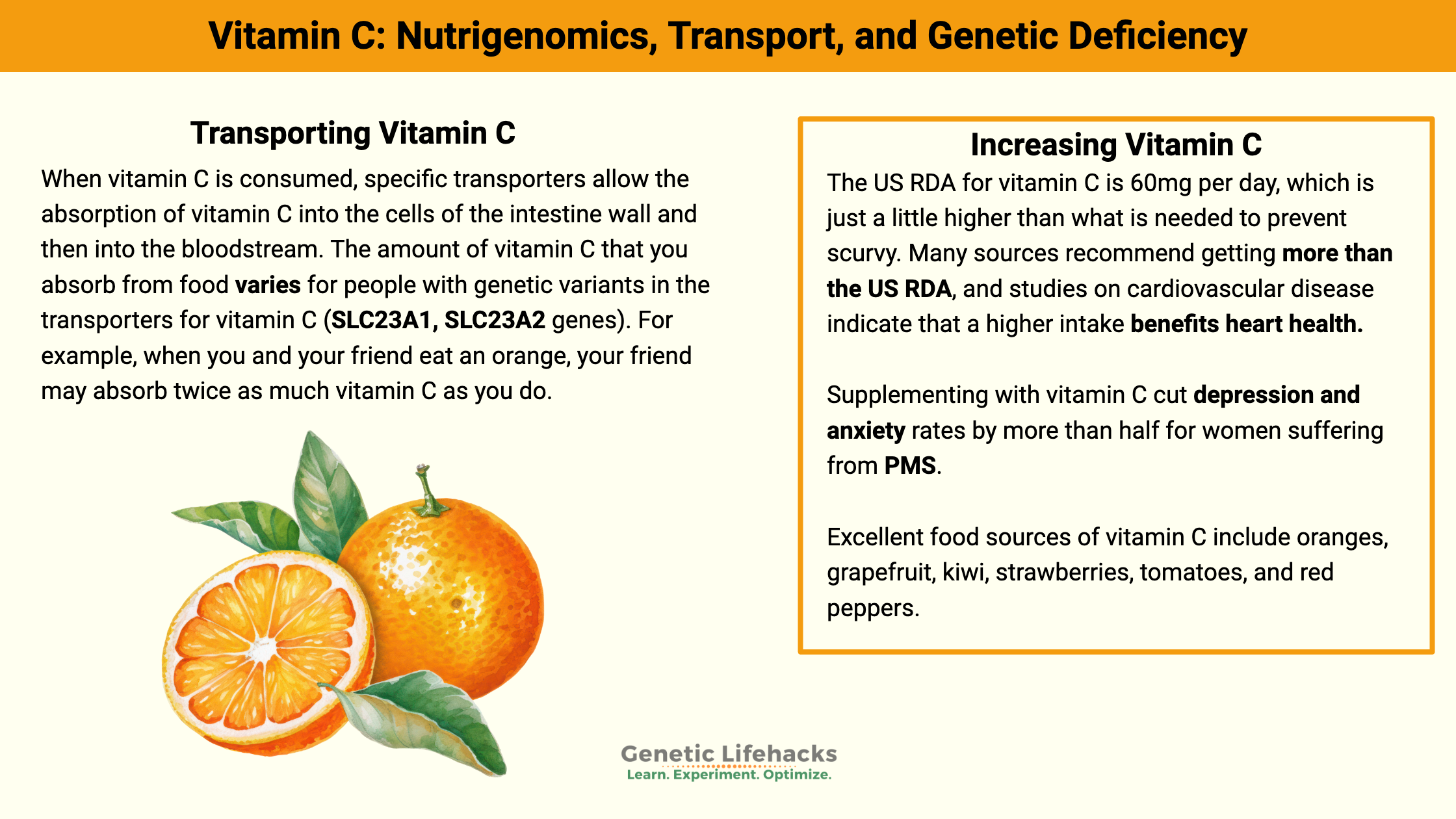
Vitamin C: Nutrigenomics, Transport, and Genetic Deficiency
Genetic variants in SLC23A1 and SLC23A2 affect vitamin C absorption and blood levels. Learn how your genes affect your need for vitamin C.
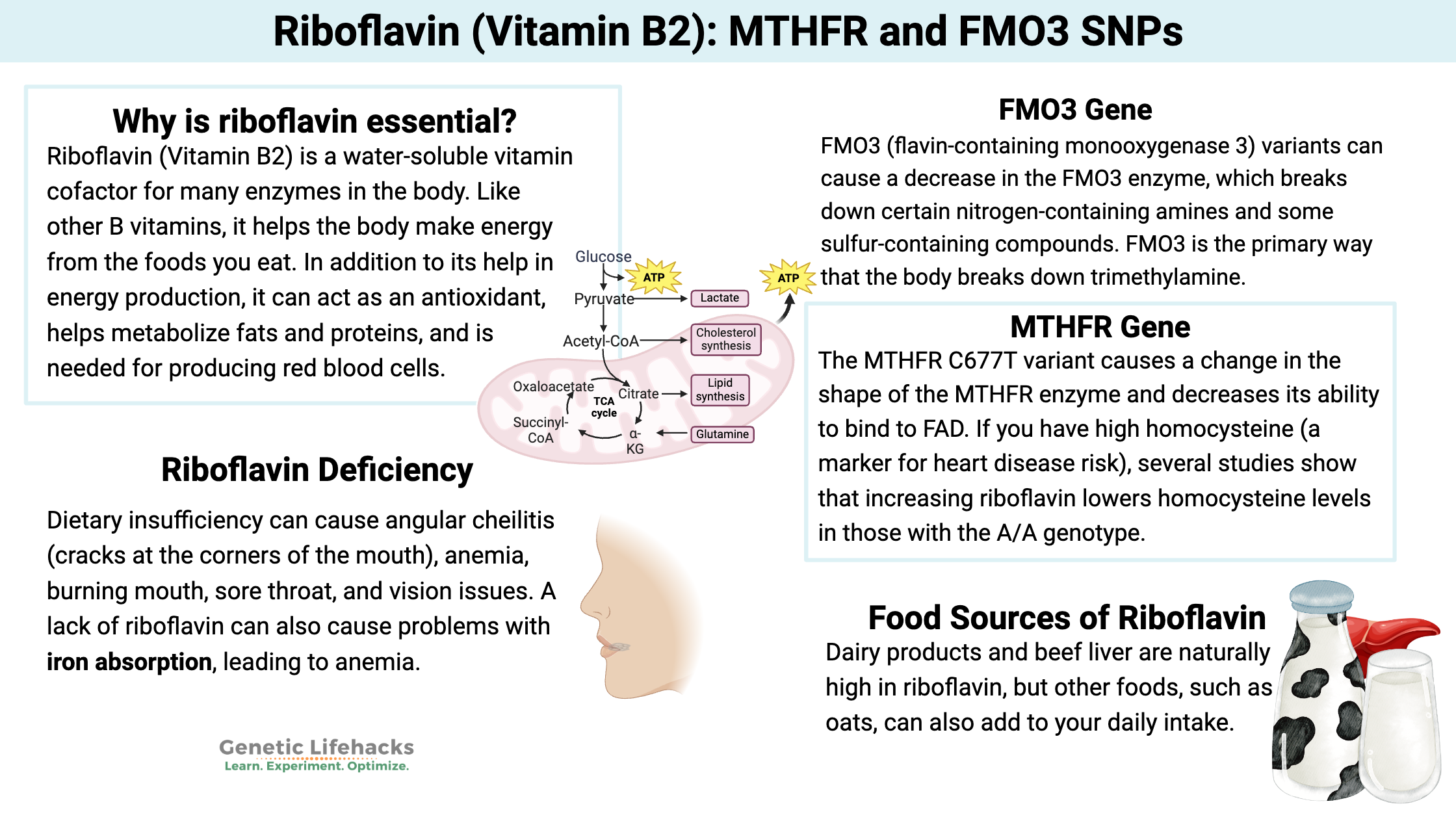
Riboflavin (Vitamin B2), MTHFR, and Deficiency Symptoms
Riboflavin (vitamin B2) affects MTHFR genes, methylation, and energy. Find out the deficiency symptoms, food sources, dosage, and whether you need more based on your genetics.
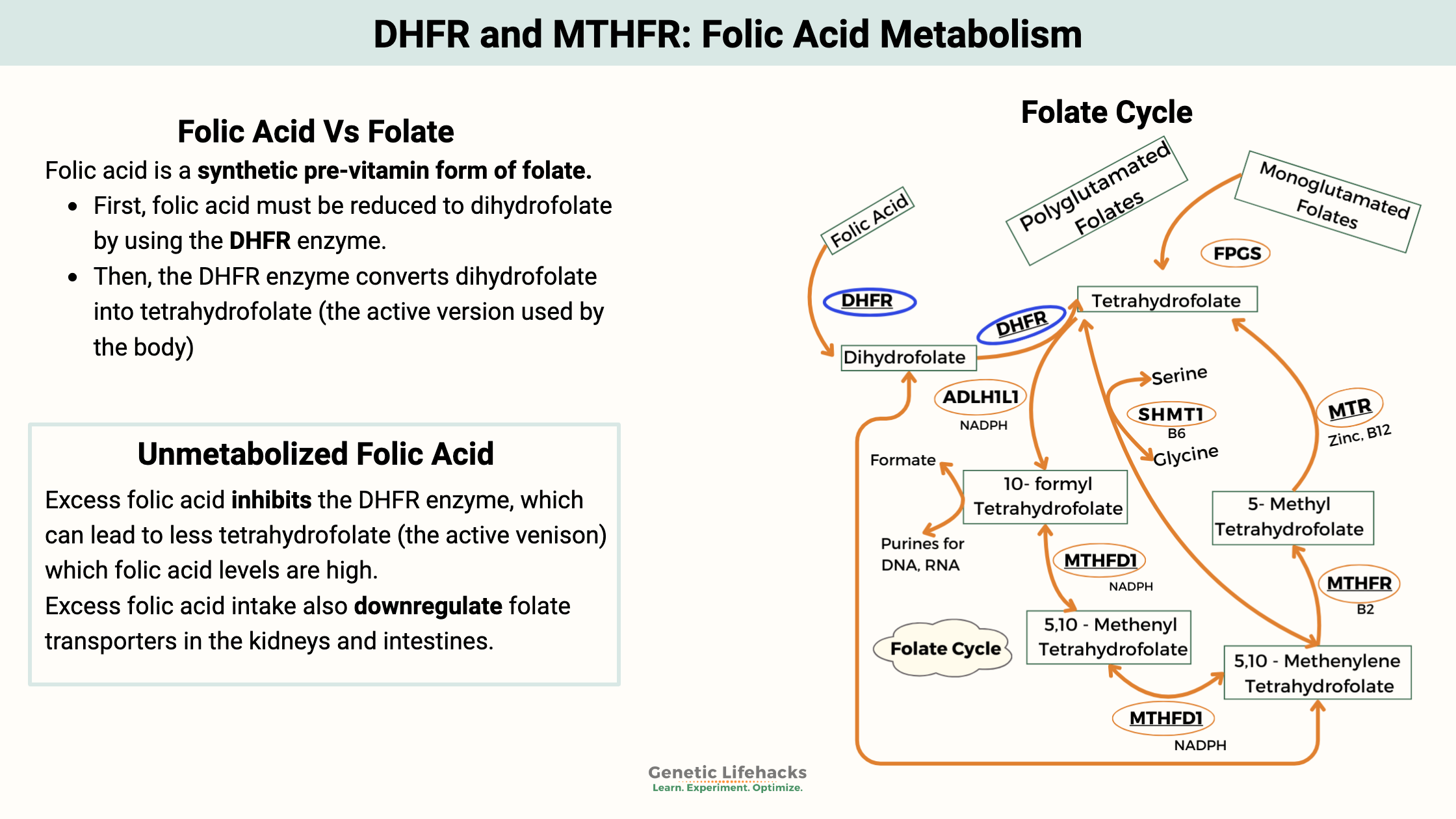
DHFR and MTHFR: Folic Acid Metabolism
DHFR and MTHFR variants affect folic acid metabolism, unmetabolized folic acid, cancer and autism risk, and BH4 recycling. Find out how to choose the right folate supplement for your genes.
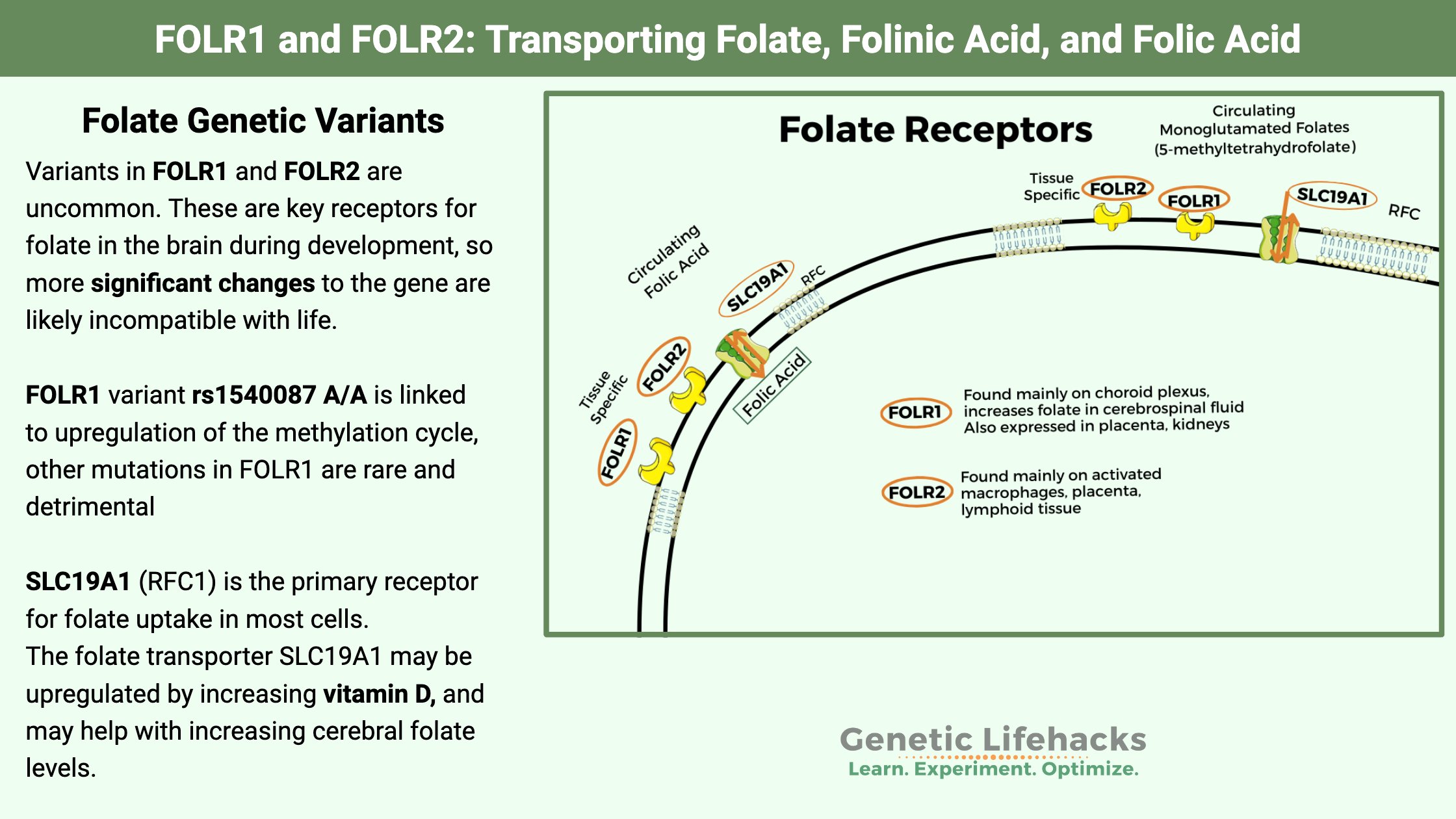
FOLR1 and FOLR2: Transporting Folate, Folinic Acid, and Folic Acid into Cells
Genetic variants in the FOLR1 and FOLR2 genes (folate receptors alpha and beta) can impact folate in the brain and in the immune response.
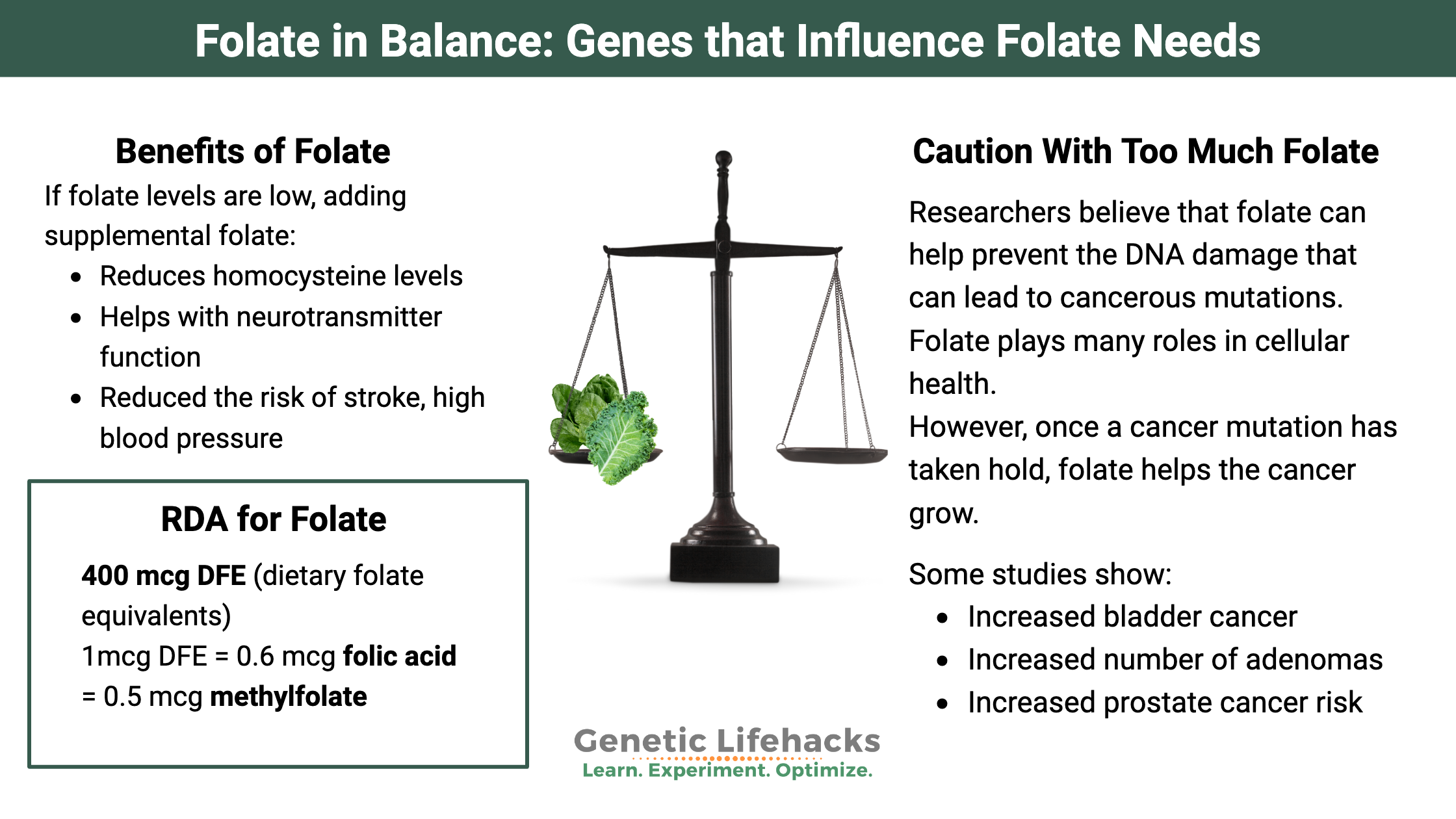
Folate Intake: How Much Is Too Much for Optimal Health?
Folate is essential, with many benefits from getting an adequate amount. However, excess folate from high-dose supplements may have potentially detrimental effects.
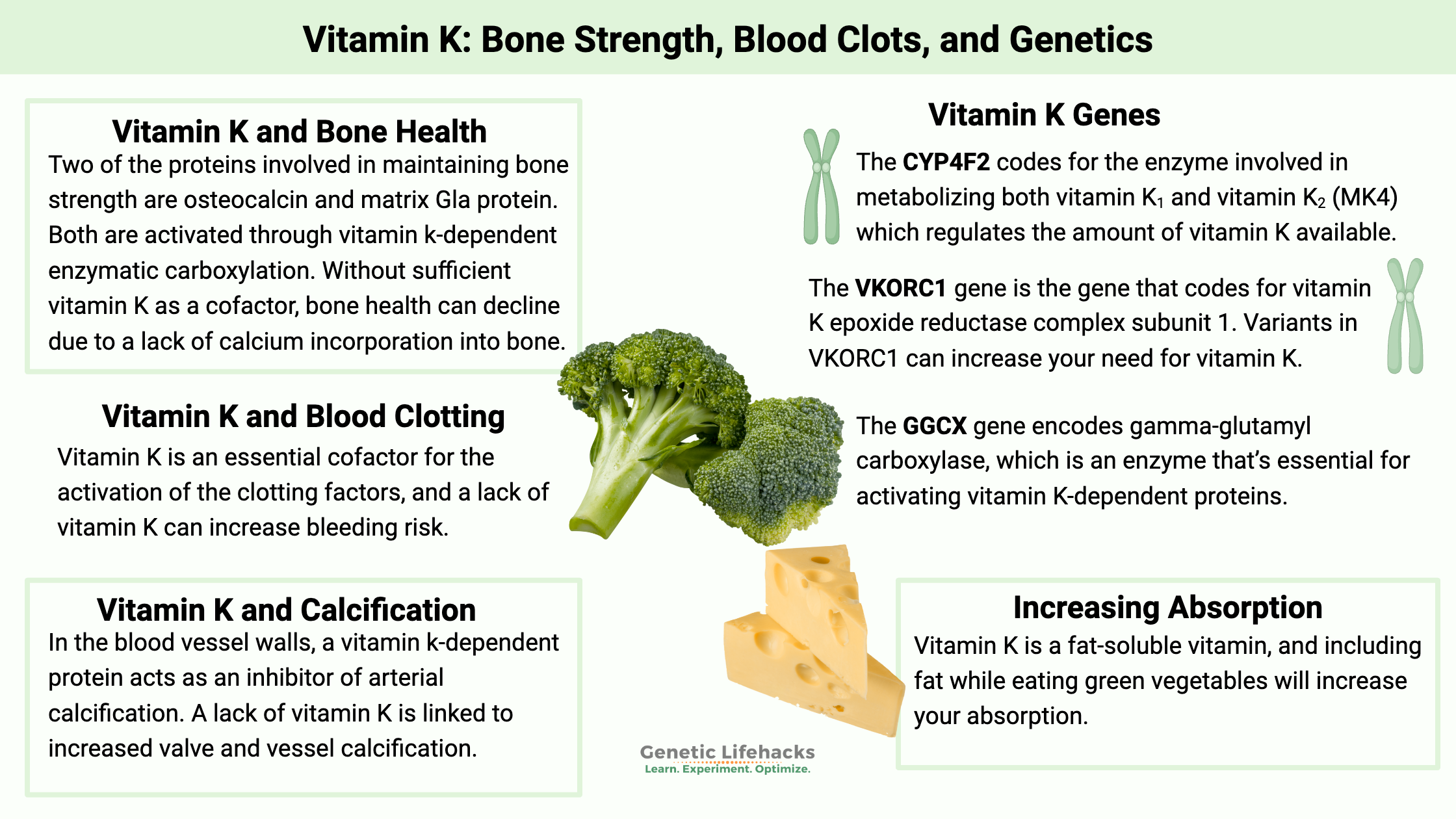
Vitamin K: Bone Strength, Blood Clots, Calcification, and Genetics
Genetic variations cause people to have higher or lower levels of vitamin K, which can affect blood clotting. Learn more about the genes that affect vitamin K and how it relates to your genetic raw data.
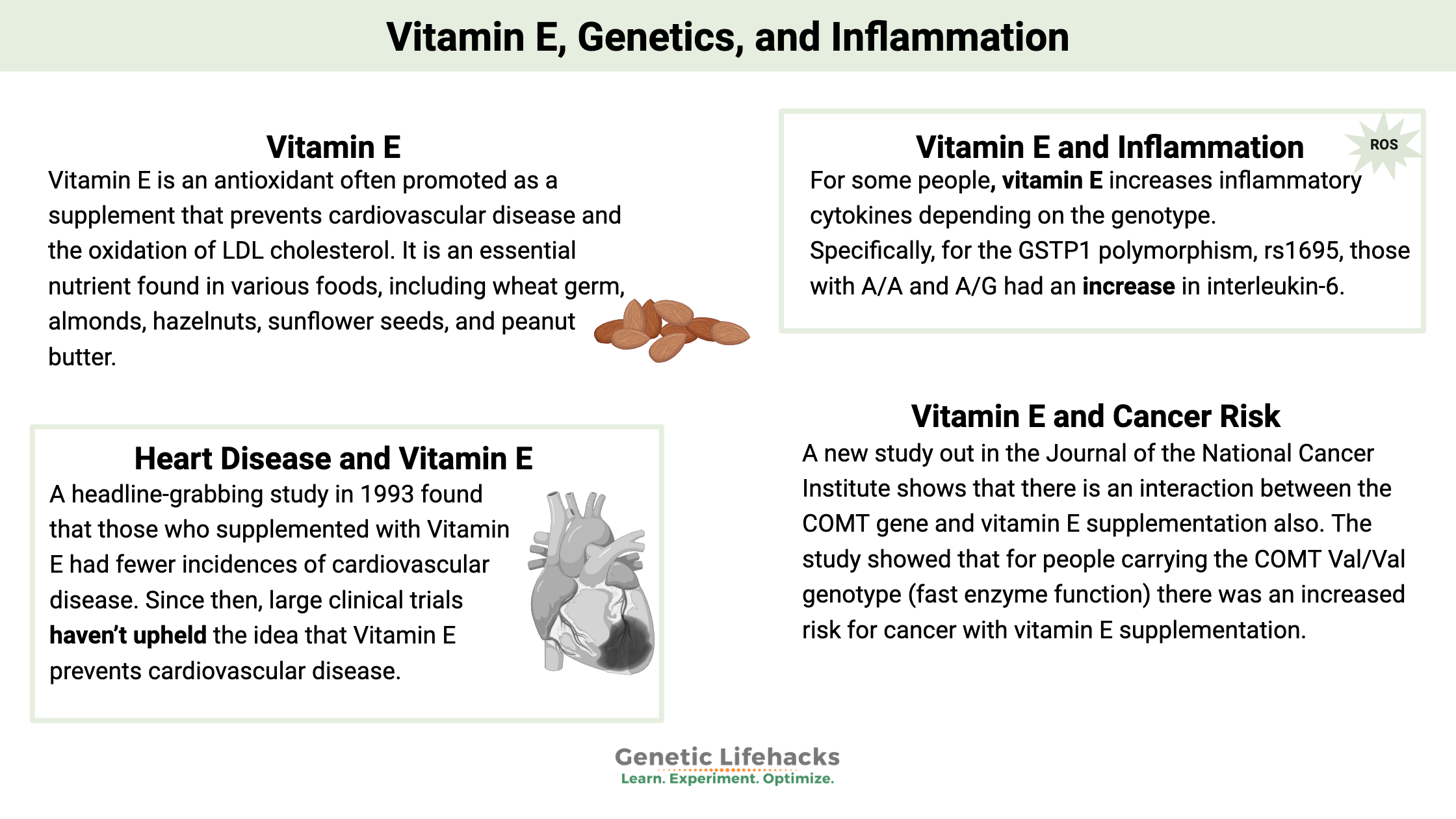
Vitamin E, Genetics, and Inflammation
Vitamin E metabolism and supplementation response can vary by genotype. Learn how genes influence the antioxidant response, inflammation, and cardiovascular disease risk.
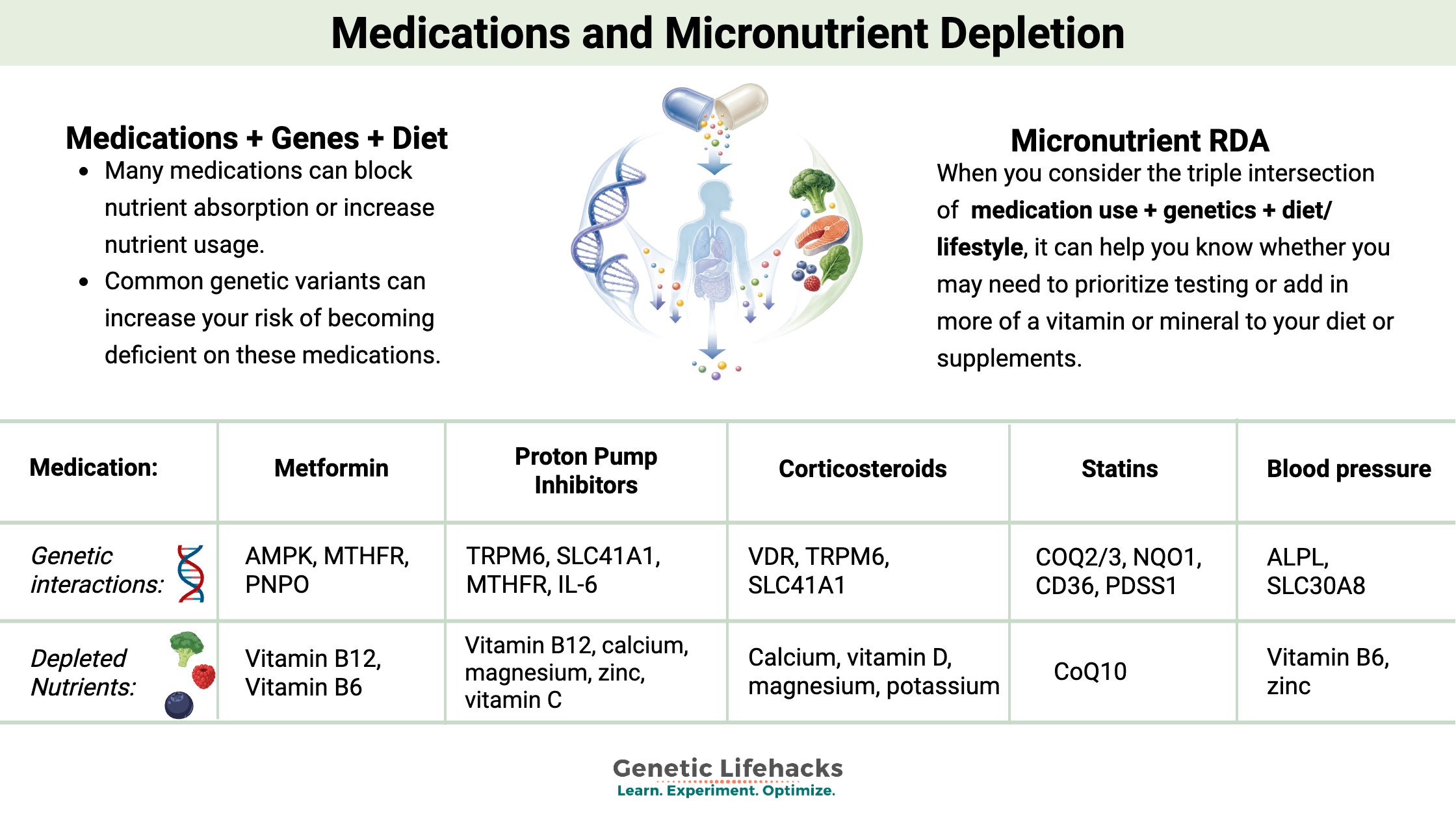
Drug-Induced Depletions: Medications and Missing Micronutrients
Common medications can deplete micronutrients, especially when combined with a genetic susceptibility to lower levels of certain vitamins or minerals. If you’re on any prescription drugs, check your genes and consider testing your micronutrient levels.
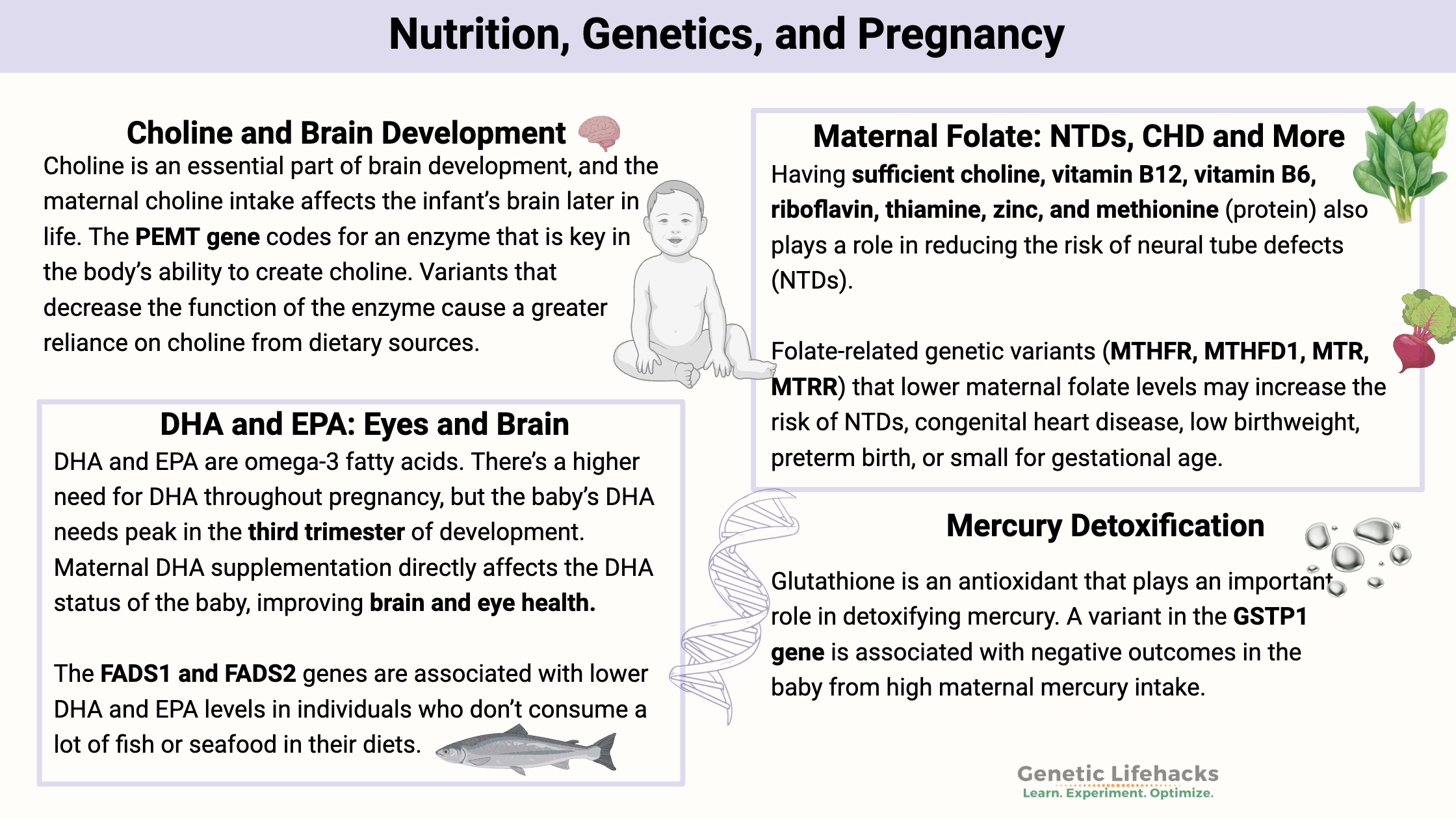
Pregnancy: How Your Genes Affect the Nutrients You Need
Pregnancy is a time of increased demand for key nutrients. Understanding your folate, choline, DHA/EPA, and detoxification genes can help you dial in your diet to prevent nutrient deficiencies with the help of your doctor.
Minerals & Trace Elements
Minerals are essential in the right amount as micronutrients incorporated into proteins or acting as cofactors in cellular reactions. Genetic variants can affect mineral absorption and use in the body, but often testing is needed to know your levels before making any changes.
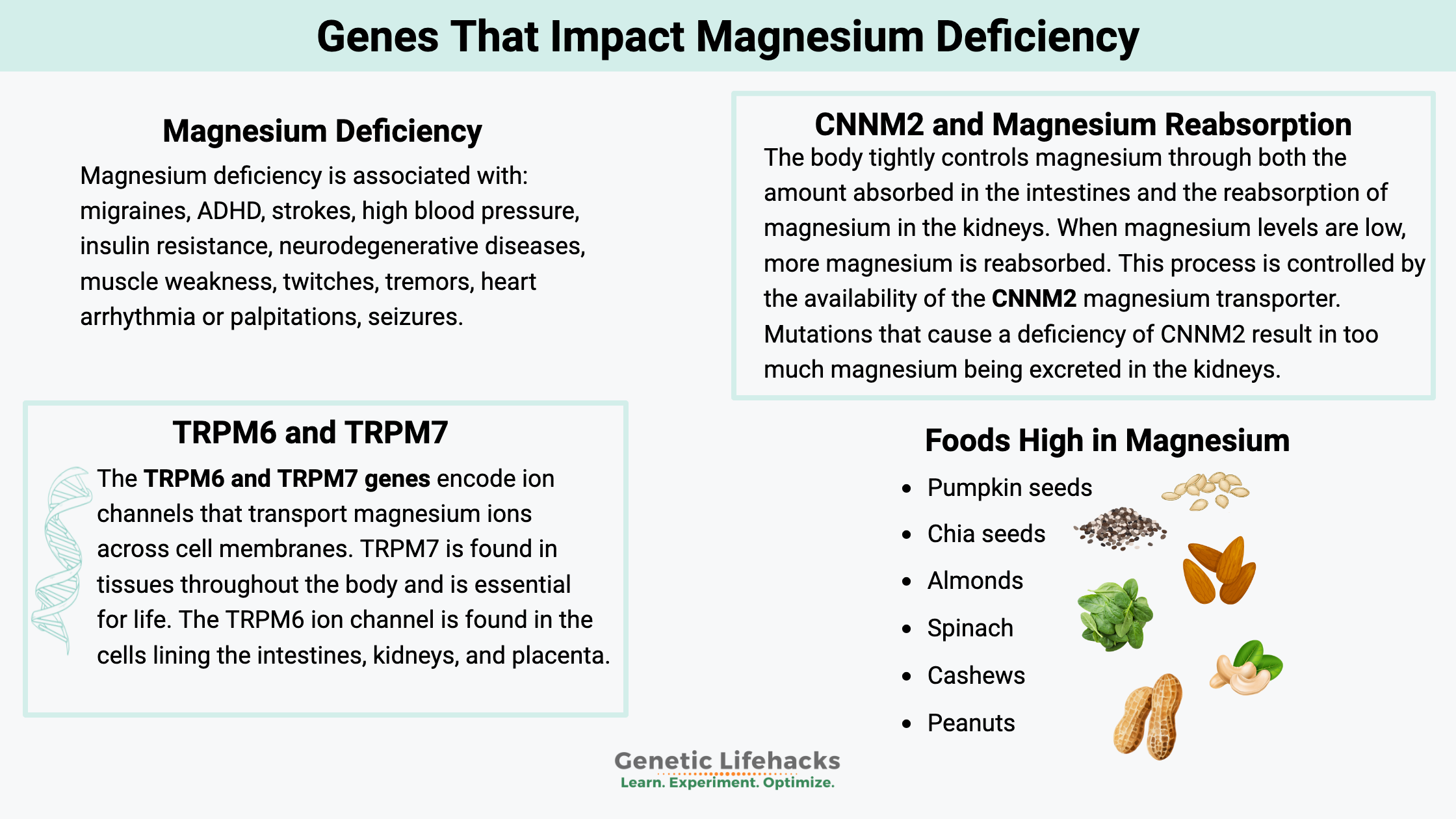
Magnesium Deficiency? Genes that Impact Magnesium Levels
TRPM6, TRPM7, and CNNM2 affect how well your body absorbs and retains magnesium. See your genotype report for Mg deficiency, symptoms and test, magnesium-rich foods, and types of supplements.
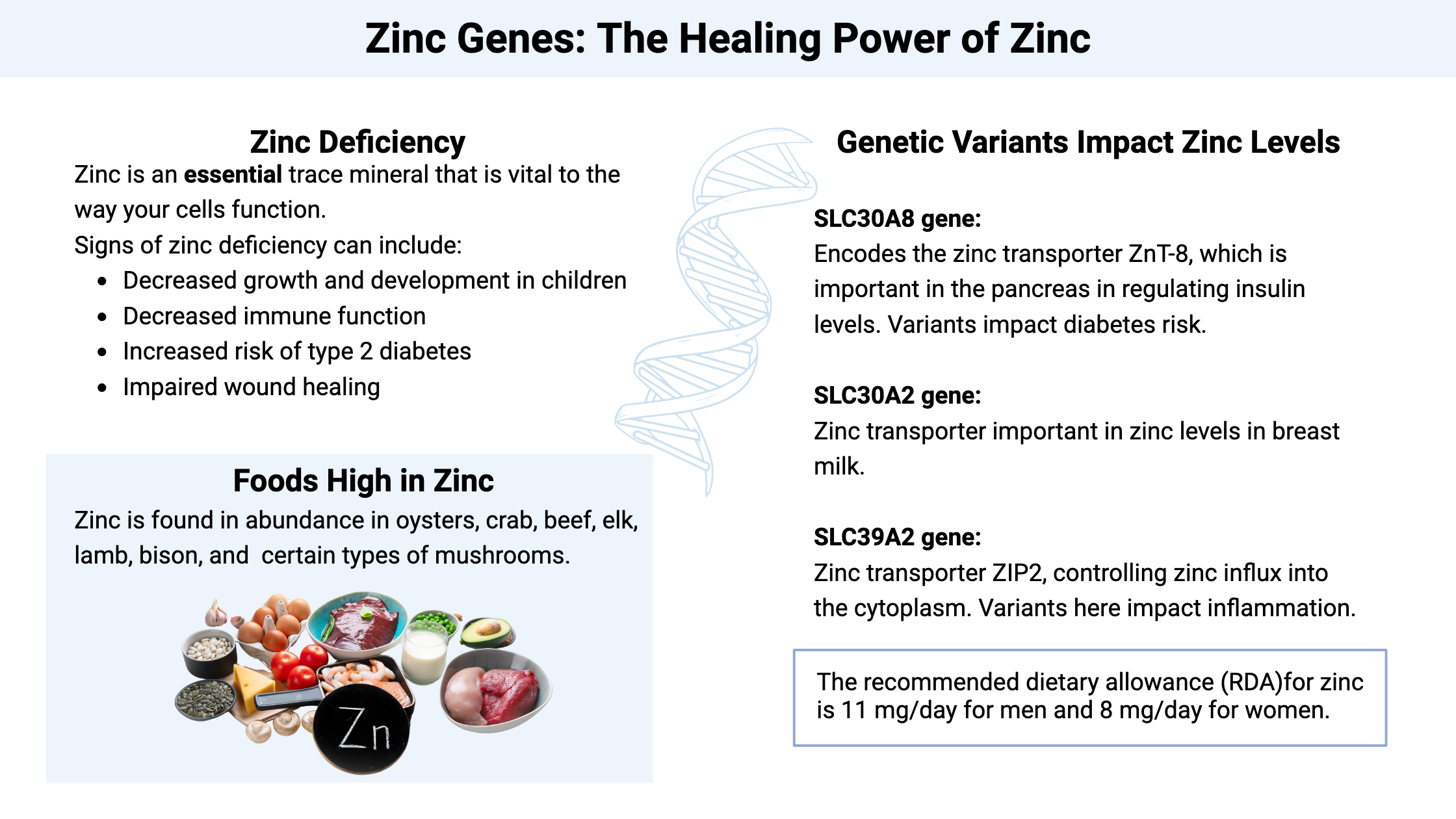
Zinc, Genetics, and Your Risk for Depression, Infection, or Diabetes
Zinc transporter and metabolism genes influence your zinc status. Zinc is essential for immunity, skin, mood, and blood sugar, and your genes can change how much you need – and how zinc absorption may interact with other minerals.
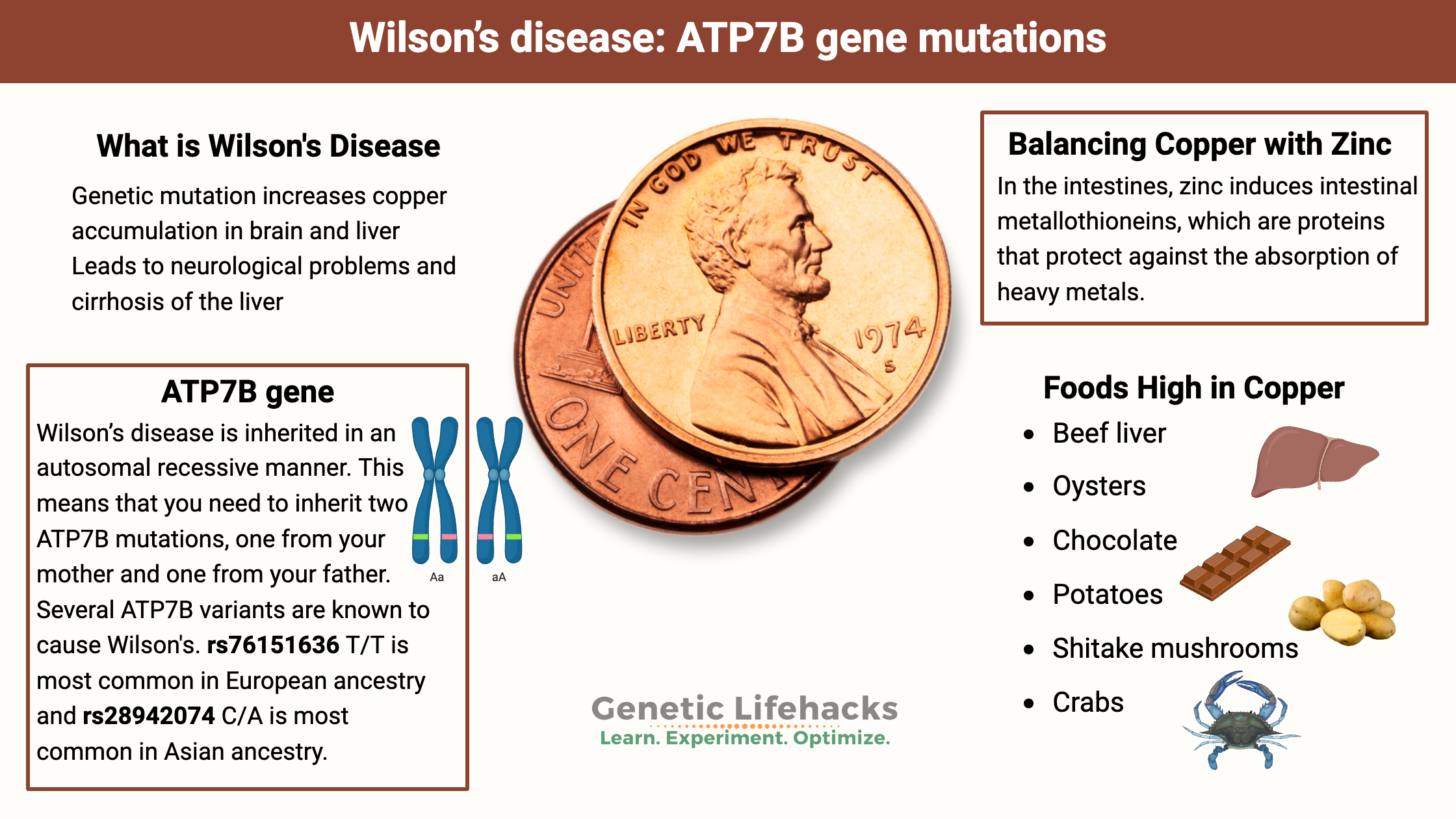
Wilson’s disease: ATP7B Gene Mutations and Copper Accumulation in the Brain
Mutations in ATP7B can impair copper transport and cause Wilson’s disease. People carrying a single ATP7B mutation may also have subtle changes in copper regulation.
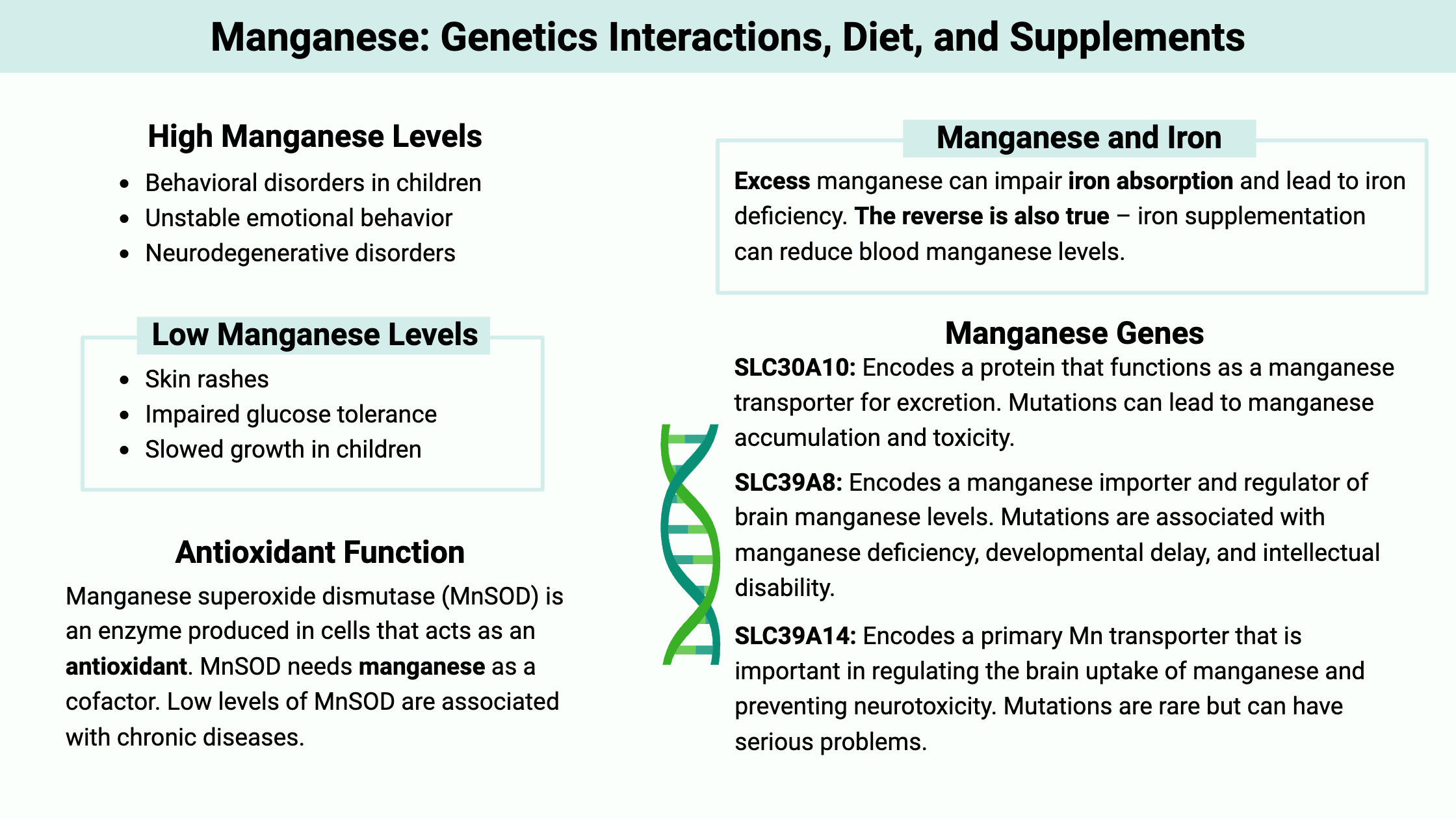
Manganese: Genetic Interactions, Diet, and Supplements
Manganese is an essential mineral used by several enzymes, but excess exposure can be neurotoxic. Find out about your genes involved inved in manganese transport and absorption.
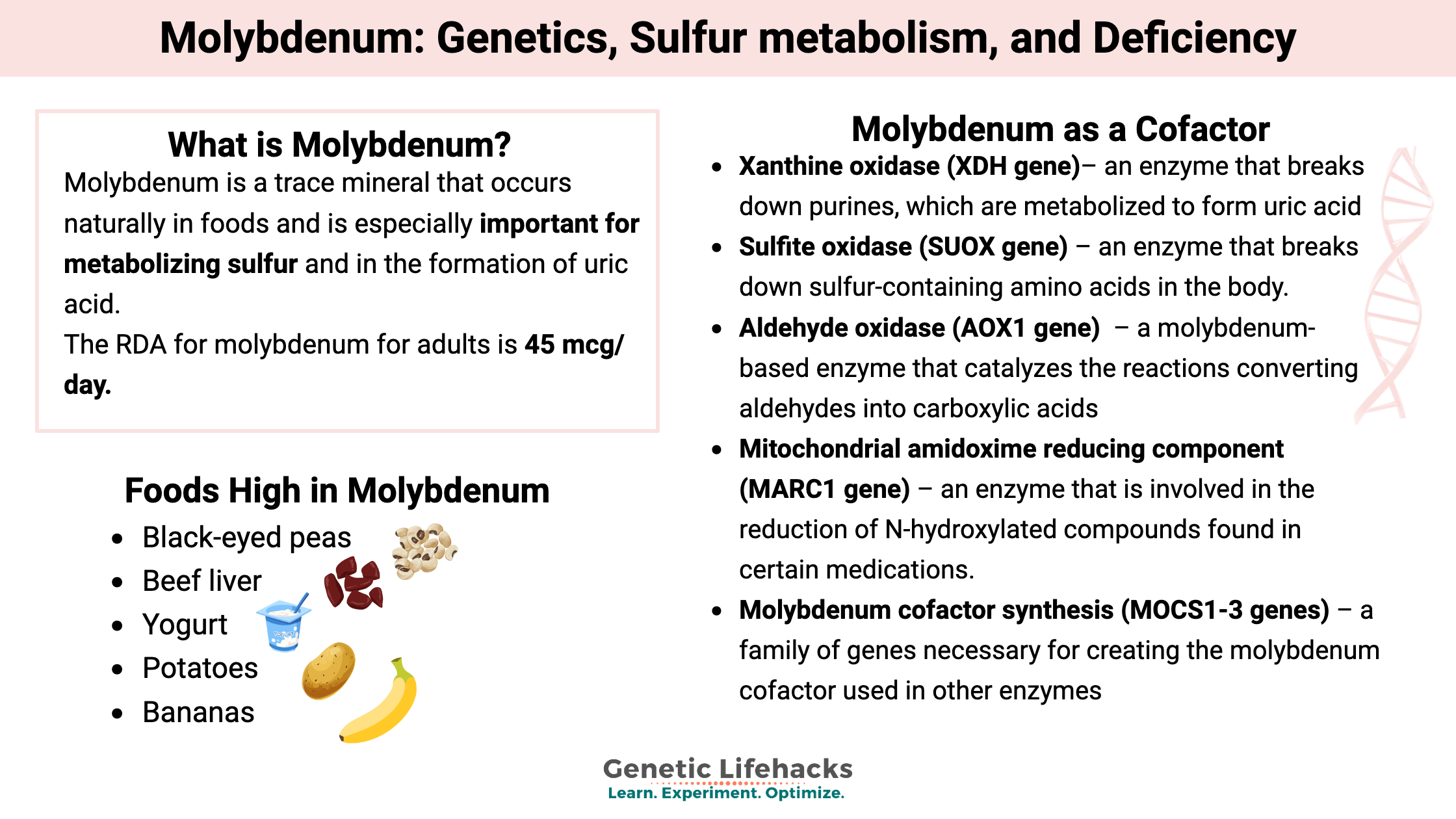
Molybdenum: Genetic Connections, Sulfur Metabolism, and Cofactor Deficiency
Molybdenum is a trace mineral cofactor needed in the right amounts for sulfur detoxification and the formation of uric acid. Learn about the genetic variants, such as SUOX and AOX1, that affect the molybdenum pathways.
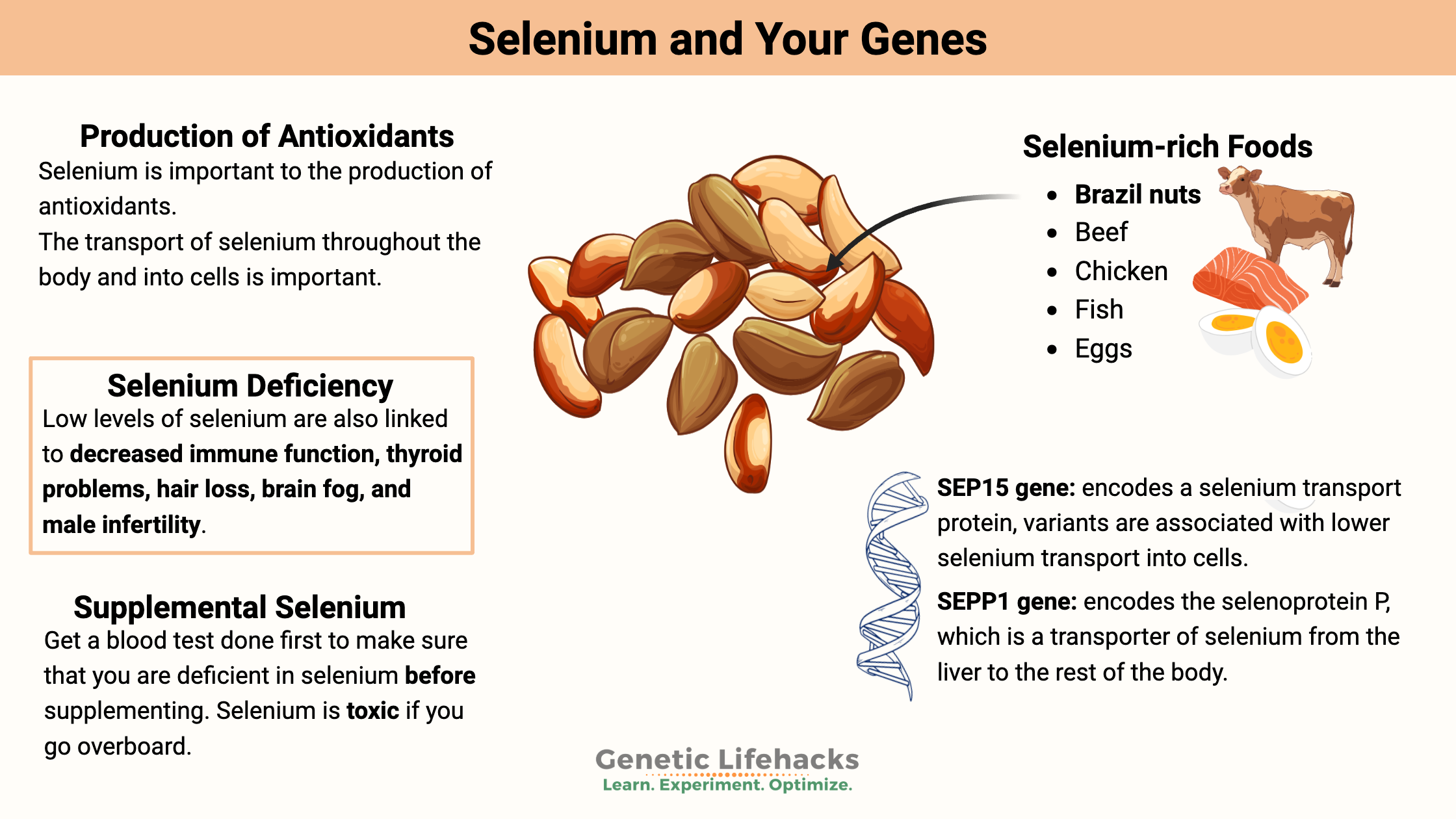
Selenium and Your Genes
Selenium is a trace element found in certain foods. It supports antioxidant and thyroid-related selenoproteins, but excessive intake can be harmful. Learn how selenium is used in the body and how genetic variants can make someone more susceptible to problems with a selenium-deficient diet.
Food Reactions
Food reactions can be due to genetic variants that decrease specific enzymes needed to break down a food, such as lactase. Allergies are generally an interaction between genetic susceptibility and environmental factors.
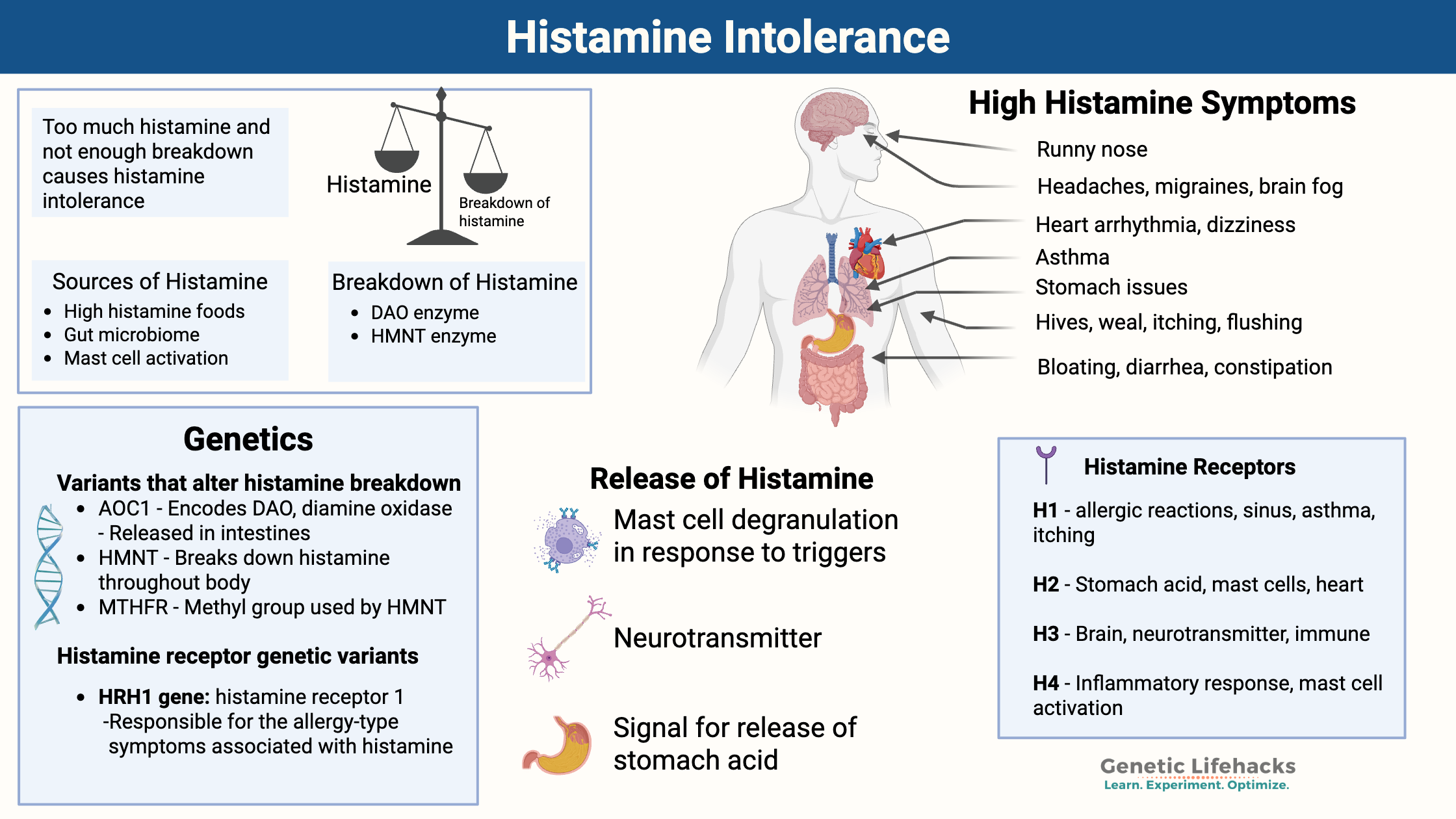
Histamine Intolerance Genetics: DAO & HNMT Genes, Supplements
DAO/AOC1 and HNMT genes affect histamine breakdown. Find out how your genes may add to problems with foods high in histamine.
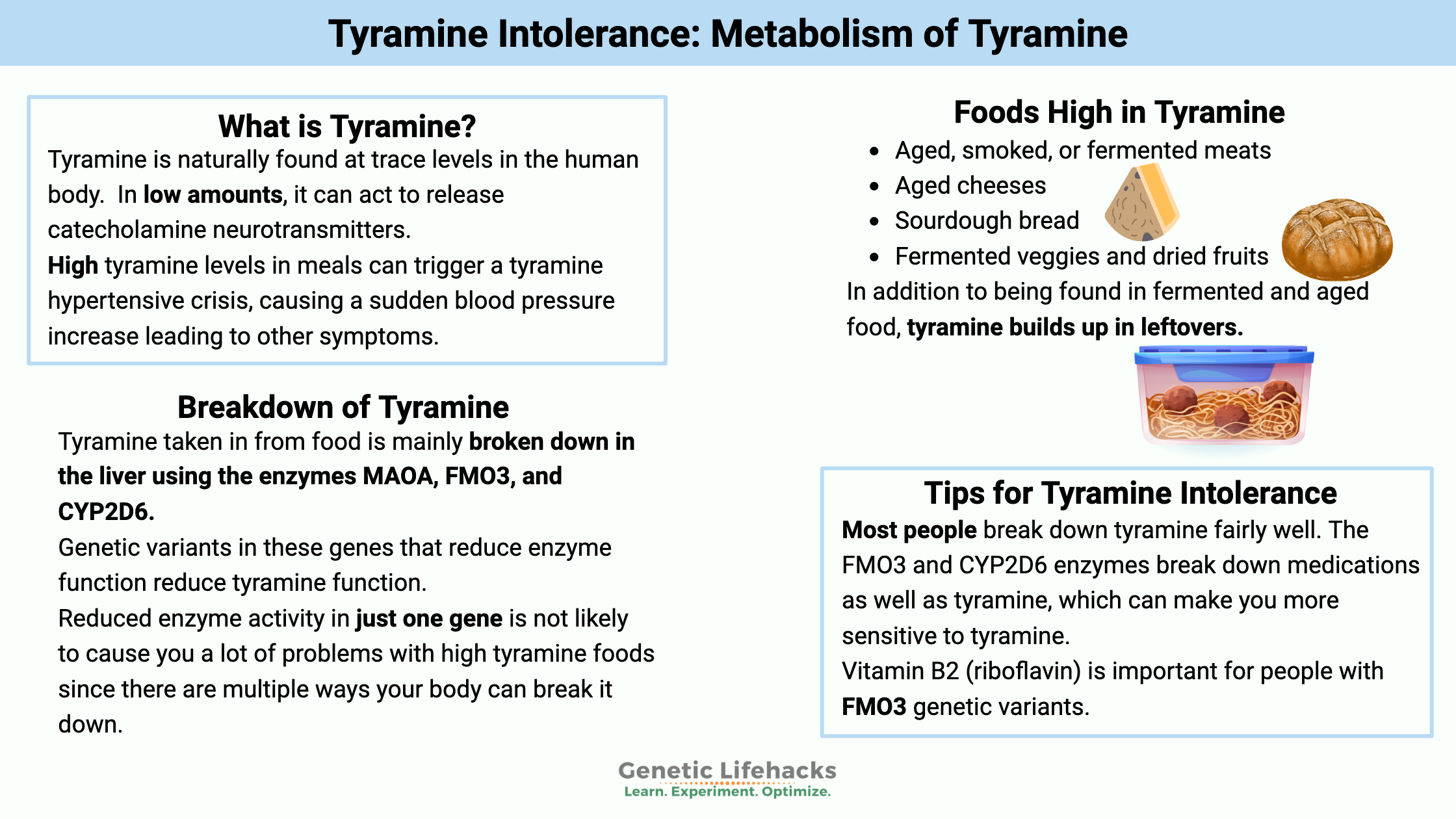
Tyramine Intolerance: Symptoms, High-Tyramine Foods, and Genetics
Genetic variants in MAOA, FMO3, and CYP2D6 influence your body’s ability to break down tyramine. Too much tyramine can lead to a hypertensive crisis, especially in the context of MAO-inhibiting substances.
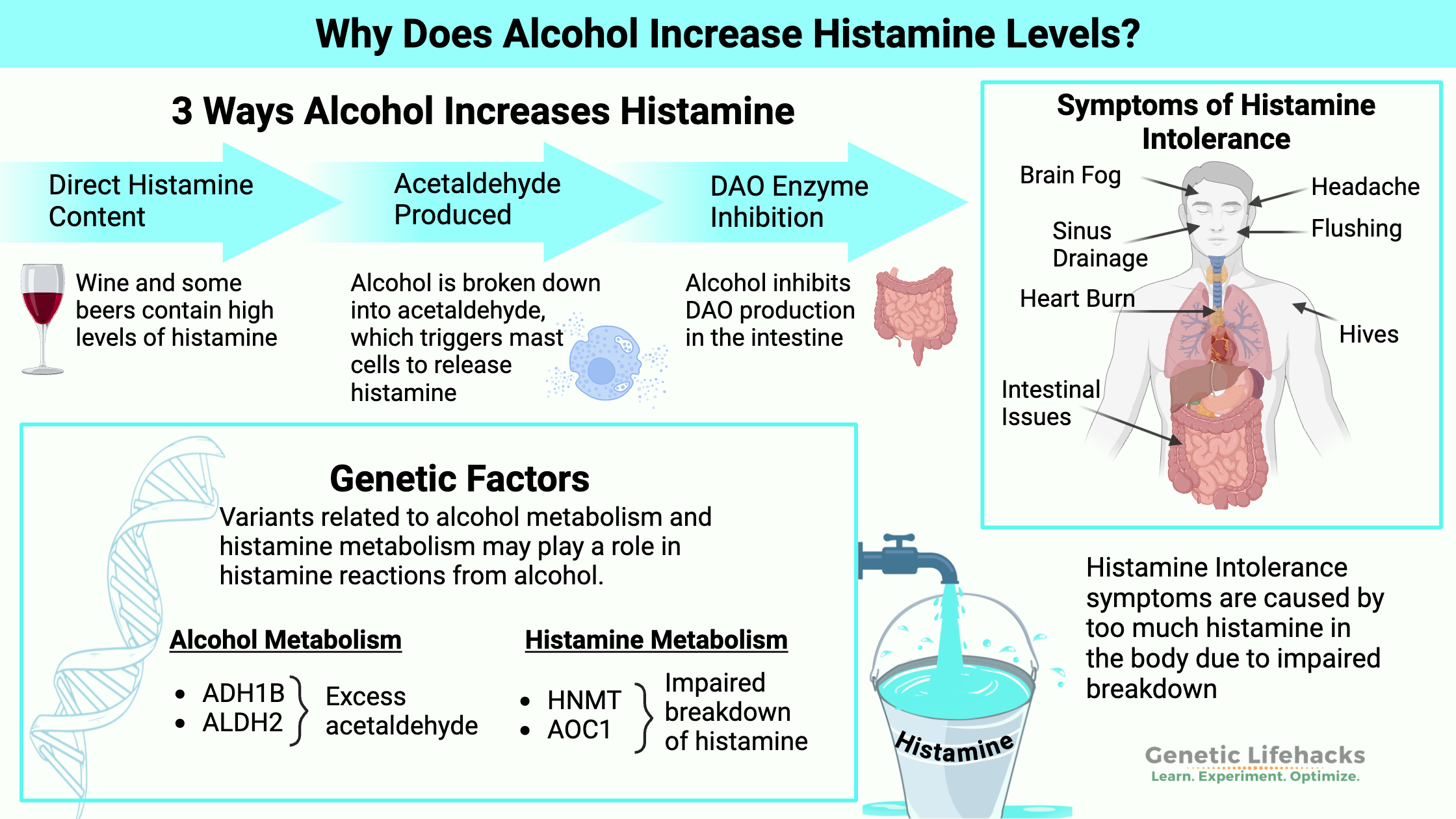
Alcohol & Histamine Intolerance: Understanding the Connection
Alcohol can affect histamine intolerance symptoms by decreasing breakdown or by increasing the release of histamine. Learn about the pathways that are involved and how to avoid alcohol-induced histamine reactions.
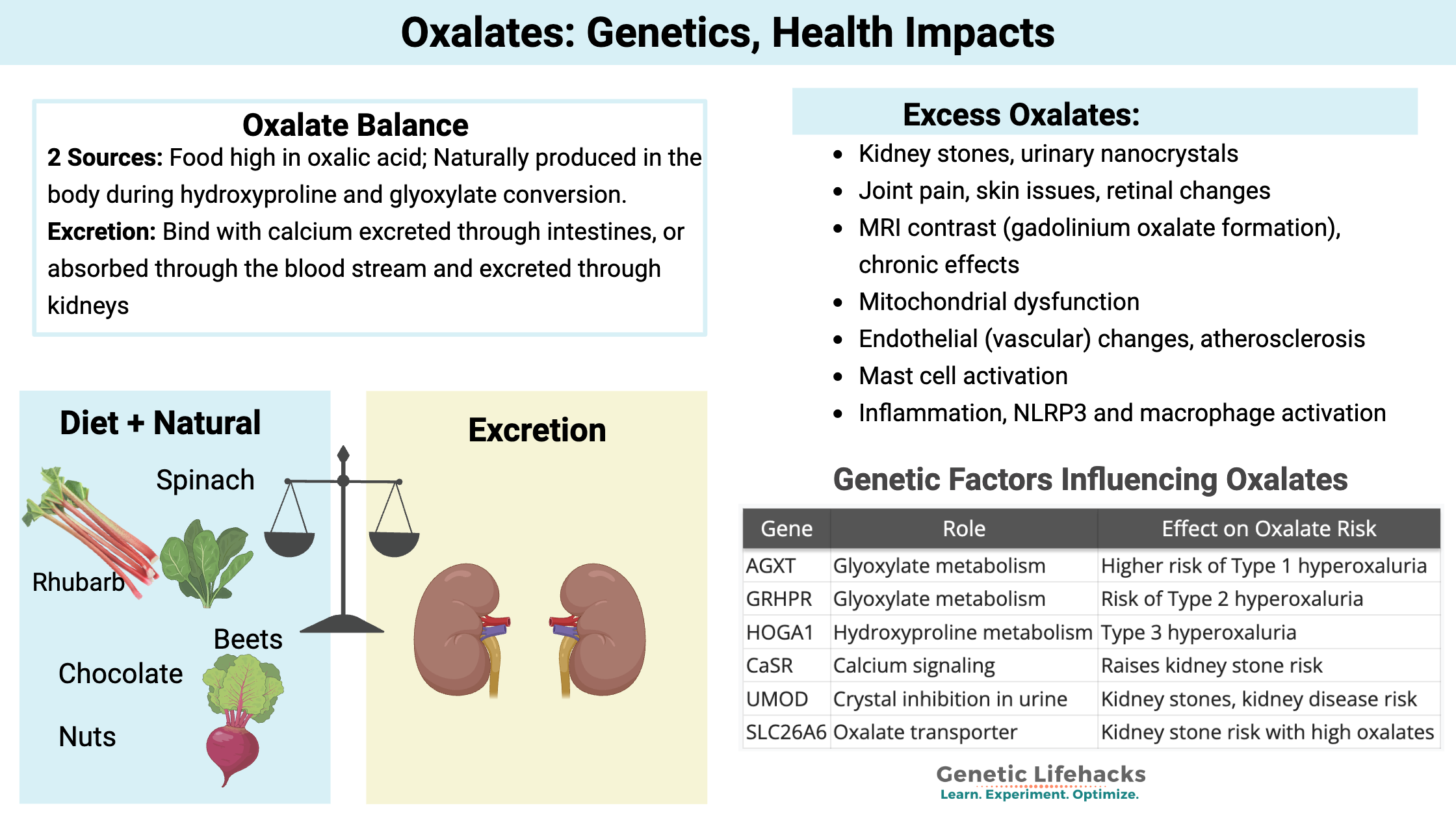
Oxalates: What Your Genes and Diet Say About Oxalate Health Issues
Oxalates interact with your diet, gut microbiome, kidney function, and, in some cases, genetic pathways. Find out about the primary hyperoxaluria genes, kidney-stone risk genes, and the research-backed dietary considerations.
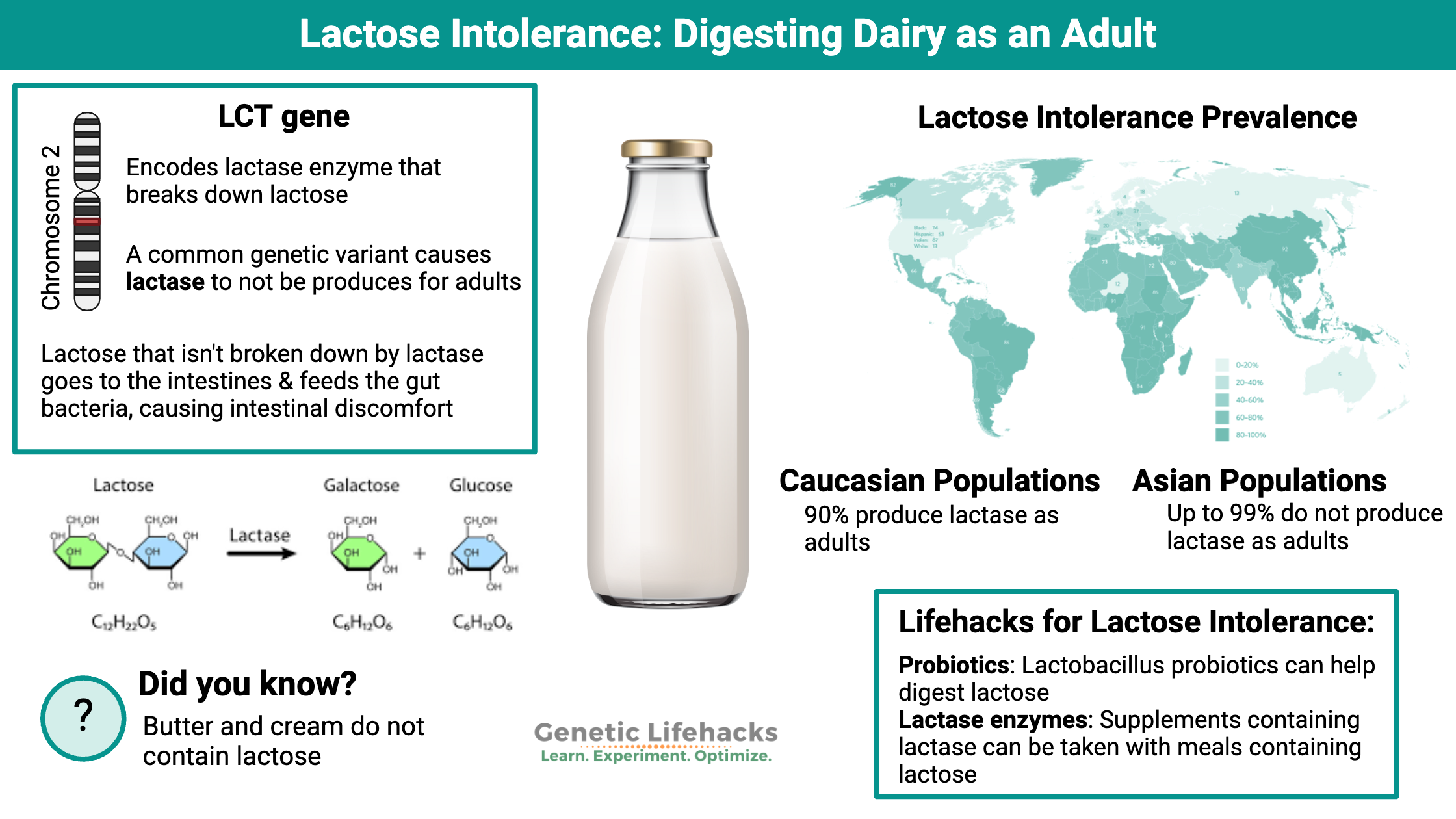
Lactose Intolerance: How to Check Your Genetic Data
Variants in the LCT gene that encodes the lactase enzyme predict lactase persistence in adulthood. Find out what your genes show for lactose intolerance and learn about distinguishing it from other dairy-related conditions.
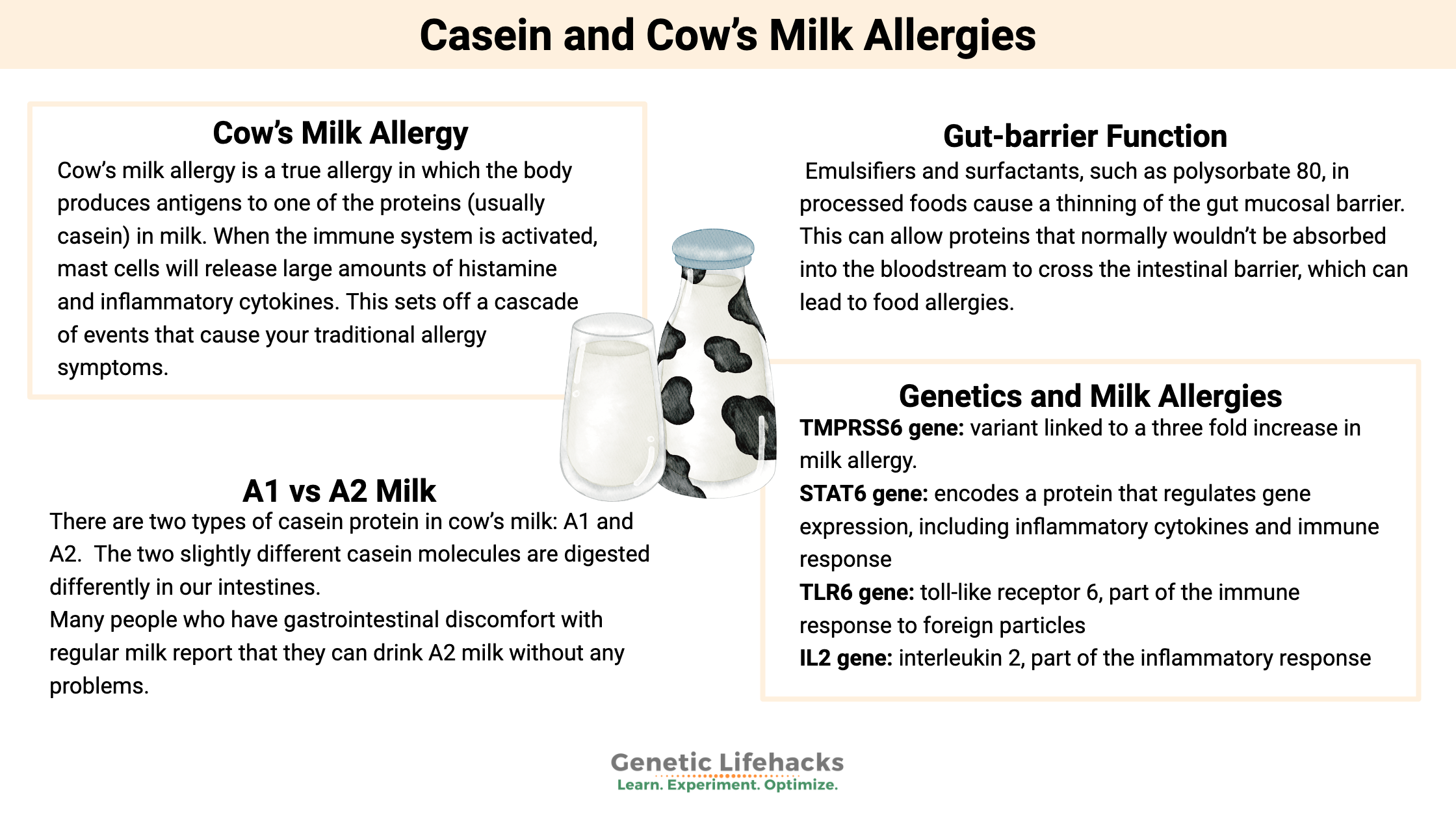
Casein and Cow’s Milk Allergies
Cow’s milk allergy is an immune reaction to casein or β-lactoglobulin. Genetic variants in your immune-system genes increase susceptibility when combined with environmental factors.
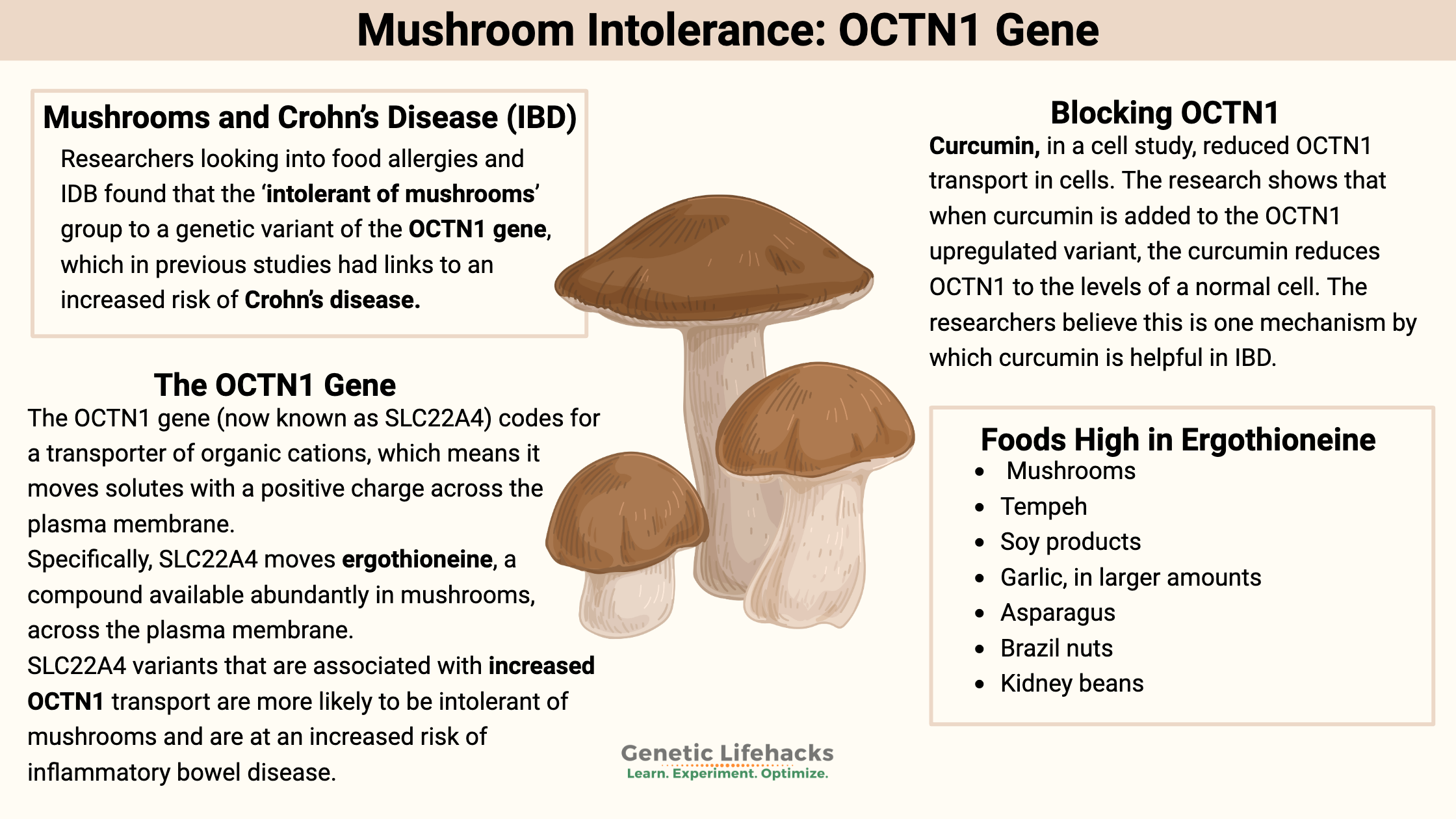
Mushroom Intolerance: Ergothioneine and the OCTN1 Gene
Mushrooms contain a healthy antioxidant called ergothioneine. SLC22A4/OCTN1 variants can alter ergothioneine transport and cause problems with mushrooms in people with inflammatory bowel diseases.
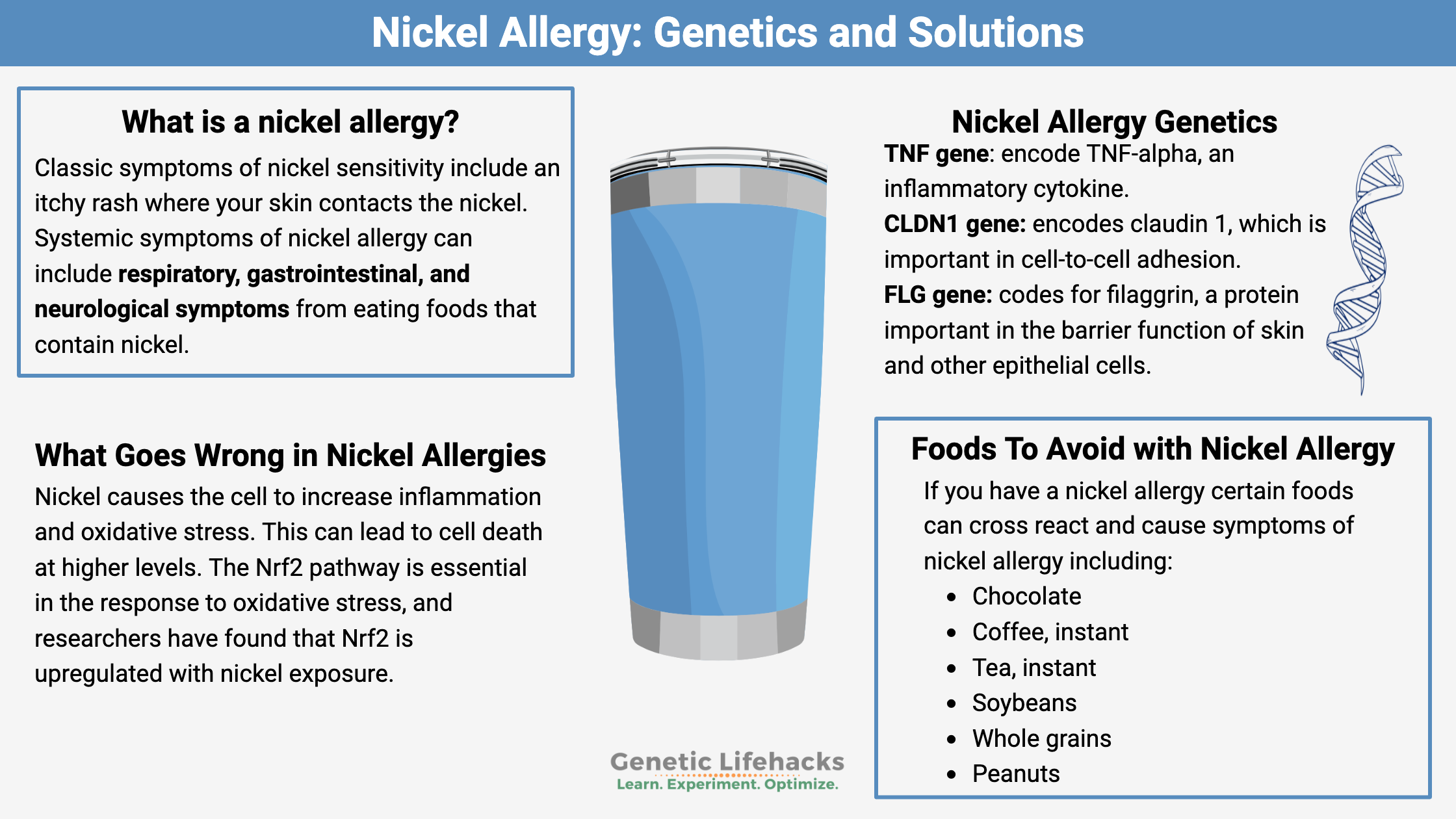
Nickel Allergy: Genetics, causes, natural solutions
Nickel allergy can involve contact exposure and, for some people, systemic nickel reactions. Explore how genes, everyday exposures, and diet contribute to nickel sensitivity, including rashes, GI symptoms, and brain fog.
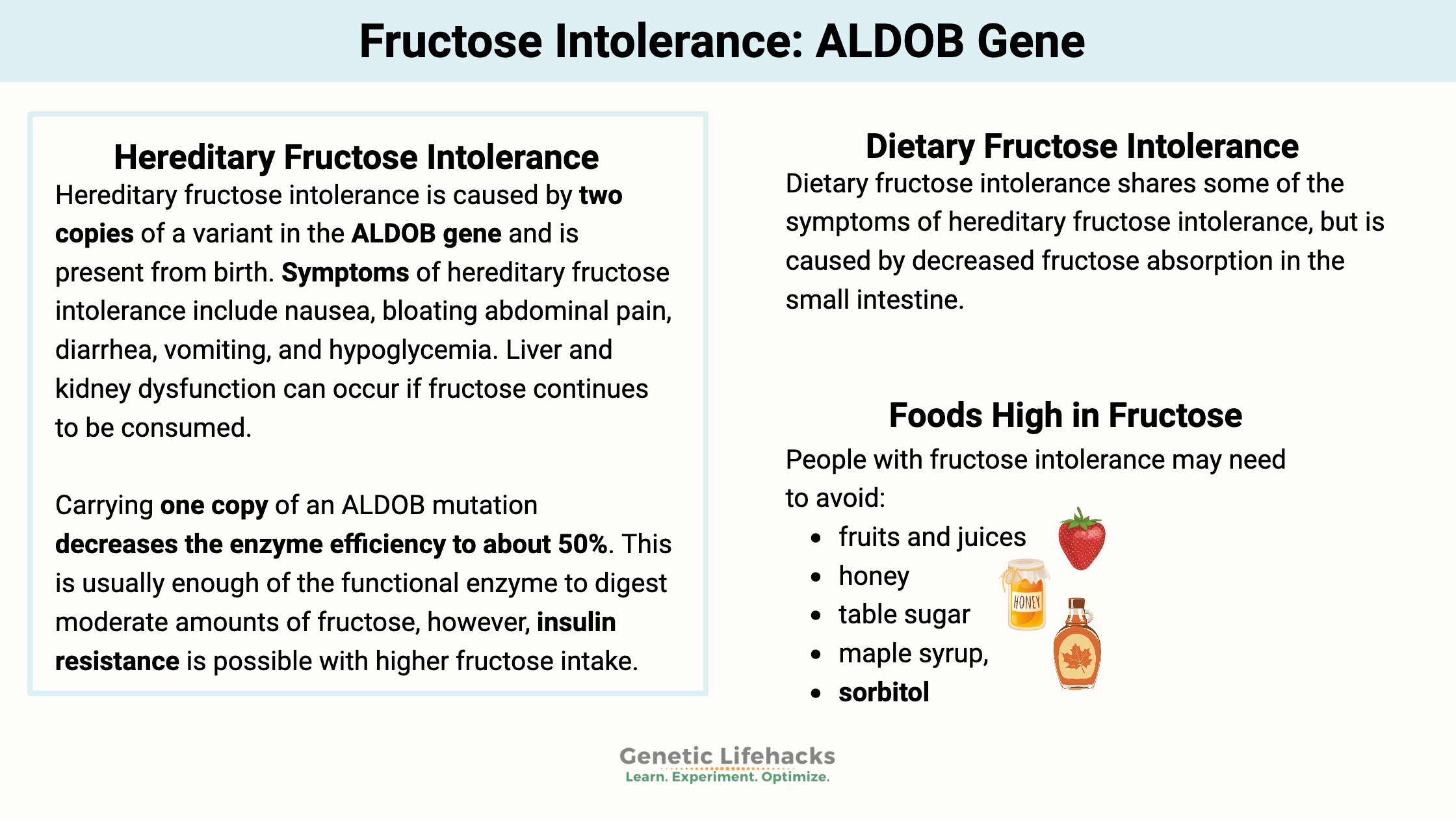
Fructose Intolerance: Hereditary or Dietary?
Fructose intolerance can be due to common malabsorption issues or rare mutations in the ALDOB gene, which cause hereditary fructose intolerance. Find out the differences in symptoms and testing, as well as when a clinical evaluation is needed.
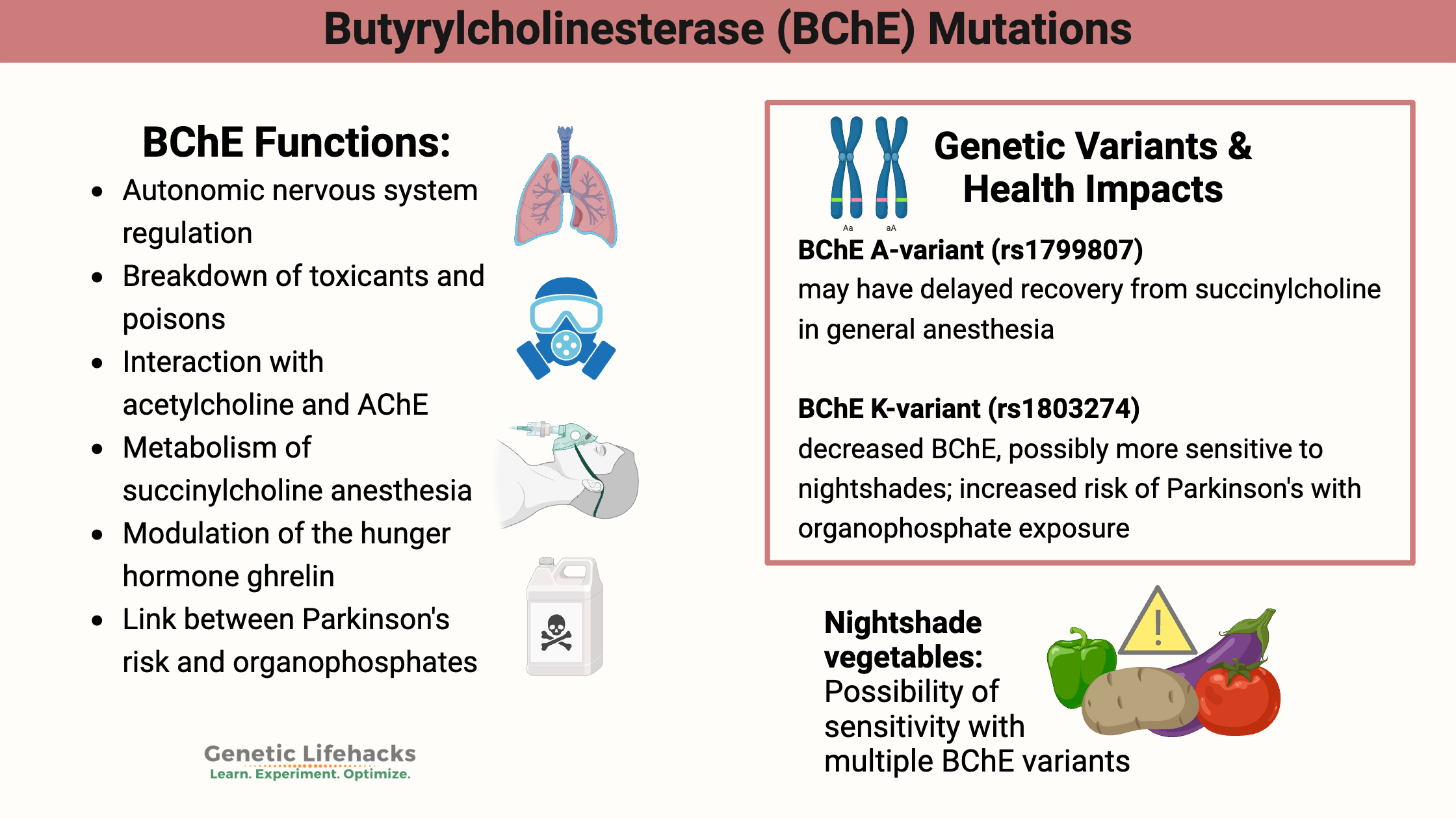
BChE gene: Nightshade sensitivity, Anesthesia risk
BCHE variants can lower butyrylcholinesterase activity, which has serious implications for certain types of anesthesia. Find out how BChE may also interact with nightshade vegetables, pesticide susceptibility, immunity, and ghrelin (hunger hormone).
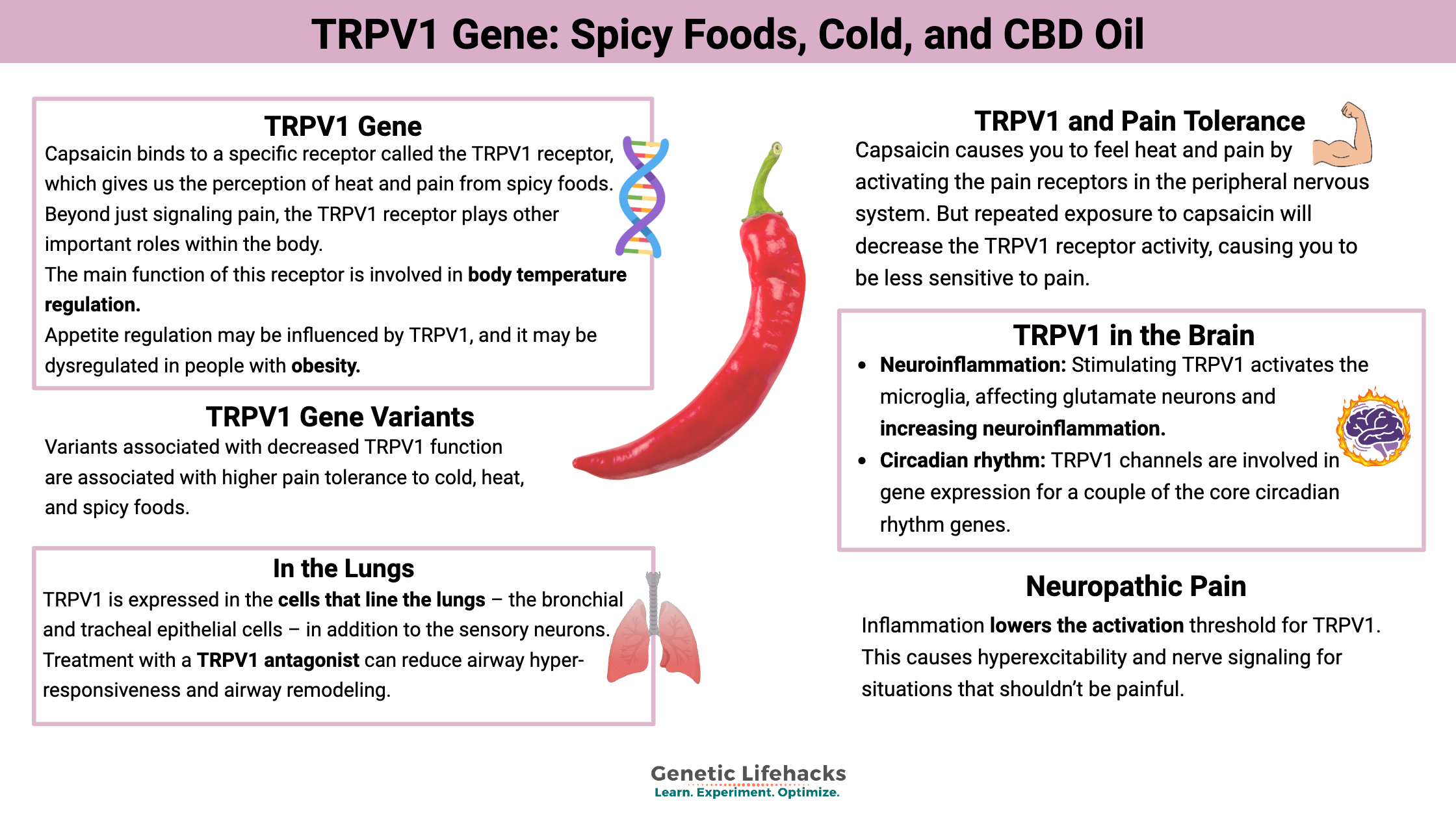
TRPV1 Gene: Receptor for Spicy Foods, Sensing Cold, and CBD Oil
TRPV1 encodes the receptor for spicy foods (capsaicin), heat, pain, neuroinflammation, and CBD oil. Learn how your genetic variants affect spicy-food tolerance as well as the broader picture with TRPV1.
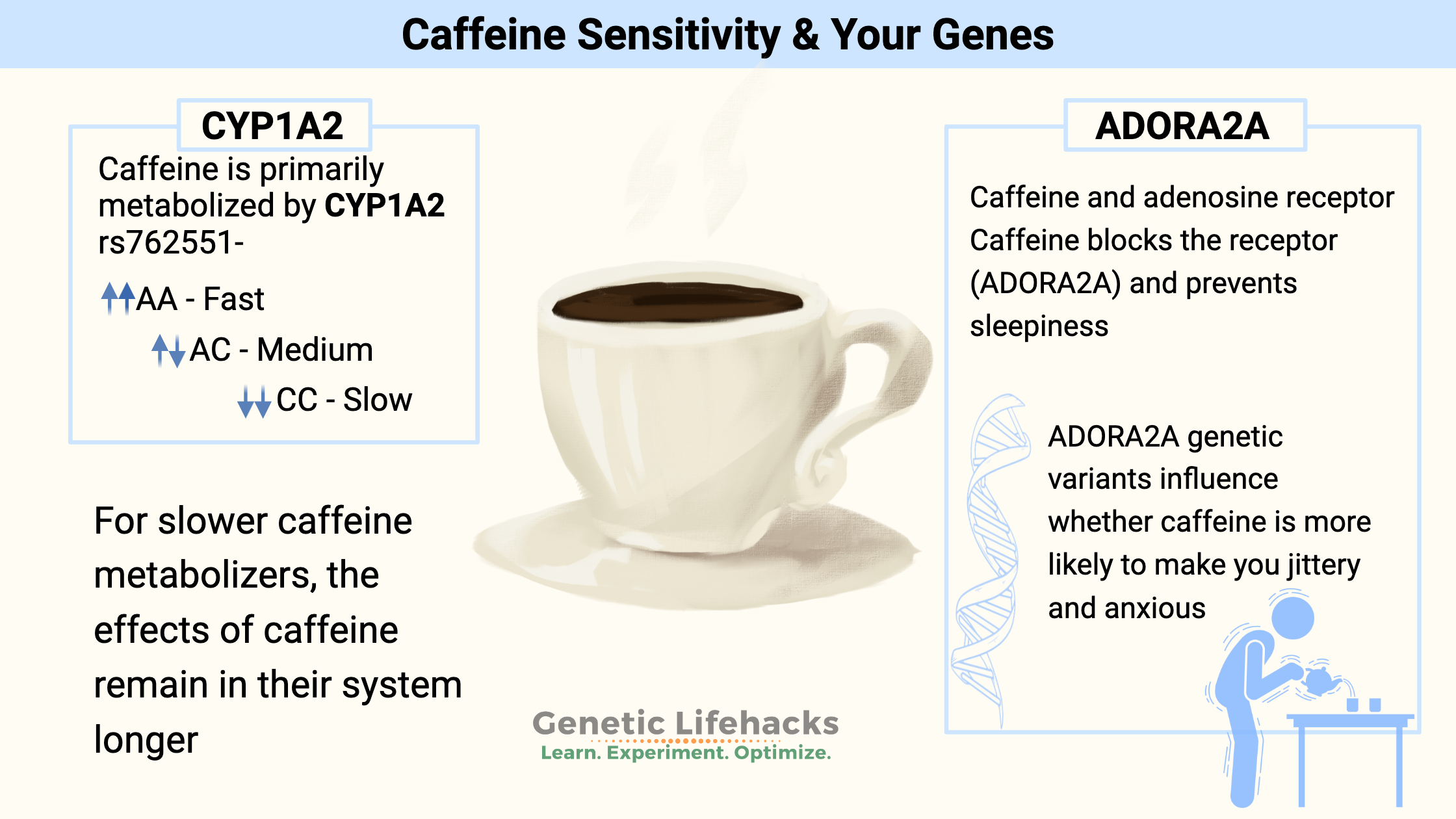
Caffeine Sensitivity and Your Genes
Genetic variants in the CYP1A2 and ADORA2A genes determine how quickly your body processes and eliminates caffeine. Learn why certain genotype combinations influence whether caffeine is likely to make you jittery or anxious.
Personalized Nutrition
These articles bring together practical ways to implement personalization for your diet.
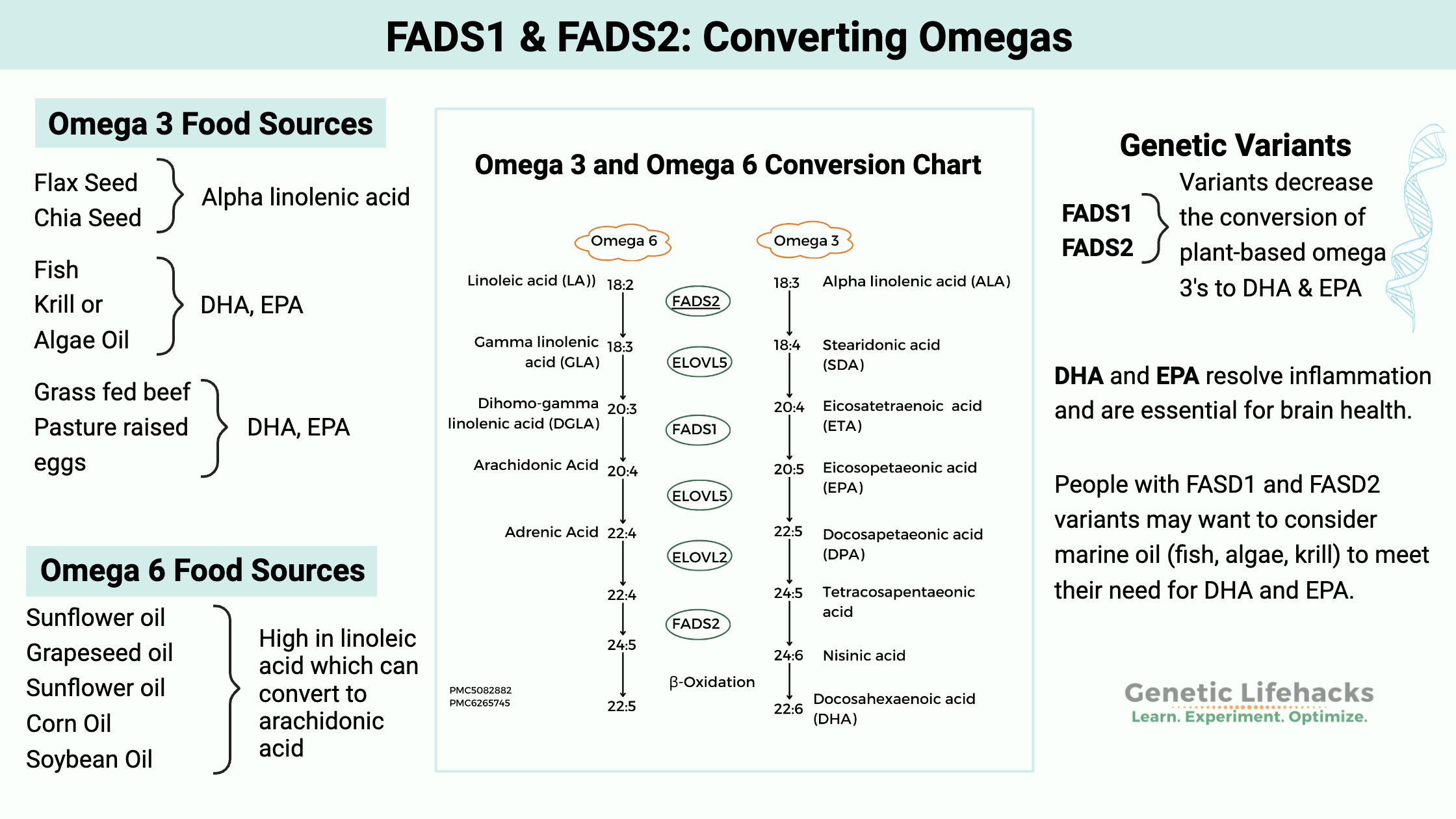
FADS1 and FADS2: Omega-3 and Omega-6 Fatty Acids
The FADS1 and FADS2 genes influence conversion of omega-3 fatty acids into longer-chain products, including DHA and EPA. Variants in these genes affect how well you convert the plant-based omega-3 oils.
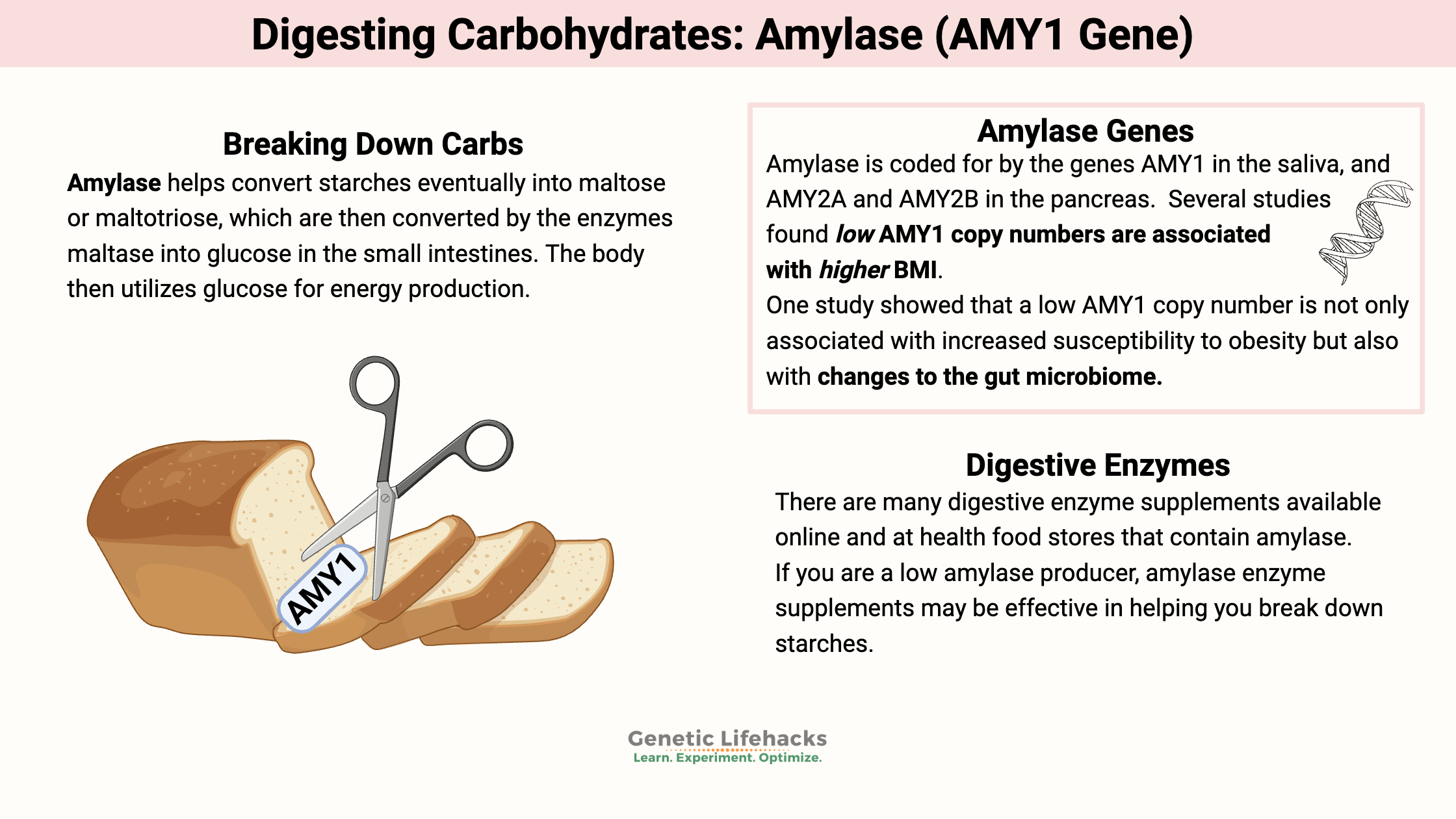
Digesting Carbohydrates: Amylase variants
Amylase is the enzyme that breaks down carbohydrates, starting with the first stage of digestion with saliva in your mouth. Variants in the AMY genes can affect how well you digest carbohydrates.
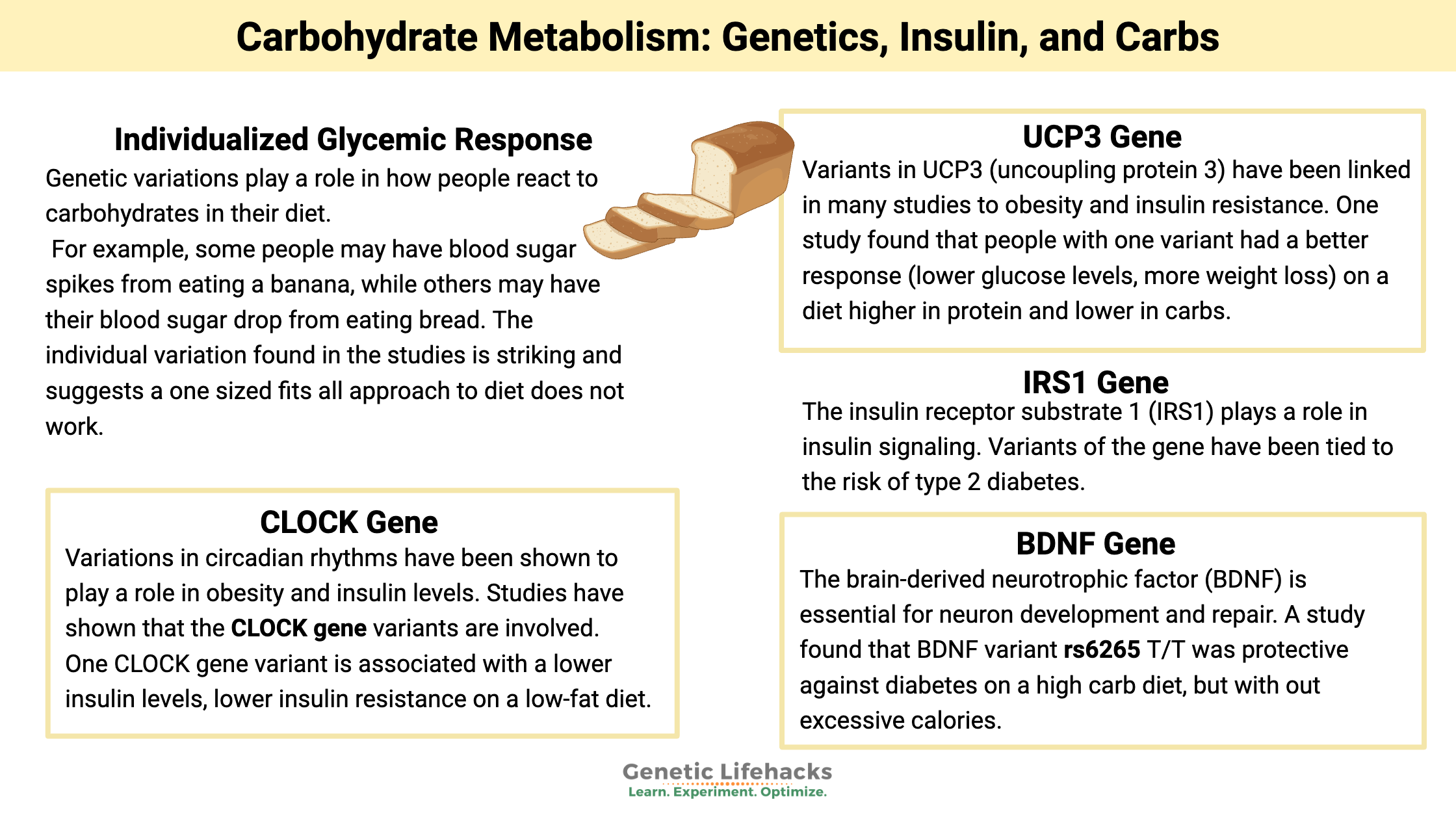
Carbohydrate metabolism: Genetics, Insulin, and Carbs
Genetic variations play a role in how people react to carbohydrates in the diet. Learn about a few genes that affect insulin or glucose levels based on carbohydrate consumption. Use your genetic raw data and discover how your body handles carbohydrates.
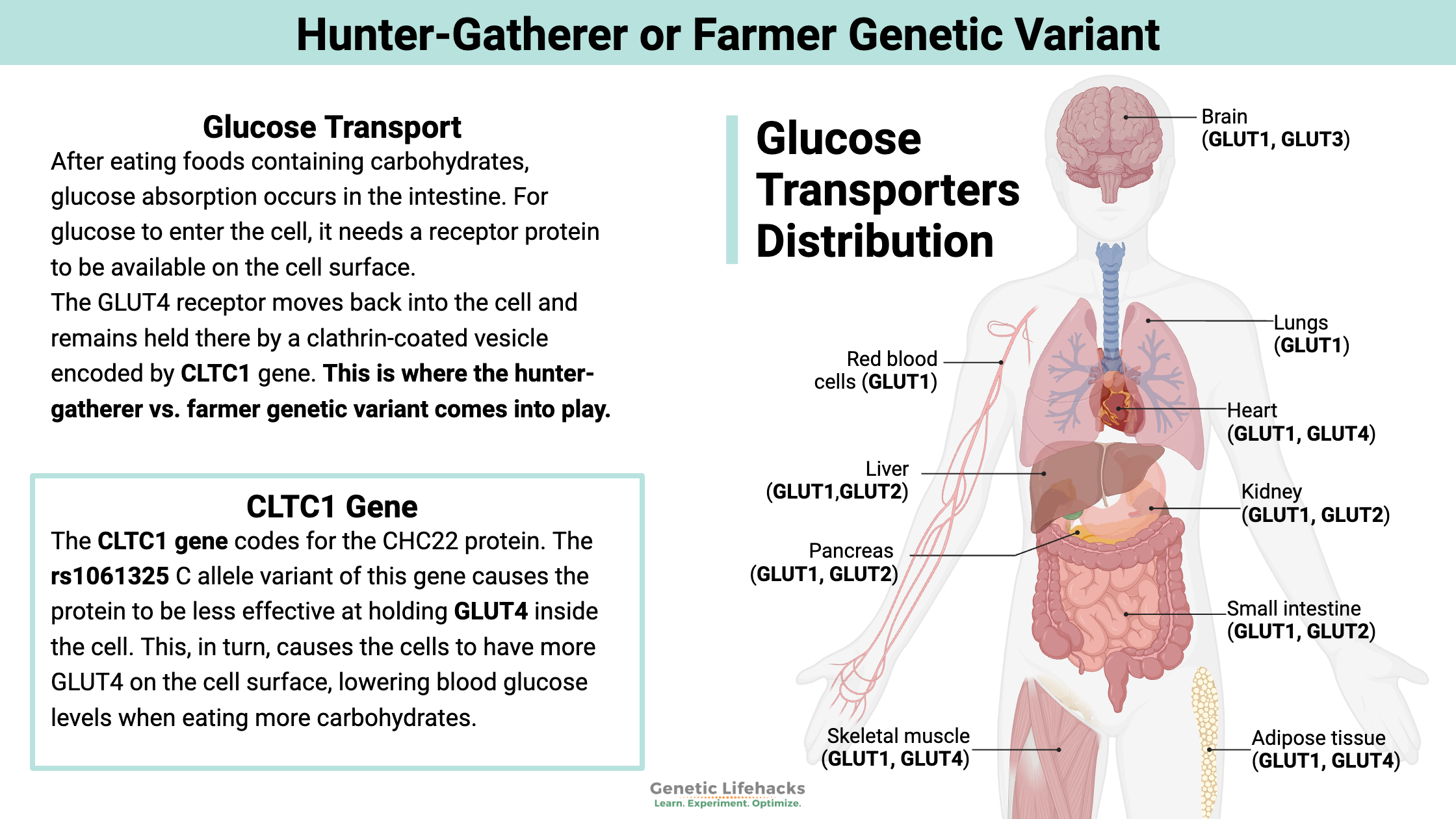
Do you carry the Hunter-Gatherer or the Farmer Genetic Variant
A huge shift took place when our hunter-gatherer ancient ancestors began farming, growing grains, and storing them so that there would be food available all year. Learn if you carry the hunter-gatherer or farmer gene variant and what the evidence says (and doesn’t say) about this variant.
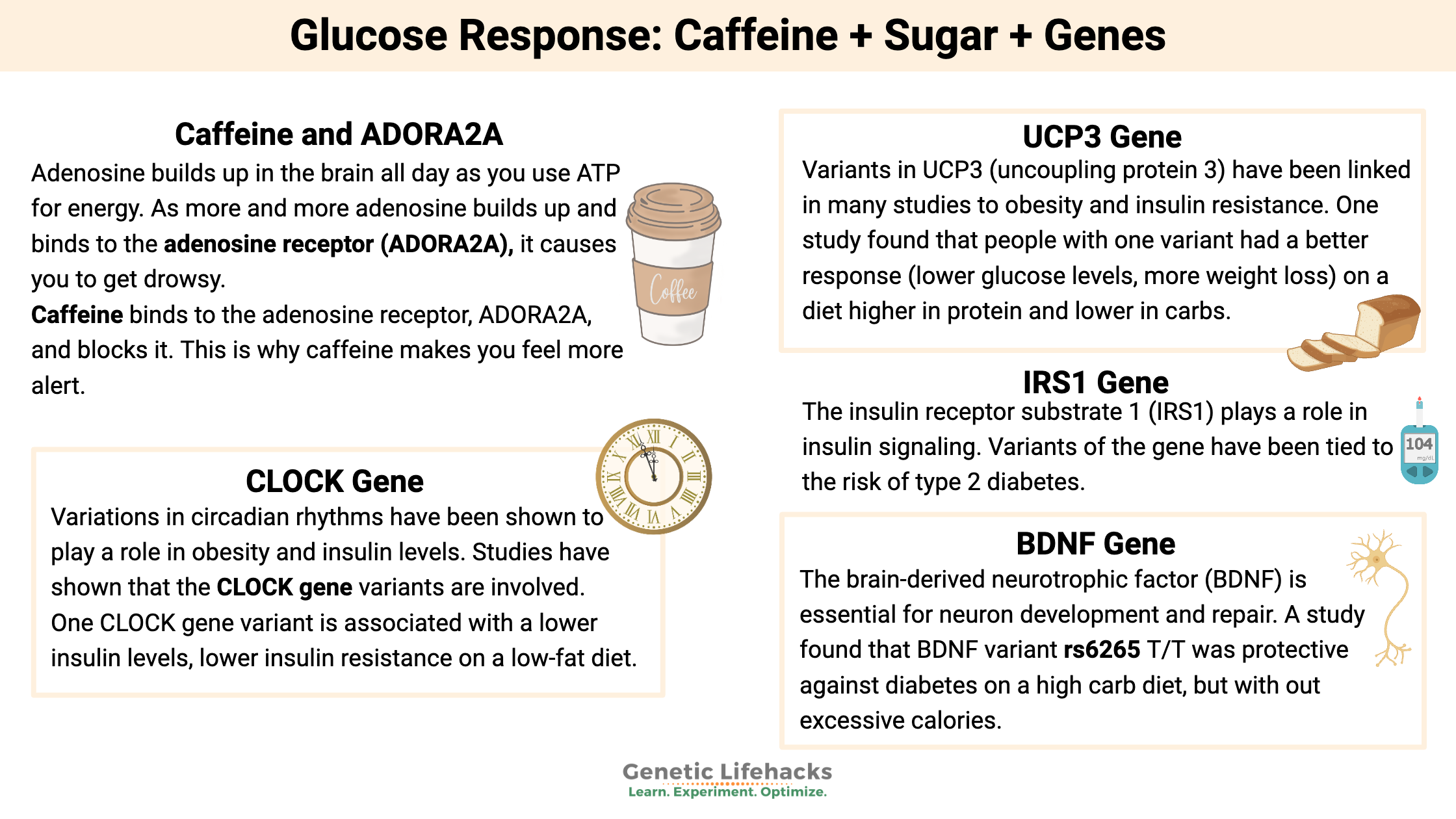
Glucose Response: Caffeine + Sugar + Genes
Consuming caffeine along with carbohydrates changes the post-meal glucose response for people with certain genetic variants. Find out more about how your genes influence your response.
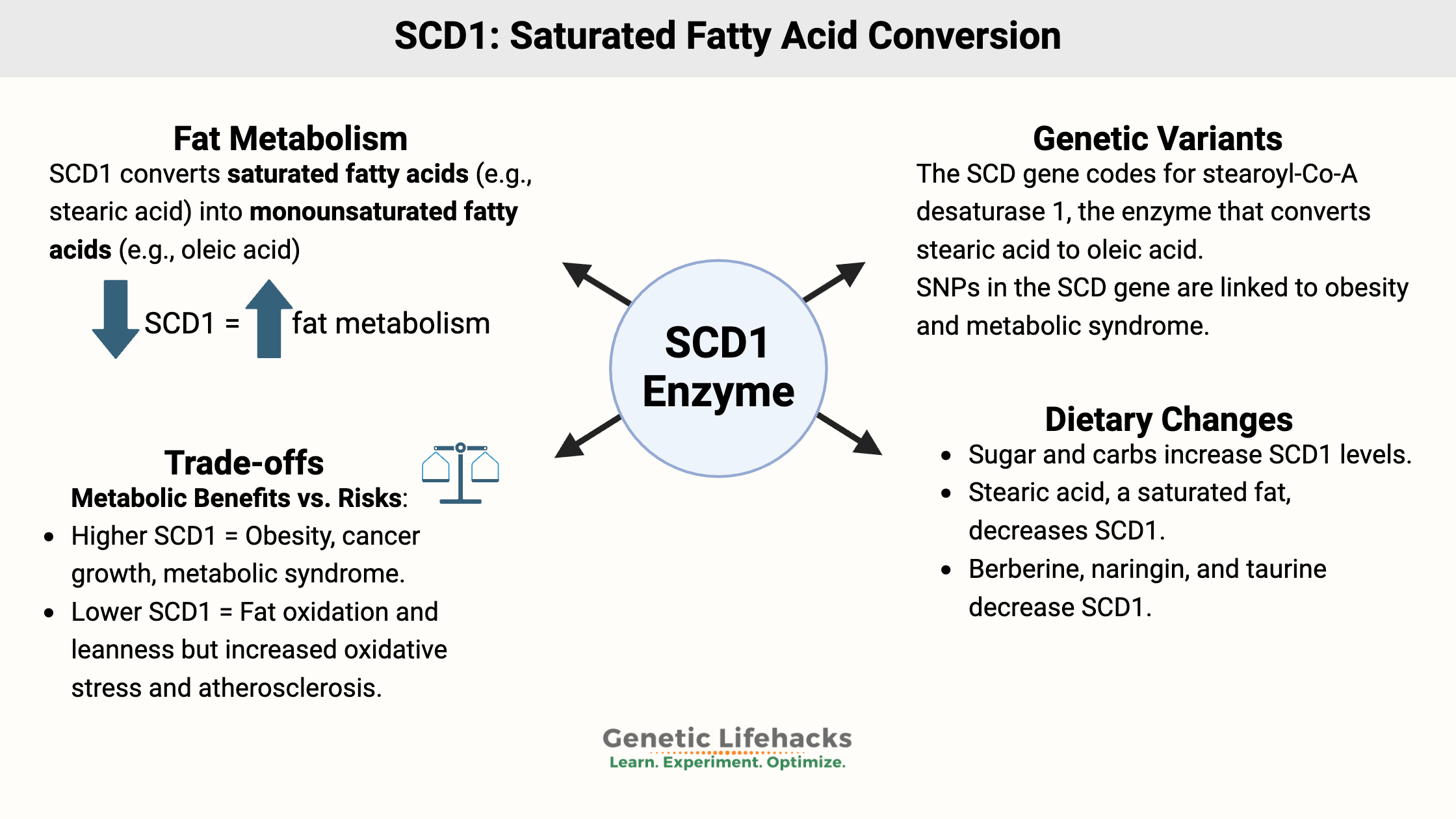
SCD1: A lynchpin of metabolism
The SCD1 enzyme converts saturated fatty acids to monounsaturated fatty acids. Learn how your genes impact this enzyme, and how this relates to weight loss.
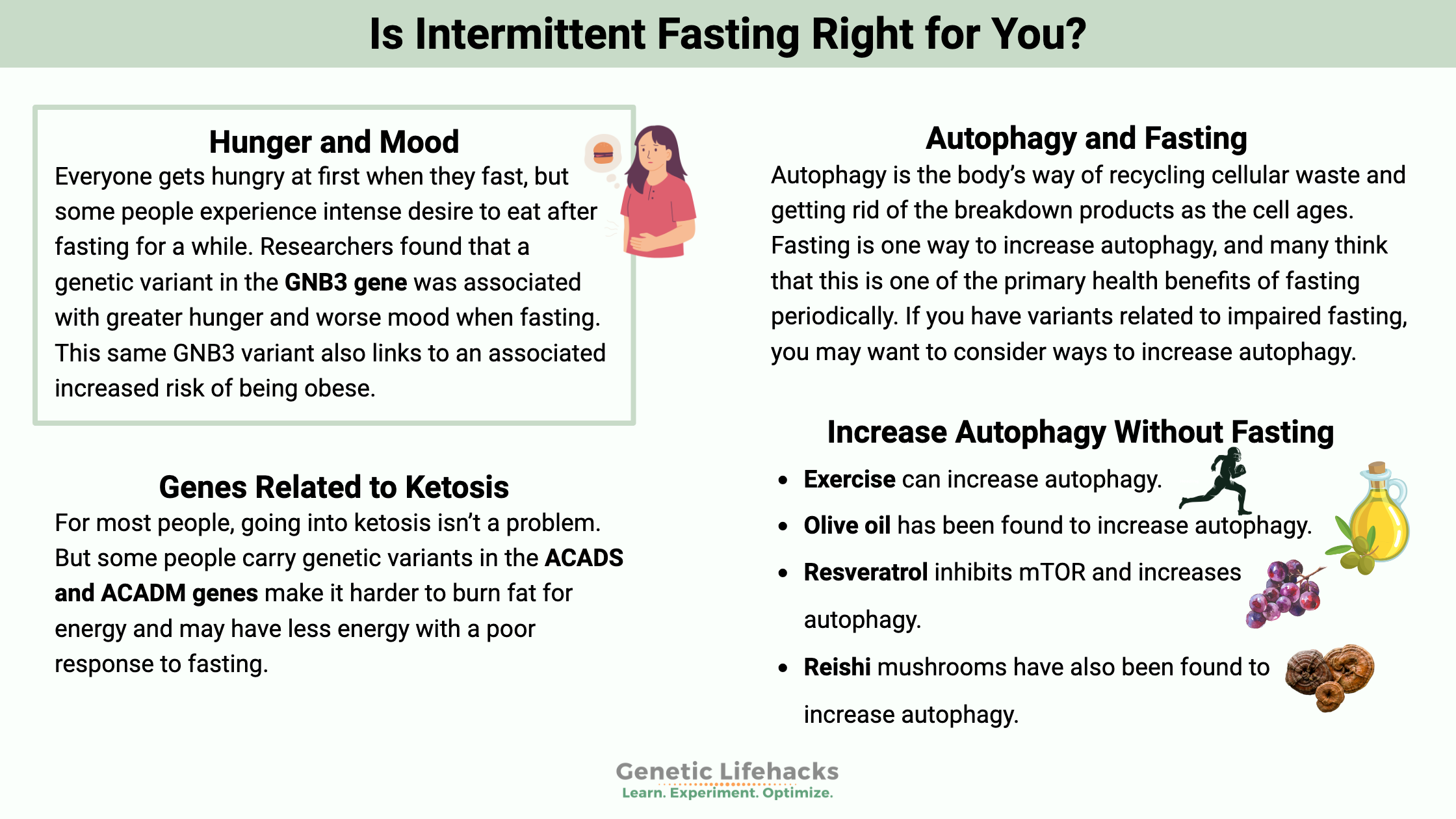
Is intermittent fasting right for you?
Intermittent fasting and ketosis response vary with circadian biology, health status, and genetics. Find out how your genes play a role in how you feel and how your body produces energy when fasting.
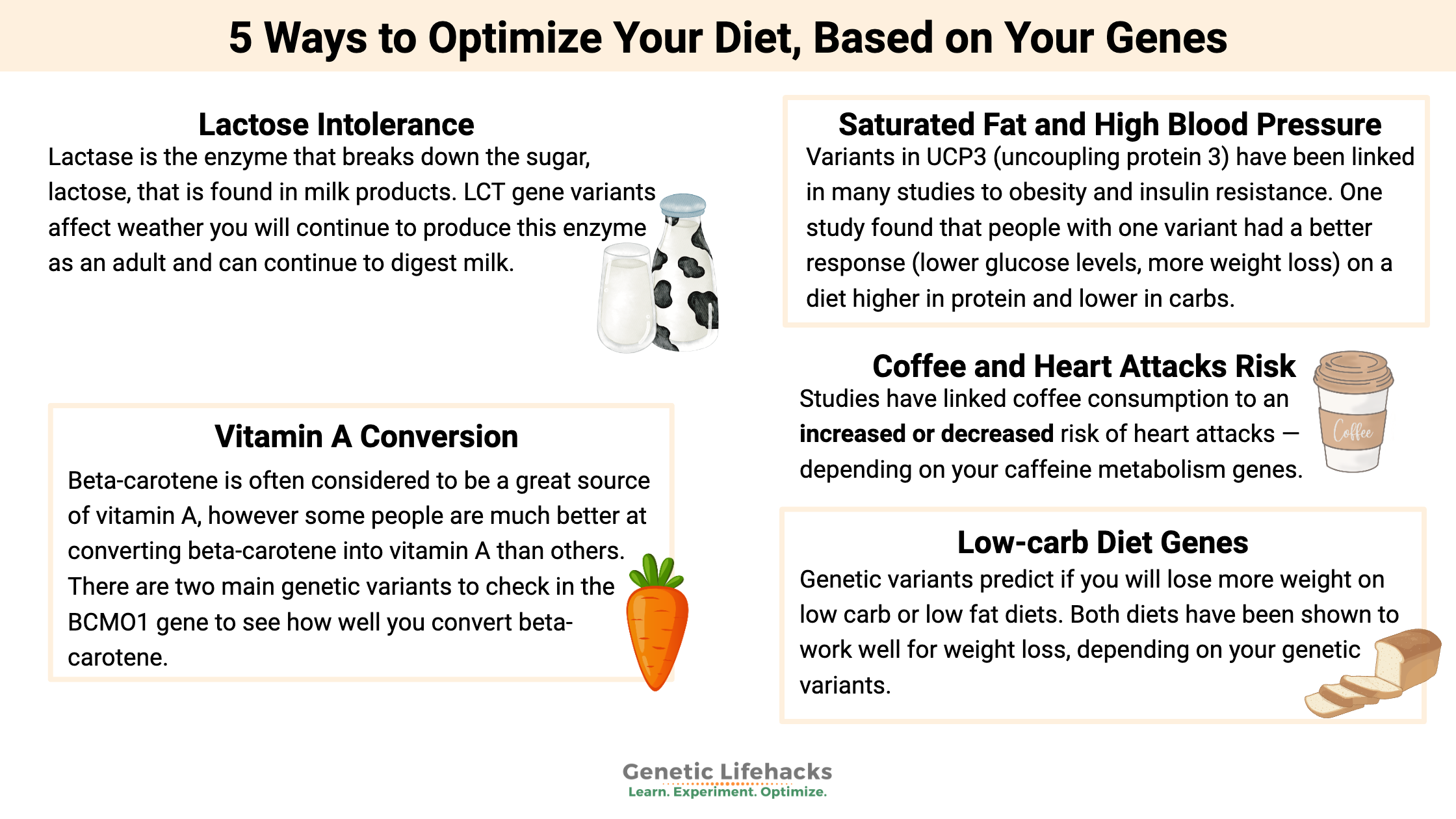
5 ways to optimize your diet, based on your genes
Use your genetic data to find out about 5 practical diet questions, including how you convert vitamin A, whether lactose intolerance could be a problem, and how saturated fats can affect your heart risk.
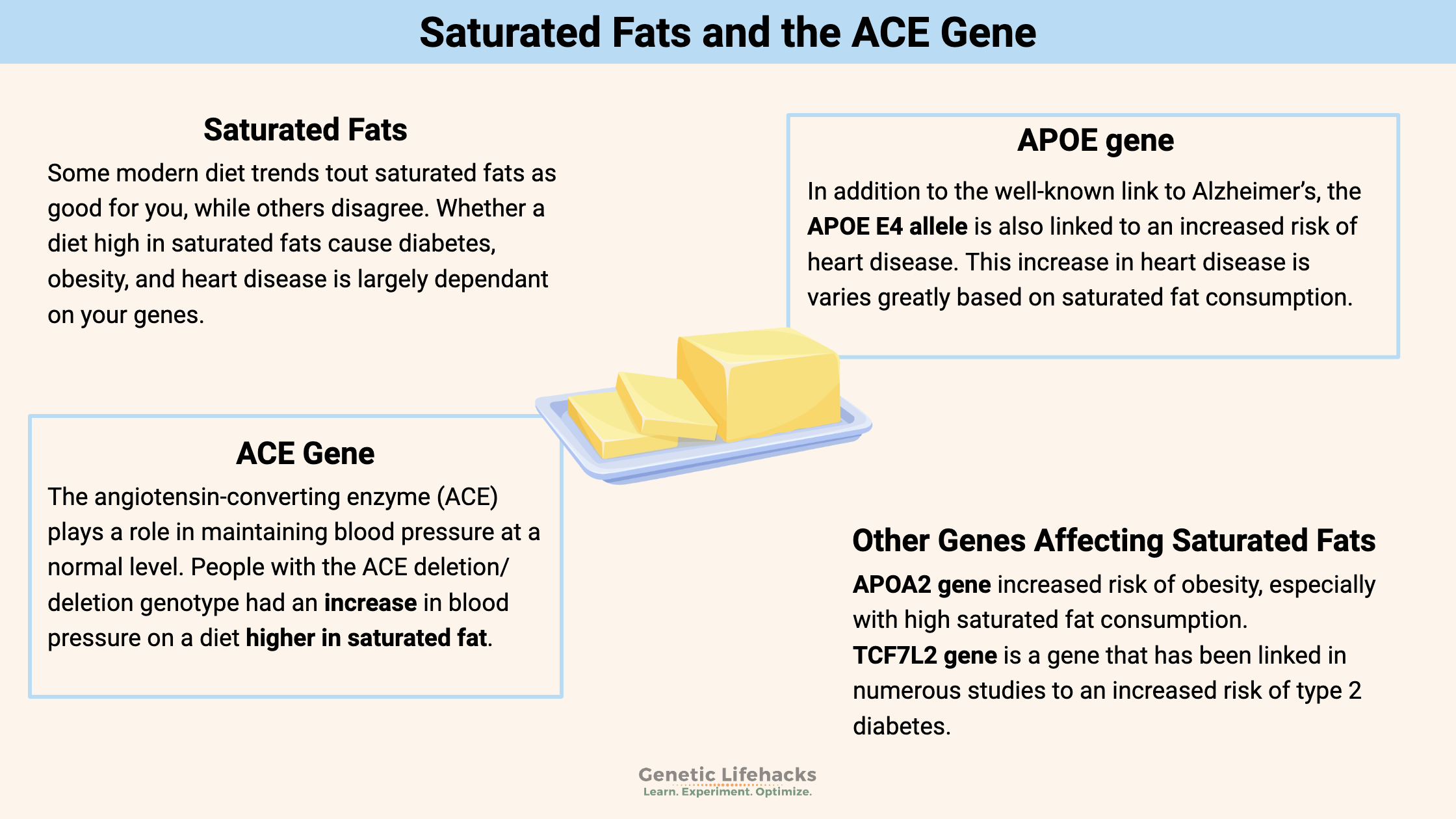
Saturated Fat and Your Genes (ACE gene)
Genes such as ACE and APOE can affect how your body (and heart) respond to saturated fats in your diet. Learn more about the good/bad fat debate and find out how your genes play a part in understanding the nuances.
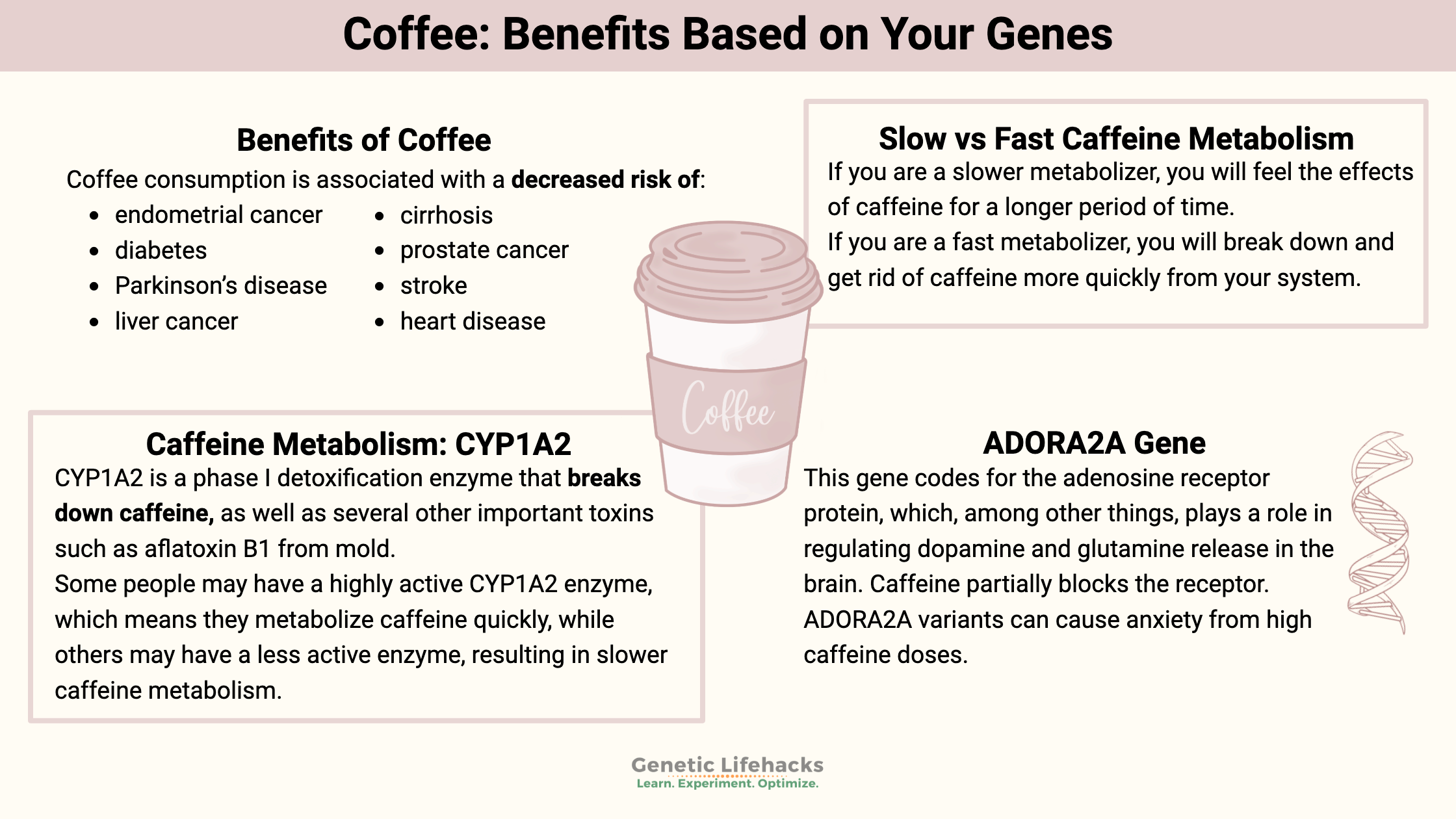
Coffee: Benefits based on your genes
Genes involved in caffeine metabolism (CYP1A2) and signaling (ADORA2A) can affect how coffee influences your sleep, blood pressure, and risk of anxiety from caffeine.