
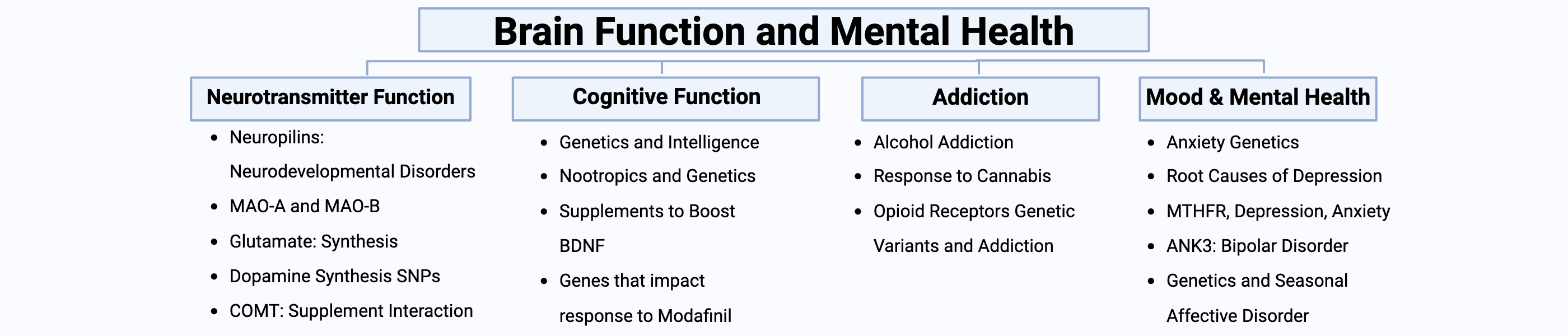
Smarter, happier, and more focused — this section pulls together the articles on how your genetic variants impact brain function and mental health. Instead of generic advice, you’ll find research‑based explanations of how specific SNPs influence neurotransmitters, mood, cognition, and addiction risk — plus practical, low‑hype options you can try.
Use this hub to connect the dots between your raw genetic data and the pathways that matter for your mood, focus, and cognitive function. All of the articles include genotype reports so you can quickly see whether a variant applies to you (and what to do about it).
- Neurotransmitters & Neuropeptides: Genes affecting dopamine, serotonin, glutamate, GABA, and more.
- Cognitive Function: Blood–brain barrier, ADHD, brain fog, nootropics, and cognition genes.
- Mood & Mental Health: Depression, anxiety, bipolar, trauma resilience, and circadian genes.
- Addiction: Opioid, alcohol, cannabis, and behavioral addiction susceptibility genes.
Member tools: Access the Brain and Mood overview report to see which articles to read first.
Neurotransmitter Function & Neuropeptides
This section covers how genetic variants in neurotransmitter synthesis, receptors, and transporters influence your brain function, mood, and cognitive performance through pathways like dopamine, serotonin, glutamate, and GABA, and neuropeptides like oxytocin and BDNF.
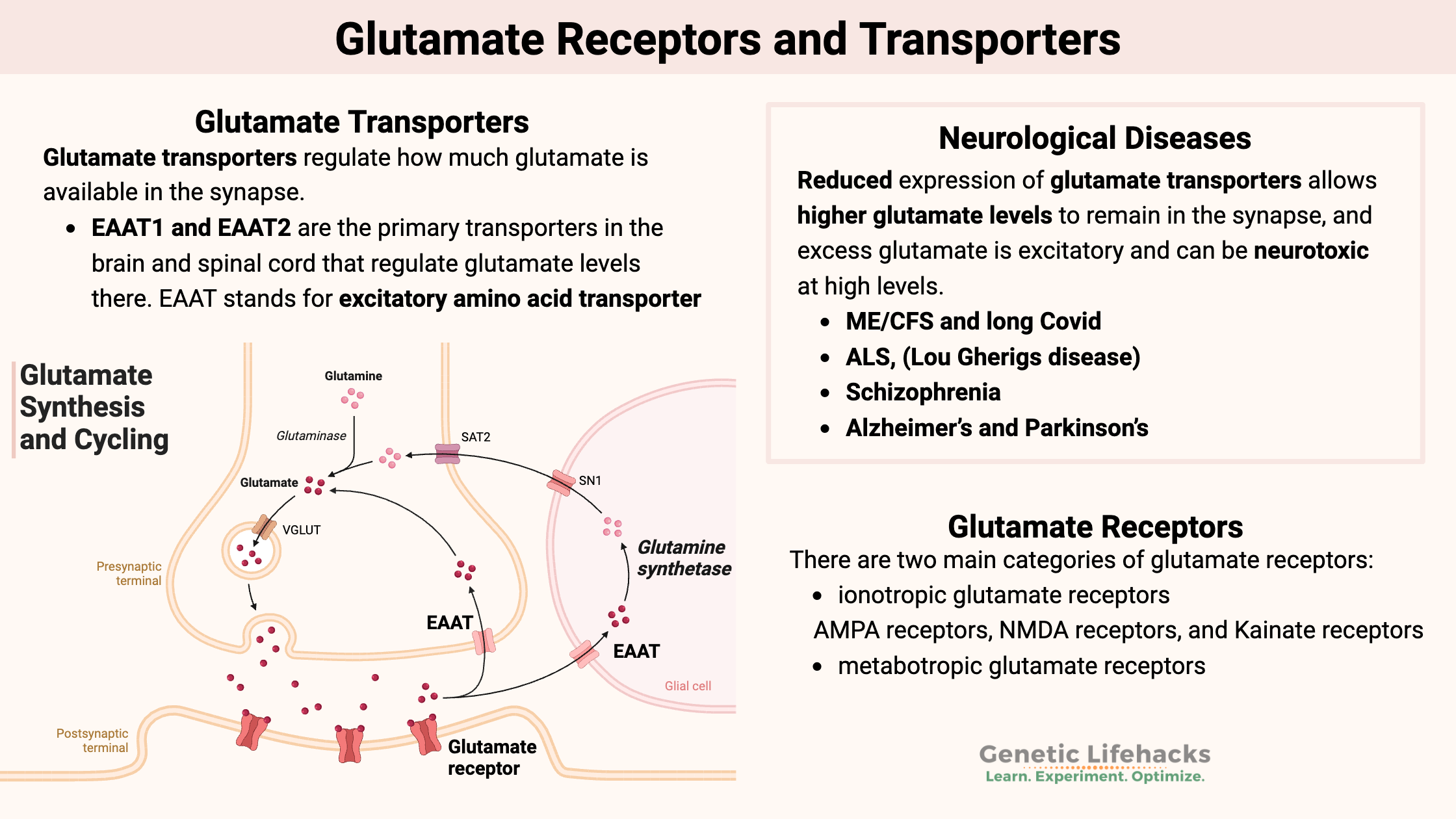
Glutamate Receptors and Transporters
Glutamate transporters and receptors carefully balance glutamate levels in the brain. Variants in the glutamate genes can affect how your brain balances glutamate.
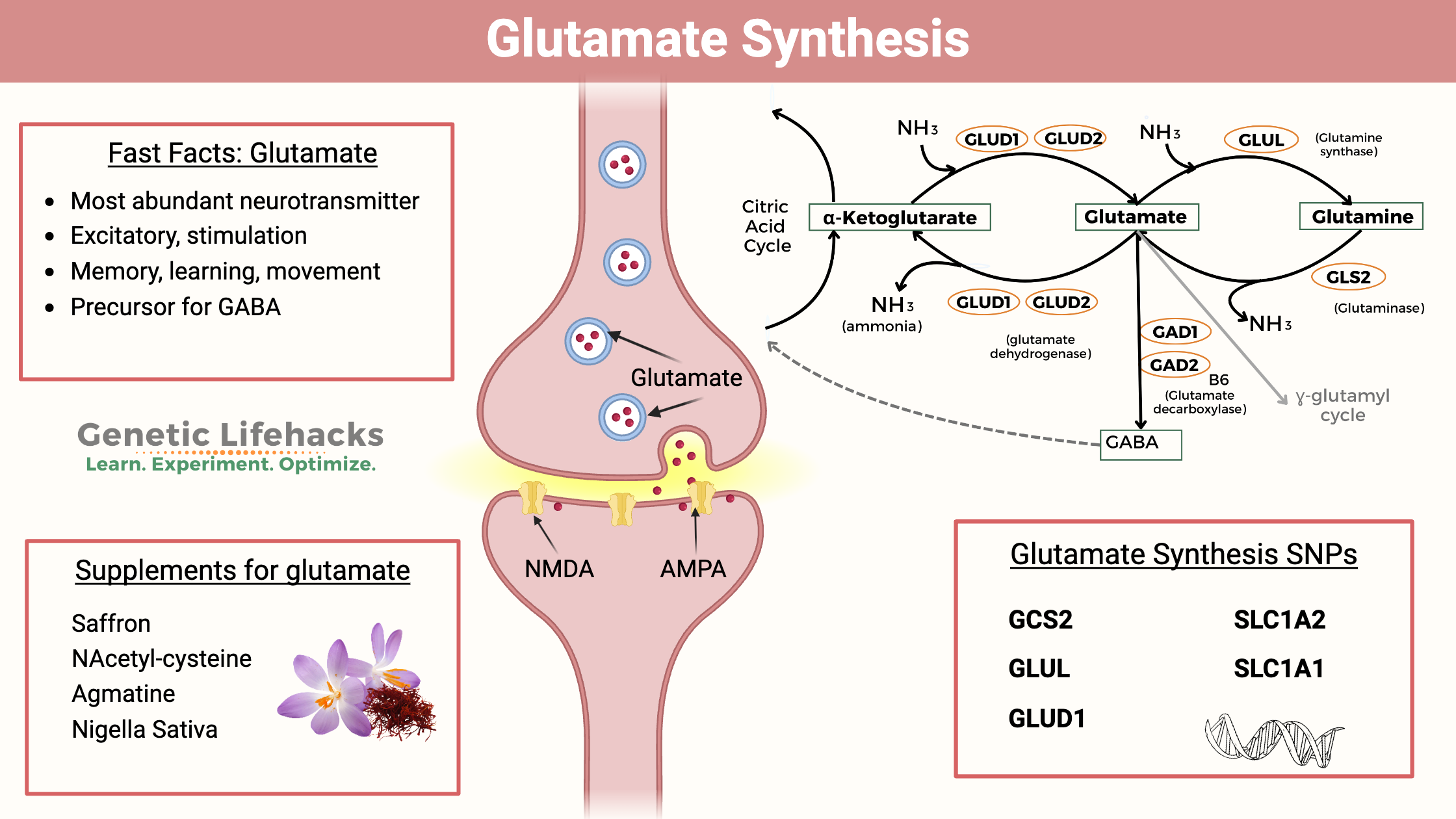
Glutamate: Synthesis, transport, and supplement interactions
Glutamate, the main excitatory neurotransmitter, is tightly regulated through synthesis, transporters, and GABA balance, with genetic variants influencing risk for migraines, OCD, seizures, and schizophrenia.
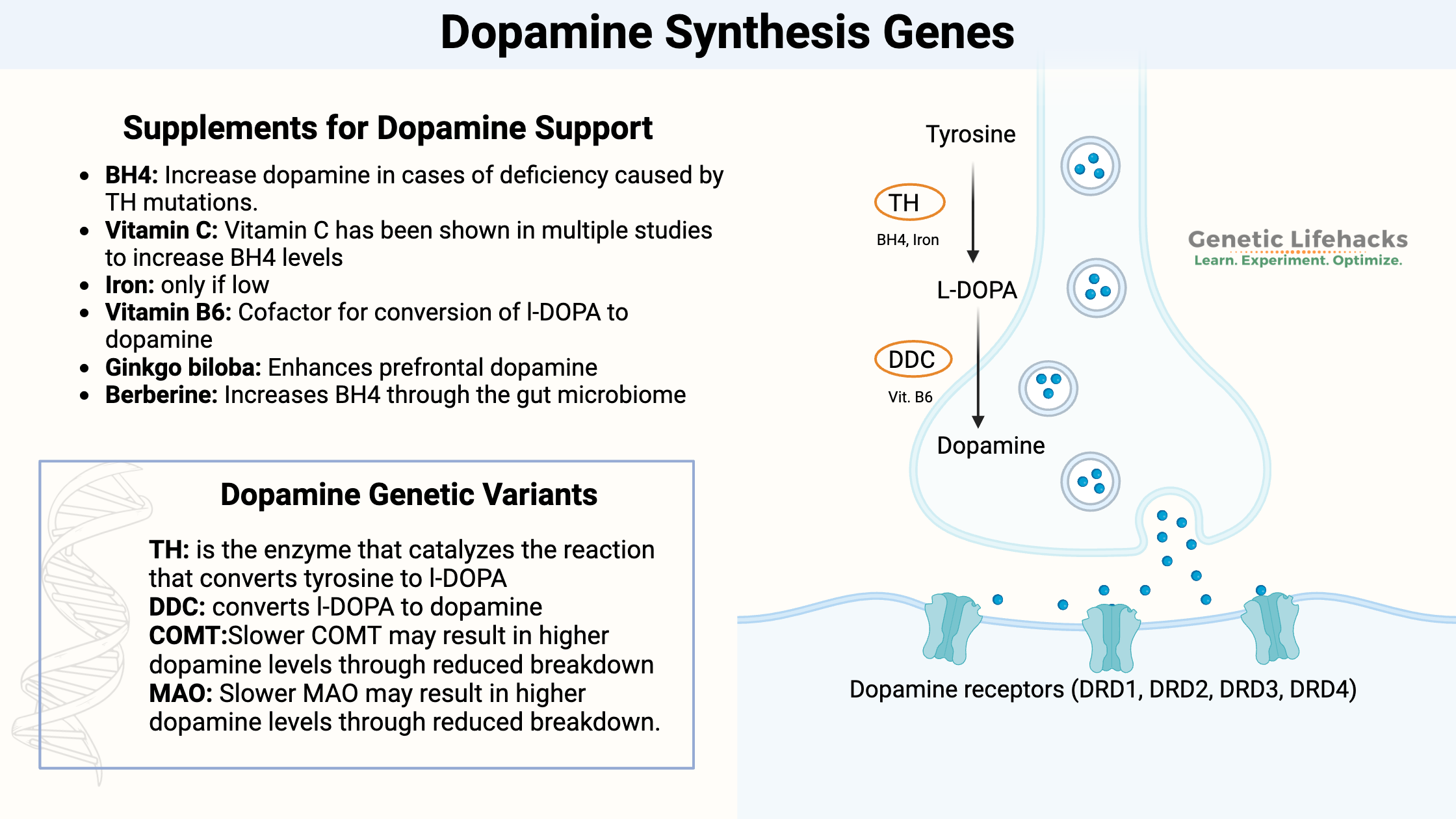
Dopamine Synthesis SNPs: Genes, lifestyle, diet, and dopamine optimization
Genetic variants in dopamine synthesis and breakdown genes interact with circadian rhythm, gut microbes, nutrients, and toxins, shaping risks for procrastination, psychosis, hypertension, Parkinson’s, and addiction.
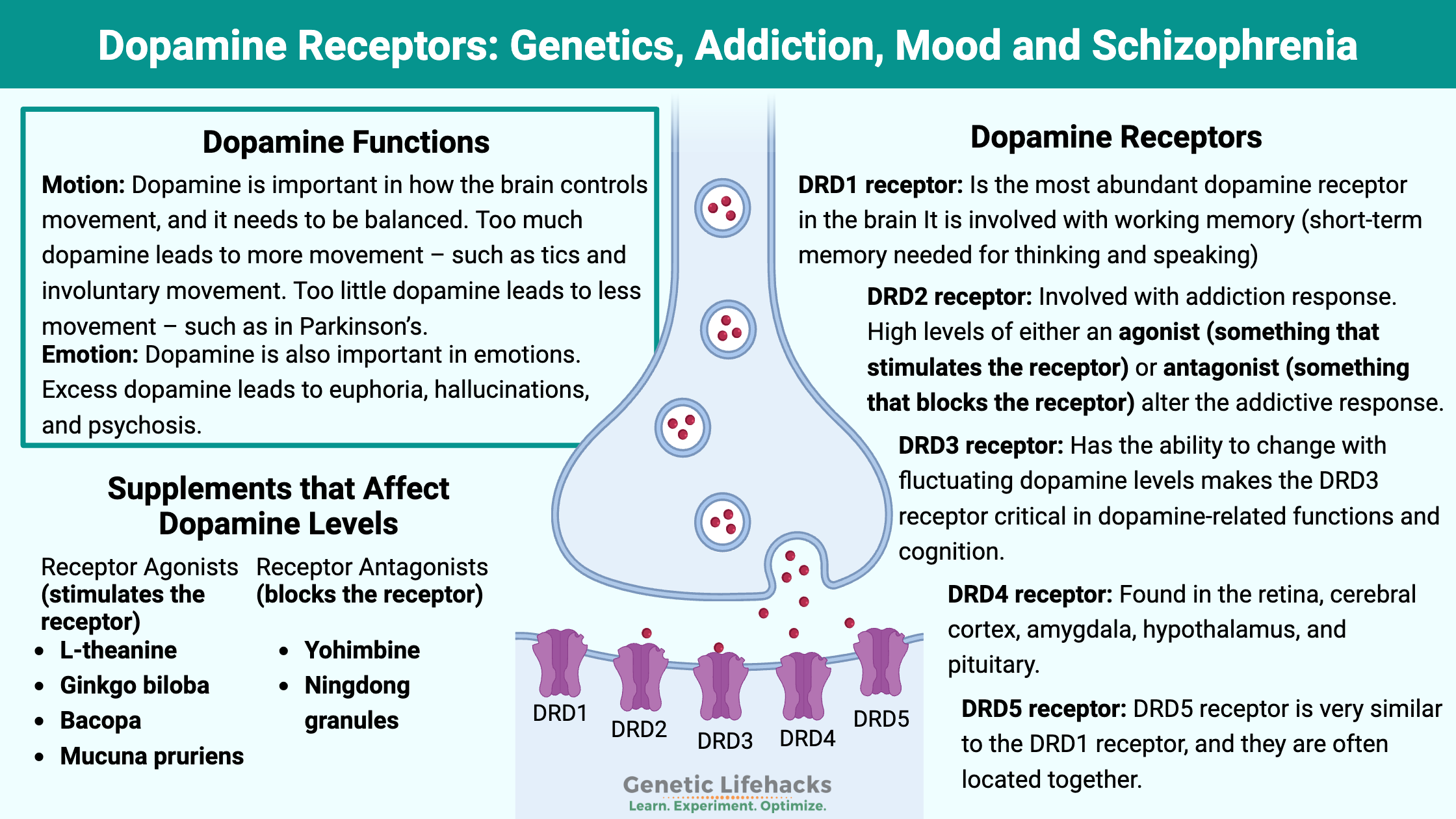
Dopamine Receptor SNPs: Addiction, Mood, ADHD, and Schizophrenia
Dopamine is a powerful player in our cognitive function – impacting mood, movement, and motivation. Genetic variants in the dopamine receptors influence addiction, ADHD, neurological diseases, depression, psychosis, and aggression.
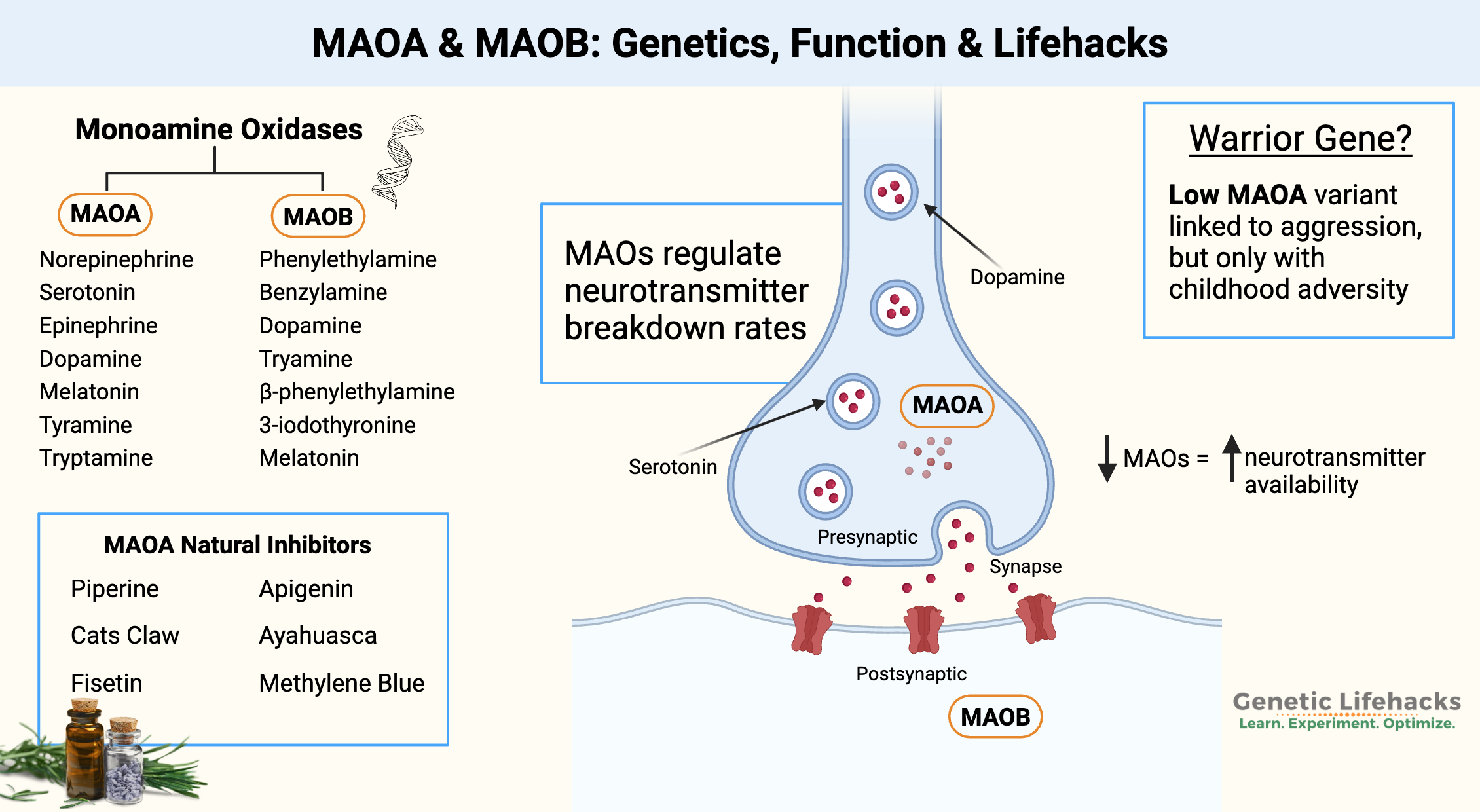
MAO-A & MAO-B: Monoamine Oxidase, Warrior Gene, and Mood
The MAOA and MAOB genes encode enzymes that break down certain neurotransmitters. People with low MAO may be prone to mood issues in certain circumstances.
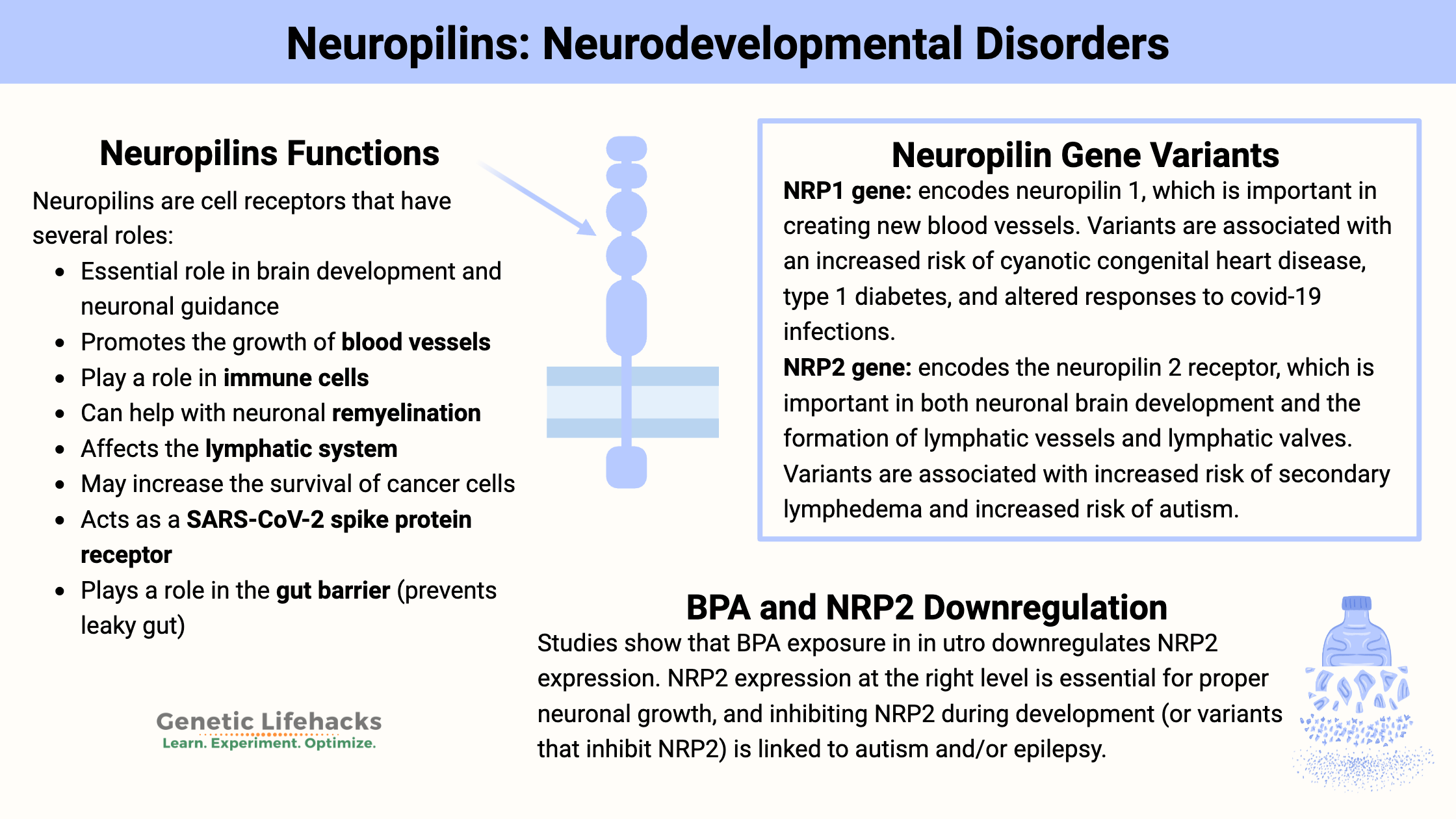
Neuropilins: Neurodevelopmental Disorders, Gut Barrier, & Covid Brain
Explore how neuropilin variants shape neurodevelopment, vascular permeability, gut barrier function, viral entry (SARS‑CoV‑2, EBV, CMV), and risks for autoimmunity and cancer.
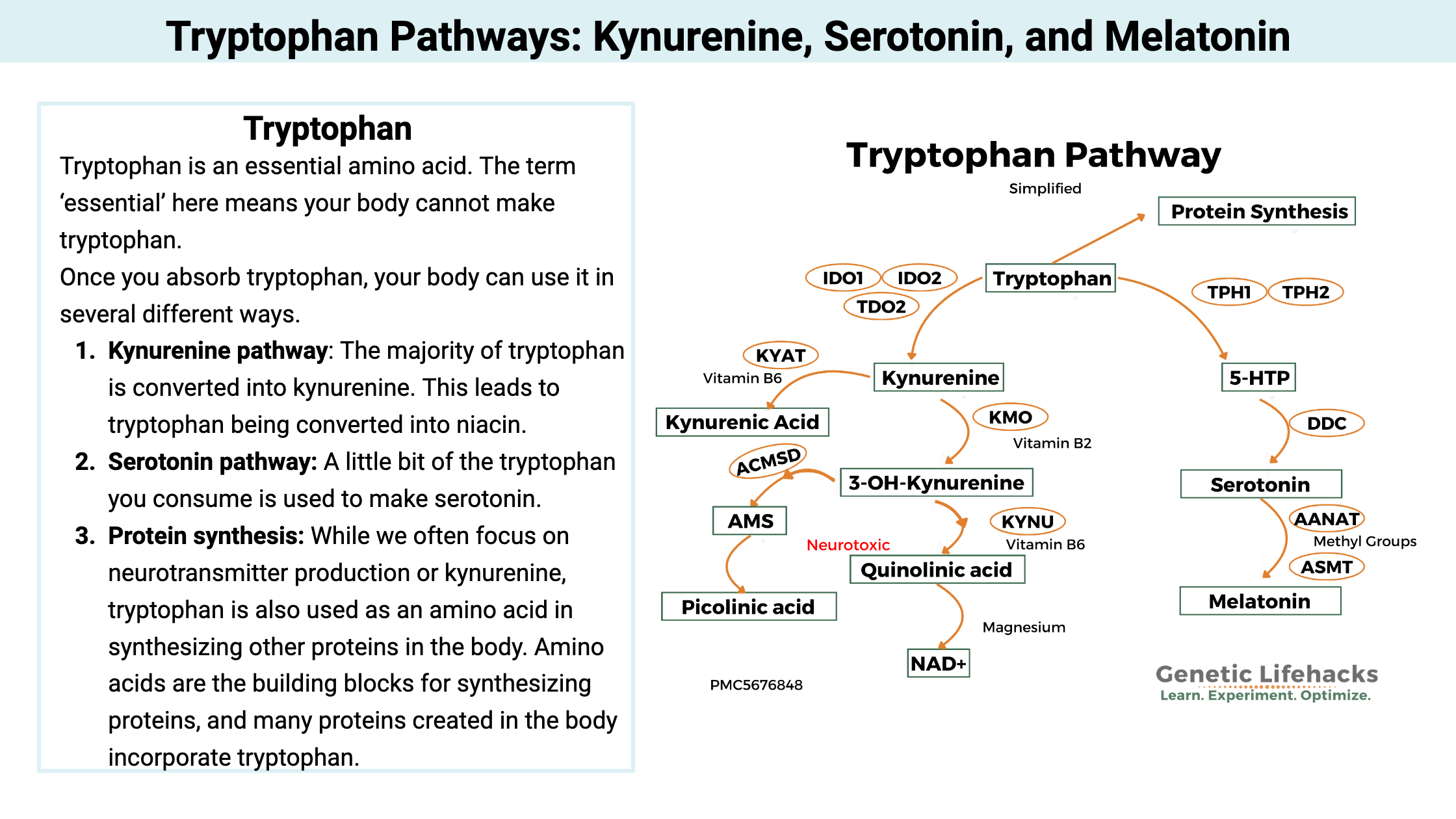
Tryptophan Pathways: Kynurenine, Serotonin, and Melatonin
Genetic variants in tryptophan pathway enzymes alter quinolinic and kynurenic acids, NAD+ production, and serotonin synthesis. These genes influence mood, sleep, fatigue, immunity, and long Covid brain fog risk.
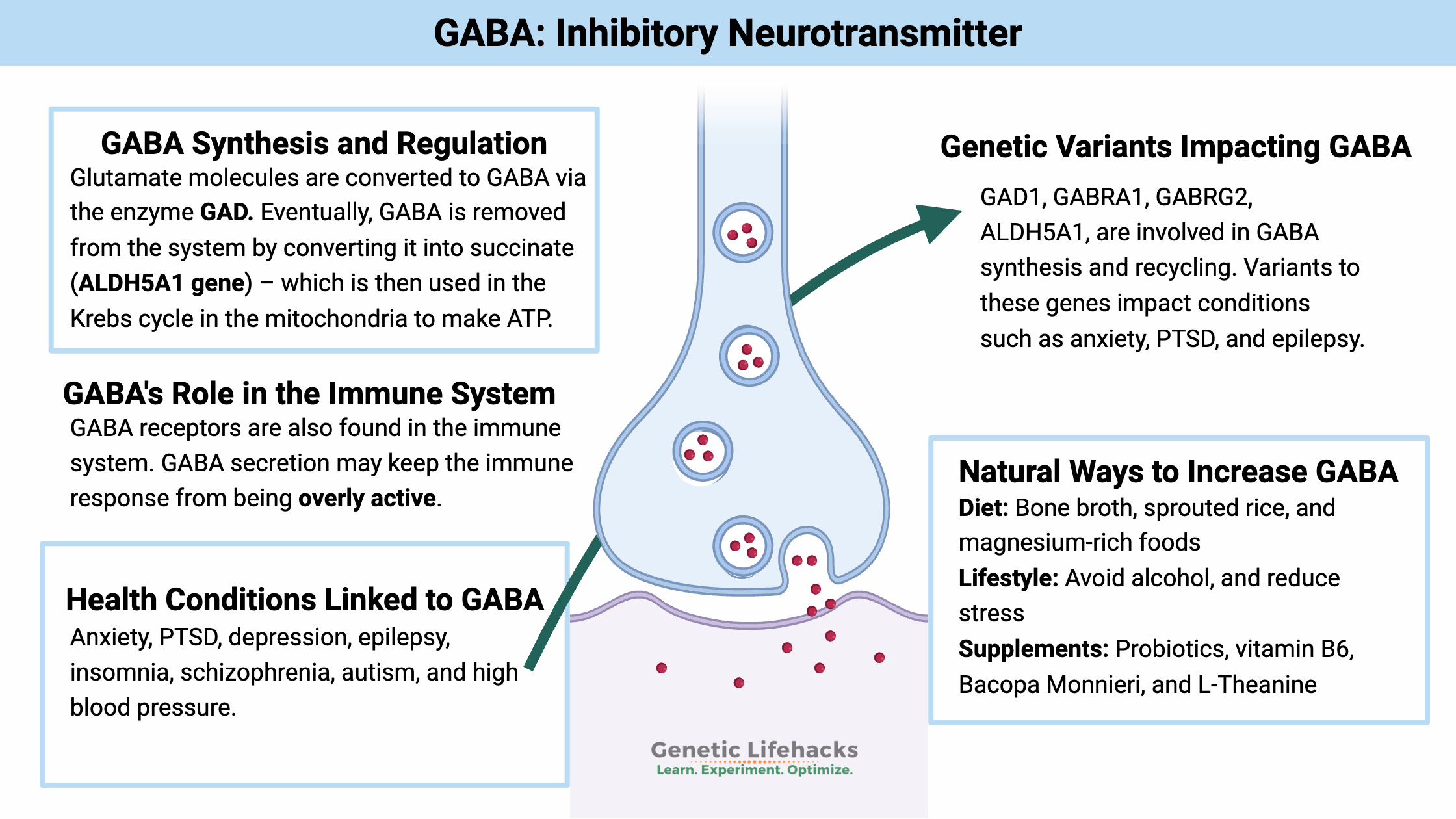
GABA: Genetics, Anxiety, and Immune Response
GABA (gamma-Aminobutyric acid) is a neurotransmitter that acts to block or inhibit a neuron from firing. It is an essential way that the brain regulates impulses, and low GABA levels are linked with several conditions, including anxiety and PTSD.
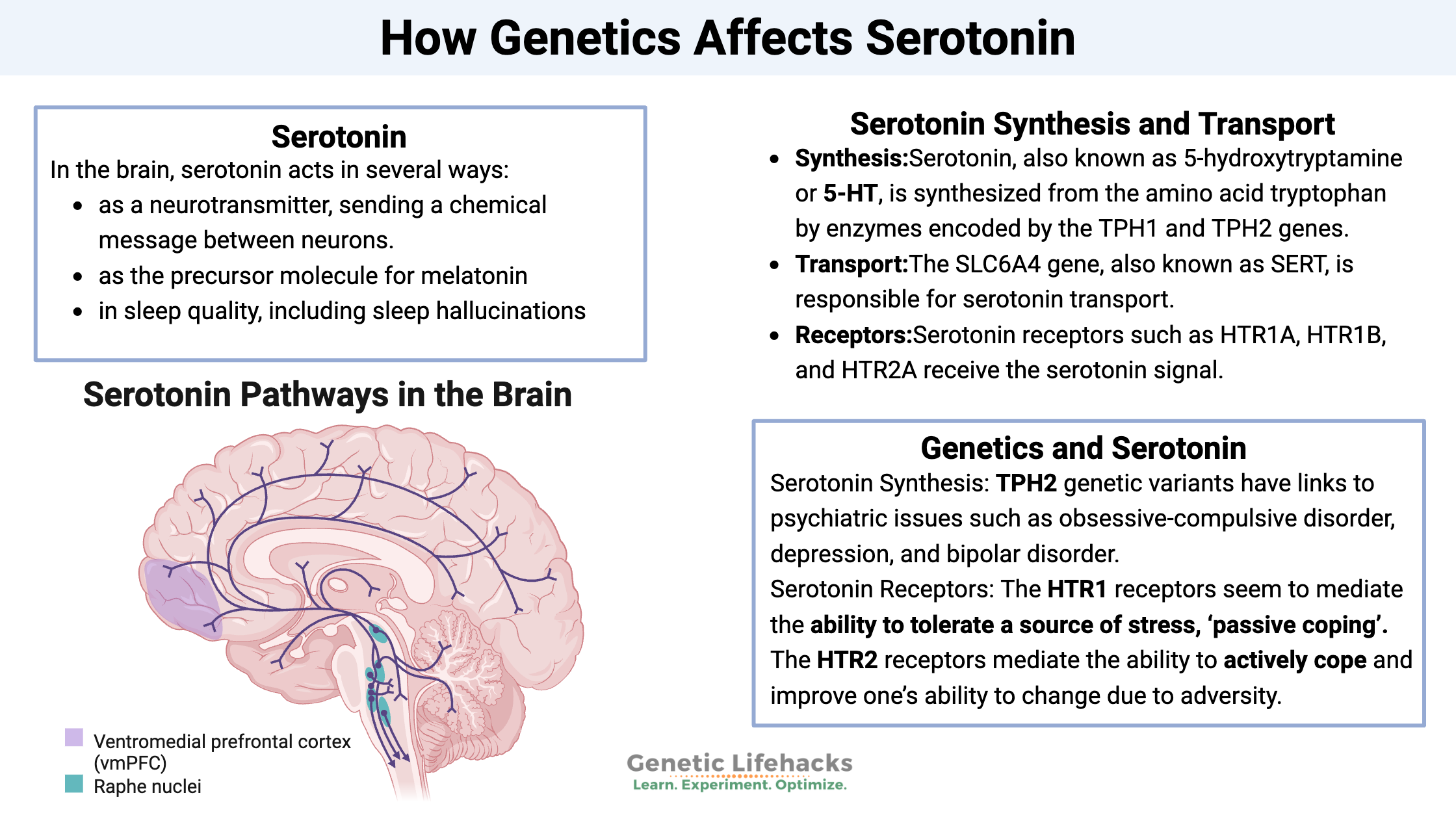
Serotonin: How Your Genes Affect This Neurotransmitter
Serotonin is a neurotransmitter that is important in depression, sleep, and many other aspects of health. Learn how your genetic variants in the serotonin receptor genes impact their function.
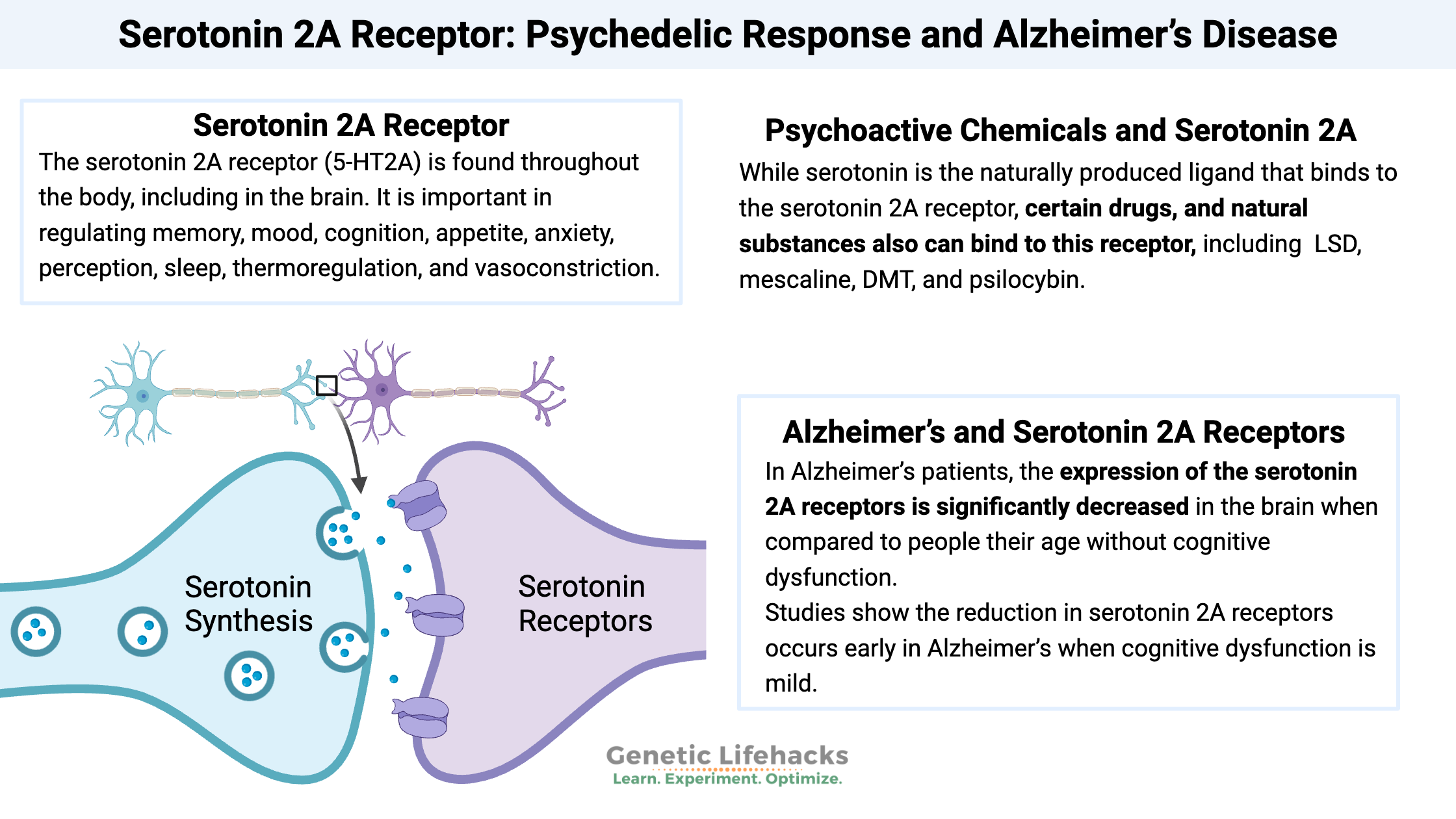
Serotonin 2A receptor: Psychedelic response and Alzheimer’s disease
Learn how new research on brain aging and dementia connects the serotonin 2A receptor with psychedelics, brain aging, and Alzheimer’s.
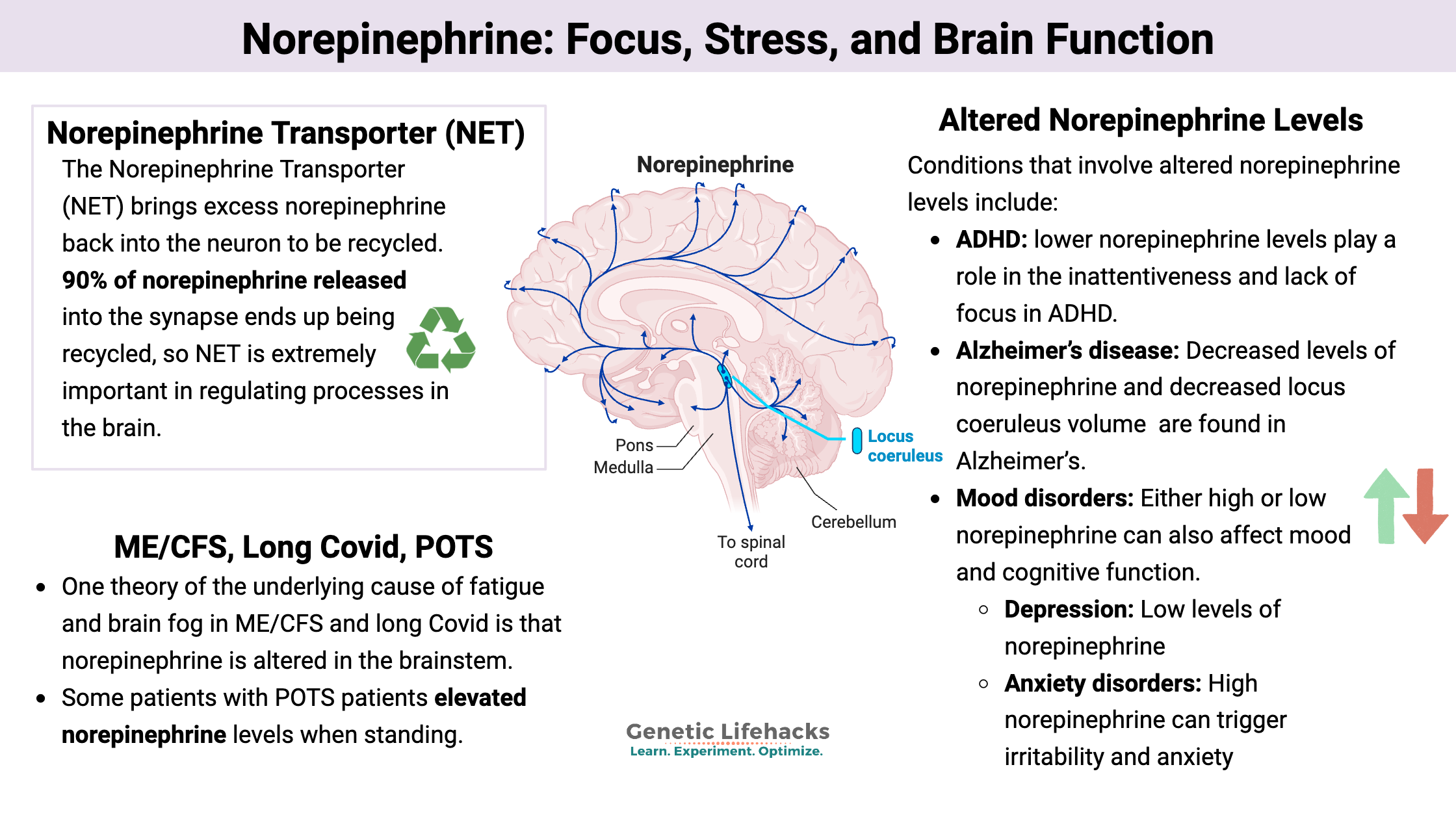
Norepinephrine: Focus, stress, genetics, and brain function
Discover how norepinephrine and your genes affect ADHD, ME/CFS, long COVID, POTS, and mood, plus evidence‑based ways to support healthy norepinephrine balance.
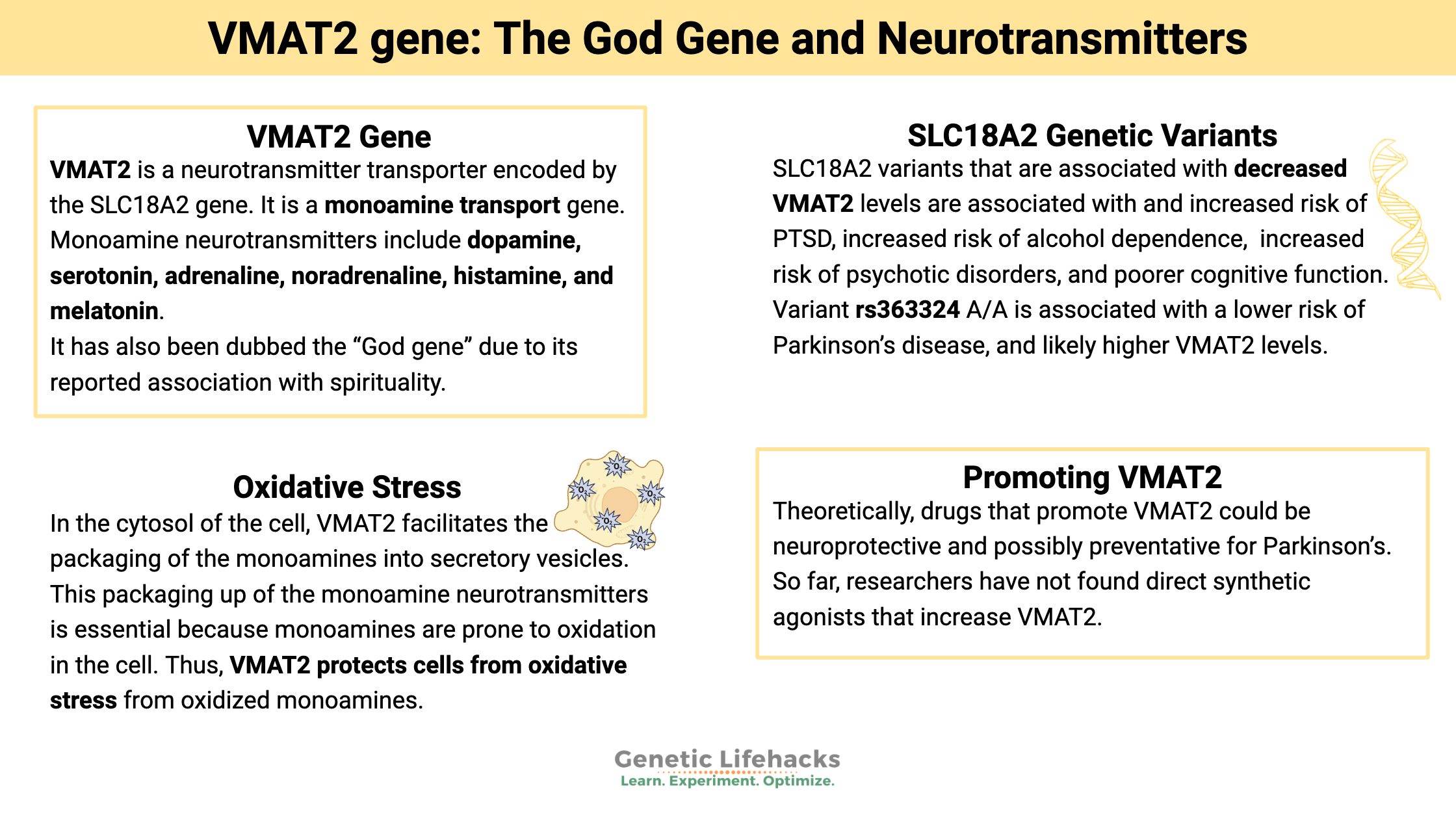
VMAT2 gene: The God Gene and Neurotransmitters
VMAT2, the so‑called “God gene,” packages dopamine, serotonin, and other monoamines into vesicles, protecting neurons from oxidative stress and influencing risks for Parkinson’s, PTSD, alcohol dependence, and diabetes.
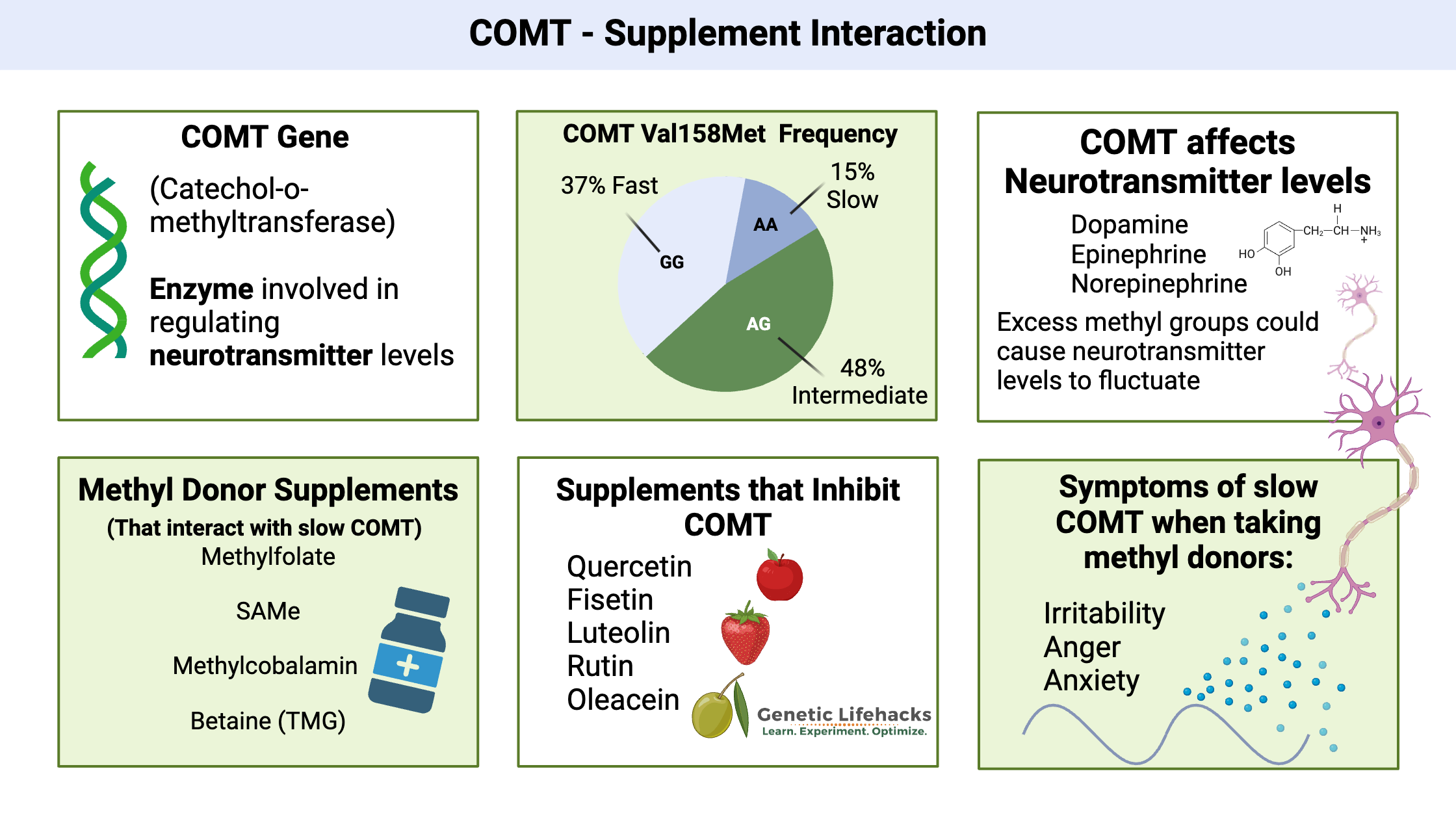
COMT: How to Optimize Your Supplements for Your COMT Genotype
Certain supplements interact with COMT variants to impact the rate at which neurotransmitters are broken down. Check your COMT genotype and discover how this may affect your reaction to different supplements or combinations of supplements.
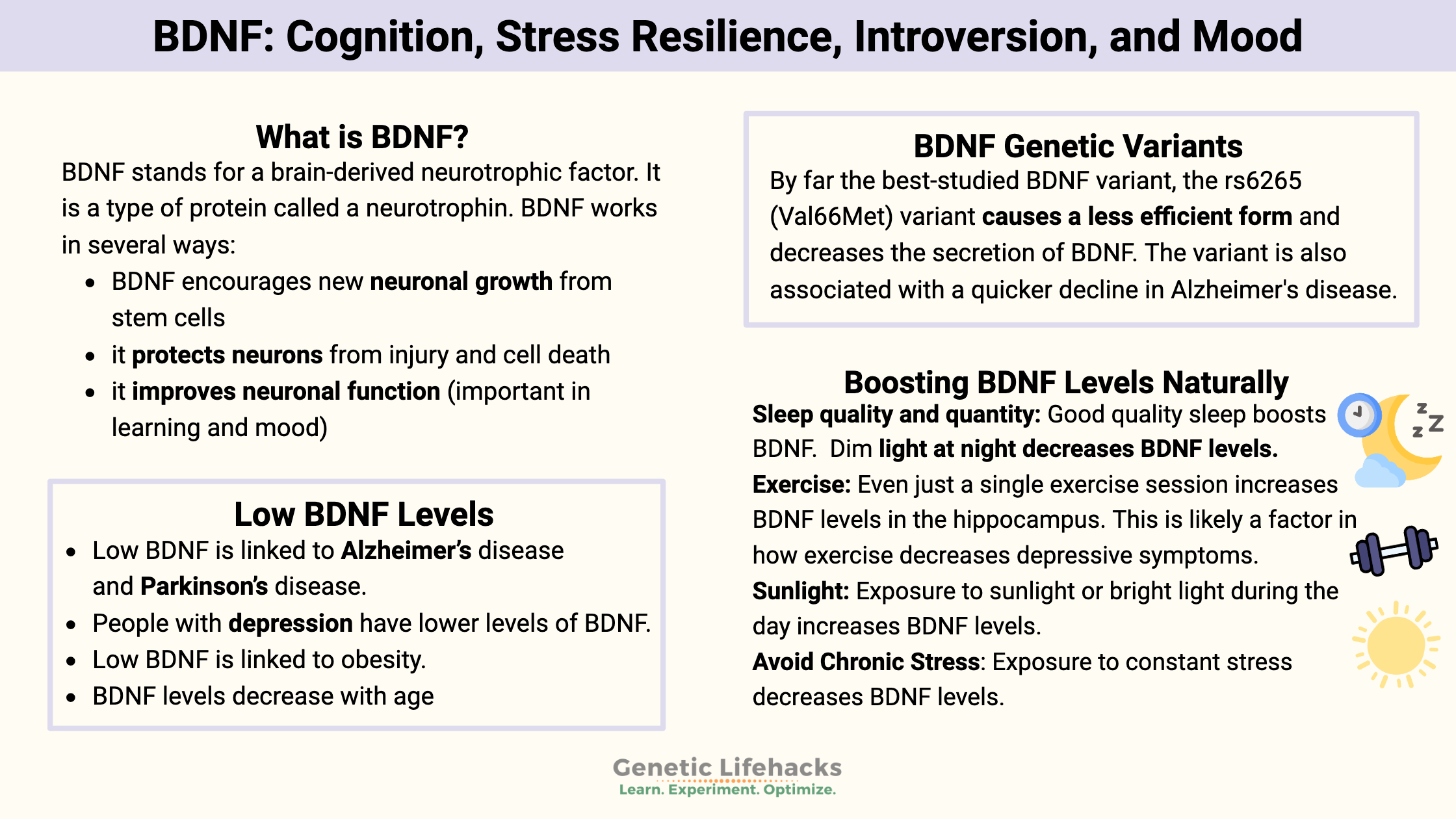
BDNF: Cognition, Stress Resilience, Introversion, and Mood
Low levels of BDNF (Brain-derived neurotrophic factor) are linked to introversion, stress resilience, cognition, and depression levels. Discover ways to increase your BDNF levels and mitigate the problems associated with the BDNF gene variants.
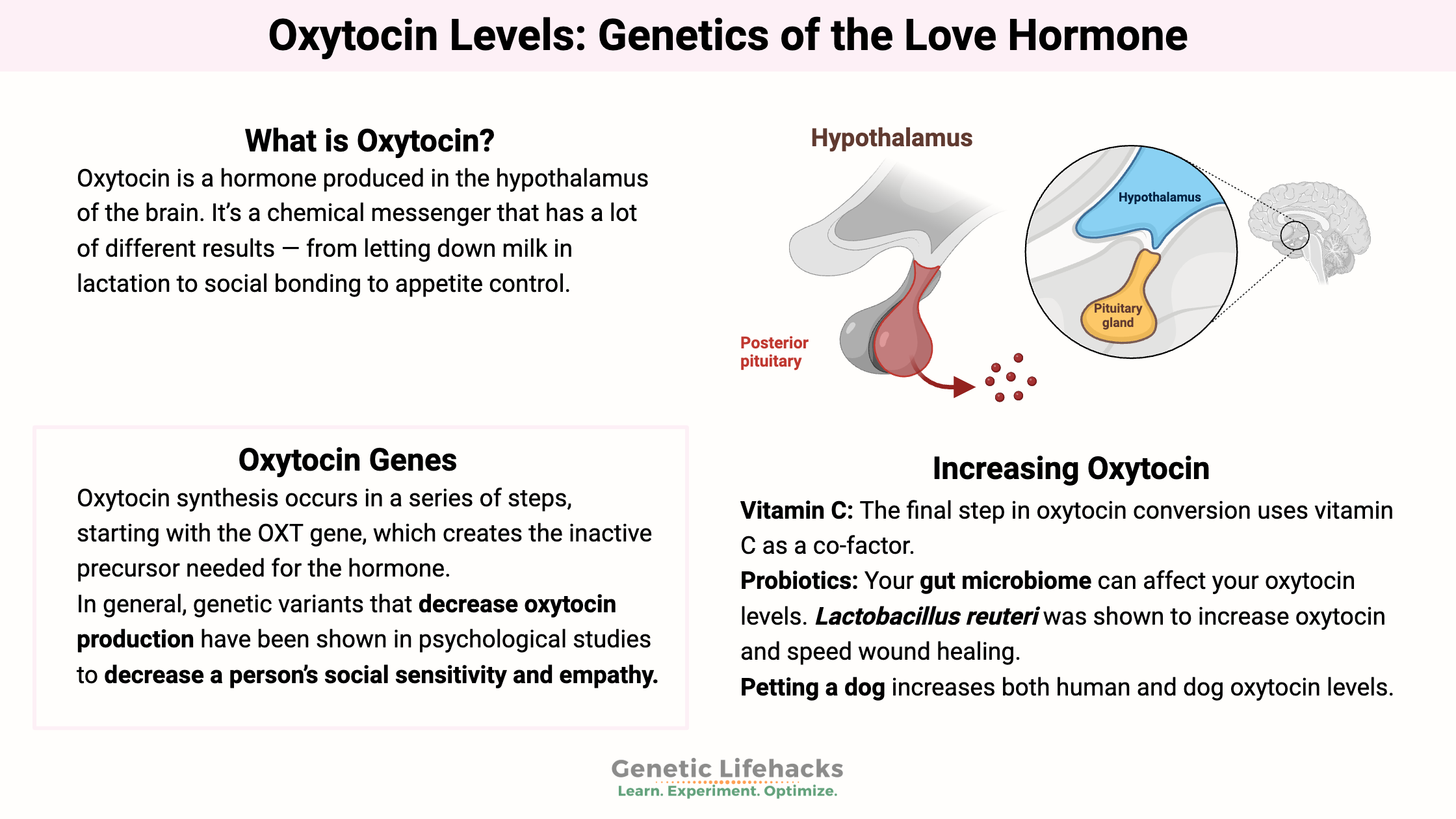
Oxytocin Levels: Genetics of the Love Hormone
Oxytocin is a neuropeptide referred to as the love hormone. Genetic variants in the OXT gene are linked to being more social and empathetic vs. being more of an introvert.
Mood & Mental Health
Mood disorders can have underlying root causes that are driven by genetic susceptibility combined with your environment. Understanding the pathways involved may help you find the right personal solution.
This section covers how genetic variants influence the susceptibility to depression, anxiety, bipolar disorder, PTSD, and other mood issues by affecting inflammation, circadian rhythm, neurotransmitters, and stress‑response pathways.
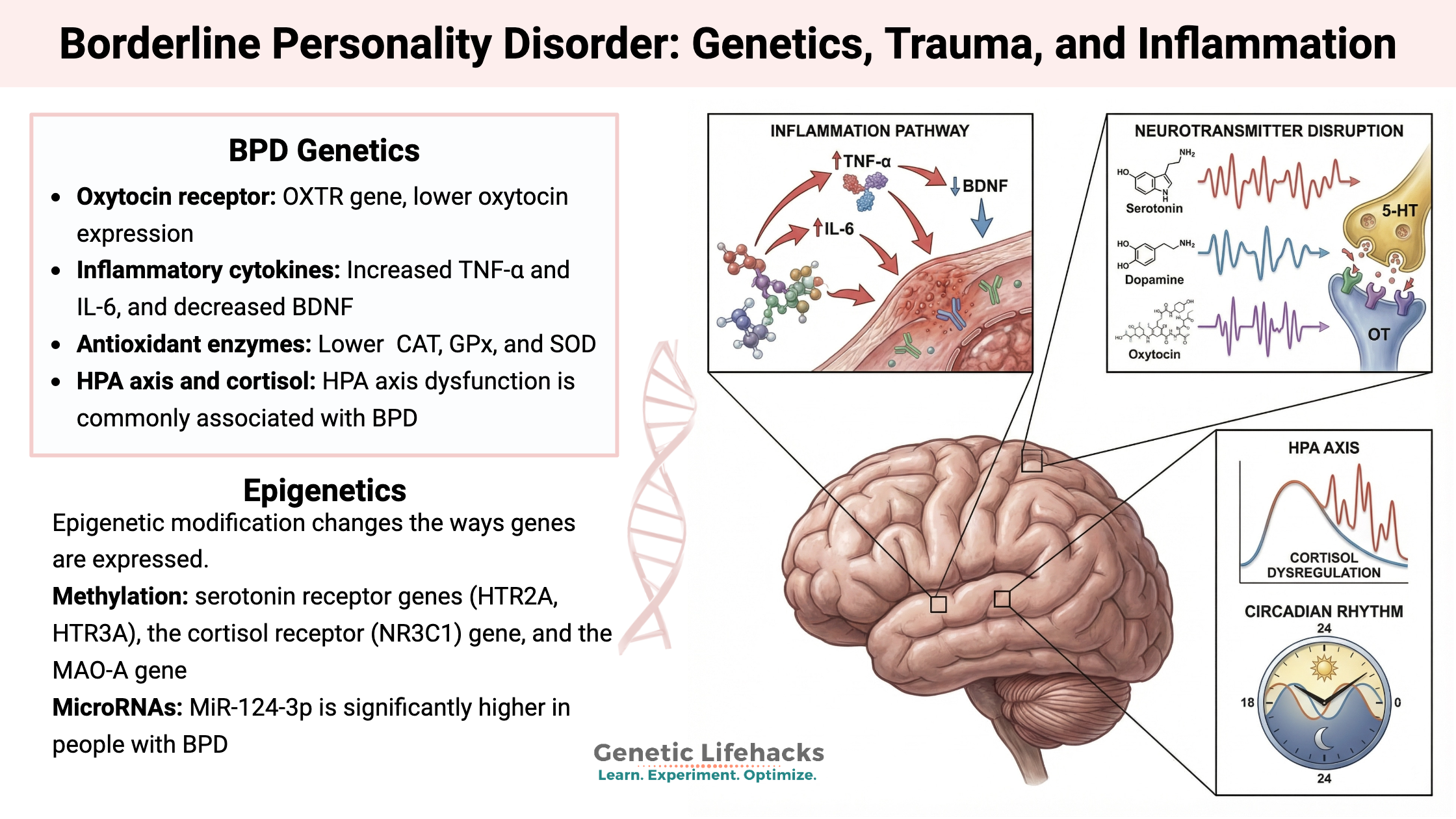
Borderline Personality Disorder: How Genes, Trauma, and Inflammation Interact
Genetics, epigenetics, and childhood trauma all contribute to BPD. Understand the neurotransmitter disruptions, inflammatory markers, and circadian rhythm issues—with solutions that work.
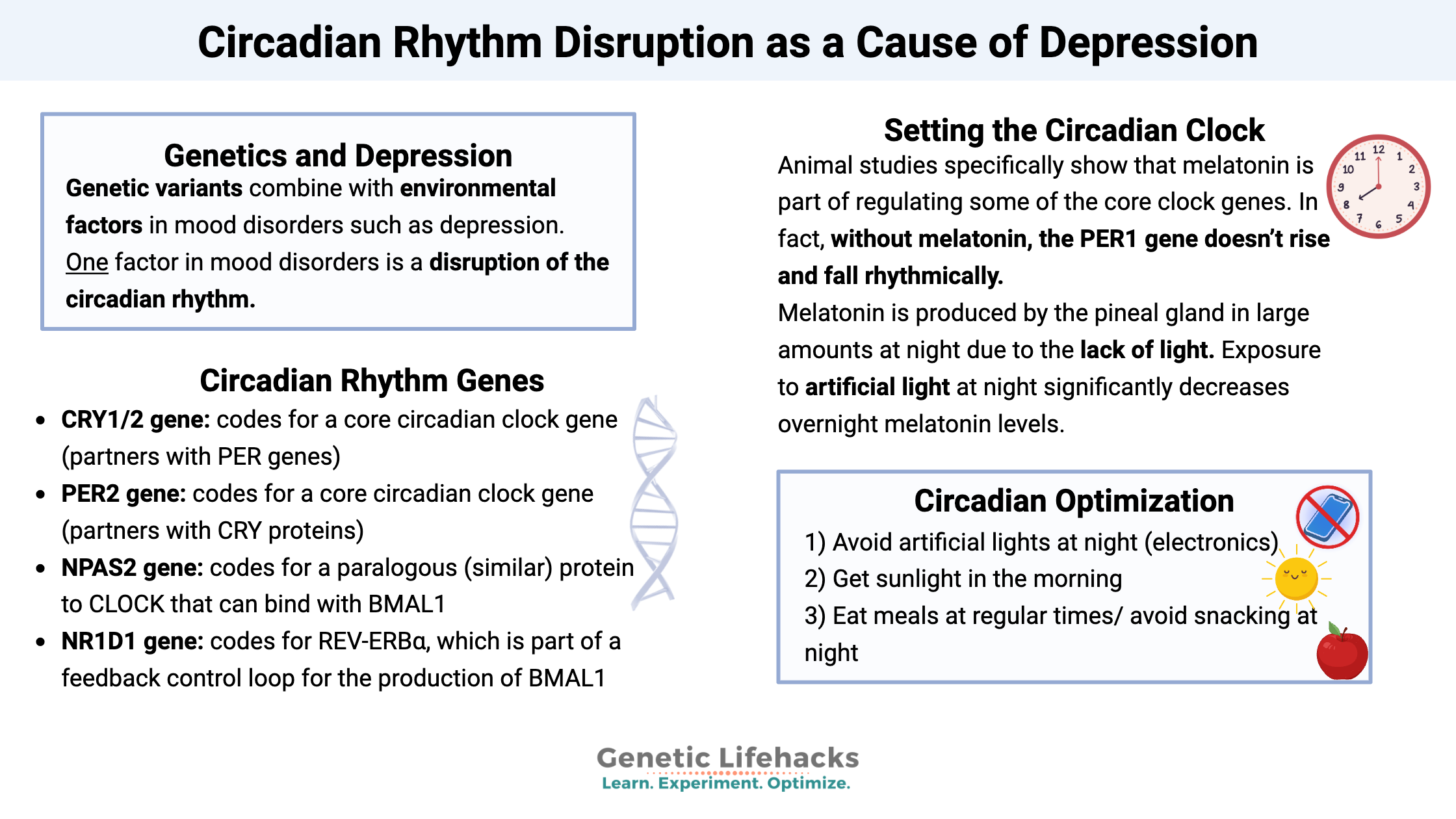
Circadian Rhythm Disruption as a Root Cause of Depression
Circadian clock gene variants in CLOCK, BMAL1, PER, CRY, NPAS2, and OPN4 interact with light exposure to disrupt hormones, sleep, and mood, increasing risk for depression, anxiety, and seasonal affective disorder.
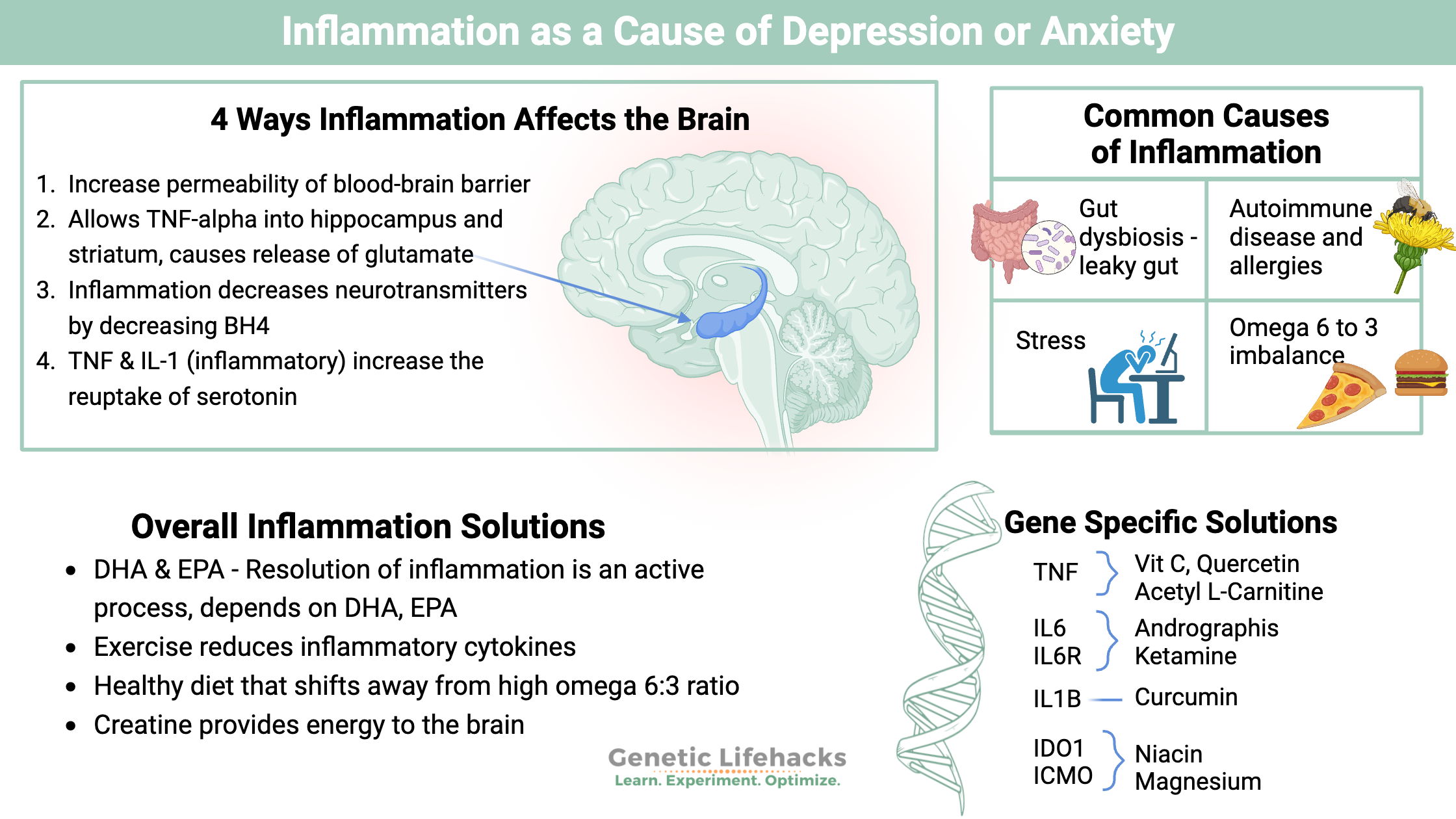
Inflammation as a Cause of Depression and Anxiety
Discover why inflammation causes depression and how your genetic variants in inflammatory genes may play a role in depression or anxiety.
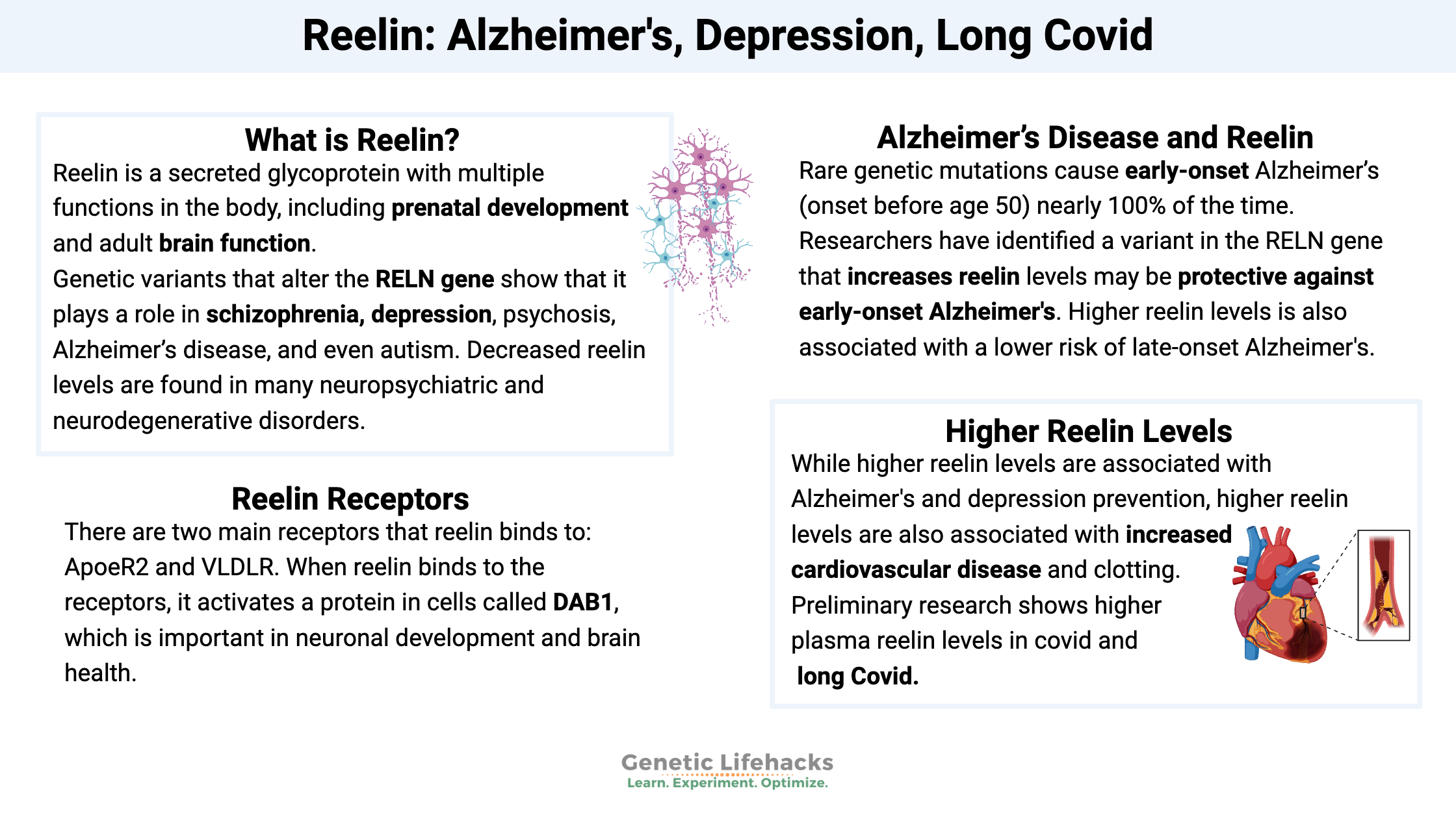
Reelin – Long Covid, Depression, and Alzheimer’s
Reelin is a key glycoprotein involved in brain development, cognition, and neurodegenerative diseases like Alzheimer’s, schizophrenia, autism, and cardiovascular health.
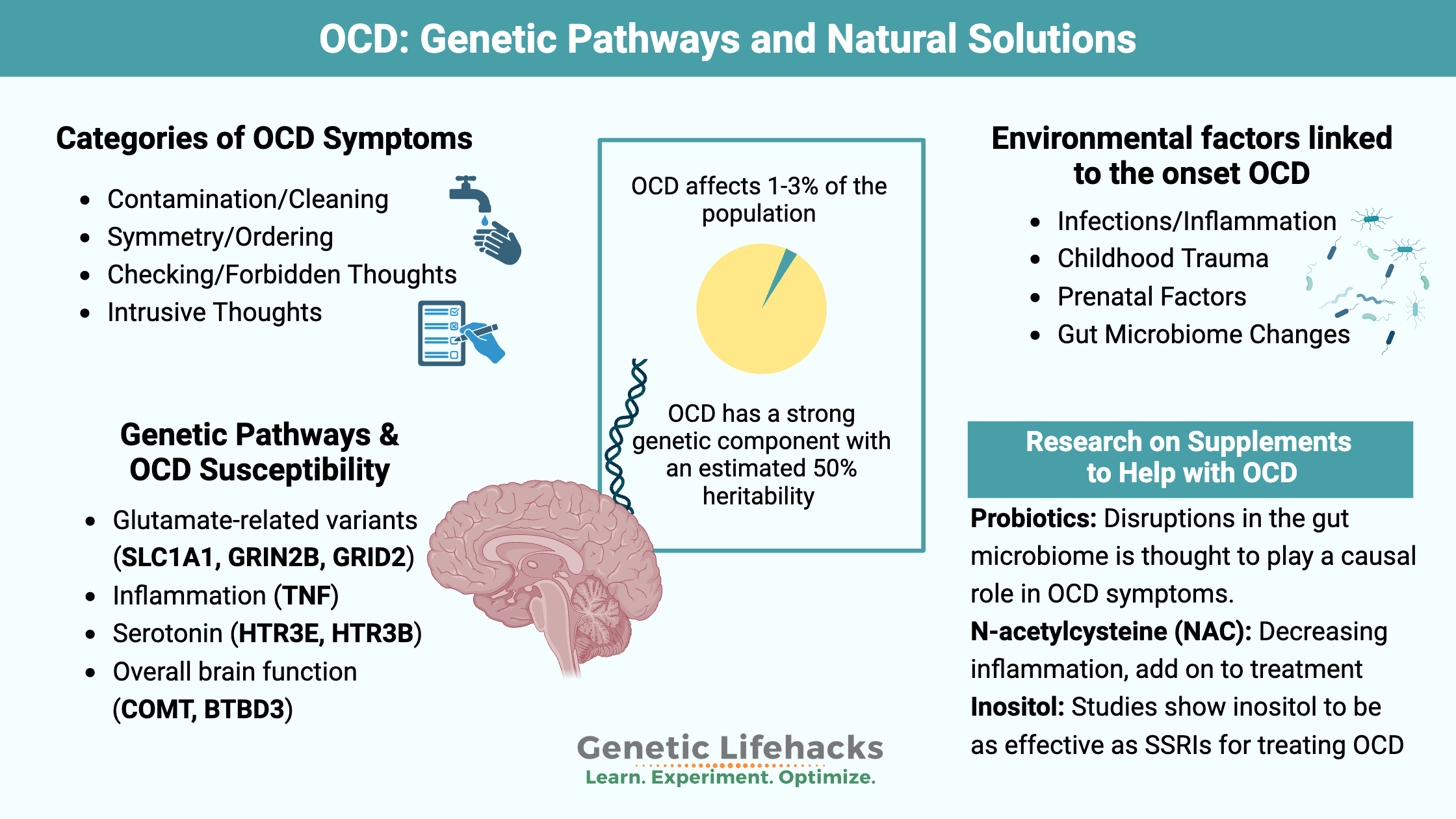
OCD: Obsessive-Compulsive Disorder Genes
Genetic variants play a role in susceptibility to obsessive-compulsive disorder. Understanding your genes may help you understand OCD better and help you to target the right treatment.
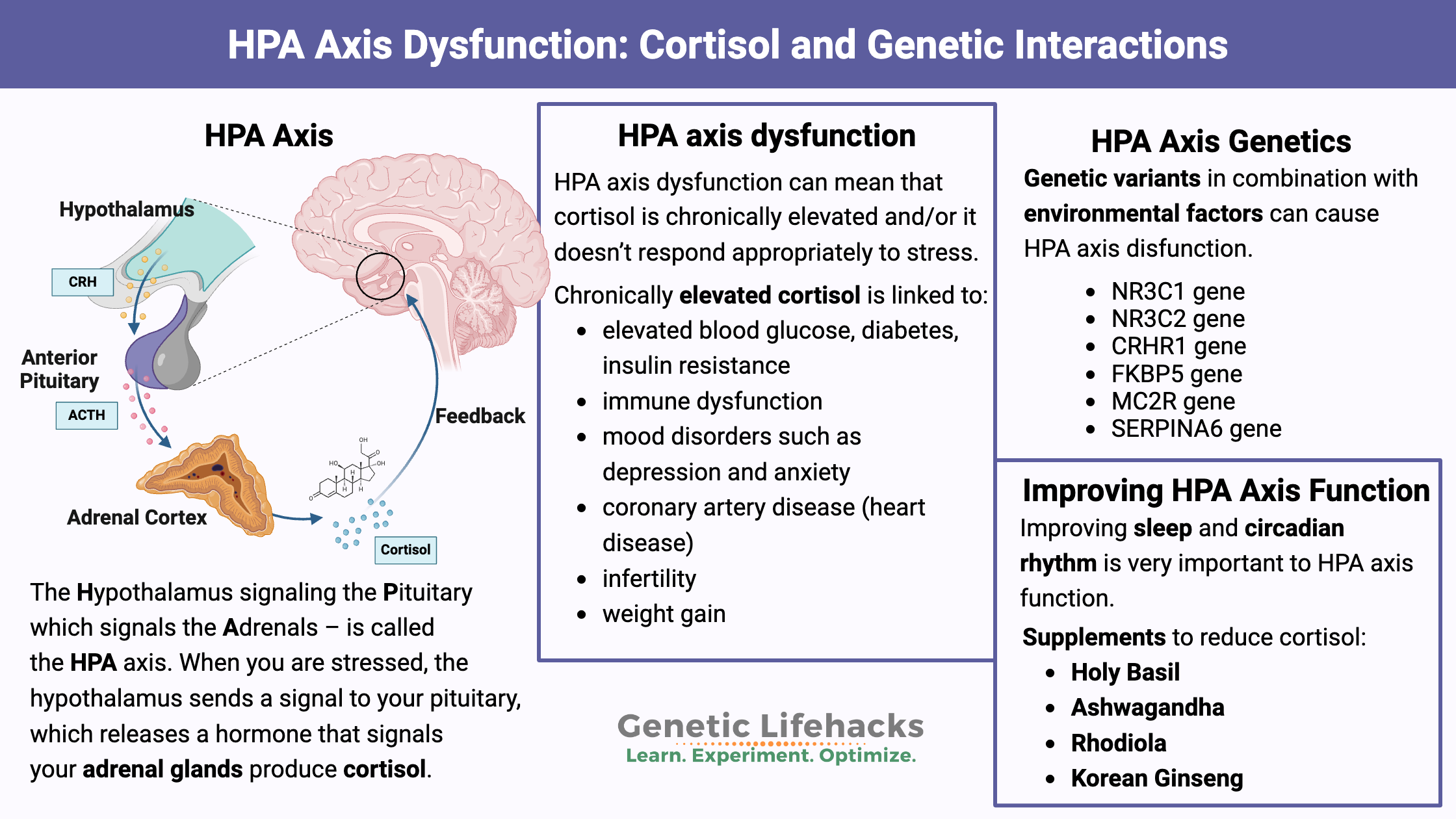
HPA Axis Dysfunction: Understanding Cortisol and Genetic Interactions
Cortisol is a hormone produced by the adrenal glands in times of stress, and it also plays many roles in your normal bodily functions. Your genes play a big role in how likely you are to have problems with cortisol.
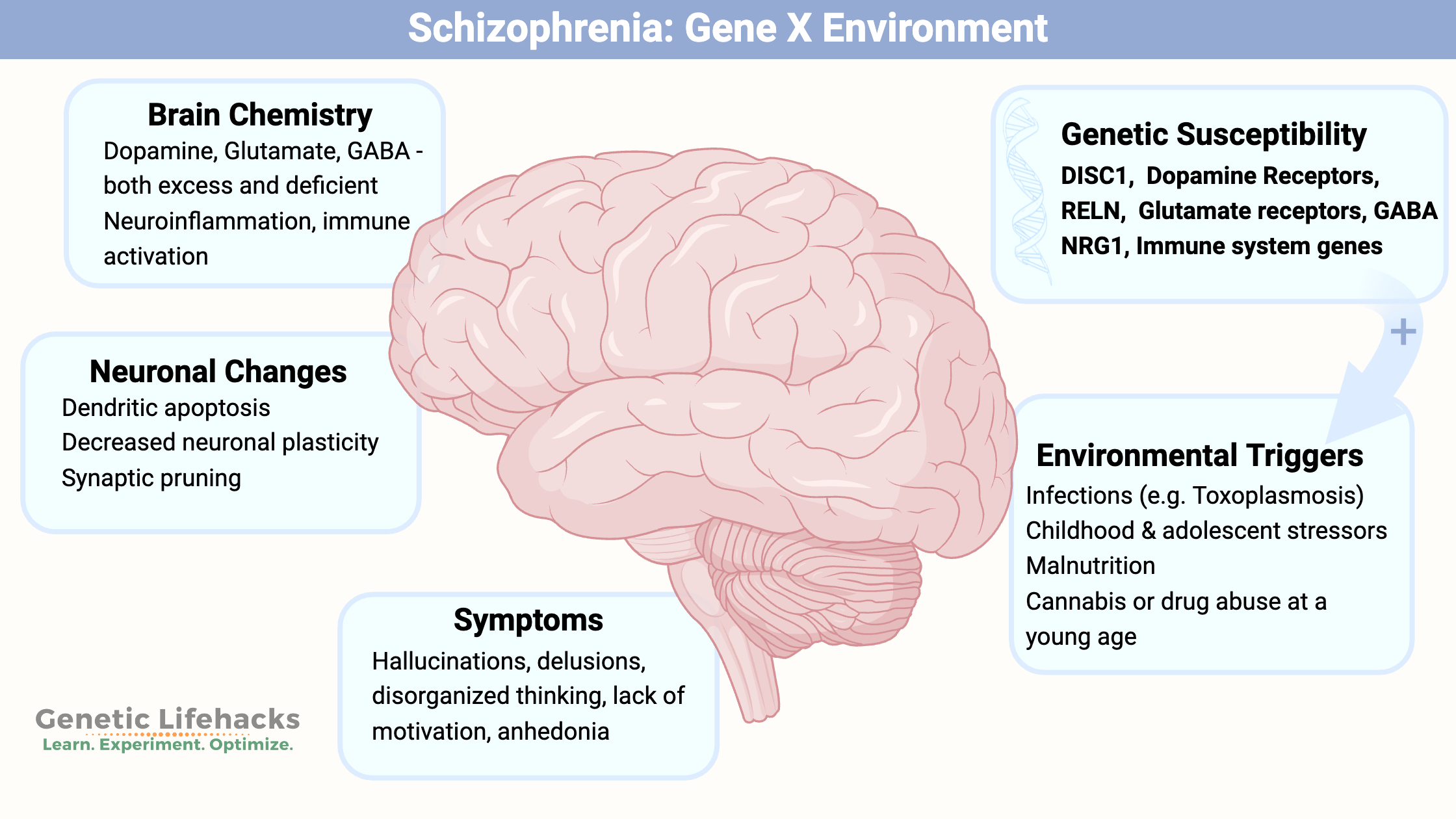
Schizophrenia: Genetic and Environmental Factors
Schizophrenia is a complex disease caused by a combination of genetic susceptibility and environmental factors. Research points to multiple pathways involved in schizophrenia and schizoaffective disorder.
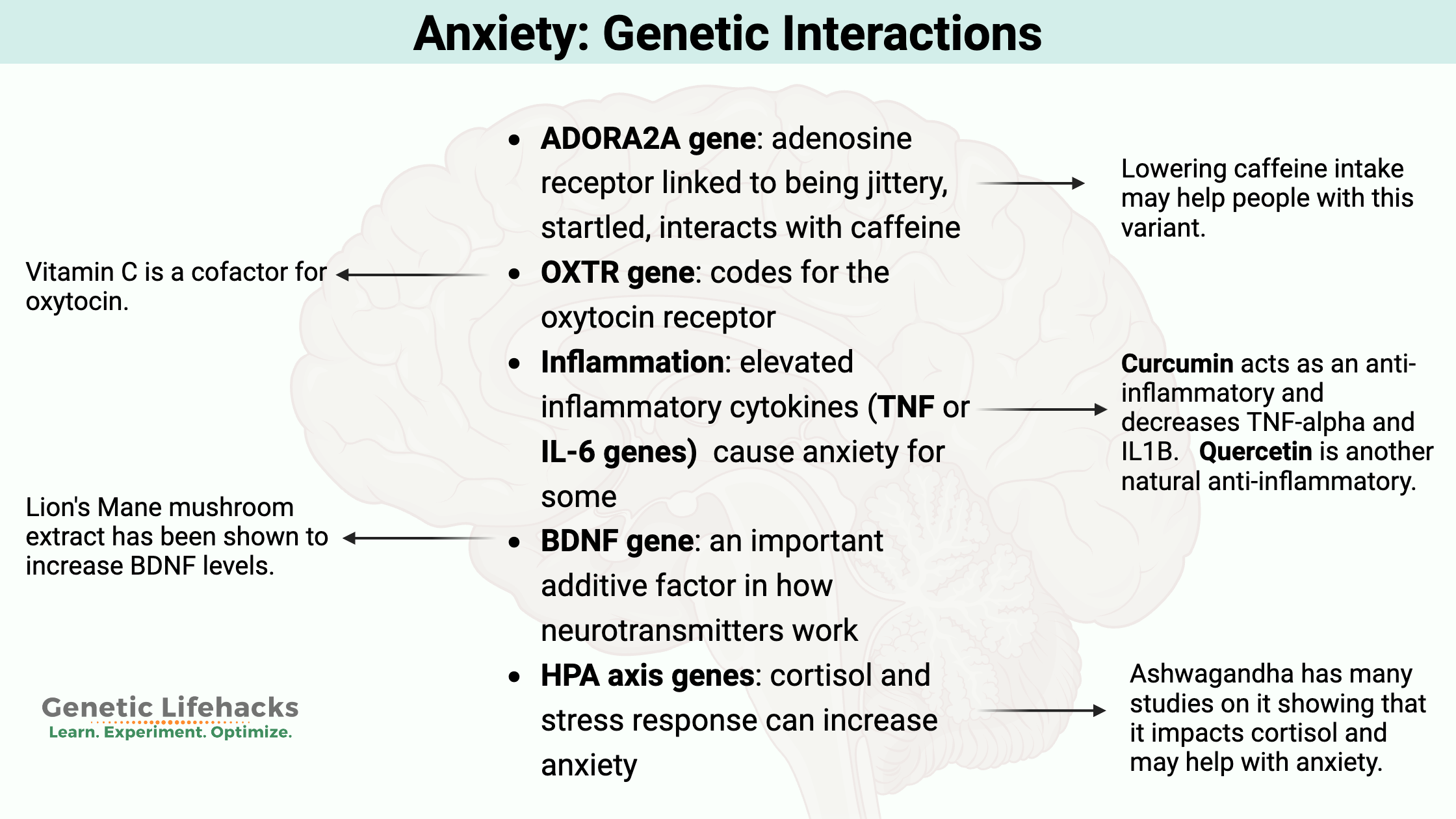
Anxiety: Genetics, heredity, and personalized solutions
When it comes to anxiety, genetic variants combine with environmental factors (nutrition, sleep, relationships, etc) when it comes to anxiety. Understanding your anxiety genes can help you figure out which pathways to target.
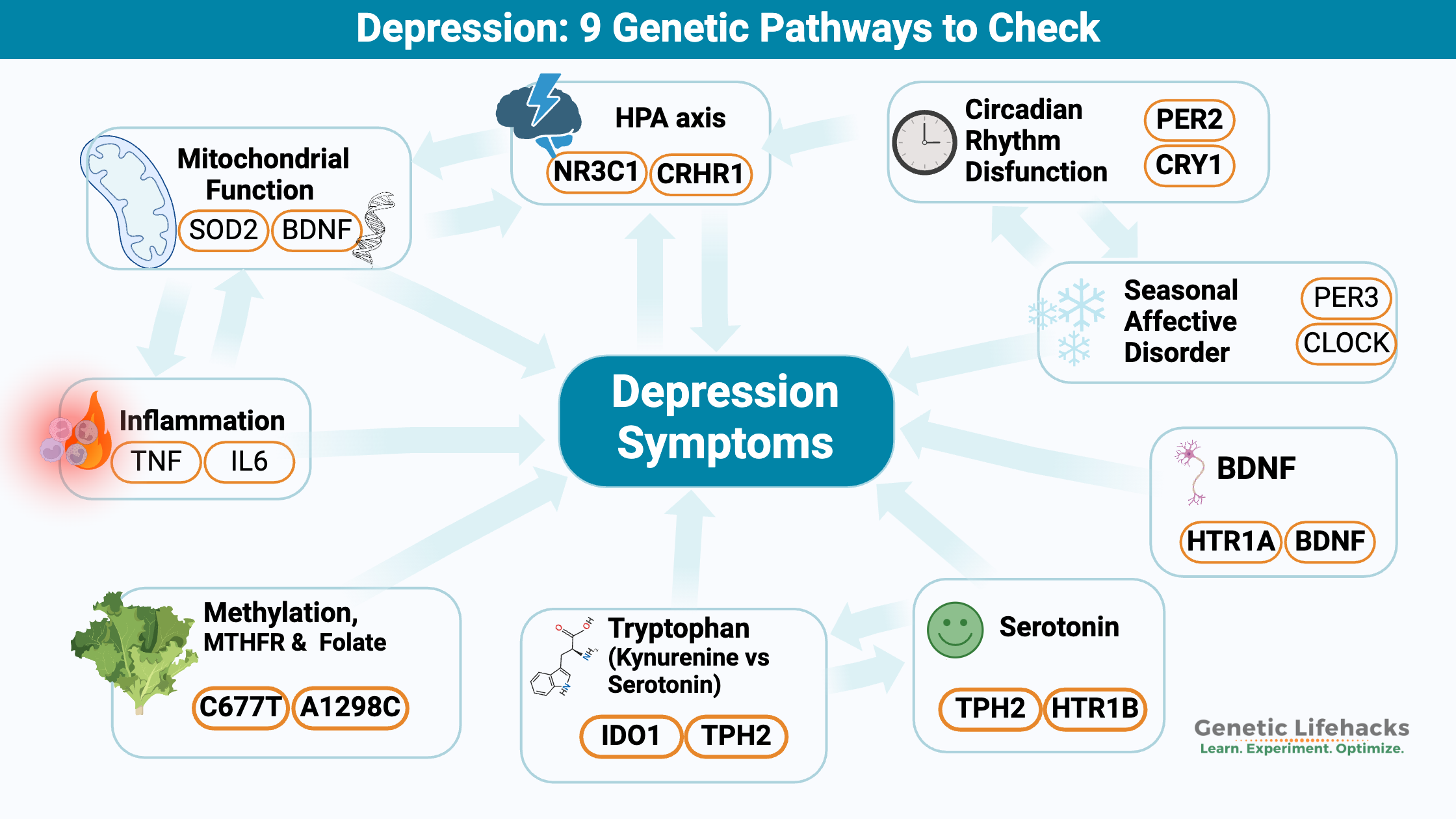
Underlying Cause(s) of Depression: Leveraging Your Genetic Data
Depression can have multiple physiological causes. This article ties together 9 separate articles on depression to simplify your genetic search.
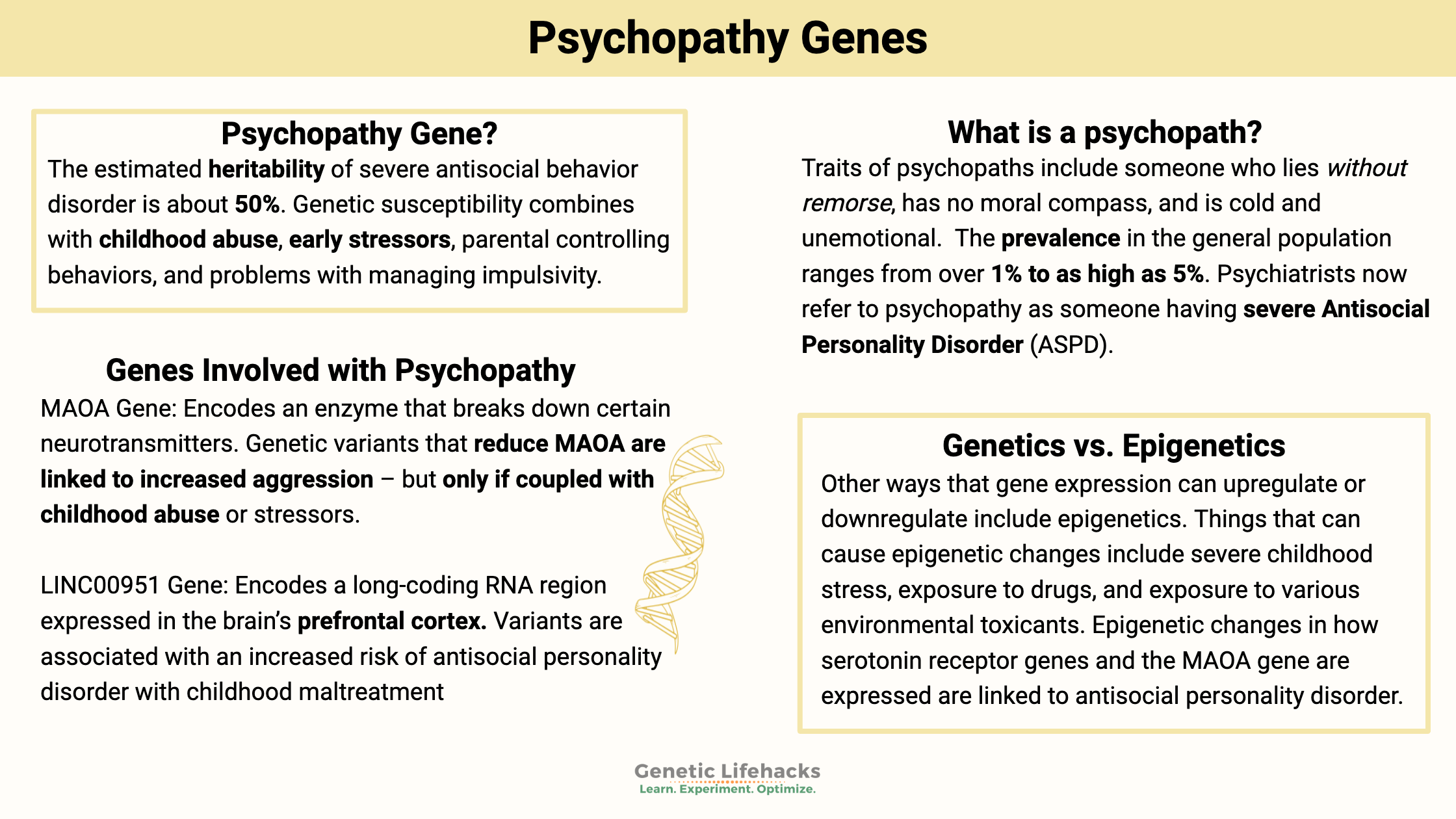
Psychopaths: Born not made?
This article explains how MAOA, OXTR, LINC00951, HTR2B, and SNAP25 variants, childhood abuse, toxins, and epigenetic shifts combine to raise psychopathy risk — without predestining anyone to become a violent offender.
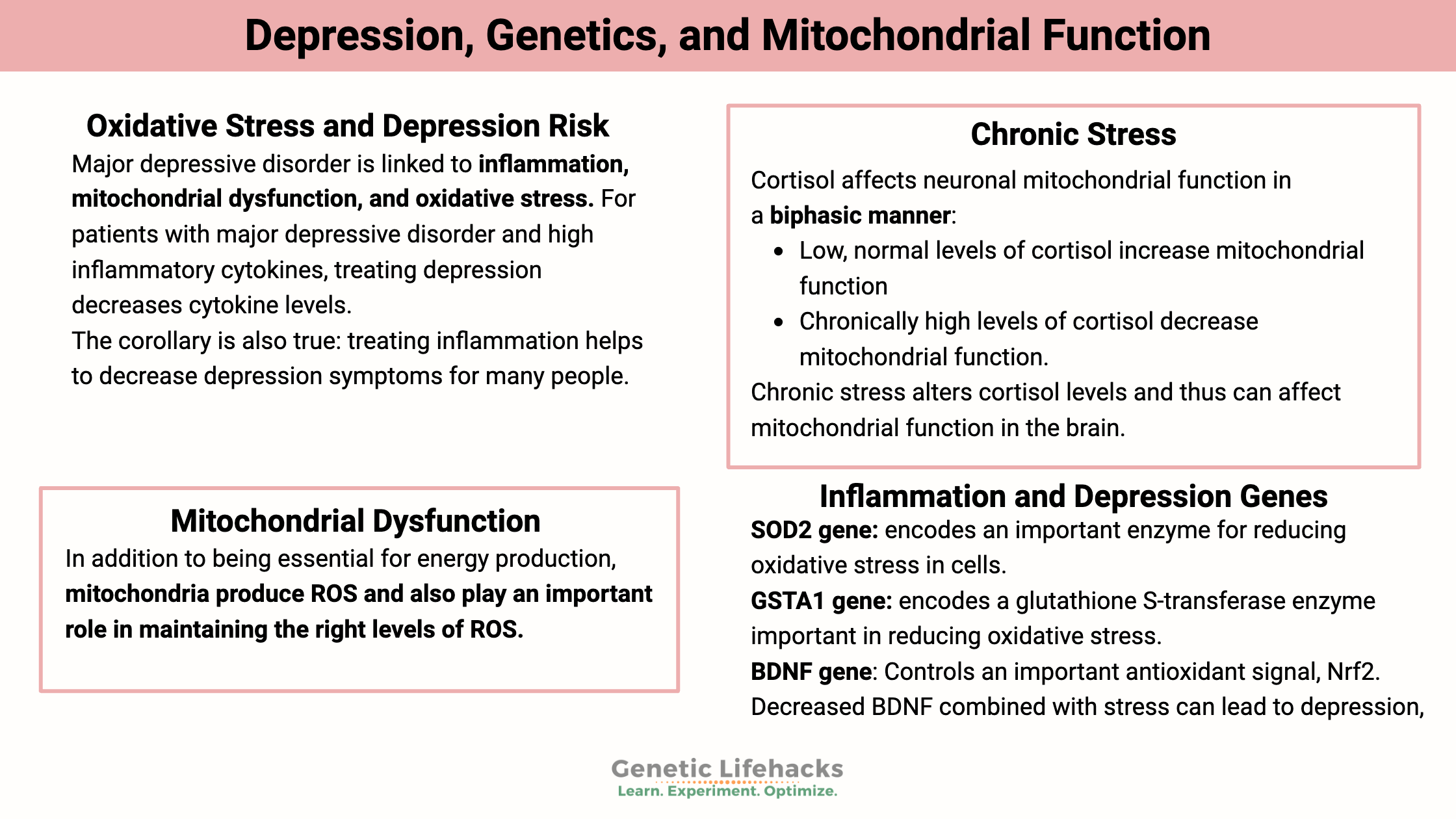
Depression, Genetics, and Mitochondrial Function
How does mitochondrial dysfunction relate to major depressive disorder? Learn about the causes of mitochondrial dysfunction as well as genetic variants that link the risk of depression to the mitochondria.
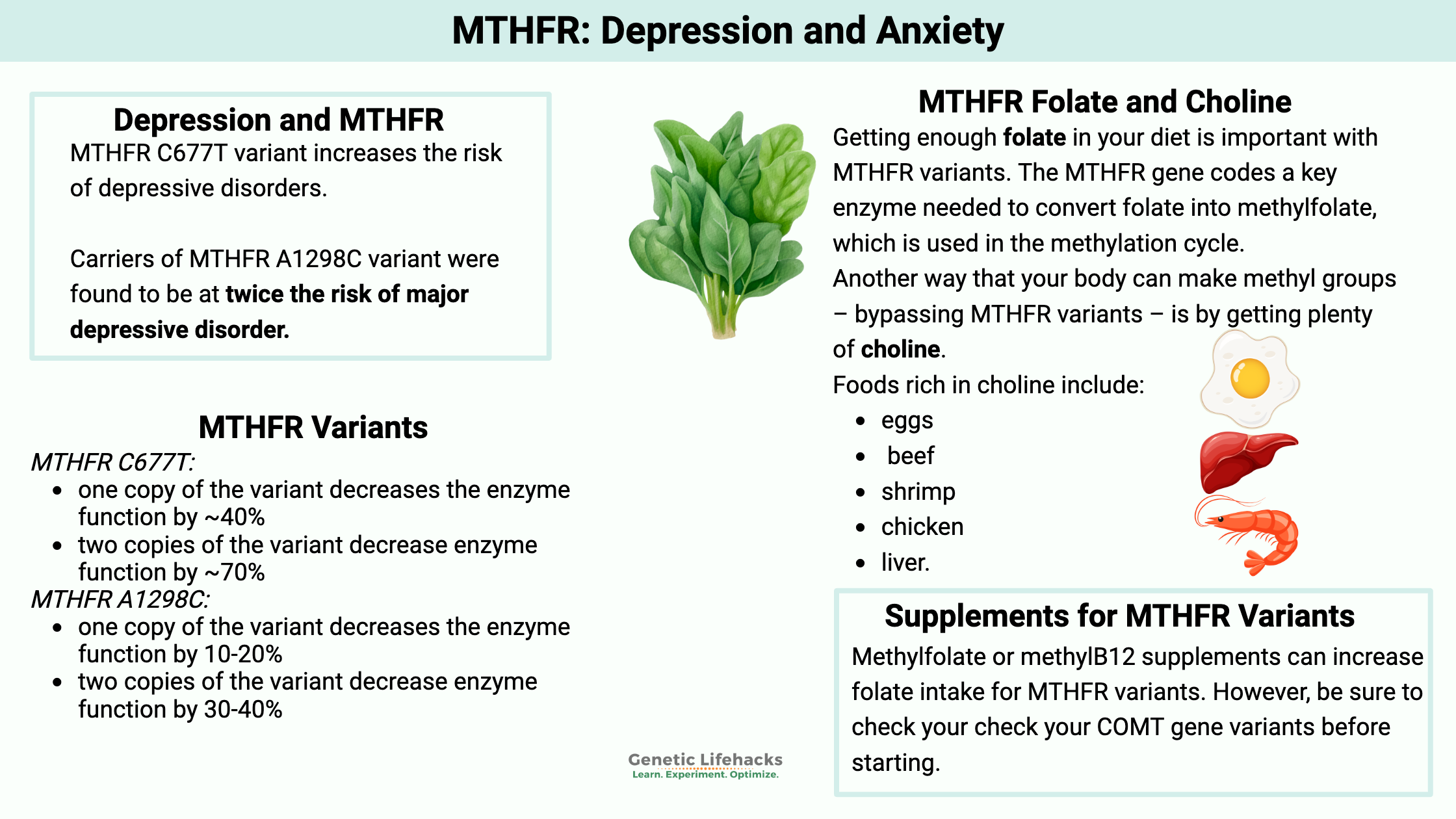
MTHFR, Depression, Anxiety, Symptoms and Treatment
This article explains the research linking the MTHFR C677T variant, folate intake, and depression risk — and gives you information on how diet or supplements may help.
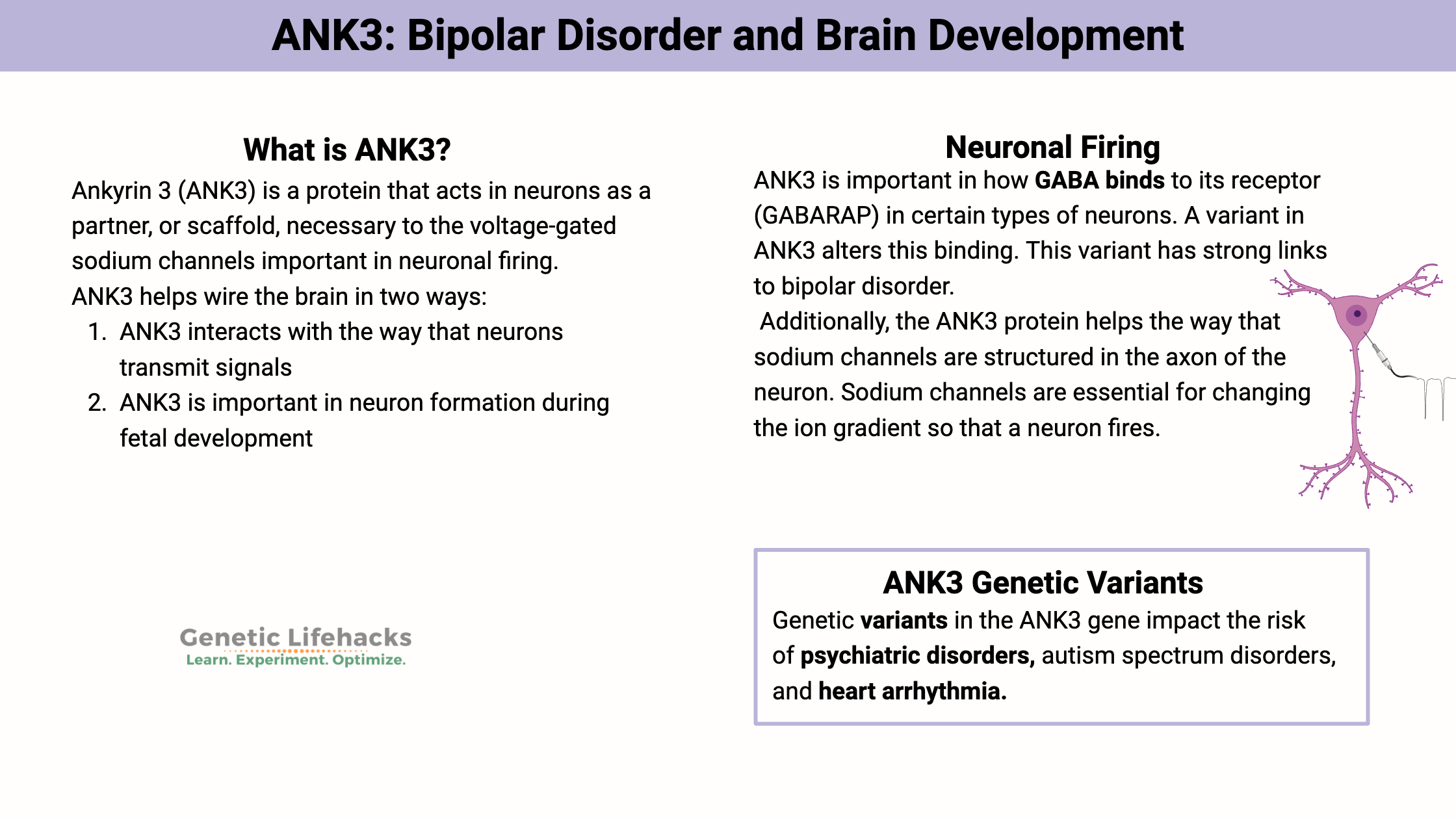
ANK3: Bipolar Disorder and Brain Development
The genetic variants in the ANK3 gene impact the risk of psychiatric disorders that include bipolar disorder and autism spectrum disorders, and heart arrhythmia. Discover how ANK3 impacts neuronal formation and transmission and how this ties into an increased risk of psychiatric disorders.
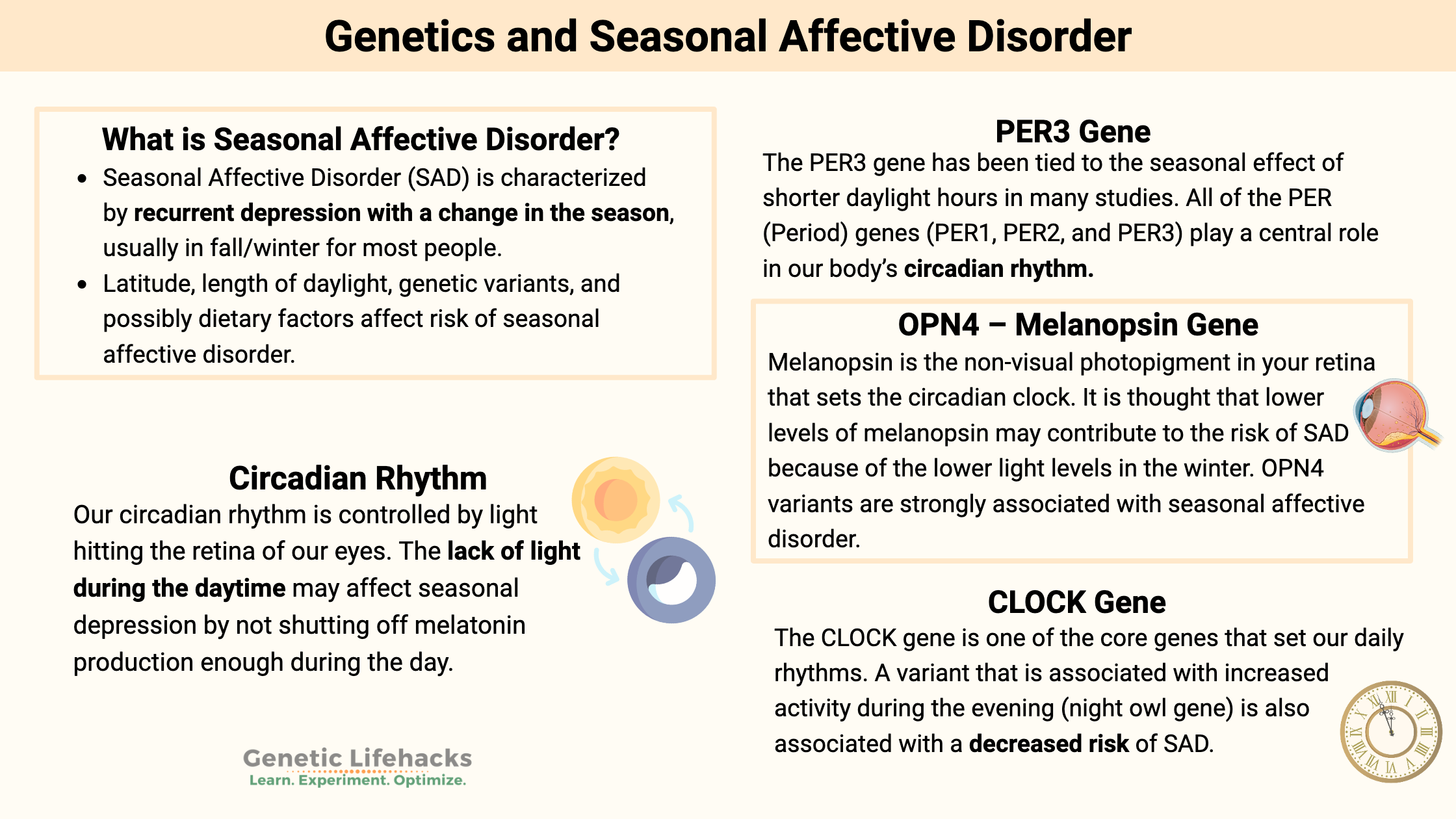
Genetics and Seasonal Affective Disorder
Seasonal Affective Disorder (SAD) is characterized by recurrent depression with a change in the season, usually in fall/winter for most. Your genes play a big role in this responsiveness to light.
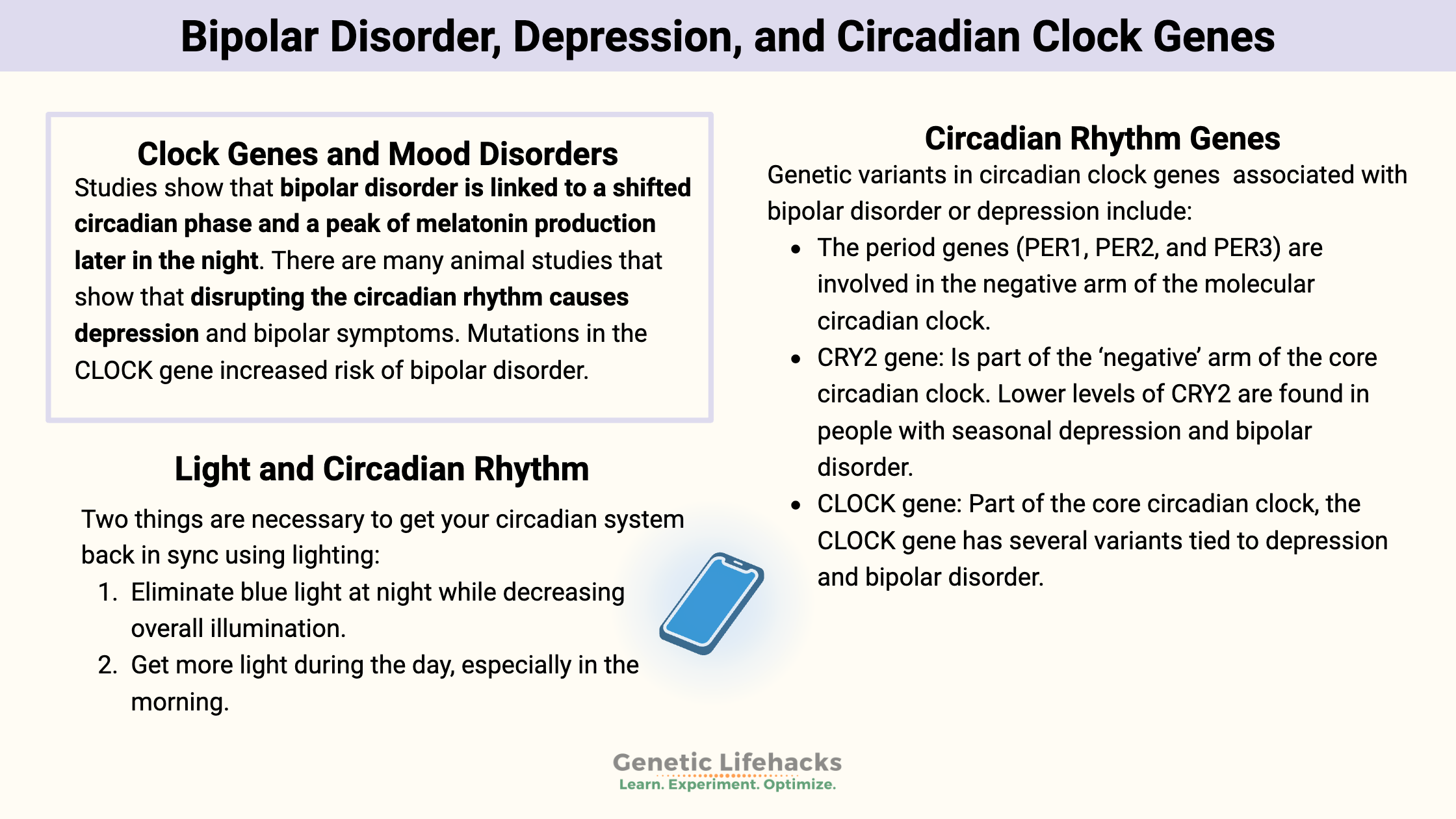
Bipolar Disorder, Depression, and Circadian Clock Genes
New research shows that depression and bipolar disorder are linked to changes or disruptions in circadian genes. Some people carry genetic variants in the circadian genes that make them more susceptible to circadian disruption.
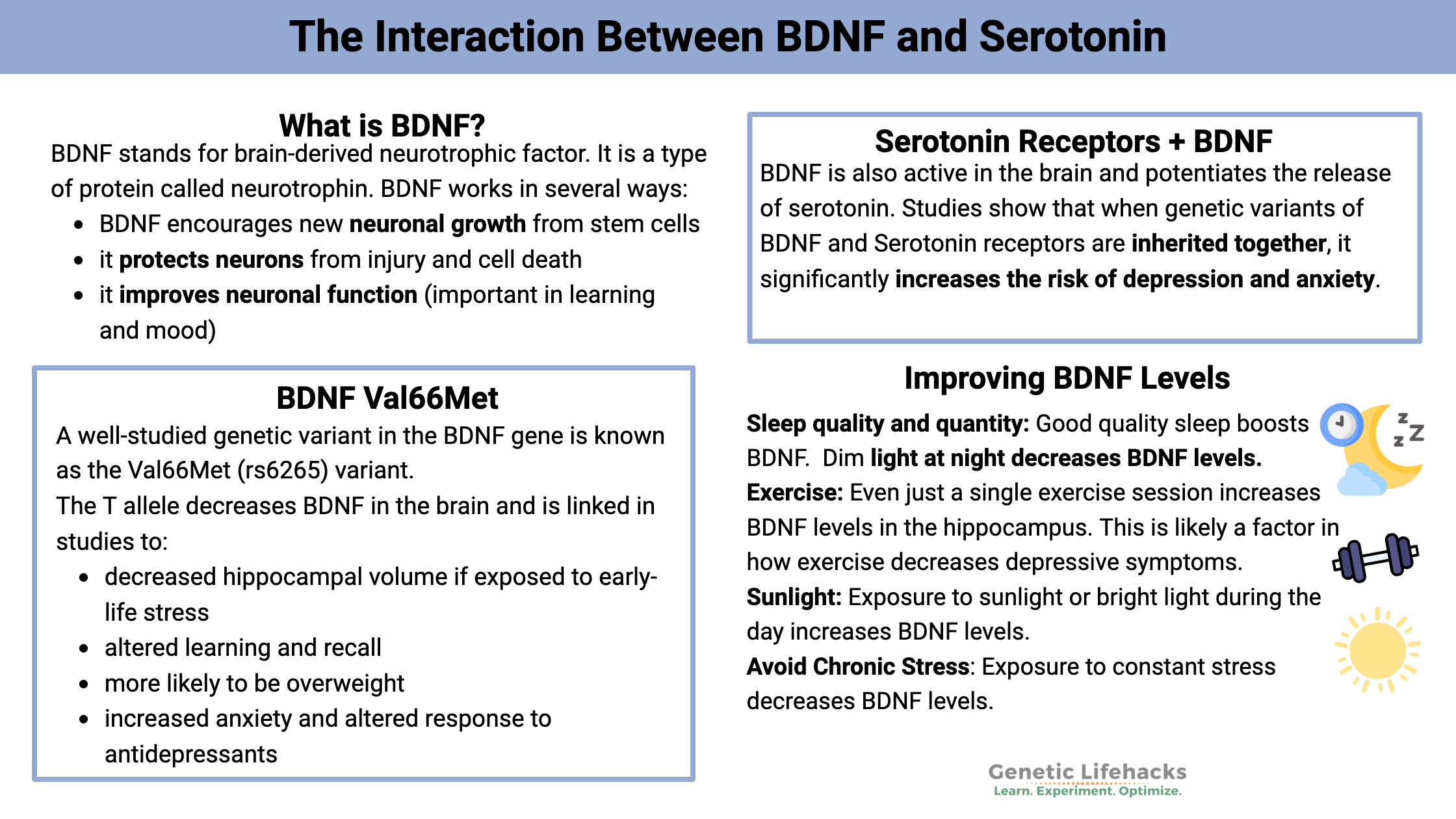
The Interaction Between BDNF and Serotonin
Genetic variants in the BDNF and serotonin receptor genes combine to increase the risk of depression and anxiety. Learn more about BDNF and how these variants interact — and check your genetic data to see how this applies to you.
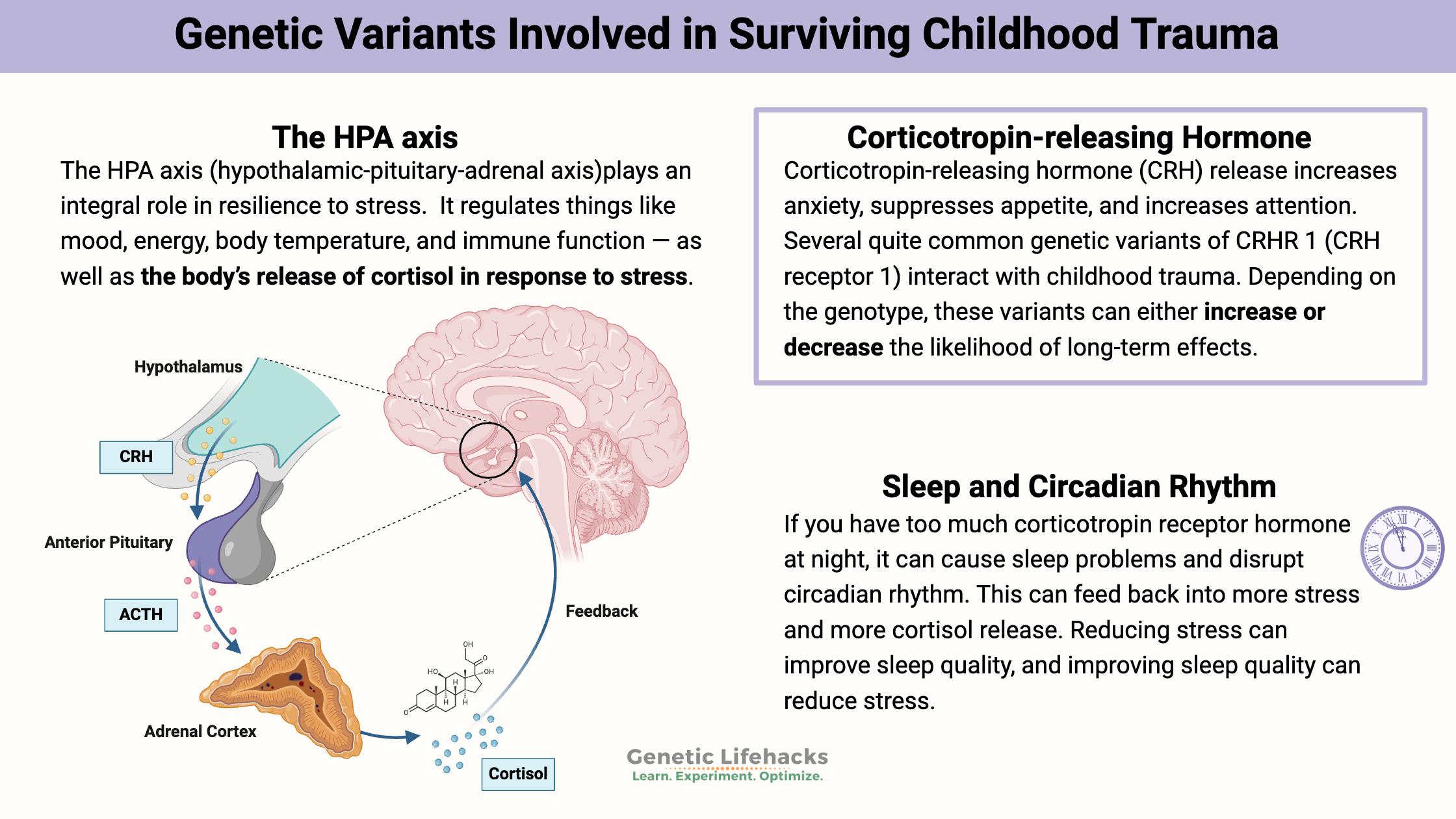
Resilience: Genetic Variants Involved in Surviving Childhood Trauma
Exposure to childhood trauma, such as exposure to abuse, violence, or repeated stress, can have a long-lasting effect. Genetic differences in the CRHR1 gene are linked to elevated cortisol levels in adults who were exposed to trauma in childhood.
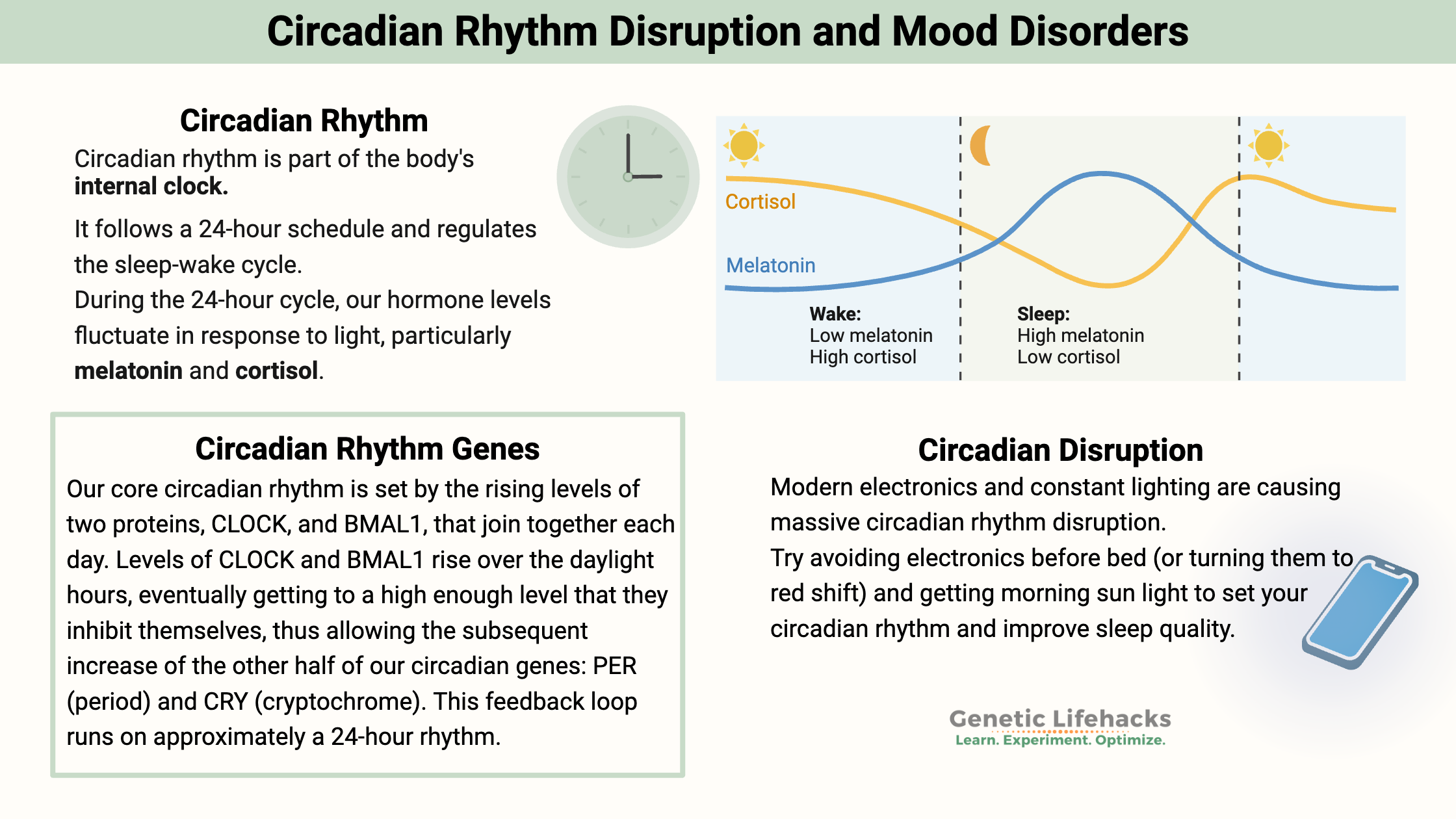
Circadian Rhythm Genes: Mood Disorders
Circadian rhythm disruption can drive mood disorders. Learn more about the genes involved and the ways to normalize your circadian rhythm.
Cognitive Function
This section covers how genetic variants influence attention, focus, memory, and overall cognitive performance through pathways involving the blood–brain barrier, neuroinflammation, mitochondrial function, and neuromodulators like dopamine and norepinephrine.
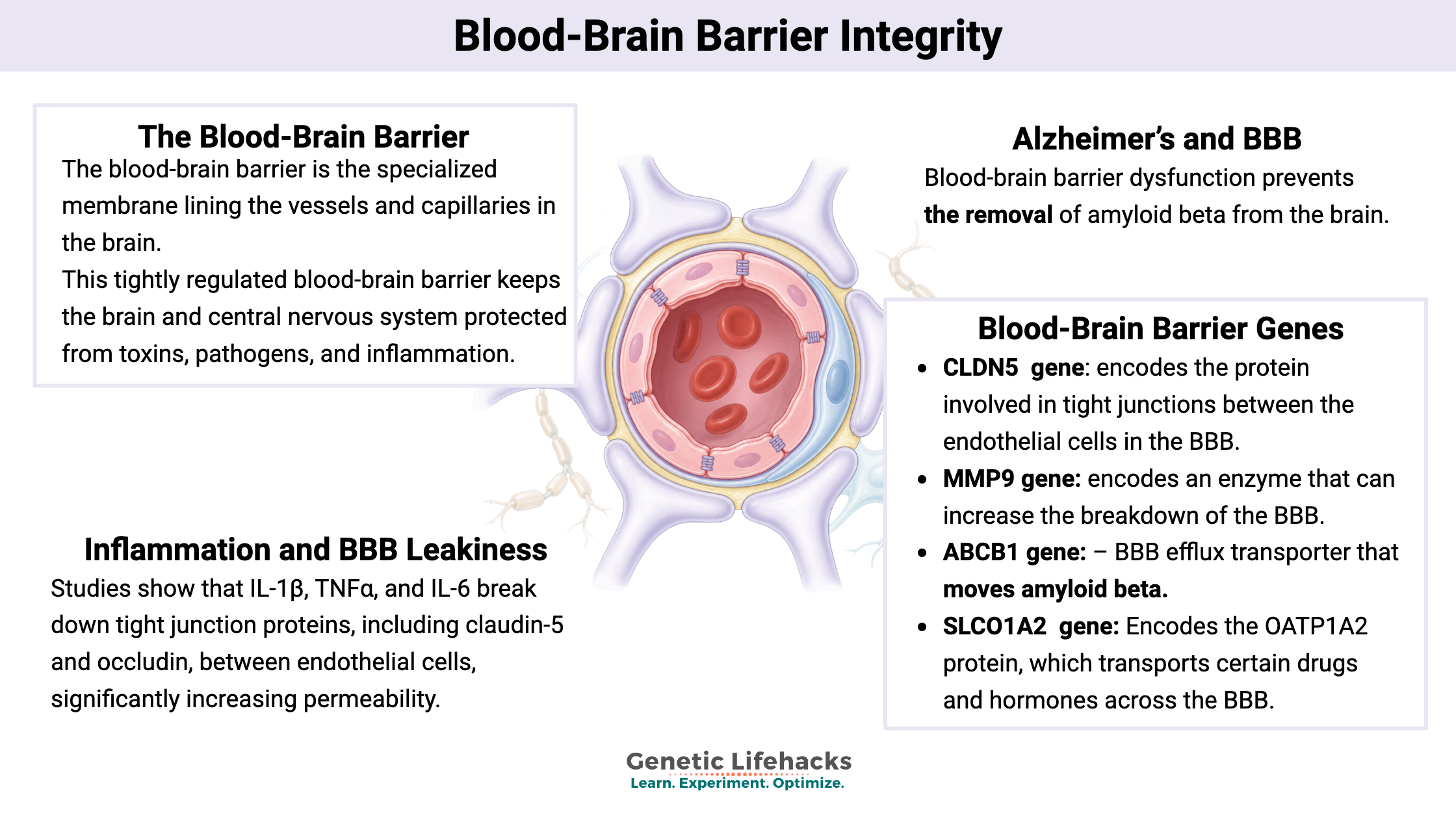
Blood-Brain Barrier Genes: SNPs, Leaky BBB Risks & Solutions
Genetic variants can increase susceptibility to blood-brain barrier (BBB) dysfunction. This can increase the risk of Alzheimer’s, ADHD, and mood disorders.
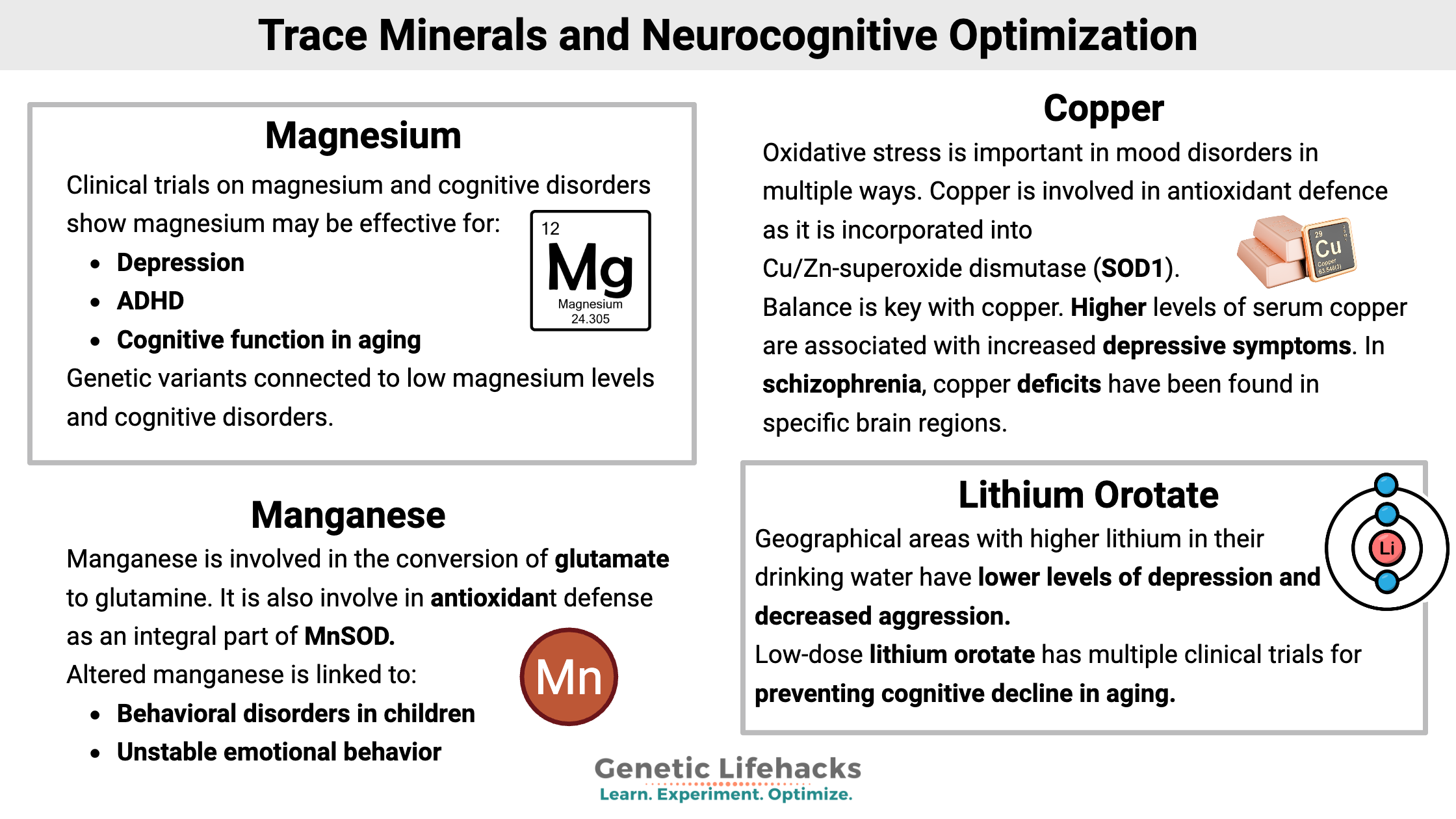
Trace Minerals and Neurocognitive Optimization
Trace minerals affect neurotransmitter levels and neuroinflammation. Getting the right levels of micronutrients can help optimize neurocognitive function.
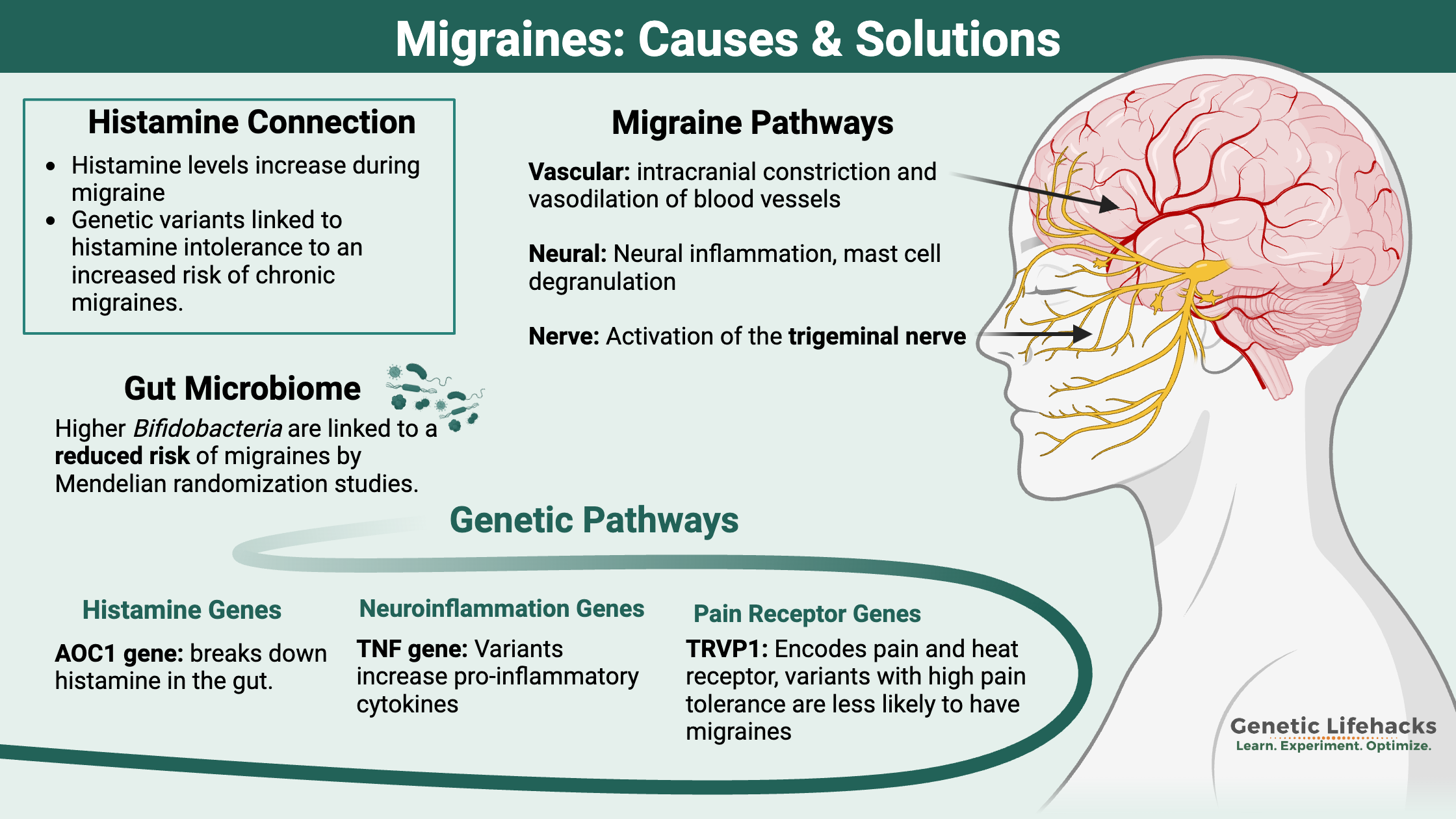
Migraine Solutions Tailored to Your Genes: Triggers, Treatments, and Tools
Discover how genetics, triggers, and personalized strategies shape migraine prevention and relief. Find actionable solutions based on your DNA.
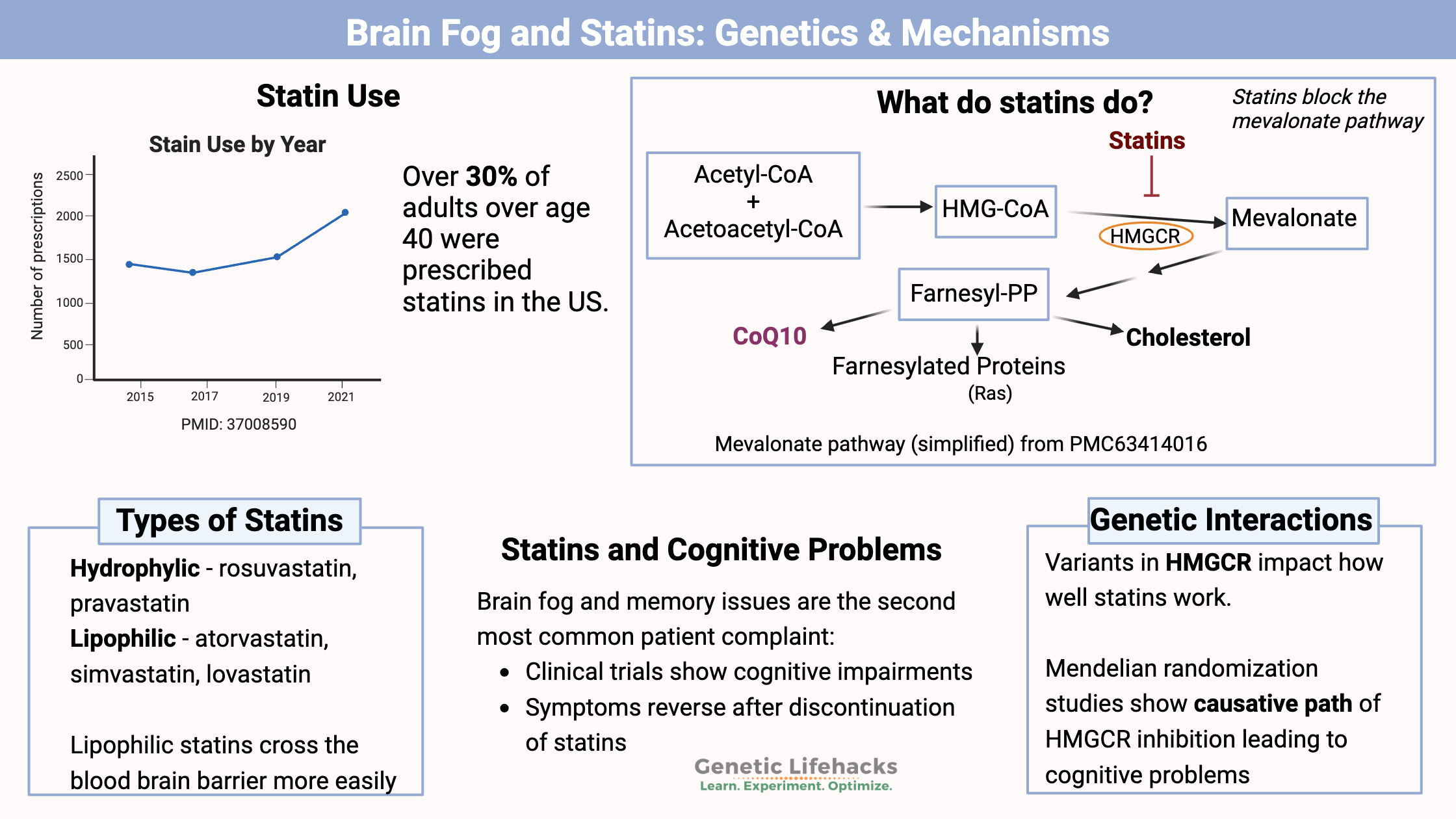
Statins and Brain Fog: Exploring how statins impact memory and cognitive function
Understand the connection between statin use and brain fog. Dive into the research on how cholesterol-lowering drugs impact cognitive health and memory.
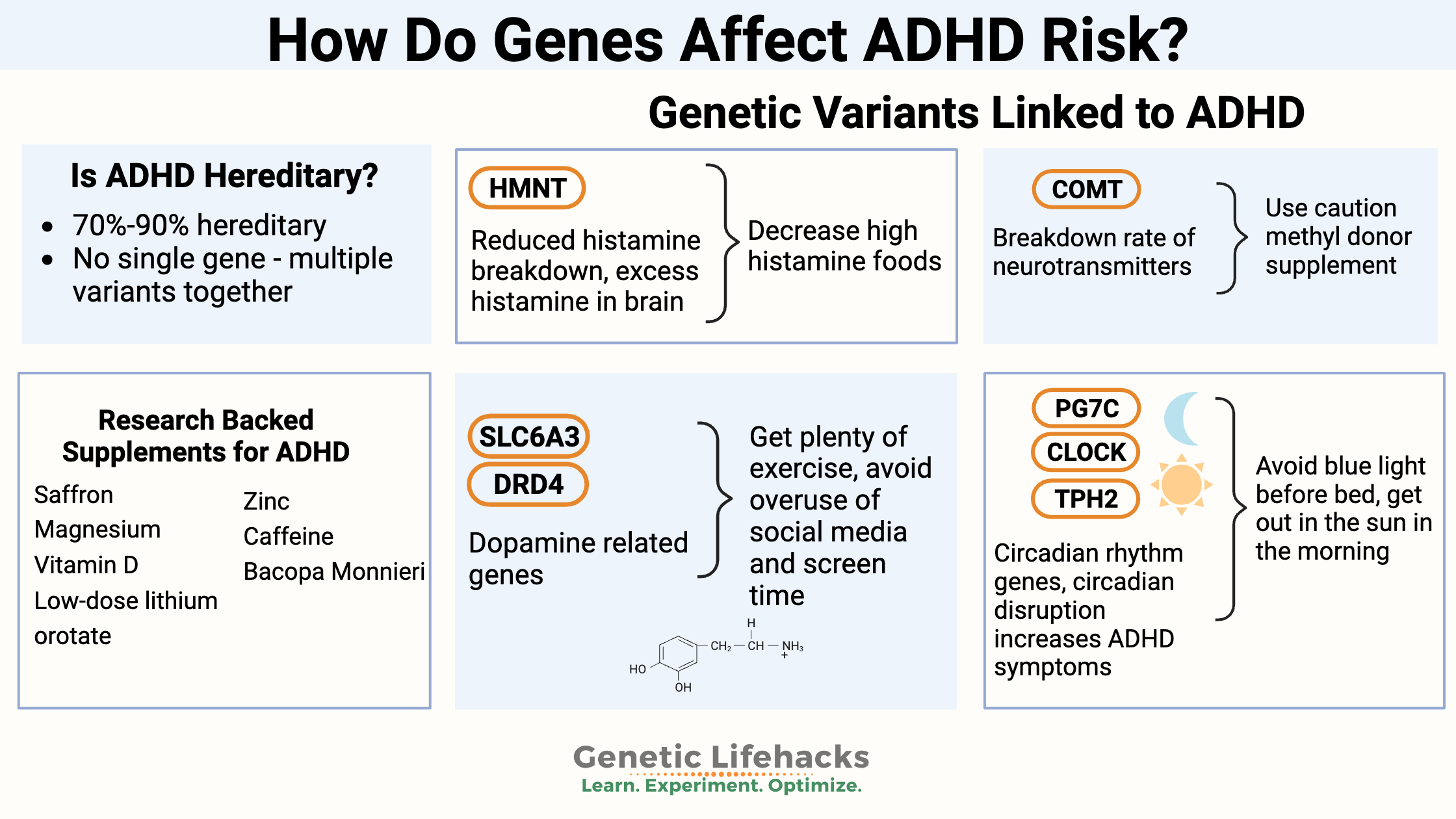
ADHD: Causes, Neurochemistry, and How to Check Your Genetic Raw Data
Discover the complex interplay of genetics and environment in ADHD susceptibility. Learn how circadian rhythm and neurotransmitter genes contribute to the disorder, and how toxicant exposure may increase risk.
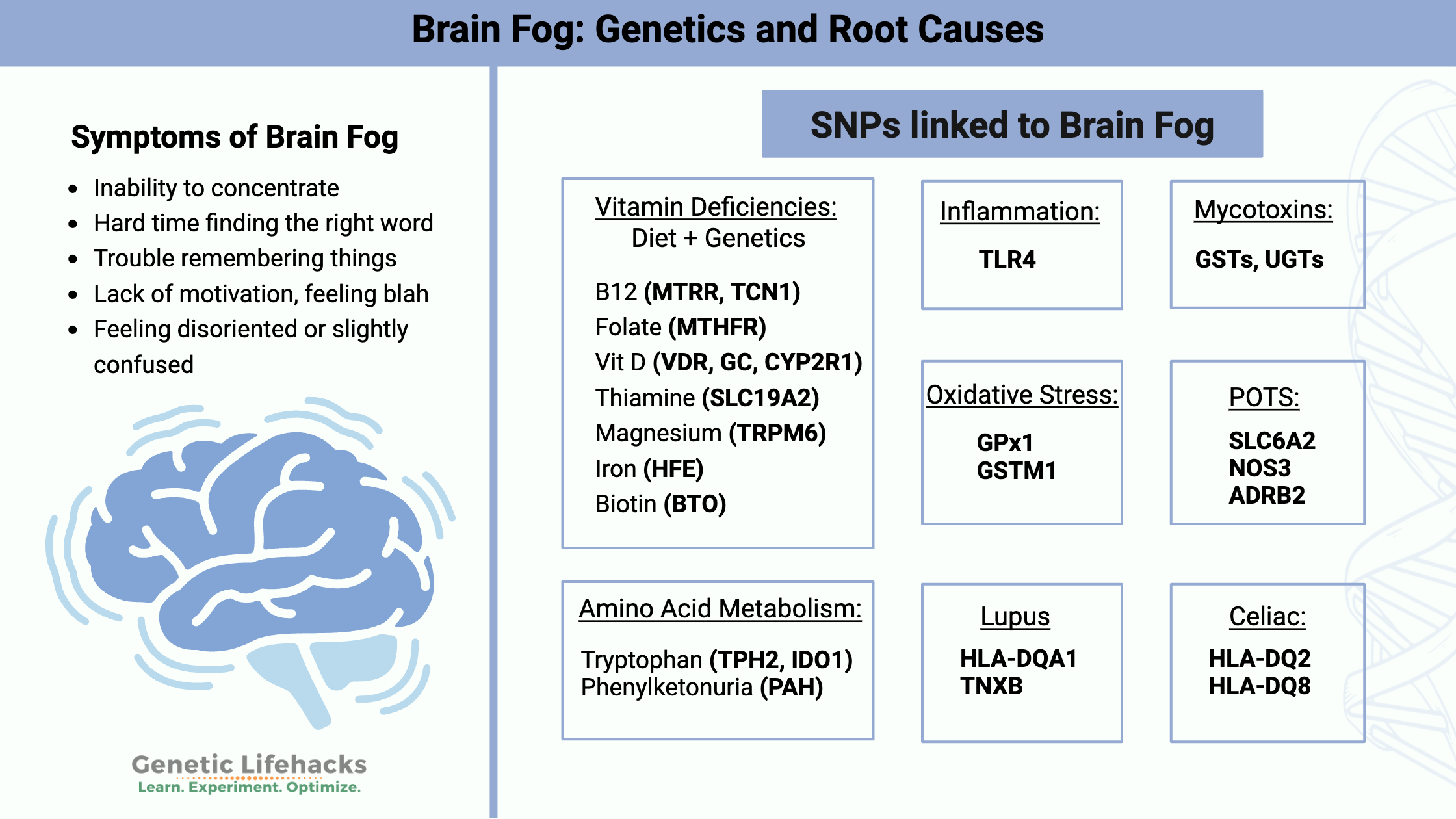
Brain Fog: Causes, genetics, and individualized solutions
Brain fog has many roots: nutrient deficiencies, hypoxia, inflammation, viral infections, microclots, histamine, amino acid metabolism, and genetics — plus targeted strategies to restore clear thinking.
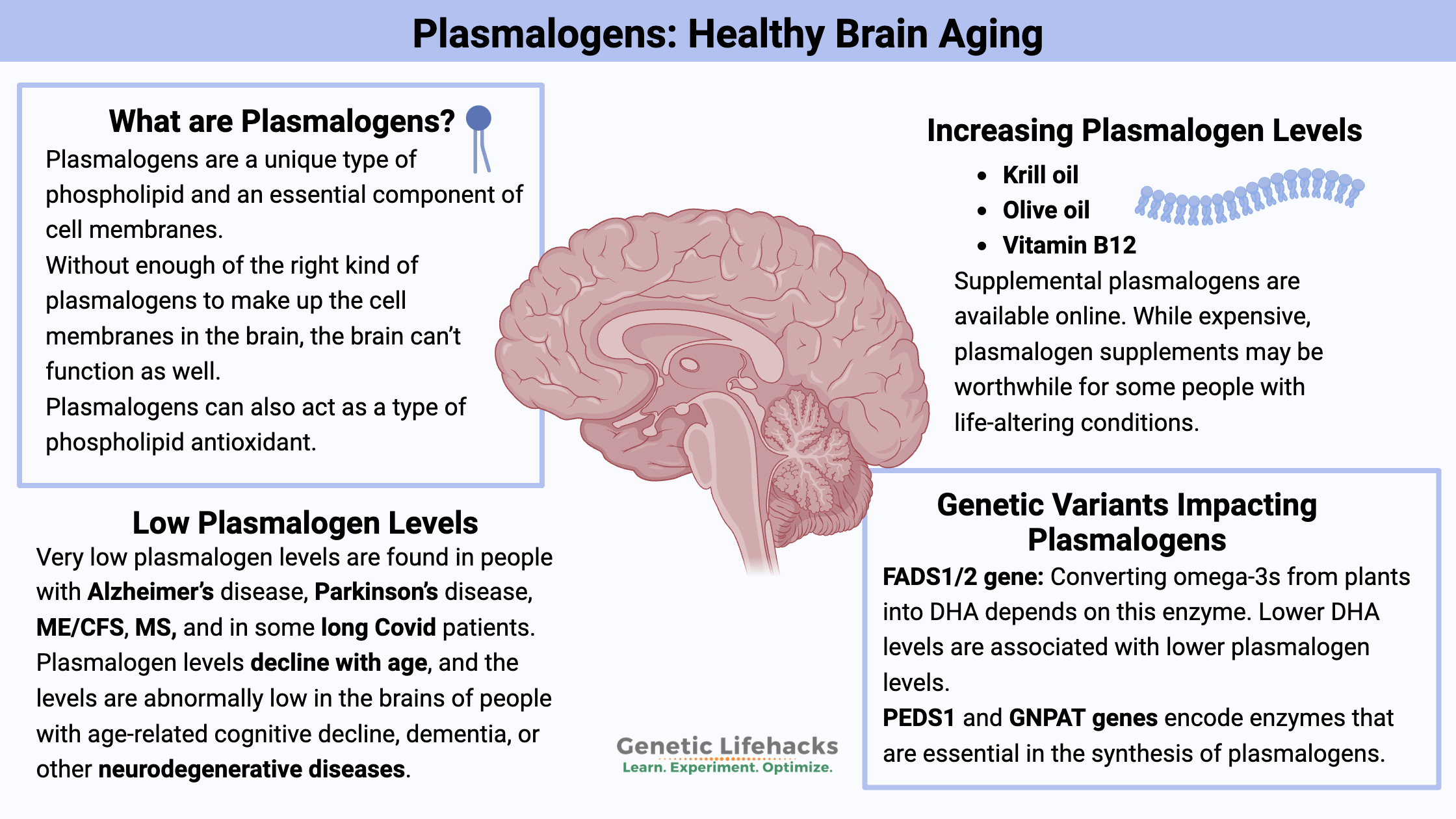
Plasmalogens: Healthy Brain Aging and More
Plasmalogen levels in the brain are key to brain health. Low plasmalogen is linked to Alzheimer’s and ME/CFS. Healthy ways to boost your levels.
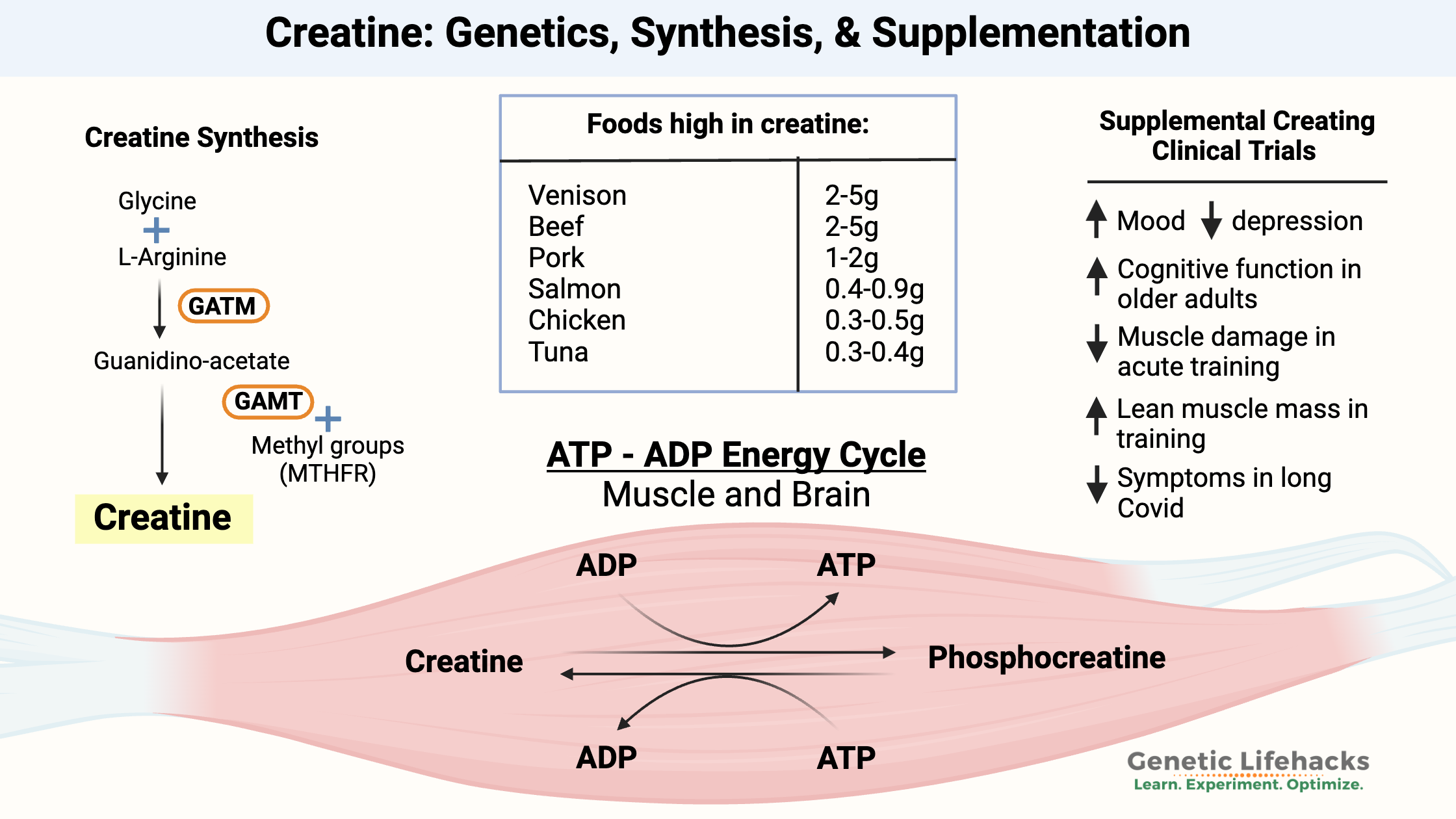
Creatine: Boosting Muscles and Increasing Brain Power
Creatine is an amino acid used in muscle tissue and the brain for energy in times of stress. Genes play a role in creatine synthesis. Find out what the research shows about creatine supplements for muscle mass and cognitive function.
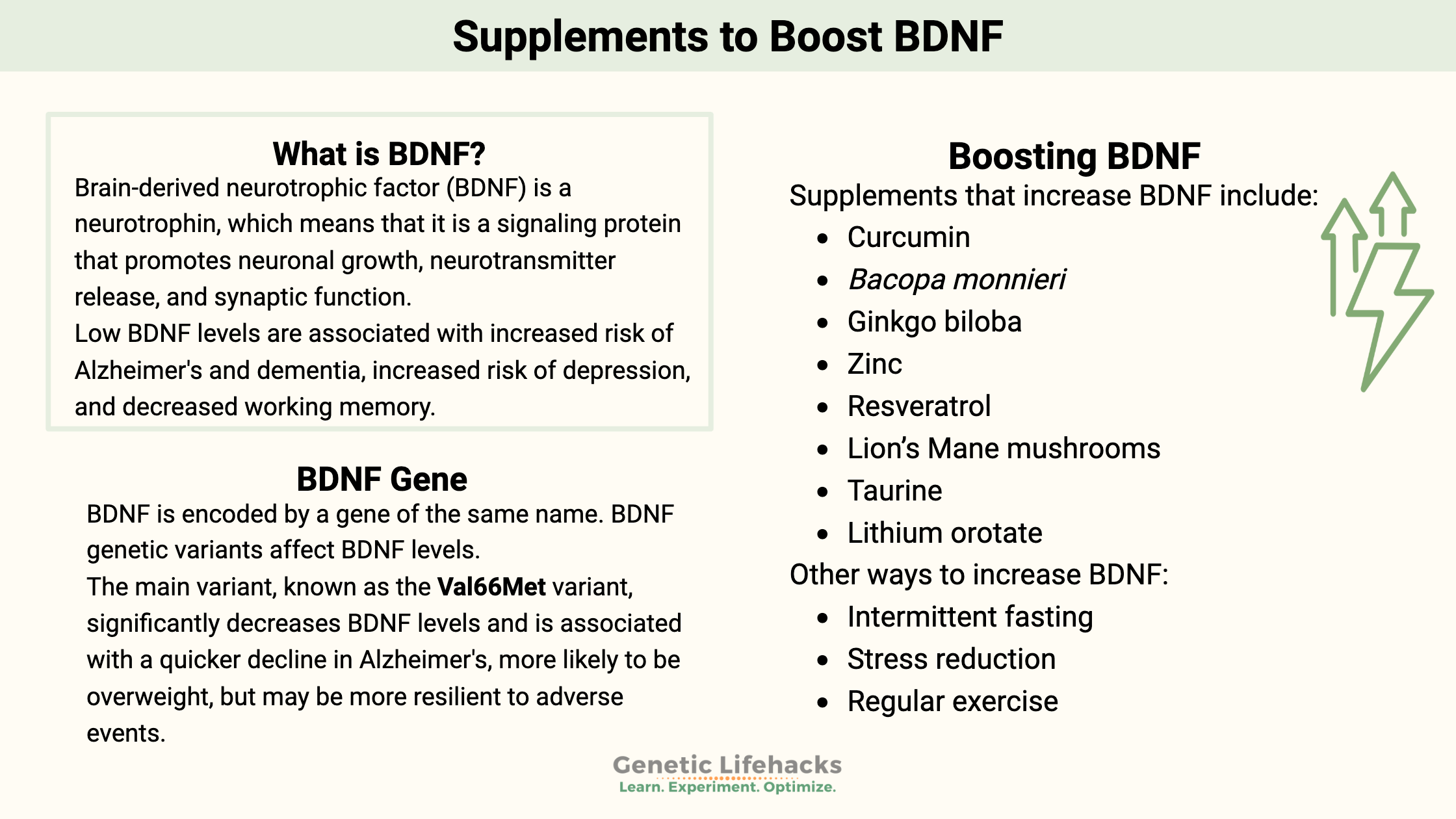
Best Supplements to Boost BDNF
Is it smart to boost your BDNF levels? Discover more by digging into the research studies that show when, how, and why it is important to focus on BDNF.
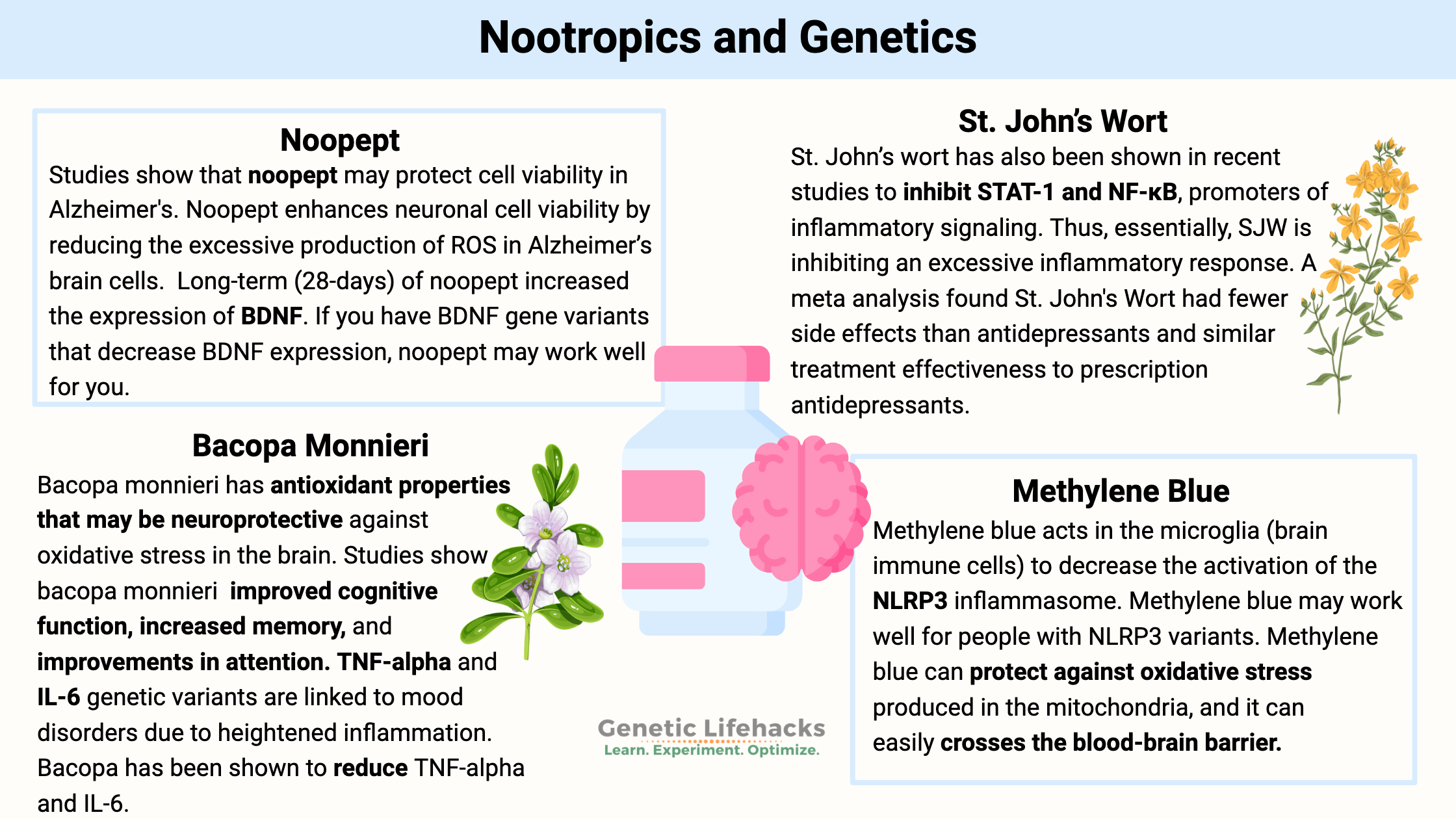
Nootropics and Genetics: Smart Drugs and Your Genes
Nootropics are supplements used to boost cognition and memory. Learn how the substance works and the genes connected to the mechanism of action.
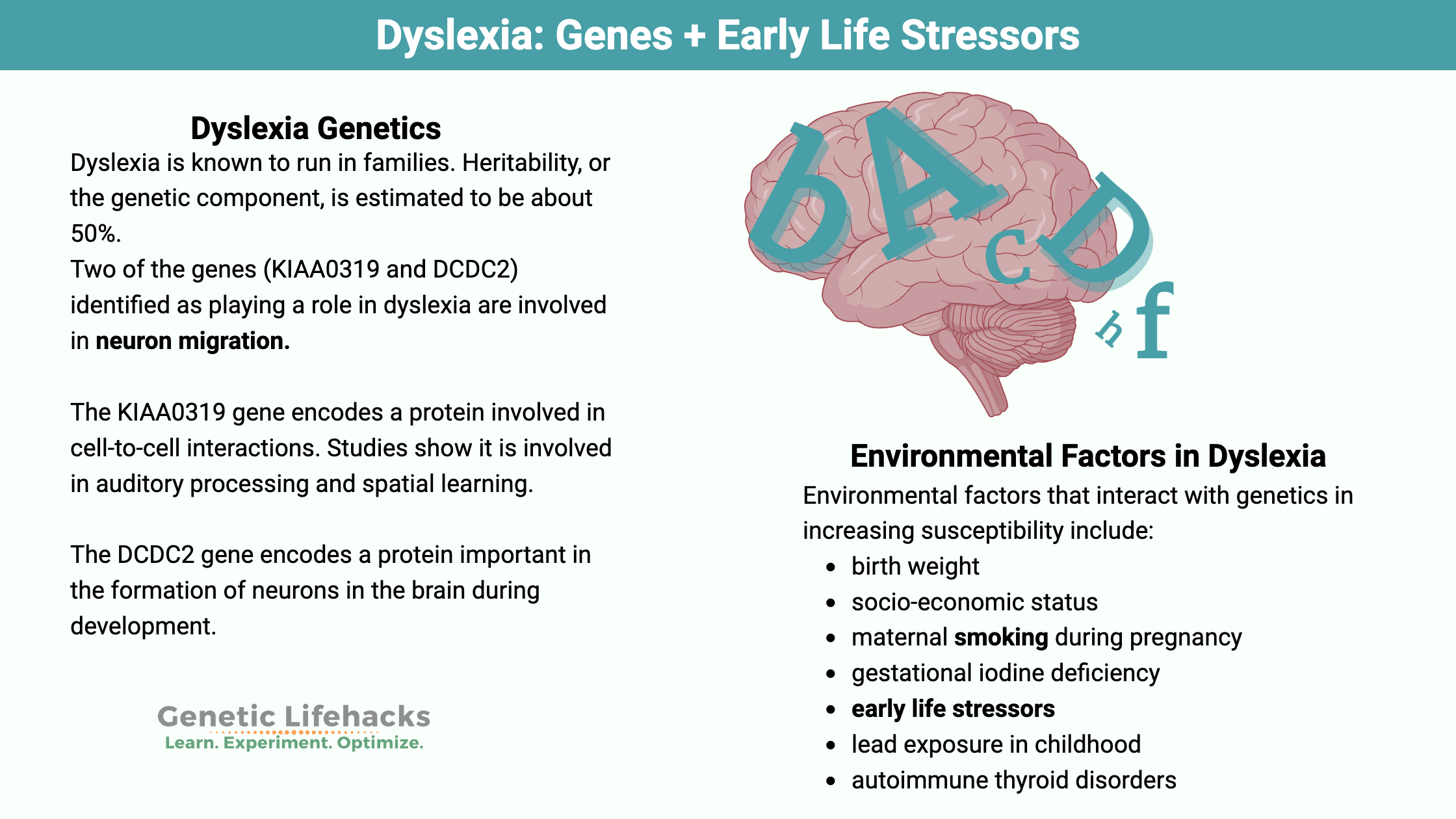
Dyslexia: Genes + Early Life Stressors
While dyslexia is known to run in families, the role of genetics in dyslexia is still being determined. Here is a quick look at some of the genes involved in dyslexia, affecting around 10% of the population.
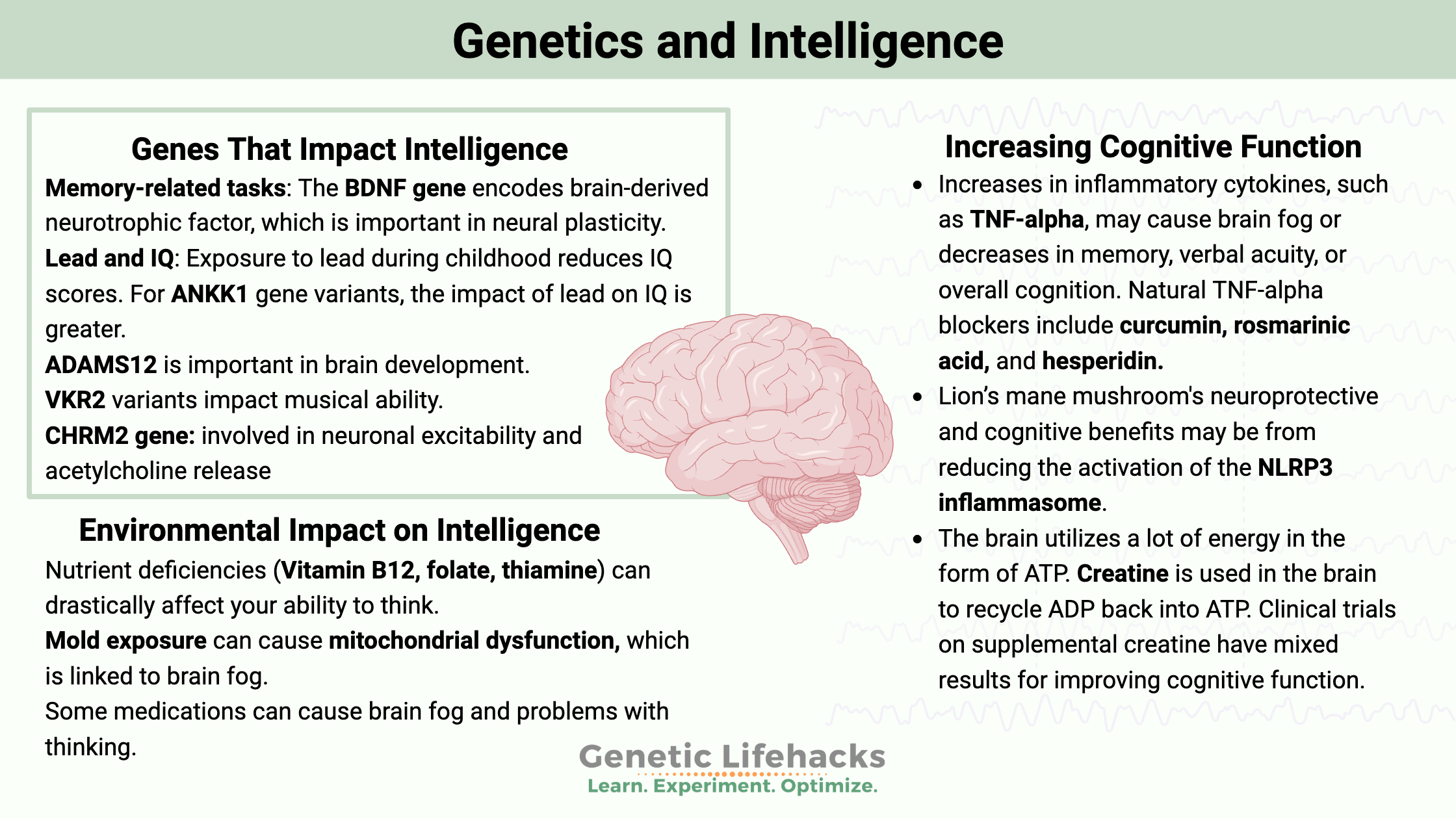
Genetics and Intelligence: IQ-Influencing Genes and Paths to Optimization
Hundreds of identified genes influence intelligence, from IQ scores to musical ability. Learn more about your intelligence strengths and ways to enhance your cognitive function.
Addiction
This section covers how genetic variants in opioid, dopamine, endocannabinoid, and reward‑related pathways affect the susceptibility to substance use disorders and addiction, as well as differences in drug response.
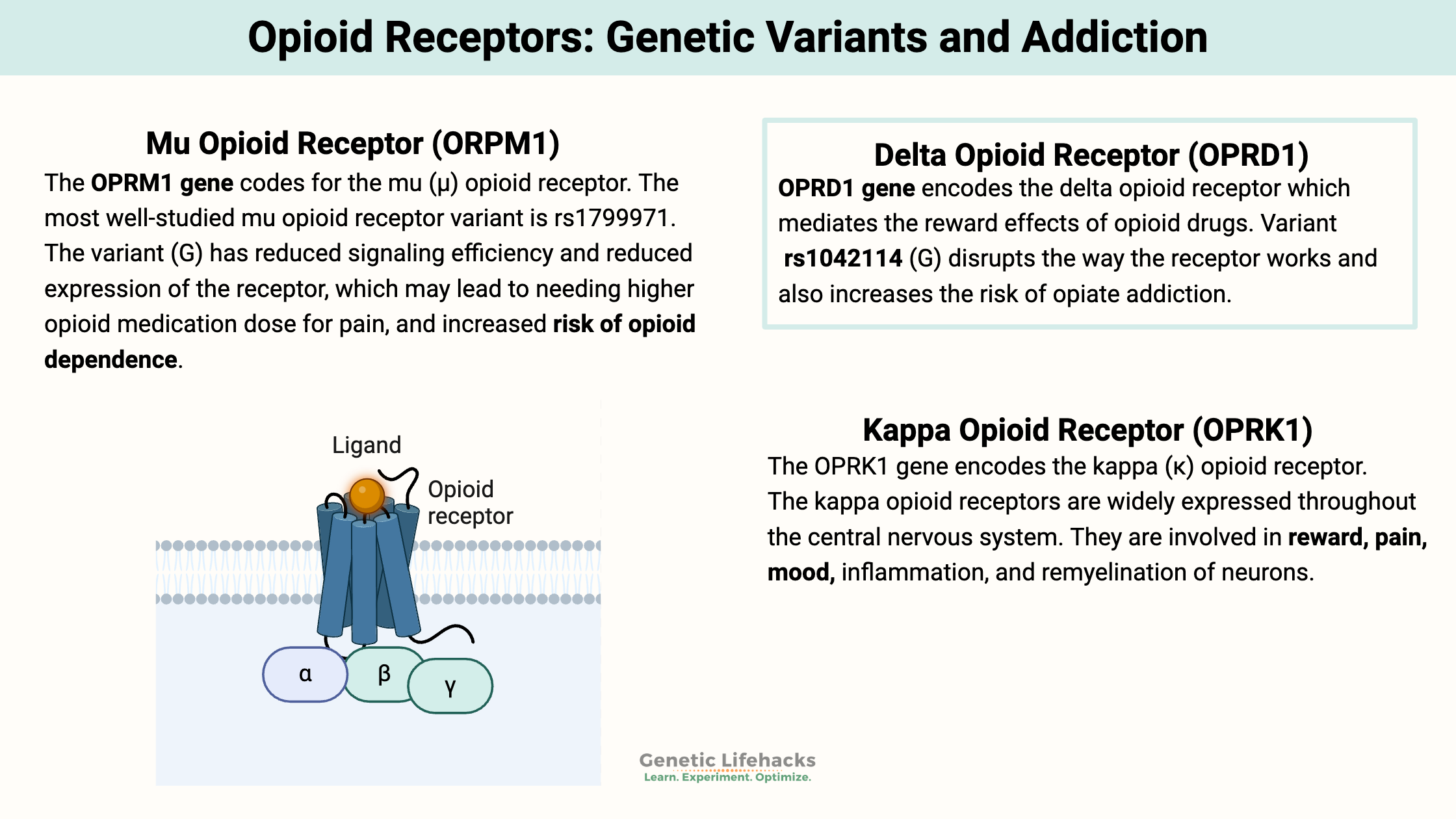
Opioid Receptors: Genetic Variants and Addiction
Genetic variants in the ORPM1 gene impact both the amount of pain someone experiences and their response to opioid drugs. These variants are also important in susceptibility to opiate addiction.
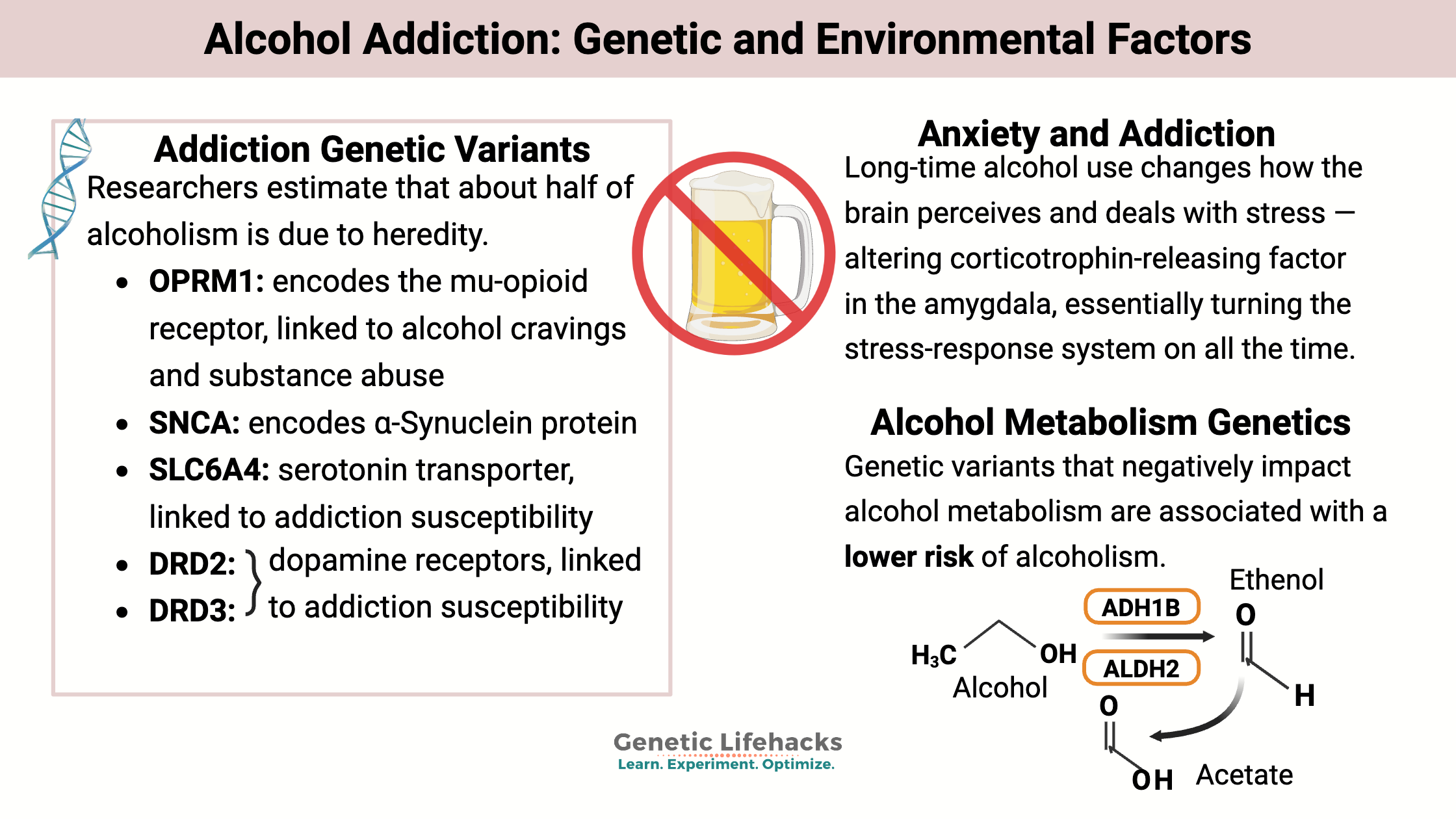
Alcohol Addiction: Exploring the Genetic and Environmental Factors
Discover the role of genetics, stress, and neurotransmitters in alcohol use disorder. Alcohol dependence is complex; understand your genes and the research on treatment options.
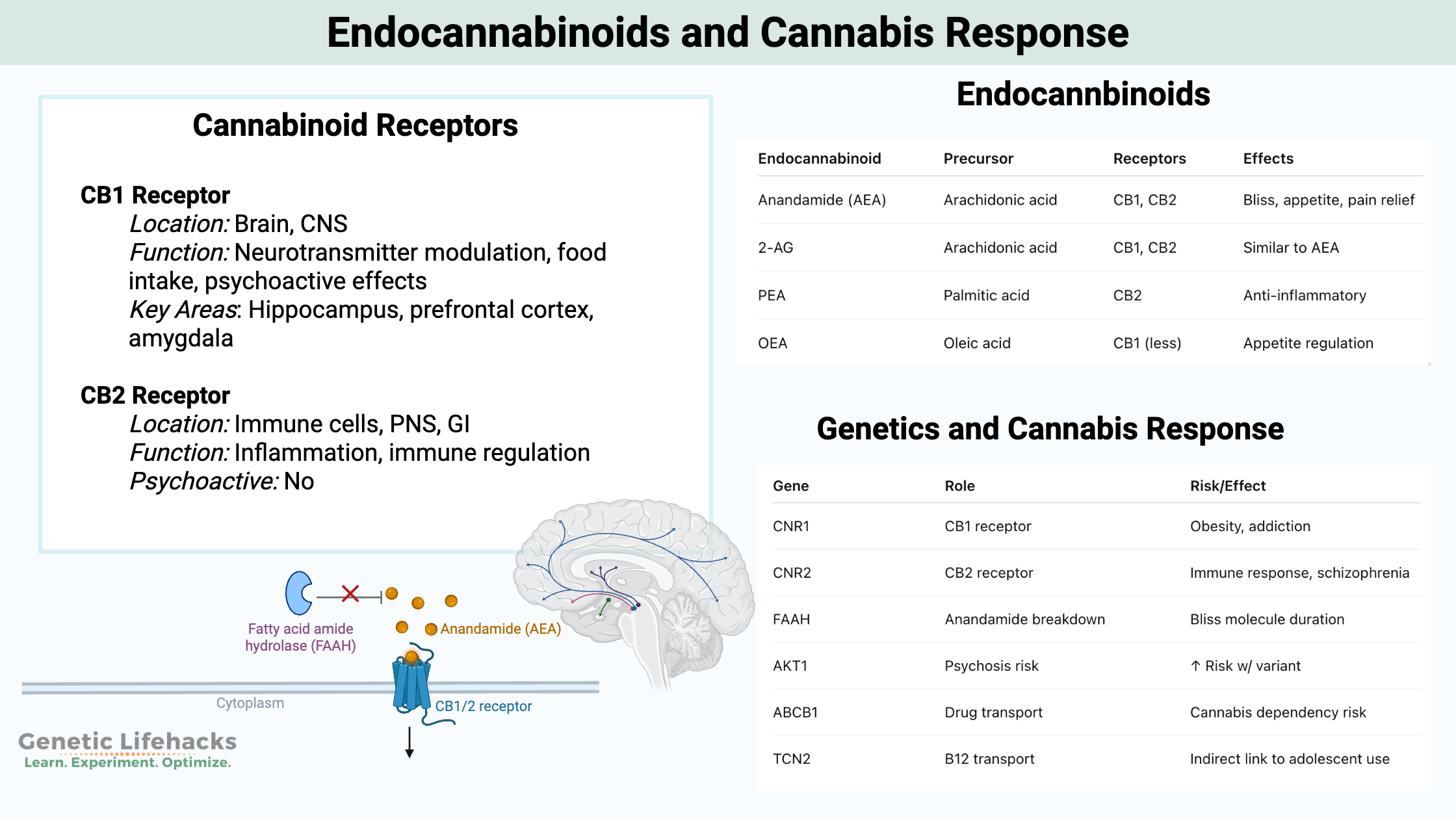
Response to Cannabis: CB1 & CB2 Genetic Variants
Discover how genetic variants influence your susceptibility to substance abuse, and how the variants impact your body’s reaction to cannabis.