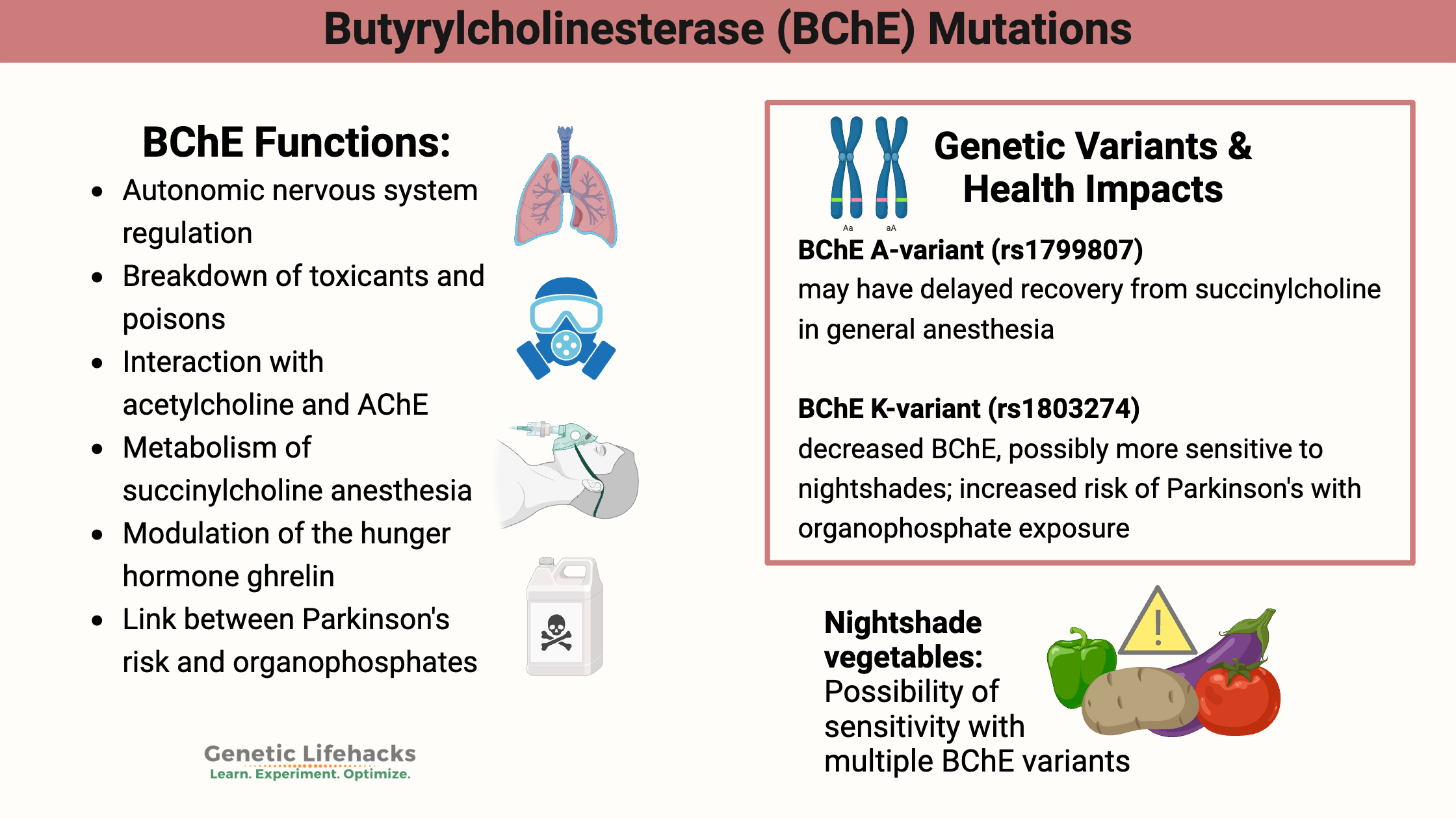
BChE gene: Nightshade sensitivity, Anesthesia risk
BCHE variants can lower butyrylcholinesterase activity. See implications for anesthesia, nightshades, pesticide susceptibility, immunity, and ghrelin.

BCHE variants can lower butyrylcholinesterase activity. See implications for anesthesia, nightshades, pesticide susceptibility, immunity, and ghrelin.
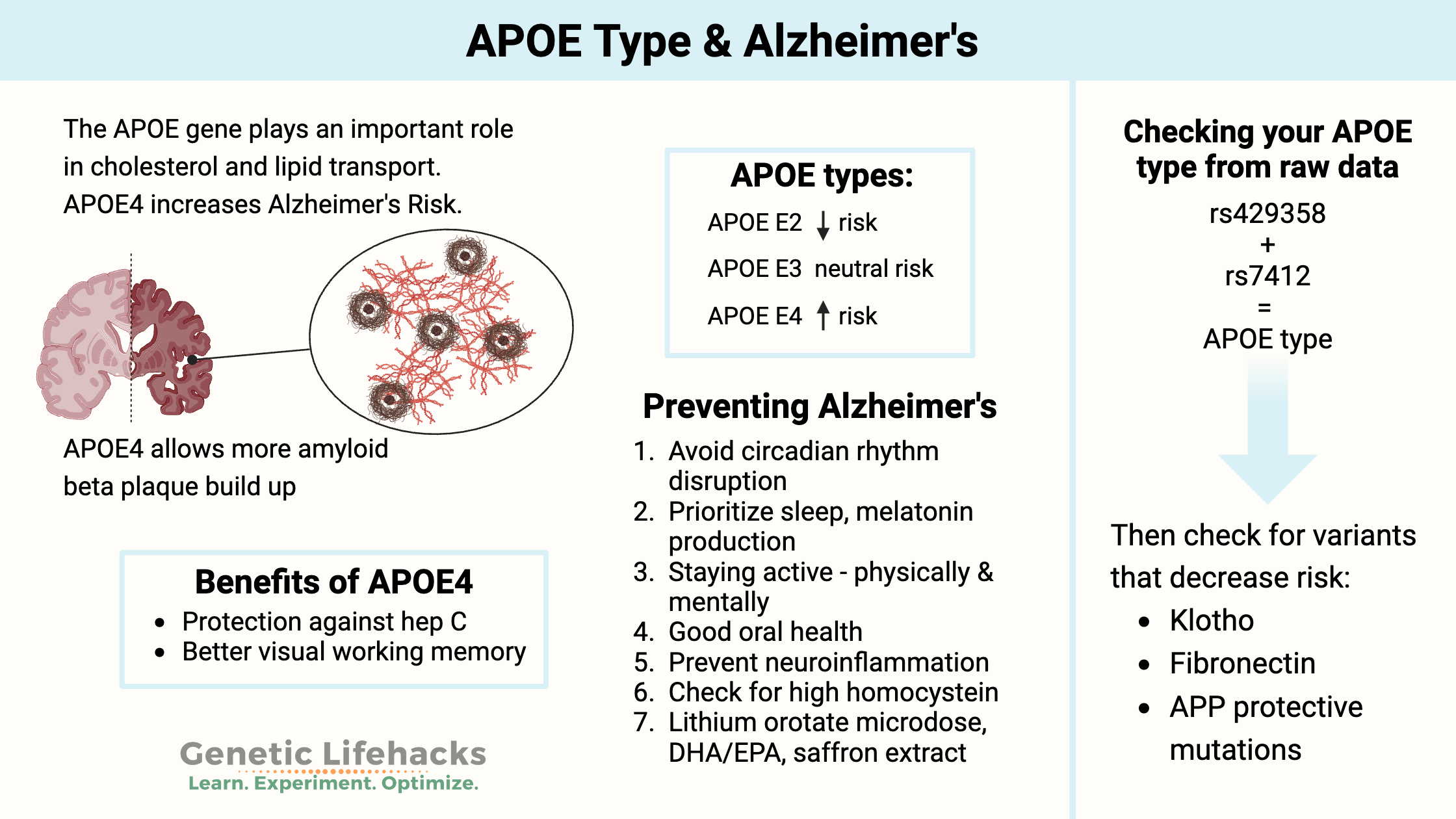
Find out your APOE type, understand your Alzheimer’s risk by genotype, sex, and ancestry, and learn about real prevention strategies.
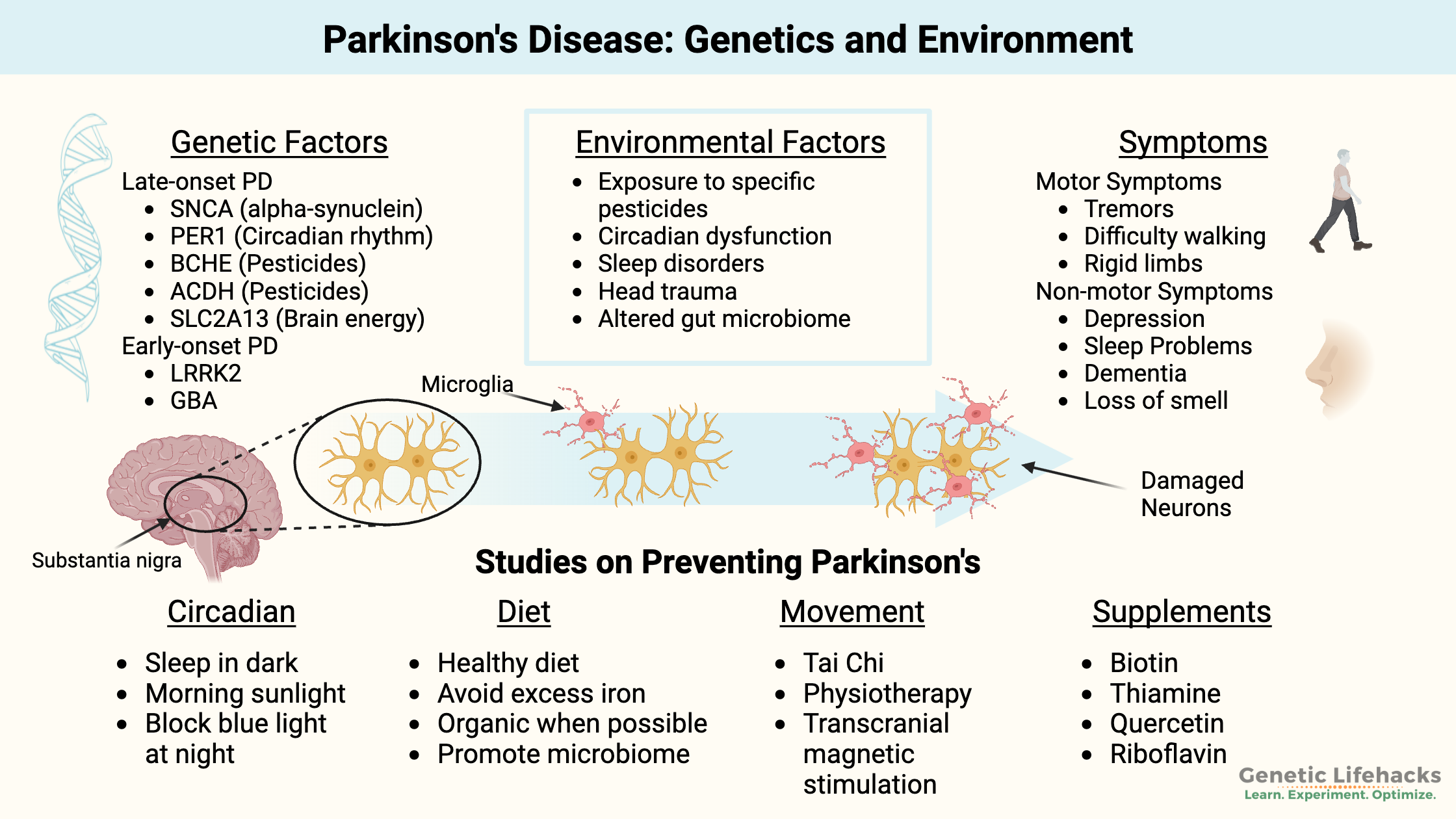
Parkinson’s: Explore key genes, environmental risks, gut microbiome factors, and research‑based lifehacks that may help protect dopaminergic neurons.
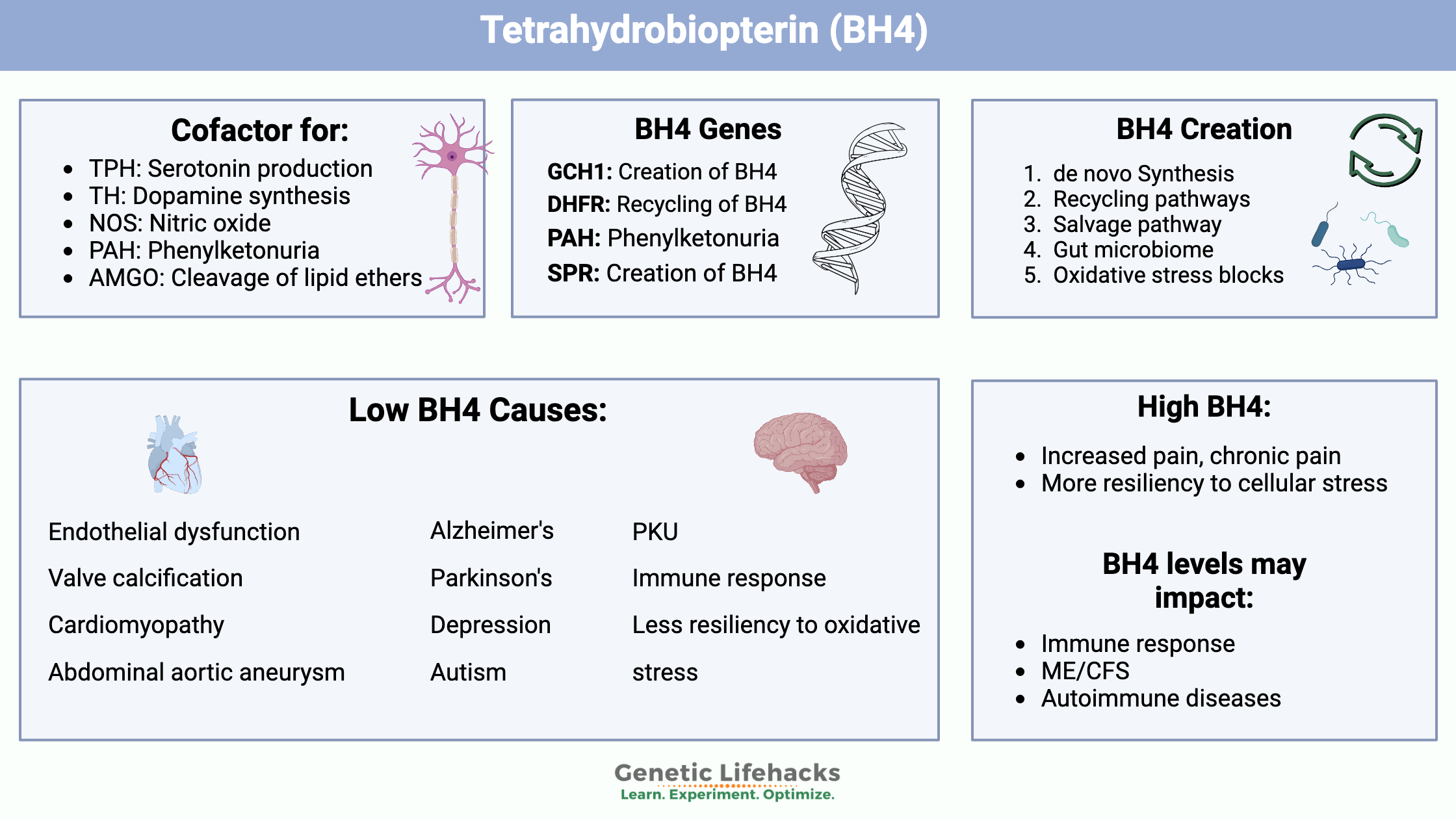
Tetrahydrobiopterin (BH4) is an essential cofactor in the production of neurotransmitters and nitric oxide. Genetic variants impact BH4 levels which can affect heart disease, cognitive function, and immune response.
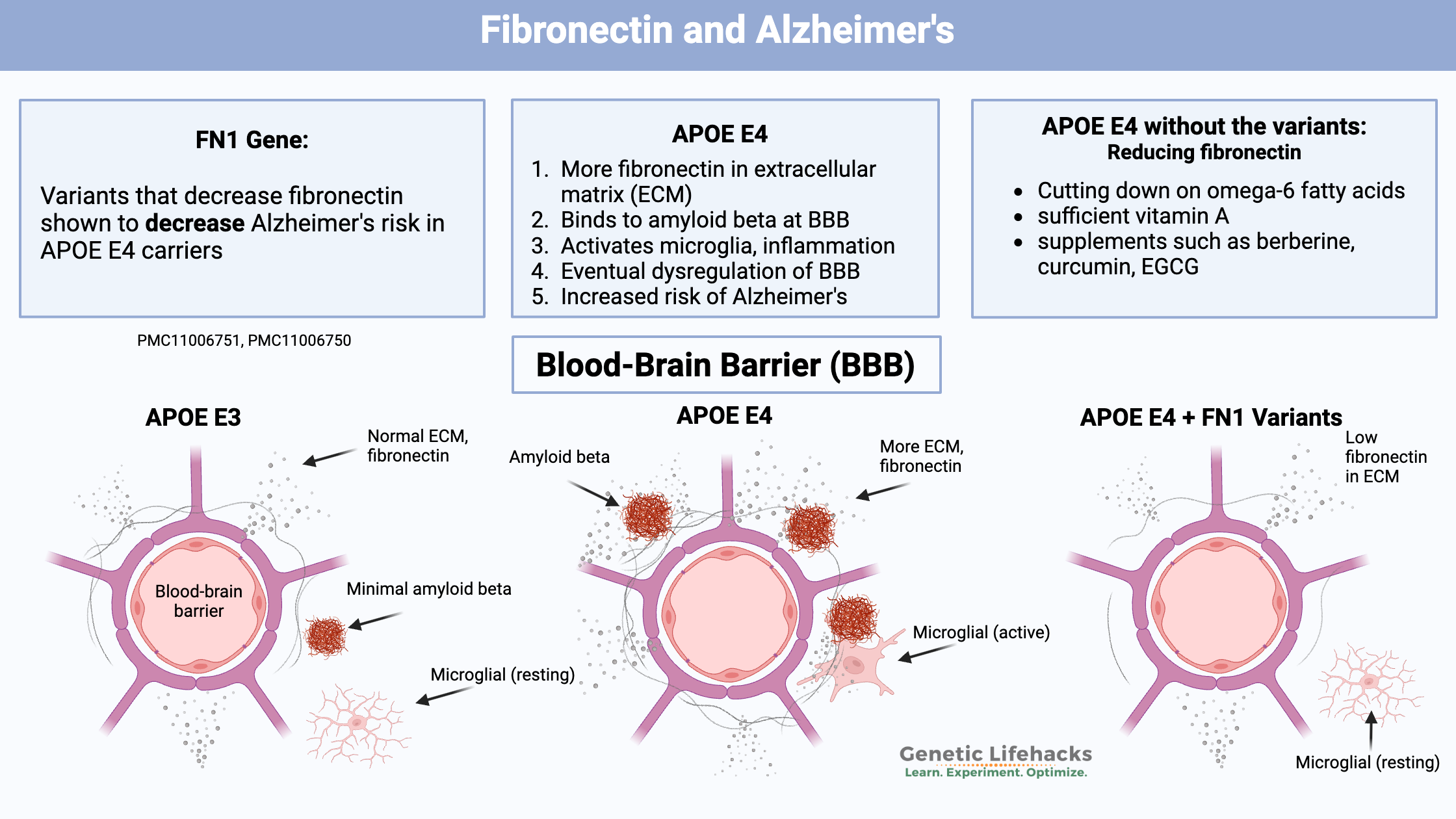
Genetic variants in FN1 that reduce fibronectin also protect against Alzheimer’s in people with APOE E4. Here’s how to check your genes.
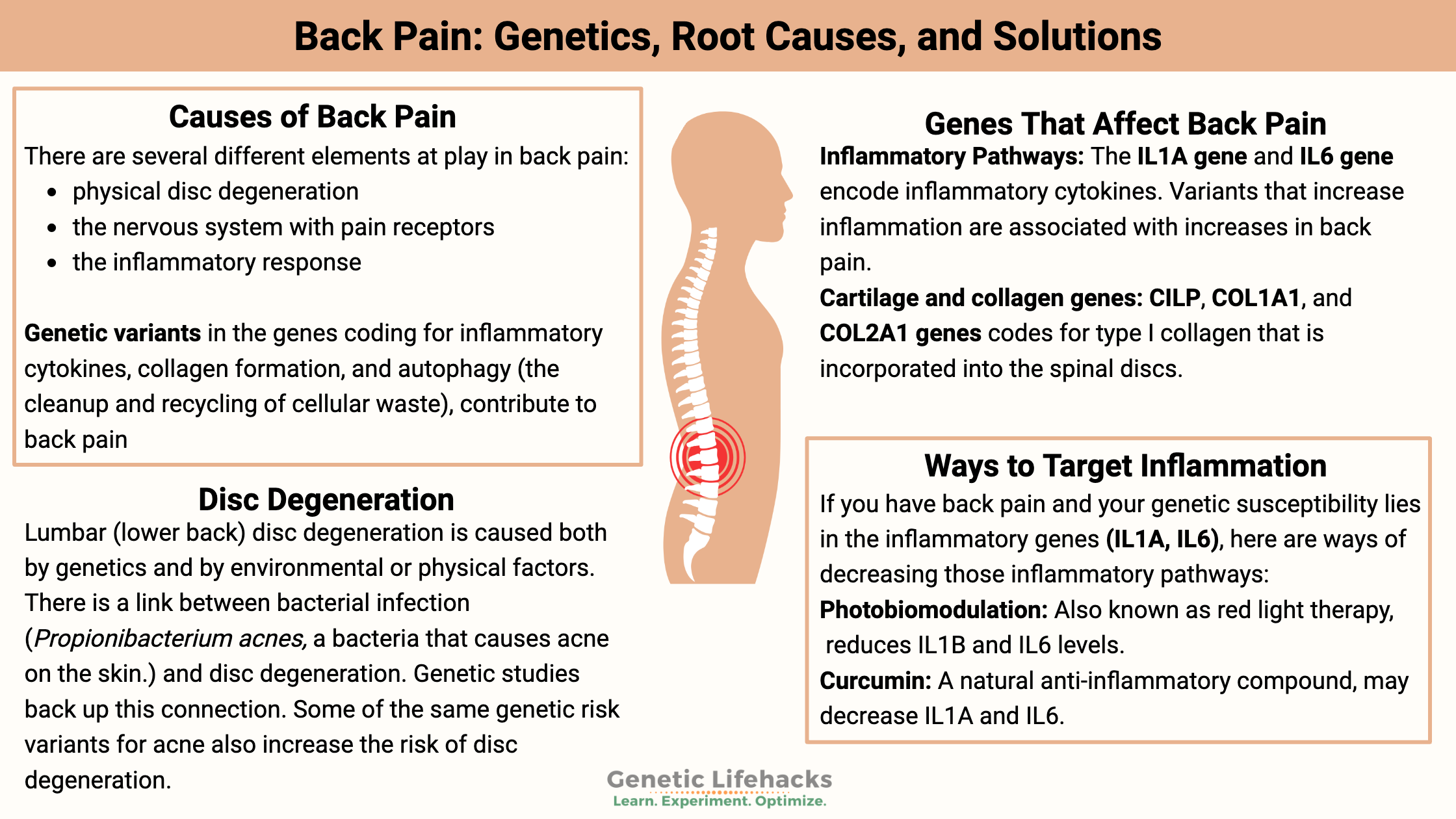
For some people, back pain is a daily occurrence that drastically affects their quality of life. For others, it may be an intermittent nagging problem, often without rhyme or reason. Your genes play a role in whether disc degeneration gives you back pain.
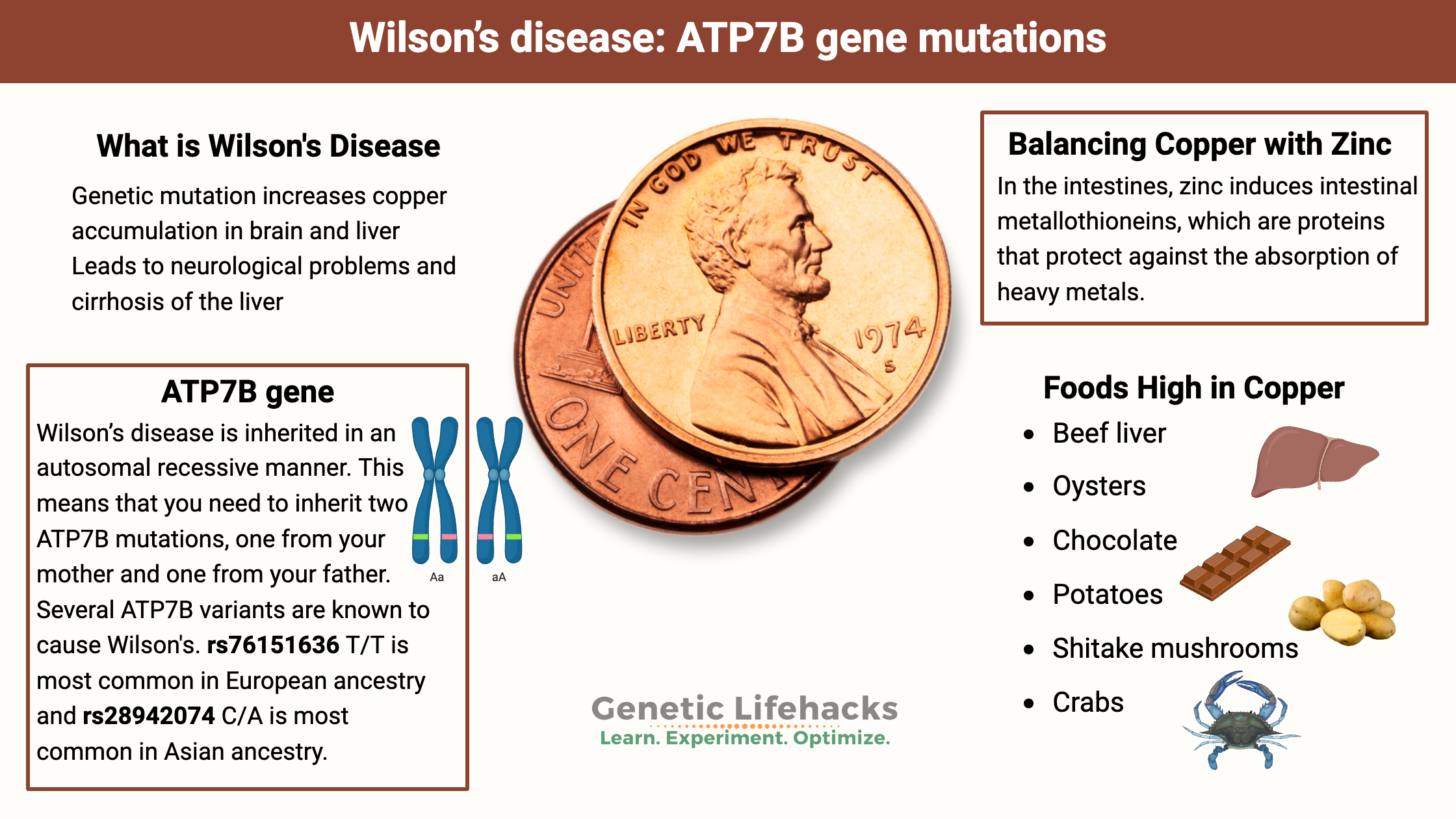
Mutations in ATP7B can cause copper dysregulation and Wilson’s disease. People carrying one copy of the mutation may also have subtle changes.
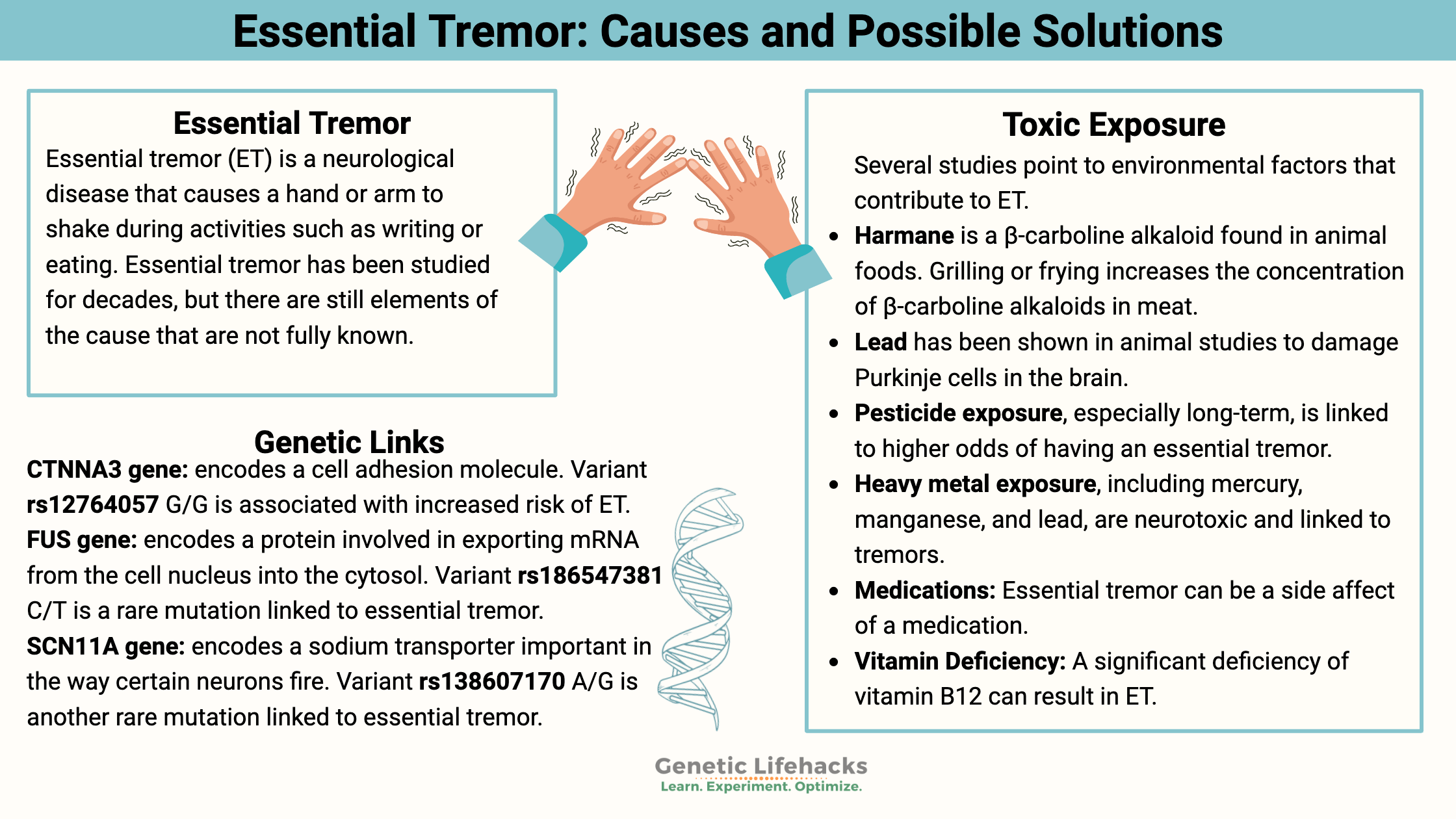
Essential tremor (ET) is a neurological disease causing involuntary shaking in places of the body while performing tasks such as writing or eating. Learn more about this disease and discover the genetic causes of ET.
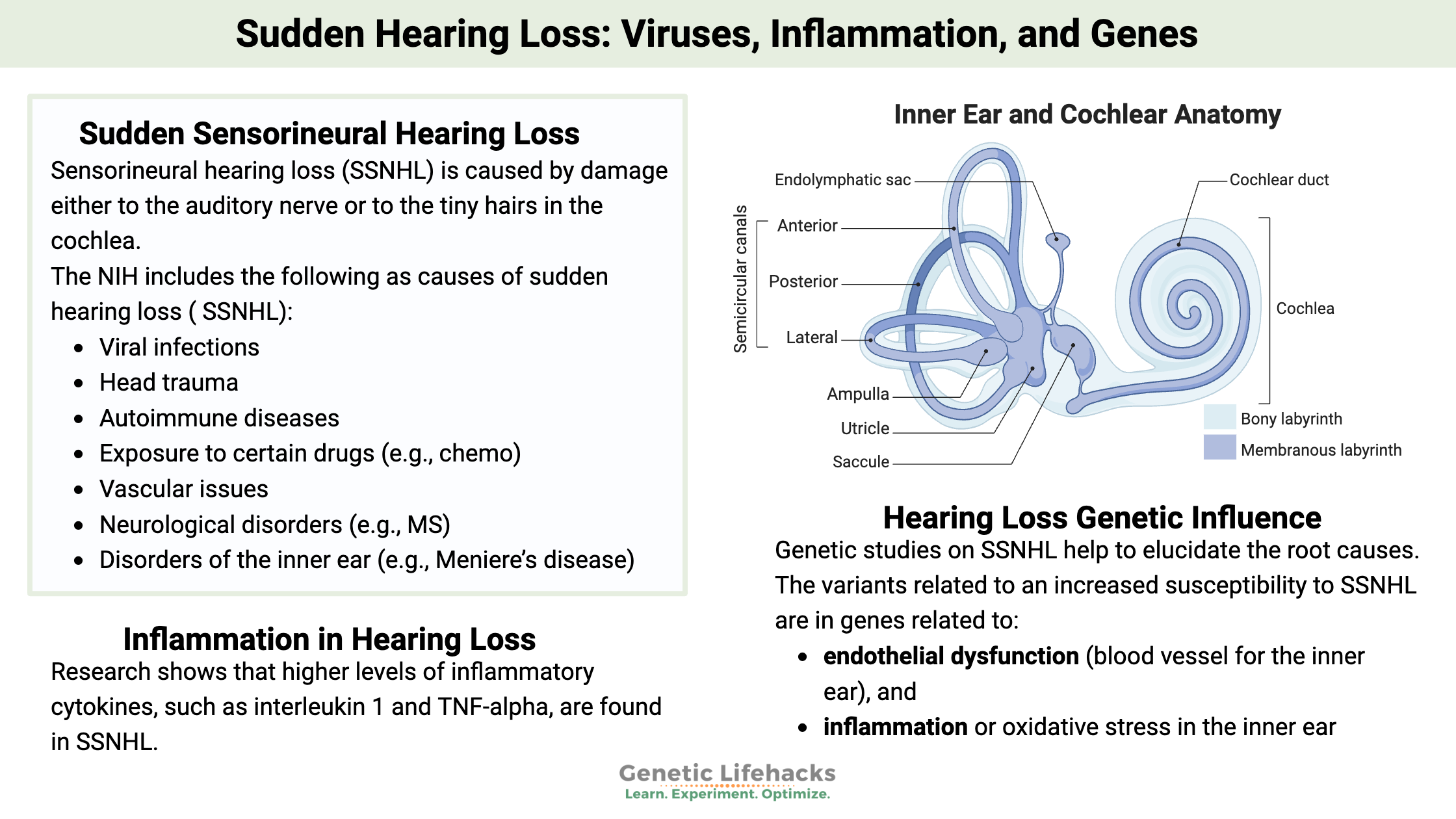
Genetic variants can significantly increase your risk of sudden sensorineural hearing loss. Learn more about the current research on sudden sensorineural hearing loss, including links to viral and vaccine causes.
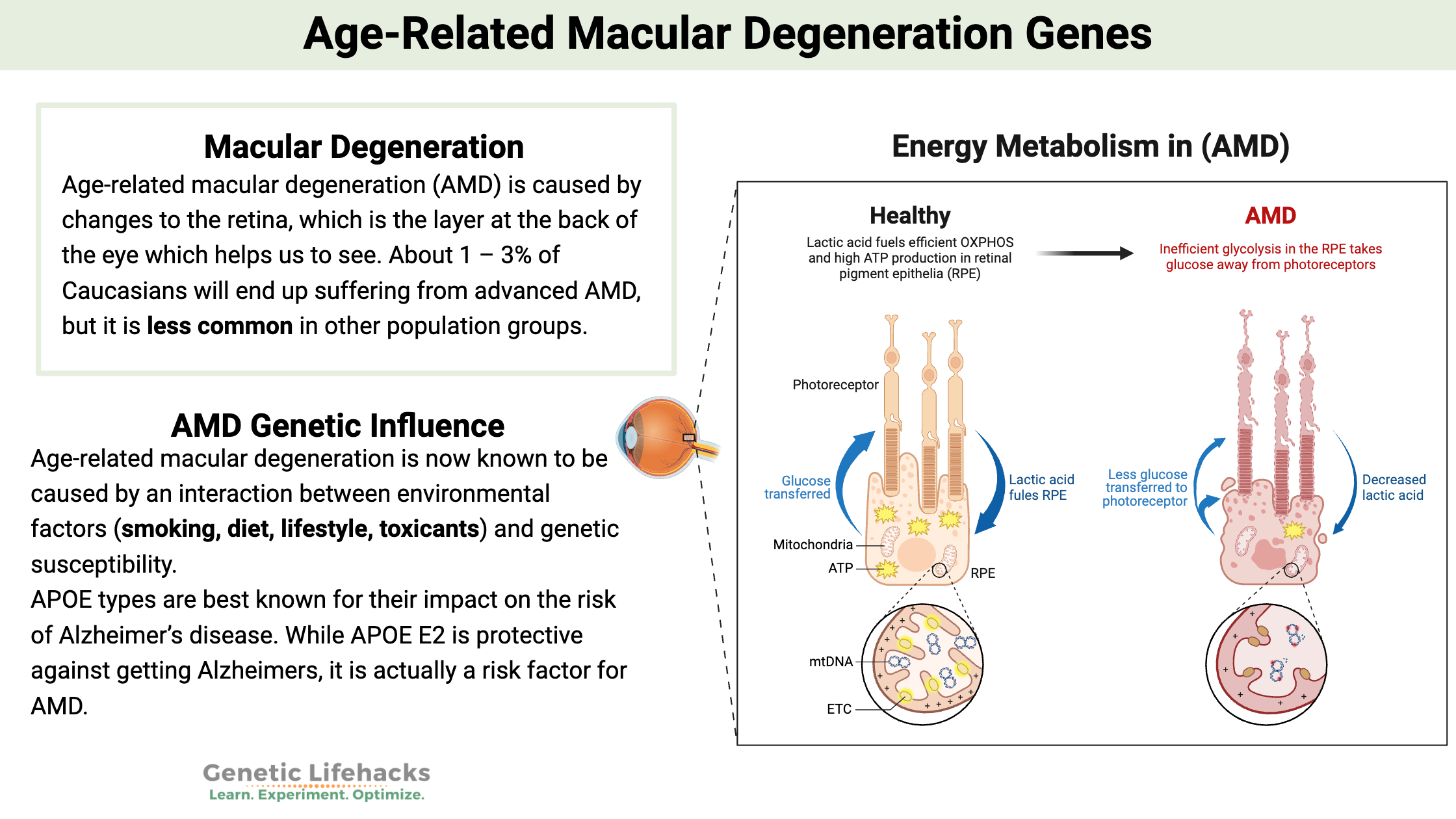
Age-related macular degeneration (AMD) is the most common cause of blindness in the elderly. You will find supplements specifically promoted for preventing AMD. This article explains age-related macular degeneration, delves into the genetic risks, and then explains which supplements are likely to be protective and which may do more harm than good.
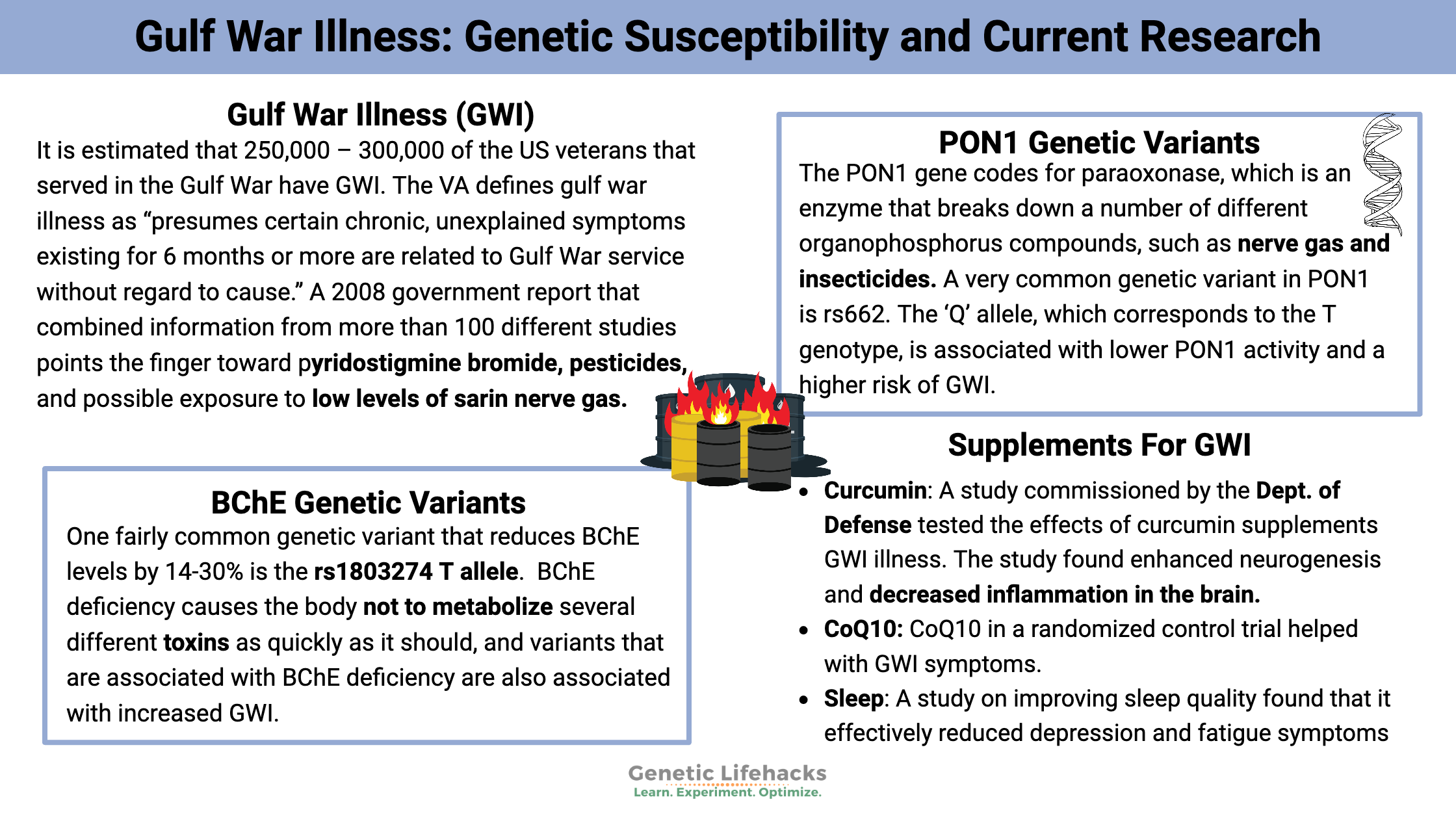
Many genetic variants have been studied for Gulf War Illness. Take a look into the research behind the illness and discover some possible solutions to help with symptoms.