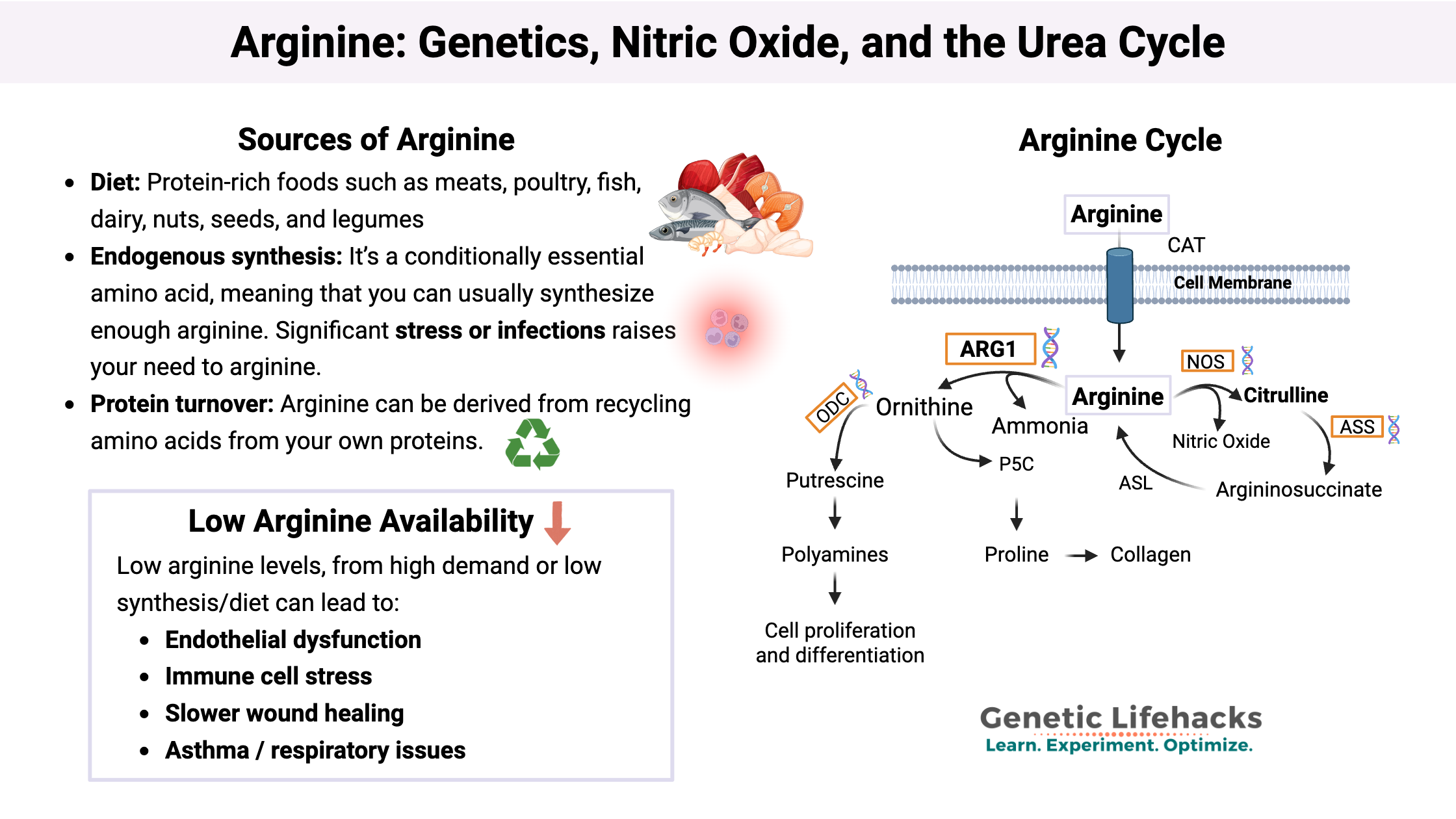
Arginine: Genetics, Nitric Oxide, Immune Response, and Ammonia Clearance
Learn how ARG1 and ARG2 variants influence arginine levels, nitric oxide, and urea-cycle balance—plus food, L-arginine vs citrulline, and safety trade-offs.

These titles examine the genetic underpinnings of inflammatory mediators and the body’s regulation of inflammation, which often ties into chronic disease.
Learn how ARG1 and ARG2 variants influence arginine levels, nitric oxide, and urea-cycle balance—plus food, L-arginine vs citrulline, and safety trade-offs.
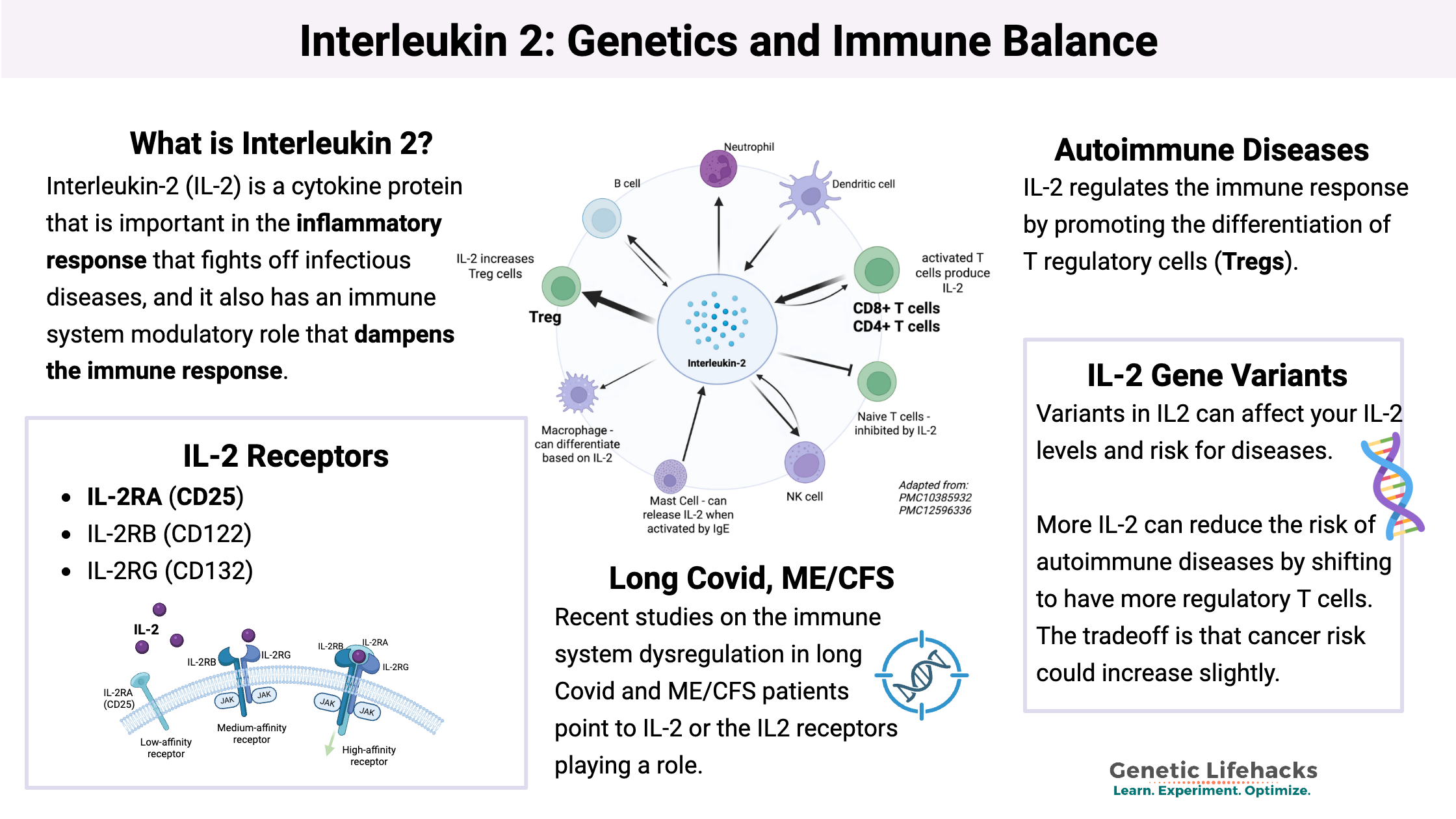
IL-2 dysregulation affects long COVID, autoimmune diseases, and cancer therapy response. Learn about your IL-2 genetic variants and natural ways to support IL-2.
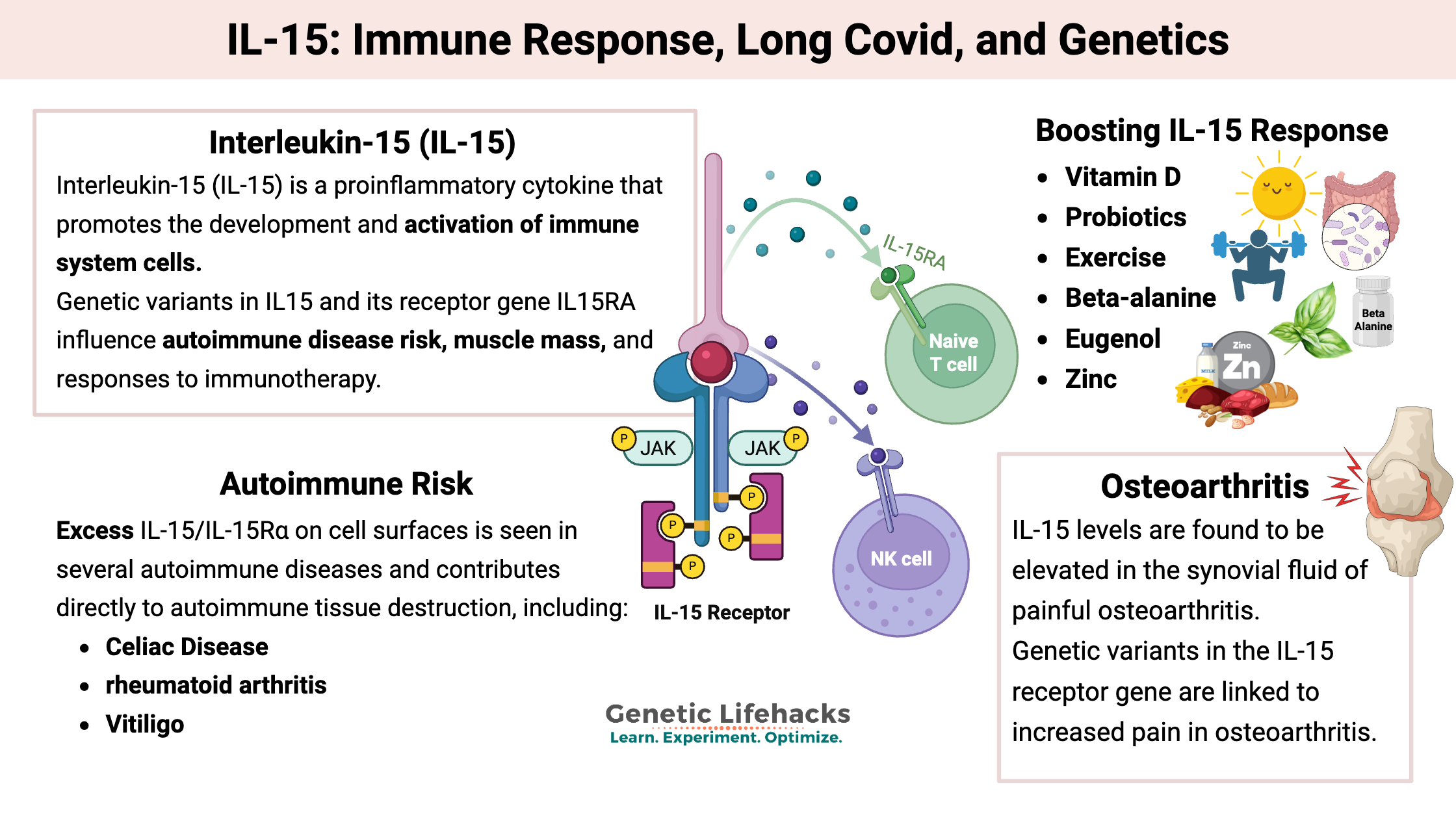
Learn how IL-15 influences NK cells and CD8+ T cells in the immune response to pathogens and cancers. Find out how your genetic variants influence IL-15 levels.
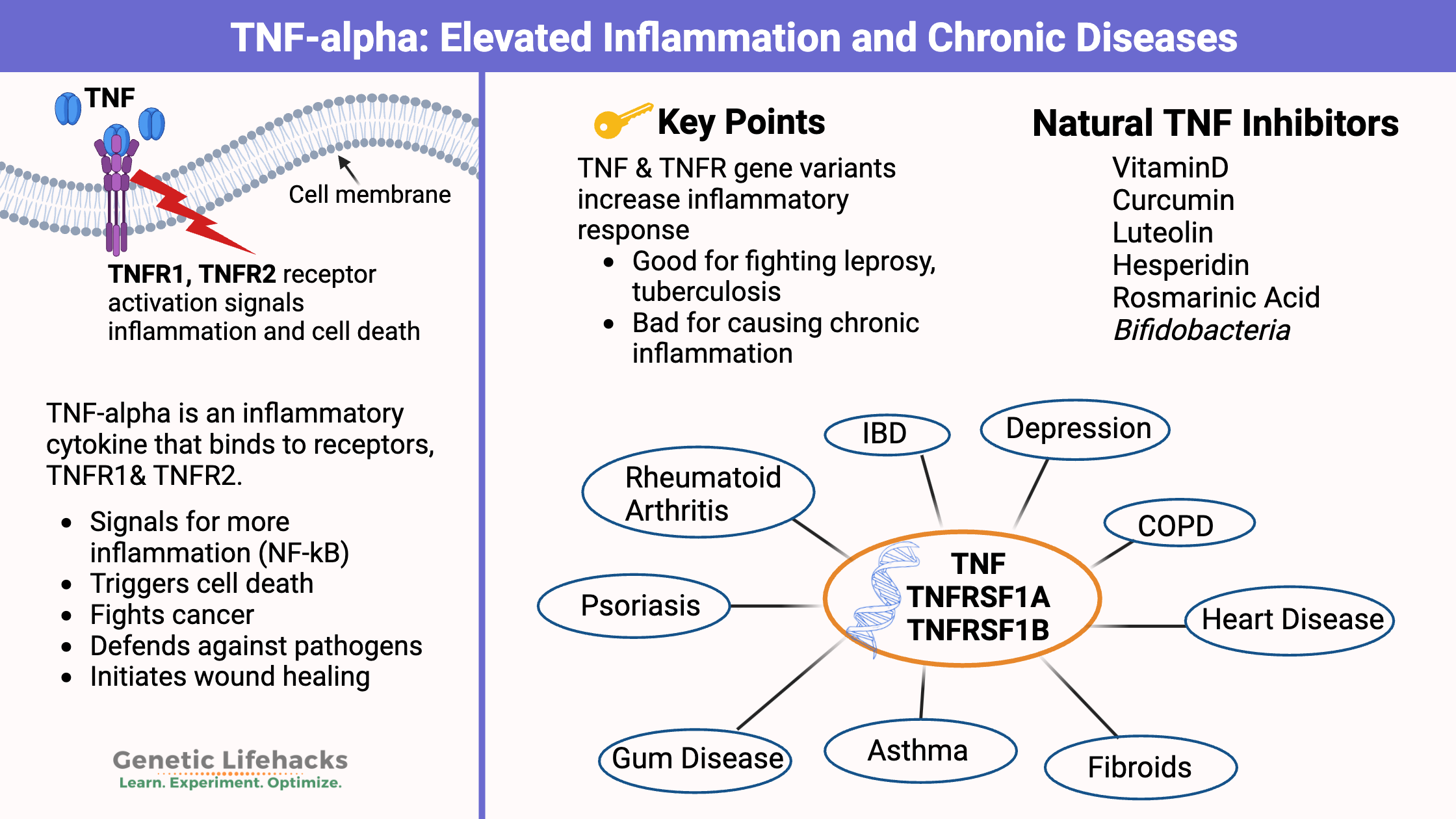
TNF-alpha is a key inflammatory cytokine linked to autoimmune, cardiovascular, mood, and neurodegenerative diseases. Learn how TNF gene variants affect your risk and potential natural TNF inhibitors.
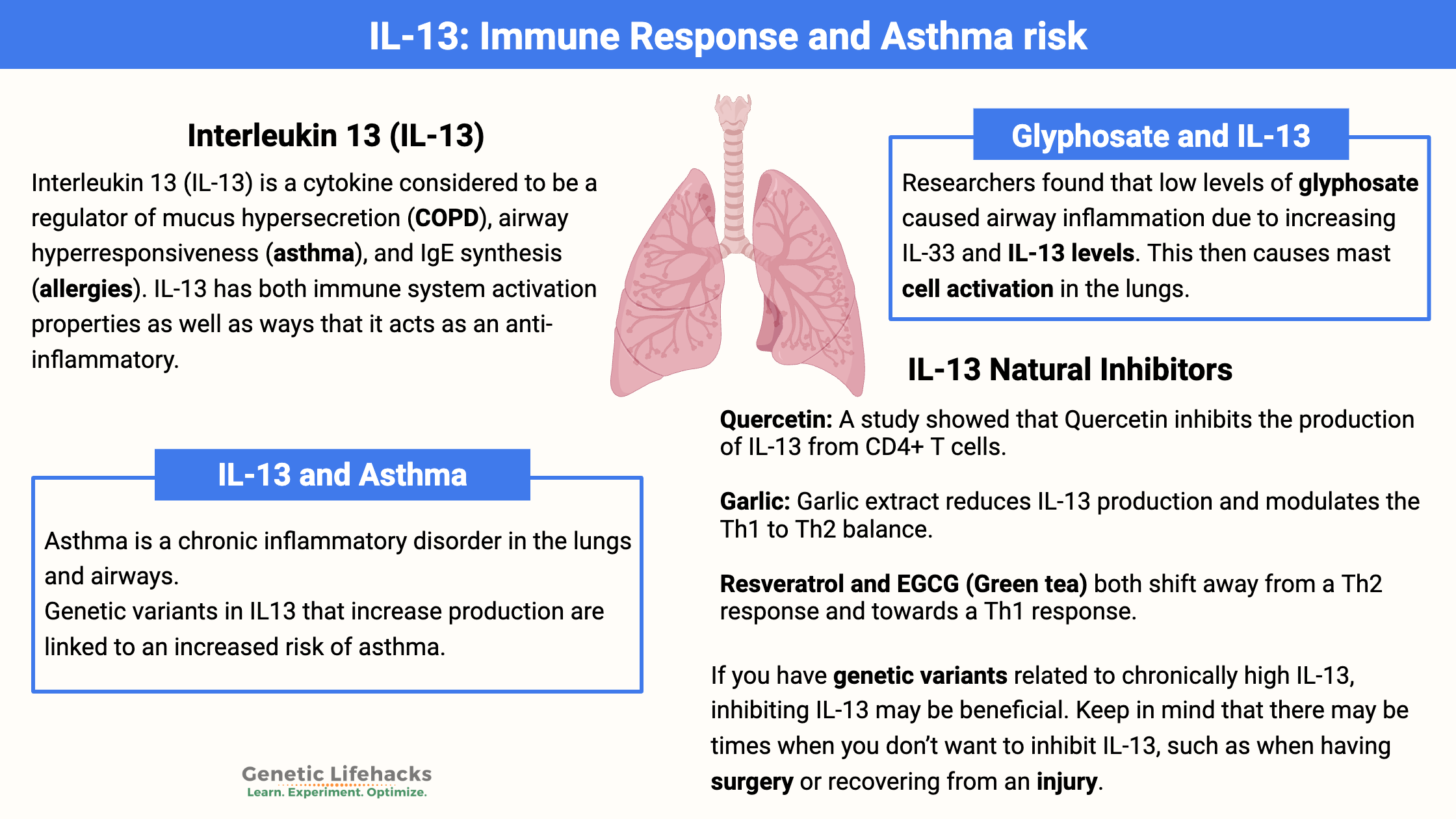
Interleukin-13 (IL-13) is a signaling molecule important in the immune response. Excessive IL-13 can tip you toward a Th2-dominant immune response, and variants increase the risk of allergies and asthma.
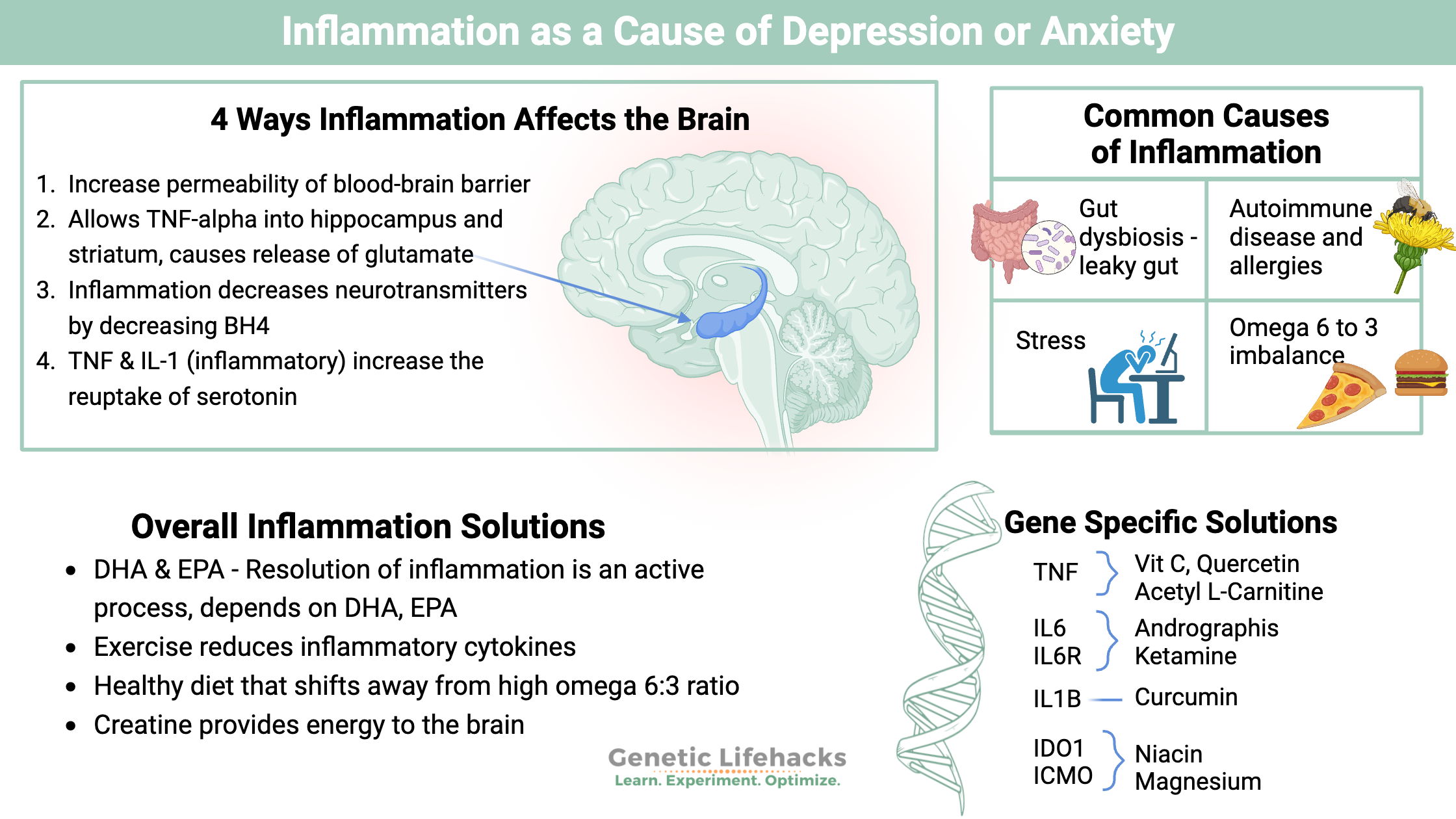
Discover why inflammation causes depression and how your genetic variants in inflammatory genes may play a role in depression or anxiety.
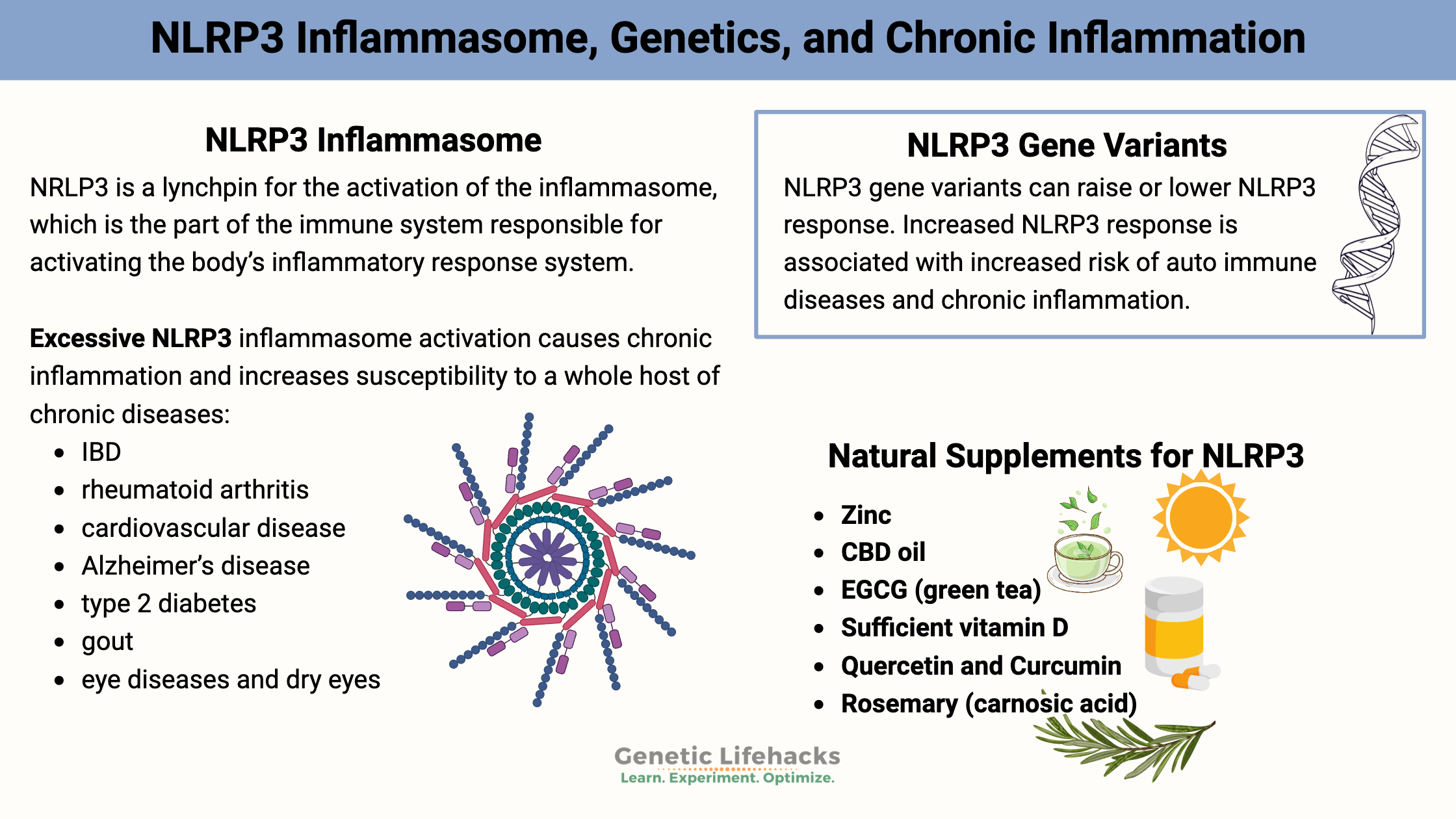
Explore NLRP3 inflammasome genetics: How variants drive chronic inflammation in Alzheimer’s, diabetes, and autoimmune diseases. Discover triggers, health risks, and lifehacks like zinc & vitamin D to modulate it.
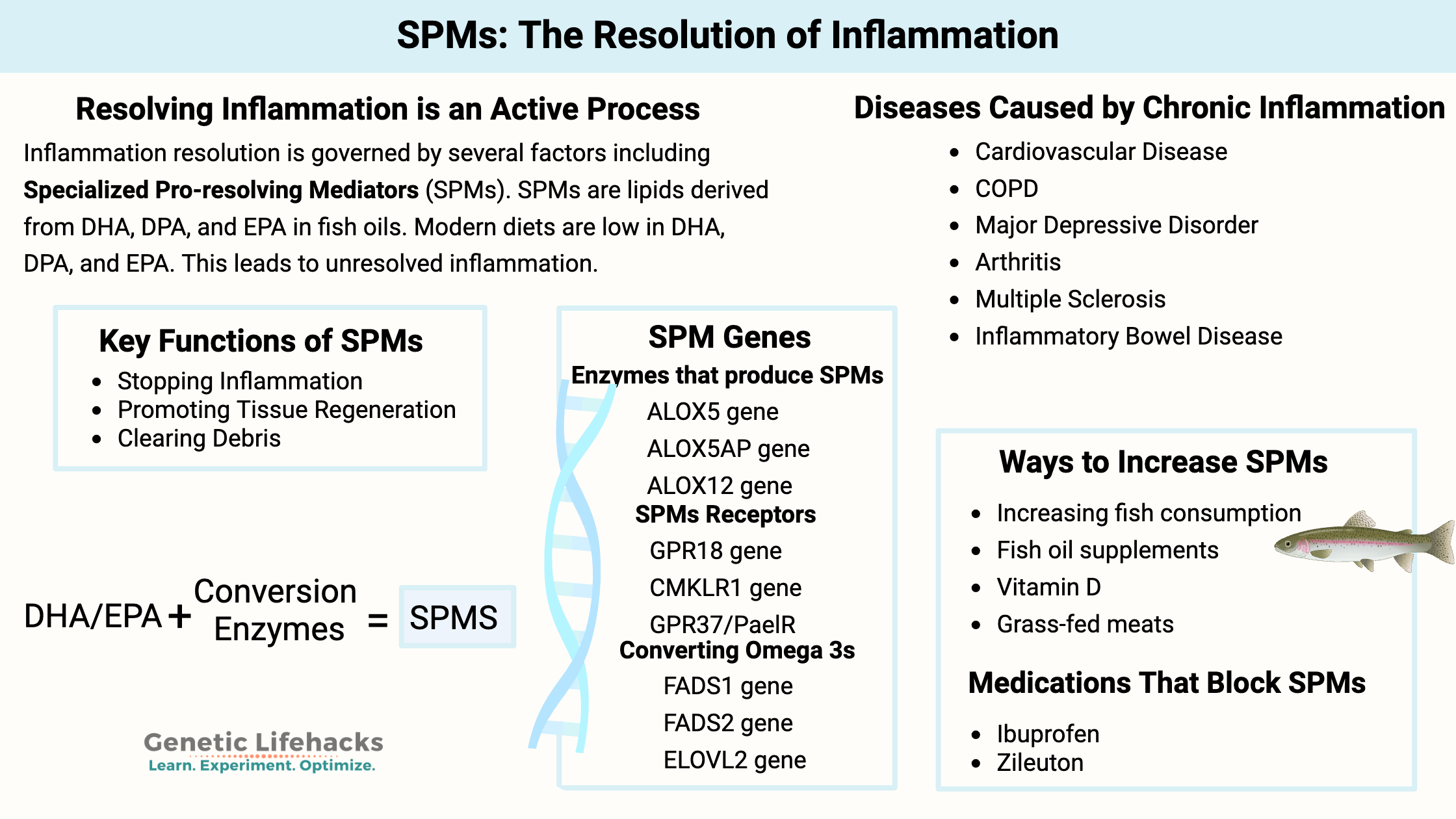
The resolution of inflammation is an active process that depends on lipid mediators, called specialized pro-resolving mediators (SPMs).
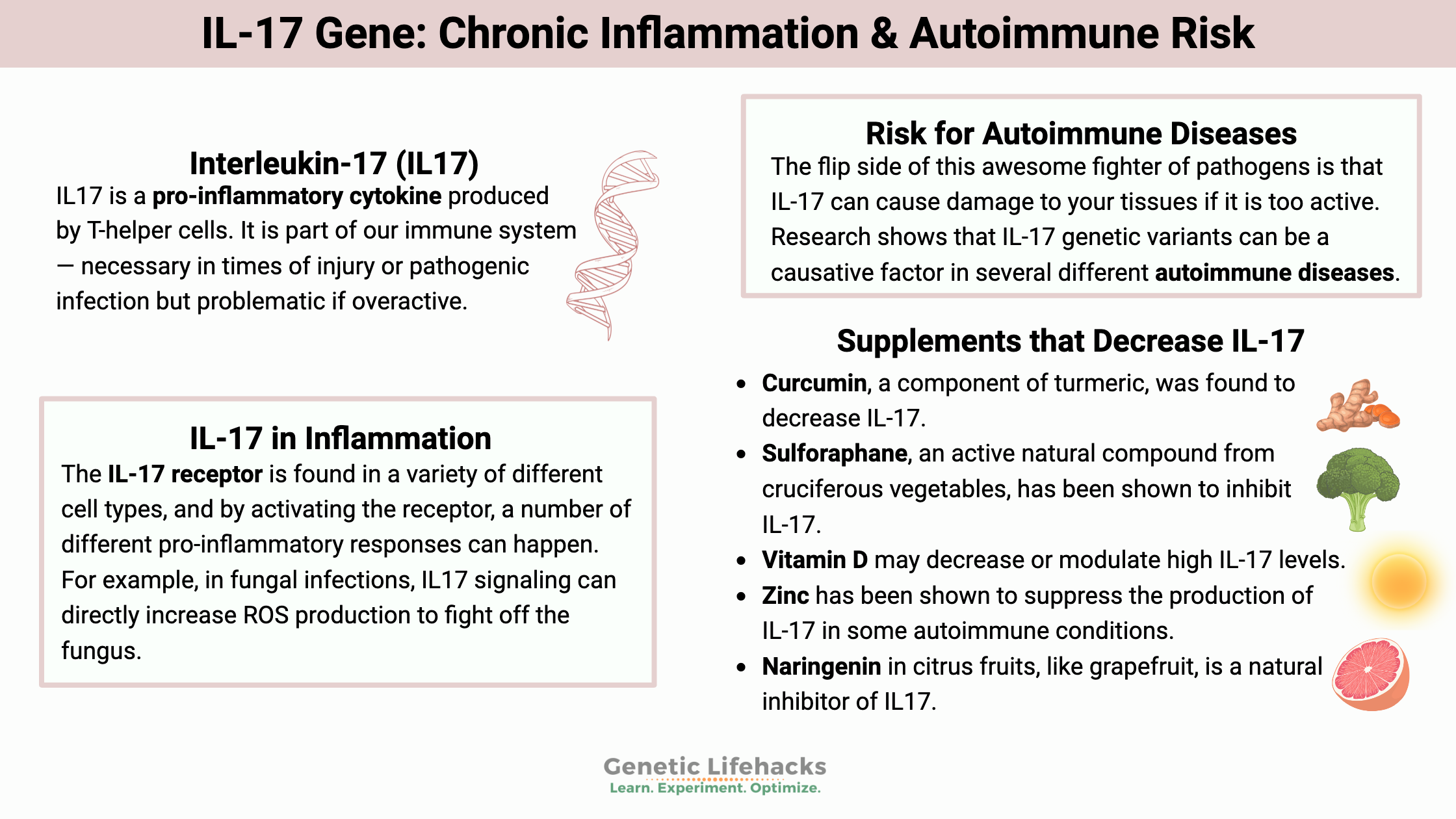
The IL17 gene codes for an important part of the immune system. When it is overactive, IL-17 can contribute to the risk of autoimmune diseases including rheumatoid arthritis and inflammatory bowel disease.
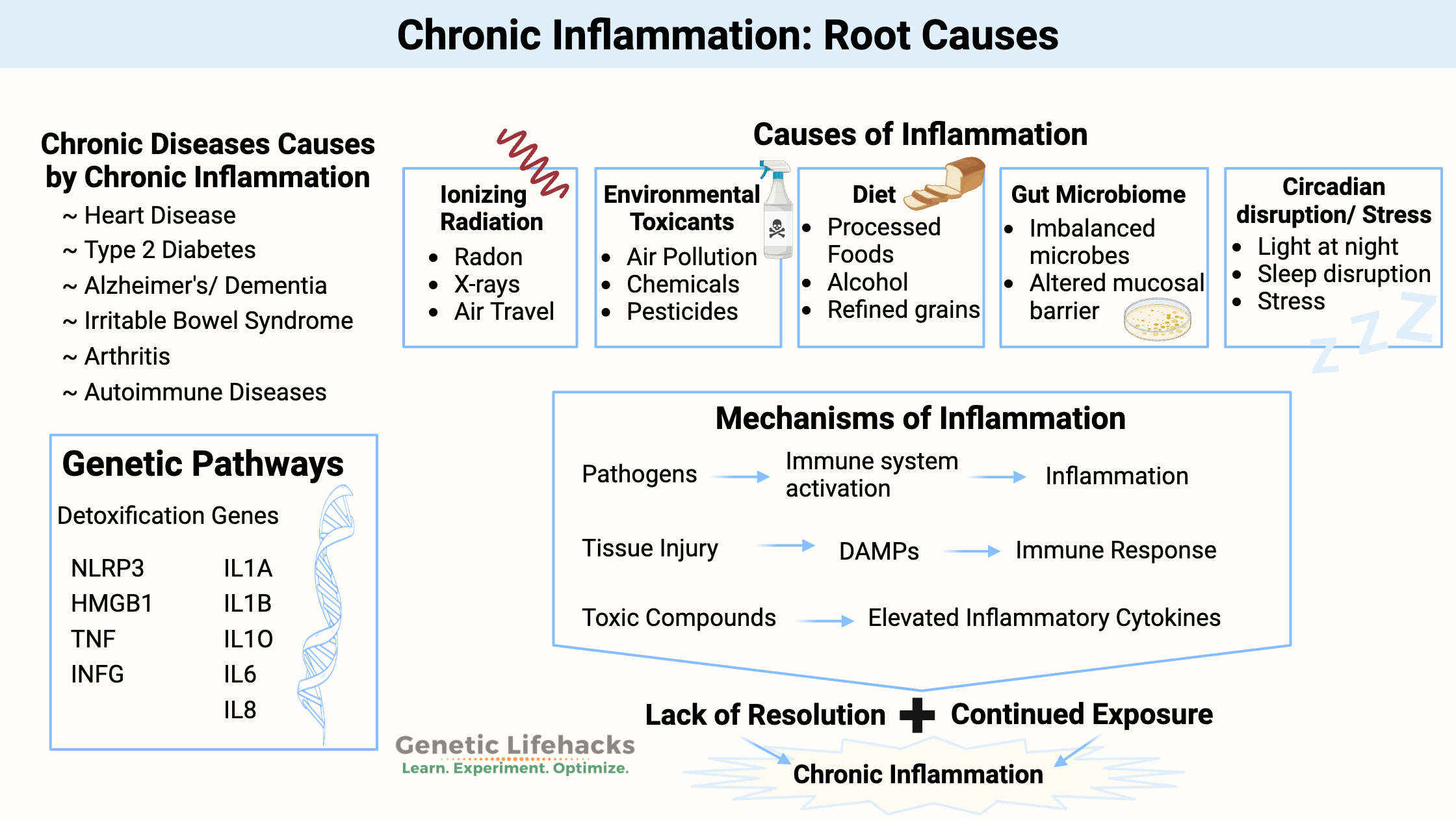
Take a deep dive into the causes of chronic inflammation and learn how to target specific inflammatory pathways to reverse or prevent chronic disease.
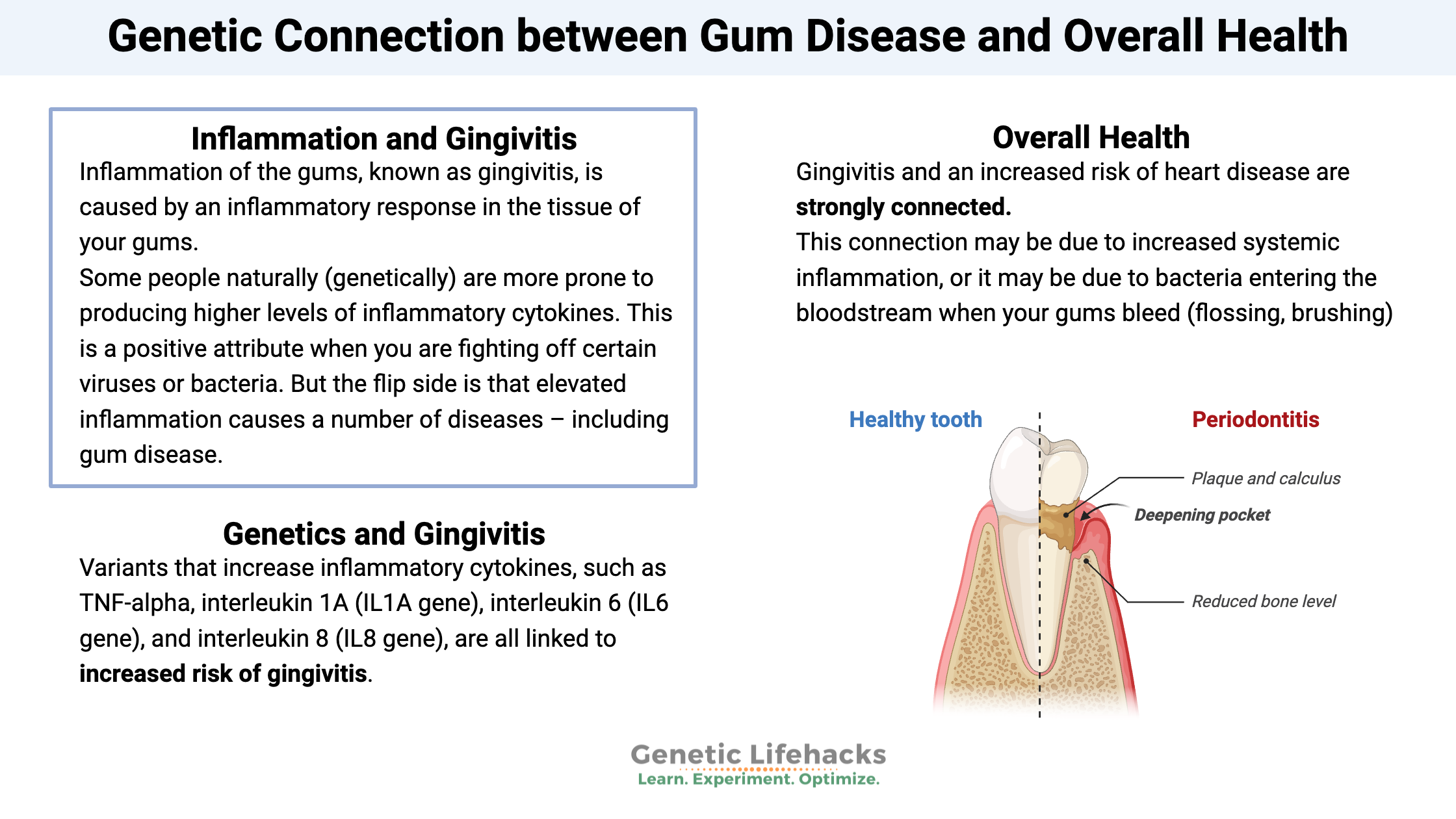
You brush, you floss, and your gums still bleed… perhaps you carry some of the genetic variants associated with gingivitis? Check your genetic data to see. (Member’s article)
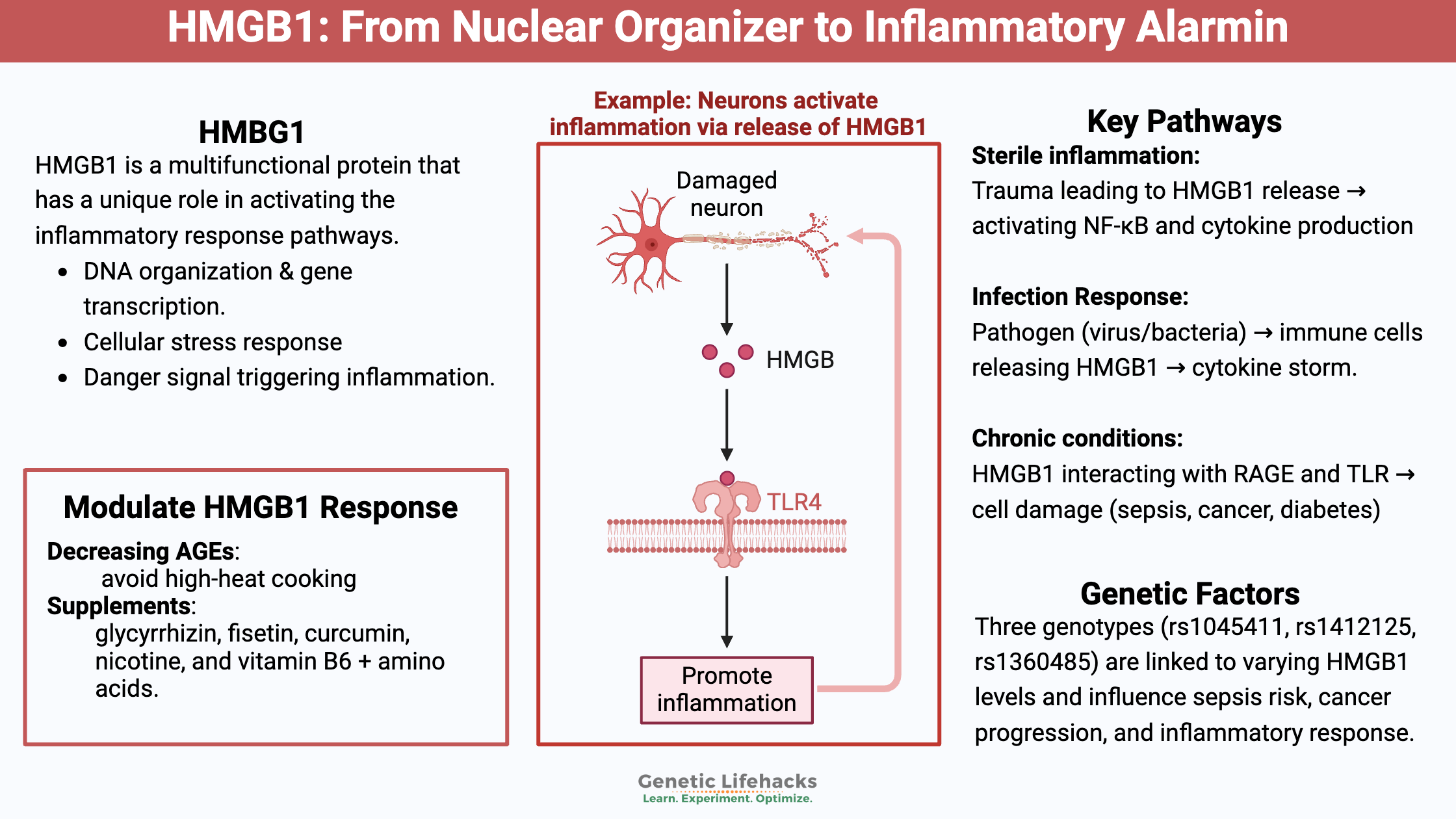
The HMGB1 protein has a unique role in activating the inflammatory response pathways. Increased HMGB1 levels will call up the troops for a big response to an infection. Discover how genetic variants of this protein vary the risk of cancer, inflammation, and sepsis to name a few.