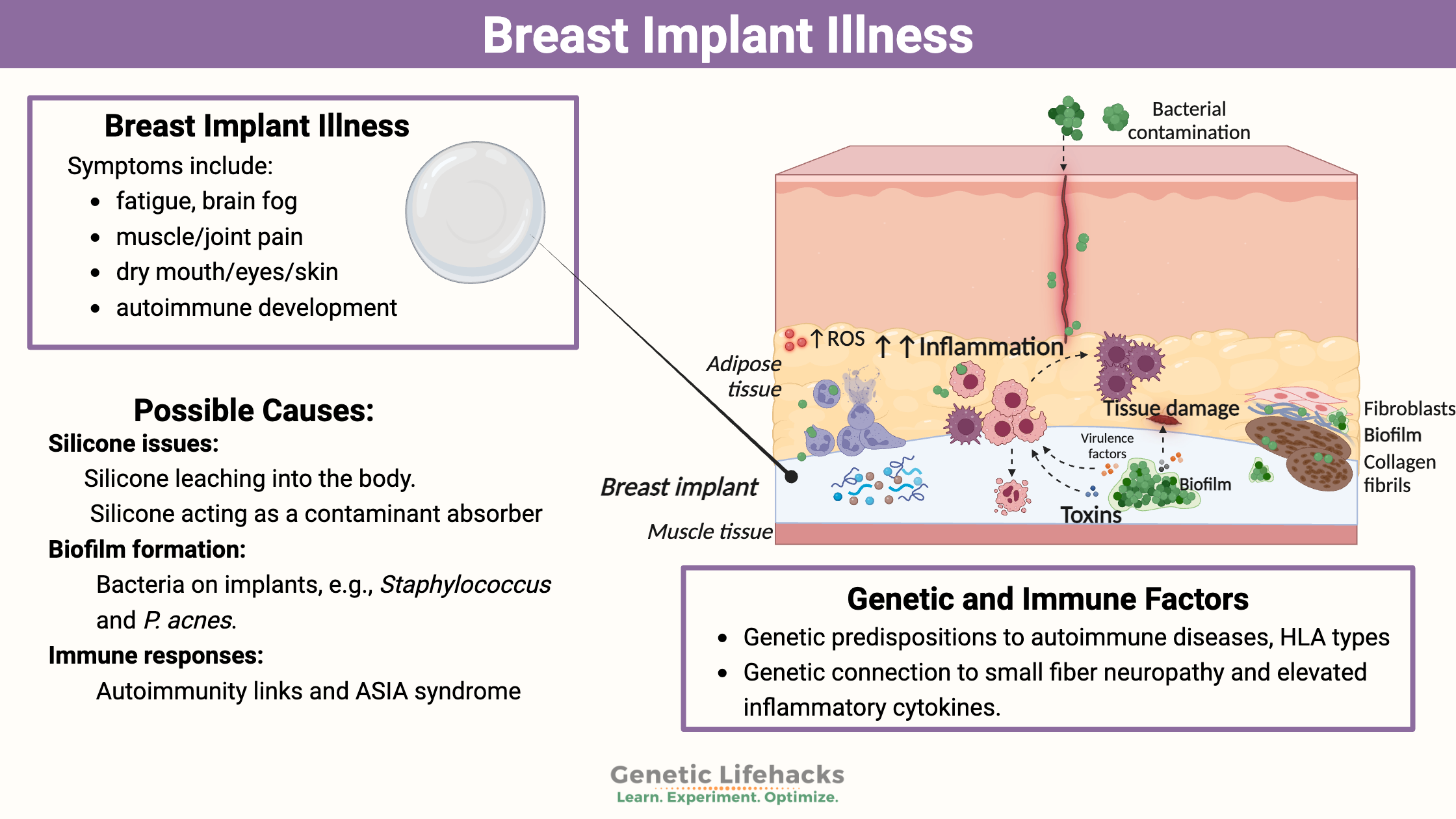
Breast Implant Illness: The Interplay of Genetics and Symptoms
What is Breast Implant Illness (BII)? Learn more about this illness, its research, and possible genetic connections to autoimmune conditions.

What is Breast Implant Illness (BII)? Learn more about this illness, its research, and possible genetic connections to autoimmune conditions.
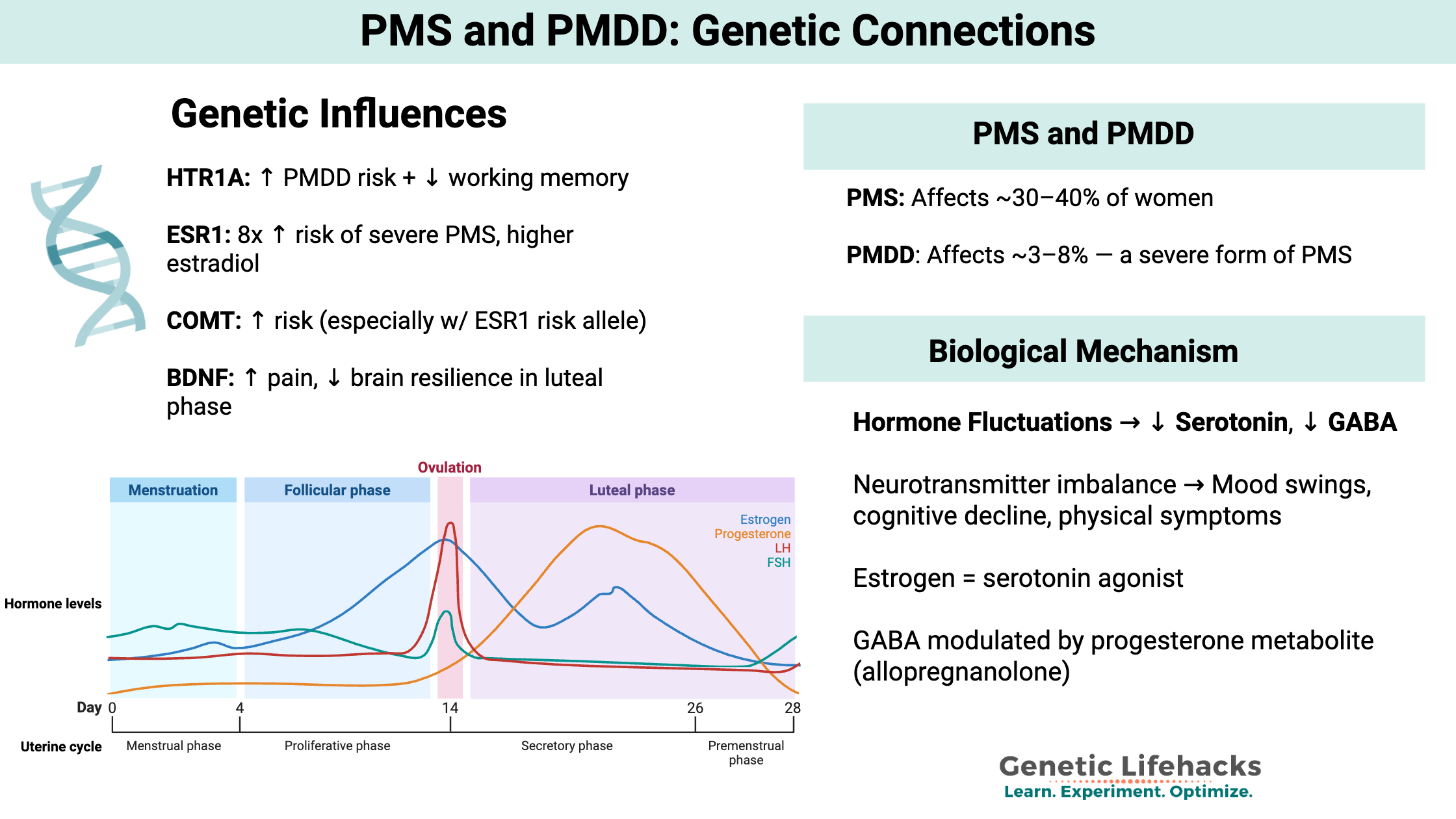
Studies estimate that PMS is up to 95% heritable – which means that it has a significant genetic component.
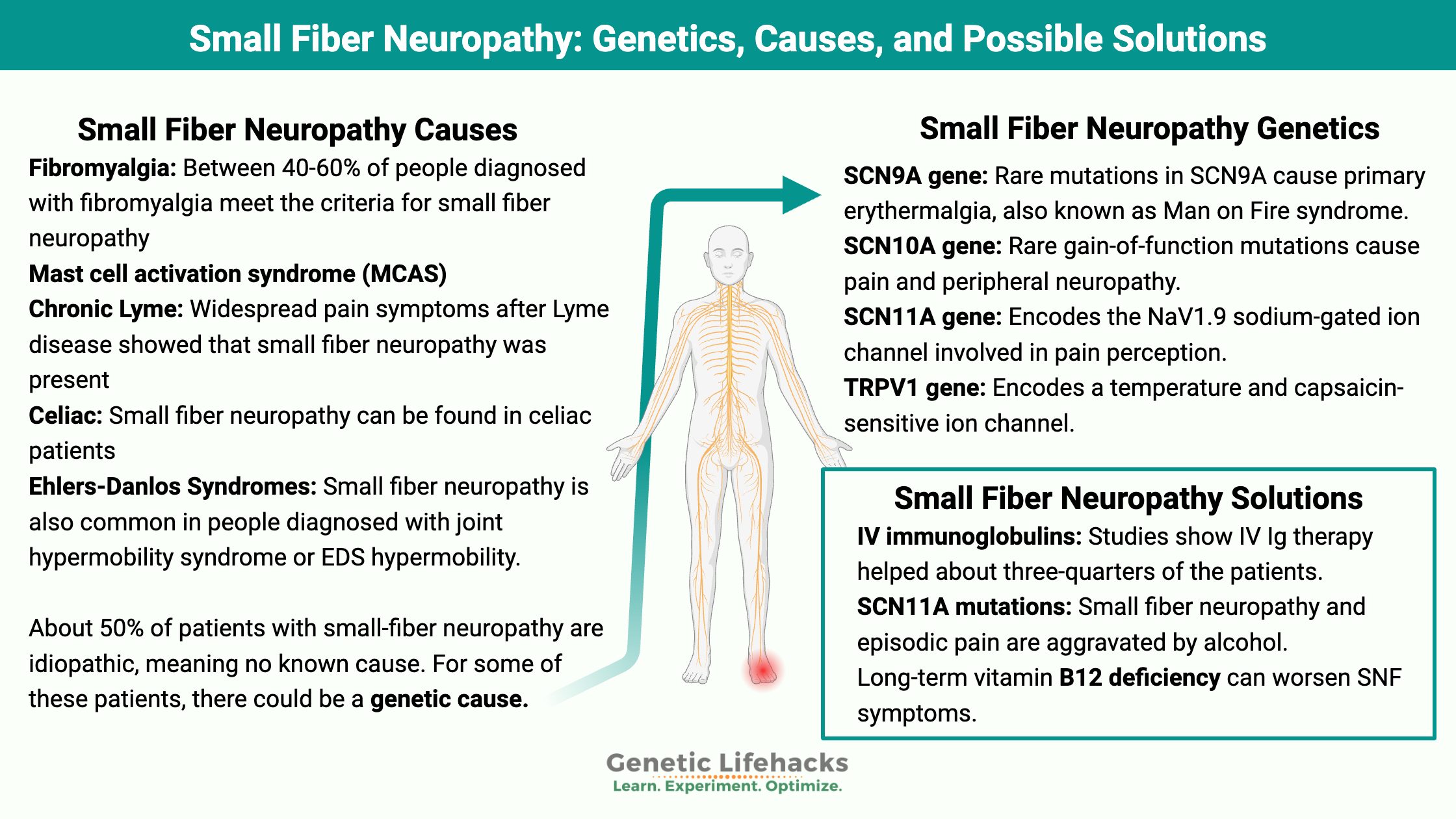
Small Fiber Neuropathy (SFN) results in burning pain, numbness, odd sensations, or autonomic nervous system issues. Learn more about the possible causes and potential solutions to this debilitating disorder.
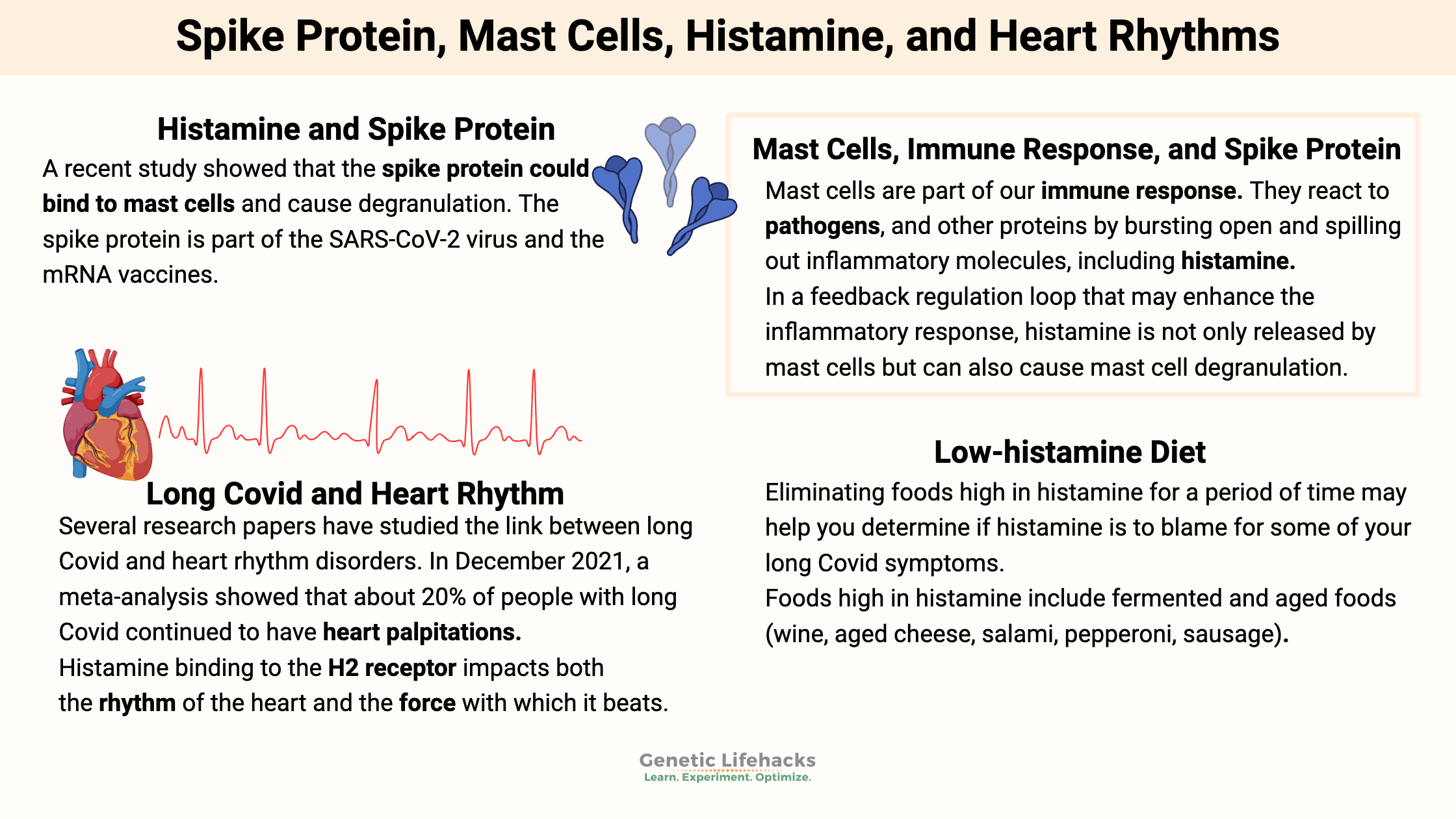
Do you know of someone with unexplained heart palpitations, spiking blood pressure, dizziness, and tinnitus? Discover how research is linking these symptoms to histamine, mast cells, and the spike protein.
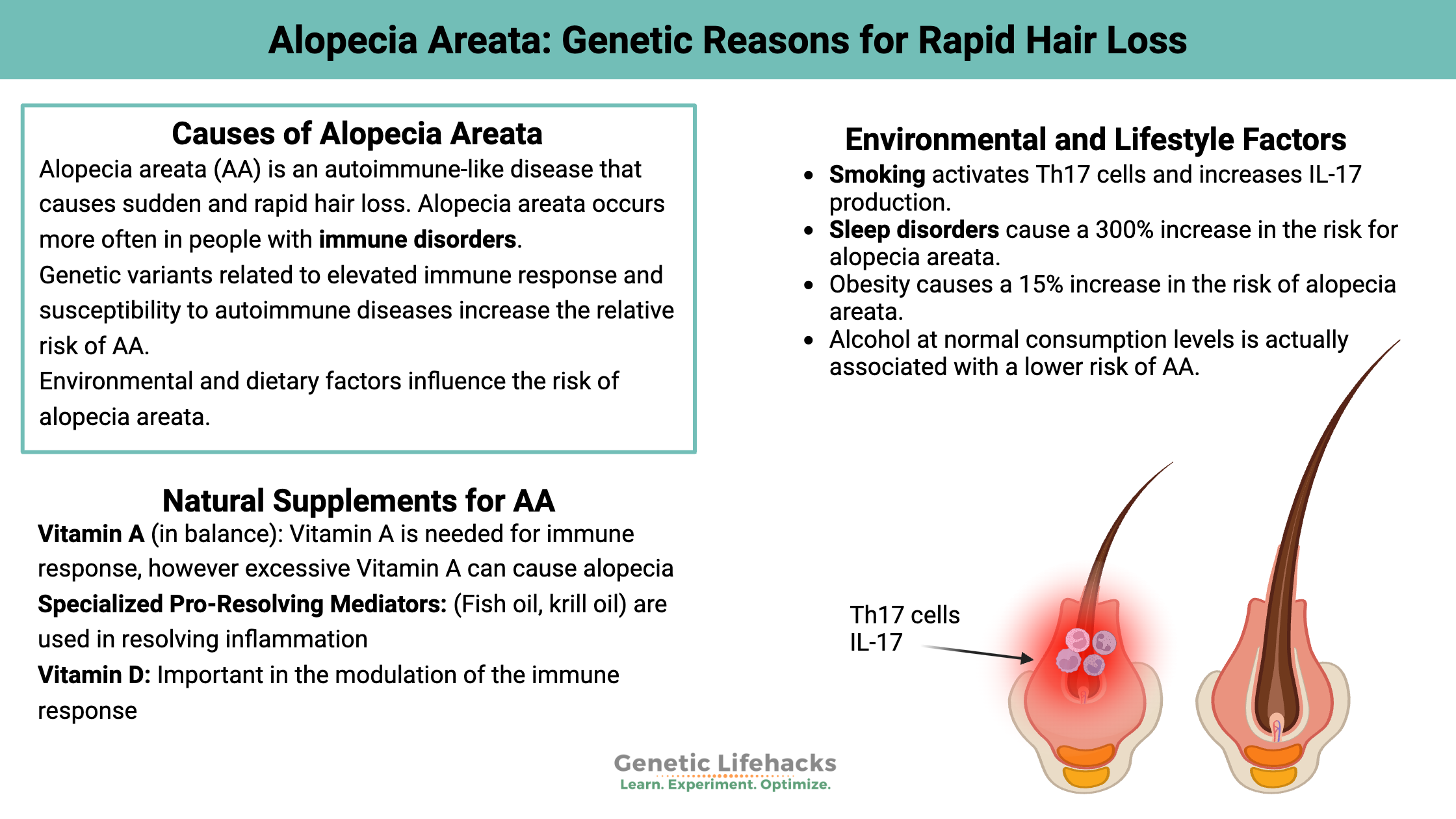
Alopecia areata is an autoimmune-like disorder in which the immune system attacks the hair follicle. Learn about the triggers of alopecia areata, why the hair falls out, genetic variants that increase susceptibility, and possible treatment options.
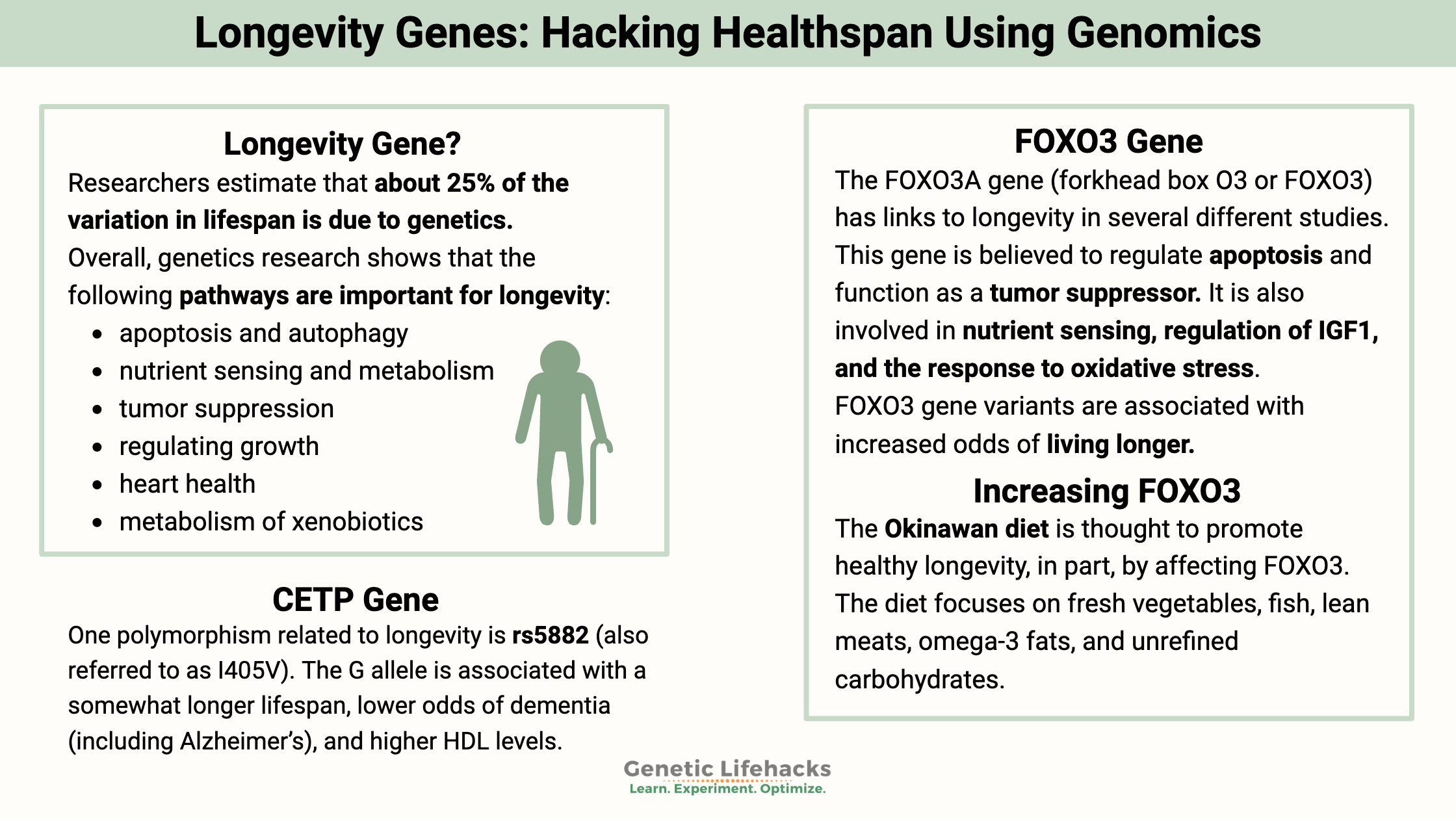
Several genes have been identified as longevity genes, linked to an increase in lifespan. Most importantly, these particular genetic variants show links to a longer ‘healthspan’. Check your genetic data to see if you carry the FOXO3A and IGF1R variants associated with healthy longevity.
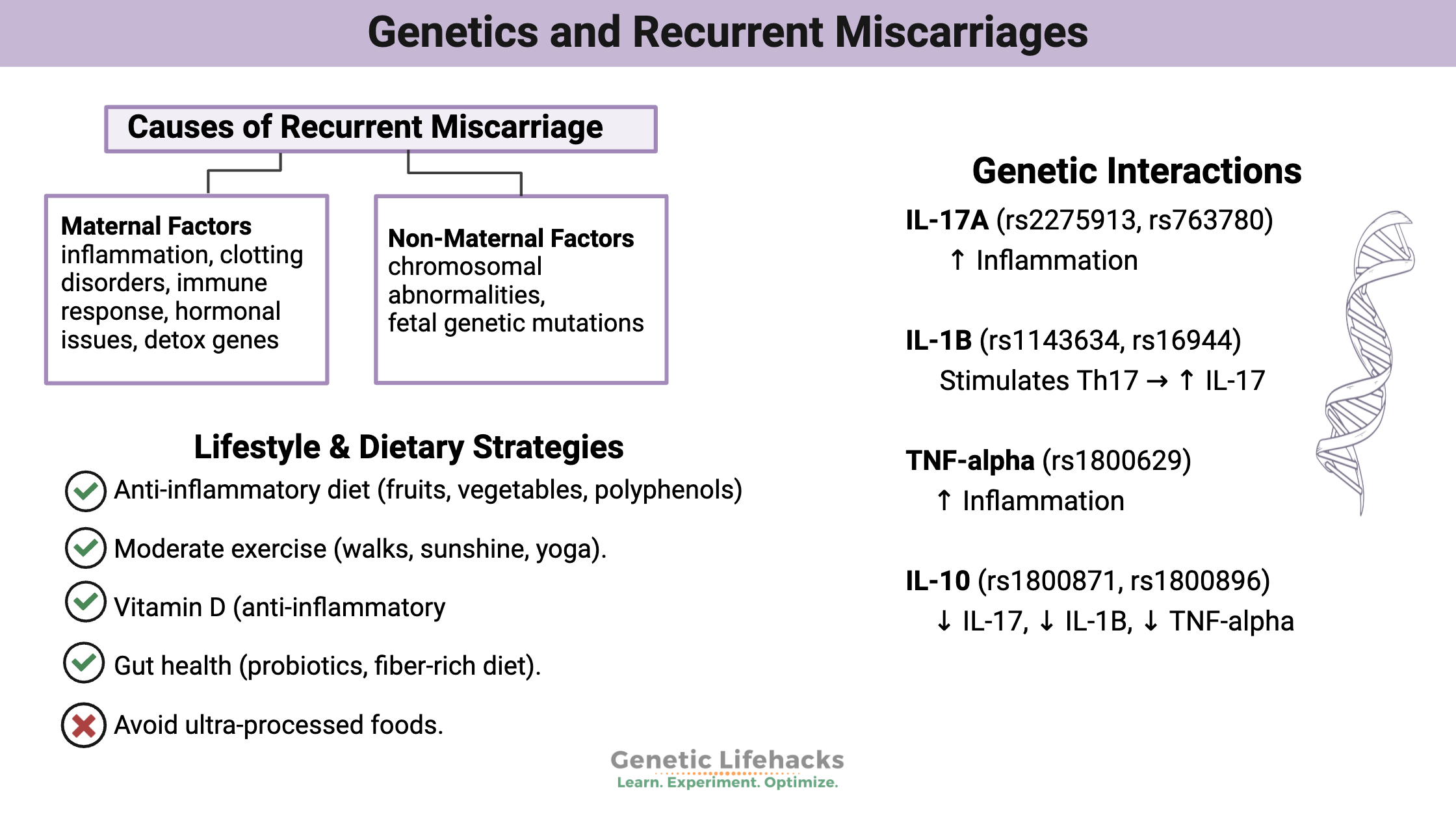
Learn about how genetic variants in certain inflammatory cytokines can increase or decrease the risk of recurrent miscarriage.
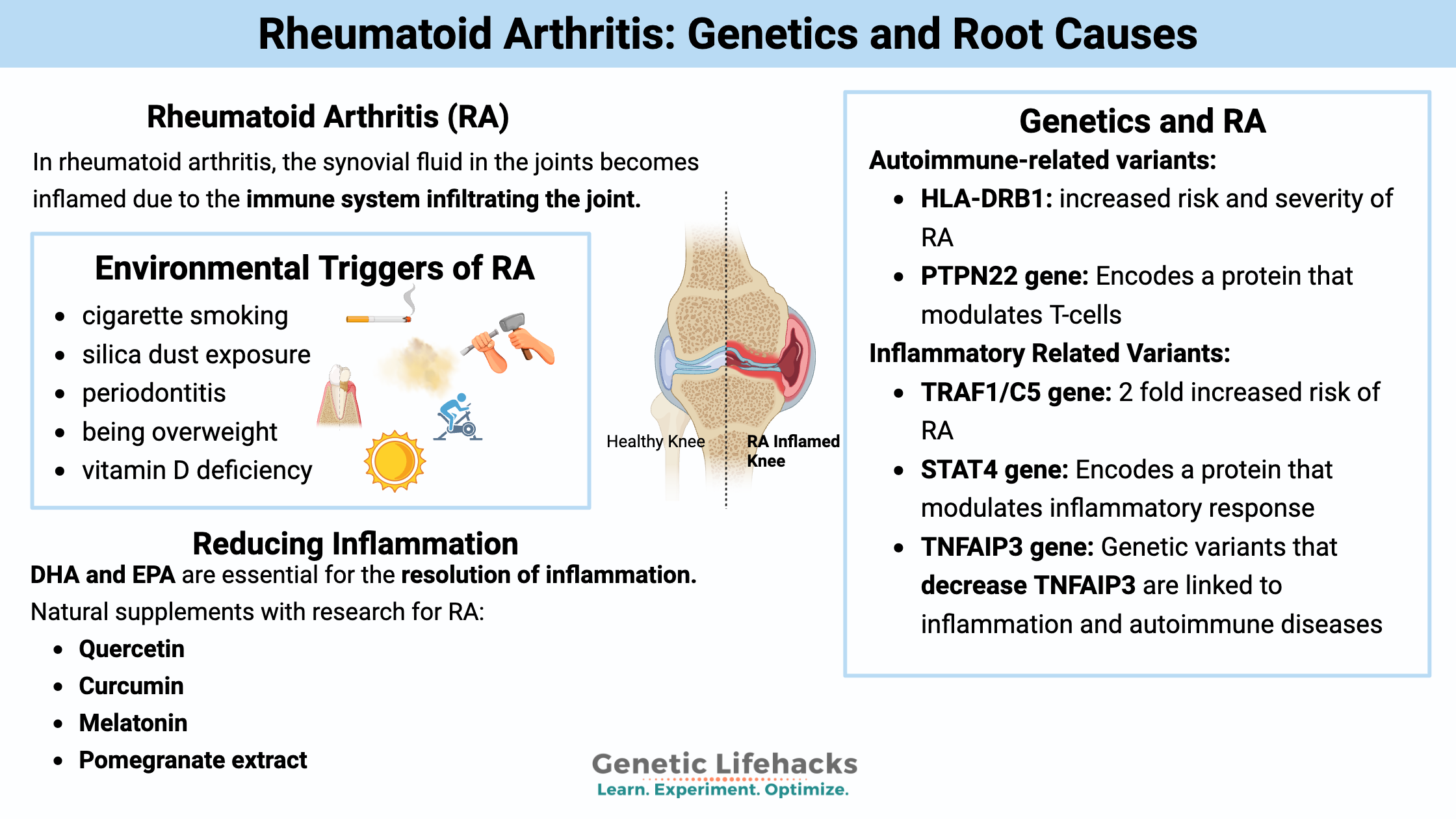
Rheumatoid arthritis is caused by an immune system attack on the joints, causing thickening and inflammation of the joint capsule. It is caused by a combination of genetic susceptibility and environmental triggers.
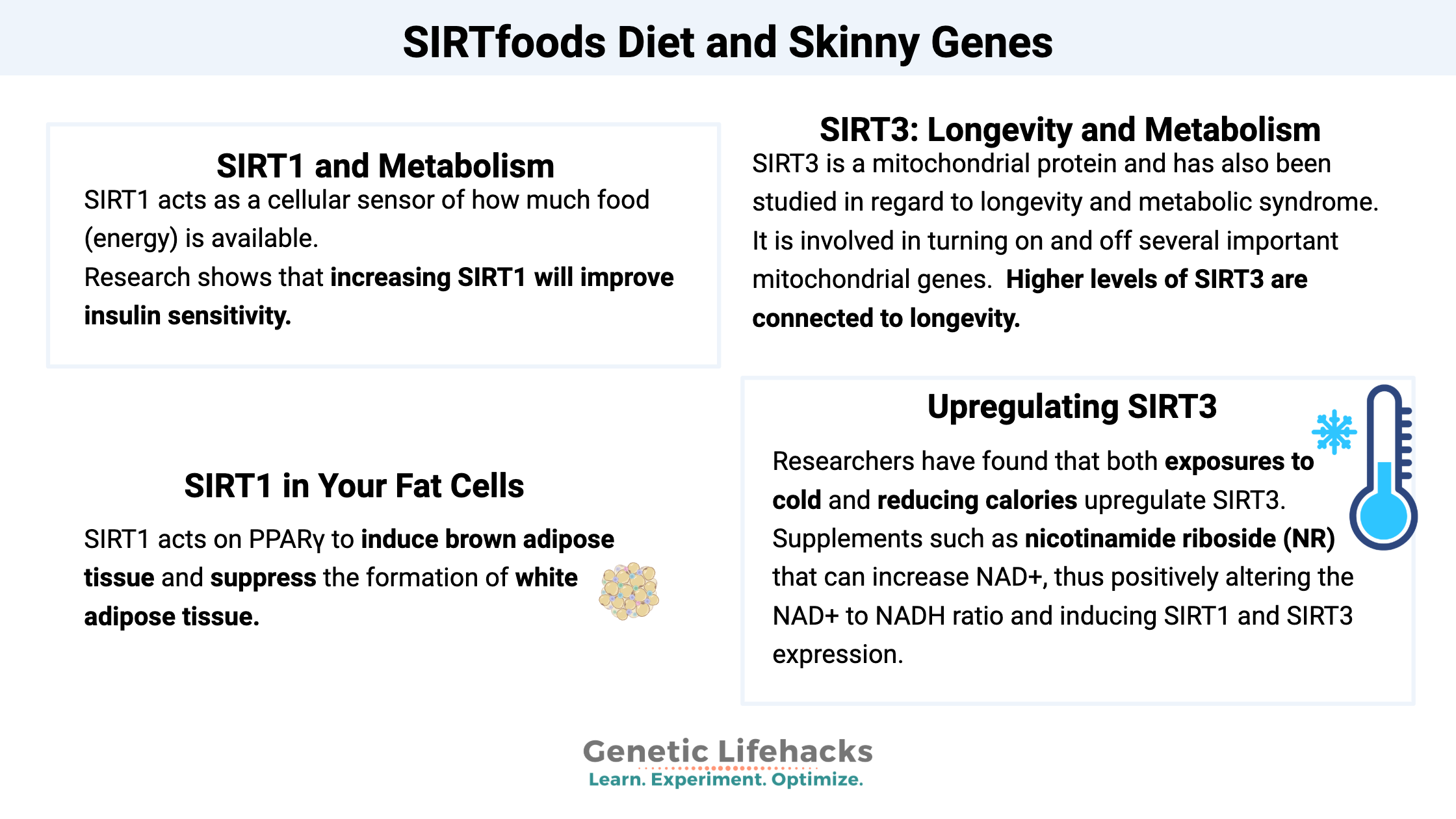
The SIRTfood diet, made popular by Adele’s recent weight loss, theoretically works by affecting your sirtuin gene expression. Learn about your SIRT genes and your genetic variants.
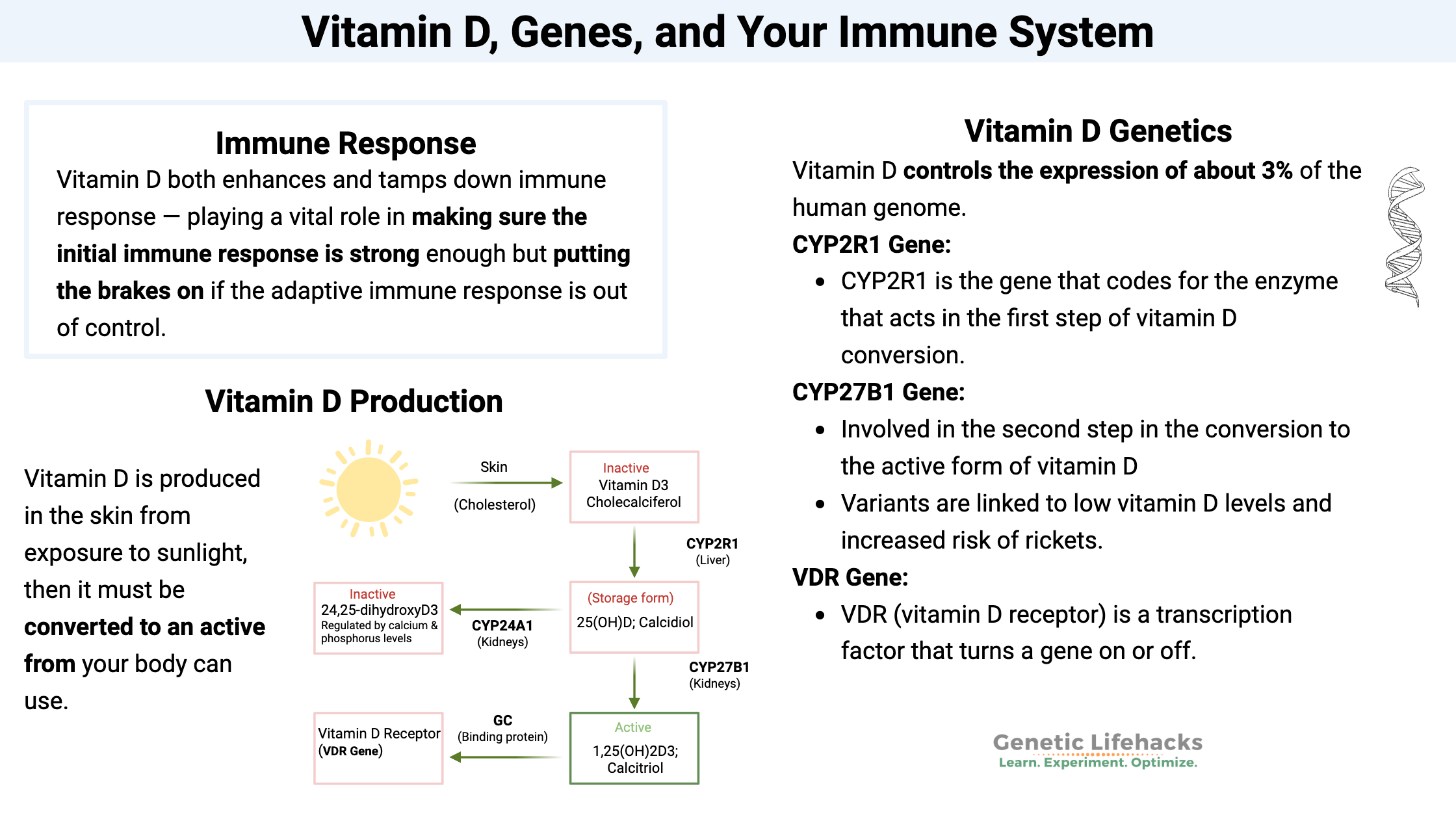
Vitamin D is more than just a ‘vitamin’. It is actually a hormone essential to many processes in your body – including your immune system. Learn how vitamin D helps the immune response to coronavirus, flu, and other respiratory viruses.
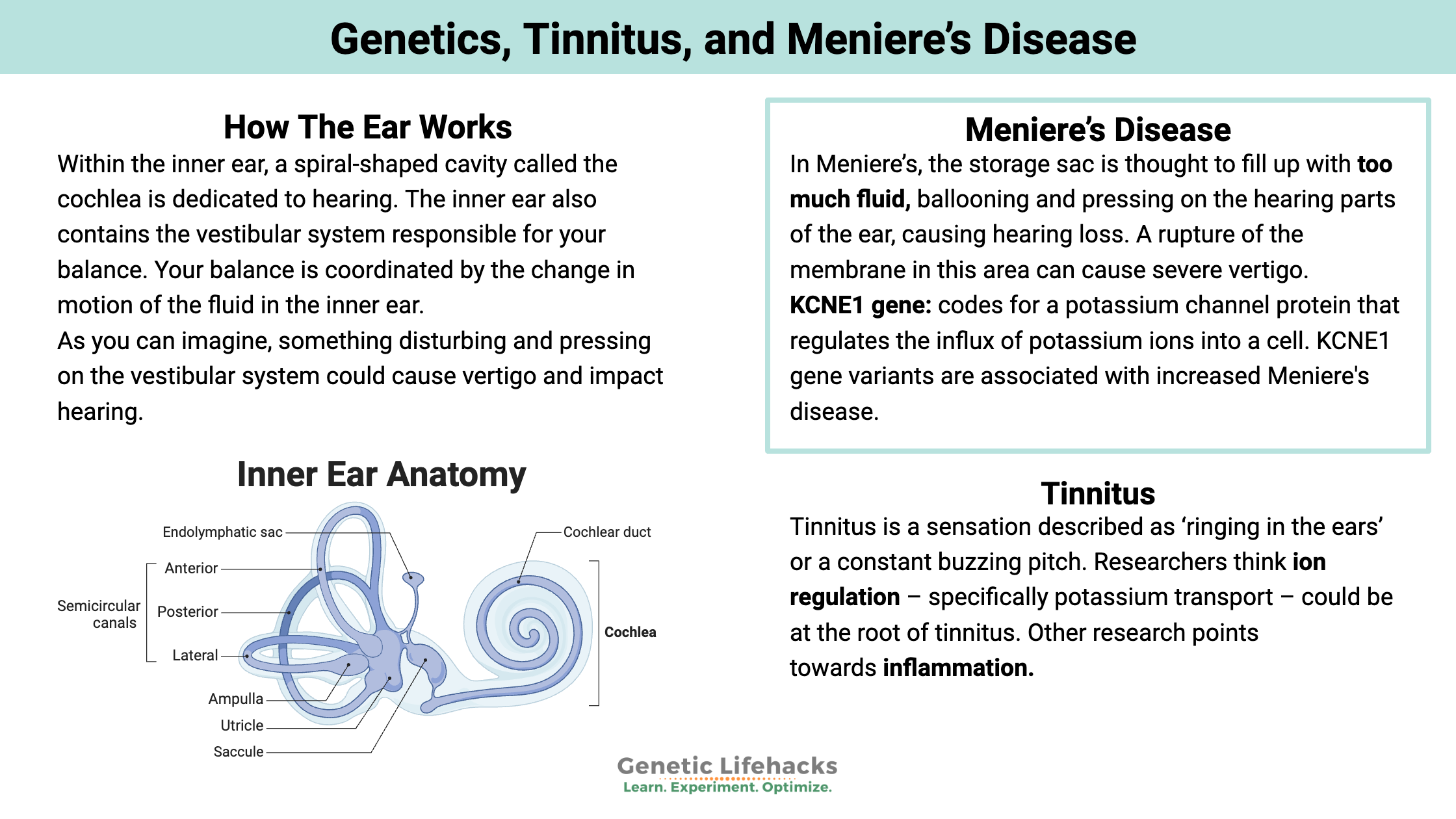
Genetics plays a role in both Meniere’s disease and tinnitus. Understanding your genetic susceptibility may help point you to the right solutions.
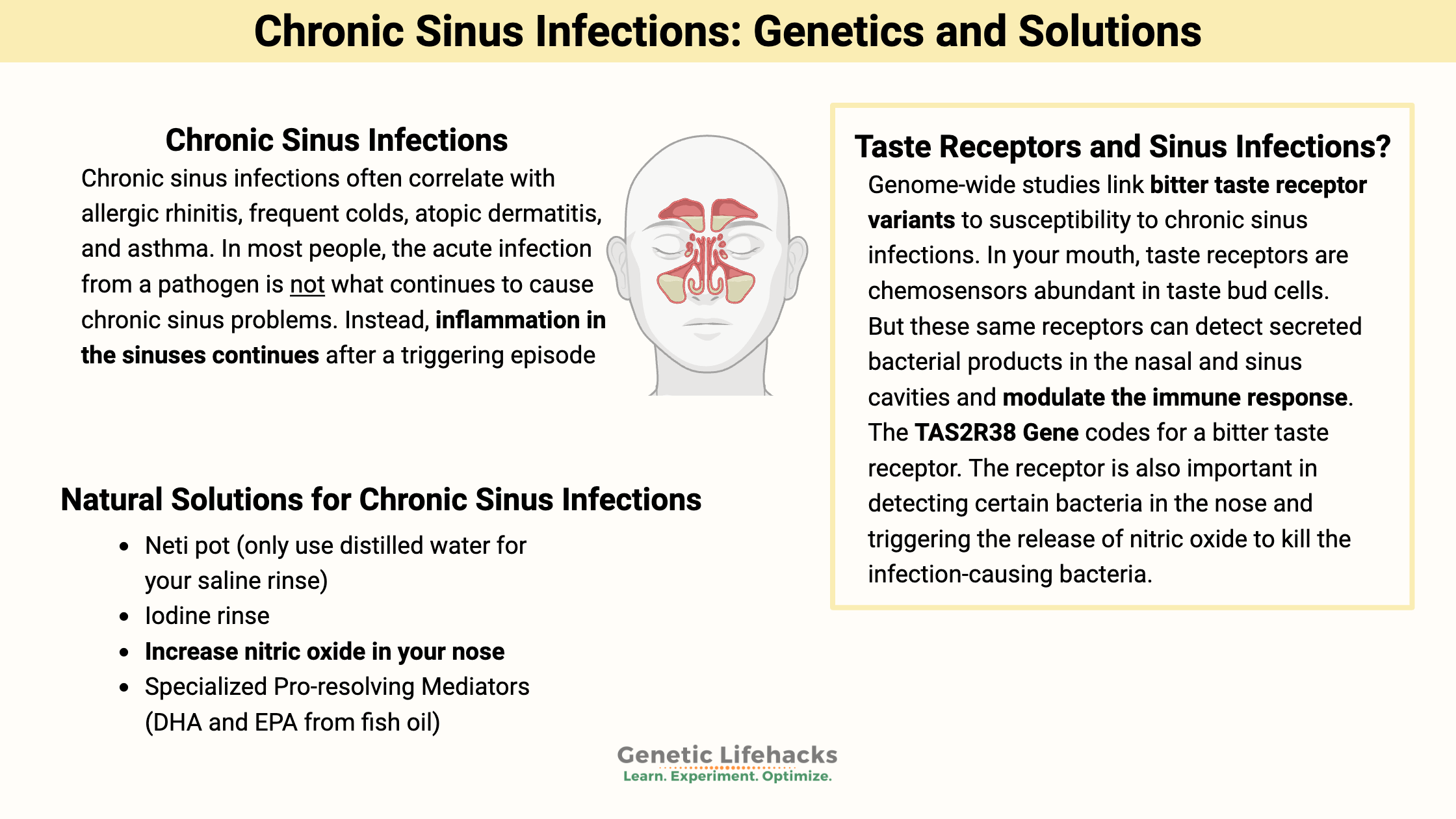
Genetics plays a role in the likelihood of having chronic sinus problems. This article looks at the genetic reasons driving some people to have chronic sinus infections.
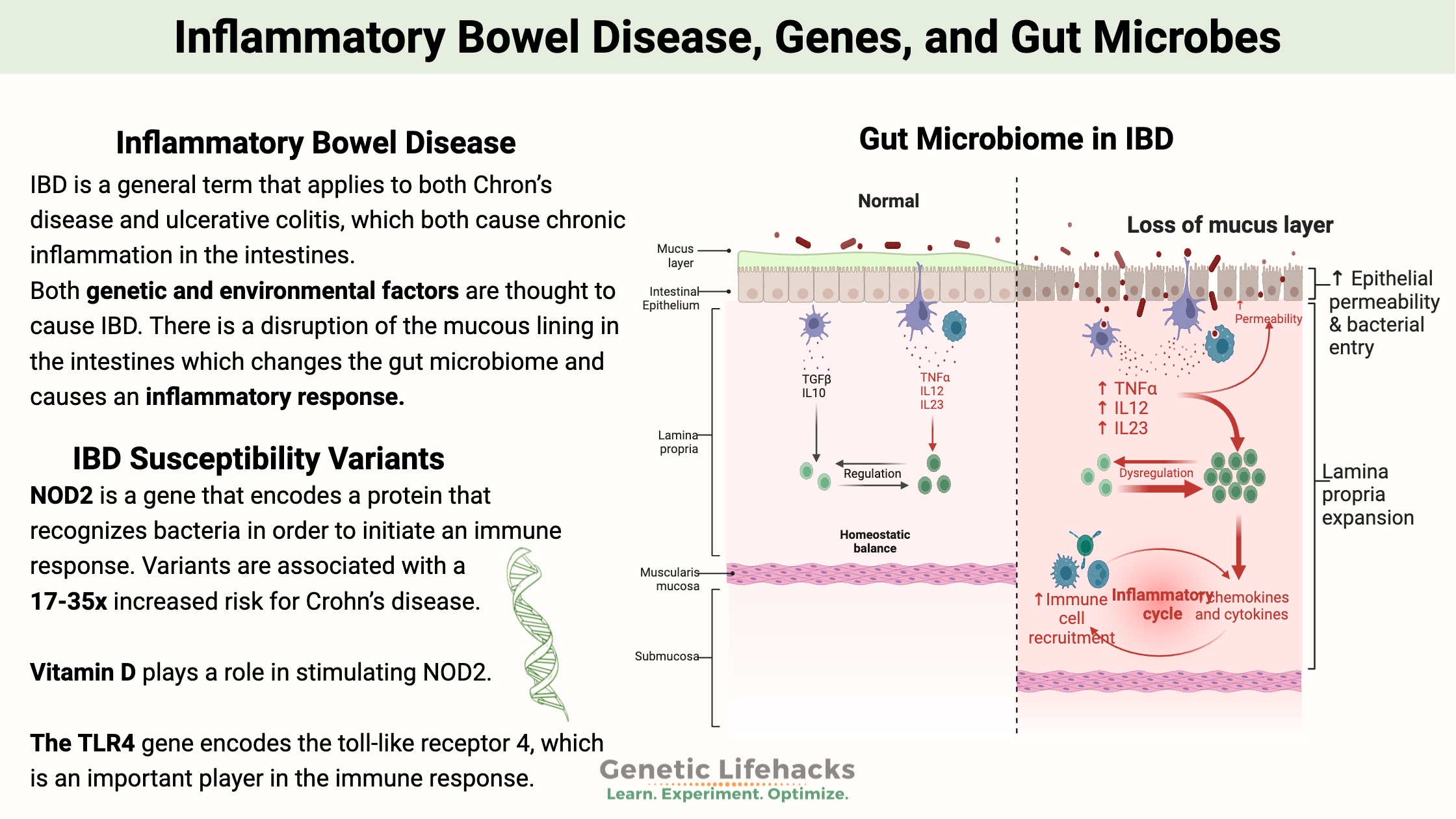
All of the general advice, fix your gut, eat more fiber, eat fermented foods, avoid sugar, grains, dairy, etc., may work for some but not for everyone. Take a good look at some of the genes that affect our microbiome.
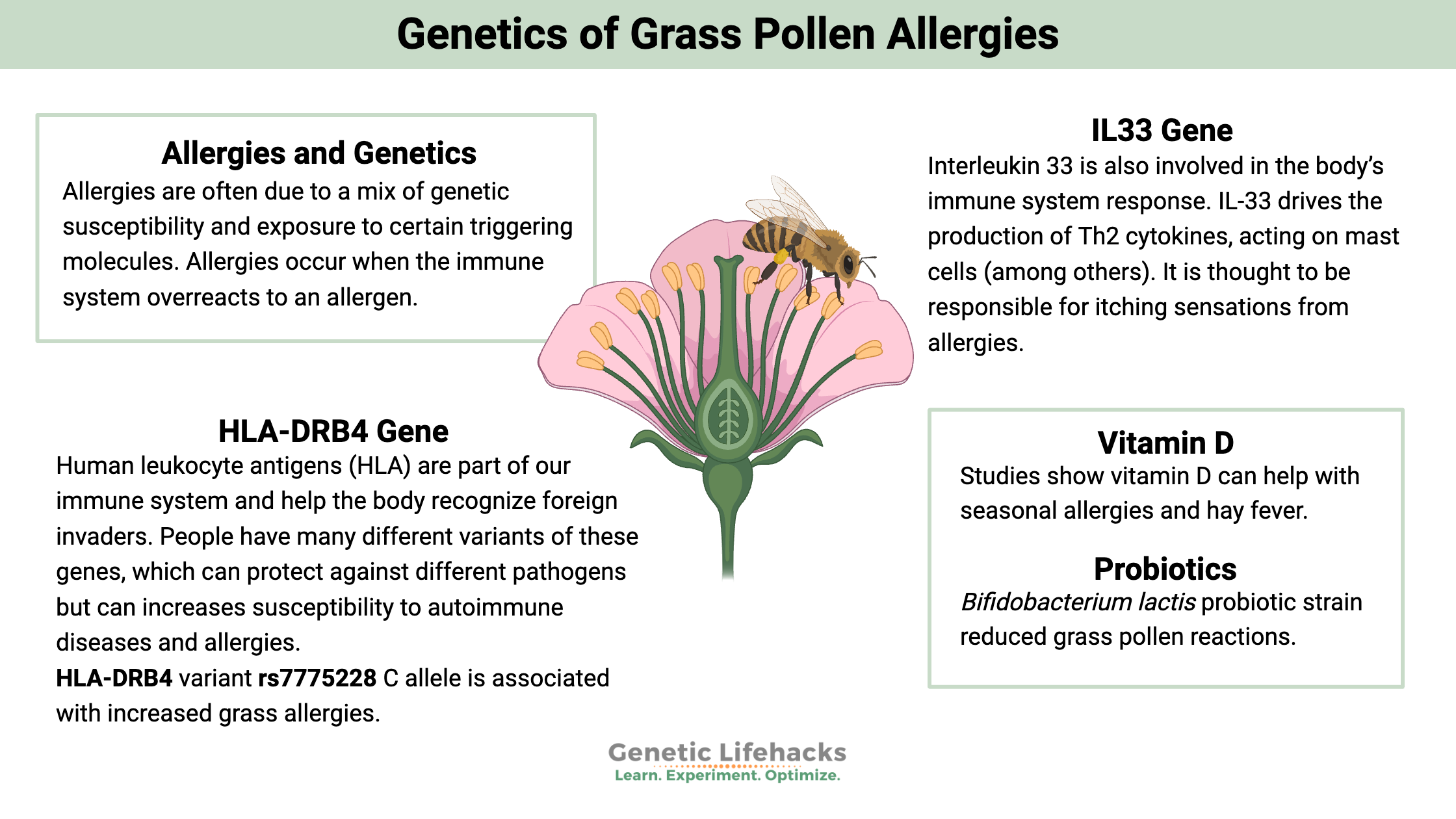
Allergies are usually due to a mix of genetic susceptibility and being exposed to certain triggering molecules. Several different gene variants have ties to an increased risk of grass pollen allergies.