Join Here   |   Log In
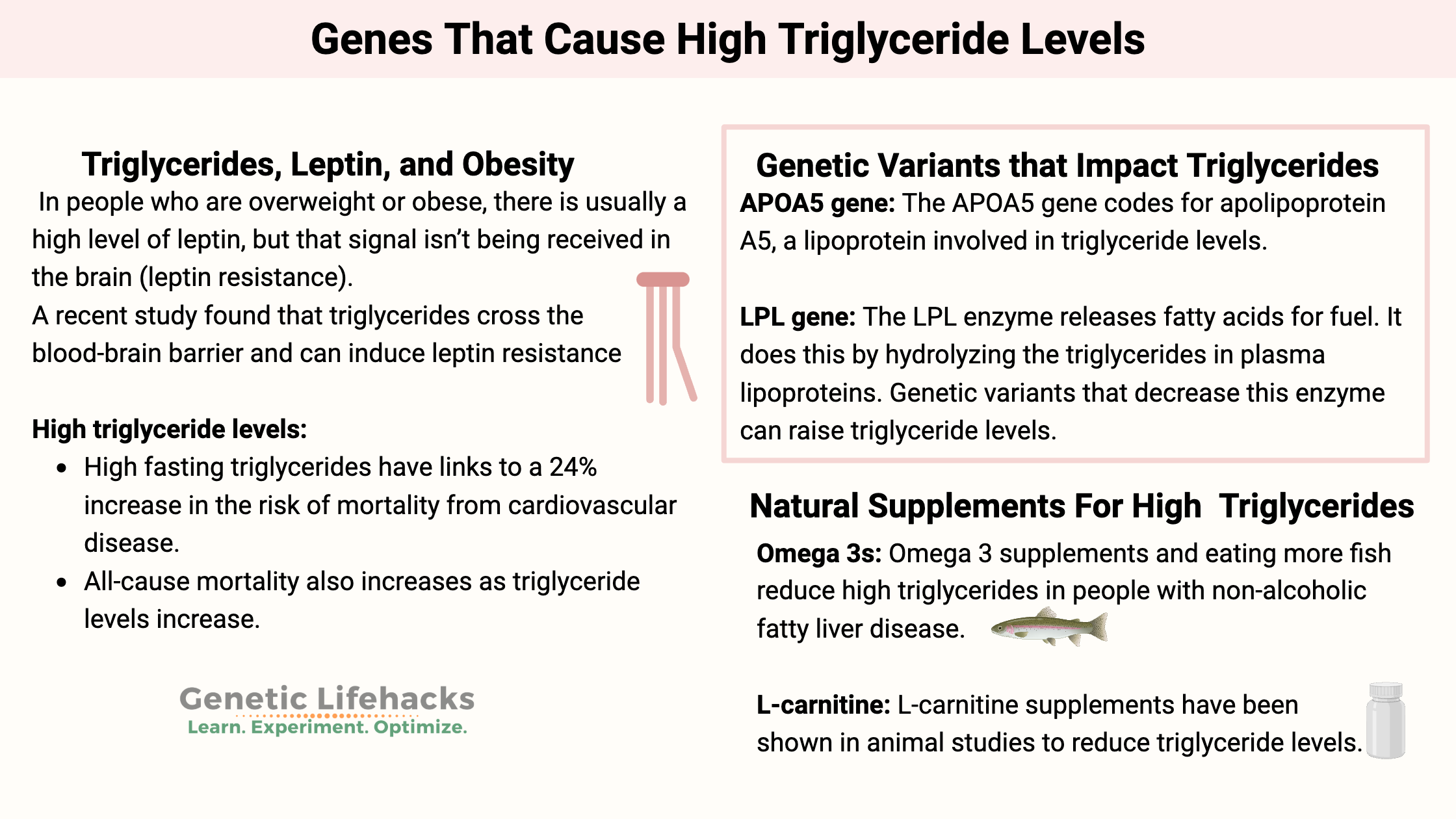
Genes That Cause High Triglyceride Levels

Triglycerides: Genes that cause high triglyceride levels

High triglycerides are linked with an increased risk of cardiovascular disease. Both genetics and diet combine to elevate triglyceride levels. Learn how your genes interact with what you eat to lower your triglycerides.
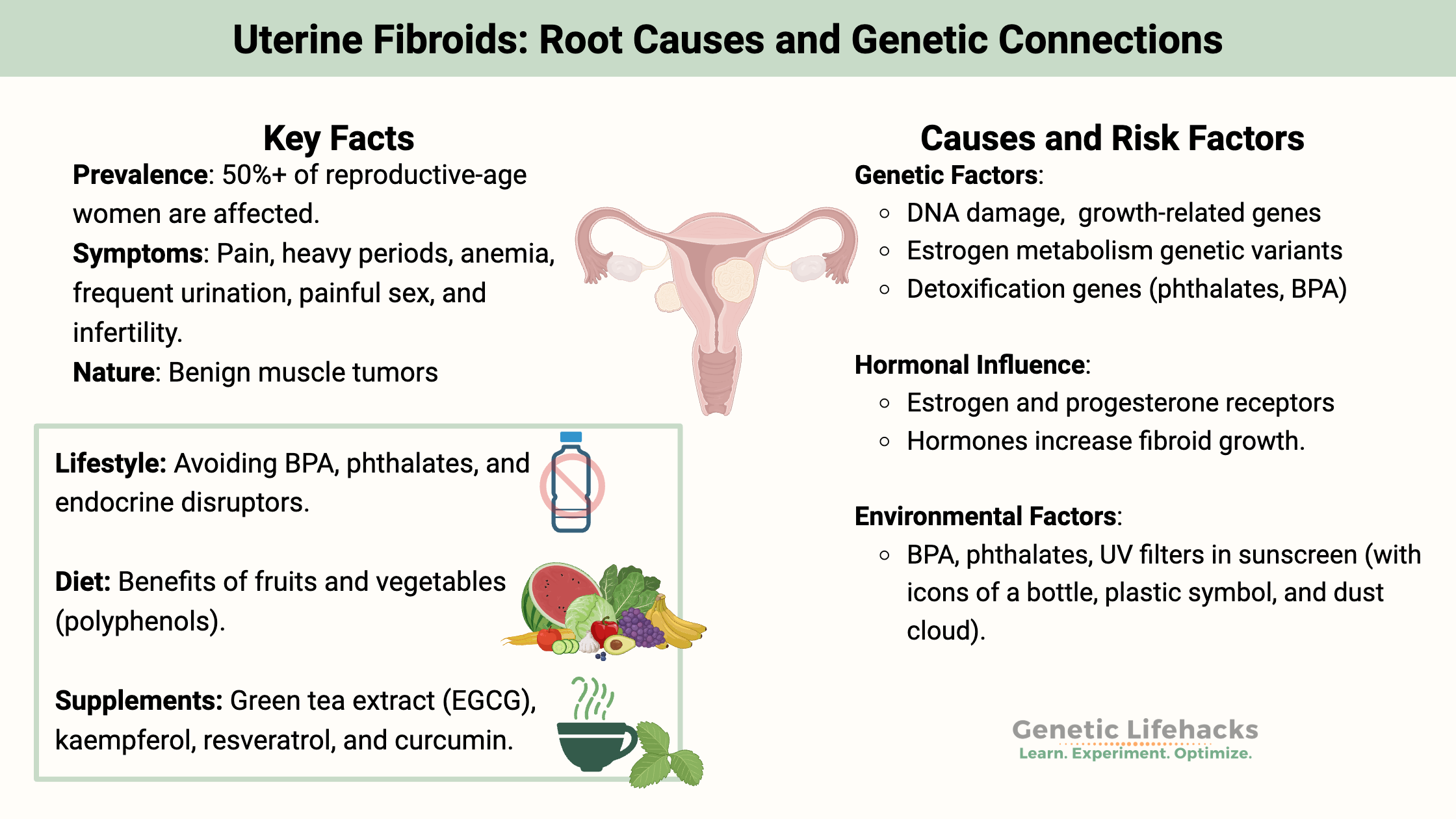
Uterine Fibroids: Root Causes and Genetic Connections

Fibroids: Genes, Root Causes, and Solutions

Uterine fibroids are a problem for a lot of women, especially after age 30. Fibroids are benign tumors that grow in the muscle cells of the uterus. This article will dig into the causes of fibroids, explain how your genetic variants can add to the susceptibility, and offer solutions that are backed by research. (Member’s article)

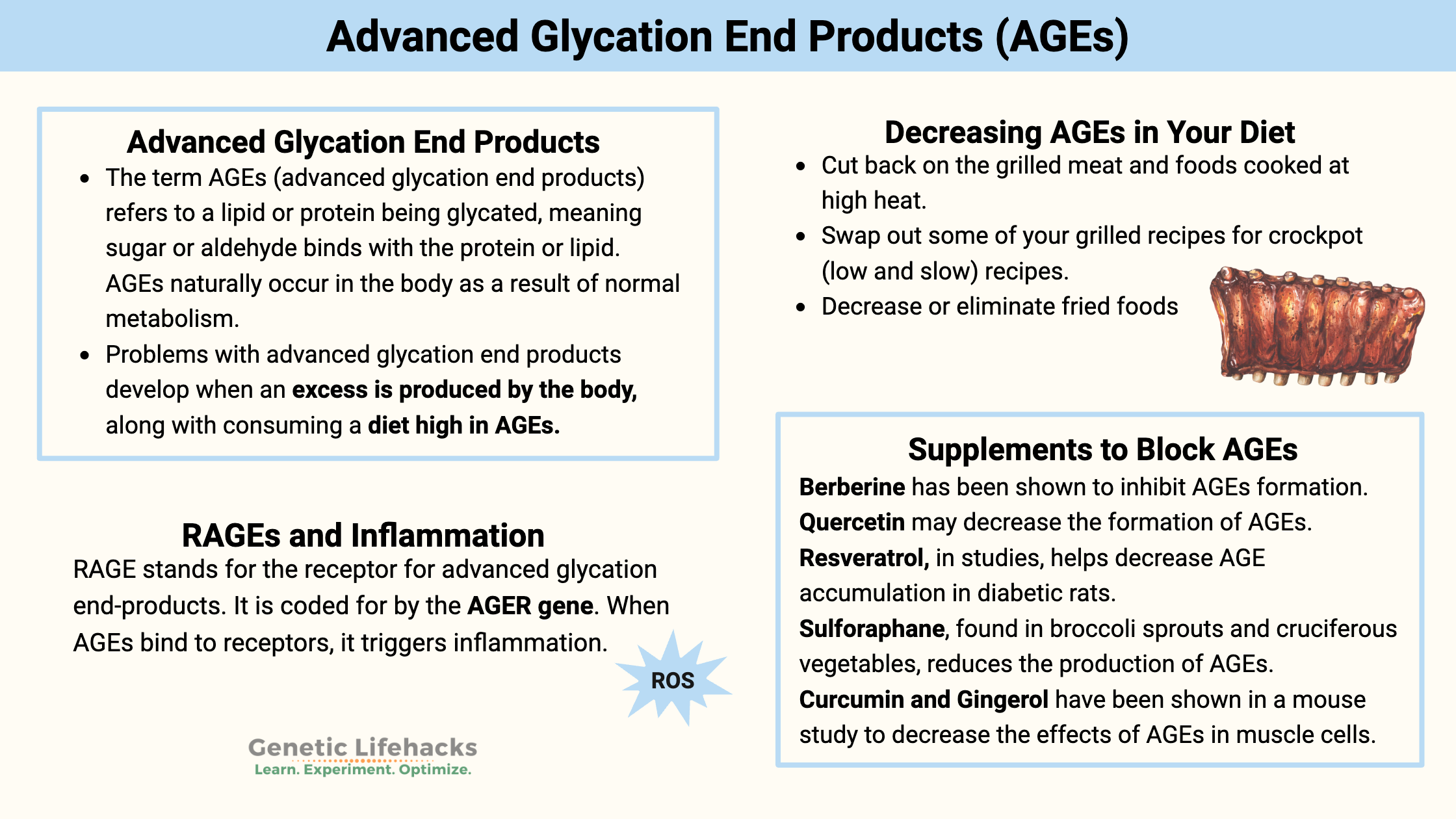
Advanced Glycation End Products

Advanced Glycation End Products (AGEs): Genetics, Lifestyle, and Health Span

One cause of many of the diseases of aging is the buildup of advanced glycation end products (AGEs). Your genes interact with your diet – and cooking methods – in the build-up of AGEs. Learn whether this is something that is important for you to focus on. (Member’s article)

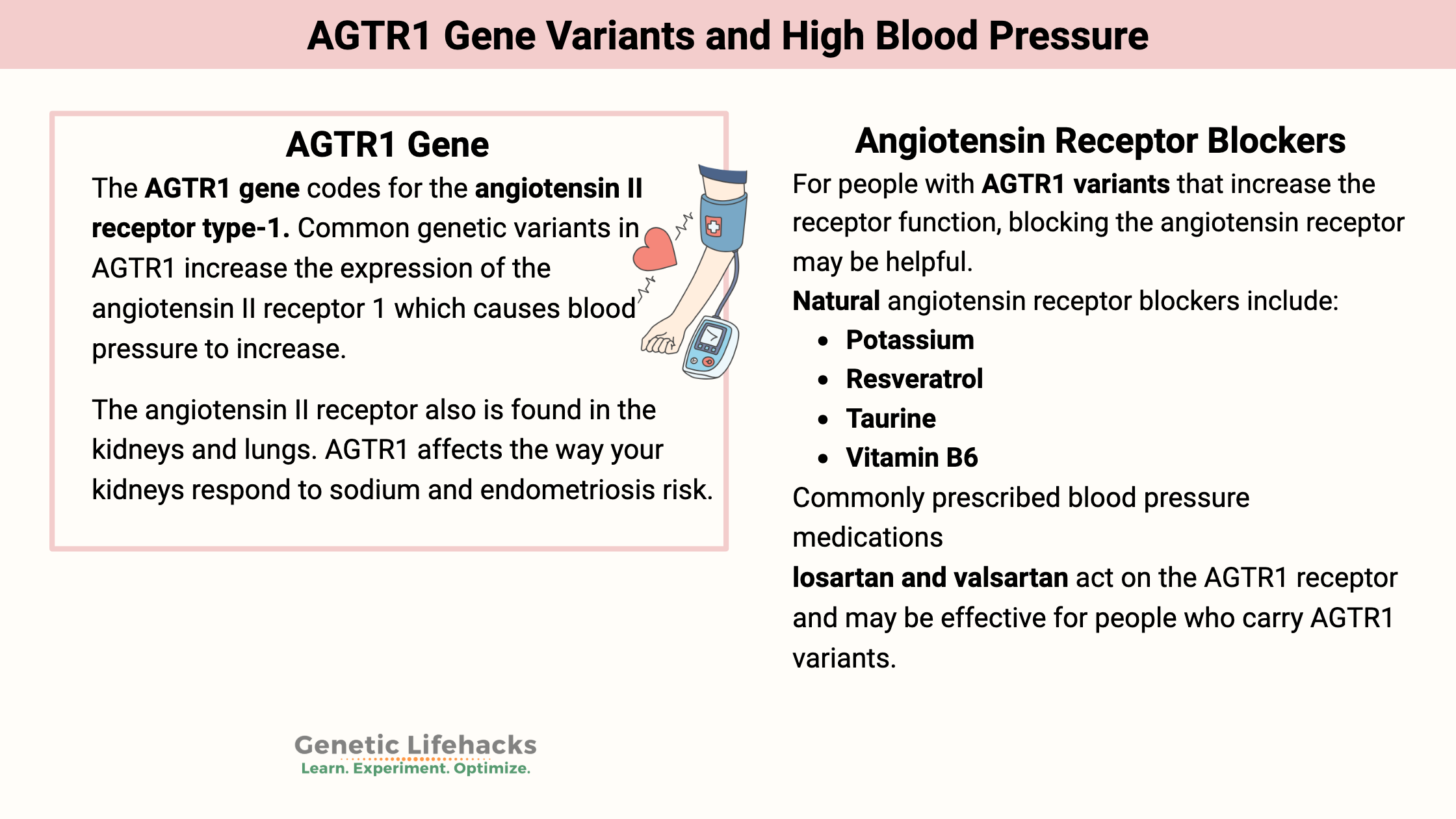
AGTR1-gene-variants-and-High-blood-pressure

High Blood Pressure due to AGTR1 Gene Variants

There are several causes of high blood pressure. Genetic variants in the AGTR1 gene are strongly linked with blood pressure and there are specific lifestyle changes that should work to change your blood pressure if you carry the variants.

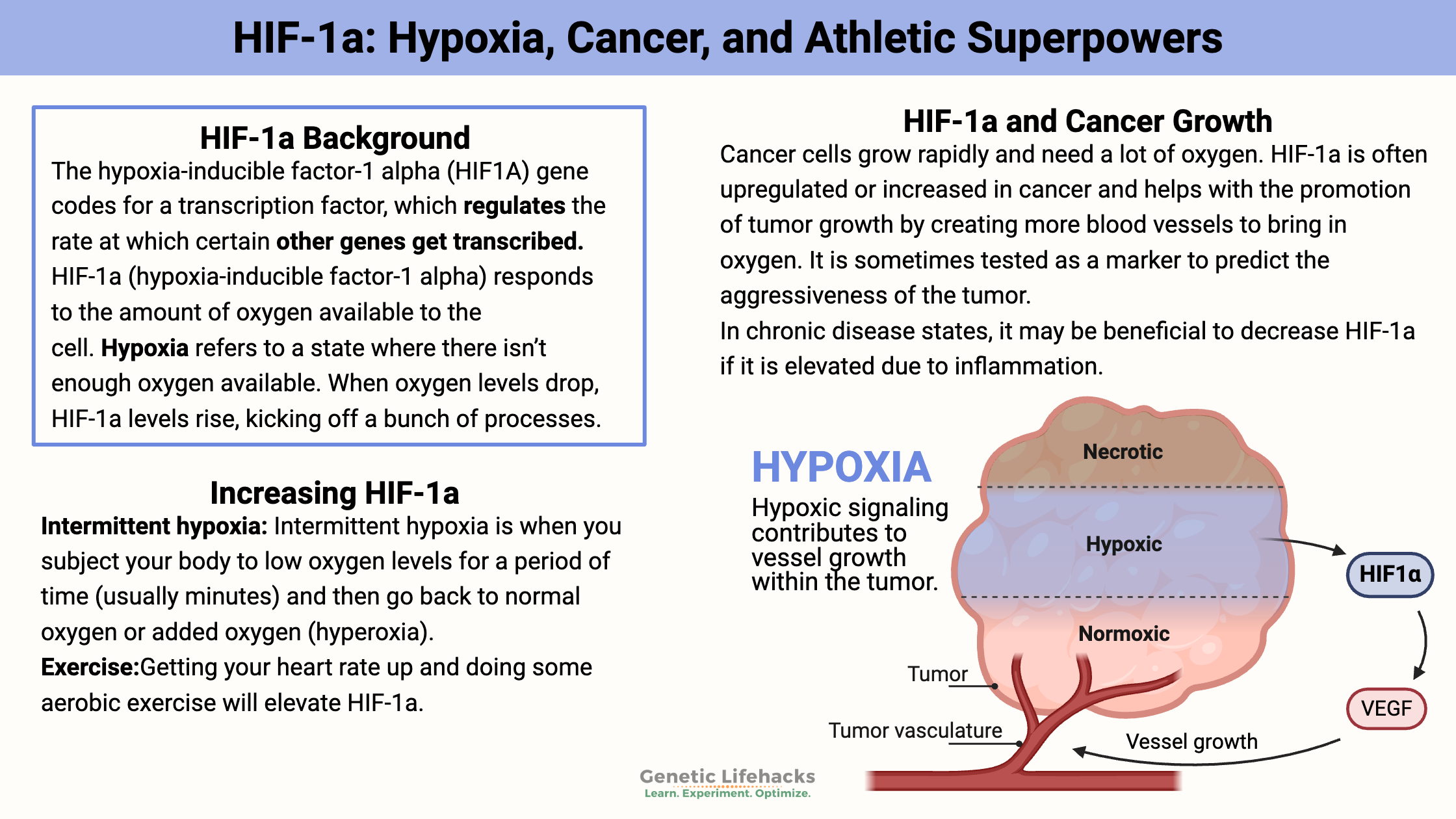
HIF-1a: Hypoxia, Cancer, and Athletic Superpowers

HIF-1a: Hypoxia, Cancer, and Athletic Superpowers

The hypoxia-inducible factor-1 alpha (HIF1A) gene codes for a transcription factor, that responds to the amount of oxygen available to the cell. This is important in cancer prevention, and several HIF1A genetic variants alter the susceptibility to several types of cancer.

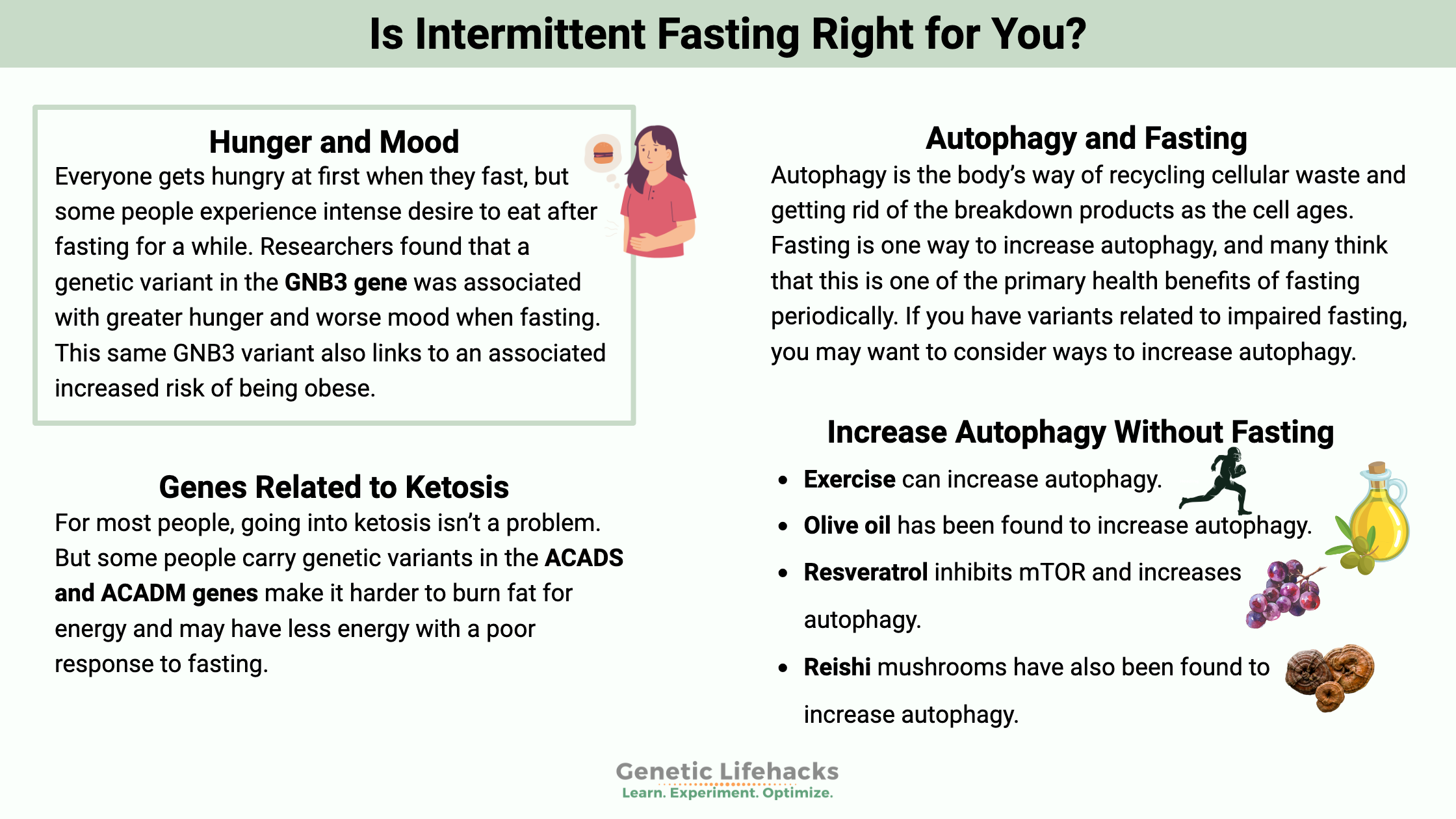
Is Intermittent Fasting Right for You, genes related to Autophagy

Is intermittent fasting right for you?

Intermittent fasting and ketosis have a lot of benefits, but they may not be right for you. Your genes play a role in how you feel when fasting.

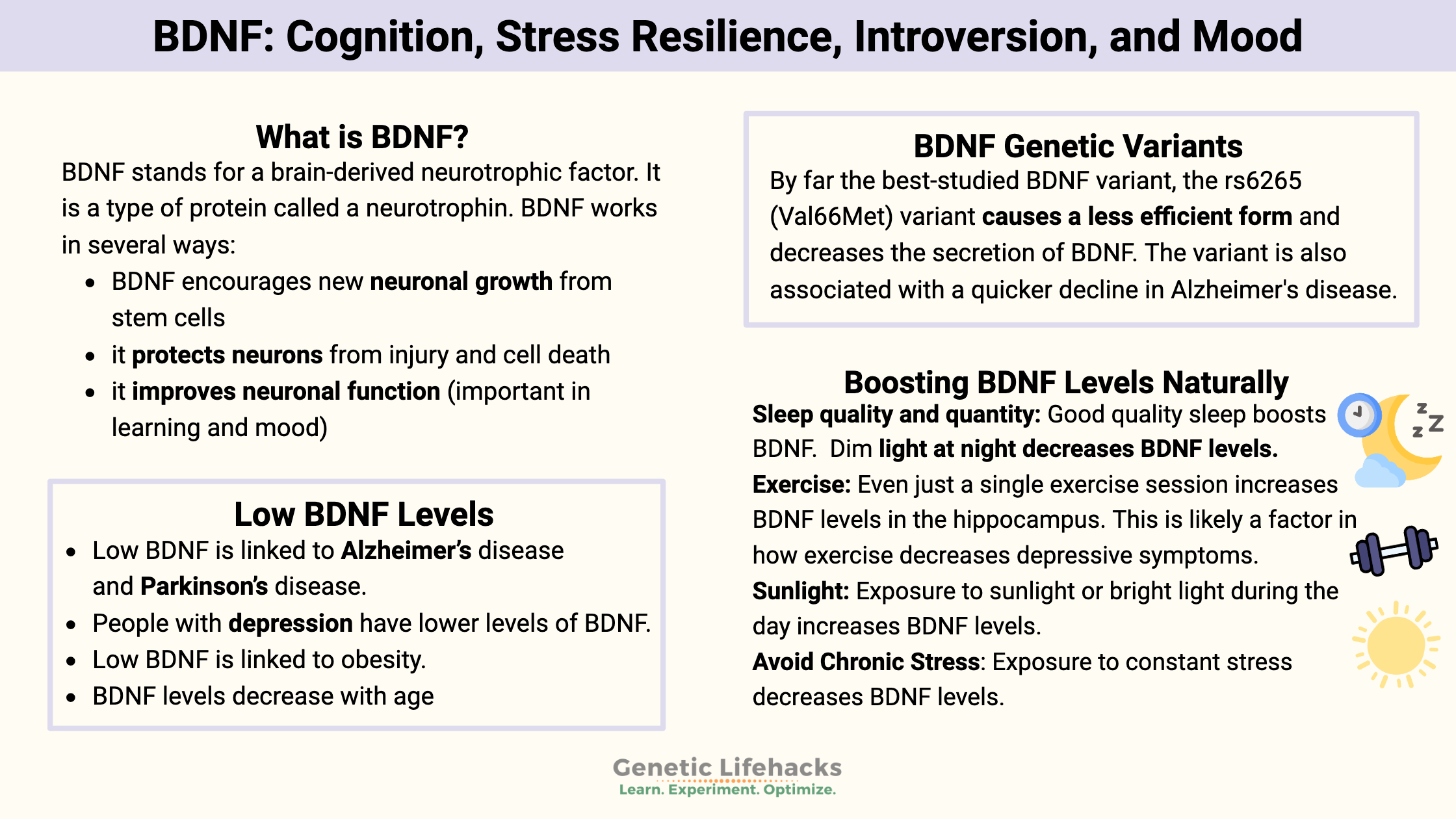
BDNF: Cognition, Stress Resilience, Introversion, and Mood

BDNF: Cognition, Stress Resilience, Introversion, and Mood

Low levels of BDNF (Brain-derived neurotrophic factor) are linked to introversion, stress resilience, cognition, and depression levels. Discover ways to increase your BDNF levels and mitigate the problems associated with the BDNF gene variants. (Member’s article)

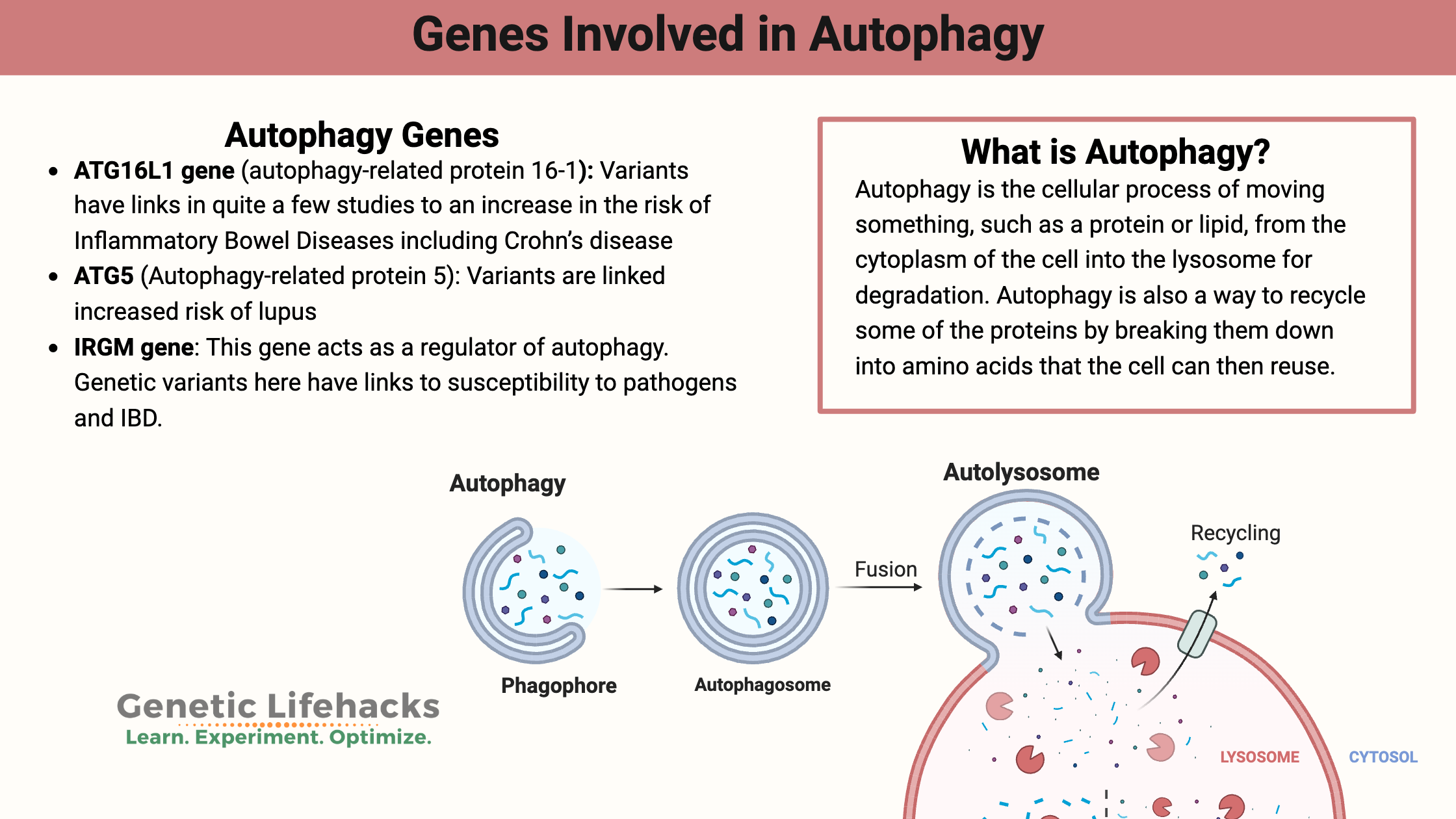
Genes Involved in Autophagy

Genes Involved in Autophagy

Just like you need to take out the trash and recycle your plastics and cans, your body also needs to clean up cellular waste and recycle proteins. This process is called autophagy, and it is incredibly important in preventing the diseases of aging. (Member’s article)

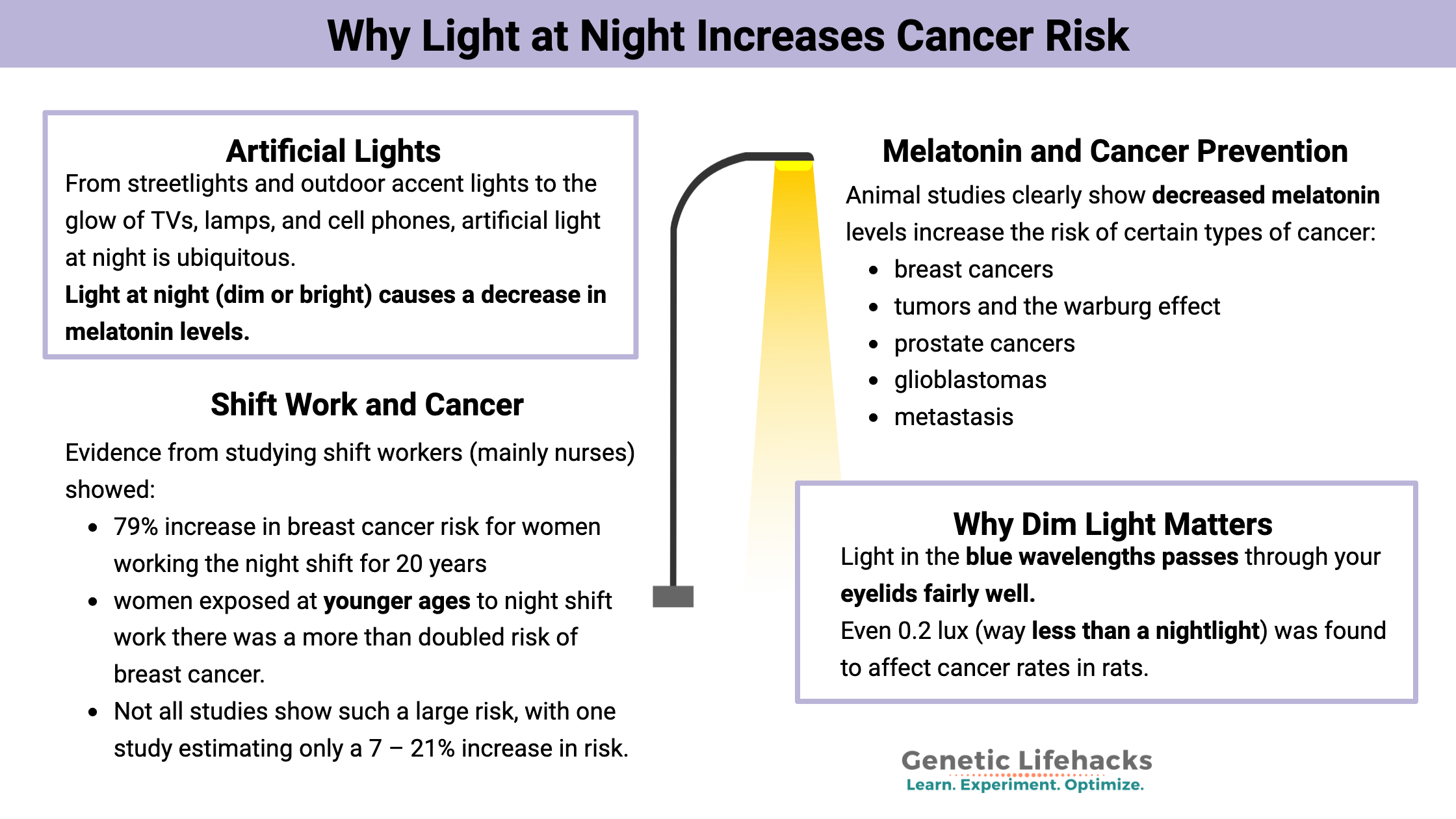
Why Light at Night Increases Cancer Risk

Why Light at Night Increases Cancer Risk

The World Health Organization (WHO) categorizes light at night as a probable carcinogen. Learn why dim light at night increases your risk of breast cancer — and what you can do to easily reduce this risk. (Member’s article)