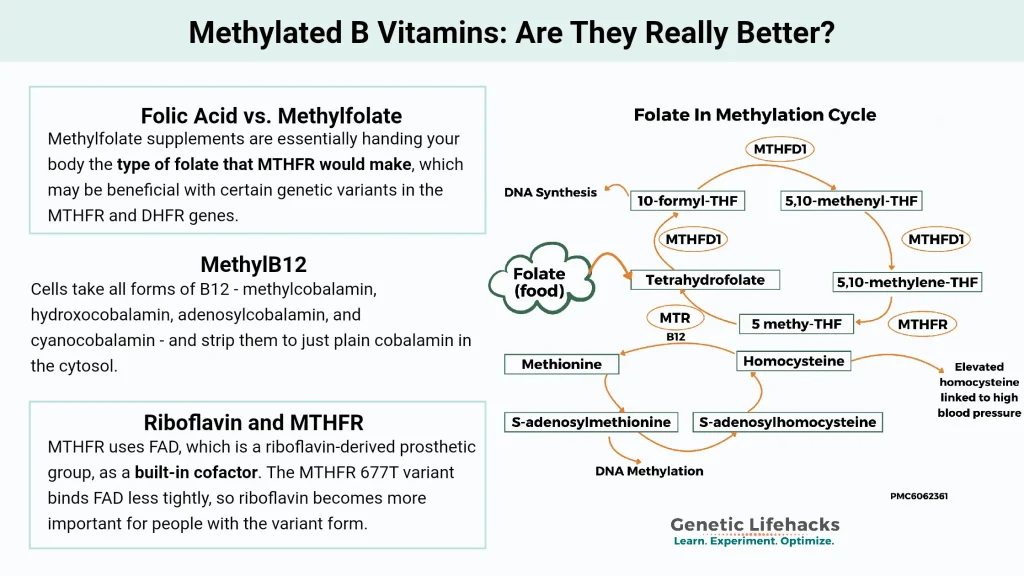
Methylated B Vitamins: Are They Really Better? (Genetics, Forms, and What the Studies Show)
Are methylated B vitamins better? It depends—methylfolate vs folic acid, B12 forms, B6/P5P, riboflavin for MTHFR, plus SNPs and studies.

Key takeaways:
Methylation is the donation of a methyl group (one carbon plus three hydrogens), which is needed for a variety of reactions, such as DNA synthesis, neurotransmitter synthesis, and detoxification of some toxins. Methyl groups can also be used to turn genes on and off for translation.
This page is a hub for all Genetic Lifehacks articles and member tools related to the methylation cycle, organized to help you learn step‑by‑step.
Methylation Cycle Topic Summary: Prioritize which articles apply to your genotypes by using the summary report. Click through from the report to the articles that will be most impactful for your genes.
Are methylated B vitamins better? It depends—methylfolate vs folic acid, B12 forms, B6/P5P, riboflavin for MTHFR, plus SNPs and studies.
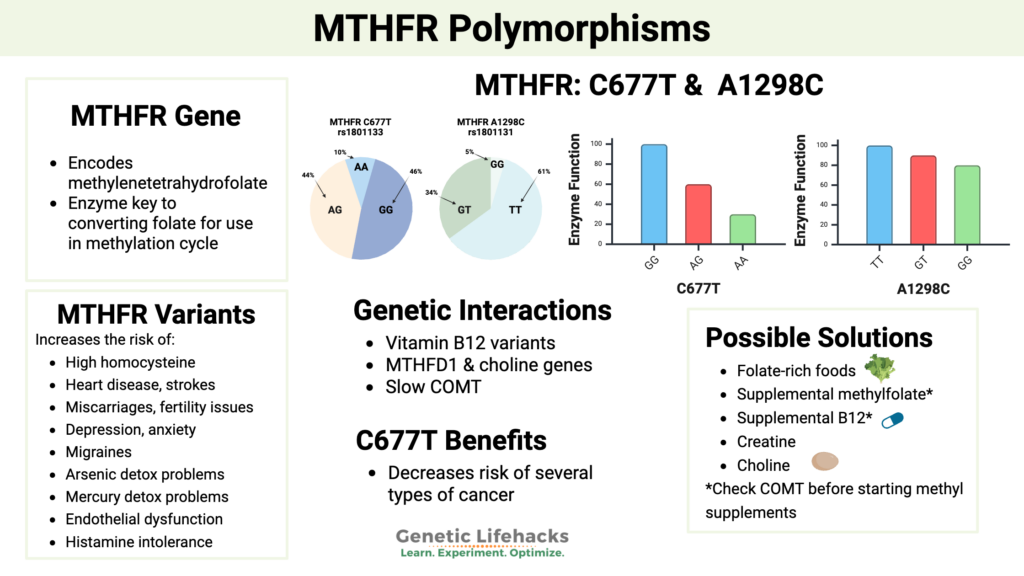
The MTHFR gene is important for how your body utilizes folate (vitamin B9) for creating neurotransmitters, detoxifying toxicants, and maintaining a healthy heart. It is a key gene in the methylation cycle.

High homocysteine levels are strongly linked to an increased relative risk of cardiovascular diseases. Find out how your genes impact homocysteine levels.
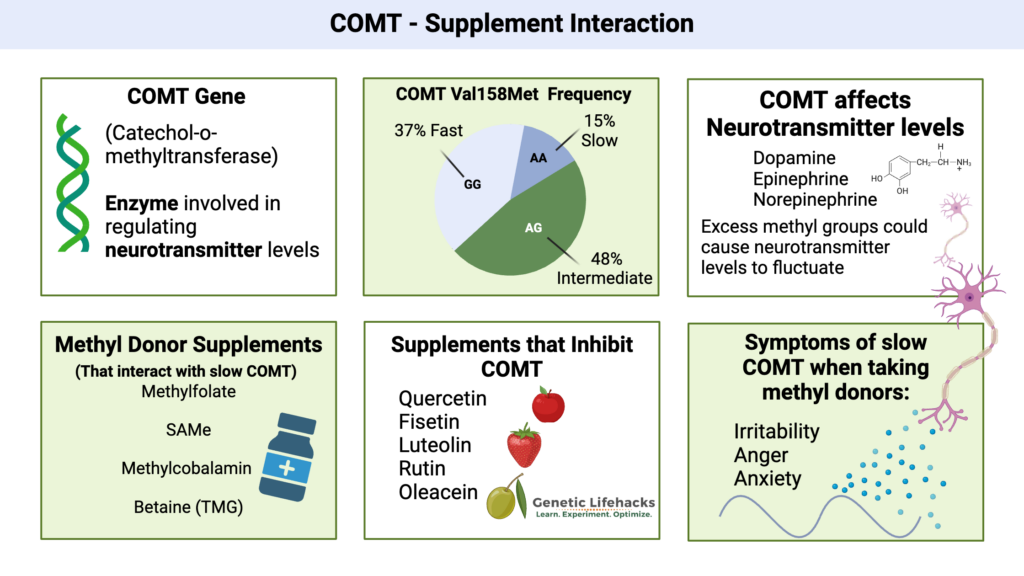
Slow COMT (rs4680 Met/Met) can make high-dose methylfolate, SAMe, TMG, or quercetin feel jittery or irritable. See what studies show & options.

Genetic variants in the FOLR1 and FOLR2 genes (folate receptors alpha and beta) can impact folate in the brain and in the immune response.
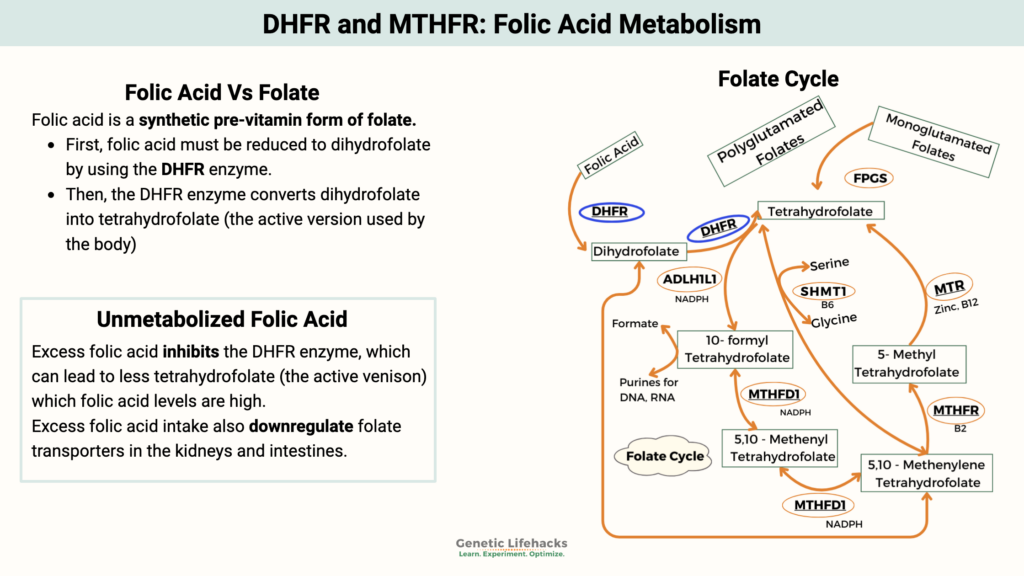
Methylfolate and folic acid—what’s the difference? Learn how DHFR and MTHFR variants affect folic acid metabolism, unmetabolized folic acid, cancer and autism risk, BH4 recycling, and how to choose the right supplement for your genes.

There are several genes that can influence your absorption, transport, and need for vitamin B12. Some people need higher amounts of B12, and some people thrive on different forms of B12. Take a look at your genetic data to see if you should up your intake of B12.

Folate is an essential vitamin with many benefits from getting an adequate amount. However, excess folate from high dose supplements may have potentially detrimental effects.
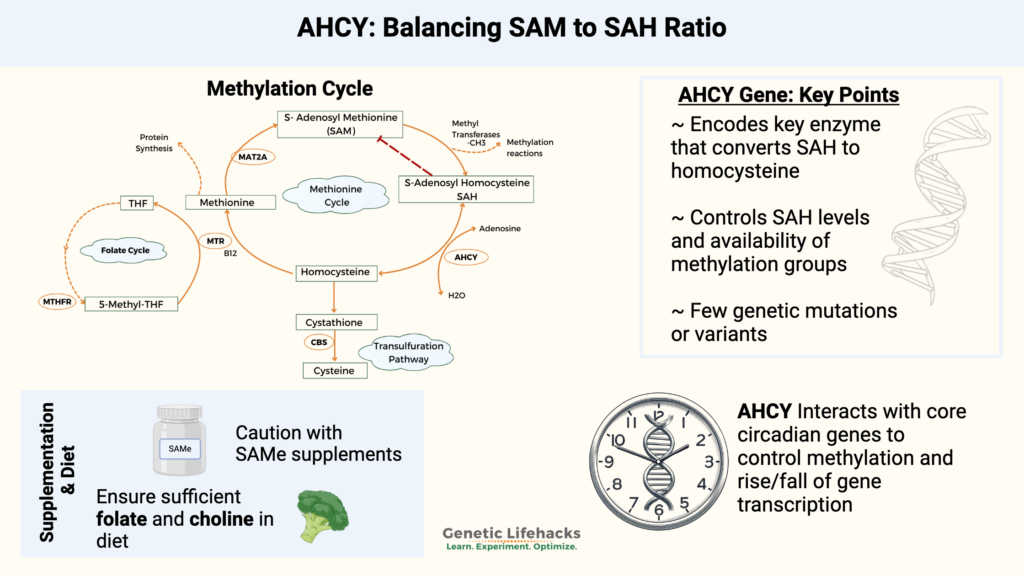
AHCY is a key gene in the conversion of SAH to homocysteine and in the regulation of the SAM/SAH ratio. It also plays an important role in the circadian regulation of gene expression.

The MTHFD1 gene encodes an enzyme in the folate cycle. Genetic variants here can indicate a greater need for choline or folate in the diet.
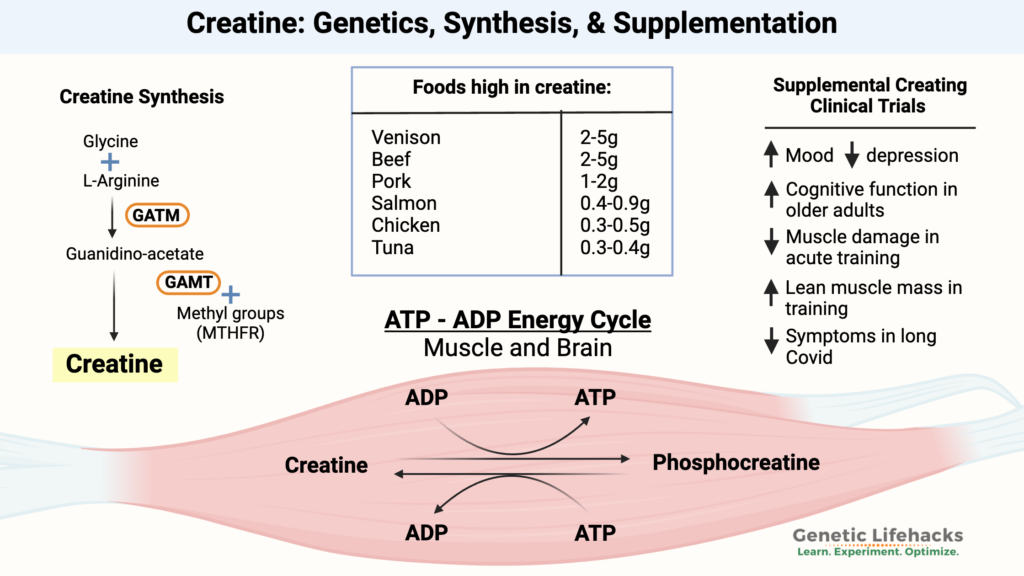
Creatine is an amino acid used in muscle tissue and the brain for energy in times of stress. Genes play a role in creatine synthesis. Find out what the research shows about creatine supplements for muscle mass and cognitive function.

Learn how riboflavin (vitamin B2) affects MTHFR genes, methylation, and energy. Find out the deficiency symptoms, food sources, dosage, and whether you need more based on your genetics.
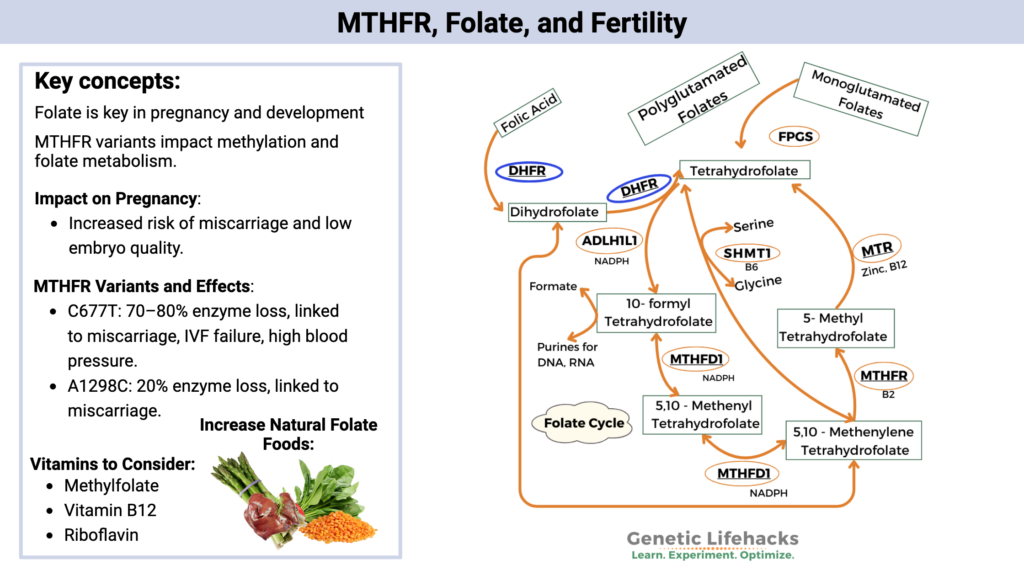
MTHFR variants affect the conversion of folate into the active form. Learn how this can affect you if you are trying to get pregnant.
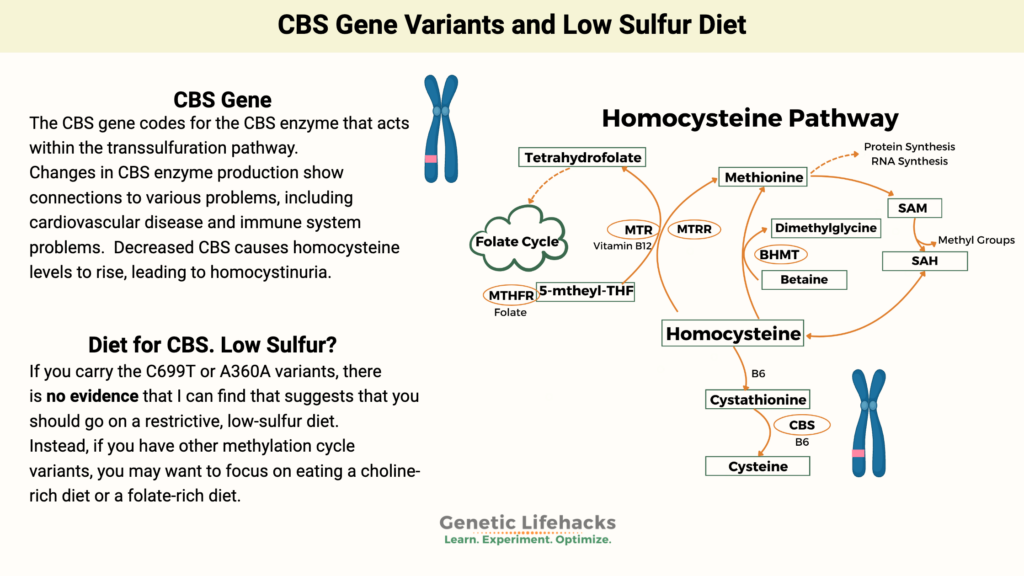
Some clinicians recommend a low sulfur diet for people with CBS mutations. Find out what the research shows – and why that recommendation is not backed up. (Member’s article)

The MTHFR C677T and A1298C variants get a lot of press, but they do not give the whole picture of the MTHFR gene. Additional variants are impacting the functionality of the enzyme.
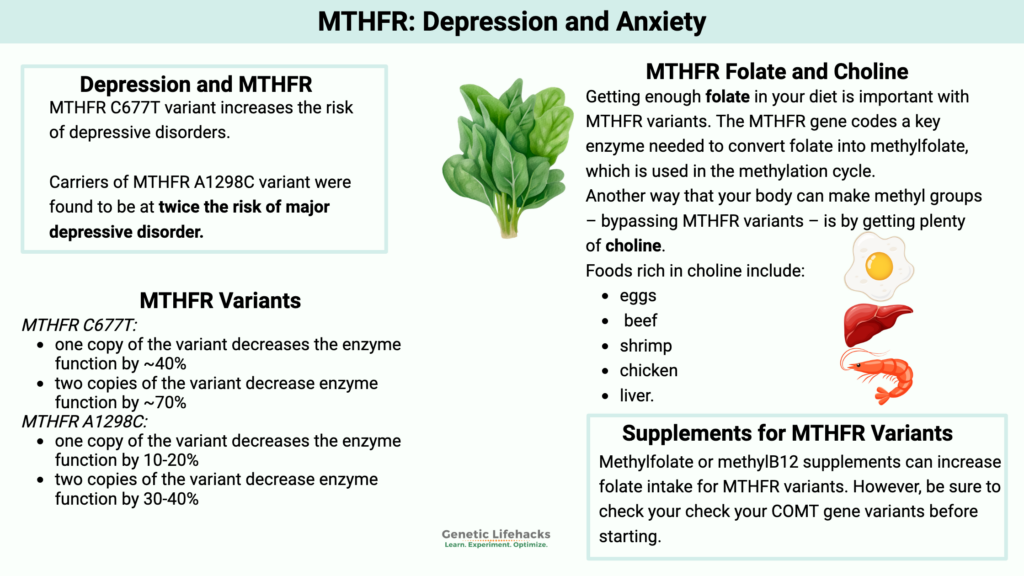
We are all genetically unique, and a common genetic variant in the MTHFR gene causes some people to be more susceptible to having low folate levels. This article explains the research linking MTHFR variants, folate, and depression — and gives you information on how diet or supplements may help.
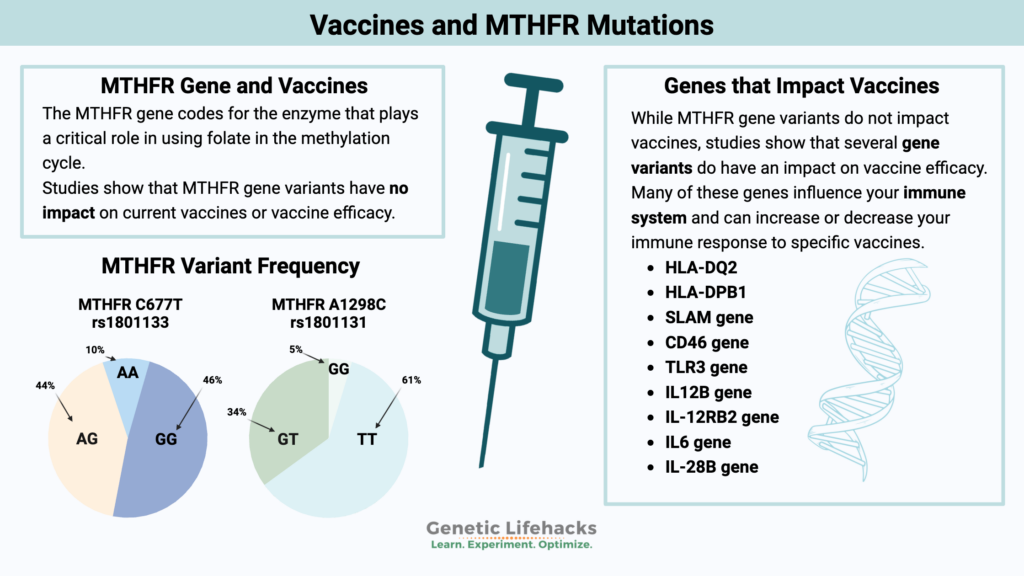
This article covers what the research shows about folate metabolism, MTHFR, and immune response. See what the research says.
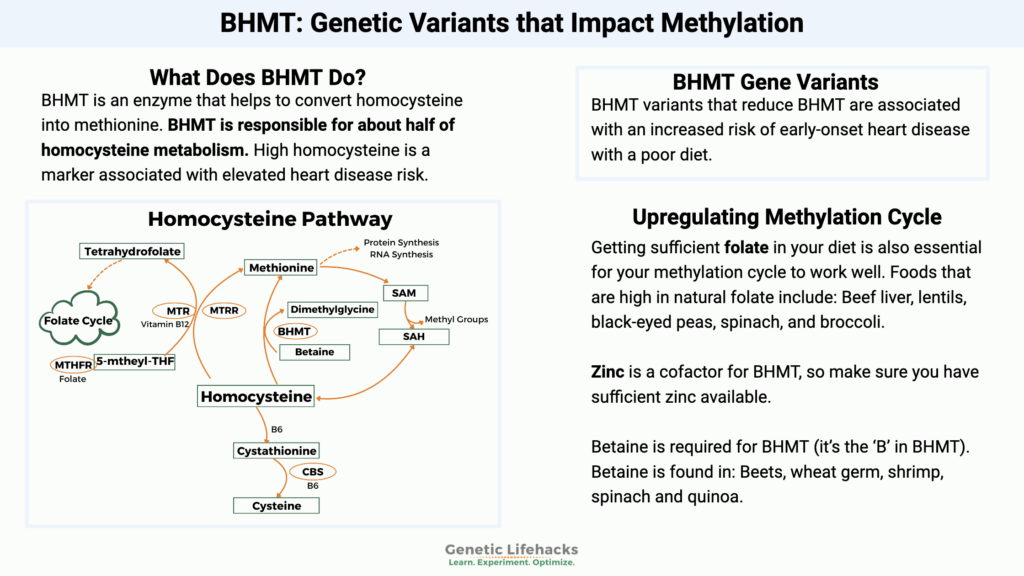
BHMT is involved in homocysteine methylation and impacts the methylation cycle.
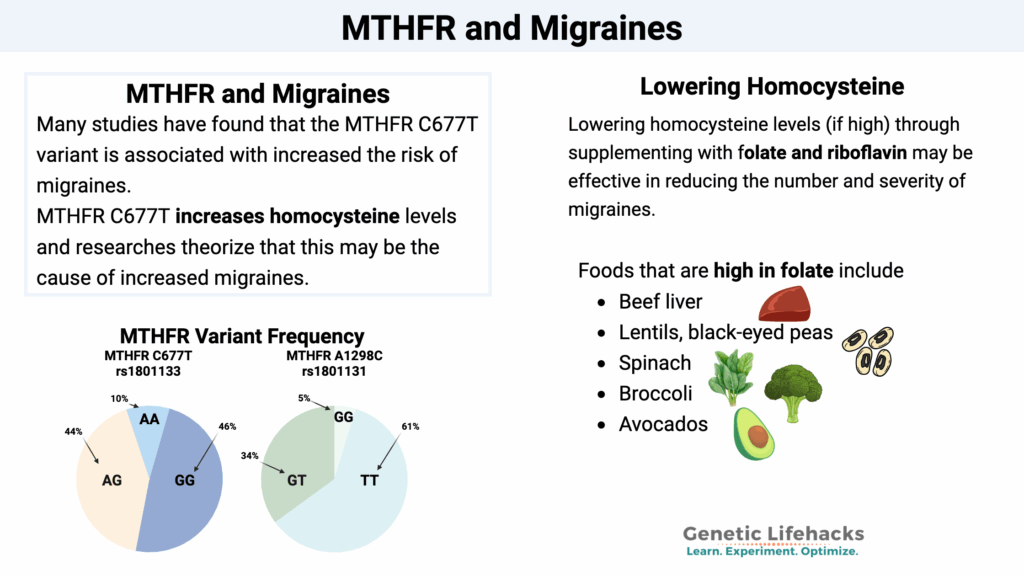
The MTHFR C677T variant increases the risk of migraines. Learn how to check your genetic data and how to mitigate the risk.
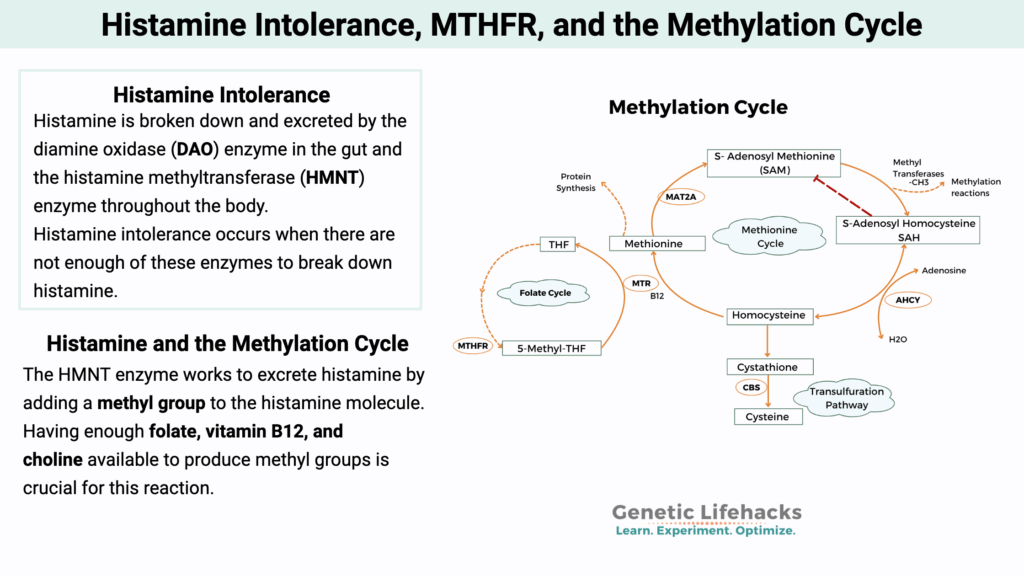
Genetics plays a role in how well your body breaks down histamine. Histamine that is out of balance with the body’s ability to break it down can cause symptoms that are collectively known as histamine intolerance. Discover how to check your genes that are involved with histamine levels.

Wondering why your neurotransmitters are out of balance? It could be due to your COMT genetic variants. The COMT gene codes for the enzyme catechol-O-methyltransferase which breaks down (metabolizes) the neurotransmitters dopamine, epinephrine, and norepinephrine.
This article explains where the MTR and MTRR genes fit within the methylation cycle. I’ll show you how to check your 23andMe or AncestryDNA raw data for the MTR and MTRR SNPs, and then explain how to optimize your diet for these variants.
Utilize our Methylation Cycle Topic Summary Reports with your 23andMe or AncestryDNA genetic data to see which articles may be most relevant to you. These summaries are attempting to distill the complex information down into just a few words. Please see the linked articles for details and complete references. (Member’s article)