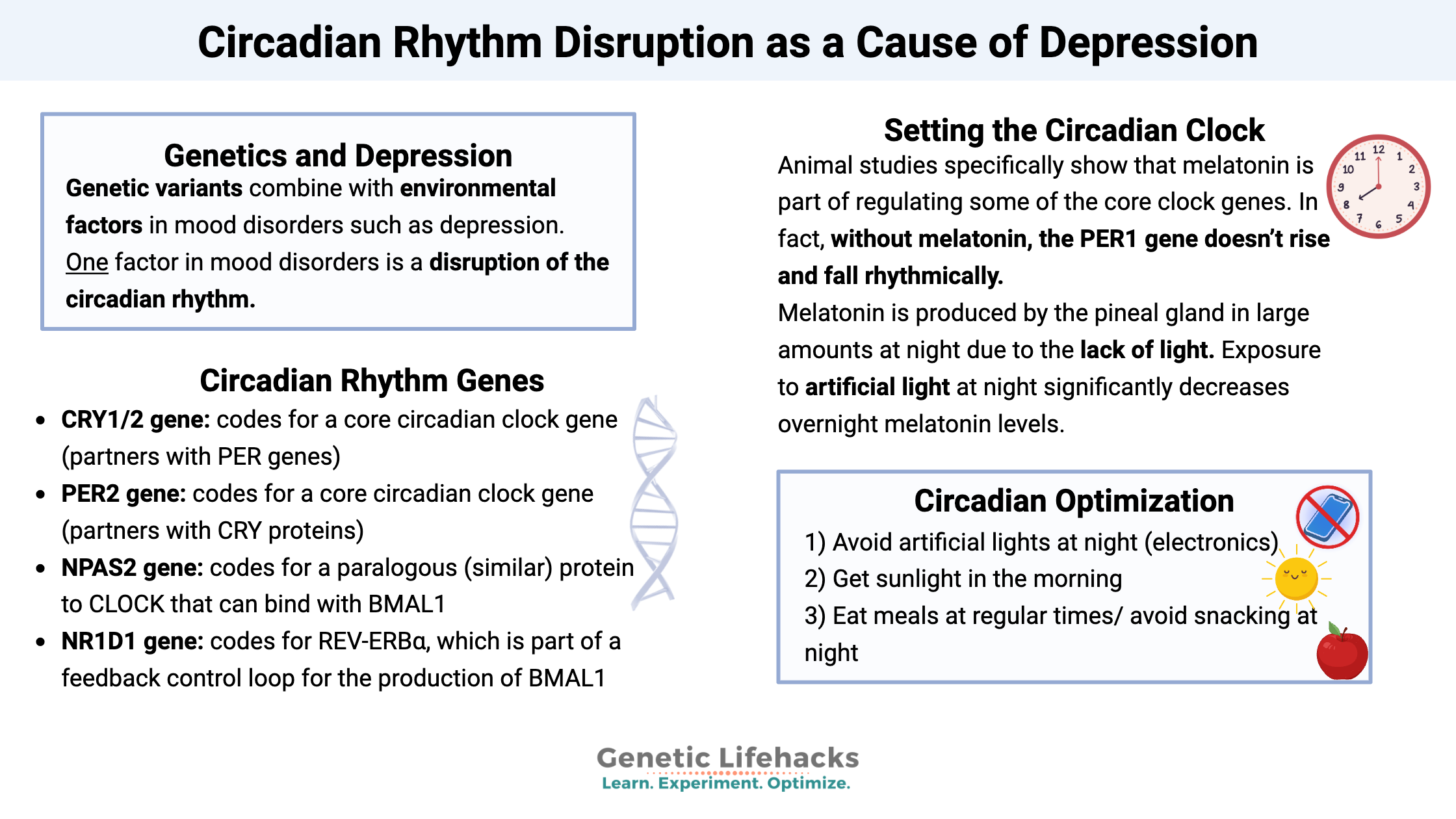
Circadian Rhythm Disruption as a Root Cause of Depression
Research shows circadian clock gene variants influence depression risk. Learn how light exposure, genetics, and the molecular clock shape mental health.

Research shows circadian clock gene variants influence depression risk. Learn how light exposure, genetics, and the molecular clock shape mental health.
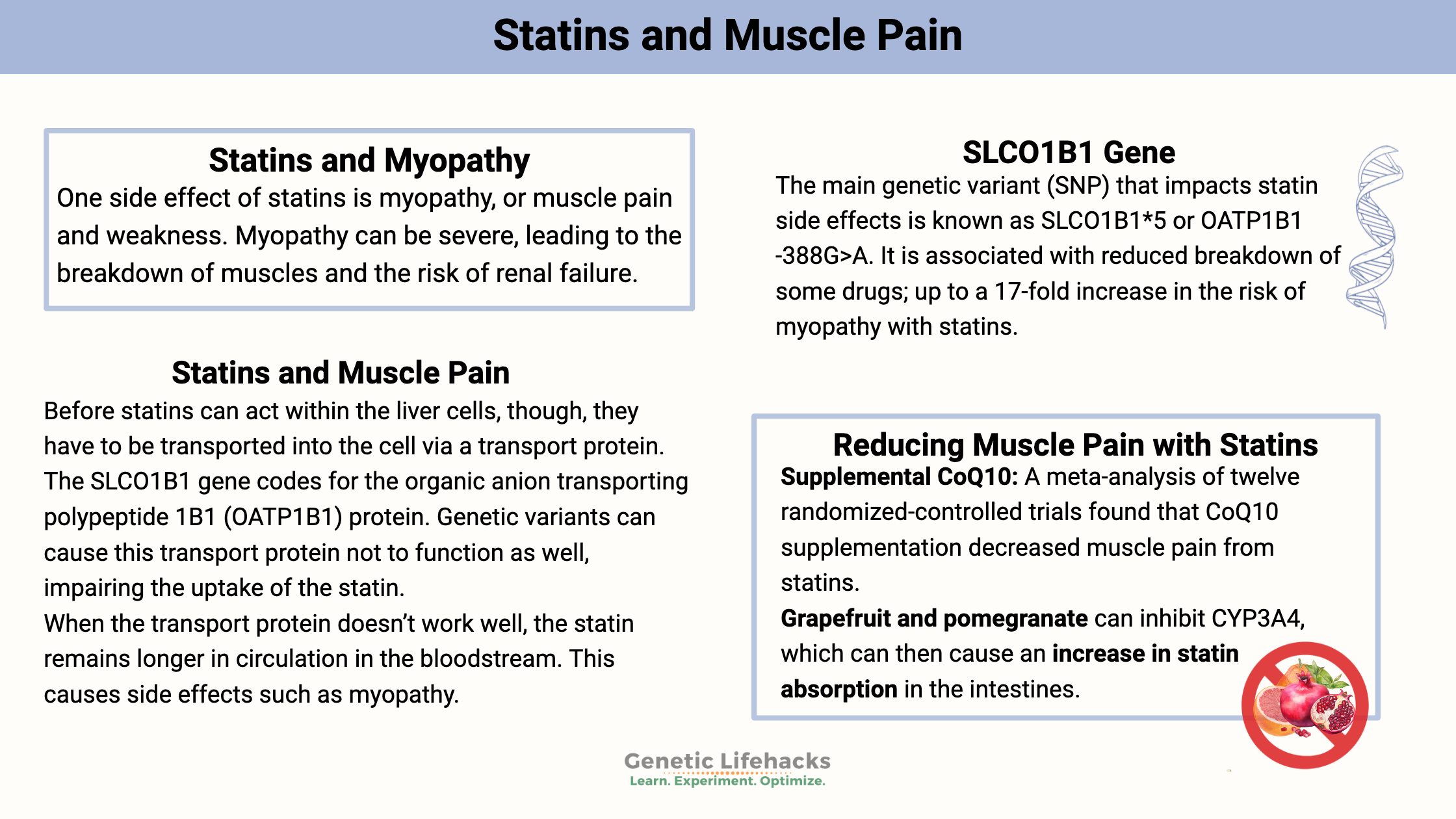
Statins are one of the most prescribed medications in the world. One side effect of statins is myopathy, or muscle pain and weakness. Your genetic variants are significant in whether you are likely to have side effects from statins.
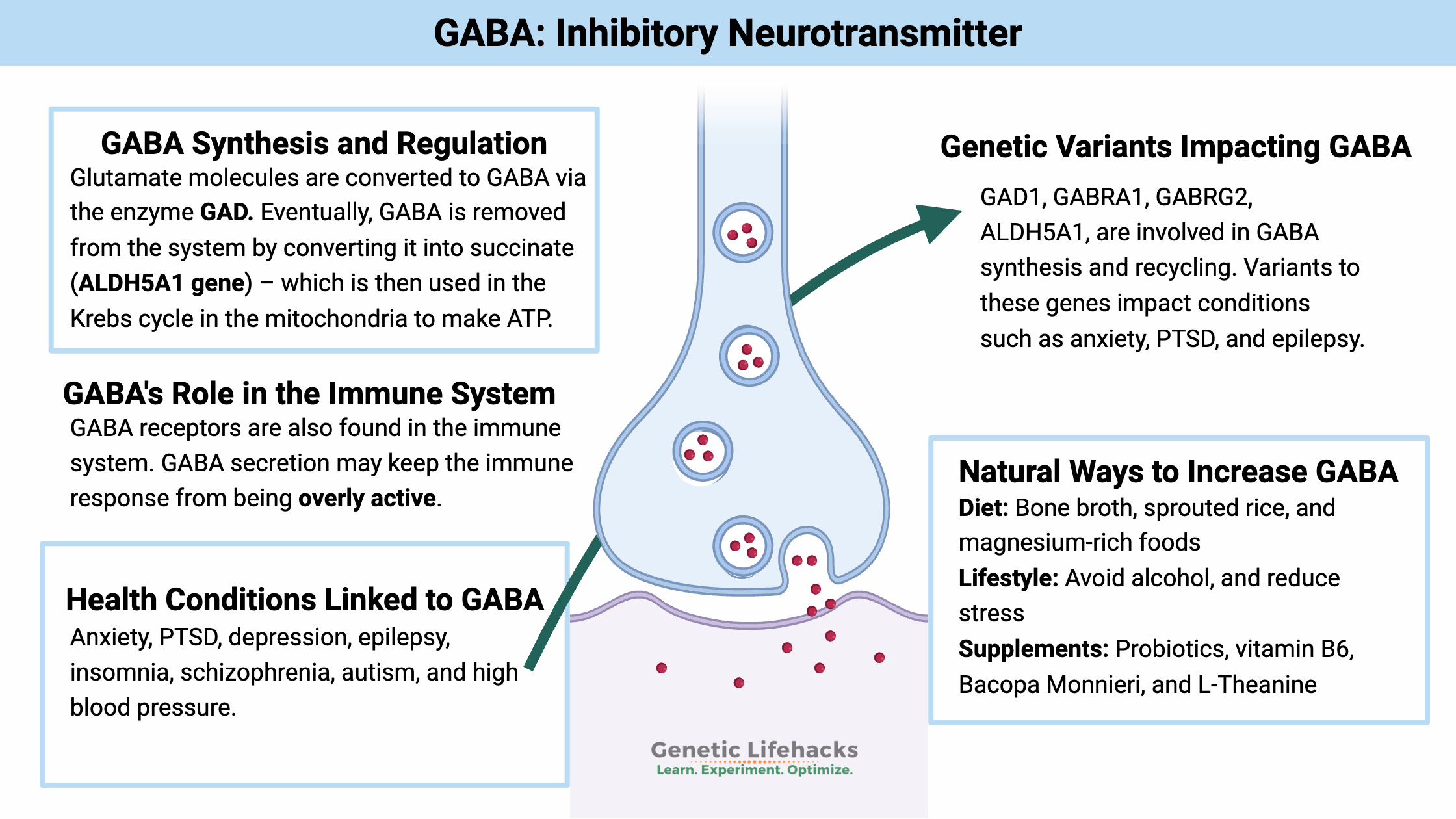
GABA (gamma-Aminobuyteric acid) is a neurotransmitter that acts to block or inhibit a neuron from firing. It is an essential way that the brain regulates impulses, and low GABA levels are linked with several conditions, including anxiety and PTSD.
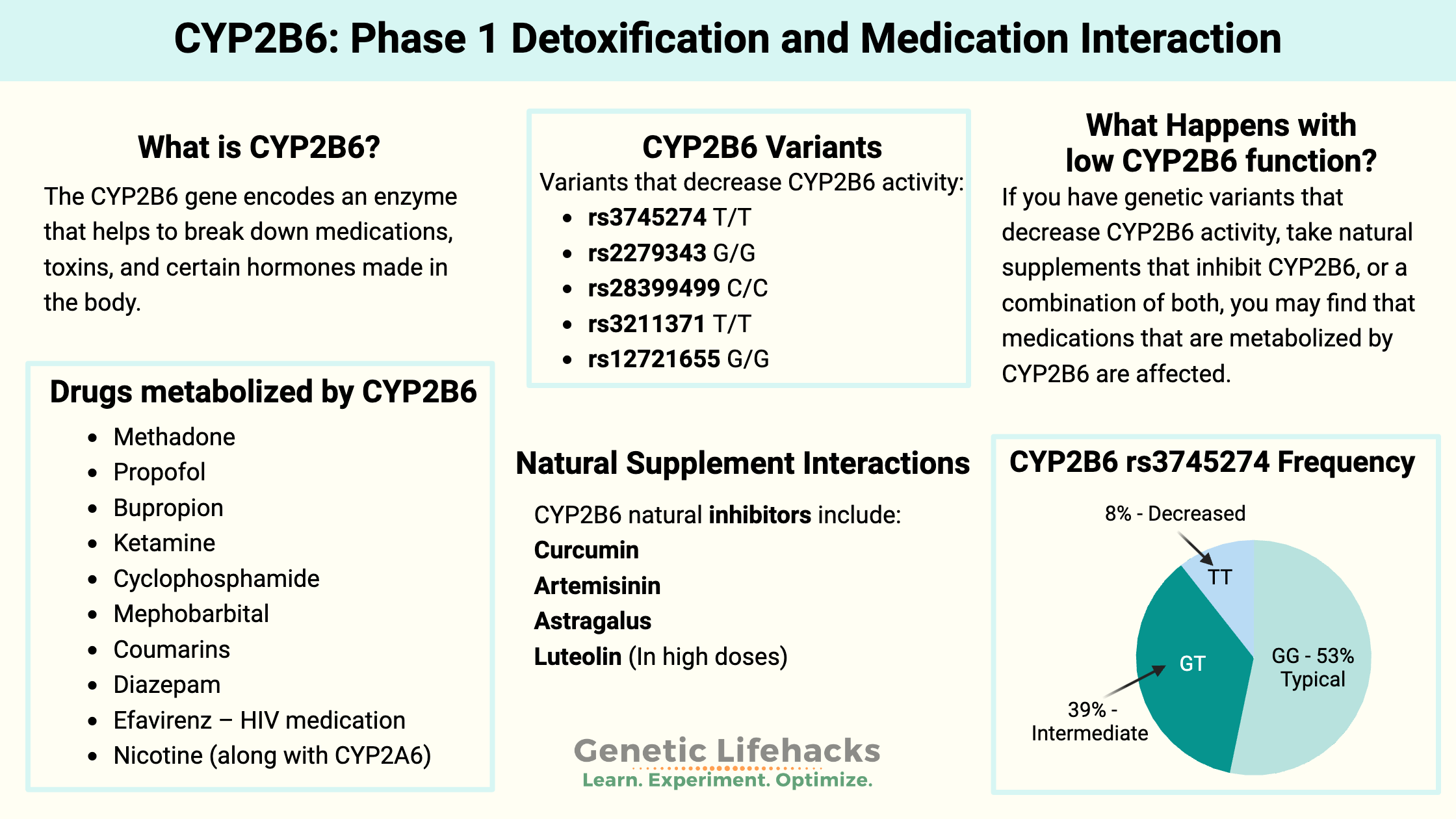
The CYP2B6 enzyme is part of the body’s first line of defense in detoxifying and breaking down certain and important for metabolizing several medications. Genetic variants of this enzyme can either speed up or slow down its function.
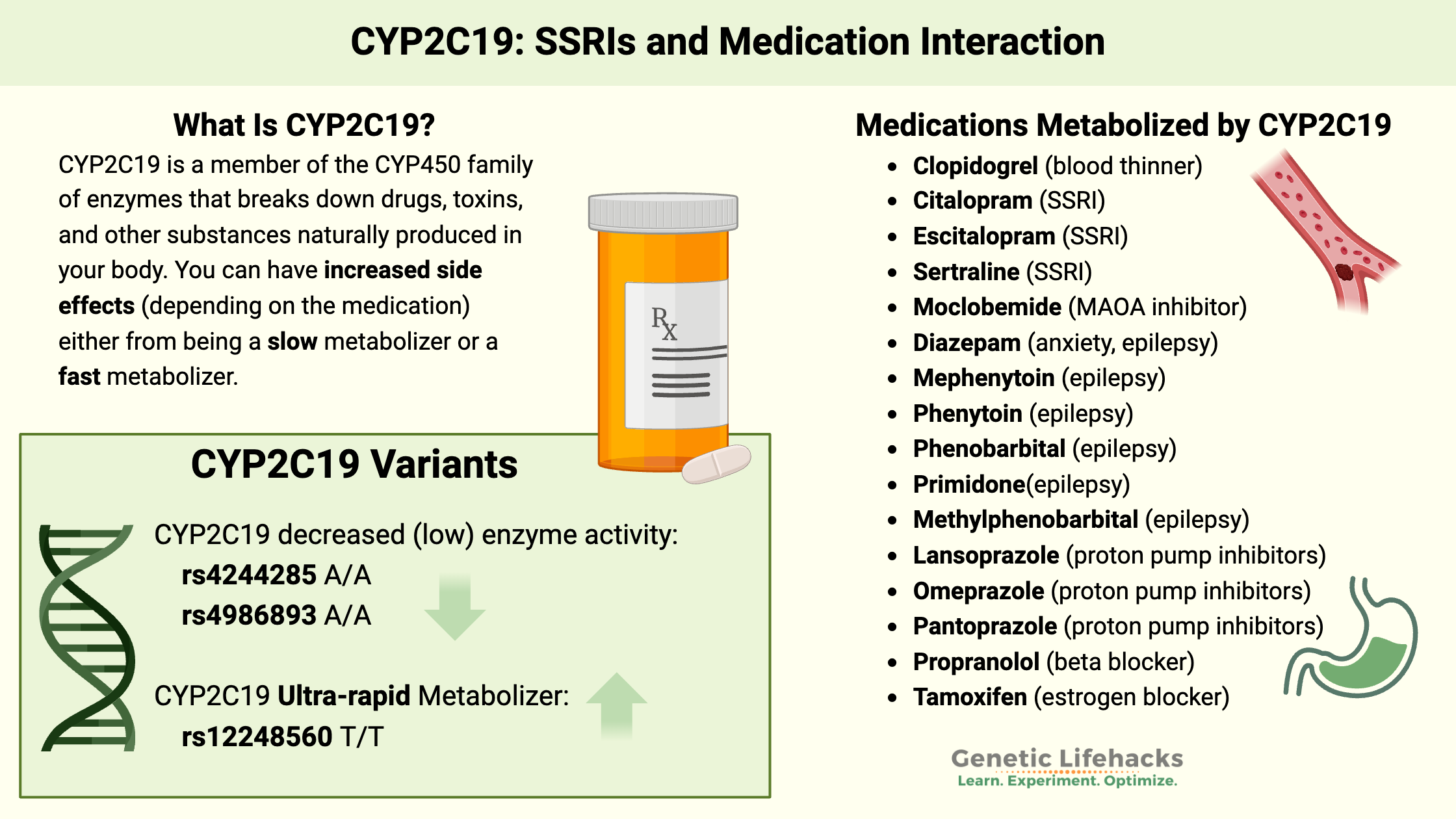
Several popular drugs, such as omeprazole, esomeprazole, and clopidogrel are metabolized by the CYP2C19 enzyme. There are important genetic variants in the CYP2C19 gene that changes how fast or slowly these drugs are broken down.
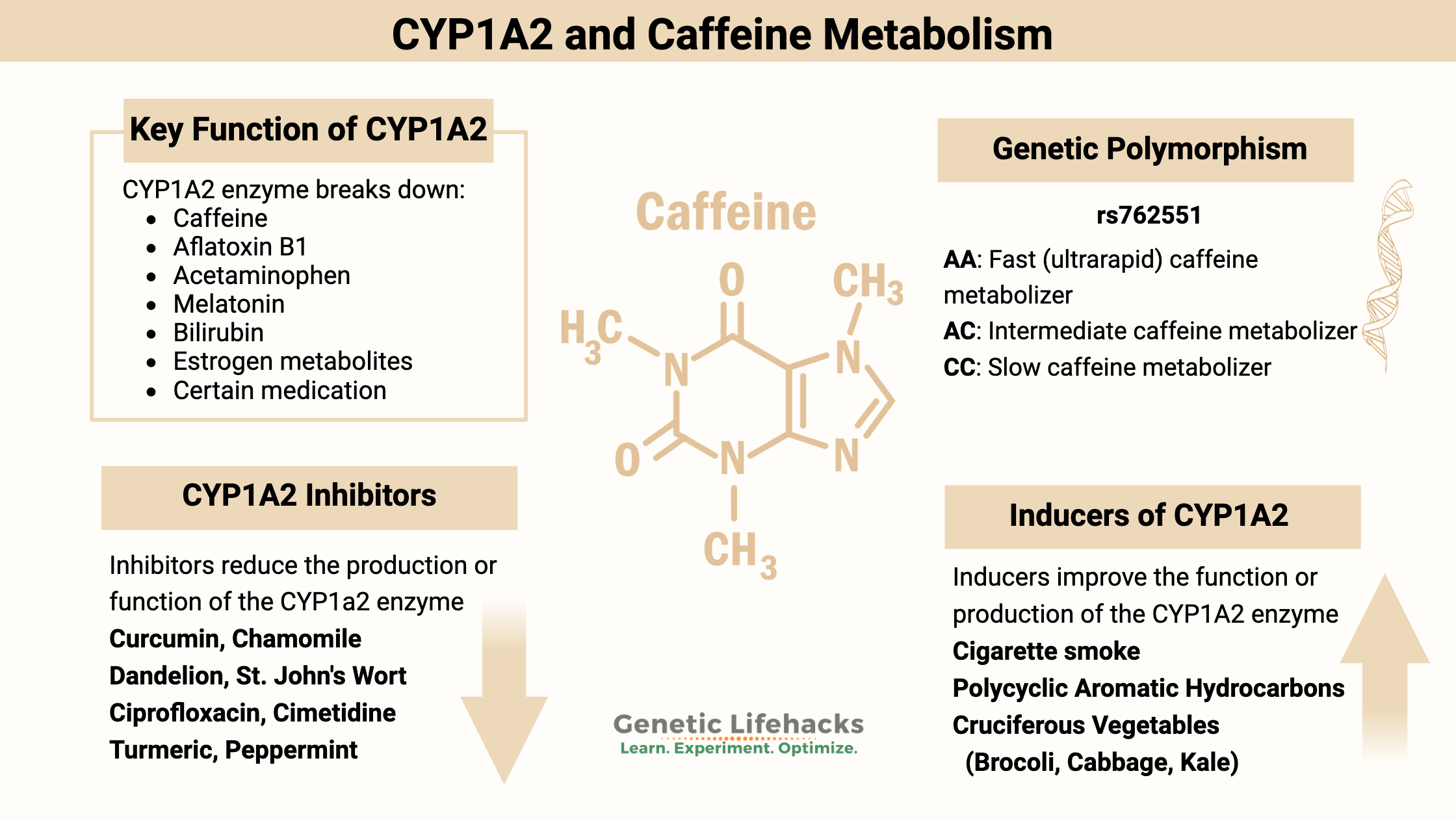
The CYP1A2 gene breaks down caffeine, melatonin, several major prescription drugs, and interacts with smoking. Learn how your genes influence caffeine metabolism and more.
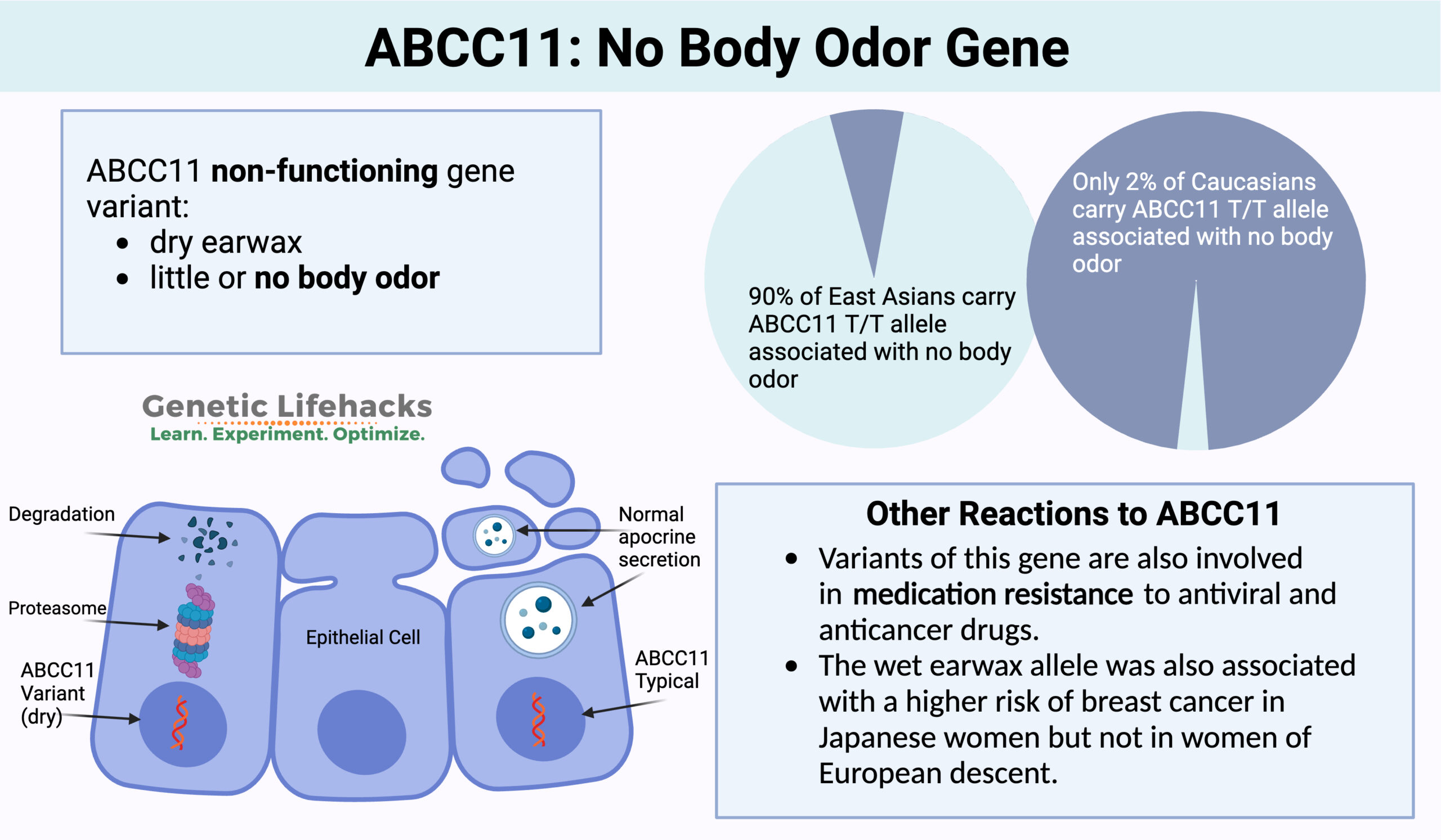
The ABCC11 gene determines both the type of earwax a person has and their armpit odor. Learn more about how a change in a single spot in the DNA of this gene can cause the gene not to function.
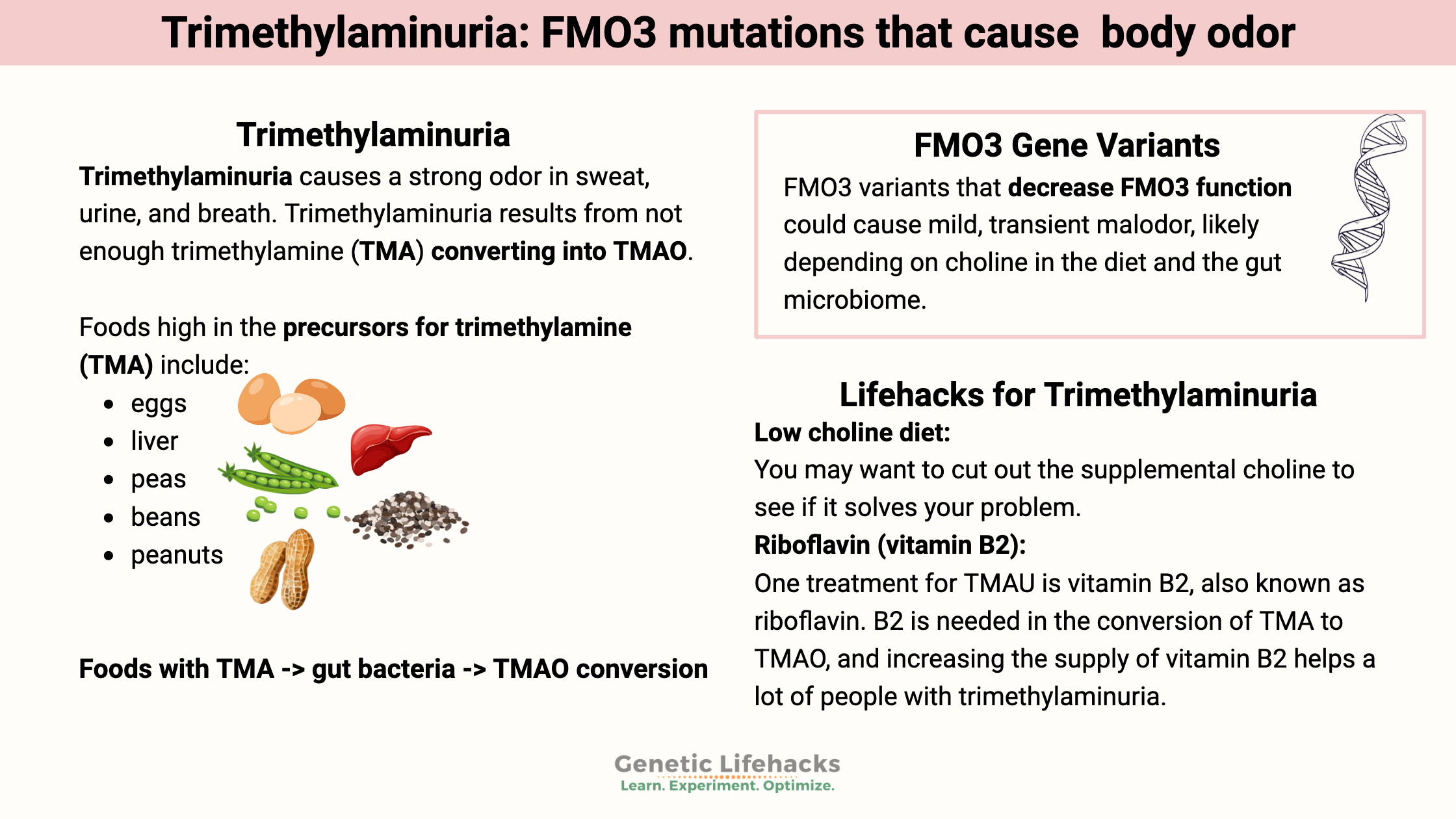
Often referred to as ‘fish odor disease’, trimethylaminuria causes a strong odor in sweat, urine, and breath. This article explores the FMO3 gene, which encodes the enzyme that breaks down trimethylamine.
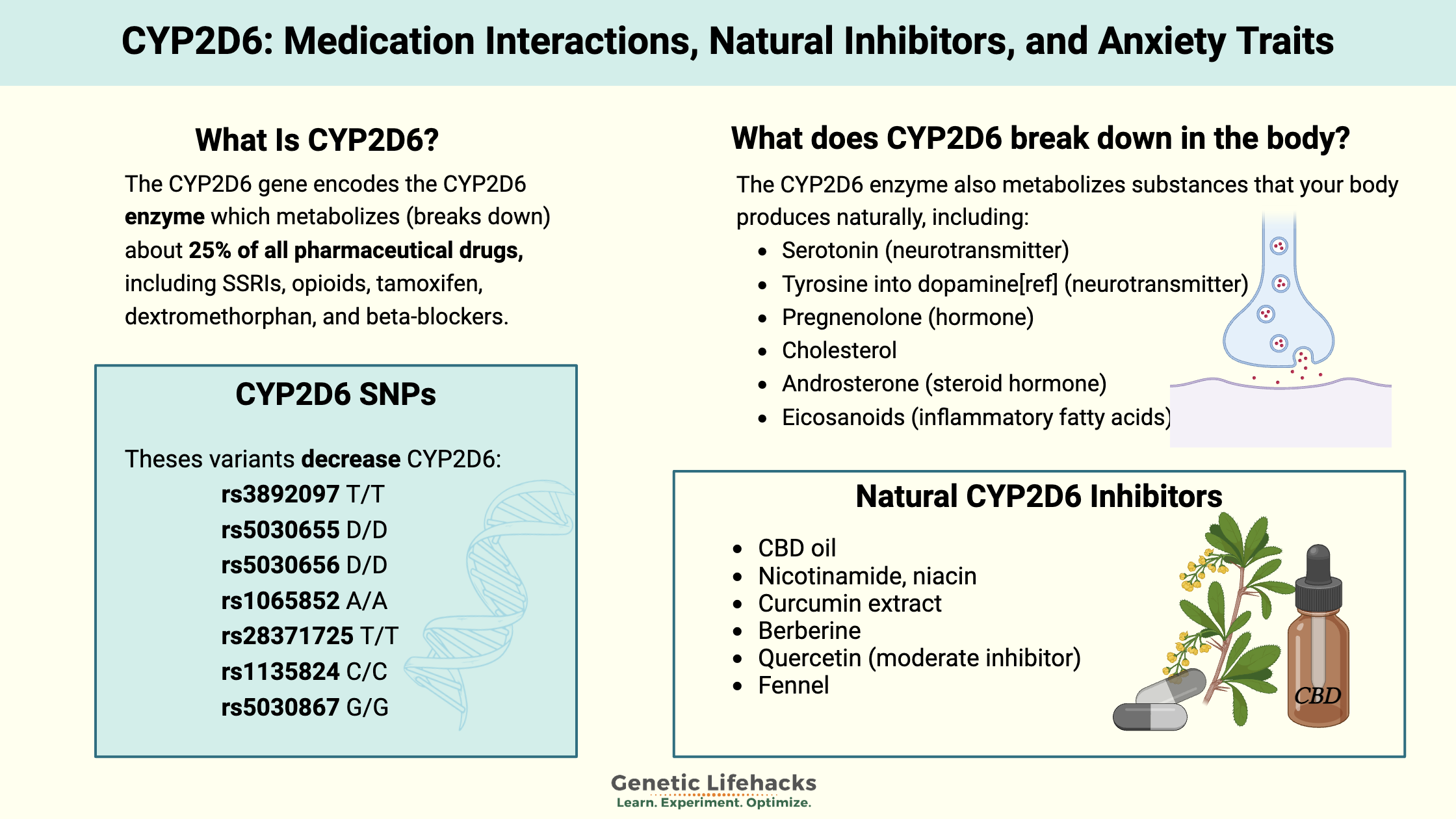
The CYP2D6 enzyme is responsible for metabolizing about 25% of commonly used medications. There are several fairly common genetic variants in CYP2D6 that affect how quickly you will break down a drug.
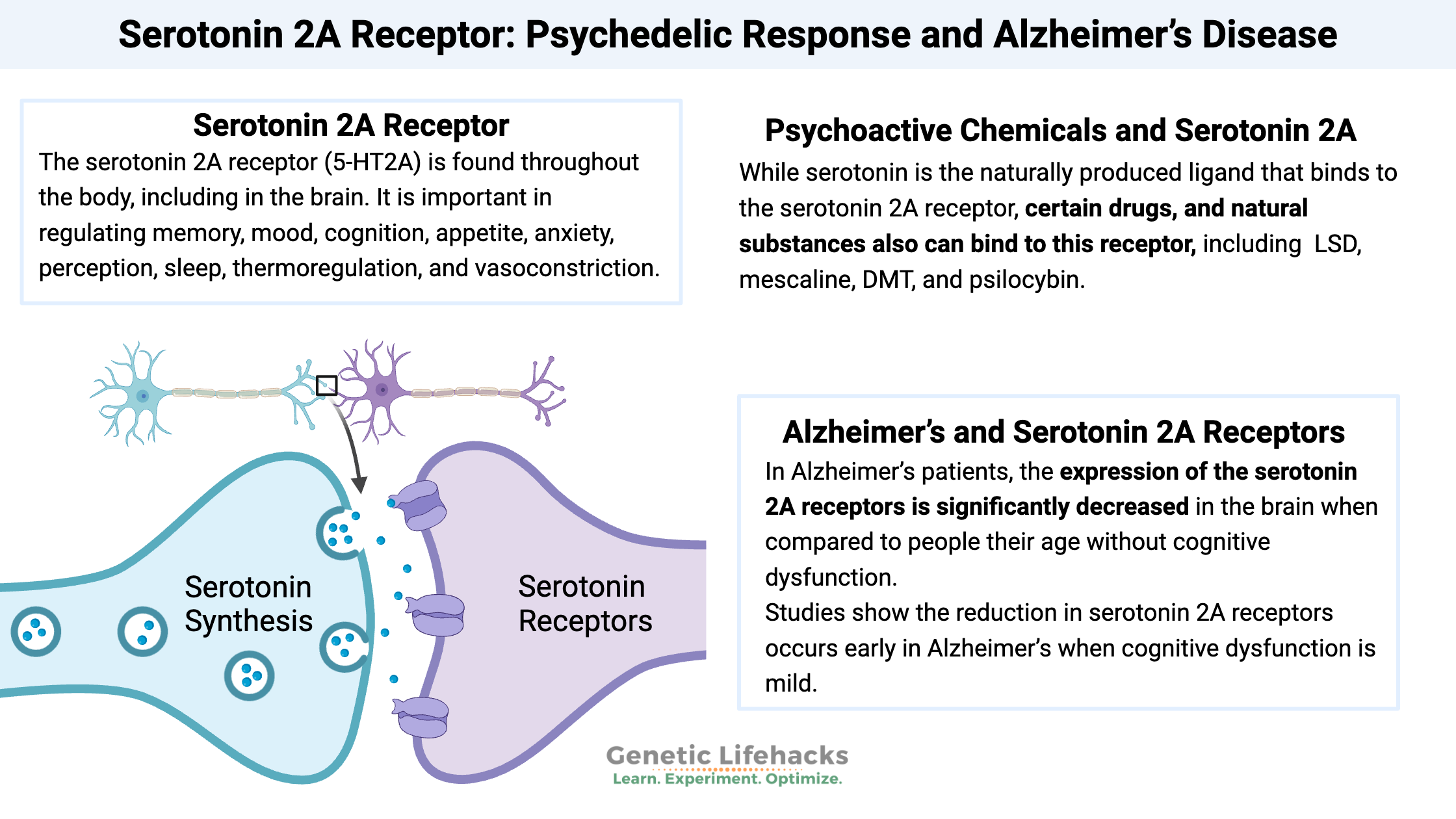
Learn how new research on brain aging and dementia connects the serotonin 2A receptor with psychedelics, brain aging, and Alzheimer’s.
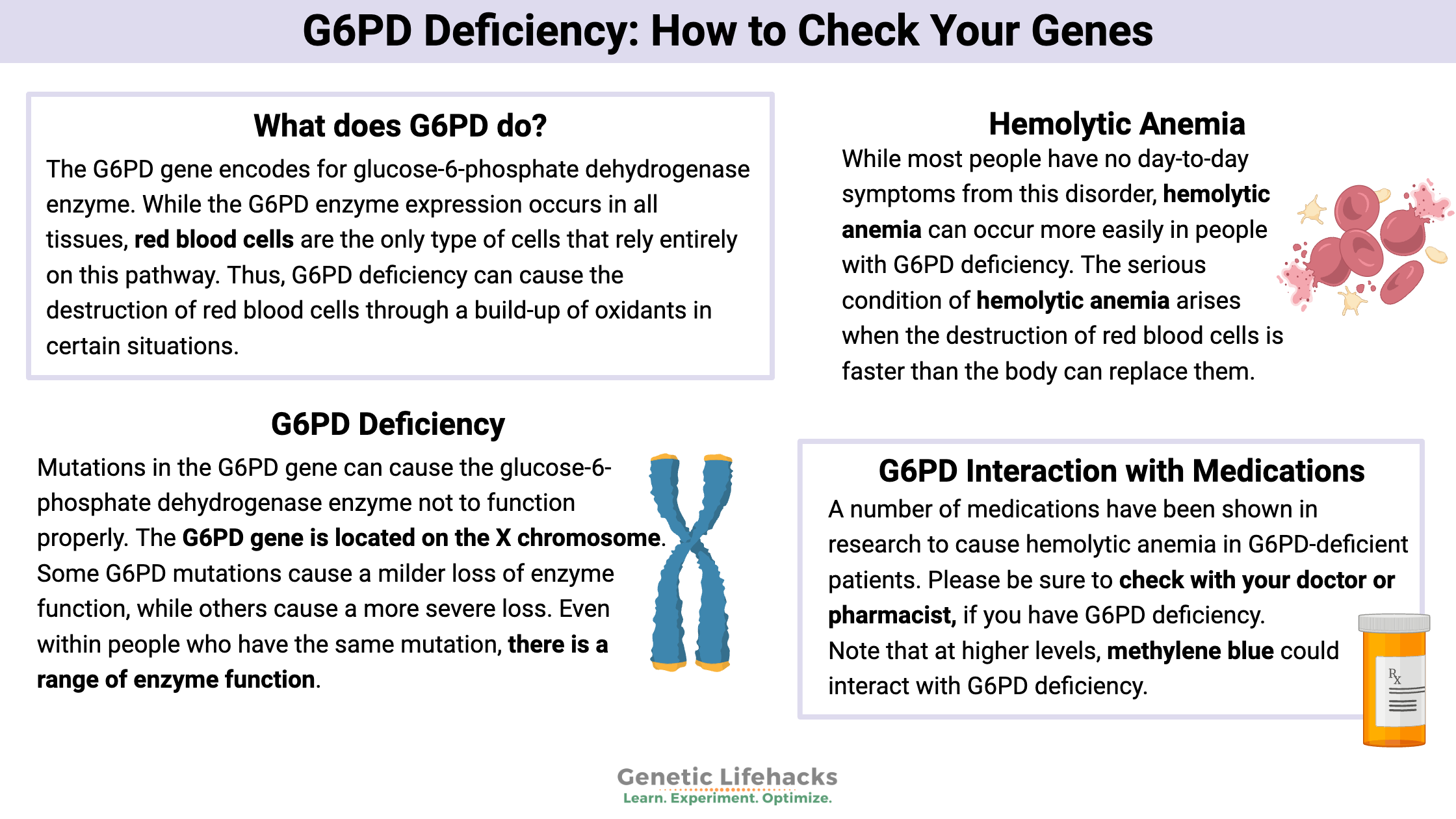
People who carry the genetic mutations that cause G6PD deficiency are at an increased risk for hemolytic anemia when taking quinine-based medications. This article is intended to be a ‘heads up’ for anyone who is considering using quinine or chloroquine without a doctor’s advice for COVID-19.
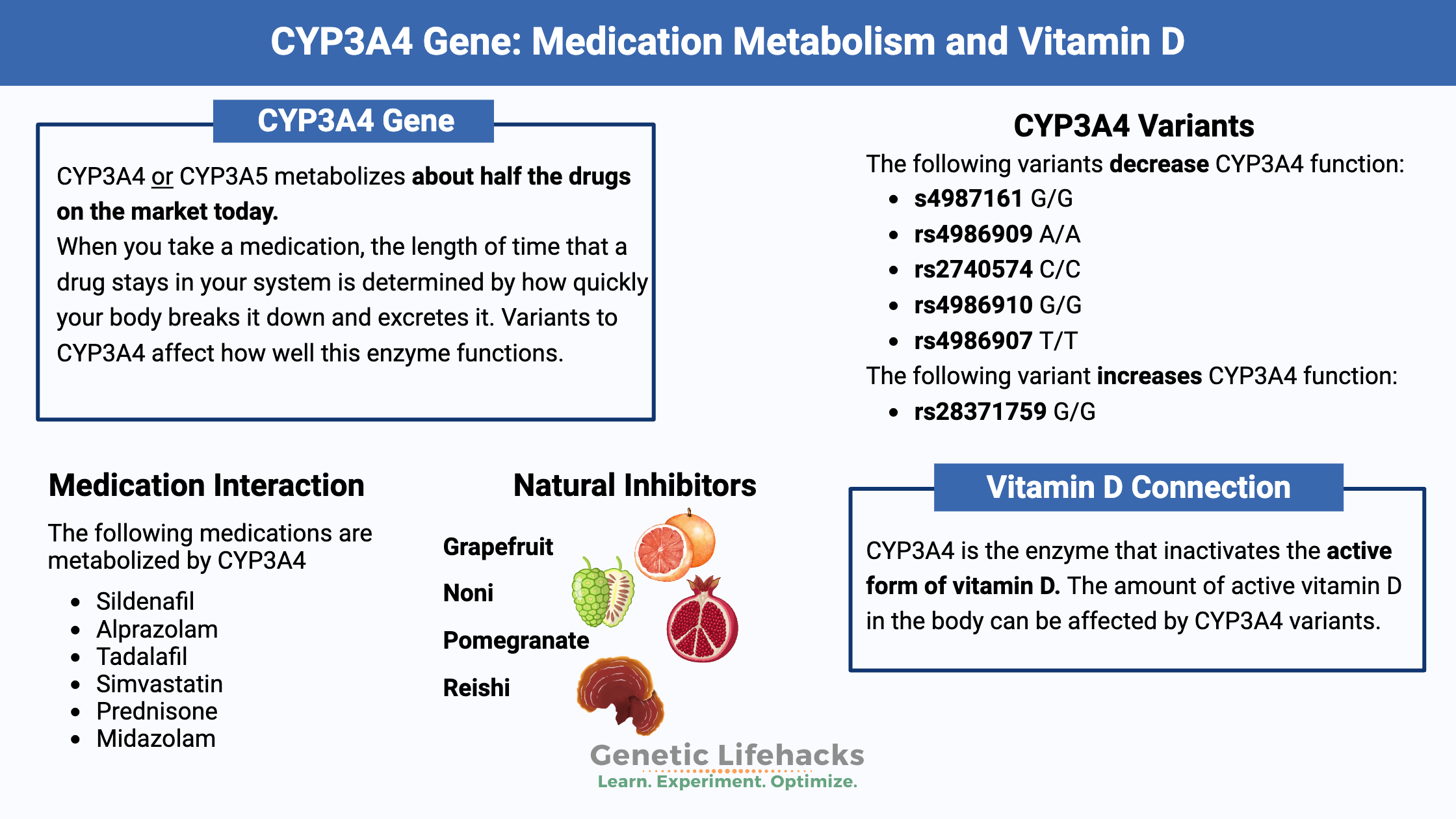
The CYP3A family of genes is involved in metabolizing about half of the drugs on the market today. Check your genes to see if you carry variants that impact the speed at which you metabolize medications.
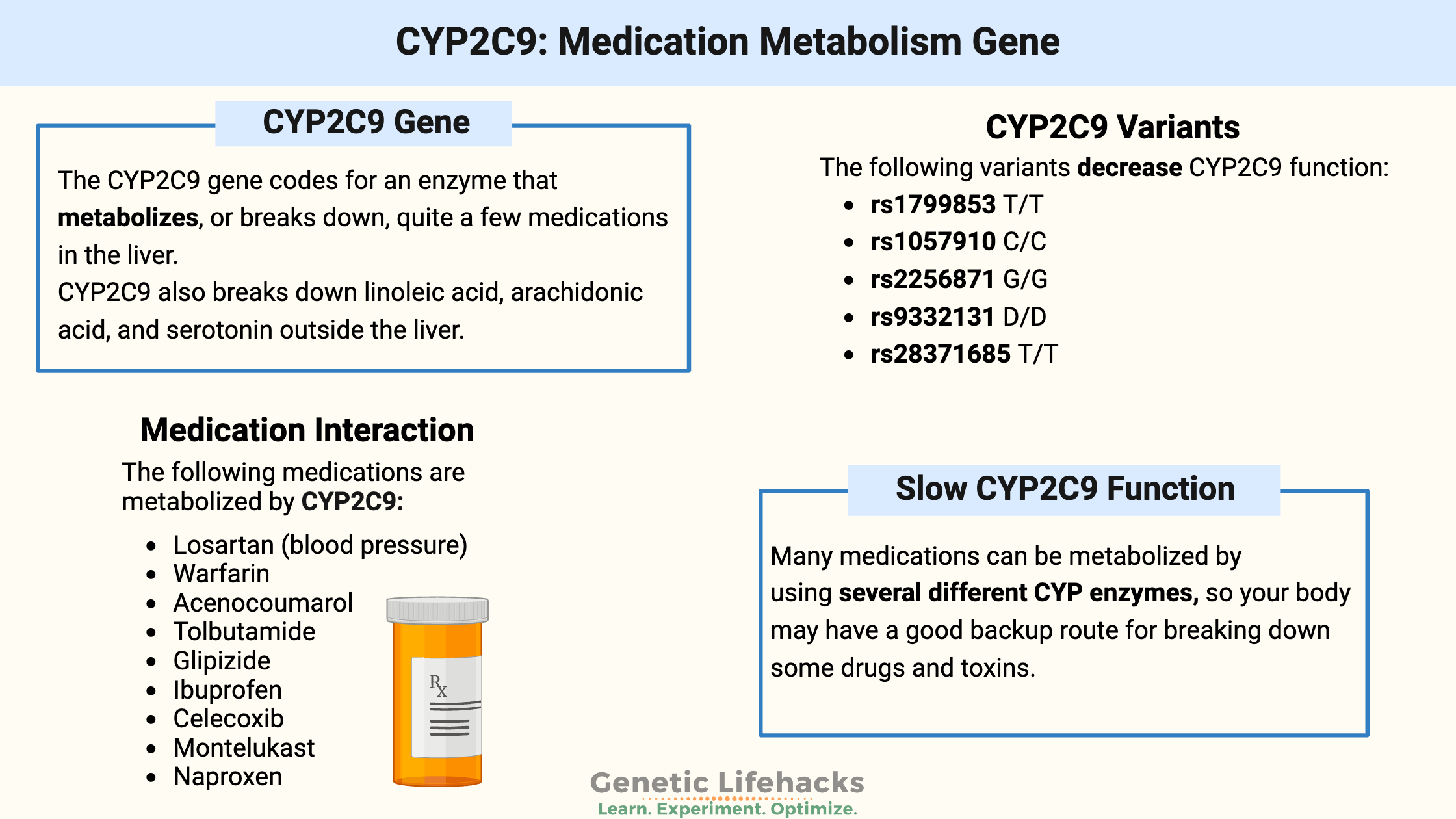
Have you ever wondered why certain medications don’t work well for you? Genetic variants can change how fast or how slow the medication is broken down in your body. Learn how the CYP2C9 variants impact quite a few prescription medications.
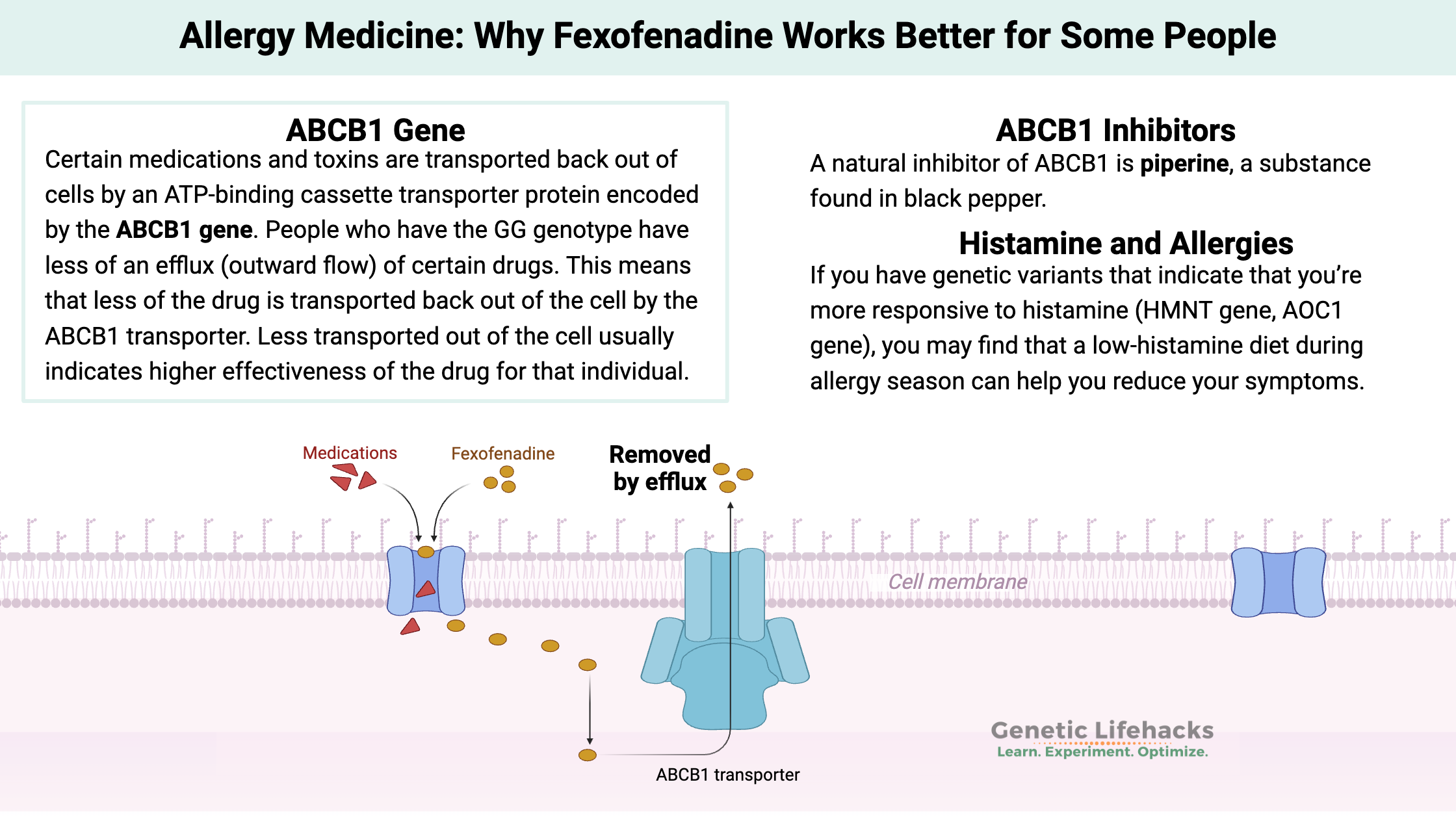
Ever wonder why a certain medication may work great for a friend and do nothing for you? One reason could be the genes involved in transporting the medication into and out of your cells. This article looks at the research studies on fexofenadine and the Multidrug Resistance Protein variants.