OCD: Obsessive-Compulsive Disorder Genes
Genetic variants play a role in susceptibility to obsessive-compulsive disorder. Understanding your genes may help you understand OCD better and help you to target the right treatment.
BookmarkTired of guessing which vitamins and nutrients you need more of? Use your genetic raw data from 23andMe or AncestryDNA to find out! Here are five examples of how you can use your genetic data to understand how your genes can influence your need for specific nutrients. This is a … Read more
Discover the complex interplay of genetics and environment in ADHD susceptibility. Learn how circadian rhythm and neurotransmitter genes contribute to the disorder, and how toxicant exposure may increase risk.
Do you know someone that suffers from prostate problems? Learn more about this important gland and how your genes affect your risk.
You’re invited… …to steal my stuff! Genetic Lifehacks PRO members are free to reuse my article images (graphical overviews) on your social media sites. All I ask is that you give credit back to Genetic Lifehacks – a link, tag, note of where you … Read more
Discover how genetic variants and environmental factors combine to increase Parkinson’s disease risk. Learn about key genes, toxins, and prevention insights.
Explore brain fog in detail, looking at the physiological causes, genetic susceptibility, and personalized solutions.
Schizophrenia is a complex disease caused by a combination of genetic susceptibility along with environmental factors. Research points to multiple pathways involved in schizophrenia and schizoaffective disorder.
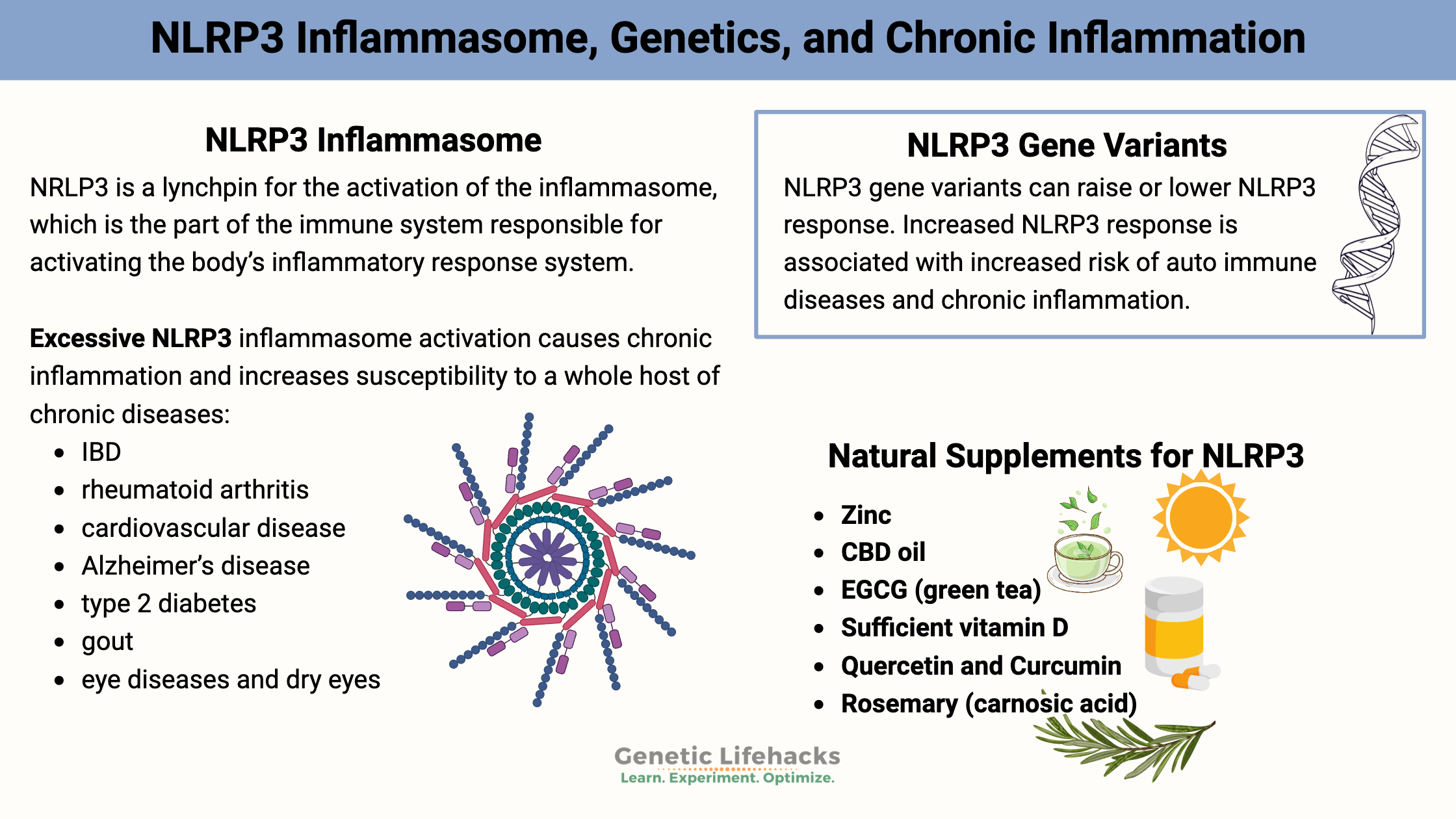
Explore NLRP3 inflammasome genetics: How variants drive chronic inflammation in Alzheimer’s, diabetes, and autoimmune diseases. Discover triggers, health risks, and lifehacks like zinc & vitamin D to modulate it.
Genetic variants are linked to being a Highly Sensitive Person – feeling more deeply and more sensitive to environmental stimuli.
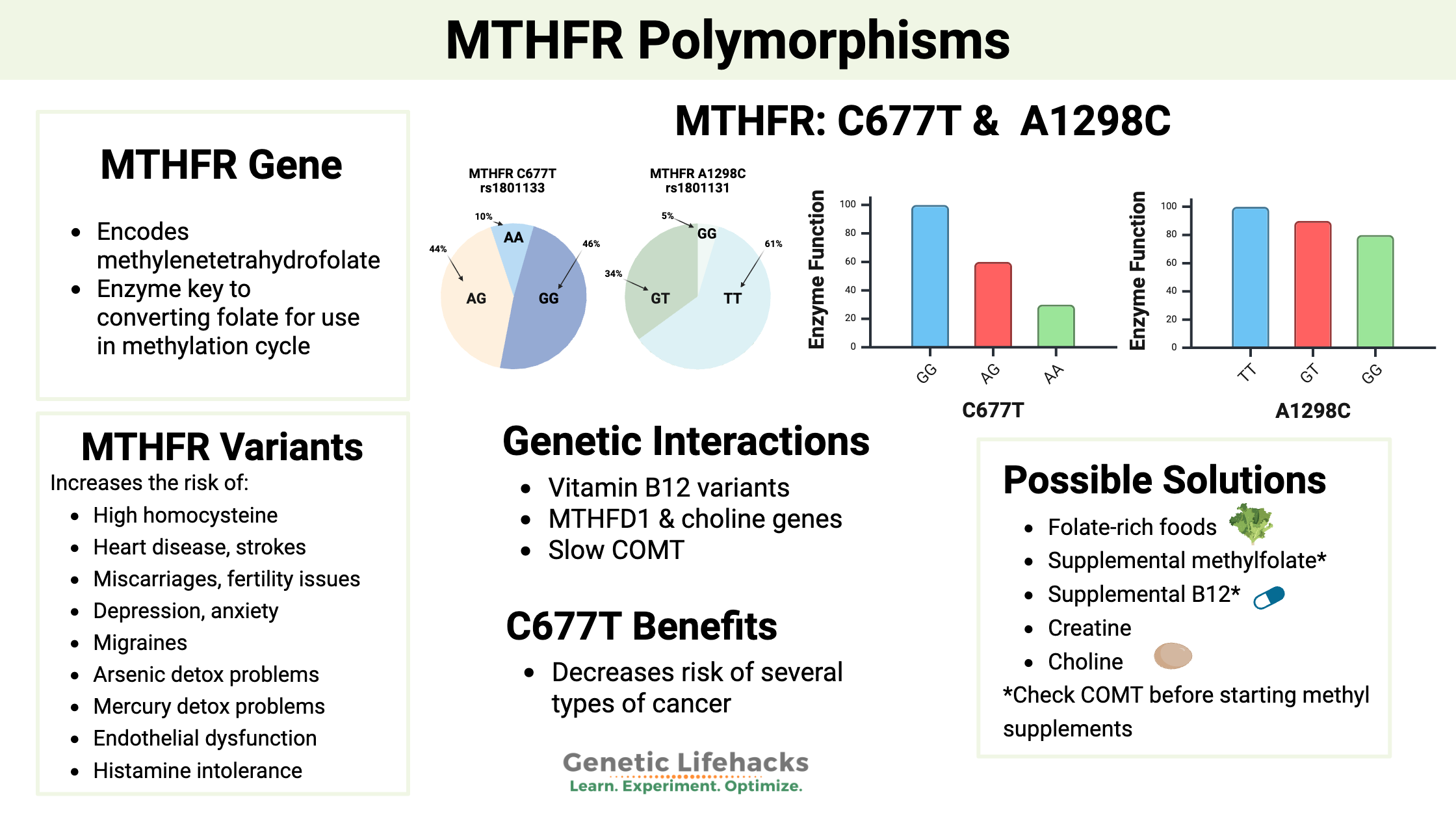
Choline is an often neglected nutrient essential to a healthy diet. Your genes are important in how much and which types of choline you need.
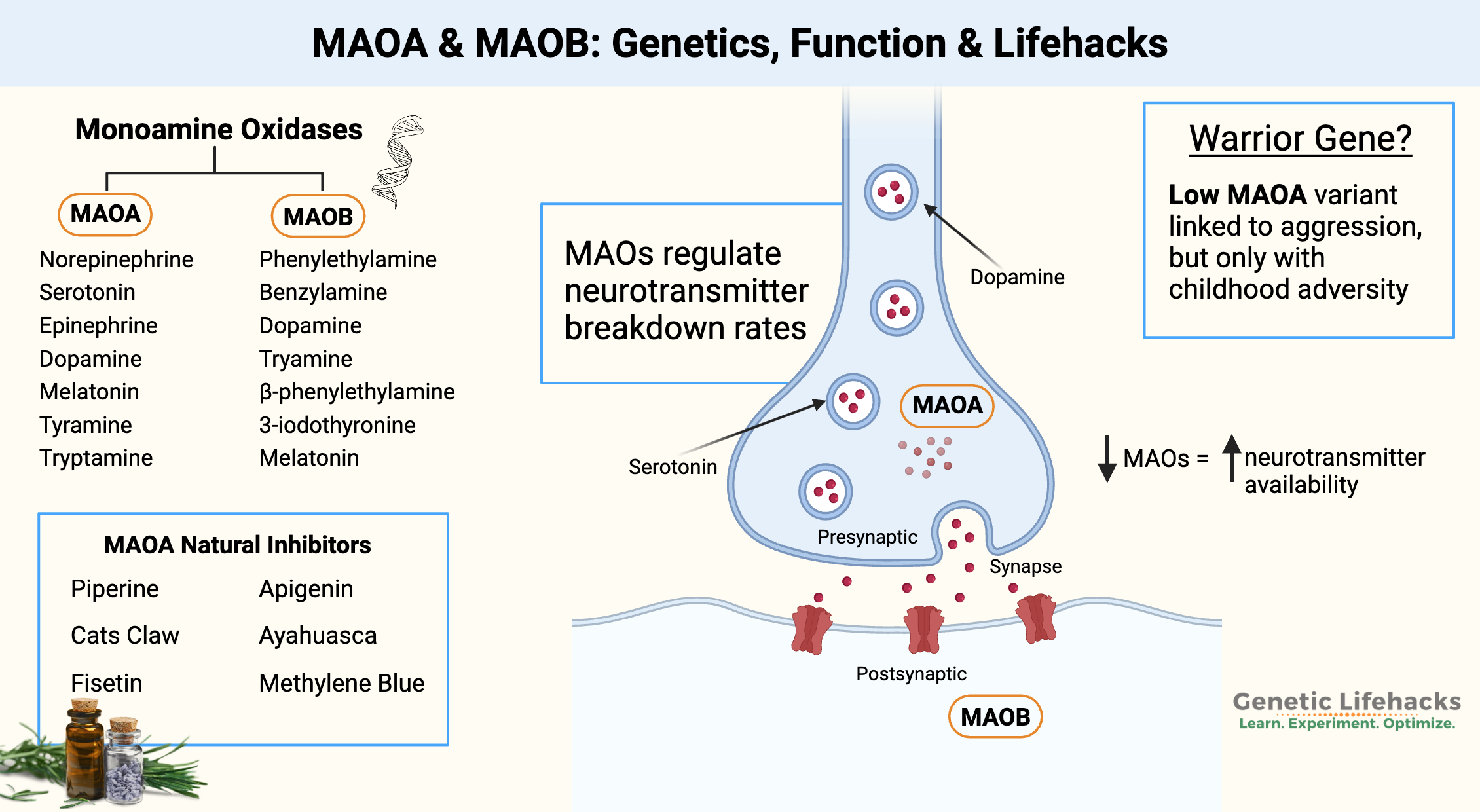
The MAOA and MAOB genes encode enzymes that break down certain neurotransmitters. People with low MAO may be prone to mood issues in certain circumstances.
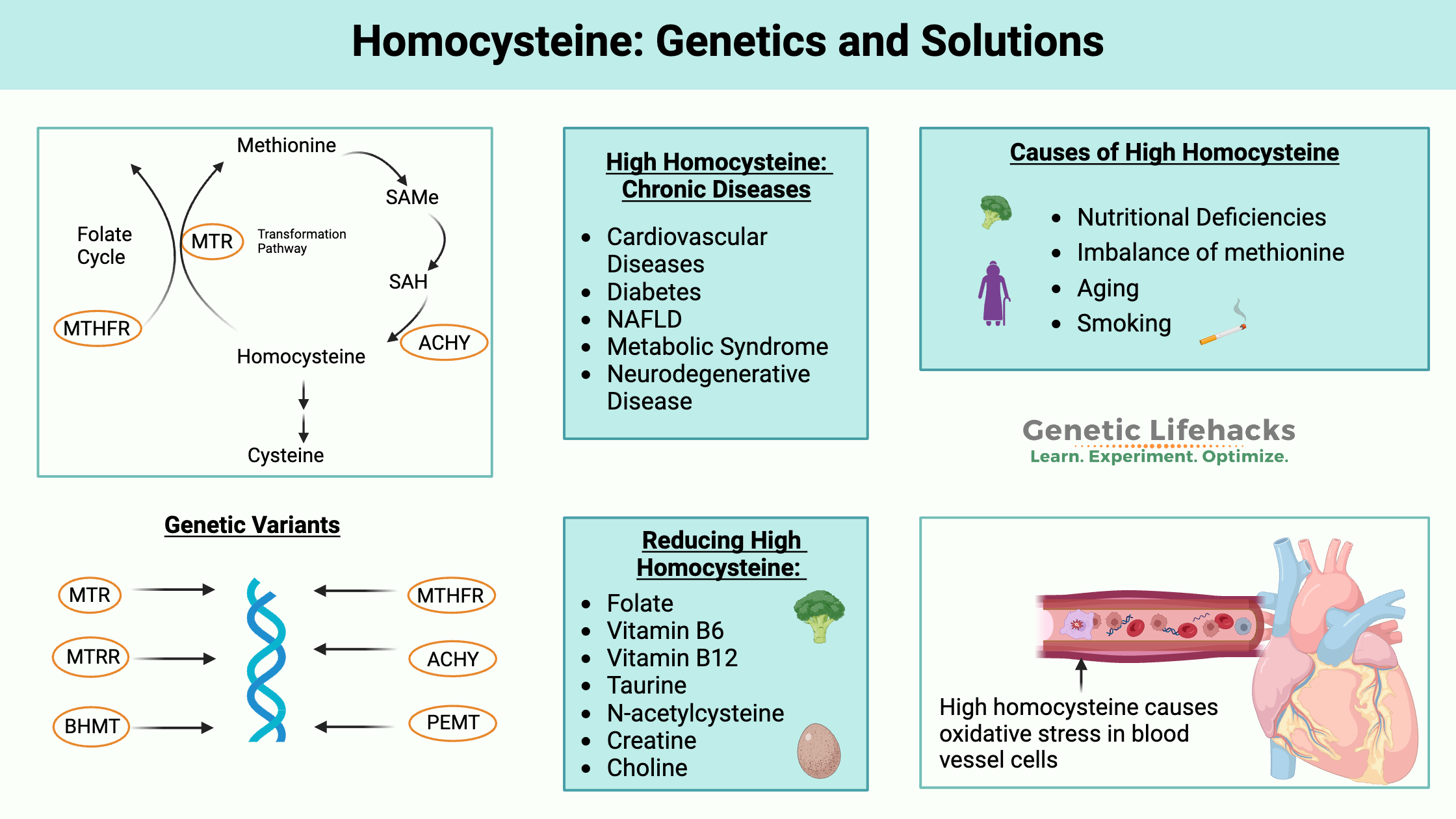
High homocysteine levels are strongly linked to an increased relative risk of cardiovascular diseases. Find out how your genes impact homocysteine levels.
Rosacea is a chronic inflammatory skin condition that is driven by upregulated inflammation. Learn how your genes interact with environmental factors to cause rosacea.
Two key enzymes are needed for dopamine synthesis. Genetics, diet, and lifestyle can influence your dopamine production.
The SULT genes help with phase II detoxification of estrogens, neurotransmitters, certain carcinogens, and steroid hormones.
Estrogen – from how much is made to how it is broken down – is dependent on both genetics and lifestyle factors and affects both men and women. This article explains how estrogen is made, how it is eliminated from the body, which genes are involved, and how this influences the risk of breast cancer, prostate cancer, and fibroids.
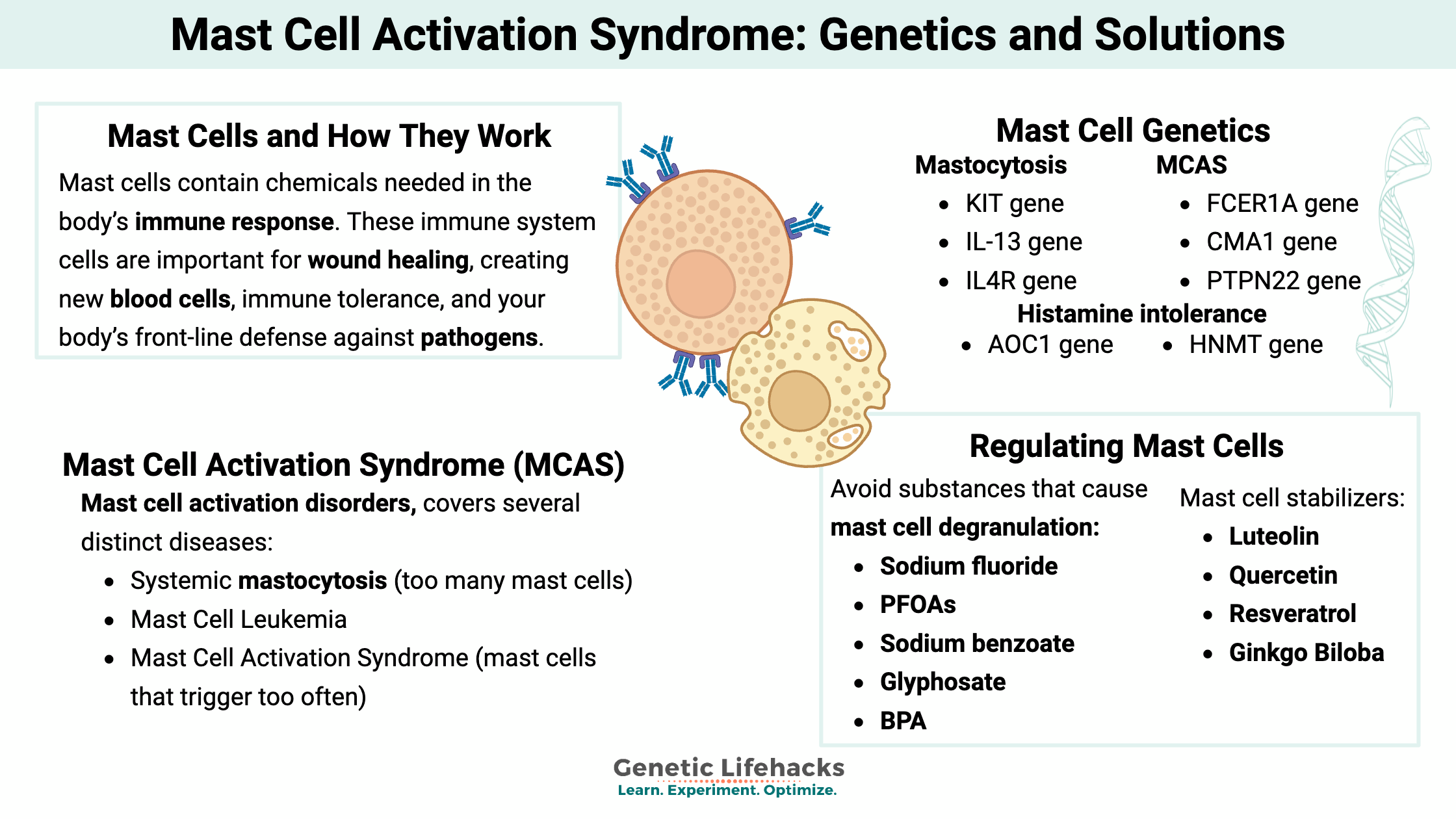
Histamine rising in the early morning hours may cause early waking insomnia. Mast cells and circadian rhythm disruption at the root.
There have been several interesting studies linking obesity to a viral infection, specifically an adenovirus. Learn more about this virus and its association with obesity.
Explore the research-backed strategies for preventing or managing respiratory illnesses. Don’t let a cold get you down this year.
Overview of Bryan Johnson’s million dollar longevity protocol, with genetic insight to make it personalized and cheaper.
Dopamine is a powerful player in our cognitive function – impacting mood, movement, and motivation. Genetic variants in the dopamine receptors influence addiction, ADHD, neurological diseases, depression, psychosis, and aggression.
CoQ10, or ubiquinone, is an integral part of mitochondrial energy production. It is also used as a lipid-soluble antioxidant. Learn how age and genes affect it.
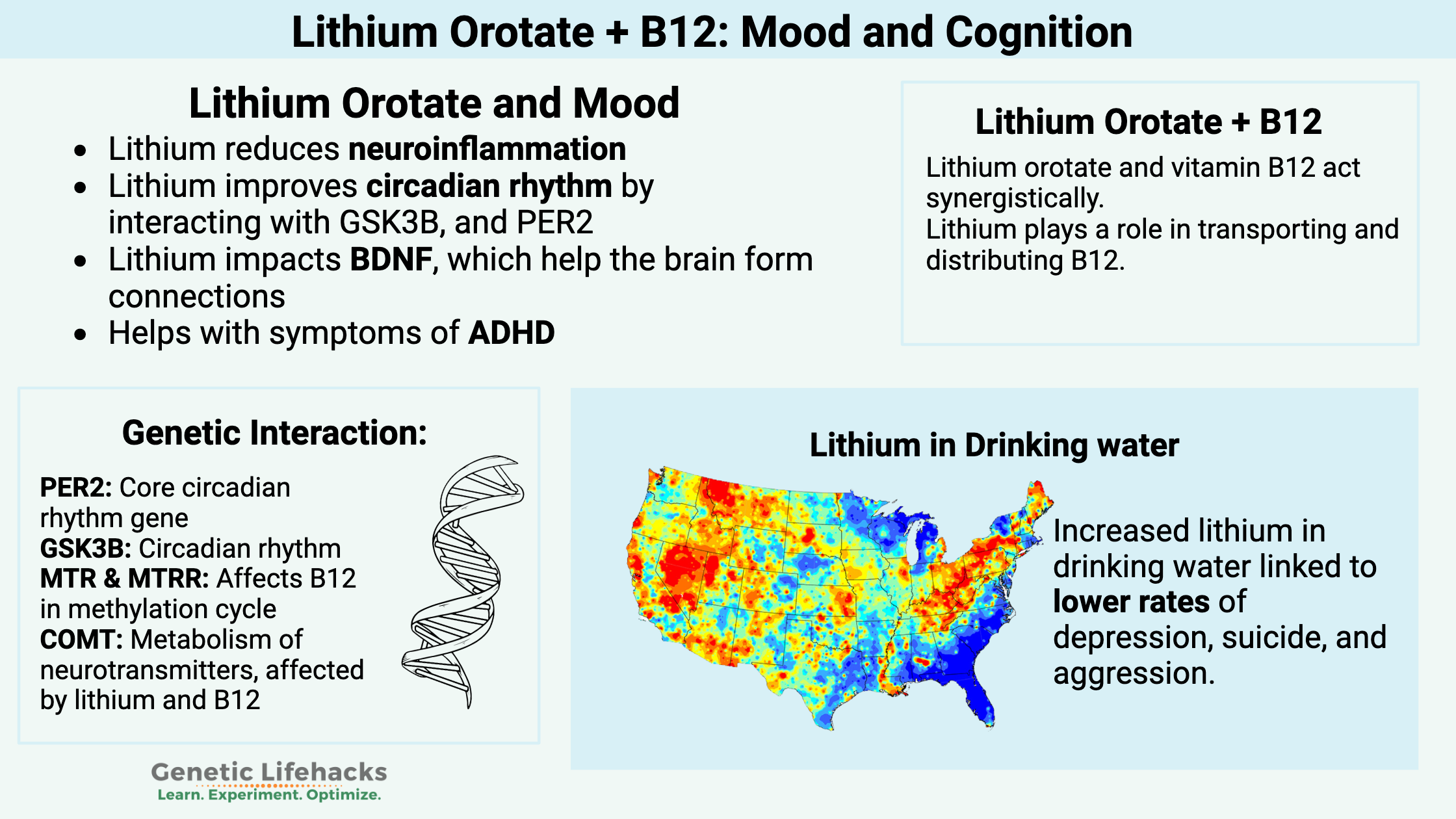
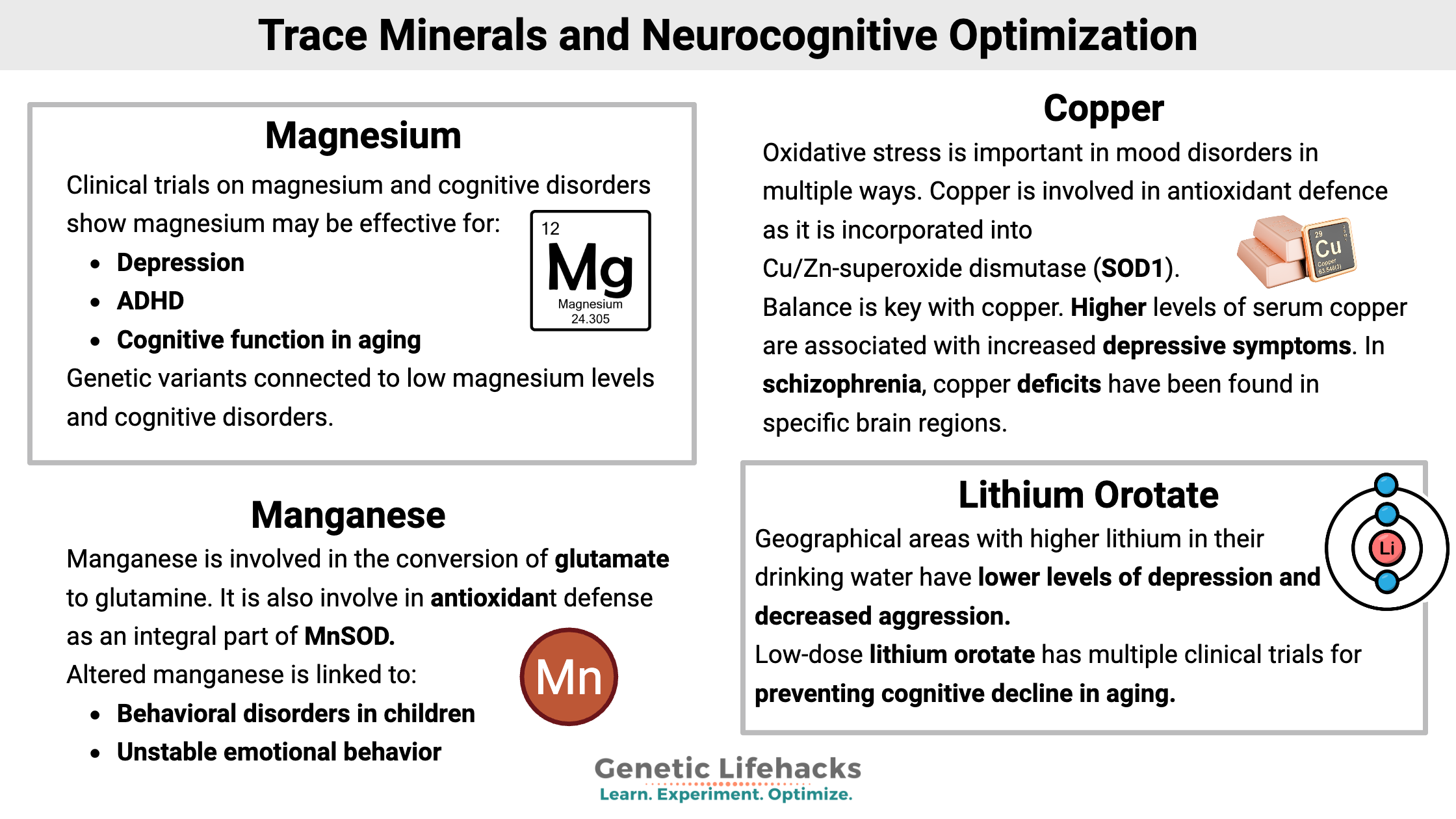
For some people, low-dose, supplemental lithium orotate is a game changer when combined with vitamin B12. But other people may have little to no response. The difference may be in your genes.
Hot flashes affect up to 80% of women going through menopause. Genetics, environment, and diet can make them worse. Target the right solutions.