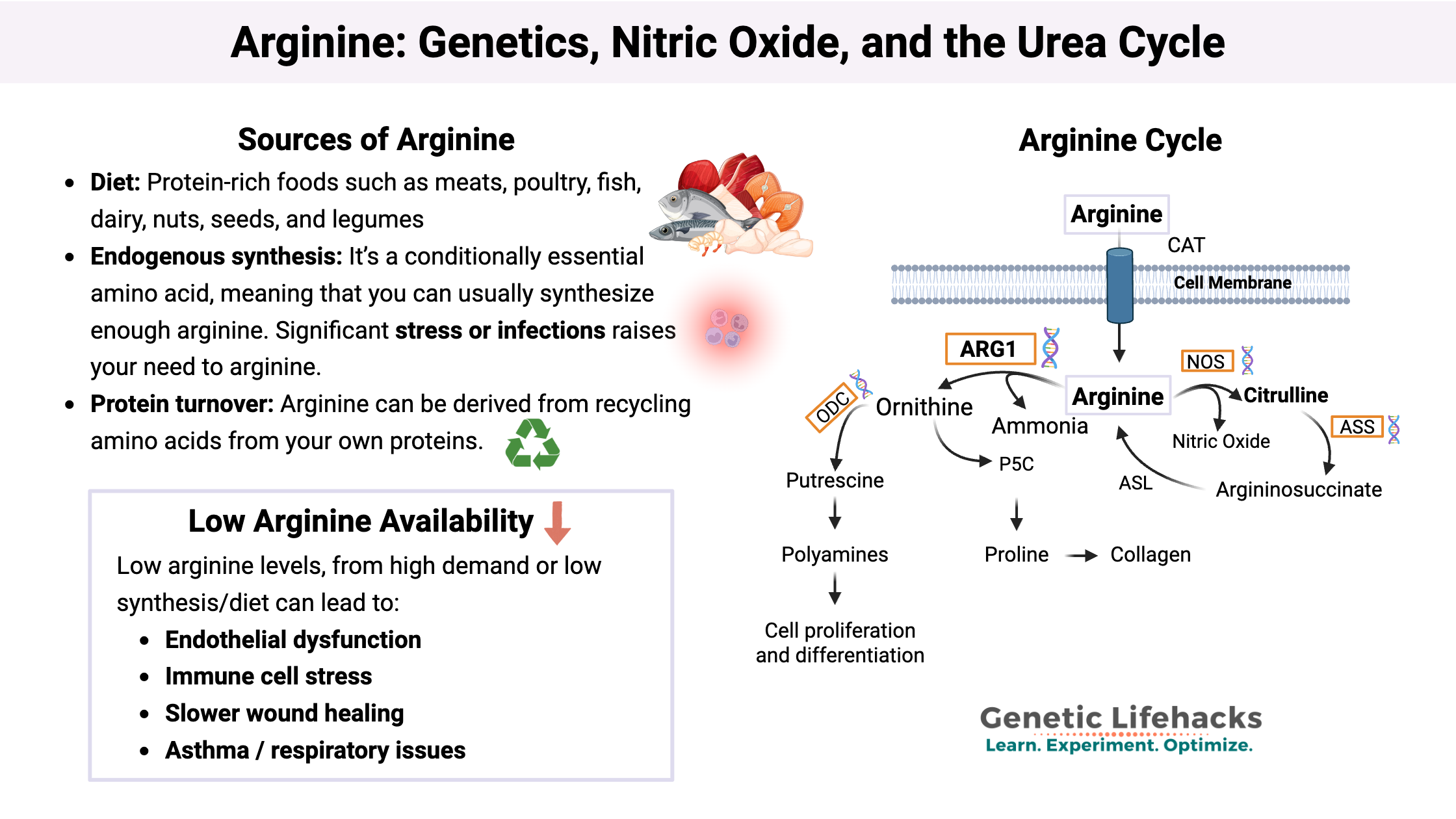
Arginine: Genetics, Nitric Oxide, Immune Response, and Ammonia Clearance
Learn how ARG1 and ARG2 variants influence arginine levels, nitric oxide, and urea-cycle balance—plus food, L-arginine vs citrulline, and safety trade-offs.

Learn how ARG1 and ARG2 variants influence arginine levels, nitric oxide, and urea-cycle balance—plus food, L-arginine vs citrulline, and safety trade-offs.
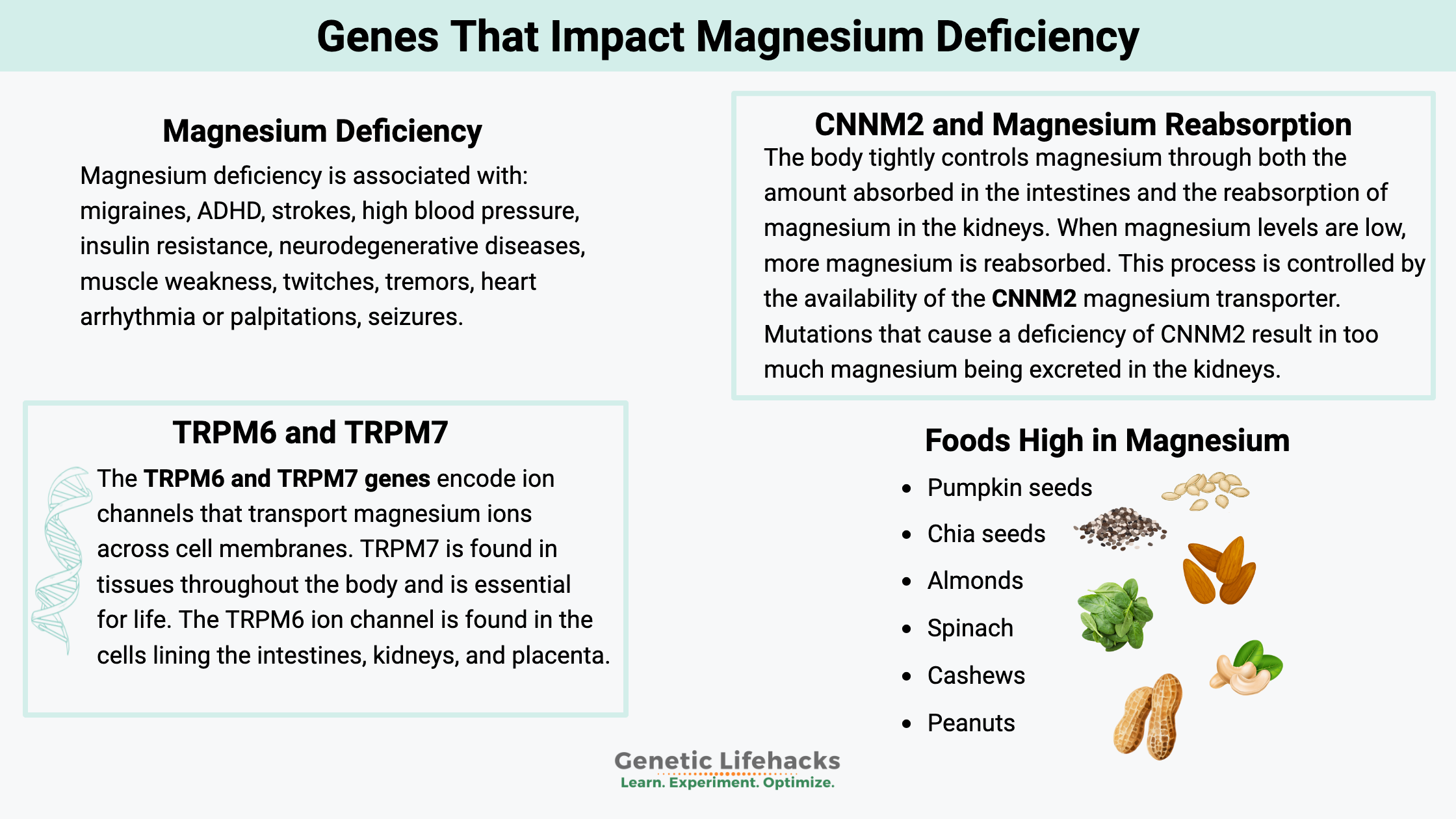
Genes like TRPM6, TRPM7, and CNNM2 affect how well your body absorbs and retains magnesium. See your genotype report for Mg deficiency and types of supplements.
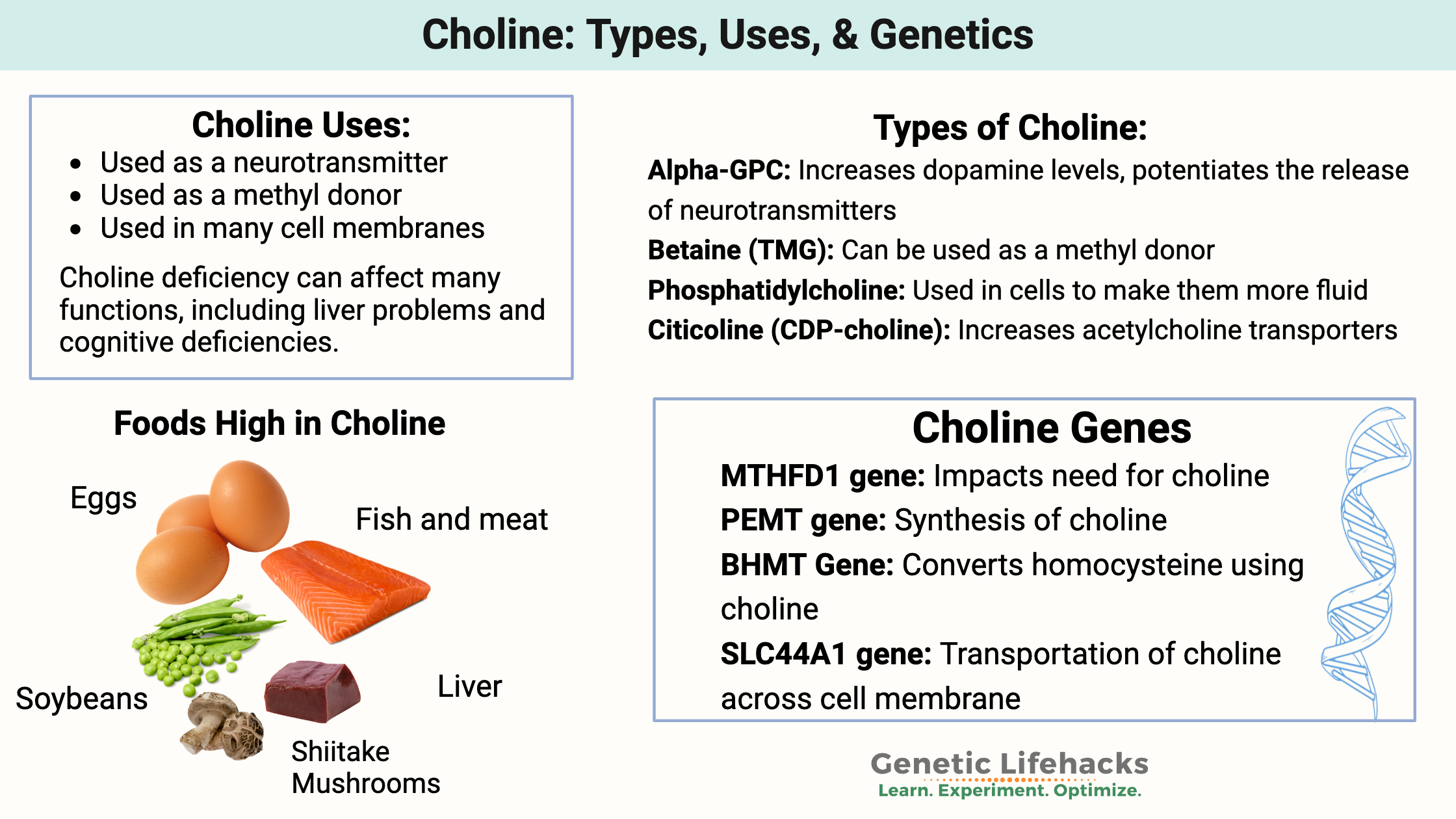
Which choline supplement works best based on your PEMT, MTHFD1, and CHKA genes? Compare citicoline, alpha-GPC, PC, and betaine.
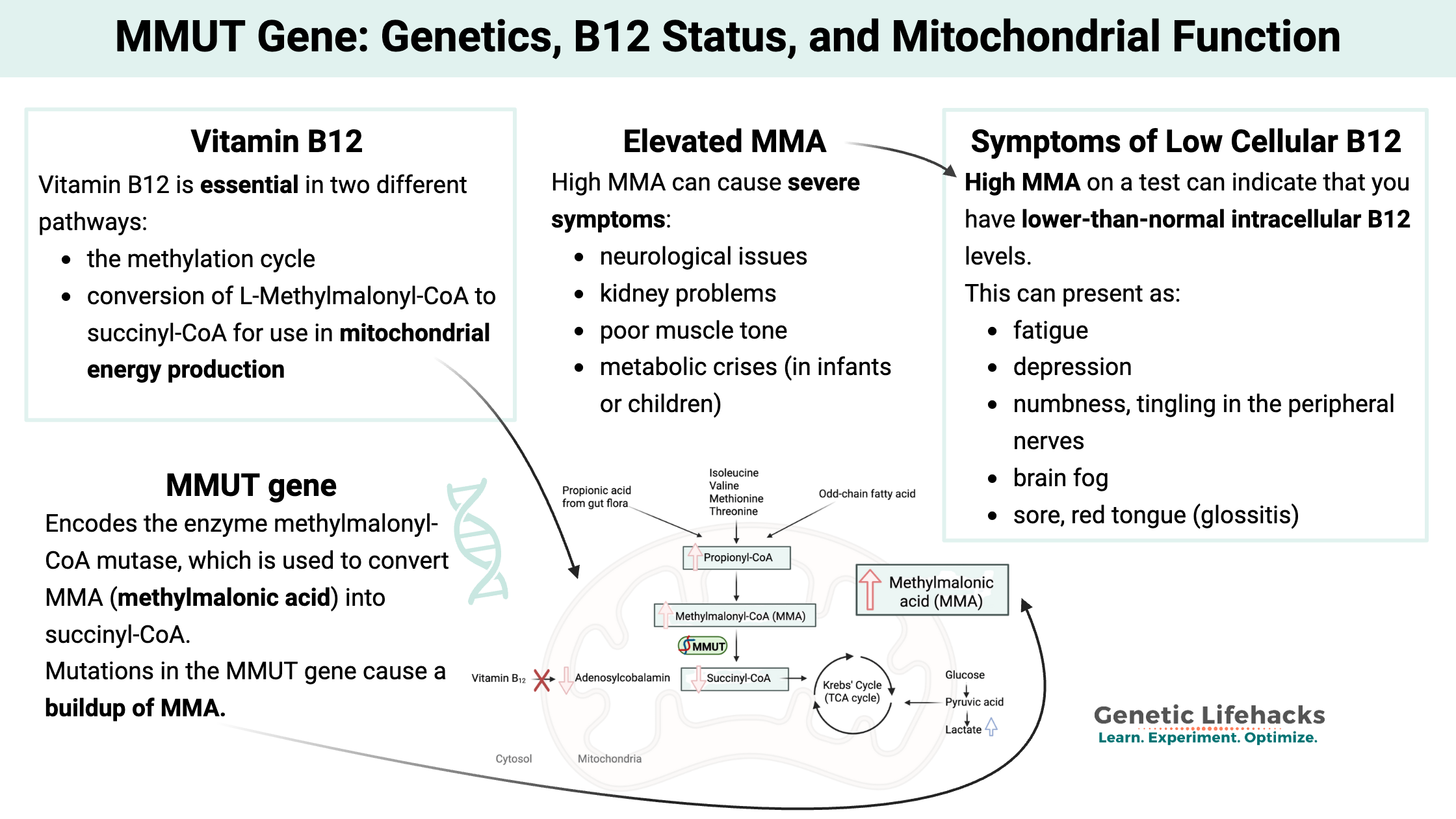
MMUT gene variants affect how your body uses B12 for mitochondrial energy. Learn how MMA testing reveals intracellular B12 deficiency and which form of B12 can help.
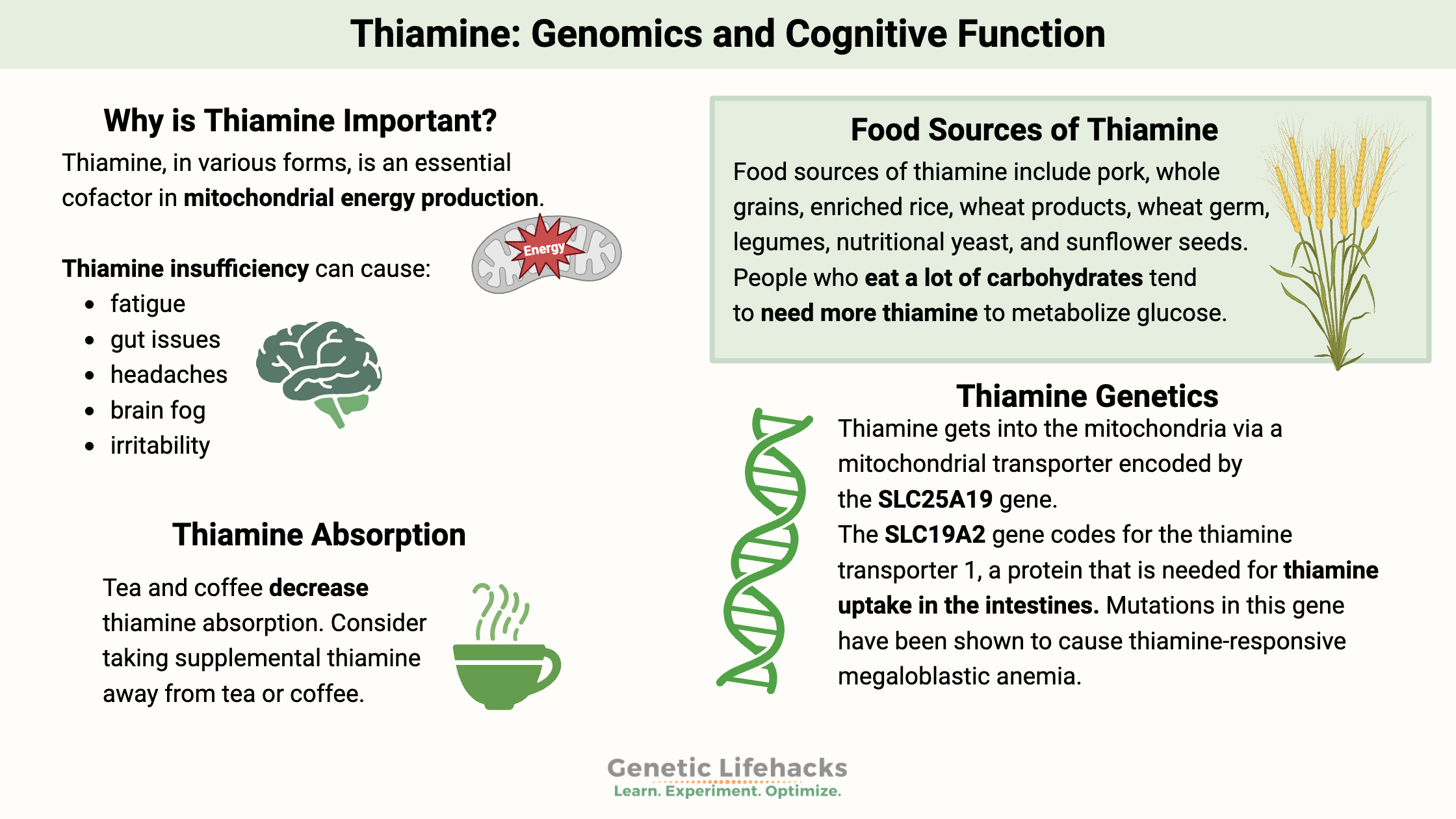
Thiamine (vitamin B1) is essential for energy production and brain function. Learn how SLC19A2, SLC19A3, and other genes affect your need for thiamine.
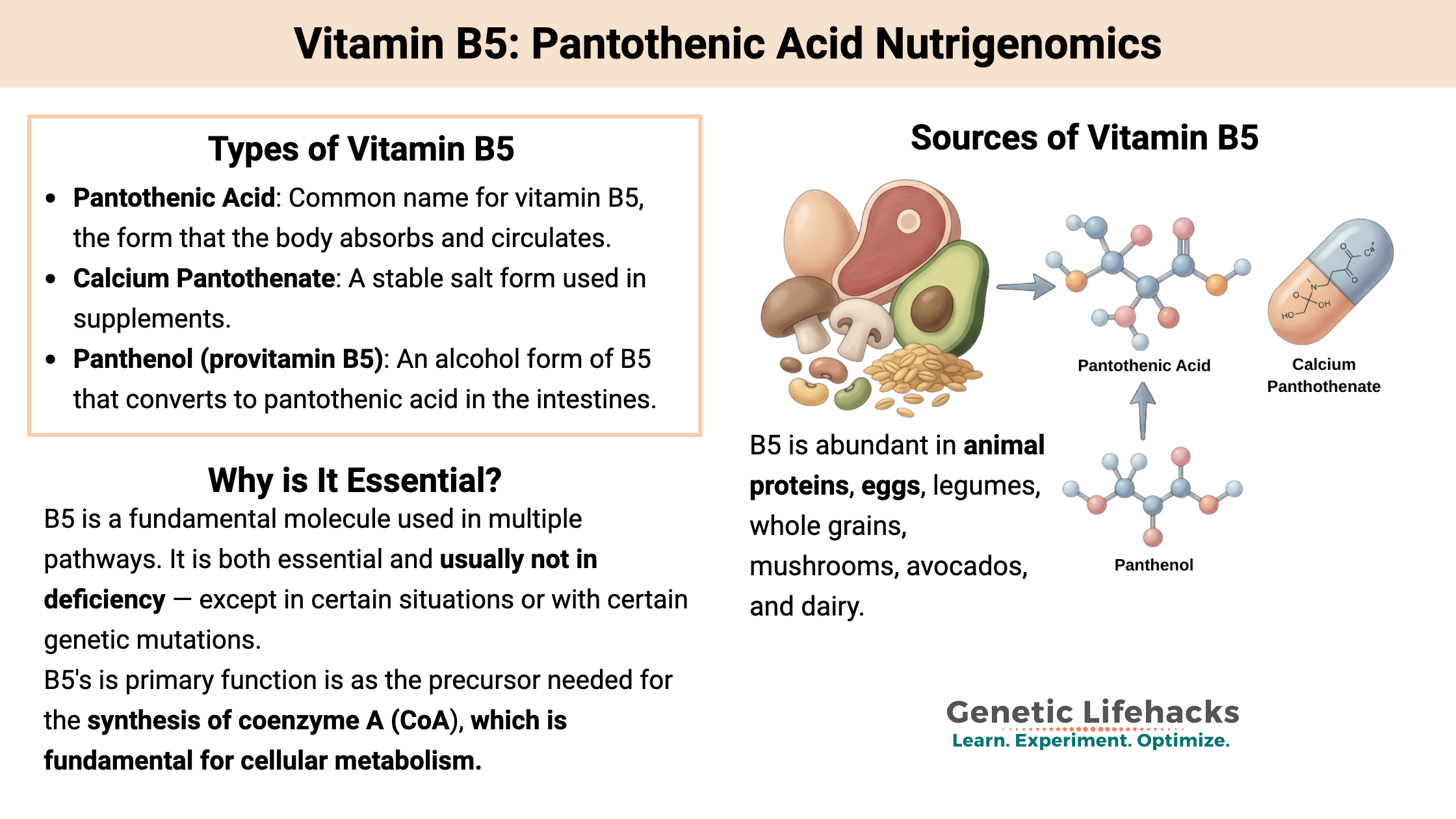
Pantothenic acid (vitamin B5) is essential for coenzyme A synthesis and brain energy. Learn about B5 deficiency, PANK2 mutations, and links to Alzheimer’s.
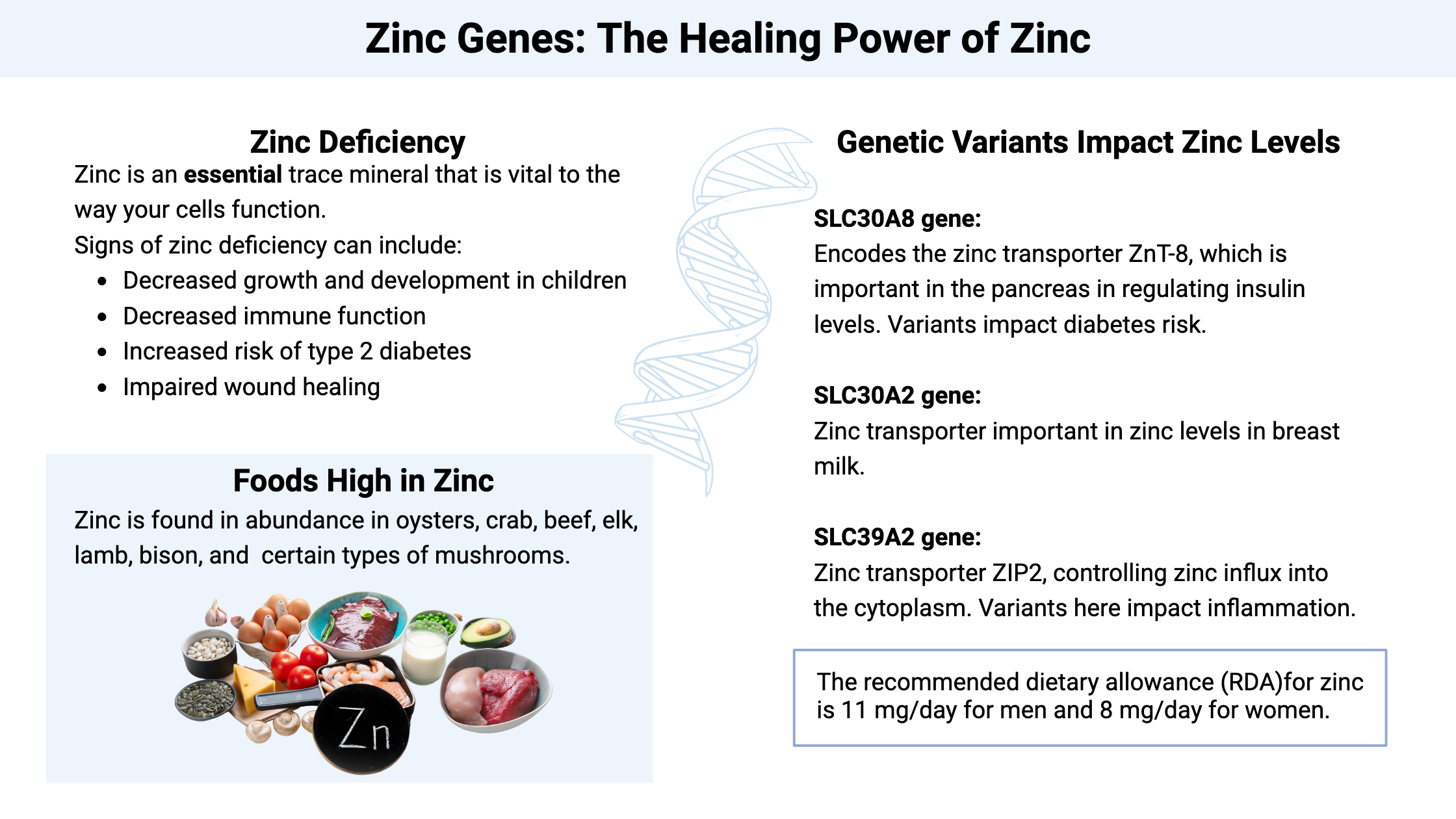
Zinc is essential for immunity, skin, mood, and blood sugar, and your genes can change how much you need. Learn how zinc transporter variants affect your optimal intake.
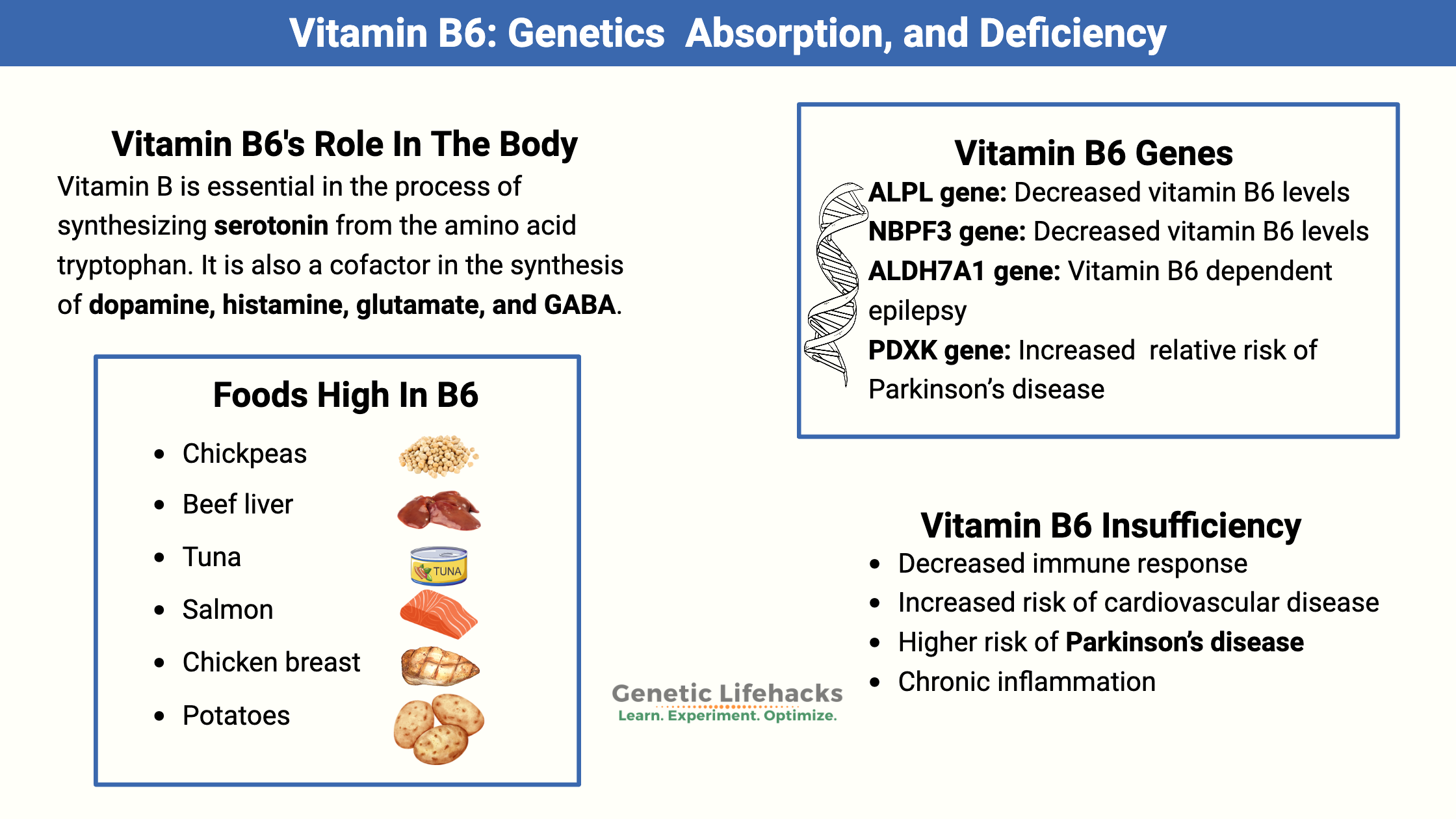
Vitamin B6 is an important co-factor in hundreds of different enzymatic reactions. Low levels of B6 are linked to an increased risk of diabetes, cardiovascular disease, neurodegenerative diseases, and cancer. B6 is also essential for reducing oxidative stress and inflammation.
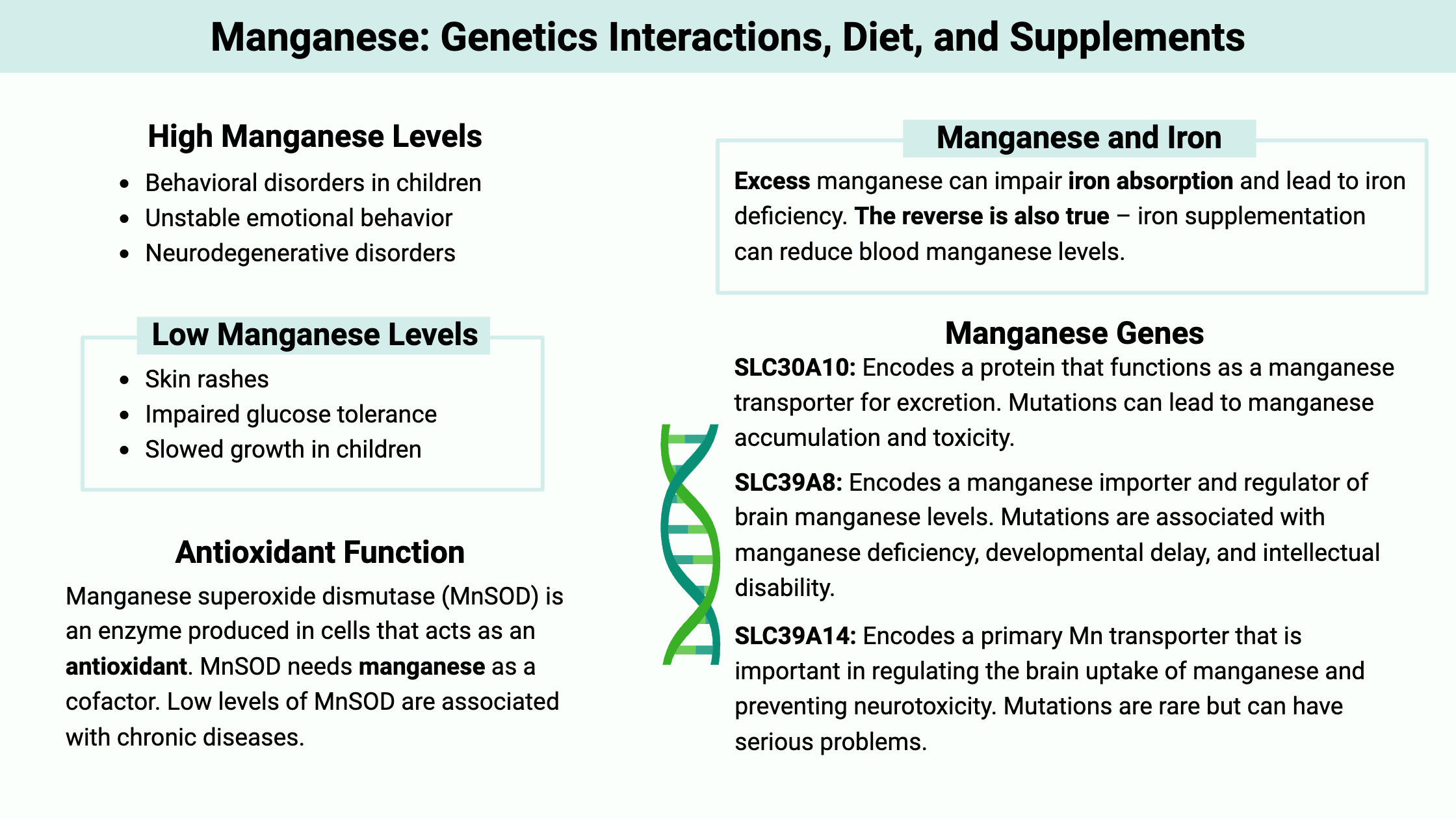
Manganese is an essential mineral needed in the right amount. It is important for health as an antioxidant cofactor, but too much is neurotoxic.
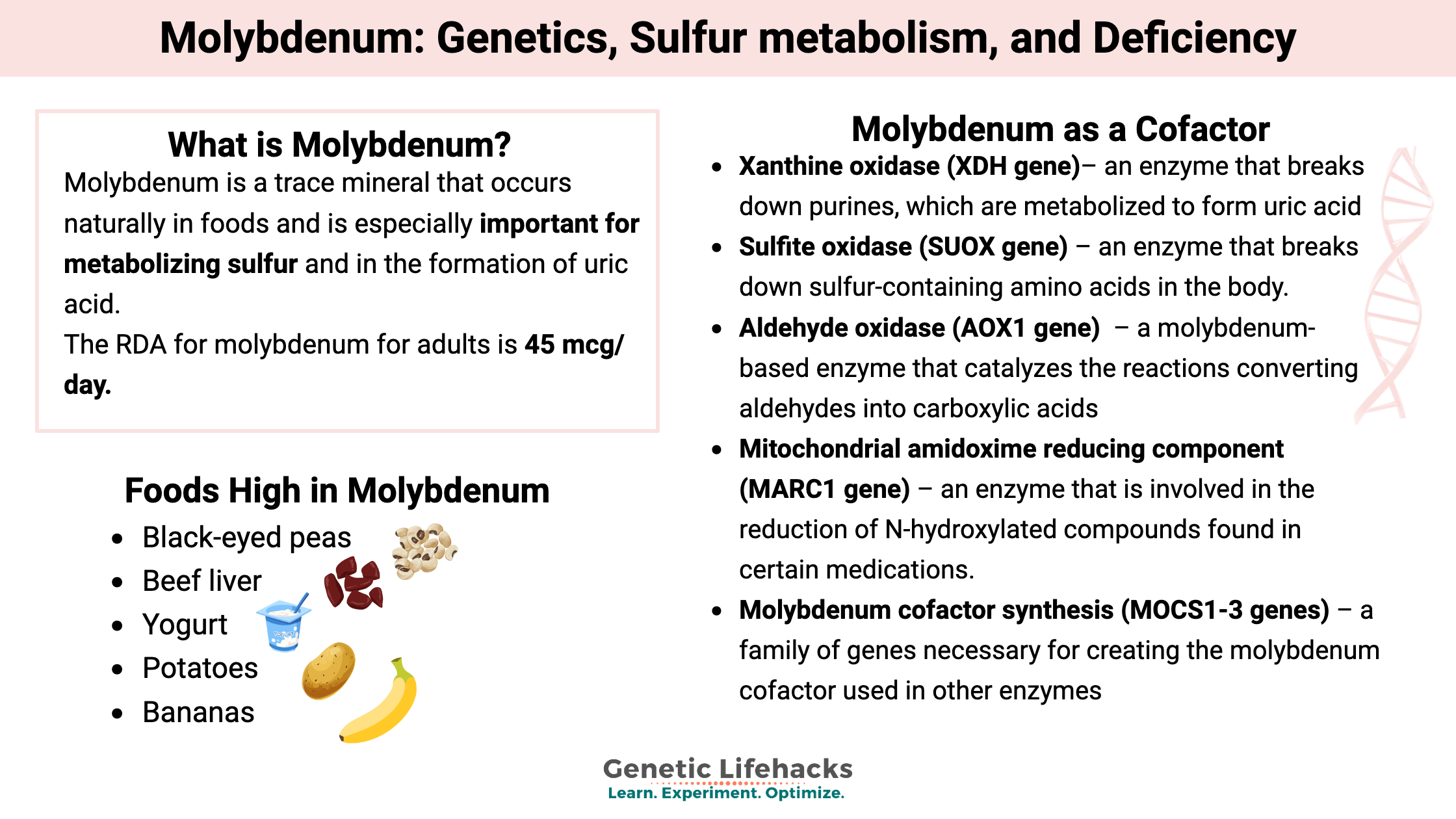
Molybdenum is a trace mineral needed in the right amounts for sulfur detoxification and the formation of uric acid.
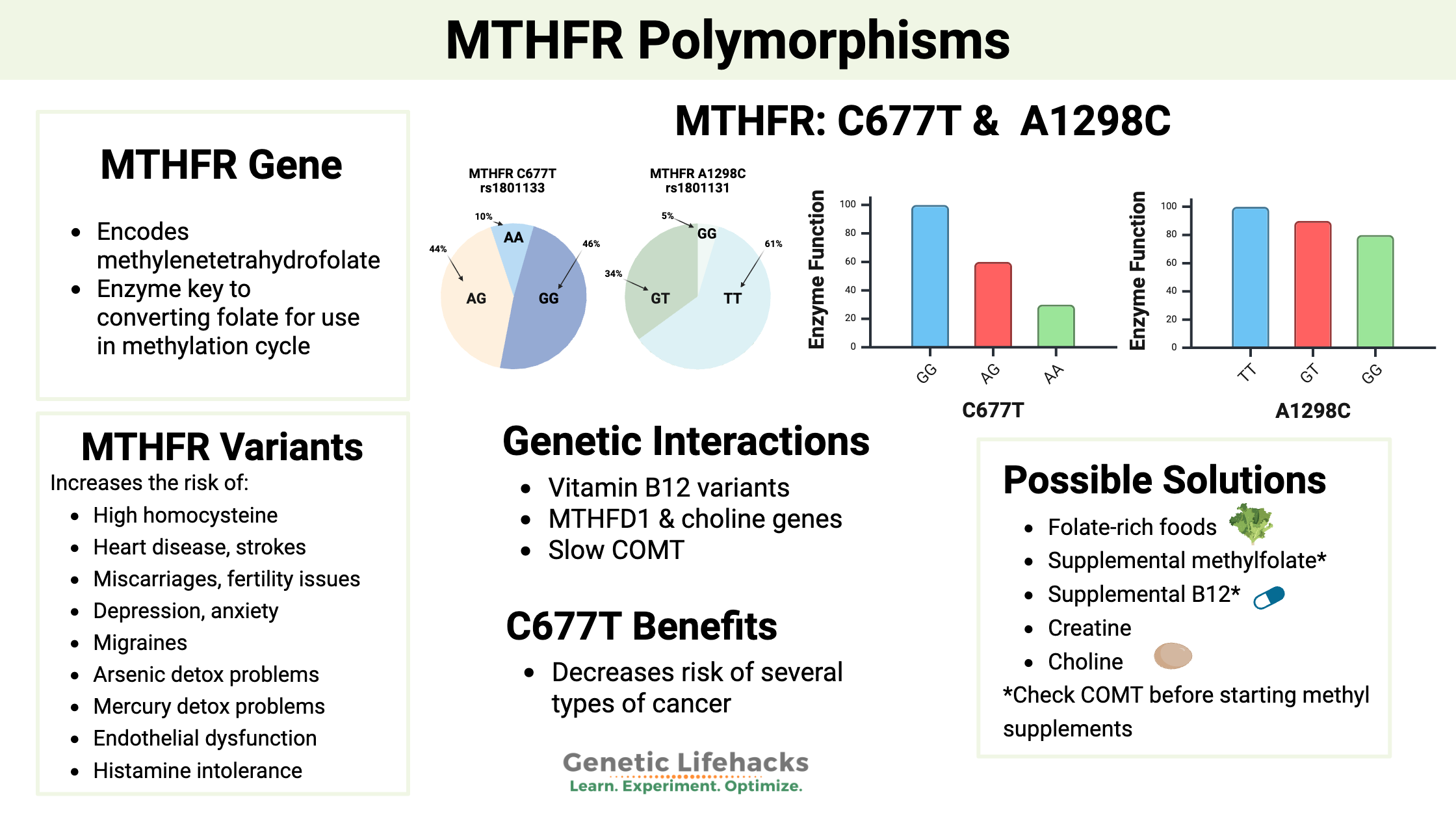
The MTHFR gene is important for how your body utilizes folate (vitamin B9) for creating neurotransmitters, detoxifying toxicants, and maintaining a healthy heart. It is a key gene in the methylation cycle.
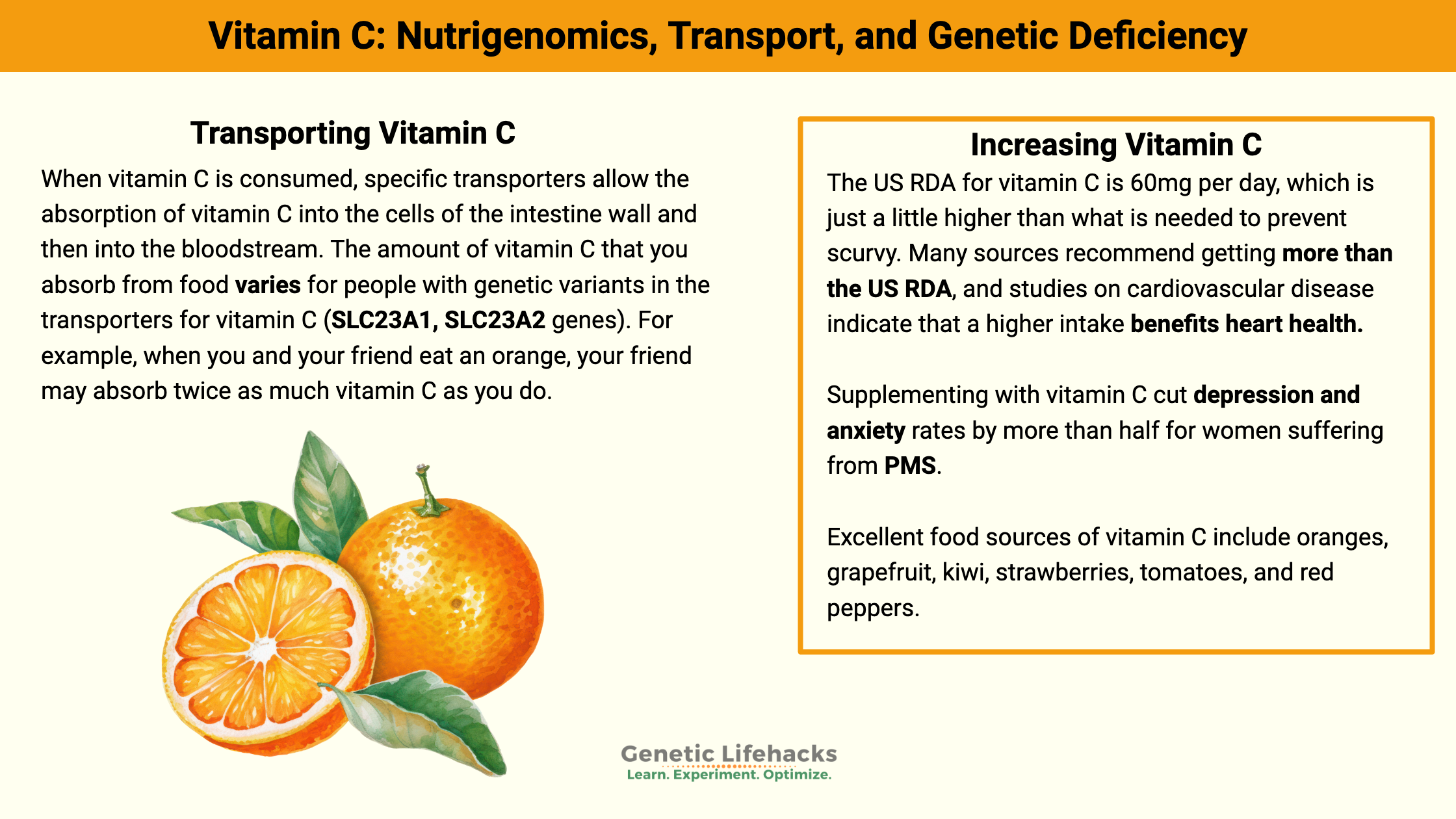
Genetic variants in SLC23A1 and SLC23A2 affect vitamin C absorption and blood levels. Learn how your genes affect your need for vitamin C.
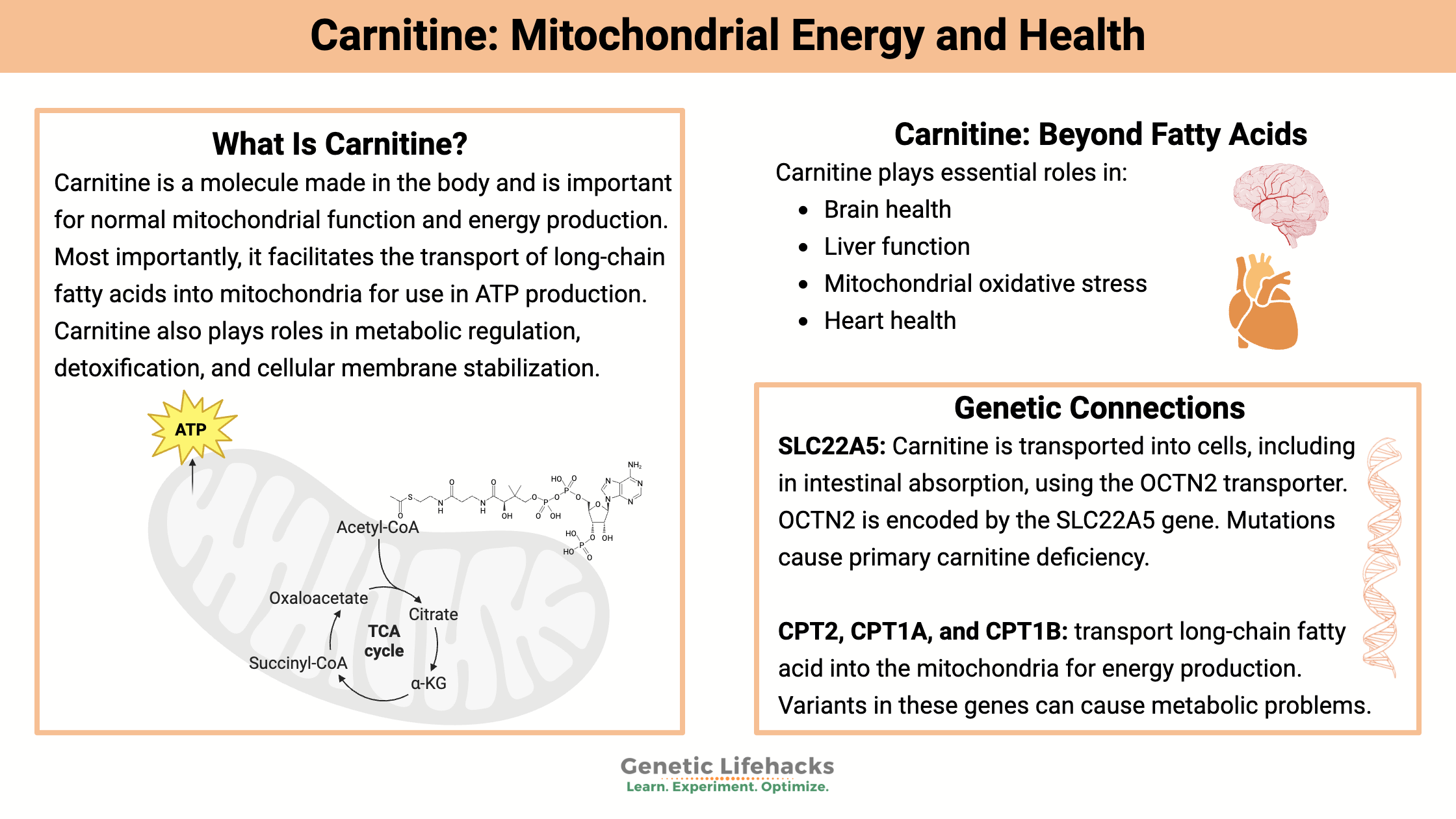
Learn how carnitine powers cellular energy, supports organ health, and influences metabolism. Discover its benefits for brain, liver and immune function, plus how genetics affect your carnitine needs.
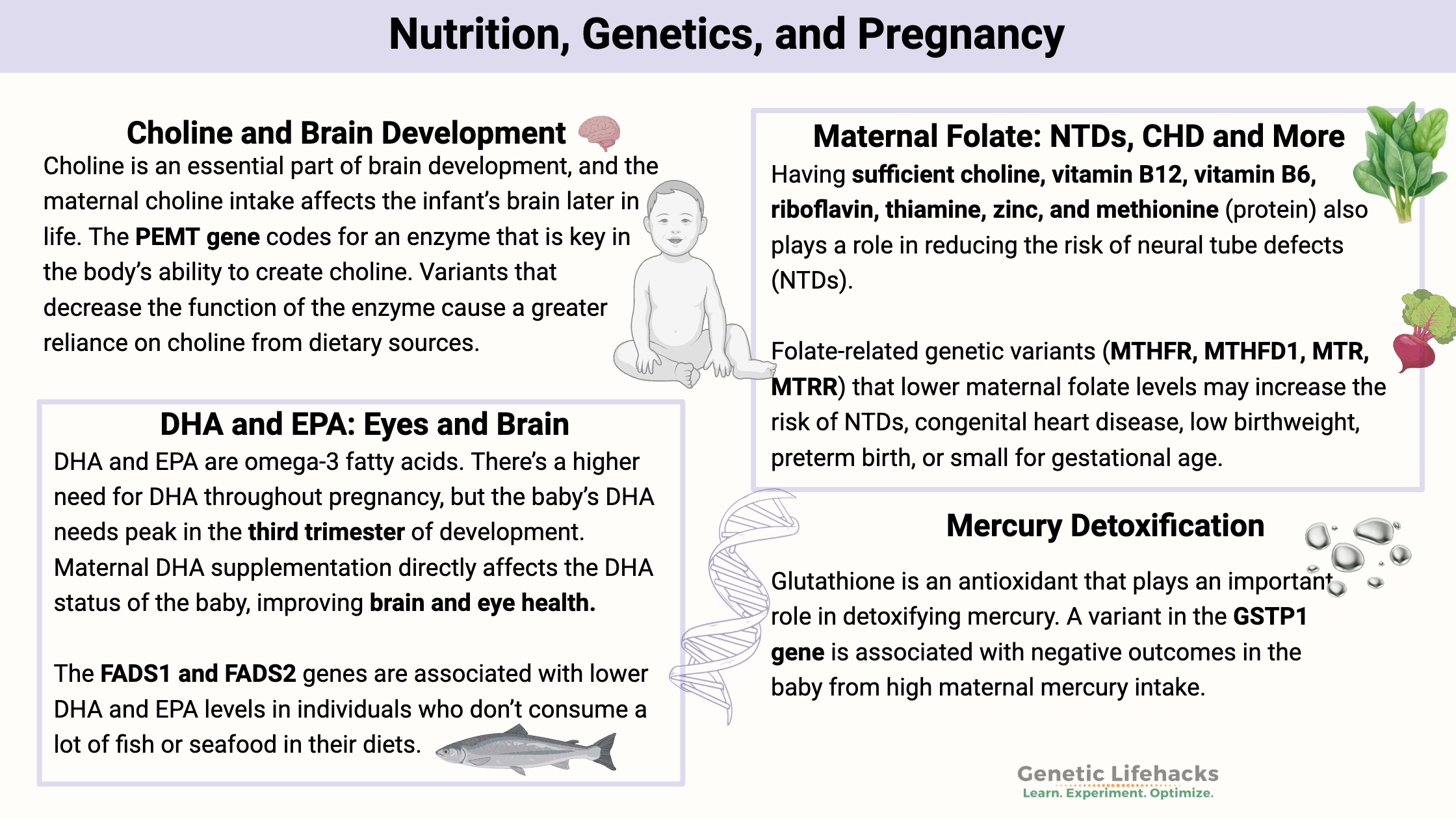
Pregnancy is a time of increased nutritional needs, and your genes can help you dial in your diet to prevent nutrient deficiencies.
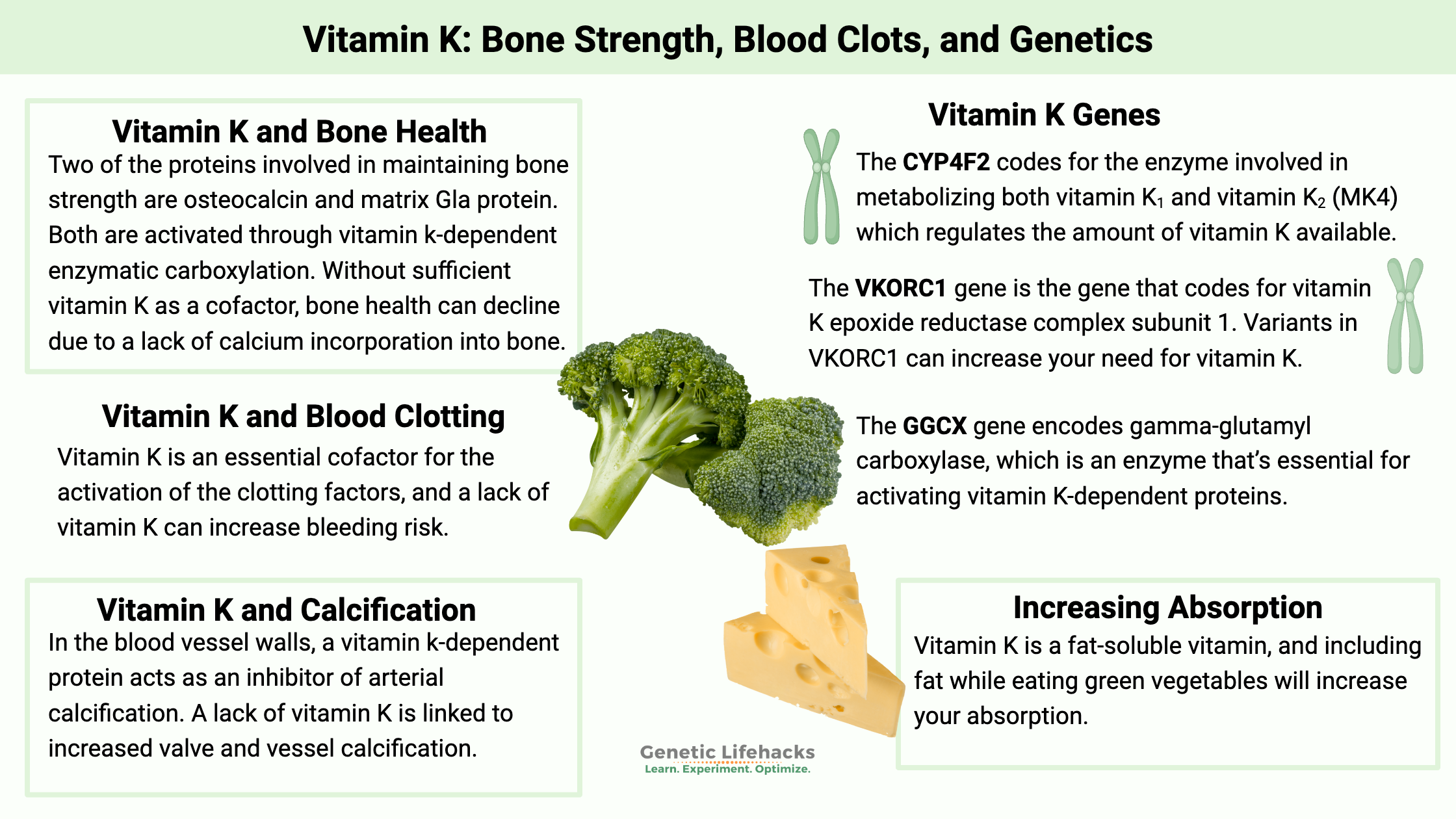
Genetic variations cause people to have higher or lower levels of vitamin K, which can affect blood clotting. Learn more about the genes that affect vitamin K and how it relates to your genetic raw data.
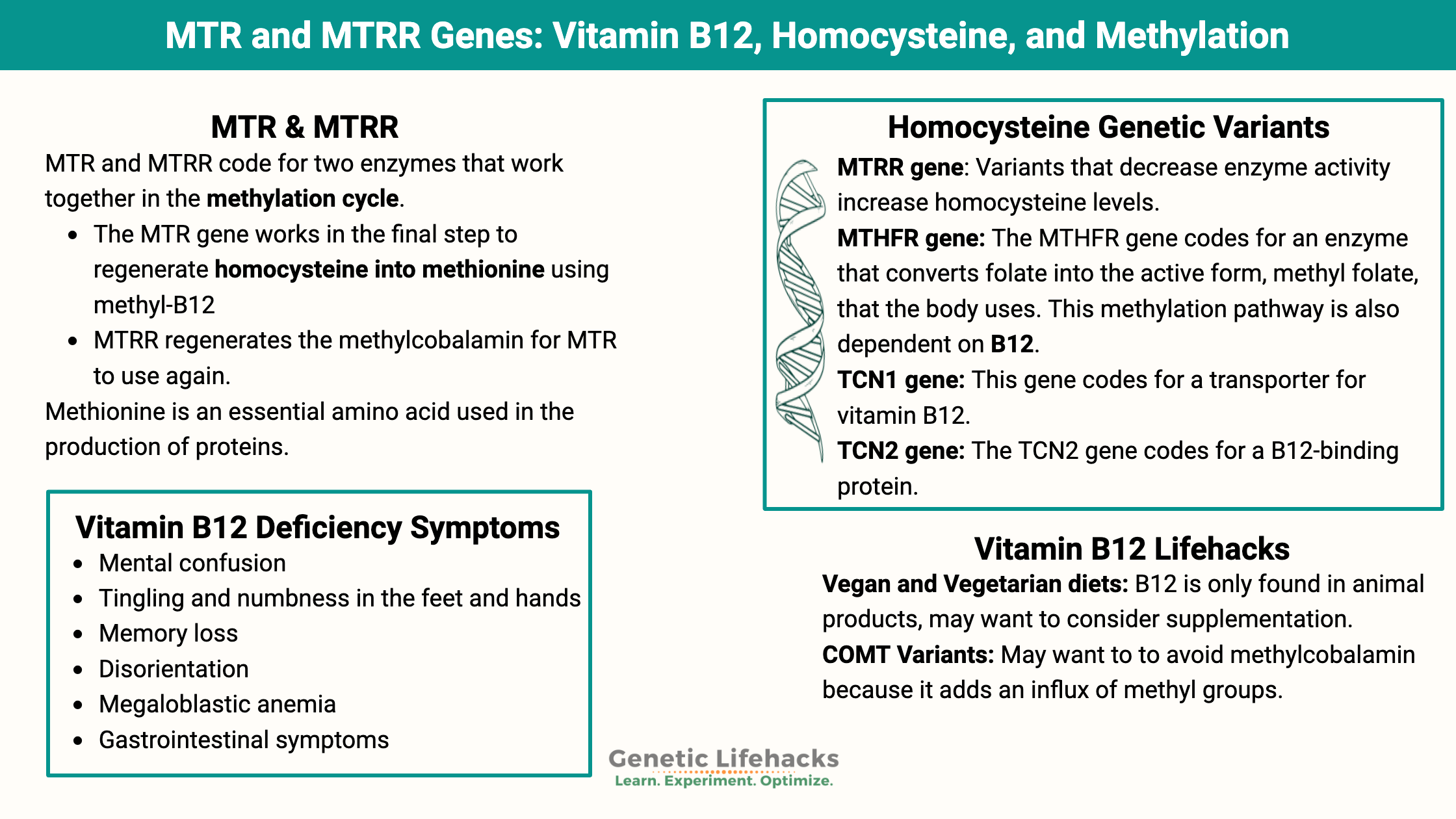
There are several genes that can influence your absorption, transport, and need for vitamin B12. Some people need higher amounts of B12, and some people thrive on different forms of B12. Take a look at your genetic data to see if you should up your intake of B12.
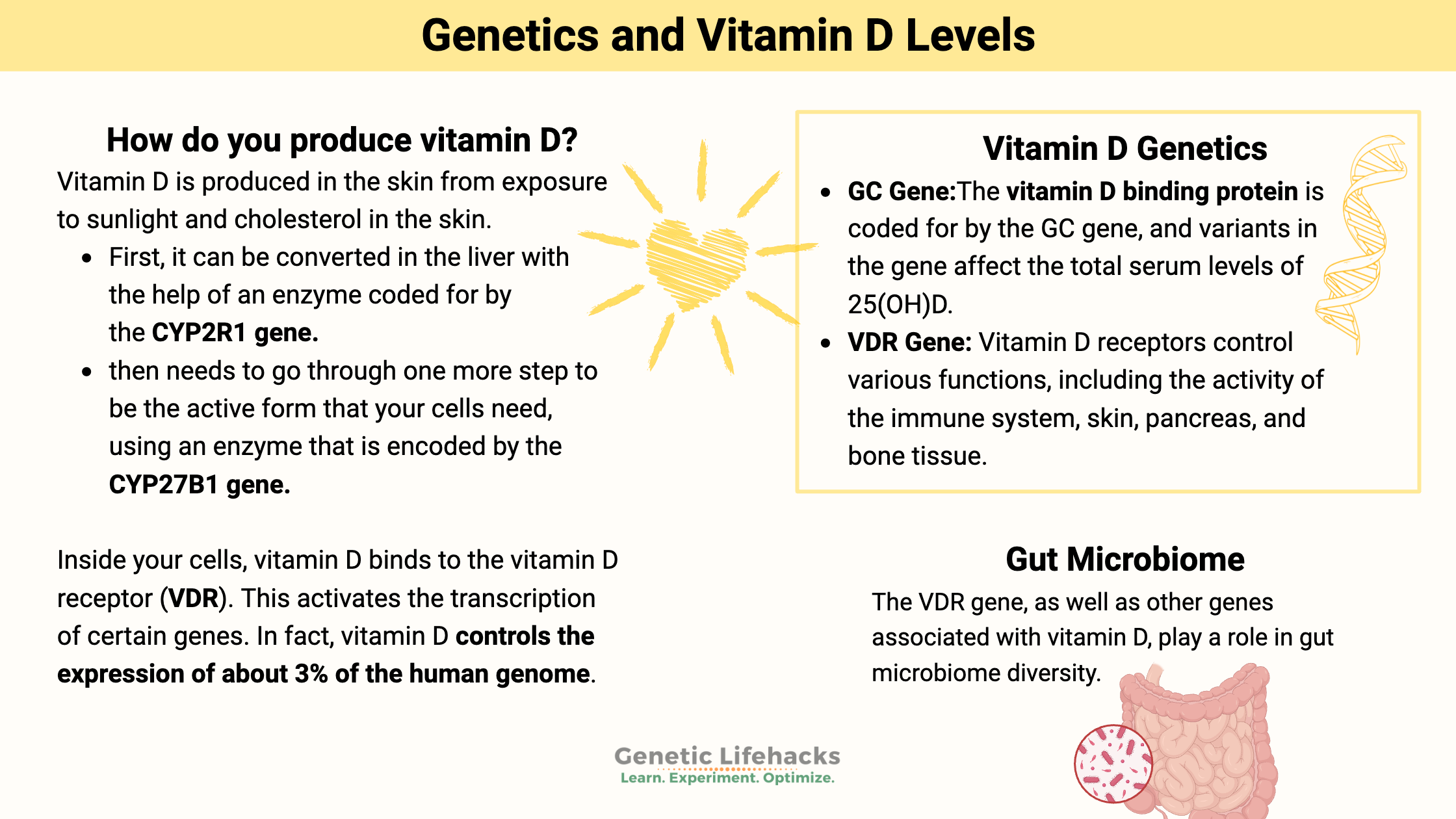
Your vitamin D levels are impacted by sun exposure and your genes. Learn more about how vitamin D is made in the body and how your genetic variants impact your levels.
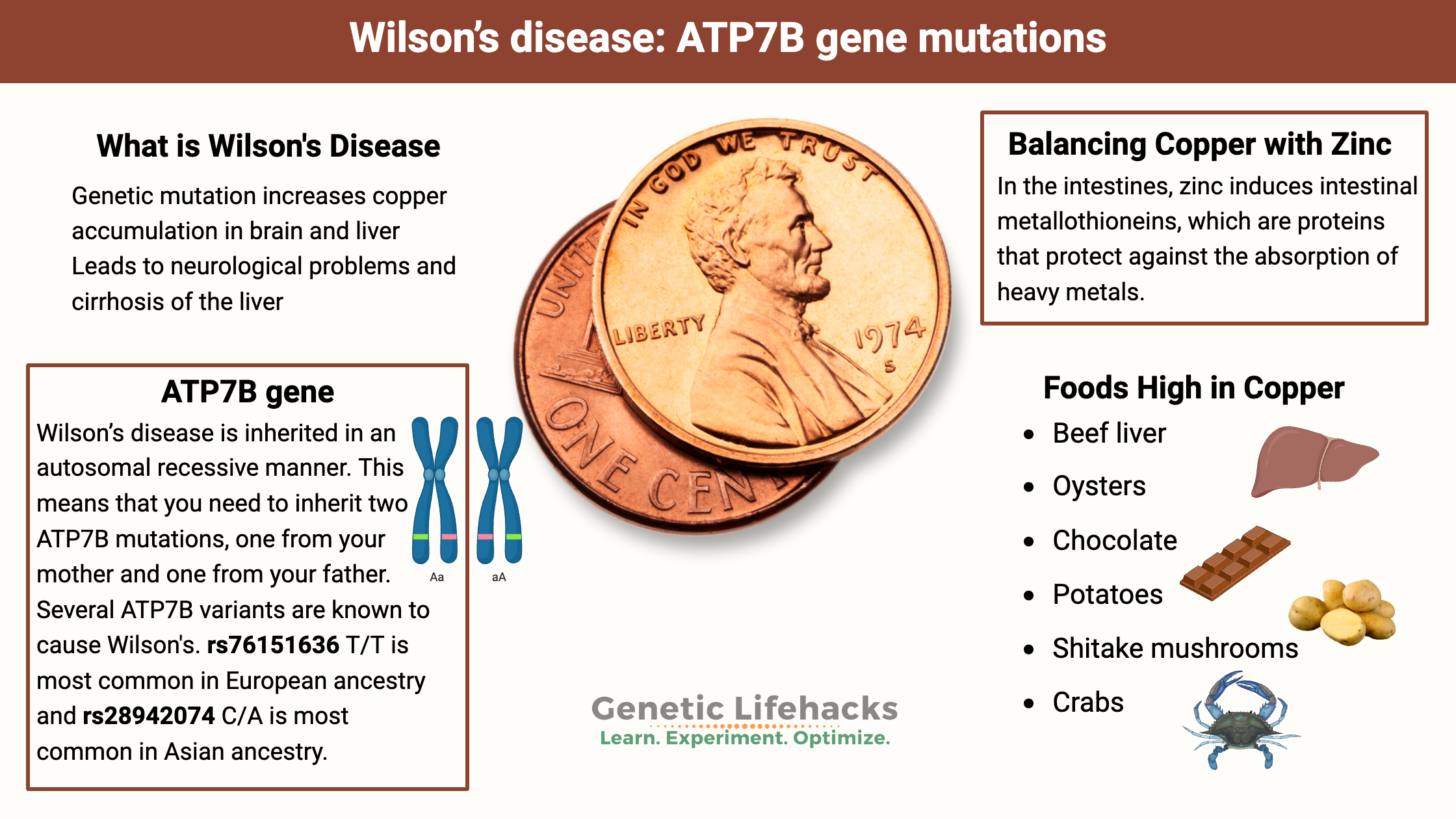
Mutations in ATP7B can cause copper dysregulation and Wilson’s disease. People carrying one copy of the mutation may also have subtle changes.
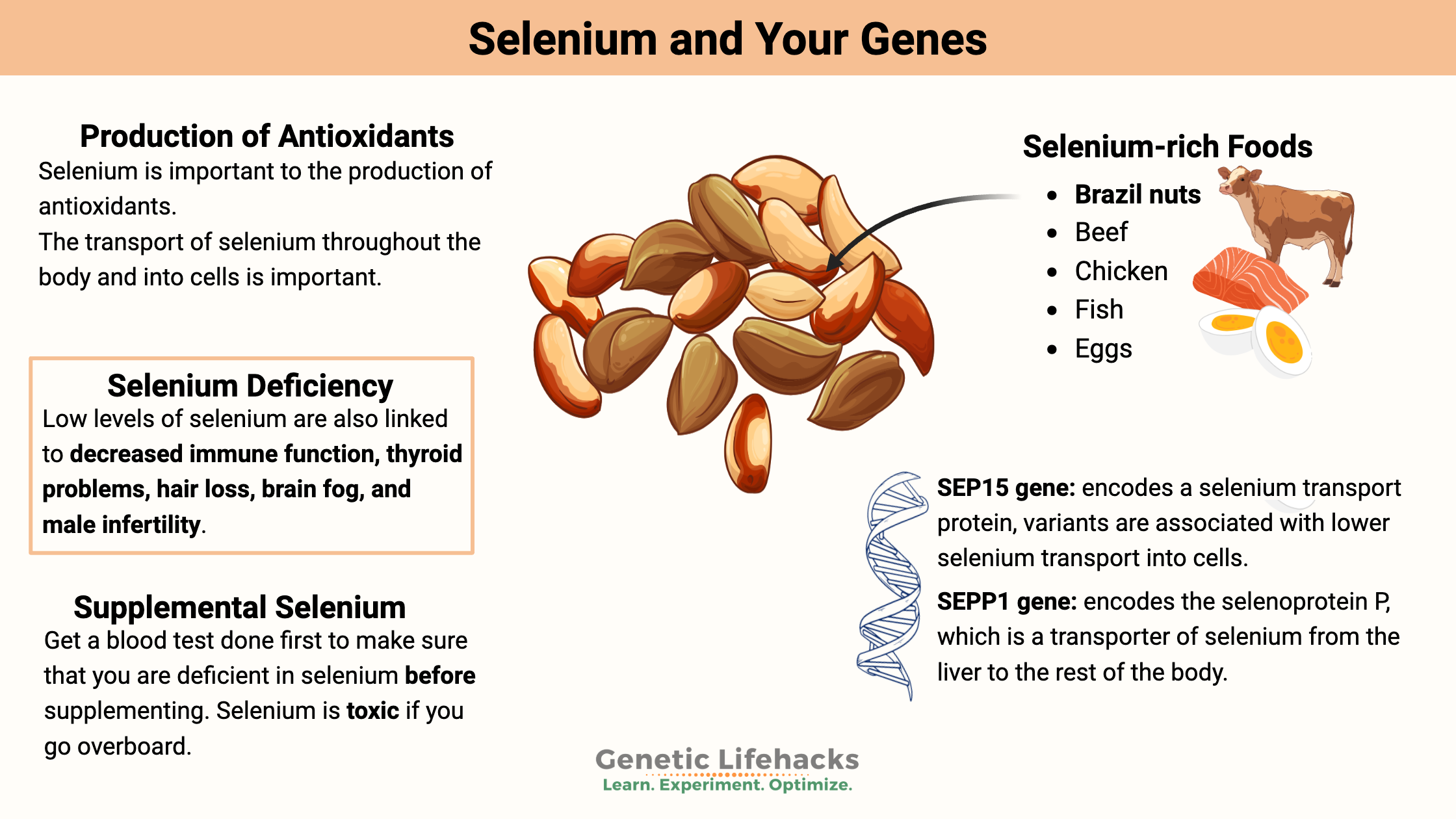
Selenium is a trace element found in certain foods. Learn how selenium is used in the body, why it is important, and how genetic variants can make someone more susceptible to problems with a selenium-deficient diet.
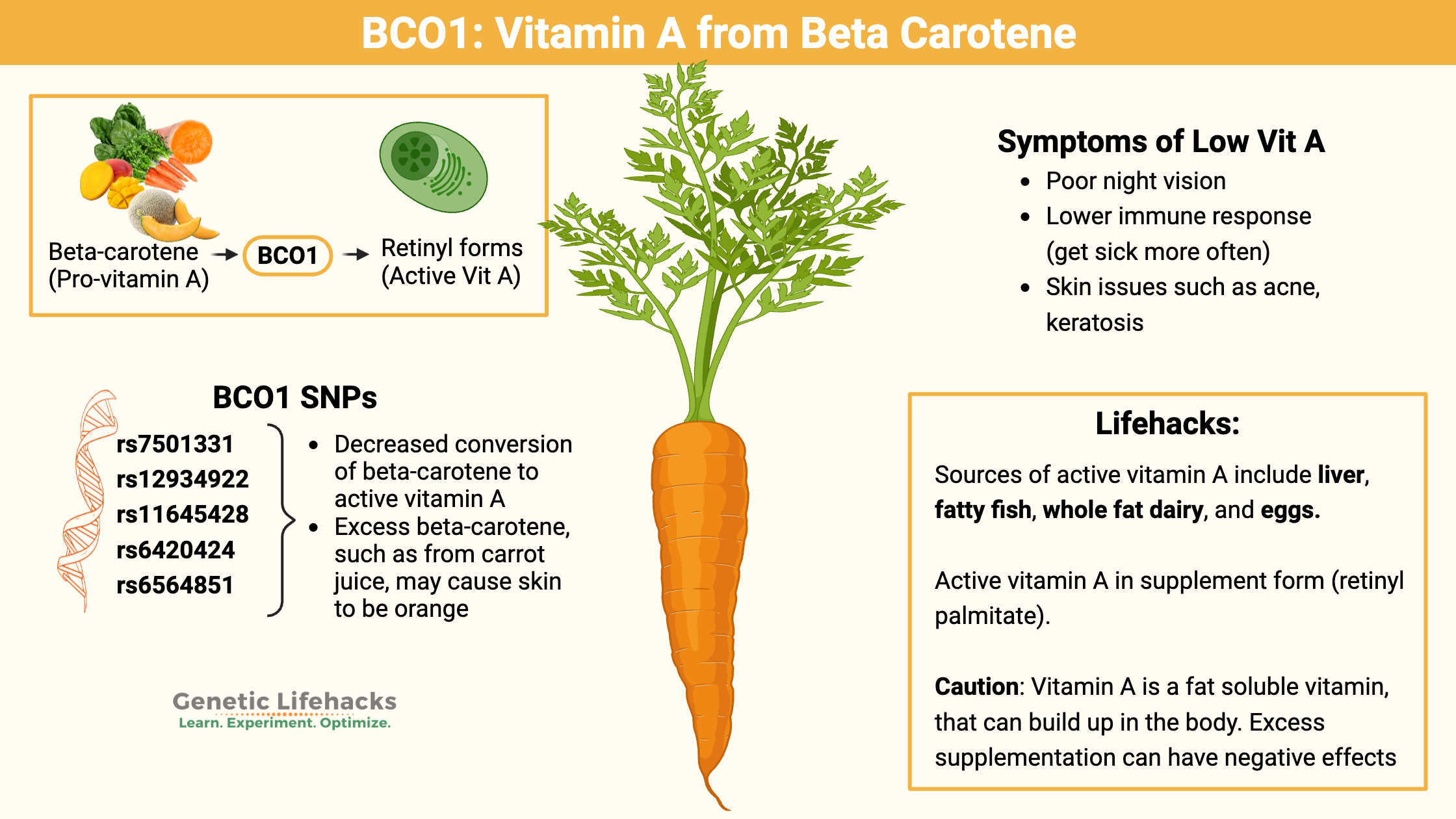
Genetics plays a huge role in how well you convert beta-carotene into vitamin A! Discover how well you convert beta-carotene into retinol.
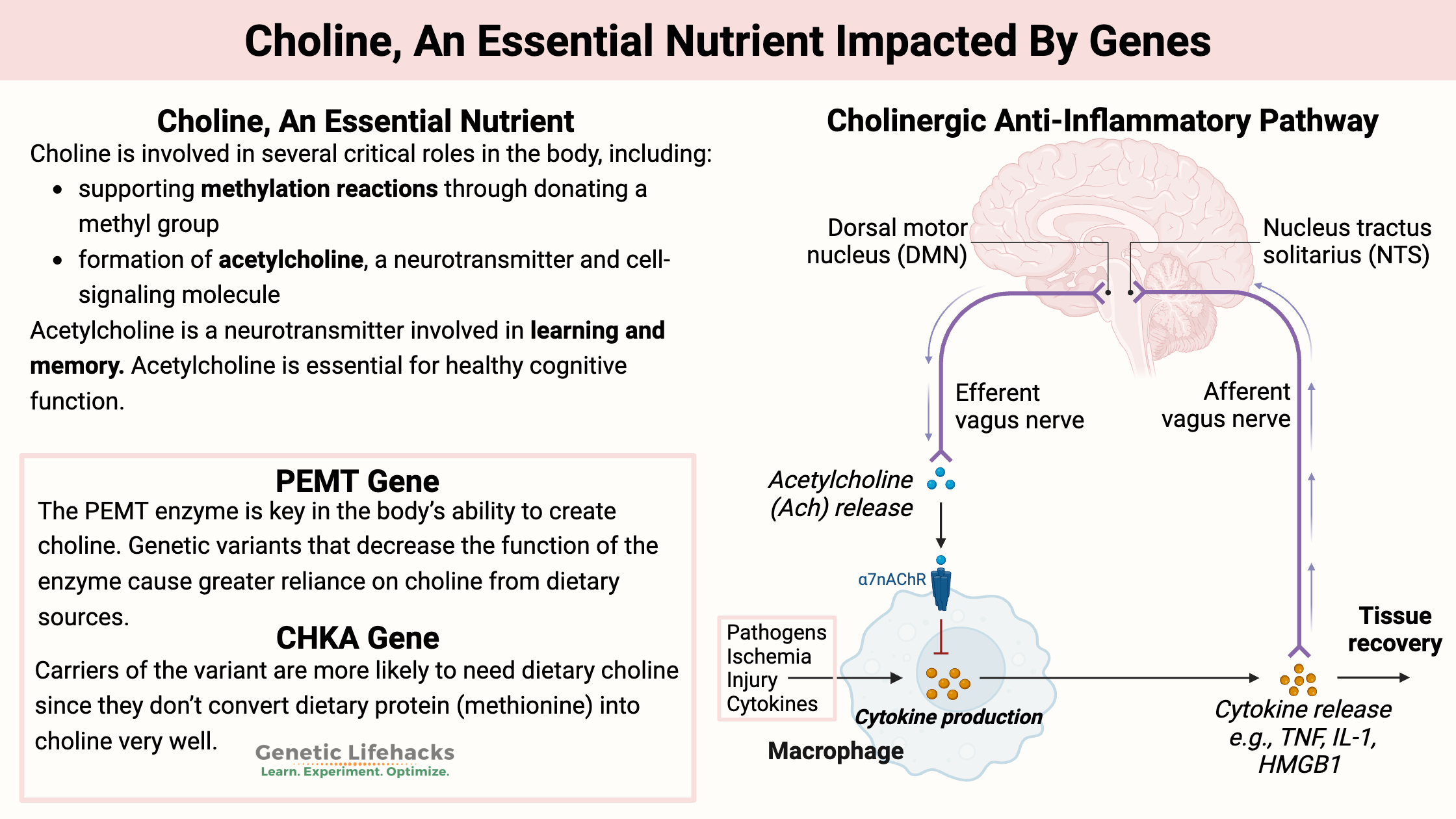
An essential nutrient, your need for choline from foods is greatly influenced by your genes. Find out whether you should be adding more choline into your diet.
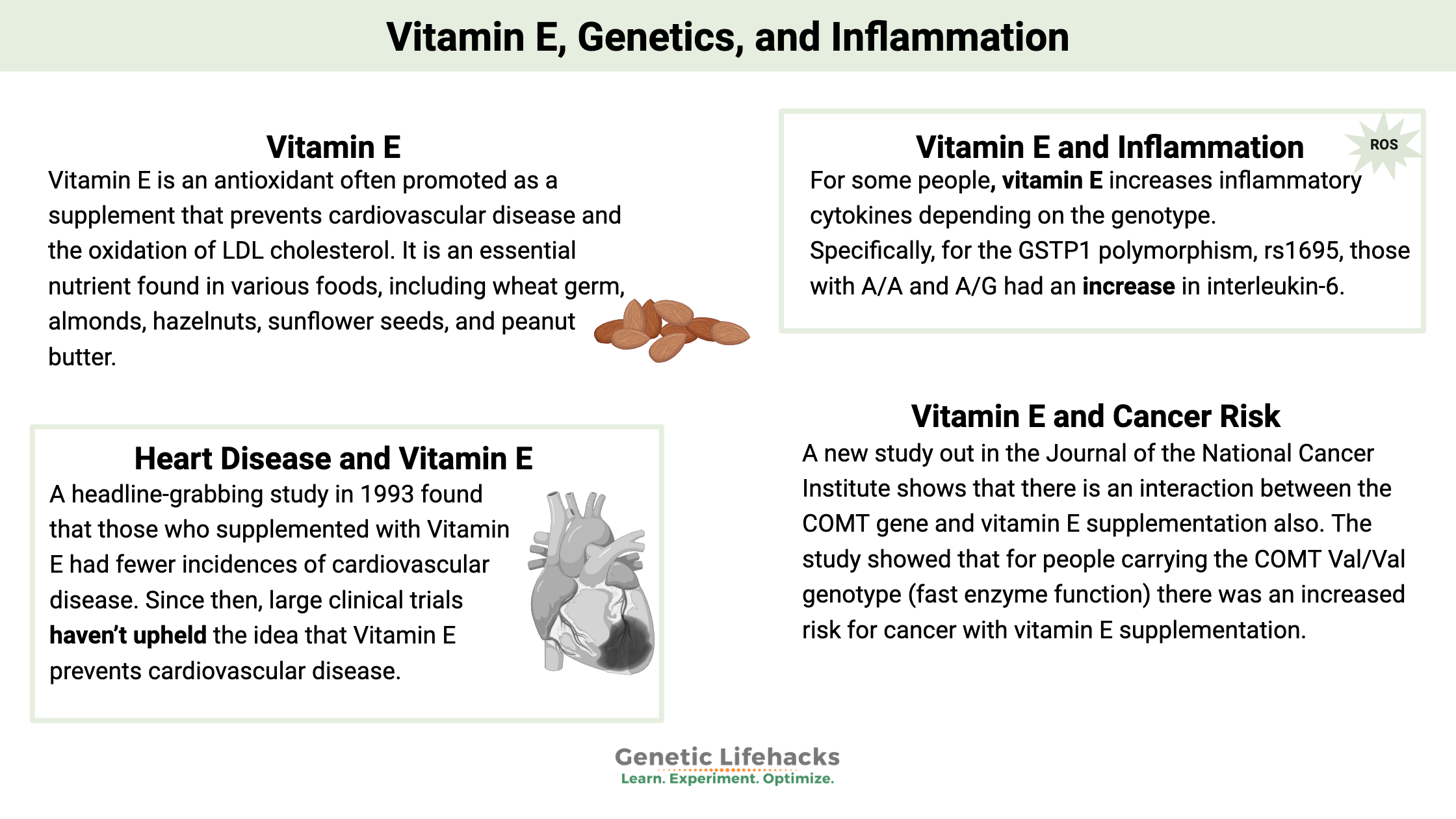
Vitamin E, an antioxidant, is often promoted to prevent cardiovascular disease and LDL cholesterol oxidation. New research shows a genetic component to whether a person benefits from supplementation. Find out more by checking your genetic data.