
Search Results for: depression
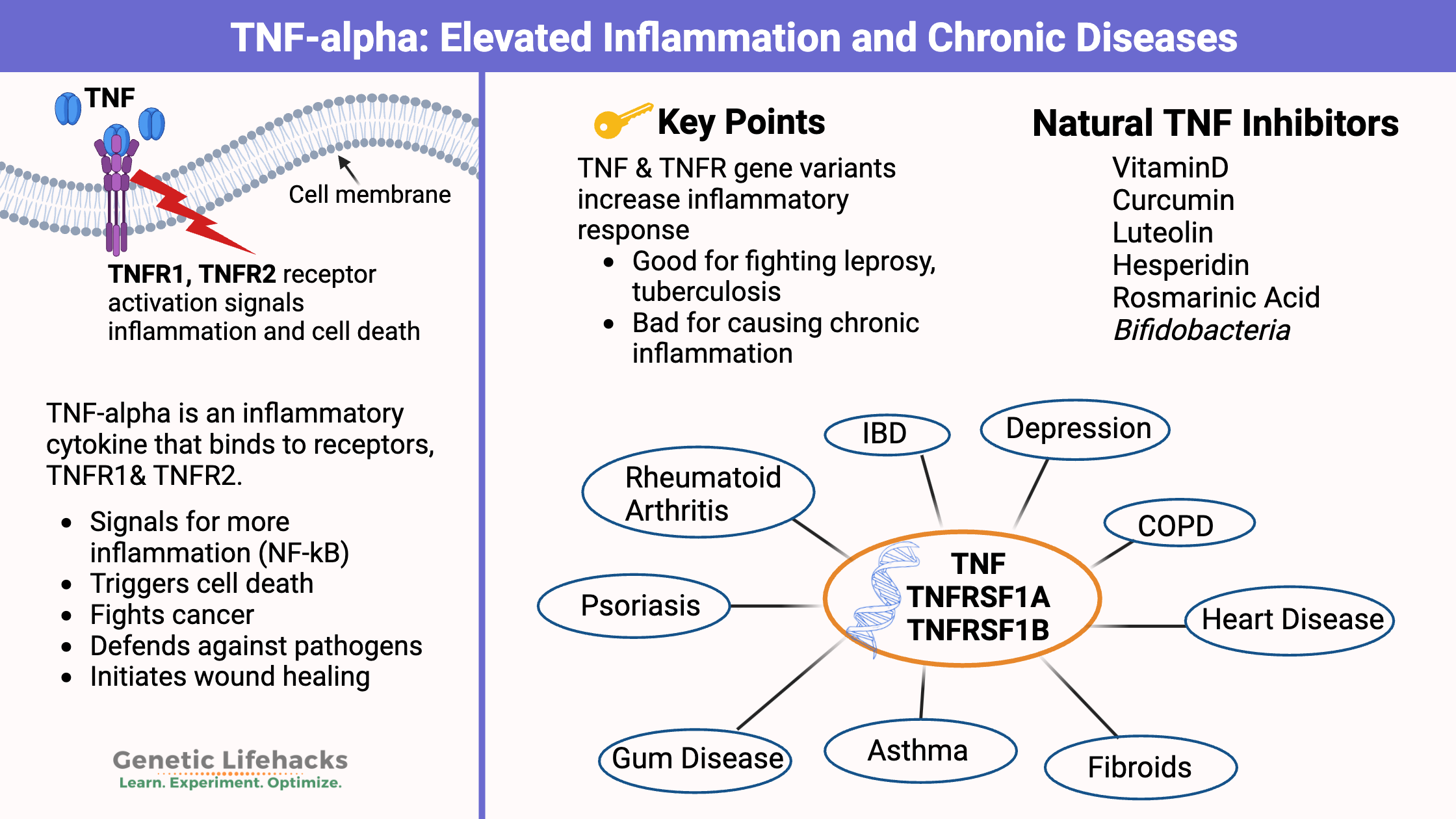
TNF-alpha: Inflammation, Chronic Diseases, and Genetic Susceptibility
TNF-alpha is a key inflammatory cytokine linked to autoimmune, cardiovascular, mood, and neurodegenerative diseases. Learn how TNF gene variants affect your risk and potential natural TNF inhibitors.
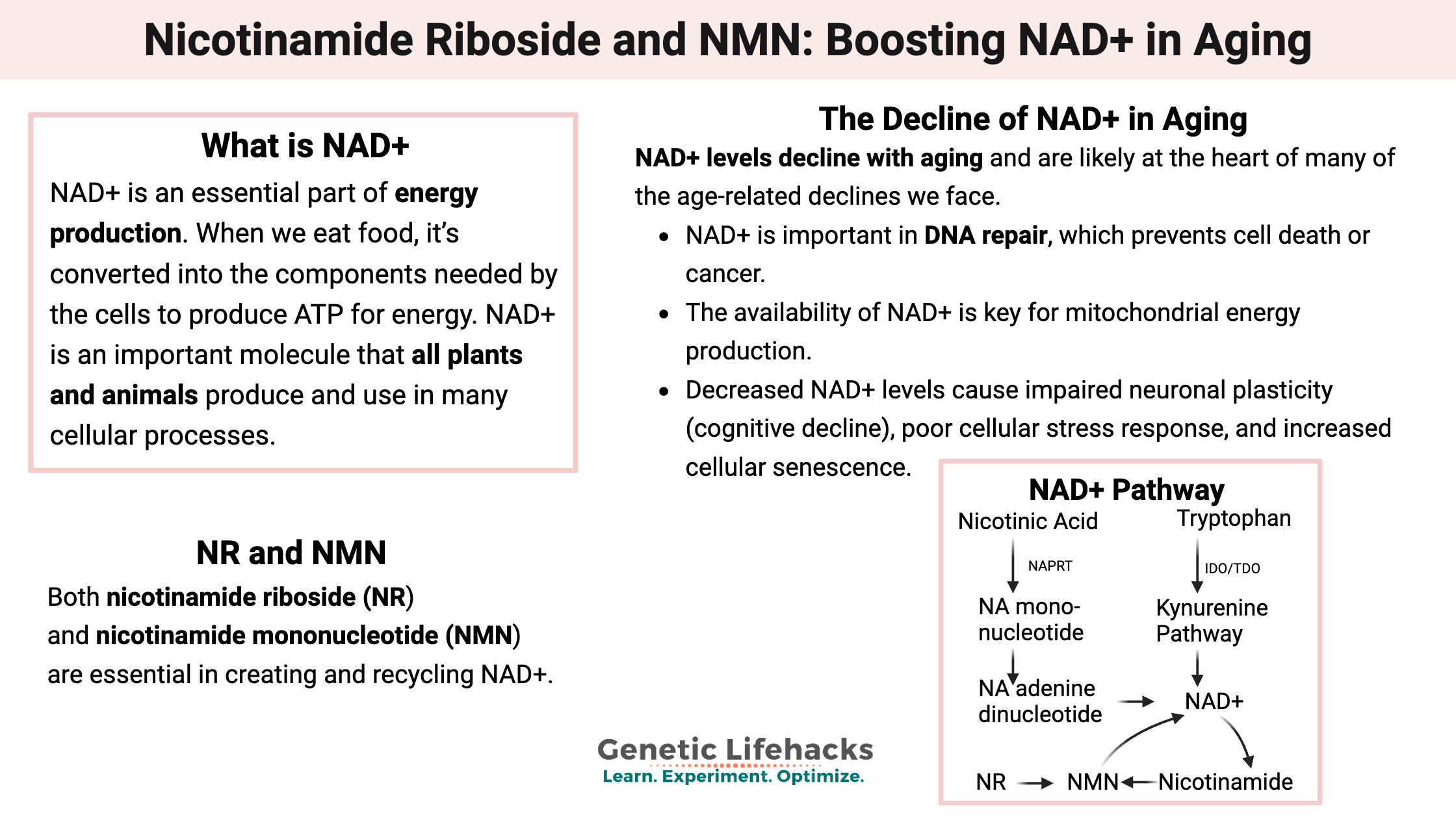
Nicotinamide Riboside and NMN: Boosting NAD+ in Aging with Supplements
Explore the research about how nicotinamide riboside (NR) and NMN are being used to reverse aging. Learn about how your genes naturally affect your NAD+ levels and how this interacts with the aging process.
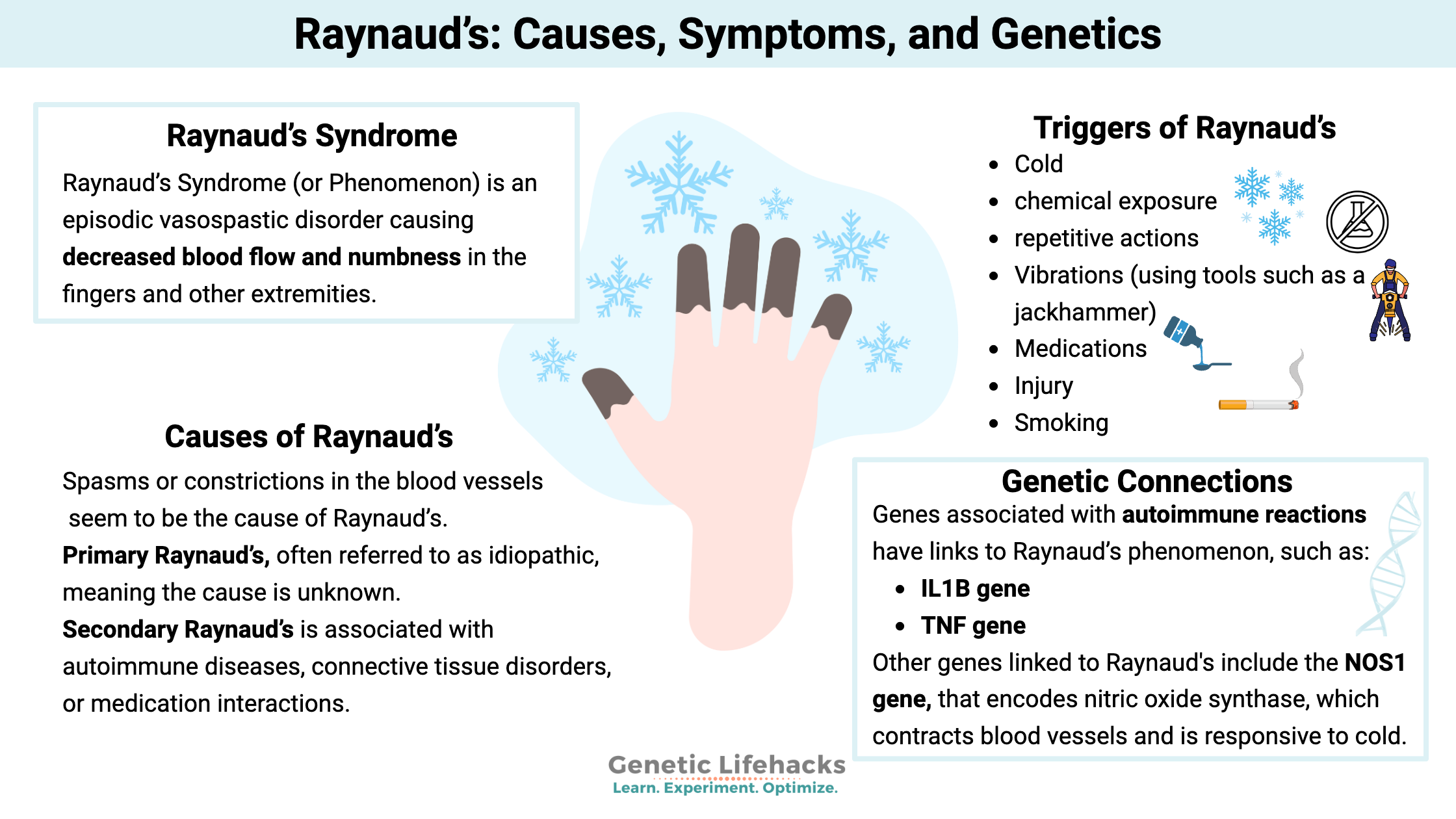
Raynaud’s: Causes, Symptoms, and Genetics
Do your fingertips turn white and blue when cold? Discover the causes and symptoms of Raynaud’s syndrome and your genetic susceptibility.
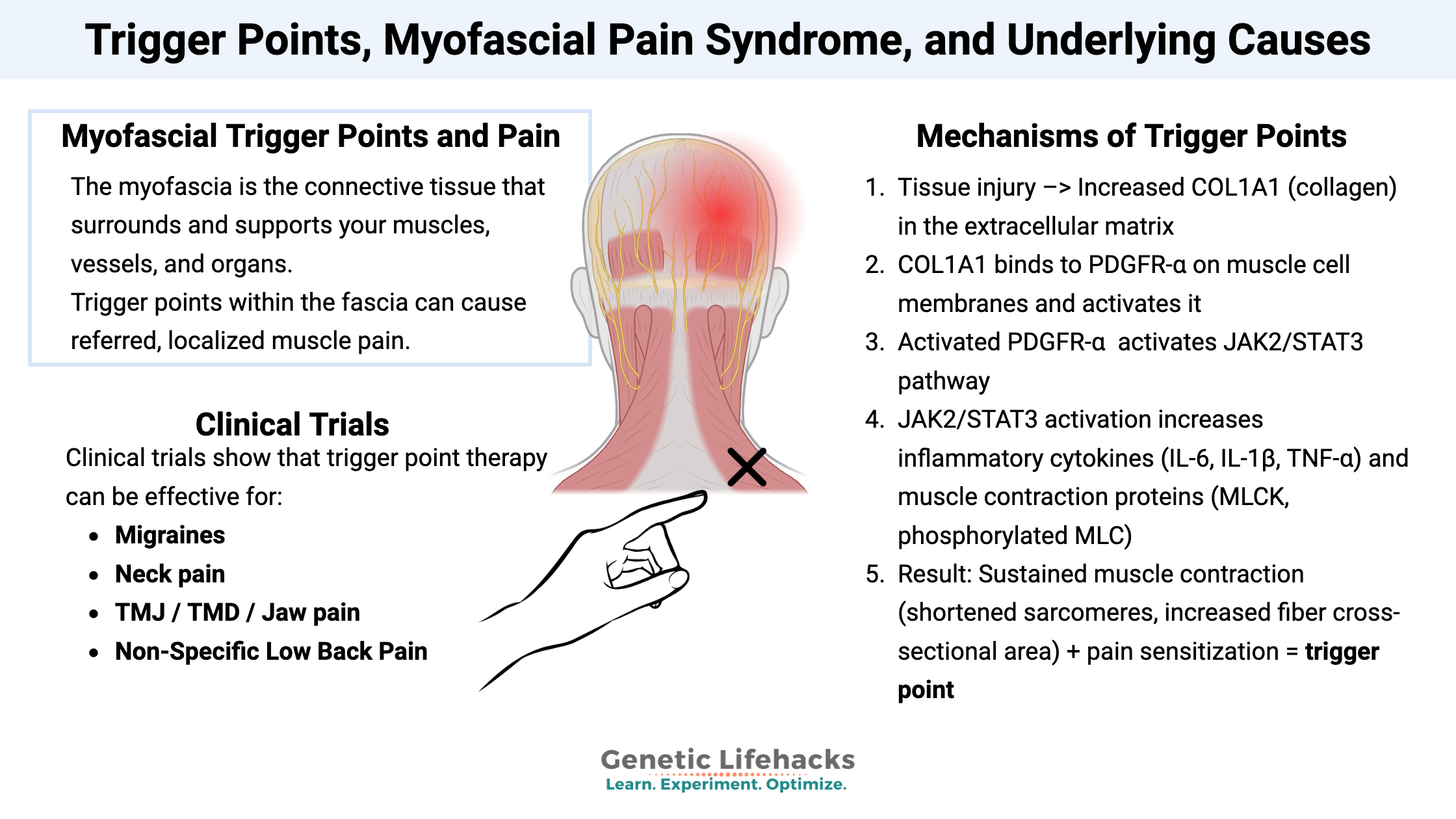
Trigger Points, Myofascial Pain Syndrome, and Underlying Causes
Trigger points are hyperirritated knots in the muscle and fascia that can refer pain to a nearby region of the body.
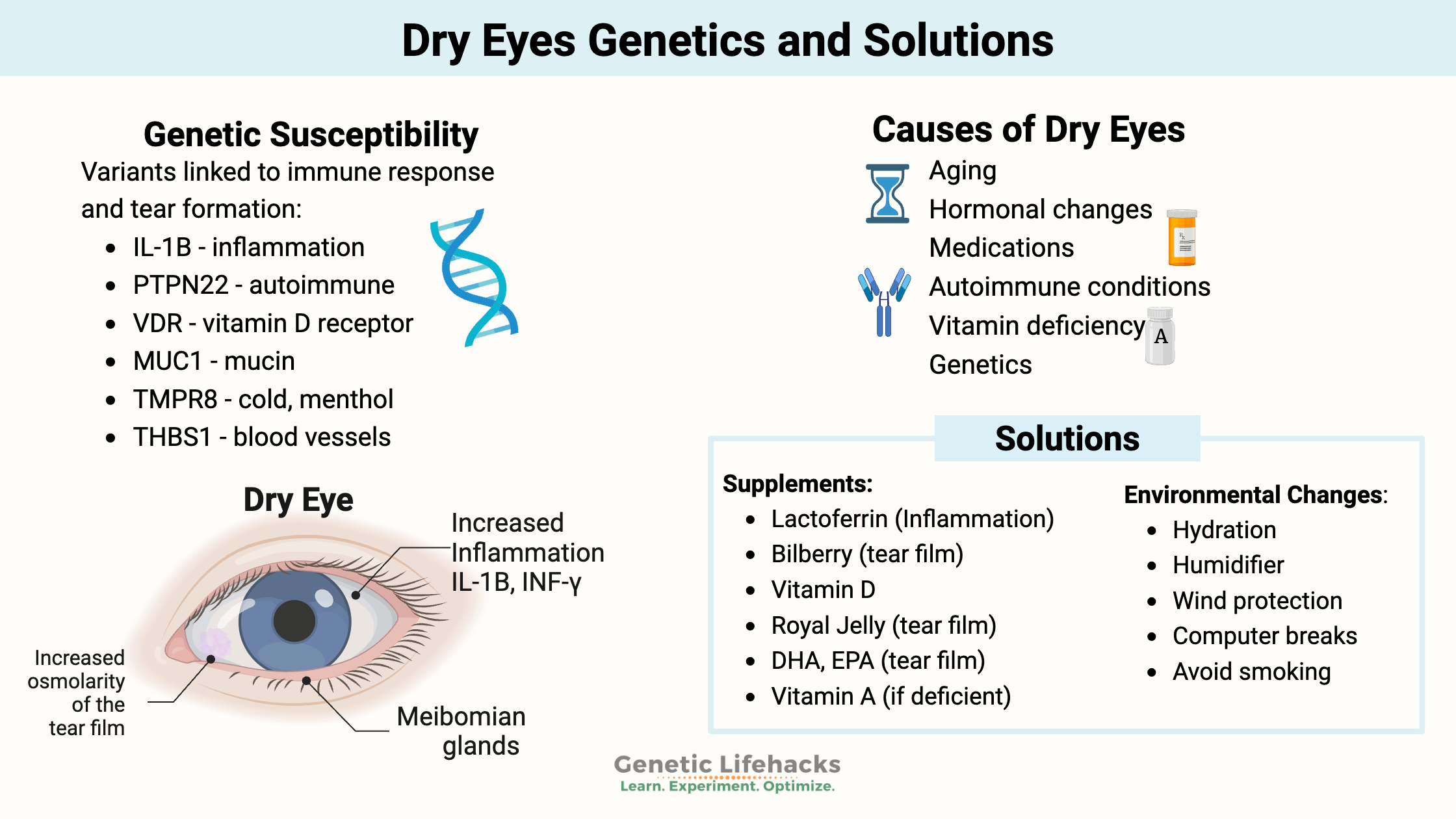
Dry Eyes: Using Genetic Data to Find the Right Solutions
Use your genetic data to understand the root causes of dry eyes, from immune response to meibomian glands, and explore research-backed options to relieve symptoms.
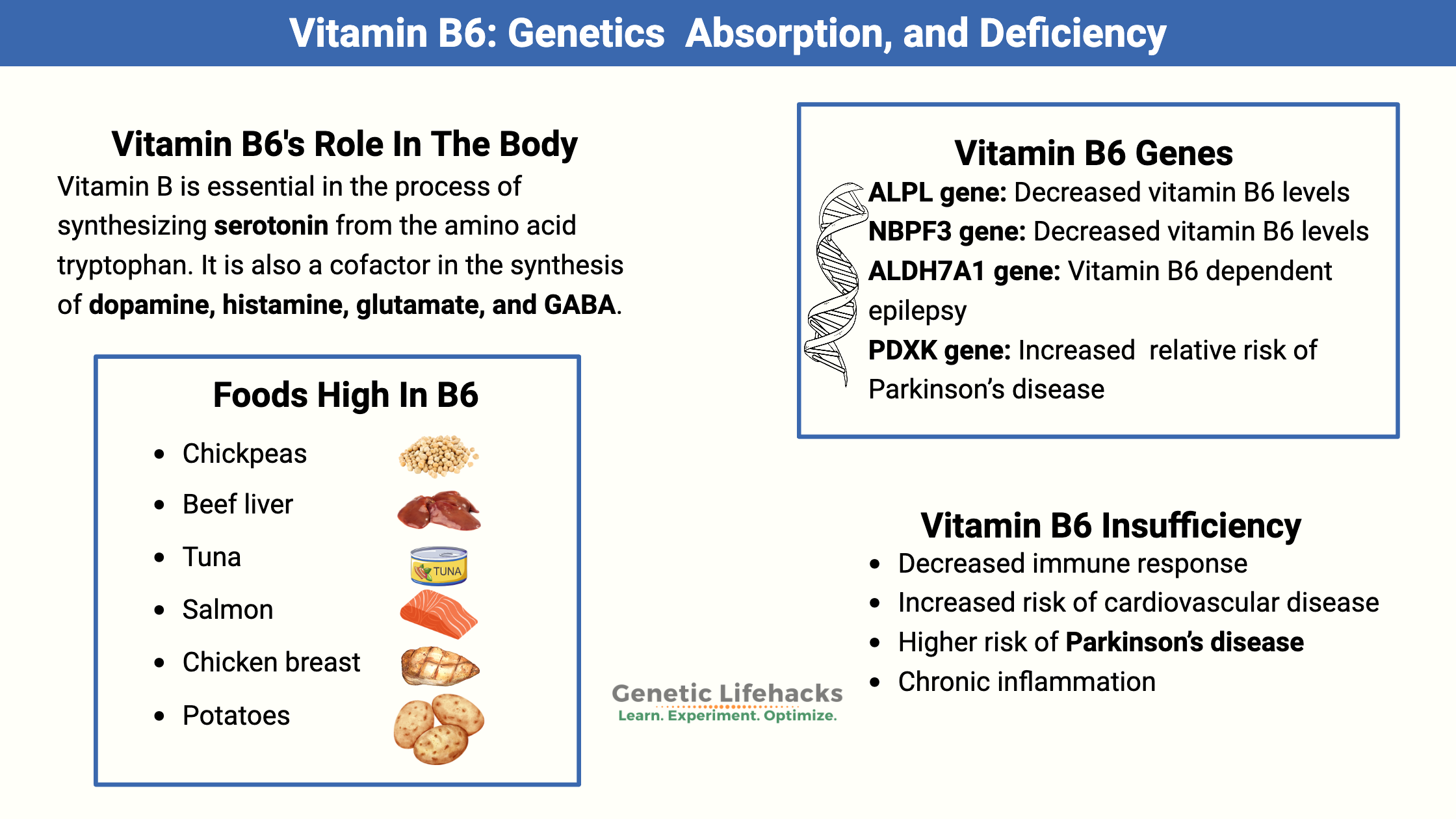
Vitamin B6: Genetics, Absorption, and Deficiency
Vitamin B6 is an important co-factor in hundreds of different enzymatic reactions. Low levels of B6 are linked to an increased risk of diabetes, cardiovascular disease, neurodegenerative diseases, and cancer. B6 is also essential for reducing oxidative stress and inflammation.
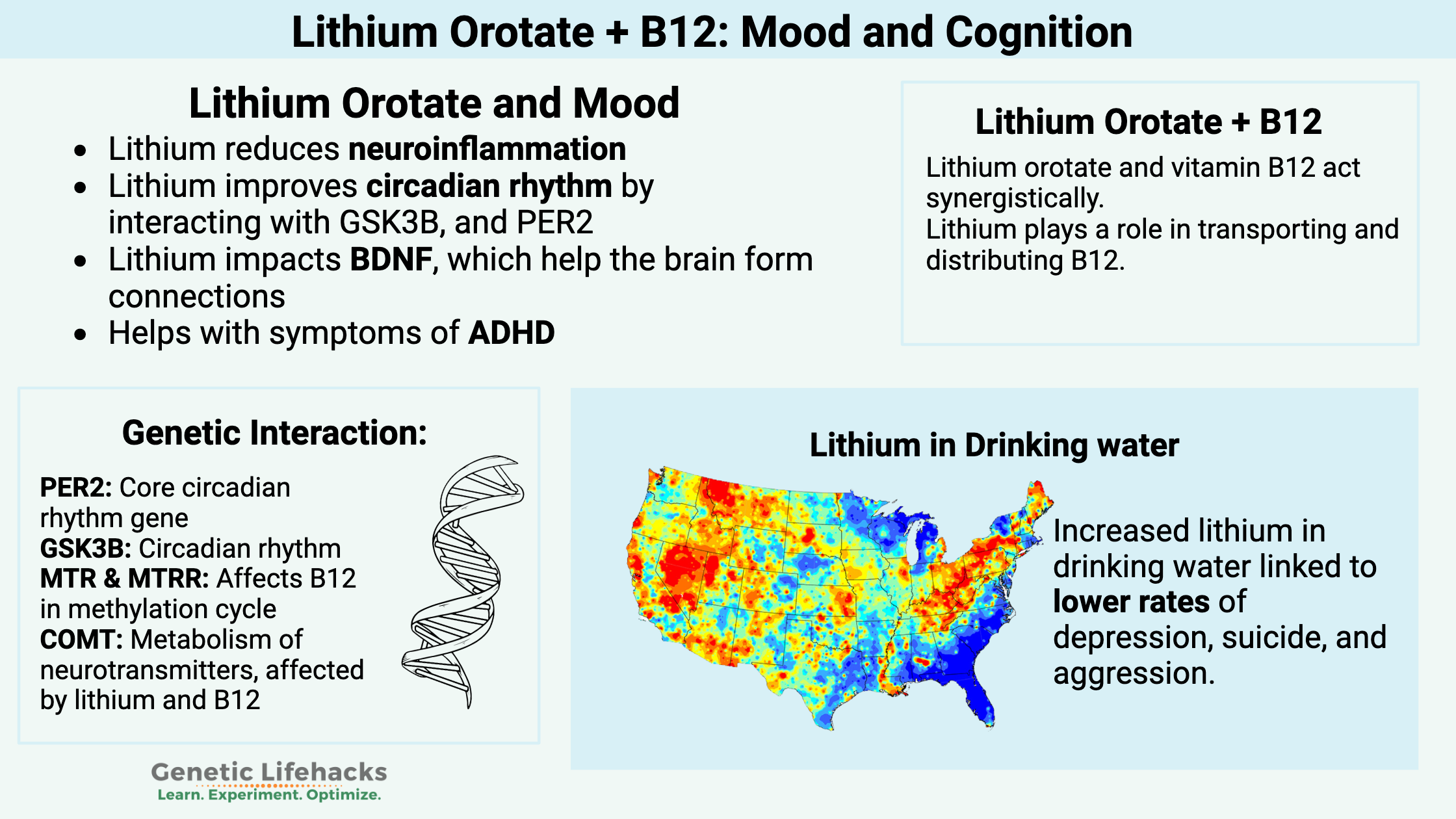
Lithium Orotate and Vitamin B12: Benefits for Mood and Cognitive Support
For some people, low-dose, supplemental lithium orotate is a game changer when combined with vitamin B12. But other people may have little to no response. The difference may be in your genes.
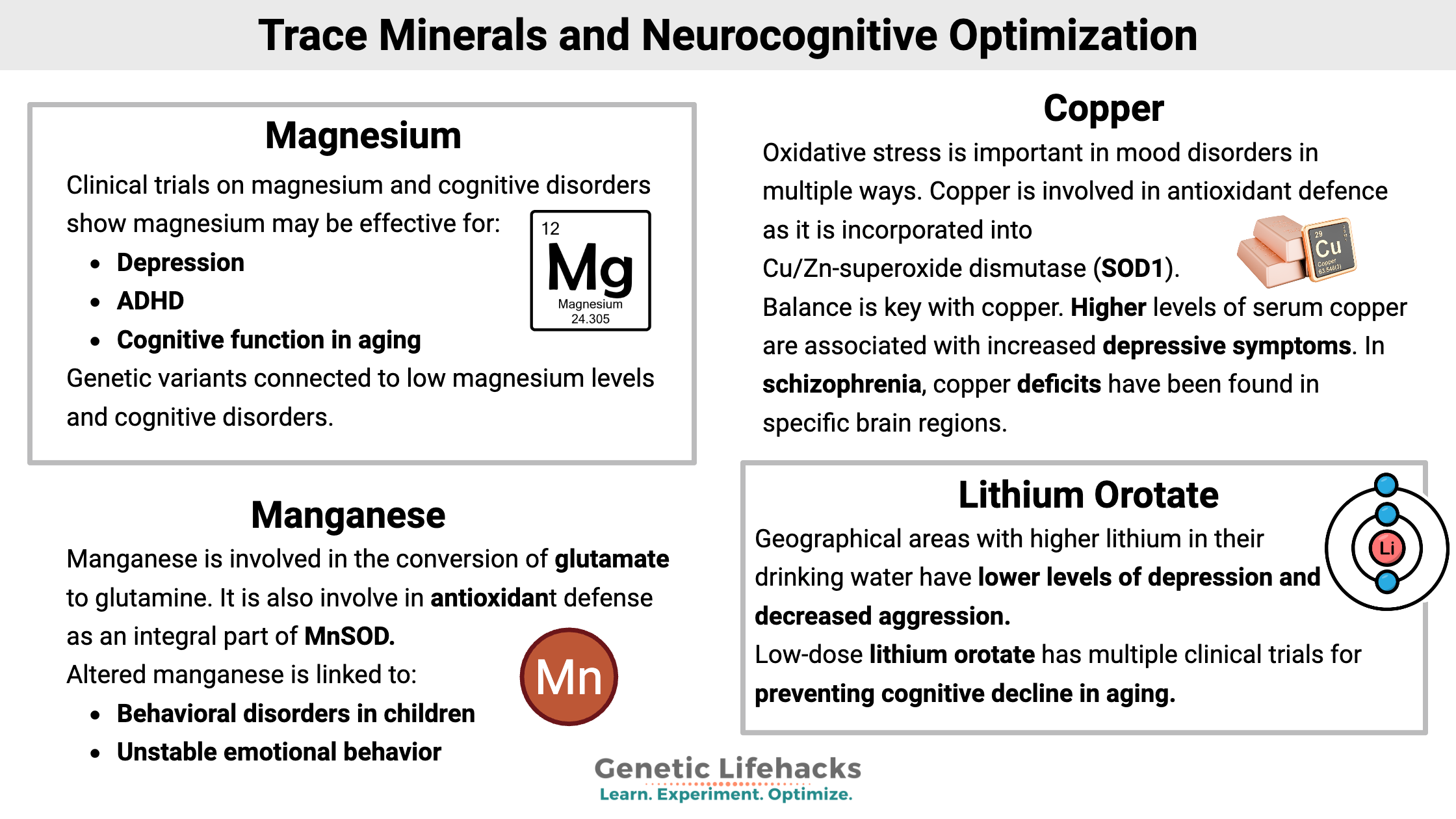
Trace Minerals and Neurocognitive Optimization
Trace minerals affect neurotransmitter levels and neuroinflammation. Getting the right levels of micronutrients can help optimize neurocognitive function.
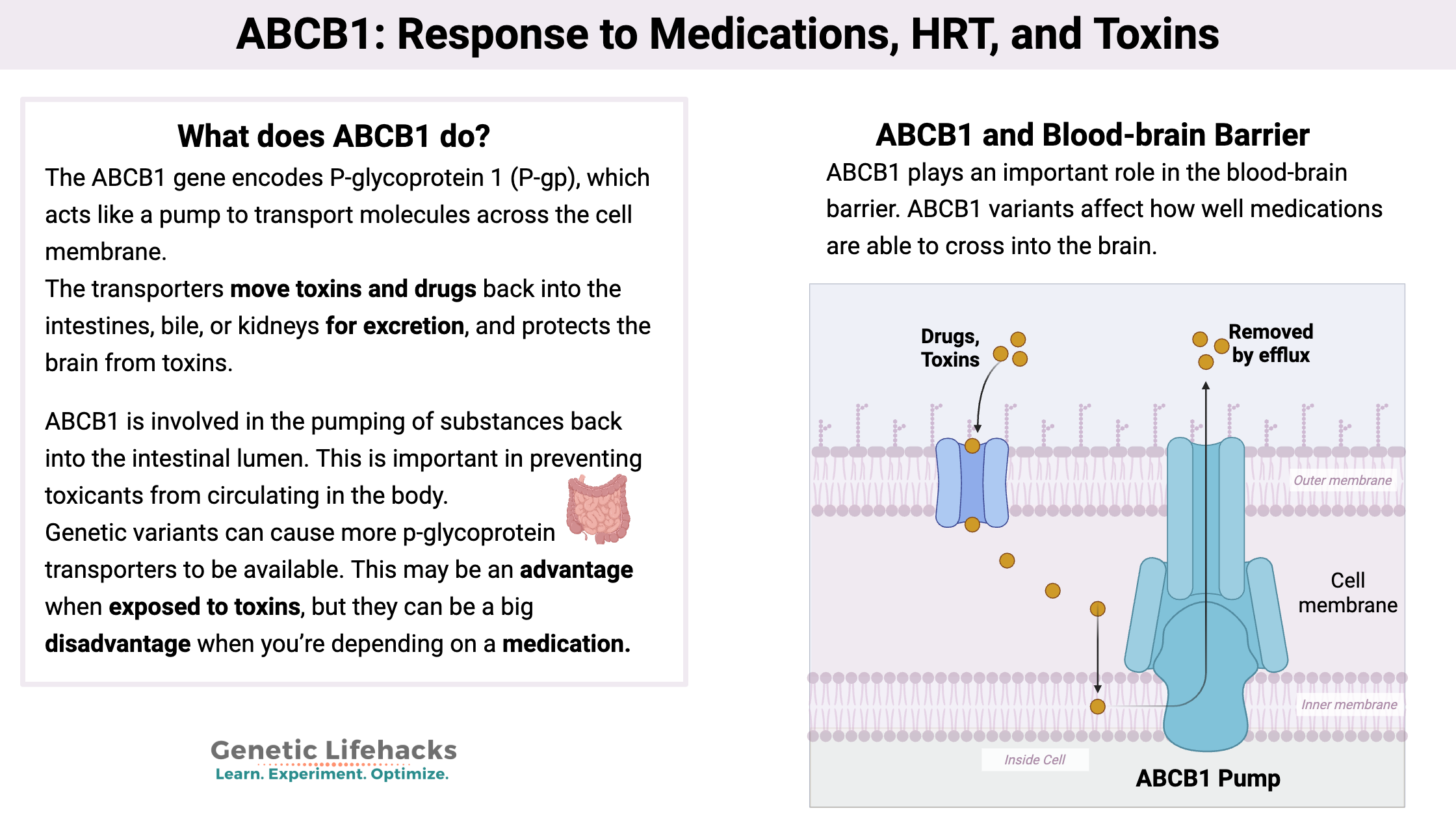
ABCB1 (P-glycoprotein): Response to Medications, HRT, and Environmental Toxins
ABCB1 encodes P-glycoprotein, a transporter that removes toxins – and medications – from the body. Genetic variants in the ABCB1 gene can affect how well a medication works for you.
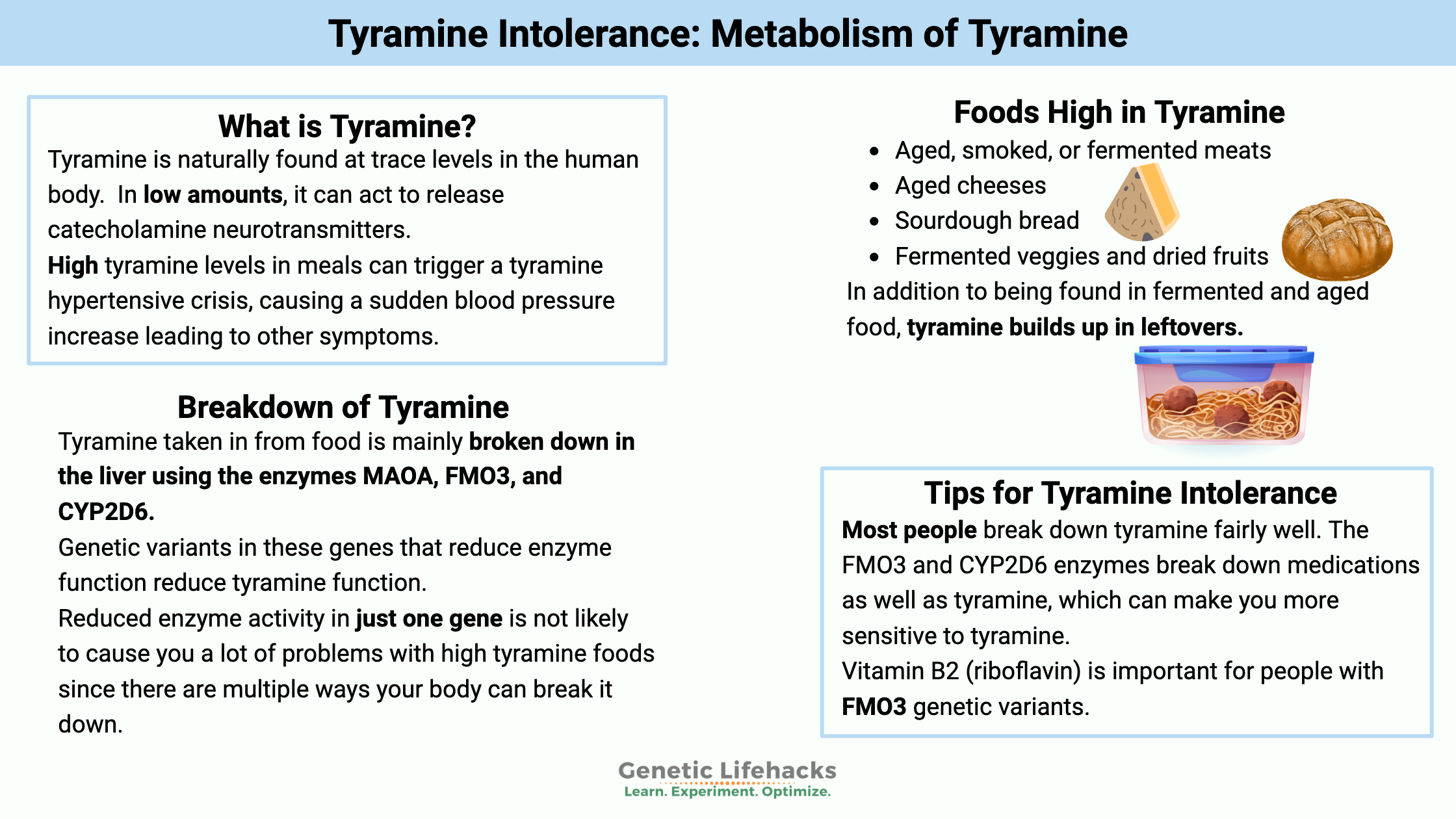
Tyramine Intolerance: Symptoms, High-Tyramine Foods, and Genetics
Tyramine intolerance happens when you can’t break it down. Too much tyramine can lead to a hypertensive crisis. Learn more and check your genetic raw data for results.
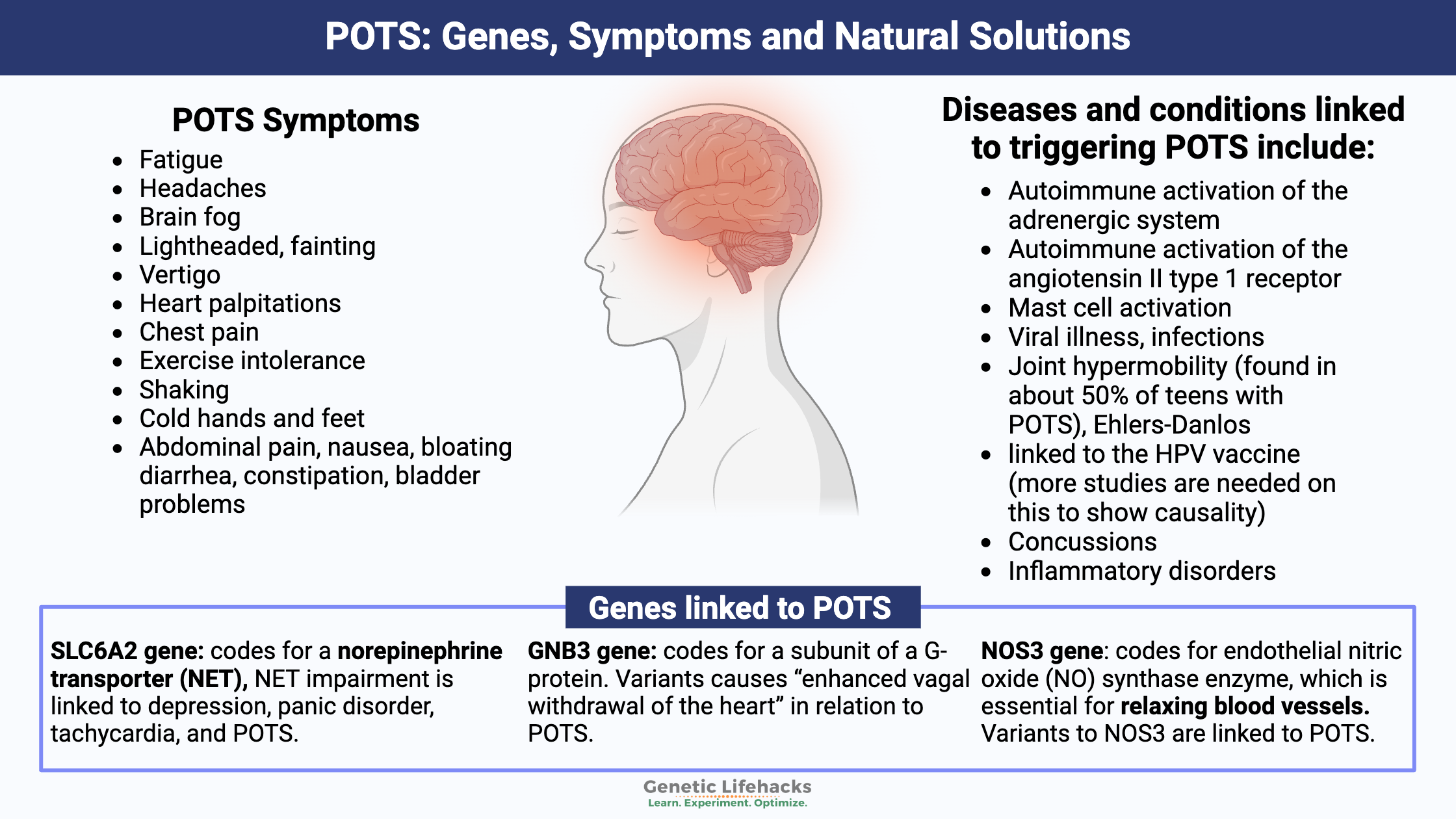
POTS: Genetics, Causes, and Solutions for Postural Orthostatic Tachycardia Syndrome
Explore the genetic basis of POTS, from HLA and norepinephrine transporter variants to EDS, MCAS, and long Covid connections, plus strategies to better manage symptoms.
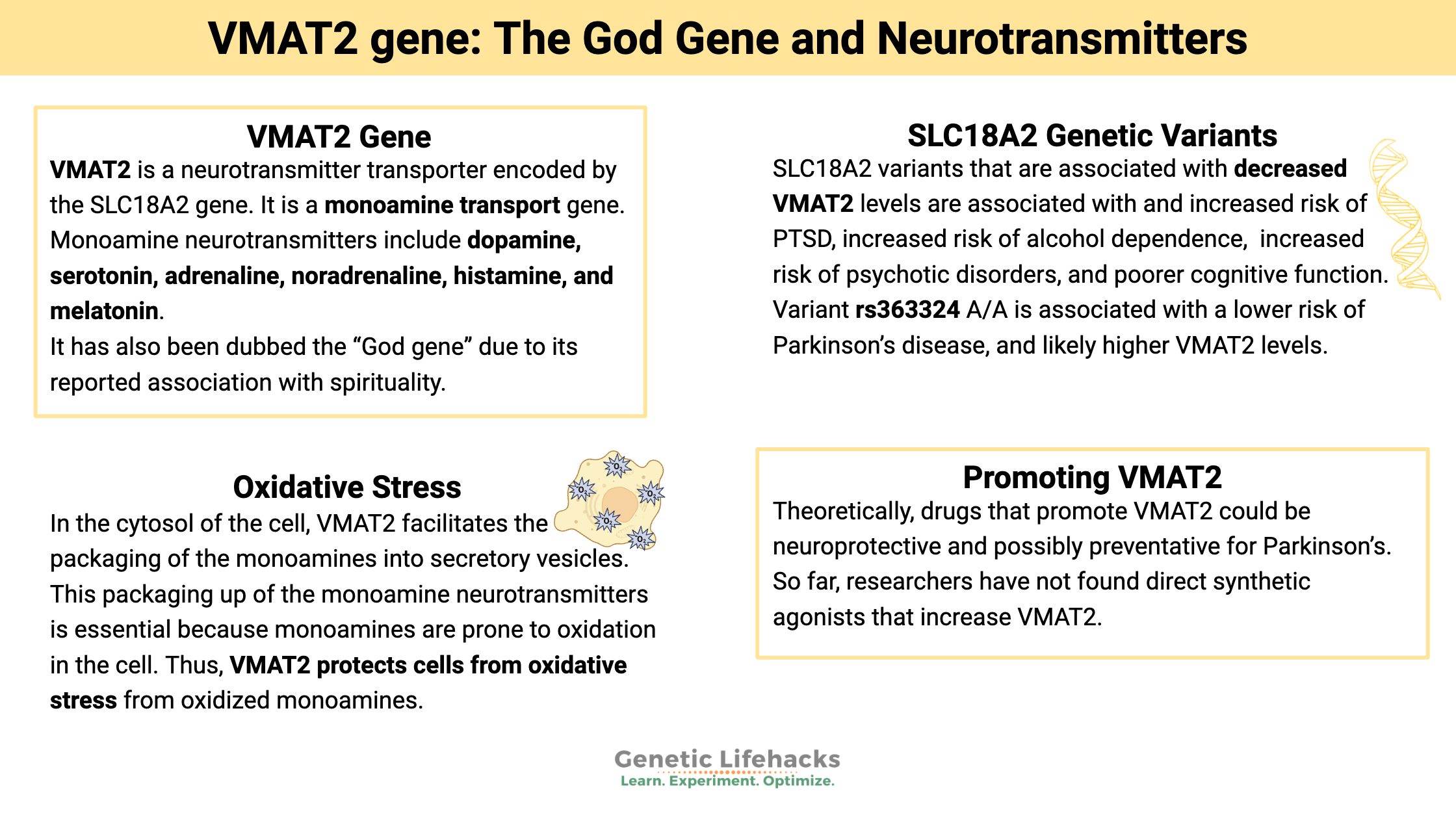
VMAT2 gene: The God Gene and Neurotransmitters
VMAT2, the so‑called “God gene,” packages dopamine, serotonin, and other monoamines into vesicles, protecting neurons from oxidative stress and influencing risks for Parkinson’s, PTSD, alcohol dependence, and diabetes.
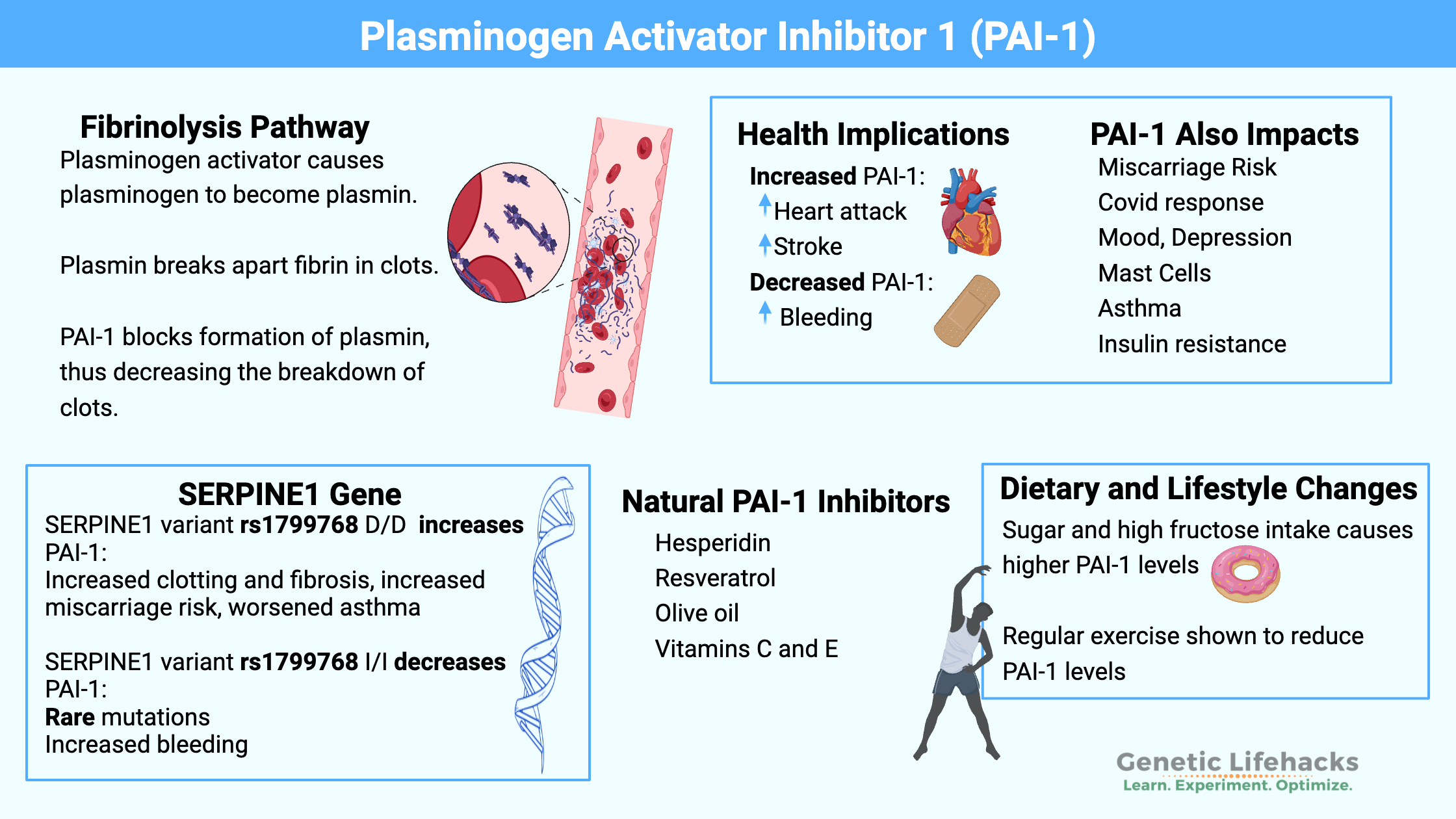
PAI-1 (SERPINE1): Genetic Variants, Blood Clot Risk, Fibrosis, and Natural PAI-1 Inhibitors
Plasminogen Activator Inhibitor (PAI-1) is an important enzyme in the regulation of the breakdown of blood clots and fibrosis. Genetic variants impact the amount of PAI-1.
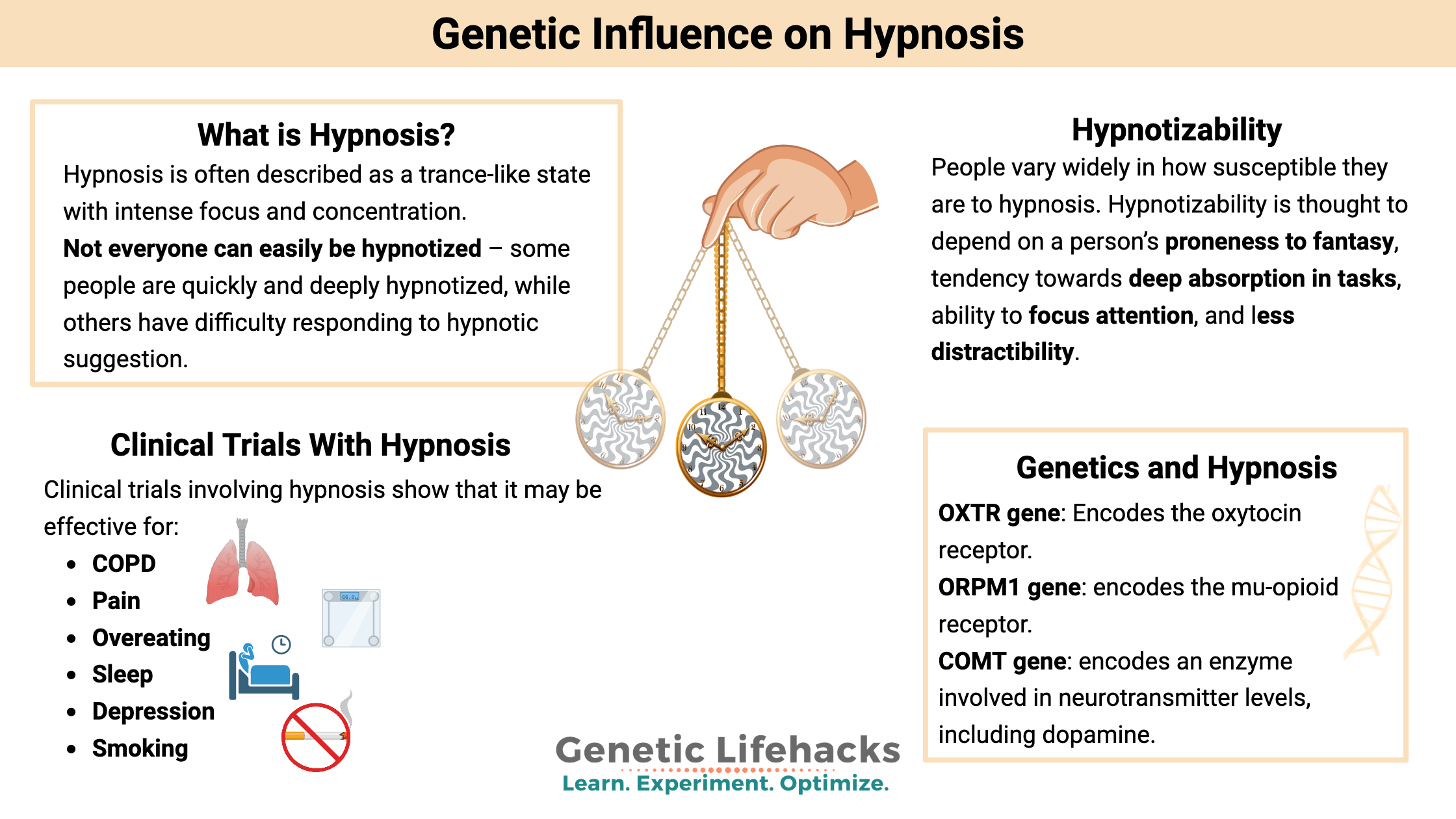
Hypnosis Genes: Genetic Influences on Hypnosis
Not everyone is equally susceptible to hypnosis. Learn how your genetic variants play a role in how your brain focuses and responds to hypnotic suggestions.
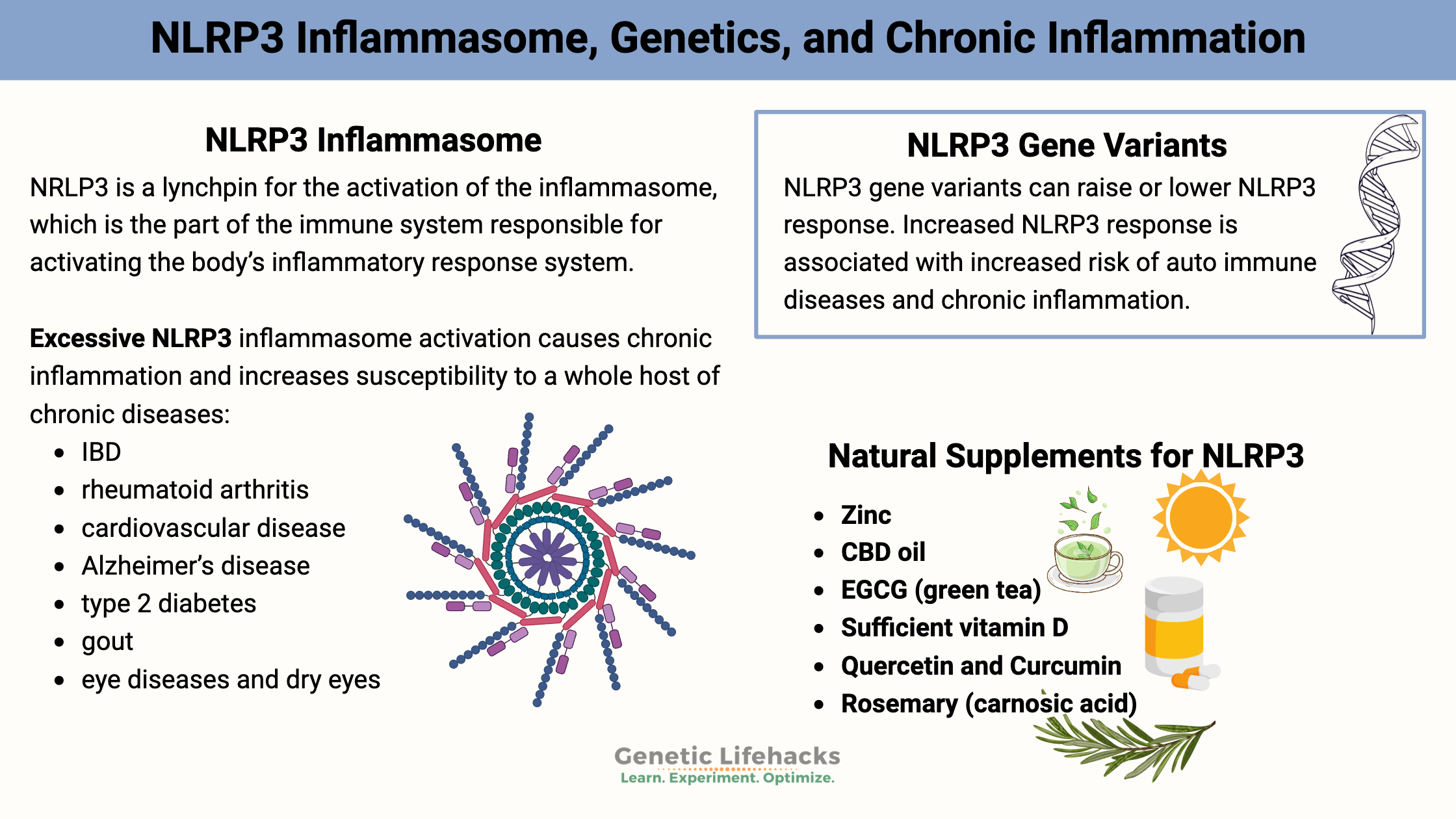
NLRP3: Genetic Variants that Increase Chronic Inflammation
Explore NLRP3 inflammasome genetics: How variants drive chronic inflammation in Alzheimer’s, diabetes, and autoimmune diseases. Discover triggers, health risks, and lifehacks like zinc & vitamin D to modulate it.
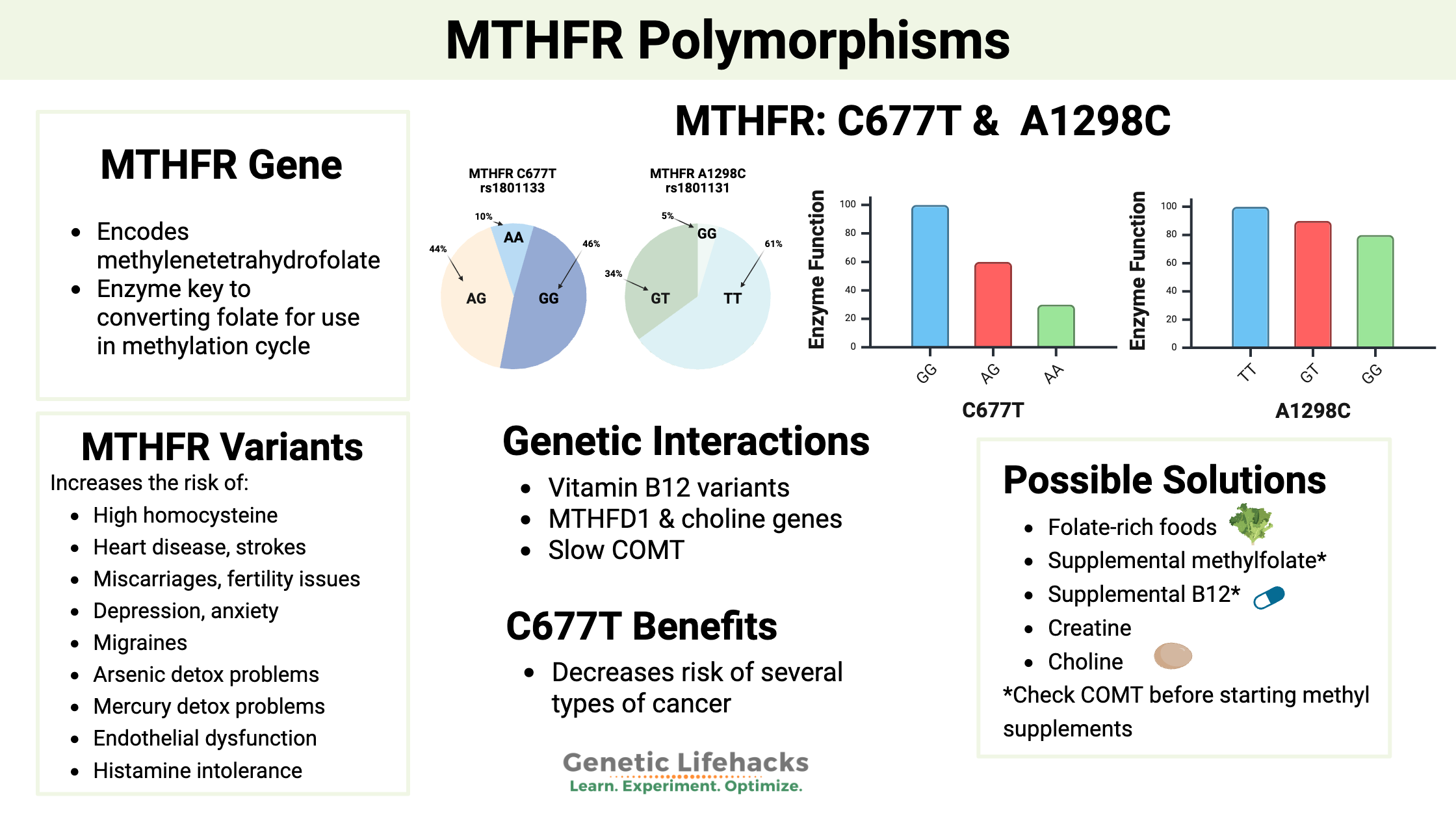
MTHFR Gene Explained: C677T and A1298C Variants, Testing, and Solutions
The MTHFR gene is important for how your body utilizes folate (vitamin B9) for creating neurotransmitters, detoxifying toxicants, and maintaining a healthy heart. It is a key gene in the methylation cycle.
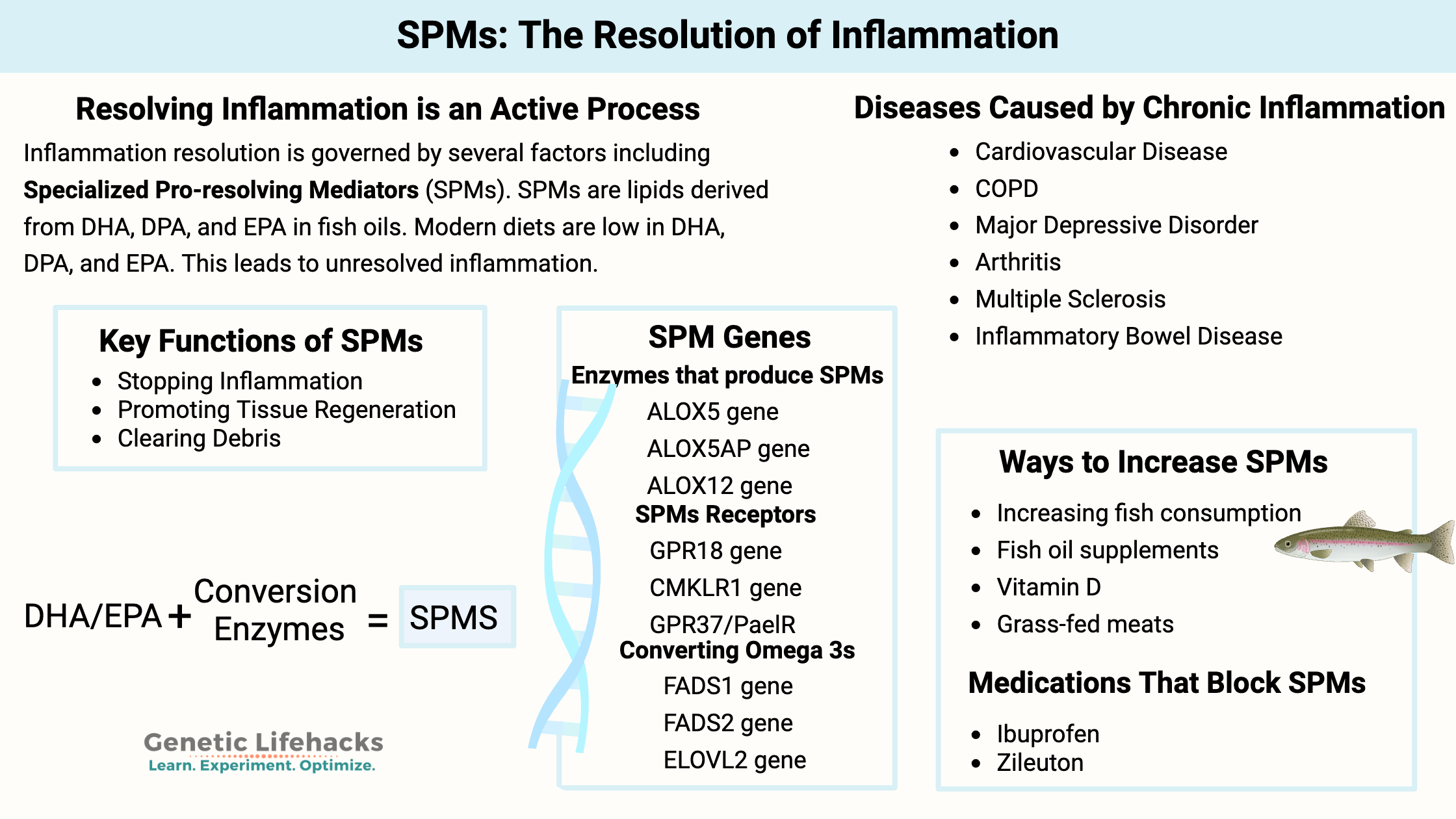
Specialized Pro-resolving Mediators (SPMs): The Resolution of Inflammation
The resolution of inflammation is an active process that depends on lipid mediators, called specialized pro-resolving mediators (SPMs).
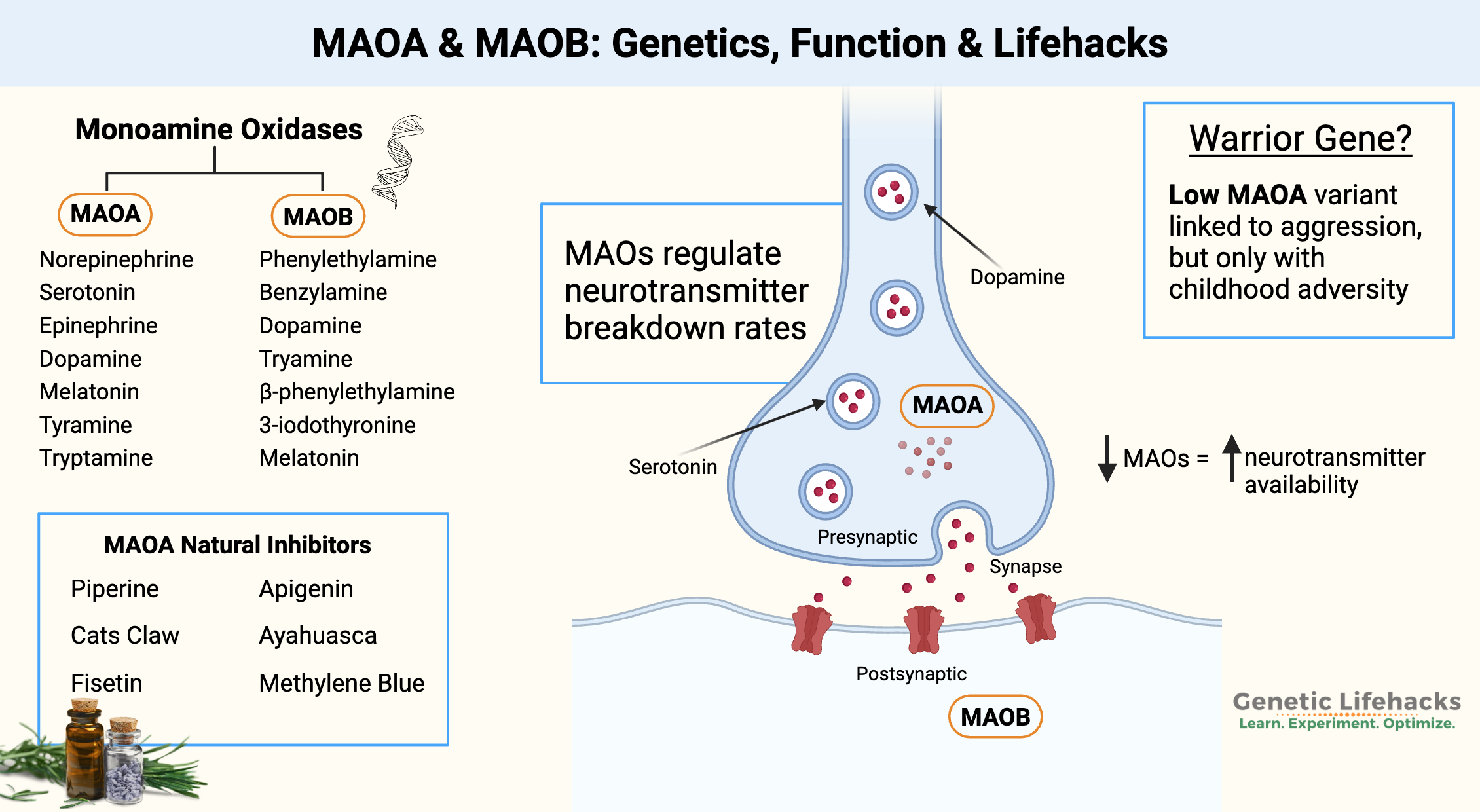
MAO-A & MAO-B: Monoamine Oxidase, Warrior Gene, and Mood
The MAOA and MAOB genes encode enzymes that break down certain neurotransmitters. People with low MAO may be prone to mood issues in certain circumstances.
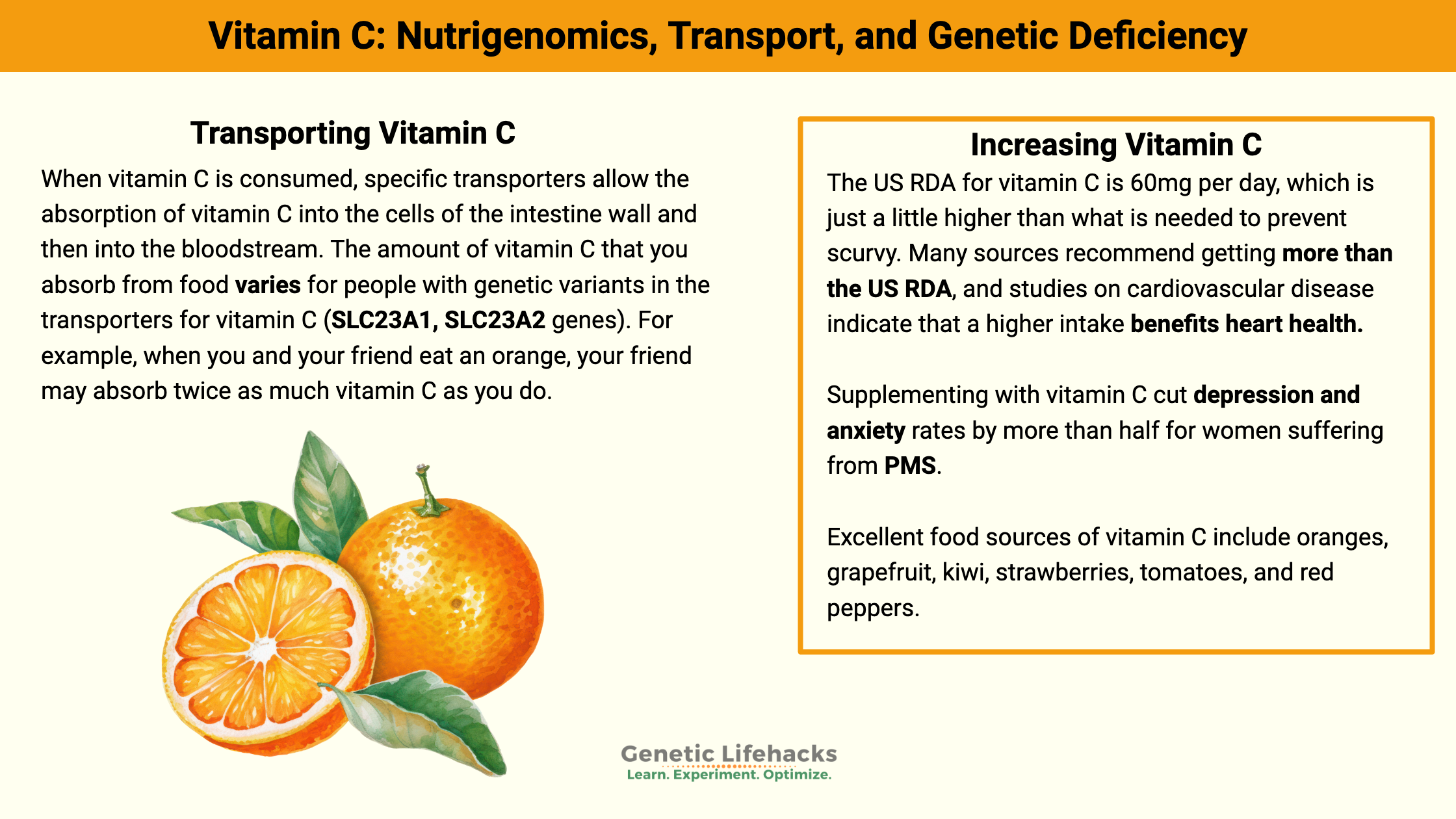
Vitamin C: Nutrigenomics, Transport, and Genetic Deficiency
Genetic variants in SLC23A1 and SLC23A2 affect vitamin C absorption and blood levels. Learn how your genes affect your need for vitamin C.
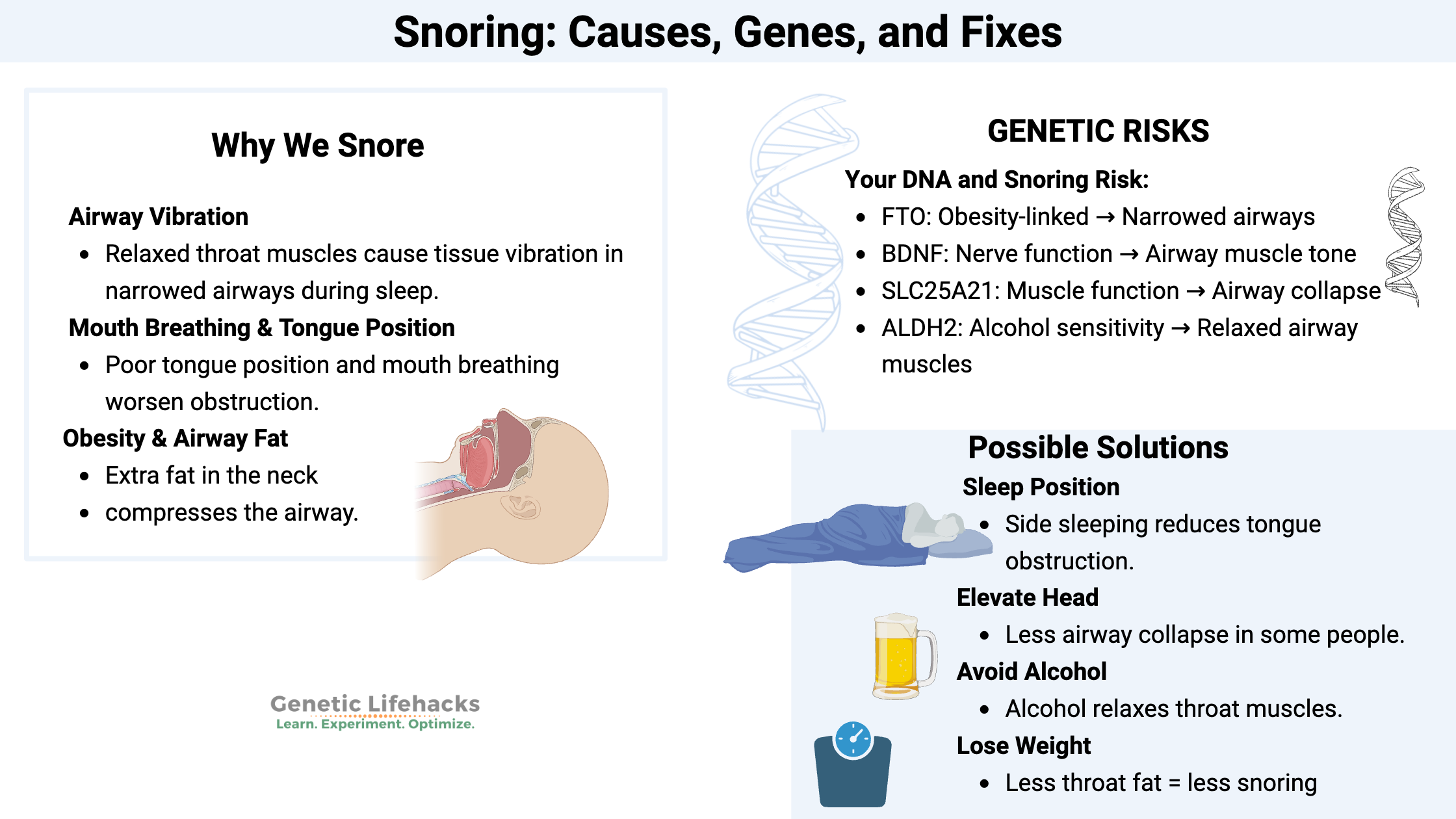
Snoring: Genes and Solutions
Genetics plays a role in snoring —certain genes affect airway structure, fat distribution, and muscle control.
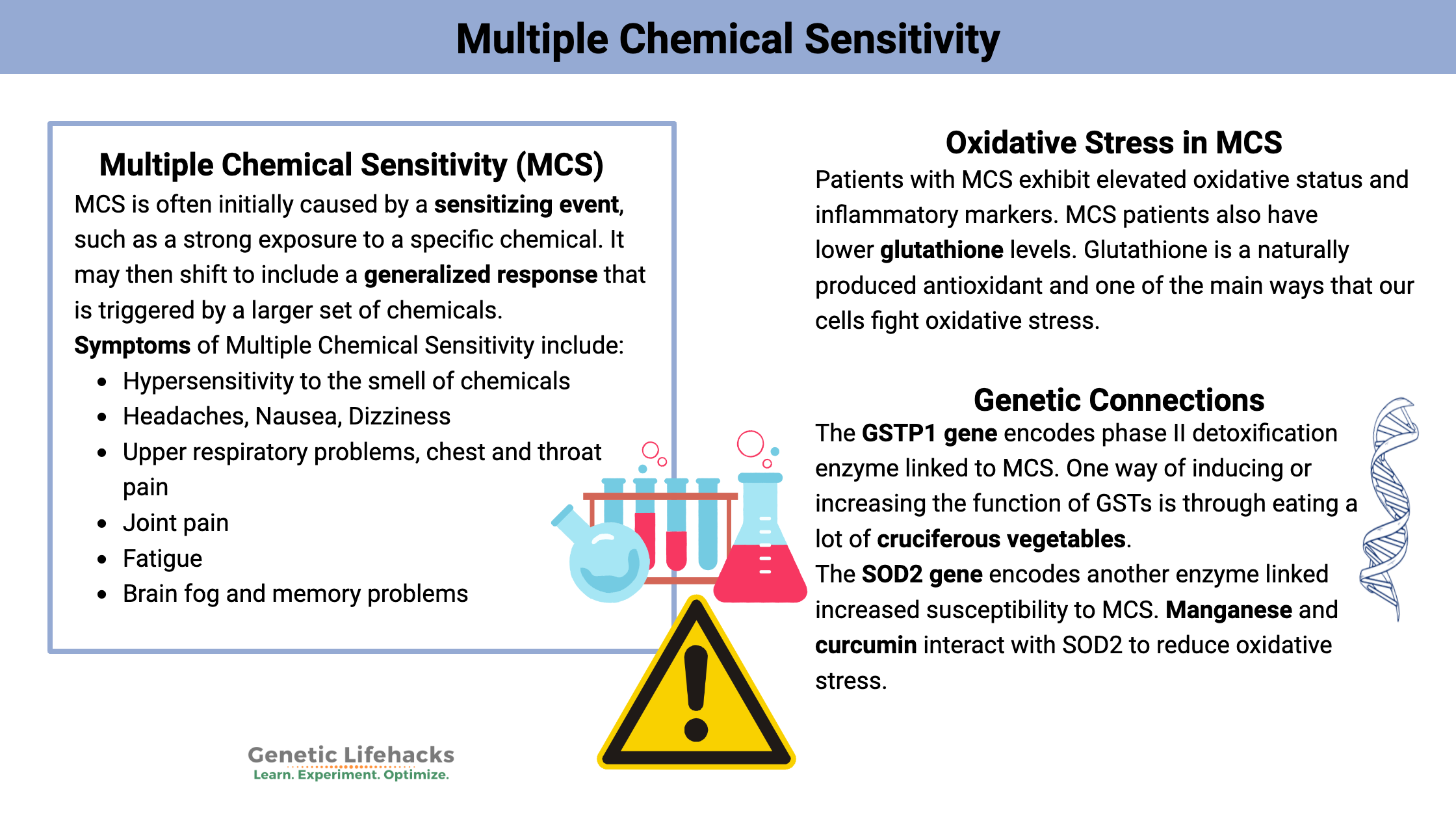
Multiple Chemical Sensitivity (MCS): Genetics, Causes, and Solutions
Multiple Chemical Sensitivity involves systemic reactions to low-level chemical exposures. Genetic research points to detox enzyme variants and olfactory gene interactions.
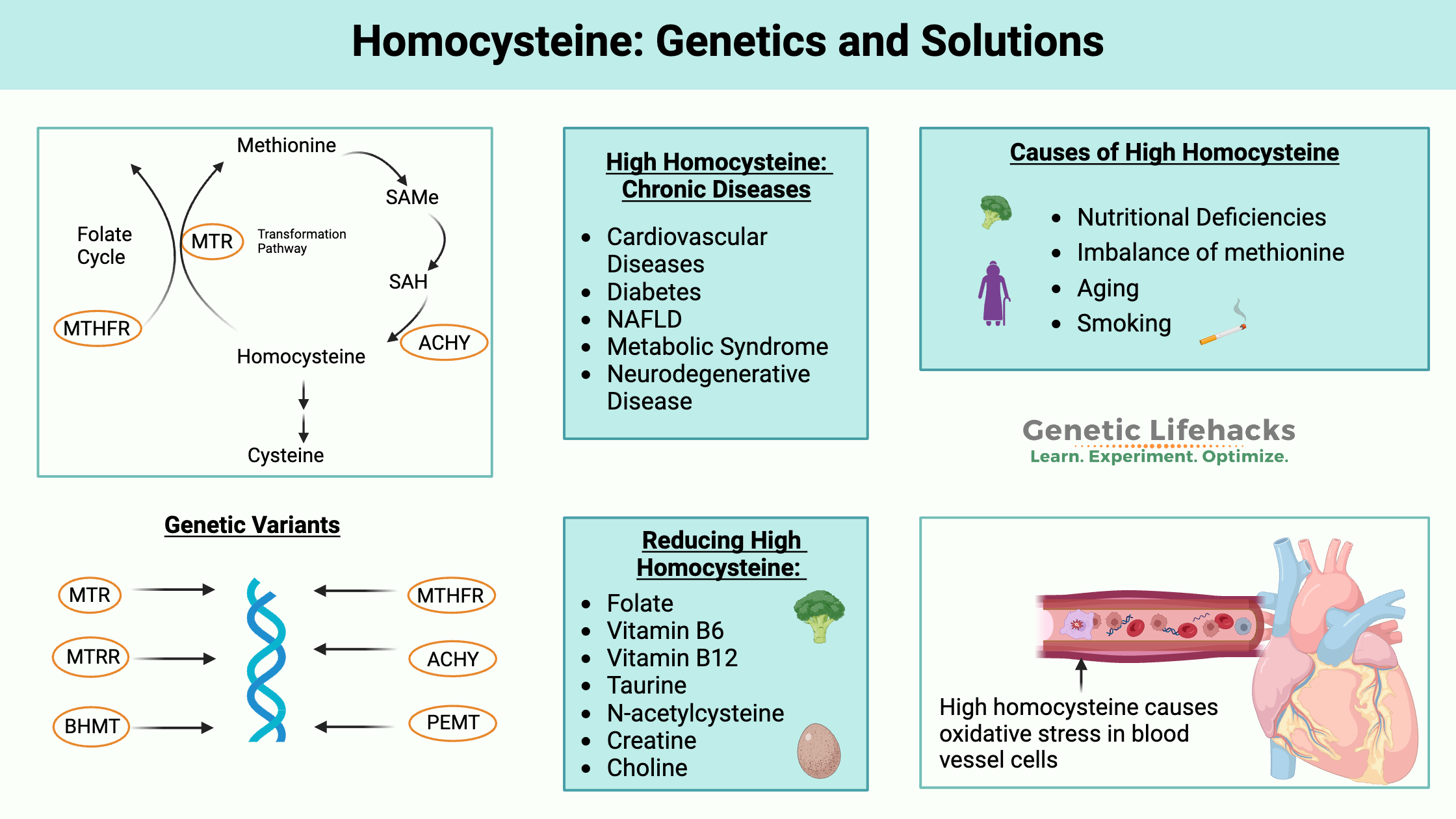
Homocysteine: Genetics, High Homocysteine Levels, and Solutions
High homocysteine levels are strongly linked to an increased relative risk of cardiovascular diseases. Find out how your genes impact homocysteine levels.
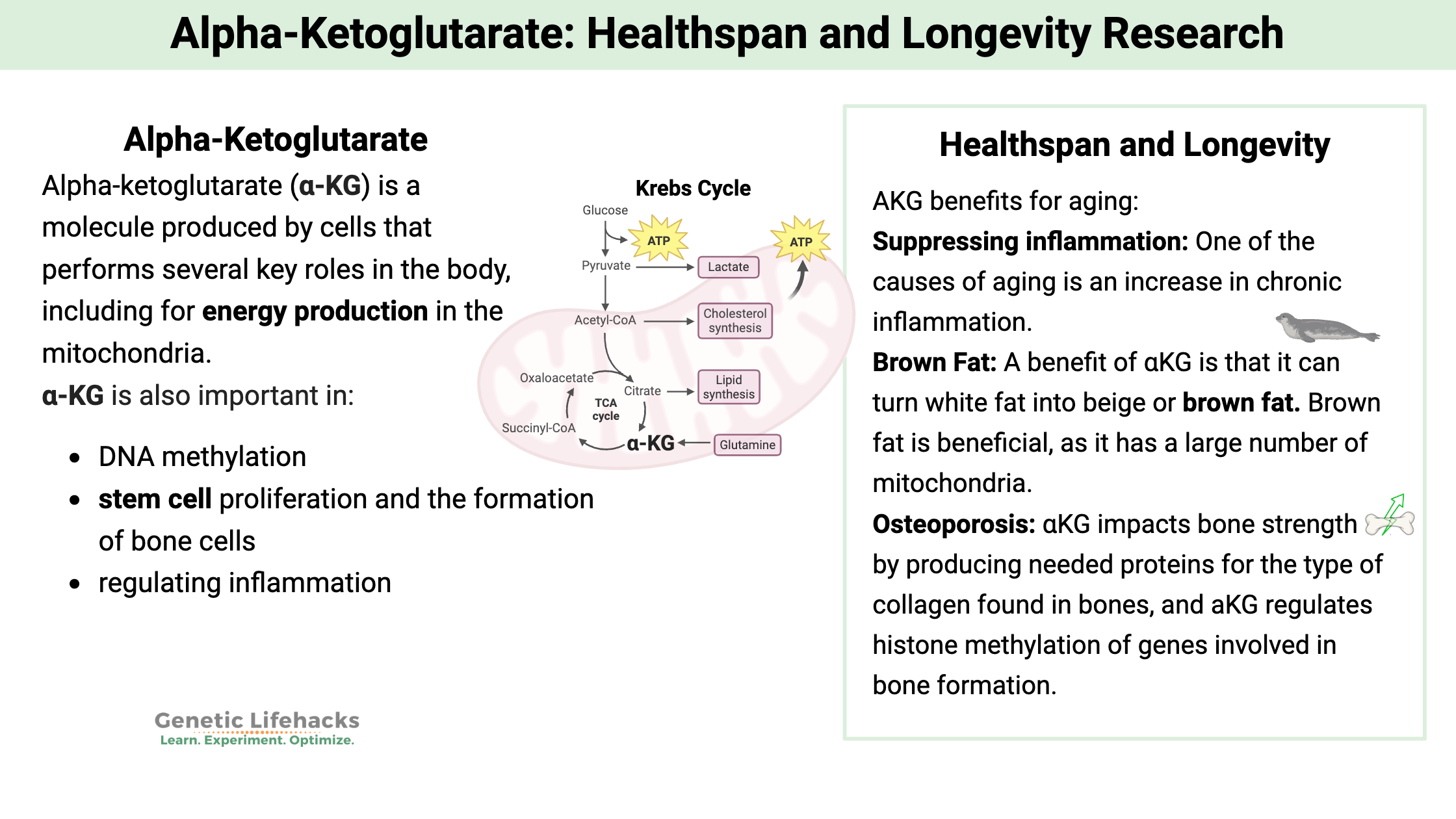
Alpha-Ketoglutarate (AKG) Supplements: What the Research Actually Shows [2026 Update]
Alpha-ketoglutarate for longevity: the science behind AKG supplements, including clinical trials, brain health, joint protection, supplement forms, and dosing.