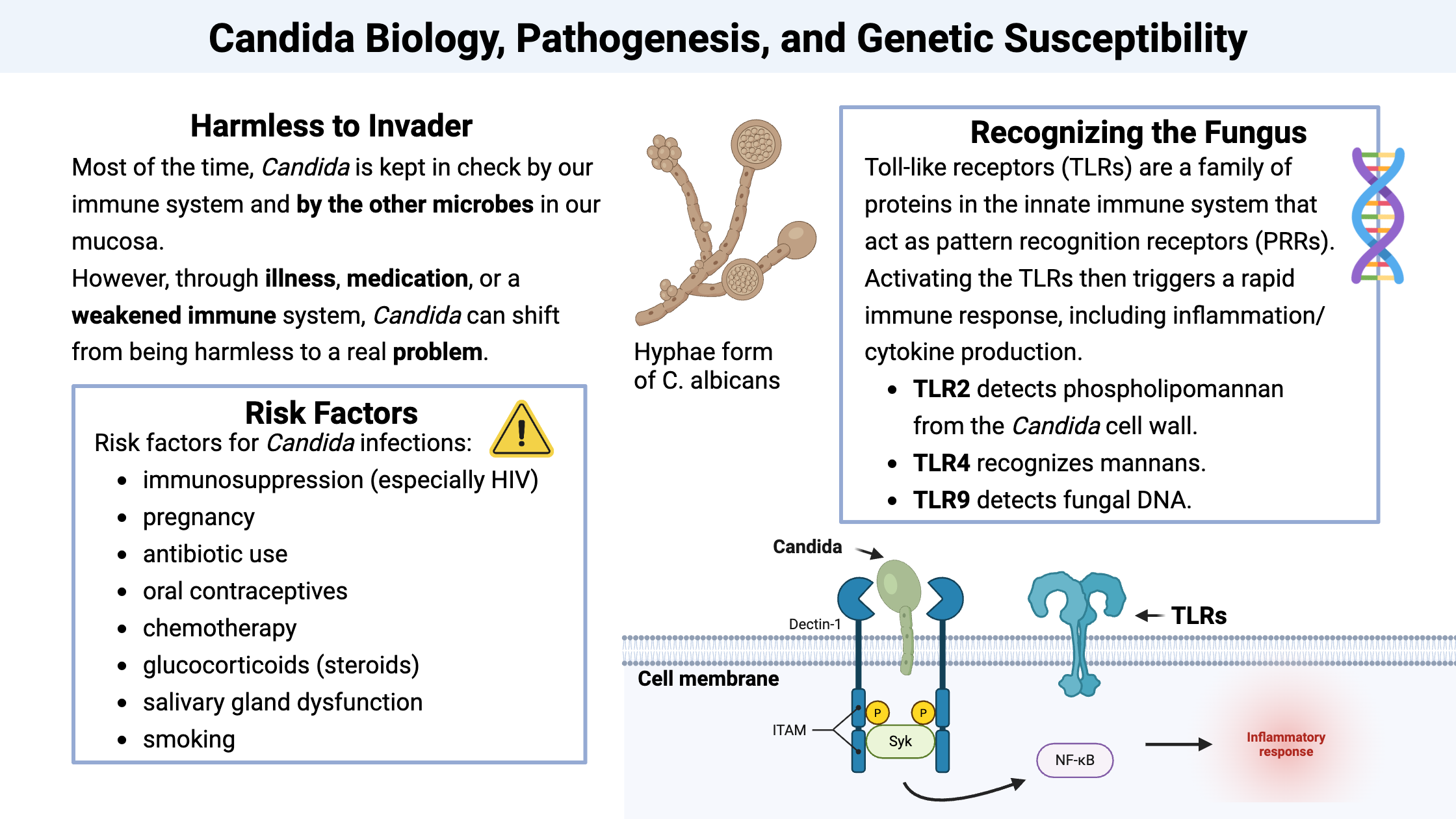
Candida Biology, Pathogenesis, and Genetic Susceptibility
Learn why genetic variants in IL‑17, TLRs, dectin‑1, MBL, FUT2, and STAT1 can make some people much more susceptible to chronic or severe Candida infections.

These articles focus on how your genes influence your body’s ability to fight off infections, respond to vaccines, and manage viral exposures.
Learn why genetic variants in IL‑17, TLRs, dectin‑1, MBL, FUT2, and STAT1 can make some people much more susceptible to chronic or severe Candida infections.
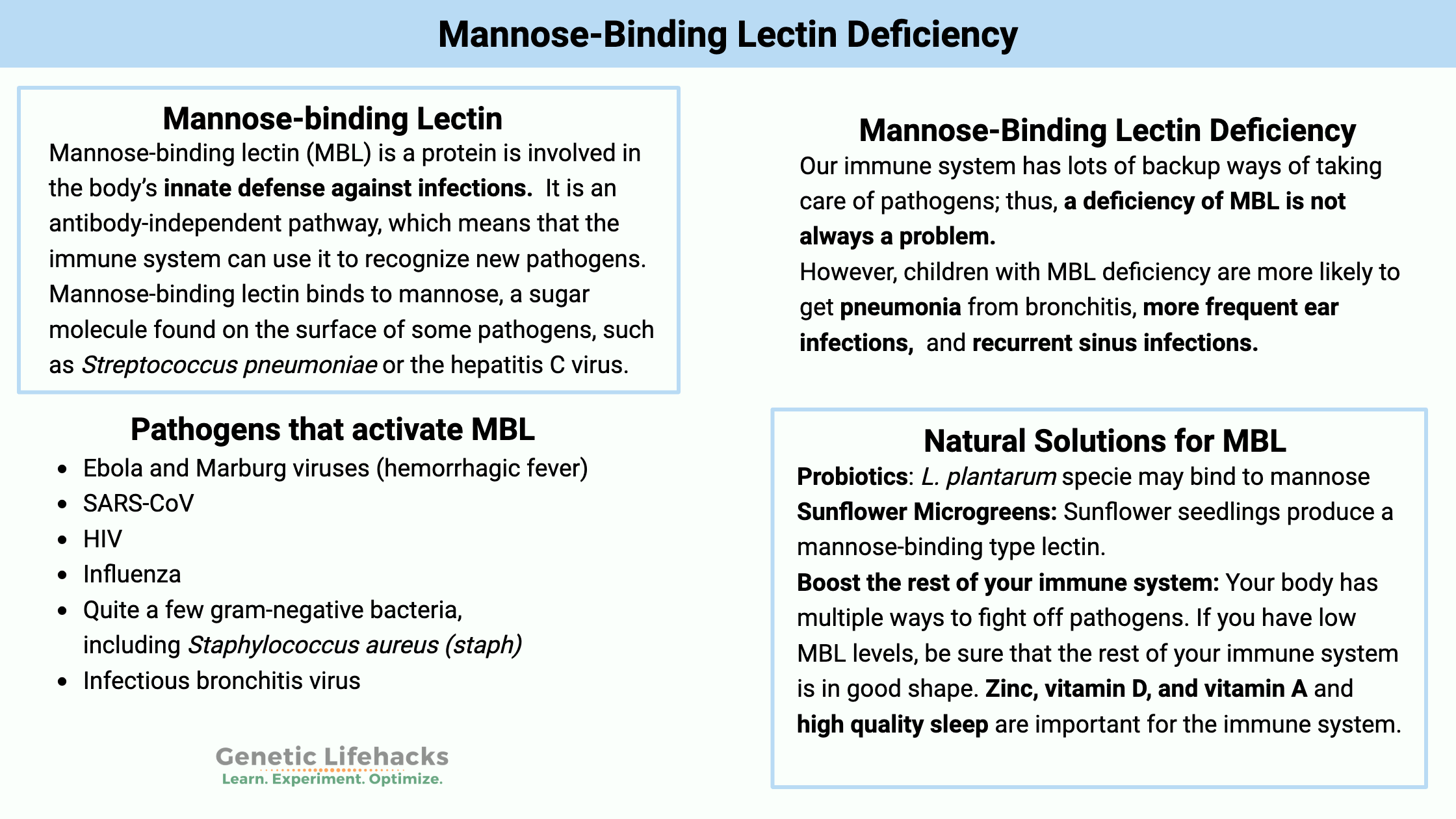
Mannose-binding lectin, also known as mannose-binding protein, is involved in the body’s innate defense against infections. Find out how genetic variants in this system increase your susceptibility to specific pathogens.
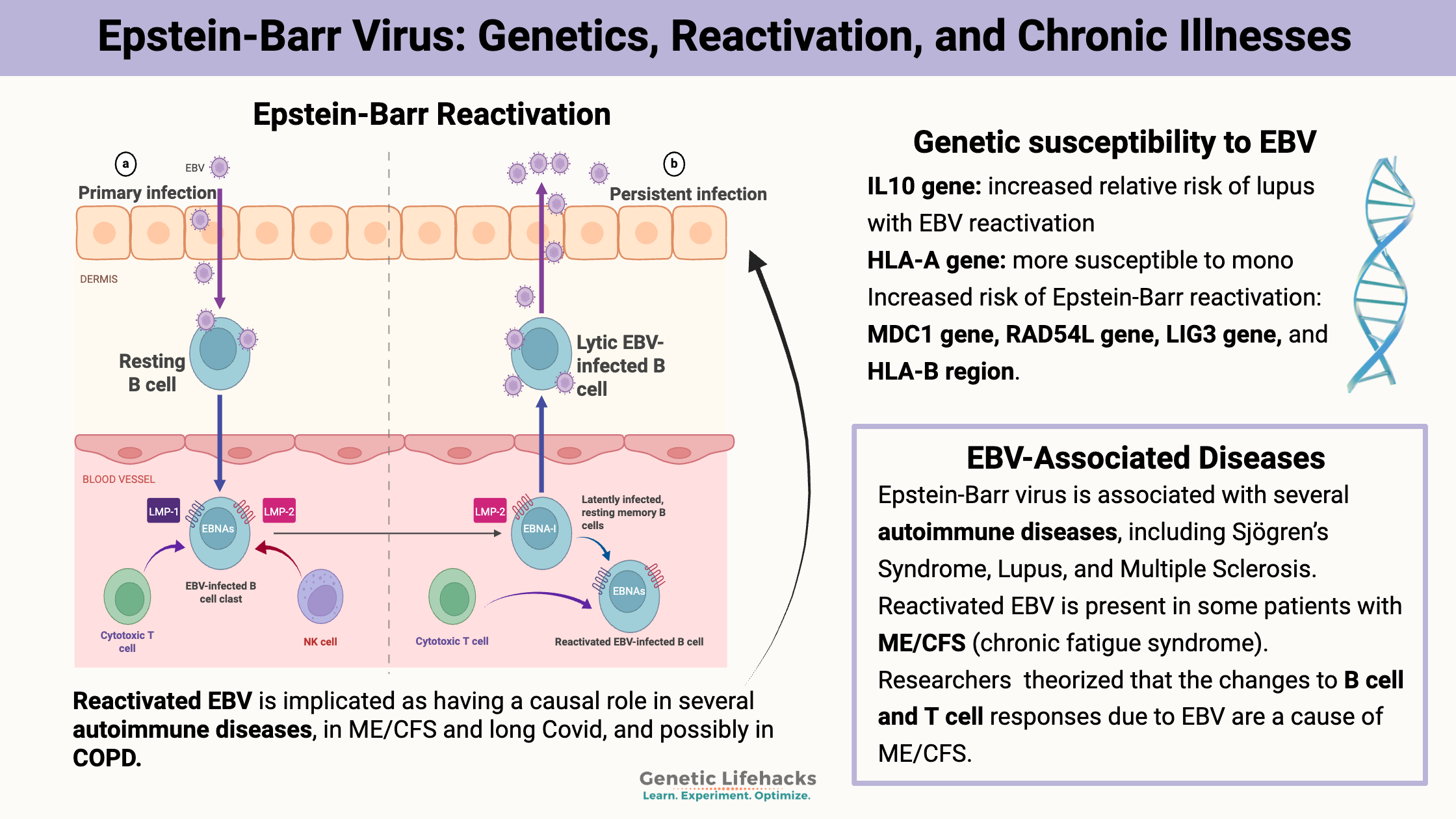
Epstein-Barr virus (EBV) impacts lifelong health, links to autoimmune diseases, genetic risk factors, and practical steps to reduce reactivation.
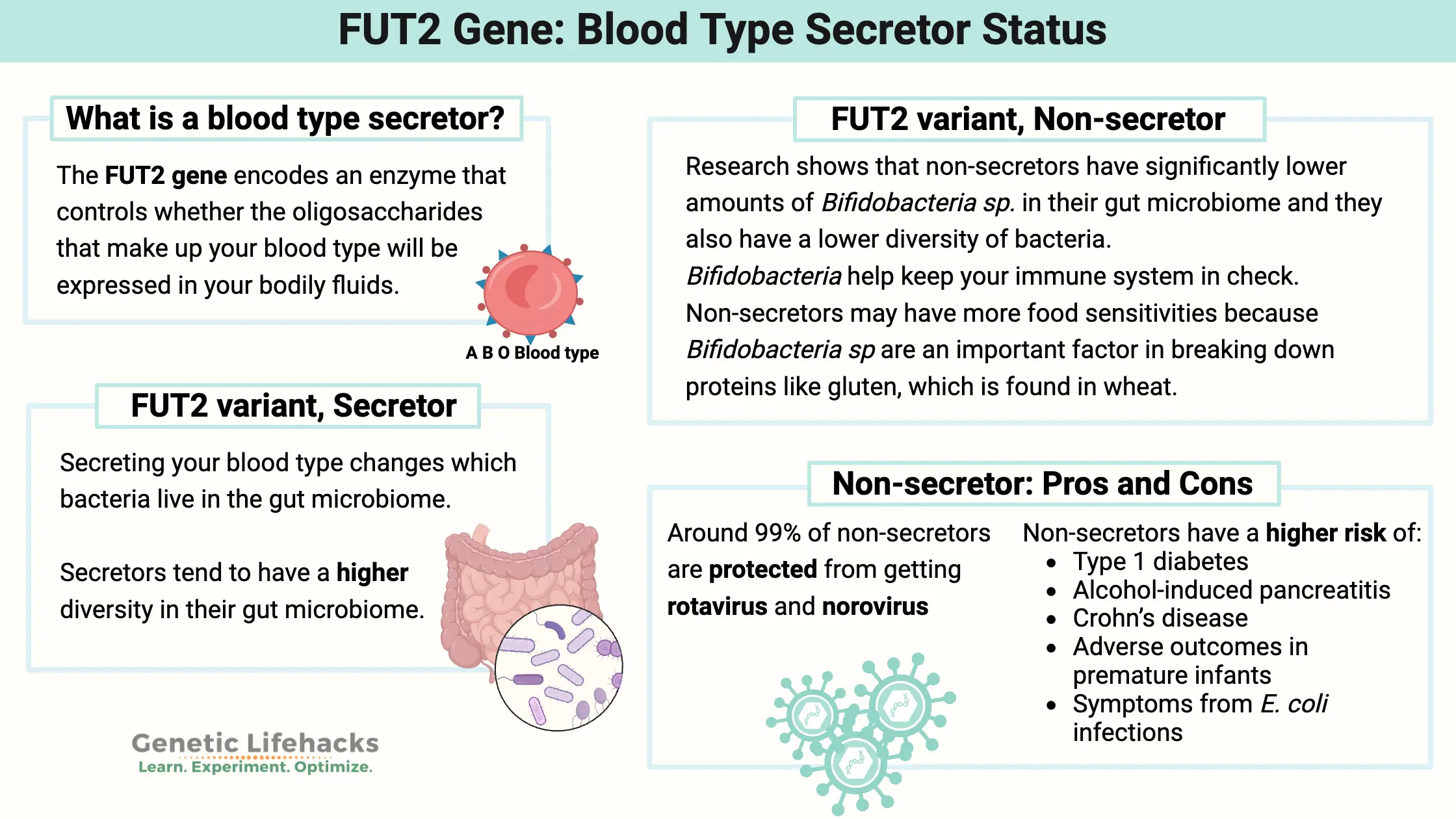
A genetic variant in the FUT2 gene controls whether or not you secrete your blood type into your saliva and other bodily fluids, such as your intestinal mucosa. This can alter the gut microbiome – but protect against Norovirus infections.
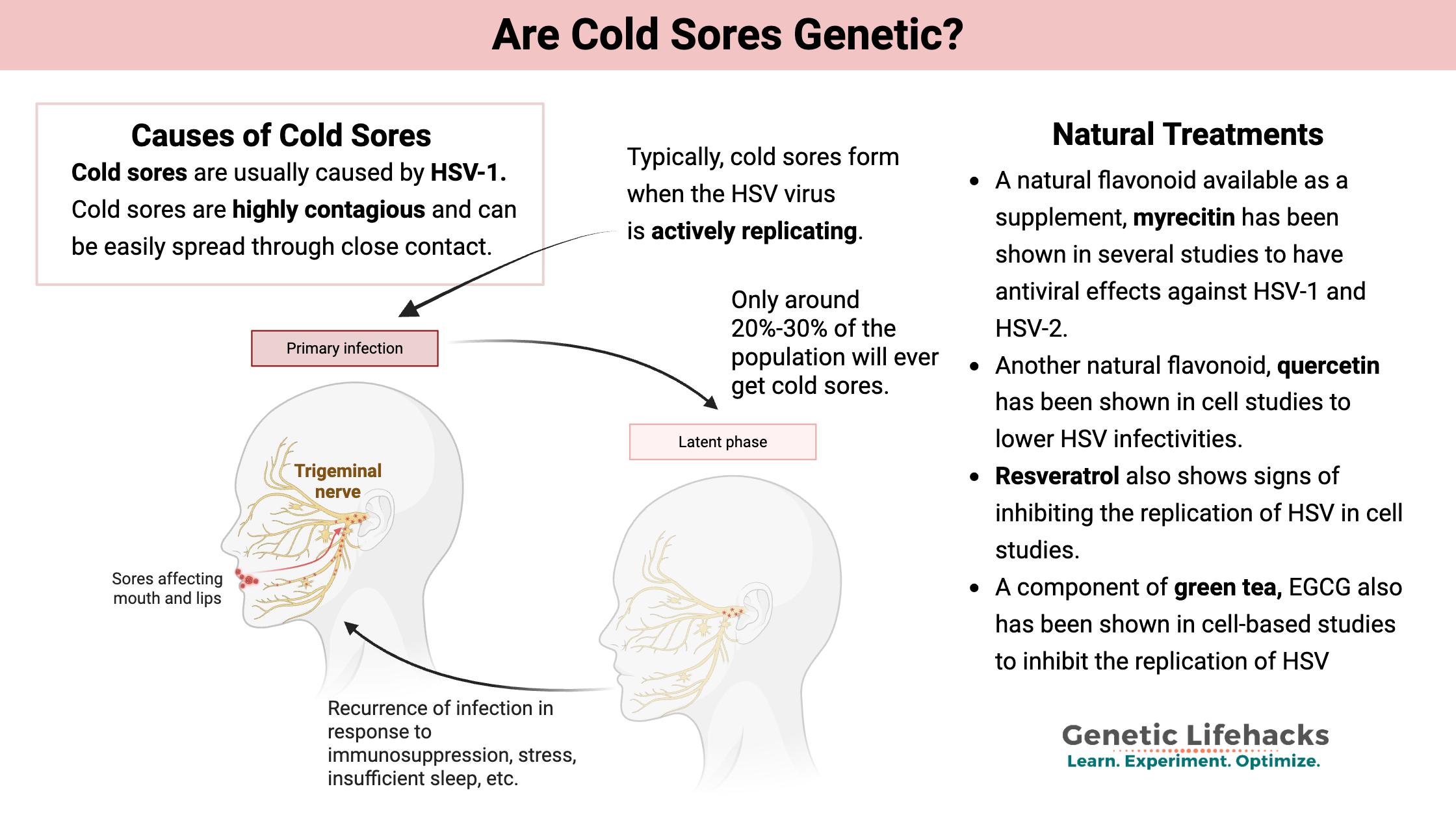
While many people carry the HSV virus, only about 30% will get cold sores. Genetics is one reason.
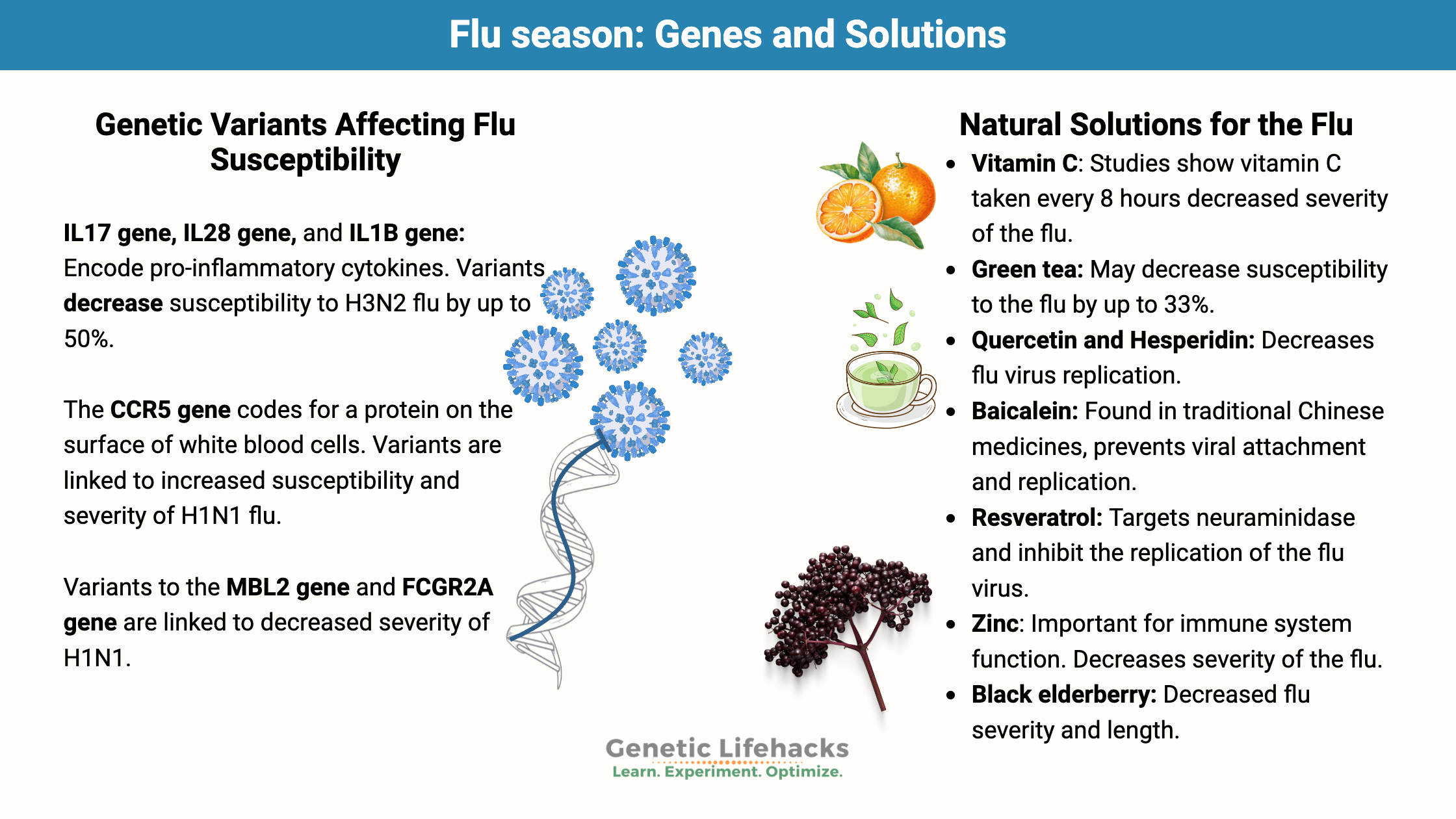
Are you more genetically susceptible to the flu? Learn how your genes play a role and discover research-backed natural options to beat the flu.
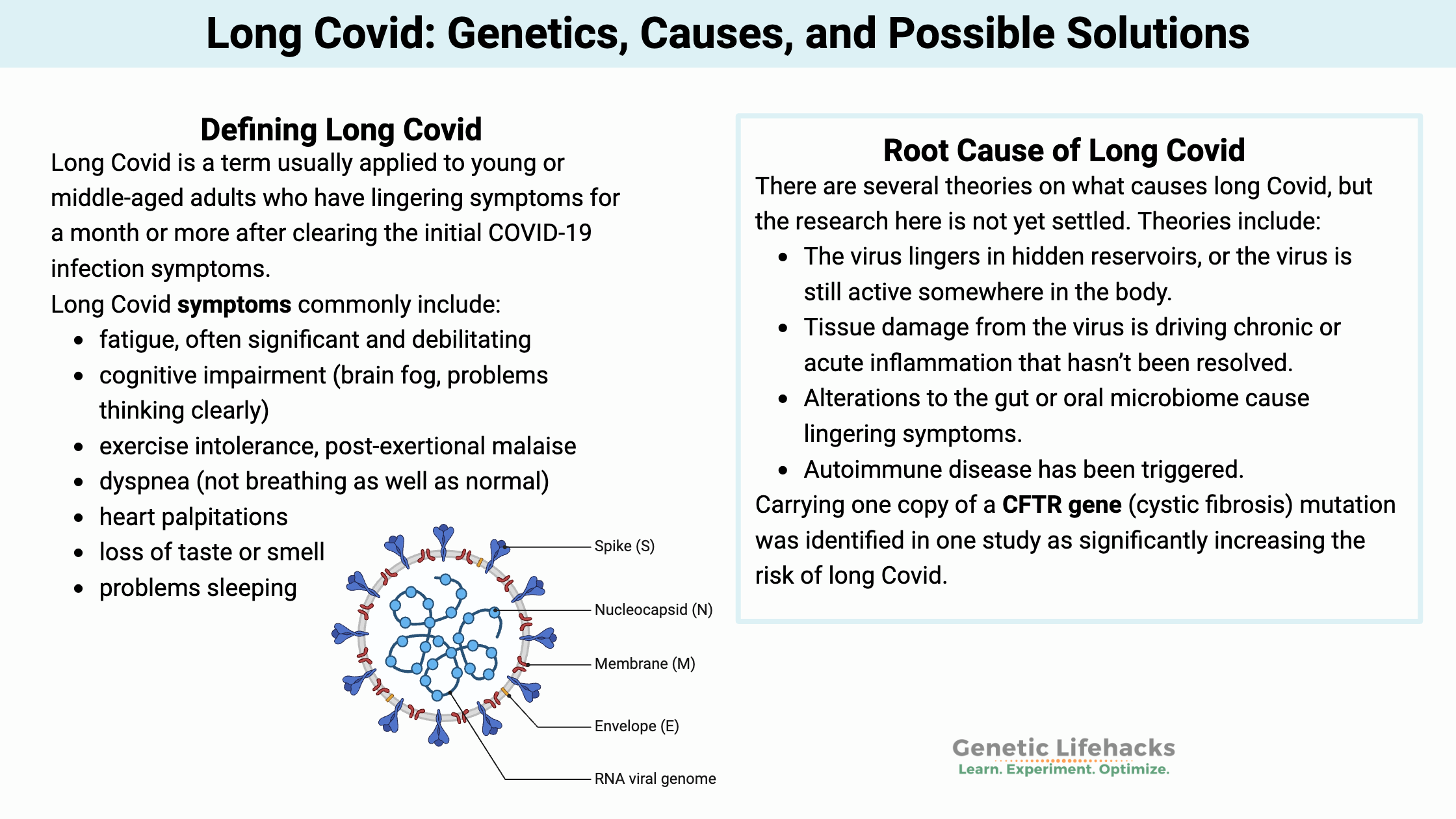
Long Covid is the persistence of symptoms after having COVID-19. Learn more about the underlying causes and treatments backed by the newest research.
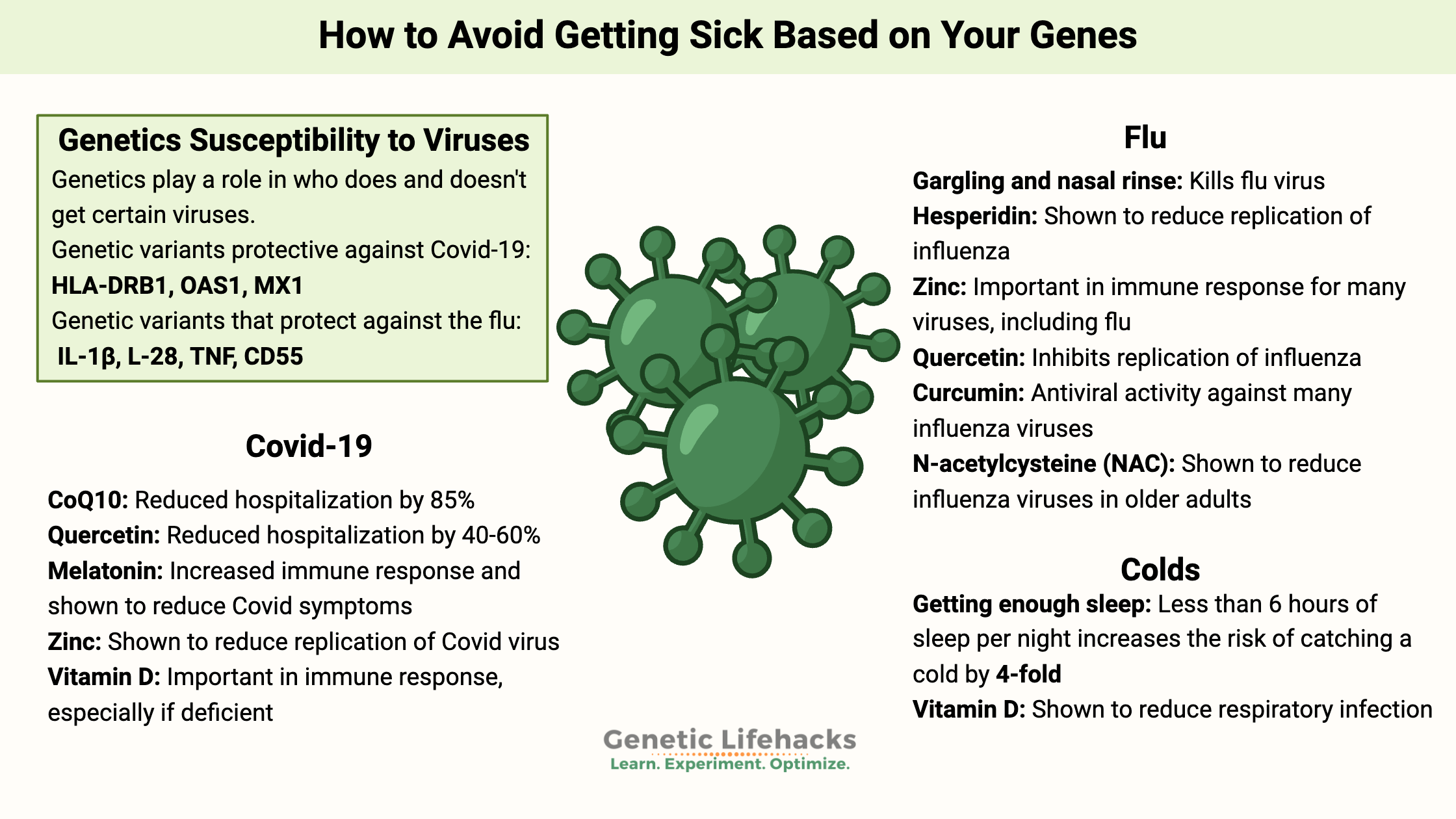
Explore the research-backed strategies for preventing or managing respiratory illnesses. Don’t let a cold get you down this year.
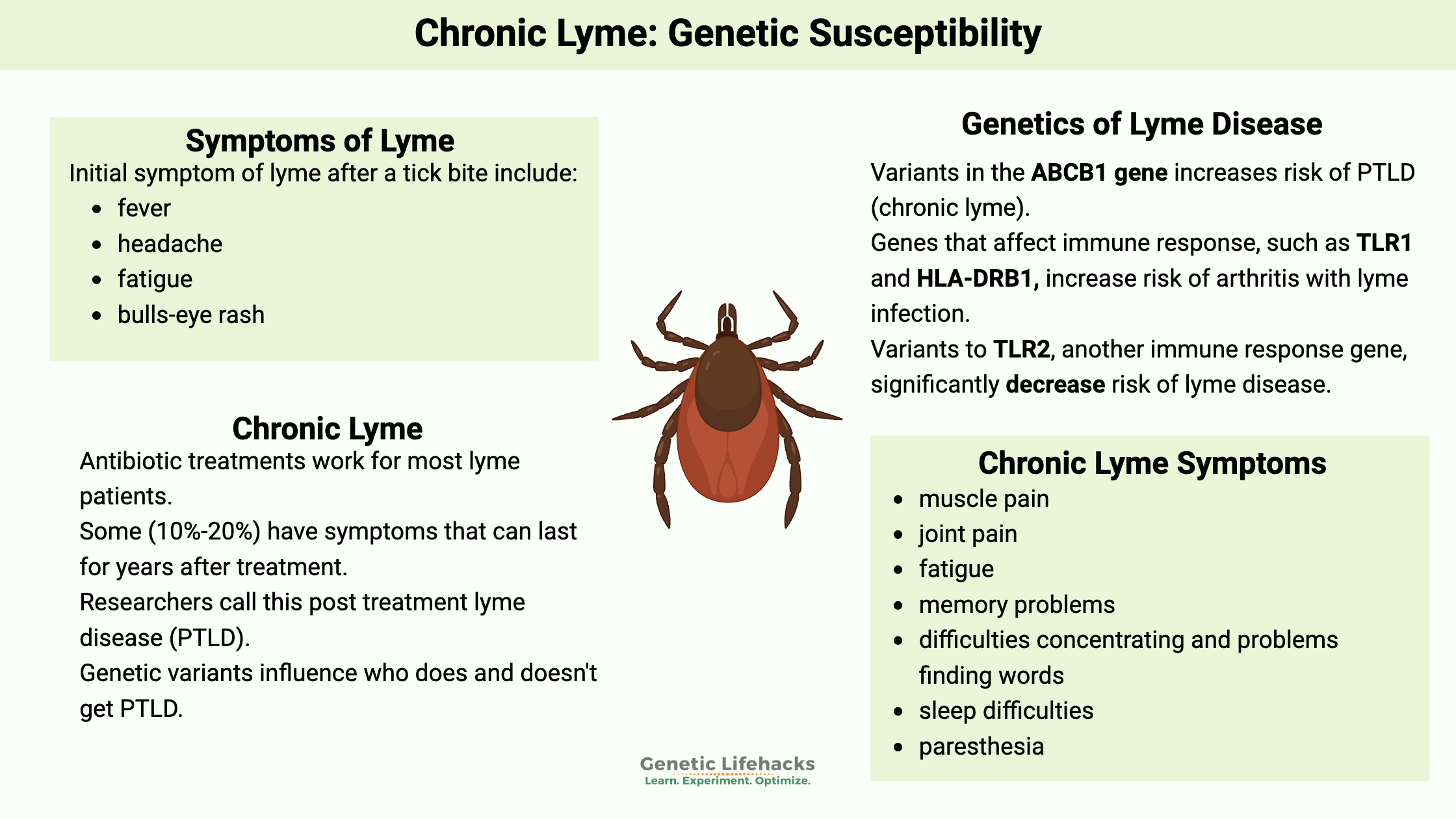
The interesting thing about Lyme disease is that the genetic variants you carry impact both how the disease affects you and how well antibiotics work for you. Learn whether your genetic variants are linked to post-treatment Lyme disease symptoms such as joint pain. (Member’s article)
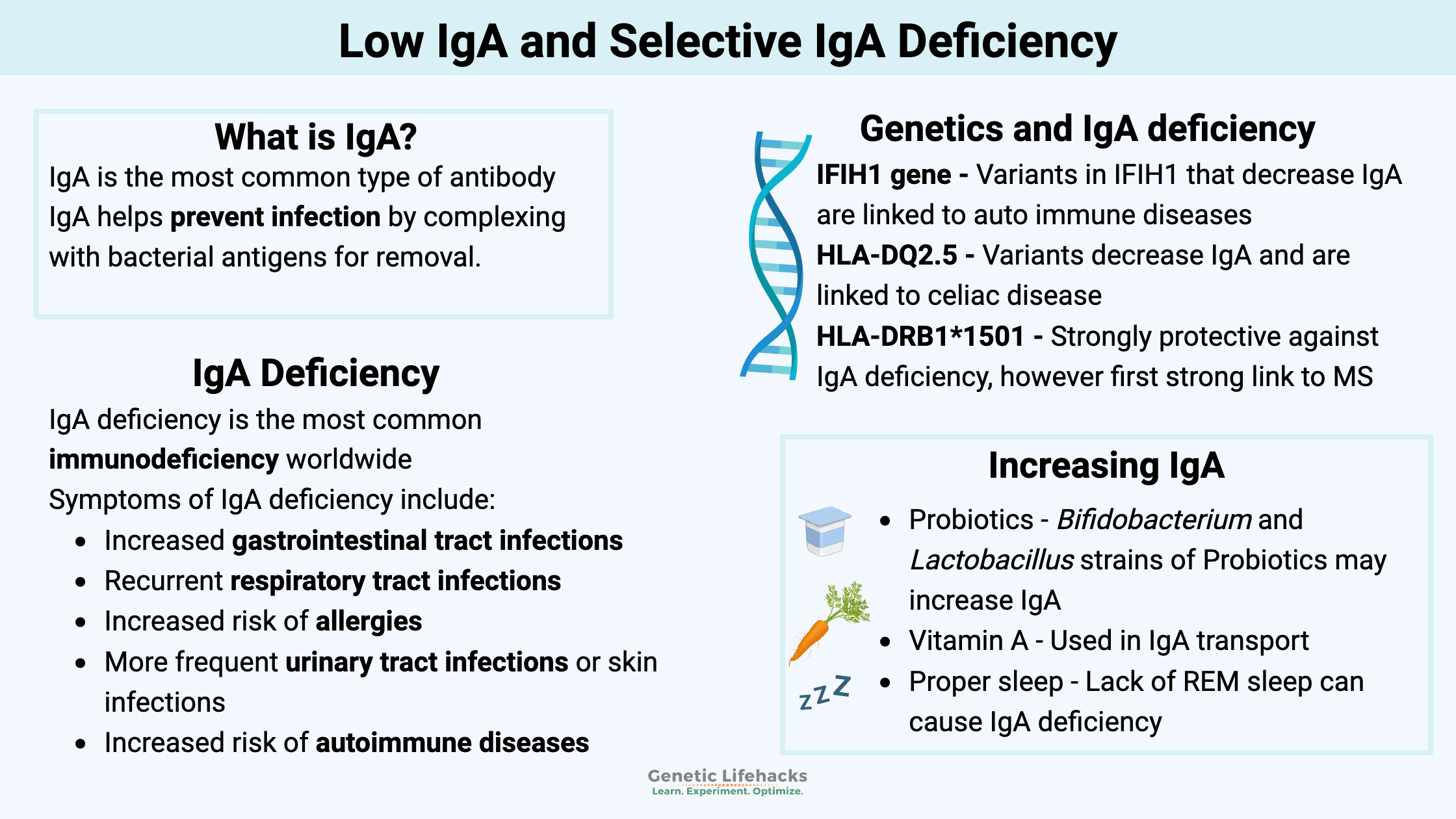
Partial IgA deficiency, which affects up to 1% of the population, can have a genetic component and overlaps with some autoimmune diseases.
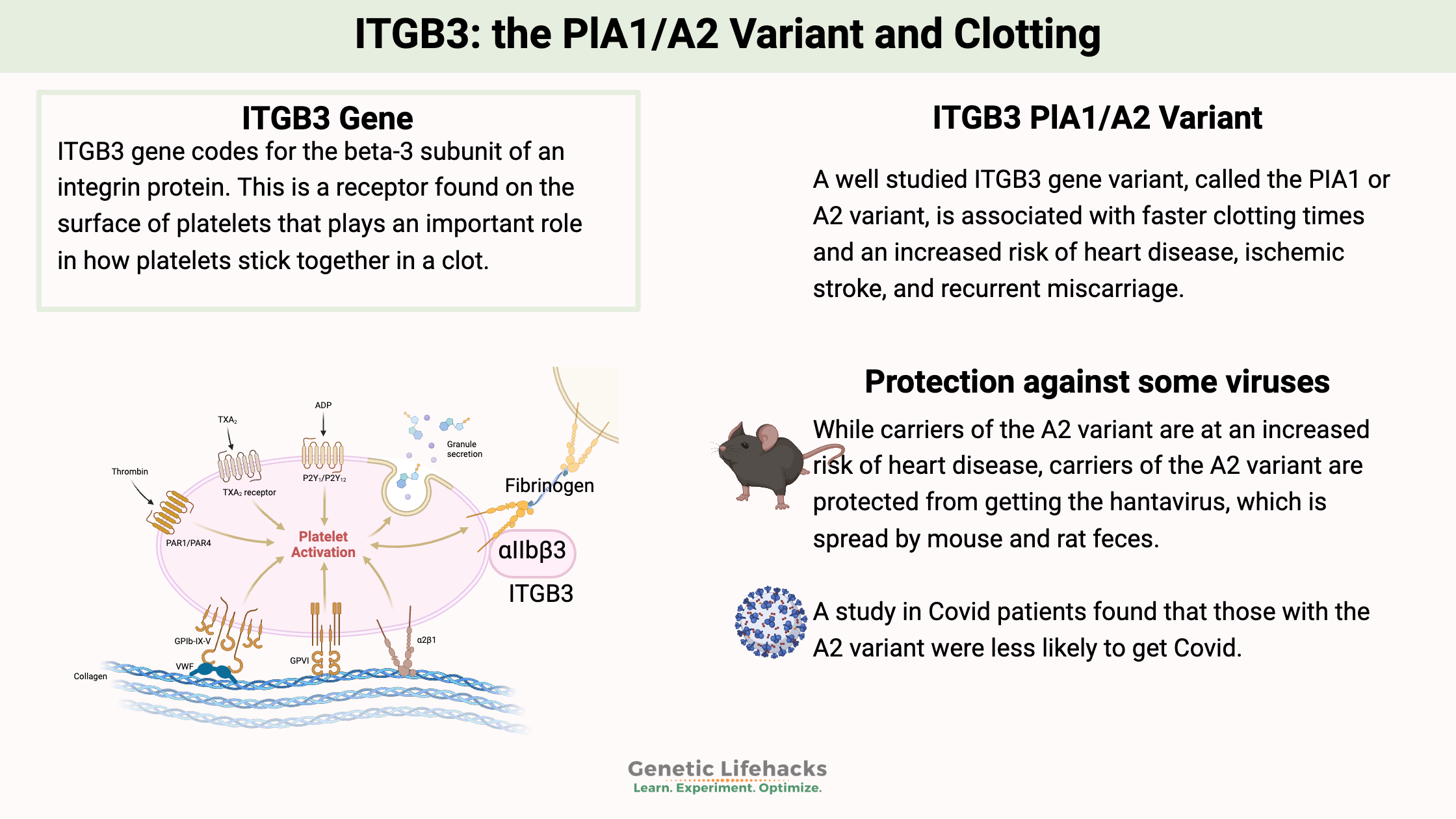
The PlA2 variant of the ITGB3 gene is linked to an increased risk of blood clots including stroke, heart attack, and DVT. But this variant also comes with a positive trade-off with reduced risk of hantavirus infection severity.
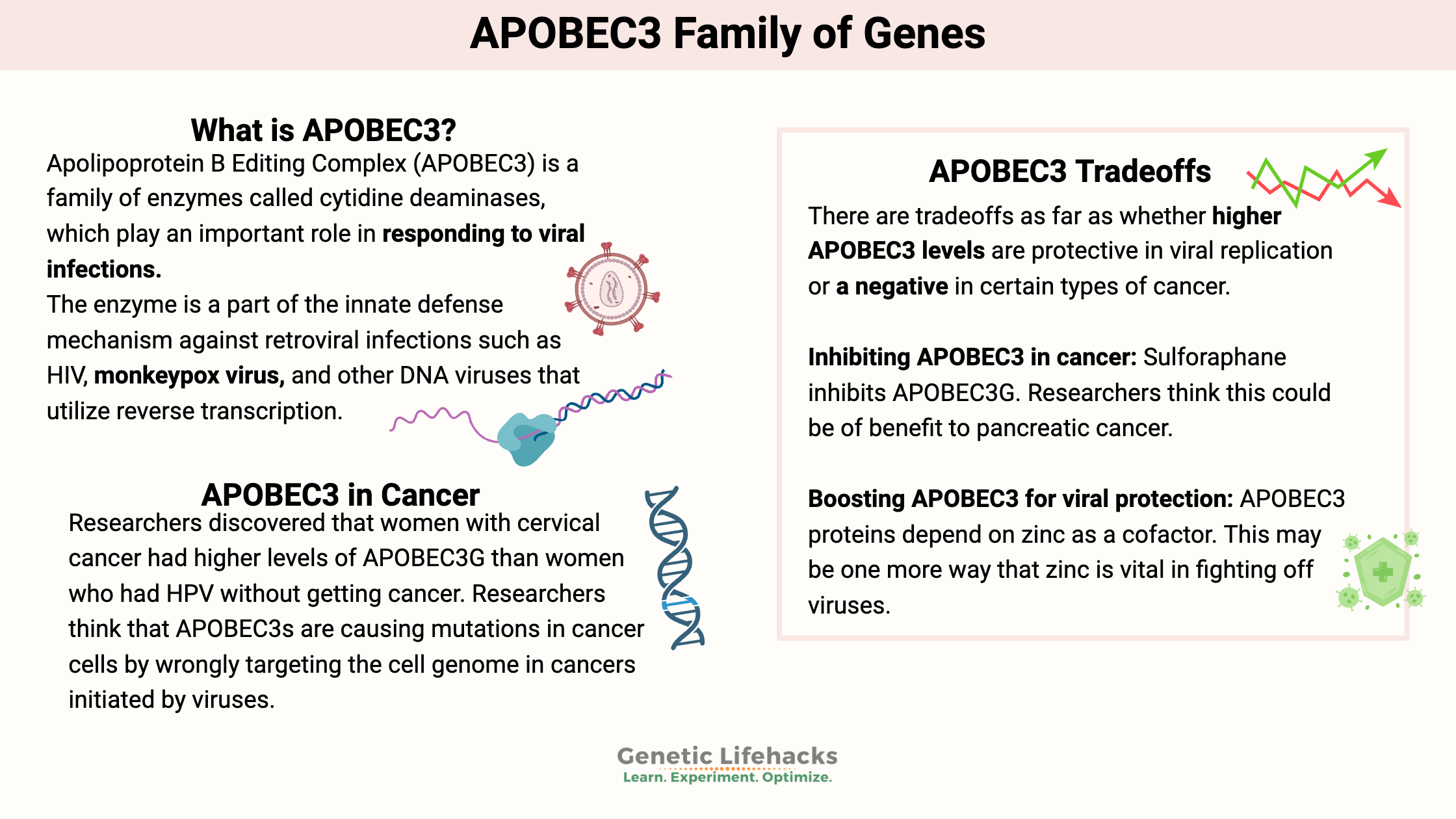
The APOBEC3 family of enzymes has a unique way of stopping viruses from replicating. Your genes can affect whether the virus becomes inactive or more virulent.
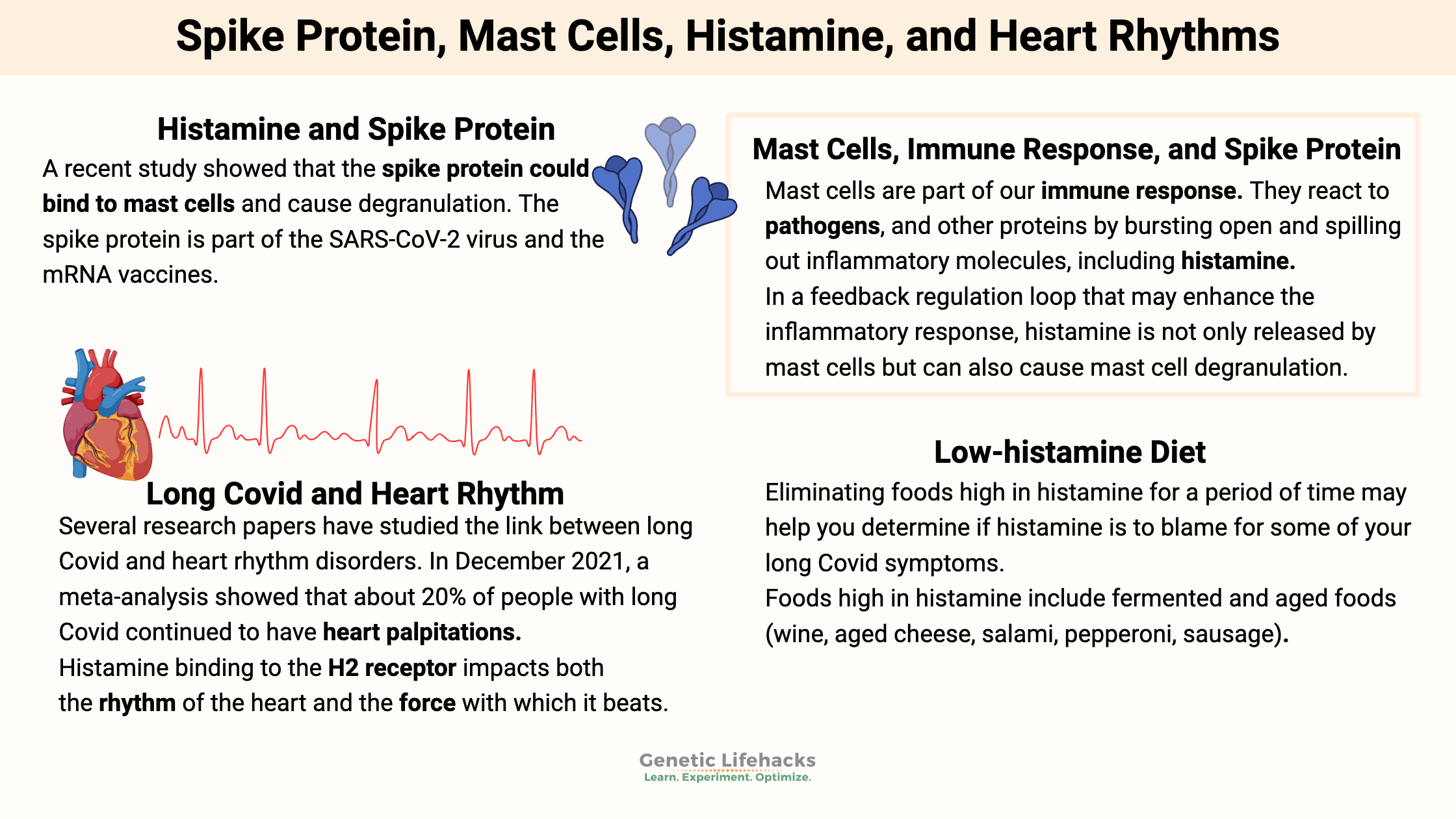
Do you know of someone with unexplained heart palpitations, spiking blood pressure, dizziness, and tinnitus? Discover how research is linking these symptoms to histamine, mast cells, and the spike protein.
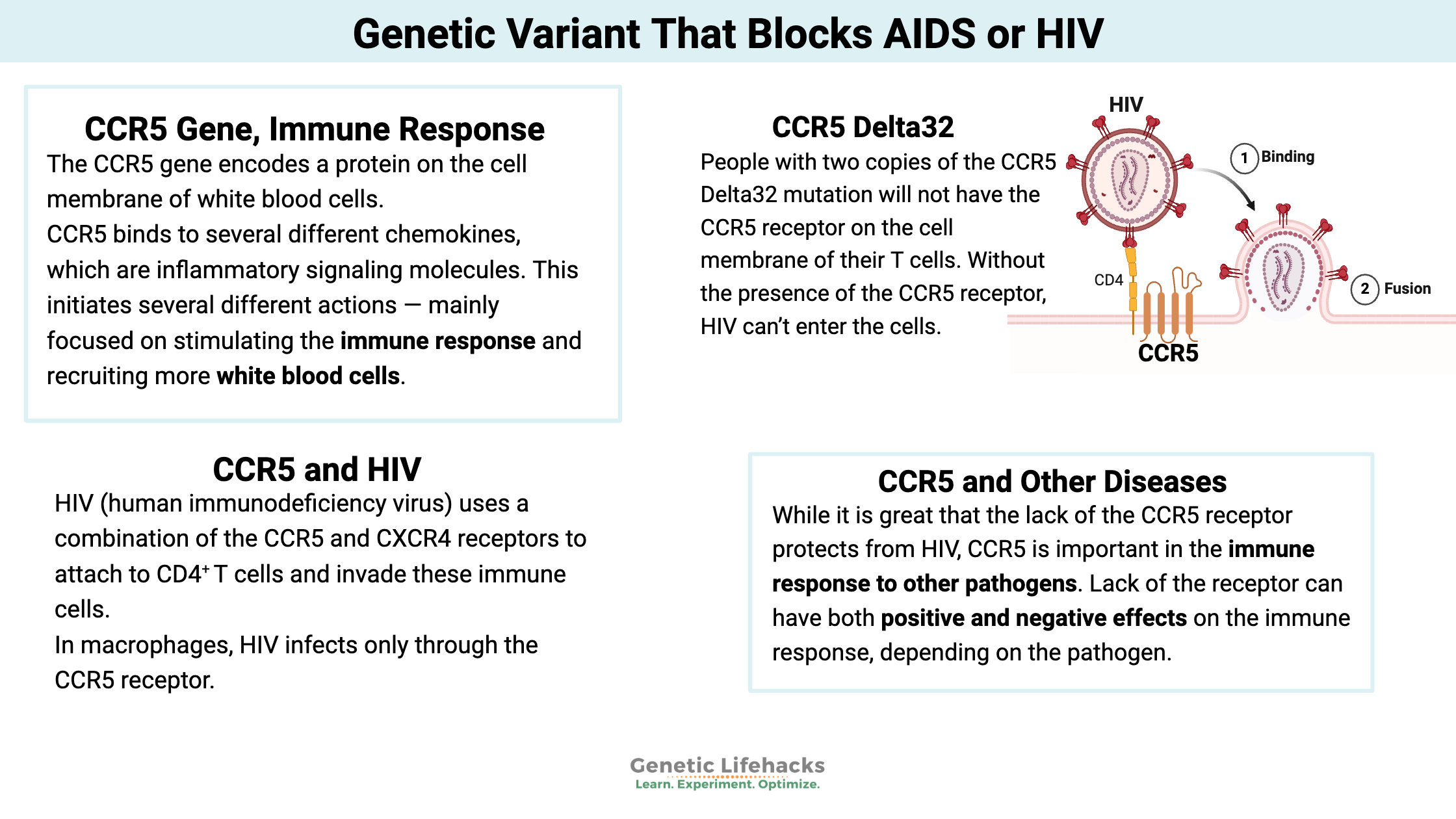
The CCR5 gene is an important player in the immune response. The CCR5-delta32 variant can reduce susceptibility to certain HIV strains, particularly in people with two copies.
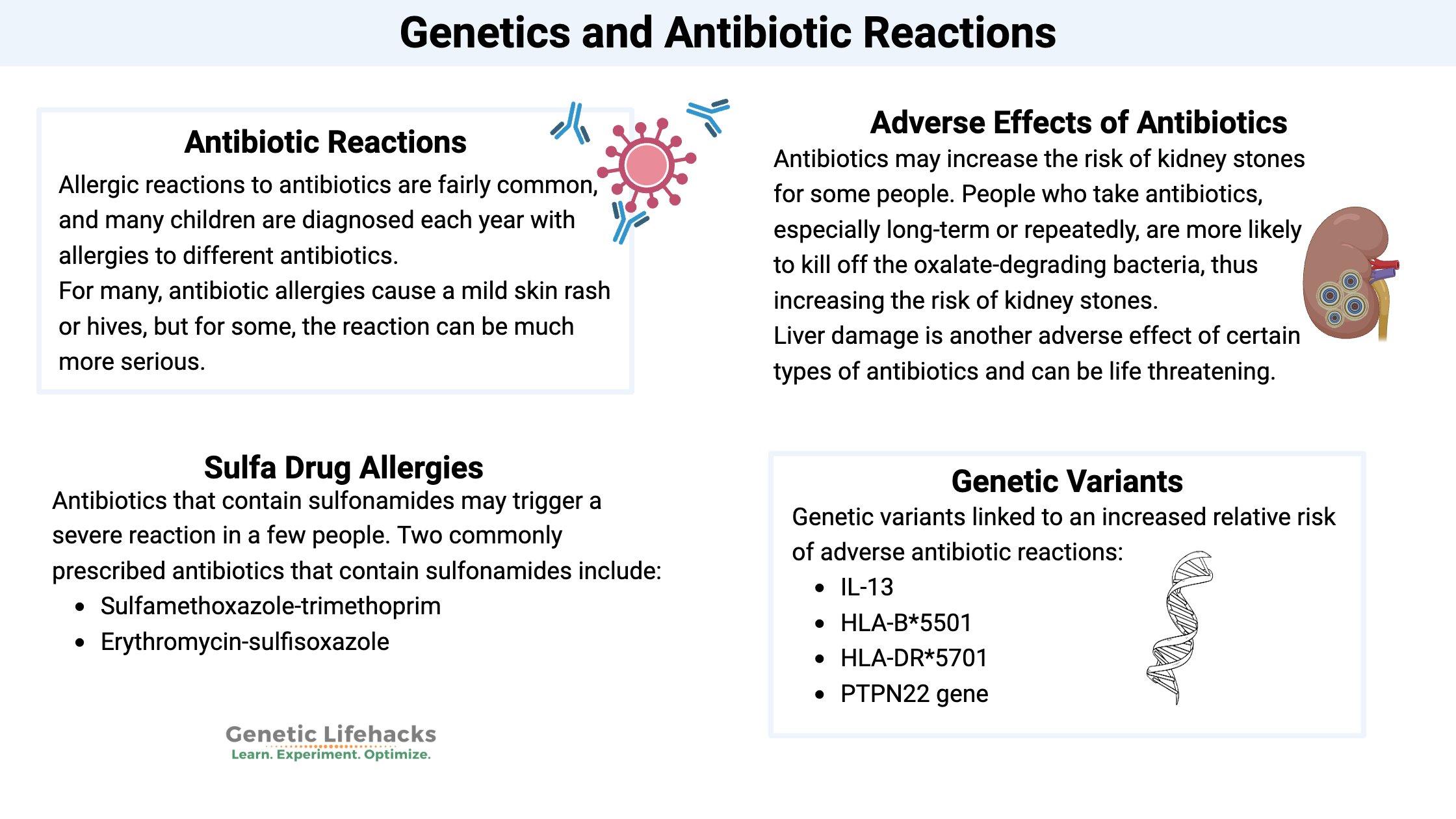
Genetics plays a role in the susceptibility to antibiotic allergies. Learn which genetic variants increase your risk.
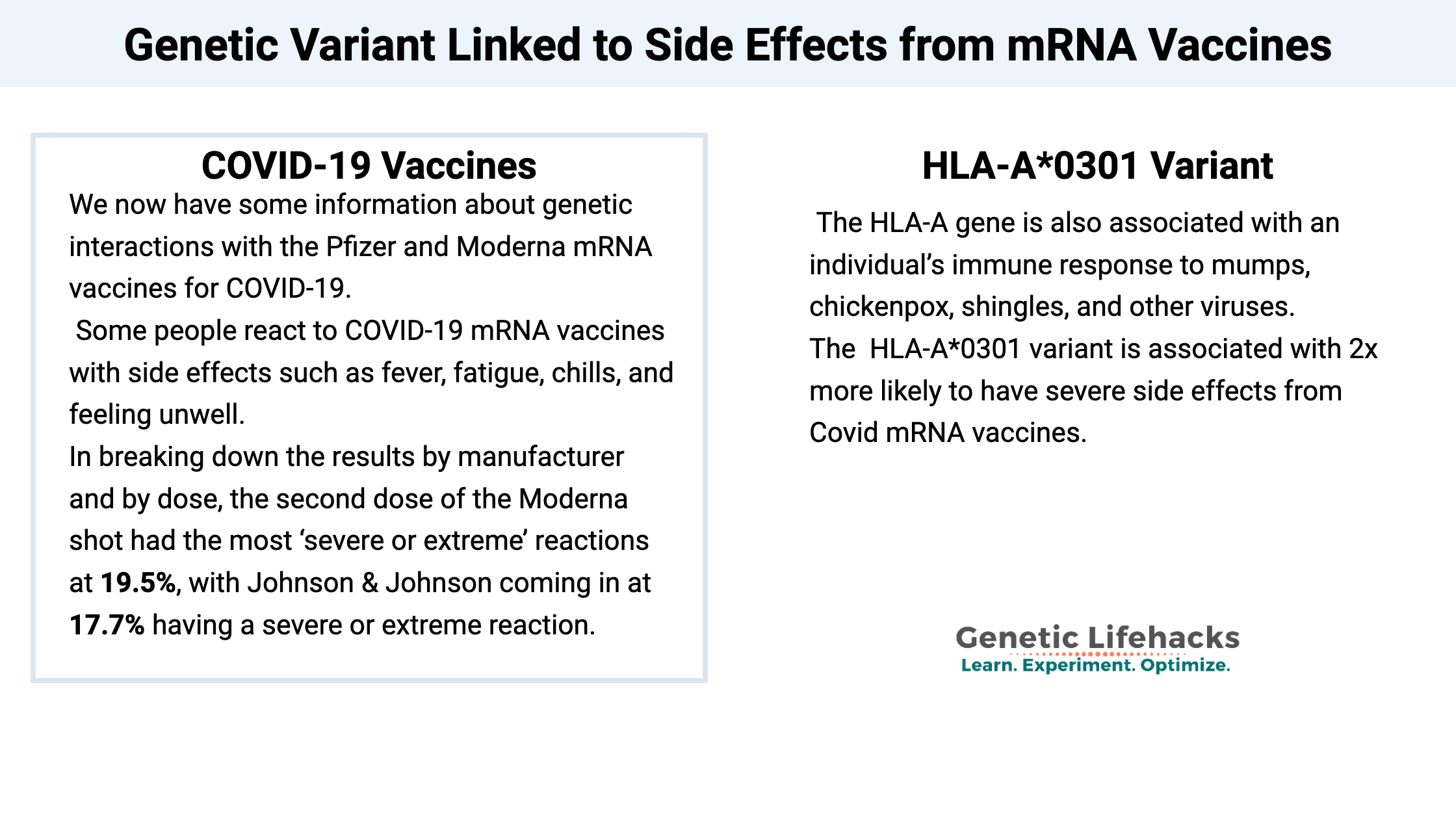
Will you get side effects from mRNA vaccines? A genetic variant in the HLA-A gene might cause an increase in your response to the vaccine.
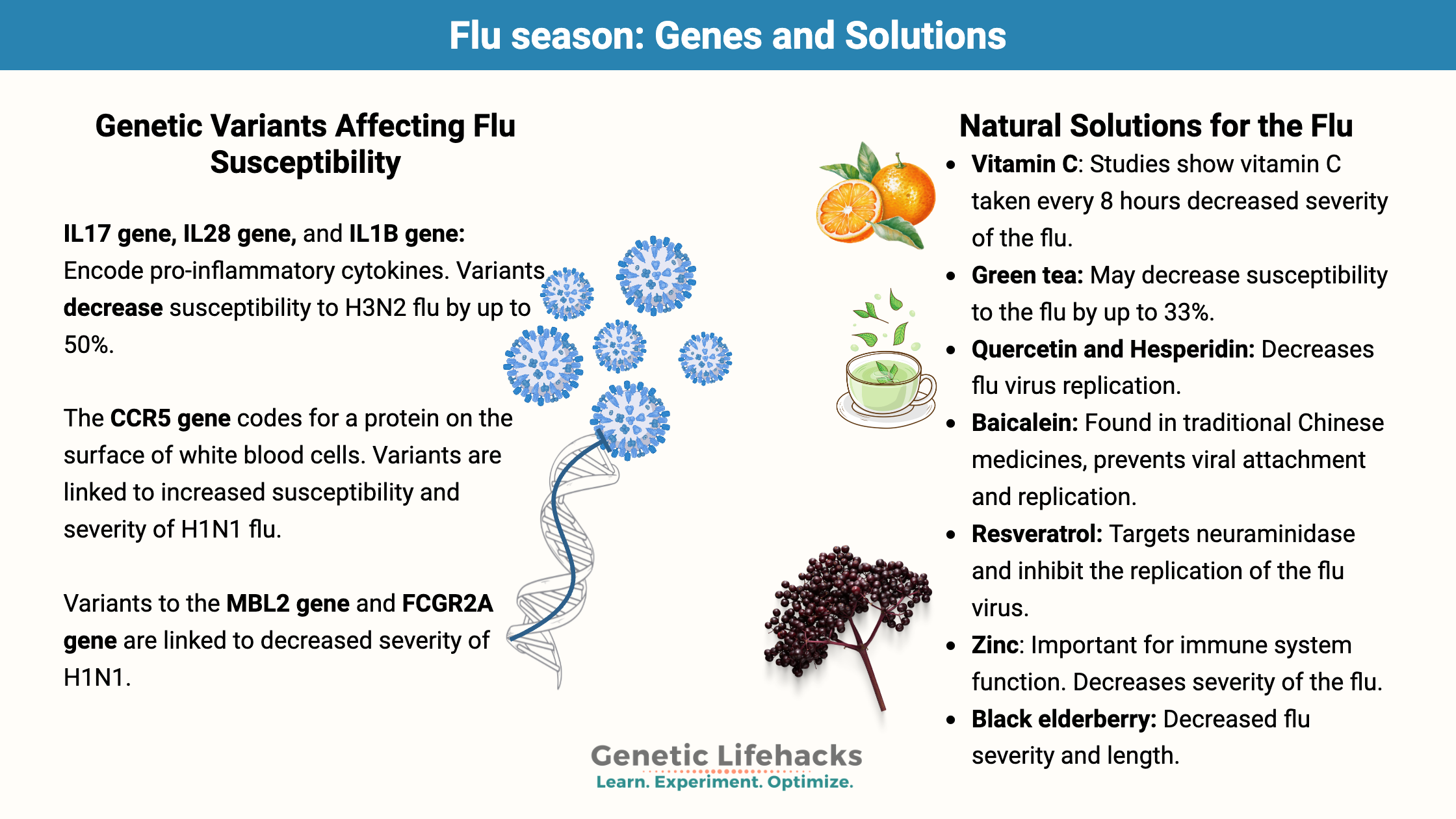
Have you ever wondered why some people never seem to get the flu when it is going around? Simply put, some people are just more susceptible to getting the flu than others. Learn more and see if you are more or less susceptible to the flu.
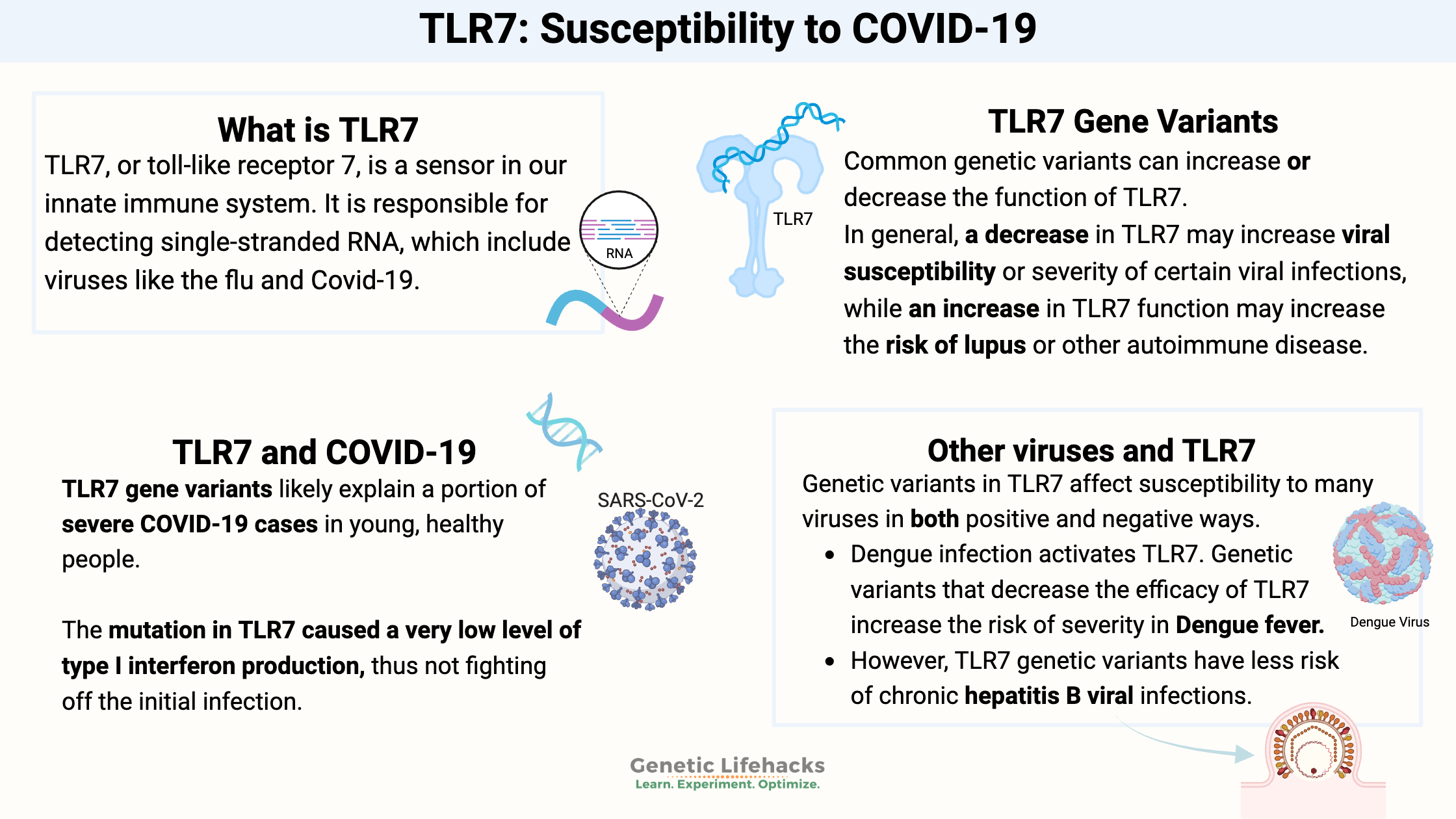
In recent research, mutations in TLR7 (a sensor in our innate immune system) might cause severe Covid-19 in a small minority of healthy people.
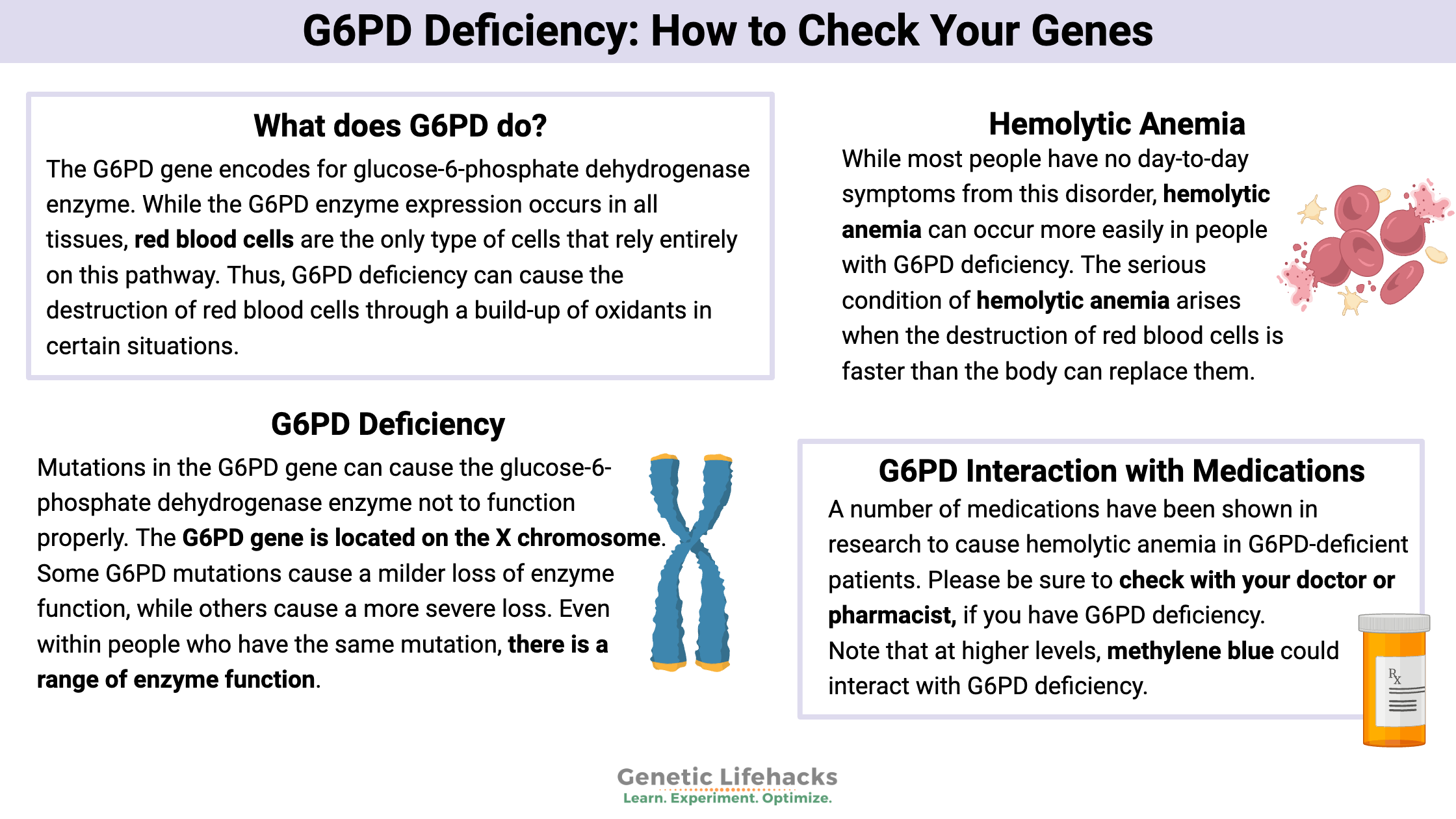
People who carry the genetic mutations that cause G6PD deficiency are at an increased risk for hemolytic anemia when taking quinine-based medications. This article is intended to be a ‘heads up’ for anyone who is considering using quinine or chloroquine without a doctor’s advice for COVID-19.
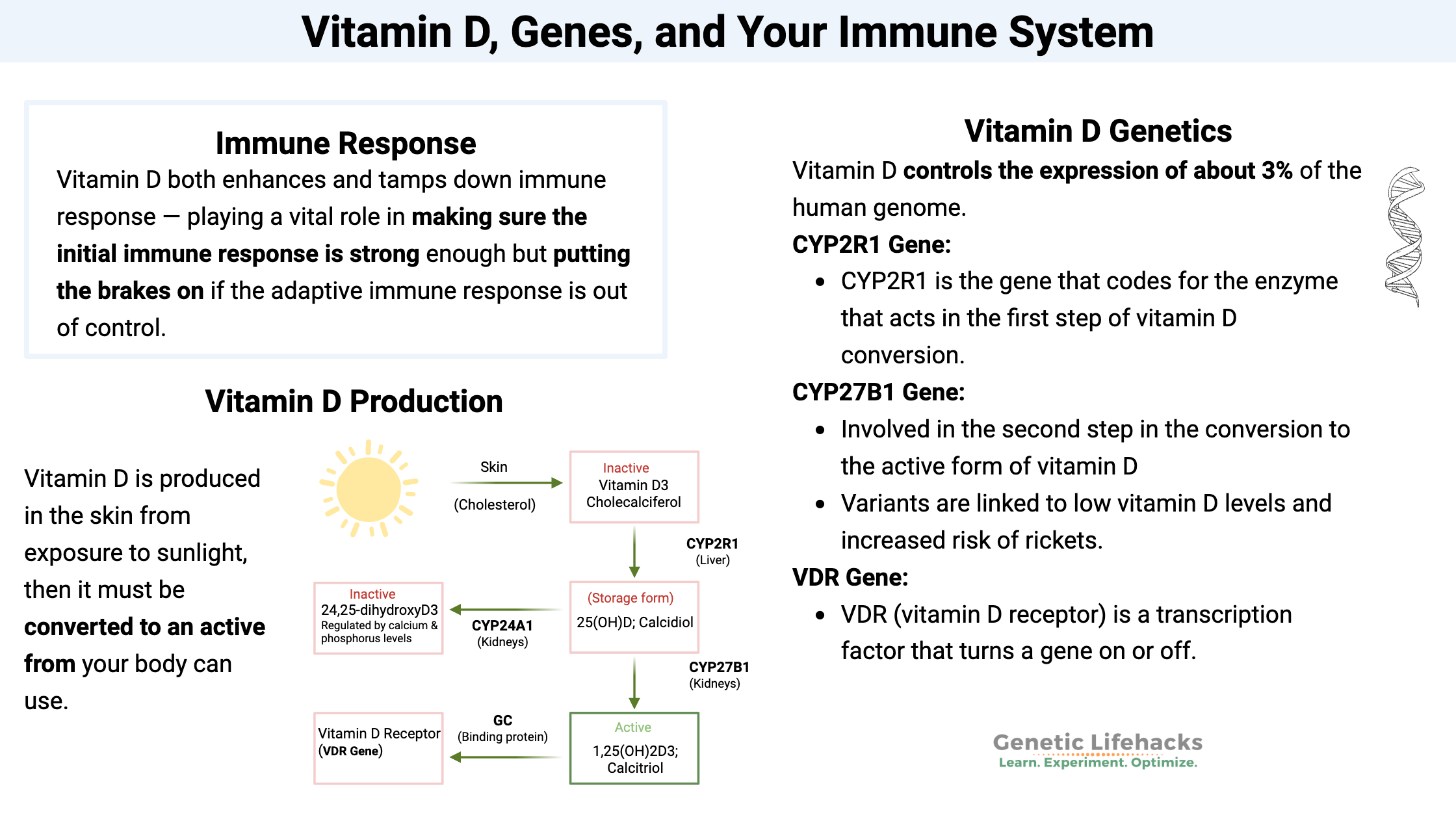
Vitamin D is more than just a ‘vitamin’. It is actually a hormone essential to many processes in your body – including your immune system. Learn how vitamin D helps the immune response to coronavirus, flu, and other respiratory viruses.
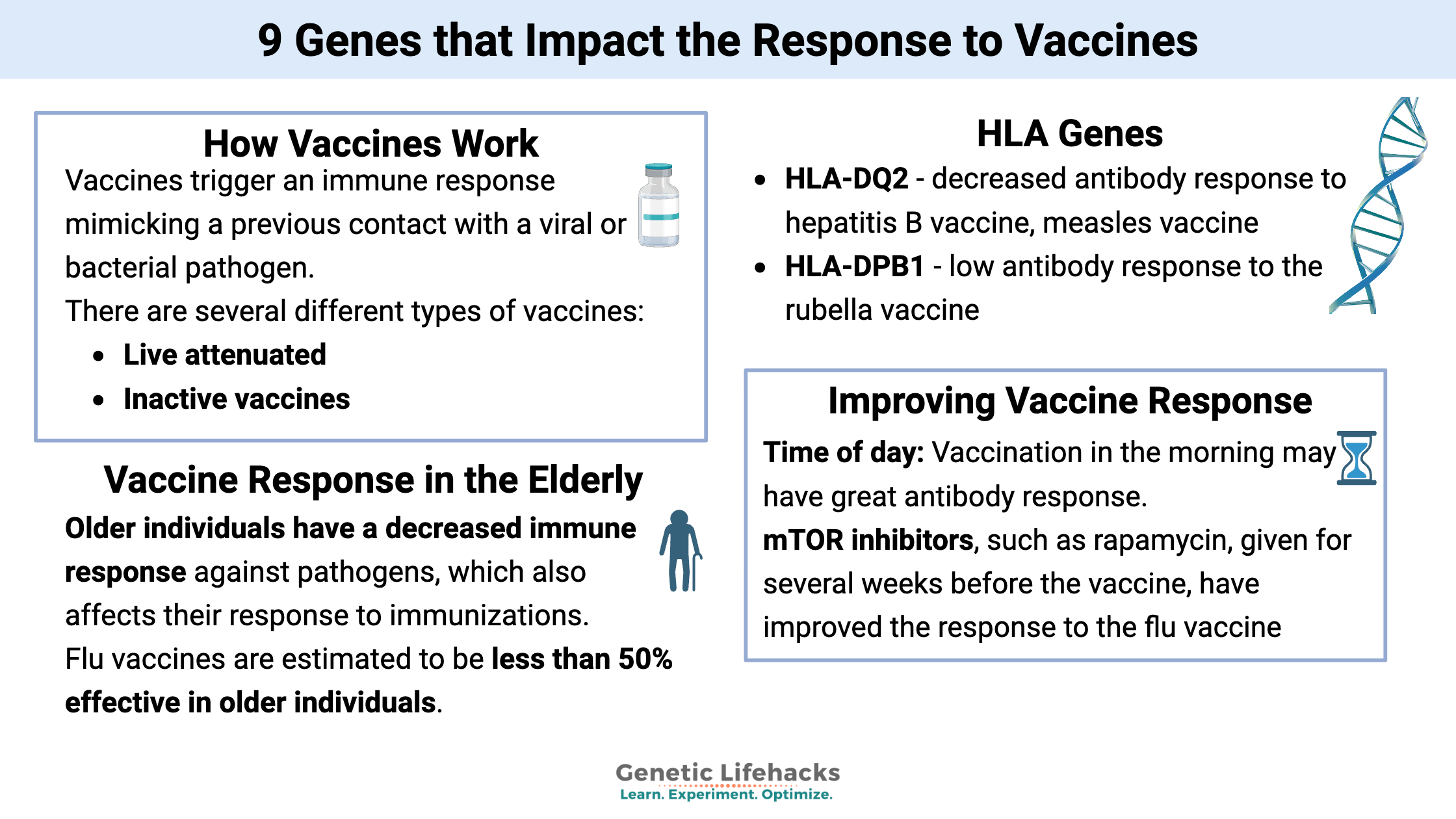
Genetics plays a huge role in how an individual responds to a vaccine. Learn more about vaccines, immunity, and genetic variants that affect the response.
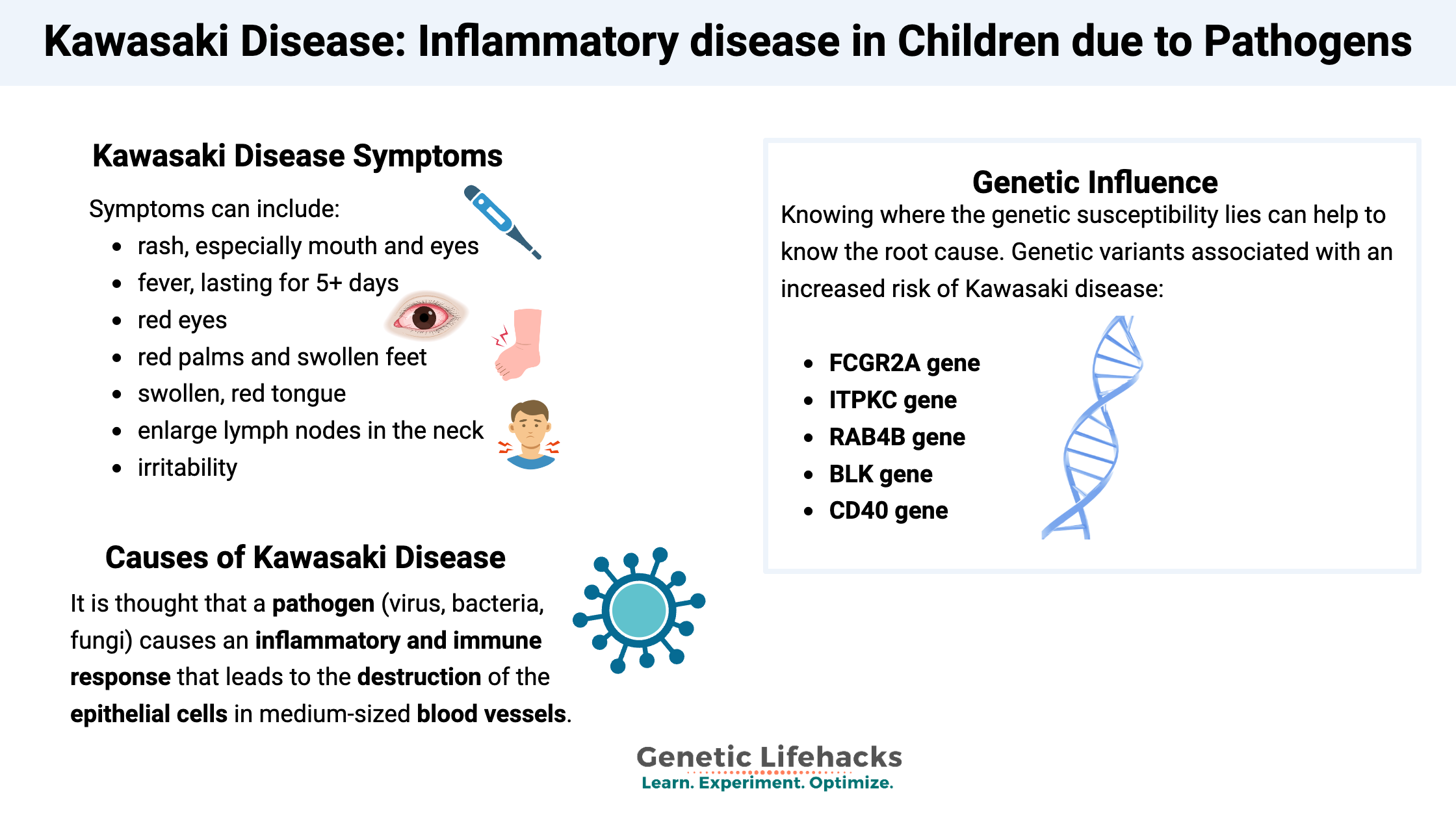
Kawasaki disease is an excessive inflammatory response that some children have due to viral or bacterial illnesses. Several genetic variants are tied to an increased susceptibility to Kawasaki disease.
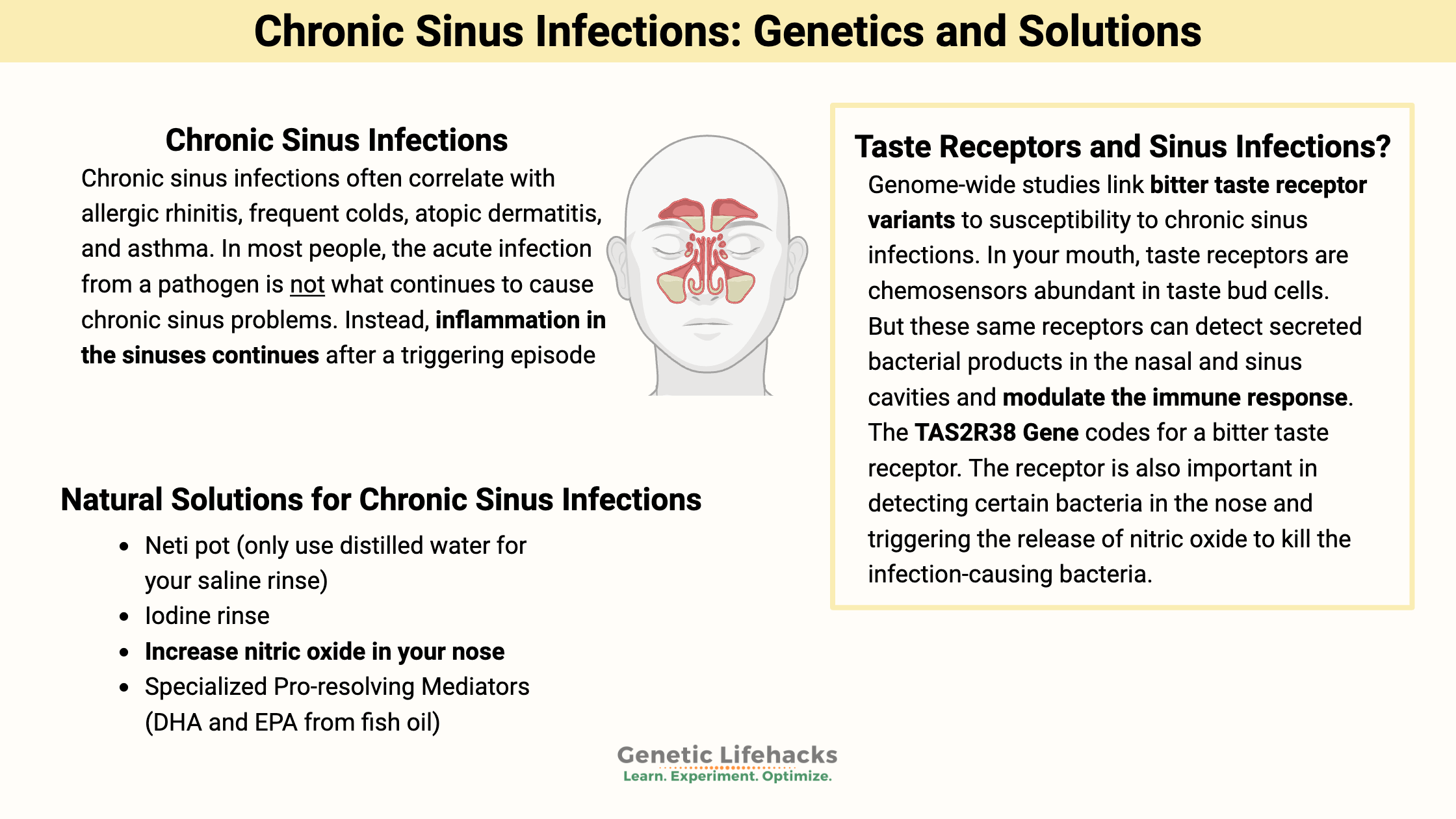
Genetics plays a role in the likelihood of having chronic sinus problems. This article looks at the genetic reasons driving some people to have chronic sinus infections.
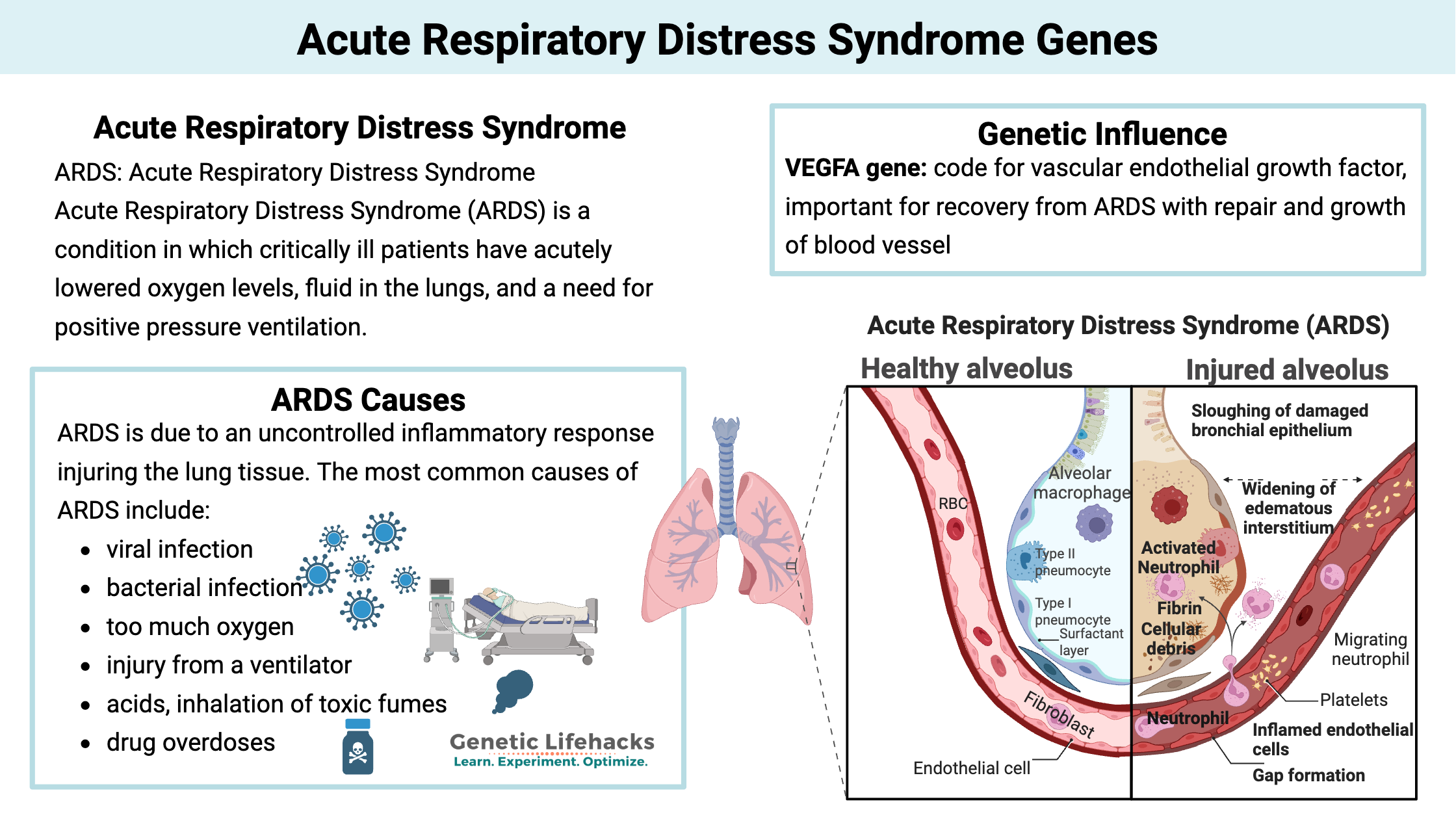
ARDS is caused by an overwhelming immune response to a virus, bacteria, or lung injury. Learn more about which of your immune system genes are involved in ARDS.
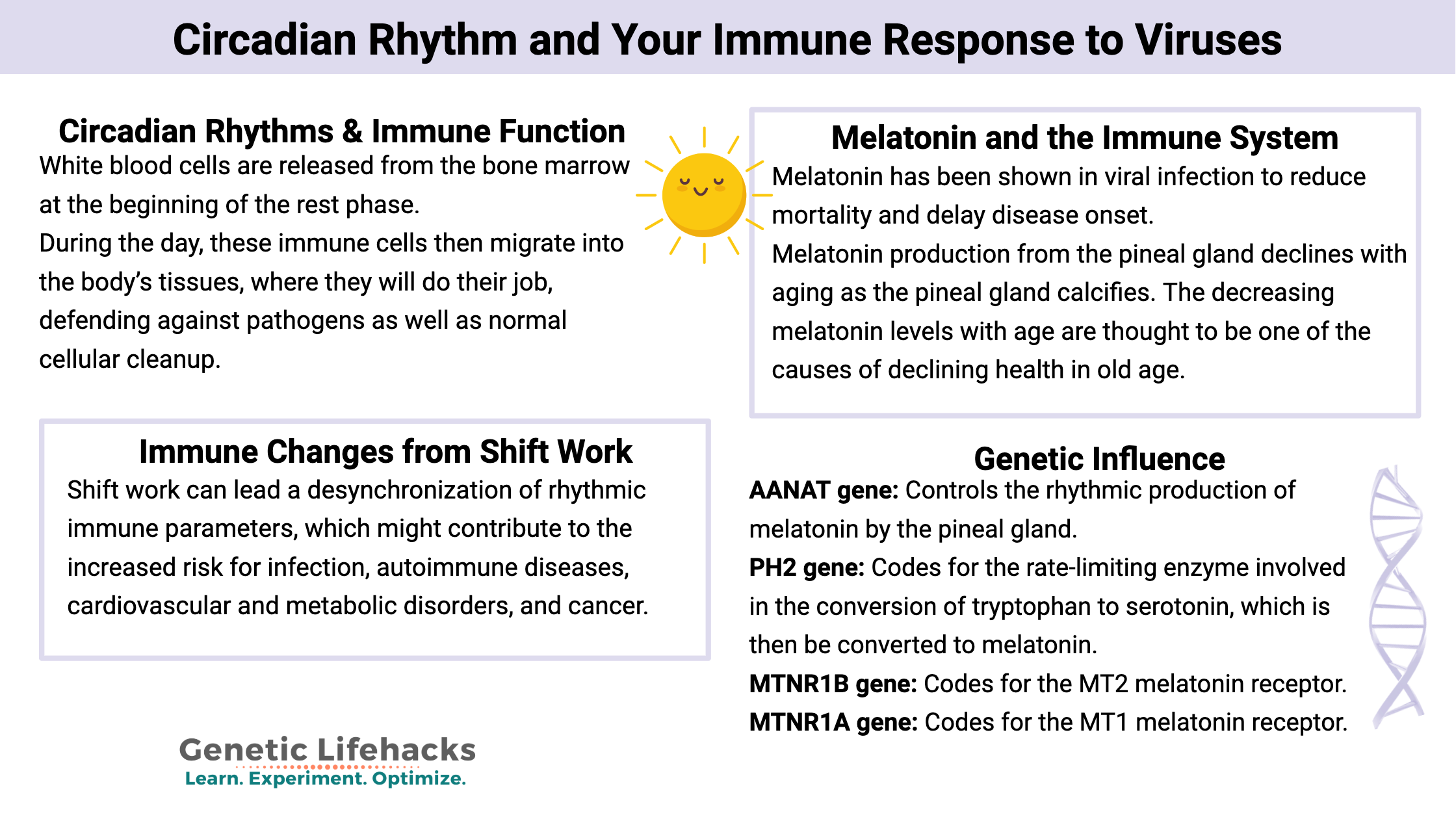
Your circadian rhythm influences your immune response. Learn how this rhythm controls white blood cell production and why melatonin protects against viral and bacterial infections.