Join Here   |   Log In
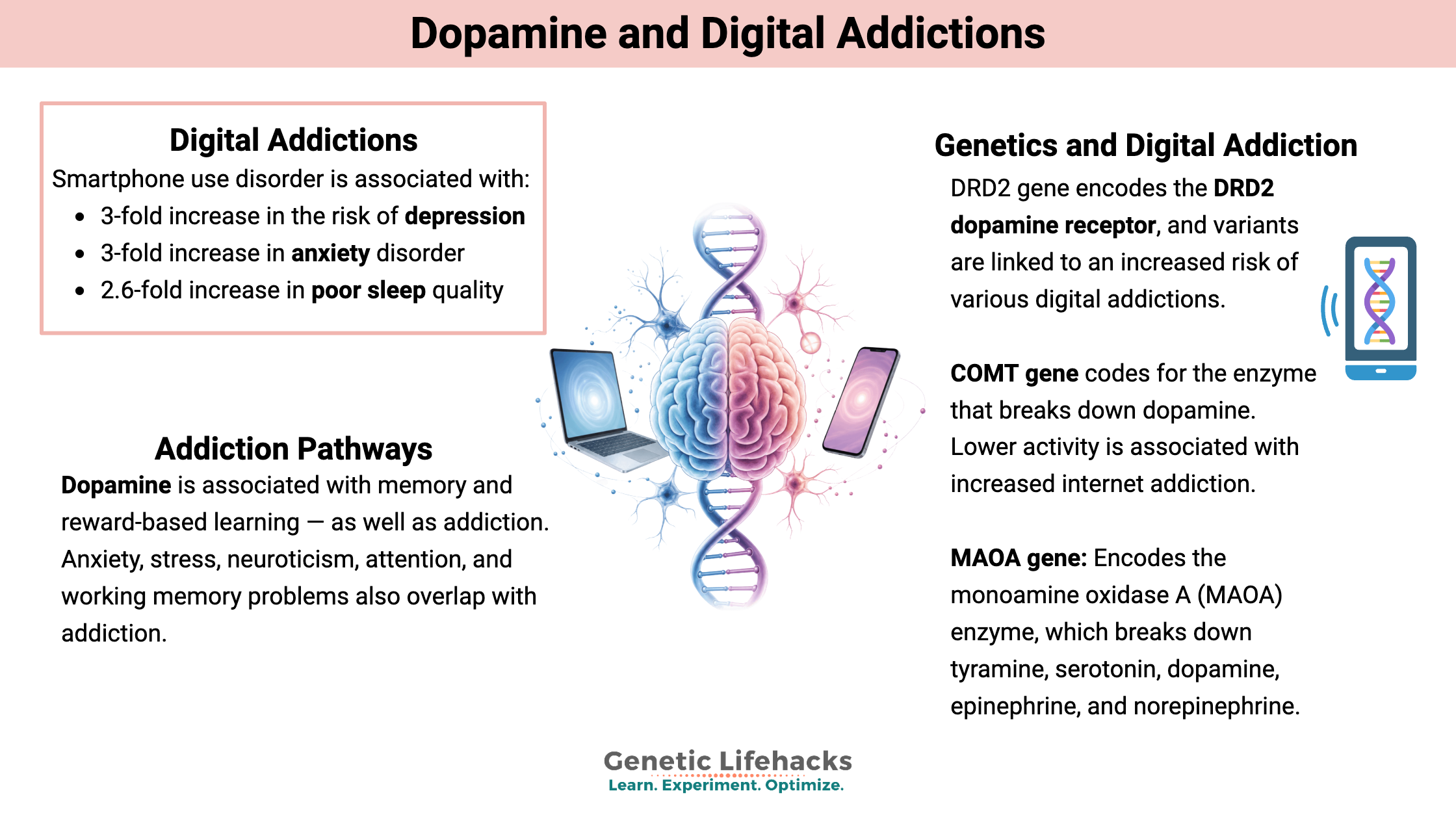
Dopamine and Digital Addictions

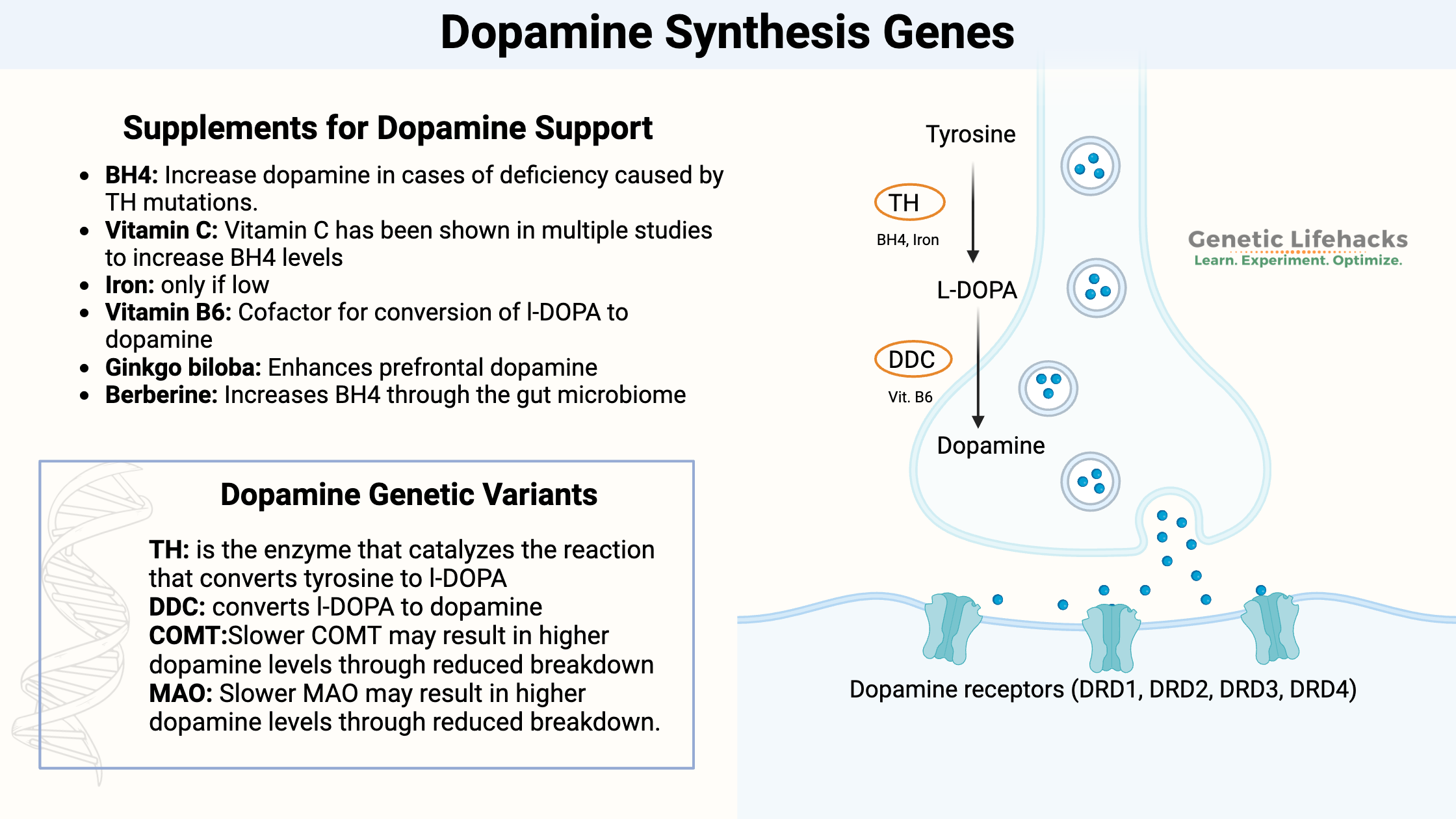
Dopamine and Digital Addictions: Internet Use, Gaming, and Smartphones

Genetics plays a role in susceptibility to addictive behavior, including internet and smartphone addiction. This article examines the latest fad of dopamine fasting along with genetic variants tied to internet use problems, smartphone usage disorder, and gaming disorders.
Circadian Rhythm Disruption as a Cause of Repression

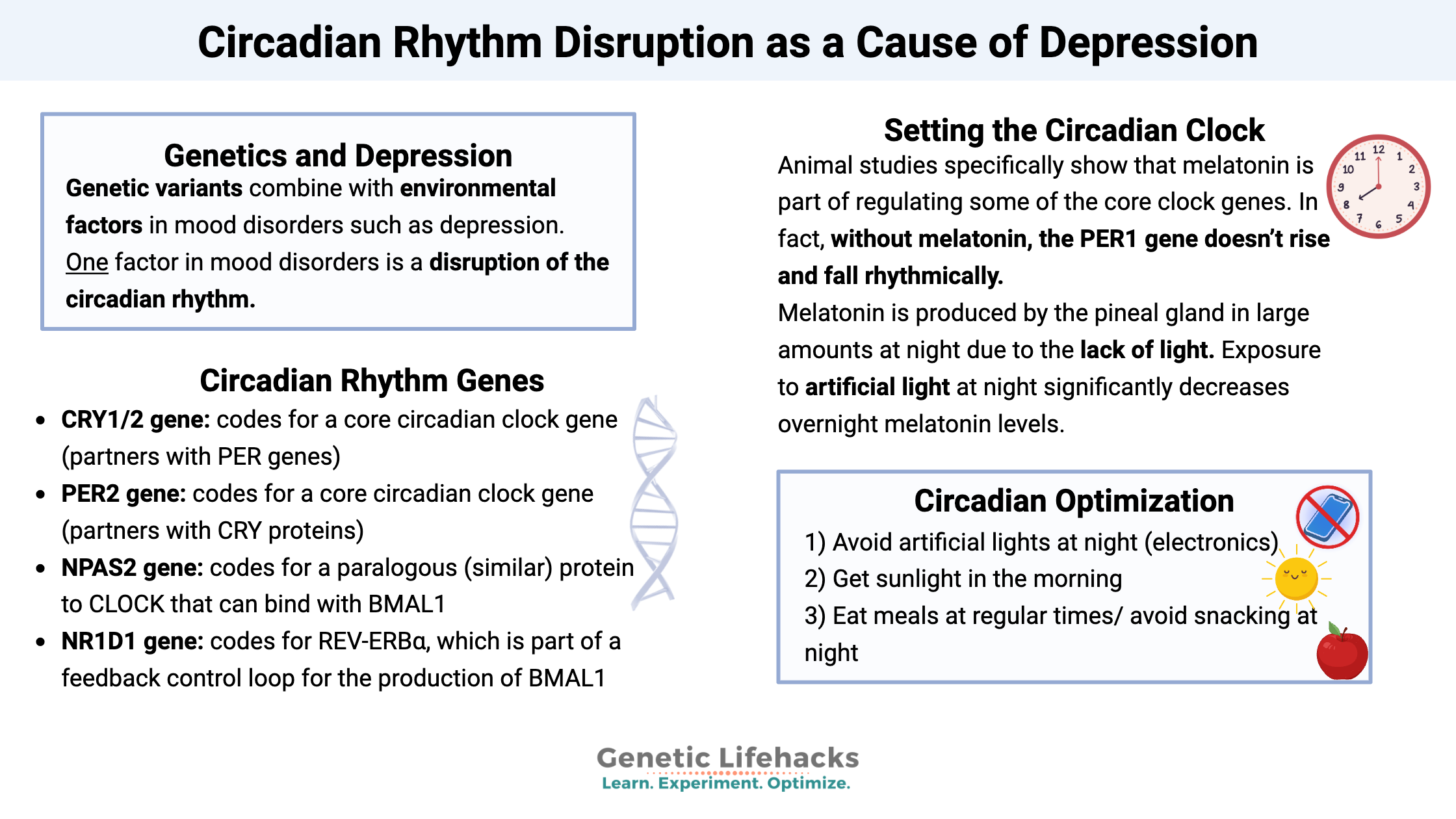
Circadian Rhythm Disruption as a Root Cause of Depression

Circadian clock gene variants in CLOCK, BMAL1, PER, CRY, NPAS2, and OPN4 interact with light exposure to disrupt hormones, sleep, and mood, increasing risk for depression, anxiety, and seasonal affective disorder.

Trace Minerals and Neurocognitive Optimization

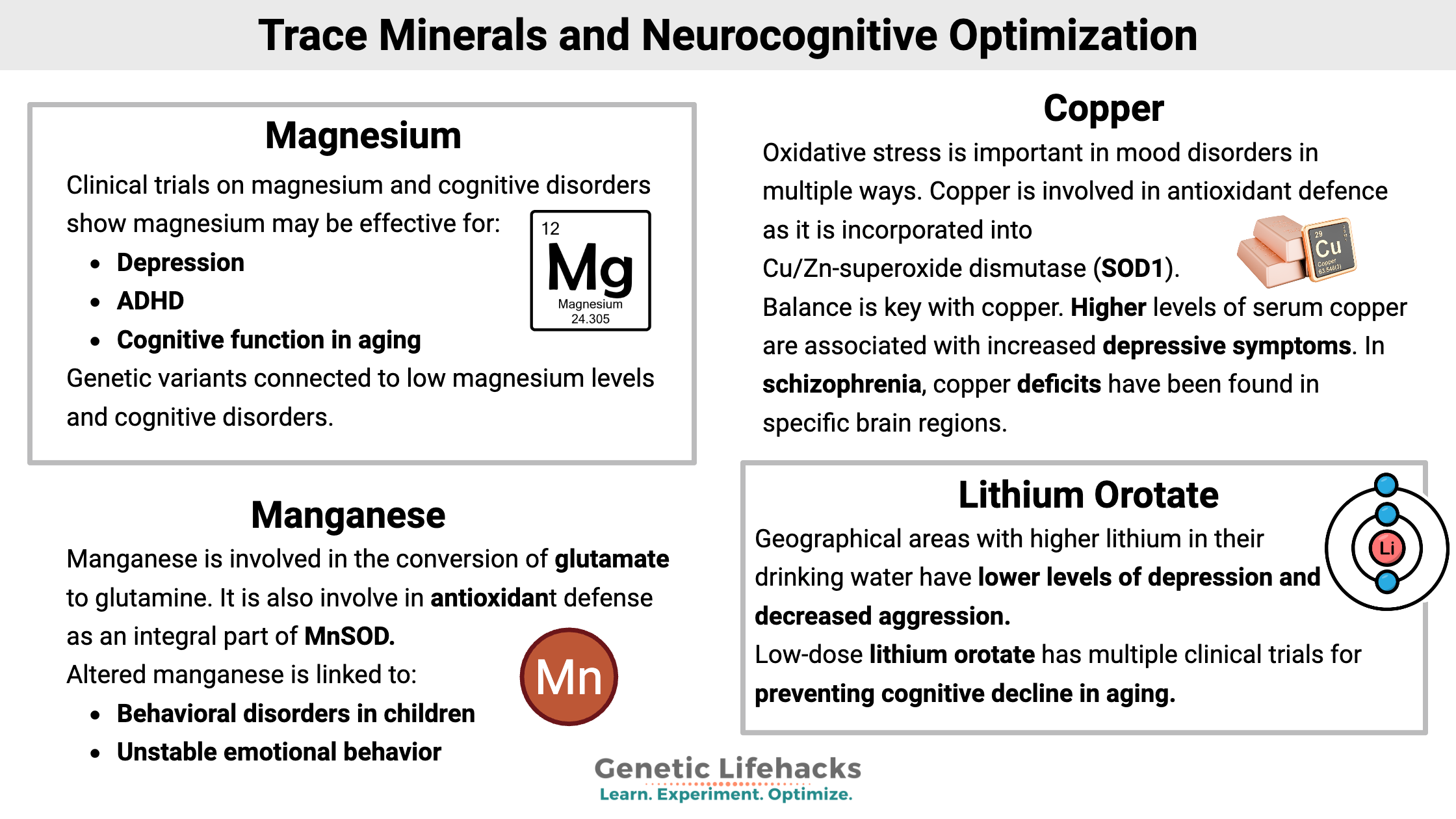
Trace Minerals and Neurocognitive Optimization

Trace minerals affect neurotransmitter levels and neuroinflammation. Getting the right levels of micronutrients can help optimize neurocognitive function.

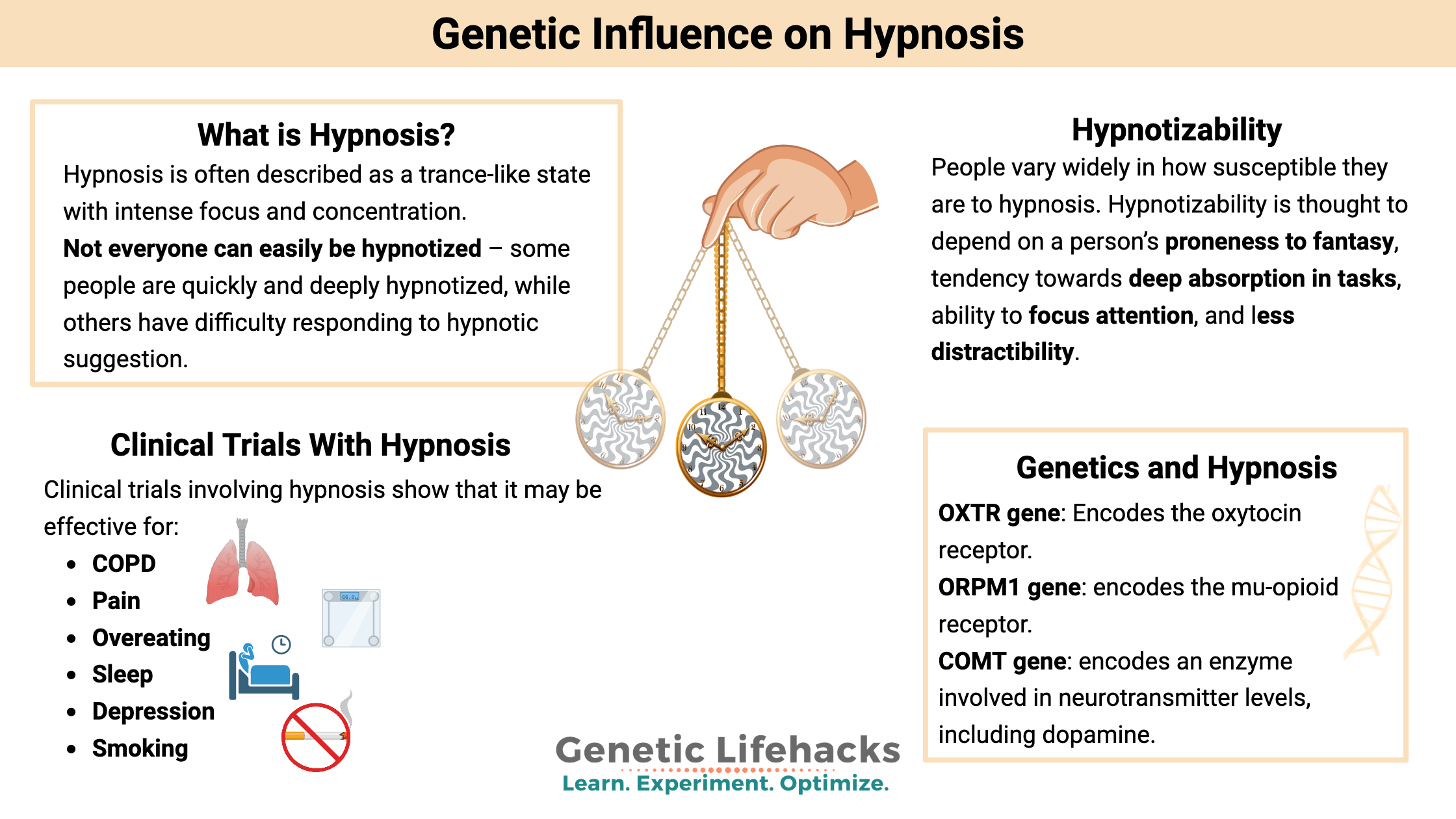
Genetics and hypnosis

Hypnosis Genes: Genetic Influences on Hypnosis

Not everyone is equally susceptible to hypnosis. Learn how your genetic variants play a role in how your brain focuses and responds to hypnotic suggestions.

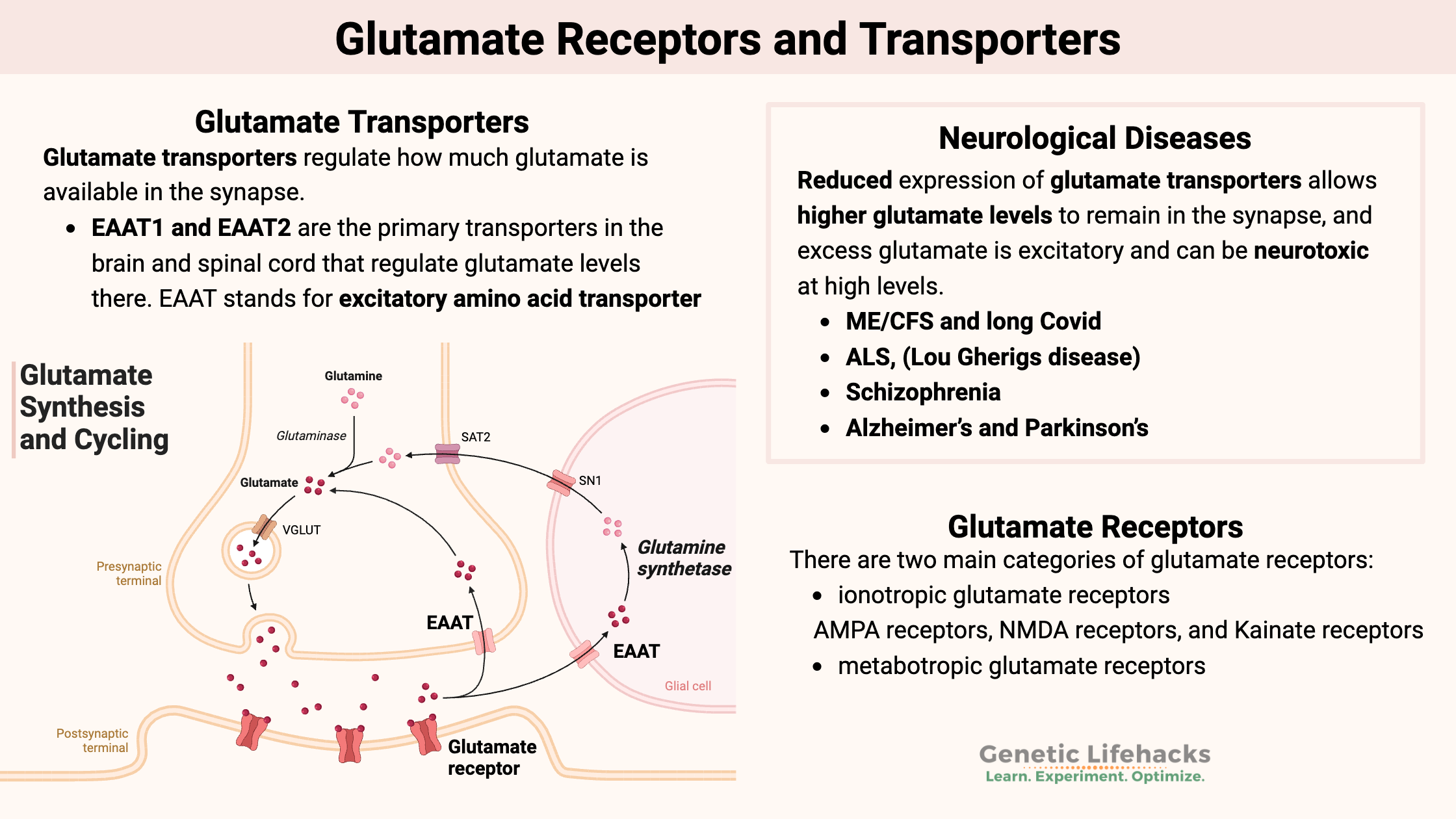
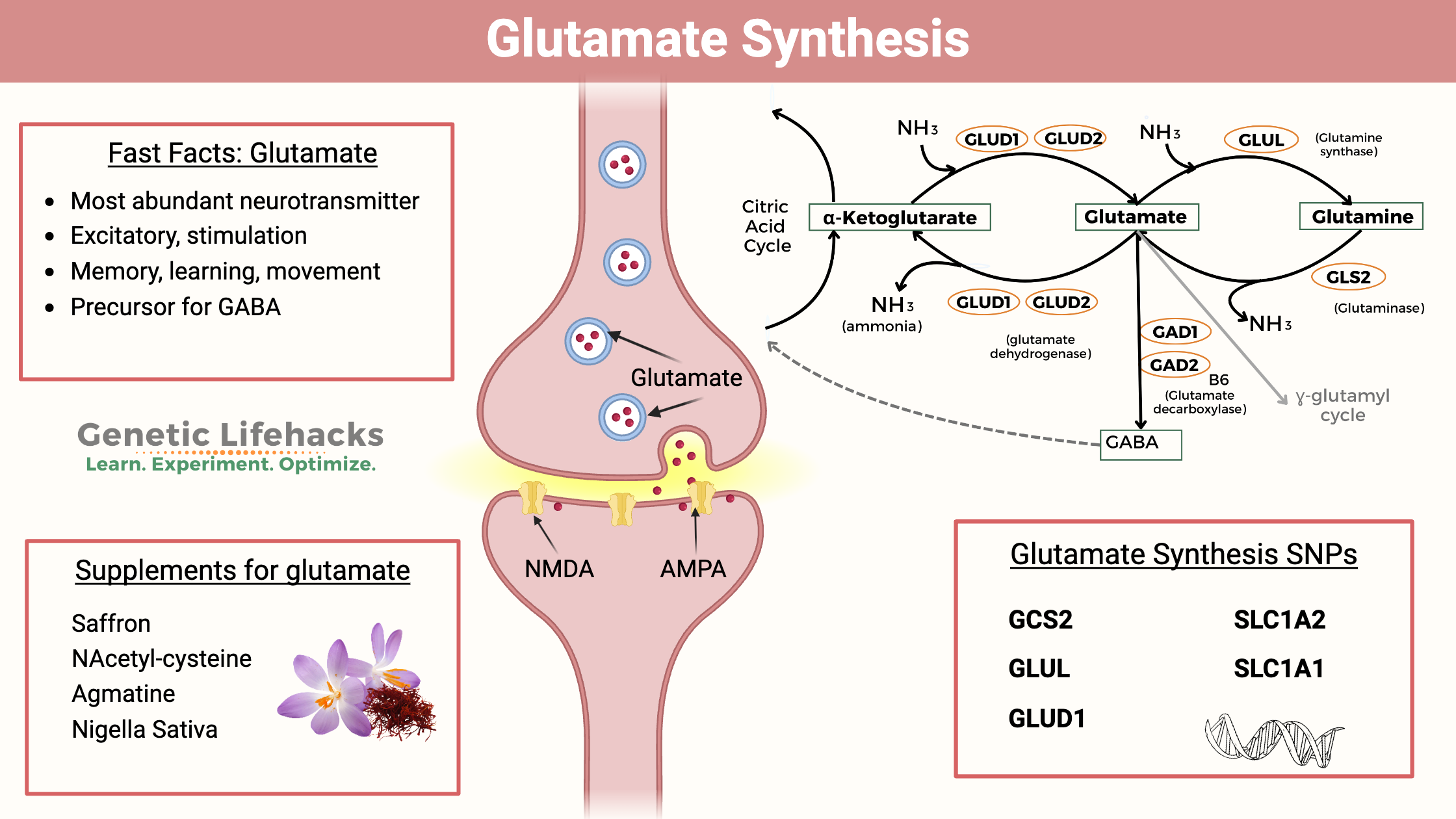
Glutamate Receptors and Transporters

Glutamate Receptors and Transporters

Glutamate transporters and receptors carefully balance glutamate levels in the brain. Variants in the glutamate genes can affect how your brain balances glutamate.

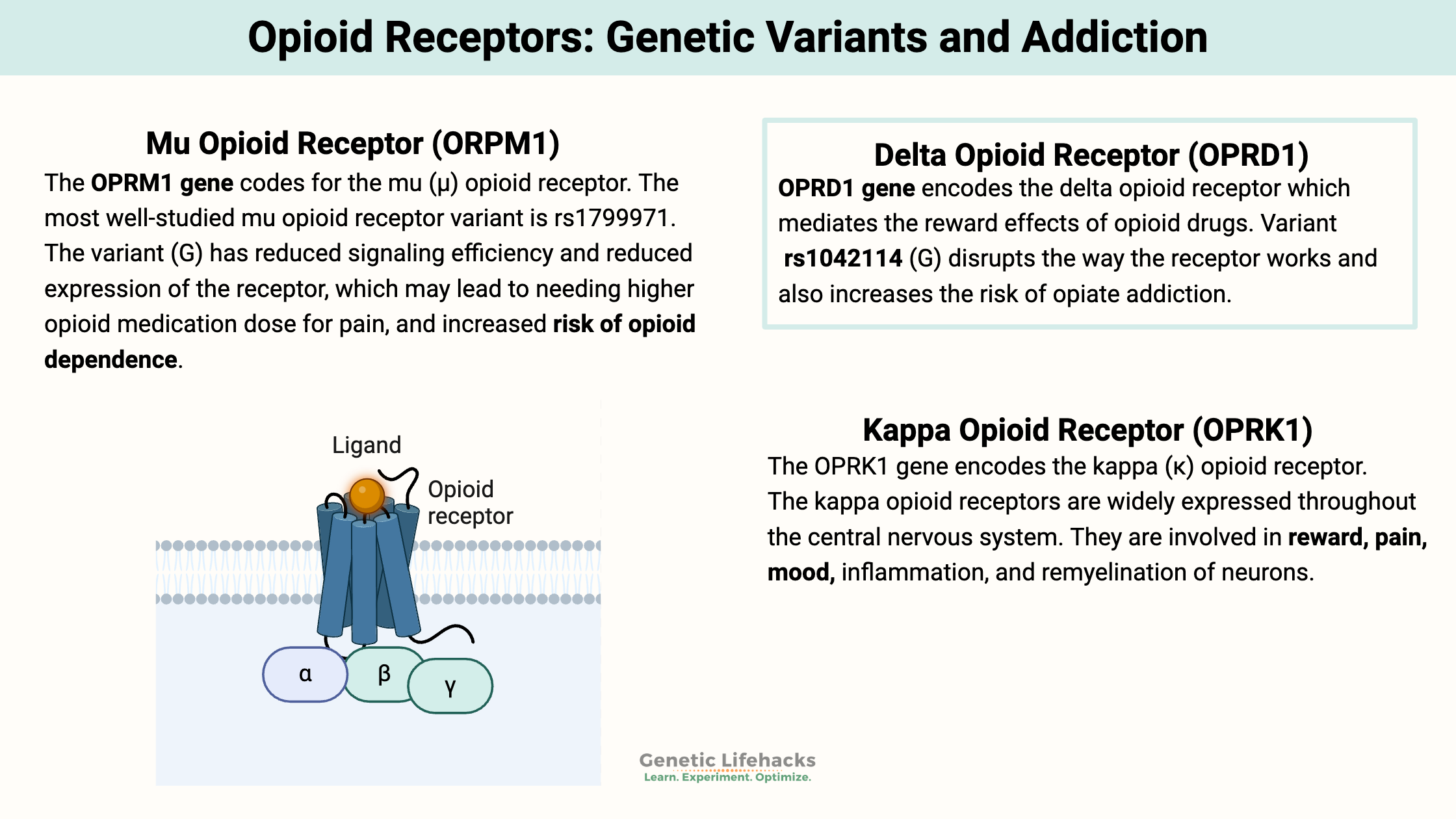
Opioid Receptor Genetic Variants and Addiction

Opioid Receptors Genetic Variants and Addiction

Genetic variants in the ORPM1 gene impact both the amount of pain someone experiences and their response to opioid drugs. These variants are also important in susceptibility to opiate addiction.

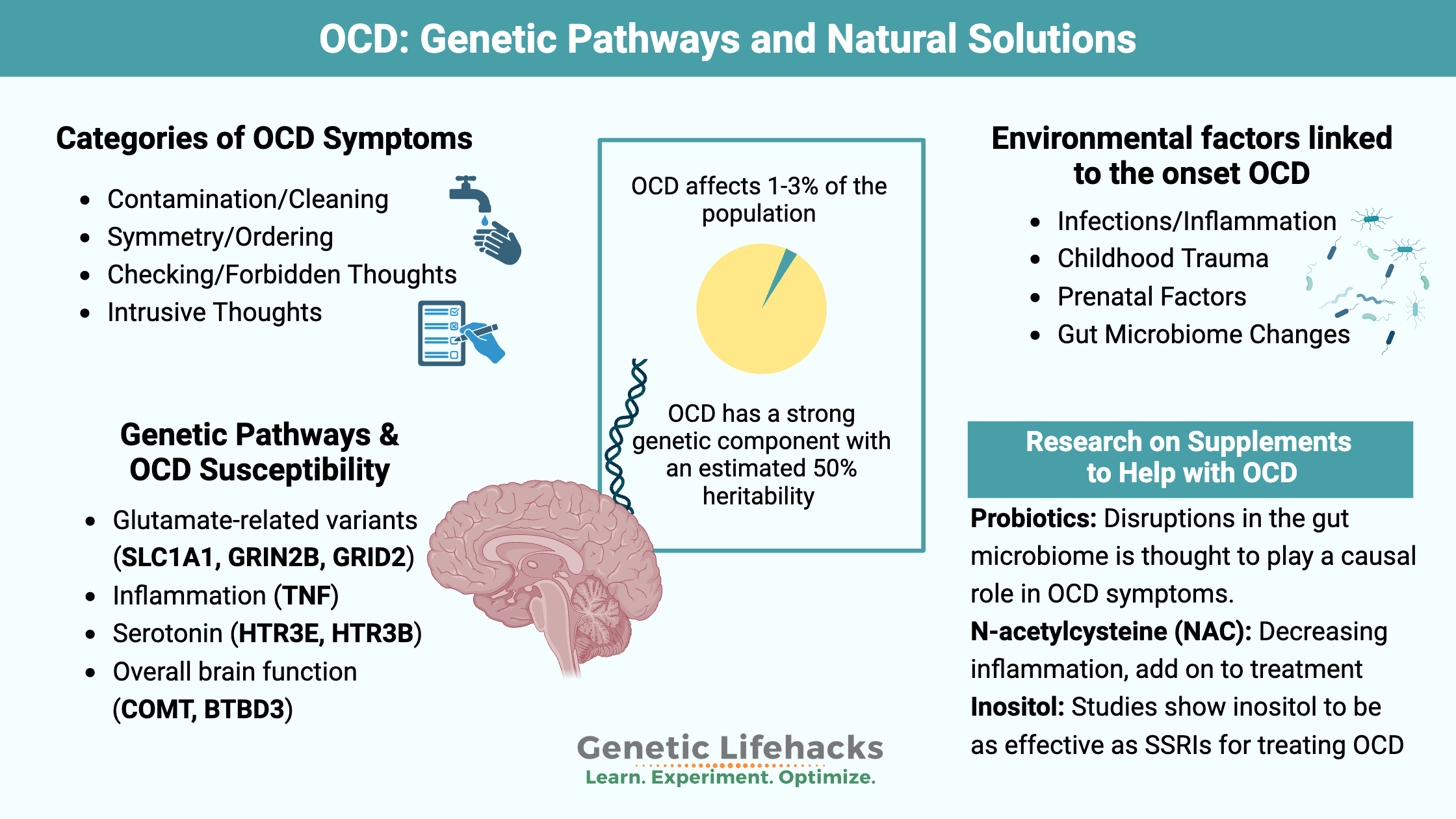
OCD - Genetic Variants and Brain Pathways

OCD: Obsessive-Compulsive Disorder Genes

Genetic variants play a role in susceptibility to obsessive-compulsive disorder. Understanding your genes may help you understand OCD better and help you to target the right treatment.

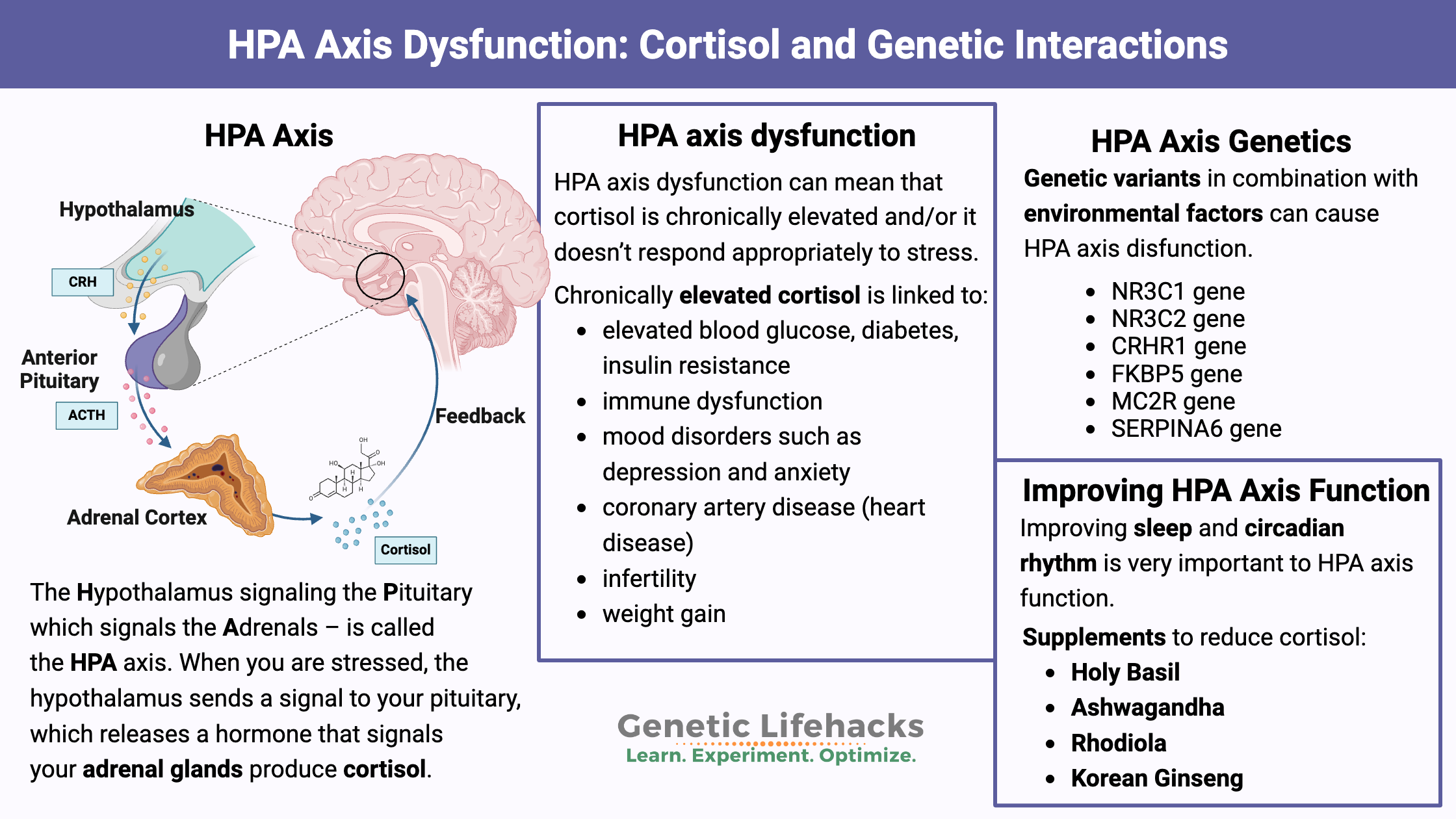
HPA Axis disfunction, ways to reduce cortisol levels, genetic variants related to HPA Axis disfunction.

HPA Axis Dysfunction: Understanding Cortisol and Genetic Interactions

Cortisol is a hormone produced by the adrenal glands in times of stress, and it also plays many roles in your normal bodily functions. It is a multi-purpose hormone that needs to be in the right amount (not too high, not too low) and at the right time. Your genes play a big role in how likely you are to have problems with cortisol.

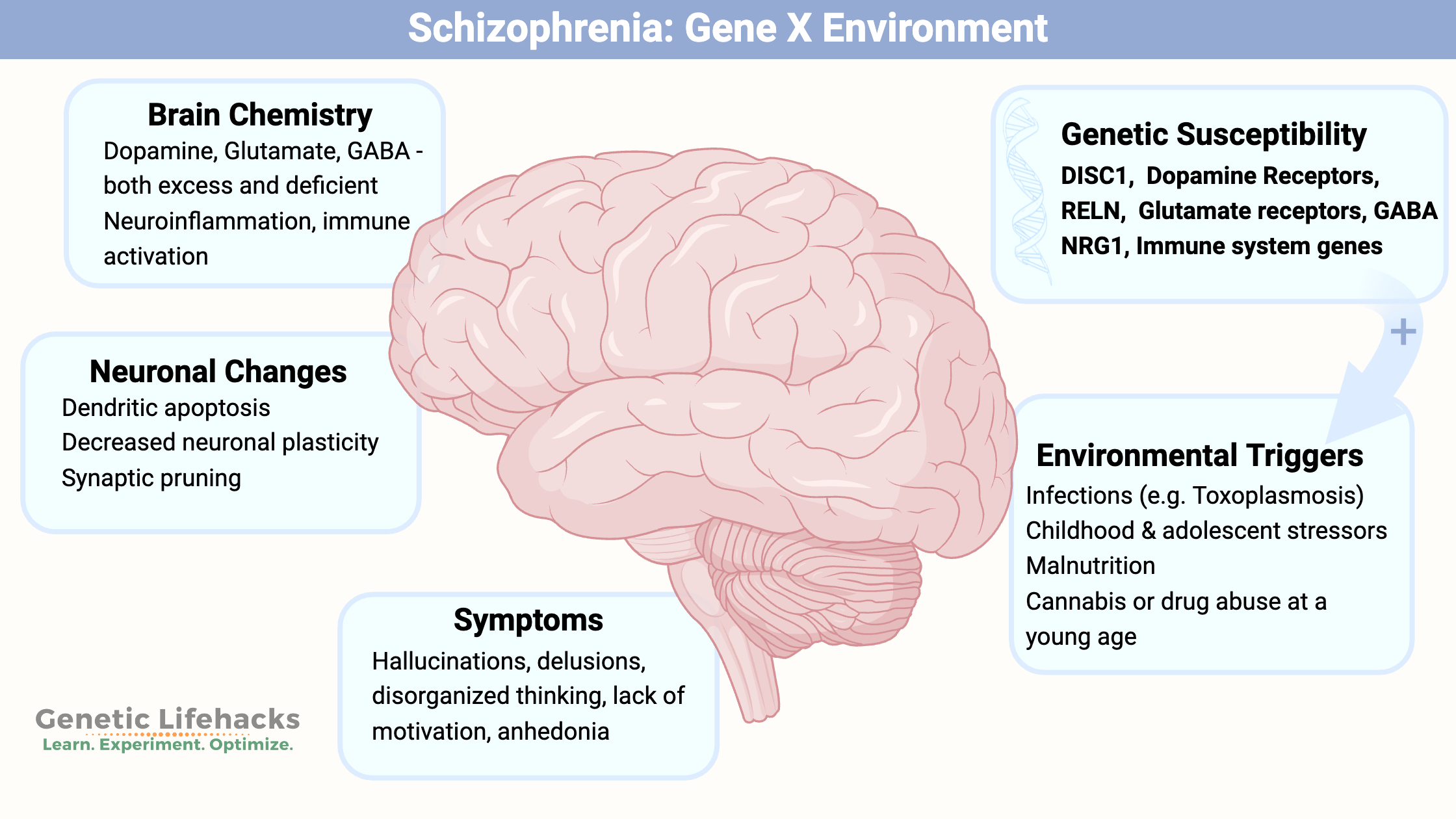
Graphical overview of the genetic and environmental factors involved in schizophrenia

Schizophrenia: Genetic and Environmental Factors

Schizophrenia is a complex disease caused by a combination of genetic susceptibility along with environmental factors. Research points to multiple pathways involved in schizophrenia and schizoaffective disorder.

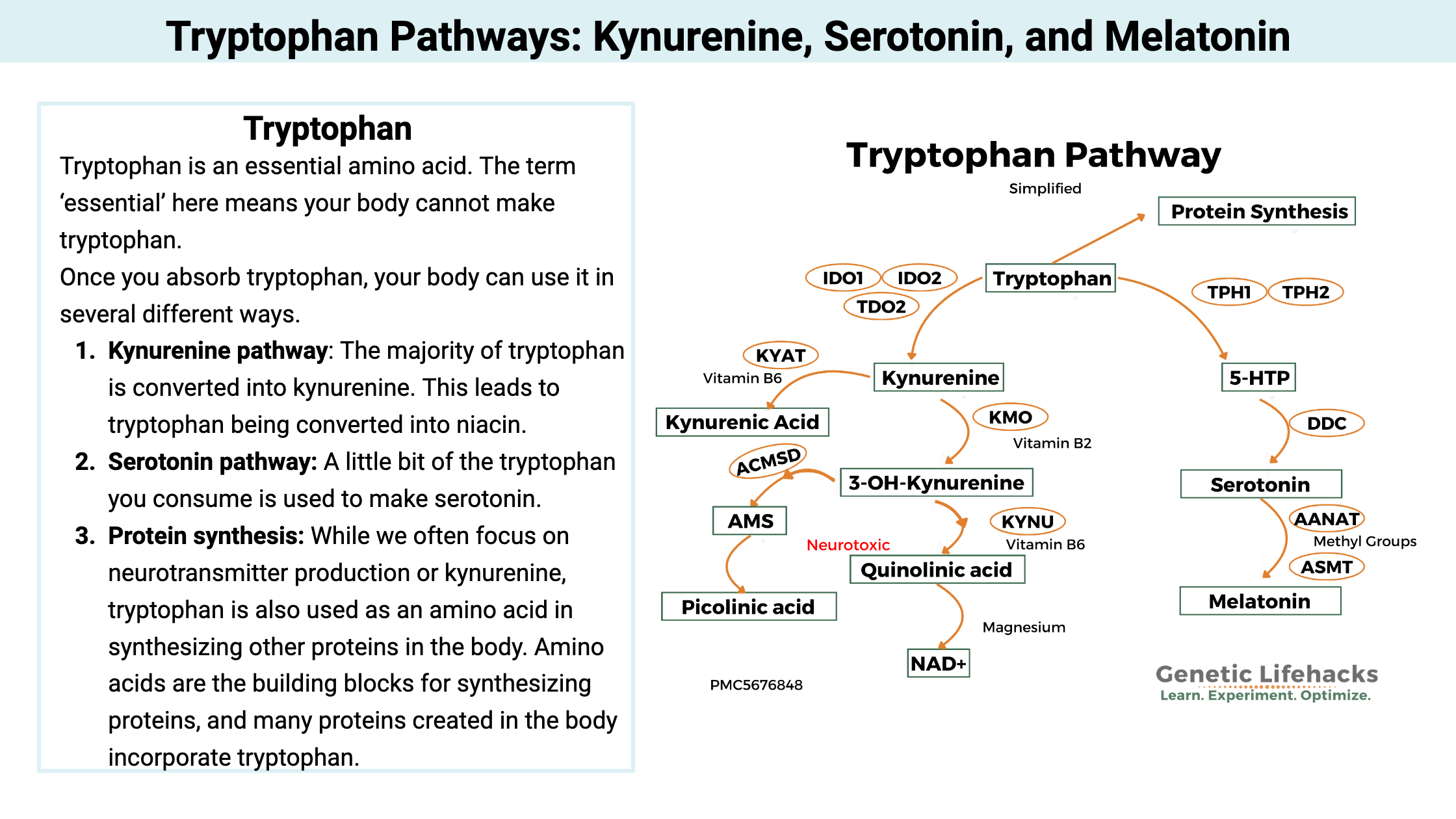
Tryptophan Pathways: Kynurenine, Serotonin, and Melatonin

Tryptophan Pathways: Kynurenine, Serotonin, and Melatonin

Genetic variants in tryptophan pathway enzymes alter quinolinic and kynurenic acids, NAD+ production, and serotonin synthesis. These genes influence mood, sleep, fatigue, immunity, and ong Covid brain fog risk.

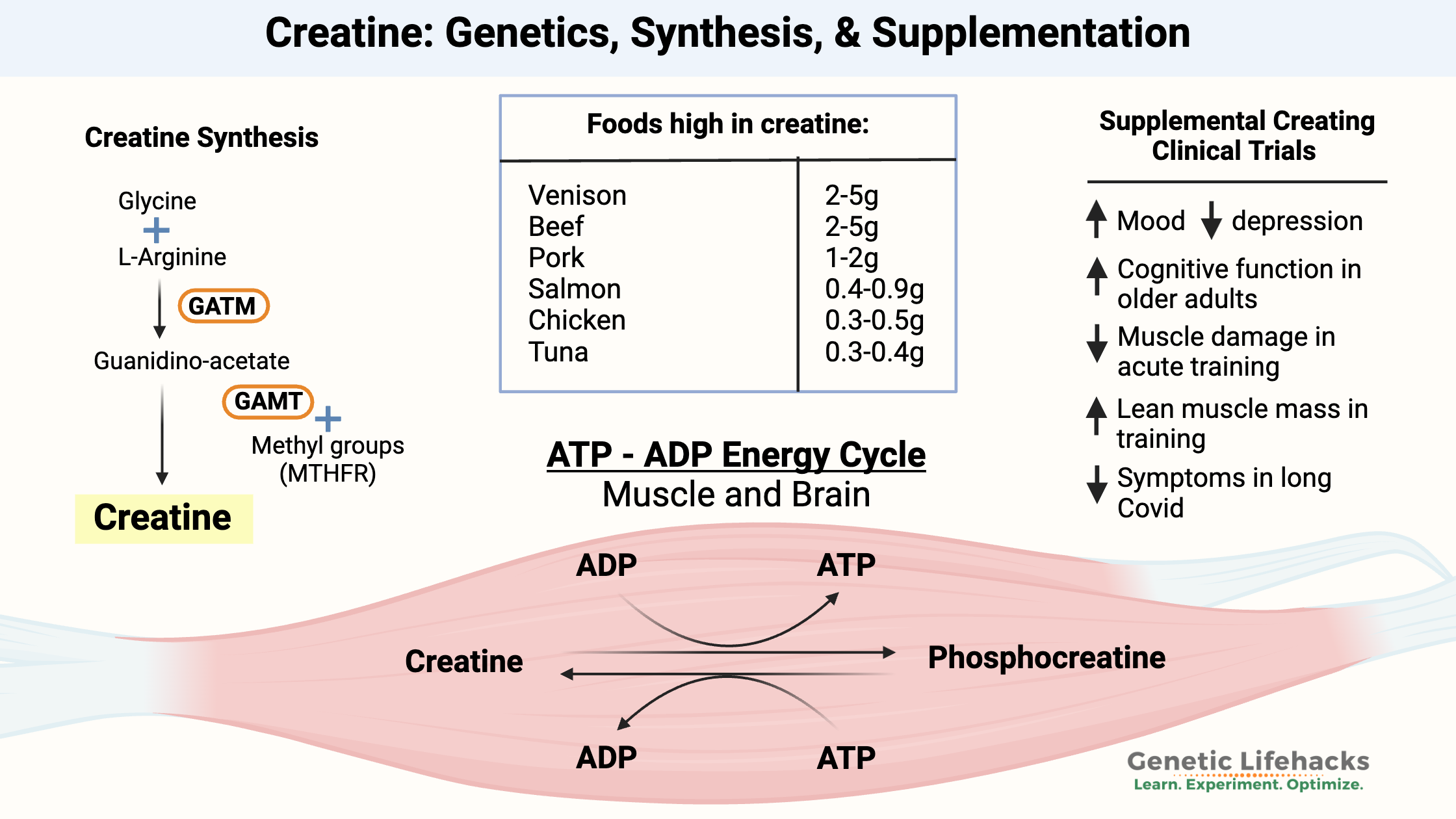
Creatine Synthesis, Foods high in creatine, creatine benefits

Creatine: Boosting Muscles and Increasing Brain Power

Creatine is an amino acid used in muscle tissue and the brain for energy in times of stress. Genes play a role in creatine synthesis. Find out what the research shows about creatine supplements for muscle mass and cognitive function.

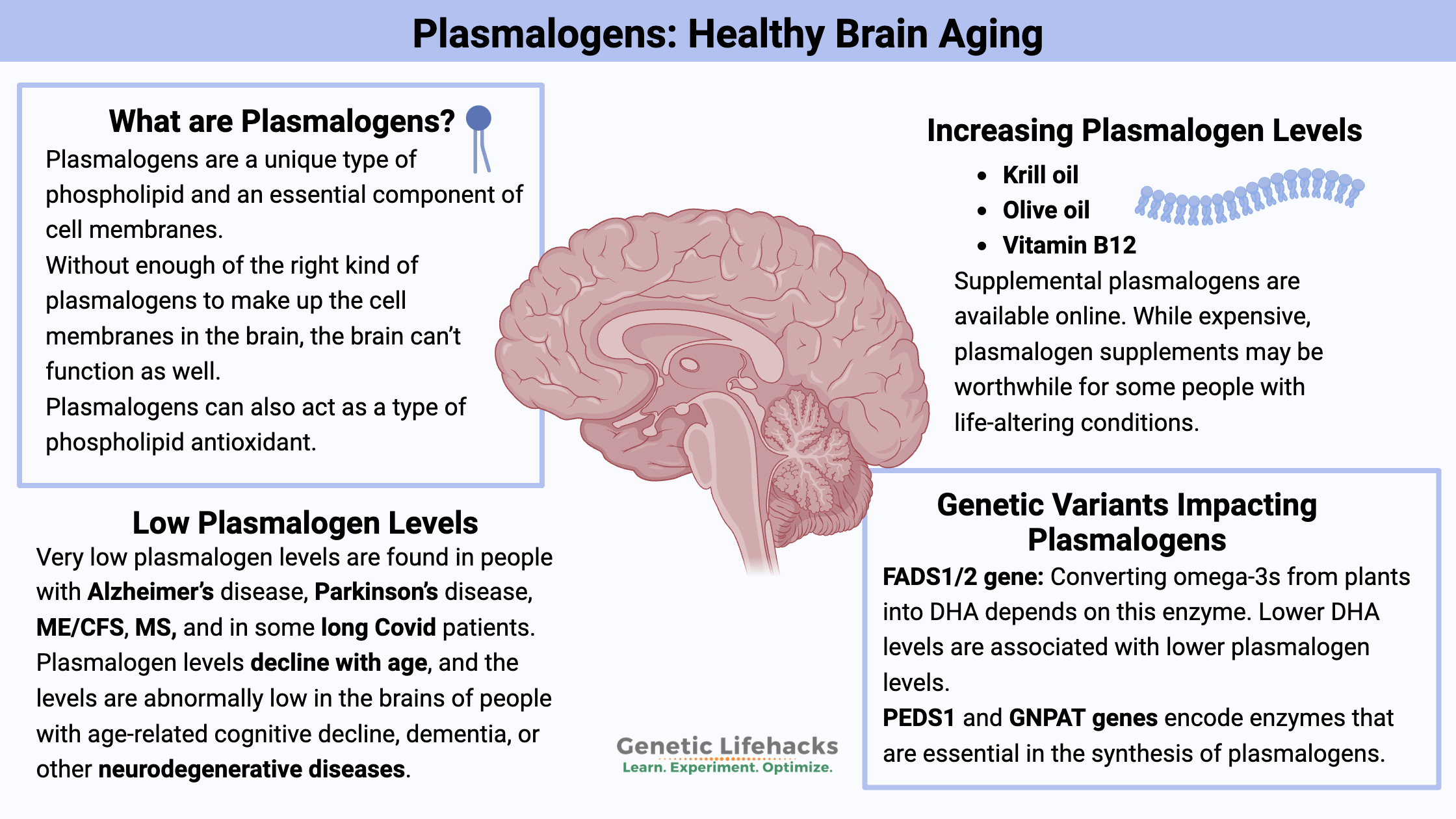
Plasmalogens: Healthy Brain Aging, increasing plasmalogen levels, genetic variants impacting plasmalogens

Plasmalogens: Healthy Brain Aging and More

Plasmalogen levels in the brain are key to brain health. Low plasmalogen is linked to Alzheimer’s and ME/CFS. Healthy ways to boost your levels.