Statins and Brain Fog: Exploring how statins impact memory and cognitive function
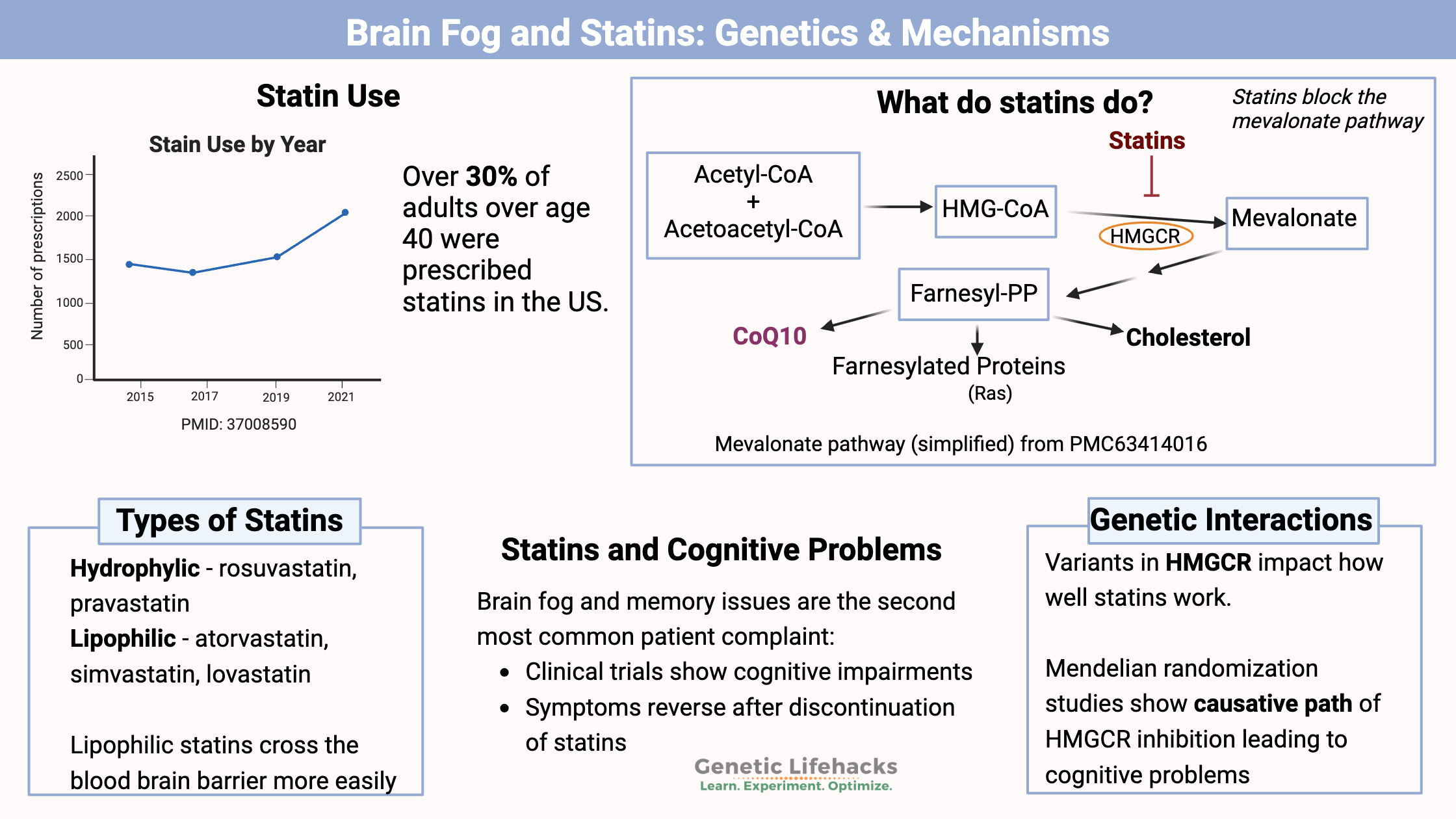
Understand the connection between statin use and brain fog. Dive into the research on how cholesterol-lowering drugs impact cognitive health and memory.
Smarter, Happier, and Focused…
Unlock the potential of your mind by understanding how your genes impact the production of neurotransmitters. Learn how to optimize your diet and lifestyle for mood, focus, and cognitive abilities.
Why Neurotransmitters Matter
Neurotransmitters are the chemical messengers of your brain, playing crucial roles in:
Where to start?
Understand the connection between statin use and brain fog. Dive into the research on how cholesterol-lowering drugs impact cognitive health and memory.
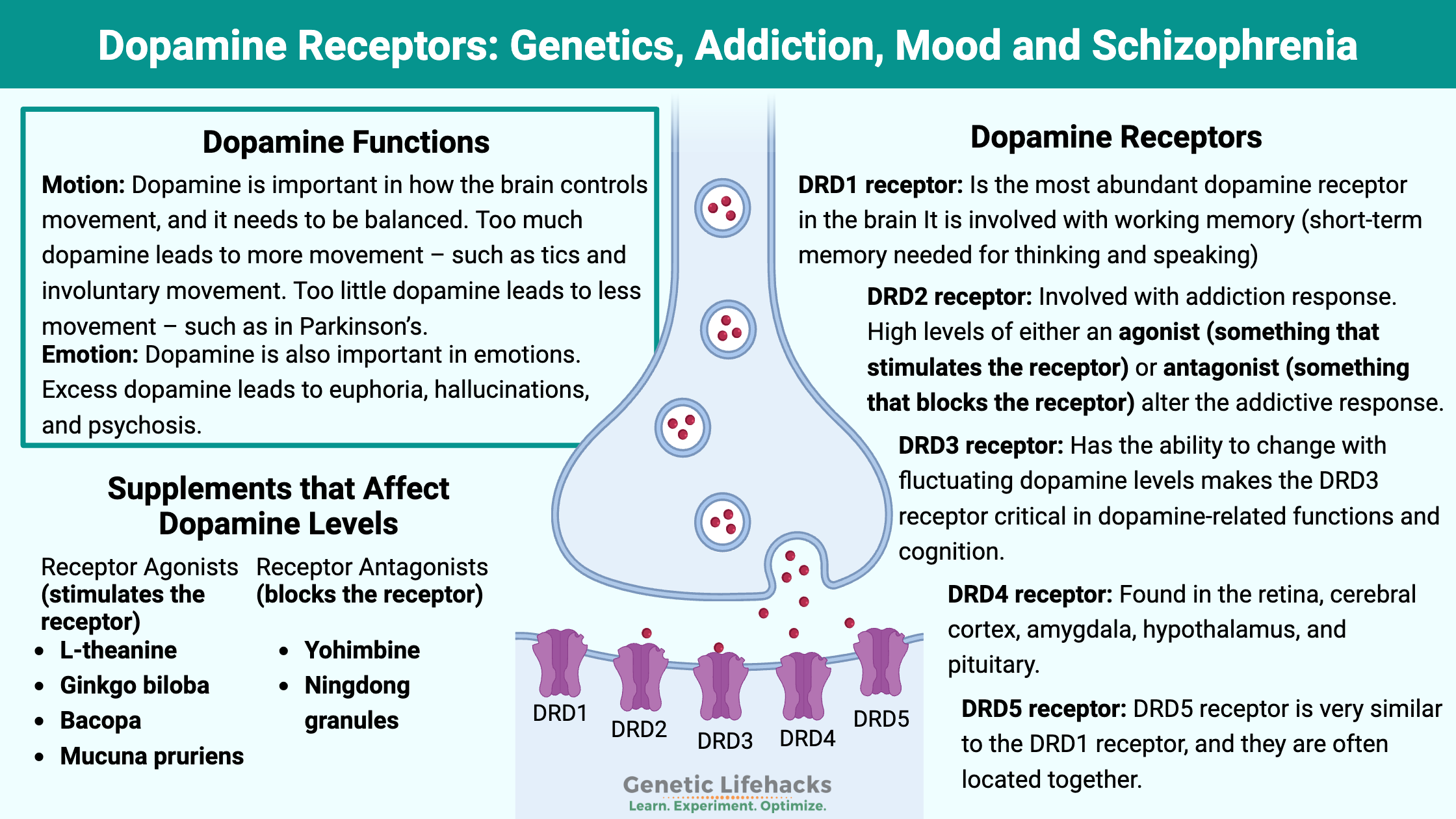
Dopamine is a powerful player in our cognitive function – impacting mood, movement, and motivation. Genetic variants in the dopamine receptors influence addiction, ADHD, neurological diseases, depression, psychosis, and aggression.
For some people, low-dose, supplemental lithium orotate is a game changer when combined with vitamin B12. But other people may have little to no response. The difference may be in your genes.
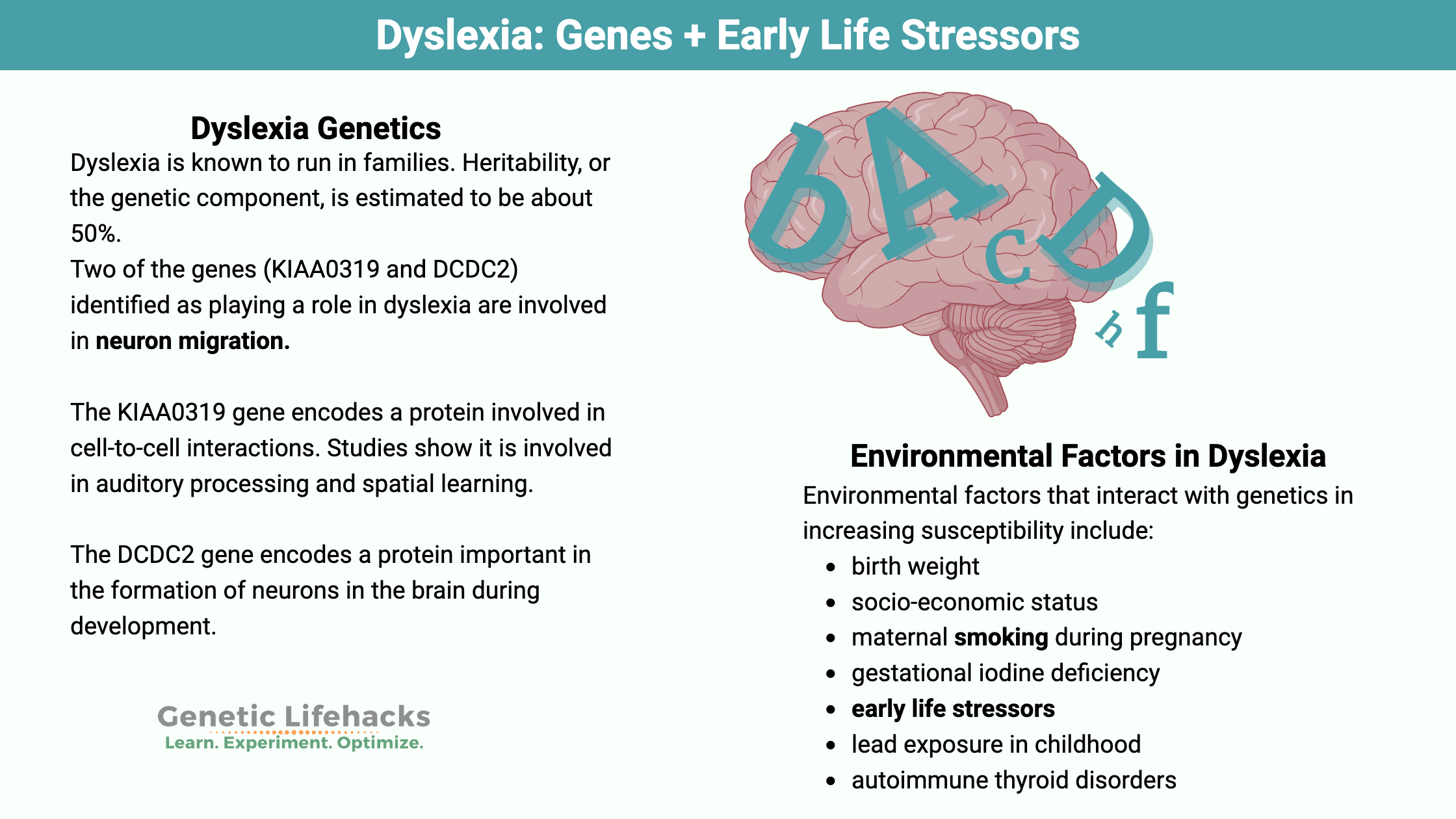
While dyslexia is known to run in families, the role of genetics in dyslexia is still being determined. Here is a quick look at some of the genes involved in dyslexia, affecting around 10% of the population.
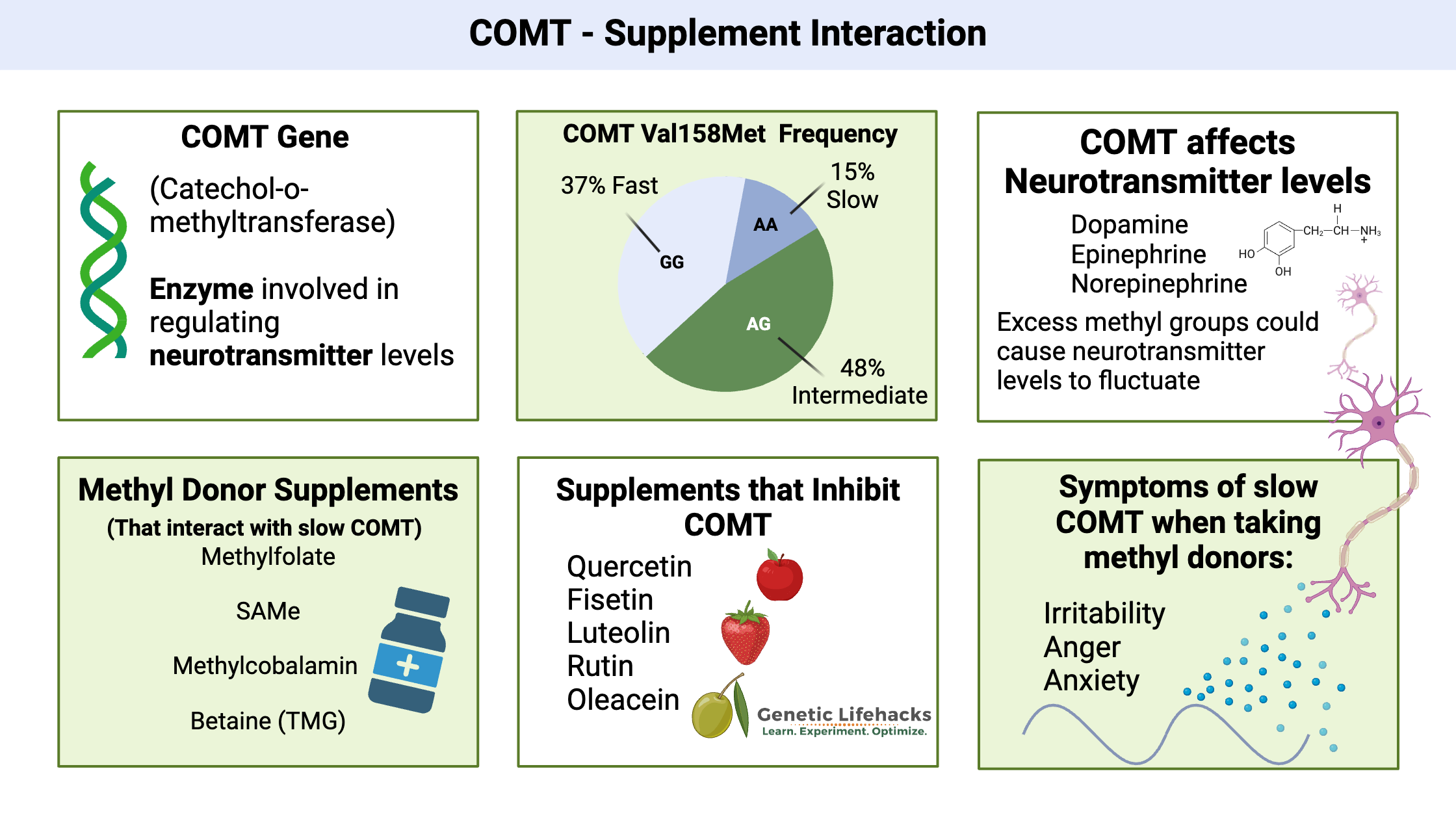
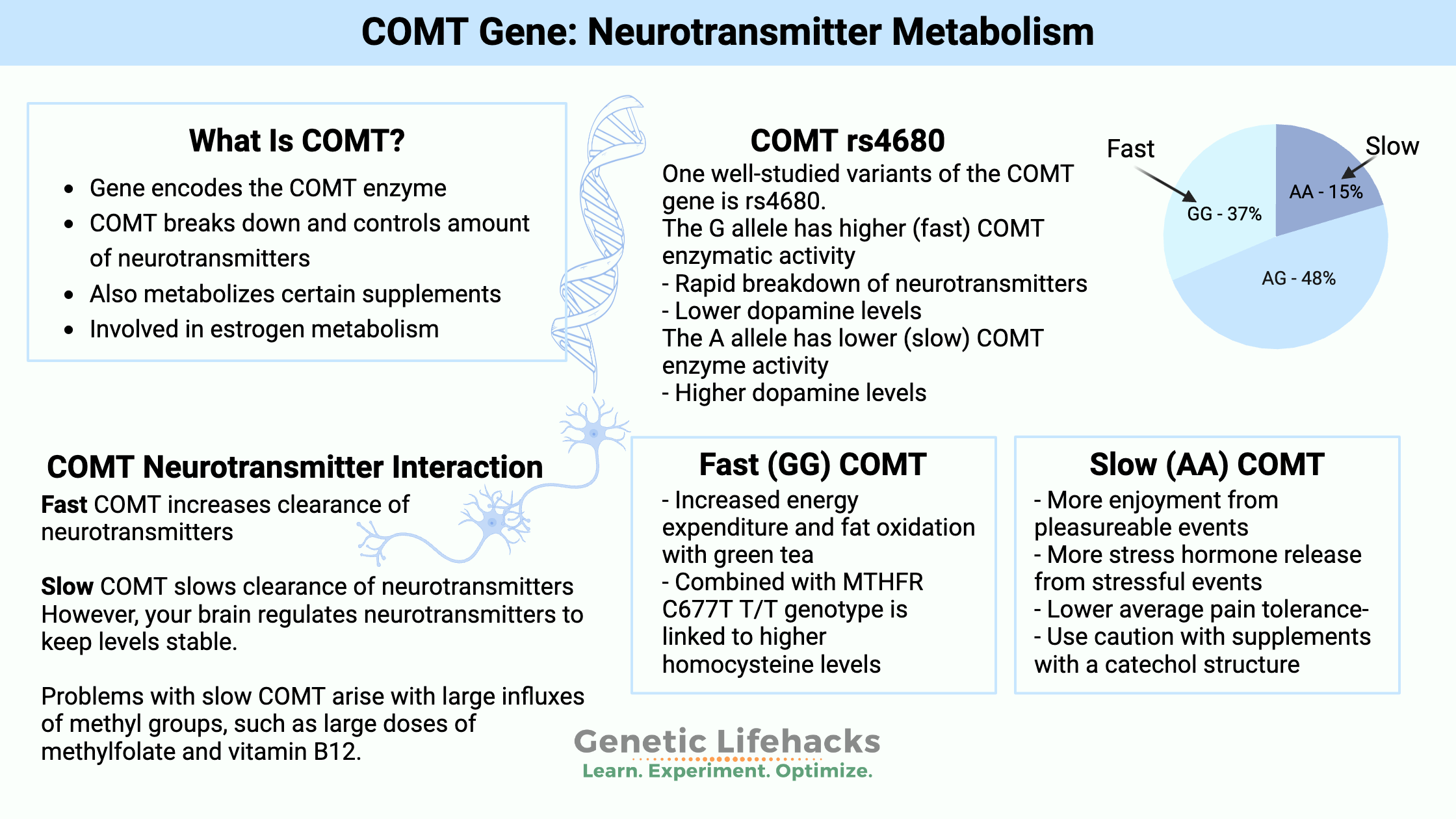
Some supplements interact with COMT variants to impact the rate at which neurotransmitters are broken down. Check your COMT genotype and discover how this may affect your reaction to different supplements or combinations of supplements.
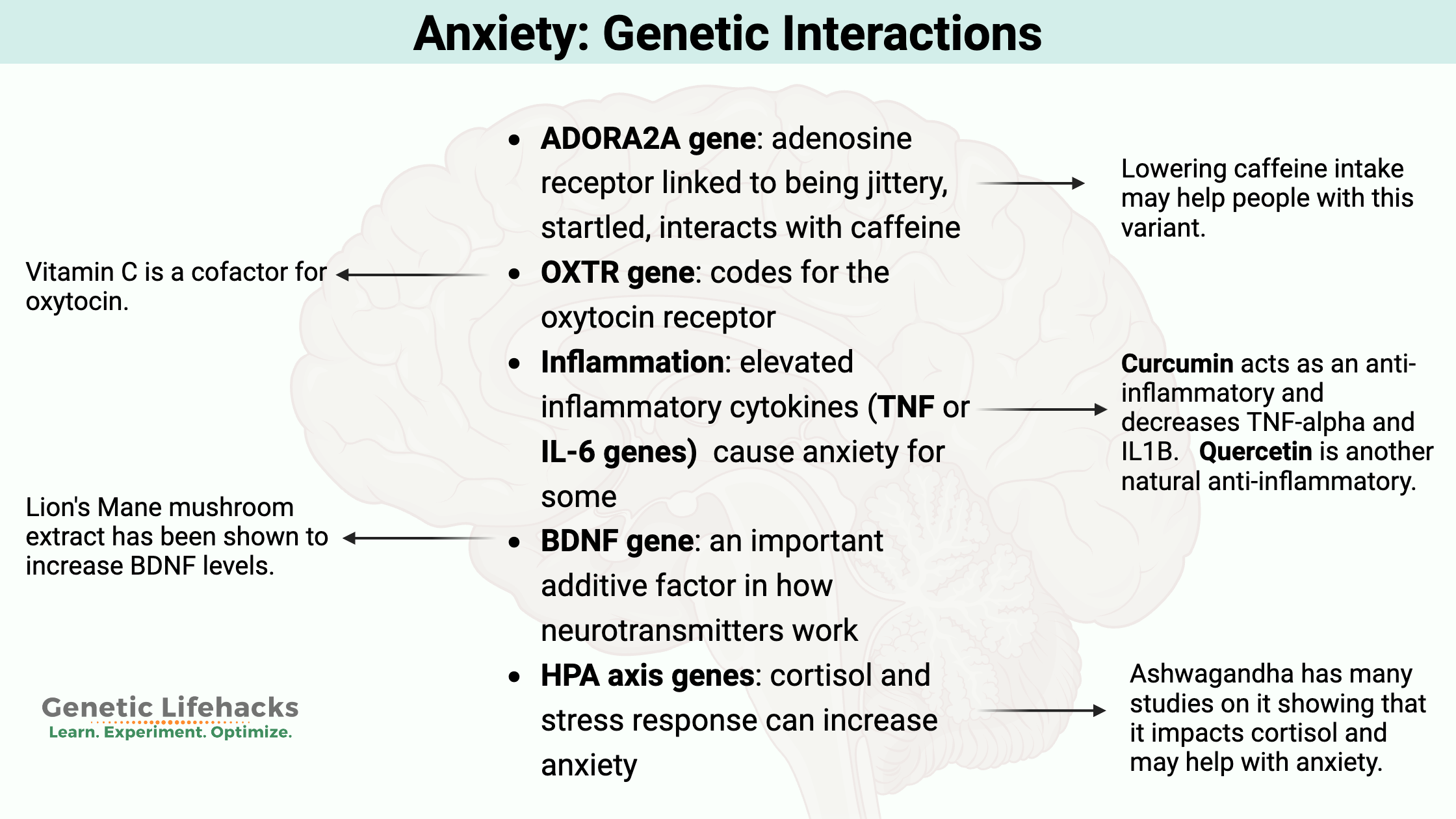
When it comes to anxiety, genetic variants combine with environmental factors (nutrition, sleep, relationships, etc) when it comes to anxiety. Understanding your anxiety genes can help you figure out which pathways to target.
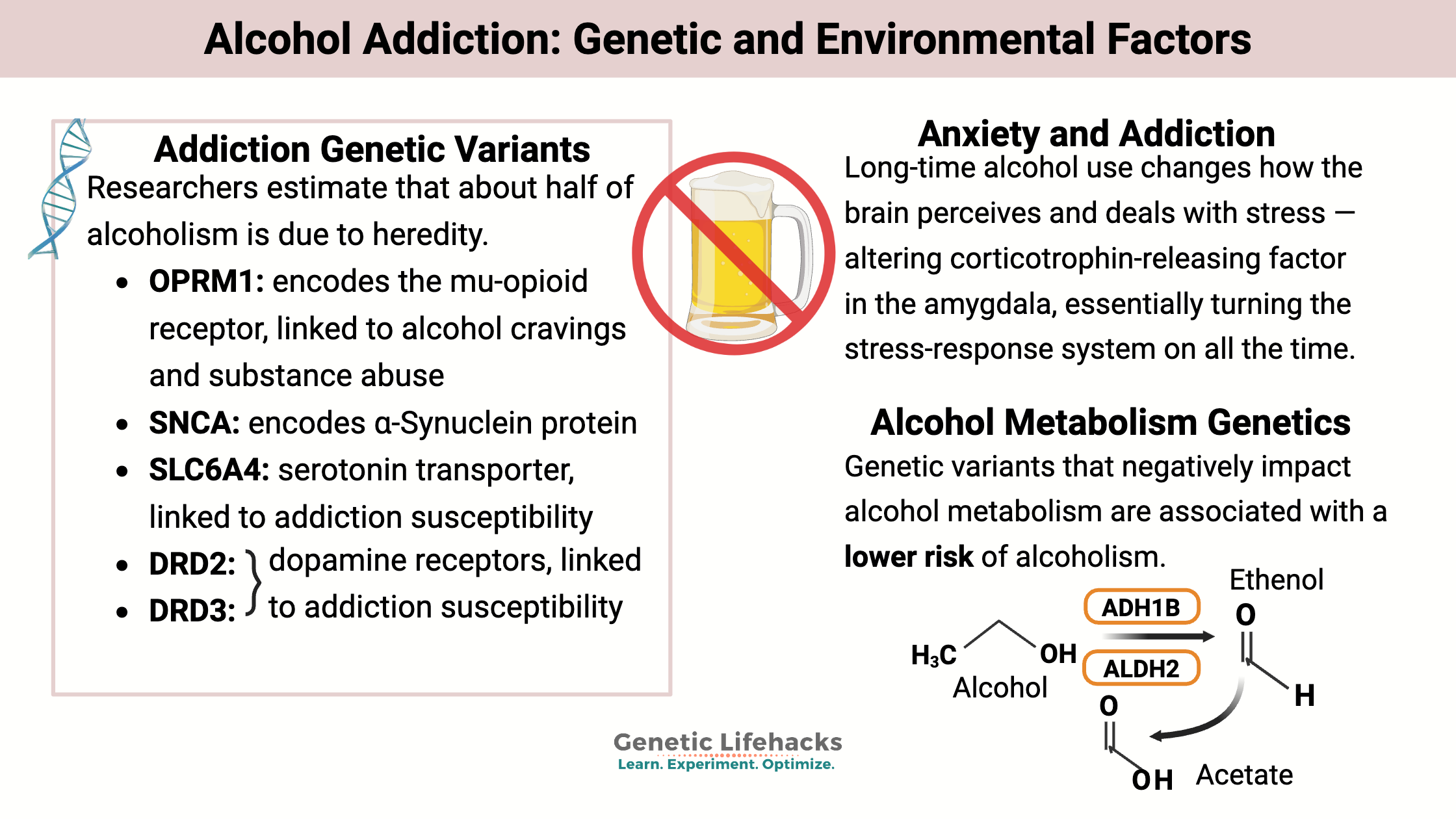
Discover the role of genetics, stress, and neurotransmitters in alcohol use disorder. Alcohol dependence is complex; understand your genes and the research on treatment options.
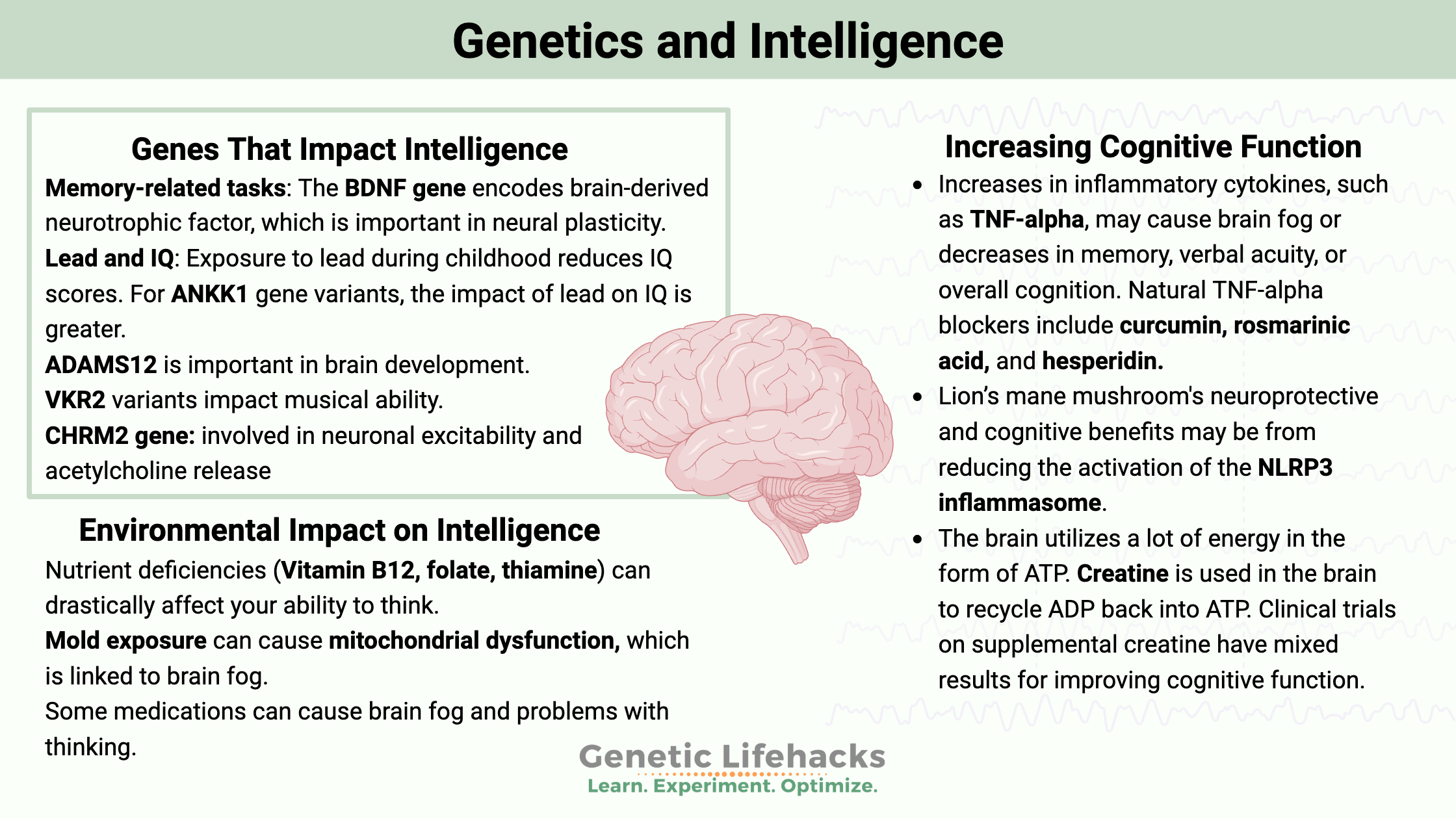
Hundreds of identified genes influence intelligence, from IQ scores to musical ability. Learn more about your intelligence strengths and ways to enhance your cognitive function.
VMAT2, the so‑called “God gene,” packages dopamine, serotonin, and other monoamines into vesicles, protecting neurons from oxidative stress and influencing risks for Parkinson’s, PTSD, alcohol dependence, and diabetes.
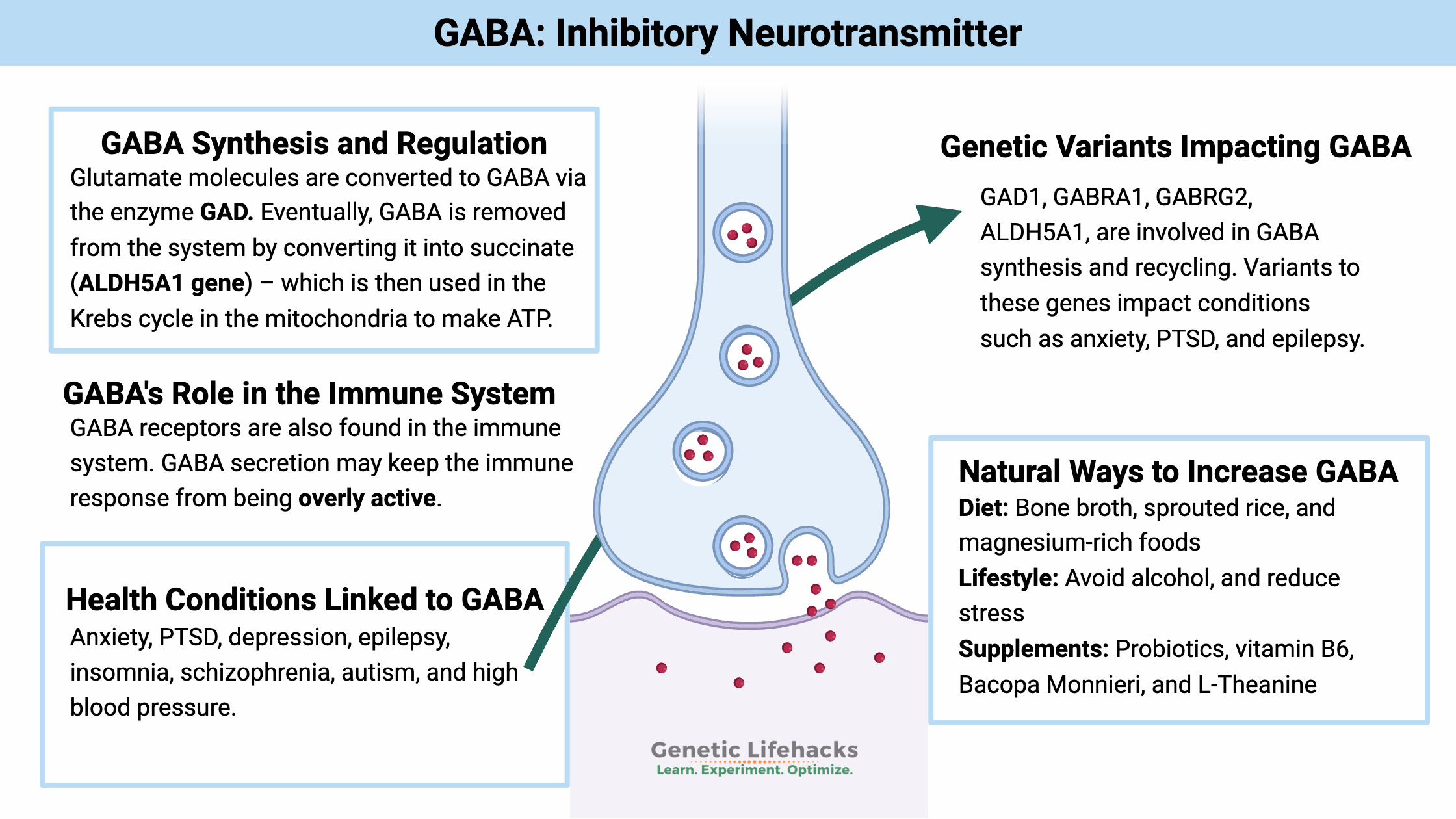
GABA (gamma-Aminobutyric acid) is a neurotransmitter that acts to block or inhibit a neuron from firing. It is an essential way that the brain regulates impulses, and low GABA levels are linked with several conditions, including anxiety and PTSD.
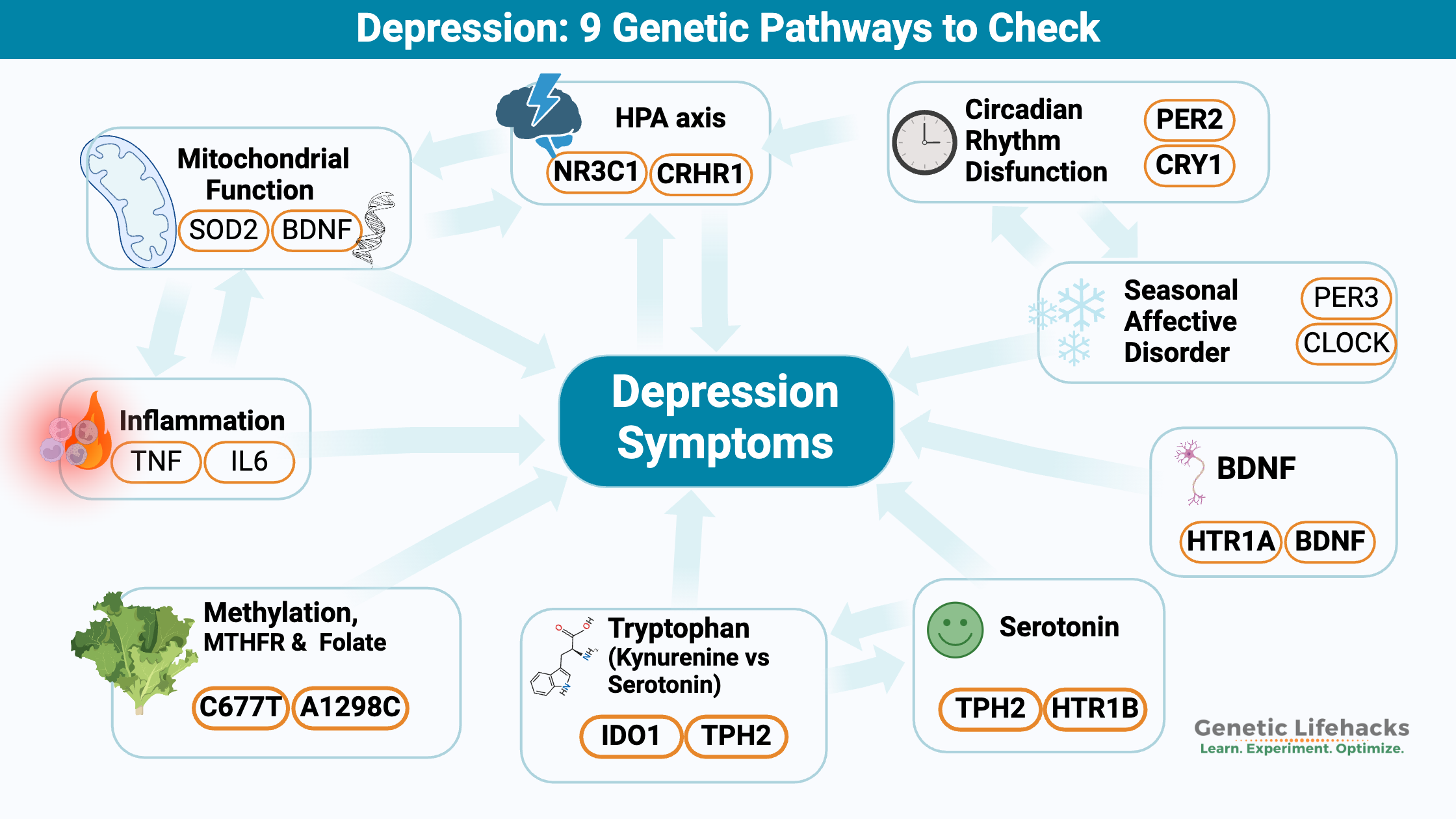
Depression can have multiple physiological causes. This article ties together 9 separate articles on depression to simply your genetic search.
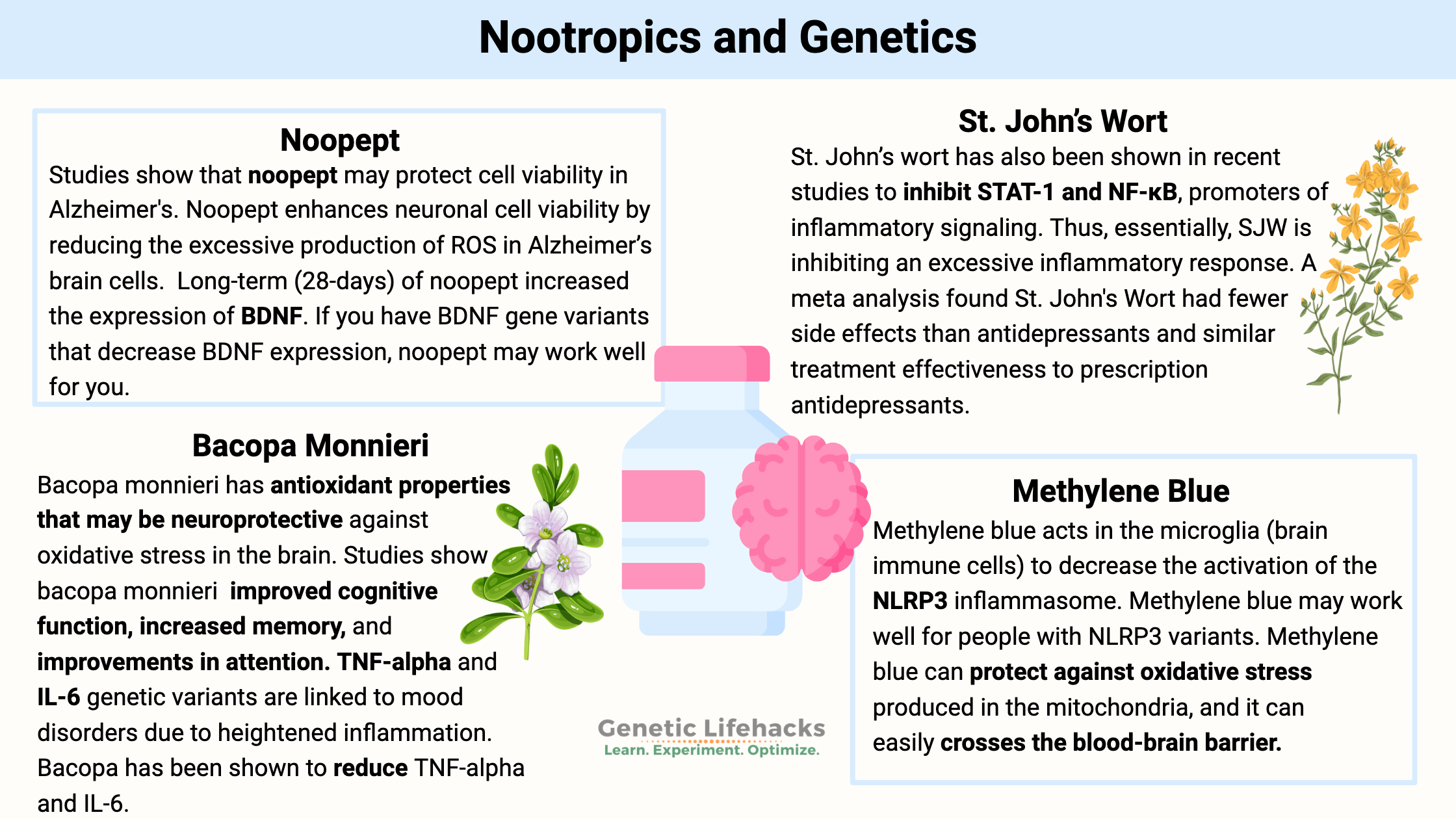
Nootropics are supplements used to boost cognition and memory. Learn how the substance works and the genes connected to the mechanism of action.
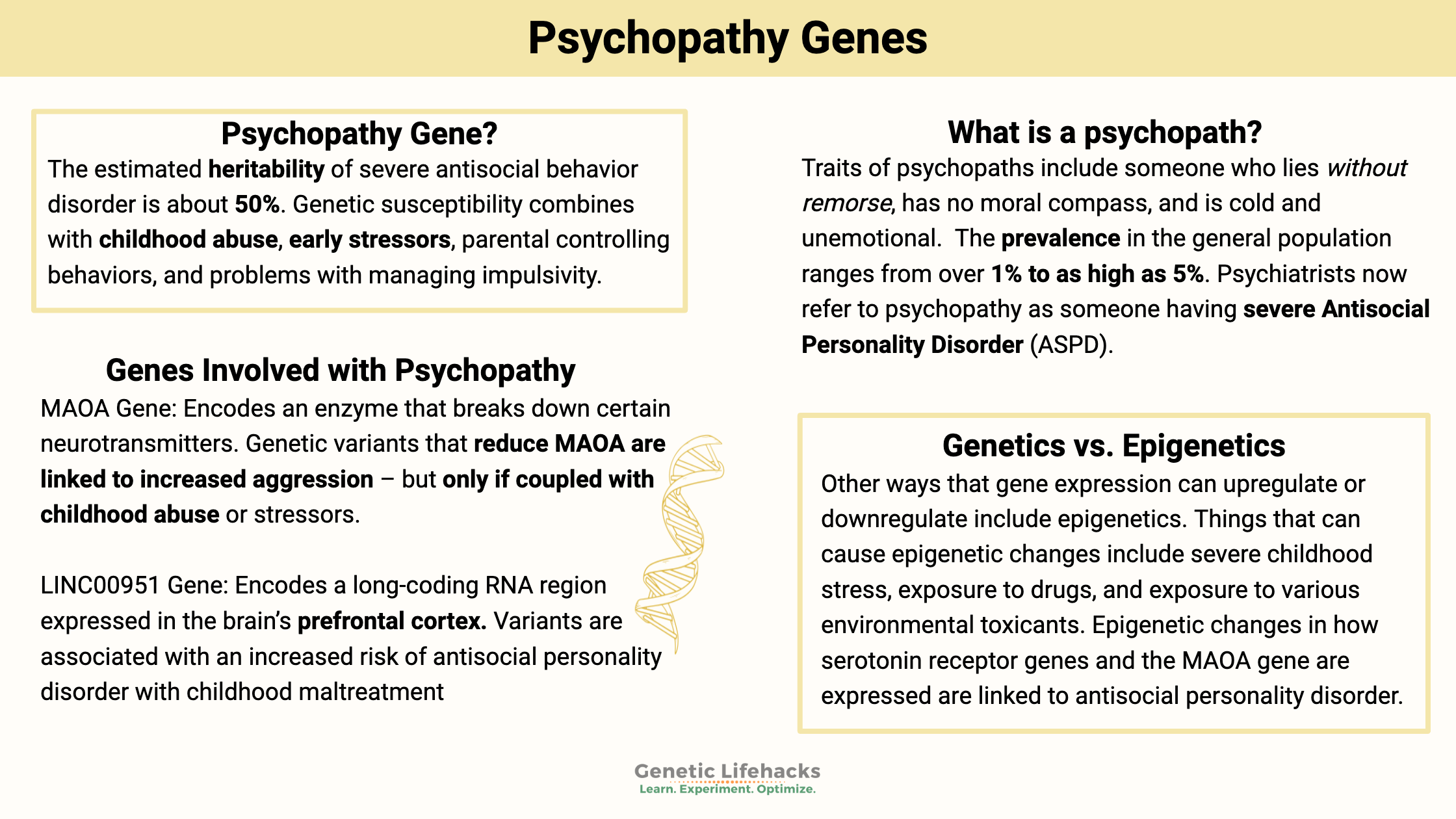
This article explains how MAOA, OXTR, LINC00951, HTR2B, and SNAP25 variants, childhood abuse, toxins, and epigenetic shifts combine to raise psychopathy risk — without predestining anyone to become a violent offender.
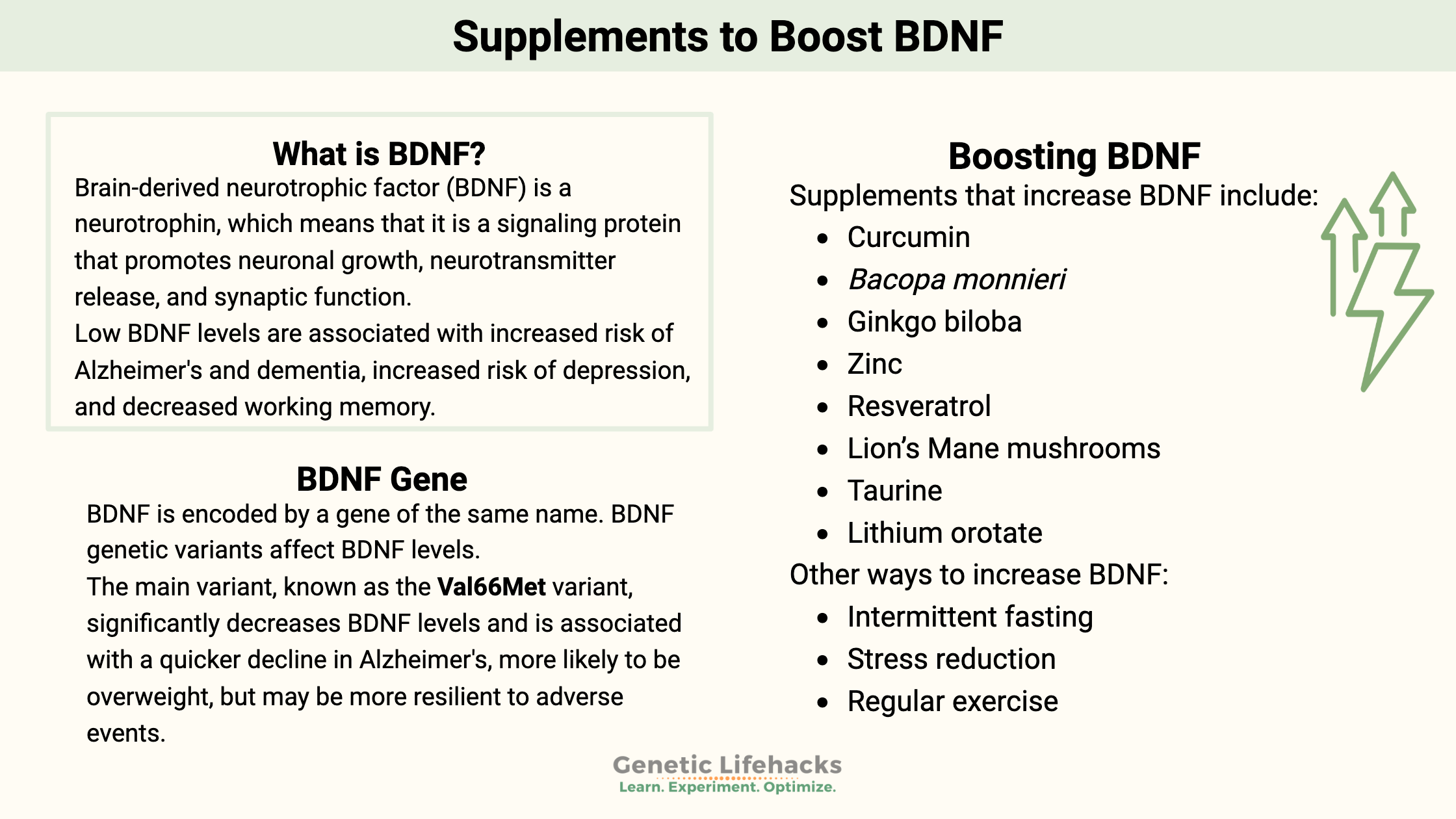
Is it smart to boost your BDNF levels? Discover more by digging into the research studies that show when, how, and why it is important to focus on BDNF.
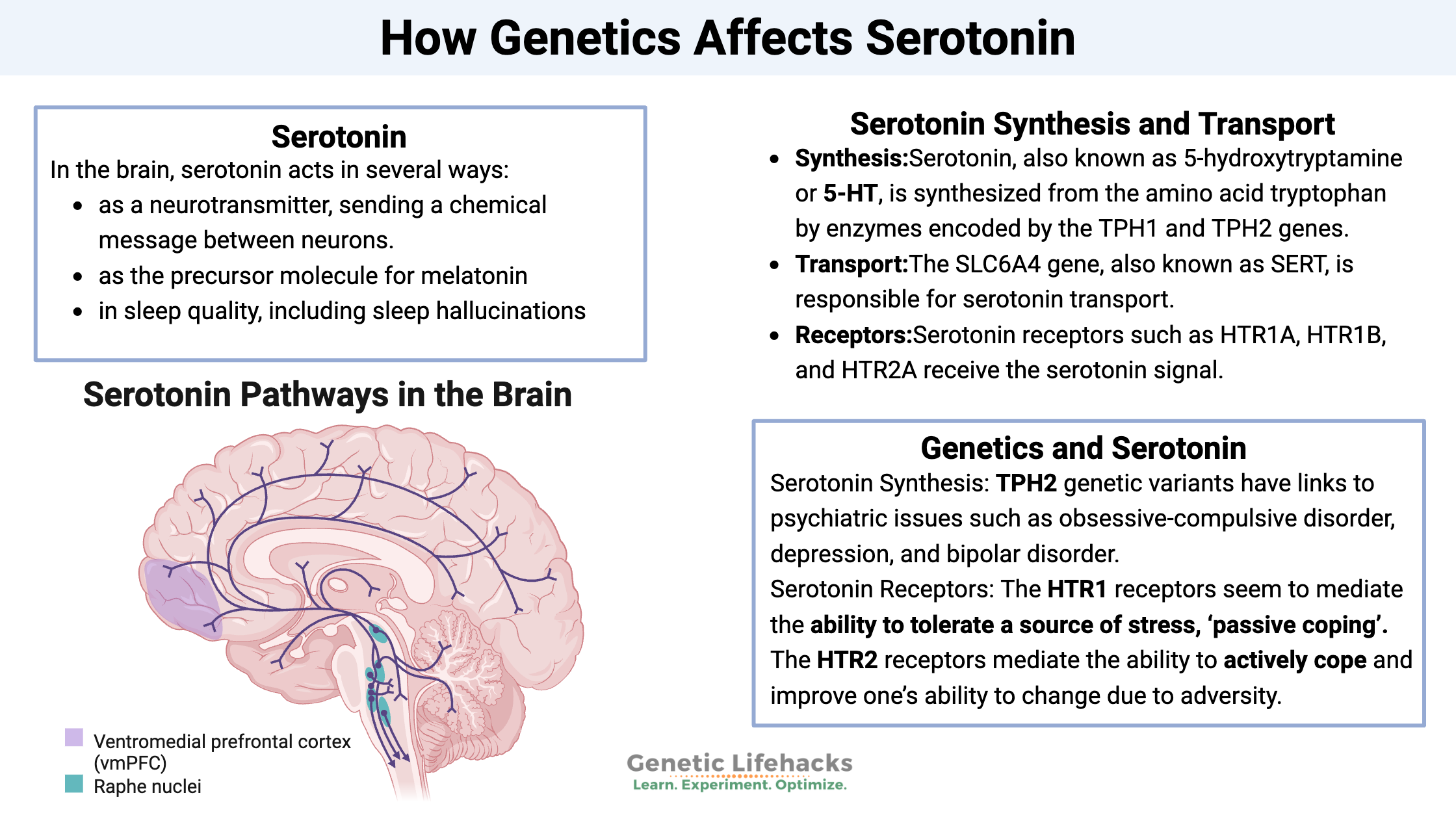
Serotonin is a neurotransmitter that is important in depression, sleep, and many other aspects of health. Learn how your genetic variants in the serotonin receptor genes impact their function.
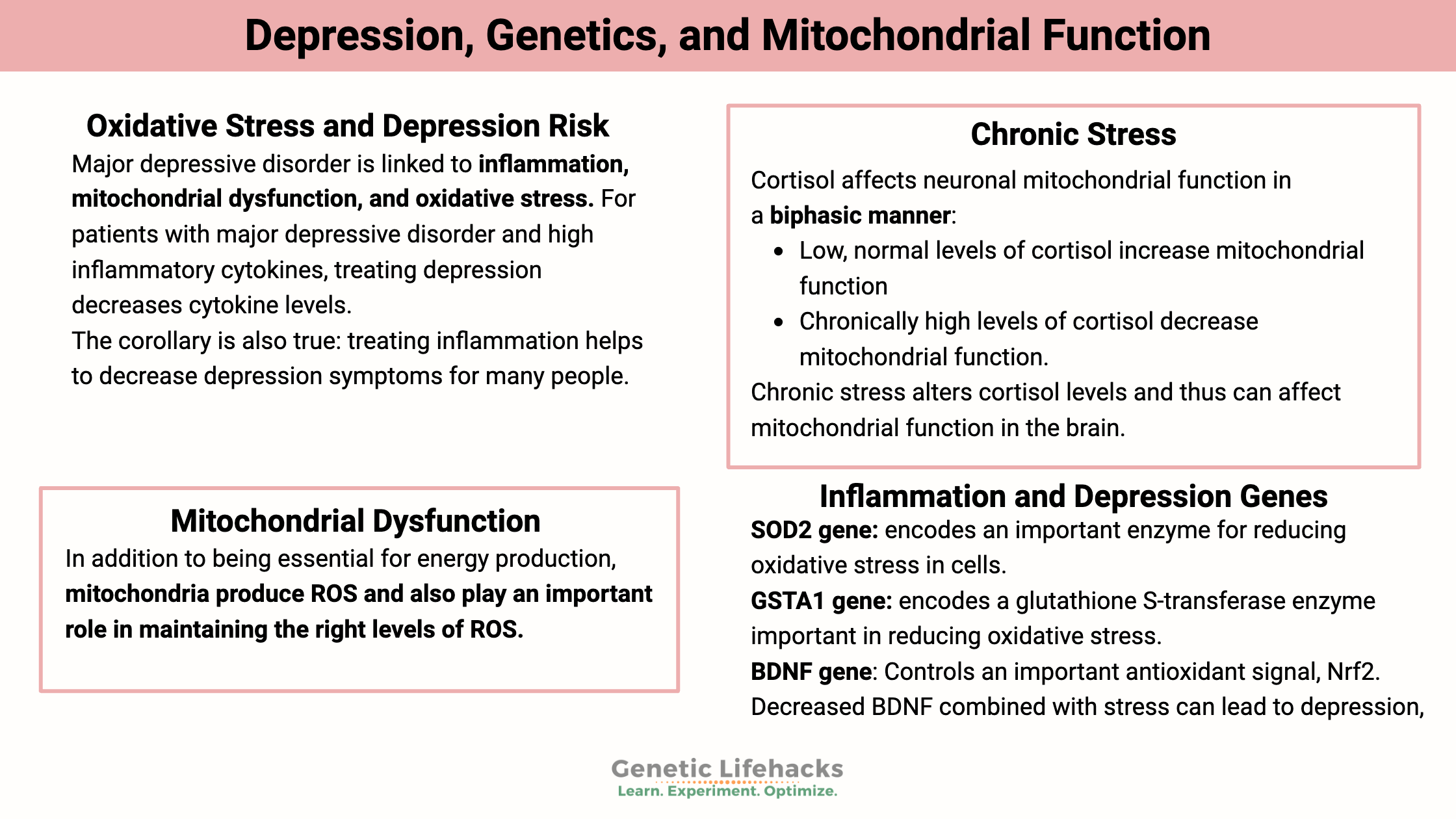
How does mitochondrial dysfunction relate to major depressive disorder? Learn about the causes of mitochondrial dysfunction as well as genetic variants that link the risk of depression to the mitochondria.
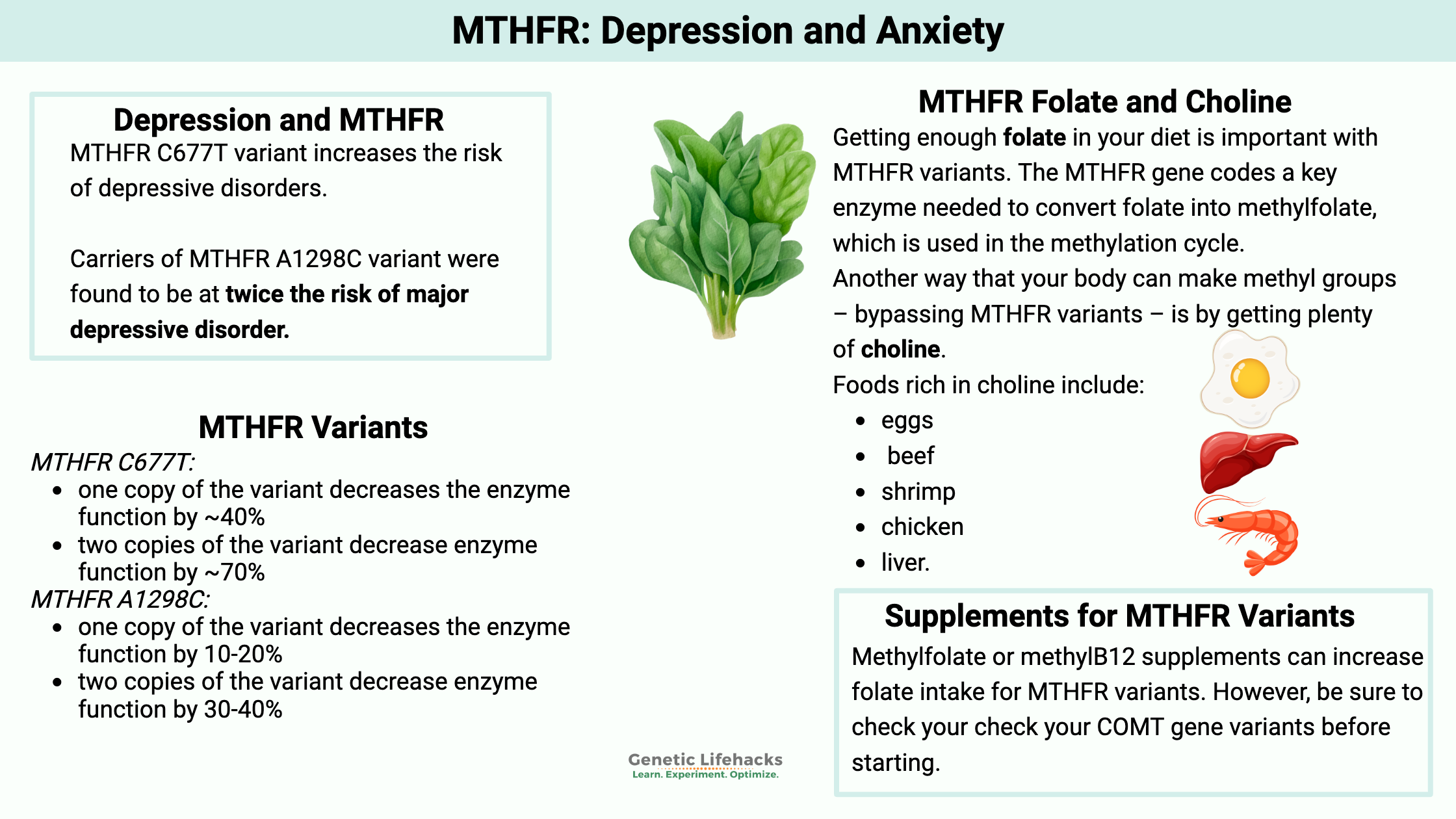
We are all genetically unique, and a common genetic variant in the MTHFR gene causes some people to be more susceptible to having low folate levels. This article explains the research linking MTHFR variants, folate, and depression — and gives you information on how diet or supplements may help.
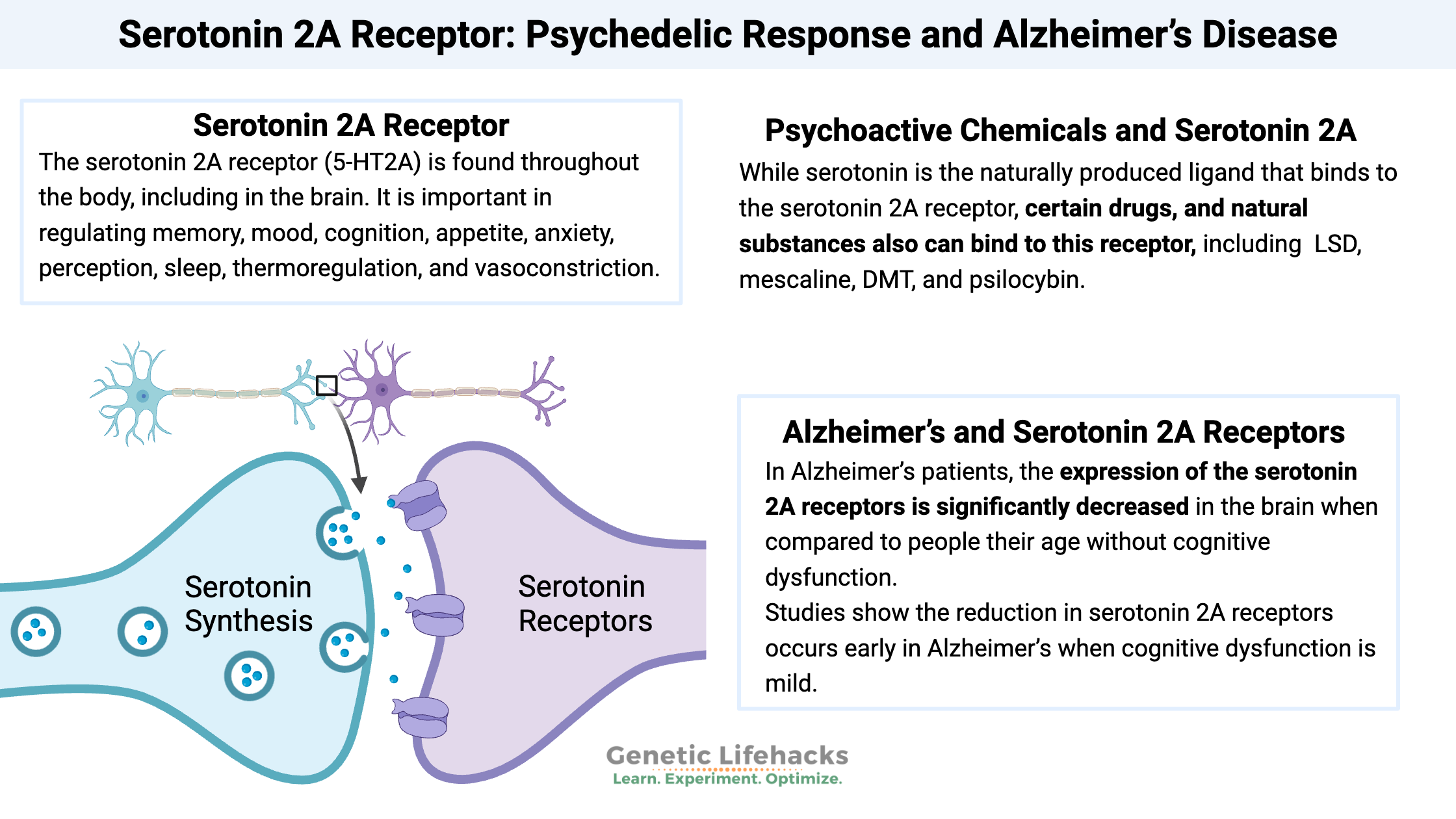
Learn how new research on brain aging and dementia connects the serotonin 2A receptor with psychedelics, brain aging, and Alzheimer’s.
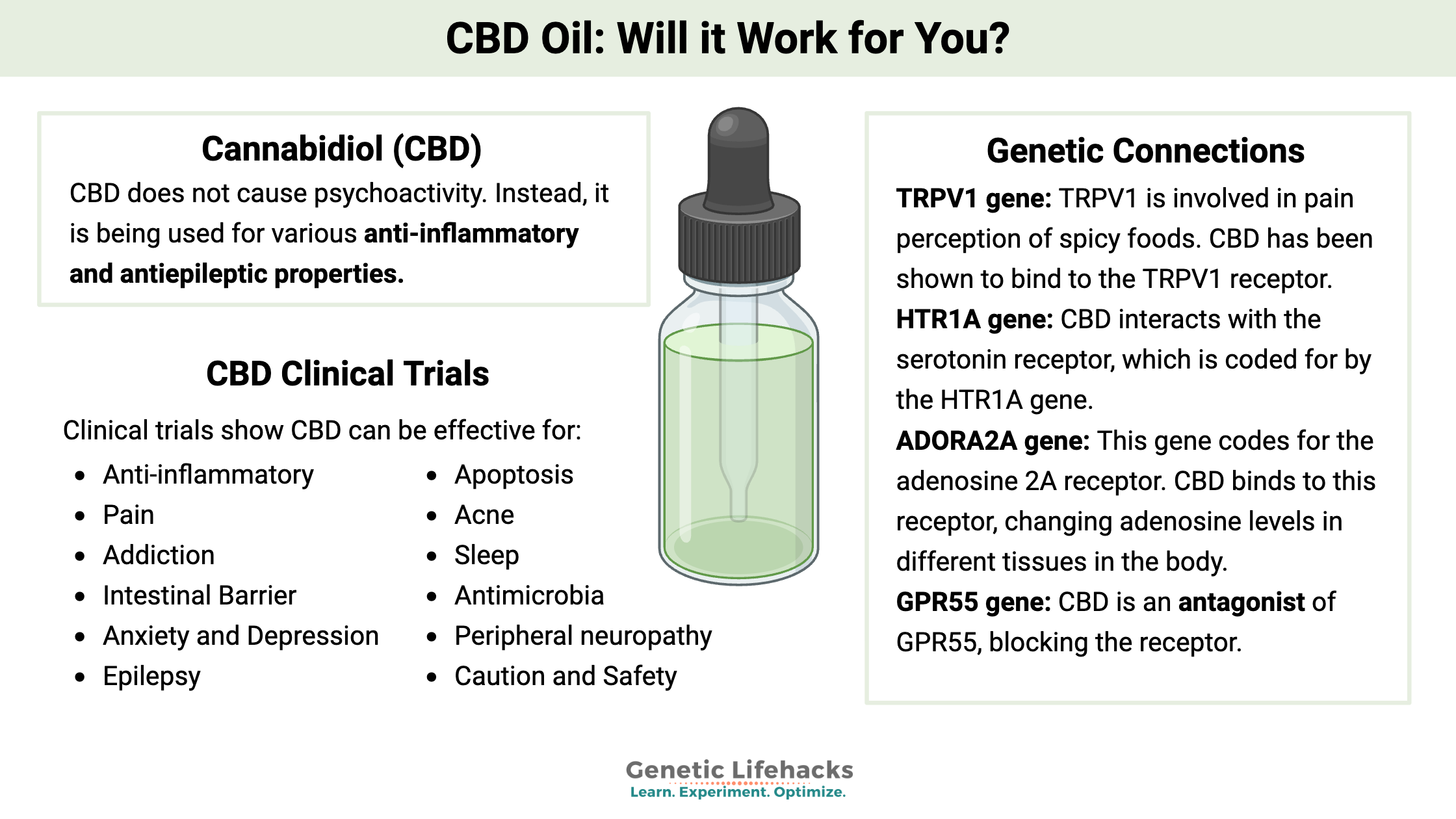
Why do some people get such great benefits from CBD while others notice nothing? Your genes play a role in how your body responds to CBD.
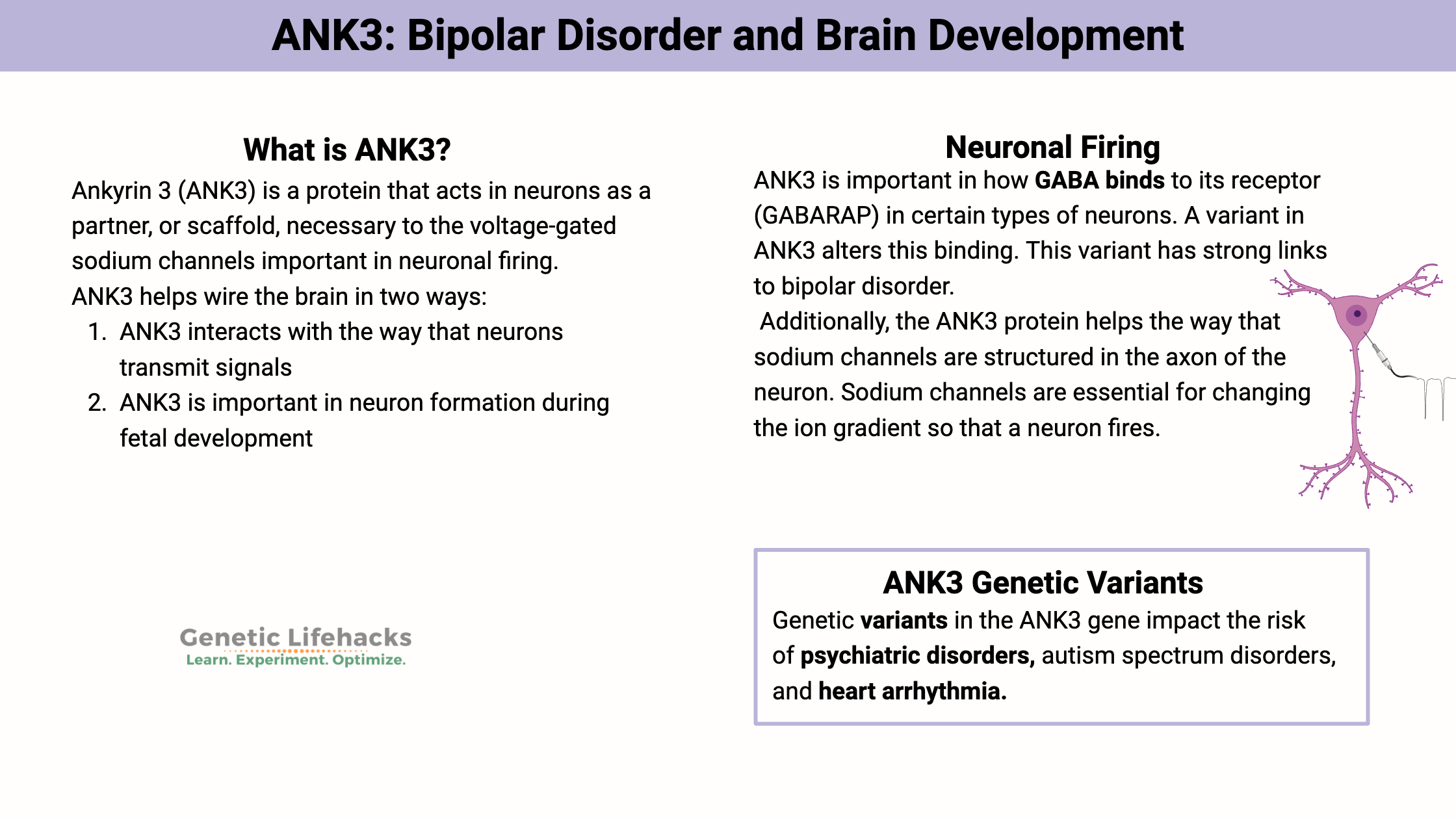
The genetic variants in the ANK3 gene impact the risk of psychiatric disorders that include bipolar disorder and autism spectrum disorders, and heart arrhythmia. Discover how ANK3 impacts neuronal formation and transmission and how this ties into an increased risk of psychiatric disorders.
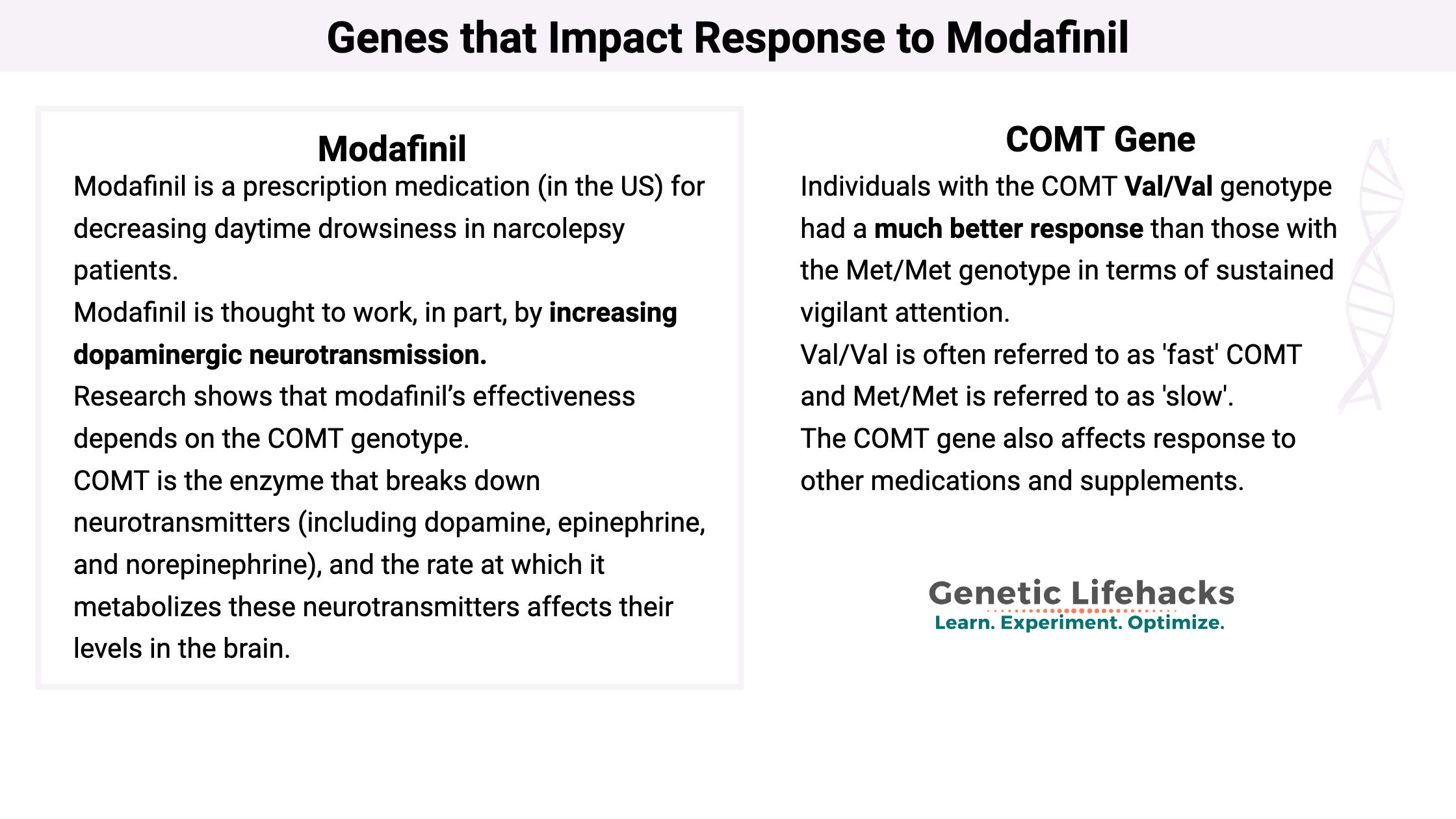
Genetic variants make a difference in how you respond to modfinil — whether it is likely to work well for you or not.
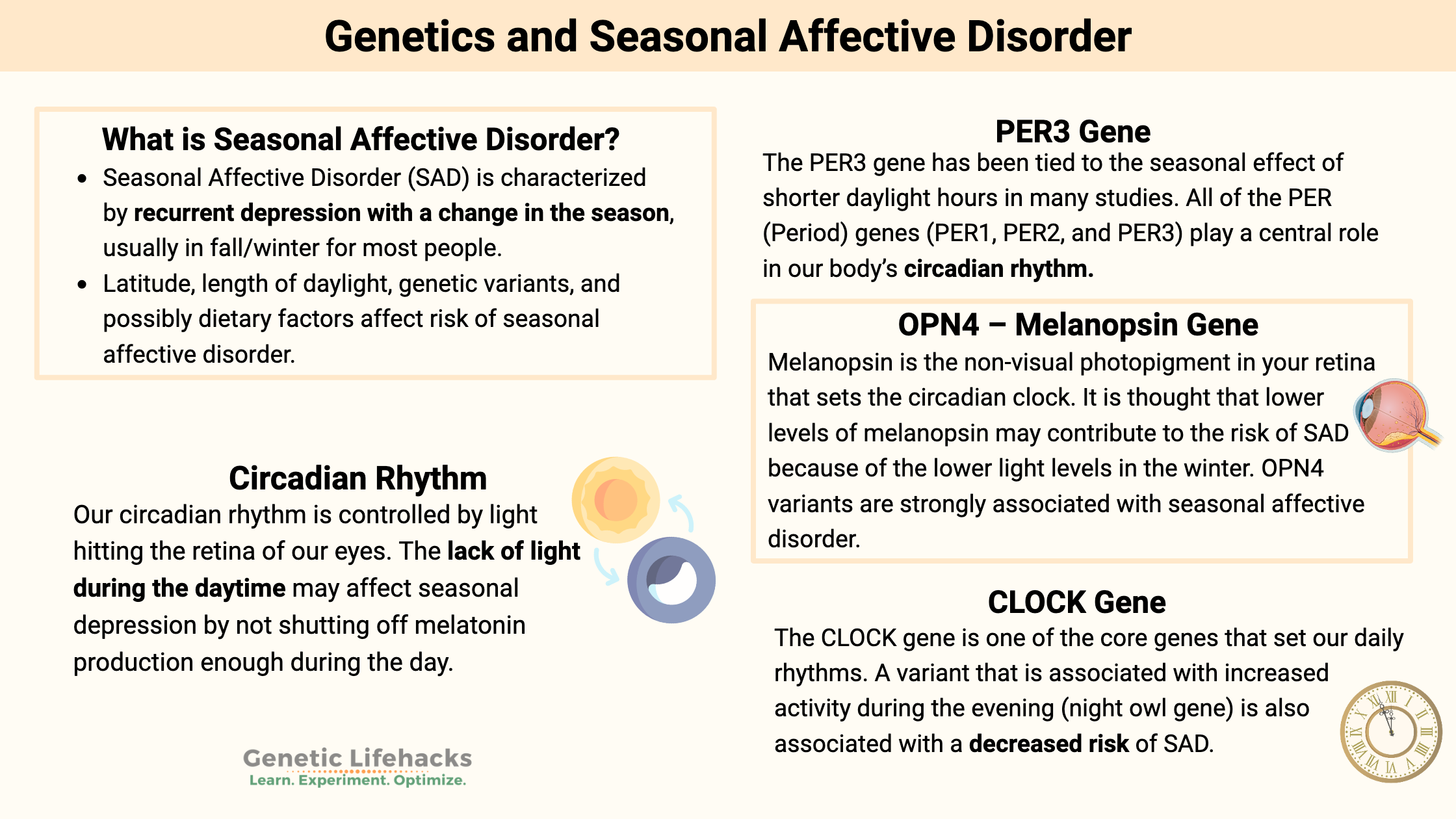
Seasonal Affective Disorder (SAD) is characterized by recurrent depression with a change in the season usually in fall/winter for most. Scientists think this is possibly due to an aberrant response to light – either not enough brightness to the sunlight or not enough hours of light. Your genes play a big role in this responsiveness to light.
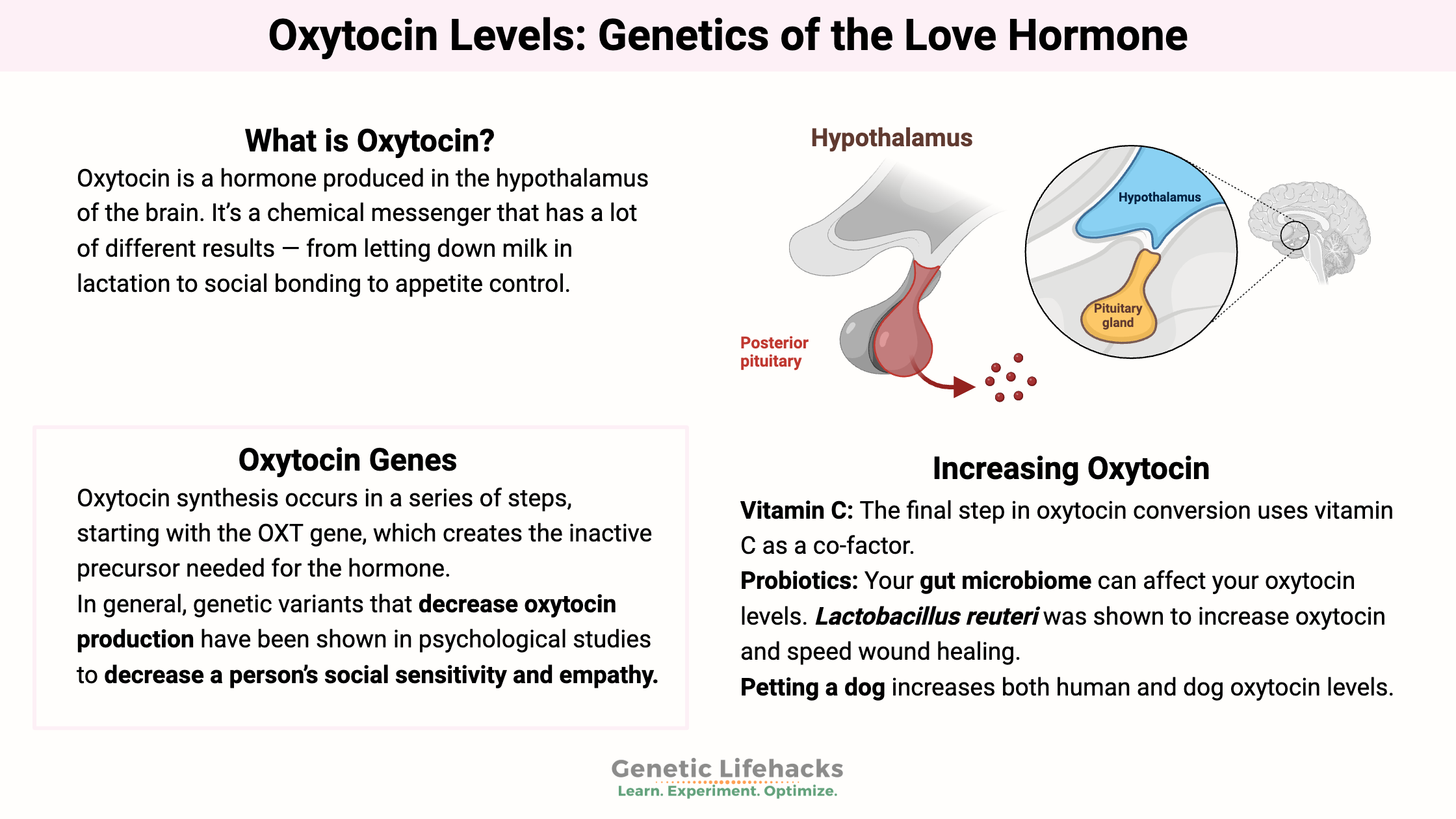
Oxytocin is called the love hormone. Genetic variants in the OXT gene are linked to being more social and empathetic vs being more of an introvert.
Wondering why your neurotransmitters are out of balance? It could be due to your COMT genetic variants. The COMT gene codes for the enzyme catechol-O-methyltransferase which breaks down (metabolizes) the neurotransmitters dopamine, epinephrine, and norepinephrine.
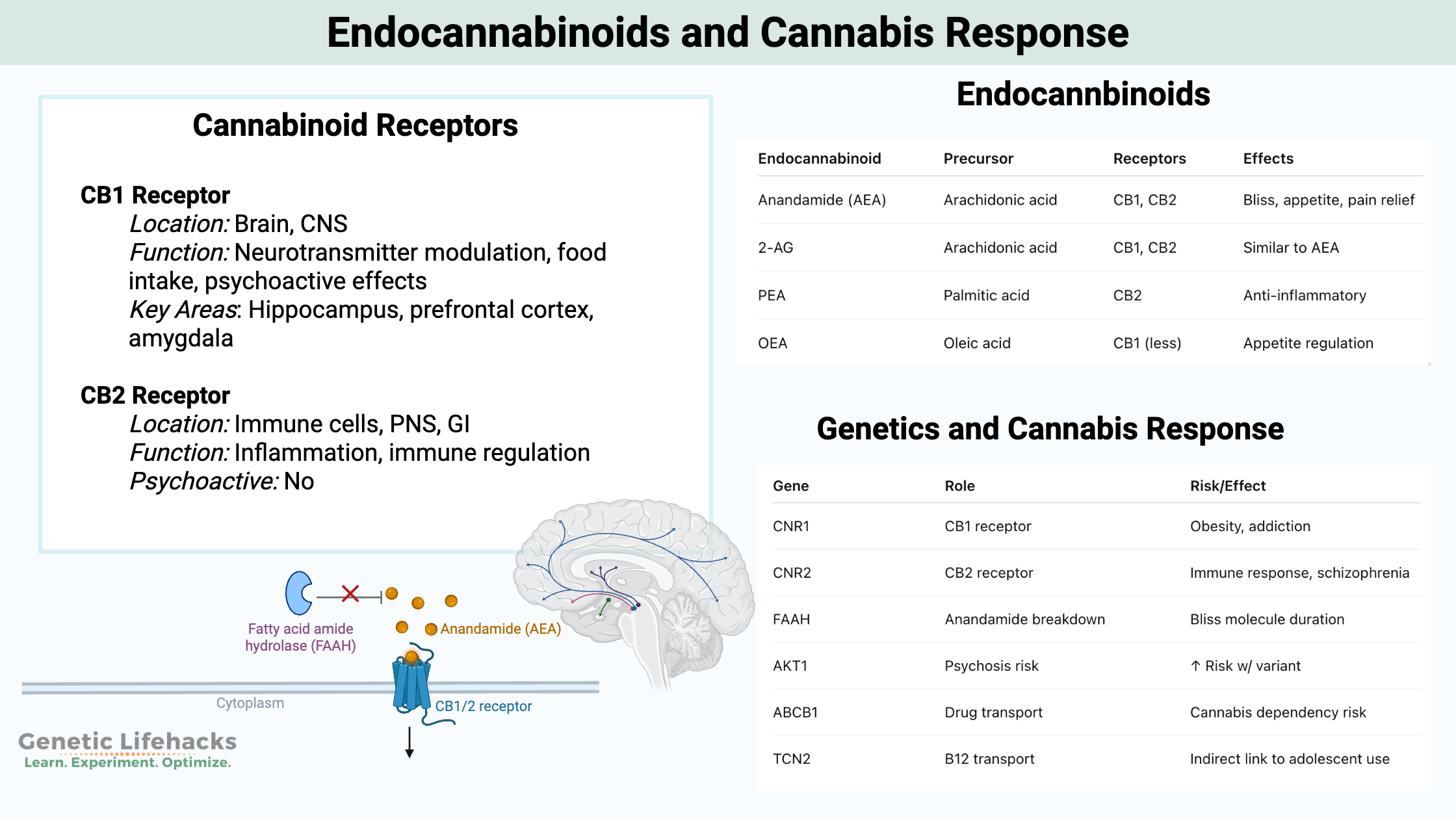
Discover how genetic variants influence your susceptibility to substance abuse, and how the variants impact your body’s reaction to cannabis. (Member’s article)