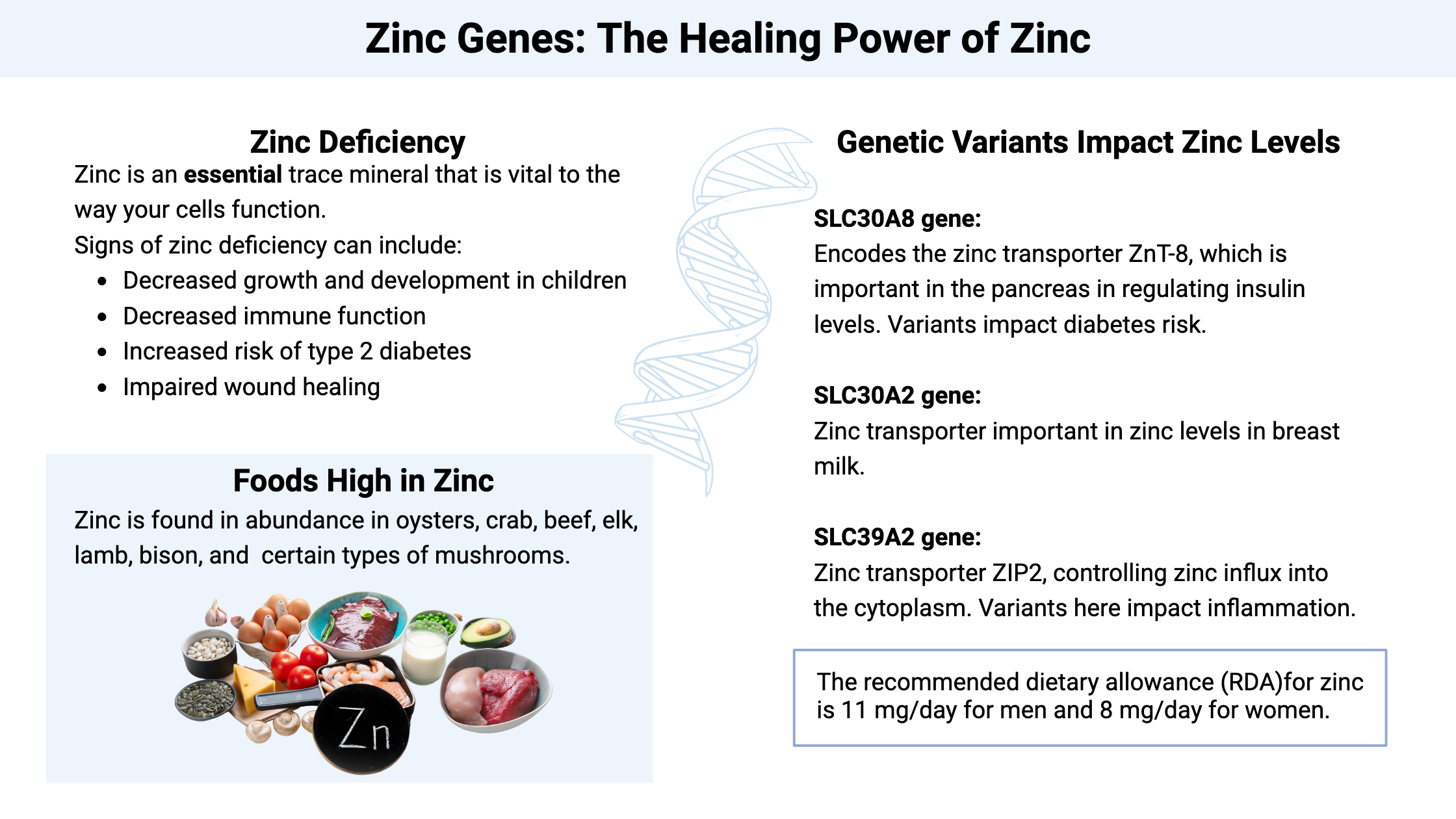
Zinc, Genetics, and Your Risk for Depression, Infection, or Diabetes
Zinc is essential for immunity, skin, mood, and blood sugar, and your genes can change how much you need. Learn how zinc transporter variants affect your optimal intake.

Zinc is essential for immunity, skin, mood, and blood sugar, and your genes can change how much you need. Learn how zinc transporter variants affect your optimal intake.
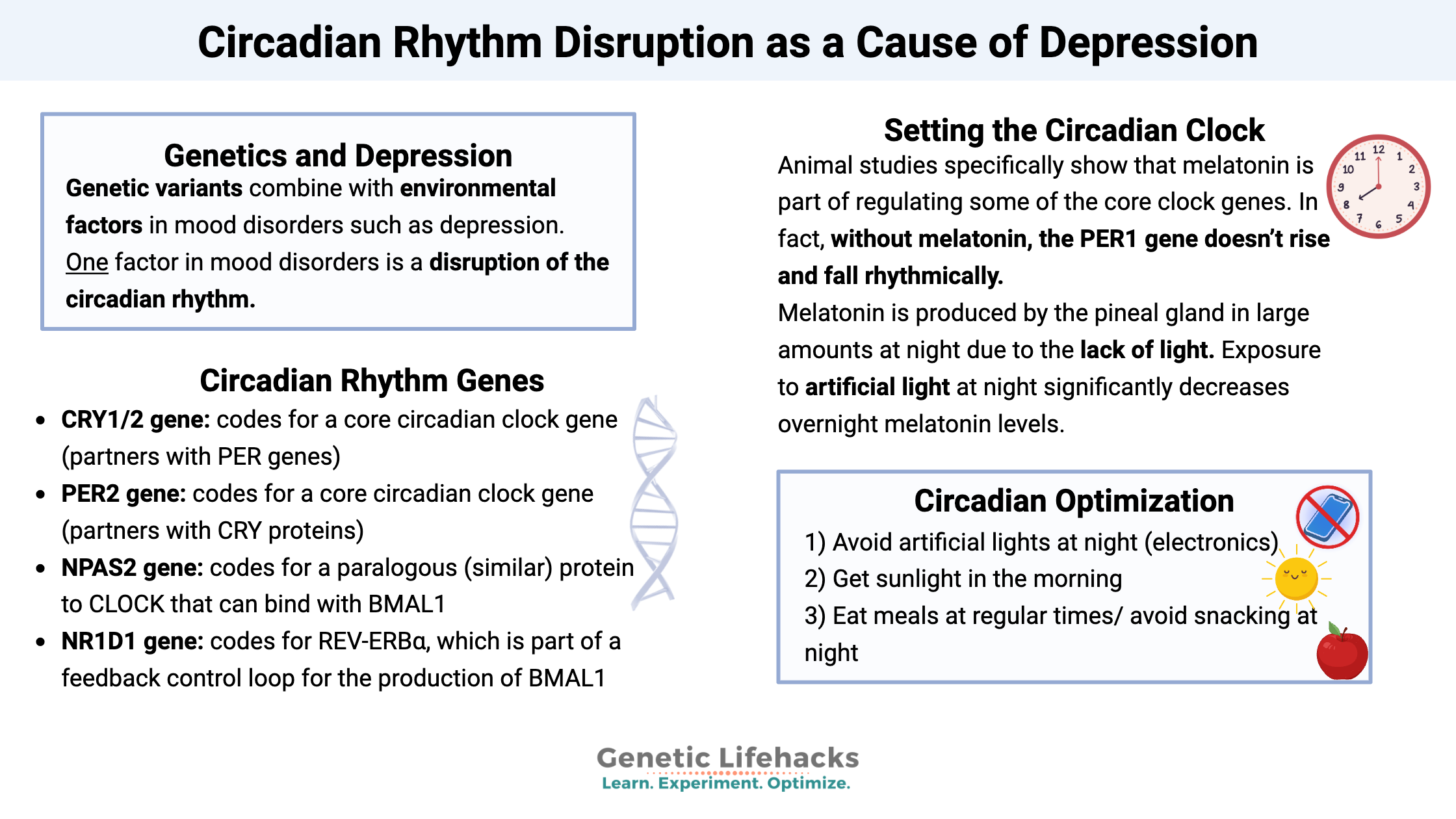
Circadian clock gene variants in CLOCK, BMAL1, PER, CRY, NPAS2, and OPN4 interact with light exposure to disrupt hormones, sleep, and mood, increasing risk for depression, anxiety, and seasonal affective disorder.
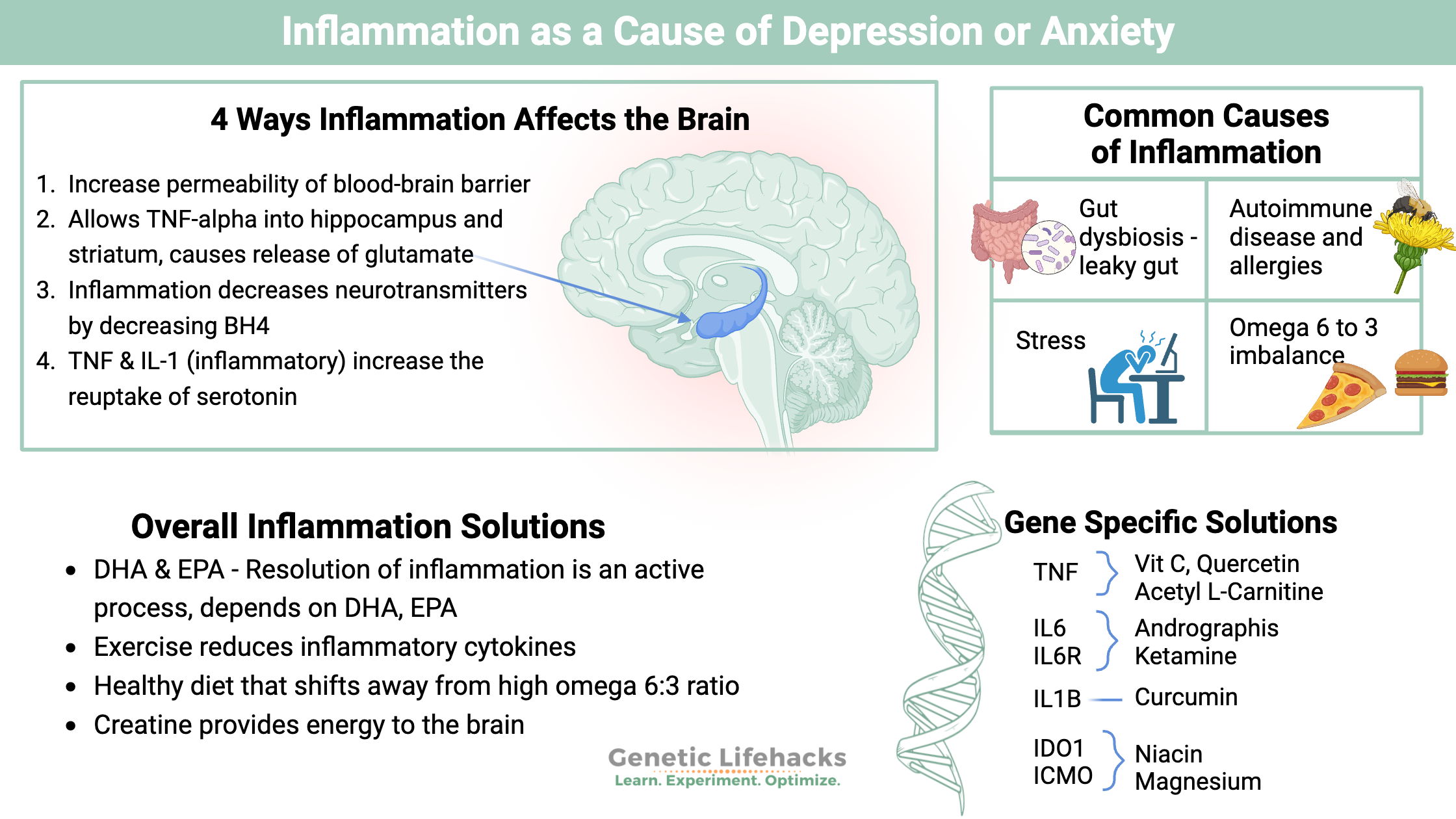
Discover why inflammation causes depression and how your genetic variants in inflammatory genes may play a role in depression or anxiety.
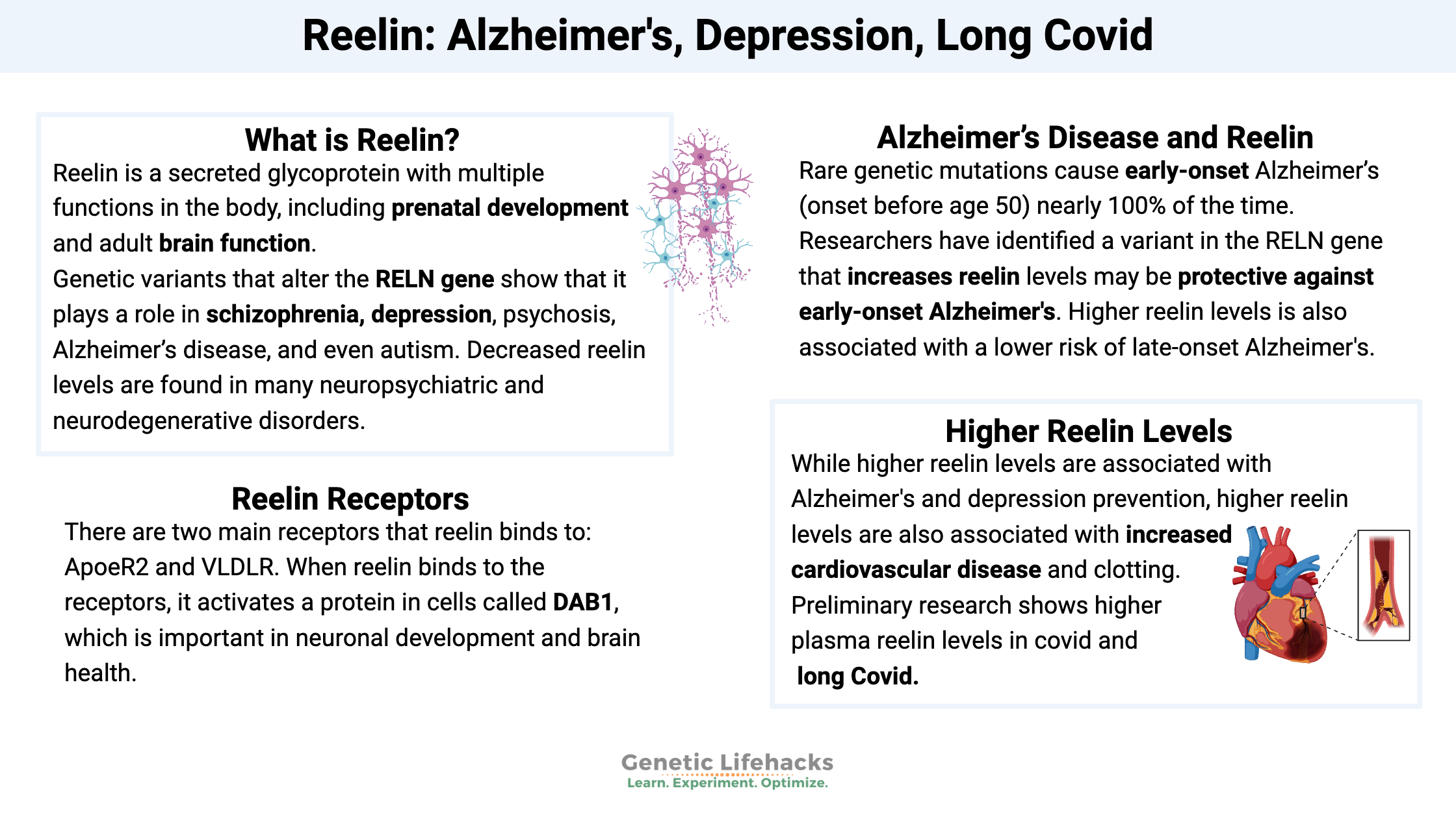
Reelin is a key glycoprotein involved in brain development, cognition, and neurodegenerative diseases like Alzheimer’s, schizophrenia, autism, and cardiovascular health.
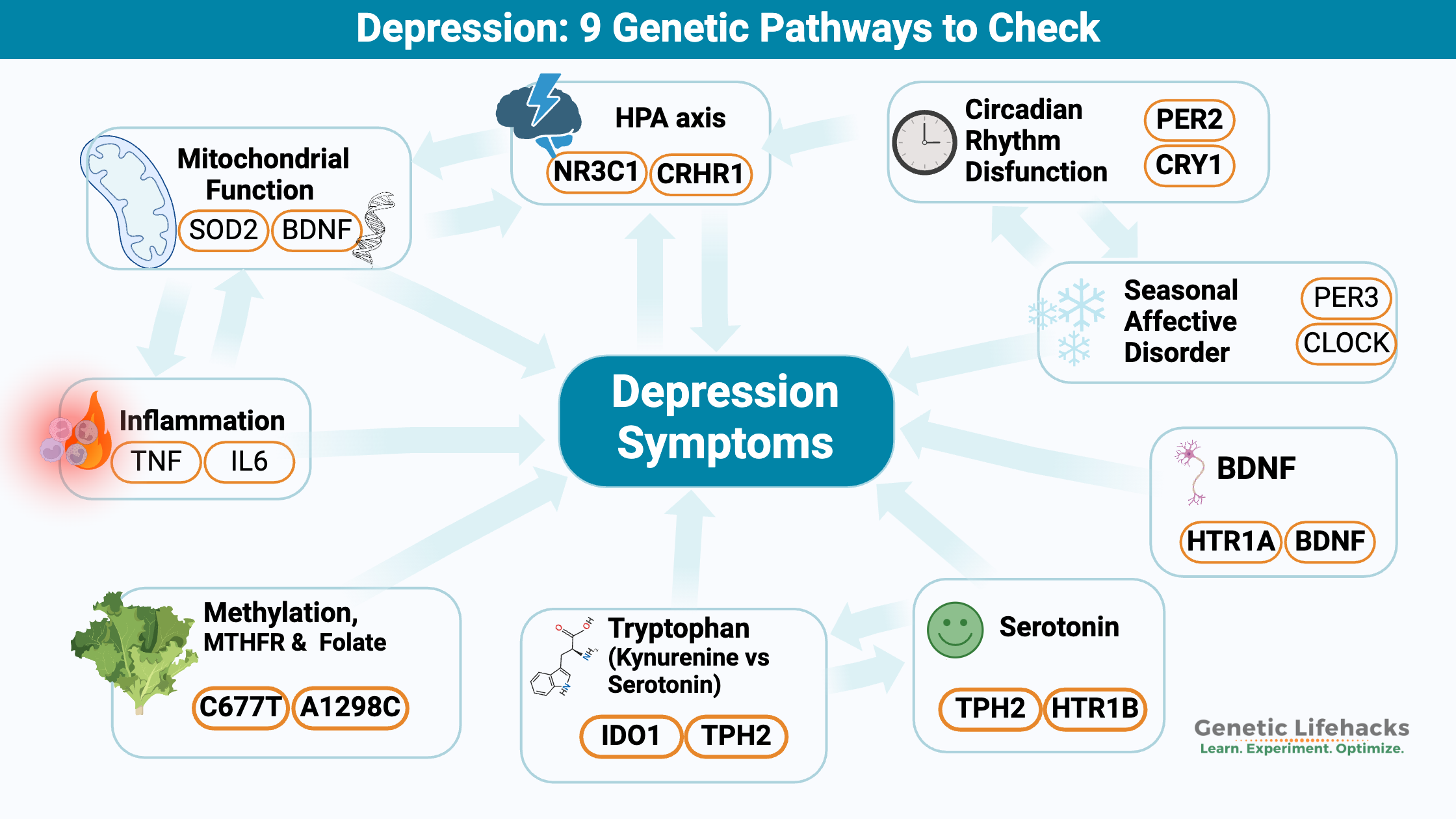
Depression can have multiple physiological causes. This article ties together 9 separate articles on depression to simply your genetic search.
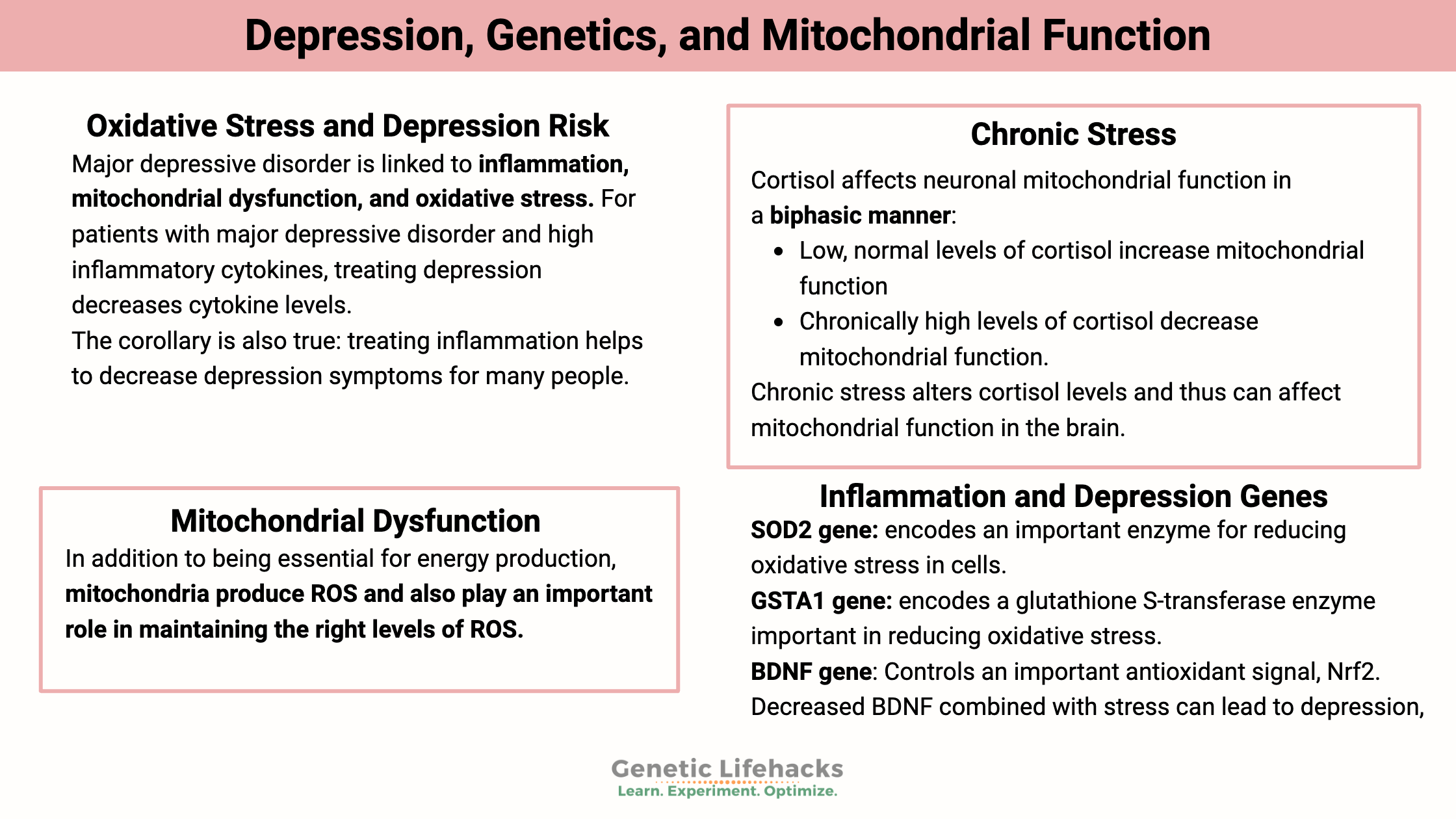
How does mitochondrial dysfunction relate to major depressive disorder? Learn about the causes of mitochondrial dysfunction as well as genetic variants that link the risk of depression to the mitochondria.
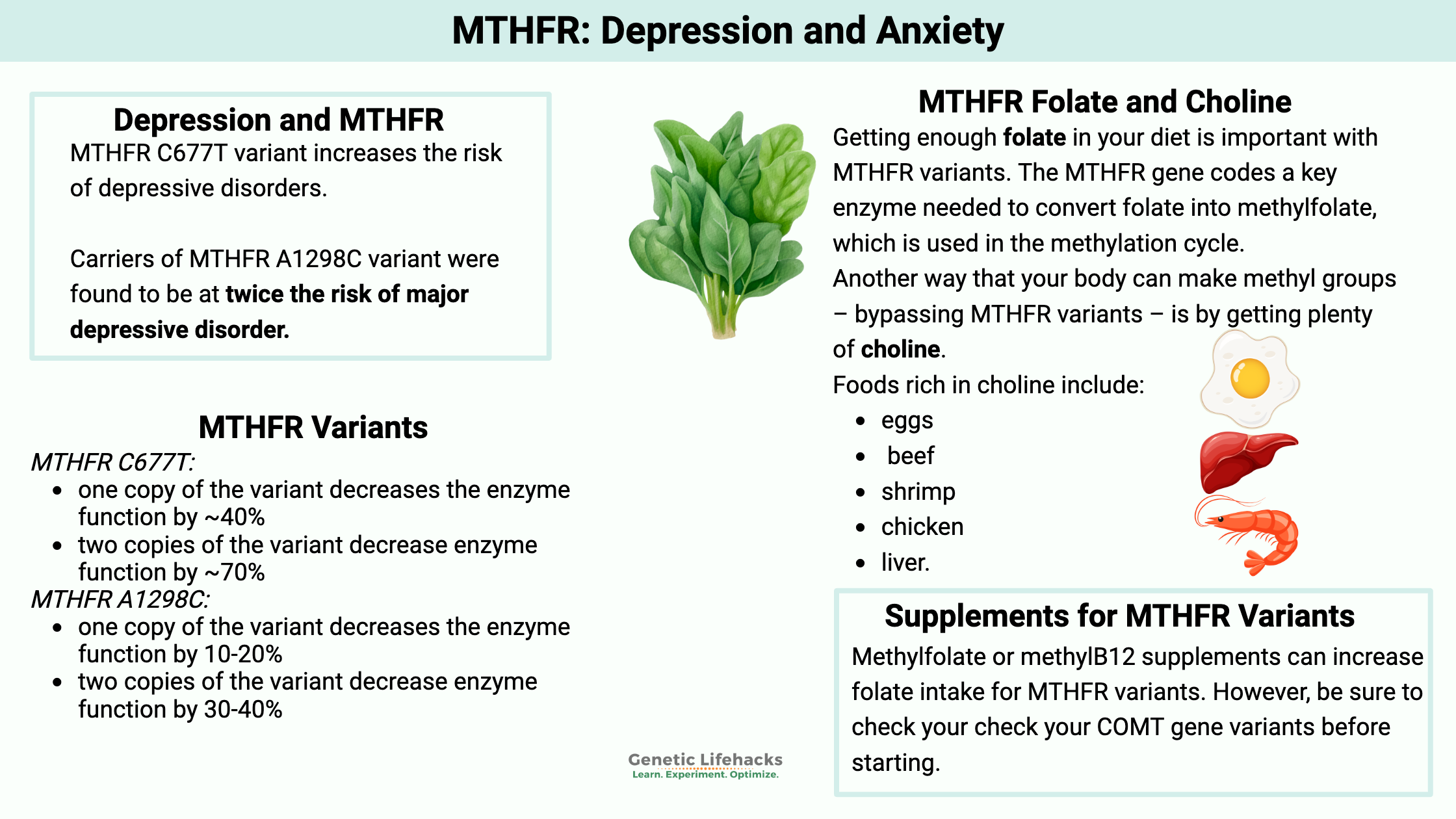
We are all genetically unique, and a common genetic variant in the MTHFR gene causes some people to be more susceptible to having low folate levels. This article explains the research linking MTHFR variants, folate, and depression — and gives you information on how diet or supplements may help.
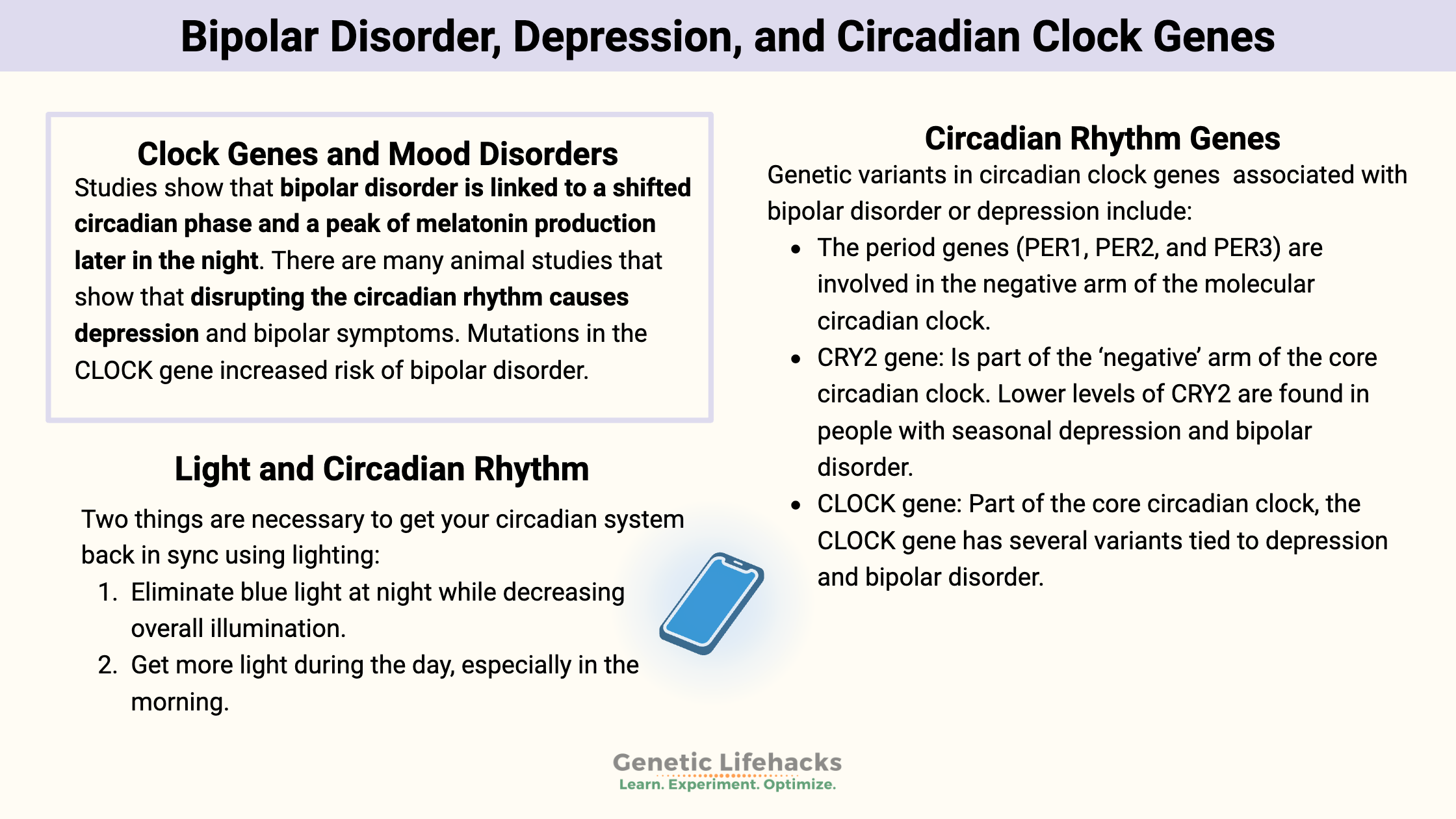
New research shows that depression and bipolar disorder are linked to changes or disruption in circadian genes. Some people carry genetic variants in the circadian genes that make them more susceptible to circadian disruption.
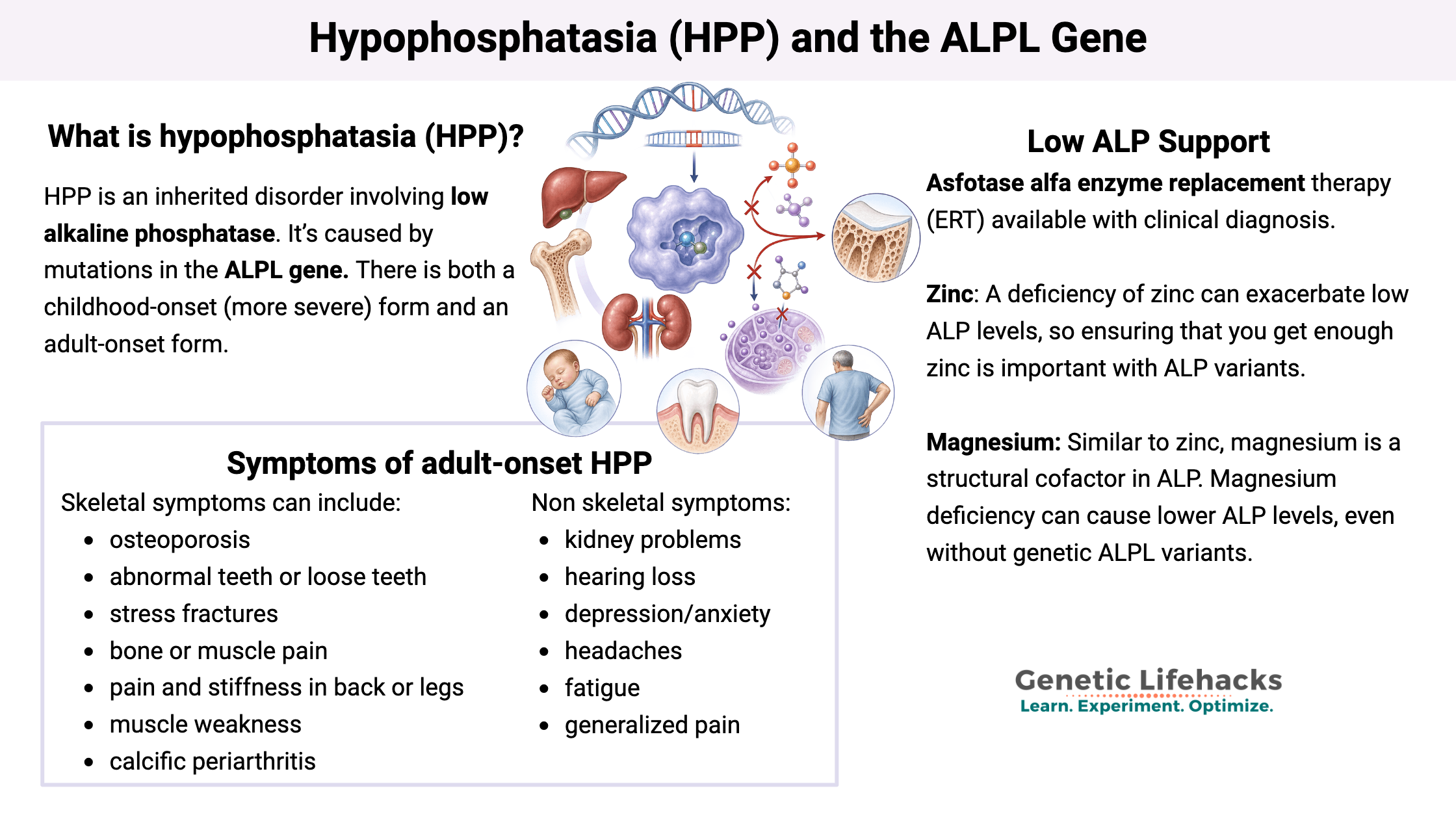
Hypophosphatasia (HPP) is a genetic disorder caused by ALPL mutations that lower alkaline phosphatase (ALP), leading to bone, dental, and vitamin B6-related issues. Learn how low ALP is diagnosed and supported in adults.
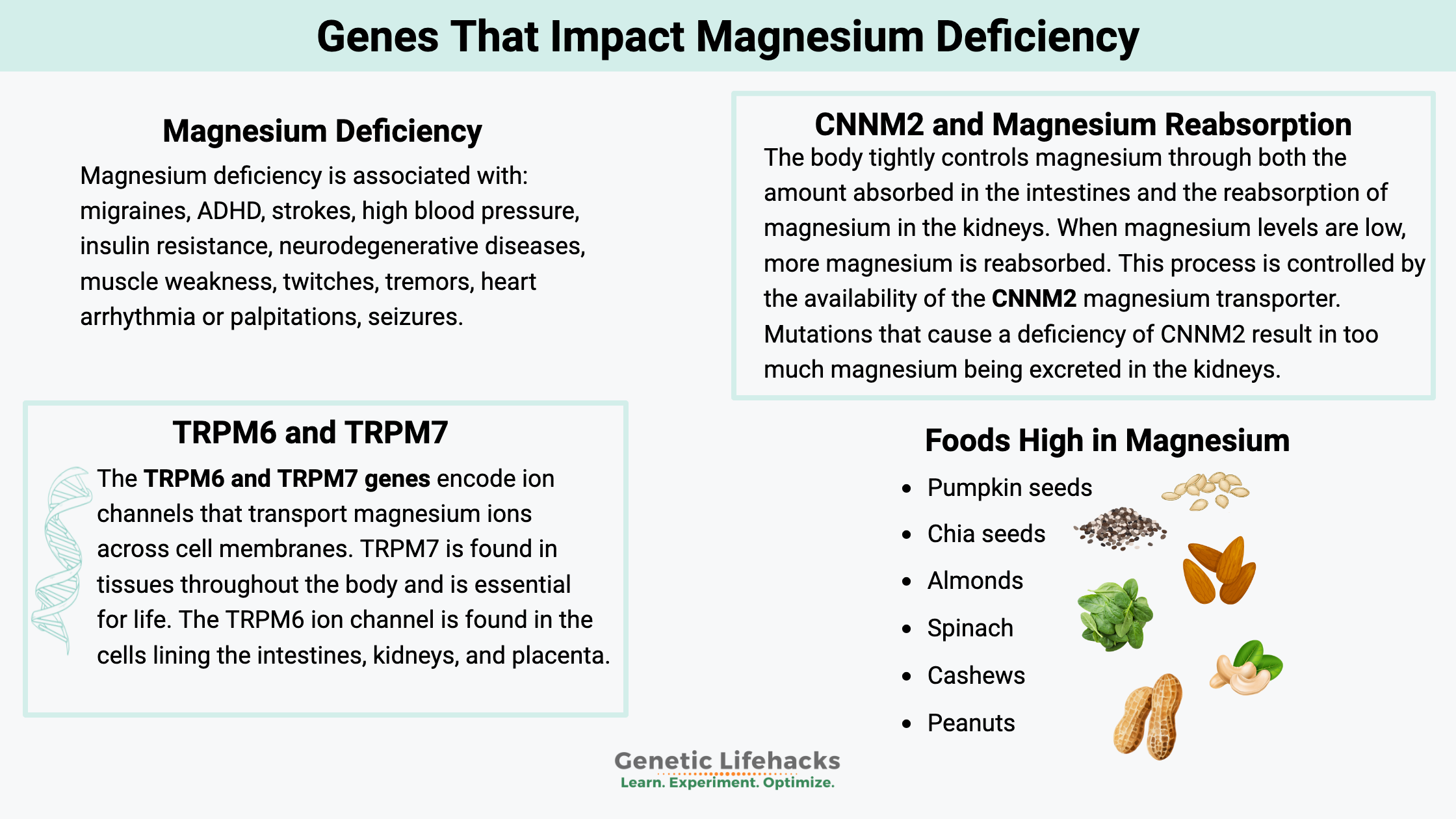
Genes like TRPM6, TRPM7, and CNNM2 affect how well your body absorbs and retains magnesium. See your genotype report for Mg deficiency and types of supplements.

This guide helps you find your best options for analyzing 23andMe, Sequencing.com, and AncestryDNA raw data. It compares major interpretation tools and genetic report services, and highlights privacy and safety tips to protect your genetic information. What to Look For in a Genetic Analysis Service: Before uploading your genetic data … Read more
Article Directory Genetic Lifehacks Every published article on geneticlifehacks.com, grouped by topic. Addiction4 Alzheimer’s Prevention16 Arrhythmia & Heart Function10 Athletics & Exercise12 Autoimmune Diseases23 Blood Pressure6 Brain and Mood55 Cancer Prevention12 Carbohydrate Metabolism4 Cholesterol & Lipids10 Chronic Inflammation12 Clotting & Blood13 Cognitive Function15 COVID, Long Covid, and Spike protein39 Detoxification & … Read more
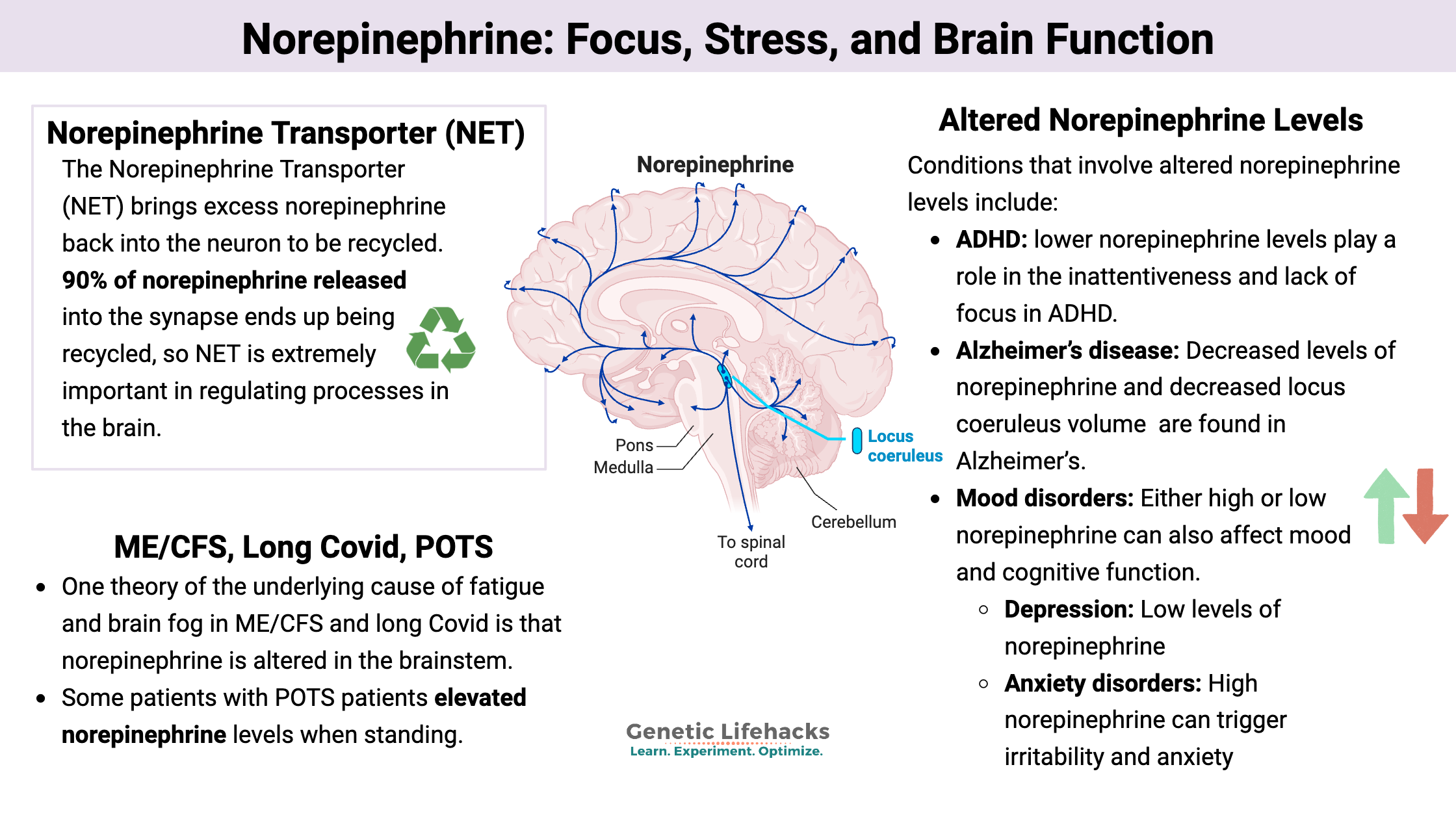
Discover how norepinephrine and your genes affect ADHD, ME/CFS, long COVID, POTS, and mood, plus evidence‑based ways to support healthy norepinephrine balance.
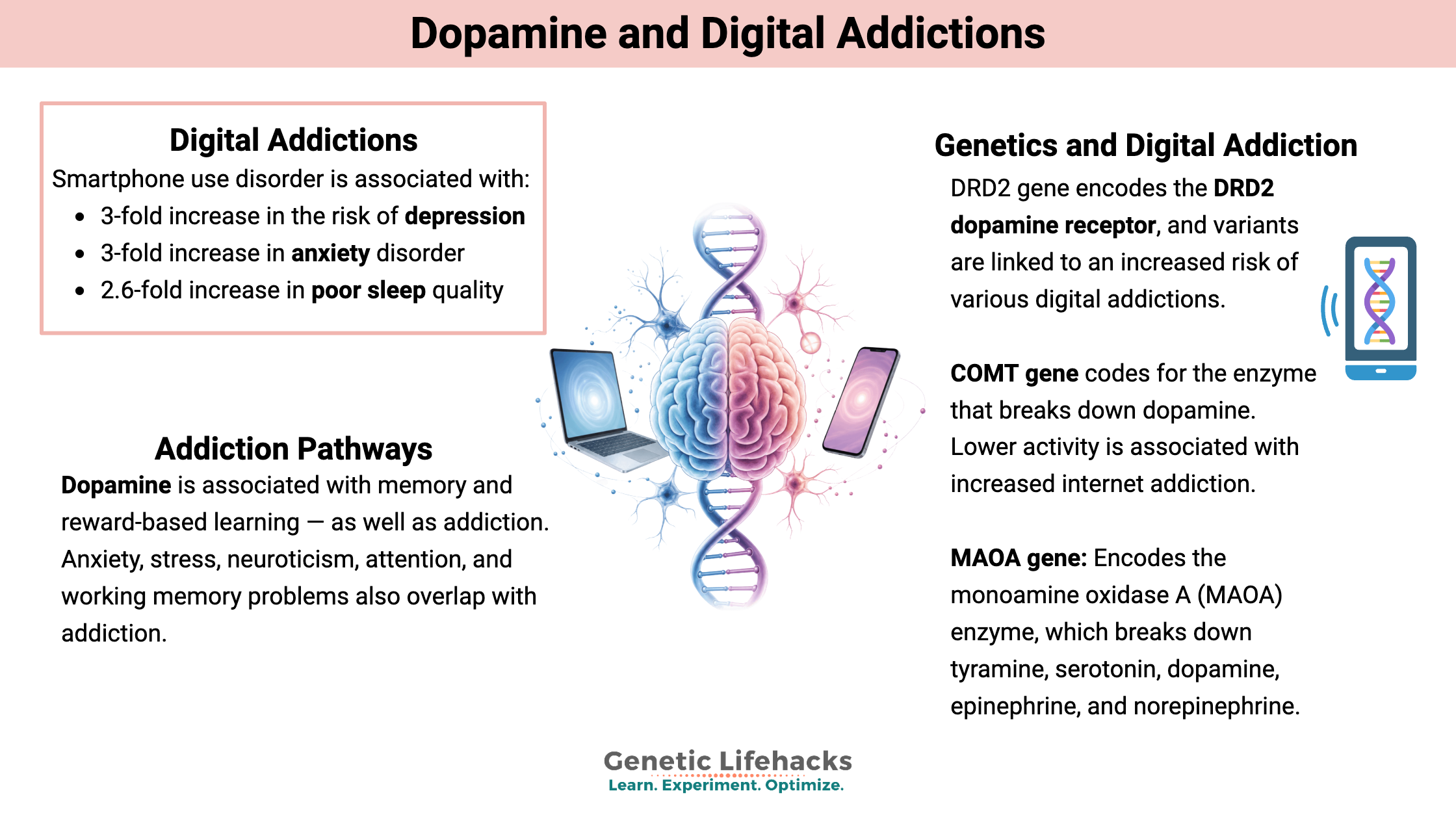
Genetics plays a role in susceptibility to addictive behavior, including internet and smartphone addiction. This article examines the latest fad of dopamine fasting along with genetic variants tied to internet use problems, smartphone usage disorder, and gaming disorders.
Key takeaways: The methylation cycle runs billions of times per day in nearly every cell, providing methyl groups (one carbon atom bonded to three hydrogens) to DNA, proteins, and small molecules. These methyl groups influence everything from how your genes are expressed to how your brain produces neurotransmitters, and from … Read more
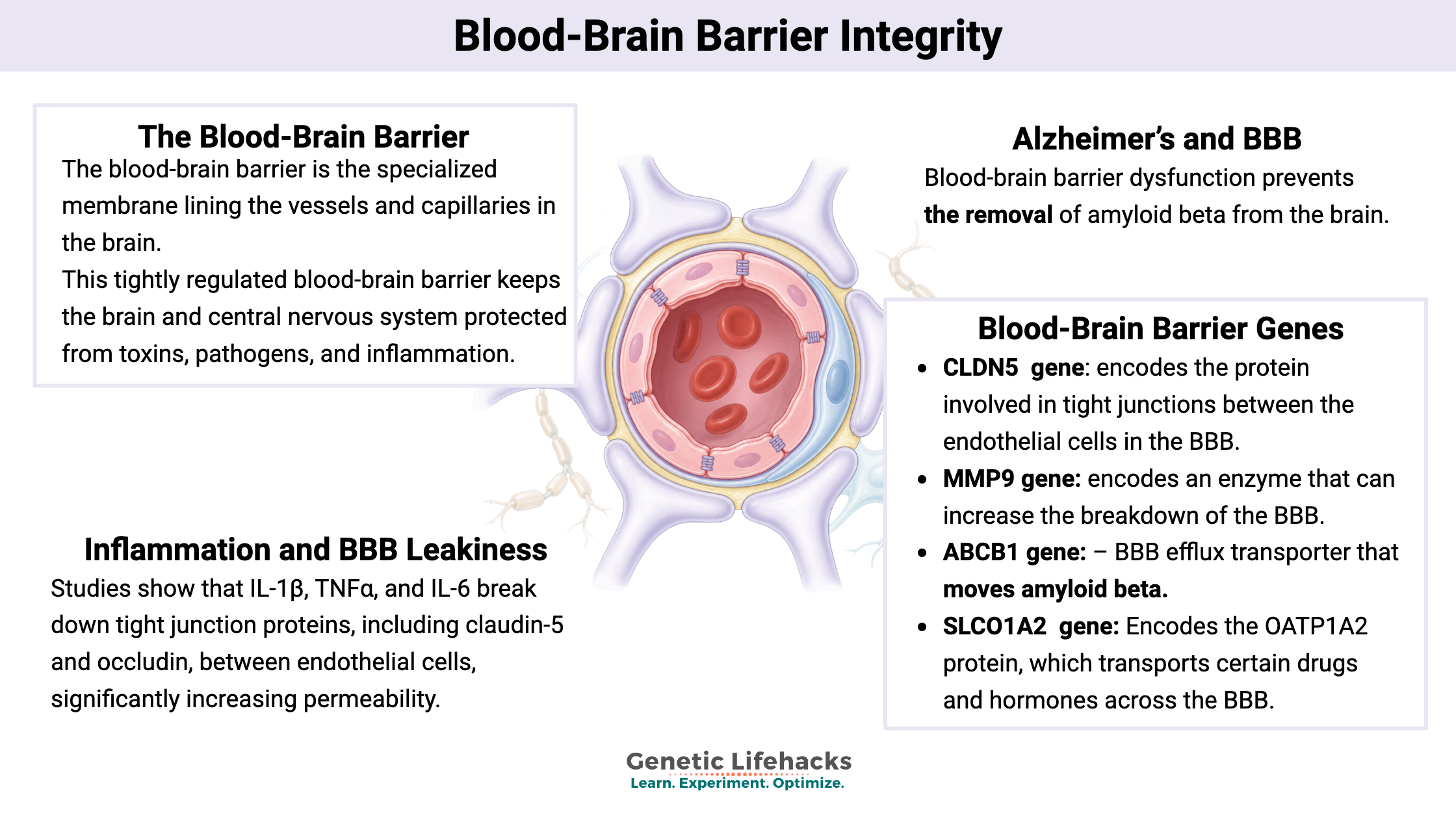
Genetic variants can increase susceptibility to blood-brain barrier (BBB) dysfunction. This can increase the risk of Alzheimer’s, ADHD, and mood disorders.
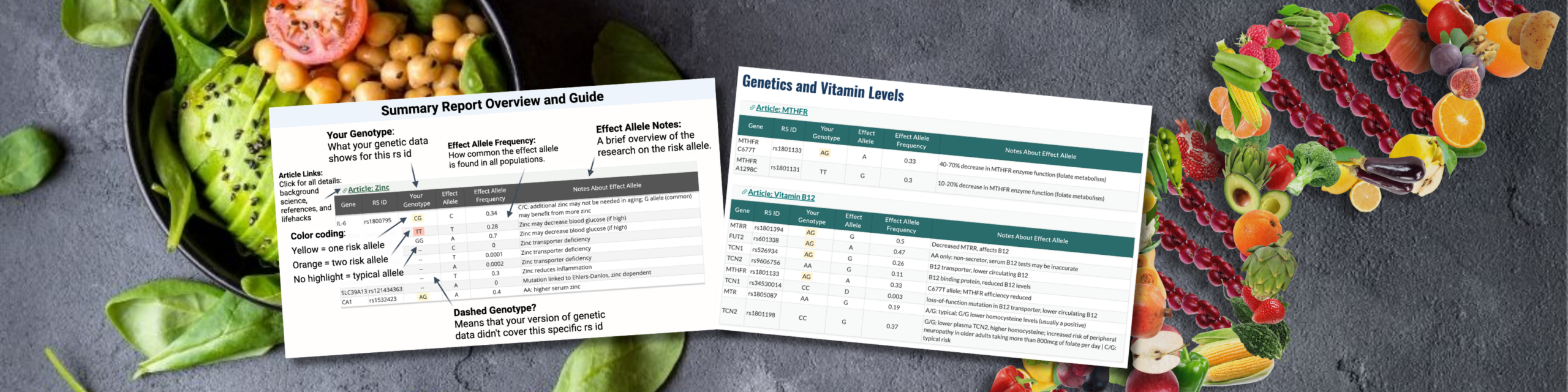
If you’ve taken a DNA test through 23andMe, AncestryDNA, or MyHeritage, you already have access to something incredibly valuable: your raw genetic data. This is a data file that you can download — it is your data to use and keep. And when you combine it with current genetics research, … Read more
Articles on longevity science (Longevity Lifehacks Substack) with connections to personalized health and genetics.
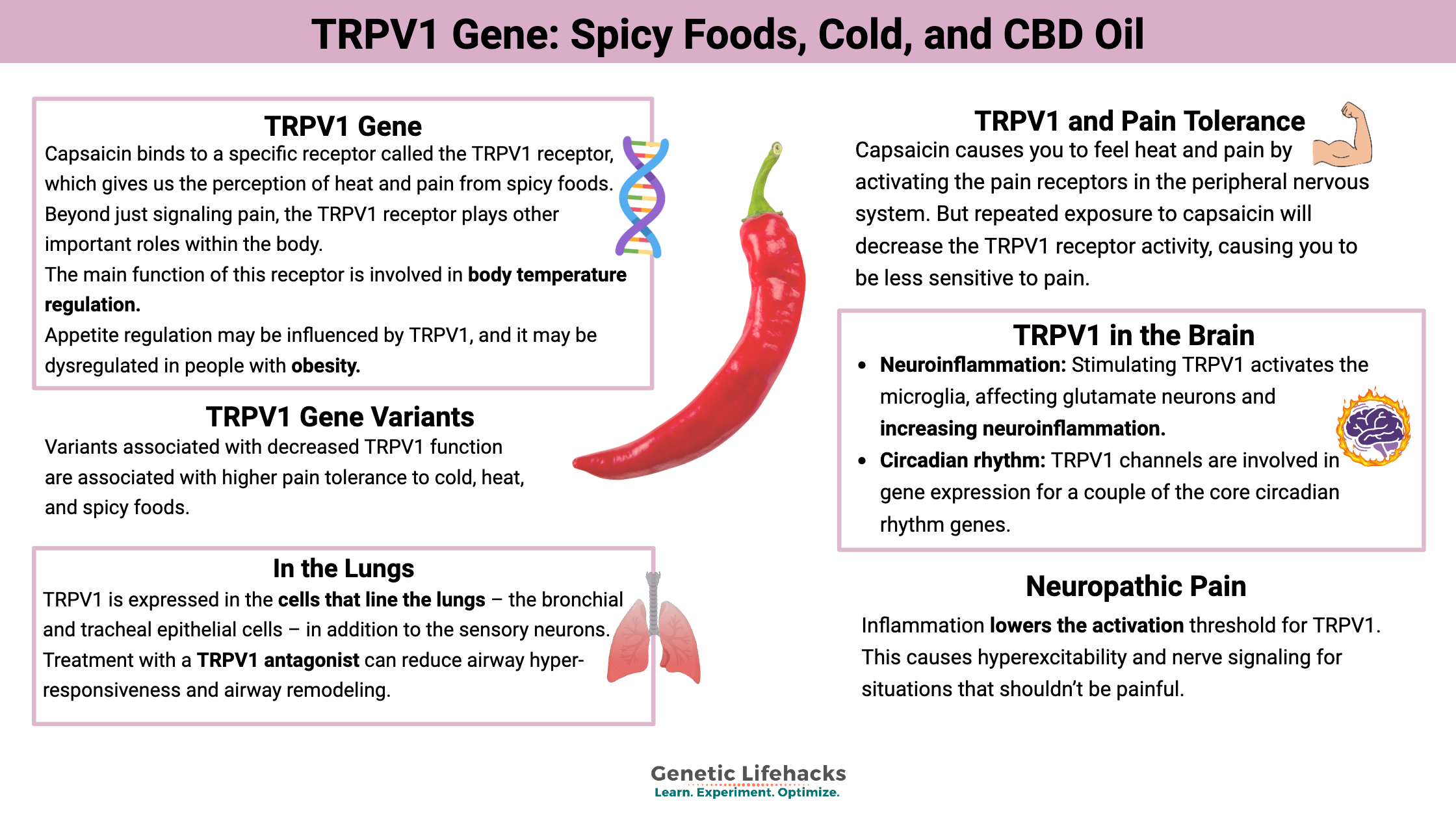
Learn how the TRPV1 gene shapes your reaction to spicy foods, pain, temperature, neuroinflammation and CBD oil, plus see how your genetic variants may affect tolerance and health.
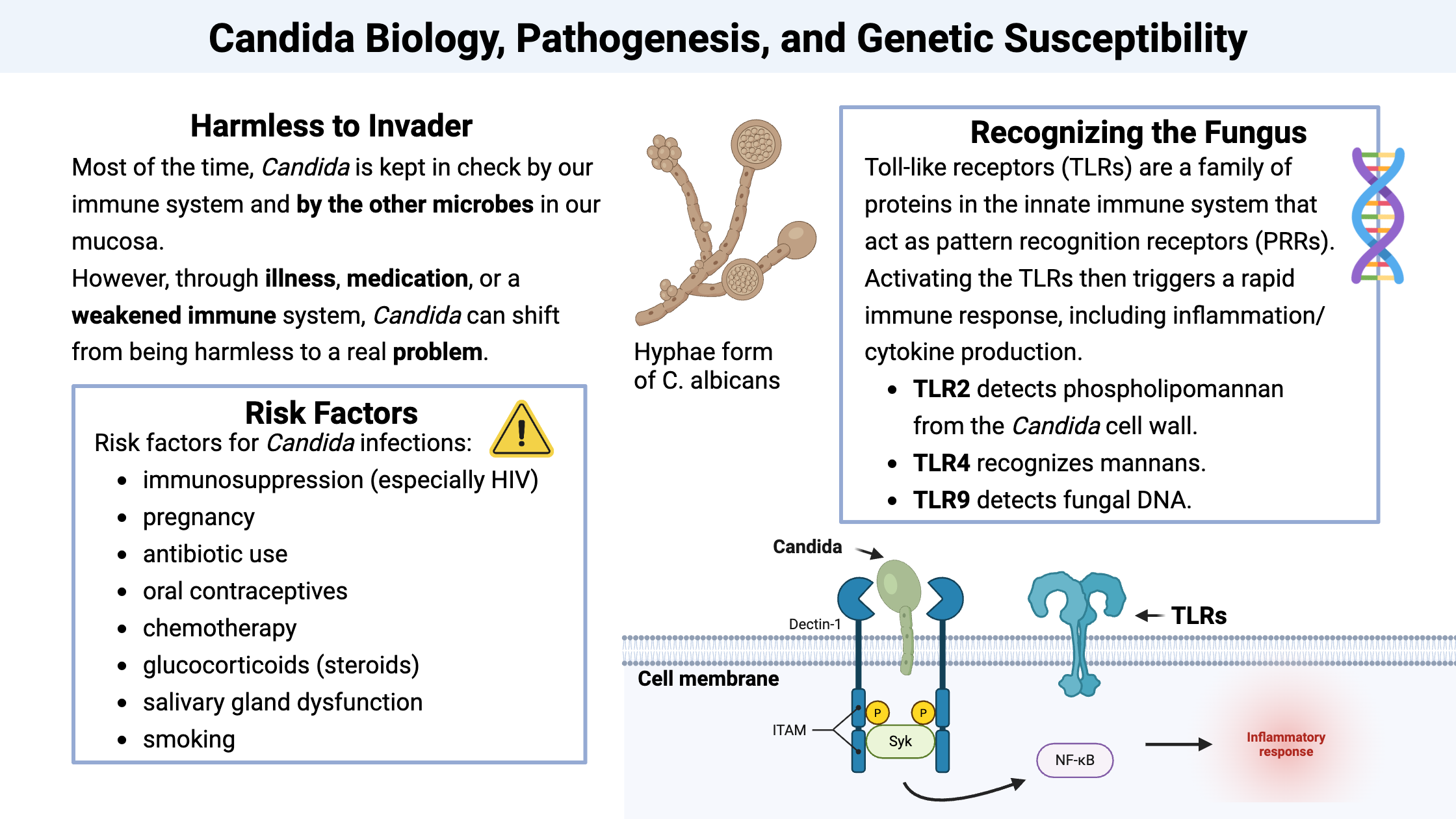
Learn why genetic variants in IL‑17, TLRs, dectin‑1, MBL, FUT2, and STAT1 can make some people much more susceptible to chronic or severe Candida infections.
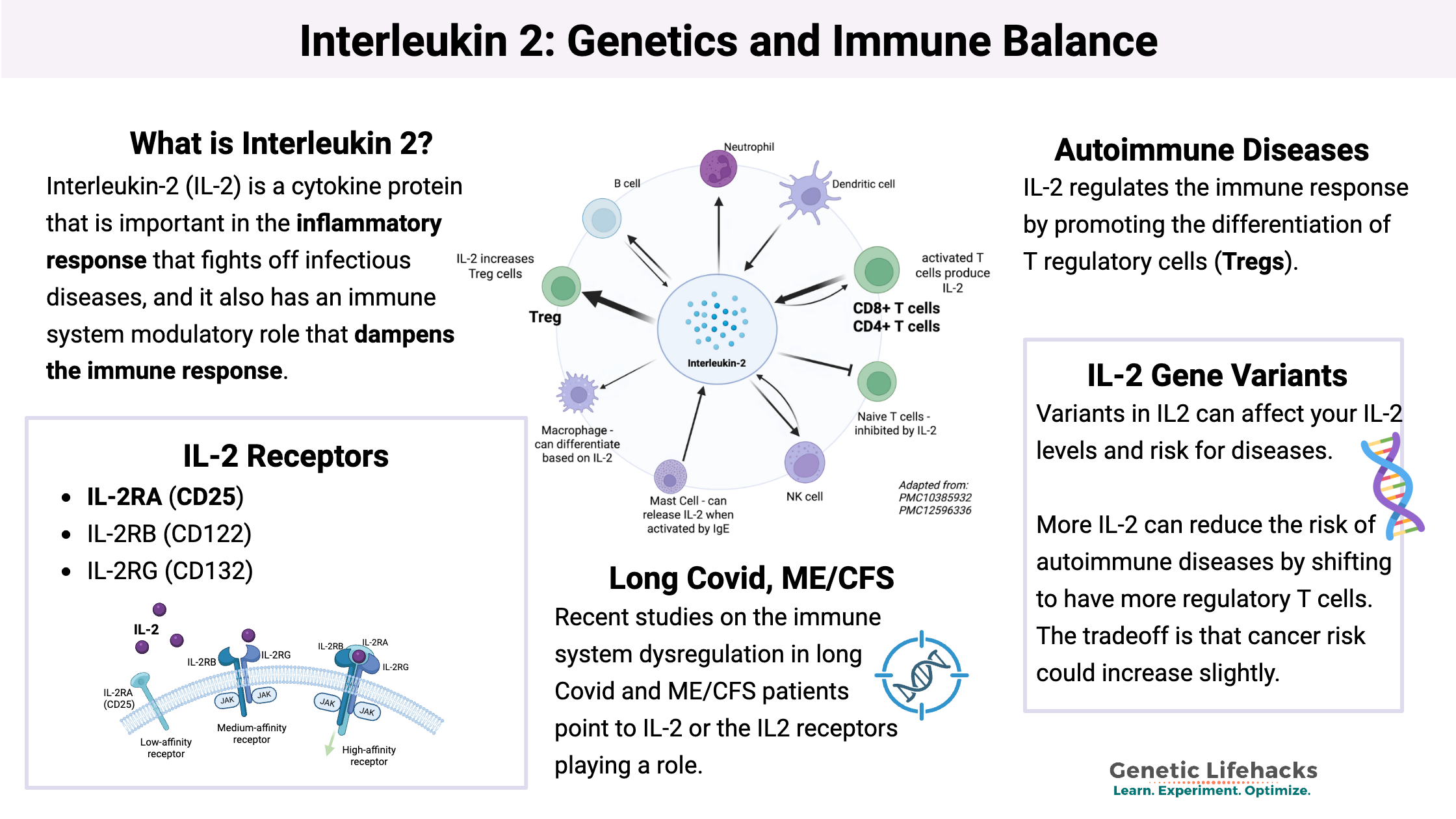
IL-2 dysregulation affects long COVID, autoimmune diseases, and cancer therapy response. Learn about your IL-2 genetic variants and natural ways to support IL-2.
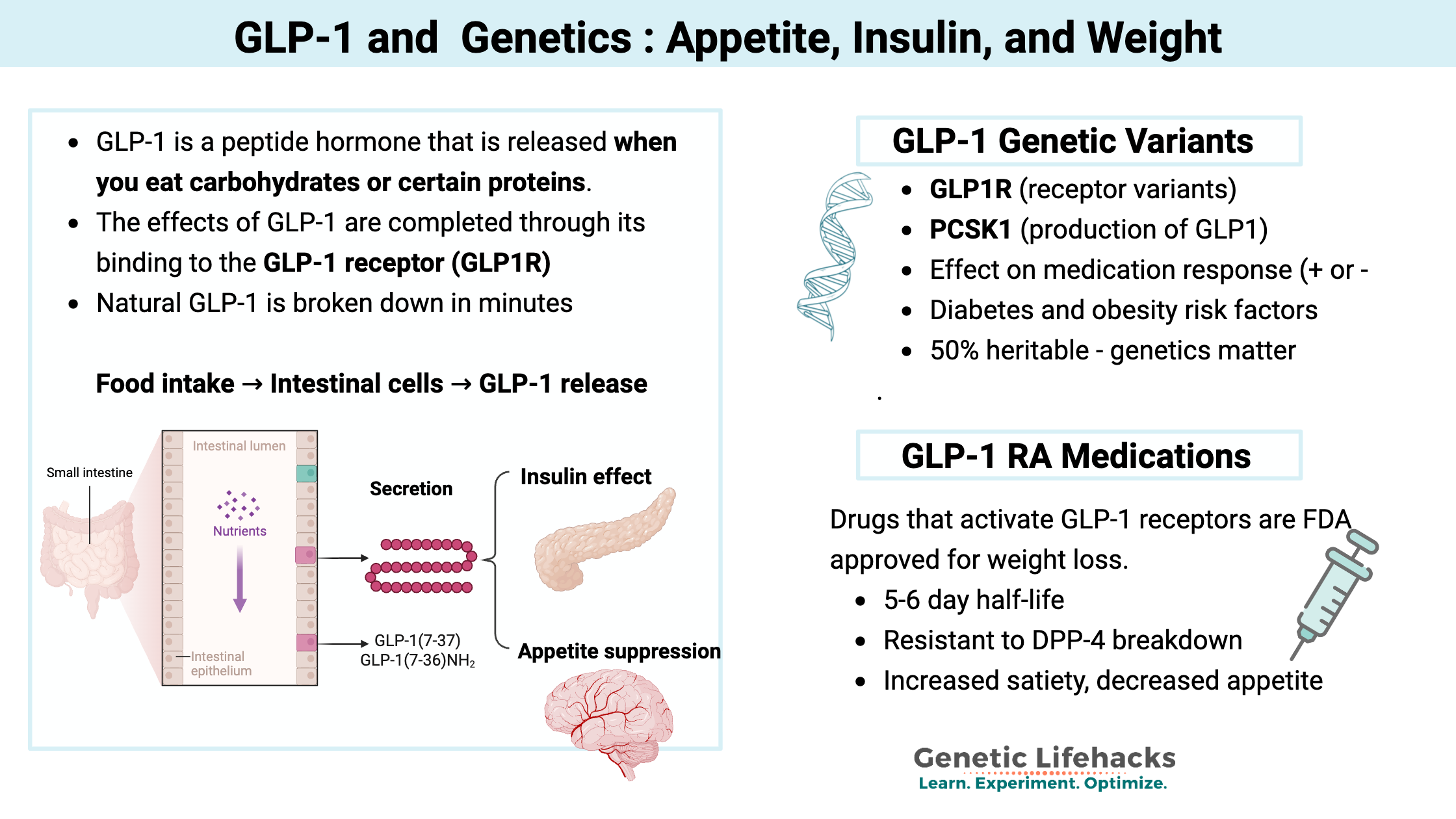
Genes affect how well semaglutide (Ozempic) and tirzepatide work. Check your GLP-1 receptor gene variants linked to weight loss response. Genotype report included.
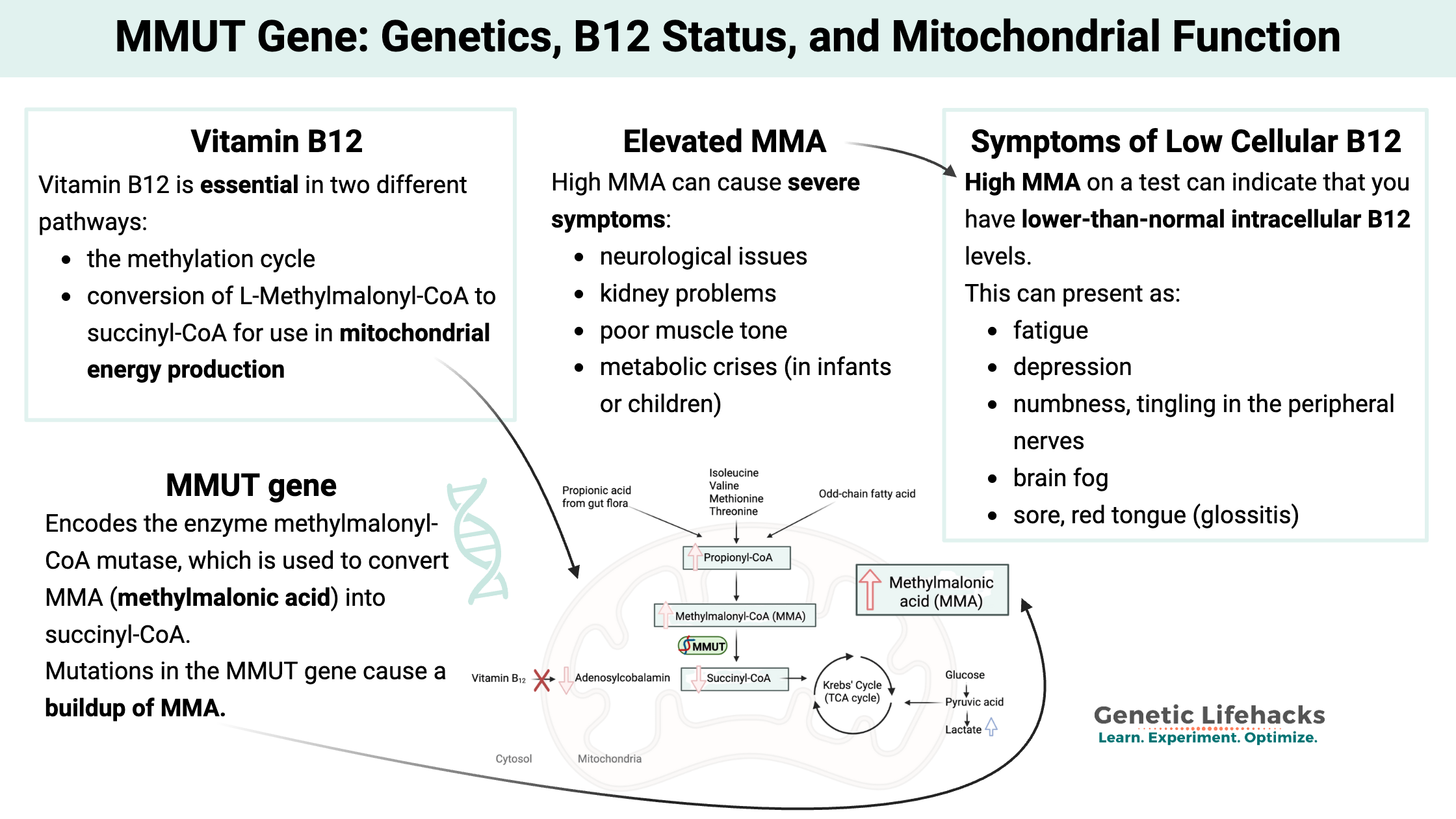
MMUT gene variants affect how your body uses B12 for mitochondrial energy. Learn how MMA testing reveals intracellular B12 deficiency and which form of B12 can help.
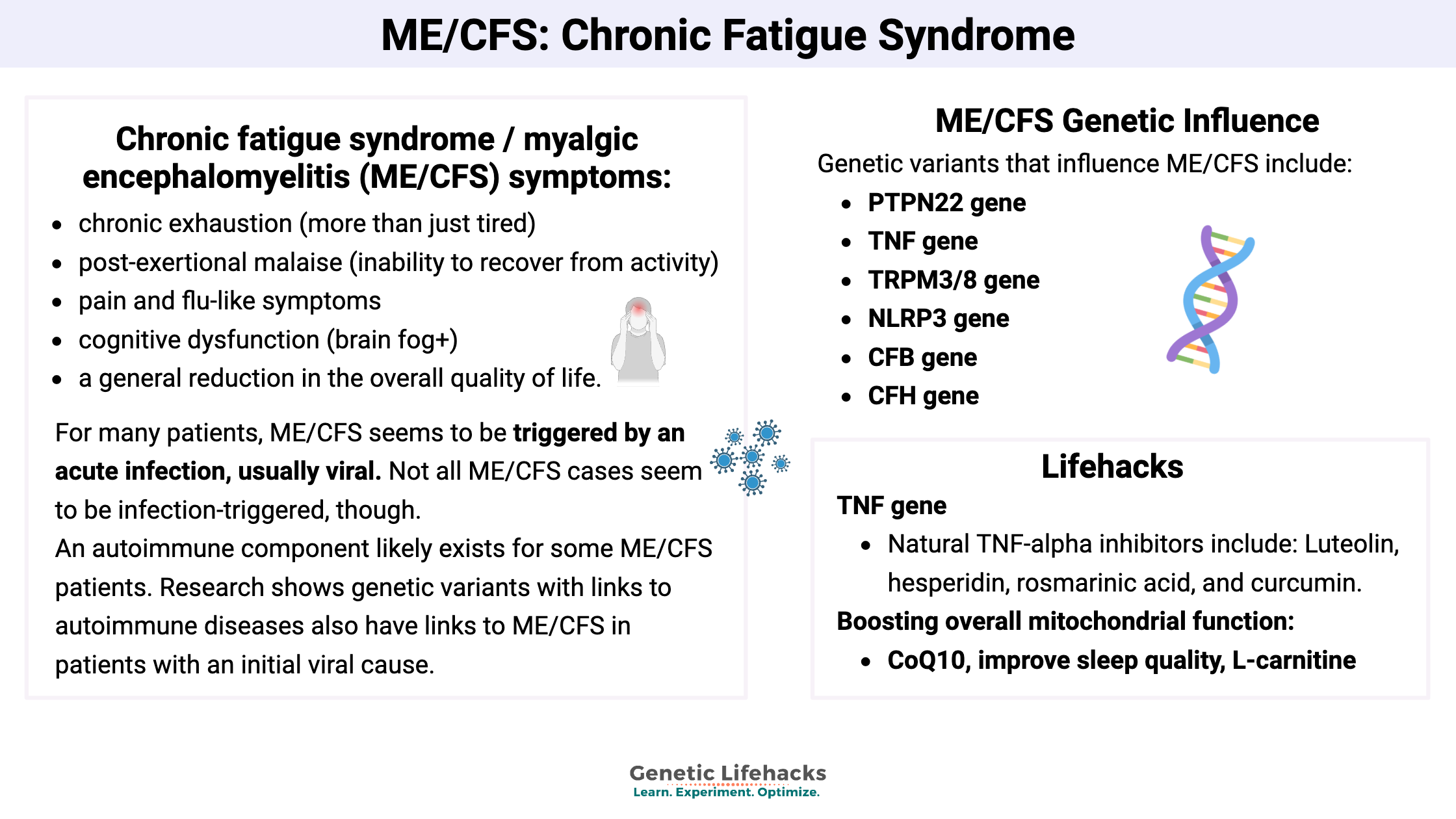
Genetic variants in immune, mitochondrial, and inflammatory pathways (NK cells, NLRP3, interferon, complement, TRP channels) increase ME/CFS susceptibility. Check your genes and explore research-backed solutions.
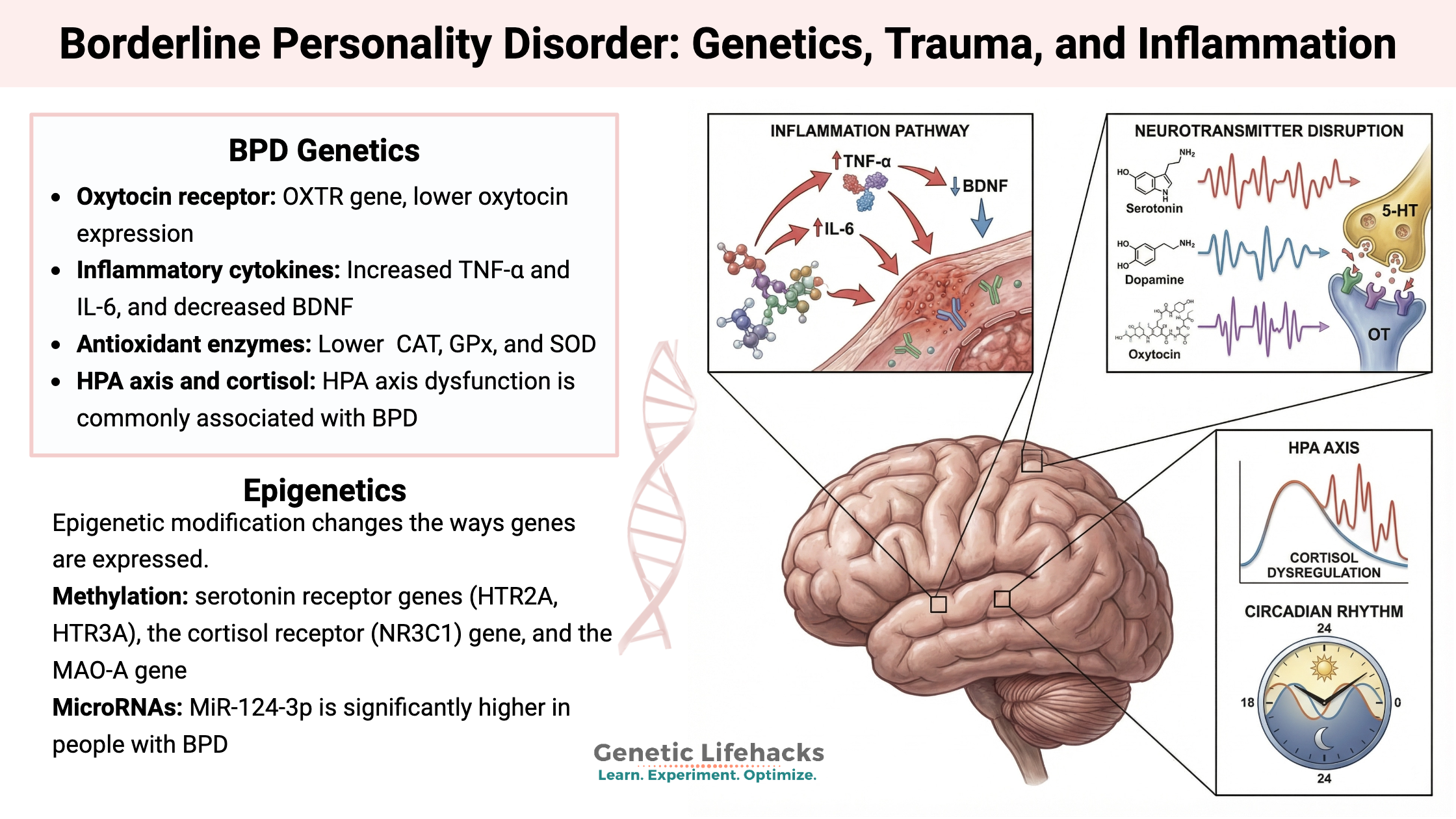
Genetics, epigenetics, and childhood trauma all contribute to BPD. Understand the neurotransmitter disruptions, inflammatory markers, and circadian rhythm issues—with solutions that work.