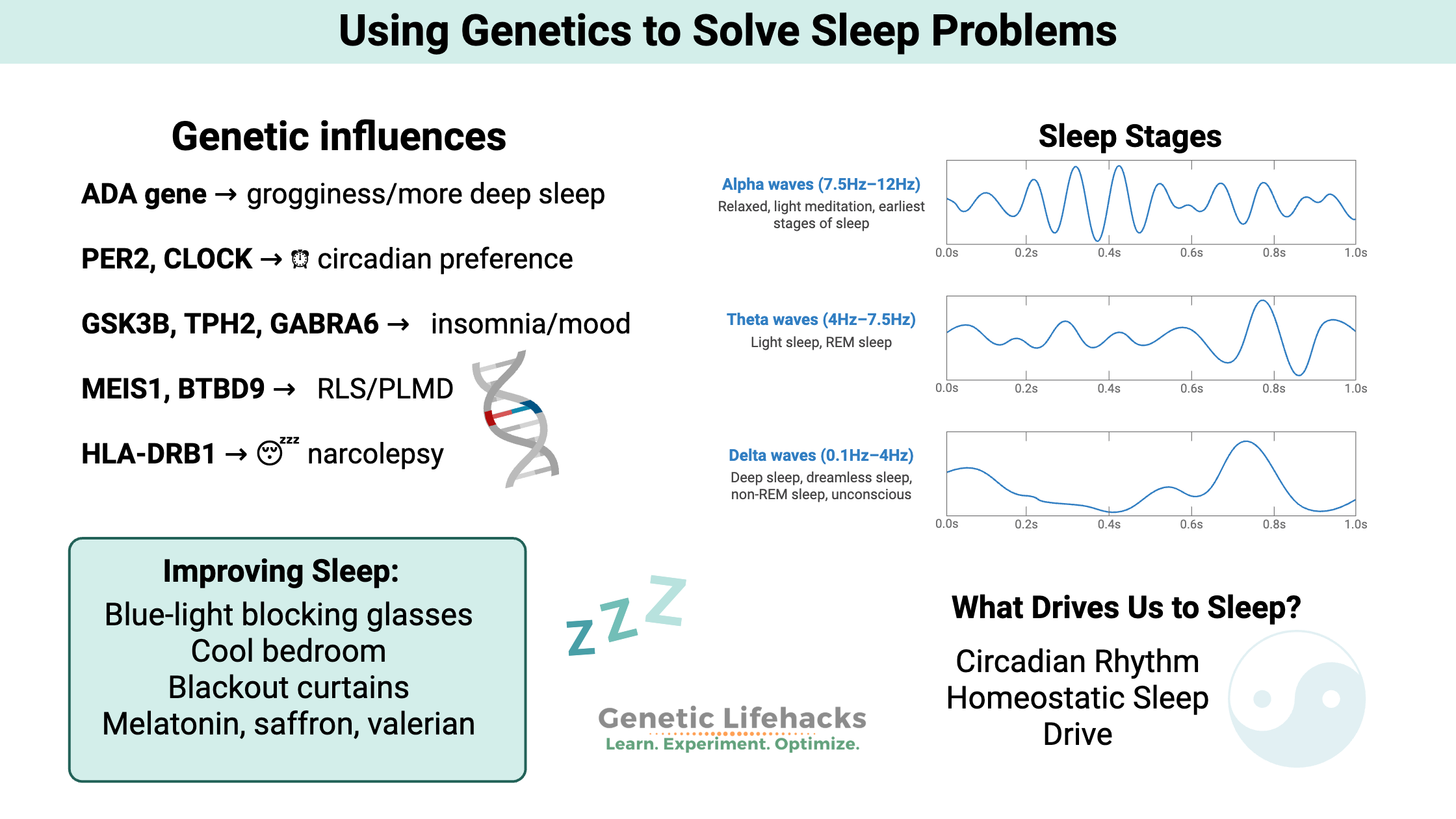
Problems sleeping? Your genes can point to individualized solutions
Overview how your genes impact sleep, including insomnia, restless leg, narcolepsy, and circadian rhythm genes.

Overview how your genes impact sleep, including insomnia, restless leg, narcolepsy, and circadian rhythm genes.
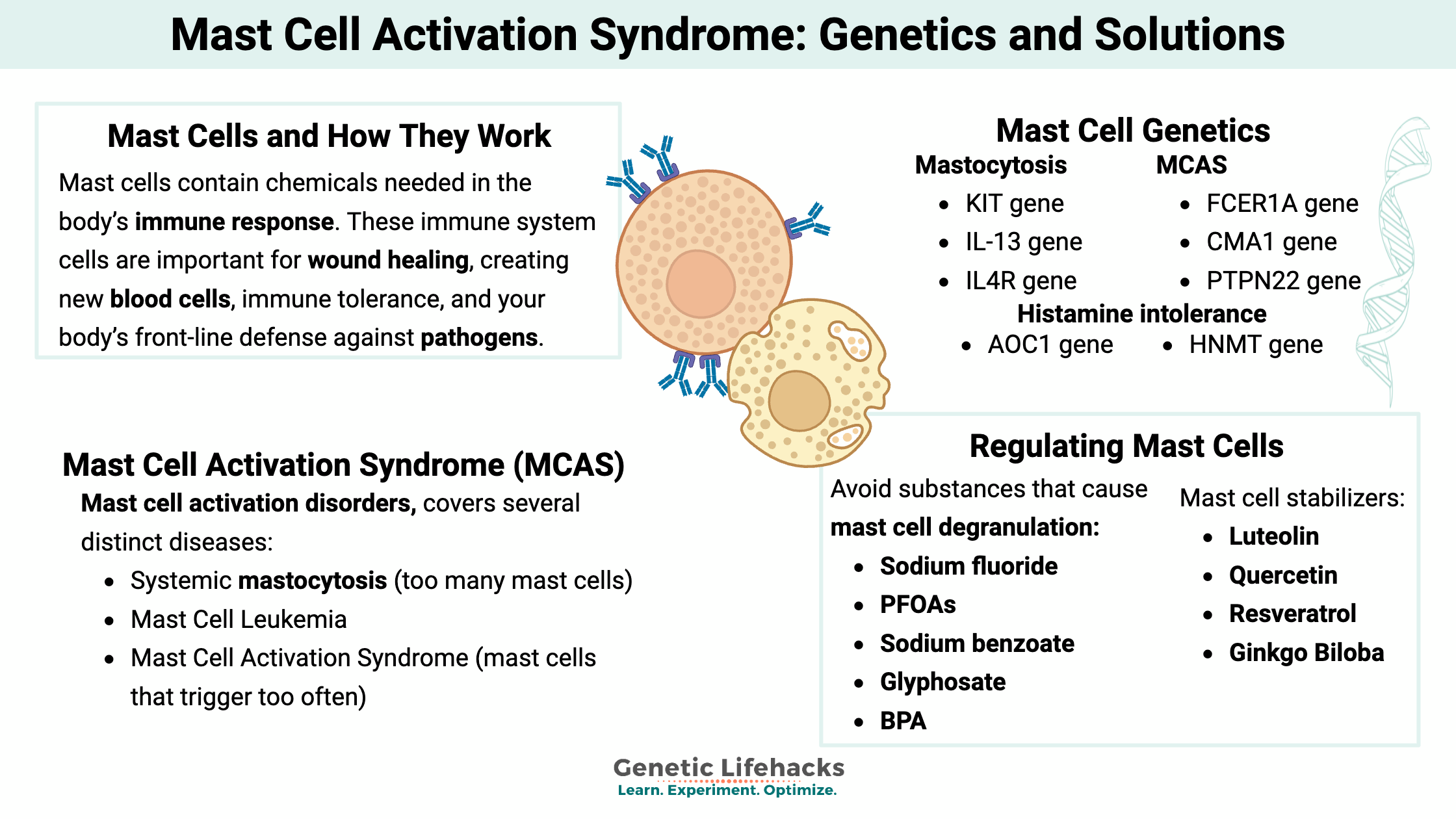
Mast cells are essential to your innate immune system, defending against pathogens and allergens. For some people, mast cells can be triggered too easily, giving allergy-like responses to lots of different substances.
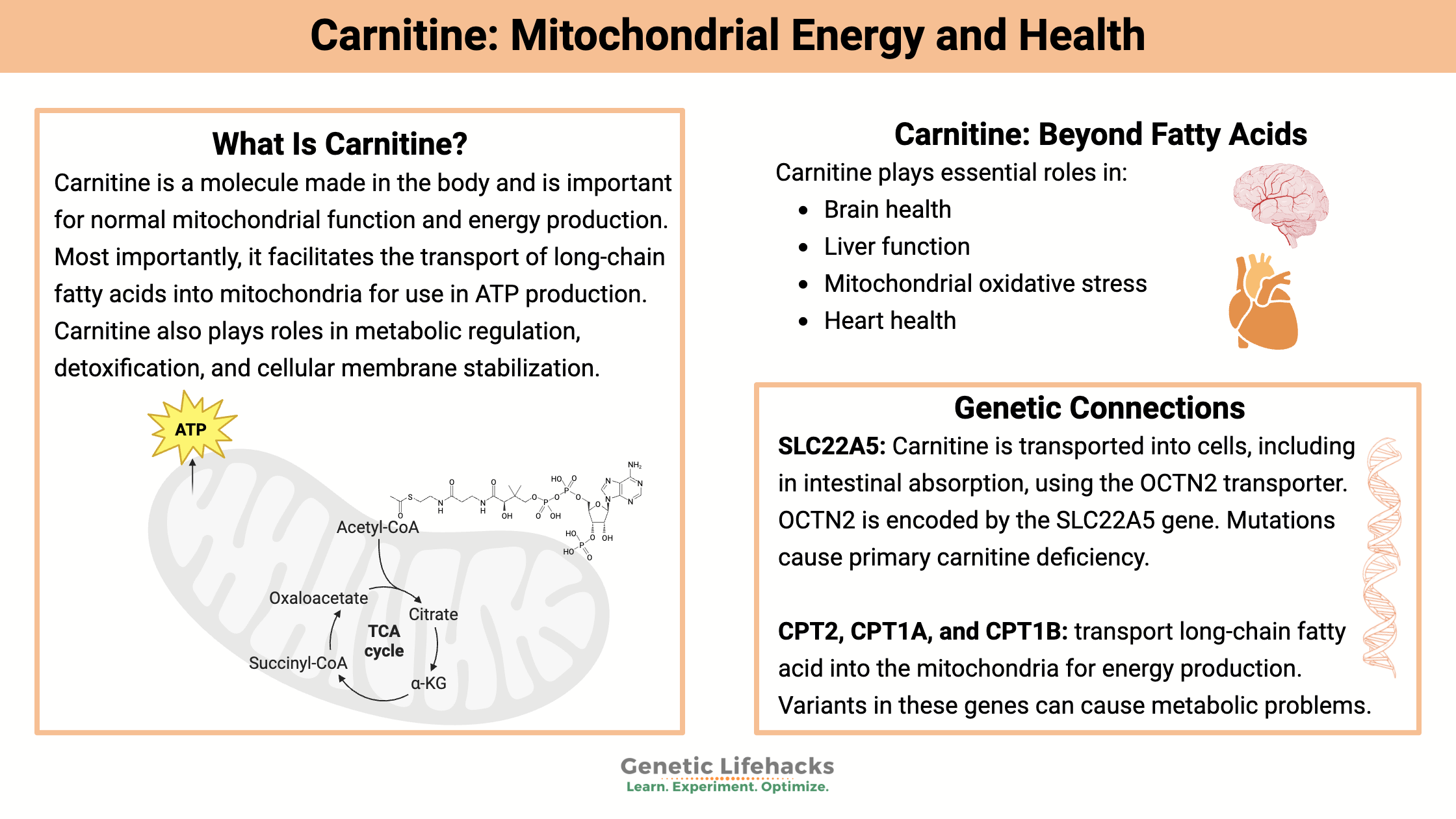
Learn how carnitine powers cellular energy, supports organ health, and influences metabolism. Discover its benefits for brain, liver and immune function, plus how genetics affect your carnitine needs.
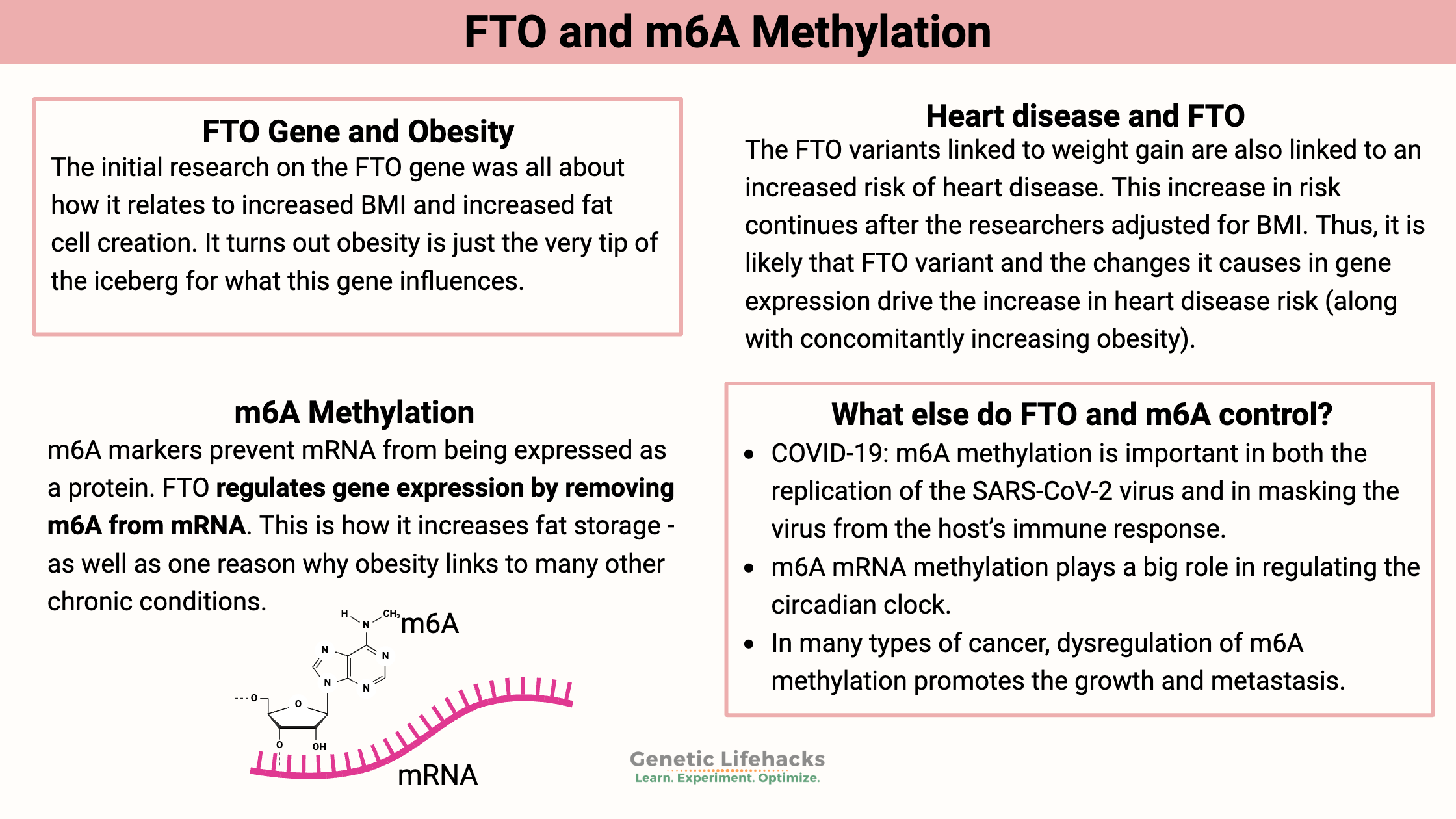
Recently, researchers discovered that FTO is an m6A eraser that removes methyl groups from mRNA. This discovery has opened up huge avenues of research on topics from cancer to immune response to heart disease.
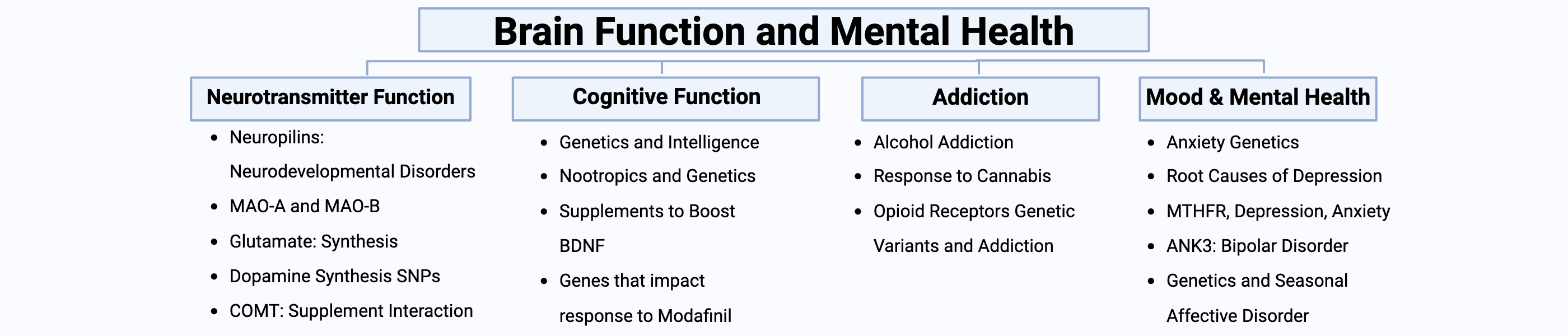
Smarter, happier, and more focused — this section pulls together the articles on how your genetic variants impact brain function and mental health. Instead of generic advice, you’ll find research‑based explanations of how specific SNPs influence neurotransmitters, mood, cognition, and addiction risk — plus practical, low‑hype options you can try. … Read more
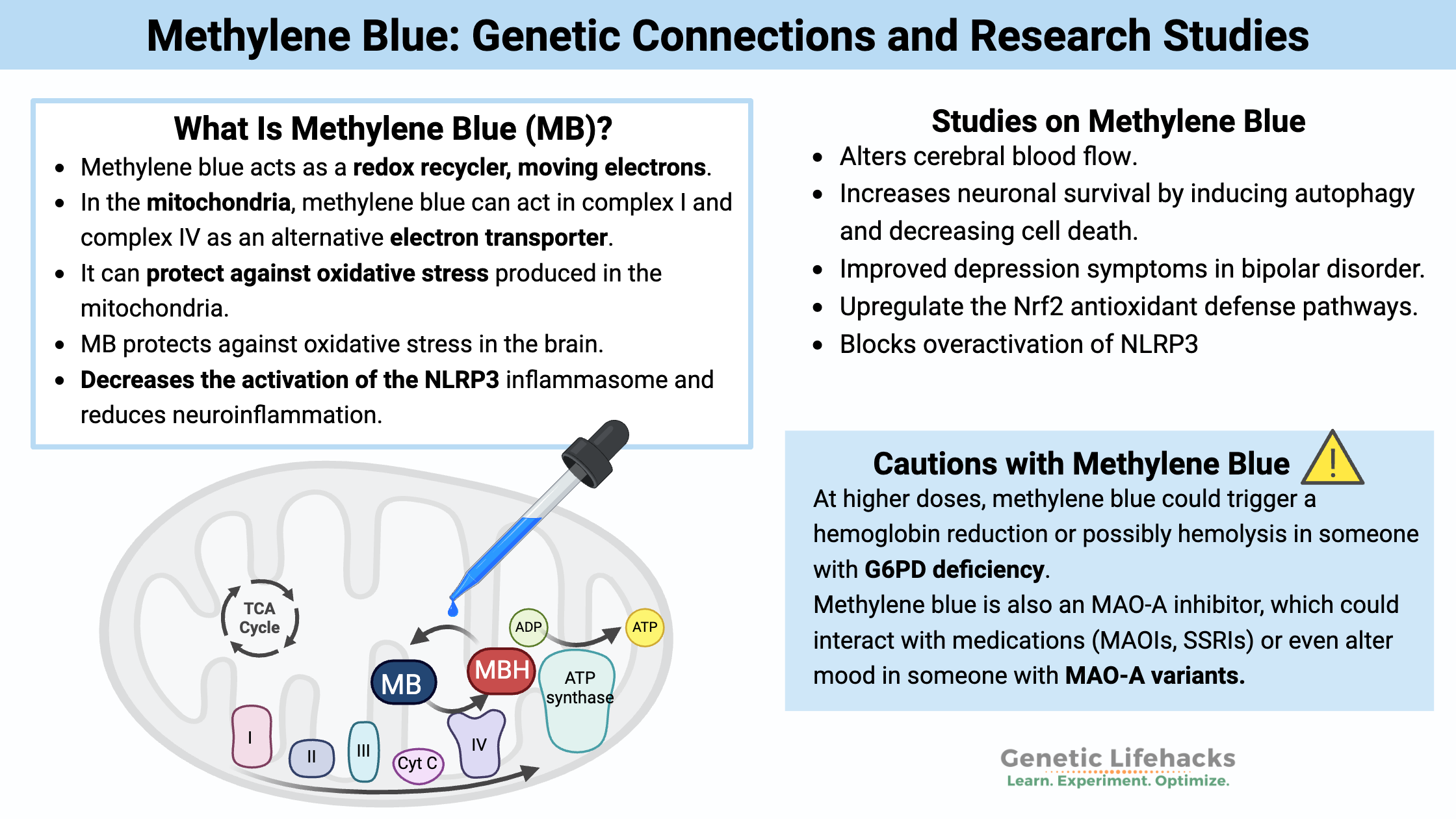
Methylene blue has neuroprotective and anti-inflammatory properties, but it isn’t for everyone. Learn about the genetic variants that throw a caution flag on this one.
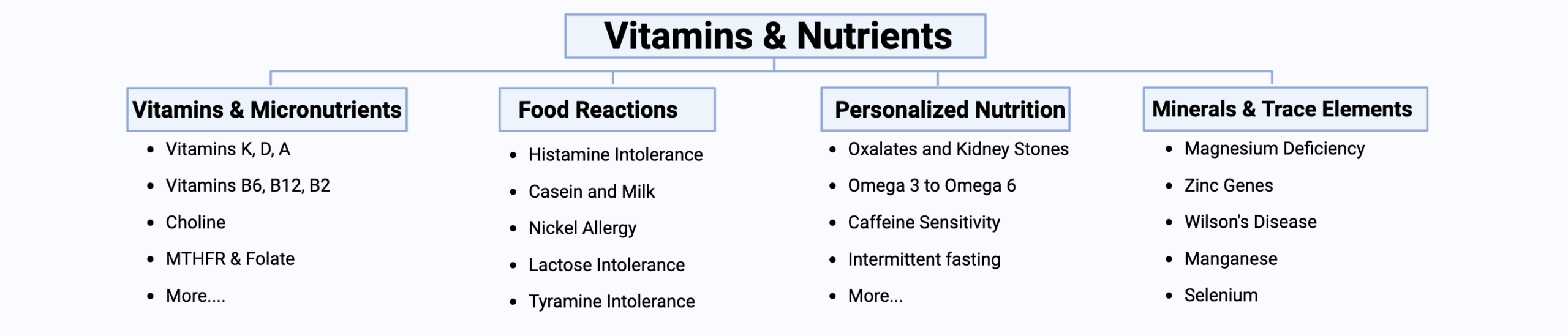
Your genes influence how well your cells absorb, transport, and utilize nutrients. We are all genetically different, and your genes give you unique dietary needs and strengths. Genetic data can give you a starting point to know where you may need more – or less – of a specific nutrient. … Read more
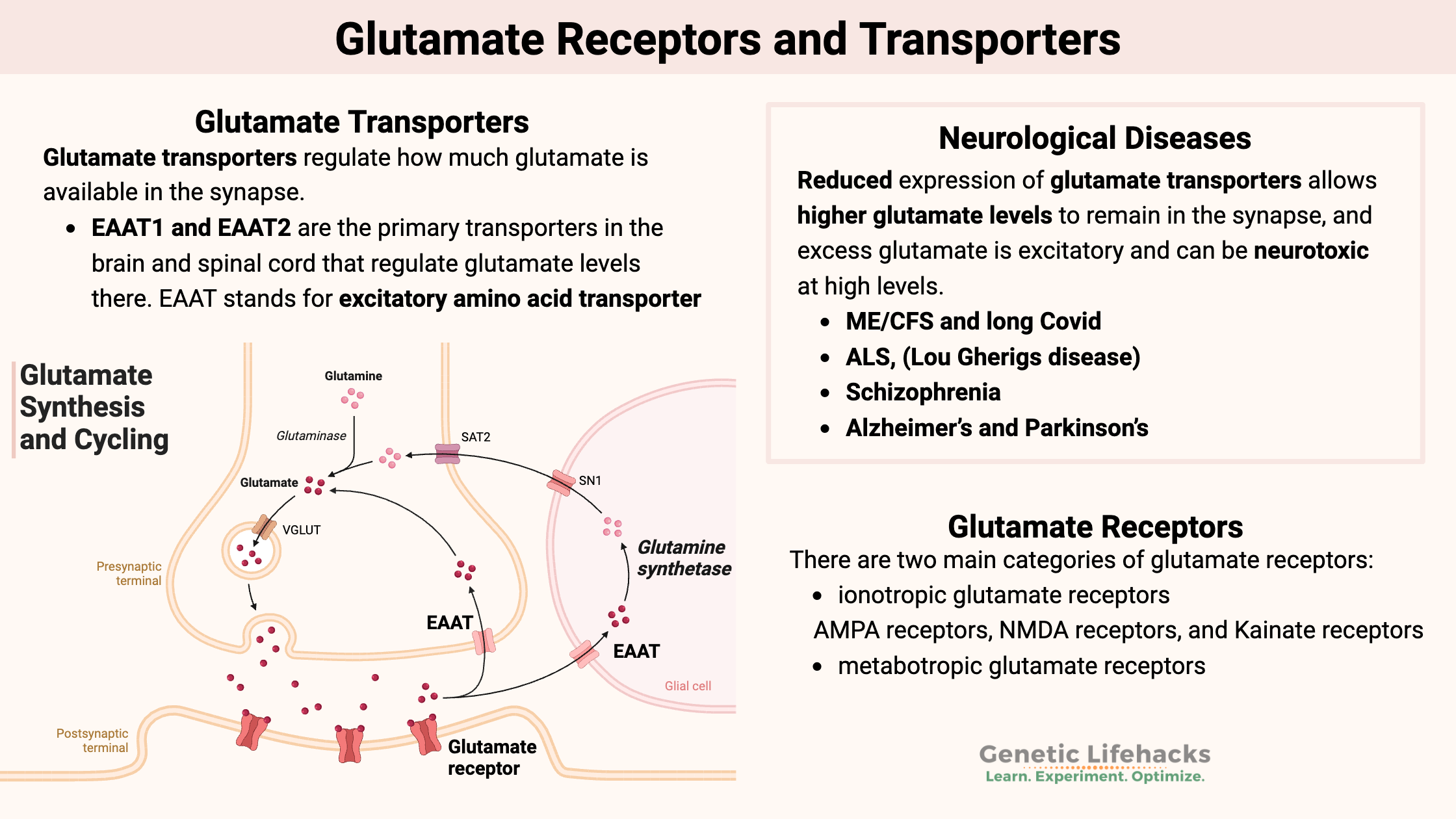
Glutamate transporters and receptors carefully balance glutamate levels in the brain. Variants in the glutamate genes can affect how your brain balances glutamate.
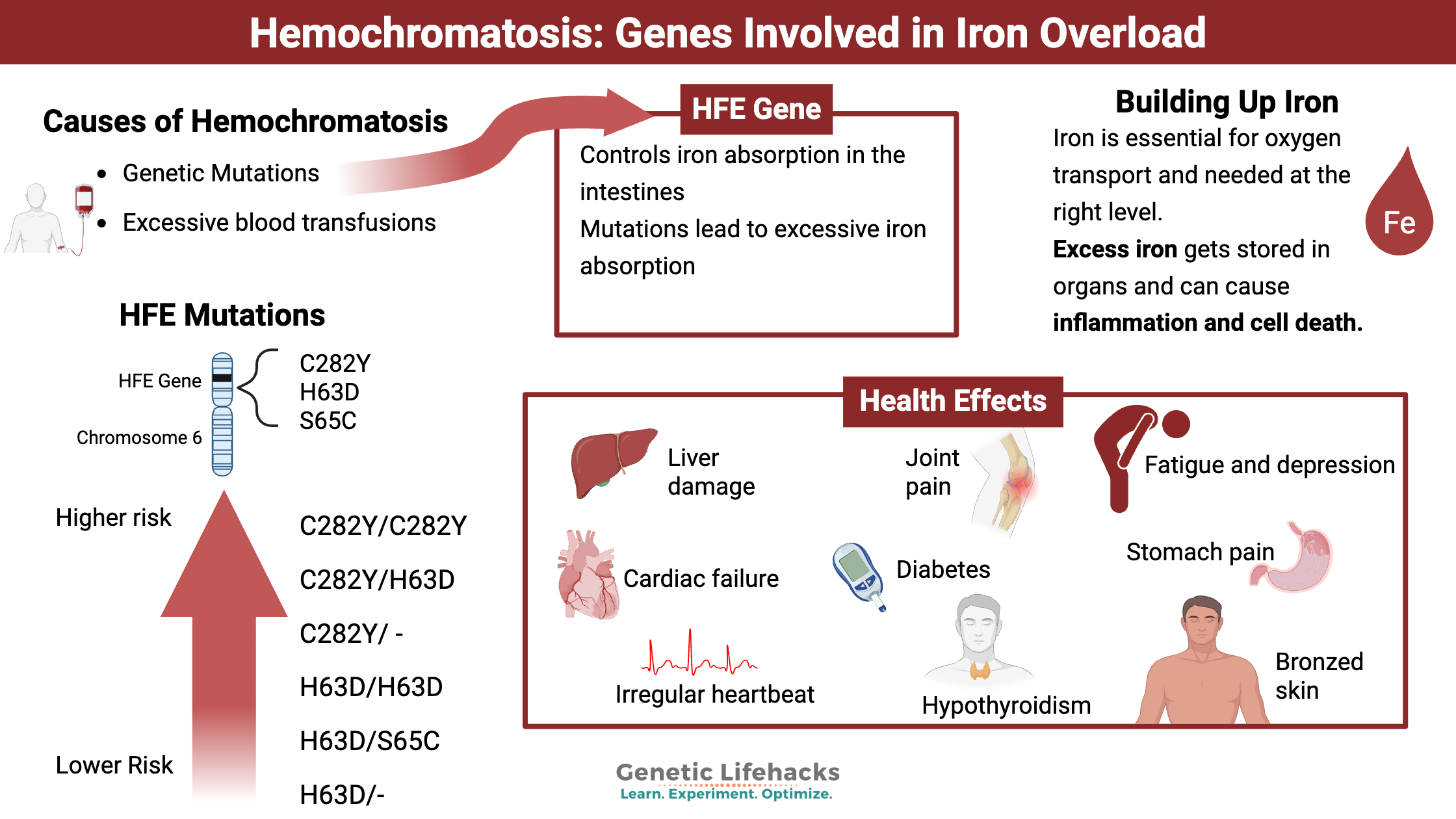
A couple of common mutations can cause you to build up iron, leading to iron overload or hemochromatosis. It is one genetic disease where knowledge is really powerful – you can completely prevent hemochromatosis through blood donations.
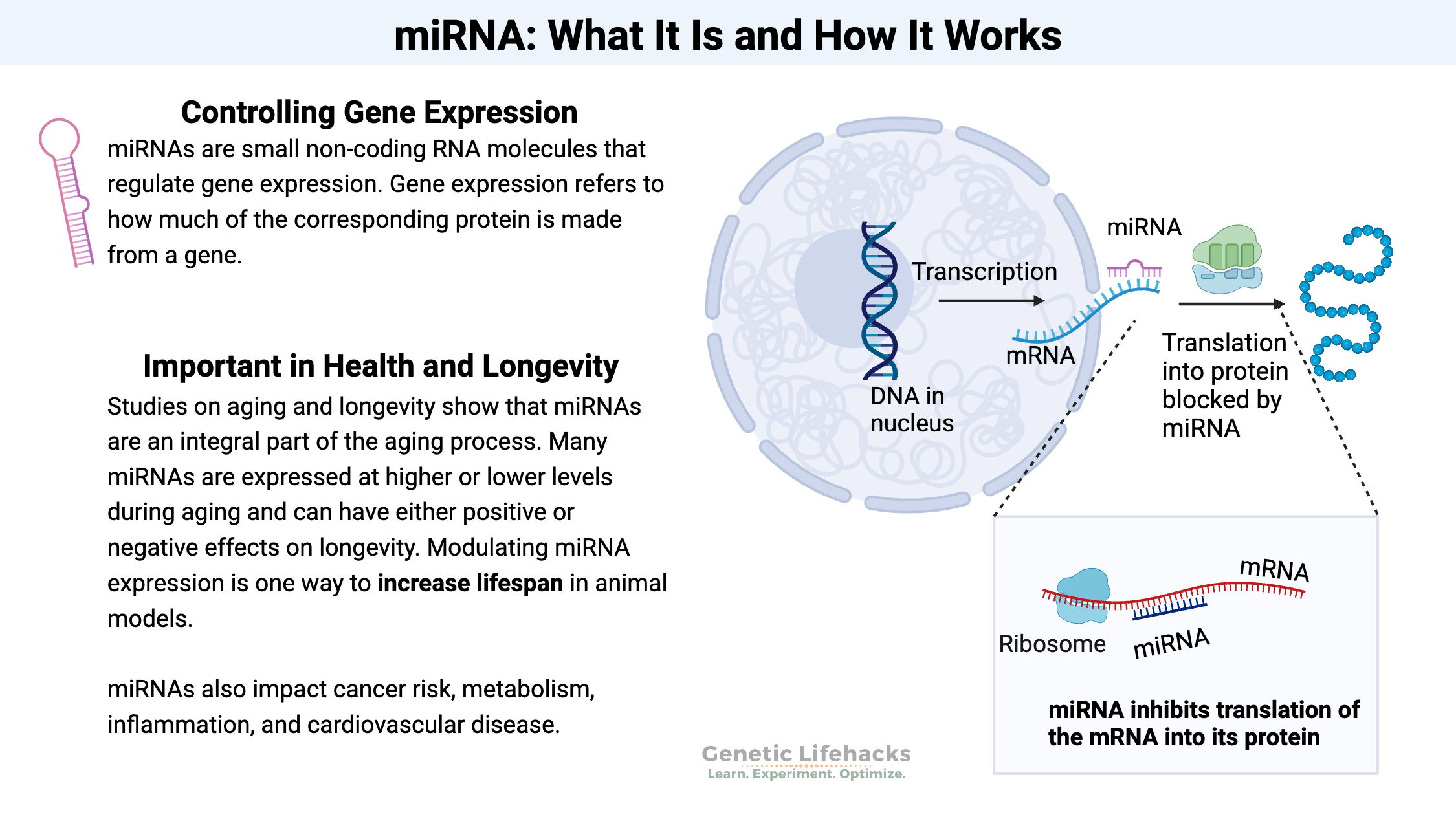
miRNAs are small non-coding RNA molecules that regulate gene expression. They are important for healthy aging, longevity, metabolic health, and immune function.
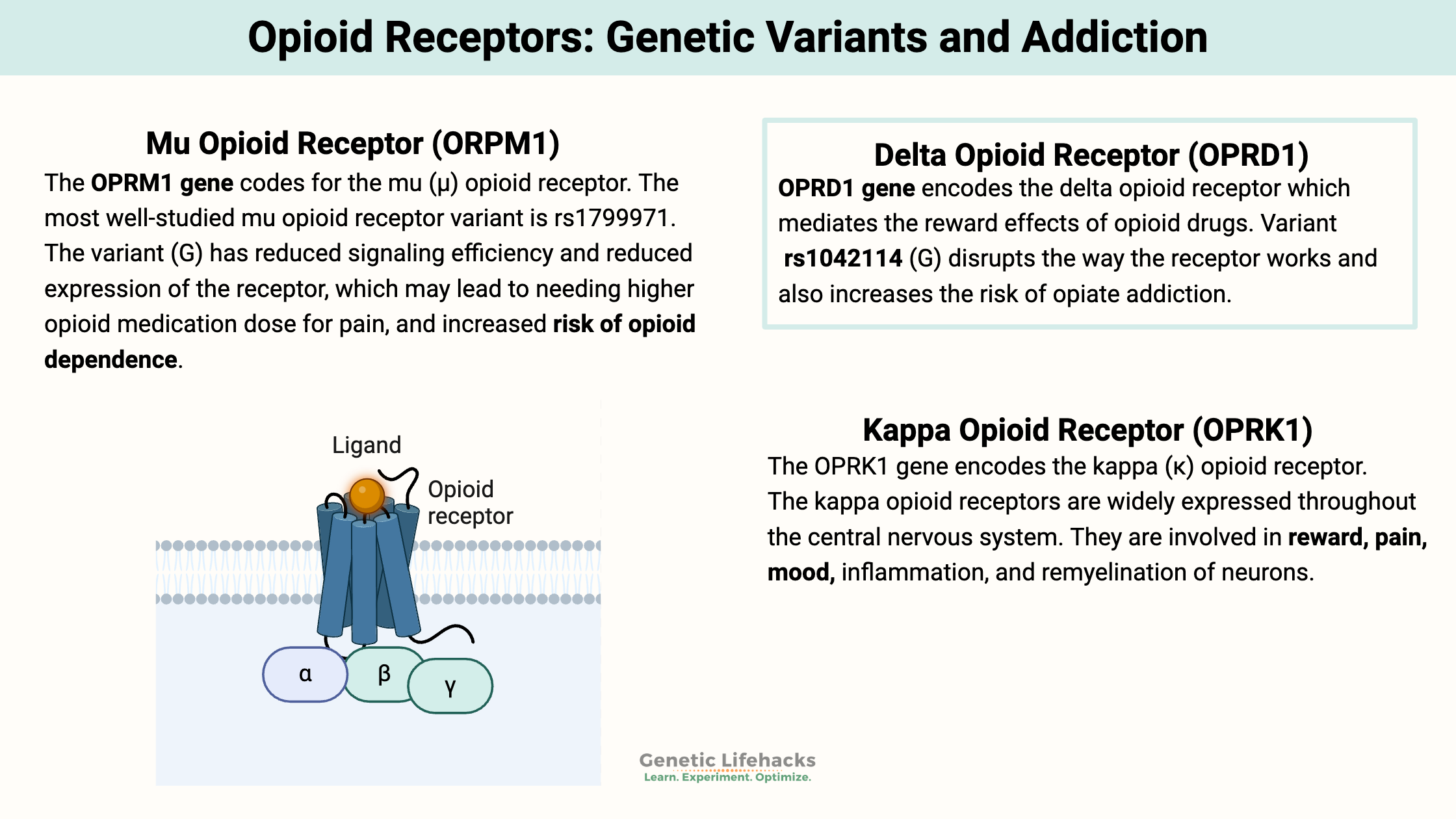
Genetic variants in the OPRM1 gene impact both the amount of pain someone experiences and their response to opioid drugs. These variants are also important in susceptibility to opioid addiction.
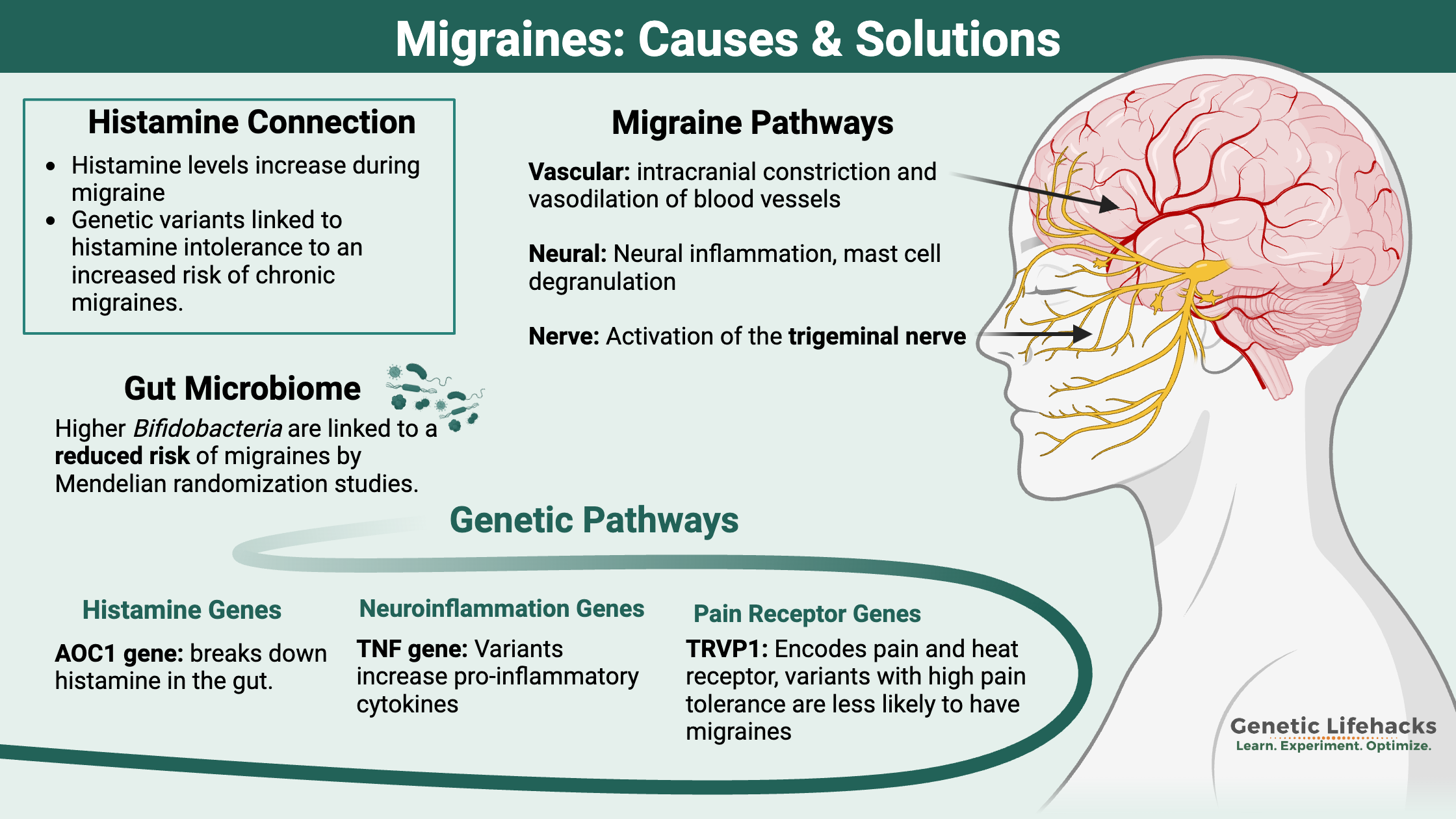
Discover how genetics, triggers, and personalized strategies shape migraine prevention and relief. Find actionable solutions based on your DNA.
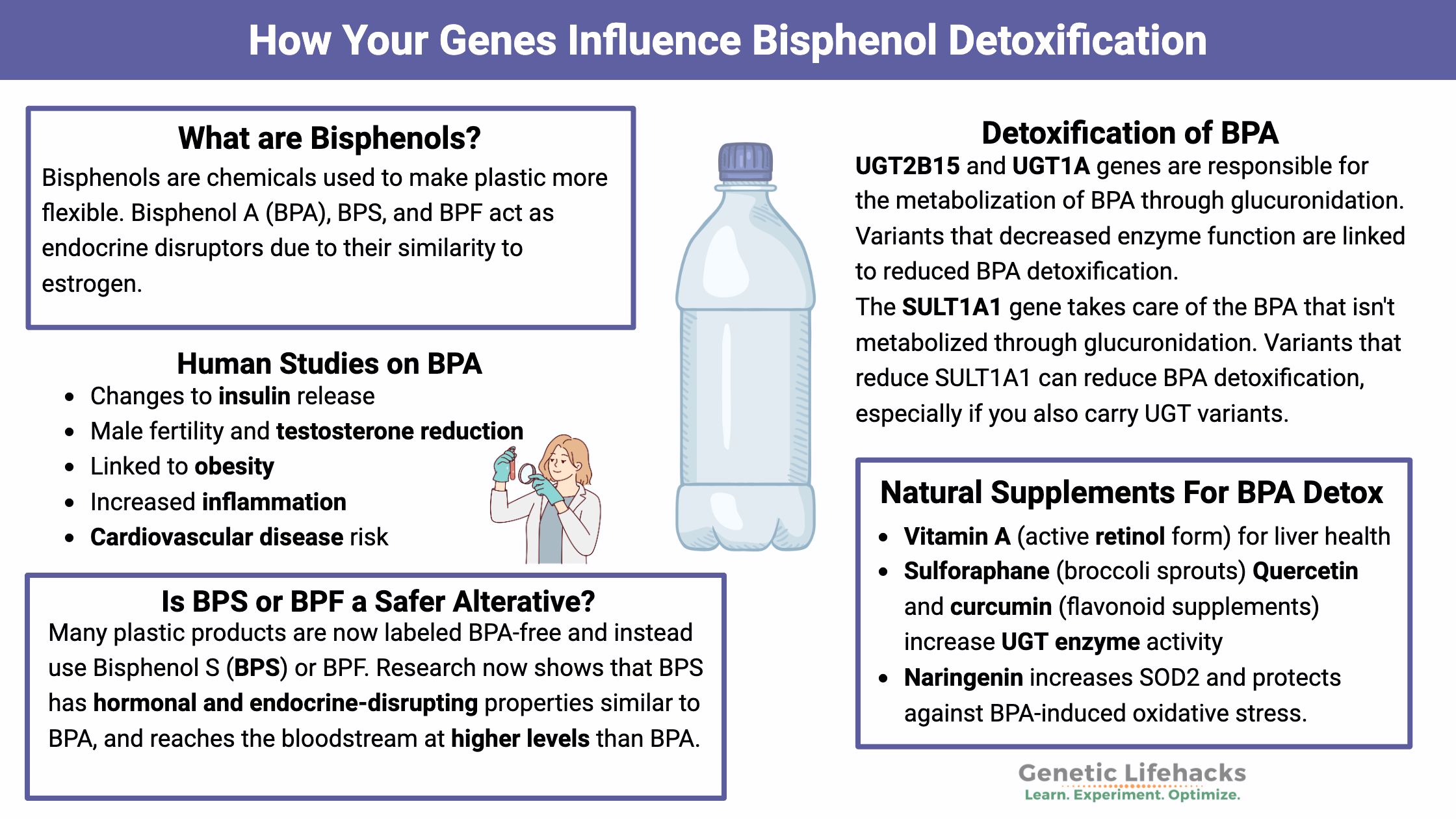
BPA, a chemical found in some plastics, has been linked to a variety of health issues in people. Learn more about BPA and the research into genetic responses to this chemical.
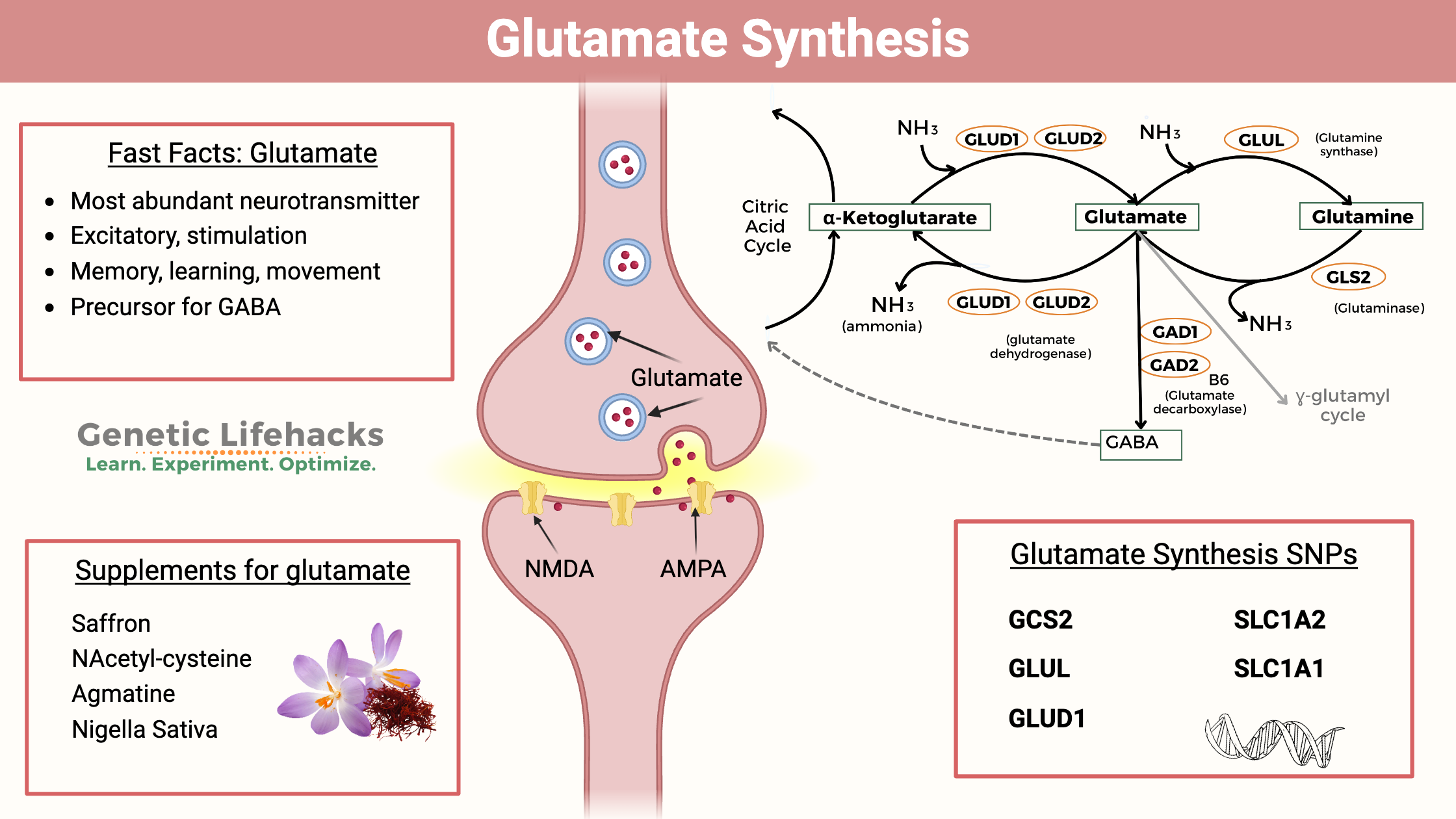
Glutamate, the main excitatory neurotransmitter, is tightly regulated through synthesis, transporters, and GABA balance, with genetic variants influencing risk for migraines, OCD, seizures, and schizophrenia.
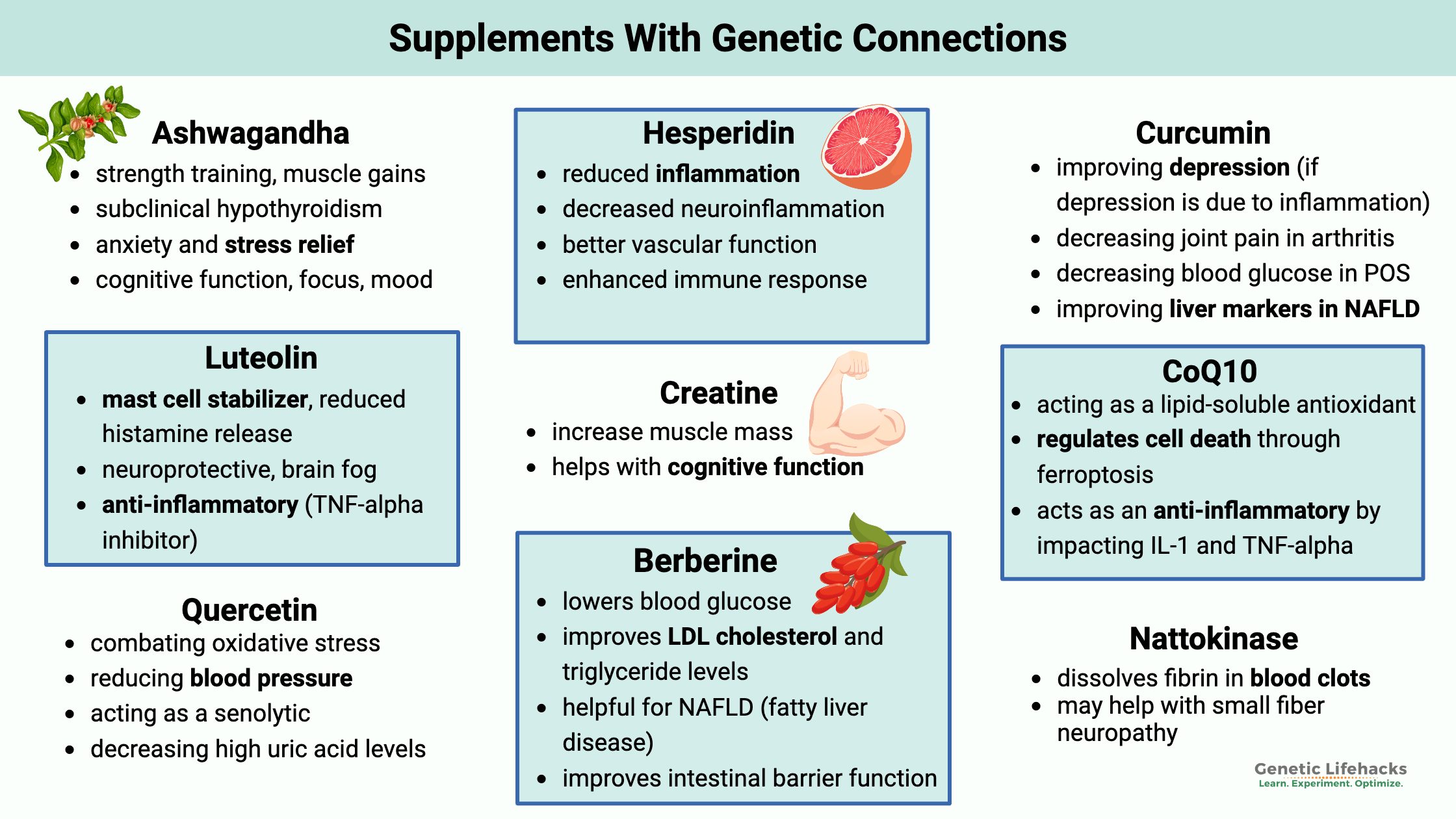
Linking supplements and genetic SNPs so that you can more easily find out what may work for you – and what to be cautious about.
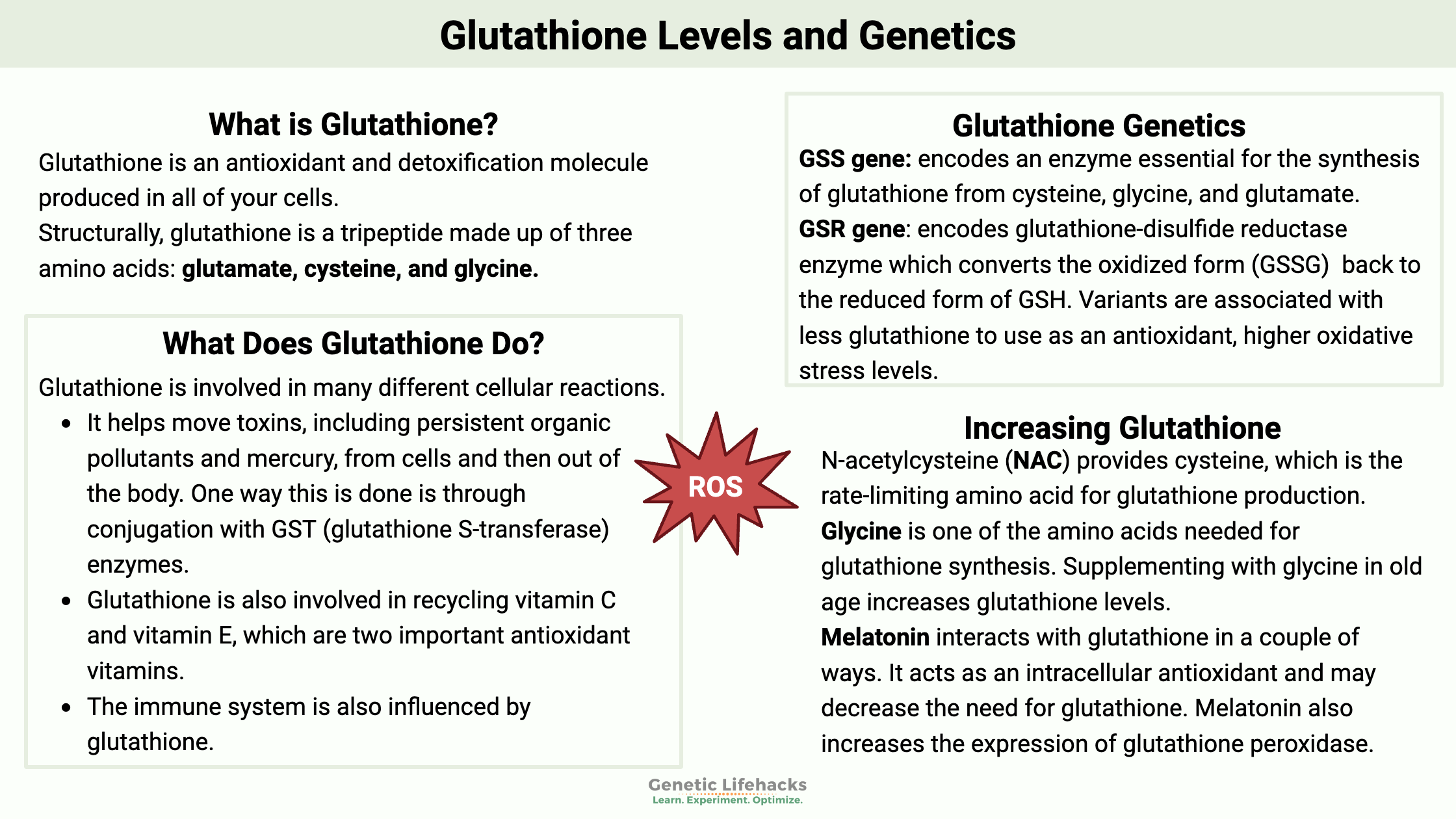
Glutathione is an antioxidant produced in all cells to balance out ROS. Genetic variants can impact your glutathione levels, which can alter your ability to detoxify certain substances or withstand stressors in the body.
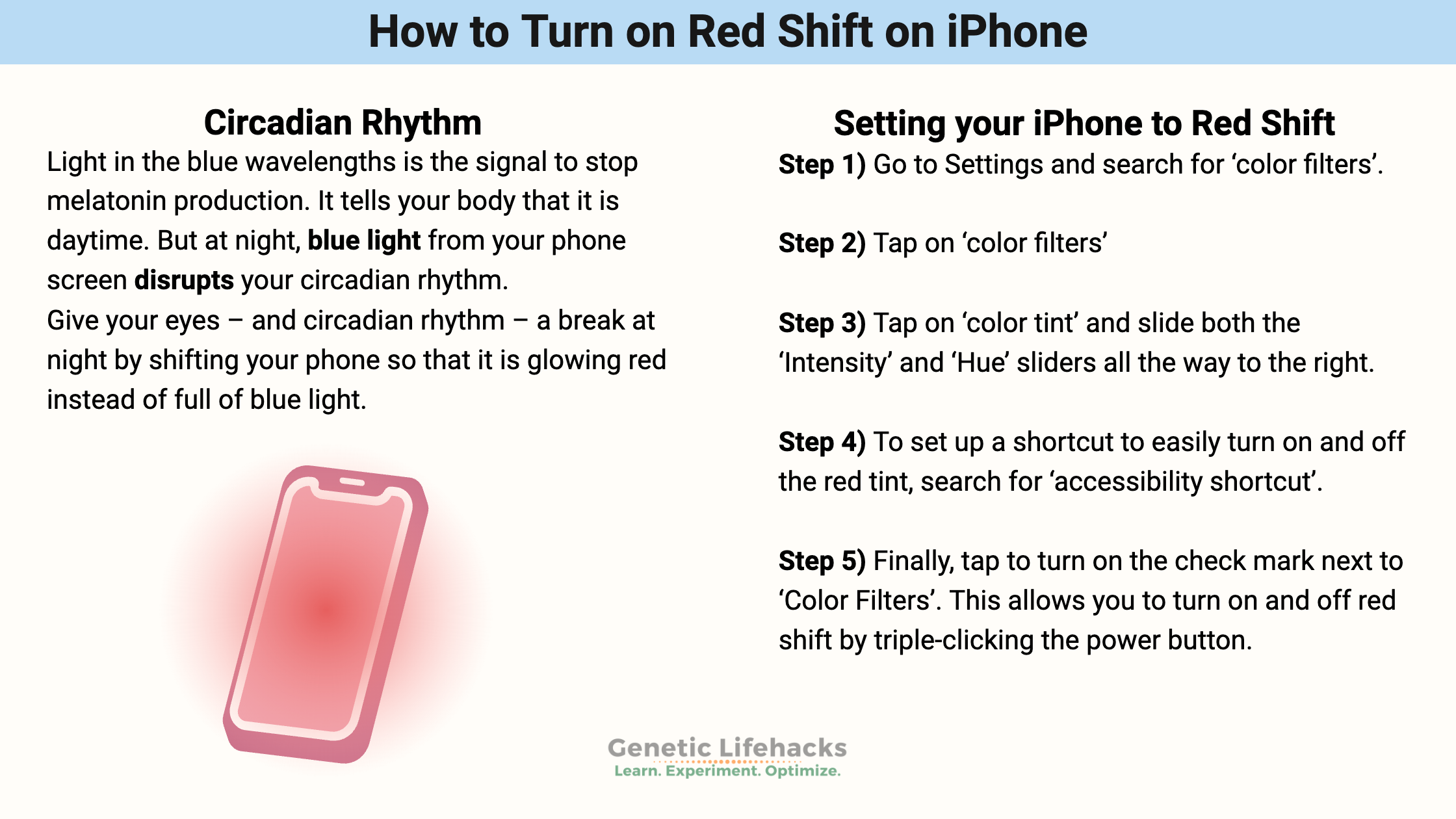
Learn how to shift your iphone screen to be completely red at night (no blue light) with a triple-click of the power button.
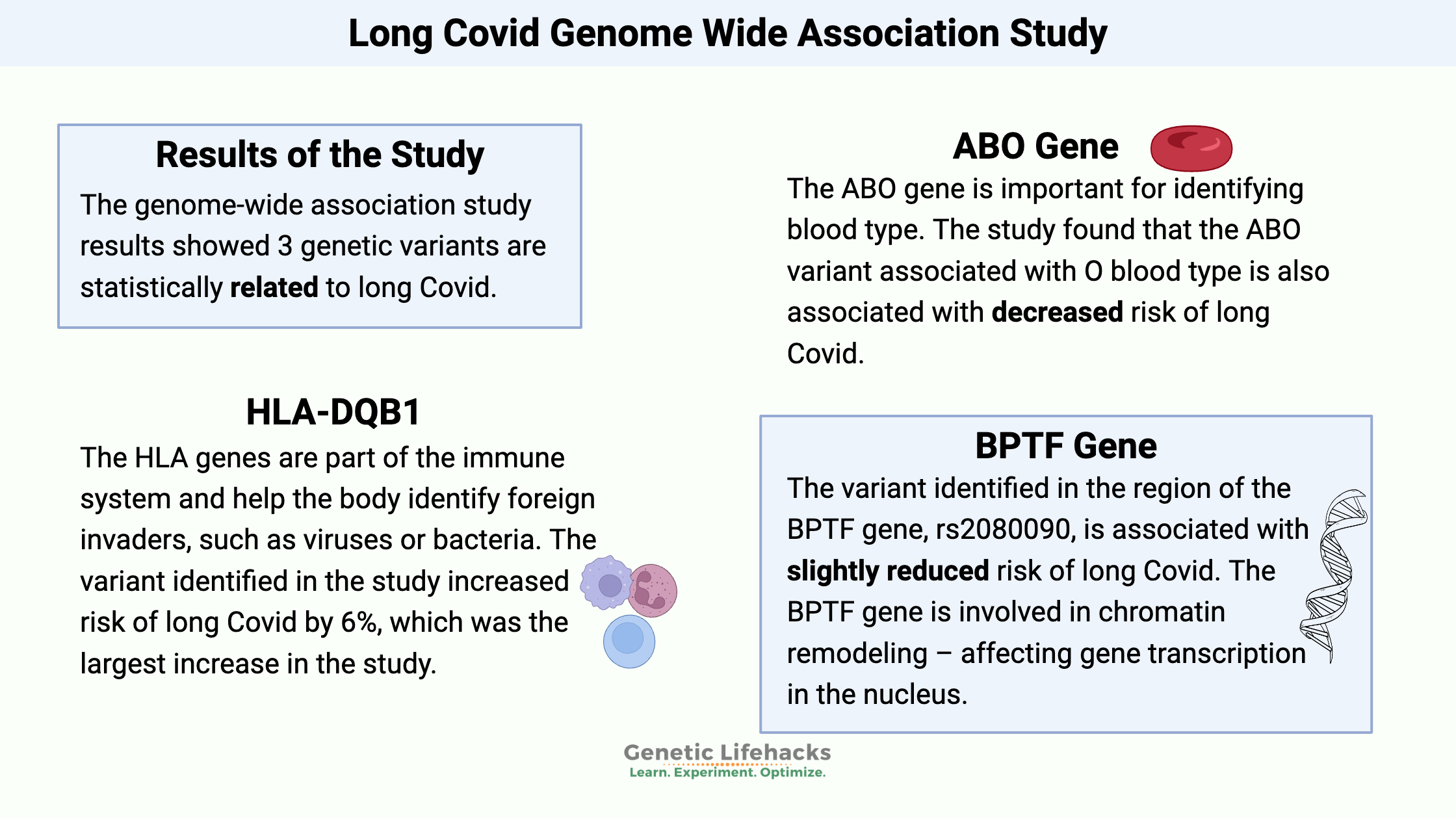
BookmarkA new preprint study looks at the genetic variants more commonly found in people with Long Covid. This is encouraging for many people struggling with long Covid symptoms, raising hopes that understanding the genetic susceptibility will lead to much-needed treatments. Let’s look at how the study was done and what … Read more
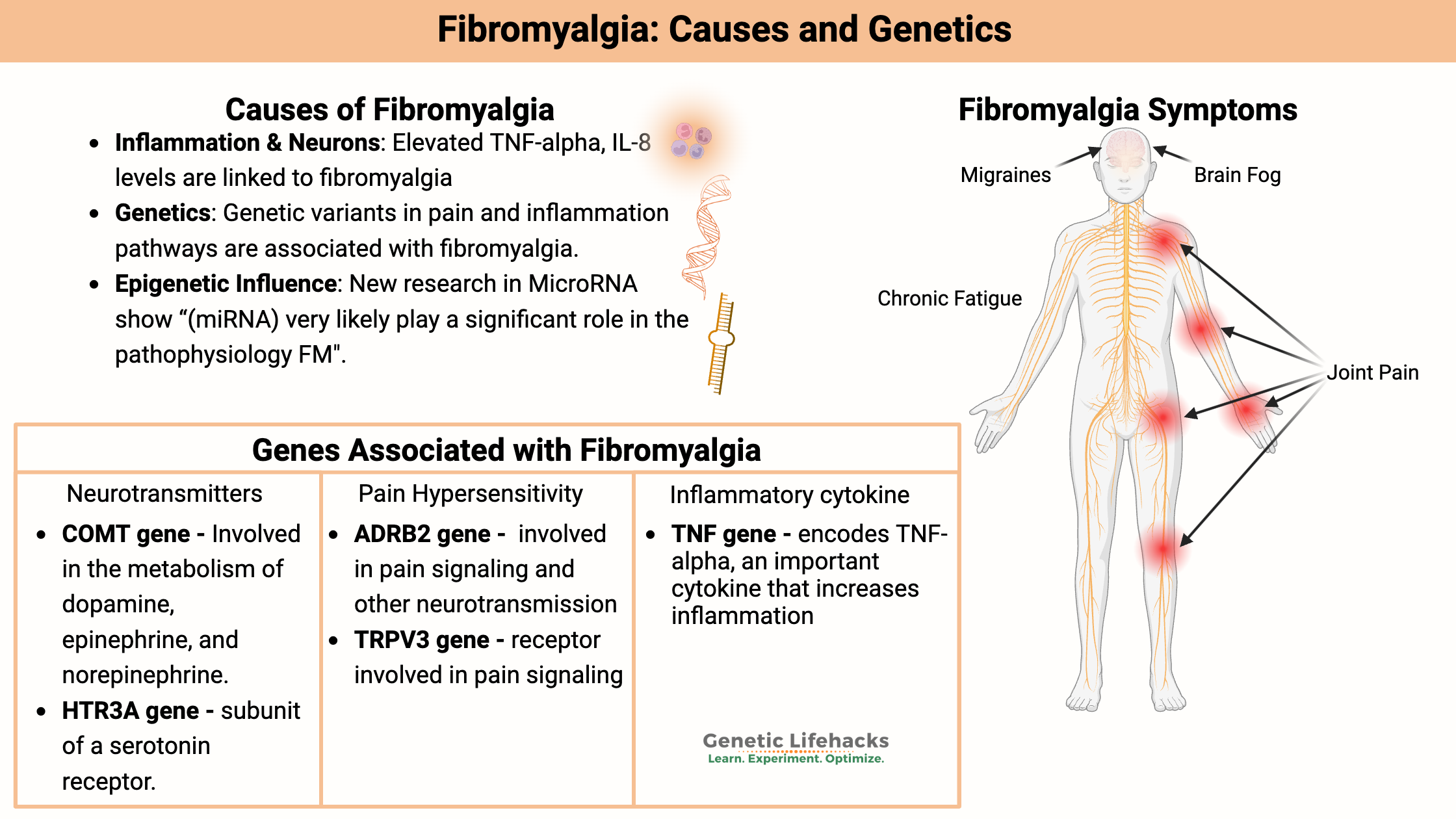
Learn about the potential causes of fibromyalgia, including inflammation, genetics, and hypersensitivity to pain, along with overlapping conditions that complicate diagnosis.
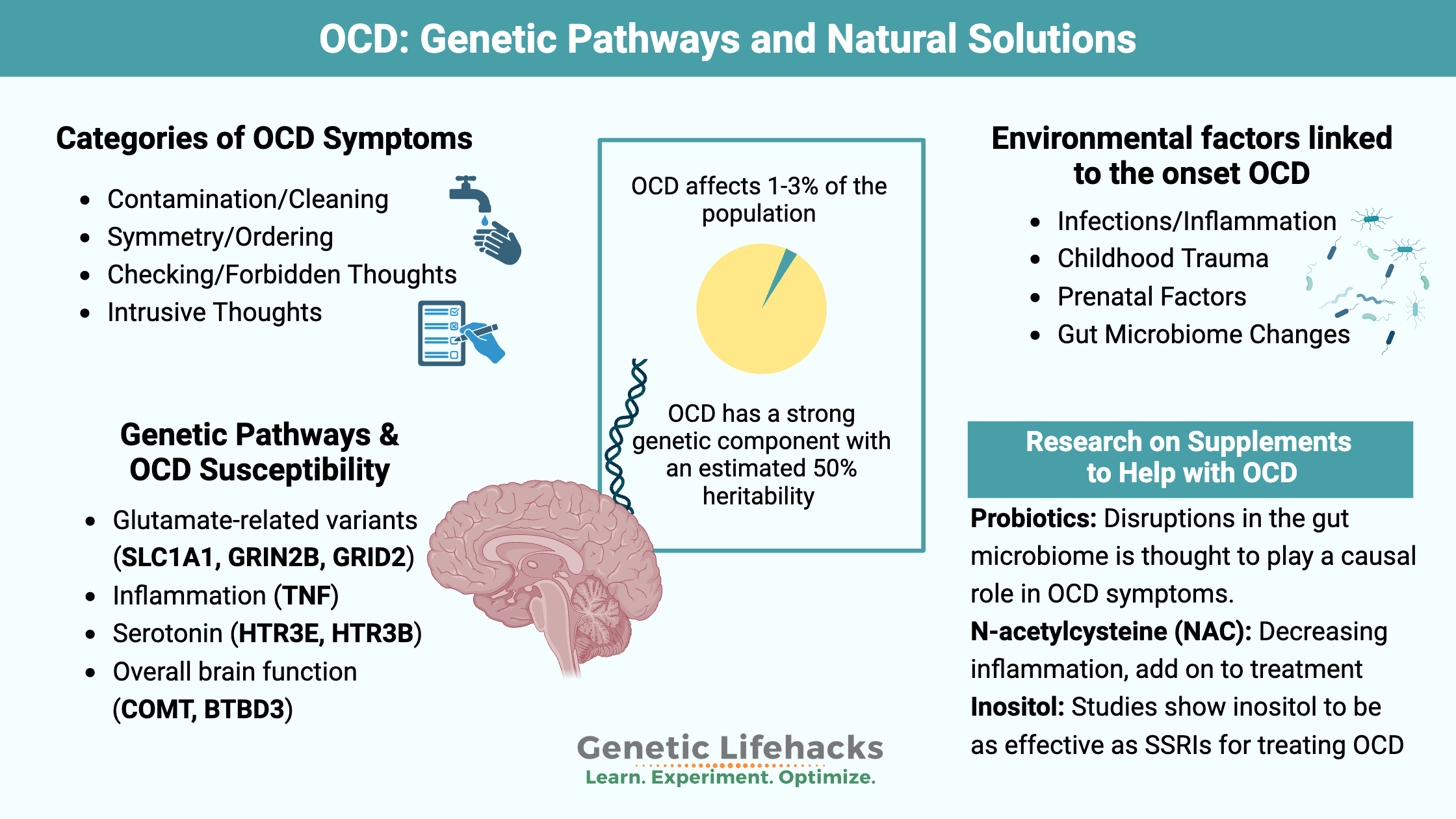
Genetic variants play a role in susceptibility to obsessive-compulsive disorder. Understanding your genes may help you understand OCD better and help you to target the right treatment.
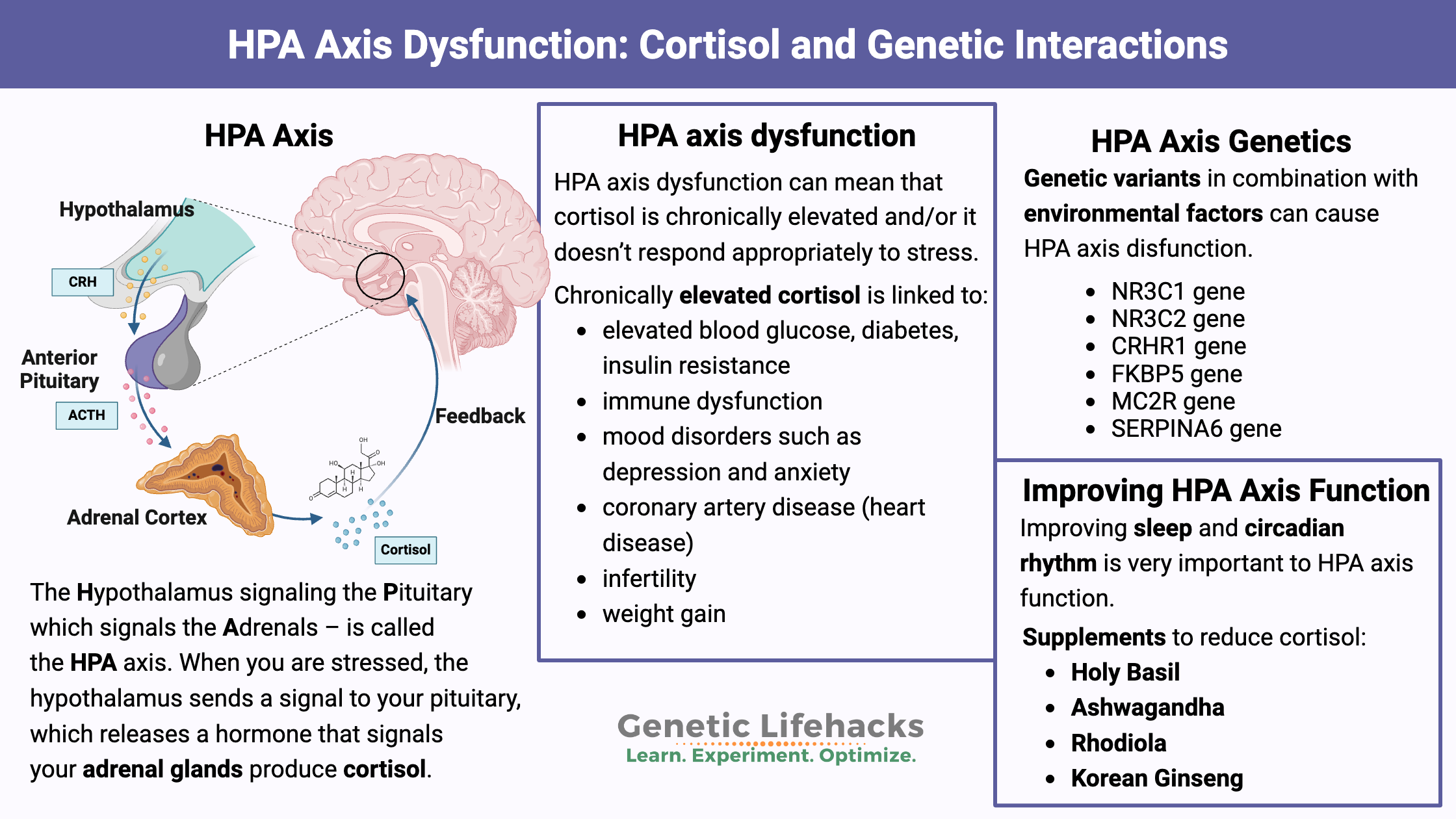
Cortisol is a hormone produced by the adrenal glands in times of stress, and it also plays many roles in your normal bodily functions. It is a multi-purpose hormone that needs to be in the right amount (not too high, not too low) and at the right time. Your genes play a big role in how likely you are to have problems with cortisol.
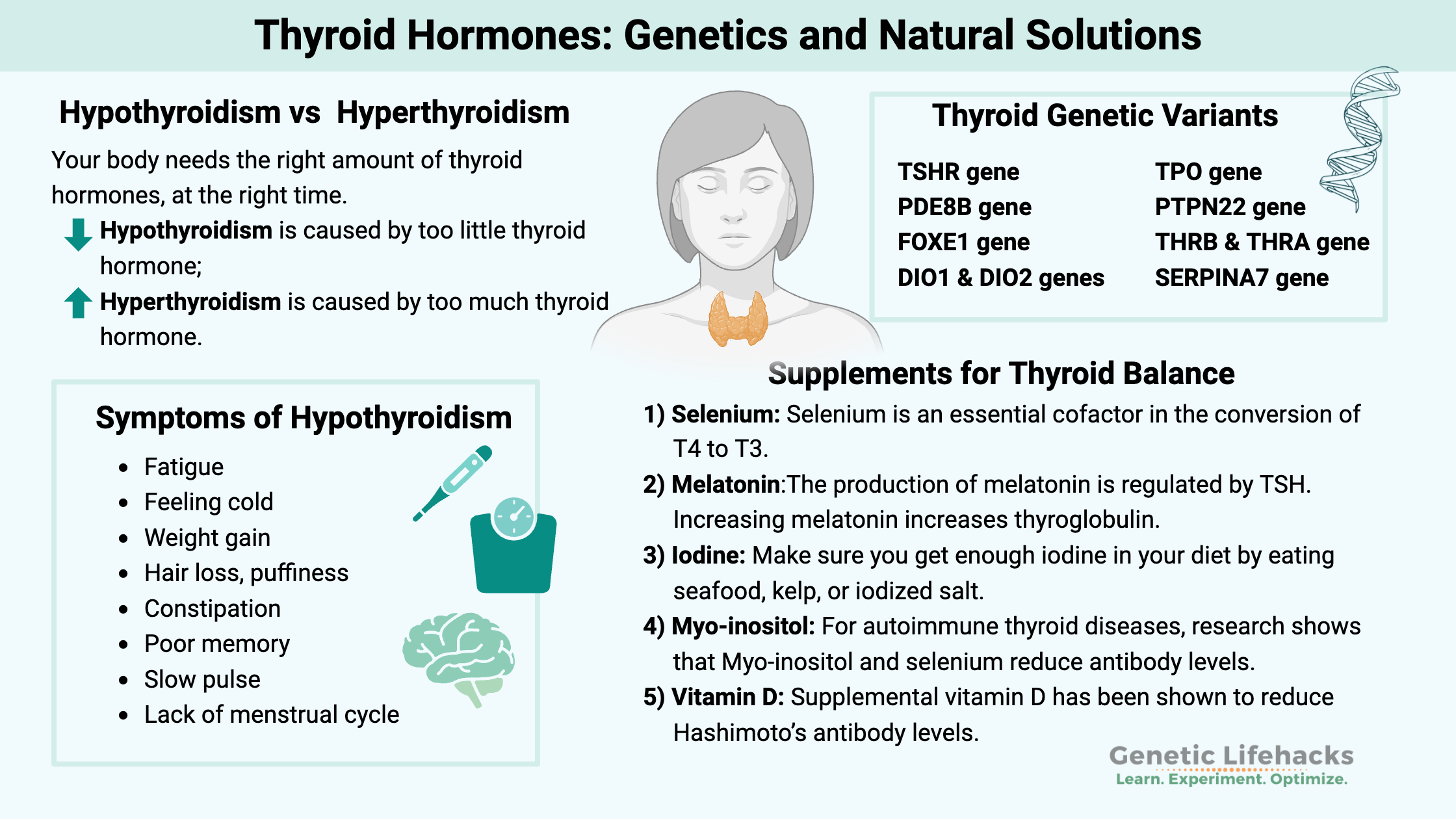
The thyroid is a master regulator controlling many of your body’s systems. It is integral for metabolism and body temperature. Learn about specific thyroid-related variants.
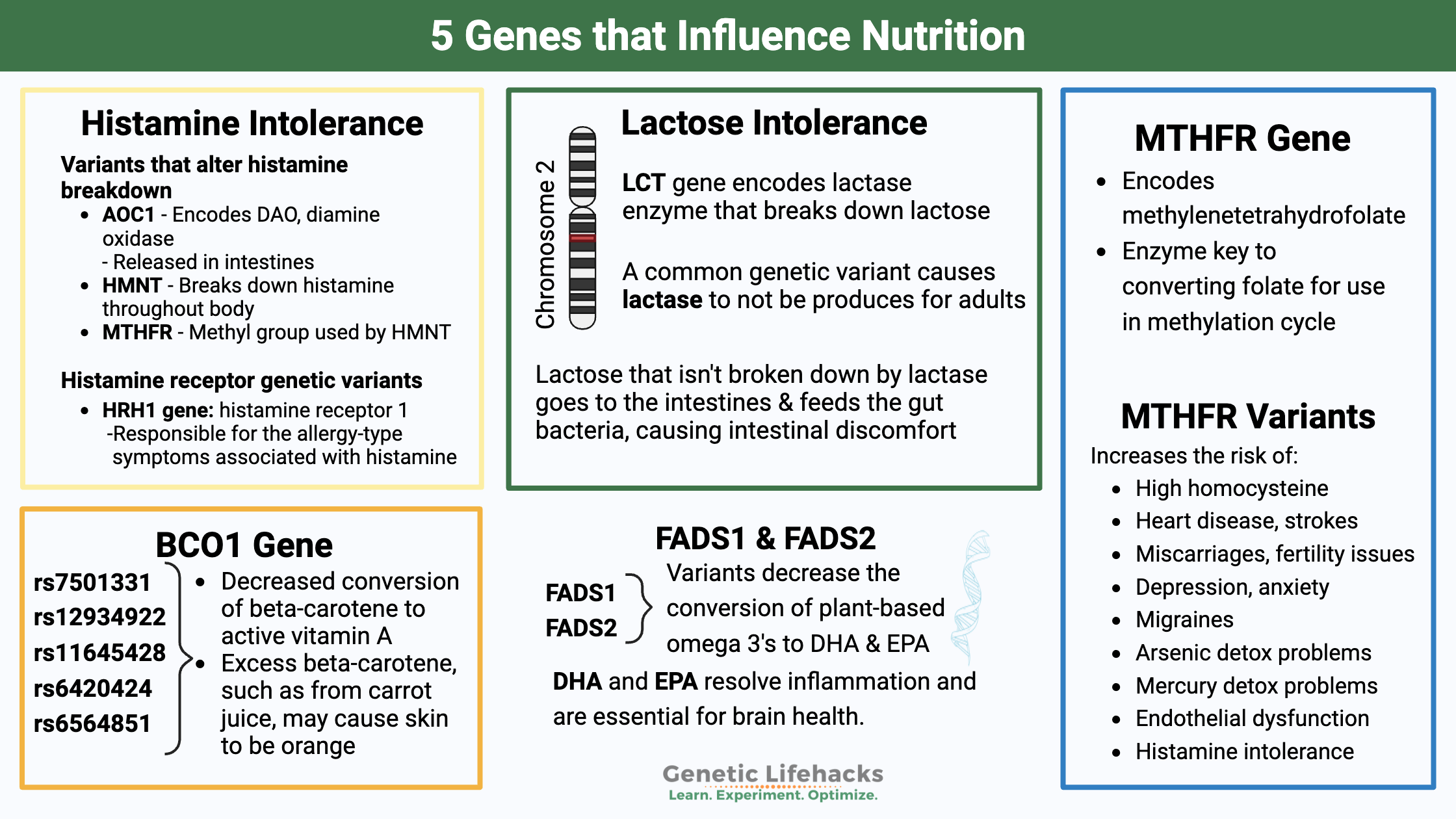
BookmarkTired of guessing which vitamins and nutrients you need more of? Use your genetic raw data from 23andMe or AncestryDNA to find out! Here are five examples of how you can use your genetic data to understand how your genes can influence your need for specific nutrients. This is a … Read more
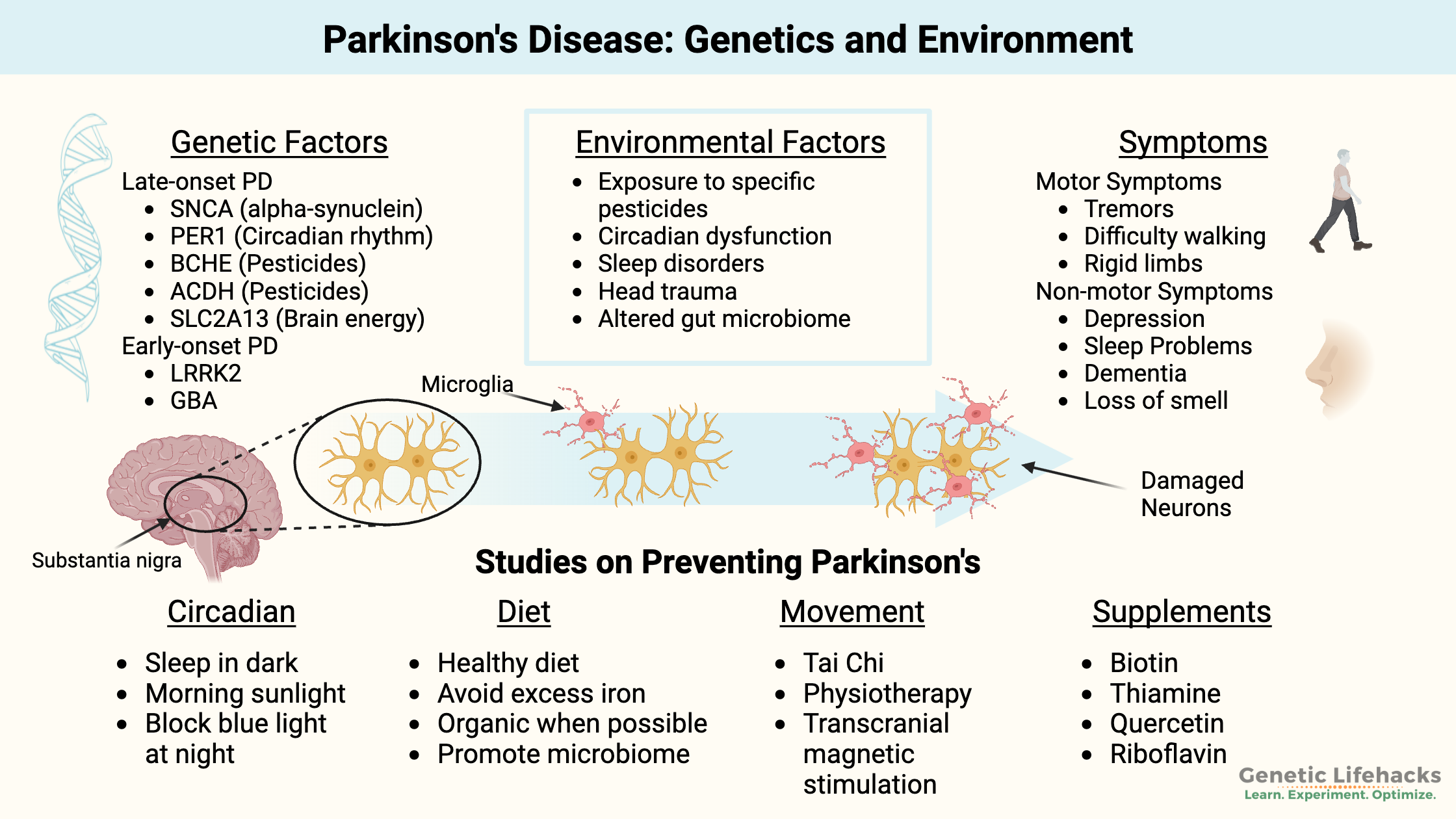
Parkinson’s: Explore key genes, environmental risks, gut microbiome factors, and research‑based lifehacks that may help protect dopaminergic neurons.
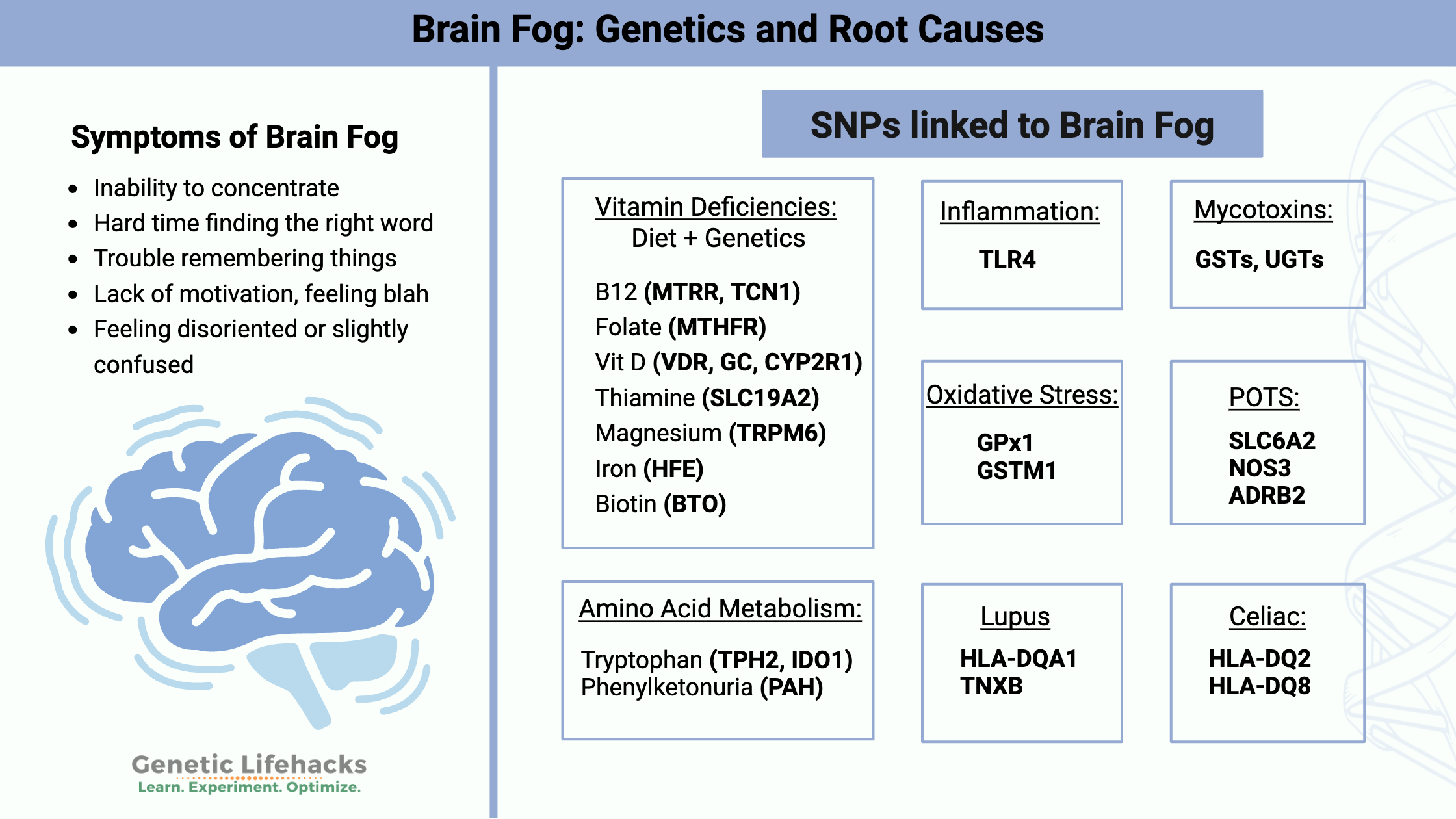
Brain fog has many roots: nutrient deficiencies, hypoxia, inflammation, viral infections, microclots, histamine, amino acid metabolism, and genetics — plus targeted strategies to restore clear thinking.