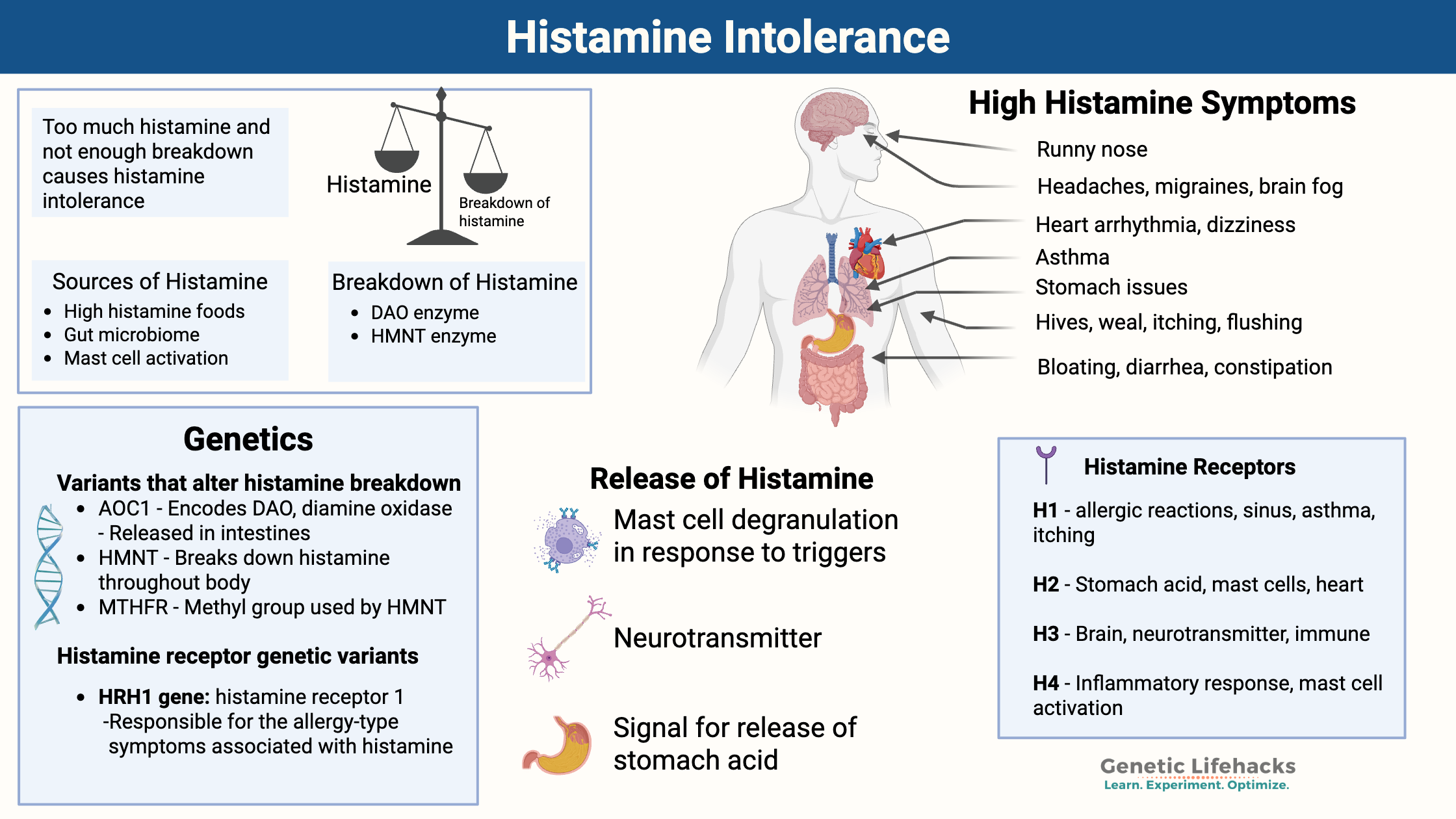
Histamine Intolerance Genetics: DAO & HNMT Genes, Supplements
Genetic variants in DAO and HNMT genes affect histamine breakdown. Check your AOC1, HNMT, and HDC genotype. Low-histamine diet, DAO supplements, and more.

Genetic variants in DAO and HNMT genes affect histamine breakdown. Check your AOC1, HNMT, and HDC genotype. Low-histamine diet, DAO supplements, and more.
Are you struggling with symptoms like migraines, anxiety, intestinal discomfort, hives, and early morning insomnia? The culprit may be histamine intolerance or mast cell activation, two often overlooked conditions that can cause a wide range of health issues due to high histamine levels. In Histamine Lifehacks author Debbie Moon provides … Read more
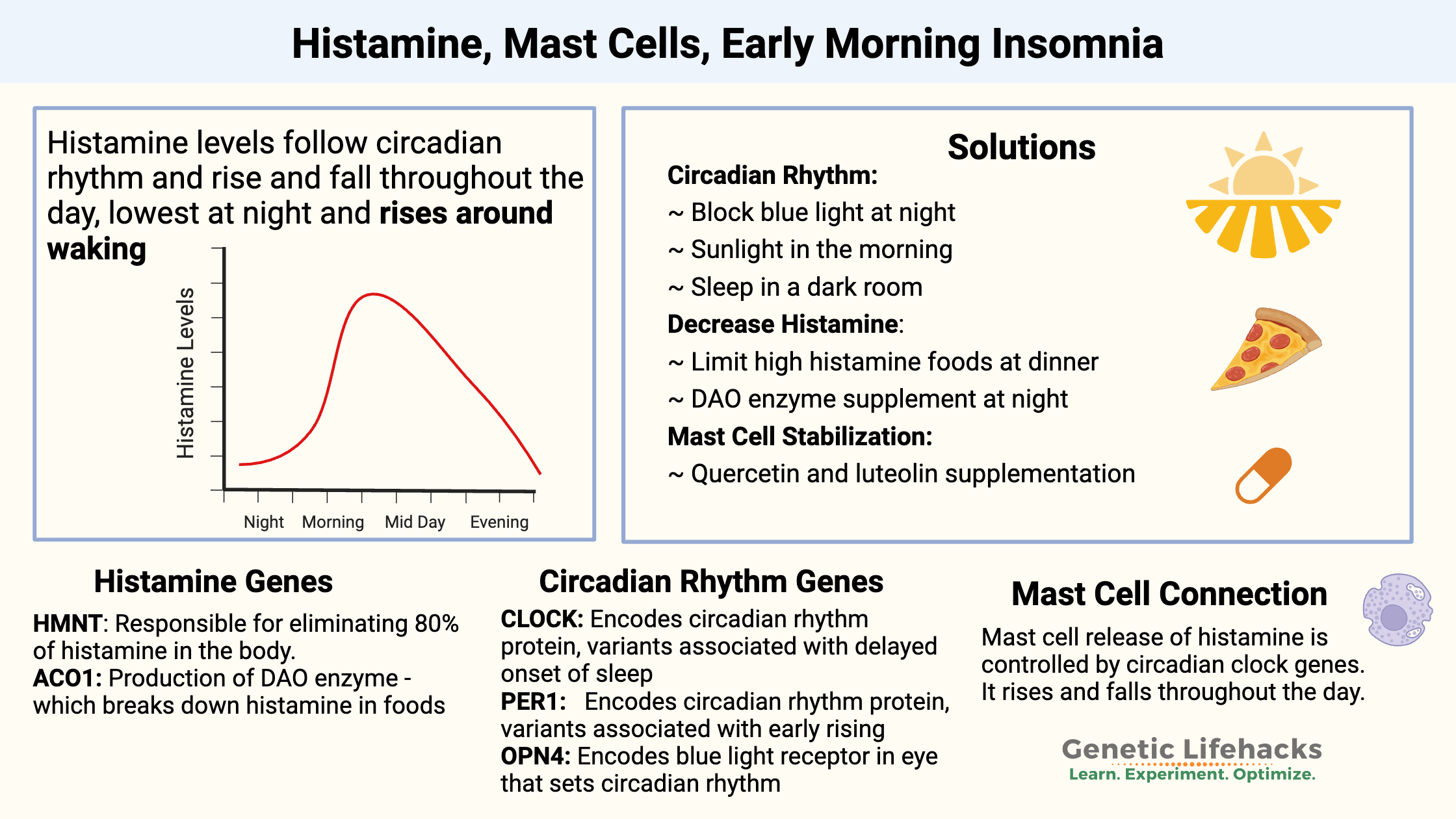
Histamine rising in the early morning hours may cause early waking insomnia. Mast cells and circadian rhythm disruption at the root.
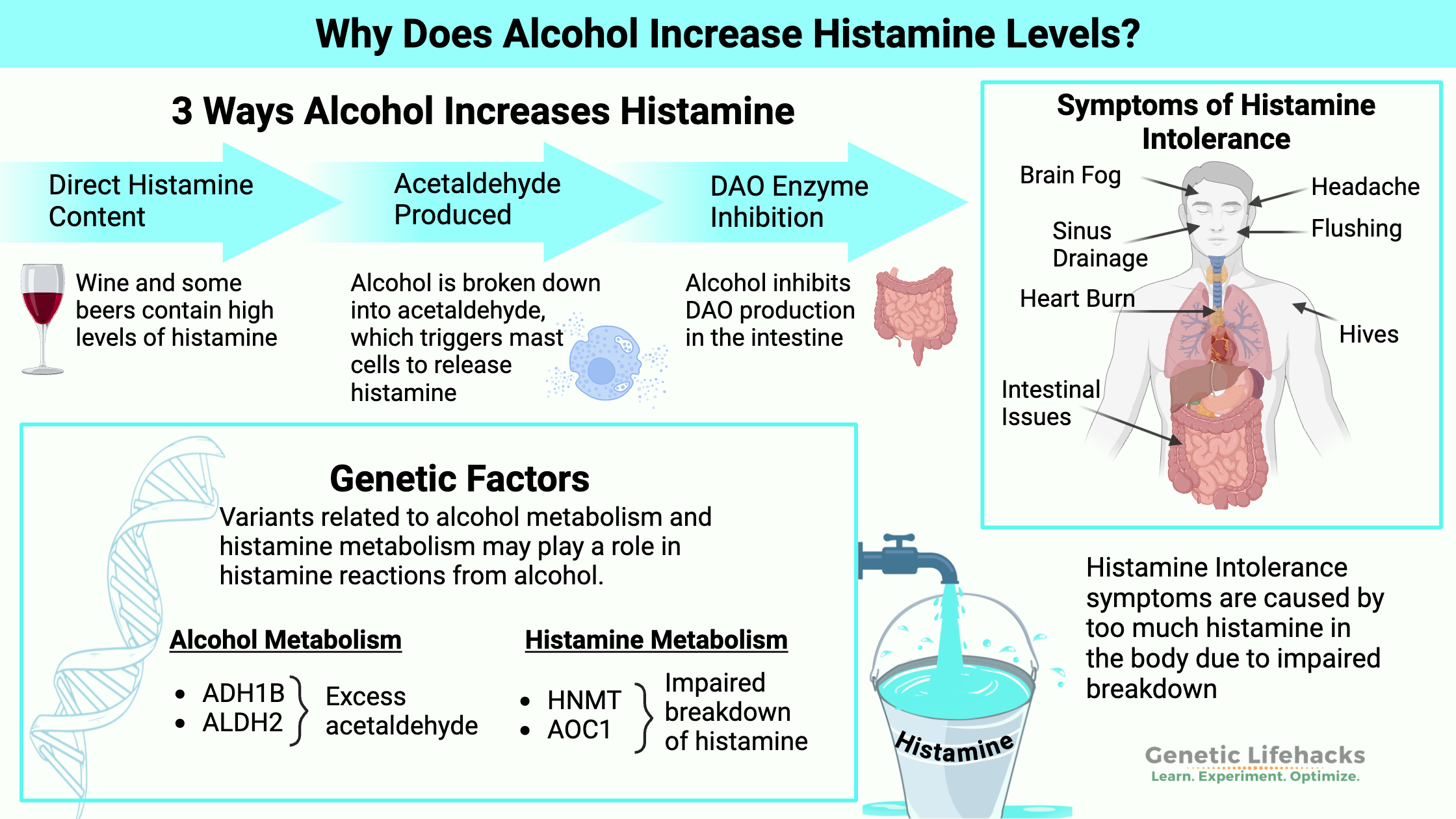
Drinking alcohol is often a problem for people with histamine intolerance. Learn about the pathways that are involved and how to avoid alcohol-induced reactions.
Access this content: An active subscription is required to access this content. Join as a member Username Password Remember Me Forgot Password Username Password Remember Me Forgot Password
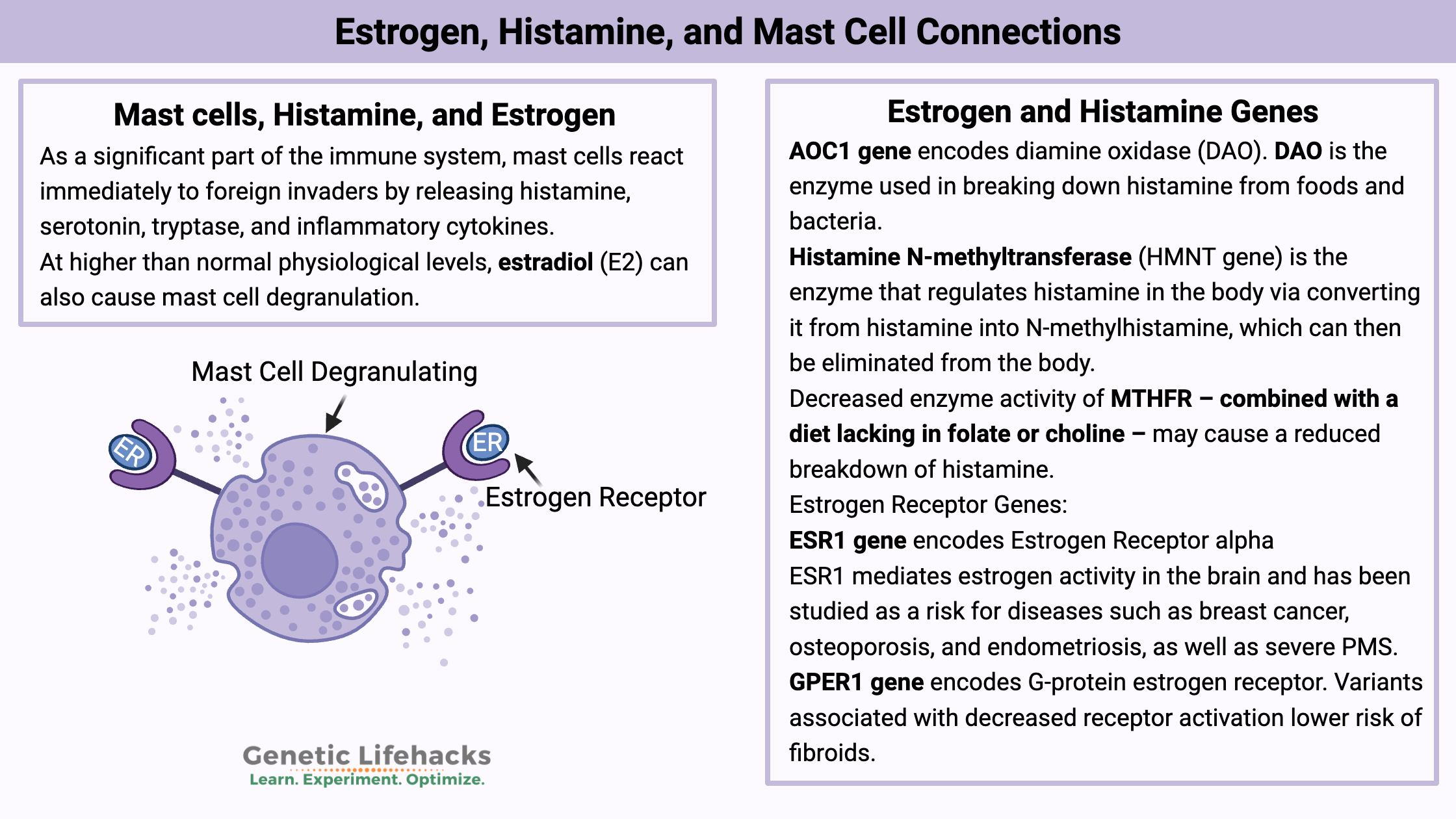
Mast cells can be more easily triggered in the presence of high estrogen or estrogen-mimicking compounds. Histamine can also trigger mast cell degranulation. Together, this can cause a lot of symptoms related to mast cell activation.
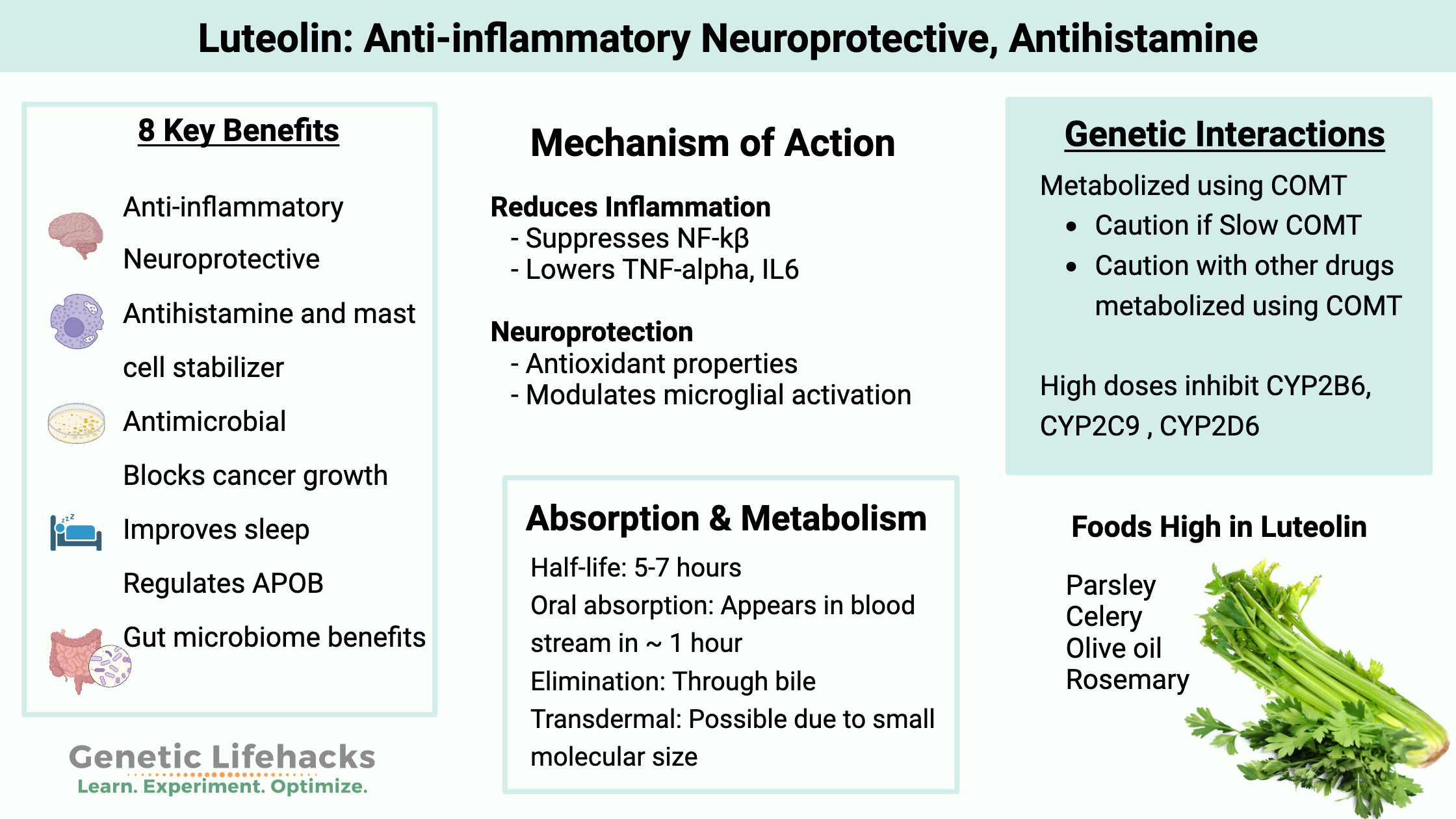
New research suggests the benefits of luteolin (a flavonoid found in fruits, vegetables, and herbs) may include anti-inflammatory and neuroprotective properties.
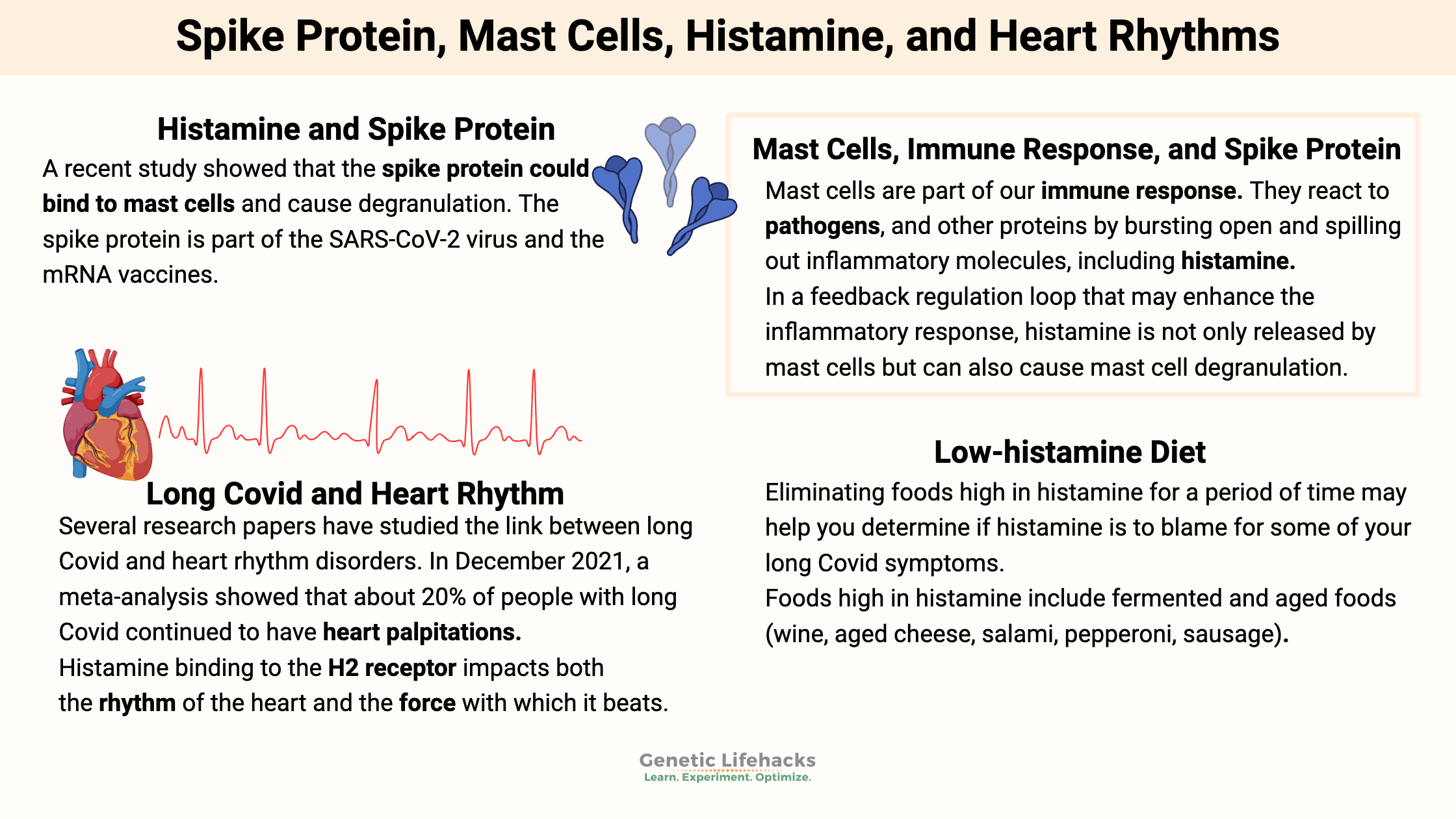
Do you know of someone with unexplained heart palpitations, spiking blood pressure, dizziness, and tinnitus? Discover how research is linking these symptoms to histamine, mast cells, and the spike protein.

Interested in low histamine foods and recipes? This article focuses on foods high in histamine so you can easily eliminate them from your diet.
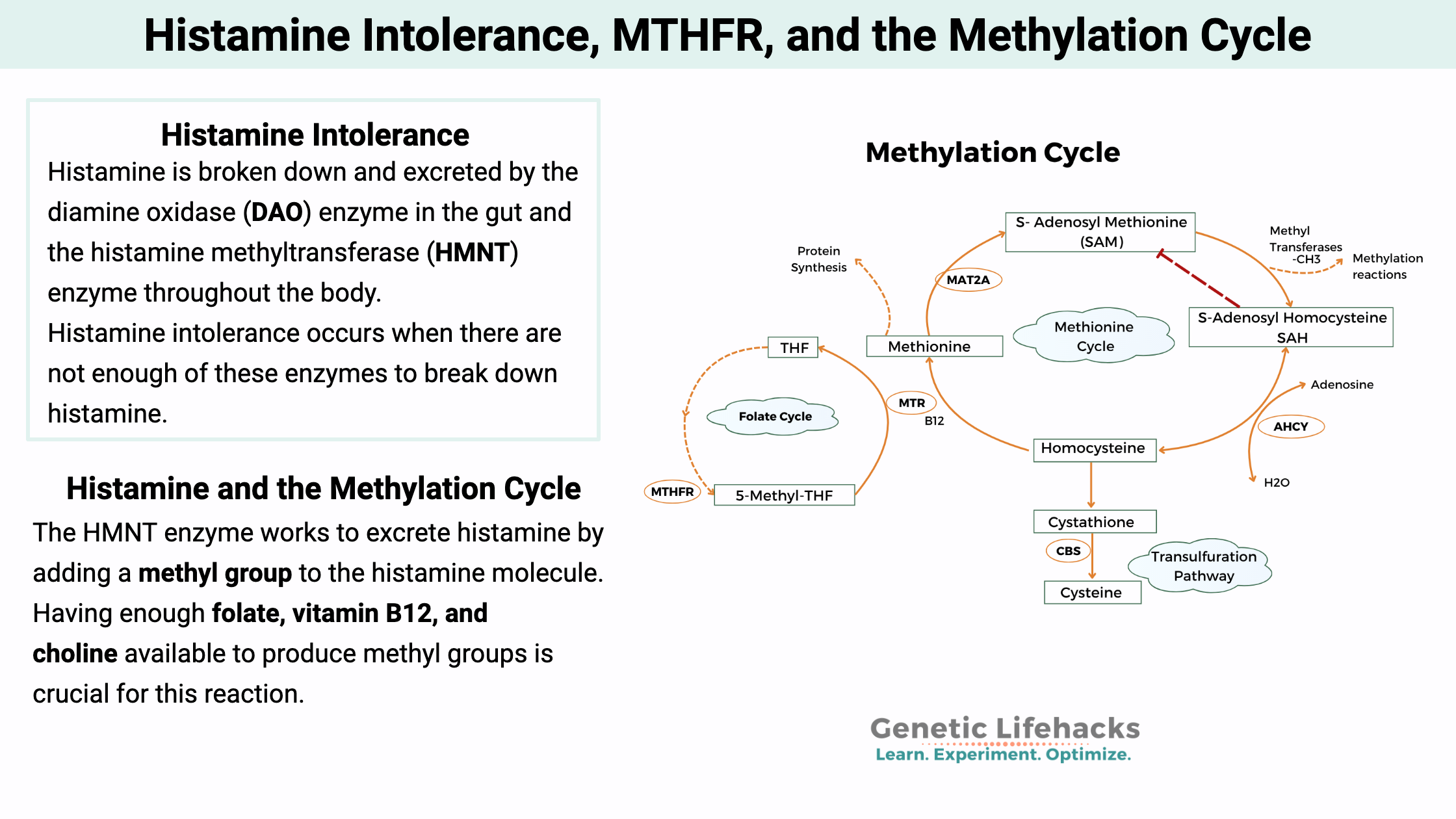
Genetics plays a role in how well your body breaks down histamine. Histamine that is out of balance with the body’s ability to break it down can cause symptoms that are collectively known as histamine intolerance. Discover how to check your genes that are involved with histamine levels.
It can be difficult sometimes to come up with new breakfast ideas for a low histamine diet. Here is a recipe for a low histamine smoothie bowl for a quick breakfast. (Member’s article)

Histamine plays several important roles in the body. Learn more about the newest research into histamine intolerance and mast cells.
On a low histamine diet and craving salsa and tortilla chips? Here is a quick recipe for a low histamine salsa using roasted red peppers instead of tomatoes.
Looking for low histamine treats? Here is a mint shake recipe low in histamines, and an excellent source of luteolin, a mast cell stabilizer.
Article Directory Genetic Lifehacks Every published article on geneticlifehacks.com, grouped by topic. Addiction4 Alzheimer’s Prevention16 Arrhythmia & Heart Function10 Athletics & Exercise12 Autoimmune Diseases23 Blood Pressure6 Brain and Mood55 Cancer Prevention12 Carbohydrate Metabolism4 Cholesterol & Lipids10 Chronic Inflammation12 Clotting & Blood13 Cognitive Function15 COVID, Long Covid, and Spike protein39 Detoxification & … Read more
Genetic variants in detox enzymes explain why people react so differently to the same medication, toxin, or environmental exposure. Phase I genes (CYP450 family) transform compounds into reactive intermediates; Phase II genes (GSTM1, UGT, SULT, NAT, and others) make them water-soluble for excretion; transporter genes (ABCB1, SLCO1B1) move them in … Read more
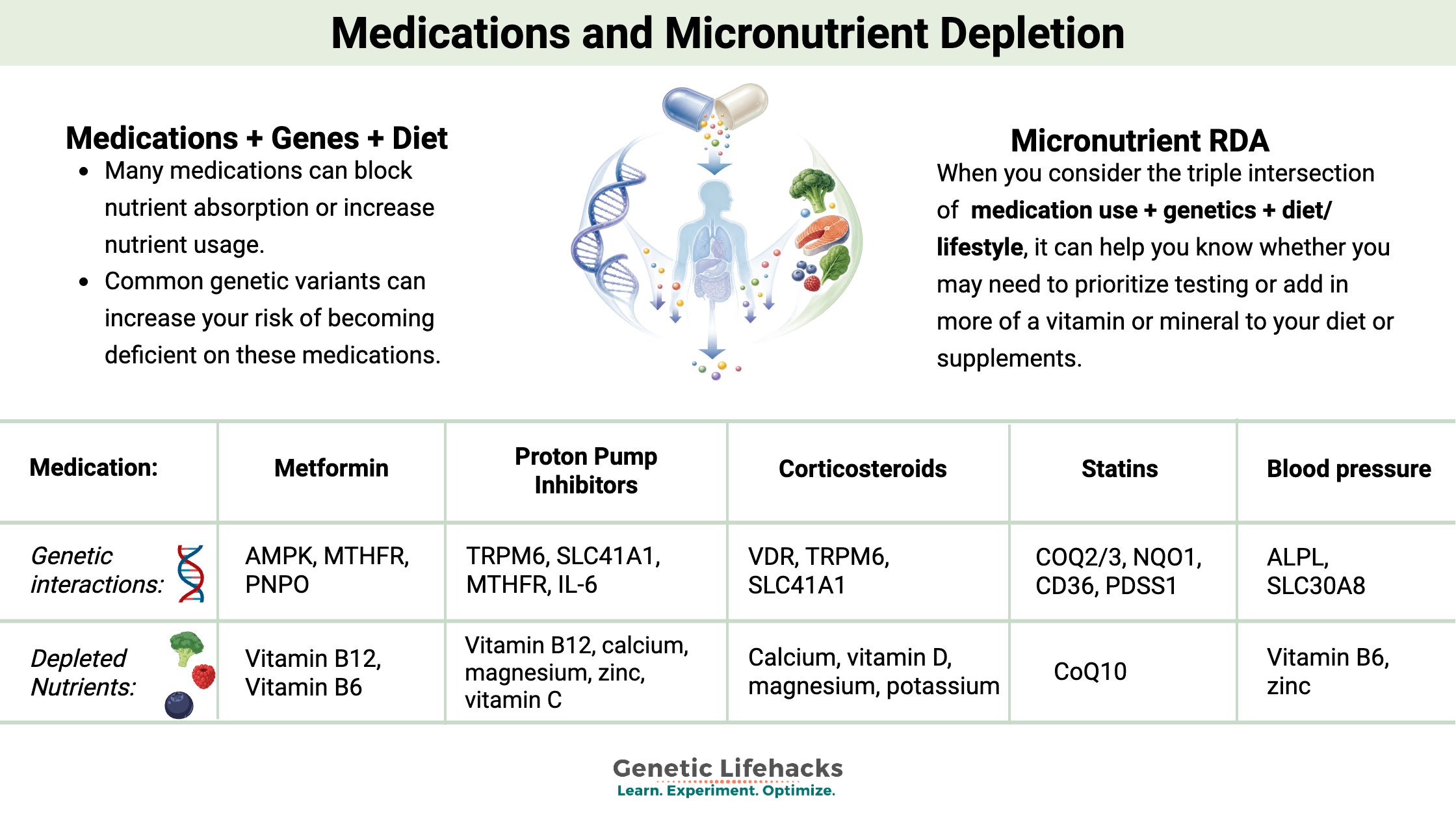
Common medications can deplete micronutrients, especially when combined with a genetic susceptibility to lower levels of certain vitamins or minerals. If you’re on any prescription drugs, check your genes and consider testing your micronutrient levels.
Key takeaways: The methylation cycle runs billions of times per day in nearly every cell, providing methyl groups (one carbon atom bonded to three hydrogens) to DNA, proteins, and small molecules. These methyl groups influence everything from how your genes are expressed to how your brain produces neurotransmitters, and from … Read more
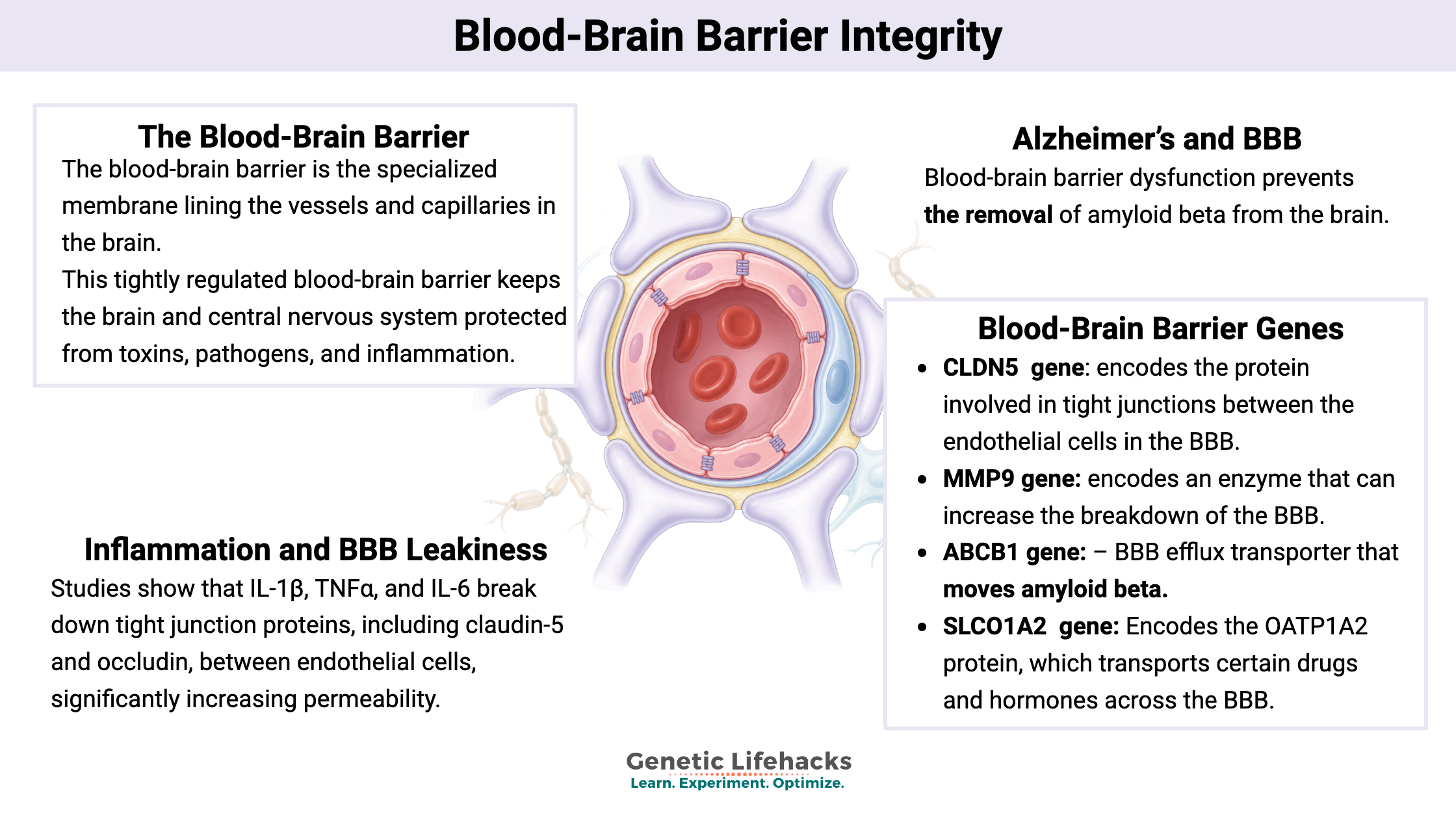
Genetic variants can increase susceptibility to blood-brain barrier (BBB) dysfunction. This can increase the risk of Alzheimer’s, ADHD, and mood disorders.
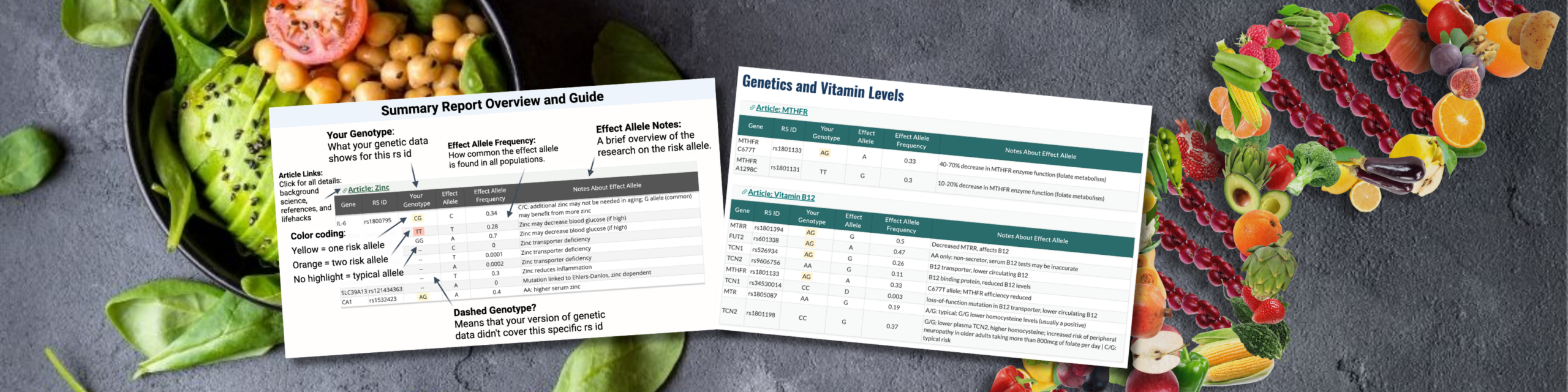
If you’ve taken a DNA test through 23andMe, AncestryDNA, or MyHeritage, you already have access to something incredibly valuable: your raw genetic data. This is a data file that you can download — it is your data to use and keep. And when you combine it with current genetics research, … Read more
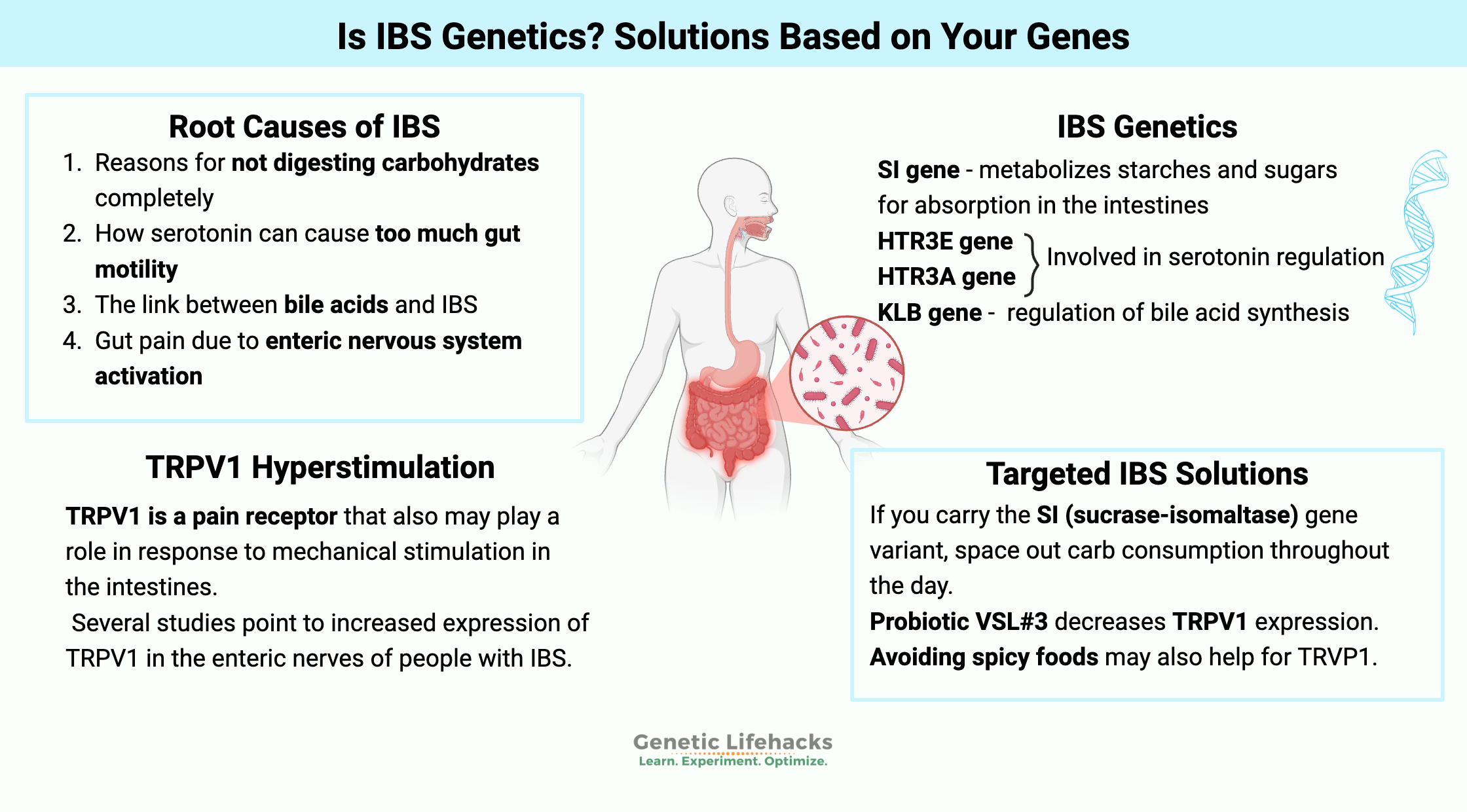
There are multiple causes of irritable bowel syndrome (IBS), and genetics can definitely play a role in IBS symptoms. Pinpointing your genetic cause may help you to figure out the right solution for you. (Member’s article)
Articles on longevity science (Longevity Lifehacks Substack) with connections to personalized health and genetics.
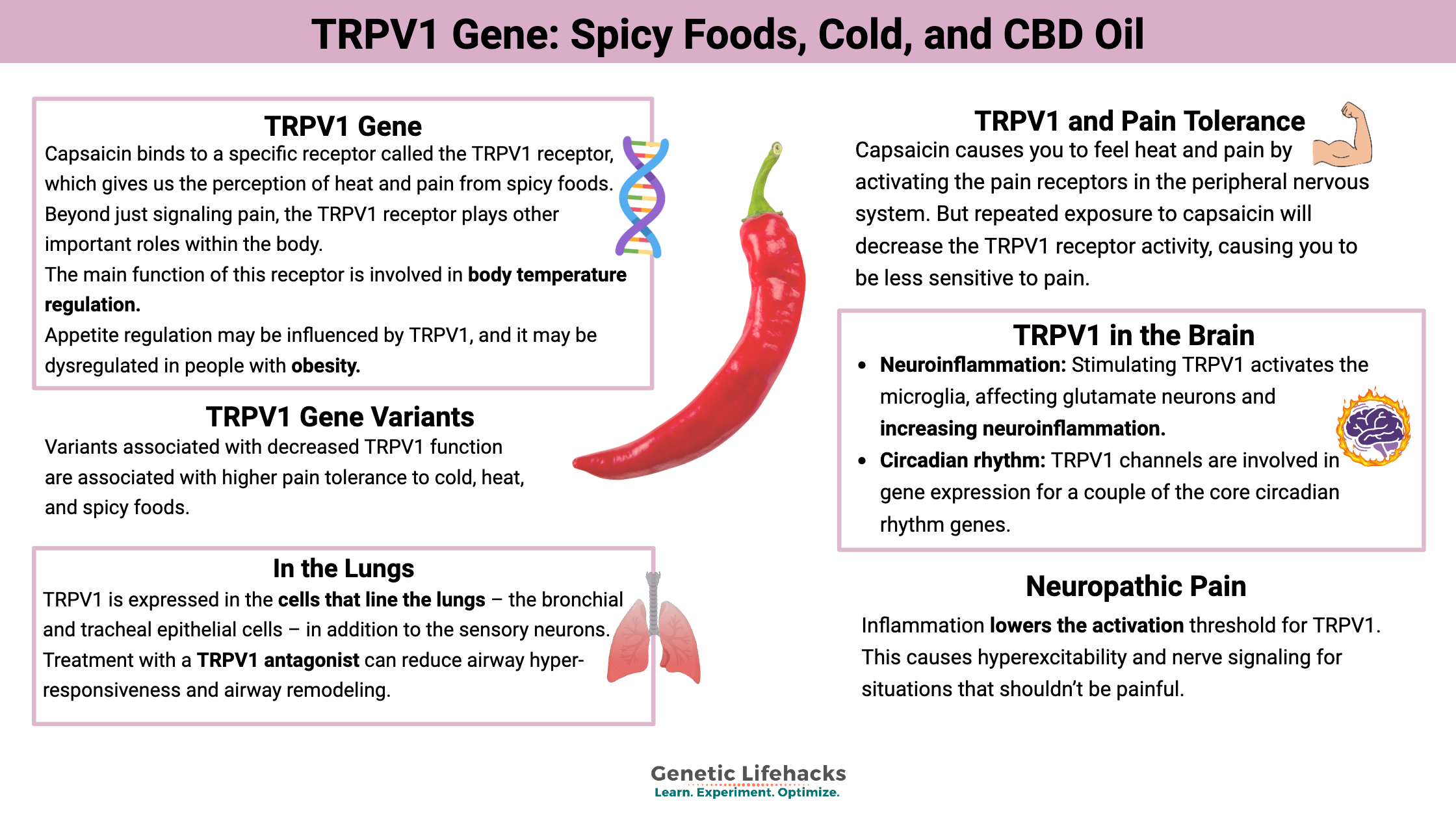
Learn how the TRPV1 gene shapes your reaction to spicy foods, pain, temperature, neuroinflammation and CBD oil, plus see how your genetic variants may affect tolerance and health.