Neuropilins: Neurodevelopmental Disorders, Gut Barrier, & Covid Brain
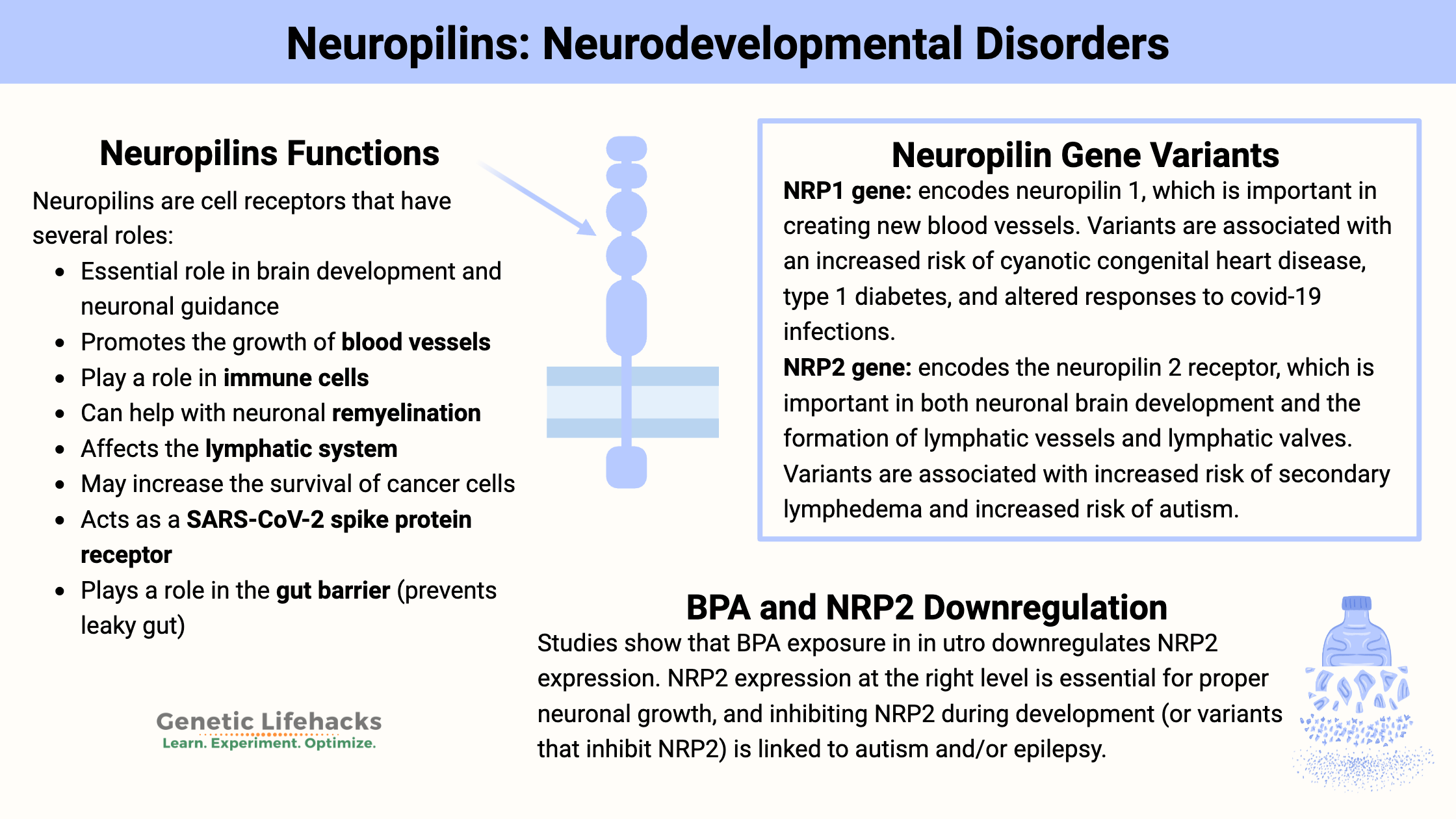
Neuropilins act as receptors and are found on the surface of cells. Learn about its many roles body, such as in the immune, vascular and nervous systems.

Neuropilins act as receptors and are found on the surface of cells. Learn about its many roles body, such as in the immune, vascular and nervous systems.
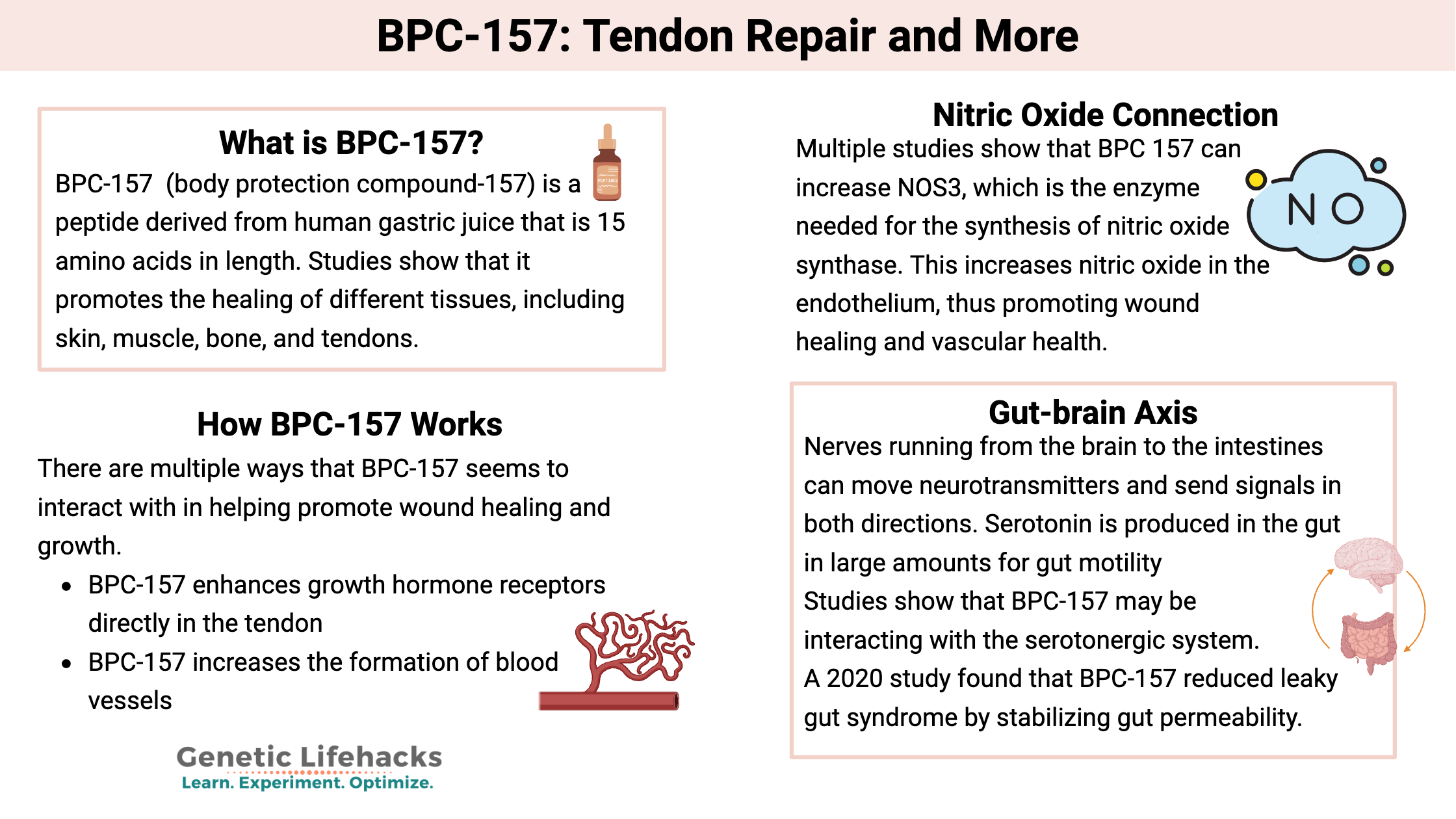
BPC-157 (body protection compound-157) is a peptide derived from human gastric juice that is 15 amino acids in length. Studies show that it promotes the healing of different tissues, including skin, muscle, bone, and tendons.
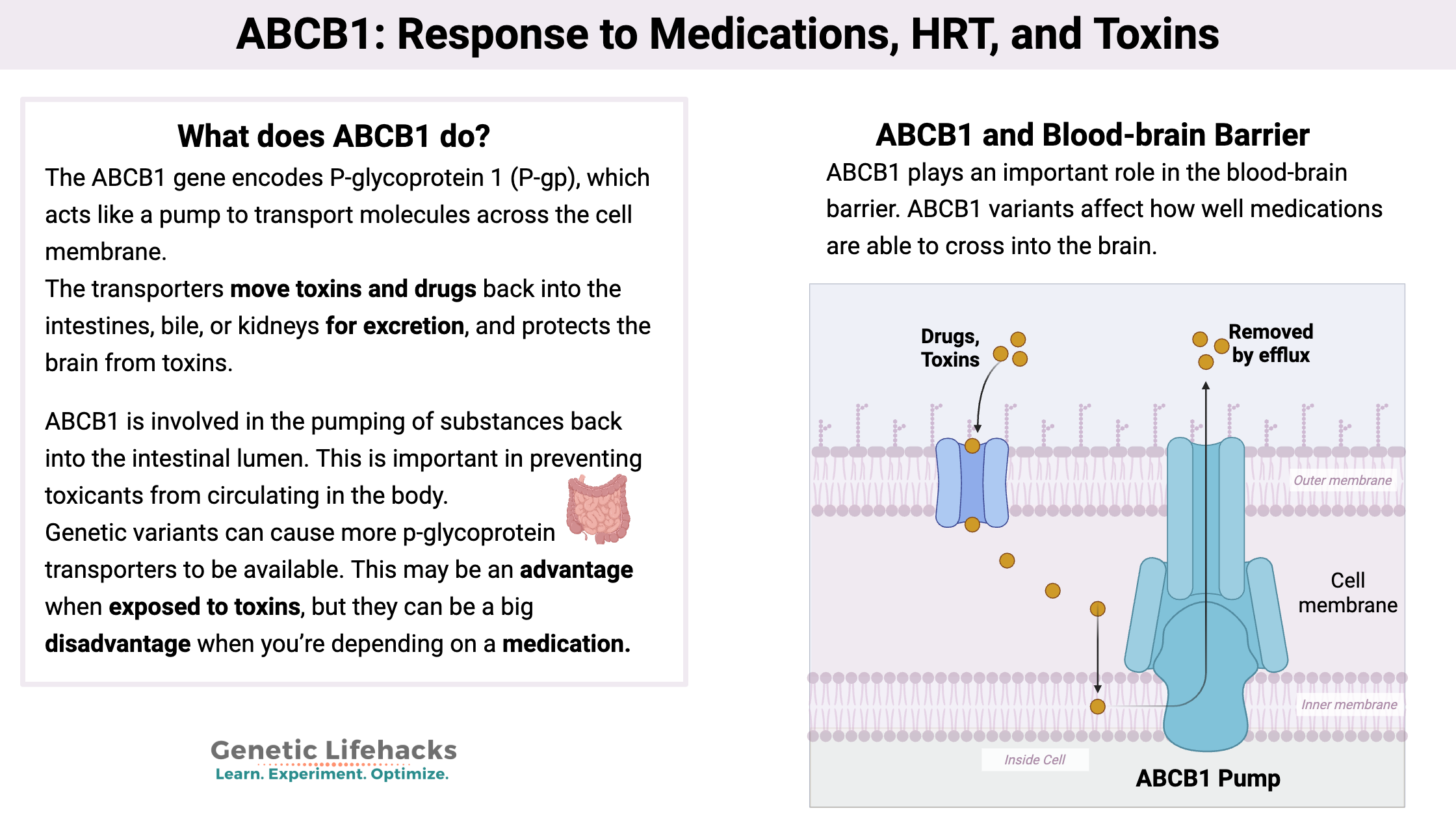
ABCB1 encodes P-glycoprotein, a transporter that removes toxins – and medications – from the body. Genetic variants in the ABCB1 gene can affect how well a medication works for you.
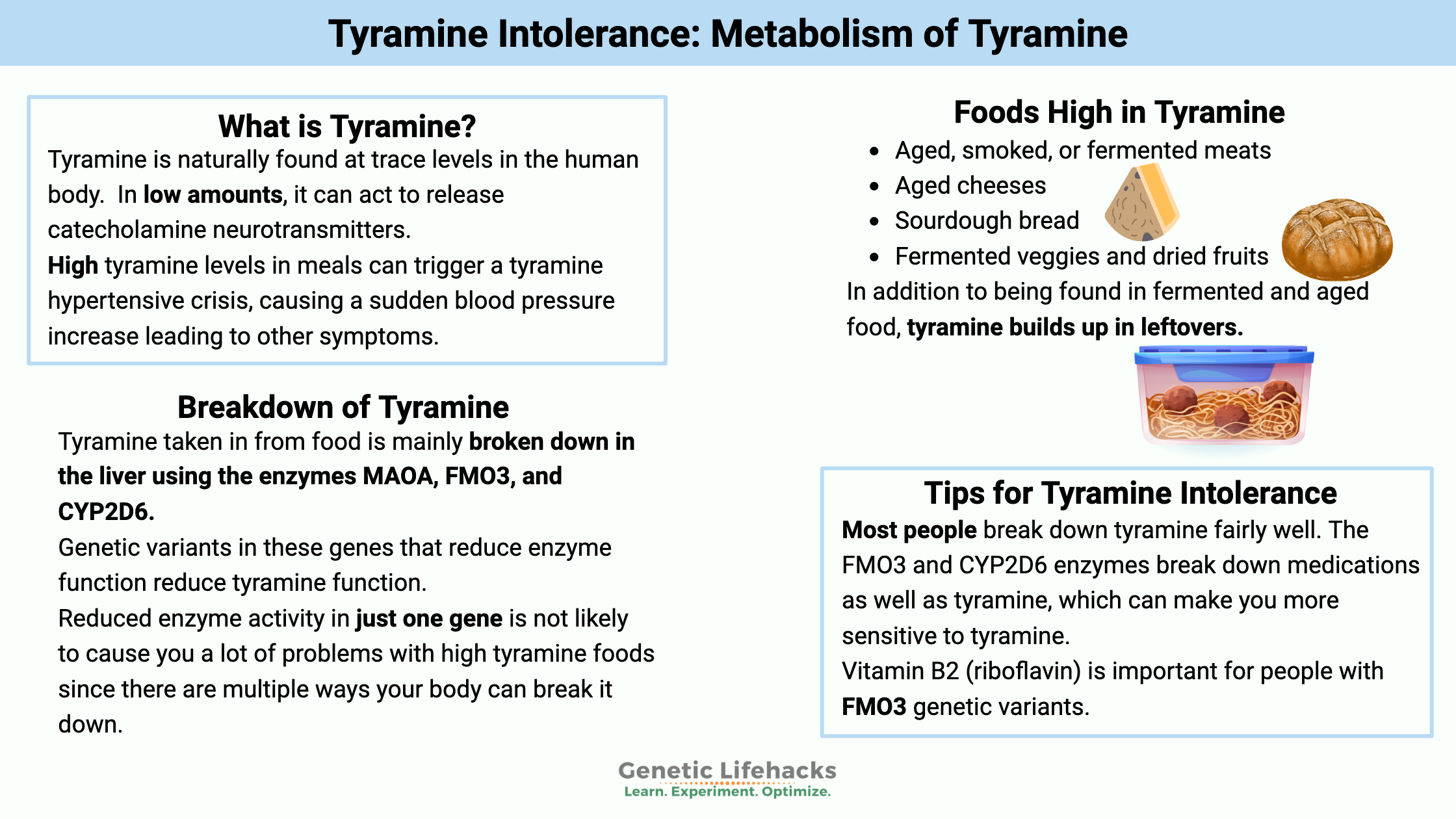
Tyramine intolerance happens when you can’t break it down. Too much tyramine can lead to a hypertensive crisis. Learn more and check your genetic raw data for results.
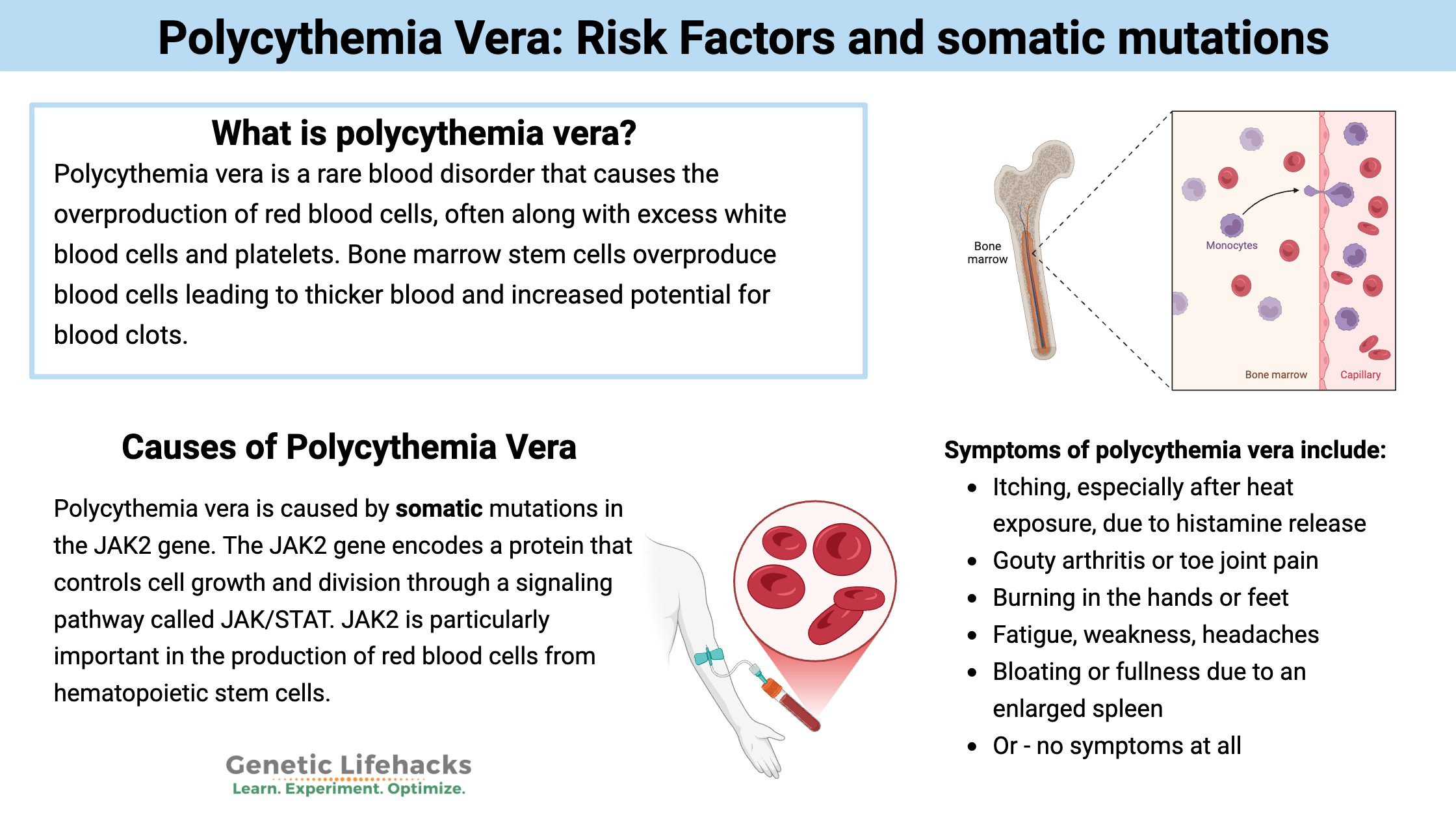
Polycythemia vera: See how your genetics and environment contribute to this rare blood disorder. Understand the causes, risks, and role of inheritance.
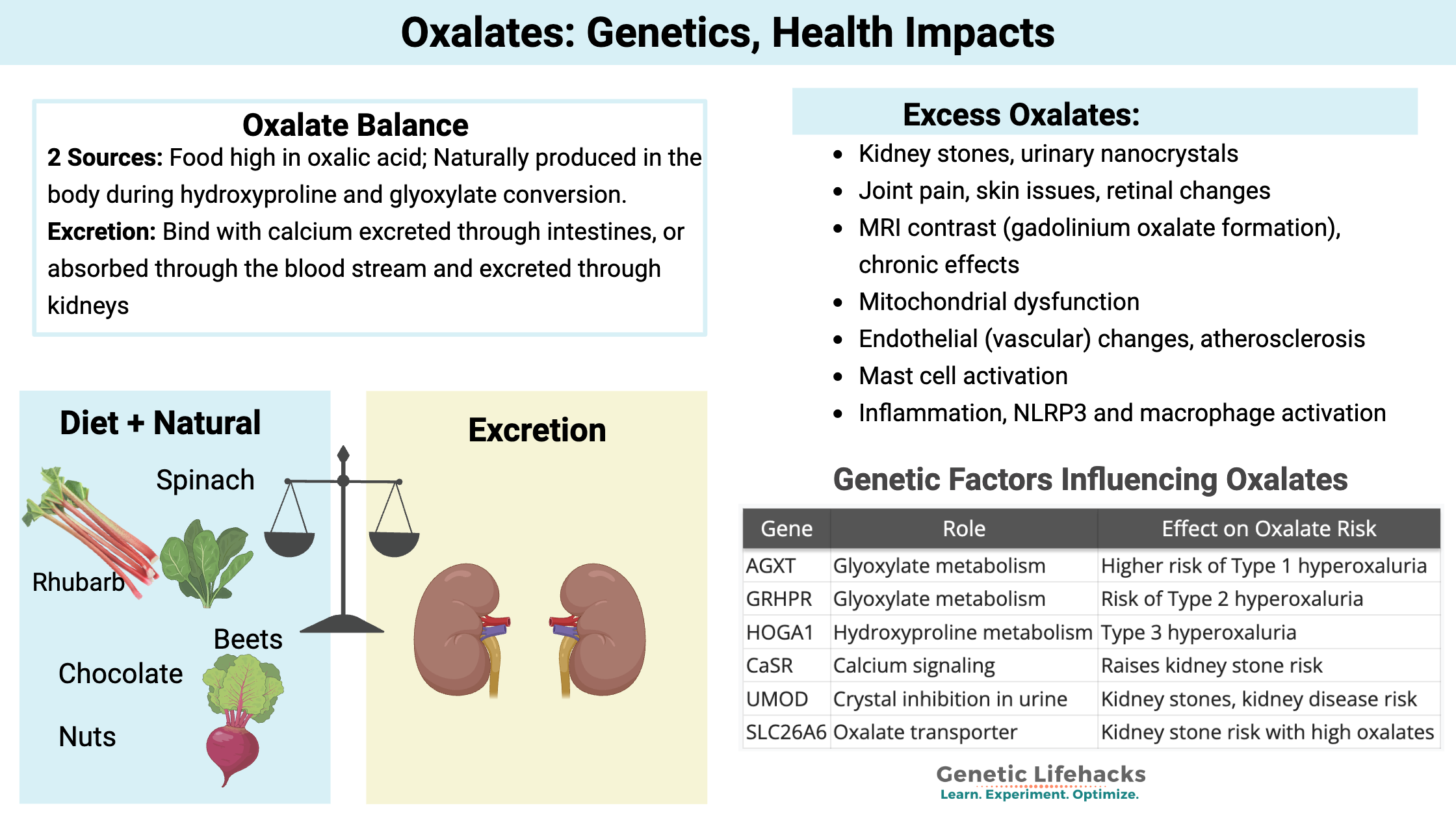
Green smoothies have been a health fad for quite a while now, but these health drinks can be a double-edged sword for some people due to their high oxalate content. Find out if you are genetically prone to kidney stones and what to do about it.
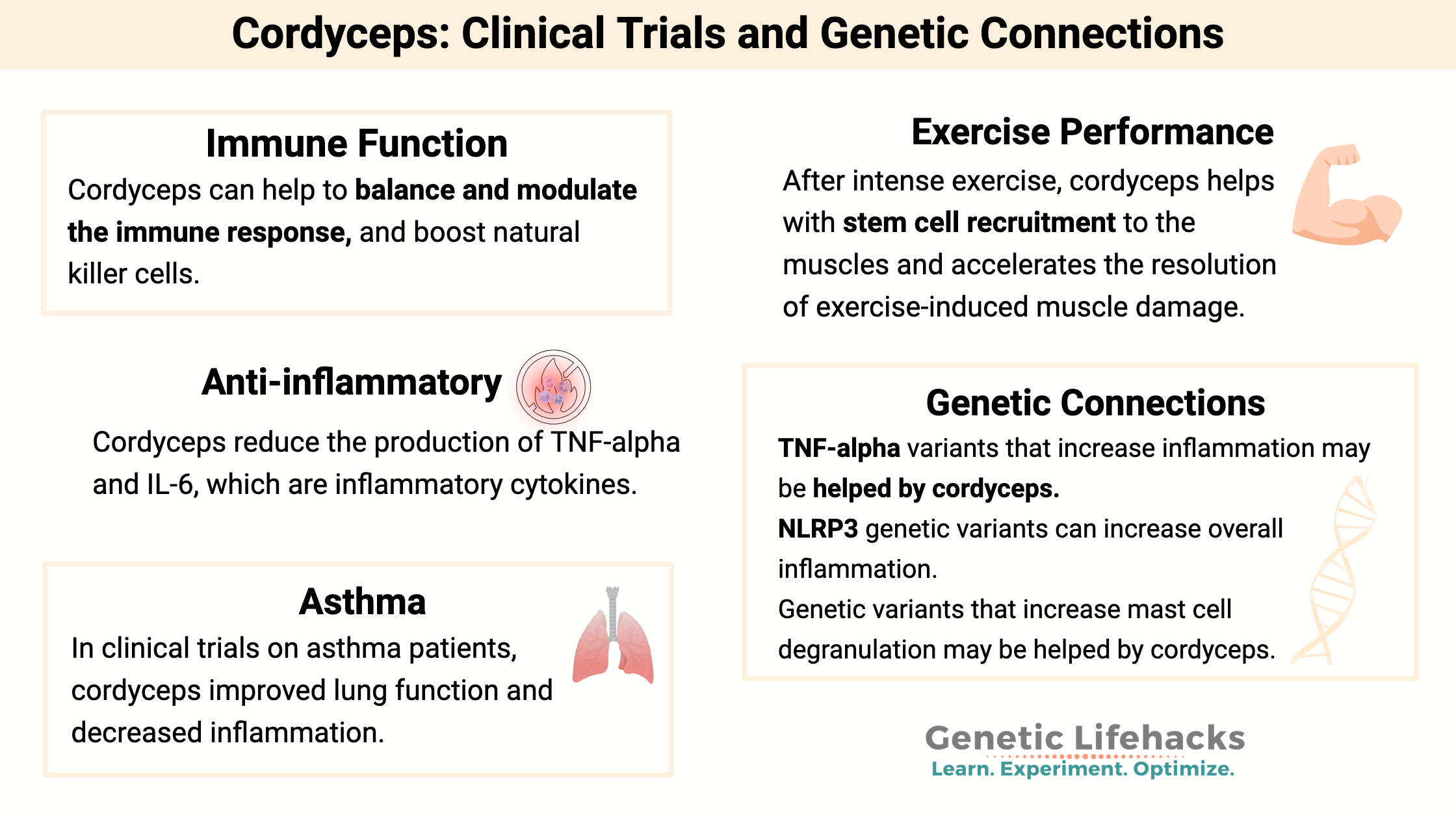
Cordyceps mushroom extract has immunomodulatory and anti-inflammatory effects. Studies show benefits for asthma, resistance training, endurance training, and kidney disease.
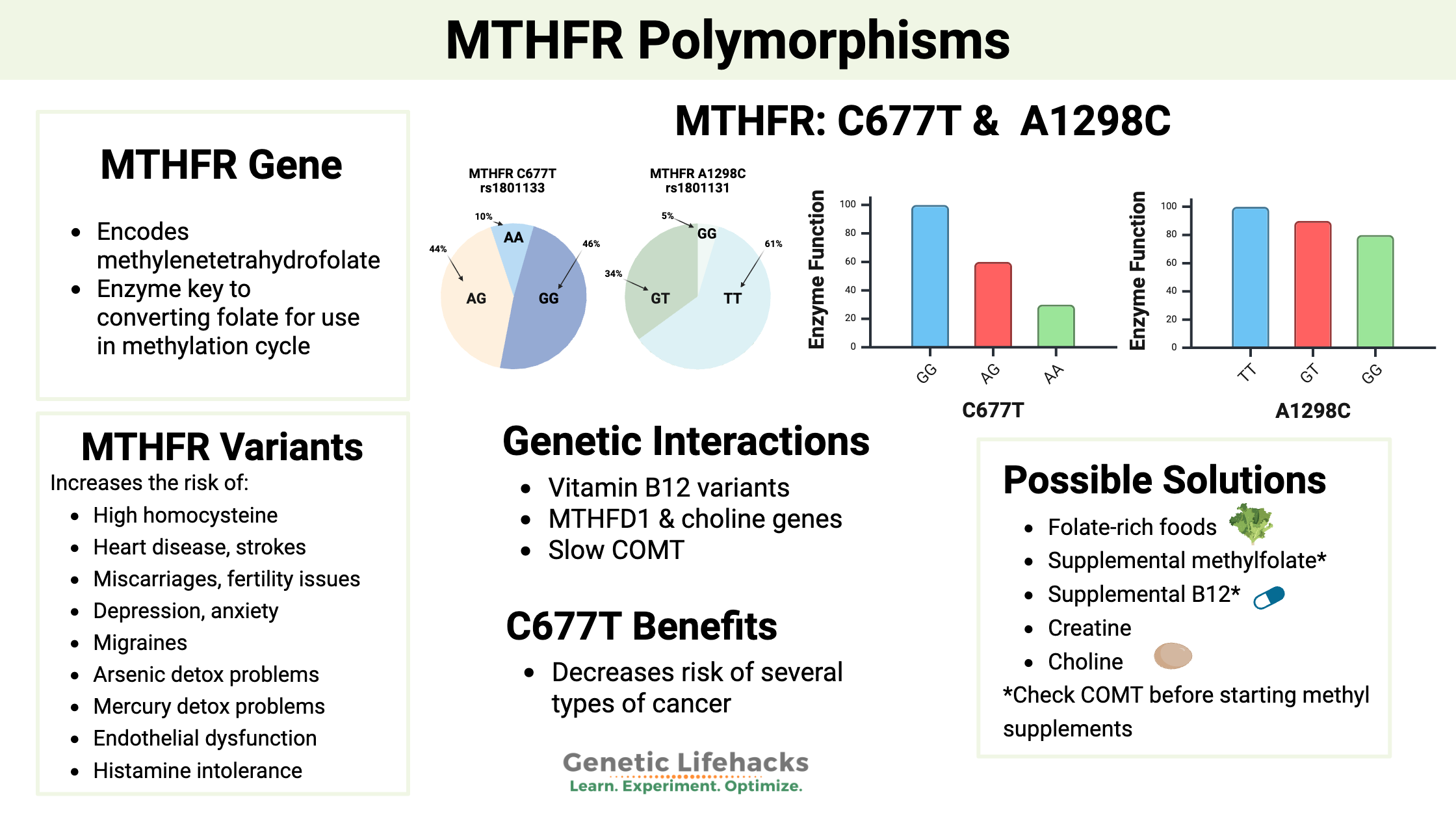
The MTHFR gene is important for how your body utilizes folate (vitamin B9) for creating neurotransmitters, detoxifying toxicants, and maintaining a healthy heart. It is a key gene in the methylation cycle.
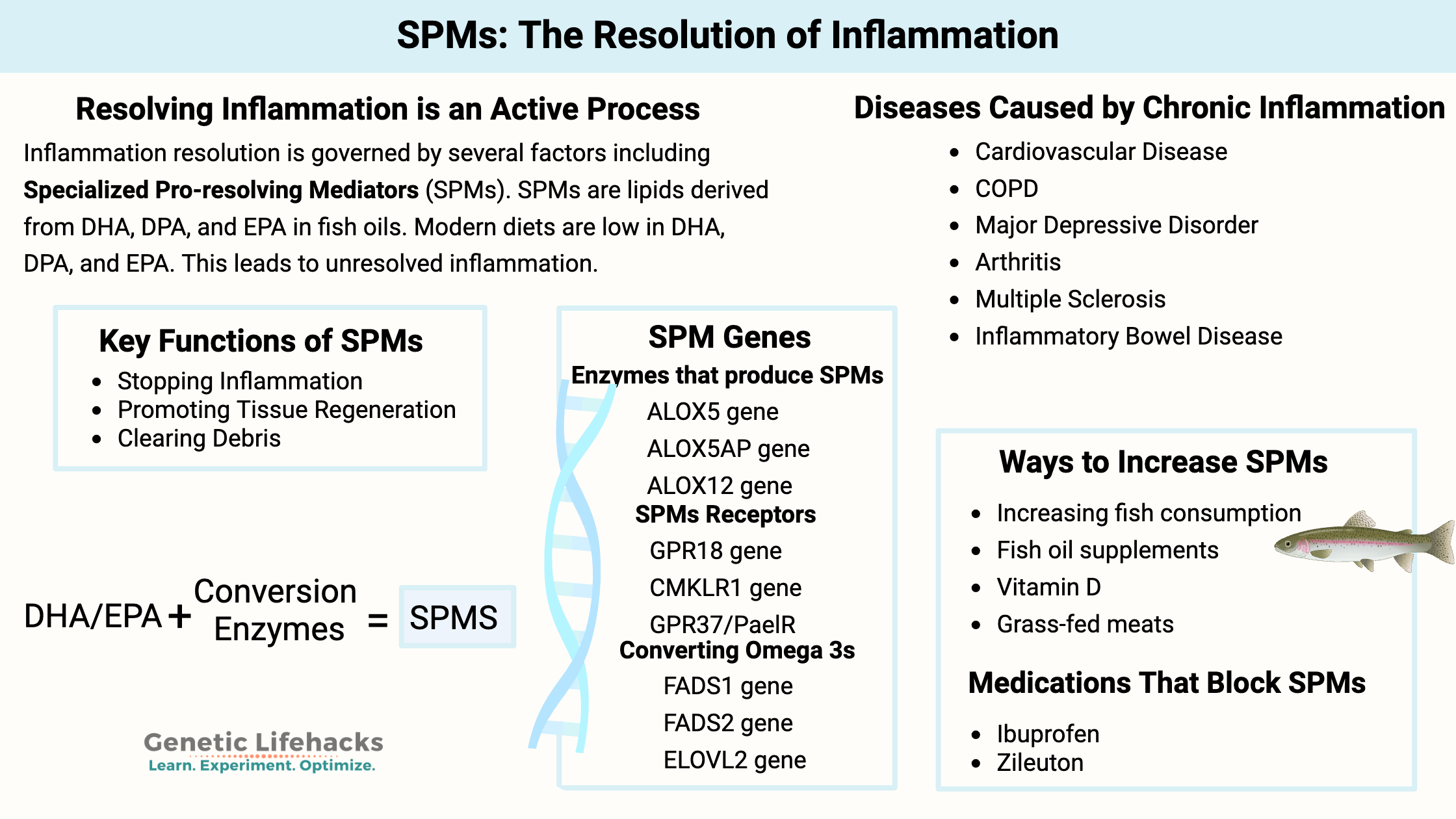
Chronic inflammation is at the root of all diseases. New research discusses how pro-resolving mediators are the key to the resolution of inflammation.
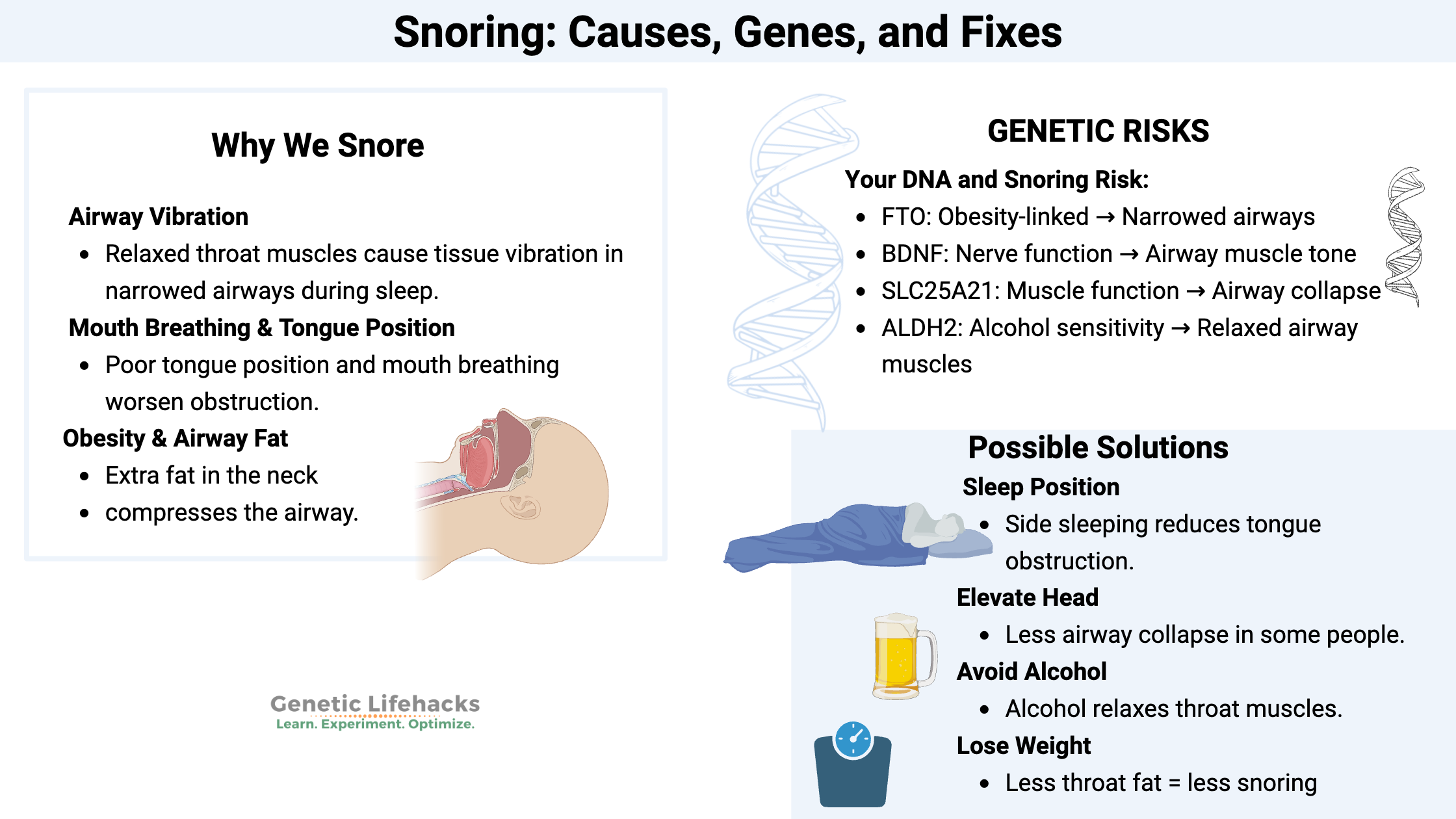
Genetics plays a role in snoring —certain genes affect airway structure, fat distribution, and muscle control.
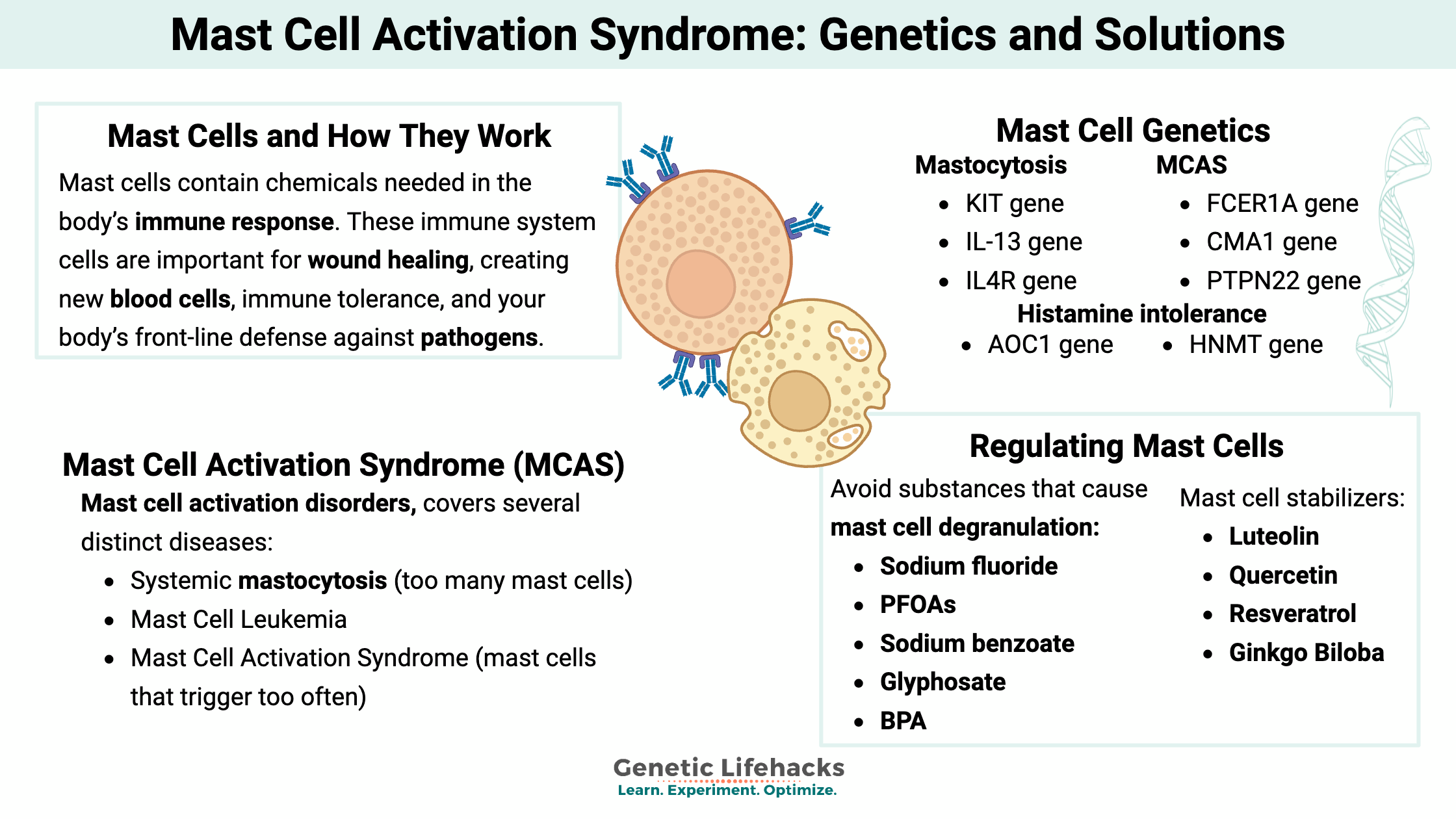
Mast cells are essential to your innate immune system, defending against pathogens and allergens. For some people, mast cells can be triggered too easily, giving allergy-like responses to lots of different substances.
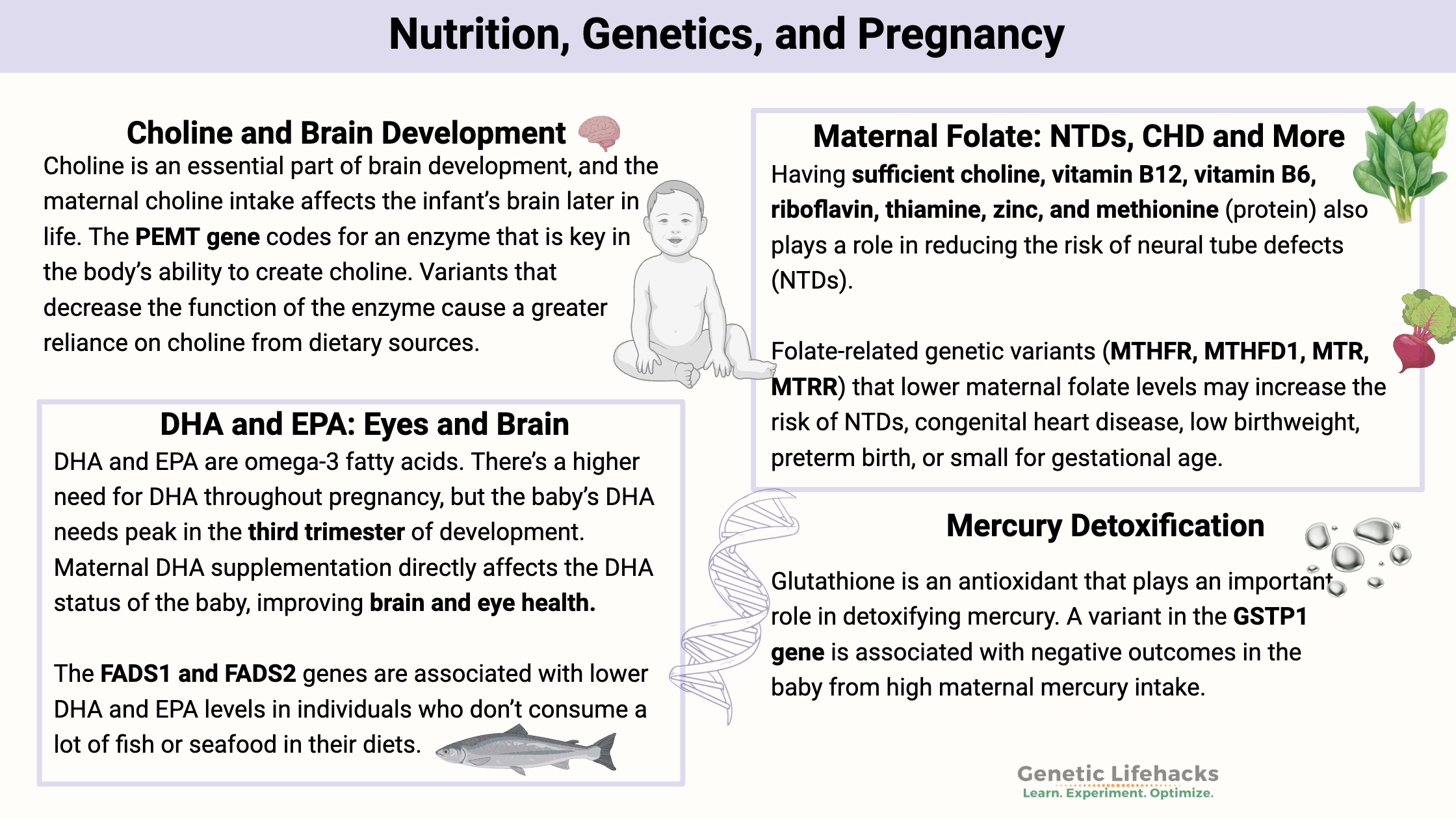
Pregnancy is a time of increased nutritional needs, and your genes can help you dial in your diet to prevent nutrient deficiencies.
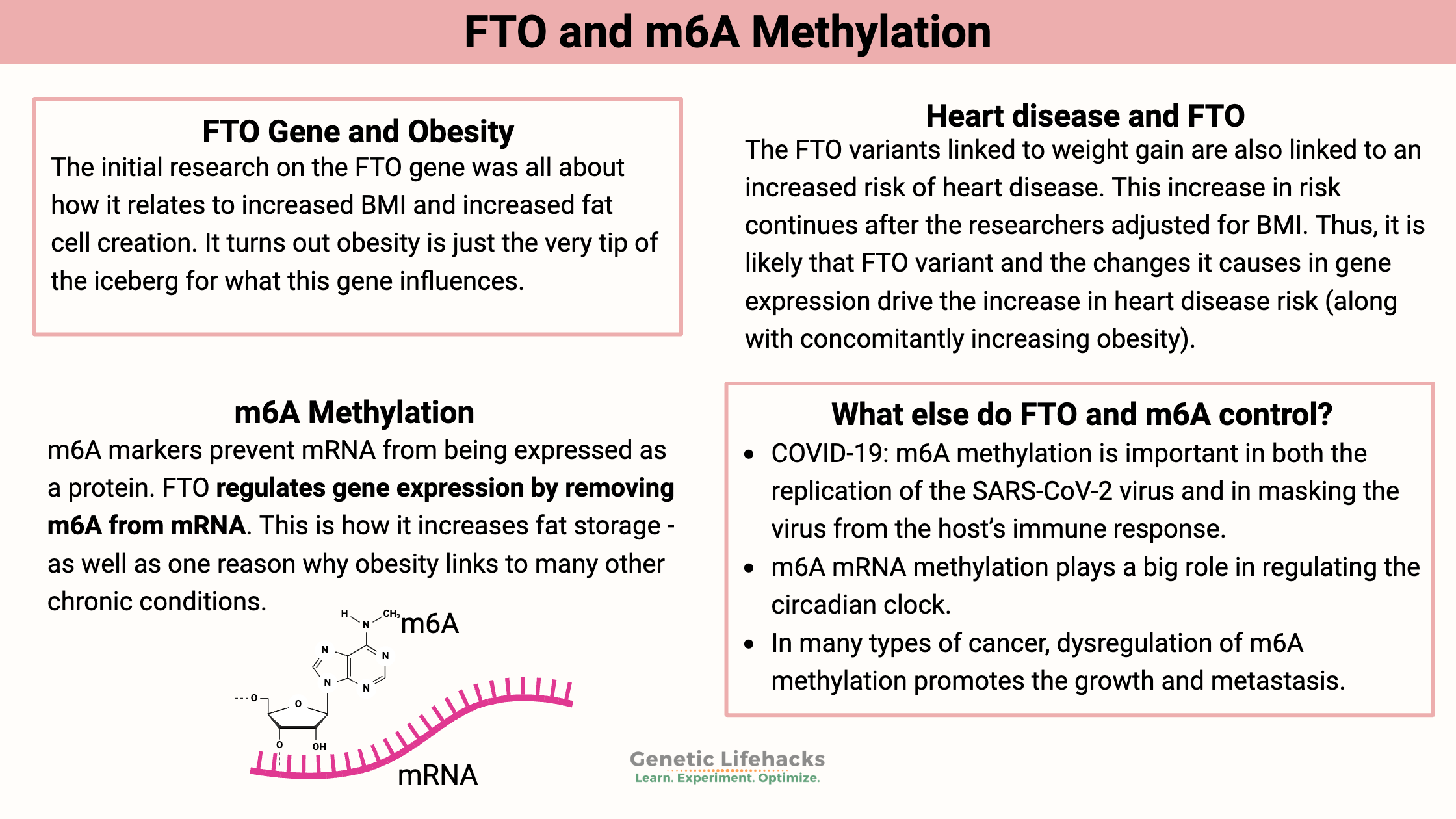
Recently, researchers discovered that FTO is an m6A eraser that removes methyl groups from mRNA. This discovery has opened up huge avenues of research on topics from cancer to immune response to heart disease.
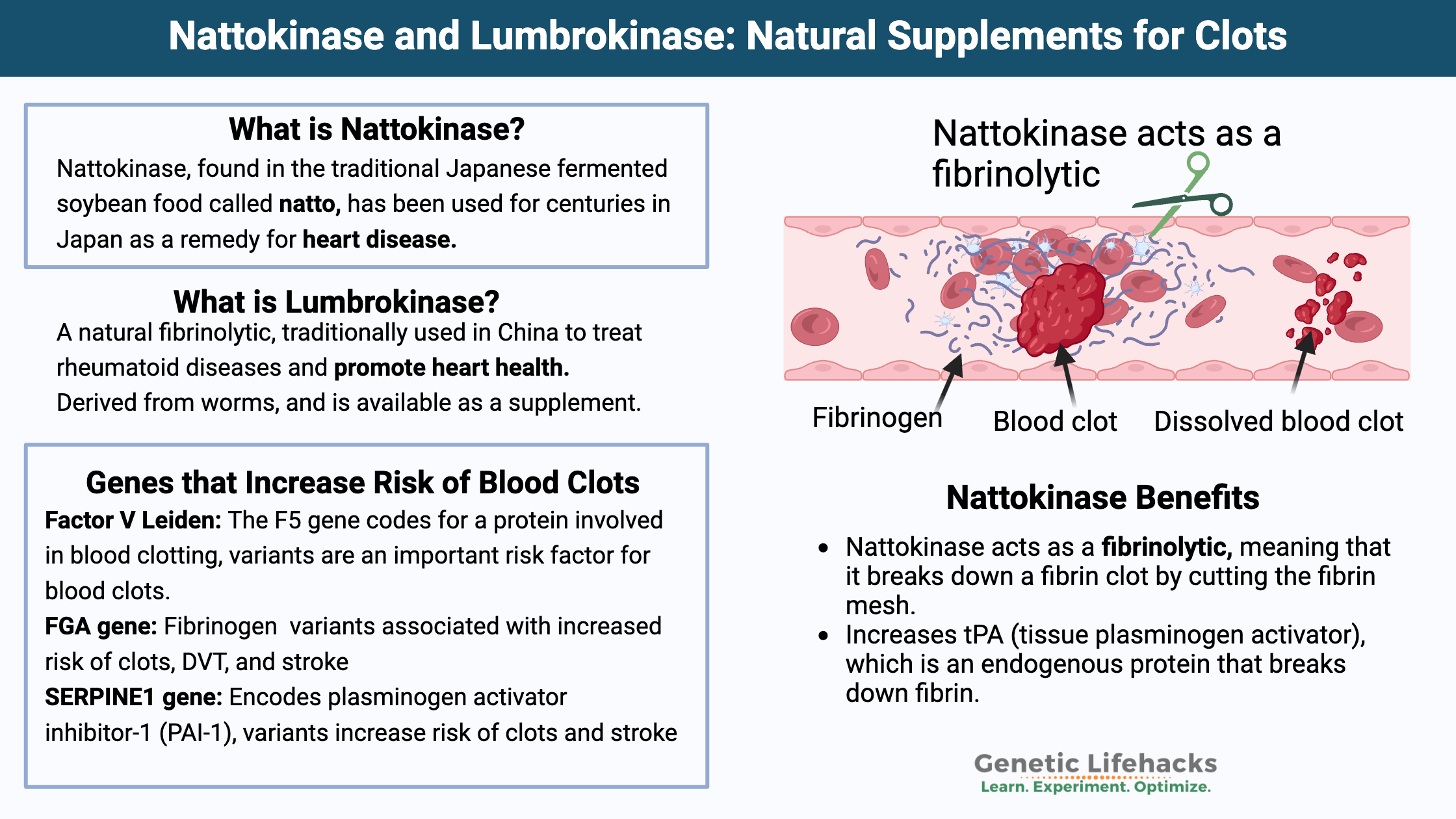
Two natural fibrinolytics to reduce clotting are nattokinase and lumbrokinase. Learn more about these options based upon the newest research and clinical trials.
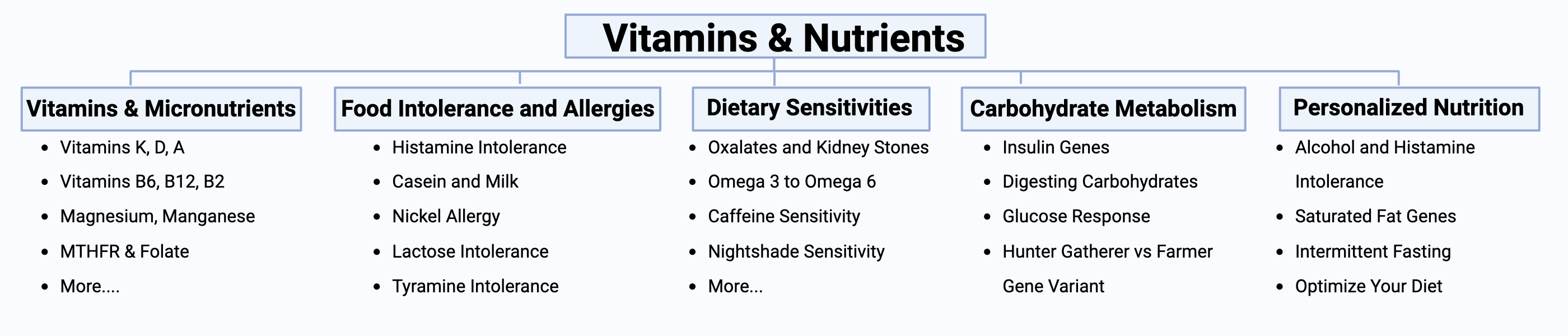
Your genes influence how well your cells absorb, transport, and utilize nutrients. We are all genetically different, and your genes give you unique dietary needs and strengths. Genetic data can give you a starting point to know where you may need more – or less – of a specific nutrient. … Read more
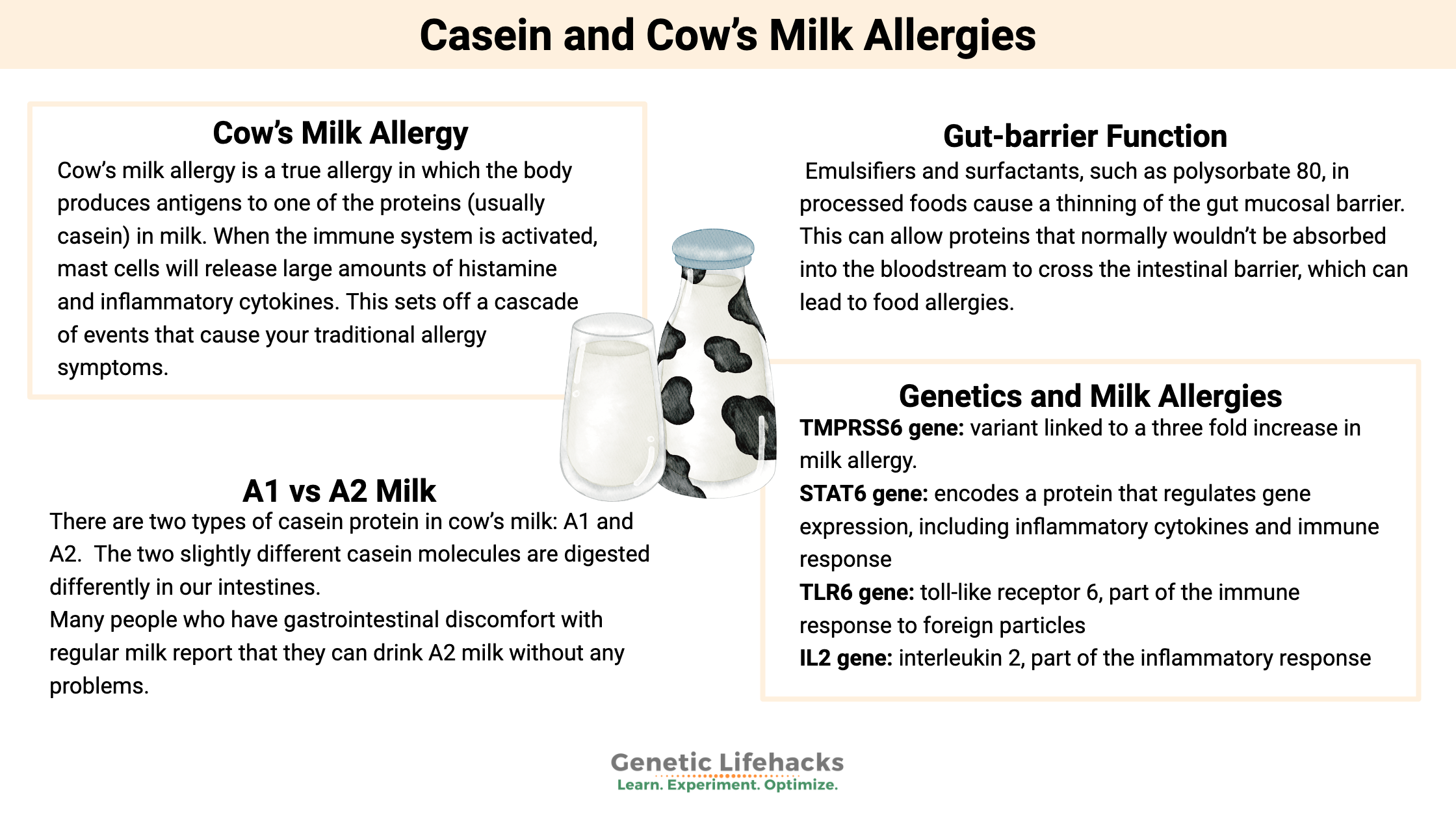
Cow’s milk allergy can be due to your immune system responding to casein or β-lactoglobulin. Genetic variants in immune-system genes increase susceptibility – along with environmental factors.
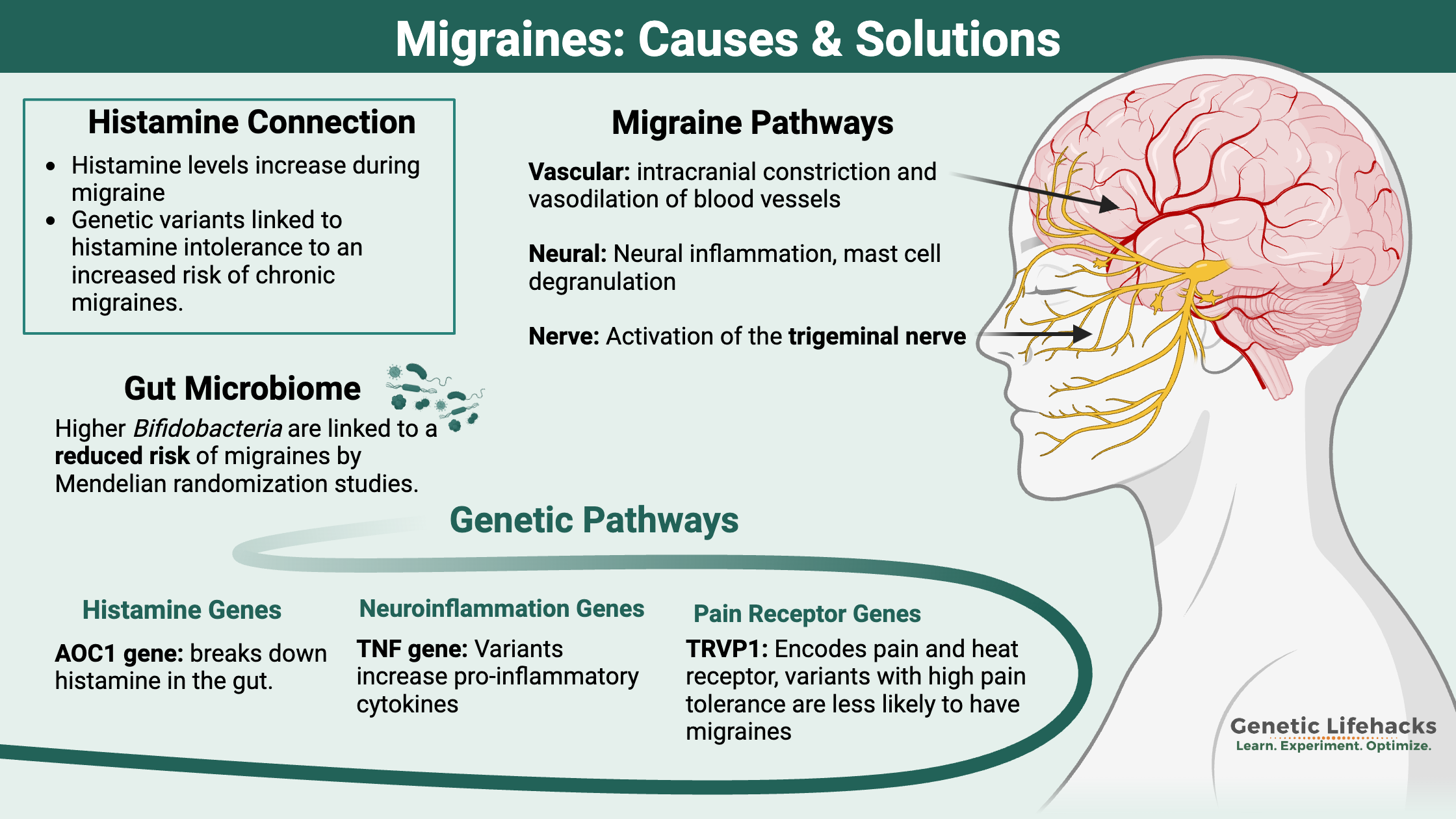
Discover how genetics, triggers, and personalized strategies shape migraine prevention and relief. Find actionable solutions based on your DNA.
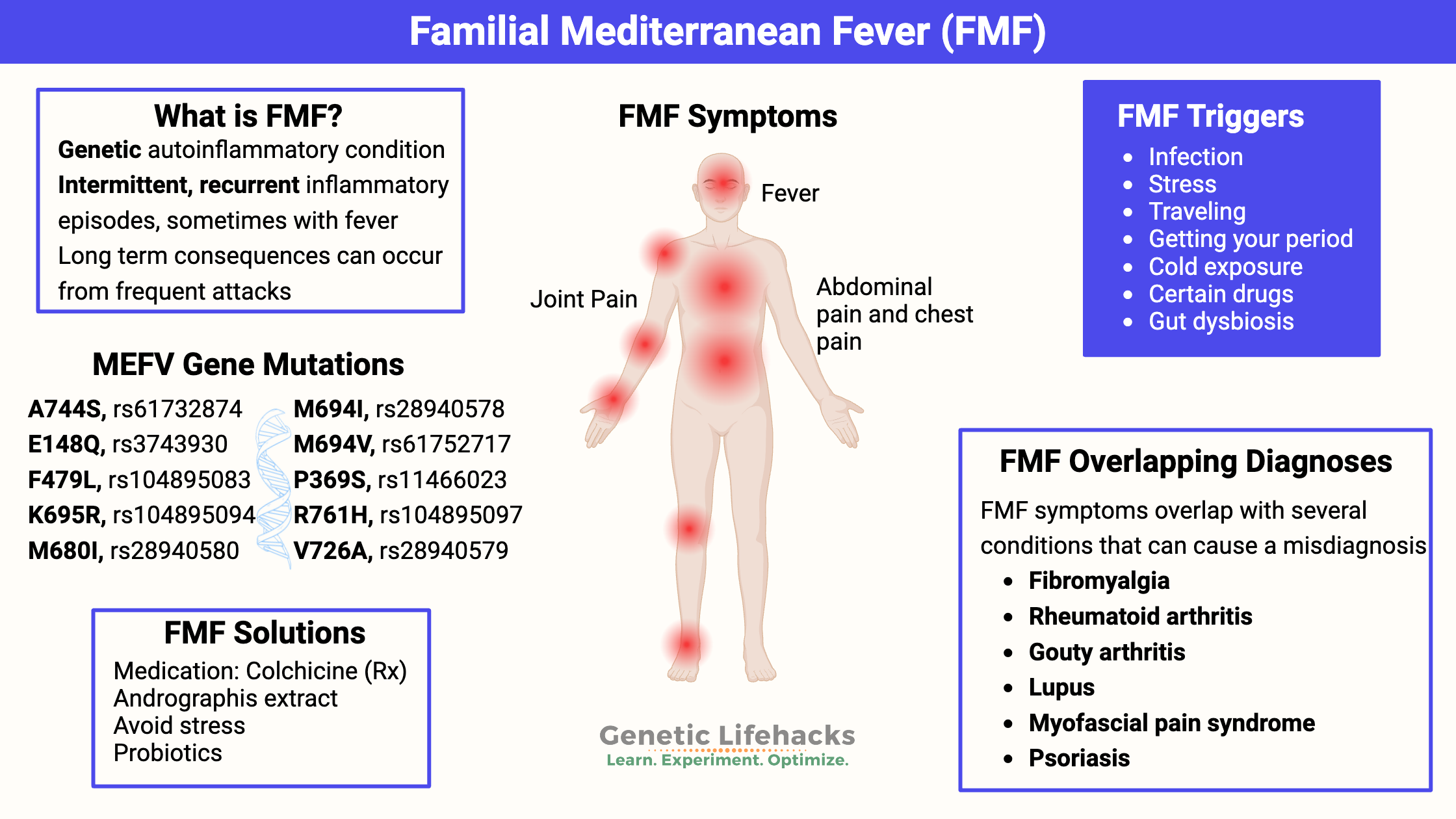
Explore how MEFV mutations drive autoinflammatory flares, the overlap of FMF with fibromyalgia, gout, lupus, and MCAS, and evidence-based options from colchicine to natural anti-inflammatory strategies.
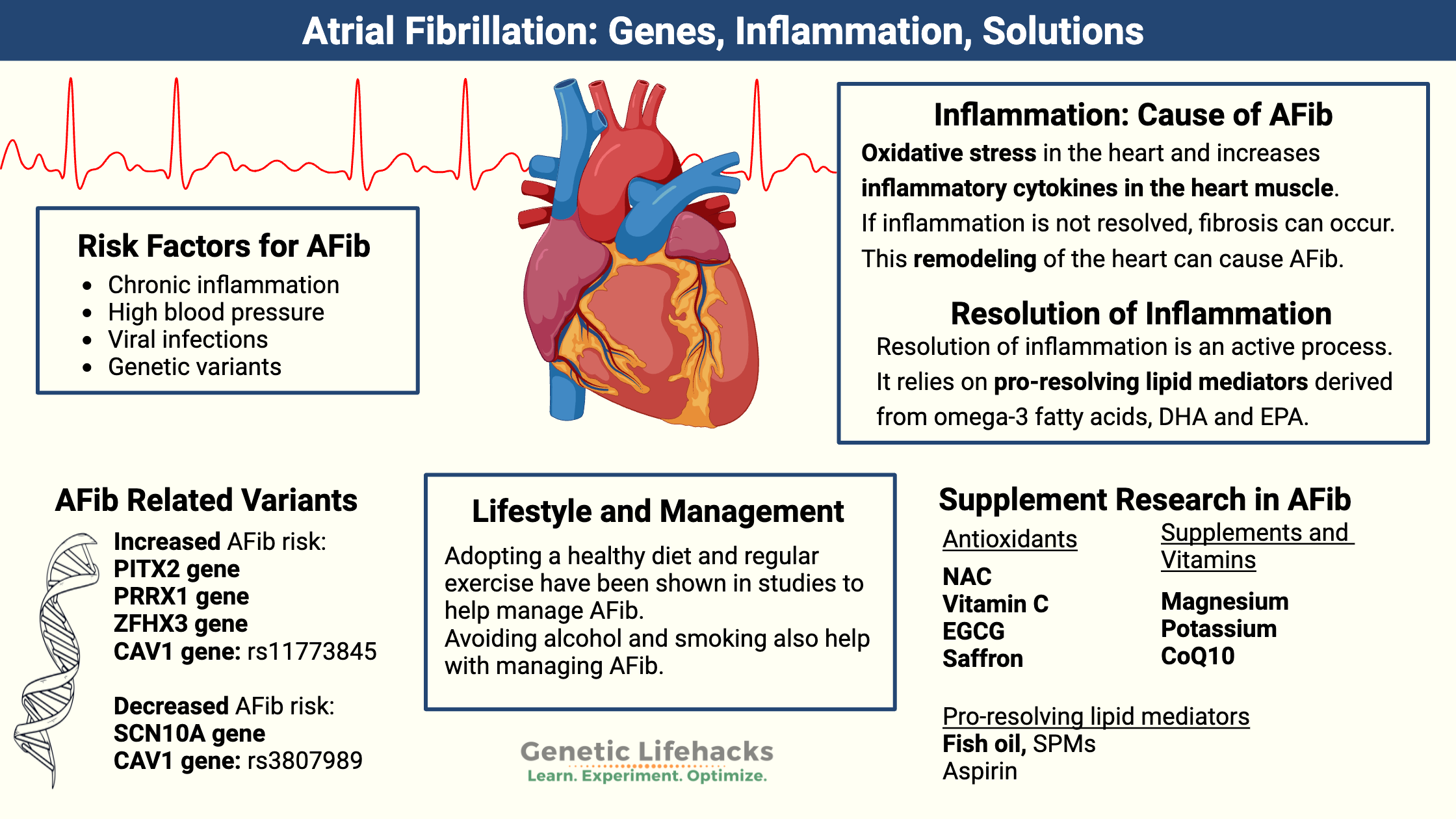
Atrial fibrillation is an irregular heartbeat in the atrium. Genetic variants combine with inflammation and environmental triggers in causing A-fib.
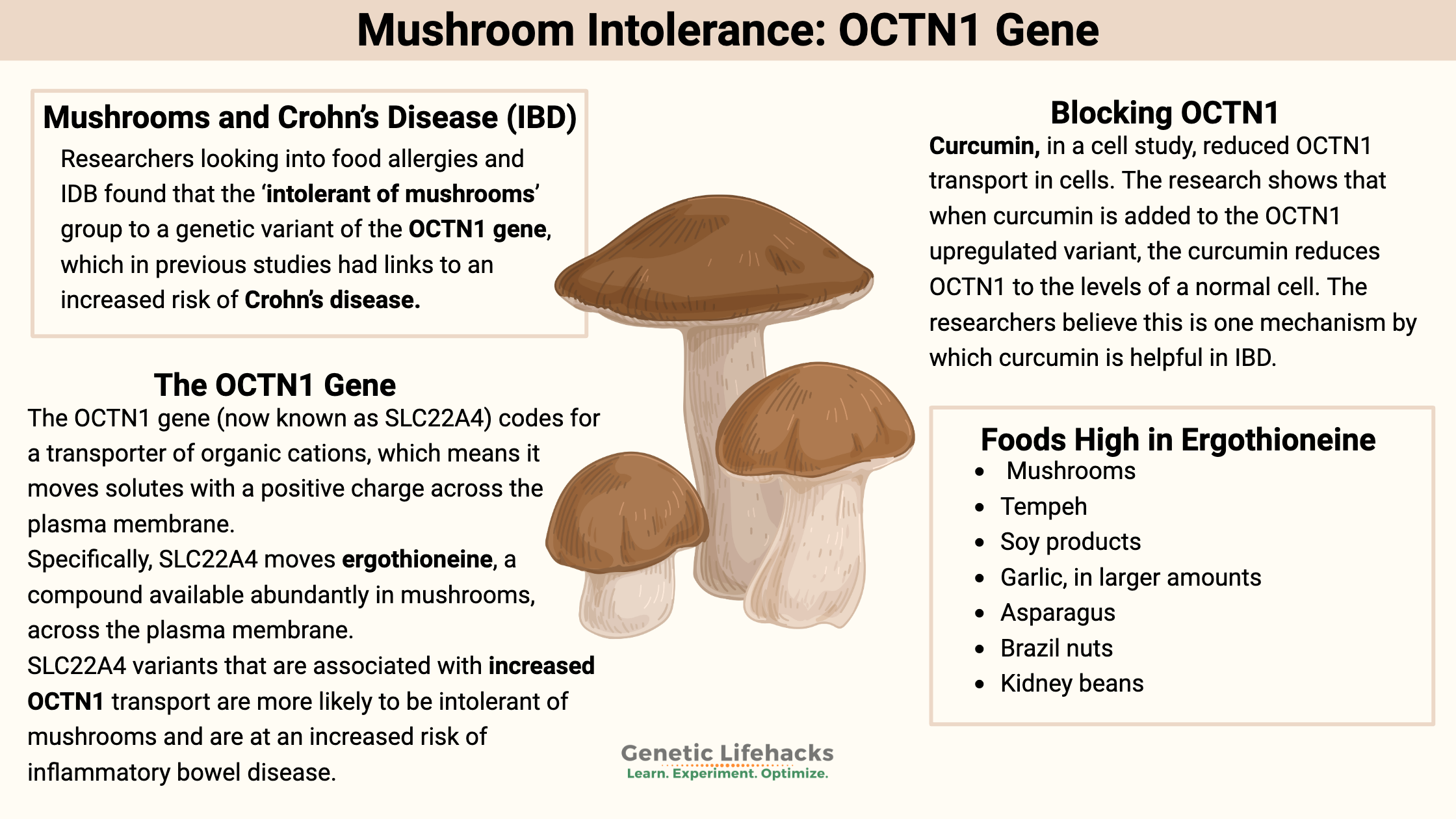
Mushrooms contain a healthy antioxidant called ergothioneine. But for people with a SLC22A4 genetic variant, this antioxidant can be too much of a good thing, leading to intestinal problems. Check your genetic data to see if you carry this mushroom intolerance variant.
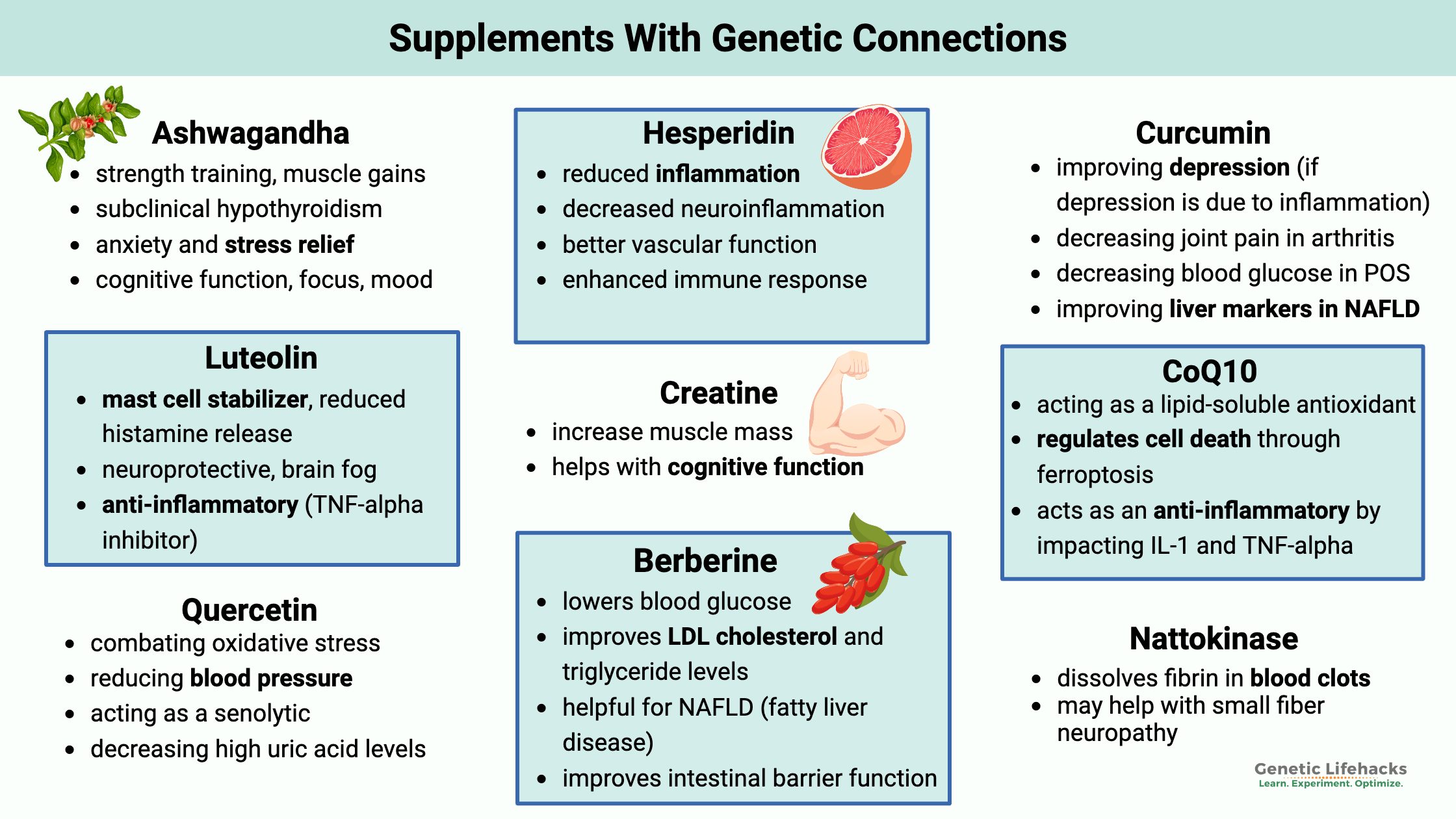
Linking supplements and genetic SNPs so that you can more easily find out what may work for you – and what to be cautious about.
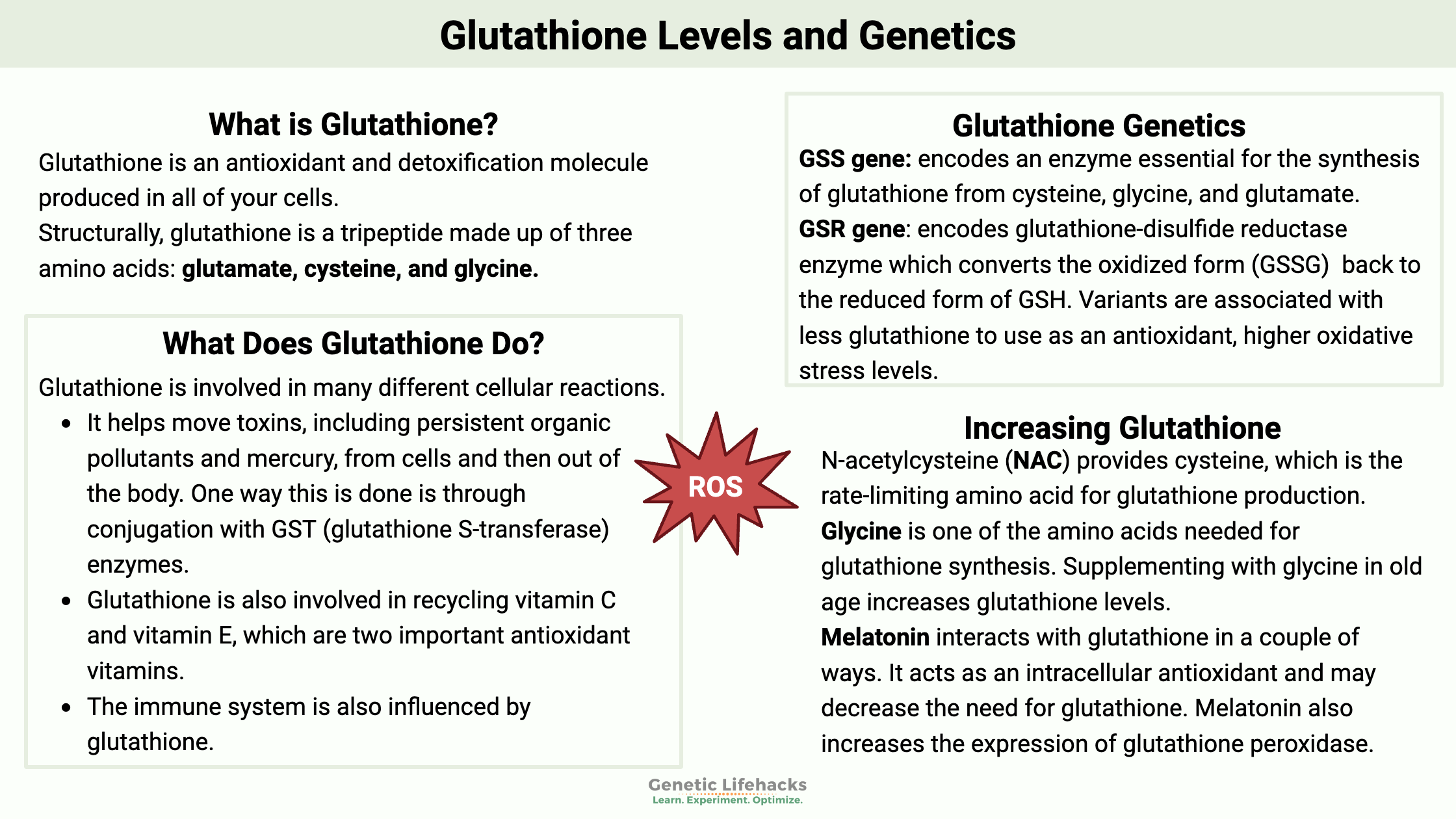
Glutathione is an antioxidant produced in all cells to balance out ROS. Genetic variants can impact your glutathione levels, which can alter your ability to detoxify certain substances or withstand stressors in the body.
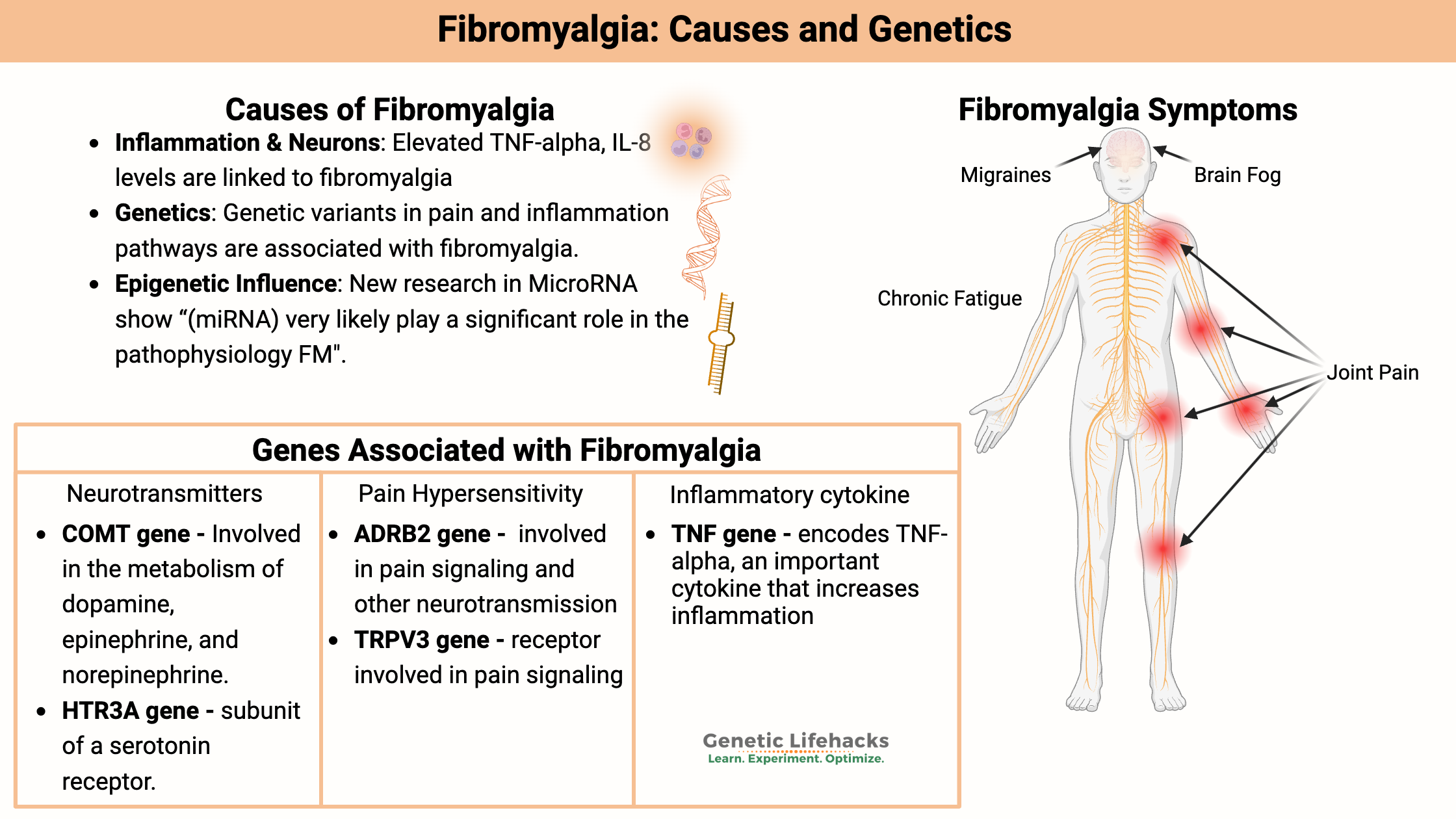
Learn about the potential causes of fibromyalgia, including inflammation, genetics, and hypersensitivity to pain, along with overlapping conditions that complicate diagnosis.
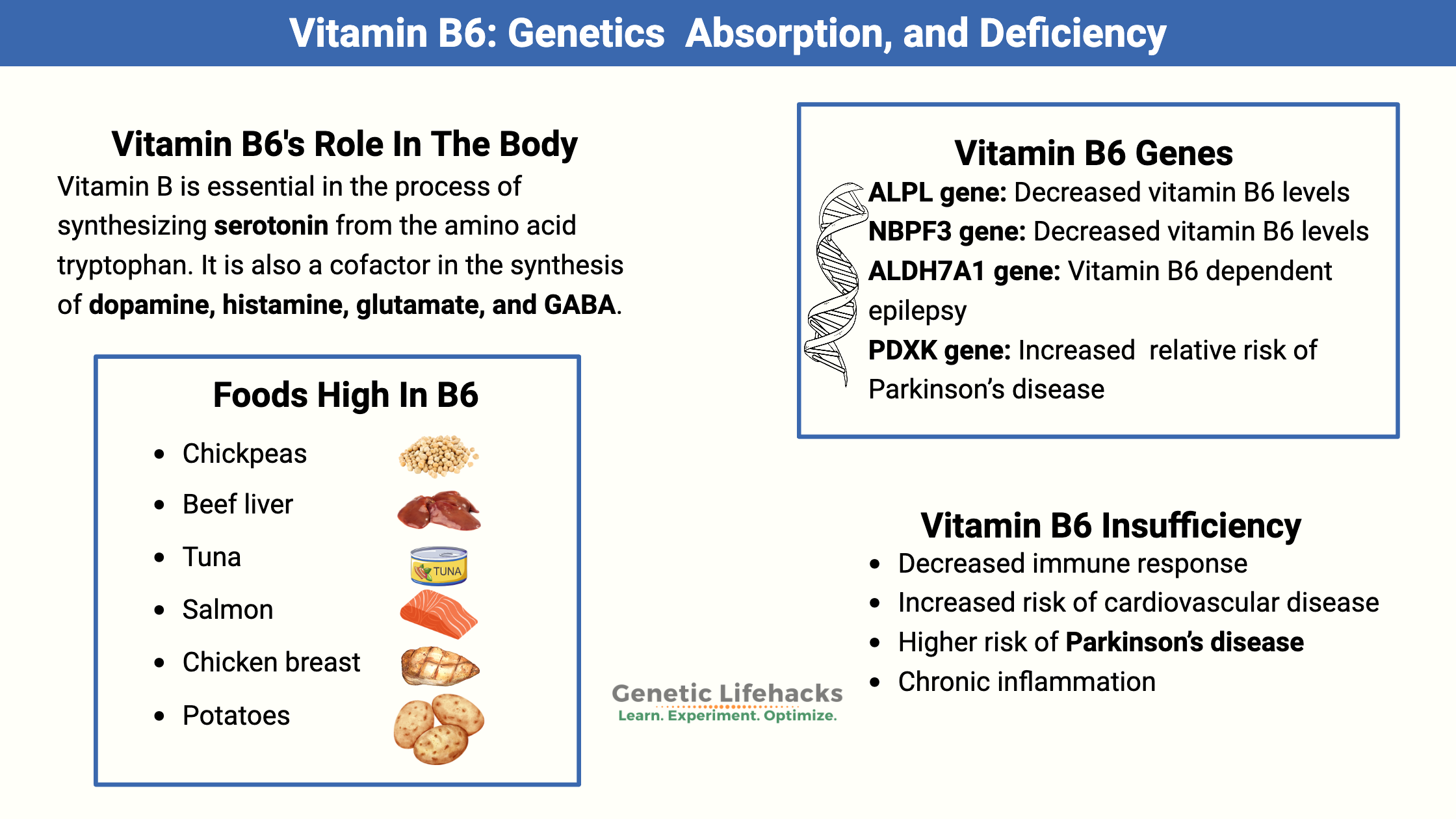
Vitamin B6 is an important co-factor in hundreds of different enzymatic reactions. Low levels of B6 are linked to an increased risk of diabetes, cardiovascular disease, neurodegenerative diseases, and cancer. B6 is also essential for reducing oxidative stress and inflammation.
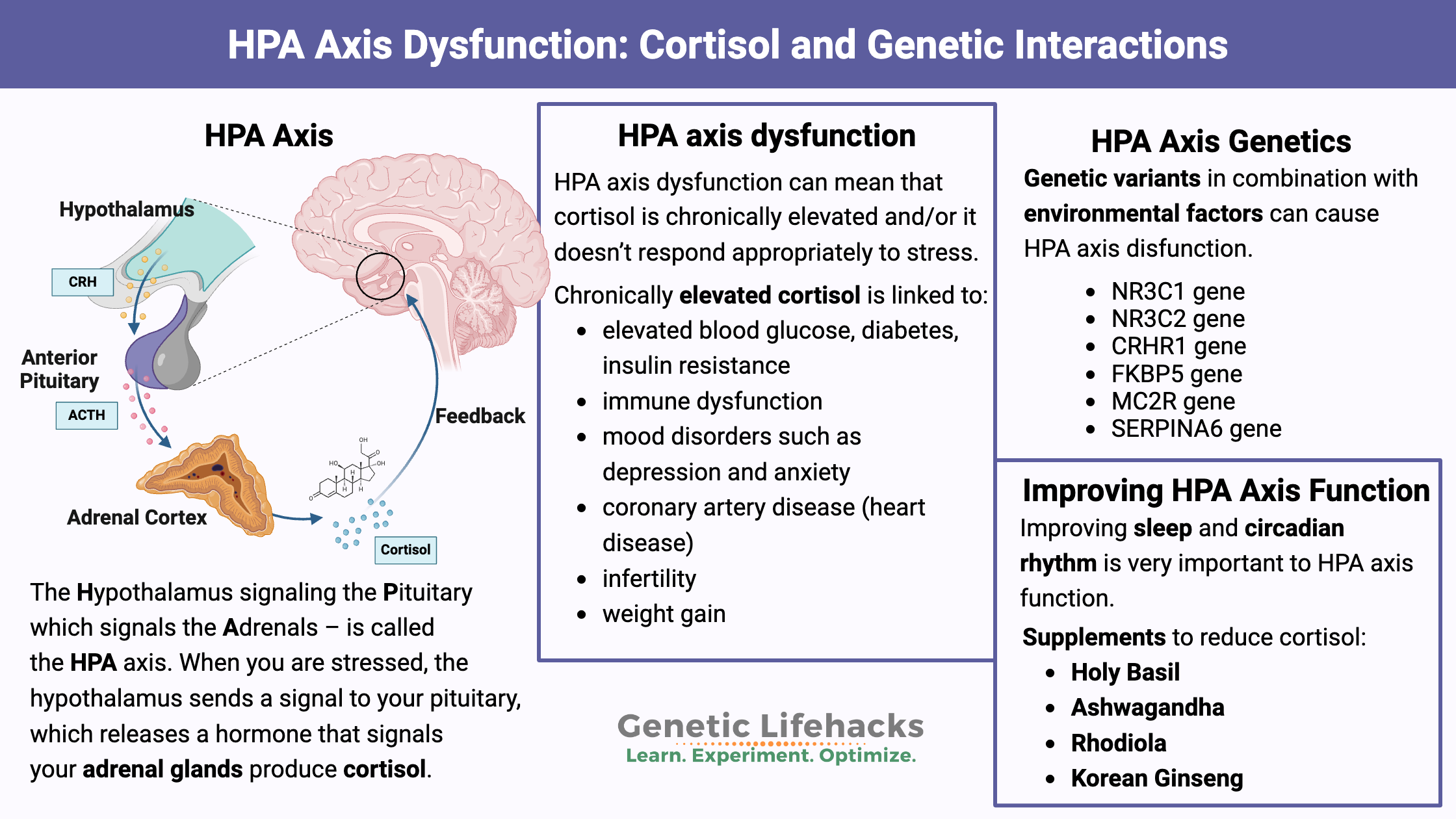
Cortisol is a hormone produced by the adrenal glands in times of stress, and it also plays many roles in your normal bodily functions. It is a multi-purpose hormone that needs to be in the right amount (not too high, not too low) and at the right time. Your genes play a big role in how likely you are to have problems with cortisol.