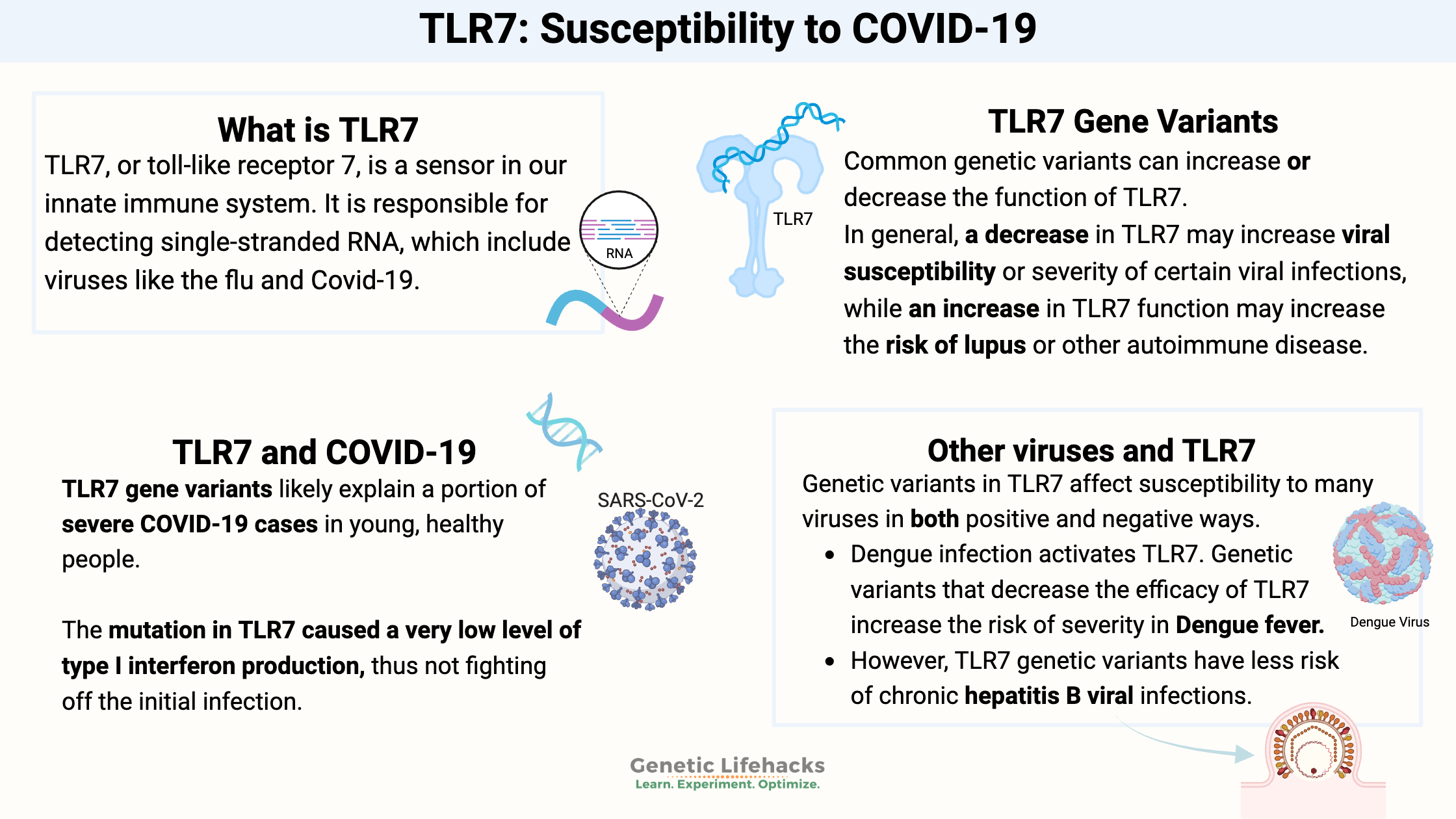
TLR7: Susceptibility to COVID-19
In recent research, mutations in TLR7 (a sensor in our innate immune system) might cause severe Covid-19 in a small minority of healthy people.

In recent research, mutations in TLR7 (a sensor in our innate immune system) might cause severe Covid-19 in a small minority of healthy people.
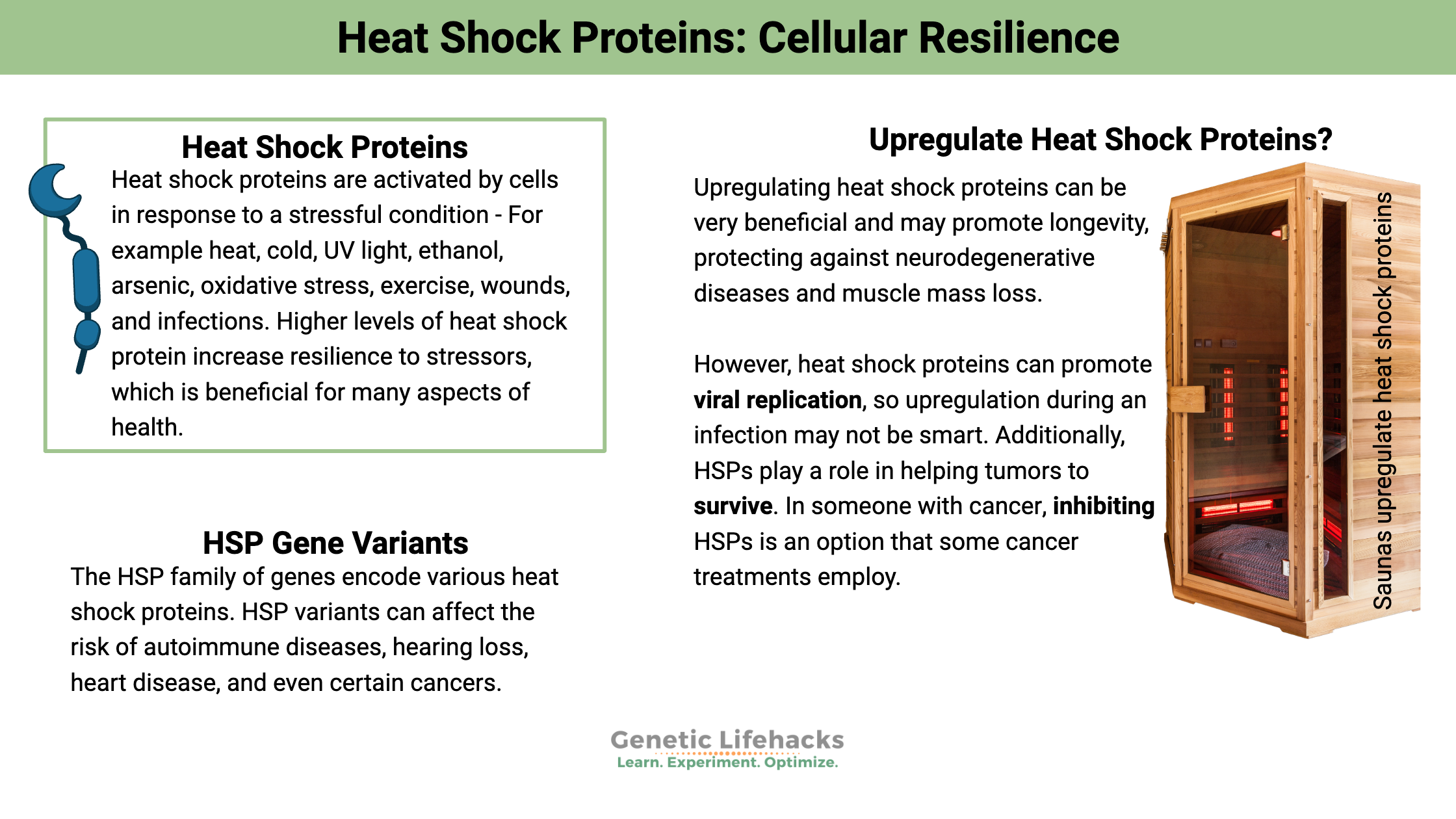
Heat shock proteins are activated by cells in response to a stressful condition, such as exposure to high heat. Learn more about the essentials of heat shock proteins, including how to activate them and the genetic variants that impact how well they work.
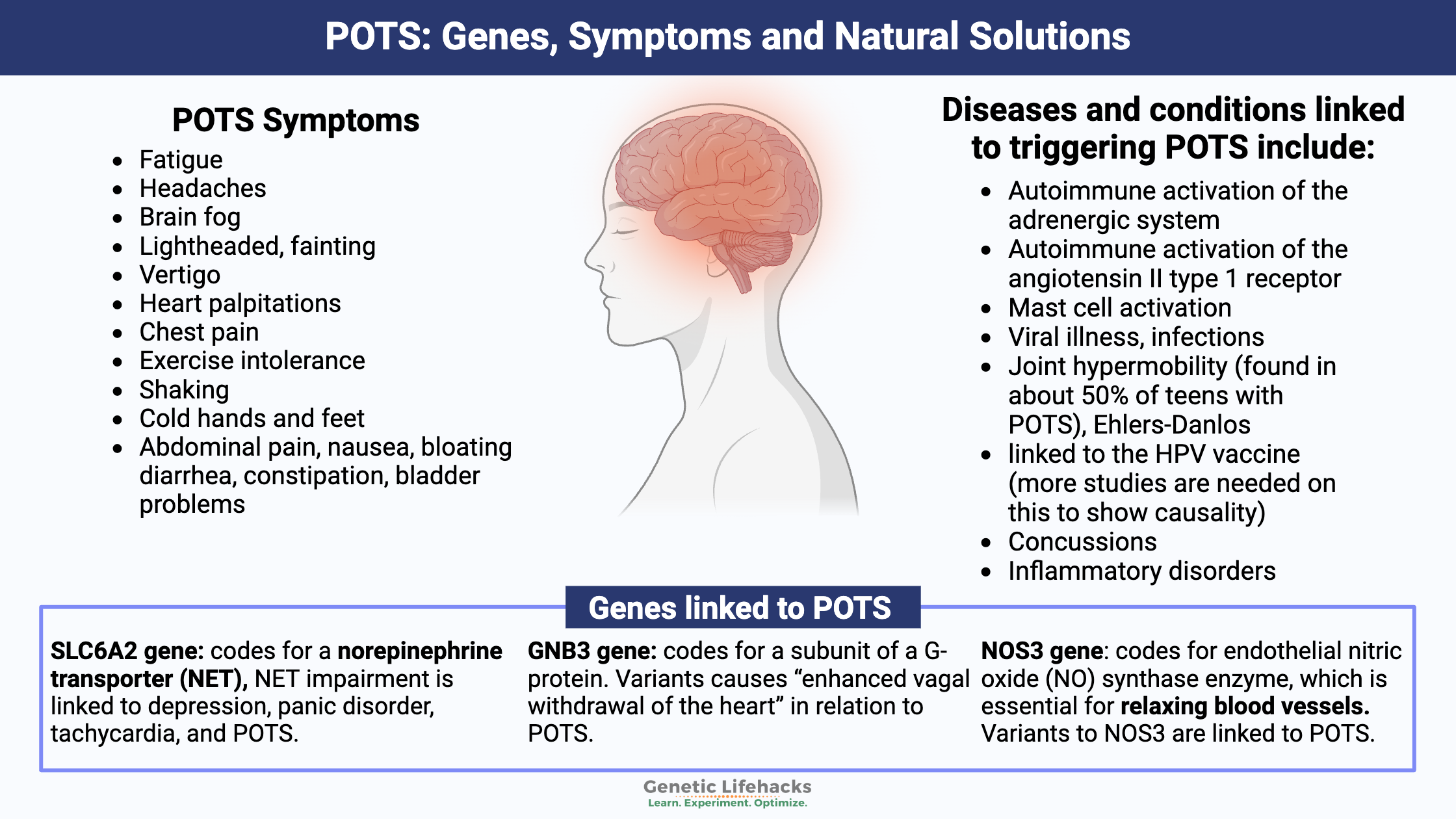
Explore the genetic basis of POTS, from HLA and norepinephrine transporter variants to EDS, MCAS, and long Covid connections, plus strategies to better manage symptoms.
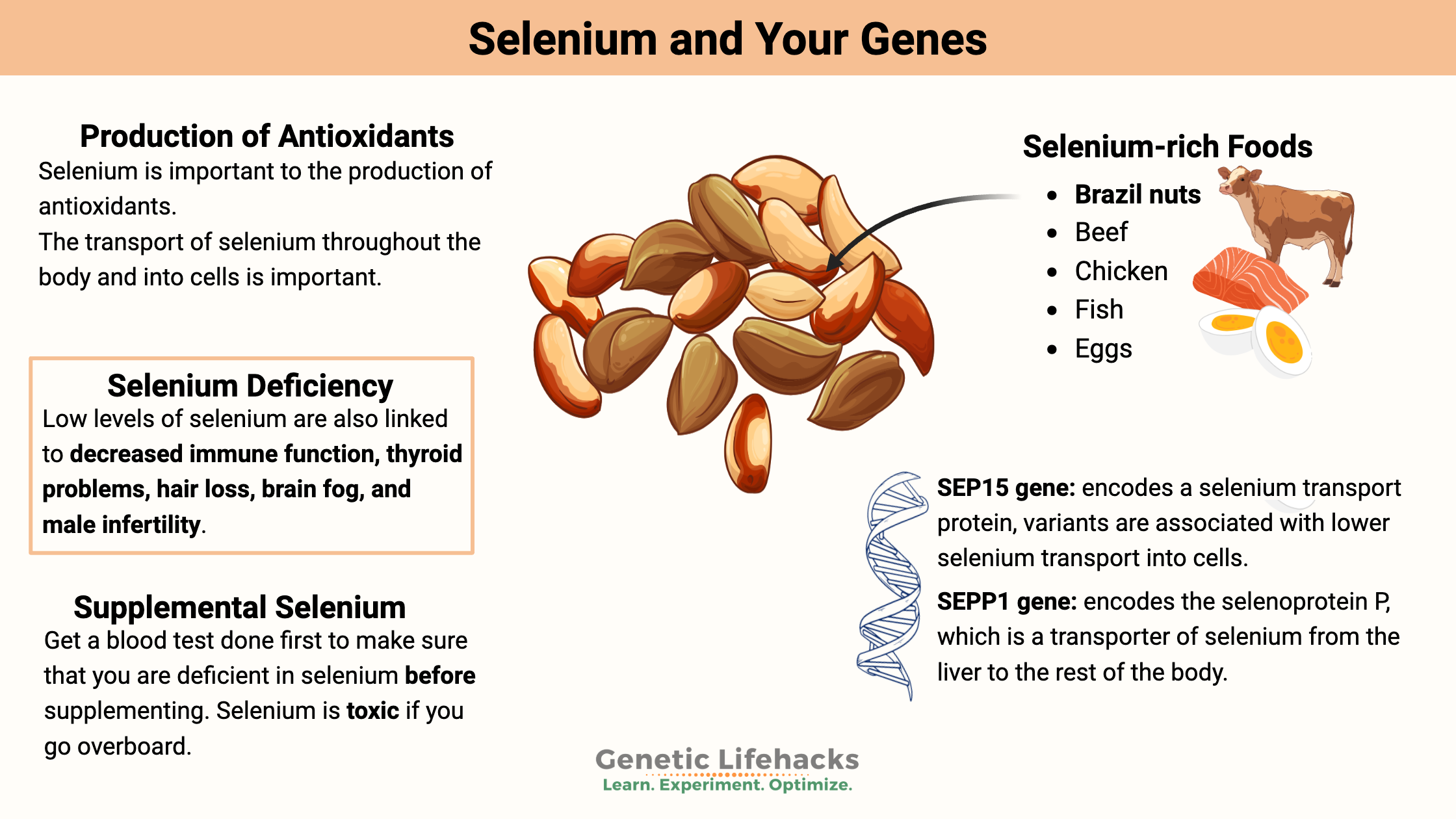
Selenium is a trace element found in certain foods. Learn how selenium is used in the body, why it is important, and how genetic variants can make someone more susceptible to problems with a selenium-deficient diet.
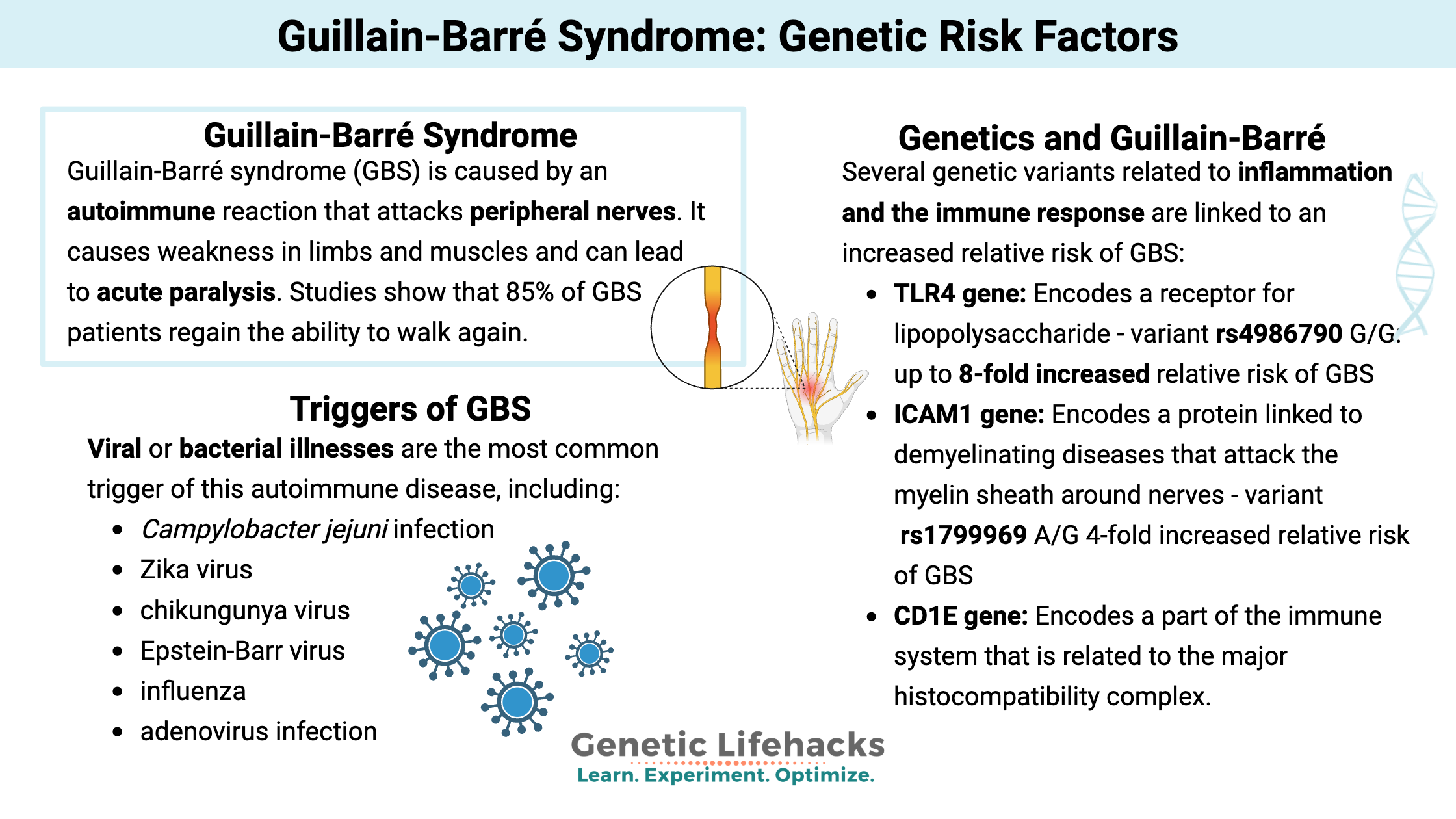
This article dives into the research on Guillain-Barré syndrome, explaining the course of the disease, and covering the genetic variants that increase the relative risk of this serious autoimmune disease.
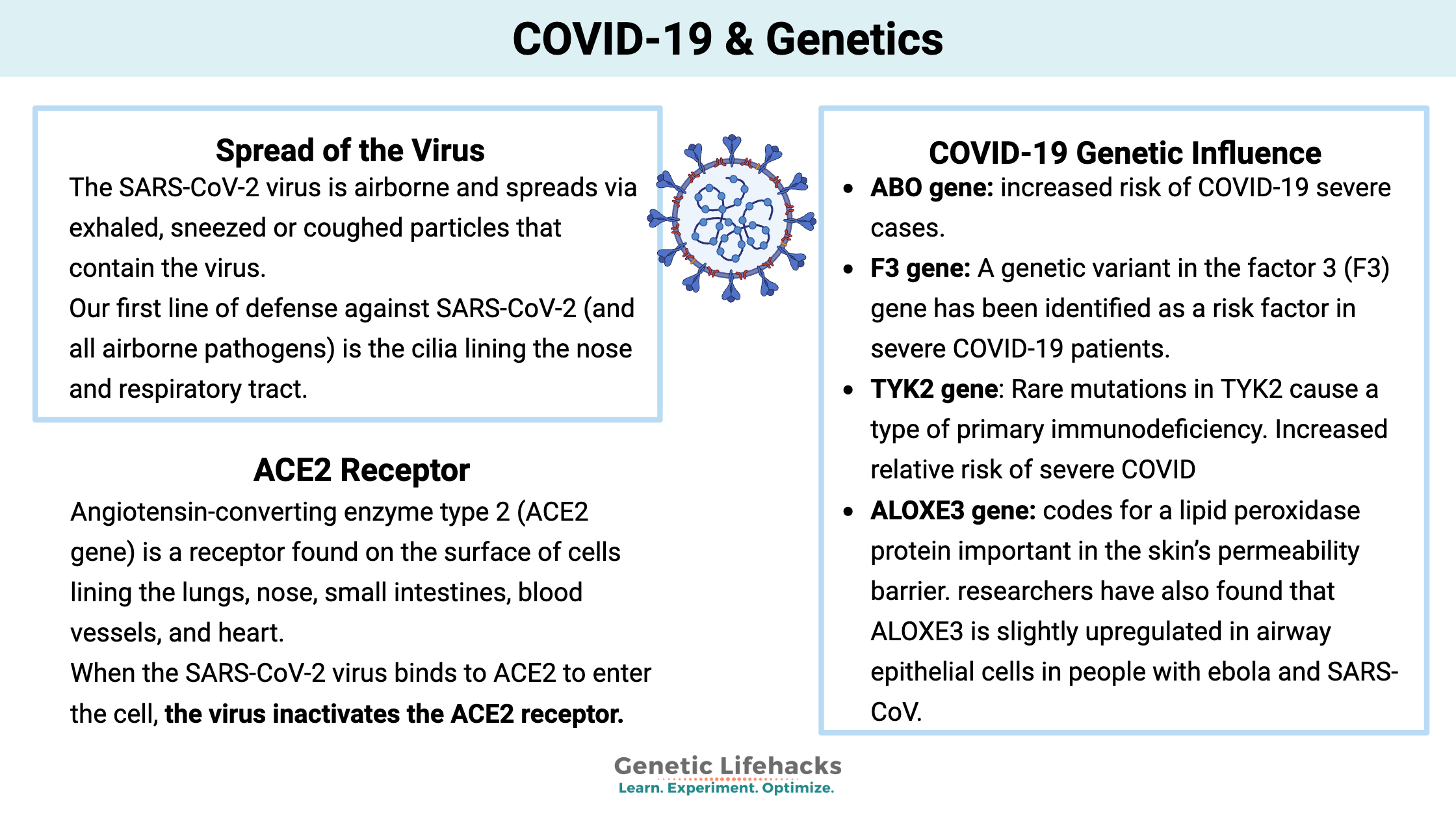
Not everyone gets sick when exposed to the SARS-CoV-2 virus. While there are many factors that come into play here, research points to genetics as playing a role. Several good genetic studies have recently been released showing which genes are important in COVID-19 susceptibility. Learn more and check your genes.
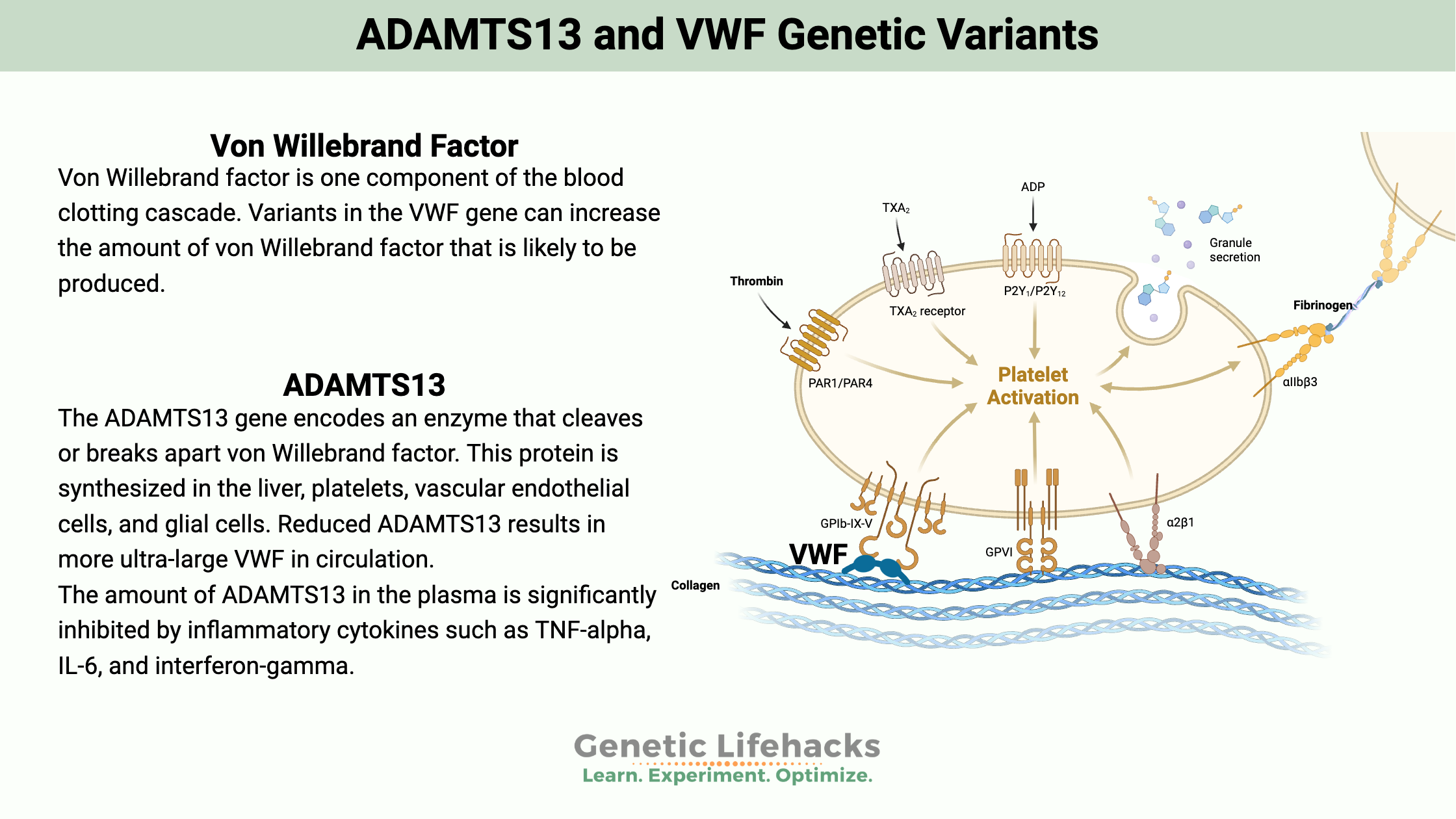
Genetic Variants involving the ADAMTS13 gene and VWF (von Willebrand Factor) can increase the risk of blood clots and thrombocytopenia.
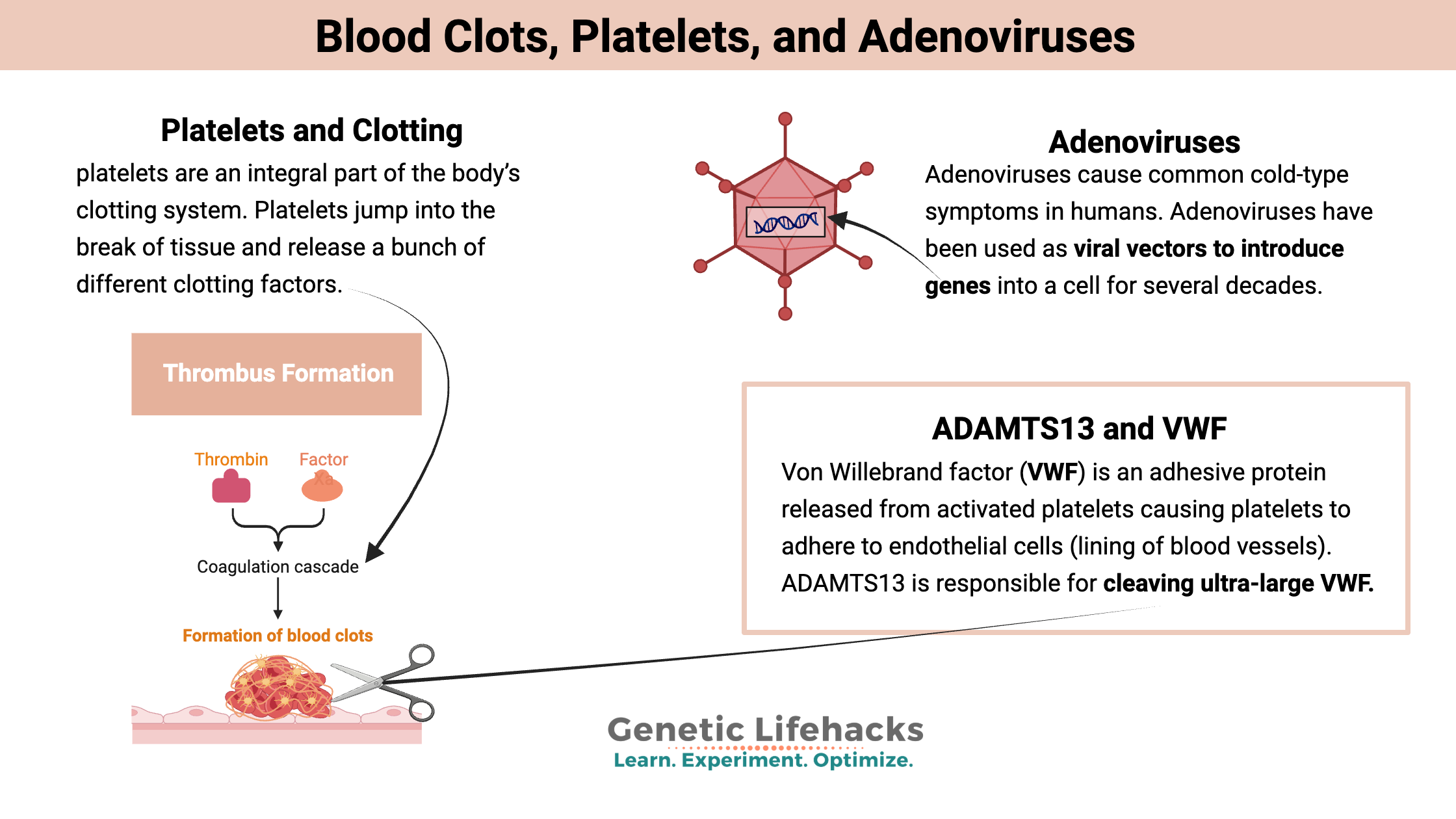
Take a look into the role of platelets, their connection to blood clots, and a discussion of the research on adenovirus-vector therapy, thrombocytopenia, and platelet reactions.
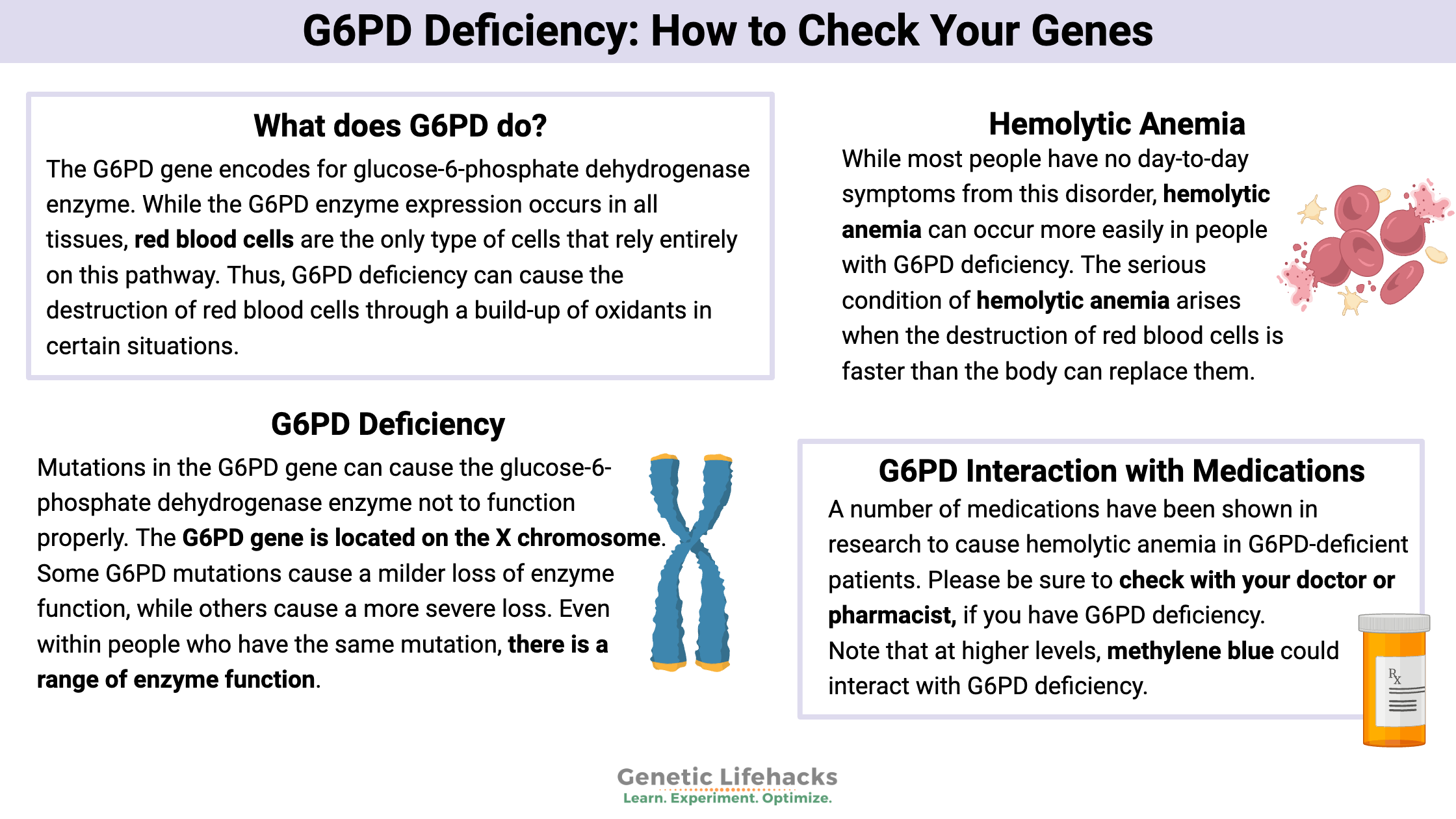
People who carry the genetic mutations that cause G6PD deficiency are at an increased risk for hemolytic anemia when taking quinine-based medications. This article is intended to be a ‘heads up’ for anyone who is considering using quinine or chloroquine without a doctor’s advice for COVID-19.
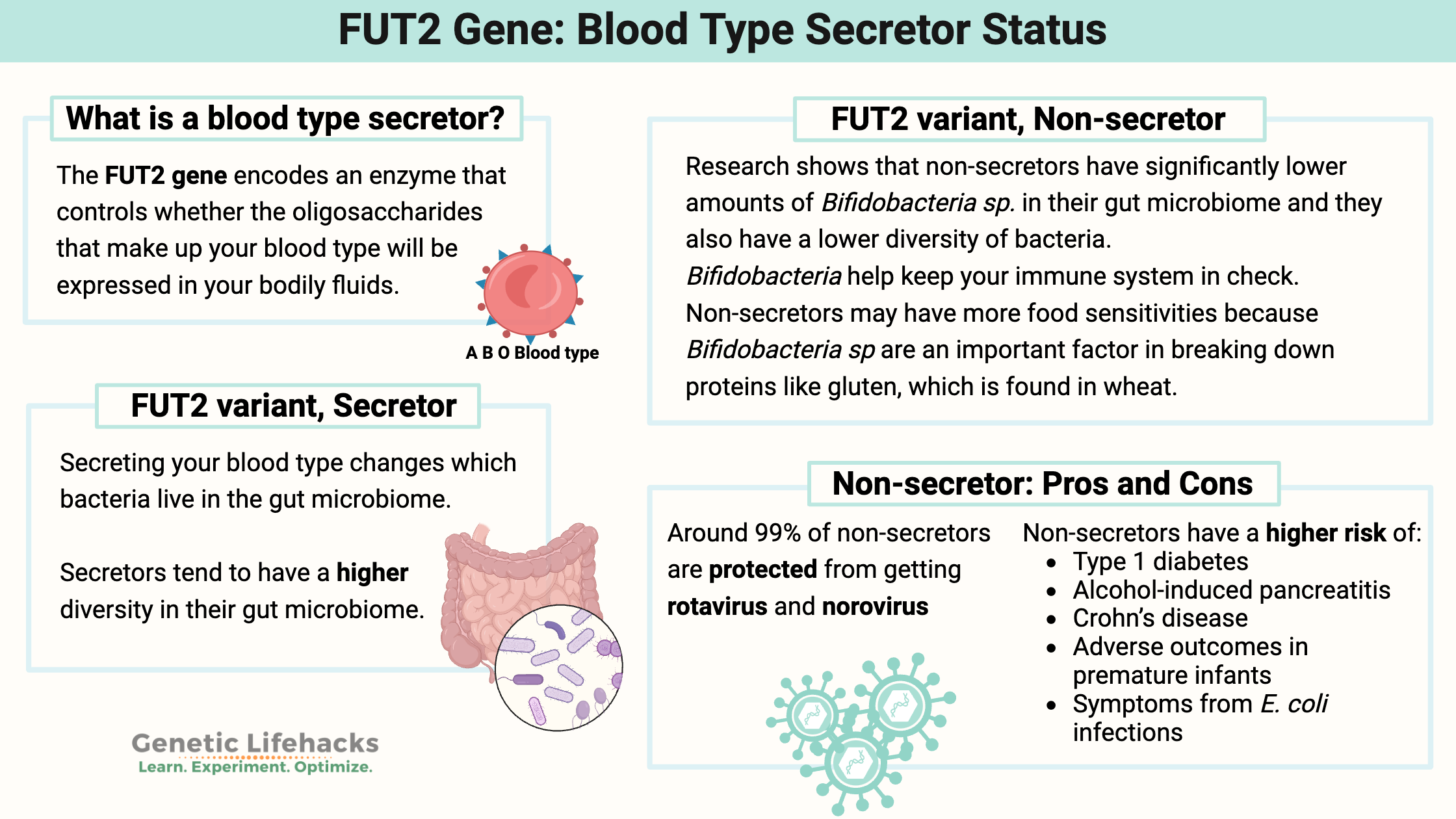
A genetic variant in the FUT2 gene controls whether or not you secrete your blood type into your saliva and other bodily fluids, such as your intestinal mucosa. This alters the gut microbiome – and protects you from Norovirus.
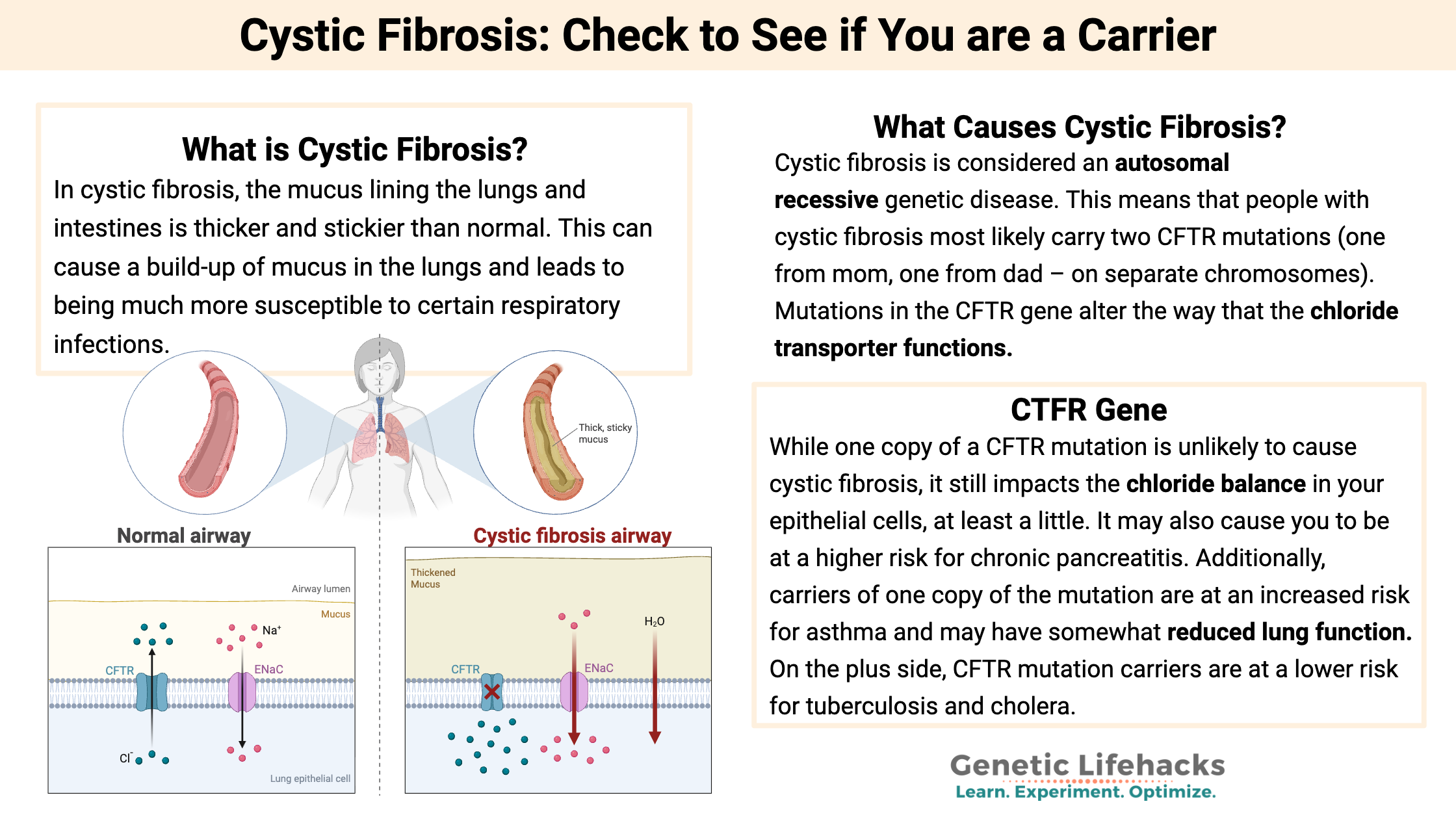
Being a carrier of a cystic fibrosis mutation increases the risk of several diseases including pneumonia from respiratory viruses, pancreatitis, and male infertility. (Member’s article)
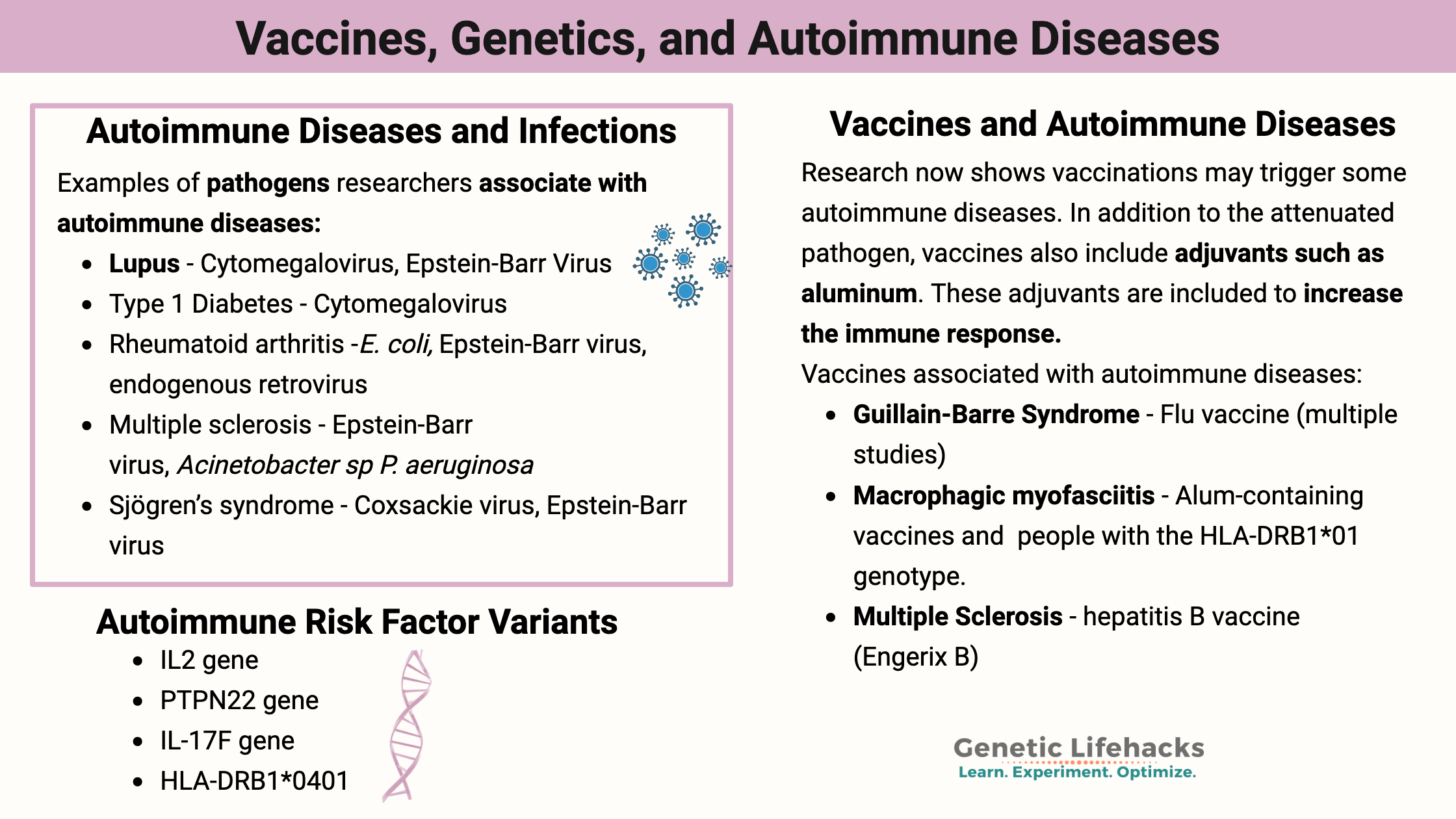
A look into the research-backed studies showing how certain vaccines may slightly increase the absolute risk of autoimmune diseases in susceptible individuals. (Member’s article)
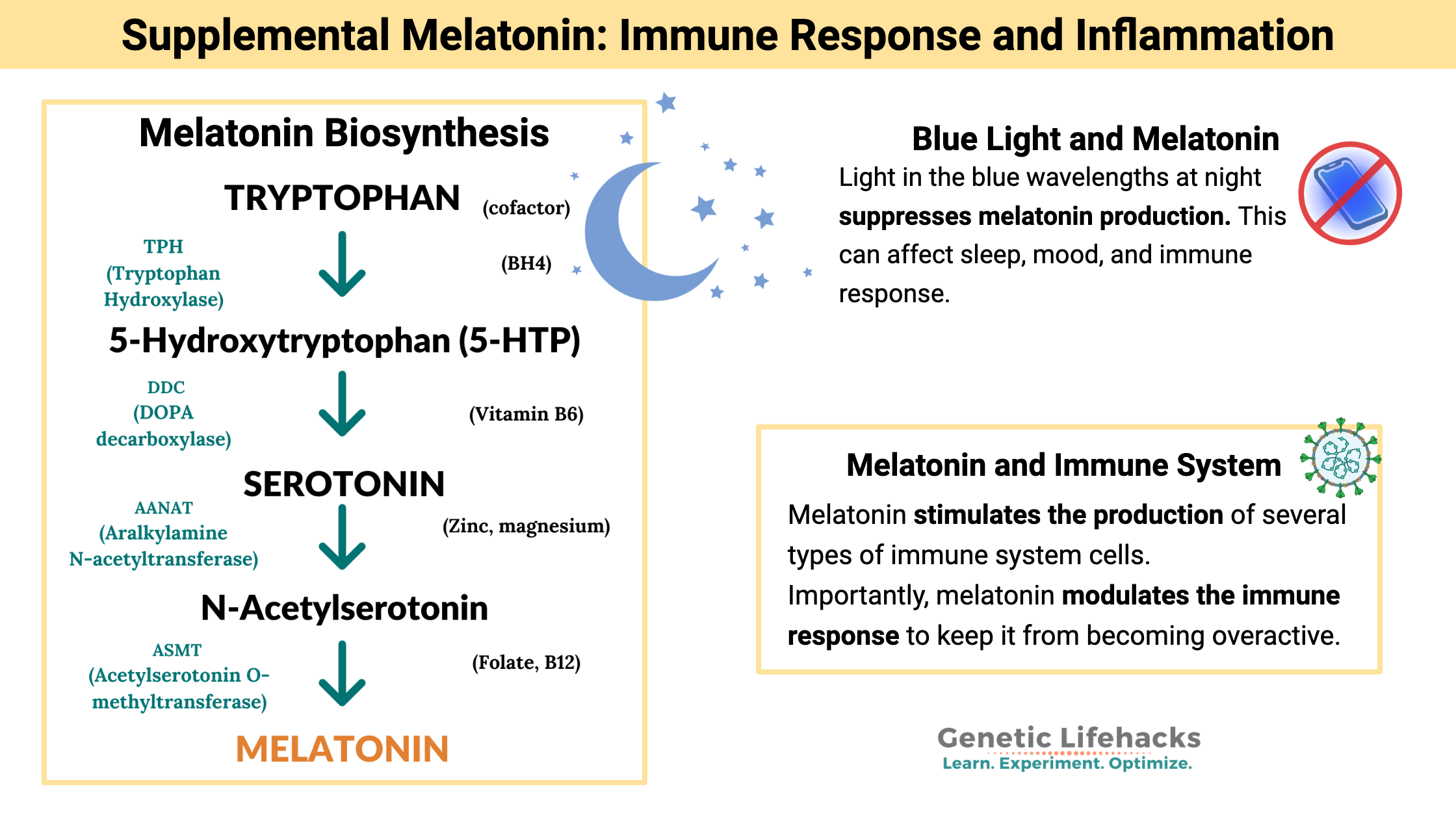
Melatonin is important for setting your circadian rhythm and for immune health. Dig into the details on melatonin supplements, scientific research, and more.
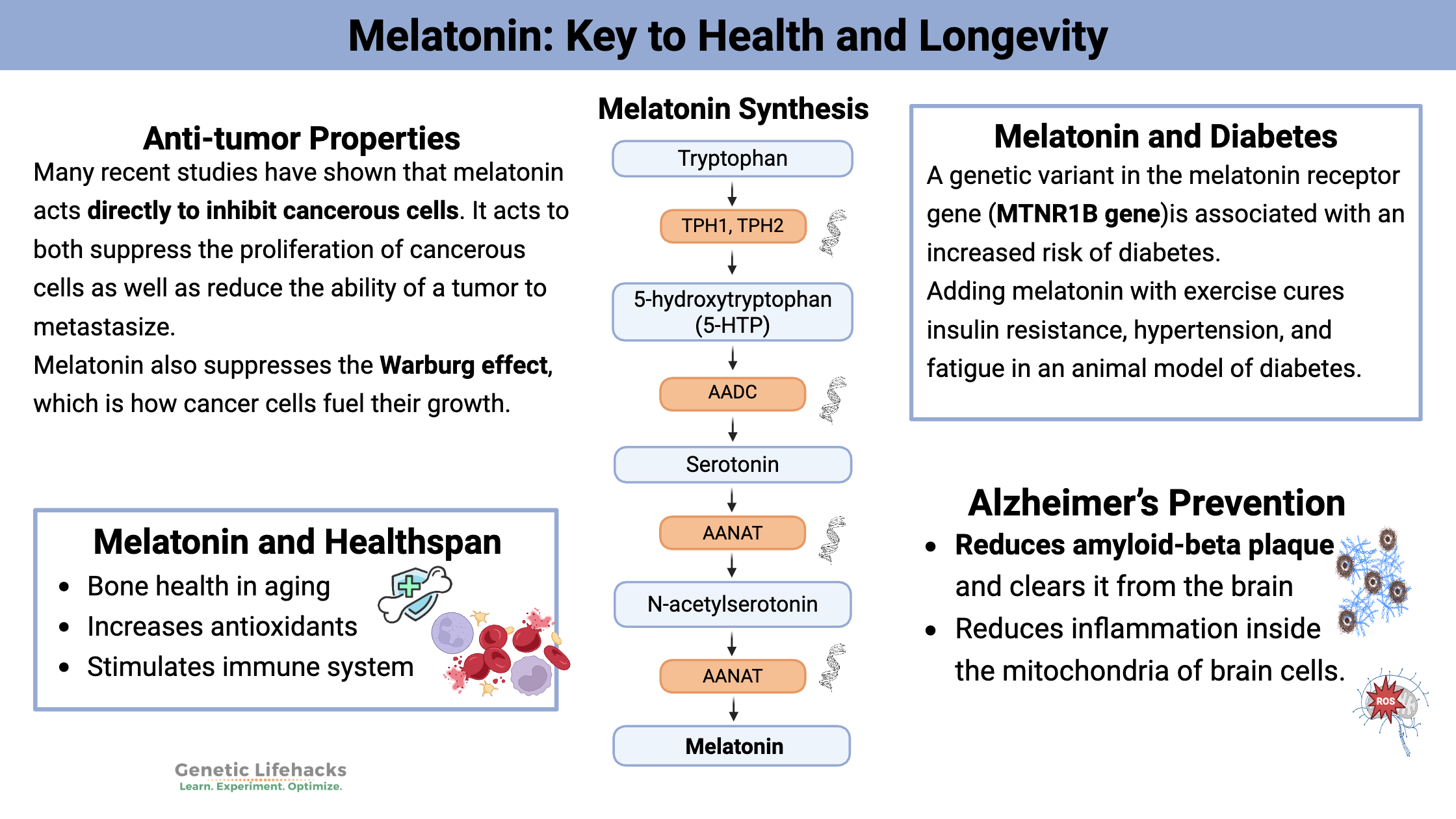
More than just a sleep hormone, melatonin is at the heart of many health topics. Your genetic variants play a big role in the production of melatonin. Learn how your lifestyle and diet interact with your melatonin-related genes.
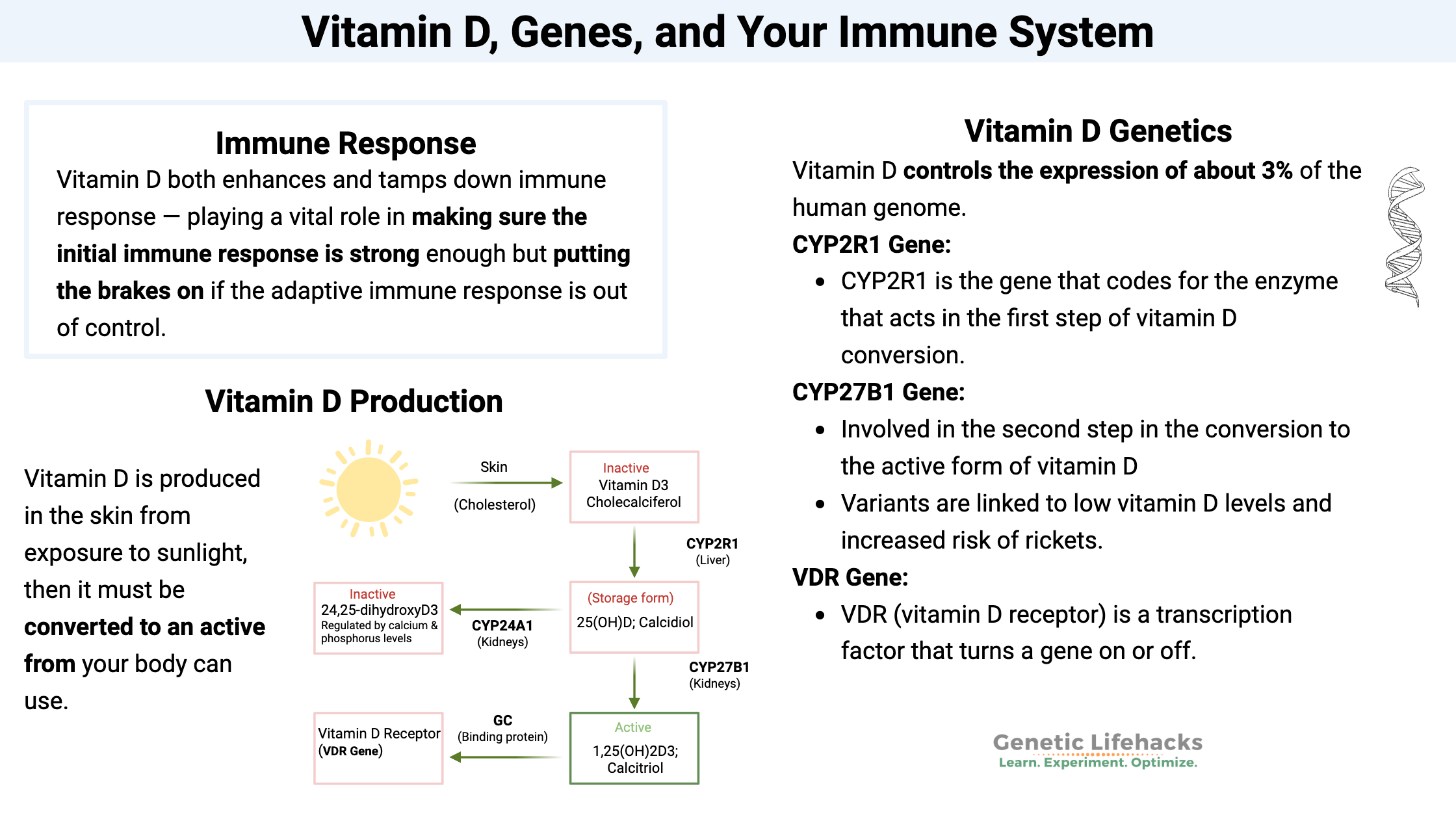
Vitamin D is more than just a ‘vitamin’. It is actually a hormone essential to many processes in your body – including your immune system. Learn how vitamin D helps the immune response to coronavirus, flu, and other respiratory viruses.
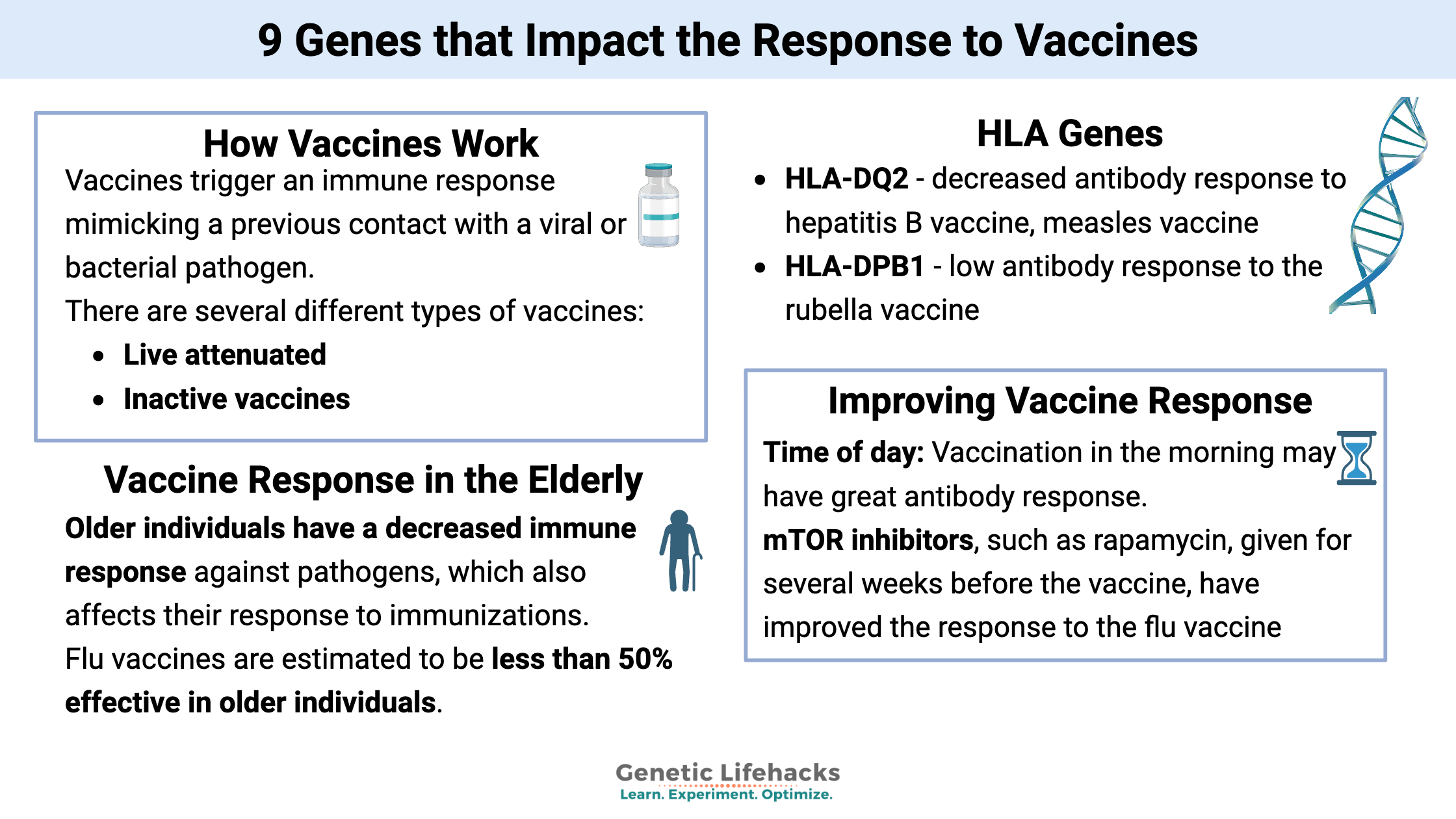
Genetics plays a huge role in how an individual responds to a vaccine. Learn more about vaccines, immunity, and genetic variants that affect the response.
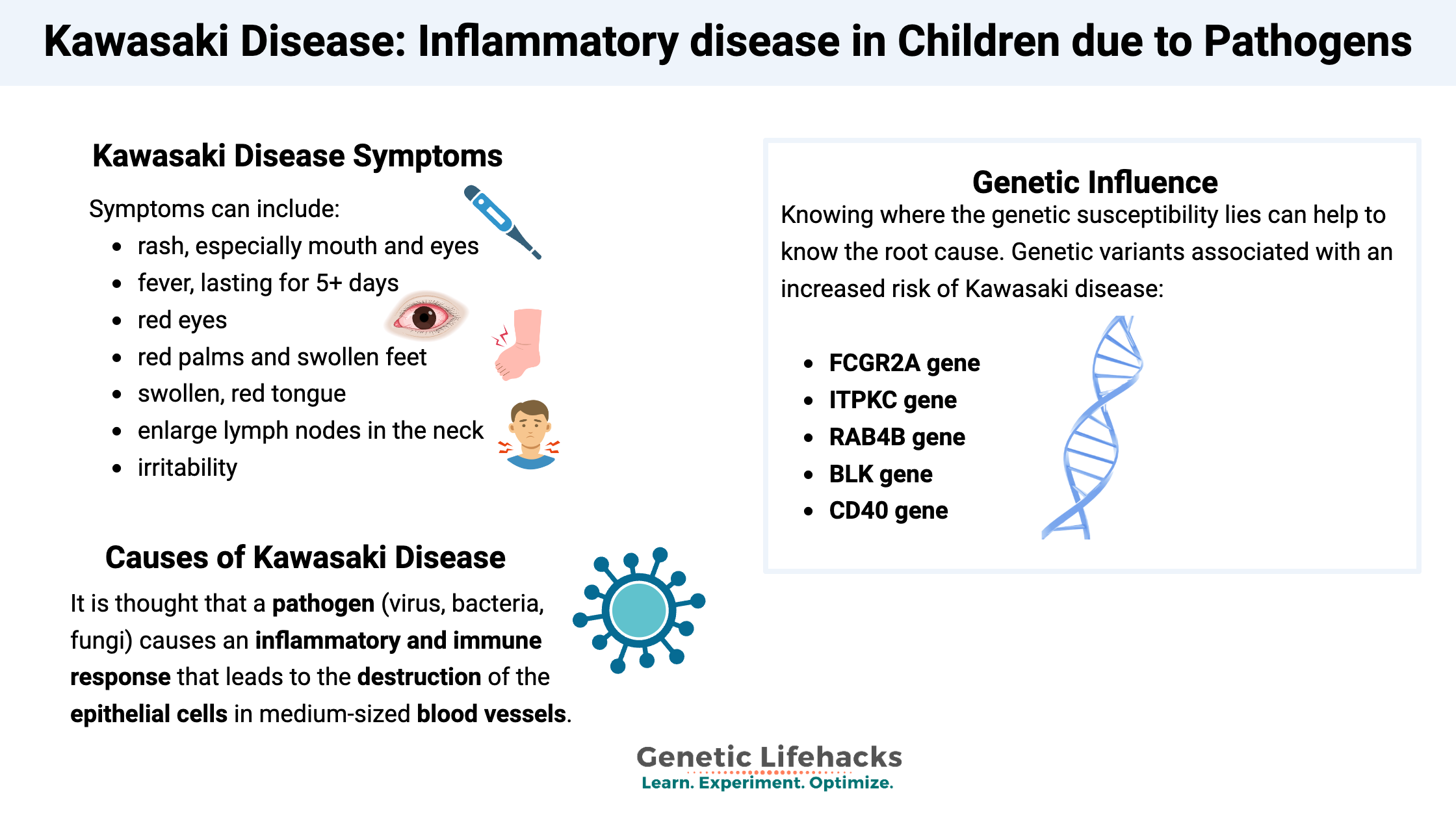
Kawasaki disease is an excessive inflammatory response that some children have due to viral or bacterial illnesses. Several genetic variants are tied to an increased susceptibility to Kawasaki disease.
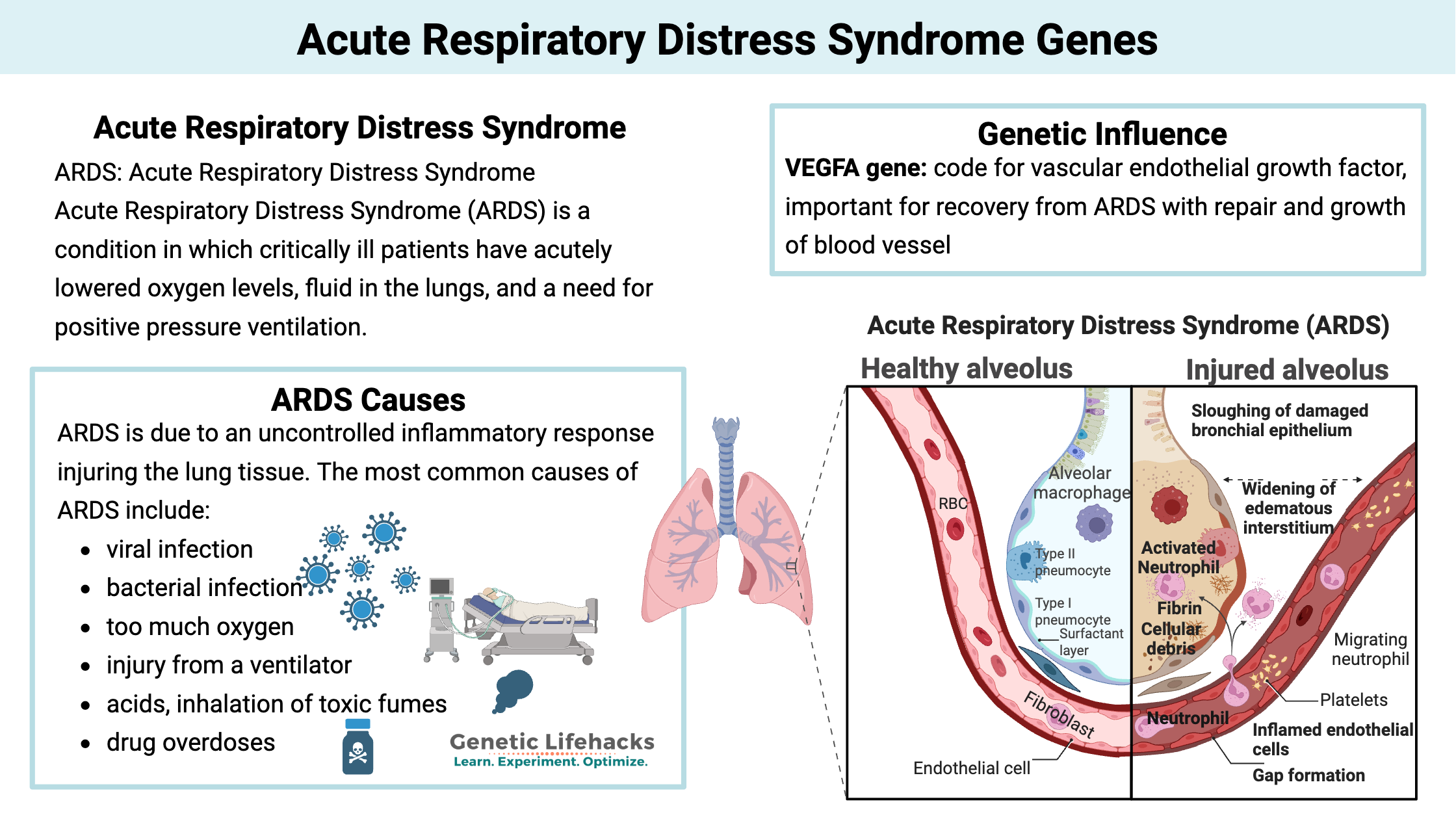
ARDS is caused by an overwhelming immune response to a virus, bacteria, or lung injury. Learn more about which of your immune system genes are involved in ARDS.
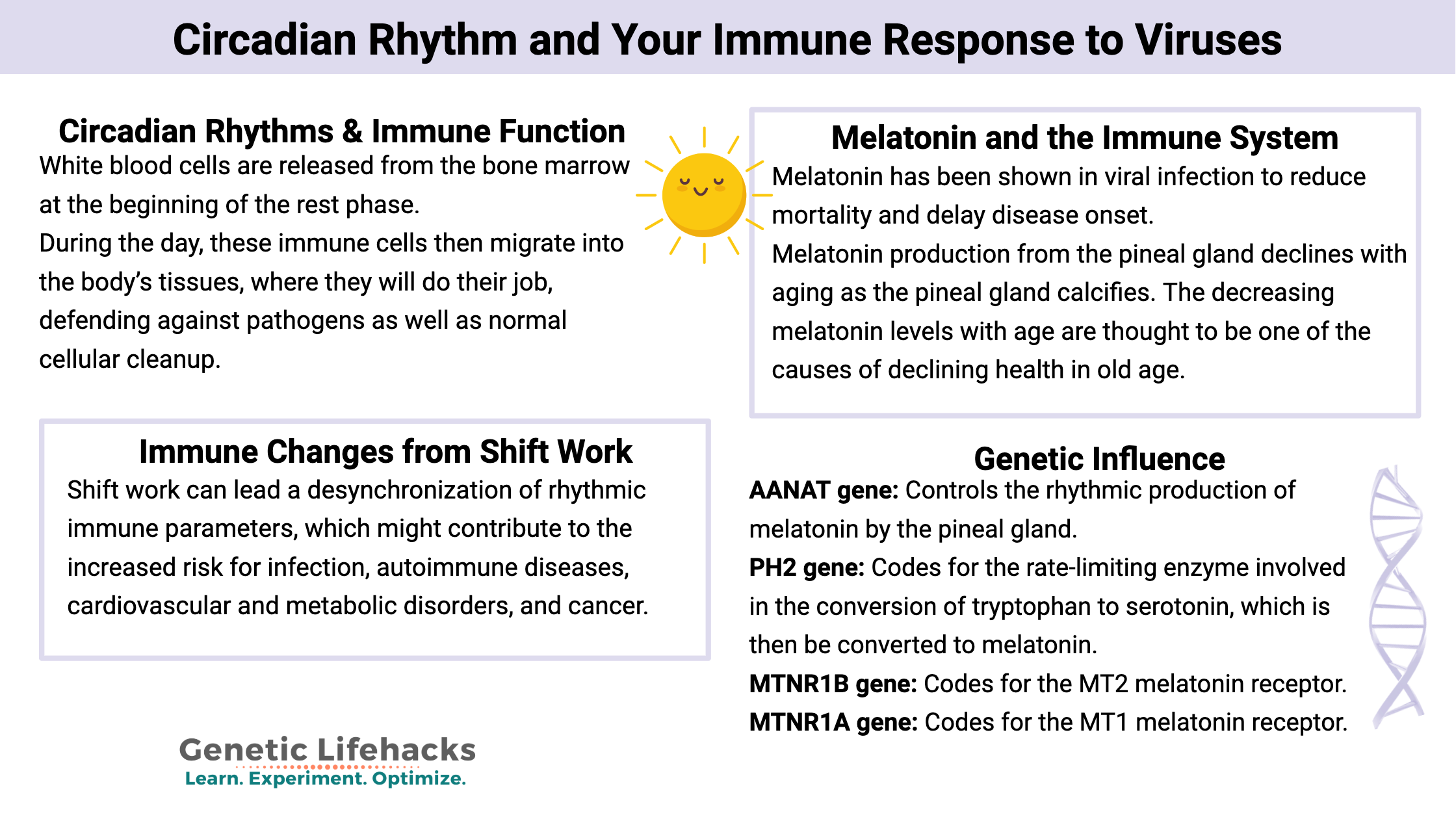
Your circadian rhythm influences your immune response. Learn how this rhythm controls white blood cell production and why melatonin protects against viral and bacterial infections.
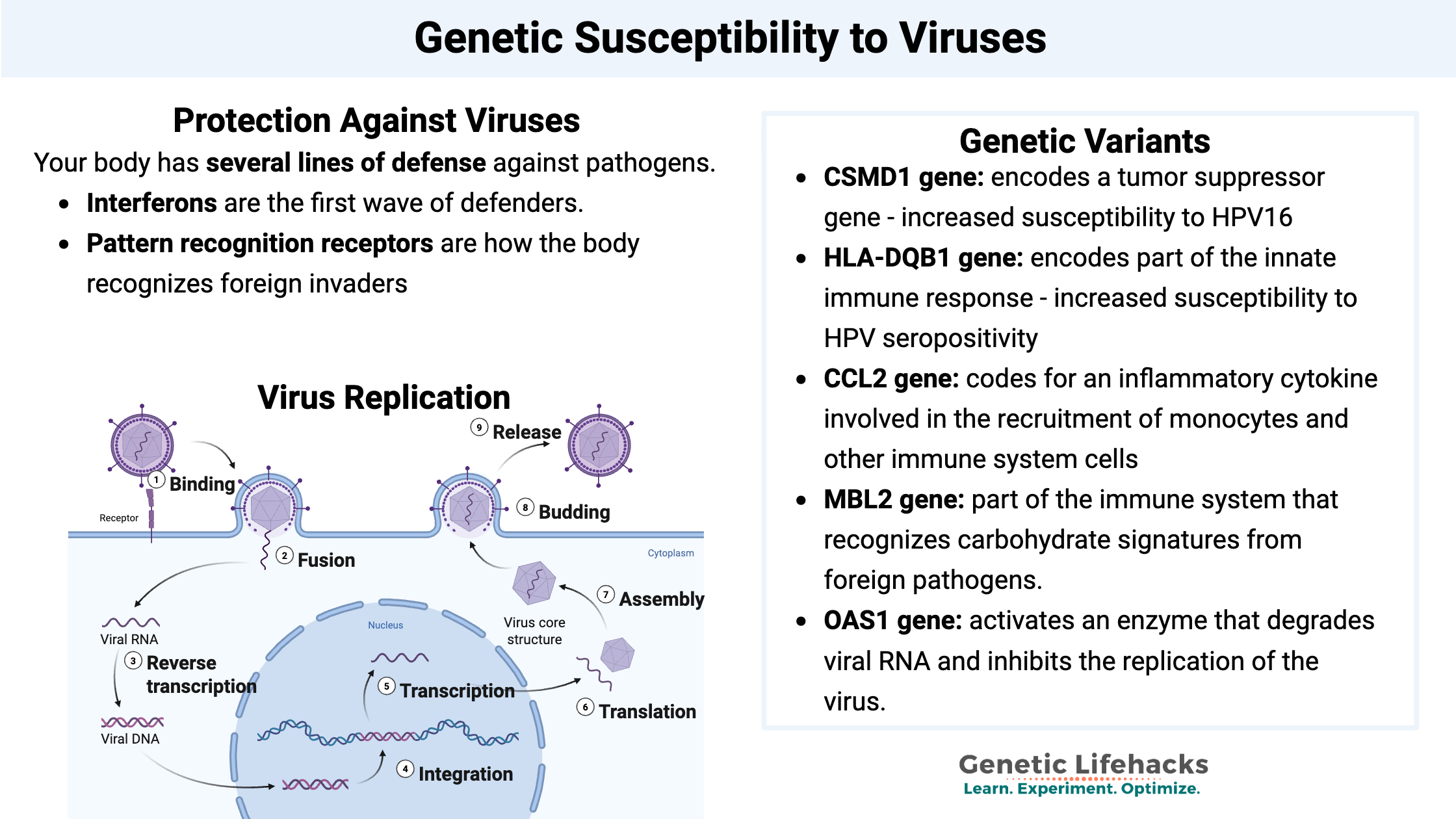
Viral immunity-your genes protect you. Your genetic variants shape your immune system and give you superpowers against some pathogens, perhaps more susceptible to others.
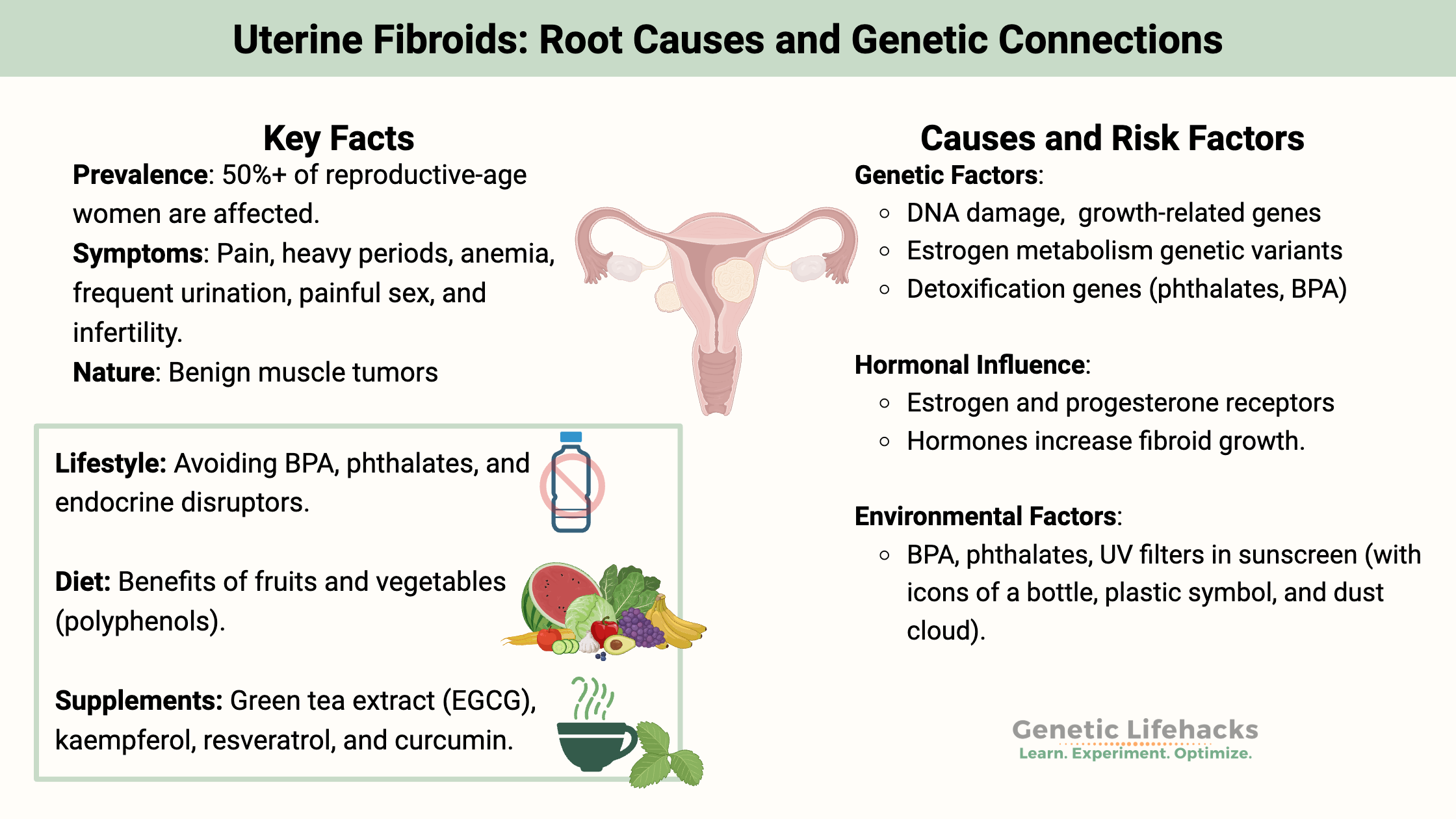
Uterine fibroids are a problem for a lot of women, especially after age 30. Fibroids are benign tumors that grow in the muscle cells of the uterus. This article will dig into the causes of fibroids, explain how your genetic variants can add to the susceptibility, and offer solutions that are backed by research. (Member’s article)
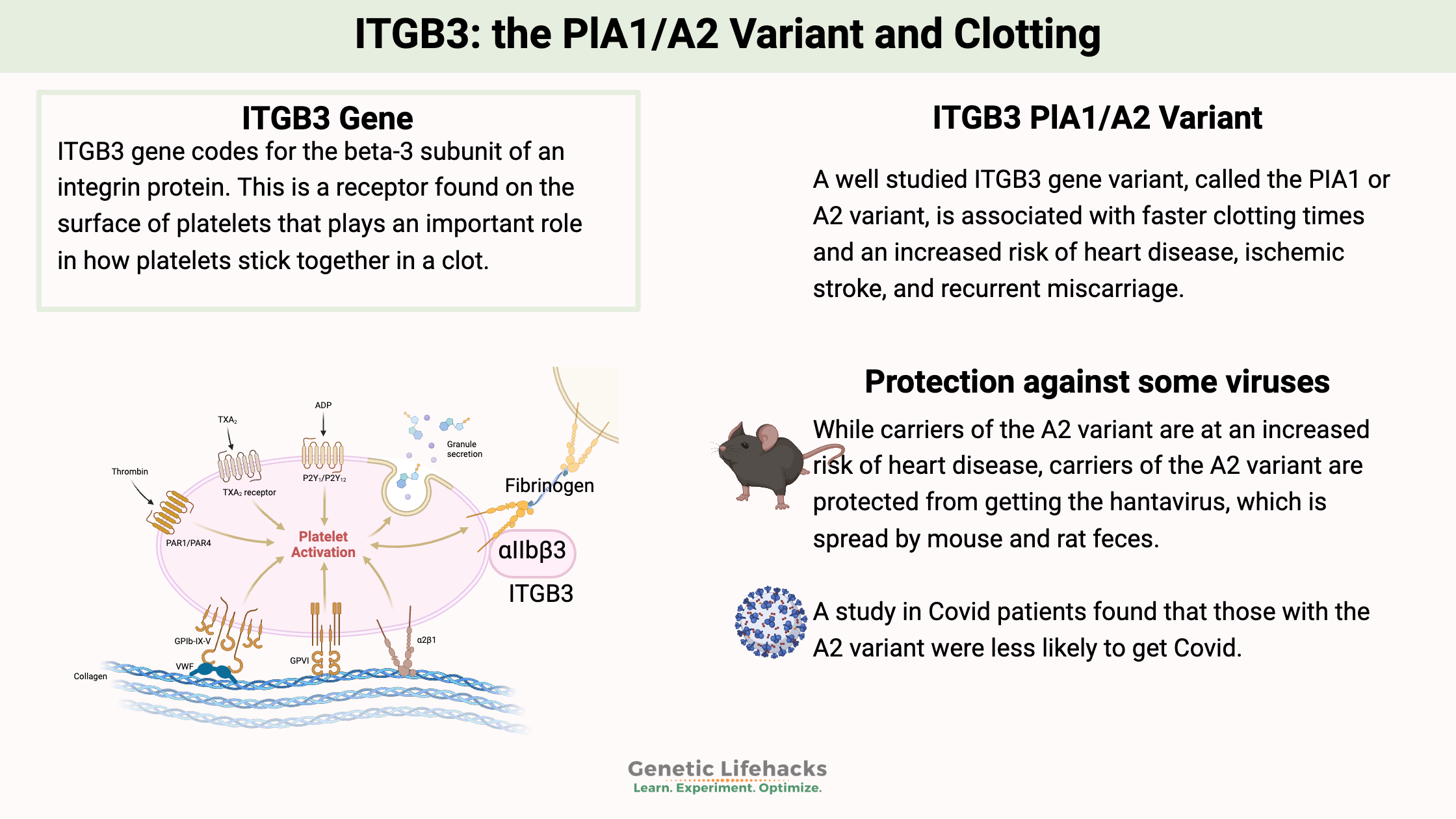
The PIA2 variant of the ITGB3 gene is linked to an increased risk of blood clots including stroke, heart attack, and DVT. But this variant also comes with a positive trade-off. Learn more with your genetic raw data.