Gene Function Explorer
Bookmark Gene Function Explorer Search Gene

Bookmark Gene Function Explorer Search Gene
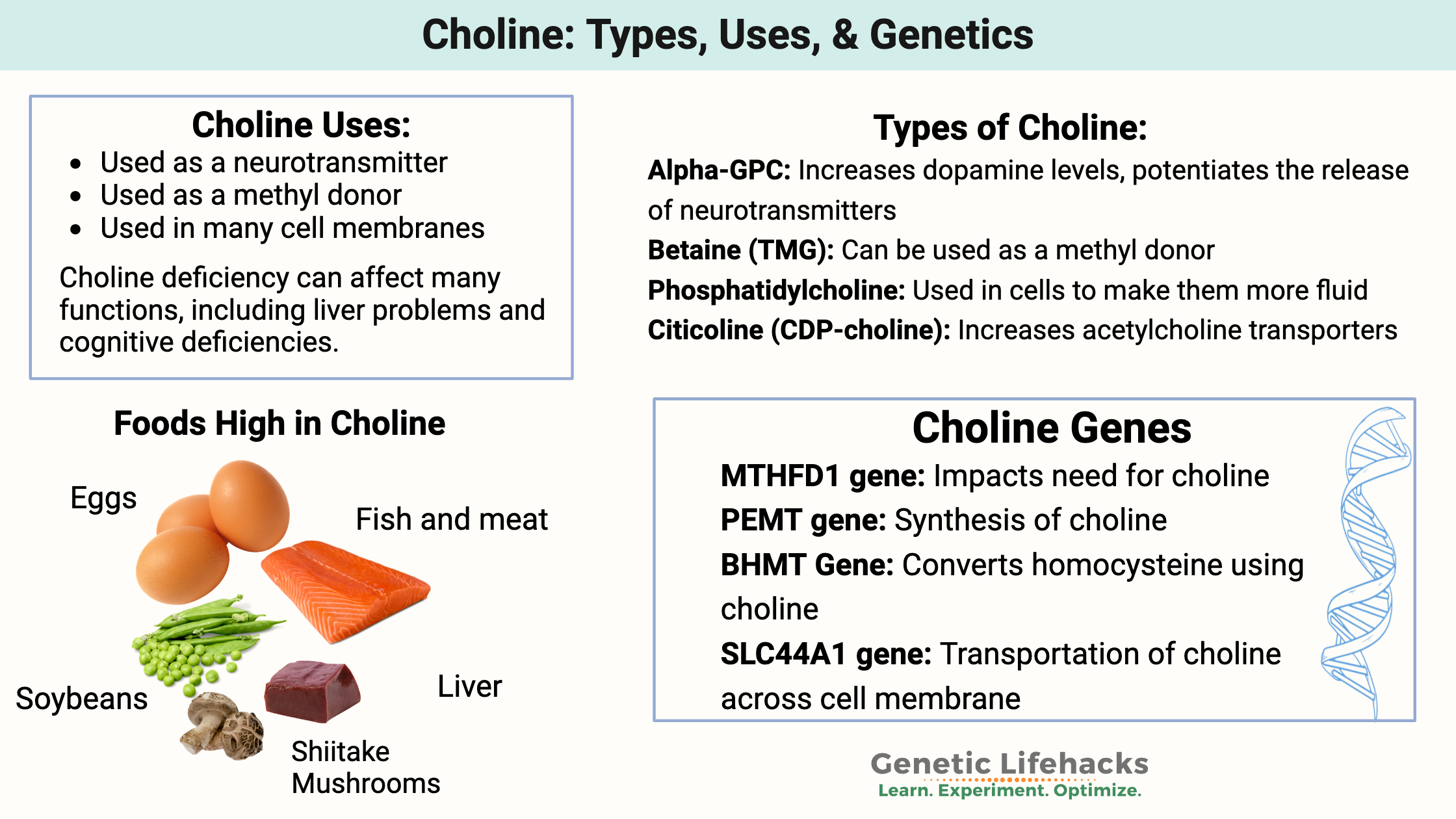
Which choline supplement works best based on your PEMT, MTHFD1, and CHKA genes? Compare citicoline, alpha-GPC, PC, and betaine.
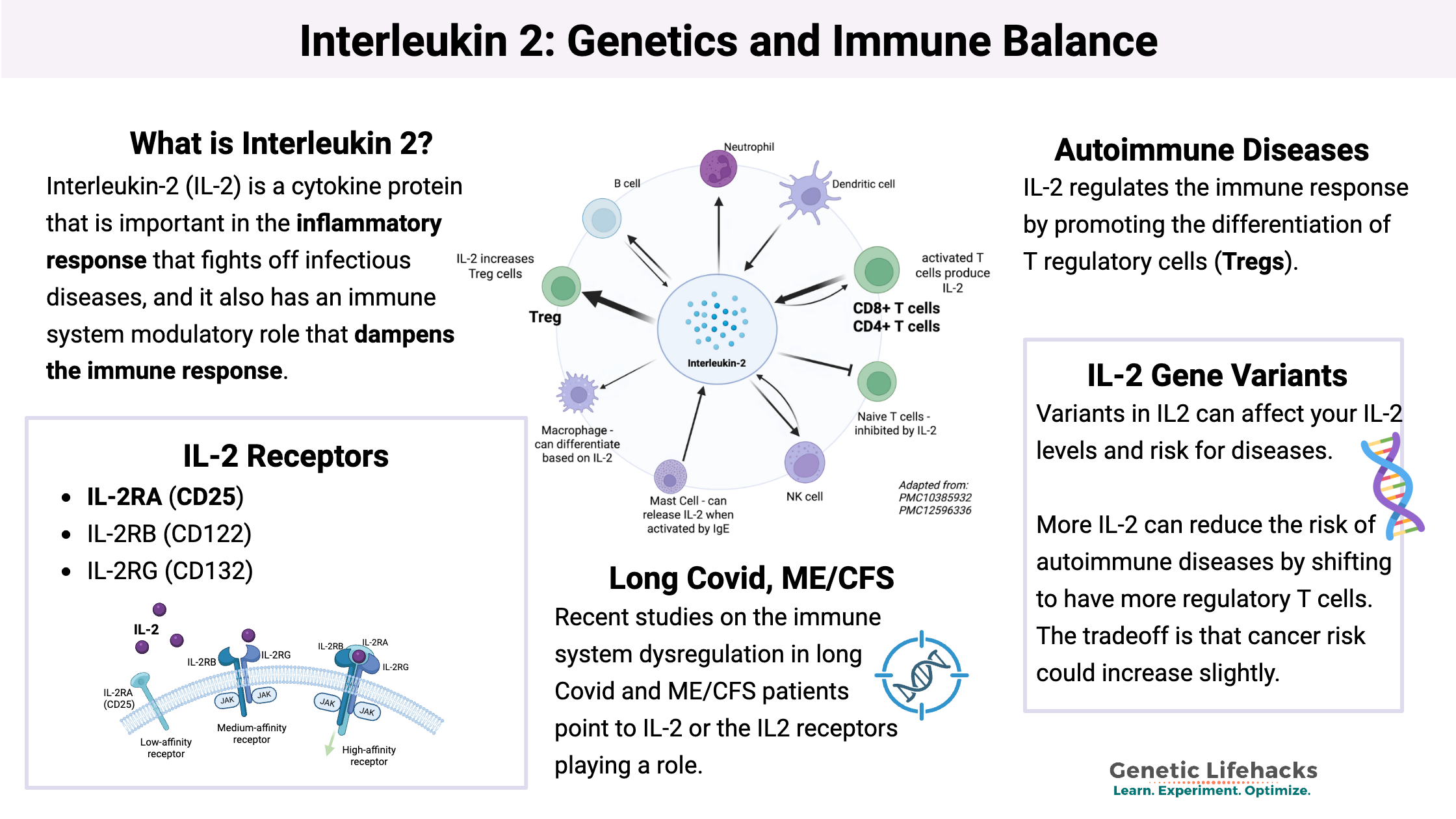
IL-2 dysregulation affects long COVID, autoimmune diseases, and cancer therapy response. Learn about your IL-2 genetic variants and natural ways to support IL-2.
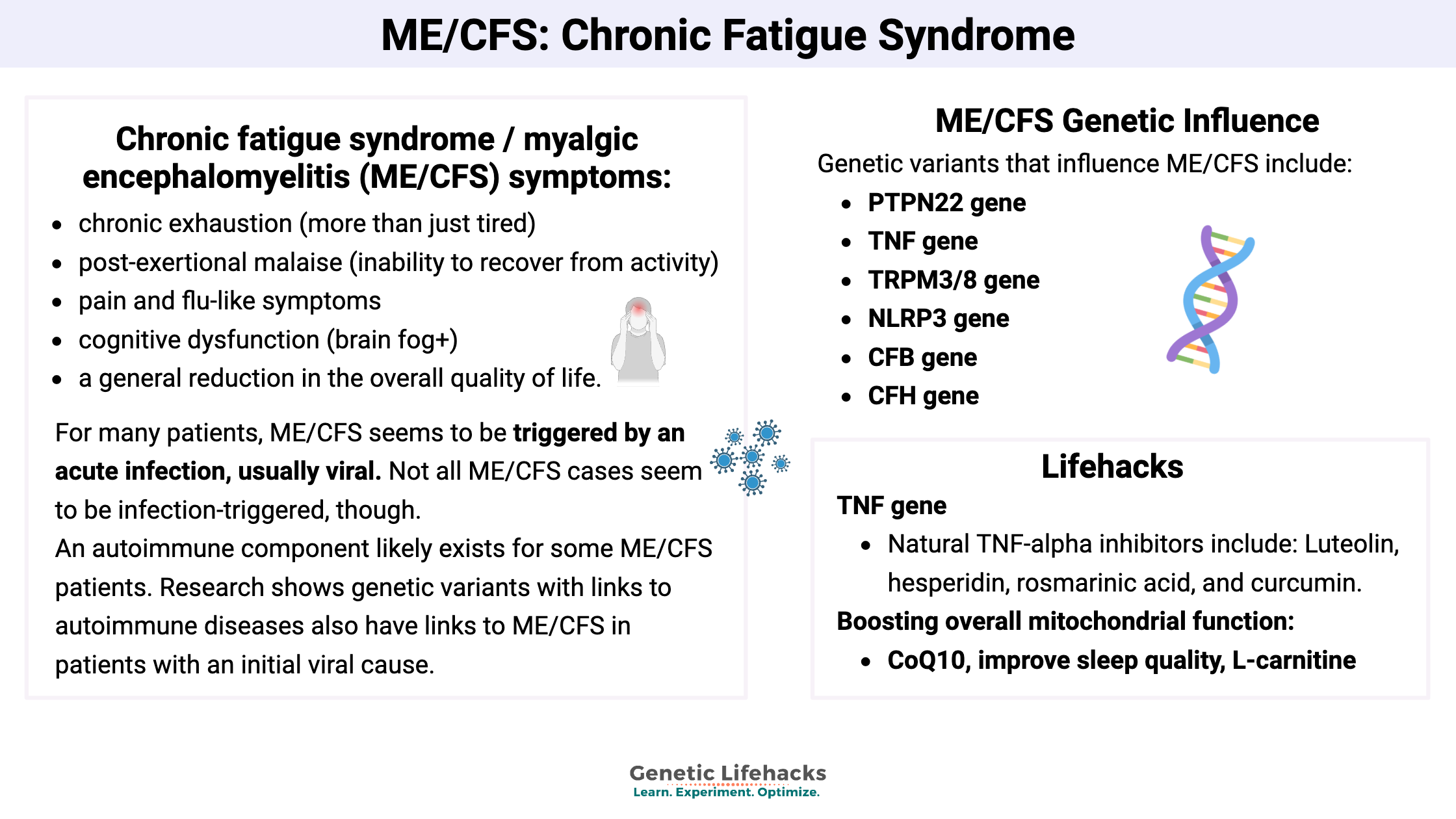
Genetic variants in immune, mitochondrial, and inflammatory pathways (NK cells, NLRP3, interferon, complement, TRP channels) increase ME/CFS susceptibility. Check your genes and explore research-backed solutions.
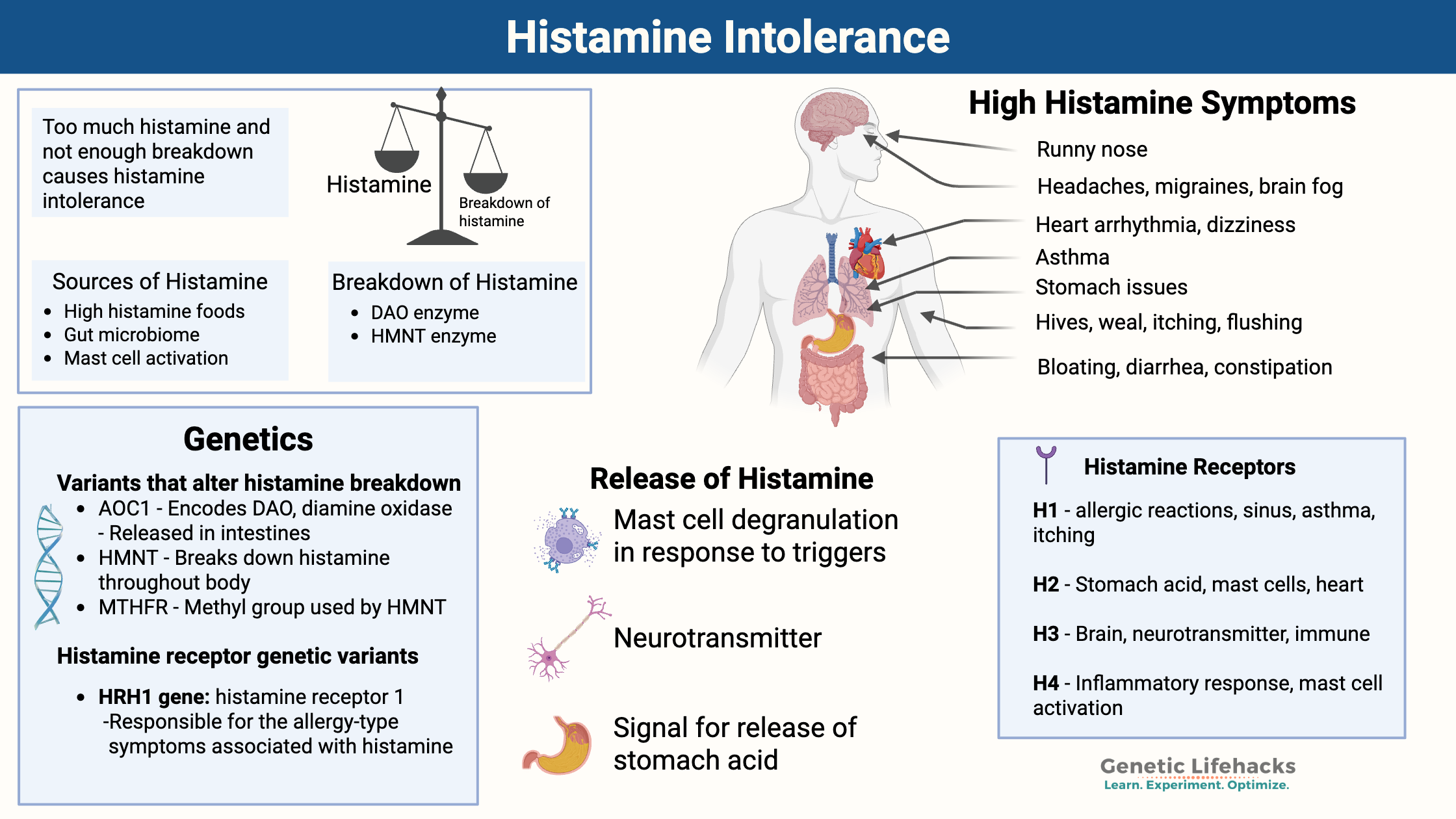
Genetic variants in DAO and HNMT genes affect histamine breakdown. Check your AOC1, HNMT, and HDC genotype. Low-histamine diet, DAO supplements, and more.
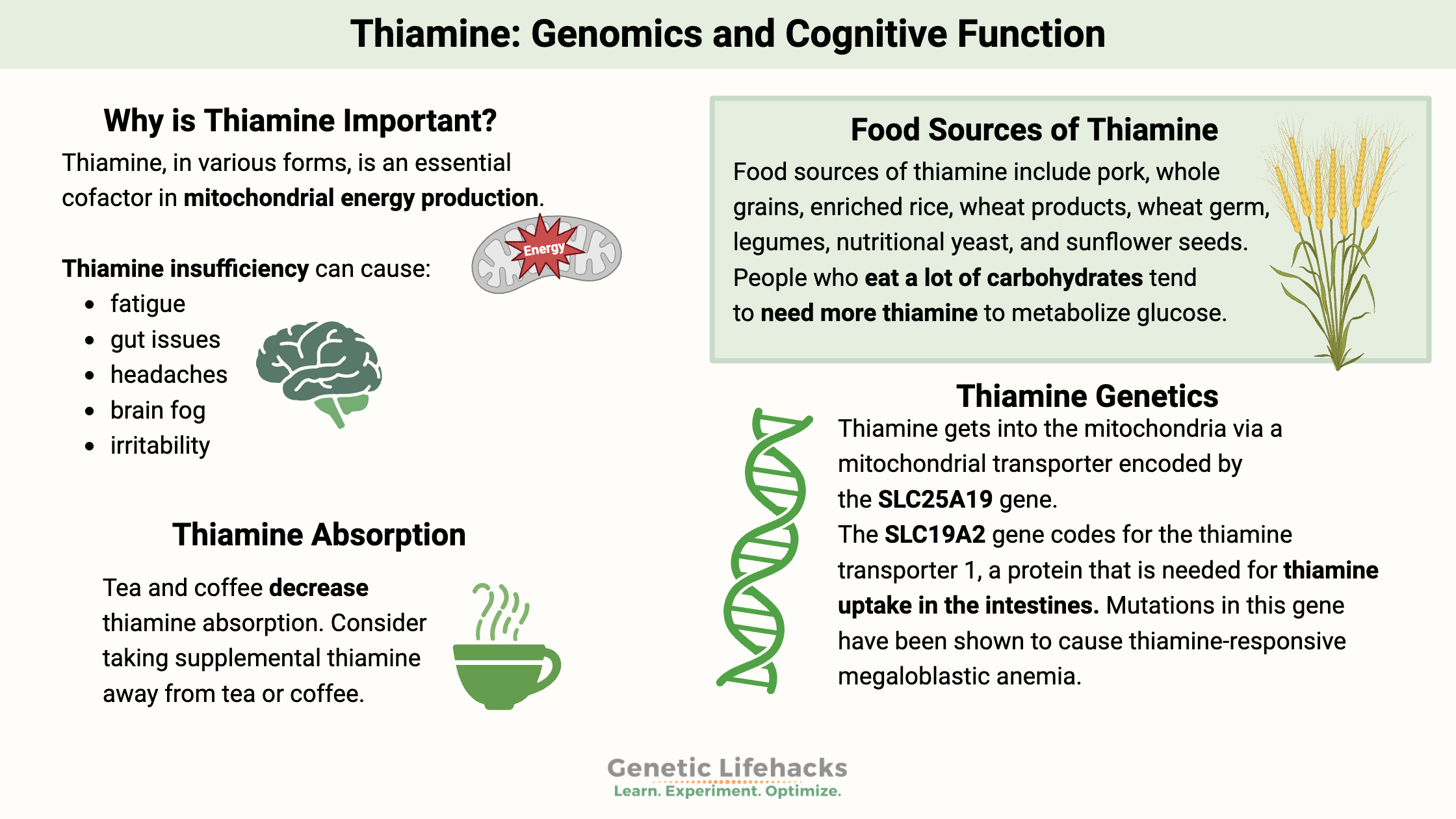
Thiamine (vitamin B1) is essential for energy production and brain function. Learn how SLC19A2, SLC19A3, and other genes affect your need for thiamine.
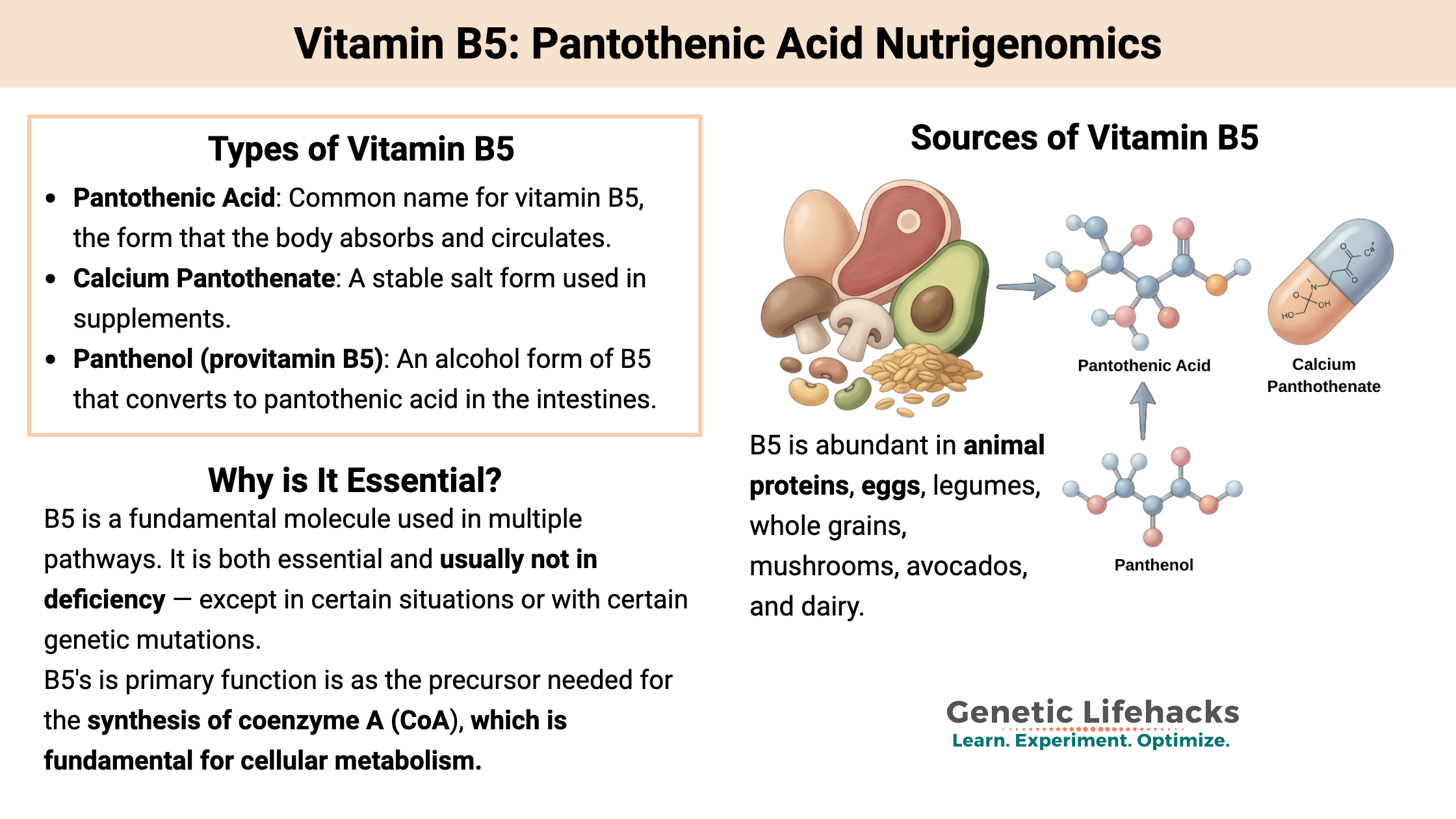
Pantothenic acid (vitamin B5) is essential for coenzyme A synthesis and brain energy. Learn about B5 deficiency, PANK2 mutations, and links to Alzheimer’s.
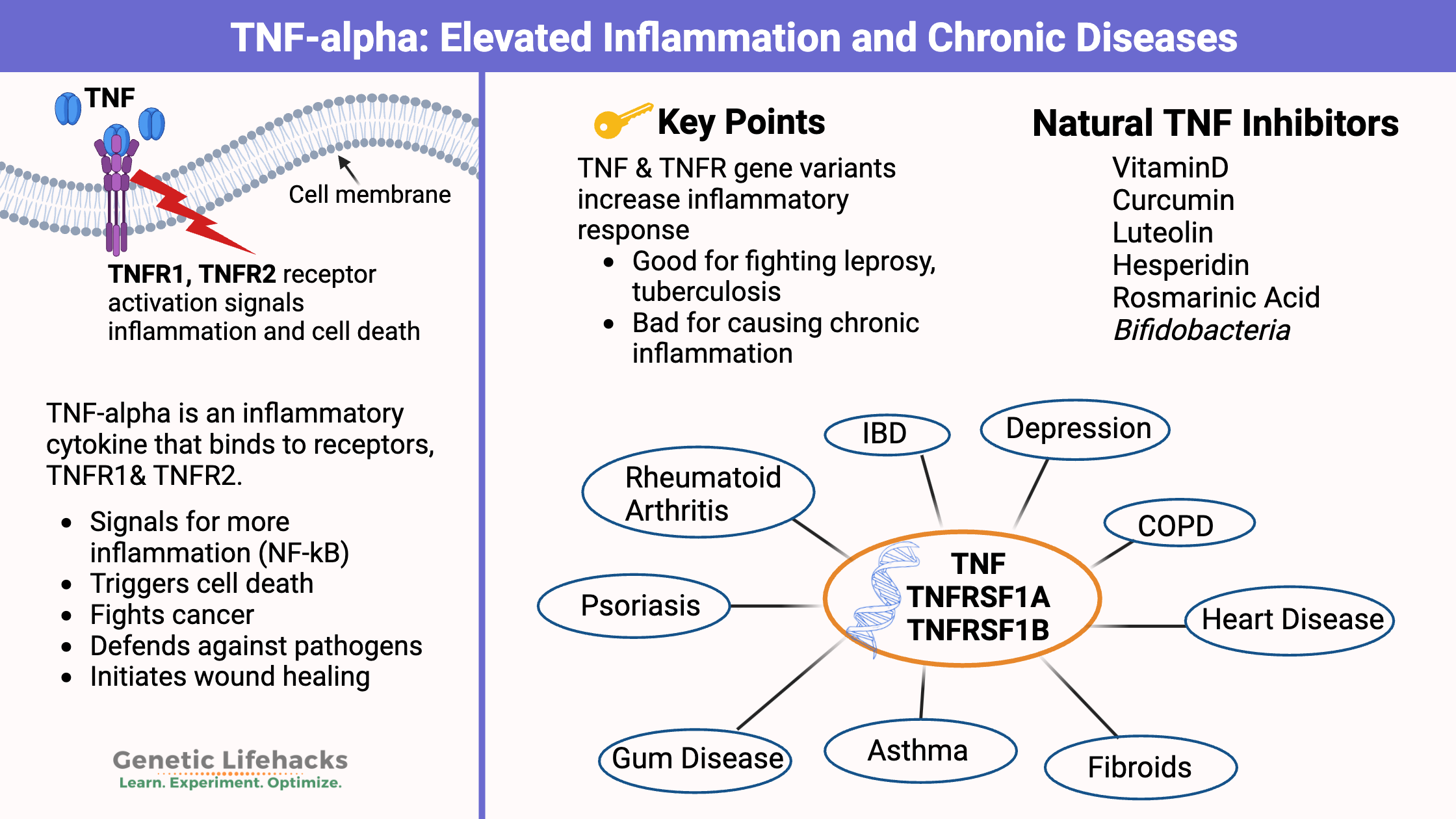
TNF-alpha is a key inflammatory cytokine linked to autoimmune, cardiovascular, mood, and neurodegenerative diseases. Learn how TNF gene variants affect your risk and potential natural TNF inhibitors.
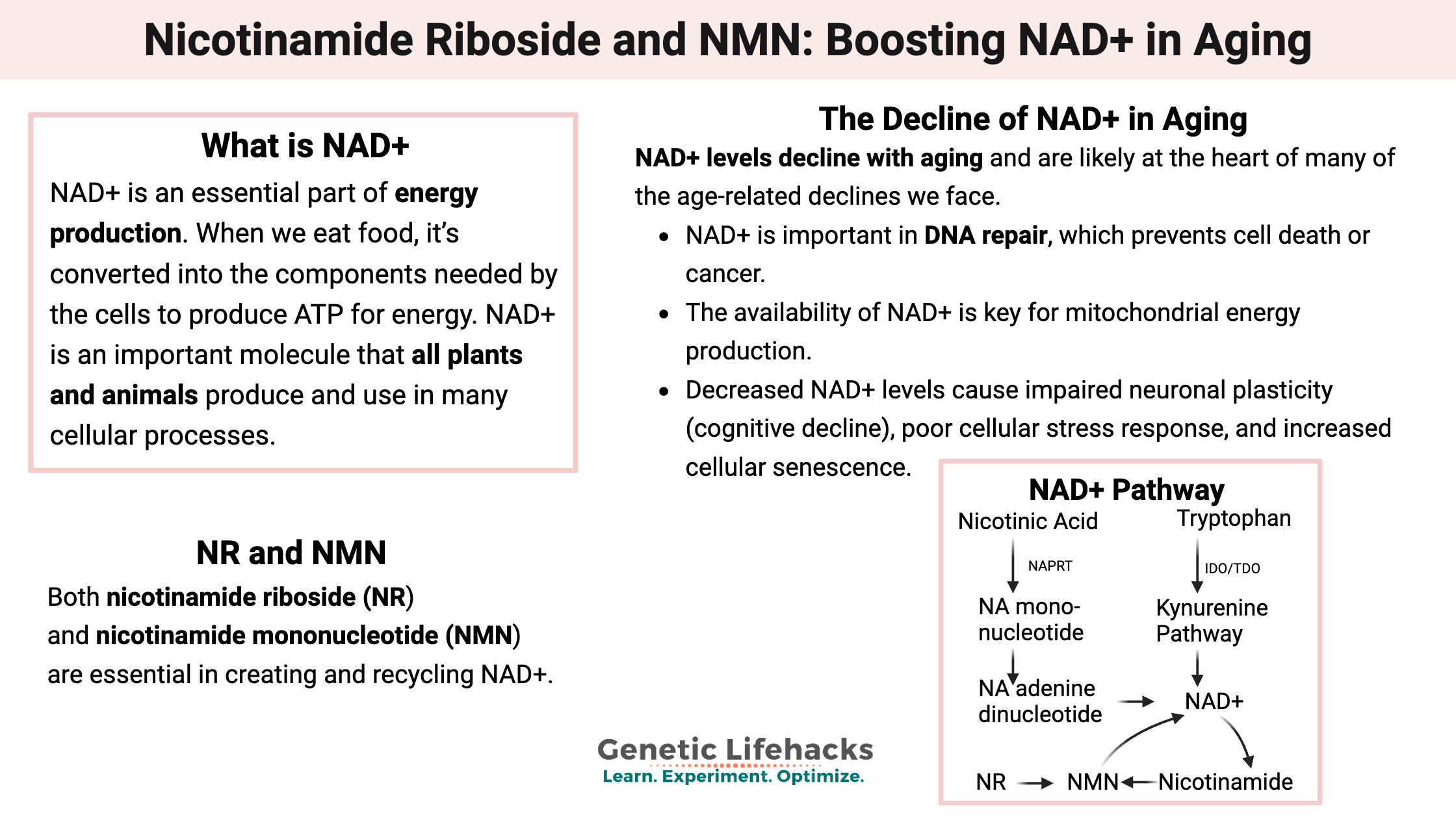
Explore the research about how nicotinamide riboside (NR) and NMN are being used to reverse aging. Learn about how your genes naturally affect your NAD+ levels and how this interacts with the aging process.
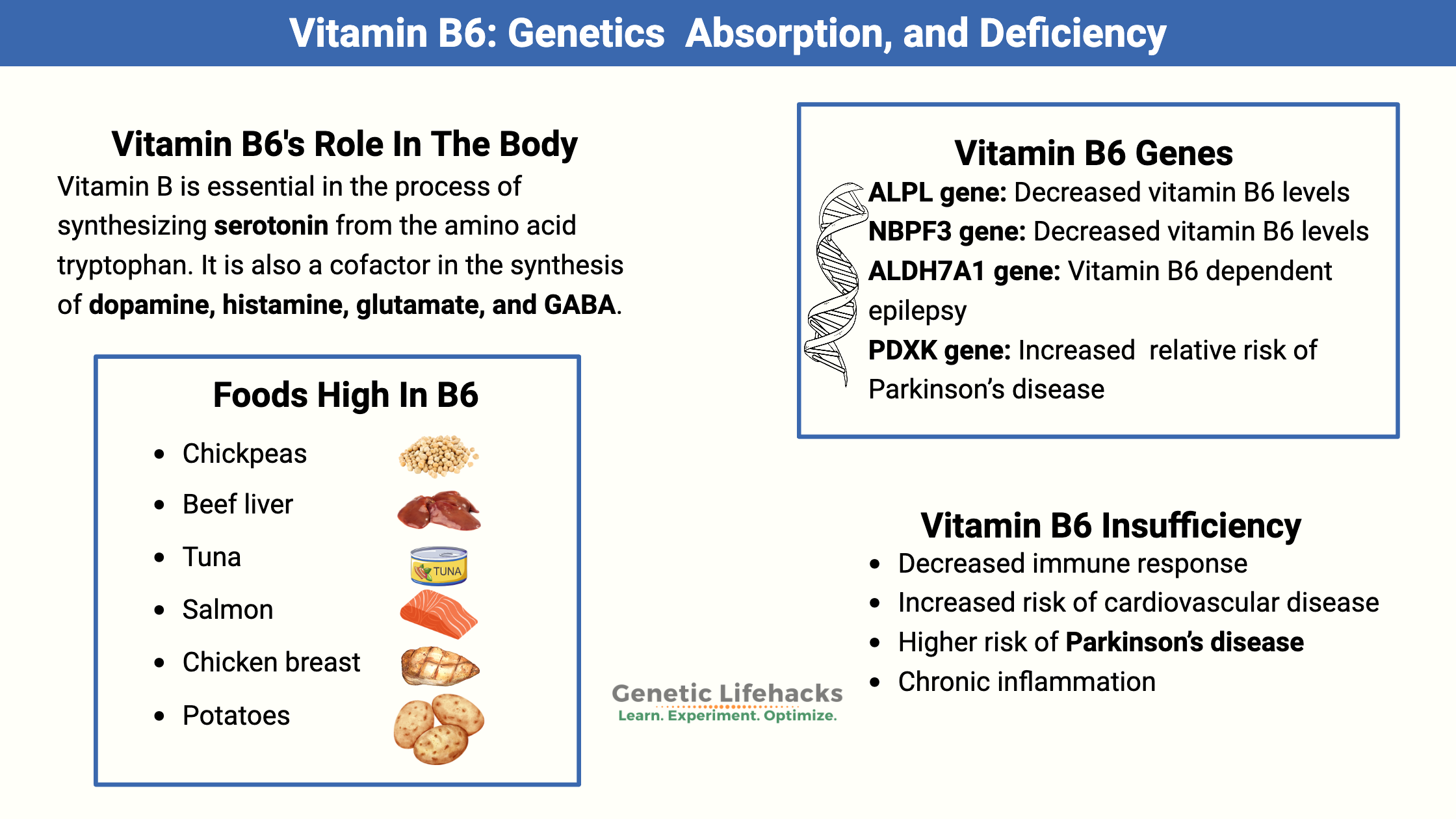
Vitamin B6 is an important co-factor in hundreds of different enzymatic reactions. Low levels of B6 are linked to an increased risk of diabetes, cardiovascular disease, neurodegenerative diseases, and cancer. B6 is also essential for reducing oxidative stress and inflammation.
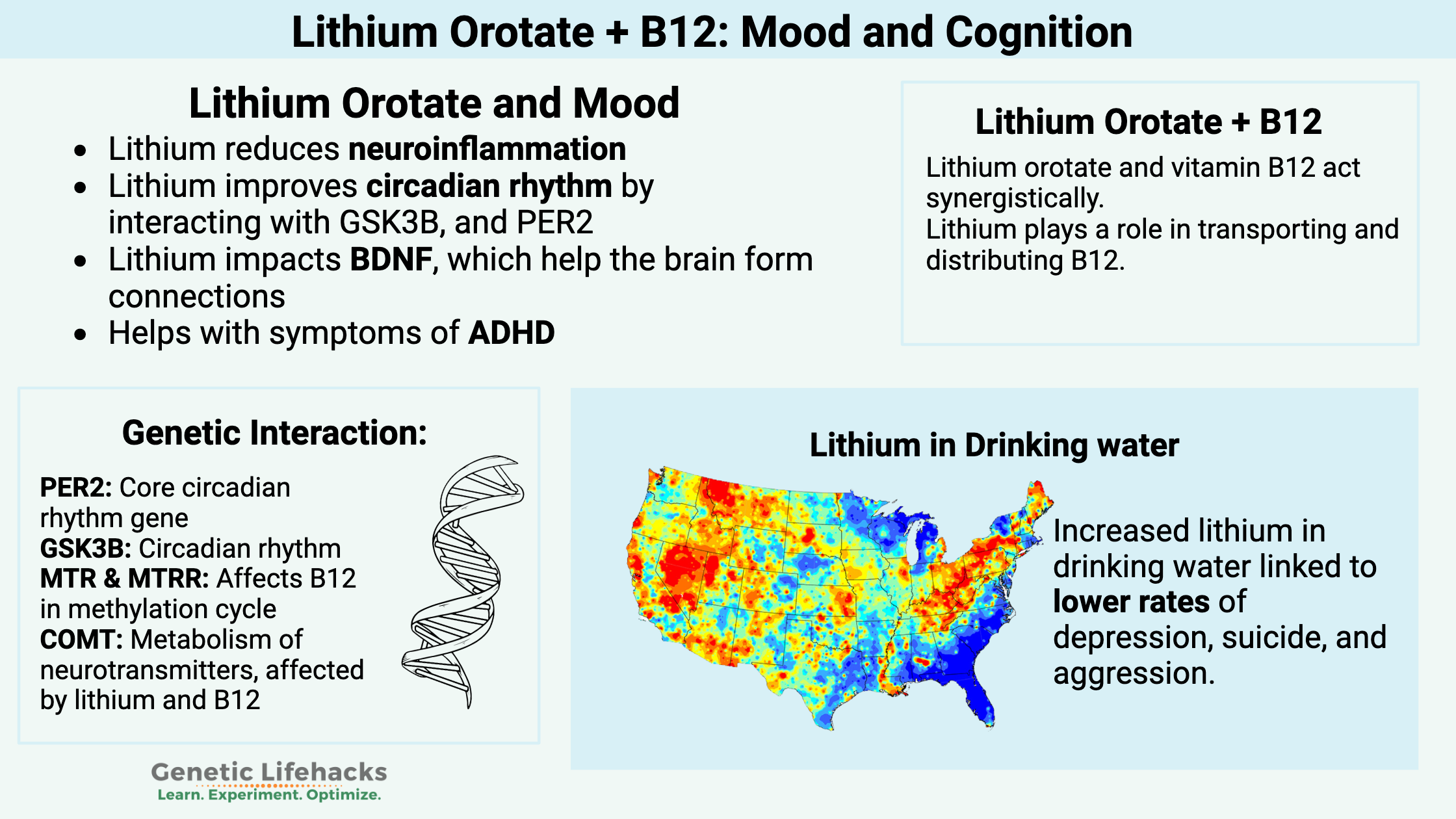
For some people, low-dose, supplemental lithium orotate is a game changer when combined with vitamin B12. But other people may have little to no response. The difference may be in your genes.
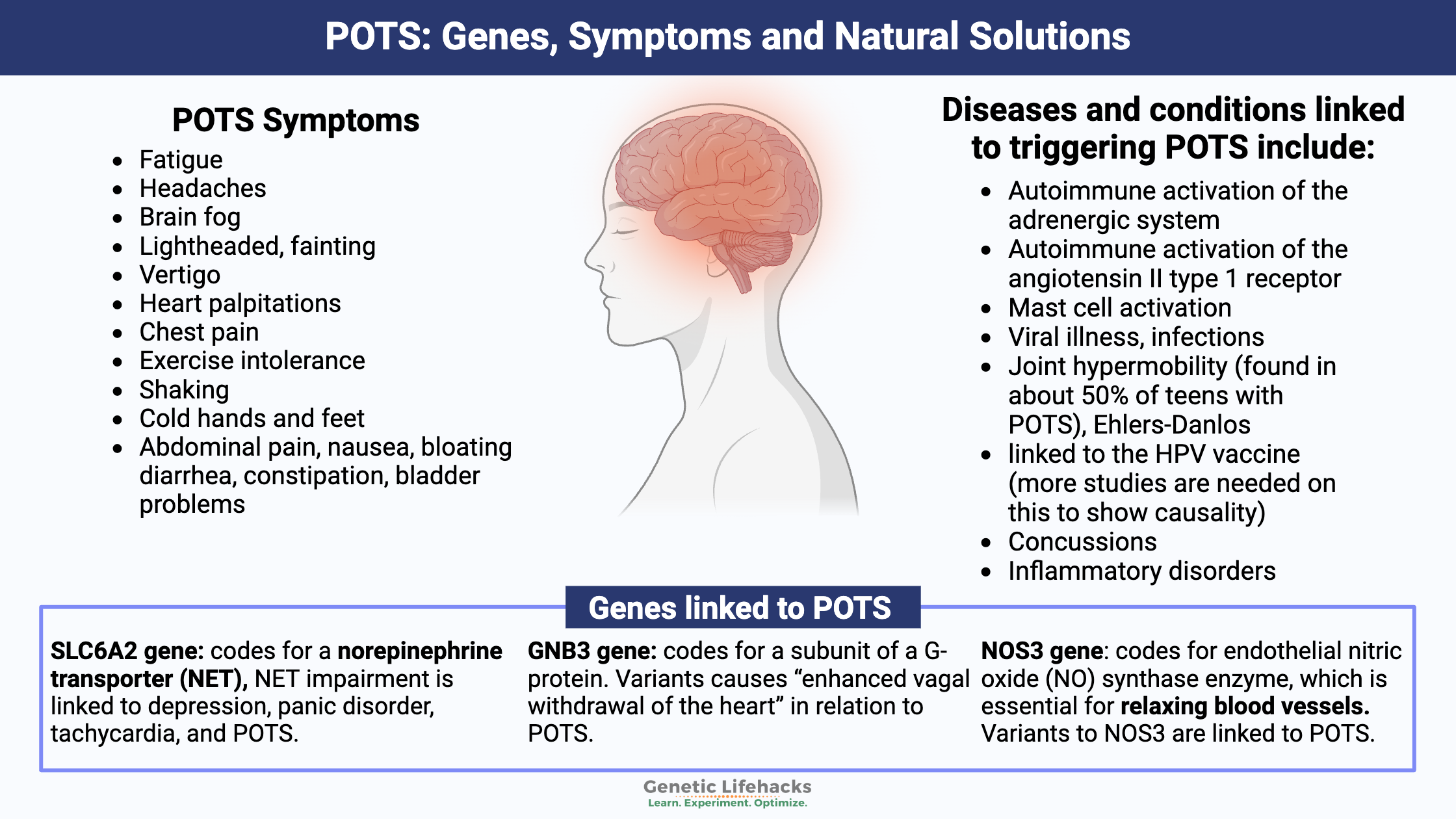
Explore the genetic basis of POTS, from HLA and norepinephrine transporter variants to EDS, MCAS, and long Covid connections, plus strategies to better manage symptoms.
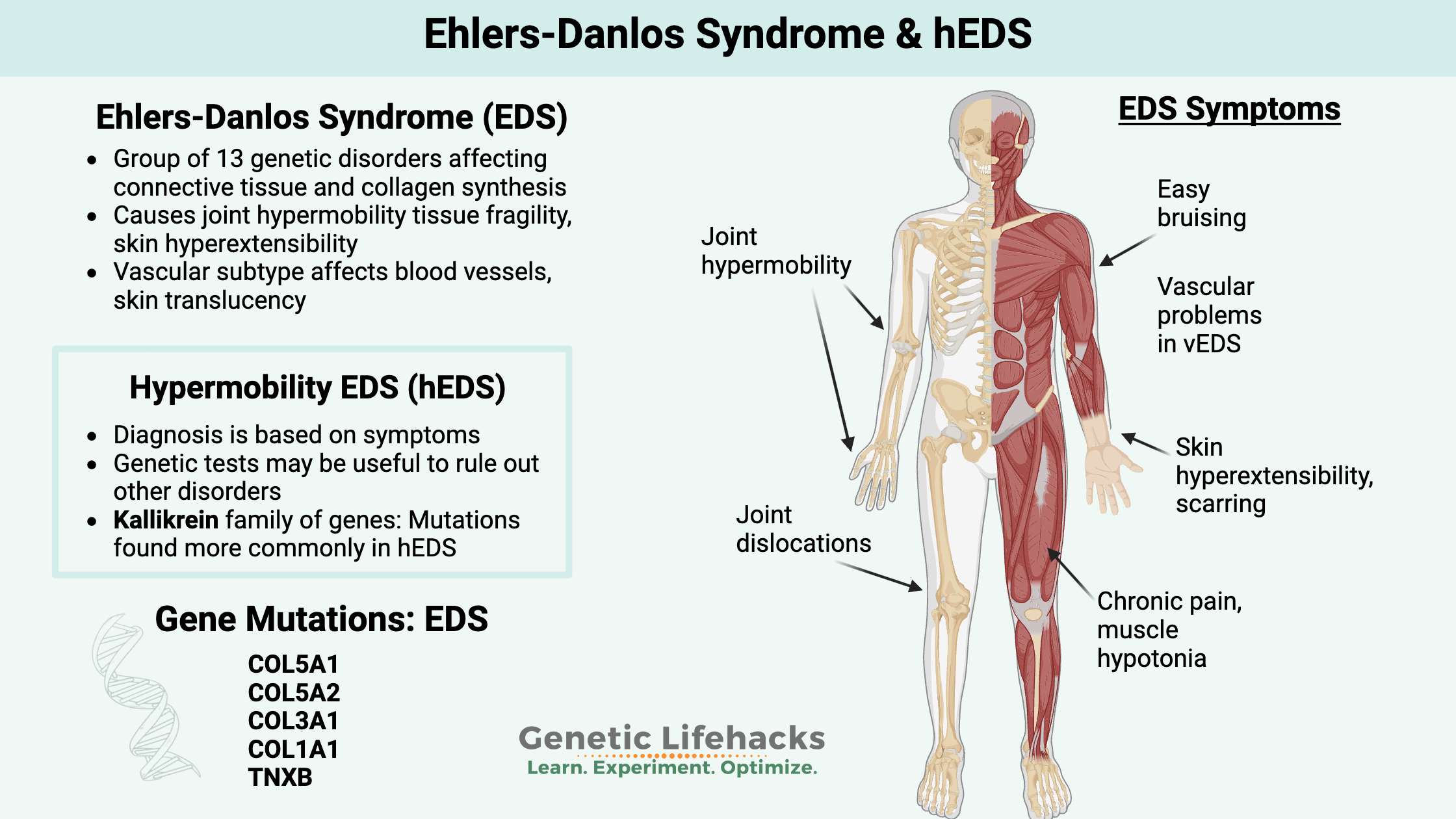
Ehlers-Danlos Syndromes causes changes in the way that collagen forms in the joints, ligaments, and skin. Explore the research on EDS and the genetic mutations that cause some of the subtypes of the disorder.
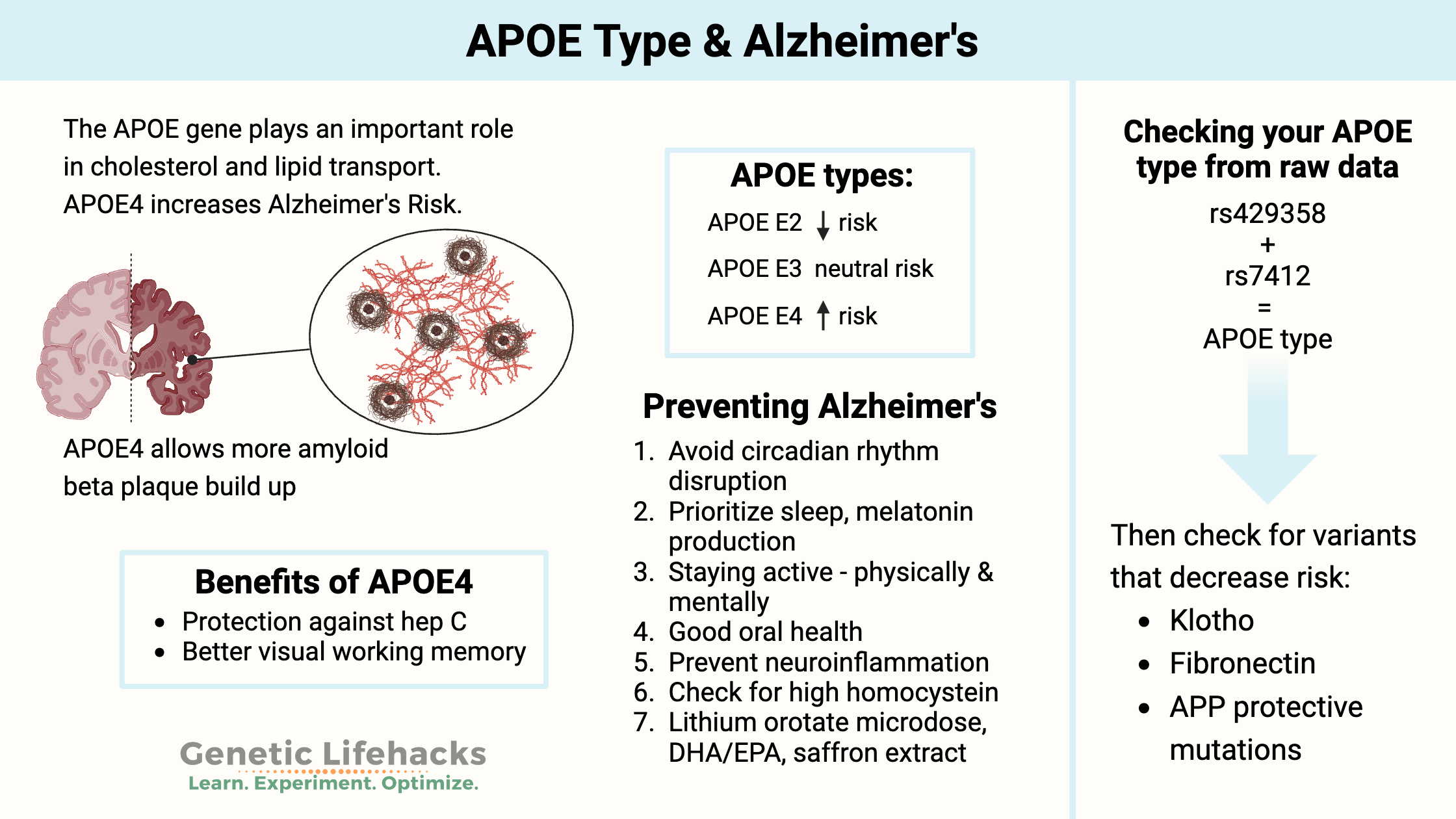
Find out your APOE type, understand your Alzheimer’s risk by genotype, sex, and ancestry, and learn about real prevention strategies.
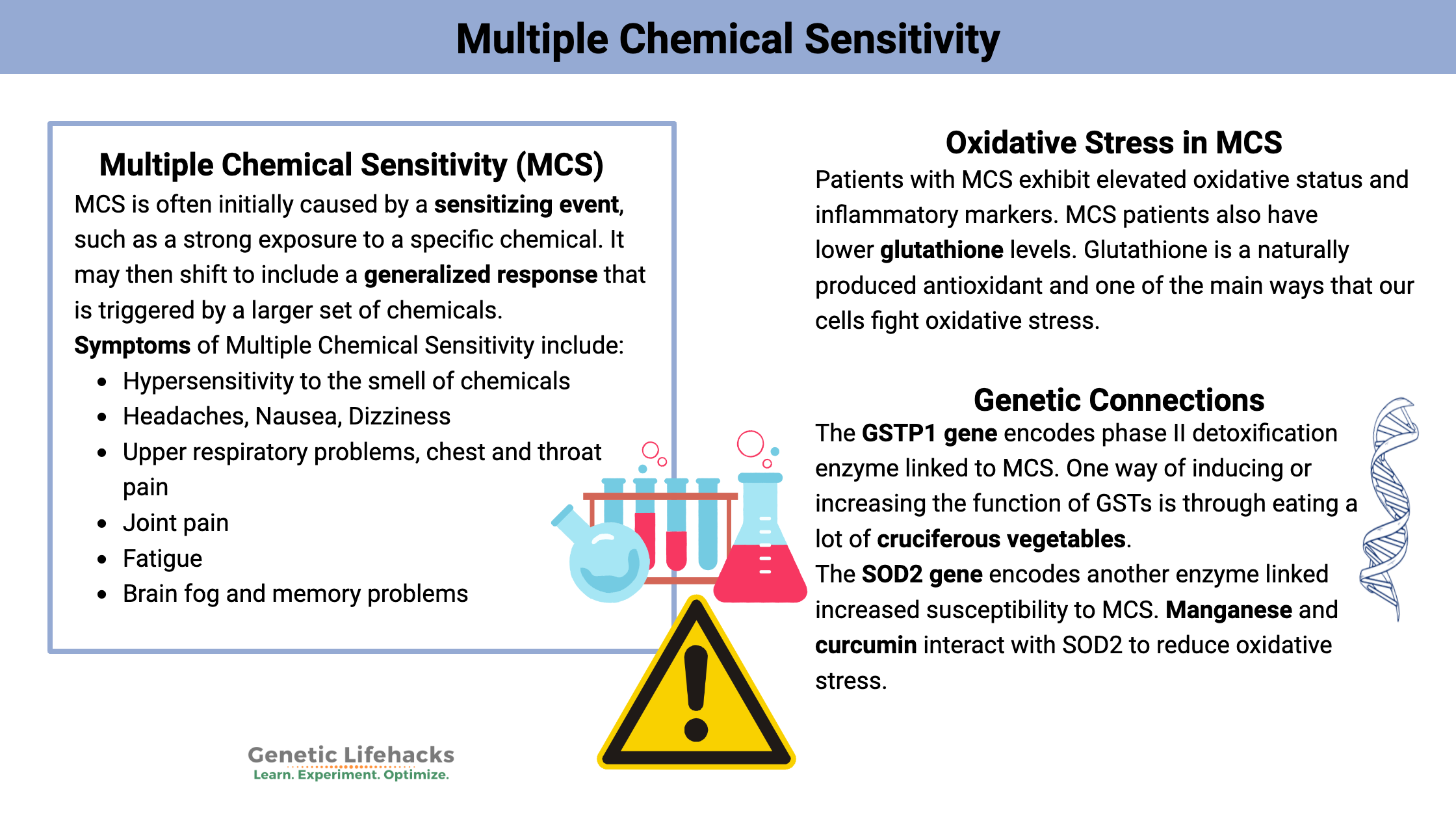
Multiple Chemical Sensitivity involves systemic reactions to low-level chemical exposures. Genetic research points to detox enzyme variants and olfactory gene interactions.
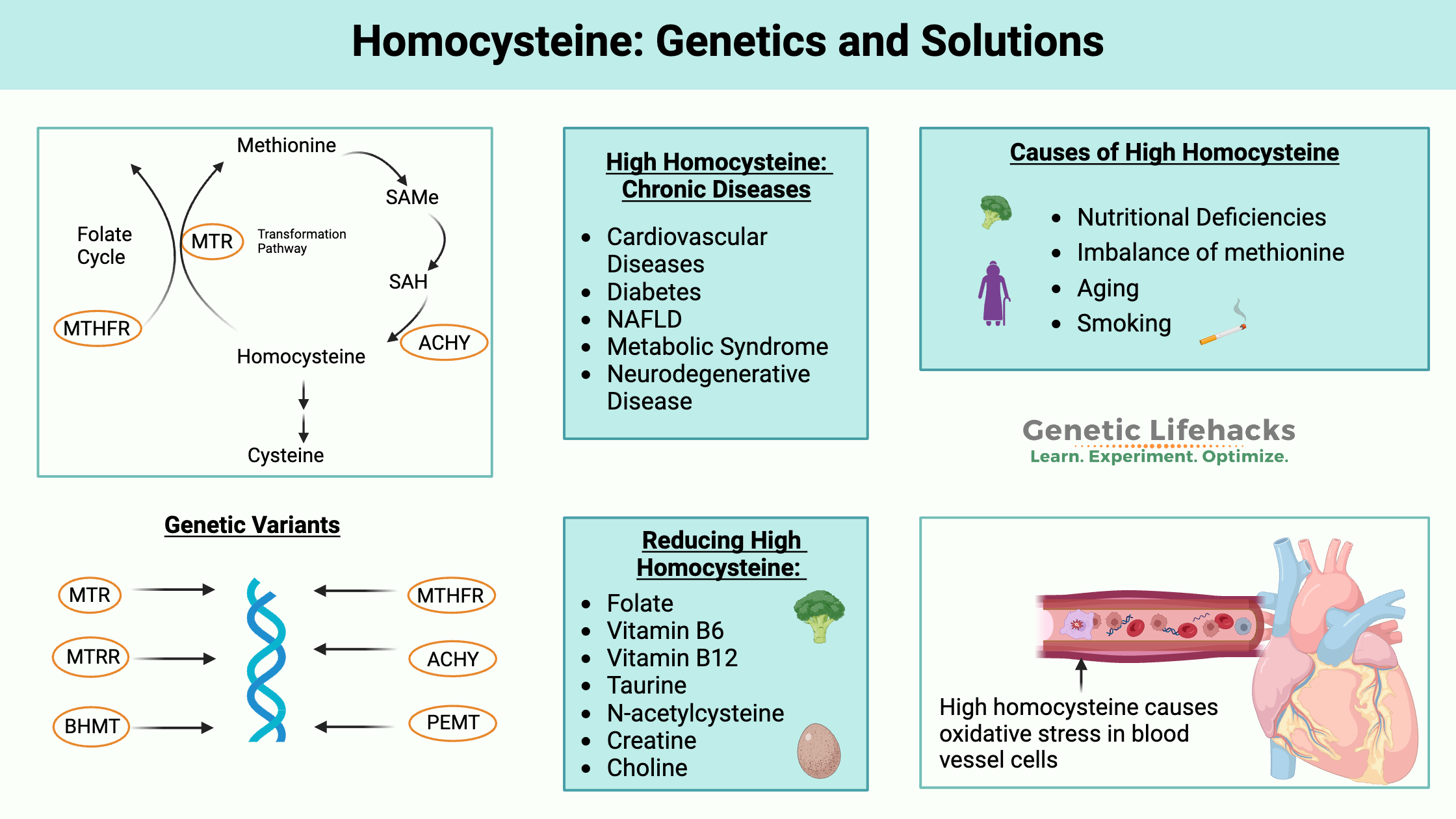
High homocysteine levels are strongly linked to an increased relative risk of cardiovascular diseases. Find out how your genes impact homocysteine levels.
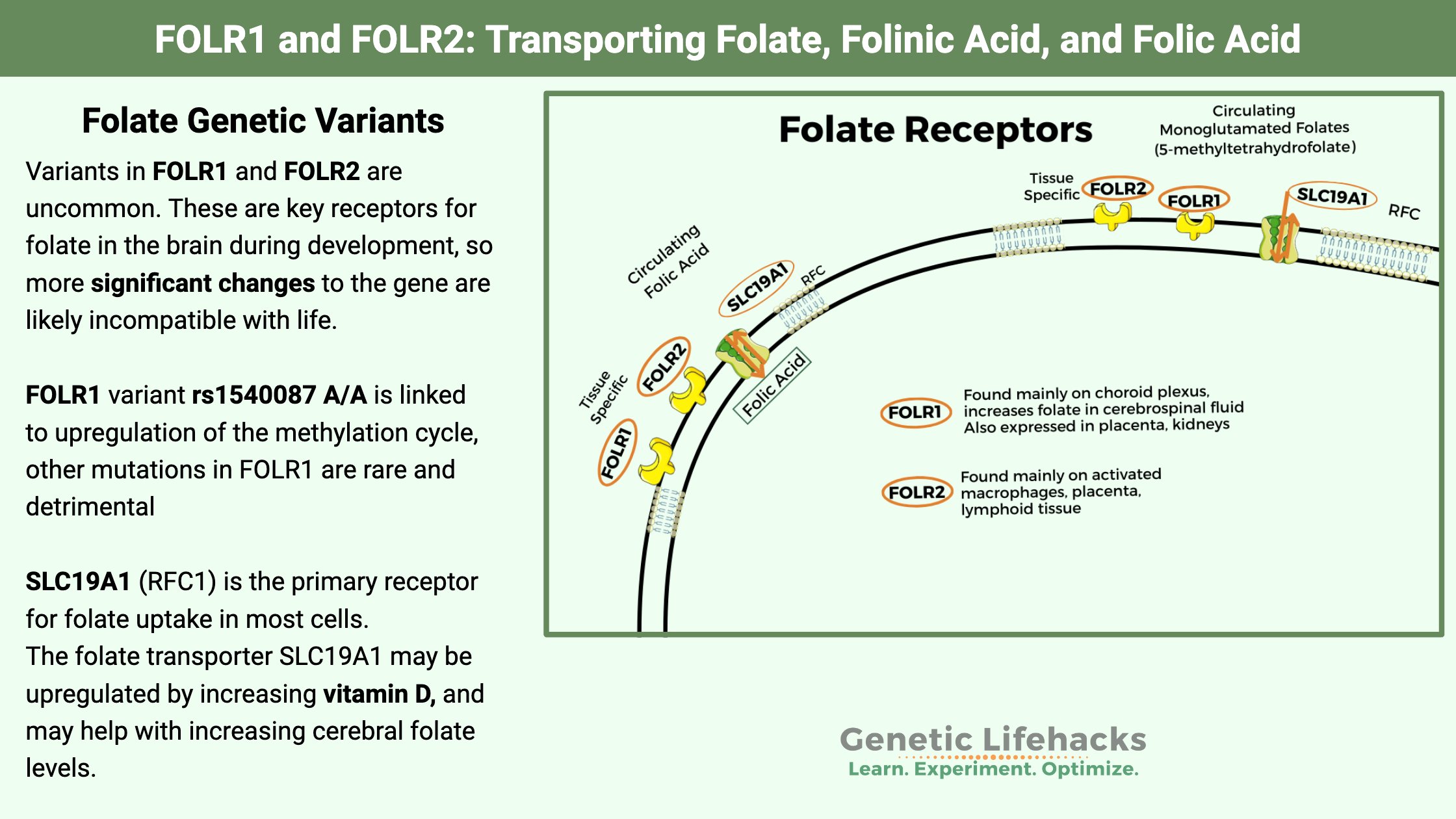
Genetic variants in the FOLR1 and FOLR2 genes (folate receptors alpha and beta) can impact folate in the brain and in the immune response.
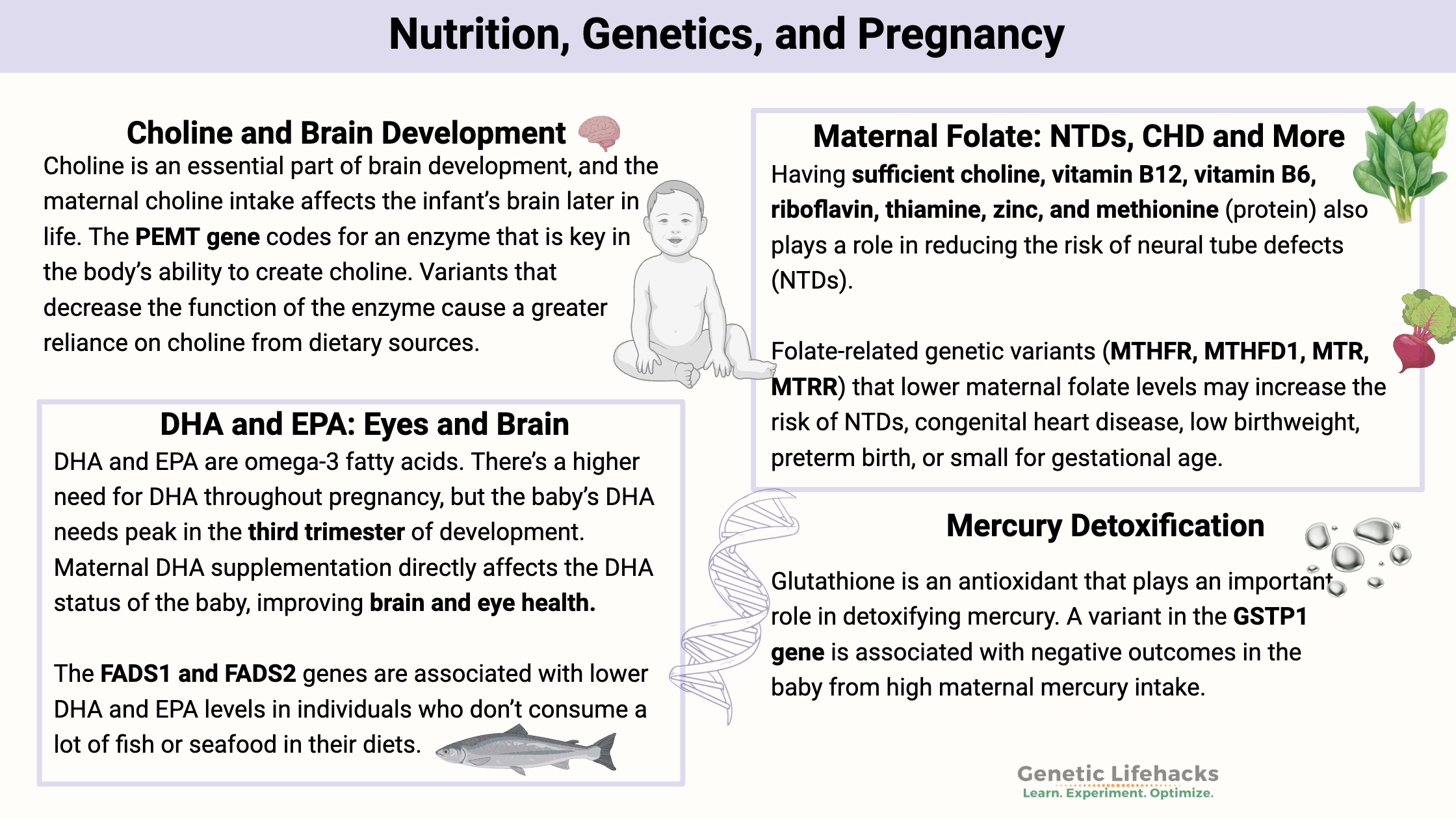
Pregnancy is a time of increased nutritional needs, and your genes can help you dial in your diet to prevent nutrient deficiencies.
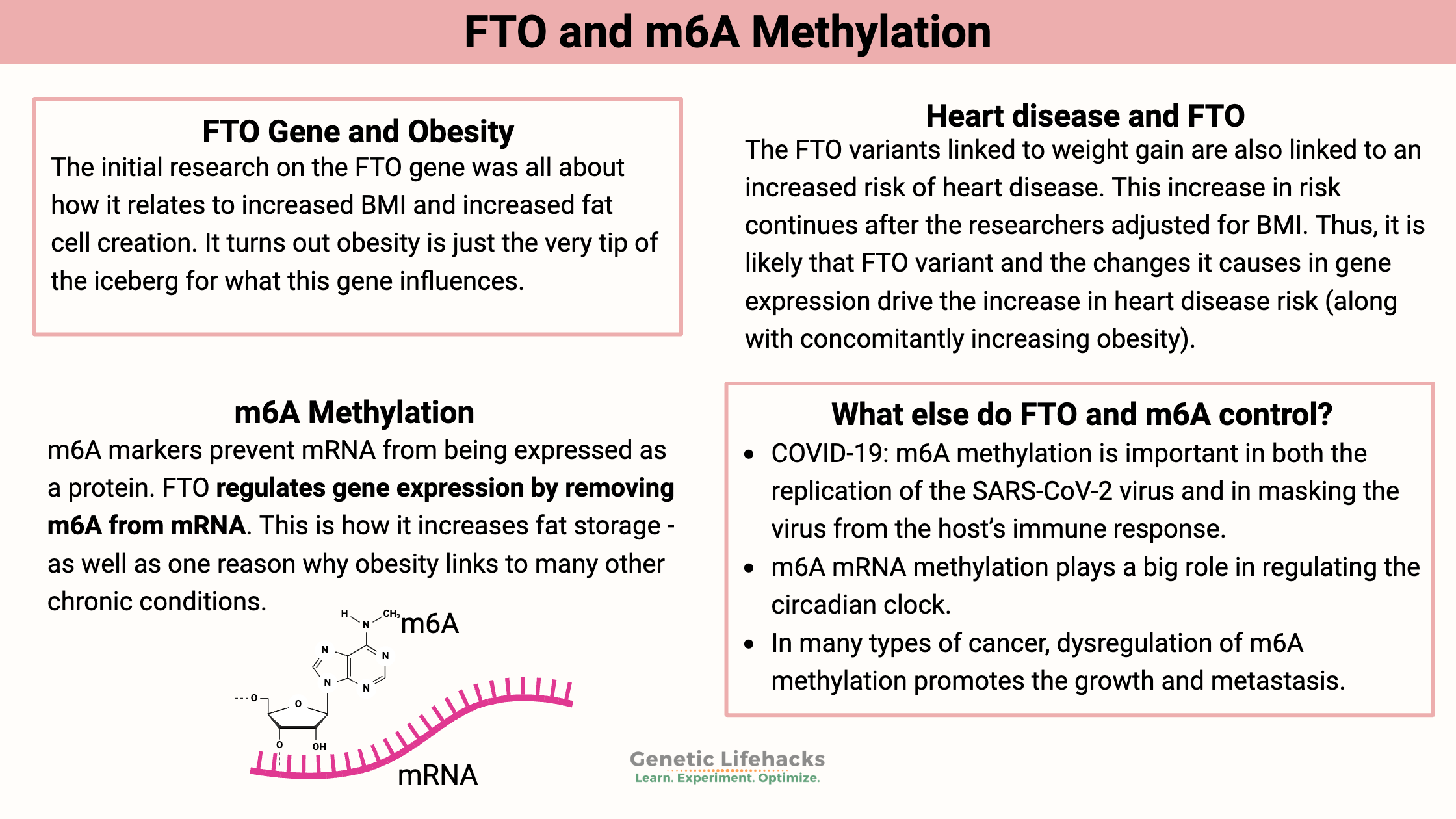
Recently, researchers discovered that FTO is an m6A eraser that removes methyl groups from mRNA. This discovery has opened up huge avenues of research on topics from cancer to immune response to heart disease.
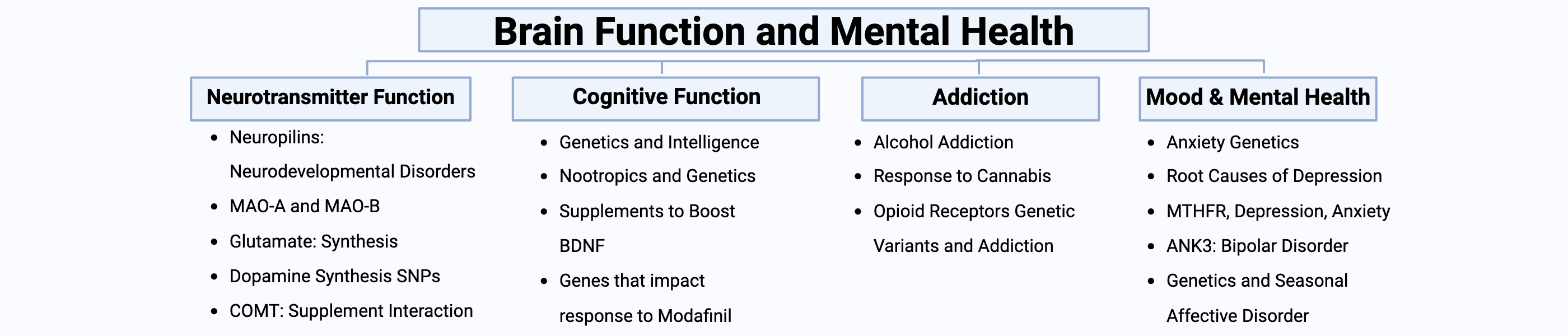
Smarter, happier, and more focused — this section pulls together the articles on how your genetic variants impact brain function and mental health. Instead of generic advice, you’ll find research‑based explanations of how specific SNPs influence neurotransmitters, mood, cognition, and addiction risk — plus practical, low‑hype options you can try. … Read more
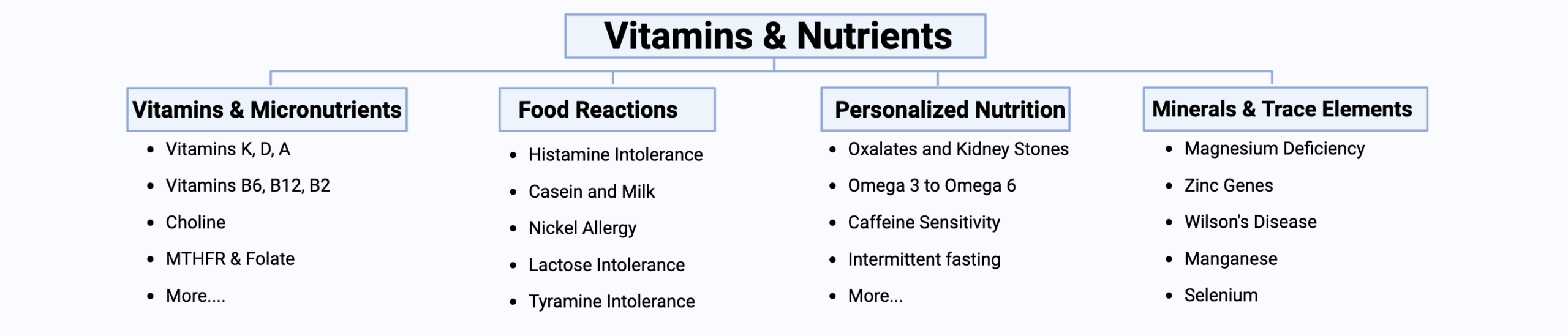
Your genes influence how well your cells absorb, transport, and utilize nutrients. We are all genetically different, and your genes give you unique dietary needs and strengths. Genetic data can give you a starting point to know where you may need more – or less – of a specific nutrient. … Read more
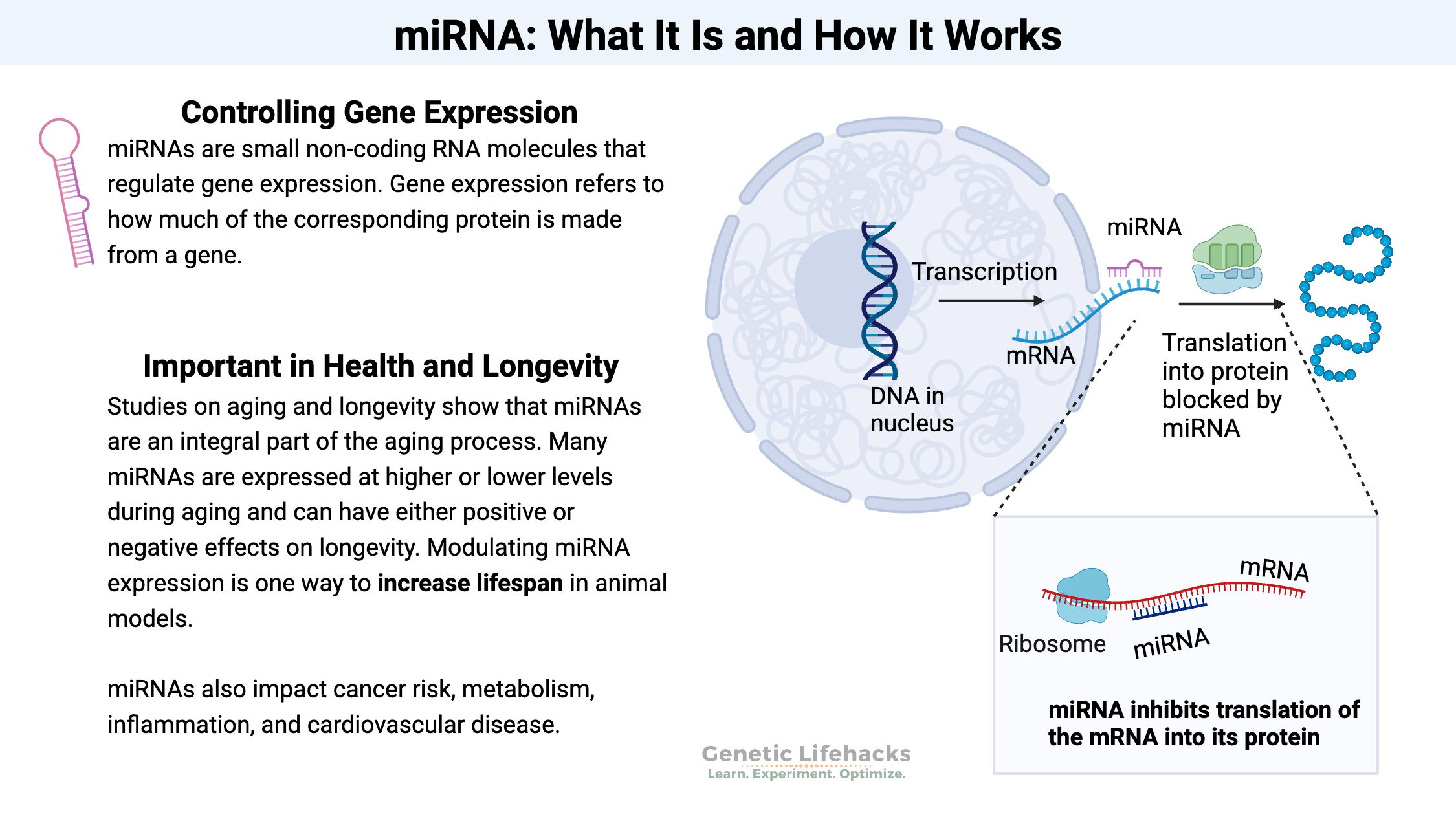
miRNAs are small non-coding RNA molecules that regulate gene expression. They are important for healthy aging, longevity, metabolic health, and immune function.
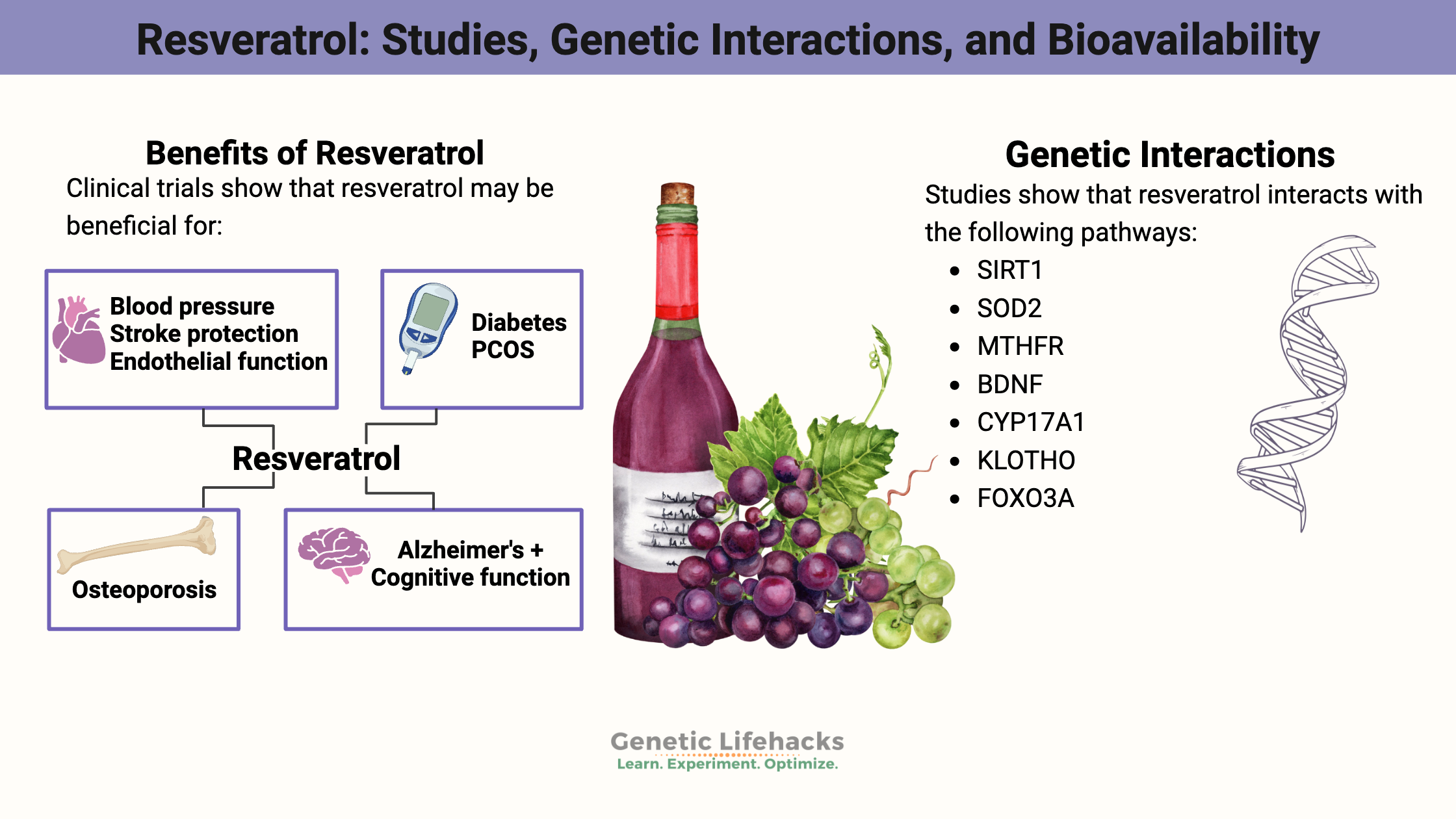
Resveratrol is a polyphenol with anti-inflammatory and antioxidant properties. Studies show that it affects heart health, bone health, cognitive function, and metabolic health.
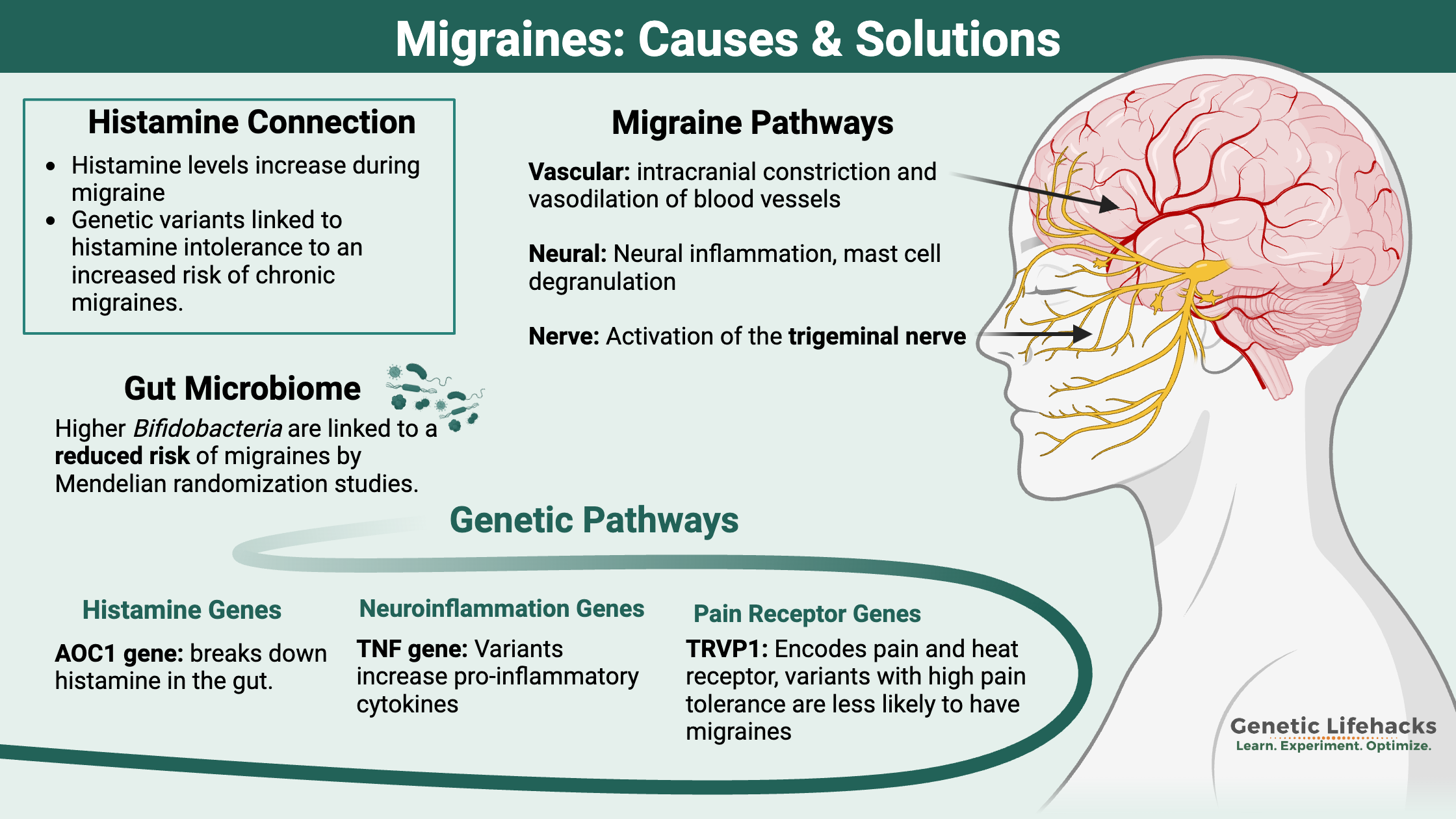
Discover how genetics, triggers, and personalized strategies shape migraine prevention and relief. Find actionable solutions based on your DNA.