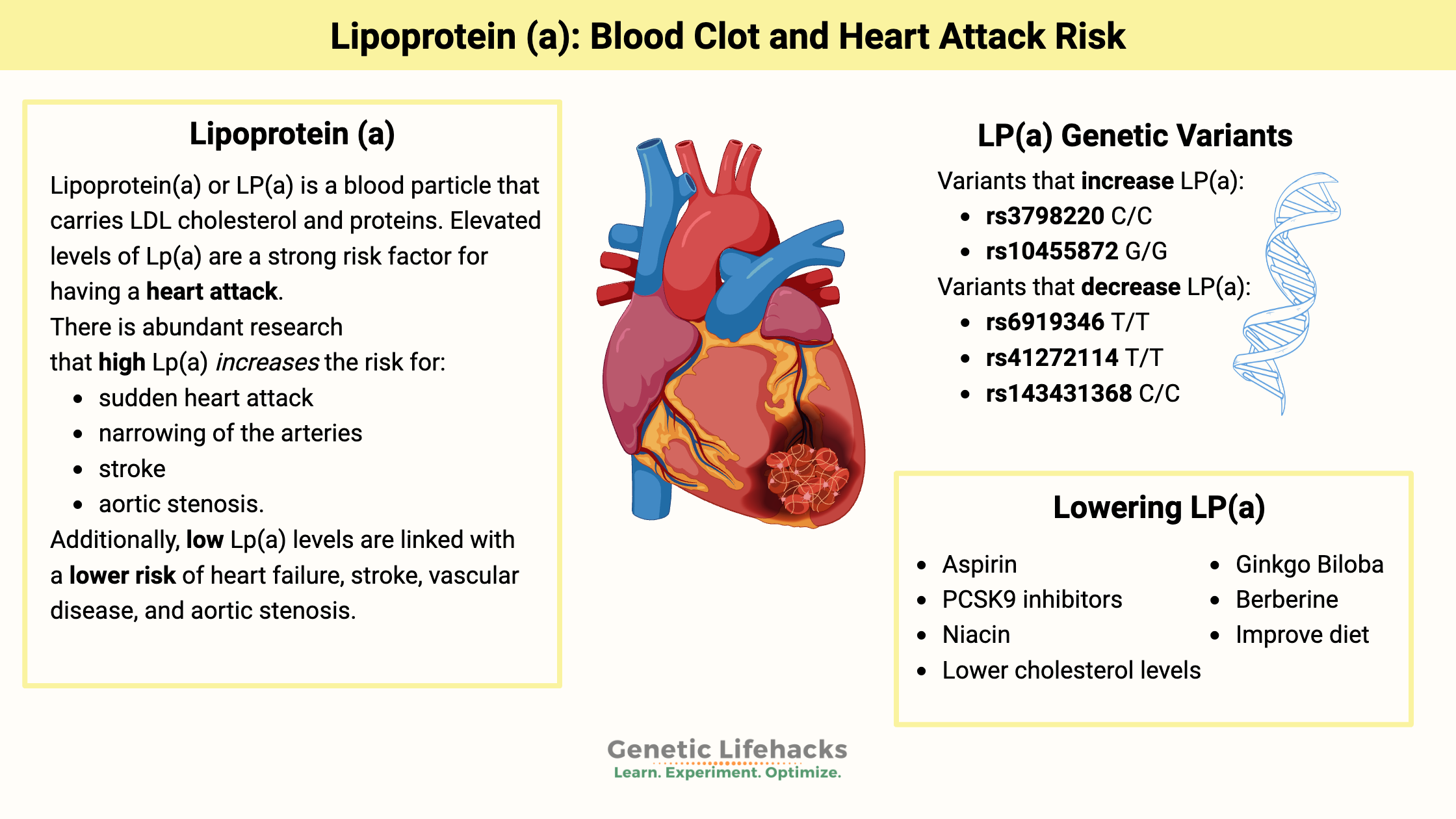
Lipoprotein(a): Genetics and Lp(a) Levels
High Lp(a) levels are a big risk factor for sudden heart attacks. Your Lp(a) levels are mainly controlled by your genetic variants. Check to see if you carry genetic variants that increase or decrease Lp(a).

High Lp(a) levels are a big risk factor for sudden heart attacks. Your Lp(a) levels are mainly controlled by your genetic variants. Check to see if you carry genetic variants that increase or decrease Lp(a).
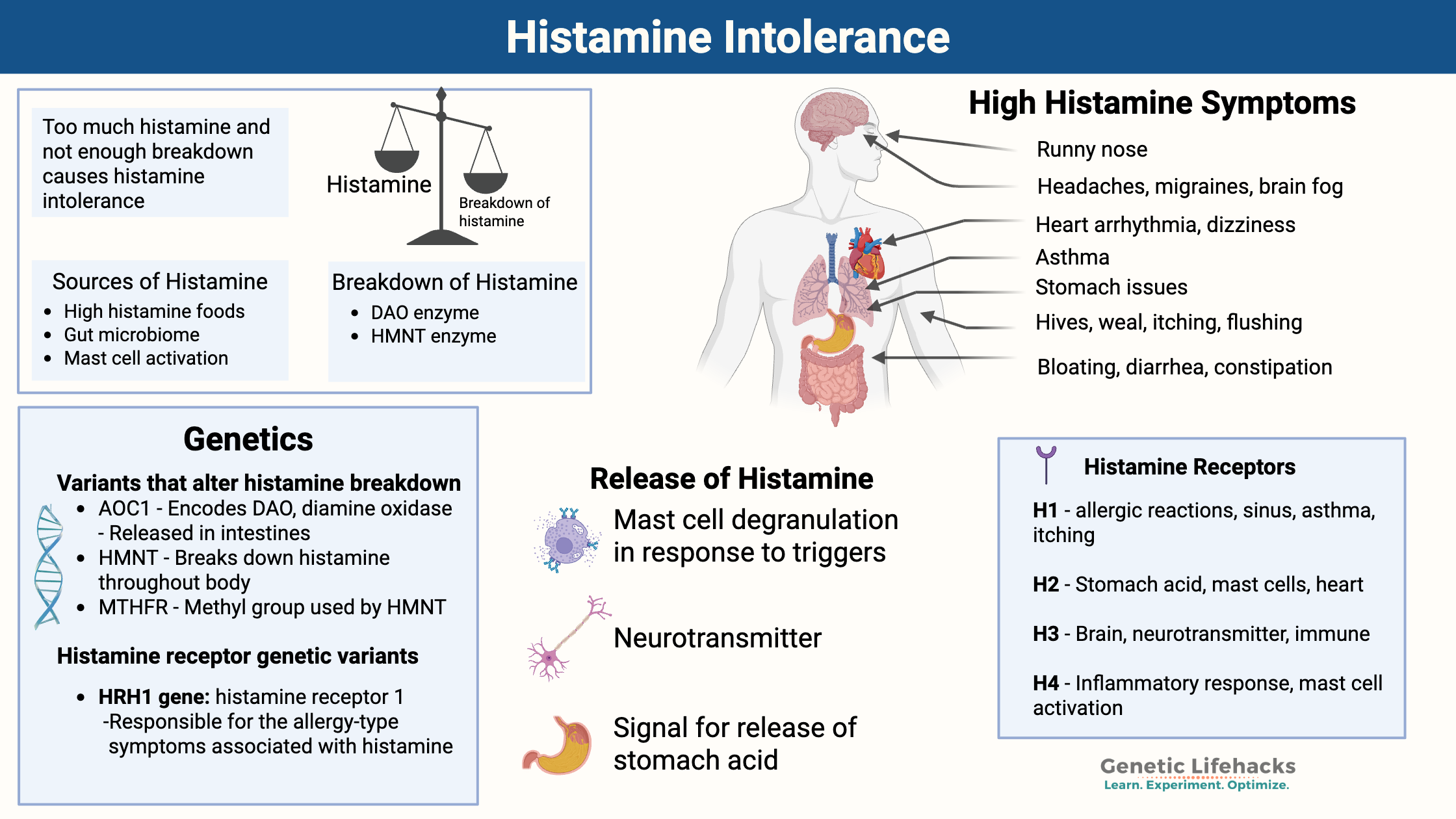
Genetic variants in DAO and HNMT genes affect histamine breakdown. Check your AOC1, HNMT, and HDC genotype. Low-histamine diet, DAO supplements, and more.
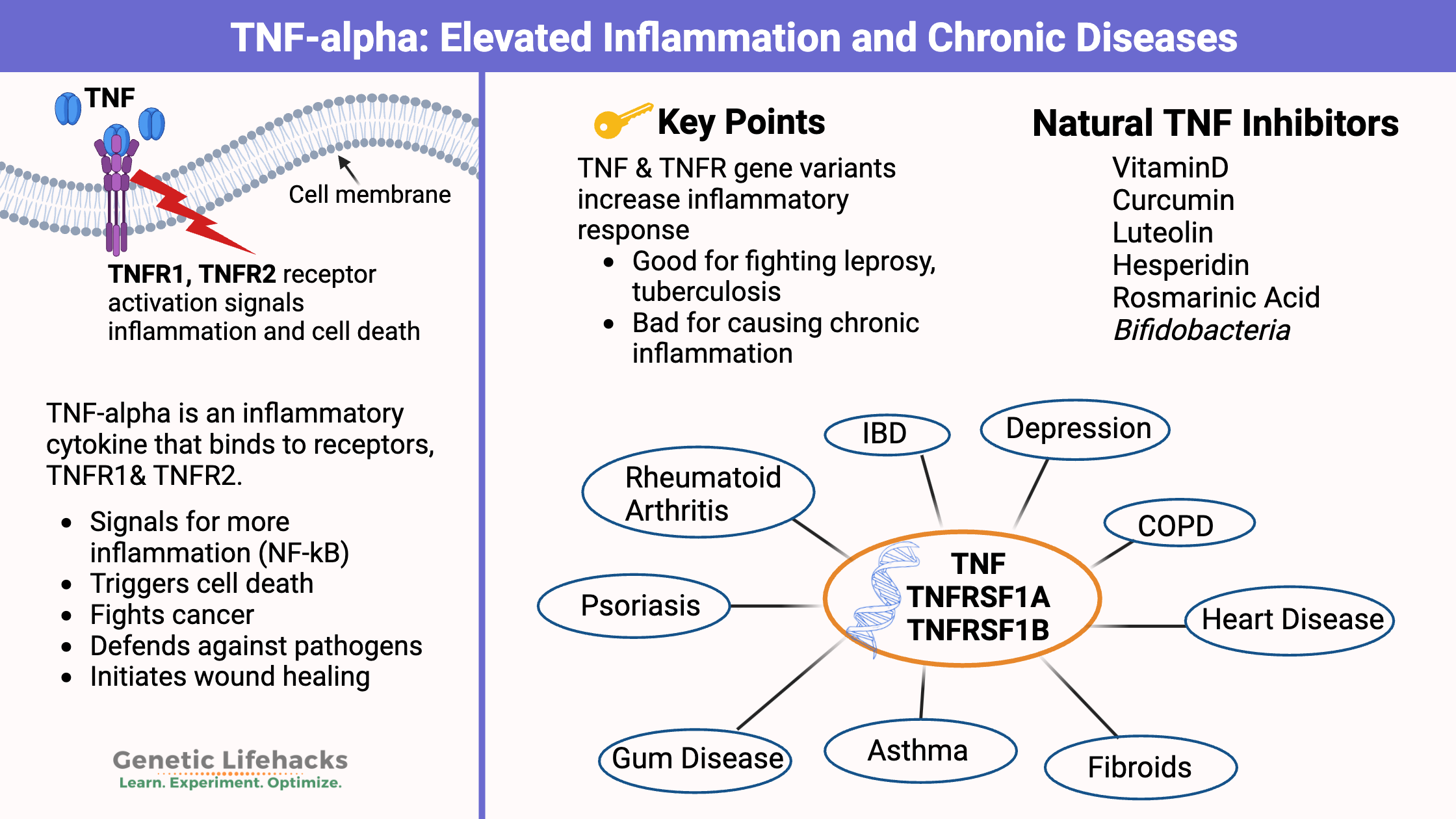
TNF-alpha is a key inflammatory cytokine linked to autoimmune, cardiovascular, mood, and neurodegenerative diseases. Learn how TNF gene variants affect your risk and potential natural TNF inhibitors.
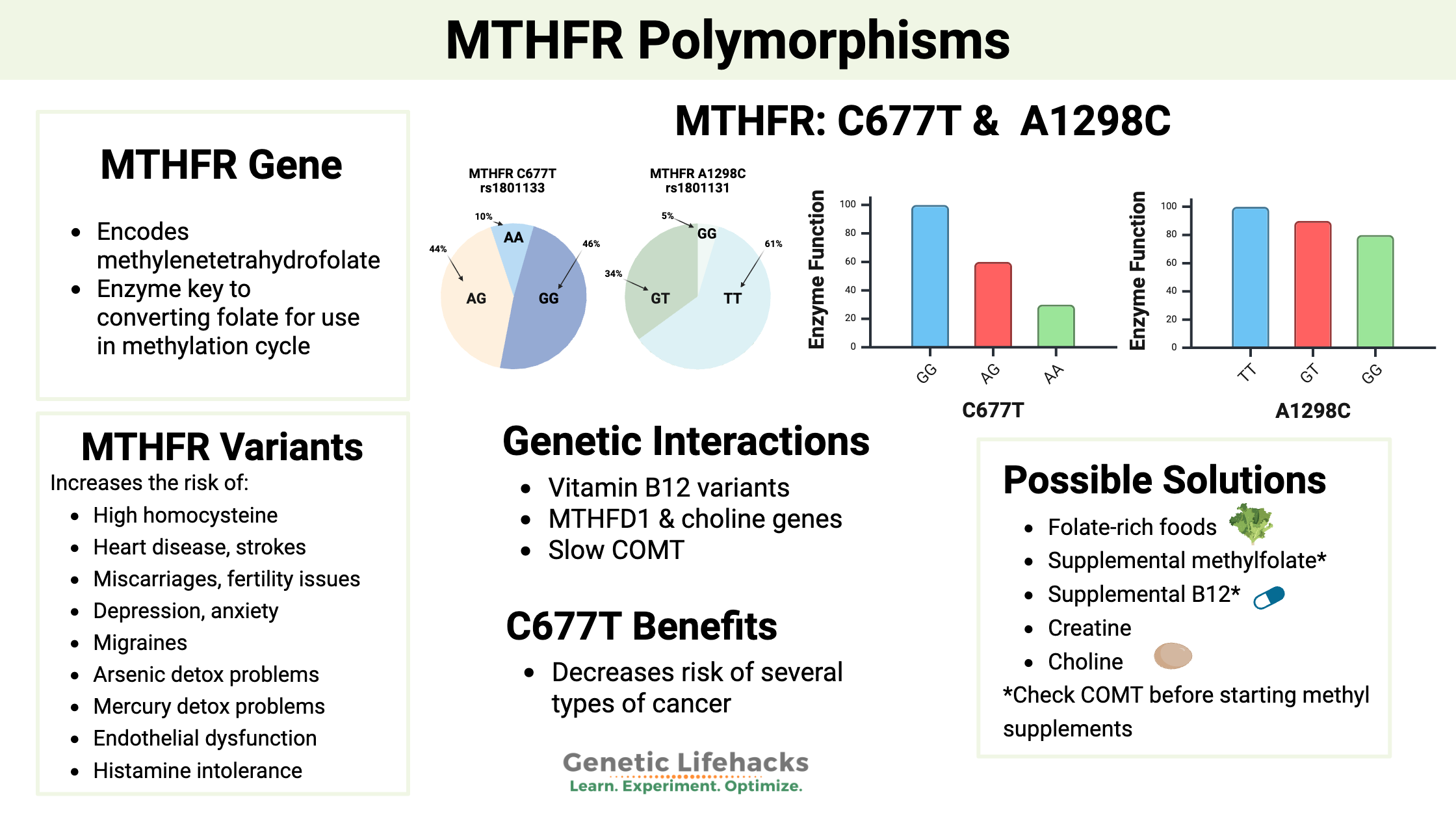
The MTHFR gene is important for how your body utilizes folate (vitamin B9) for creating neurotransmitters, detoxifying toxicants, and maintaining a healthy heart. It is a key gene in the methylation cycle.
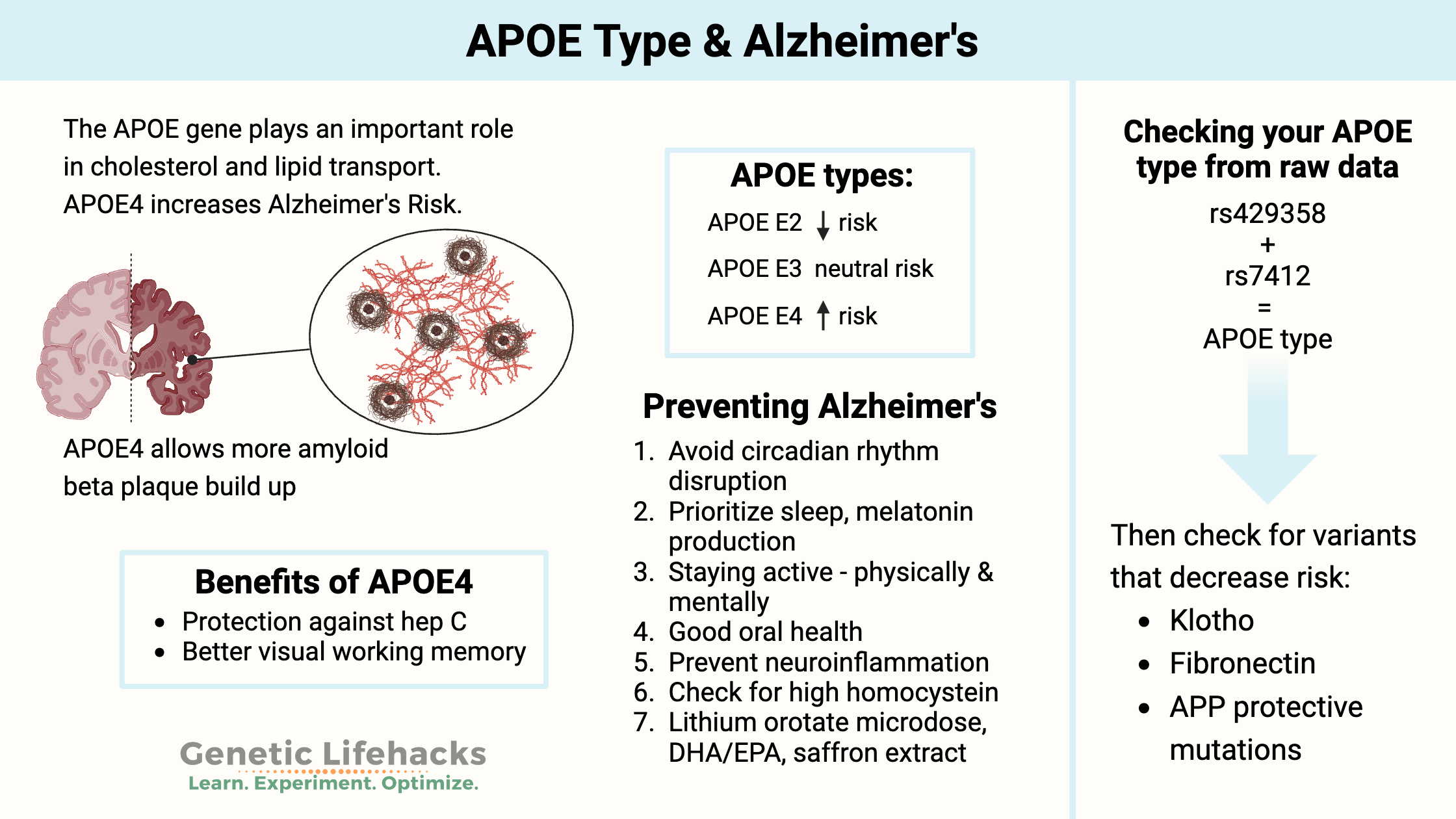
Find out your APOE type, understand your Alzheimer’s risk by genotype, sex, and ancestry, and learn about real prevention strategies.
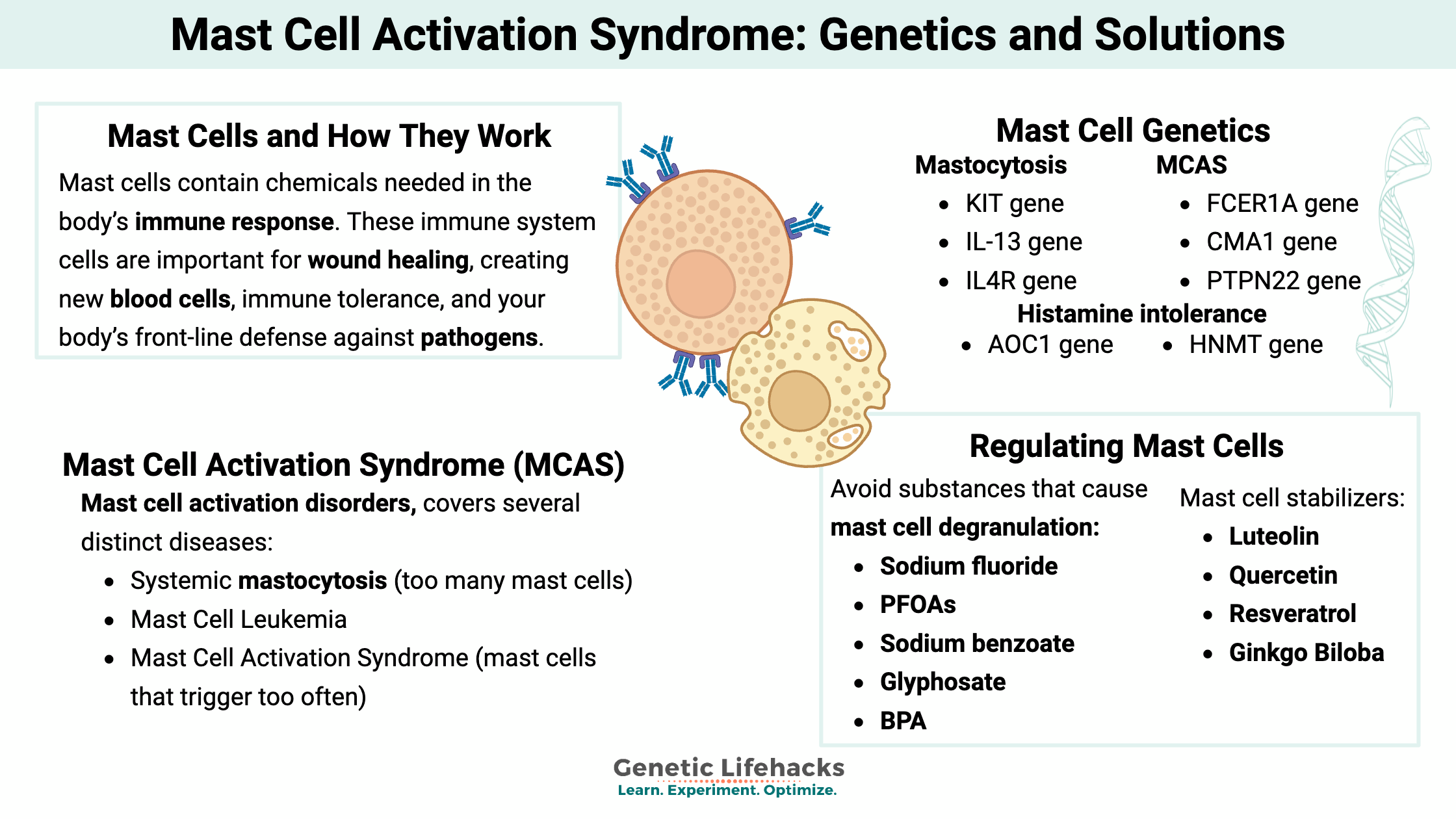
Mast cells are essential to your innate immune system, defending against pathogens and allergens. For some people, mast cells can be triggered too easily, giving allergy-like responses to lots of different substances.
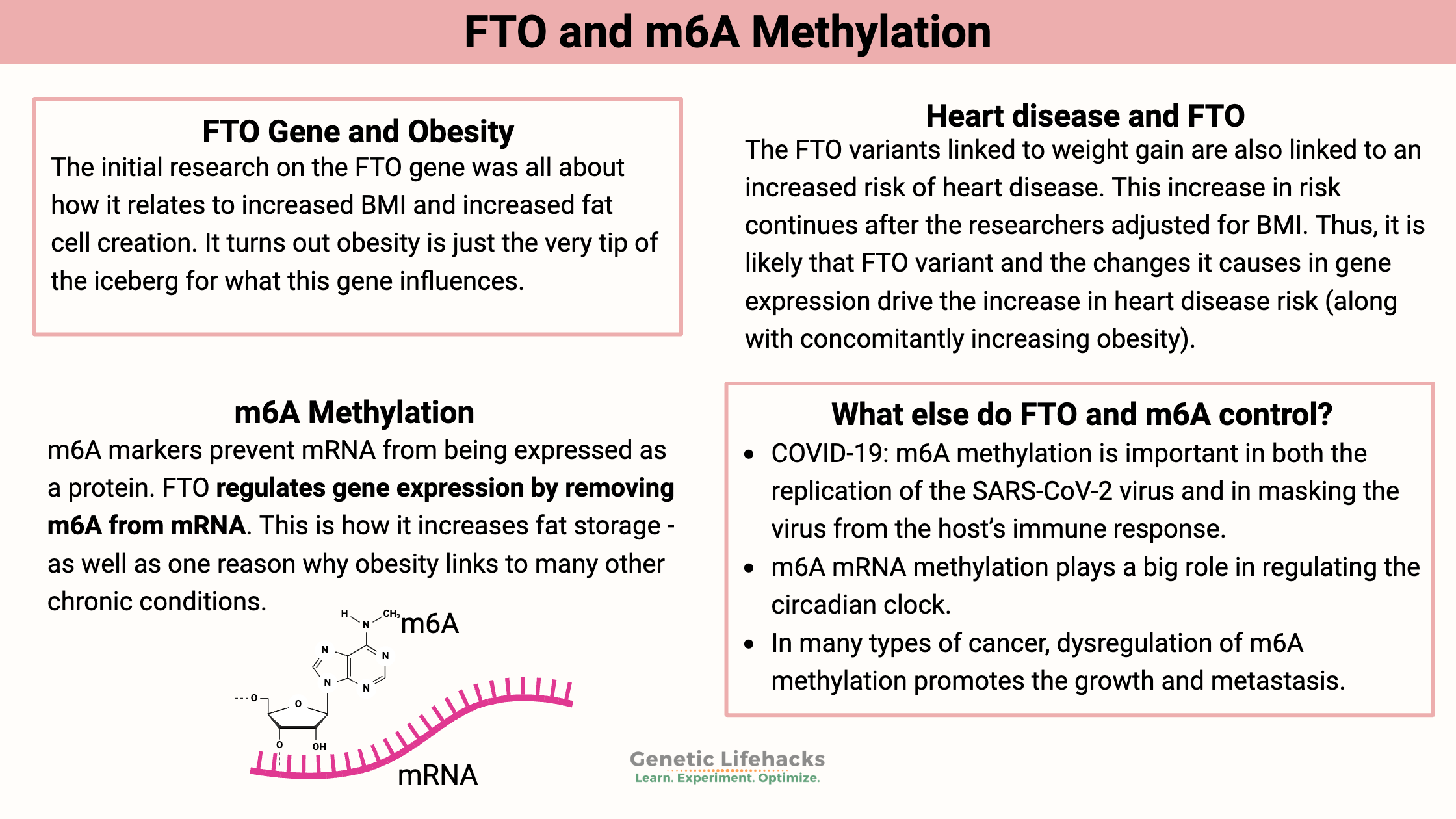
Recently, researchers discovered that FTO is an m6A eraser that removes methyl groups from mRNA. This discovery has opened up huge avenues of research on topics from cancer to immune response to heart disease.
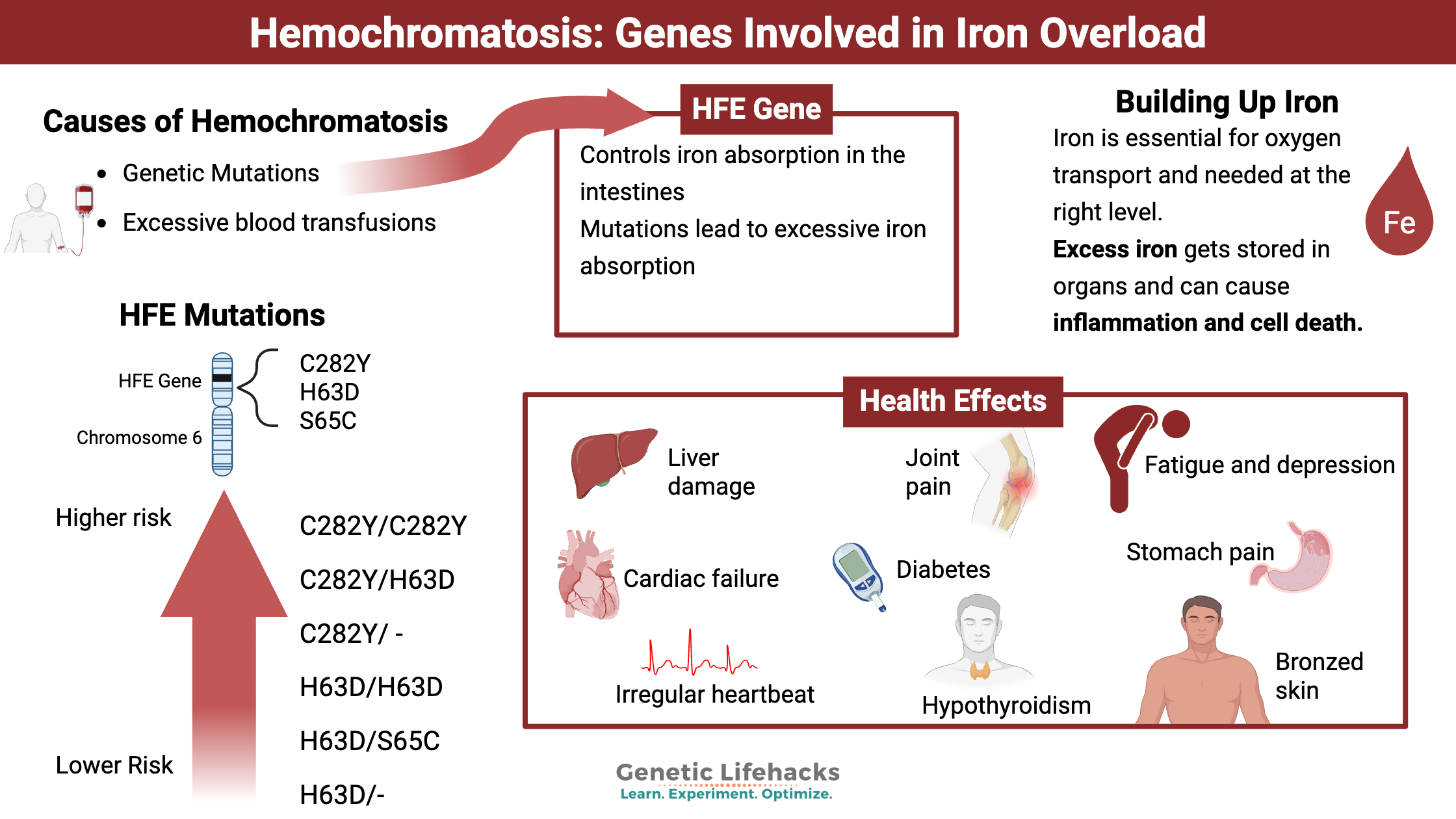
A couple of common mutations can cause you to build up iron, leading to iron overload or hemochromatosis. It is one genetic disease where knowledge is really powerful – you can completely prevent hemochromatosis through blood donations.
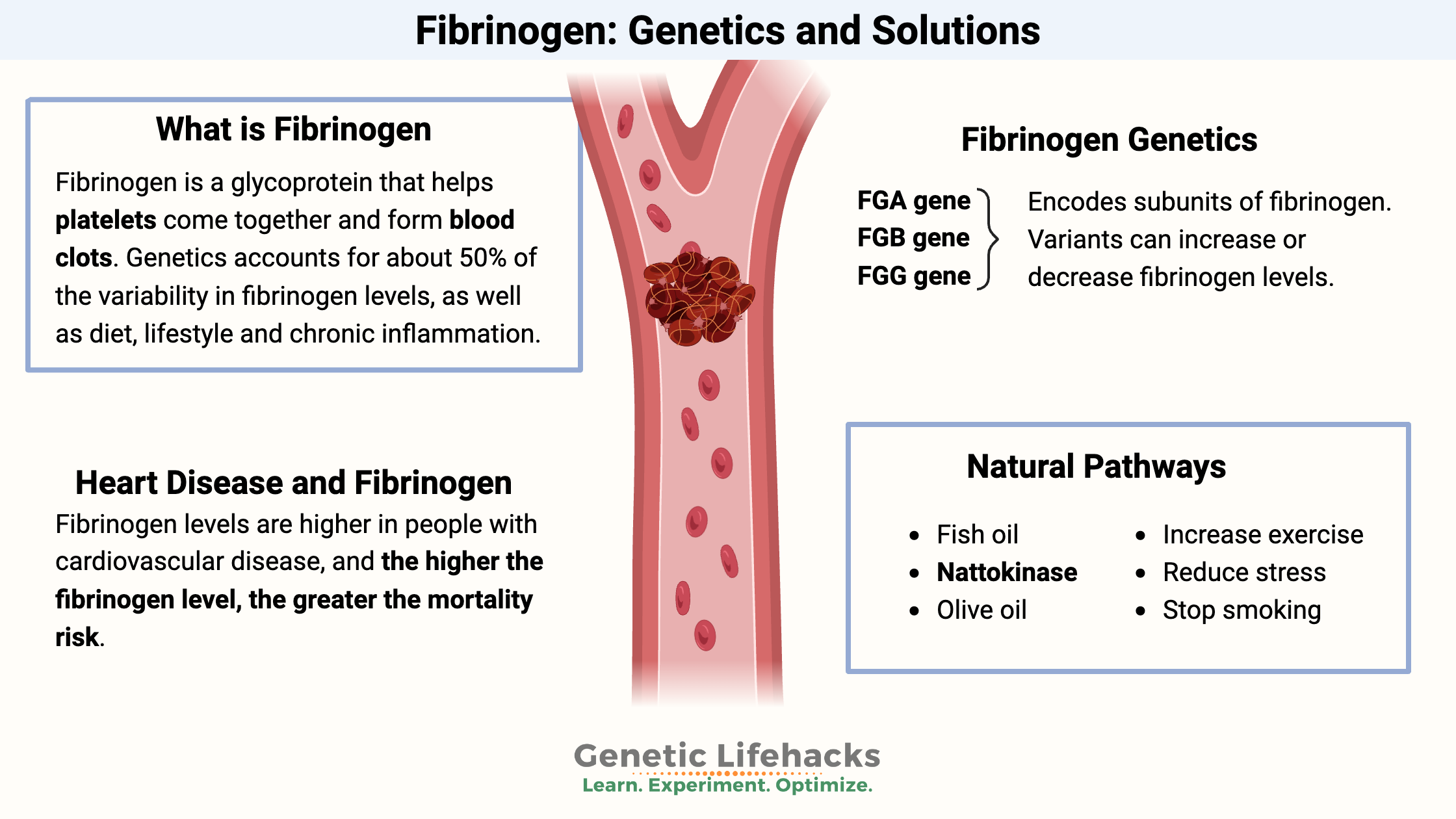
Fibrinogen is a protein that is essential for creating blood clots when you get a wound. But higher levels of fibrinogen are a major risk factor for heart disease and DVT. Learn how your genes impact your fibrinogen level.
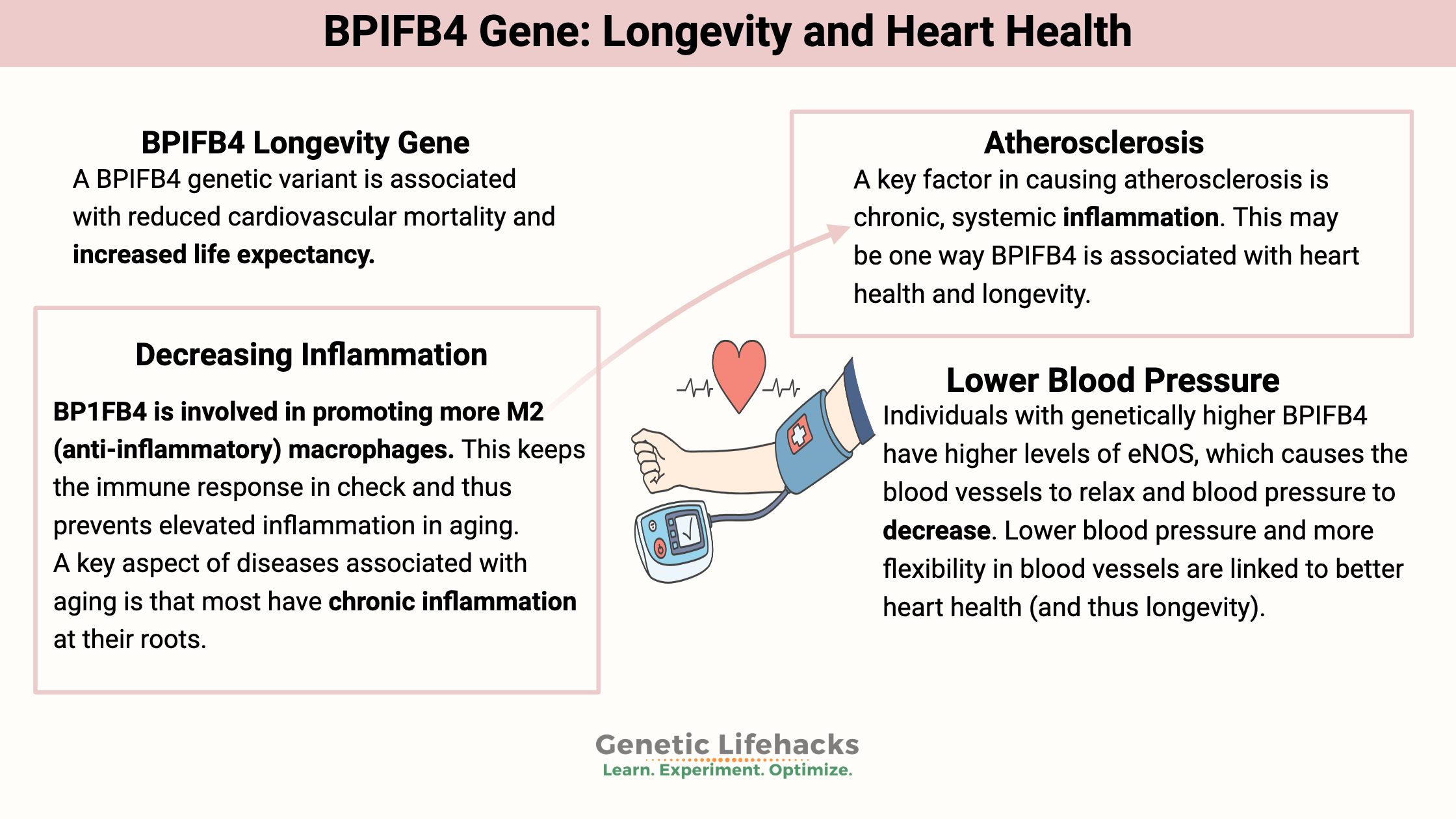
Discover the impact of the BPIFB4 gene on longevity and immunity, and find out if you have the longevity variant in your genotype report.
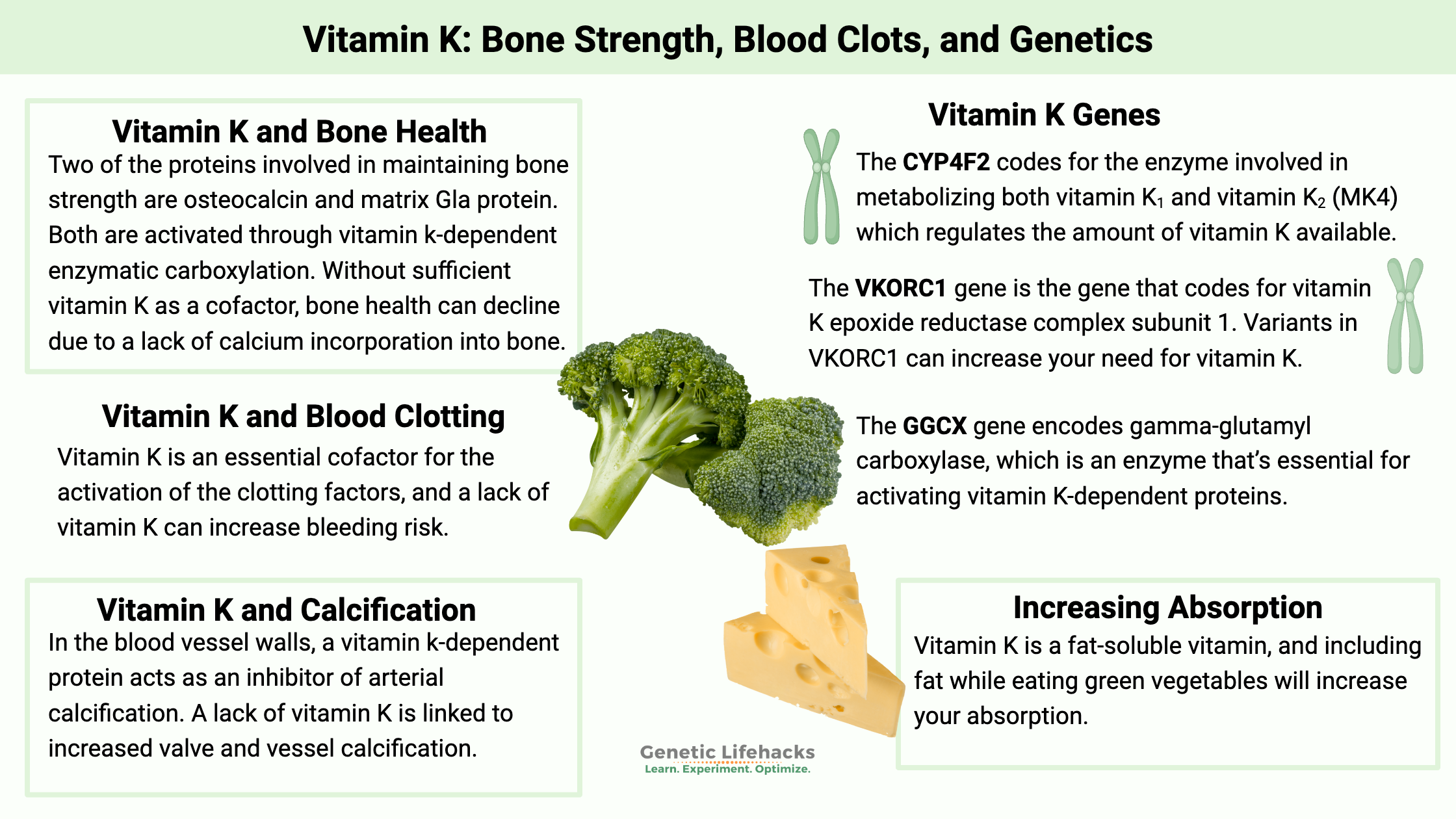
Genetic variations cause people to have higher or lower levels of vitamin K, which can affect blood clotting. Learn more about the genes that affect vitamin K and how it relates to your genetic raw data.
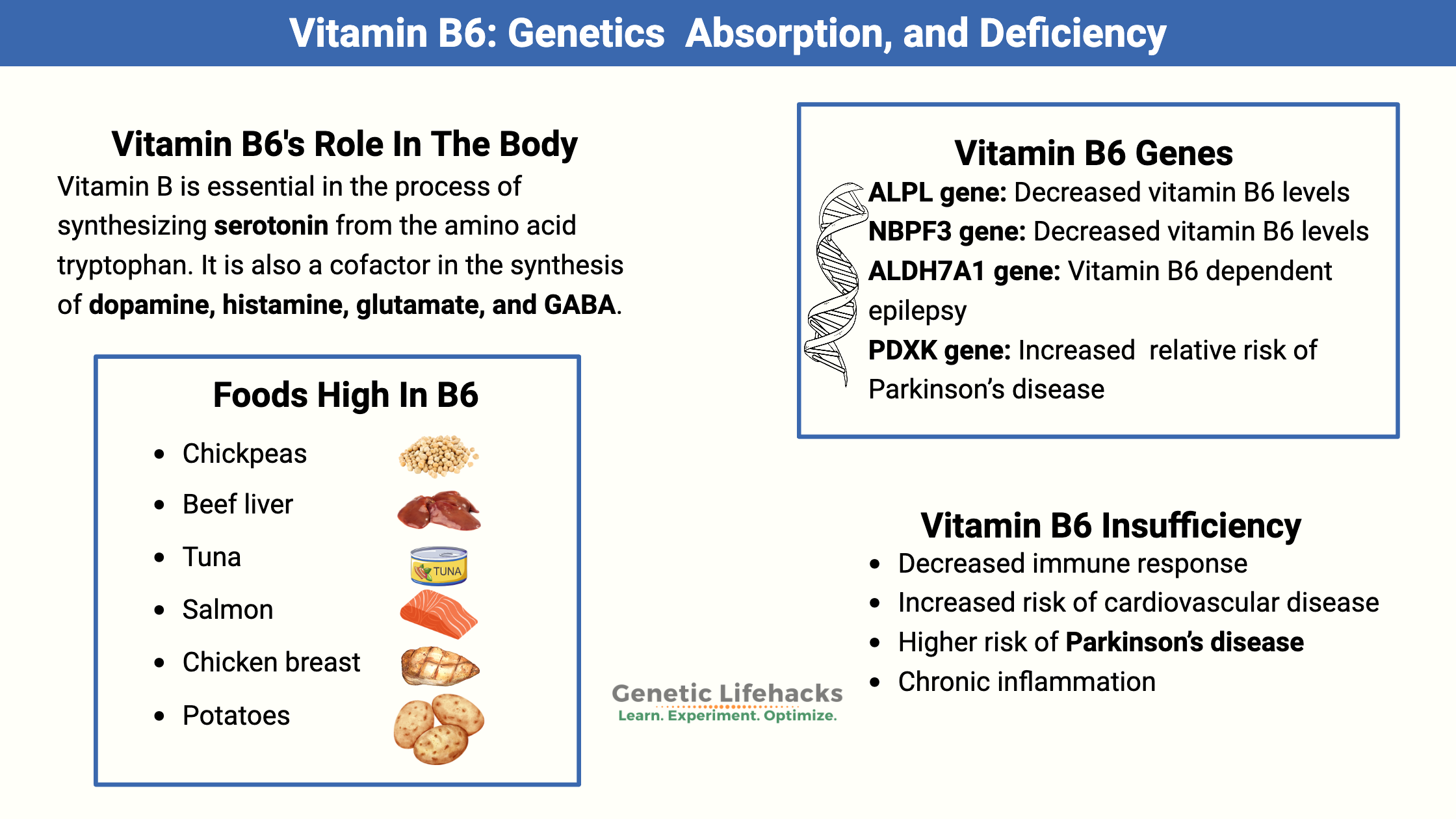
Vitamin B6 is an important co-factor in hundreds of different enzymatic reactions. Low levels of B6 are linked to an increased risk of diabetes, cardiovascular disease, neurodegenerative diseases, and cancer. B6 is also essential for reducing oxidative stress and inflammation.
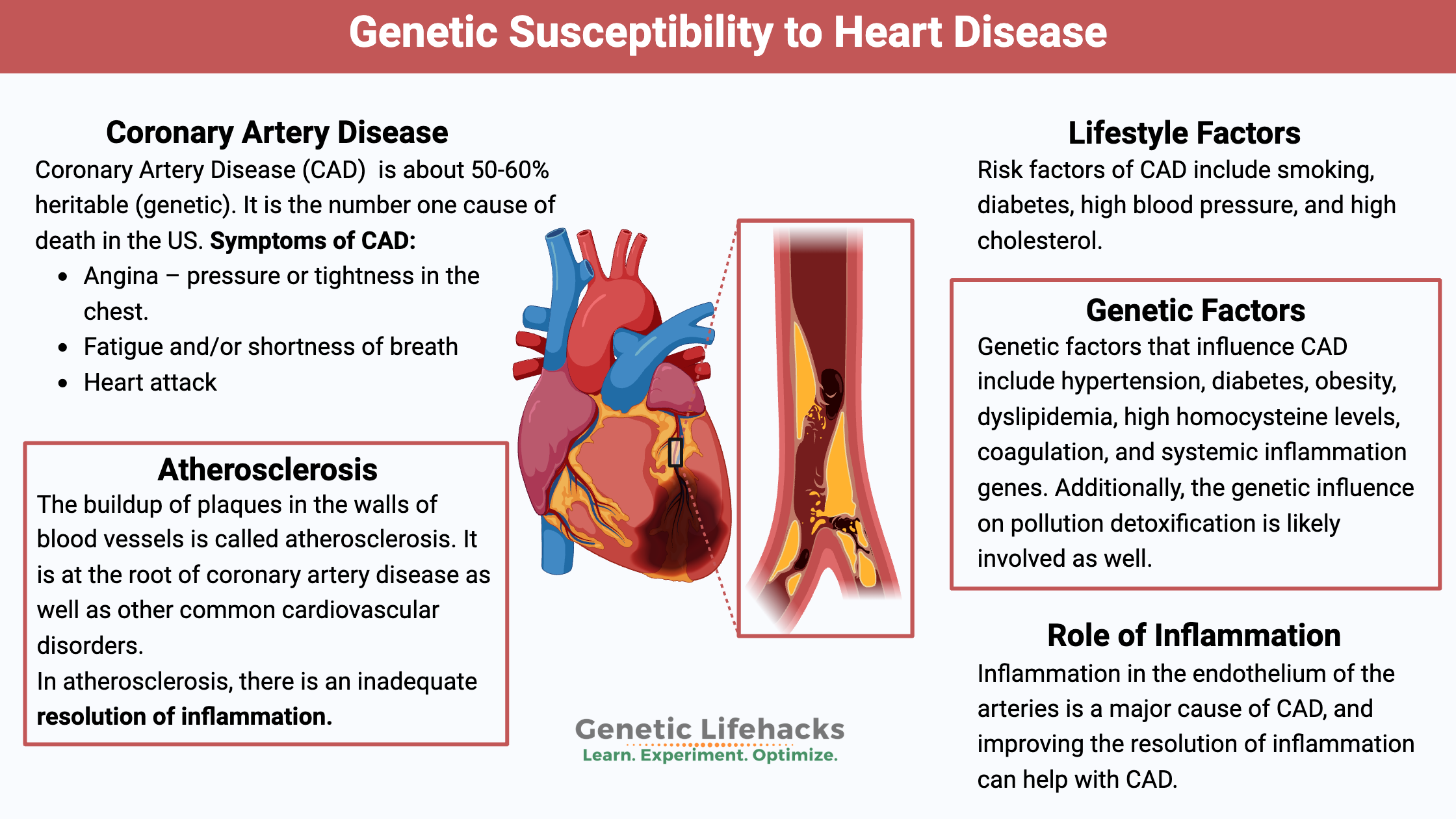
Coronary artery disease (CAD) is heritable. Understanding your genes and a ‘heart healthy’ lifestyle can prevent heart attacks and death.
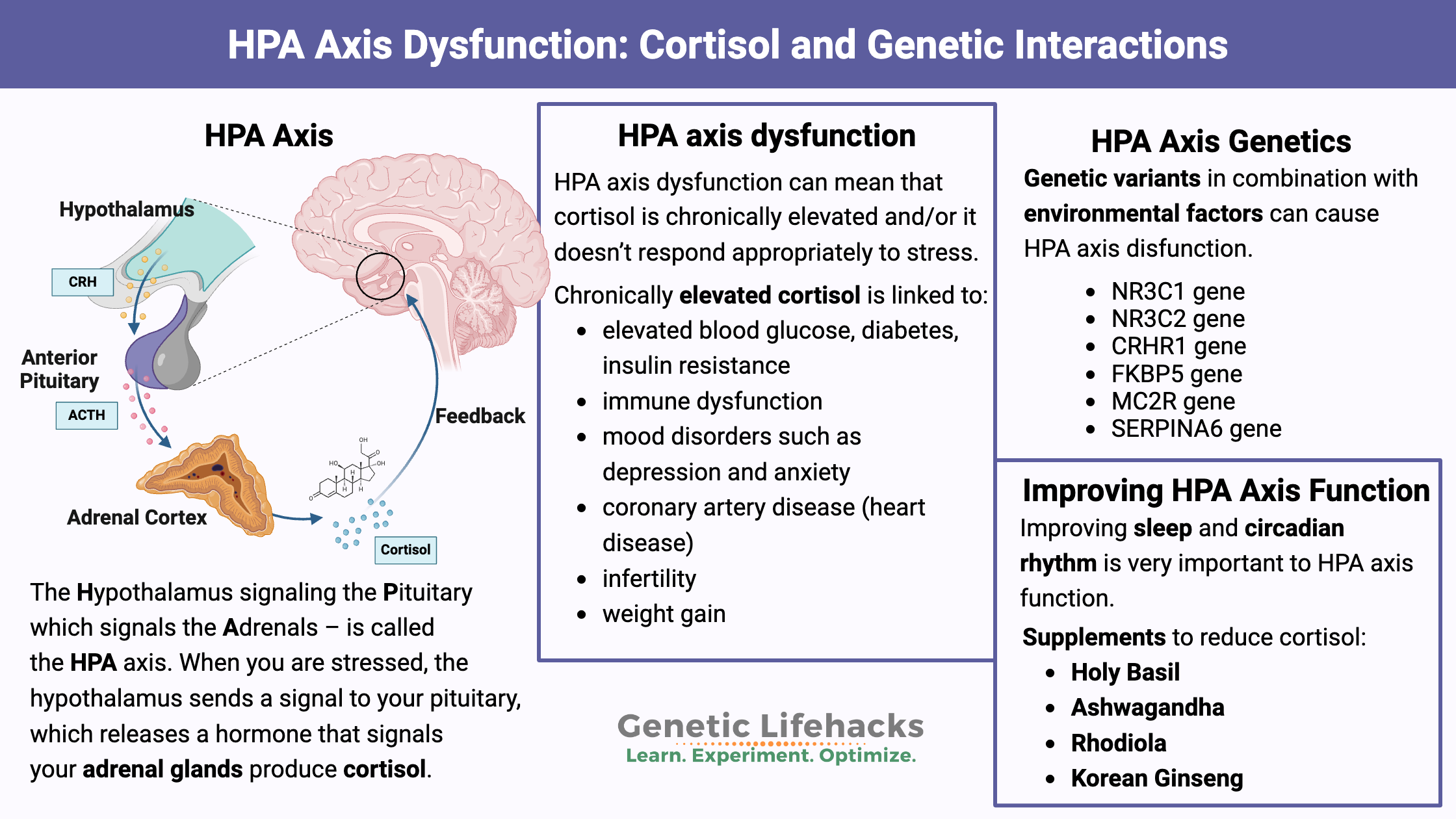
Cortisol is a hormone produced by the adrenal glands in times of stress, and it also plays many roles in your normal bodily functions. It is a multi-purpose hormone that needs to be in the right amount (not too high, not too low) and at the right time. Your genes play a big role in how likely you are to have problems with cortisol.
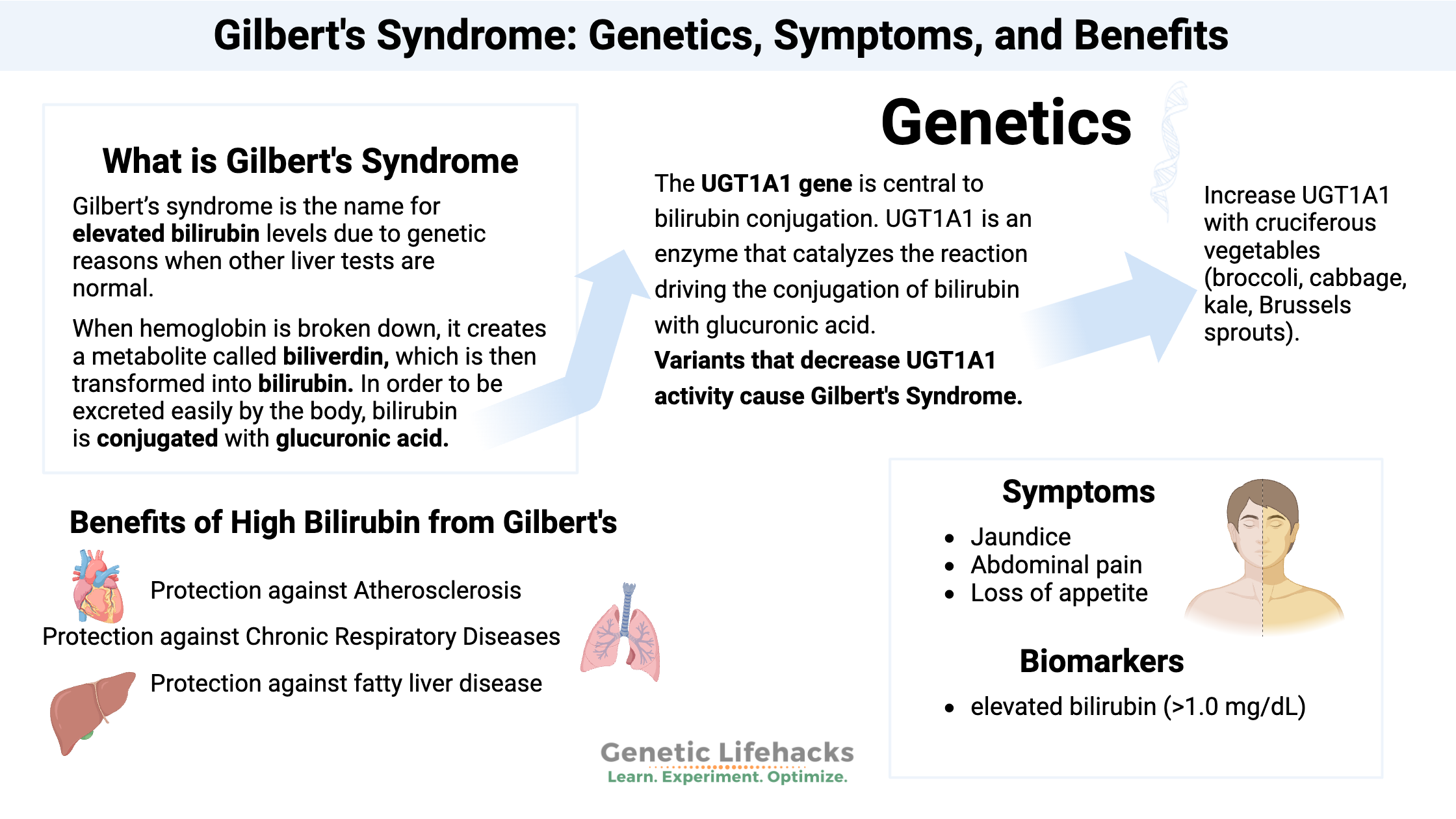
Gilbert’s syndrome is an inherited condition where the body doesn’t break down bilirubin efficiently. Discover the benefits of higher bilirubin levels in this syndrome and some possible risks.
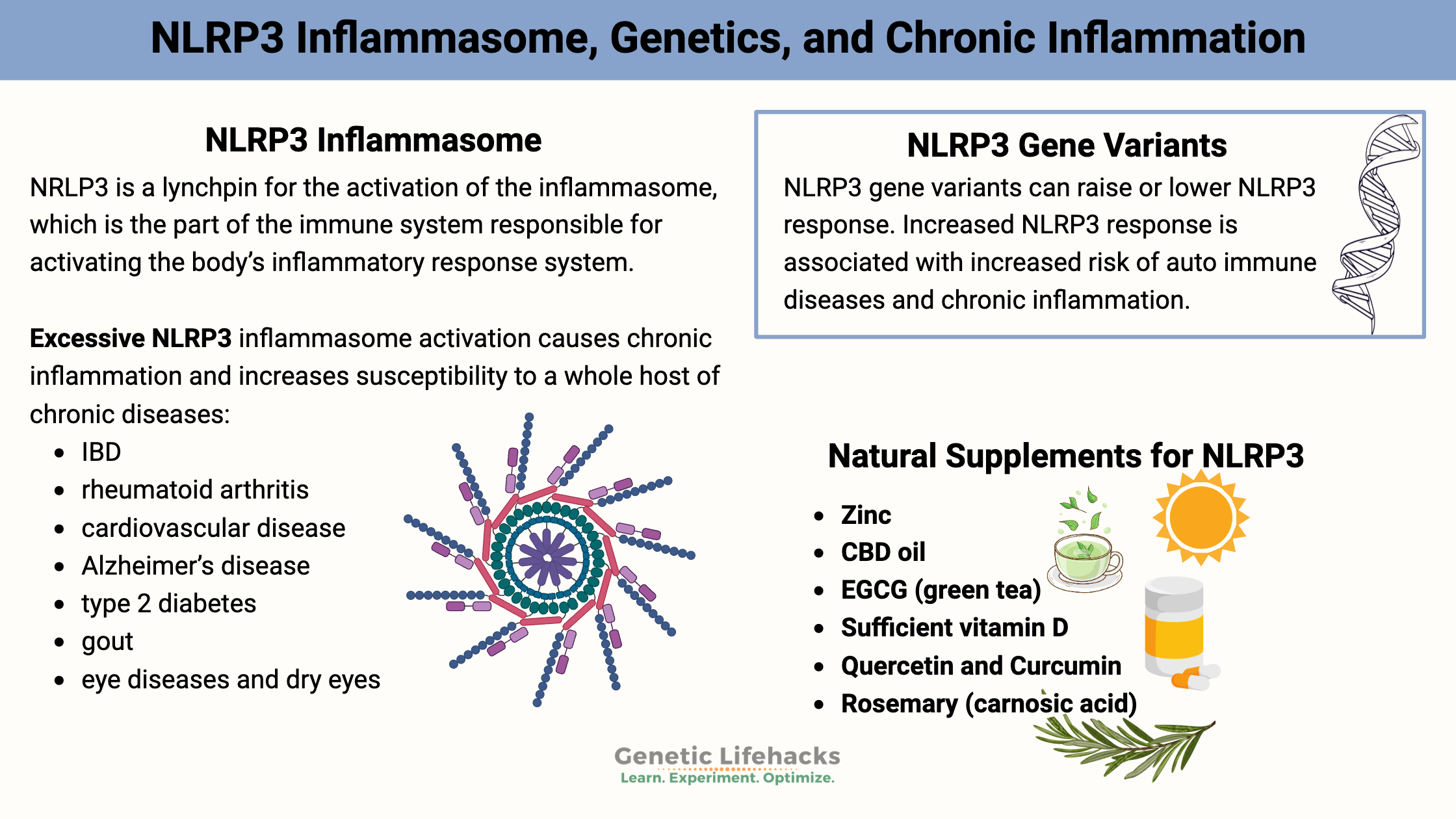
Explore NLRP3 inflammasome genetics: How variants drive chronic inflammation in Alzheimer’s, diabetes, and autoimmune diseases. Discover triggers, health risks, and lifehacks like zinc & vitamin D to modulate it.
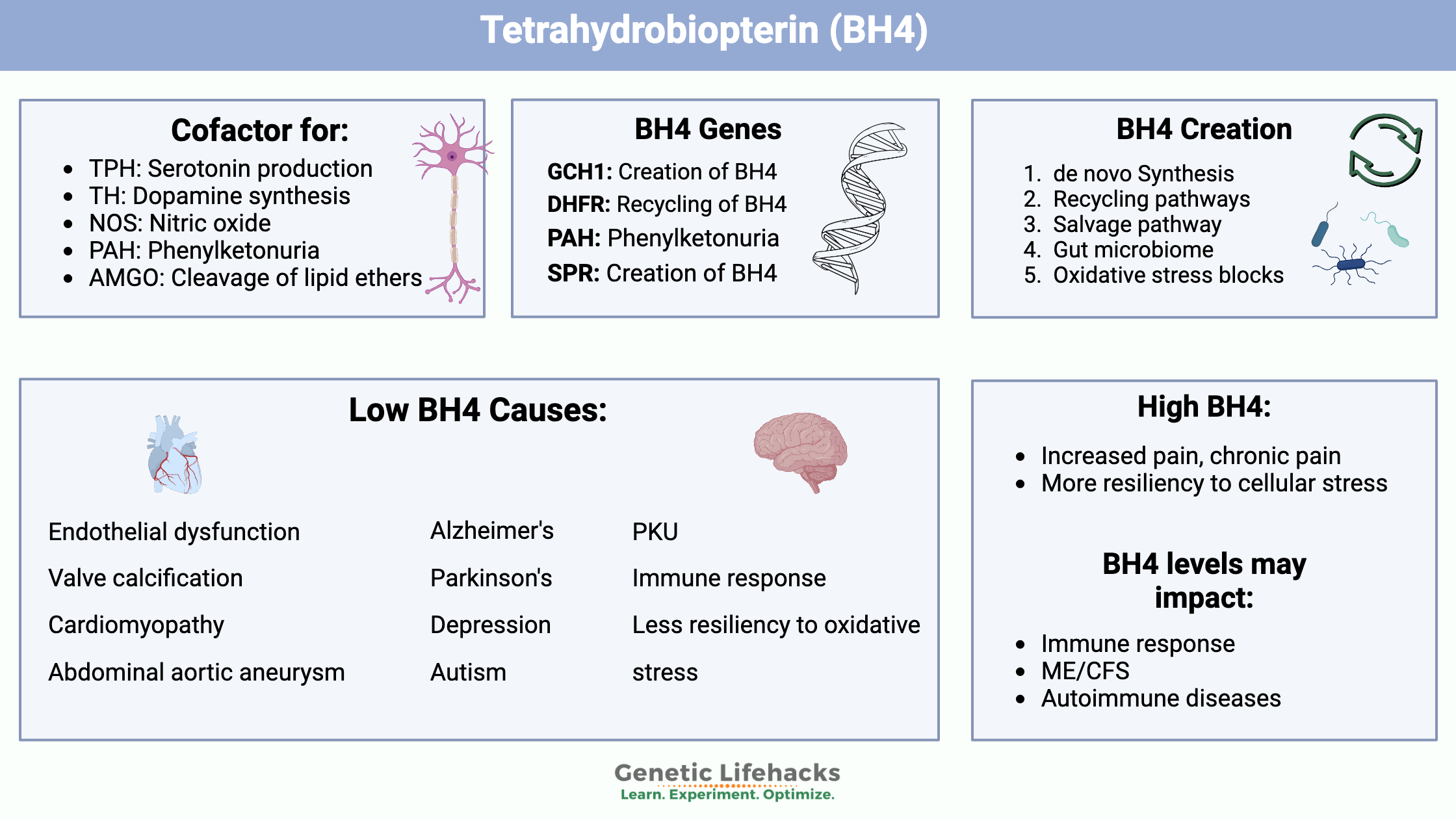
Tetrahydrobiopterin (BH4) is an essential cofactor in the production of neurotransmitters and nitric oxide. Genetic variants impact BH4 levels which can affect heart disease, cognitive function, and immune response.
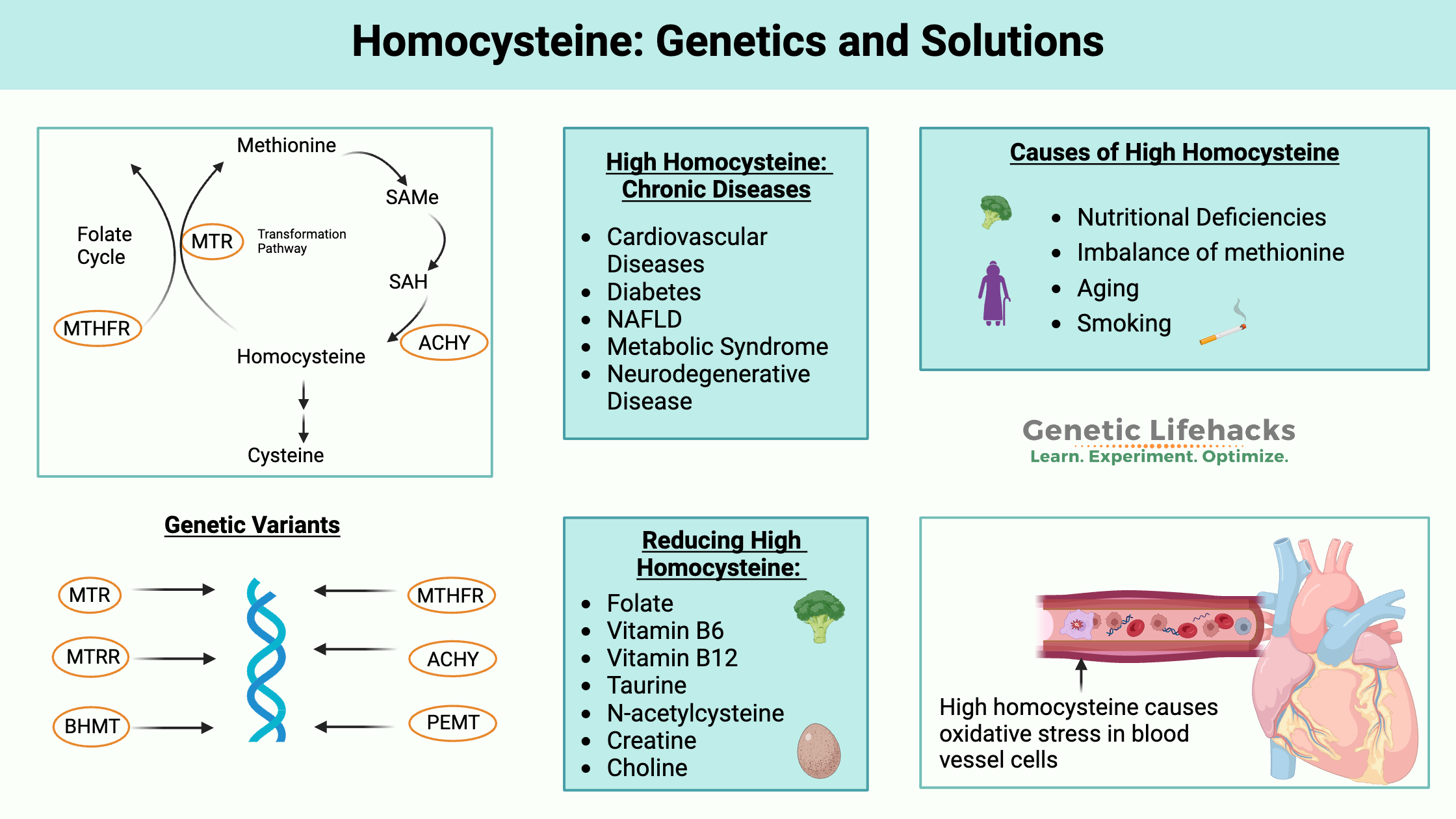
High homocysteine levels are strongly linked to an increased relative risk of cardiovascular diseases. Find out how your genes impact homocysteine levels.
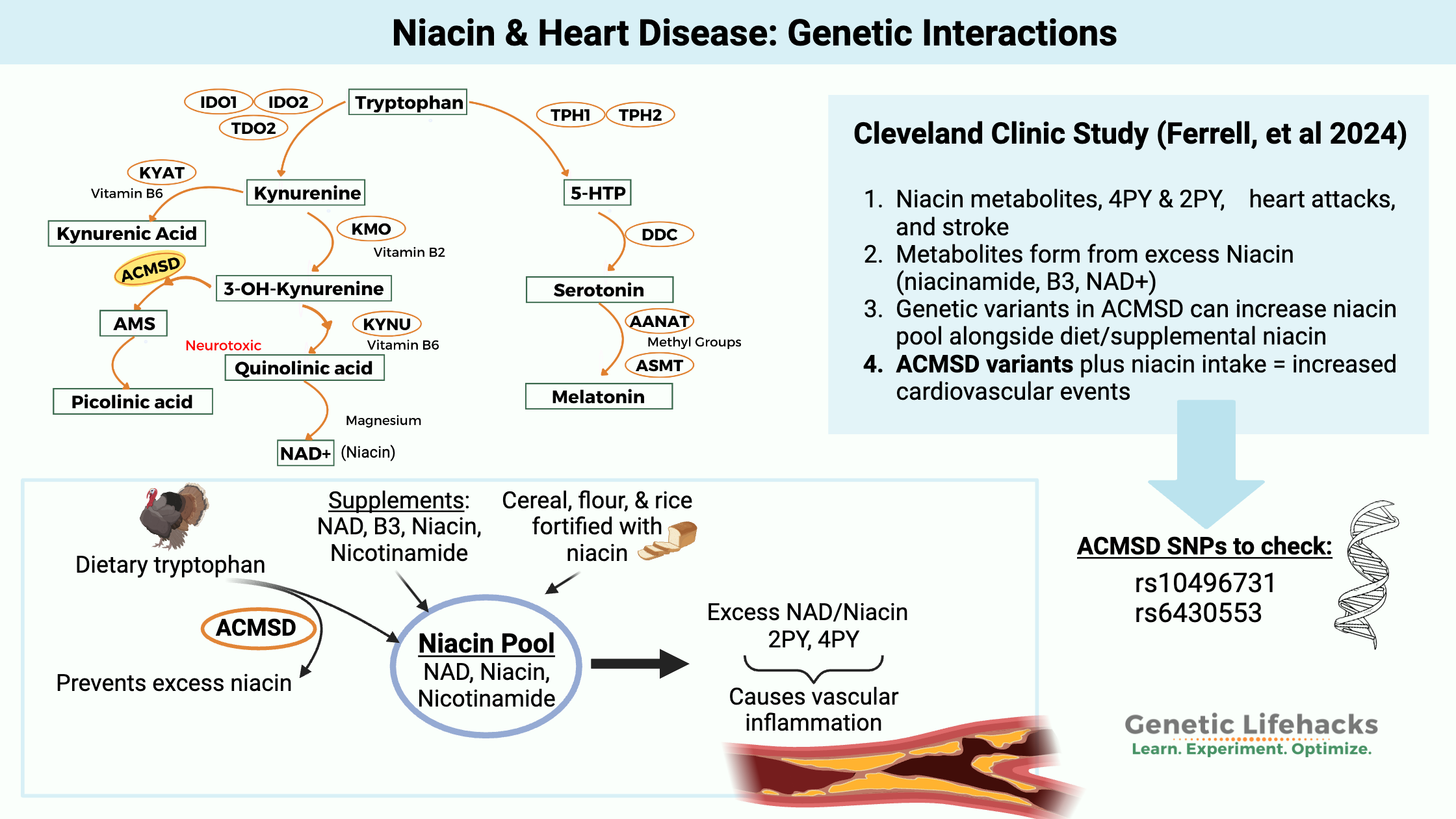
Higher intake of niacin, along with certain genetic variants, has been shown to increase the risk of heart disease. Check your SNPs here.
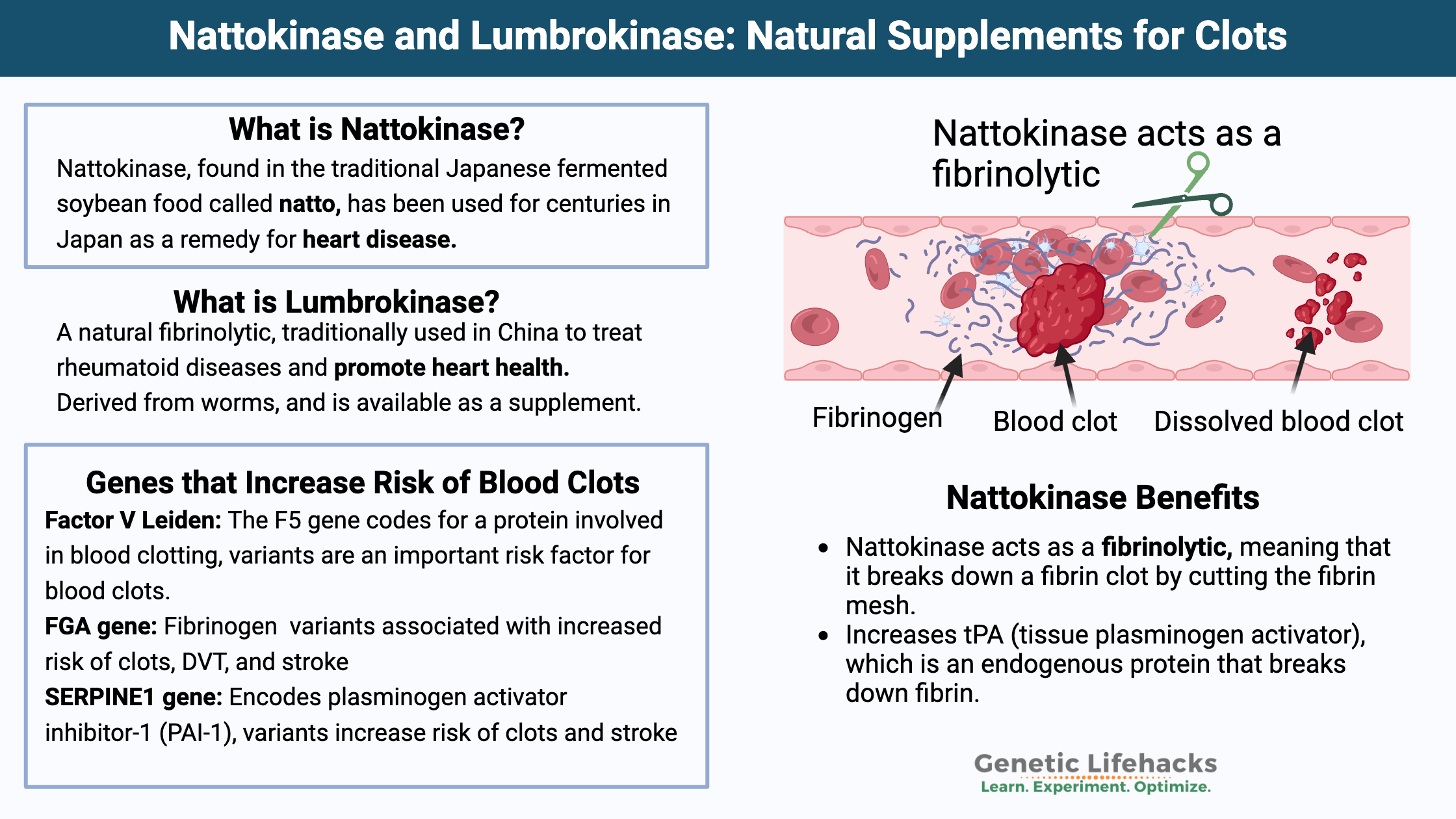
Two natural fibrinolytics to reduce clotting are nattokinase and lumbrokinase. Learn more about these options based upon the newest research and clinical trials.
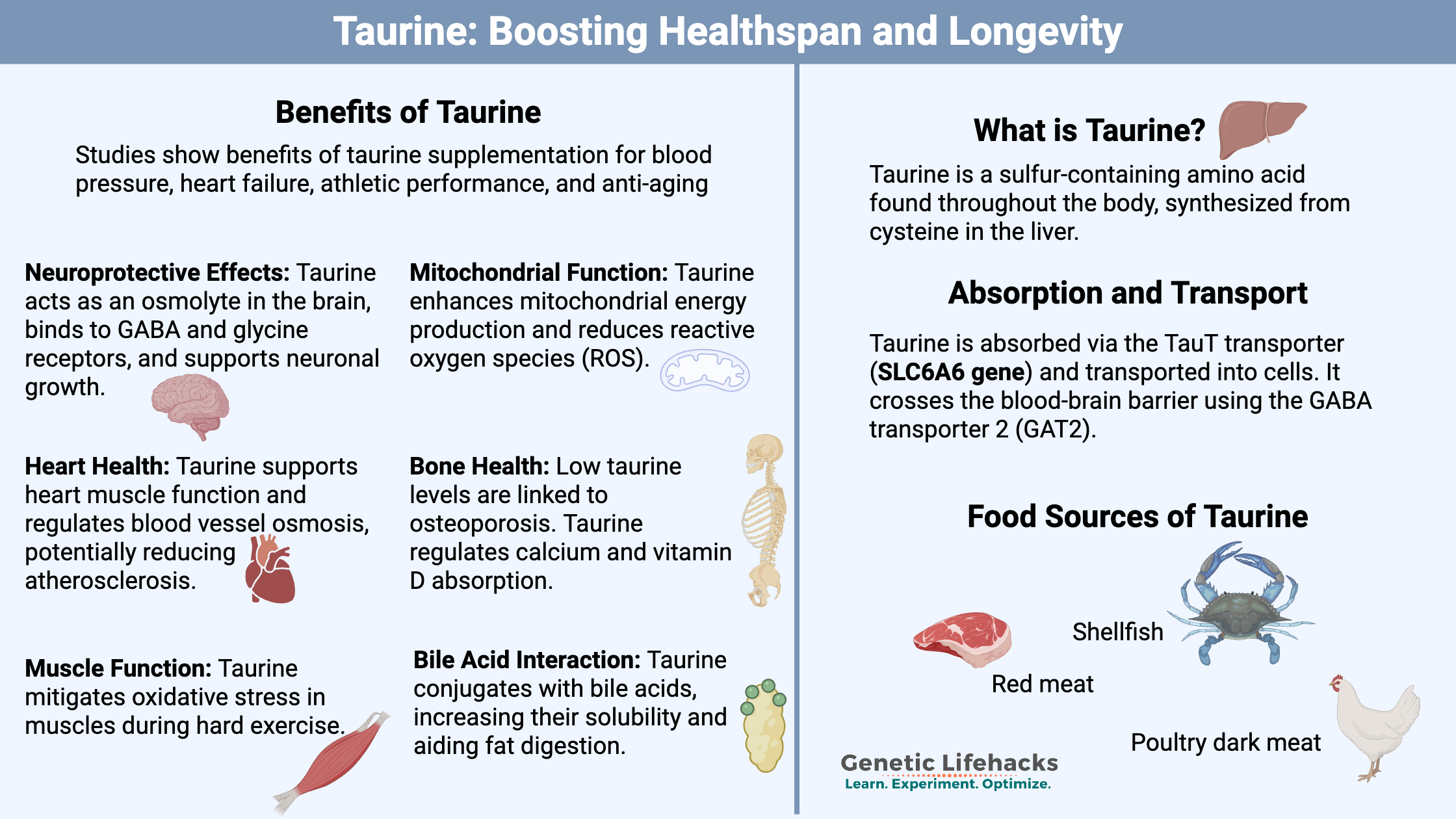
Taking a deep dive into the science behind taurine – from antiaging supplement to heart and digestive health. Genetics plays a role in who may benefit most from supplemental taurine.
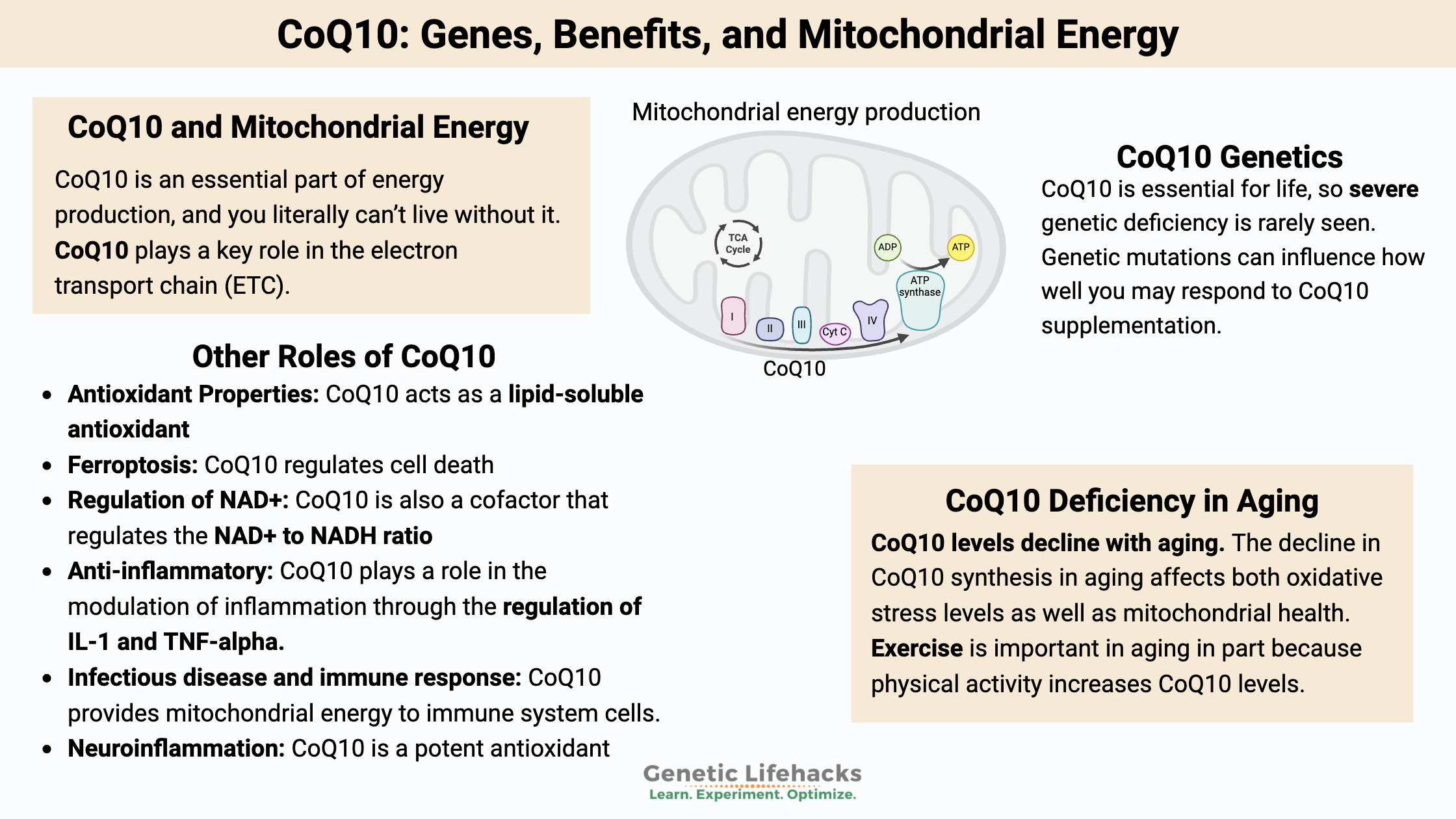
CoQ10, or ubiquinone, is an integral part of mitochondrial energy production. It is also used as a lipid-soluble antioxidant. Learn how age and genes affect it.
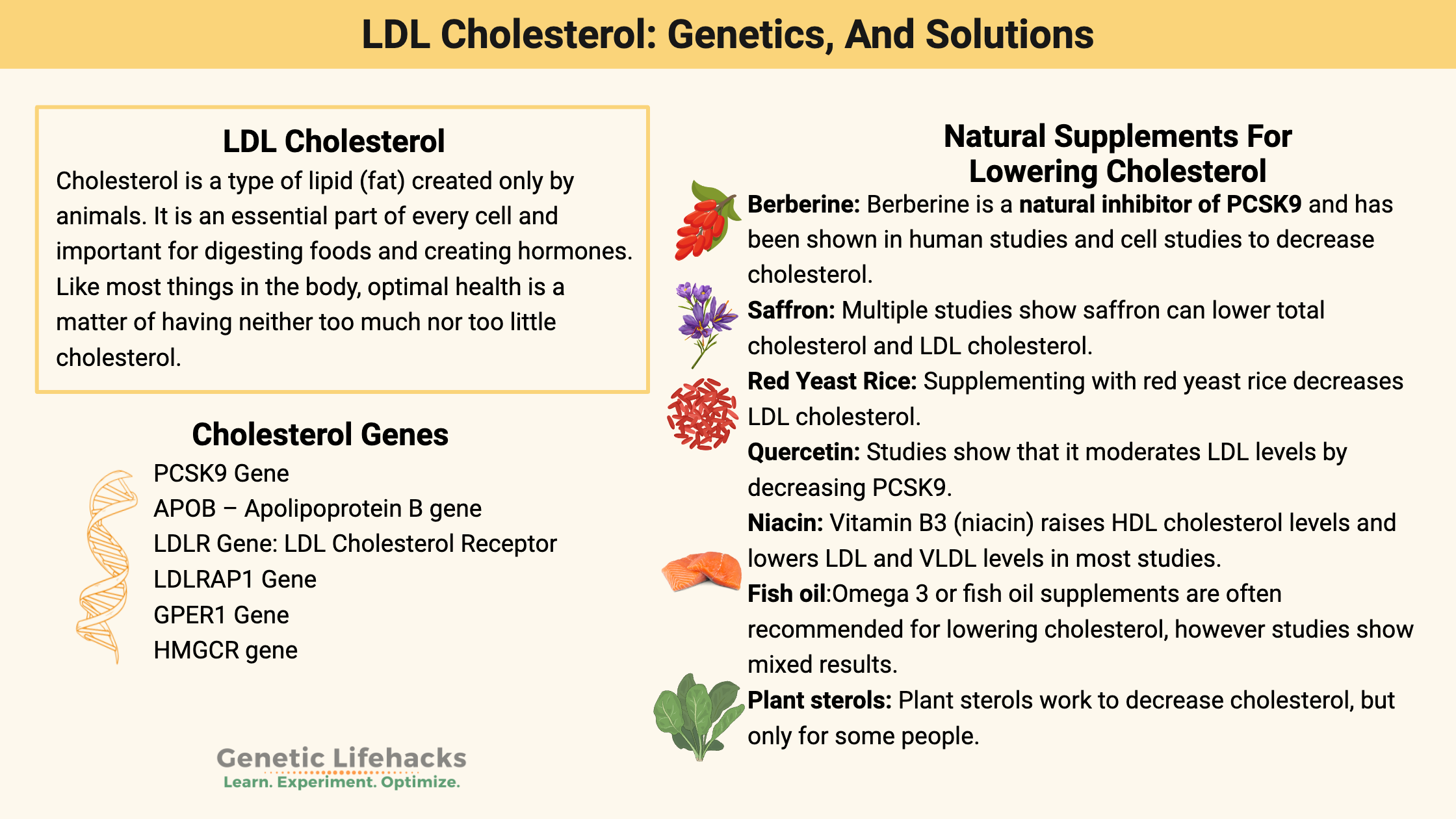
Your genes combine with your diet to influence your LDL cholesterol level. Learn more about why LDL cholesterol levels may matter in heart disease and find out how your genes are important here.
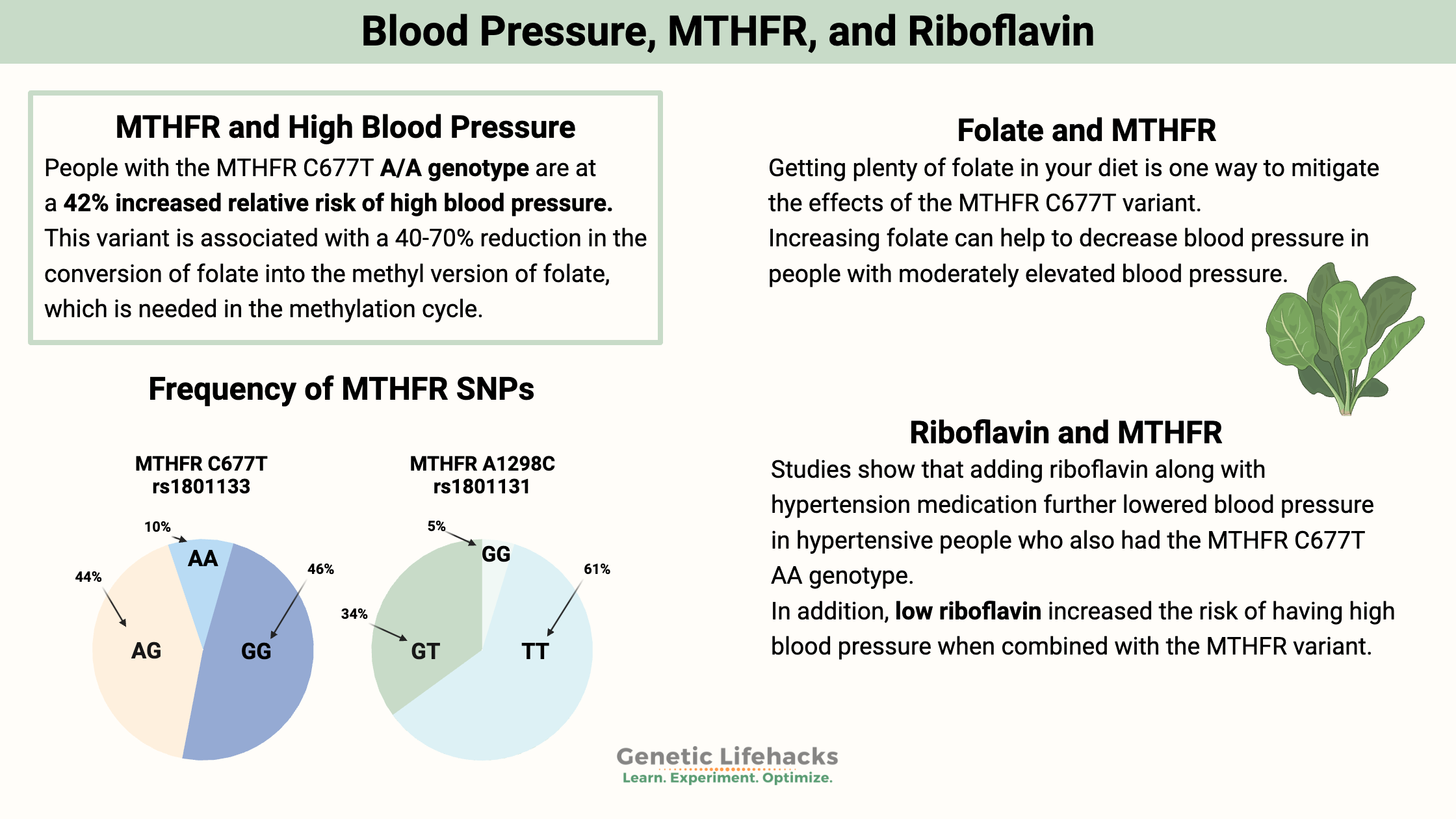
The common MTHFR C677T variant increases the relative risk of high blood pressure. Learn how to add more Riboflavin (B2) into your diet to reduce risk.
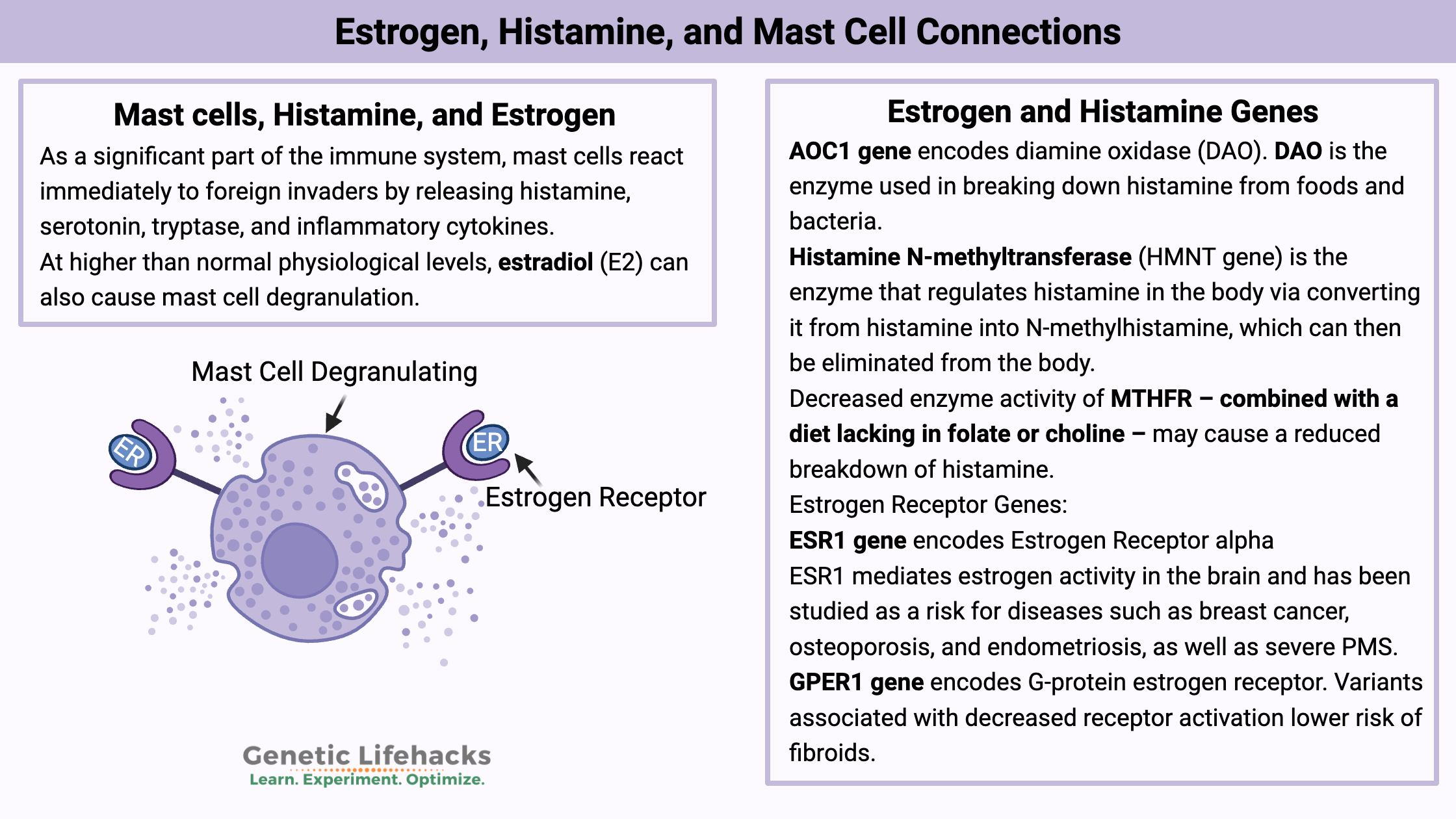
Mast cells can be more easily triggered in the presence of high estrogen or estrogen-mimicking compounds. Histamine can also trigger mast cell degranulation. Together, this can cause a lot of symptoms related to mast cell activation.