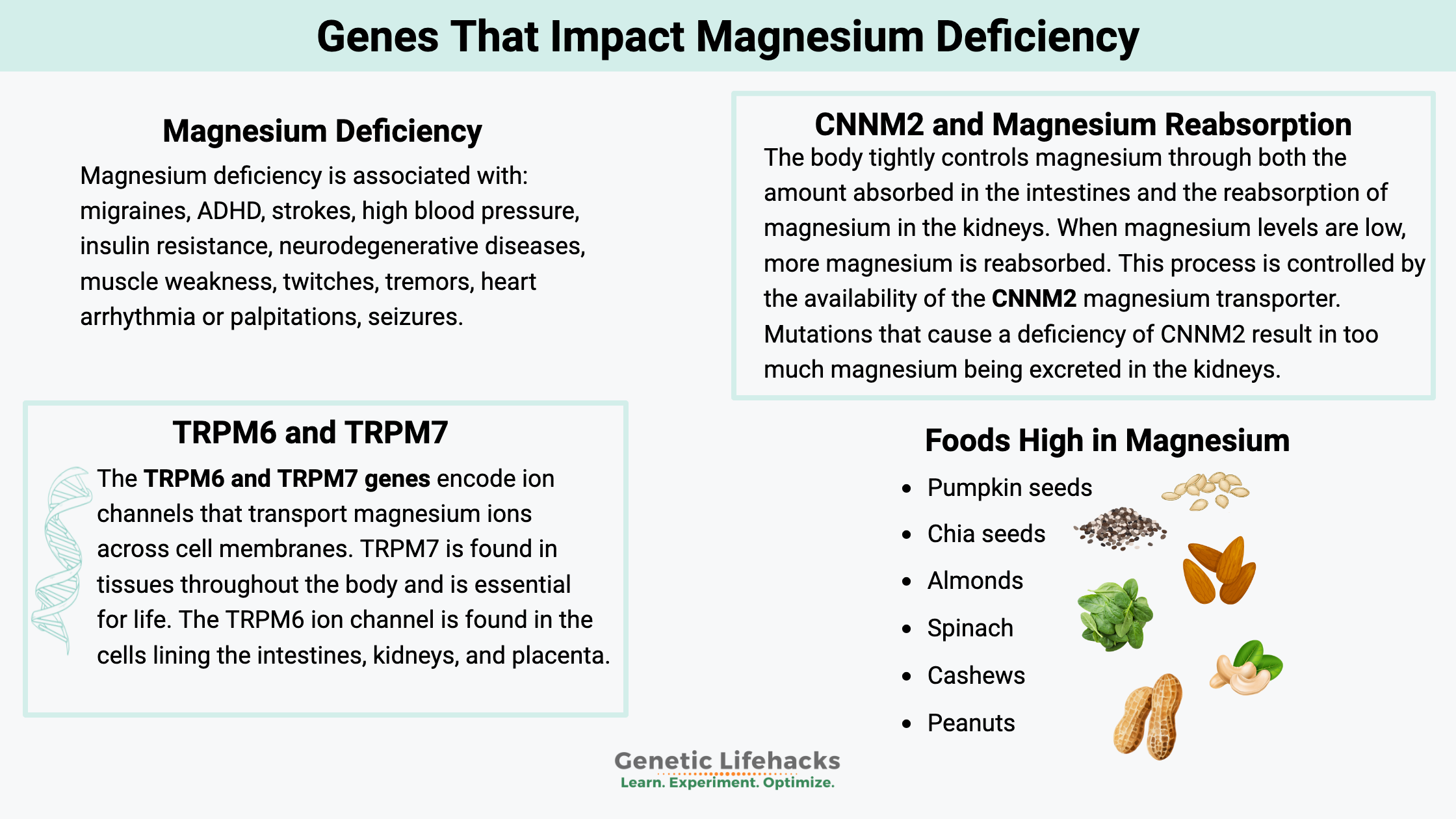
Magnesium Deficiency? Genes that Impact Magnesium Levels
Genes like TRPM6, TRPM7, and CNNM2 affect how well your body absorbs and retains magnesium. See your genotype report for Mg deficiency and types of supplements.

Your genes influence how well you absorb different vitamins and minerals, and your genes also interact with how your cells use nutrients. Genetic data can give you a starting point to know where you may need more – or less – of a specific nutrient. It can also point to problems with specific foods, like dairy, or with a component of foods, like histamine or tyramine.
Here you will find the tools you need to dial in your nutrition. This isn’t a one-size-fits-all approach. Instead, you’ll learn which nutrients may be more important for you, and then you can decide how best to implement the many possible solutions.
Popular topics
Member tools:
DNA summary report – Nutrients Summary Report
Supplements and Your Genes
Genes like TRPM6, TRPM7, and CNNM2 affect how well your body absorbs and retains magnesium. See your genotype report for Mg deficiency and types of supplements.
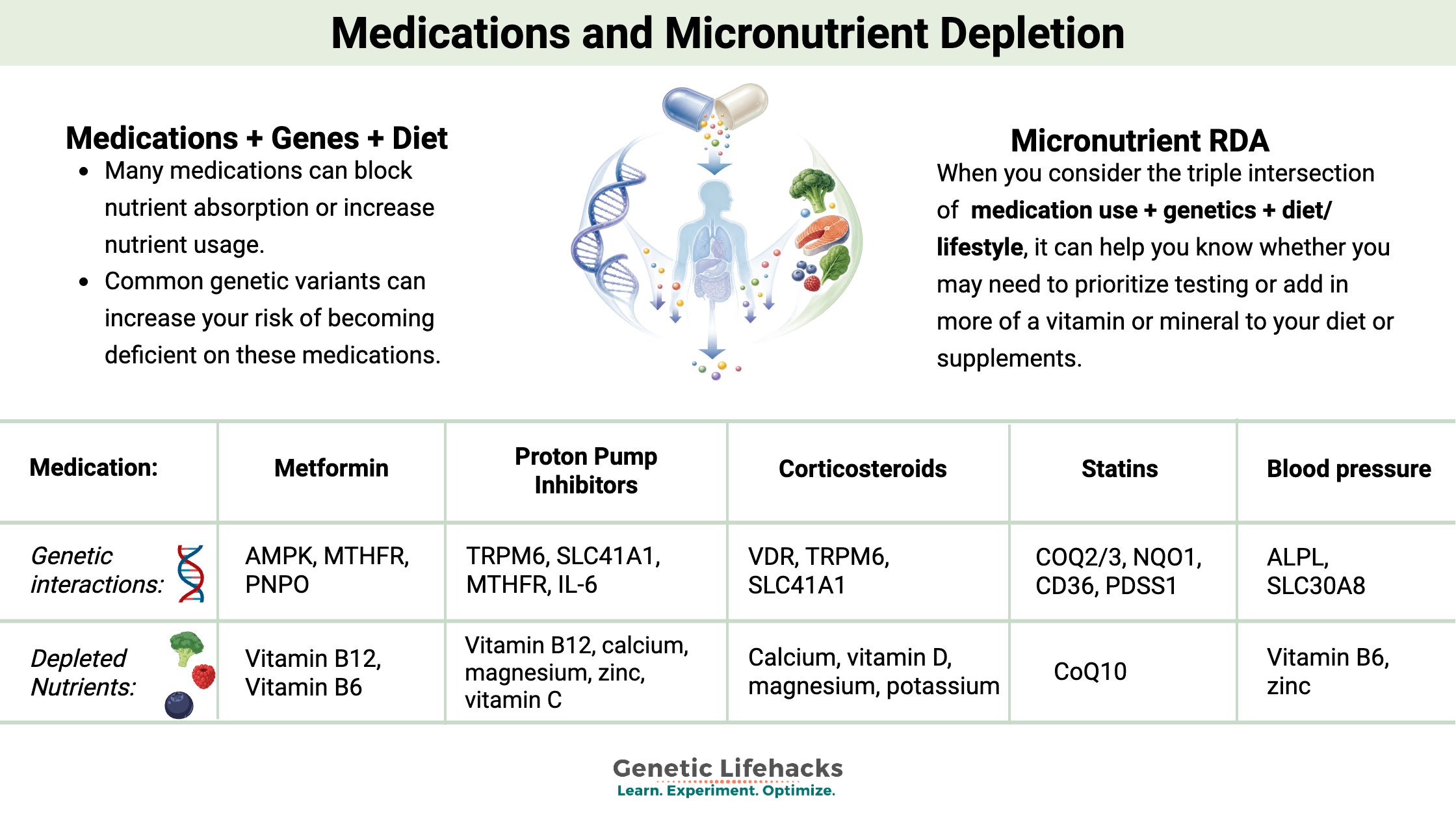
Common medications can deplete micronutrients, especially when combined with a genetic susceptibility to lower levels of certain vitamins or minerals. If you’re on any prescription drugs, check your genes and consider testing your micronutrient levels.
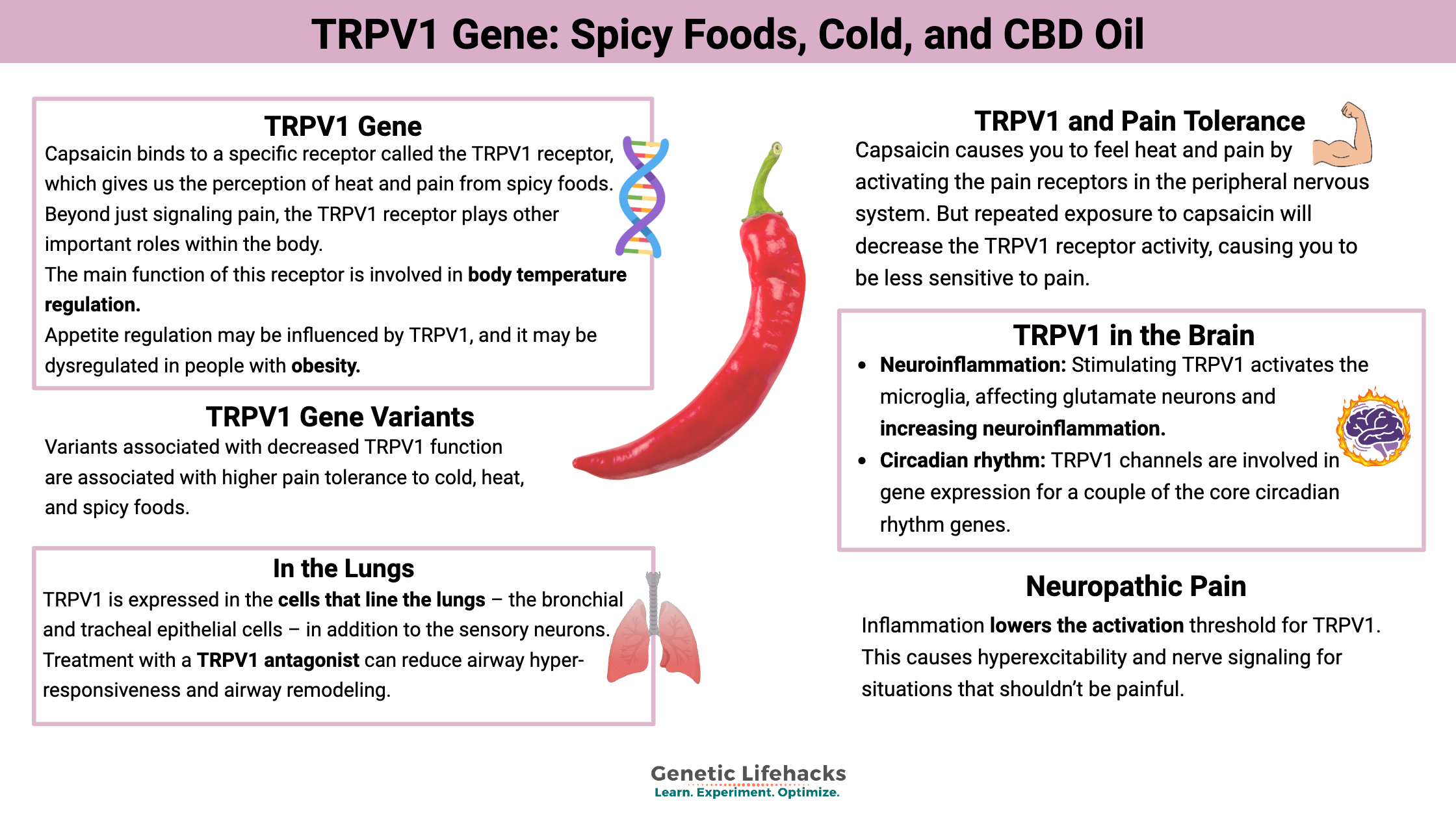
Learn how the TRPV1 gene shapes your reaction to spicy foods, pain, temperature, neuroinflammation and CBD oil, plus see how your genetic variants may affect tolerance and health.
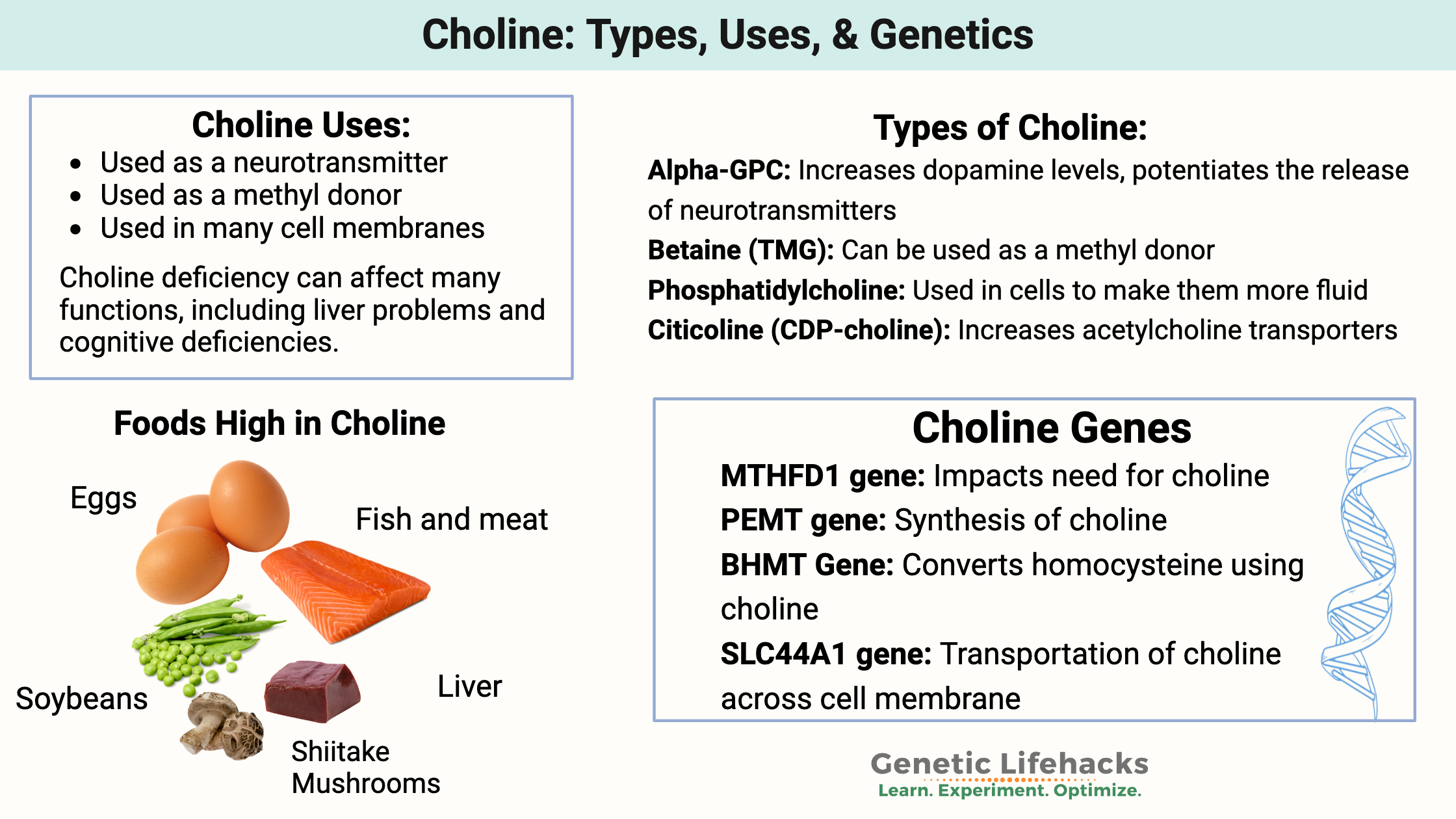
Which choline supplement works best based on your PEMT, MTHFD1, and CHKA genes? Compare citicoline, alpha-GPC, PC, and betaine.
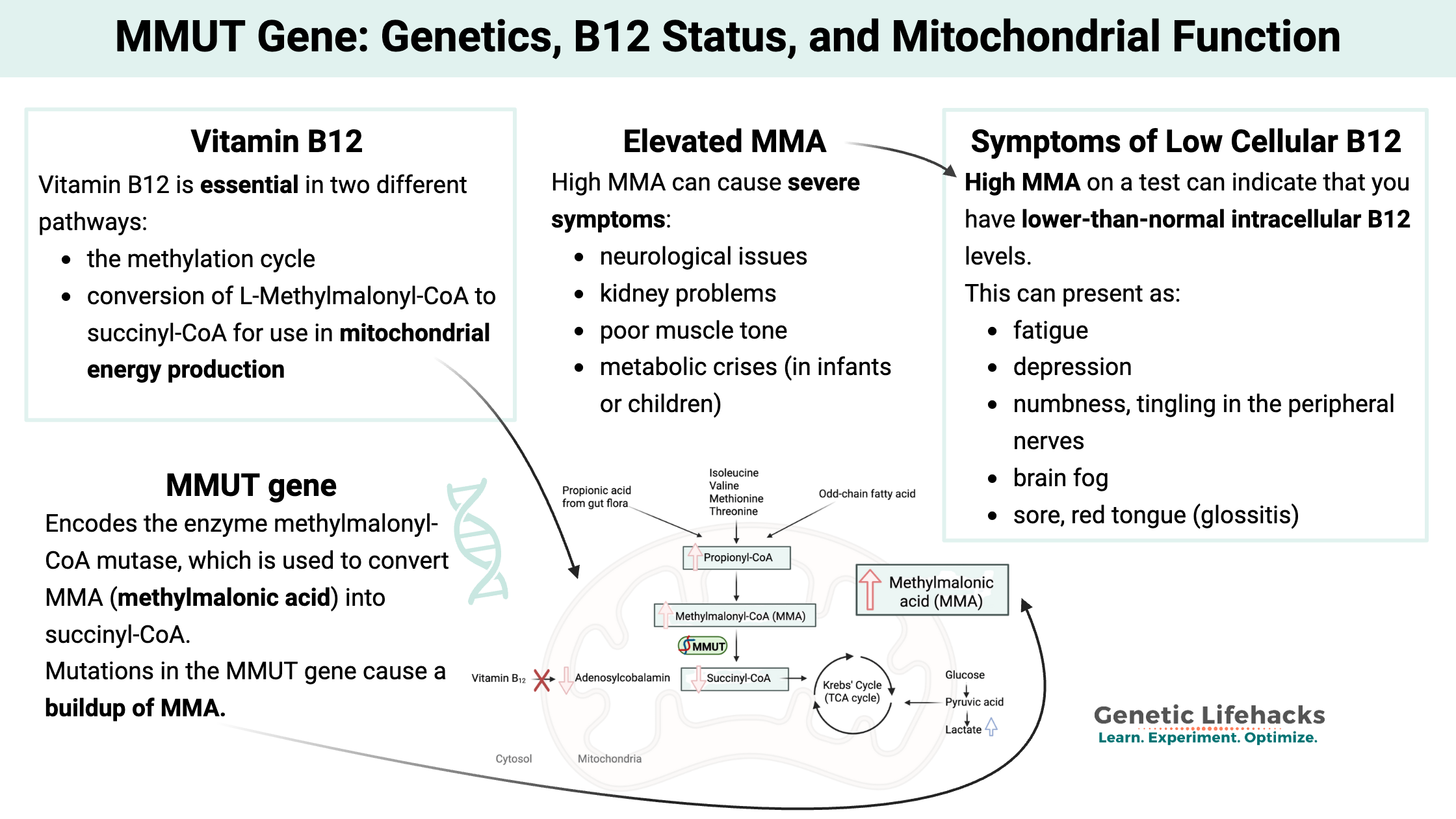
MMUT gene variants affect how your body uses B12 for mitochondrial energy. Learn how MMA testing reveals intracellular B12 deficiency and which form of B12 can help.
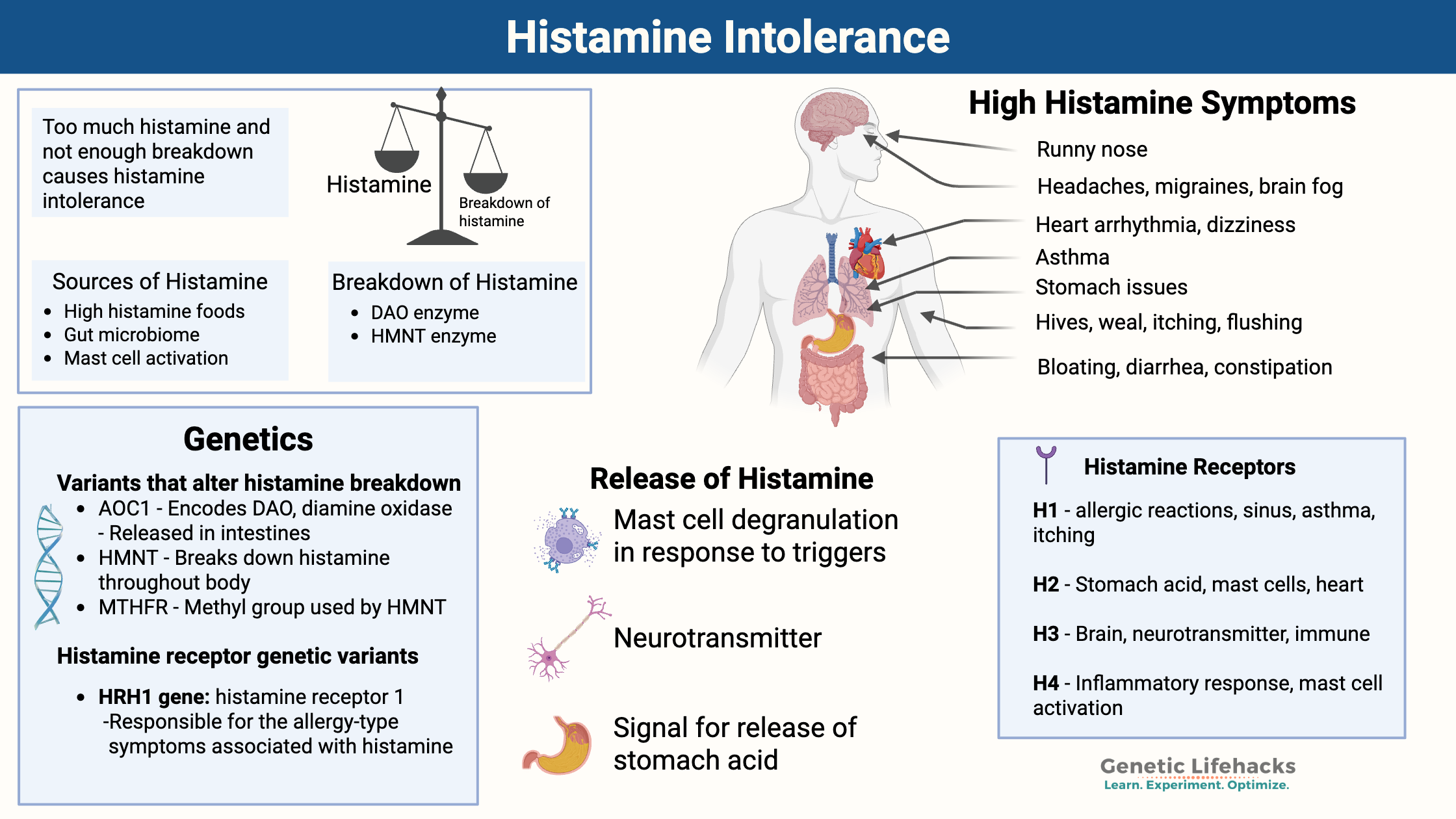
Genetic variants in DAO and HNMT genes affect histamine breakdown. Check your AOC1, HNMT, and HDC genotype. Low-histamine diet, DAO supplements, and more.
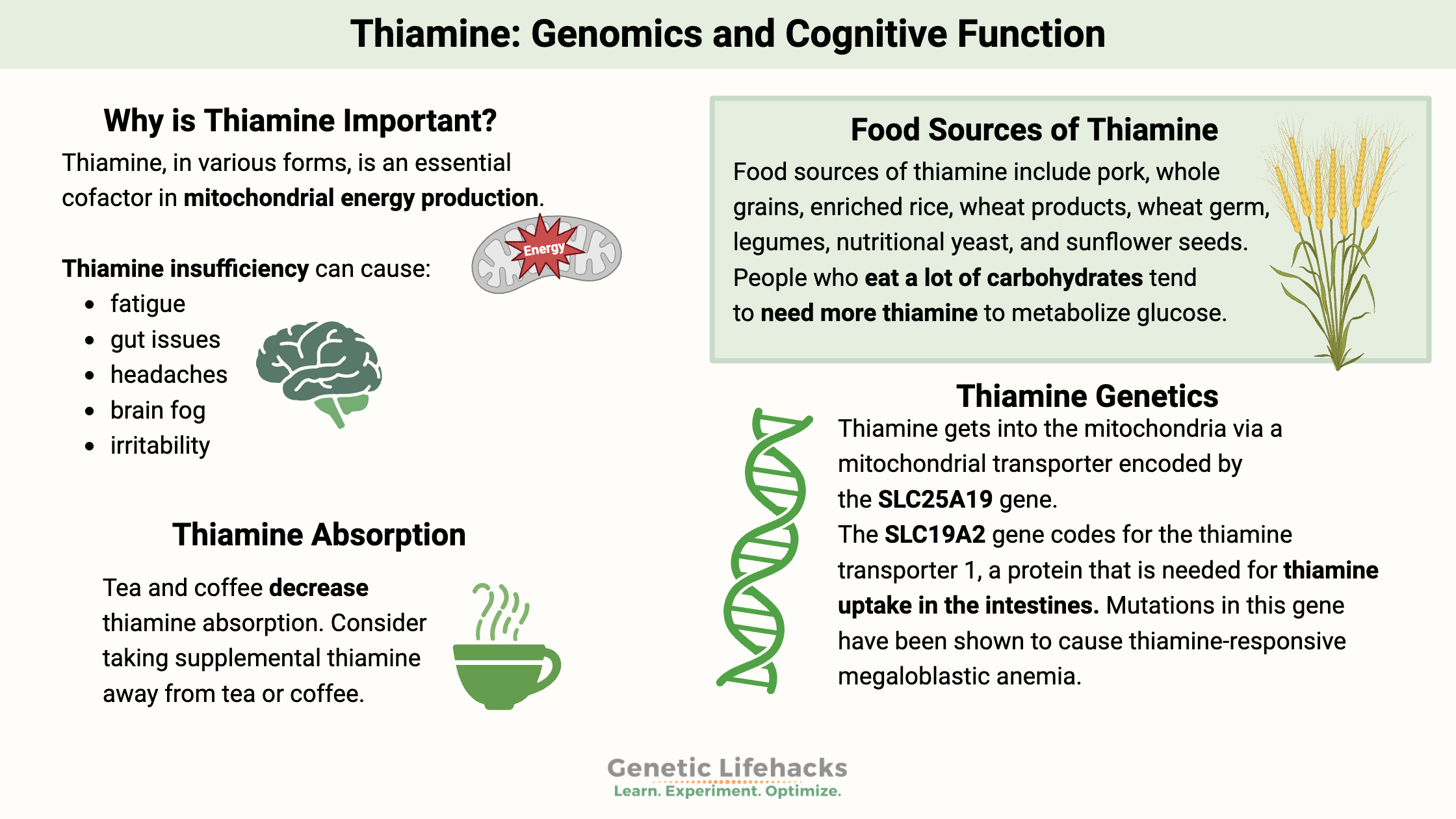
Thiamine (vitamin B1) is essential for energy production and brain function. Learn how SLC19A2, SLC19A3, and other genes affect your need for thiamine.
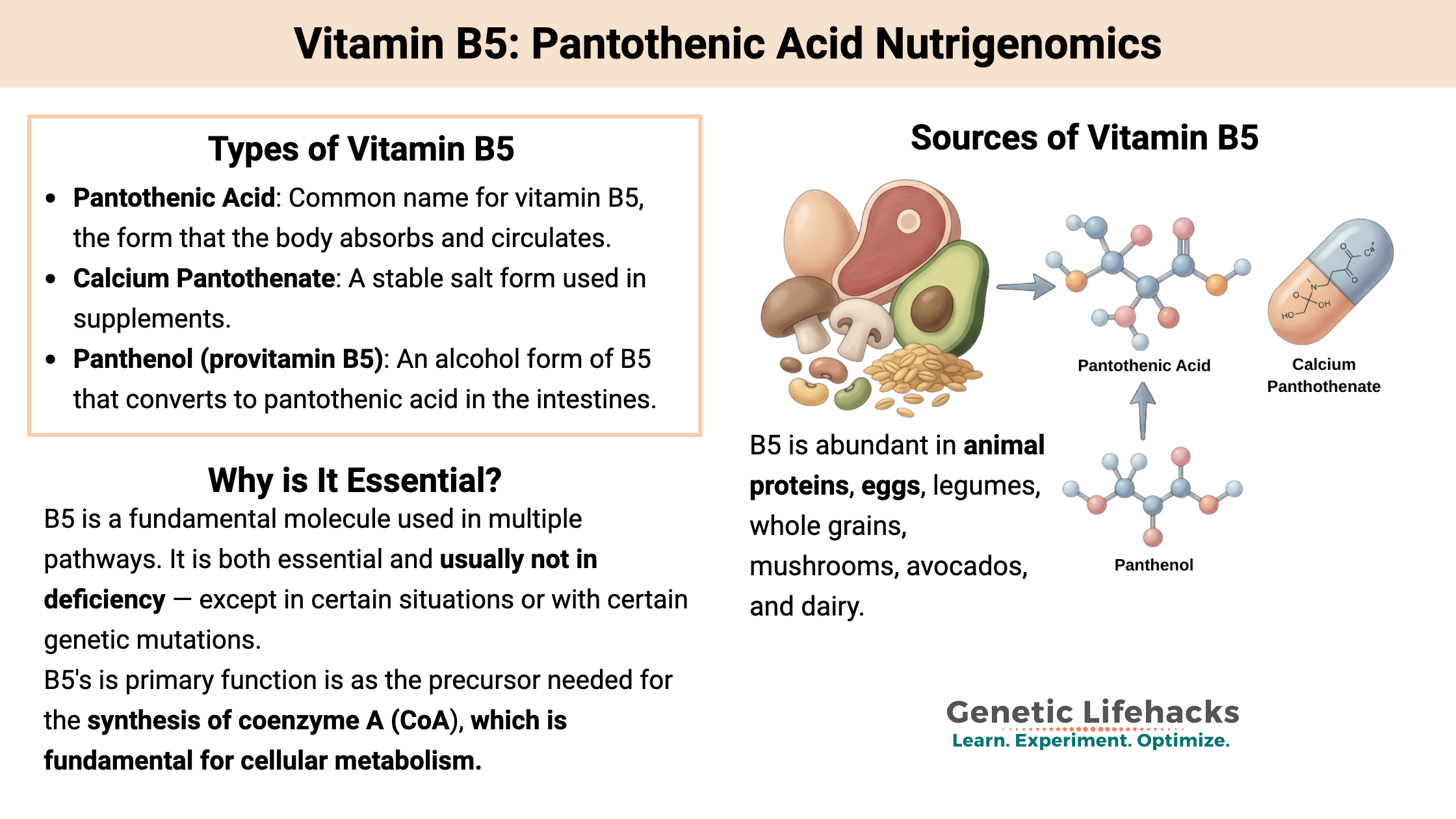
Pantothenic acid (vitamin B5) is essential for coenzyme A synthesis and brain energy. Learn about B5 deficiency, PANK2 mutations, and links to Alzheimer’s.
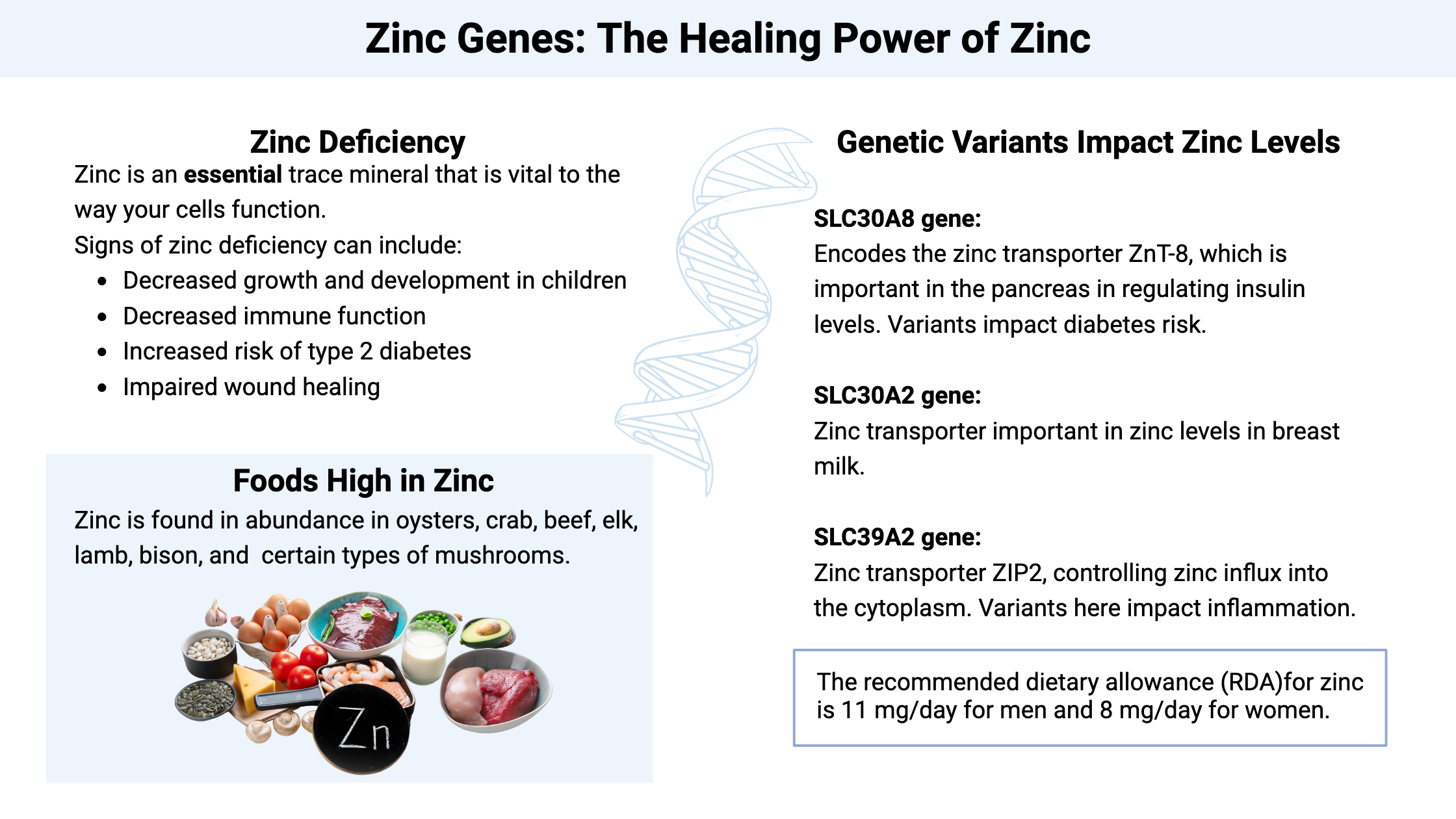
Zinc is essential for immunity, skin, mood, and blood sugar, and your genes can change how much you need. Learn how zinc transporter variants affect your optimal intake.
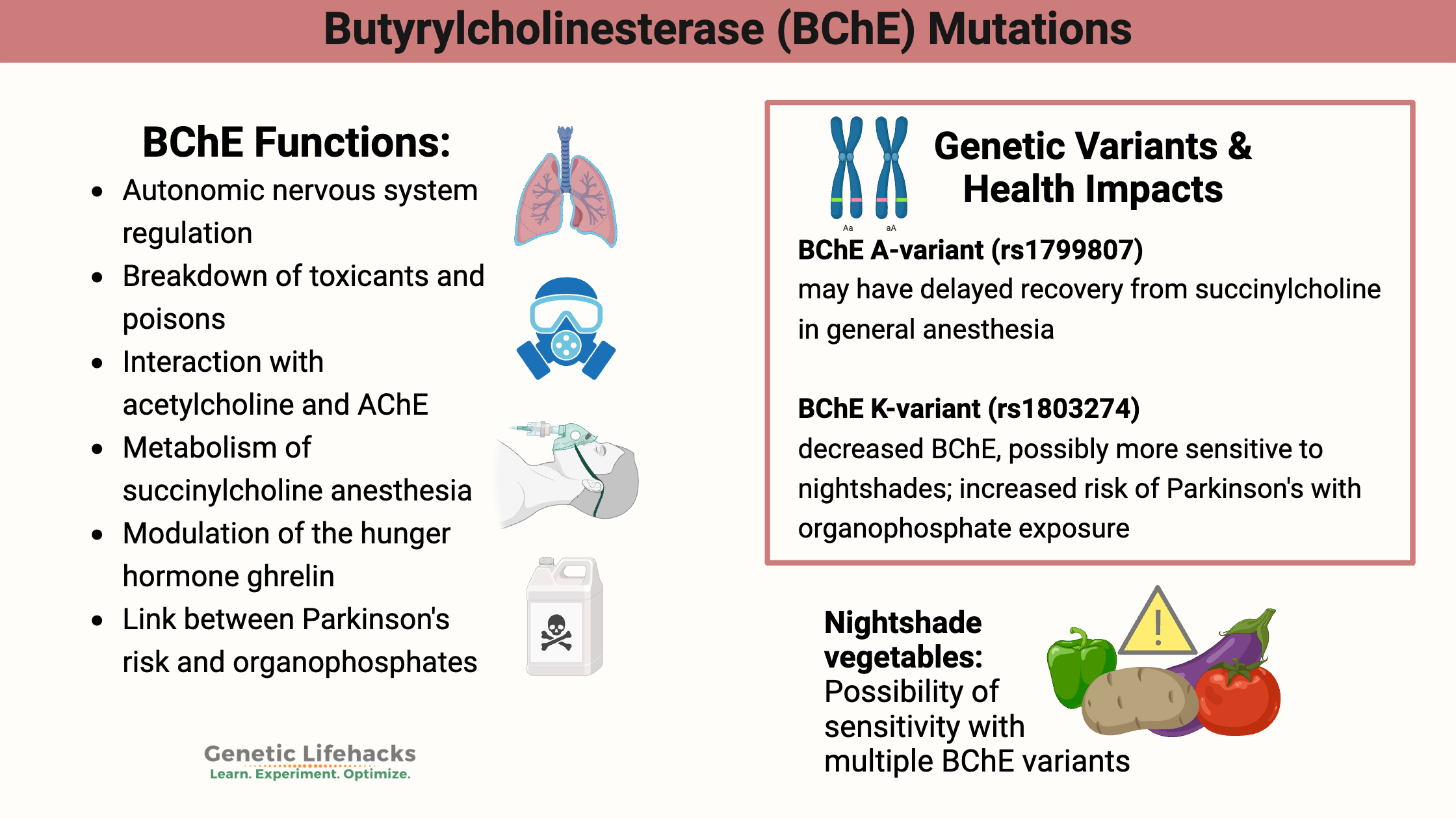
BCHE variants can lower butyrylcholinesterase activity. See implications for anesthesia, nightshades, pesticide susceptibility, immunity, and ghrelin.
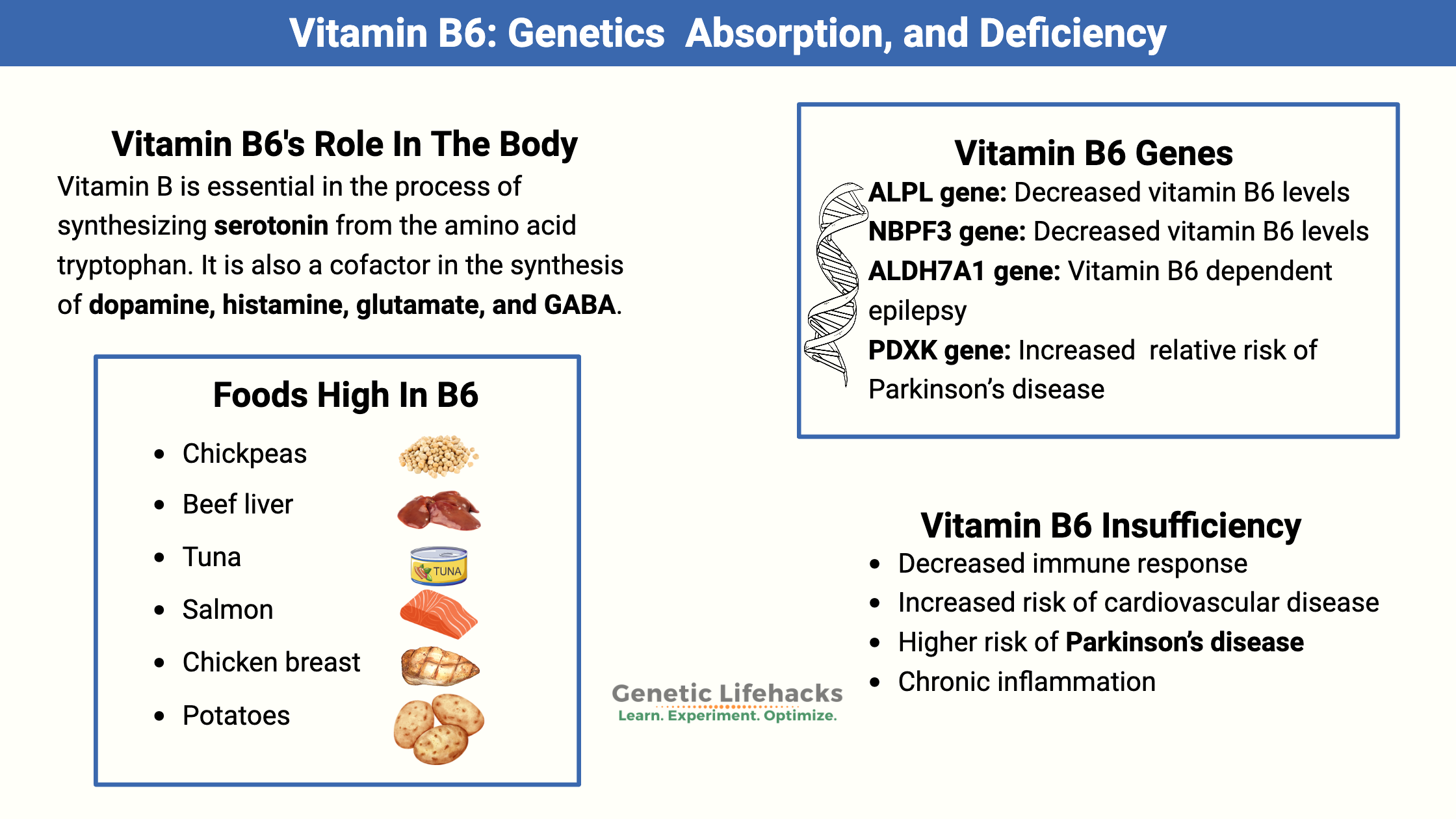
Vitamin B6 is an important co-factor in hundreds of different enzymatic reactions. Low levels of B6 are linked to an increased risk of diabetes, cardiovascular disease, neurodegenerative diseases, and cancer. B6 is also essential for reducing oxidative stress and inflammation.
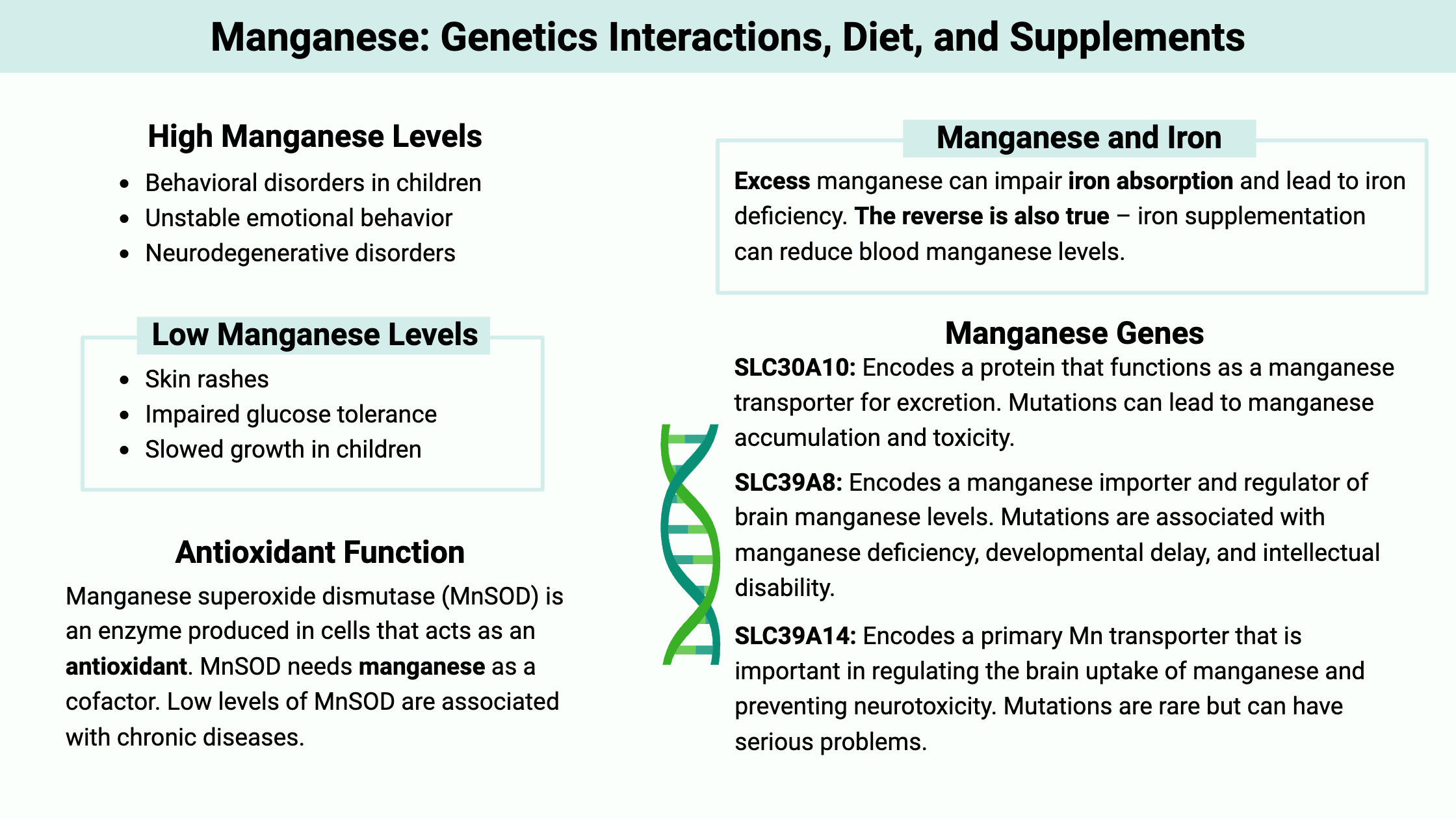
Manganese is an essential mineral needed in the right amount. It is important for health as an antioxidant cofactor, but too much is neurotoxic.
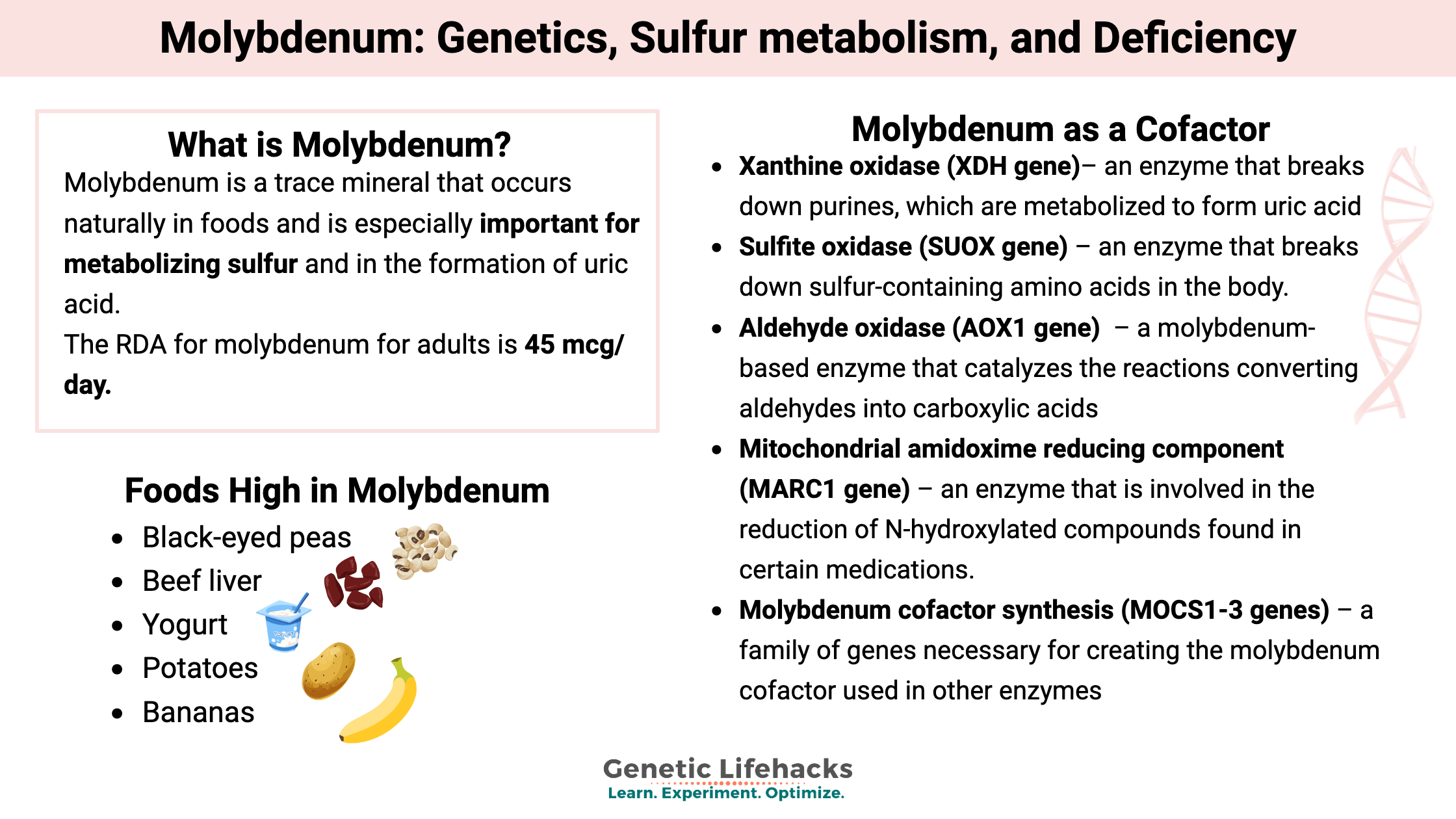
Molybdenum is a trace mineral needed in the right amounts for sulfur detoxification and the formation of uric acid.
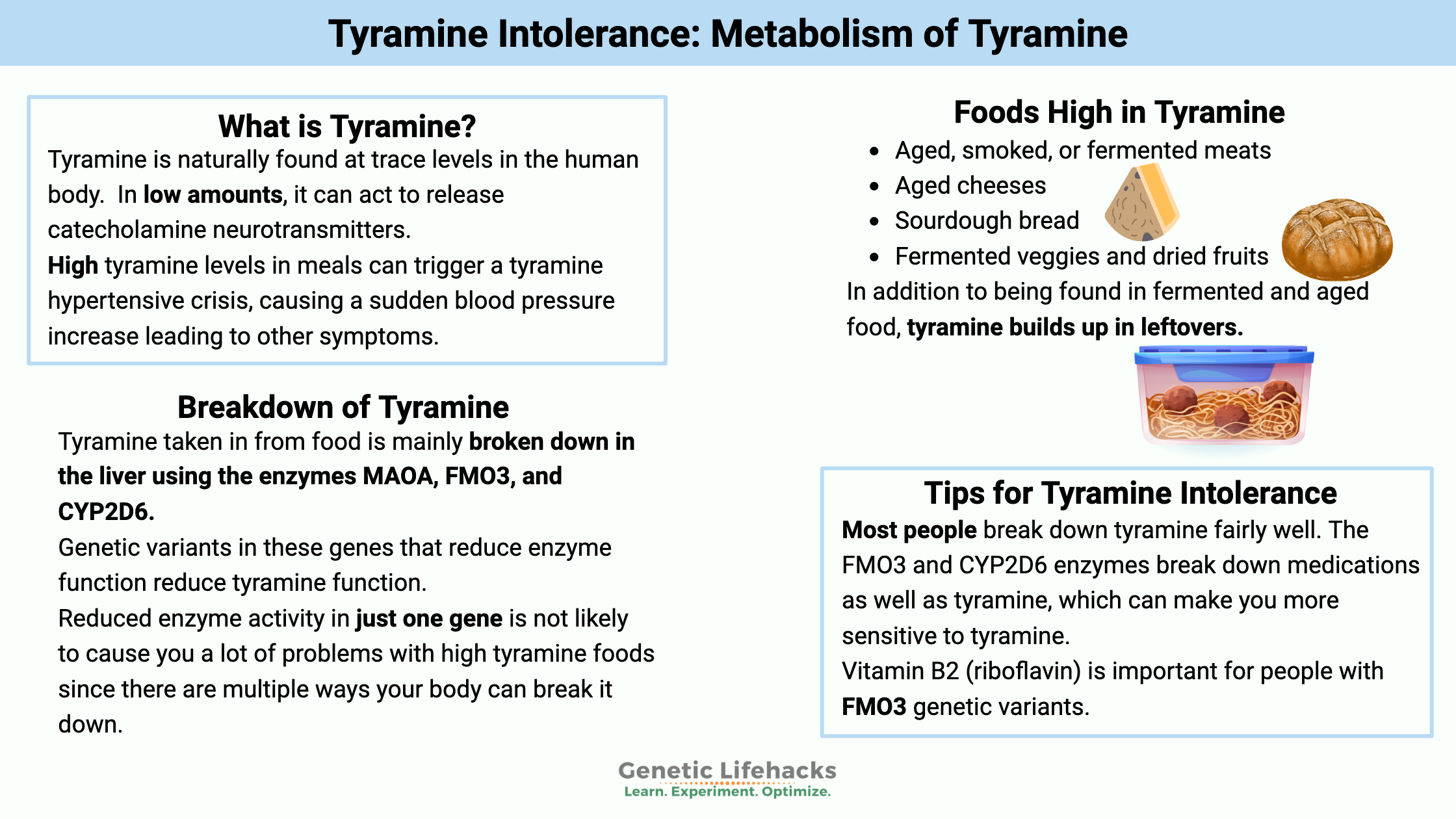
Tyramine intolerance happens when you can’t break it down. Too much tyramine can lead to a hypertensive crisis. Learn more and check your genetic raw data for results.
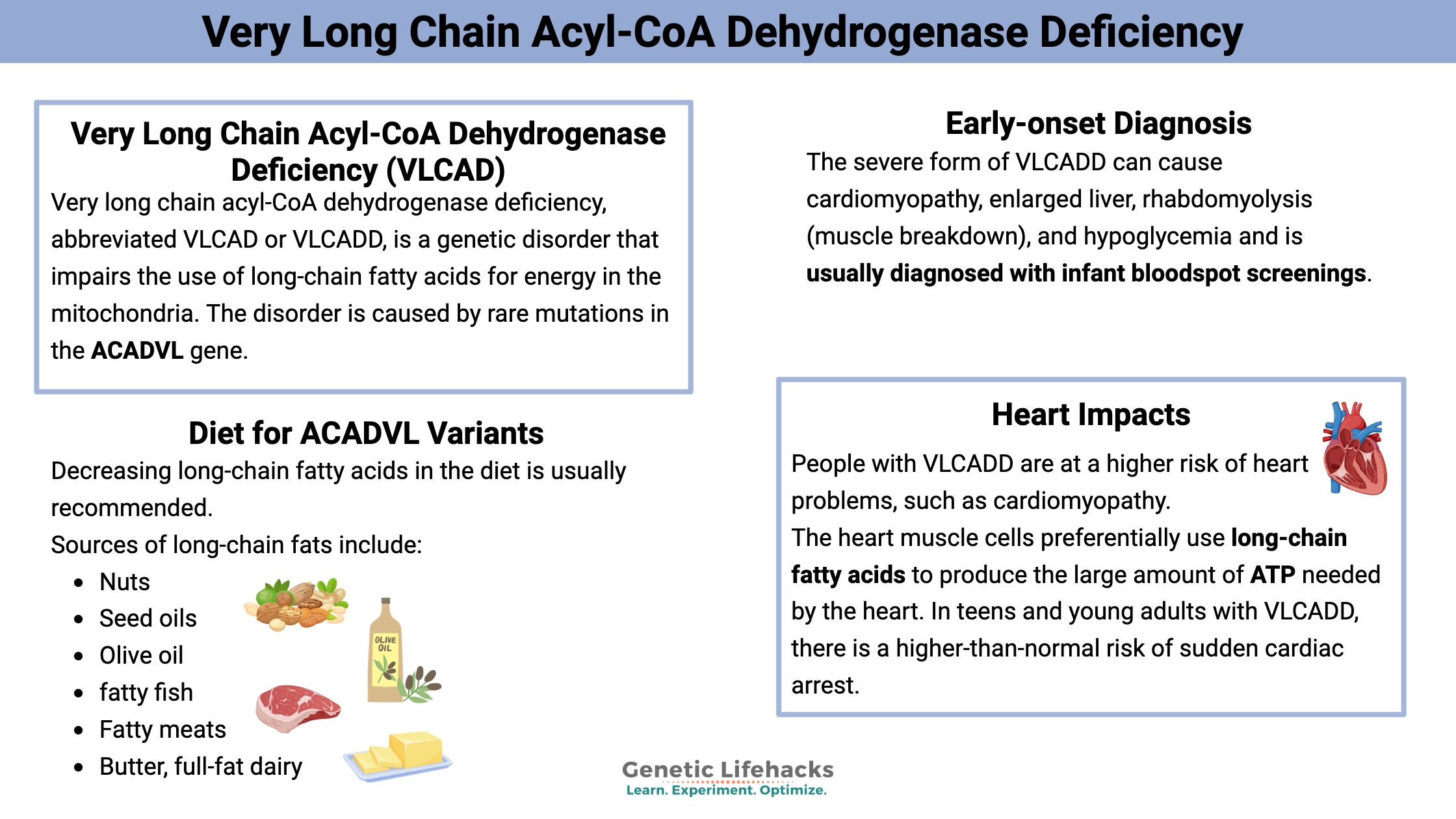
VLCAD deficiency causes the mitochondria to be unable to use long-chain fatty acids for energy production. This can result in hypoglycemia or mitochondrial dysfunction.
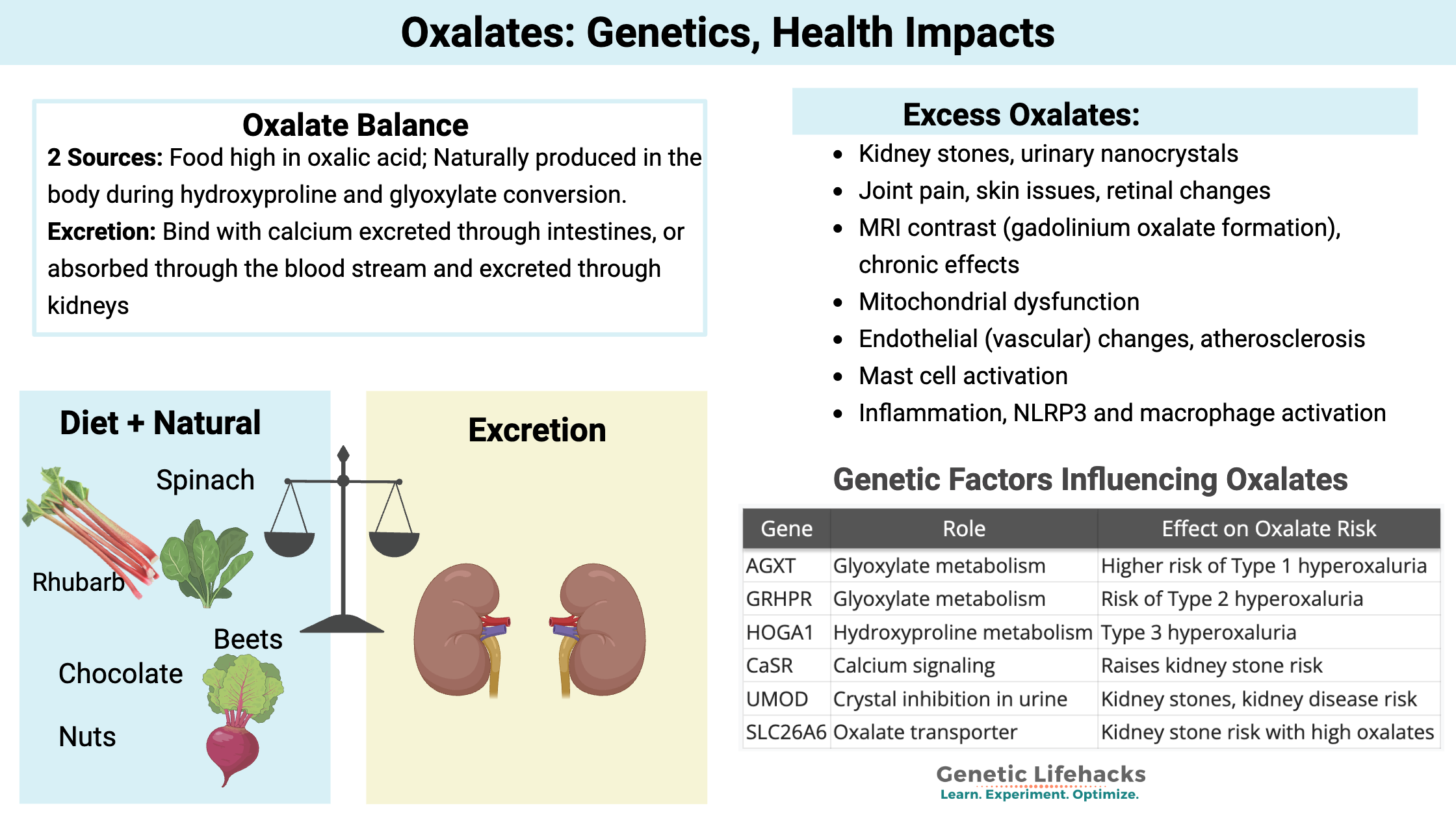
Green smoothies have been a health fad for quite a while now, but these health drinks can be a double-edged sword for some people due to their high oxalate content. Find out if you are genetically prone to kidney stones and what to do about it.
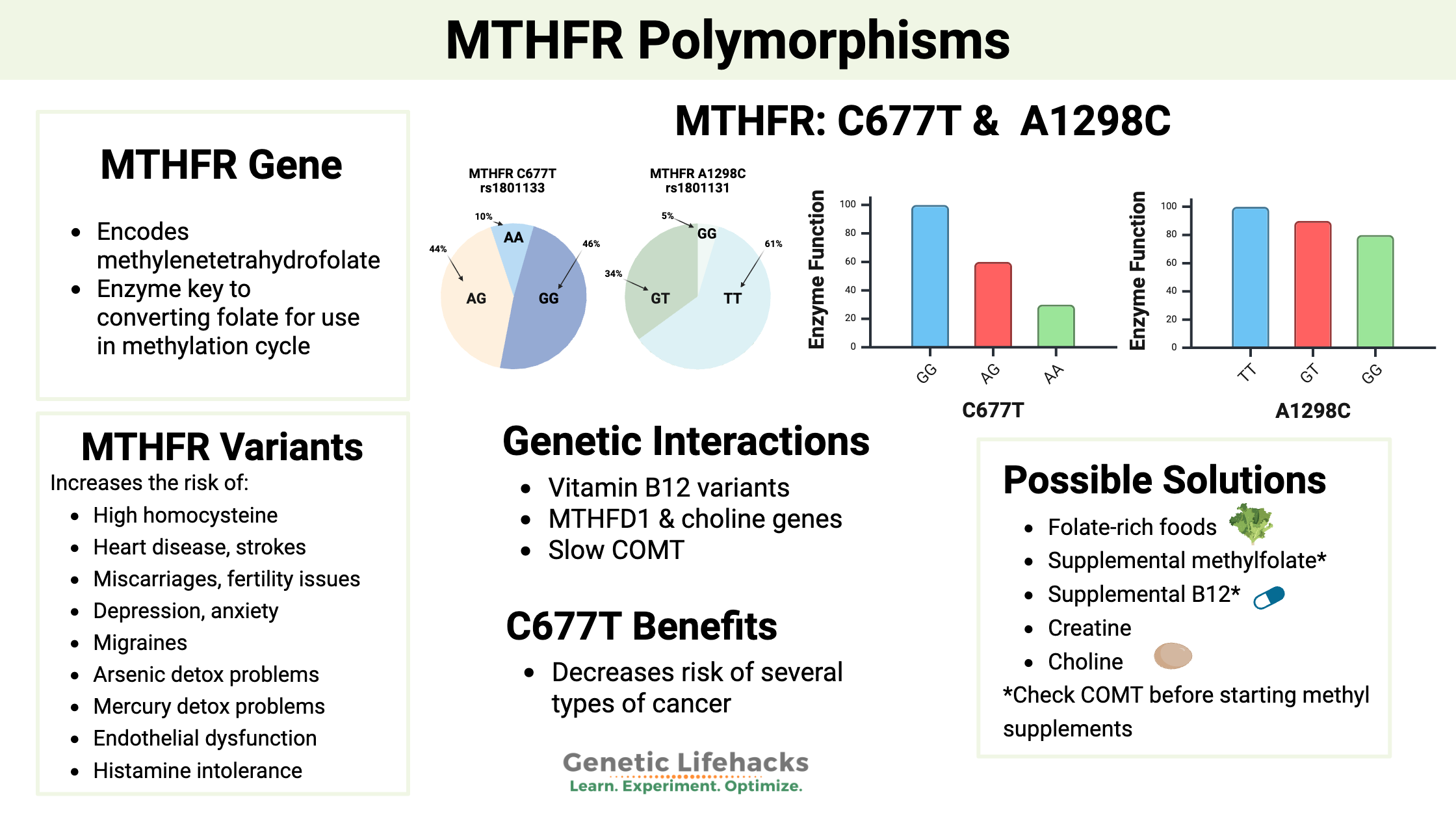
The MTHFR gene is important for how your body utilizes folate (vitamin B9) for creating neurotransmitters, detoxifying toxicants, and maintaining a healthy heart. It is a key gene in the methylation cycle.
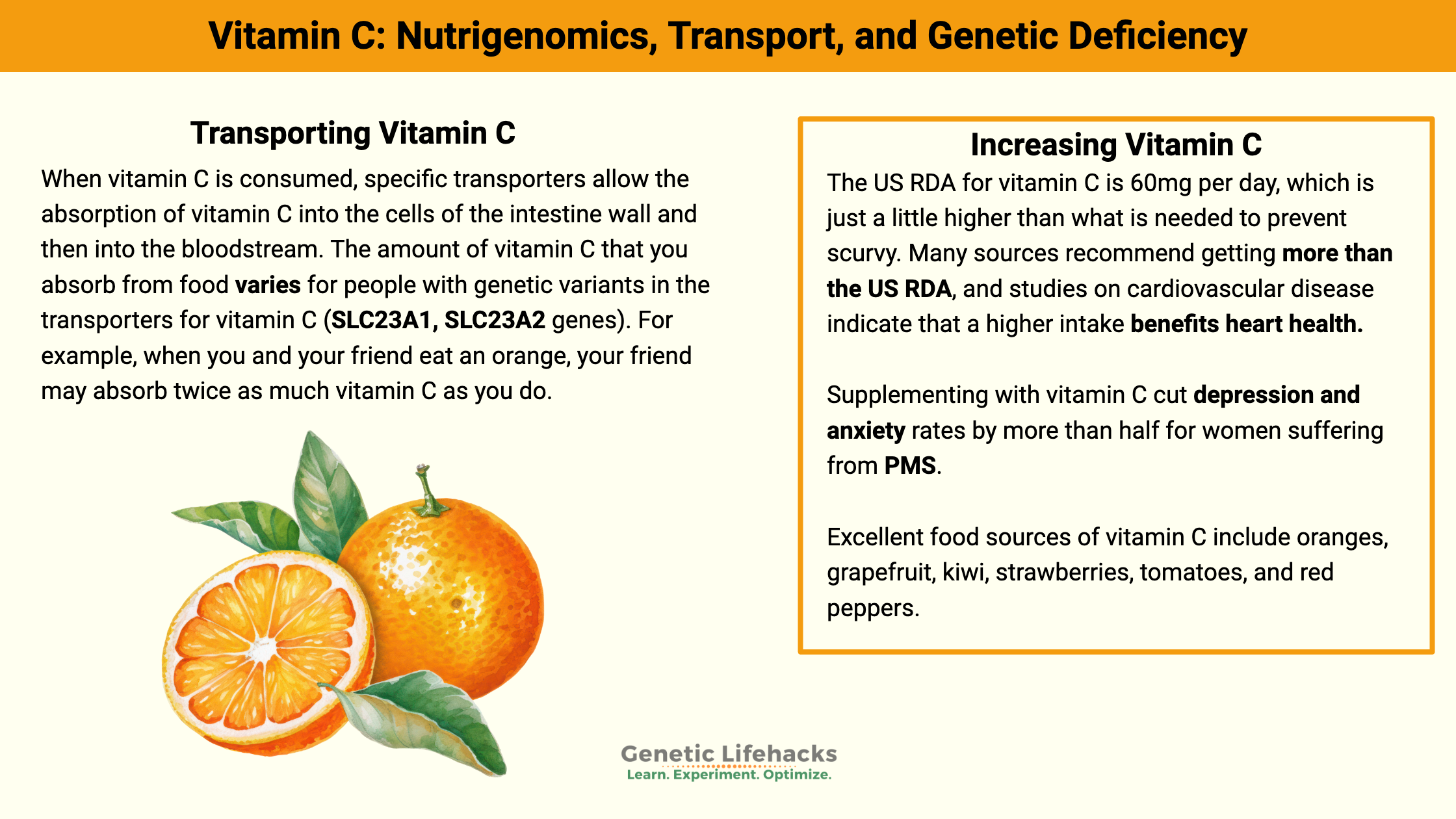
Genetic variants in SLC23A1 and SLC23A2 affect vitamin C absorption and blood levels. Learn how your genes affect your need for vitamin C.
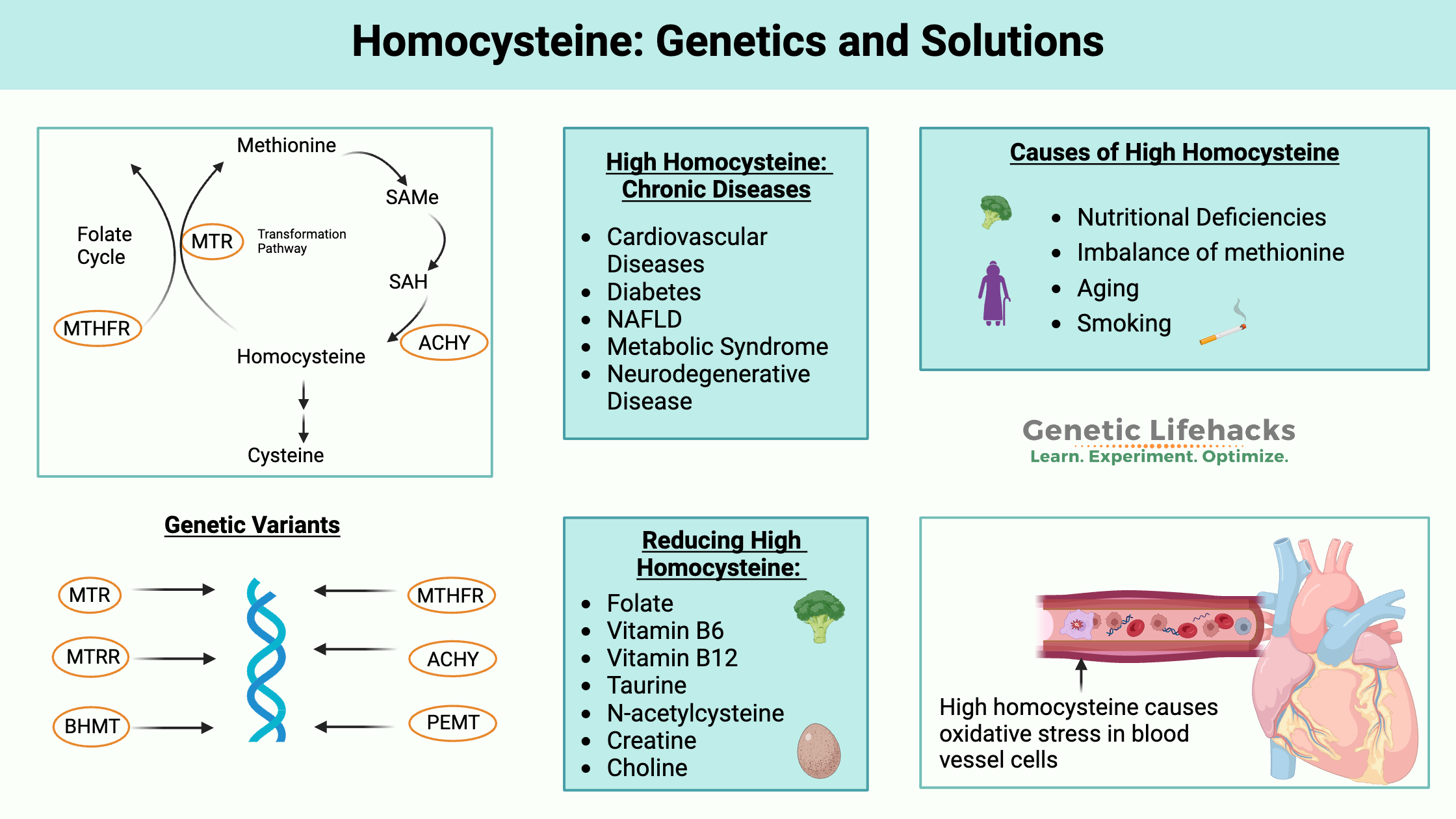
High homocysteine levels are strongly linked to an increased relative risk of cardiovascular diseases. Find out how your genes impact homocysteine levels.
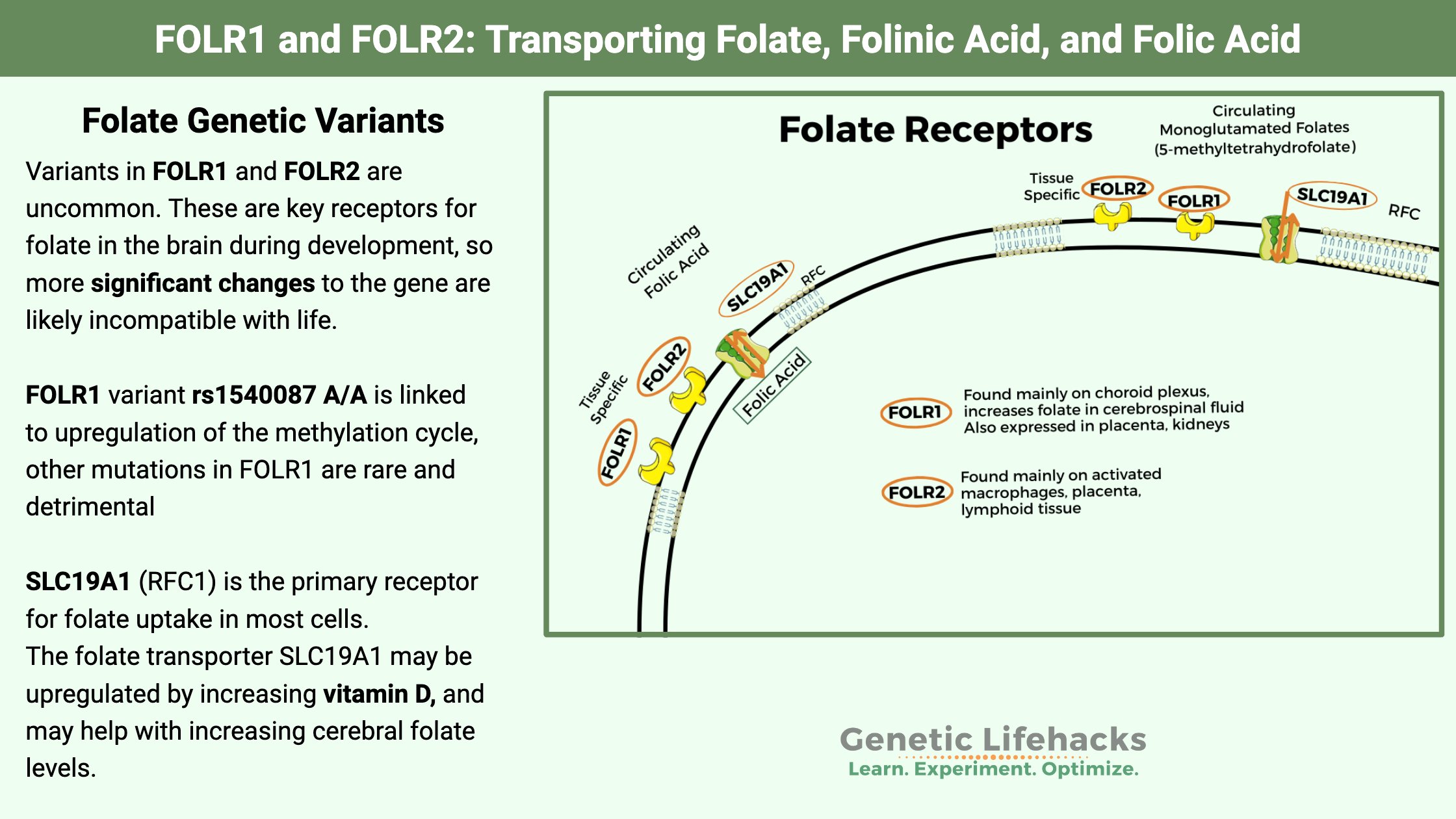
Genetic variants in the FOLR1 and FOLR2 genes (folate receptors alpha and beta) can impact folate in the brain and in the immune response.
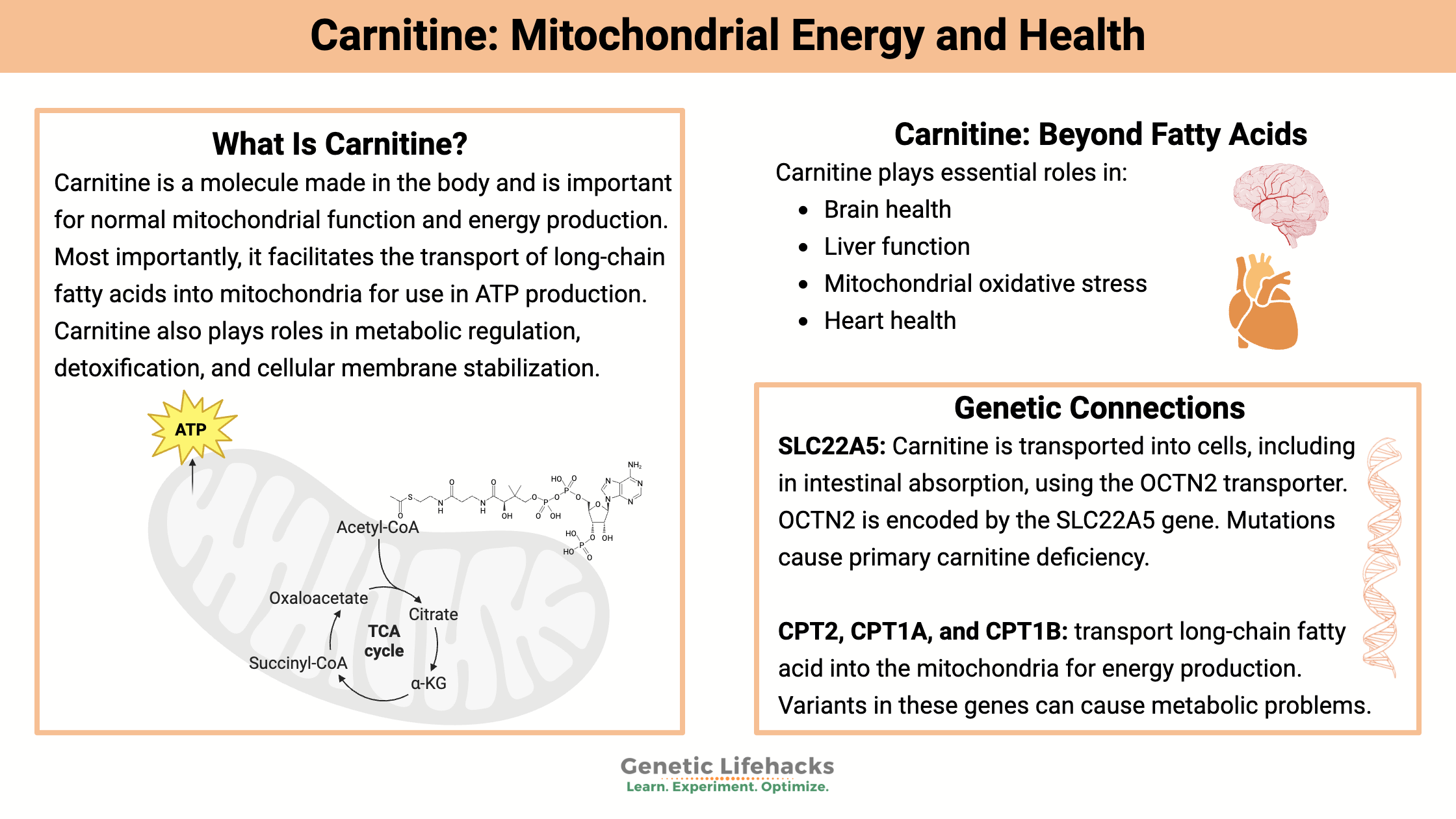
Learn how carnitine powers cellular energy, supports organ health, and influences metabolism. Discover its benefits for brain, liver and immune function, plus how genetics affect your carnitine needs.
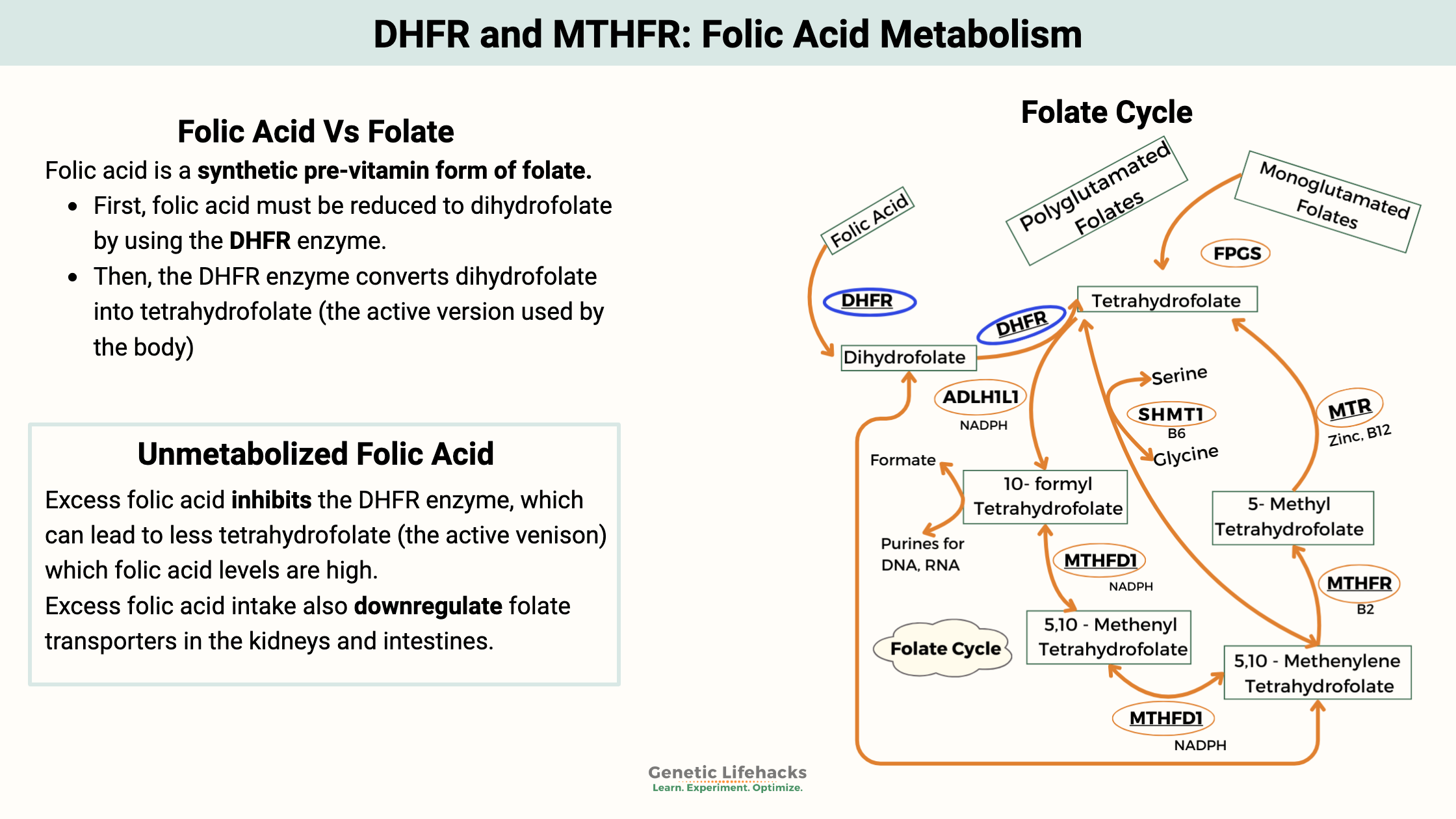
Methylfolate and folic acid—what’s the difference? Learn how DHFR and MTHFR variants affect folic acid metabolism, unmetabolized folic acid, cancer and autism risk, BH4 recycling, and how to choose the right supplement for your genes.
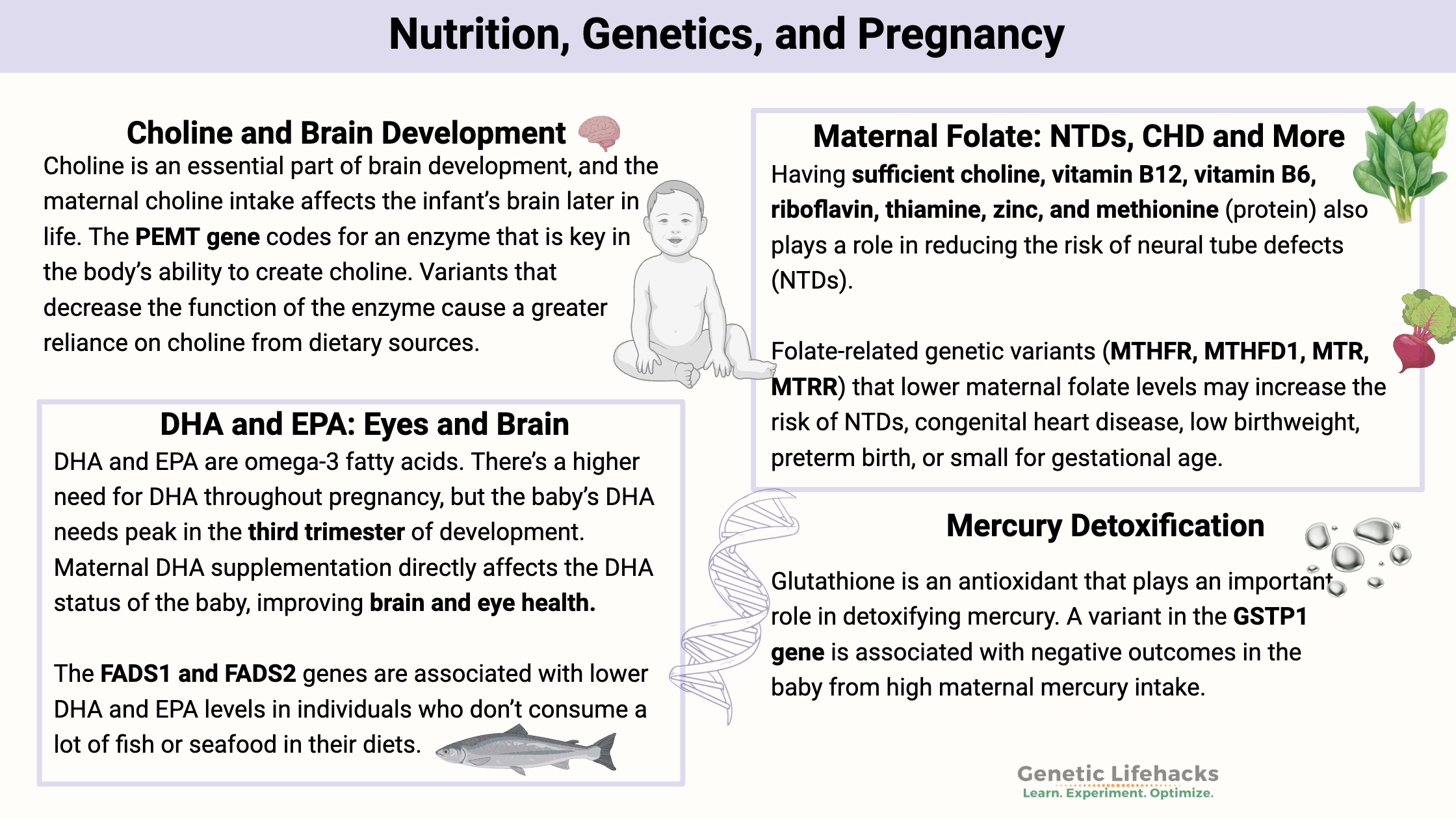
Pregnancy is a time of increased nutritional needs, and your genes can help you dial in your diet to prevent nutrient deficiencies.
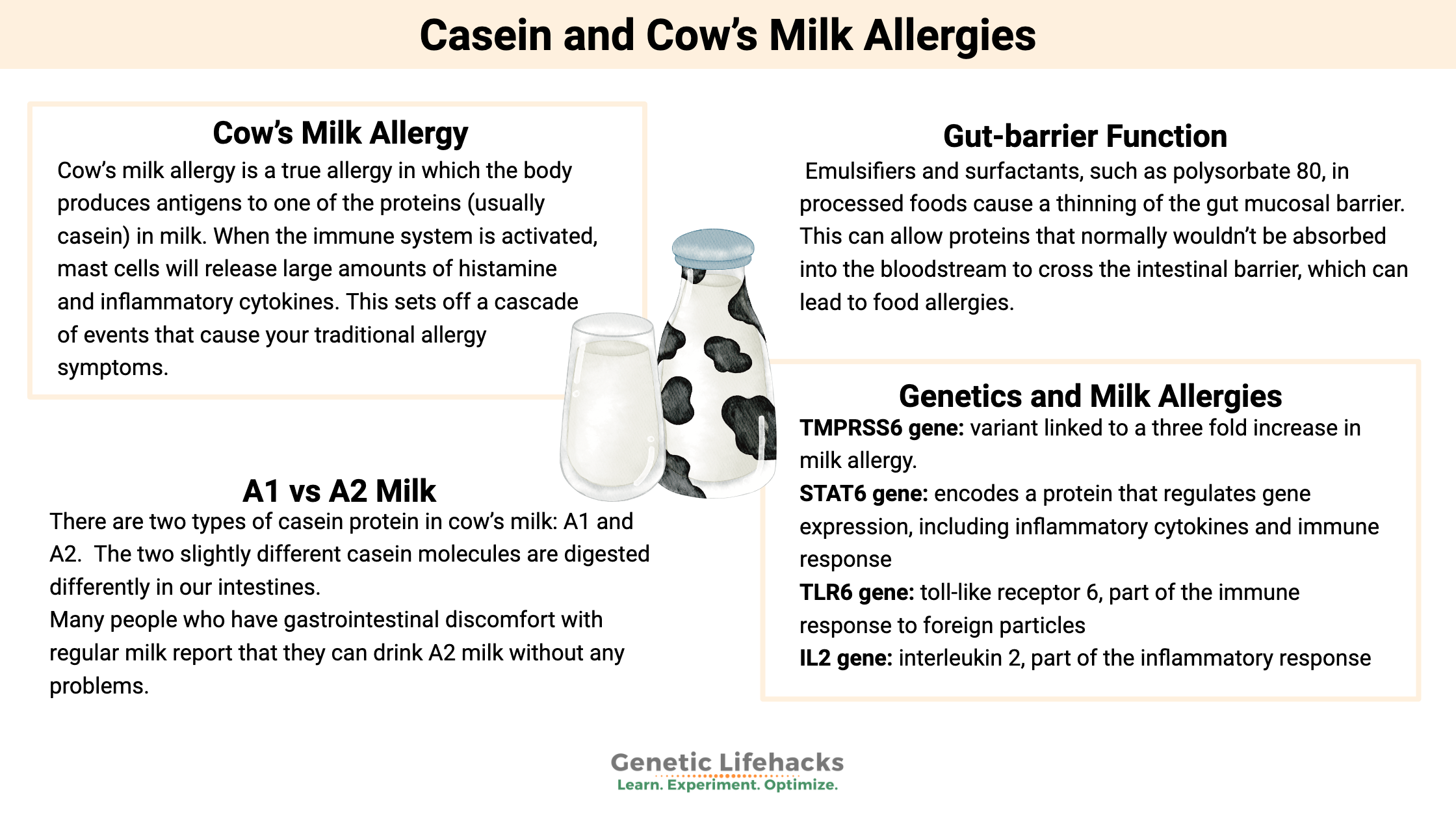
Cow’s milk allergy can be due to your immune system responding to casein or β-lactoglobulin. Genetic variants in immune-system genes increase susceptibility – along with environmental factors.
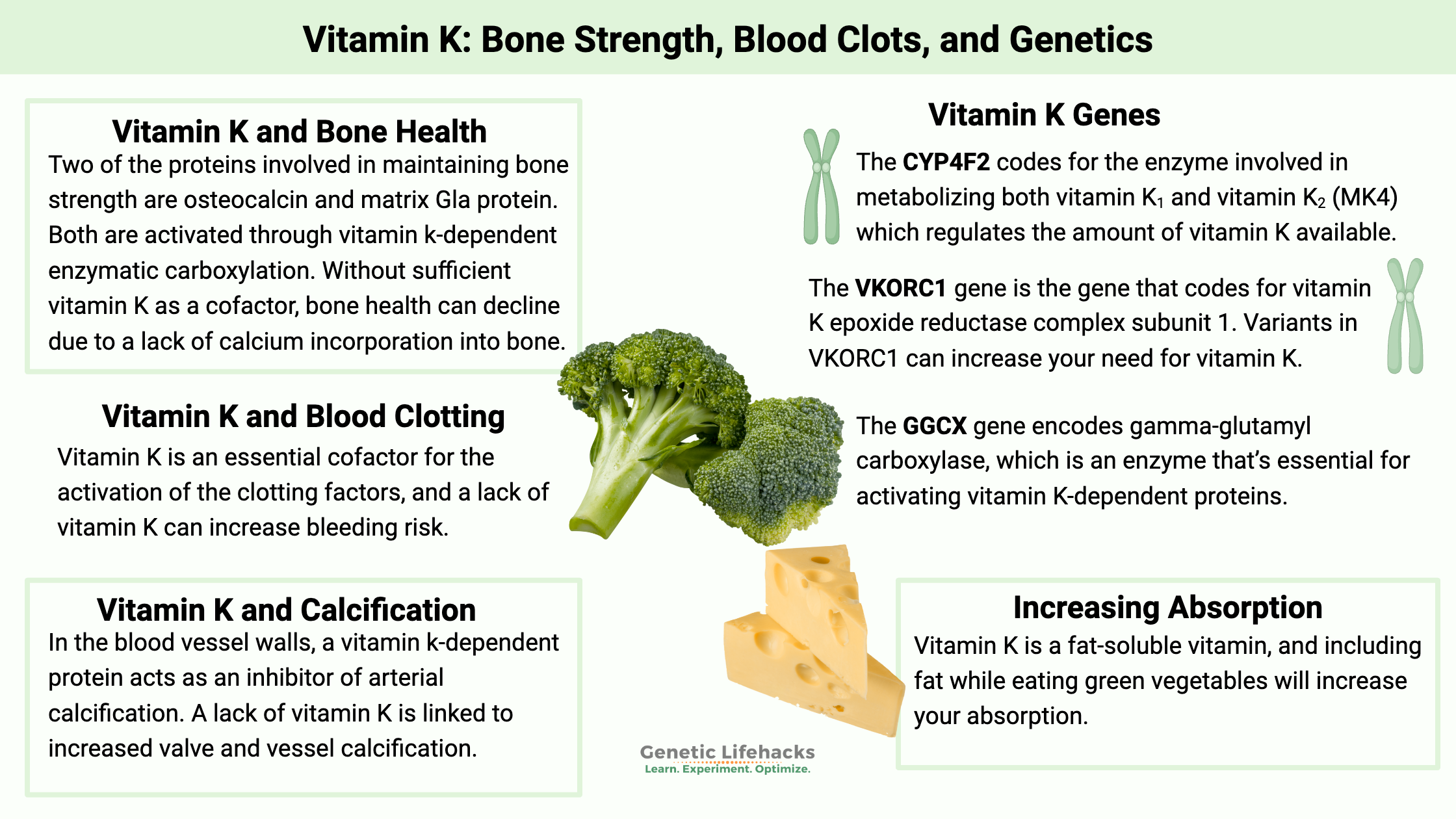
Genetic variations cause people to have higher or lower levels of vitamin K, which can affect blood clotting. Learn more about the genes that affect vitamin K and how it relates to your genetic raw data.