Join Here   |   Log In
Arsenic detoxification genes, ways to reduce arsenic exposure

Arsenic Detoxification and Your Genes

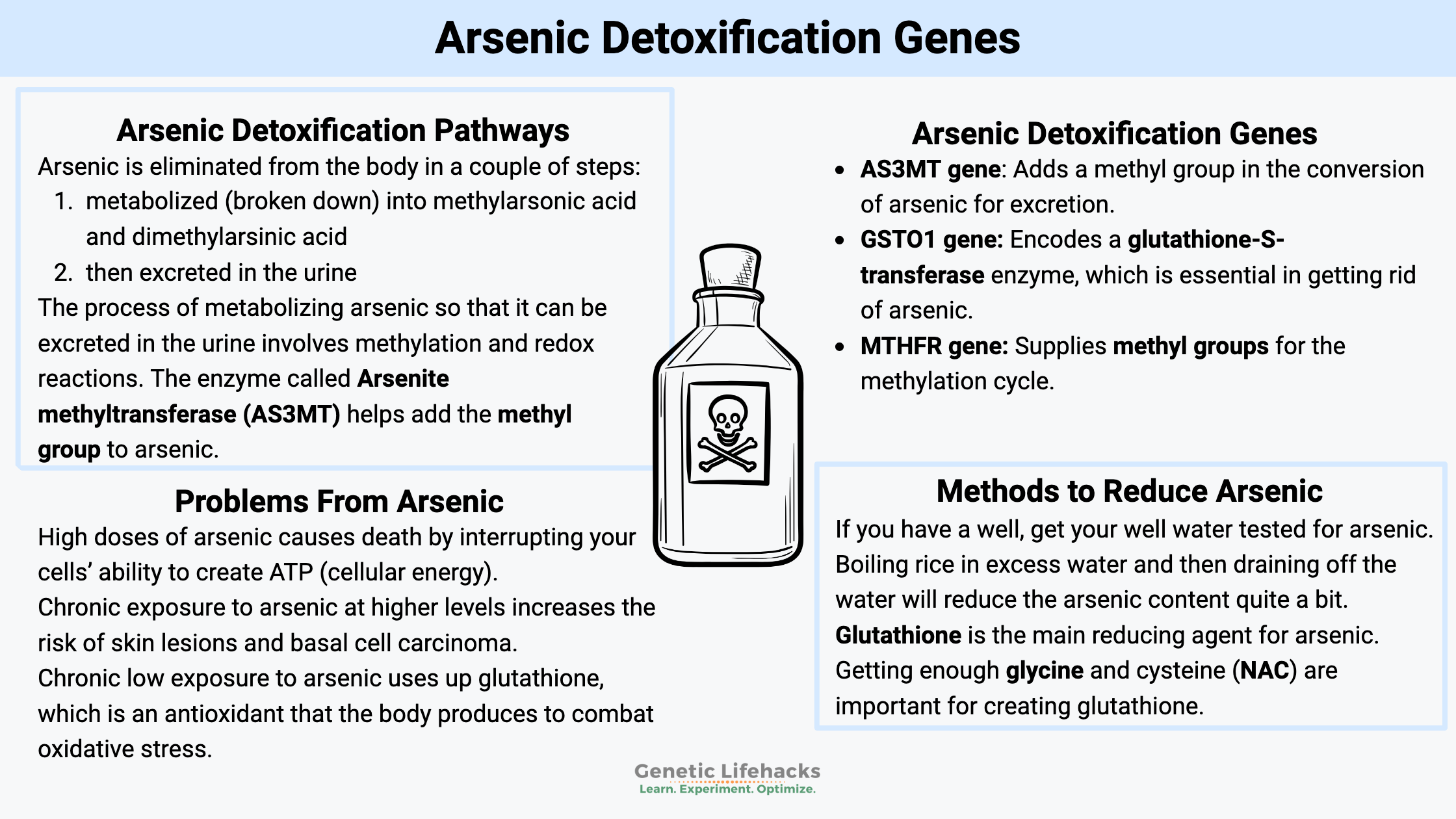
Arsenic exposure occurs via well water, in certain foods, and through breathing. This article covers the pathways the body uses to get rid of arsenic, and it includes information on genetic variants that may impair the detoxification of arsenic.
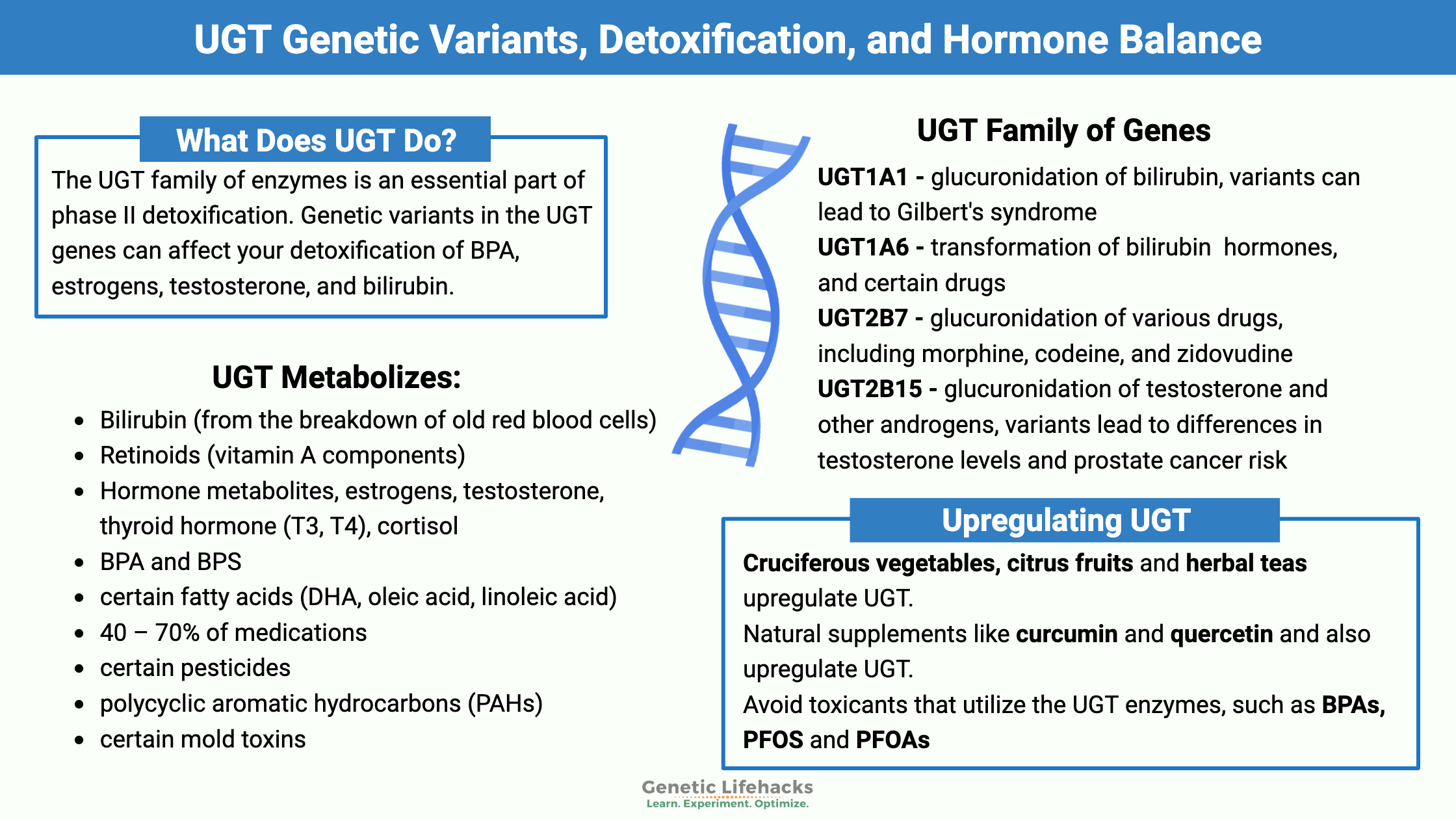
UGT Genetic Variants, Detoxification, and Hormone Balance. Ways to upregulate UGT

Glucuronidation: UGT Genetic Variants, Detoxification, and Hormone Balance

The UGT family of enzymes is responsible for an important part of phase II detoxification. This article explains what the UGT enzymes do in the body, how your genes impact this part of detoxification, and lifestyle factors that can increase or decrease this detox process.

NQO1 Gene, Air pollution detoxification, phase 2 detoxification gene

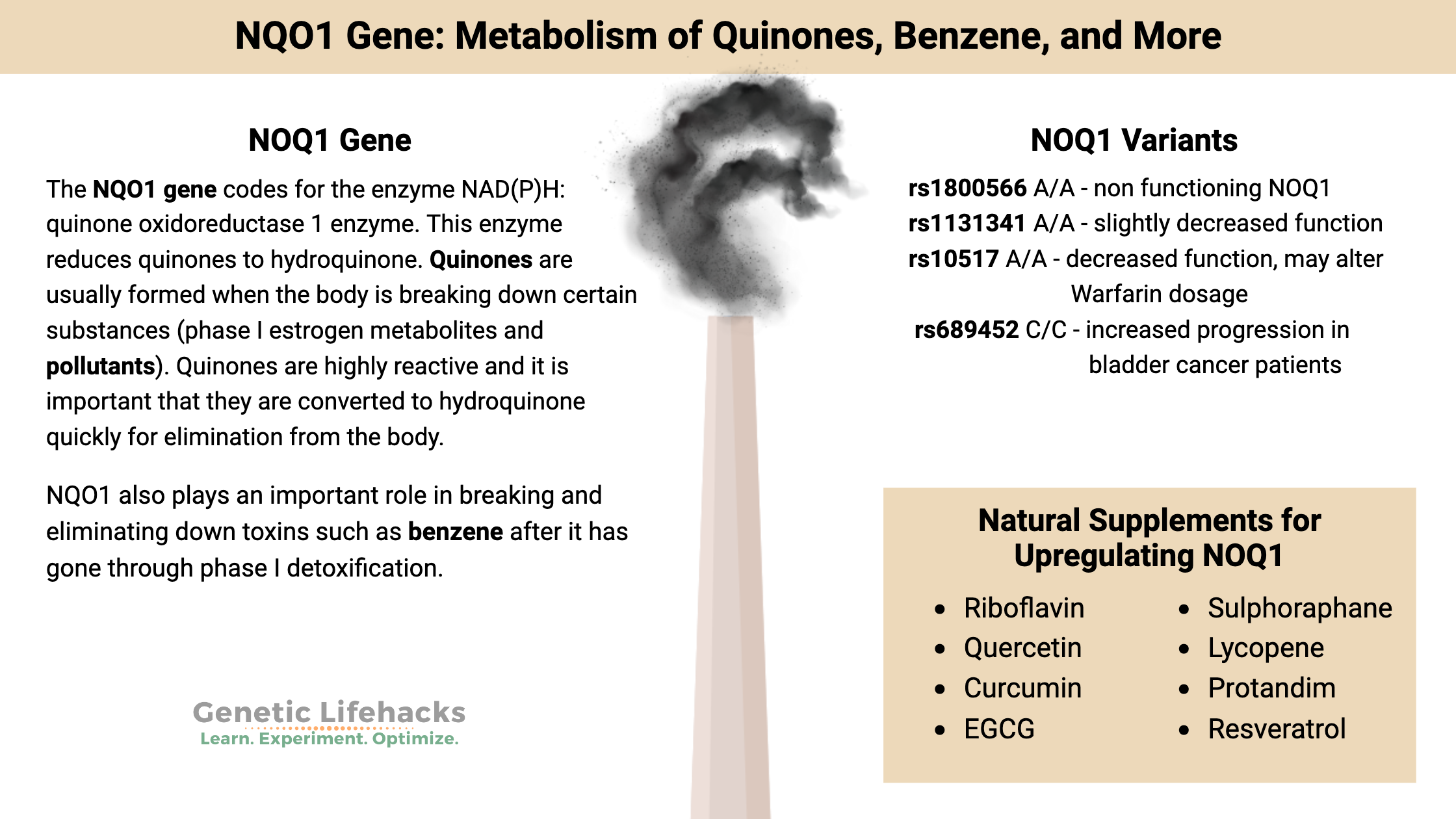
NQO1 Gene: Metabolism of Quinones, Benzene, and More

The NQO1 gene codes for an important enzyme in phase II detoxification. This enzyme is responsible for metabolizing the cancer-causing benzene (e.g. from air pollution) and cigarette toxins. Learn more and check your genes. (Member’s article)

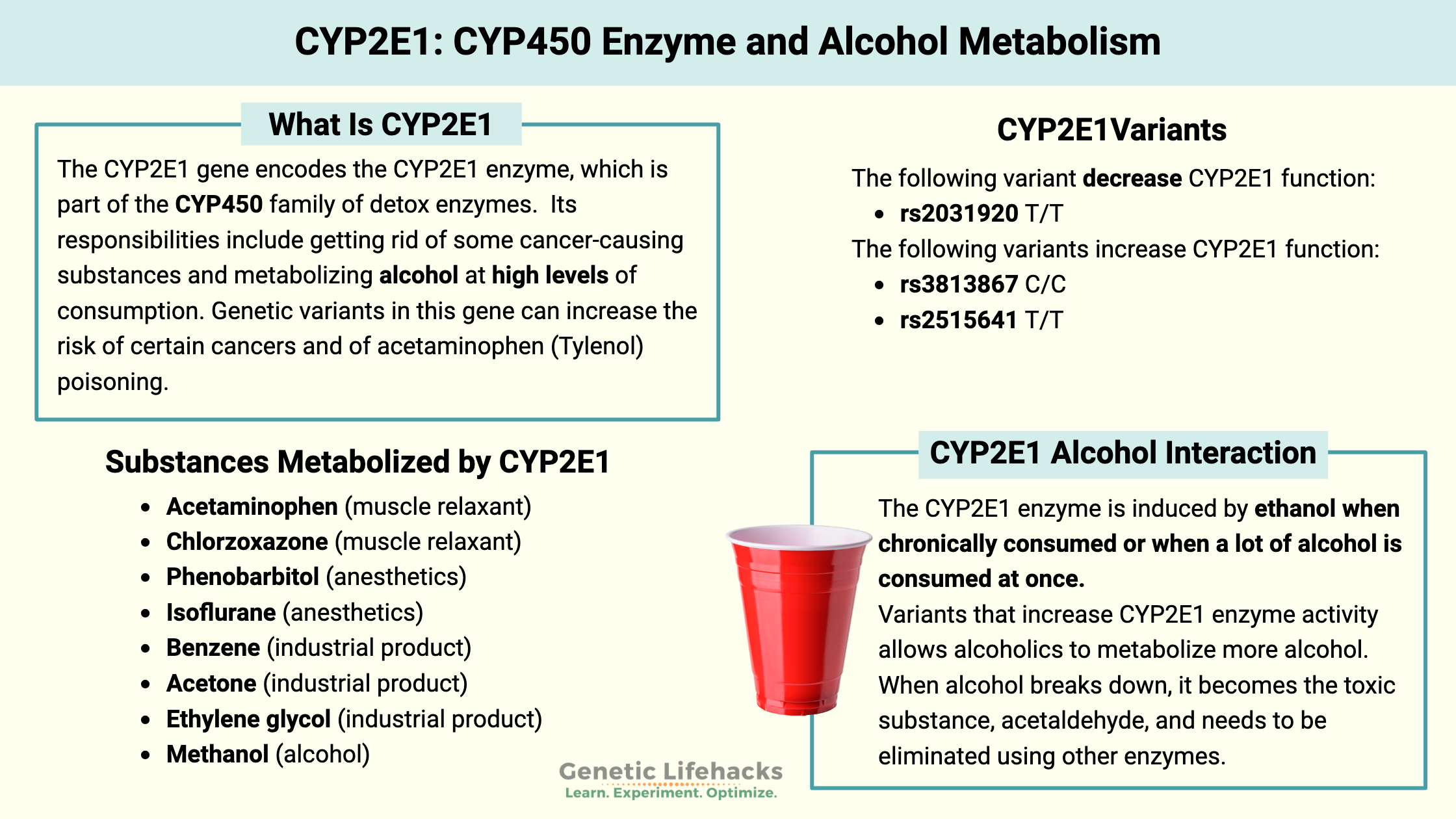
CYP2E1: CYP450 Enzyme, Alcohol Metabolism CYP2E1 genetic variants

CYP2E1: Breaking down alcohol and more

The CYP2E1 enzyme is part of the phase I detoxification system. Discover how variants might affect your alcohol metabolism and more.

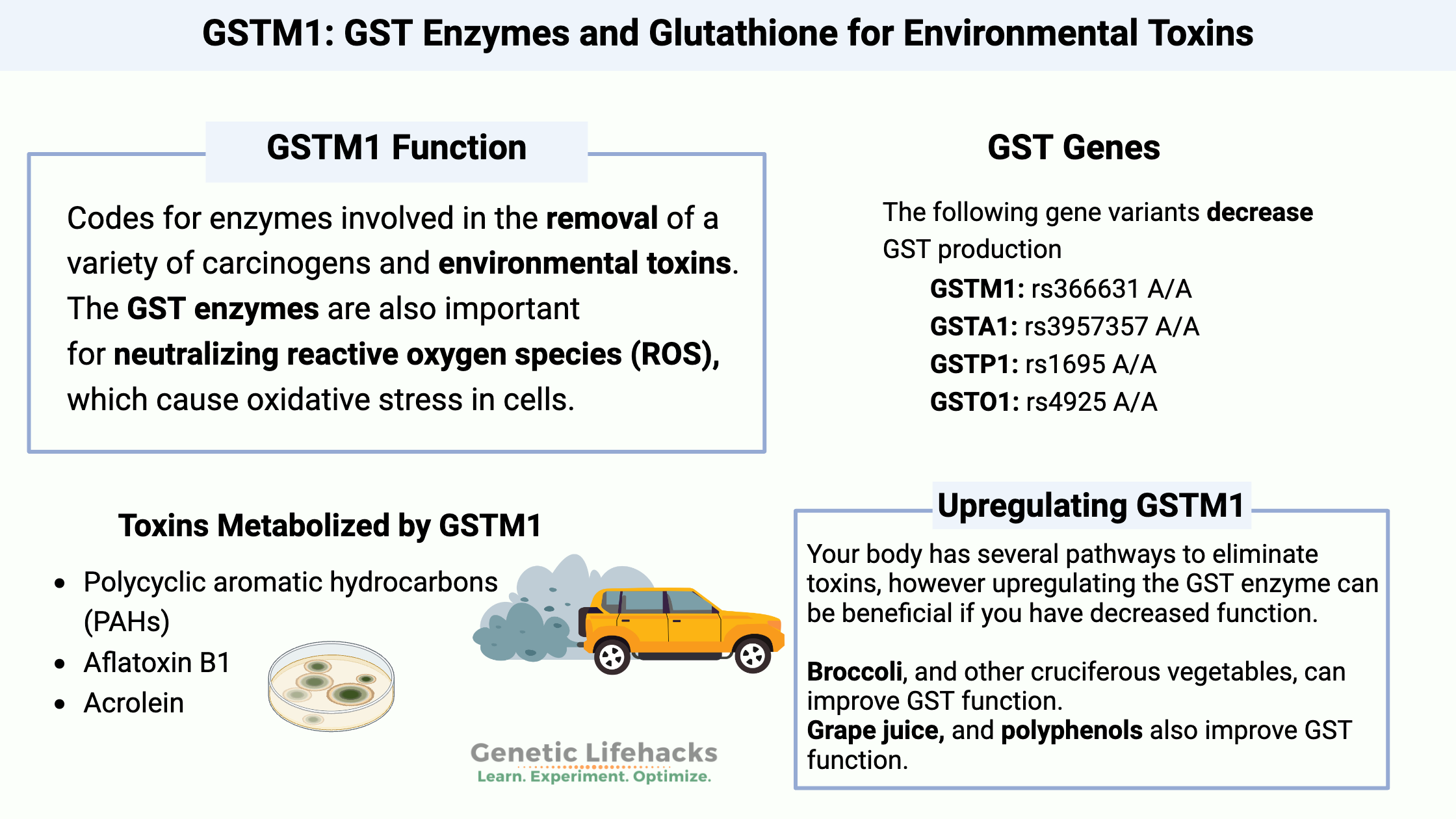
GSTM1: GST enzymes and glutathione for environmental toxins, GST genetic variants, Phase II detoxification

GSTM1: GST Enzymes and Glutathione for Environmental Toxins

Exposure to many different man-made chemical compounds occurs every day, and our exposure to new toxicants exceeds what our ancestors experienced. Several common GST variants decrease the function of the GST enzymes.

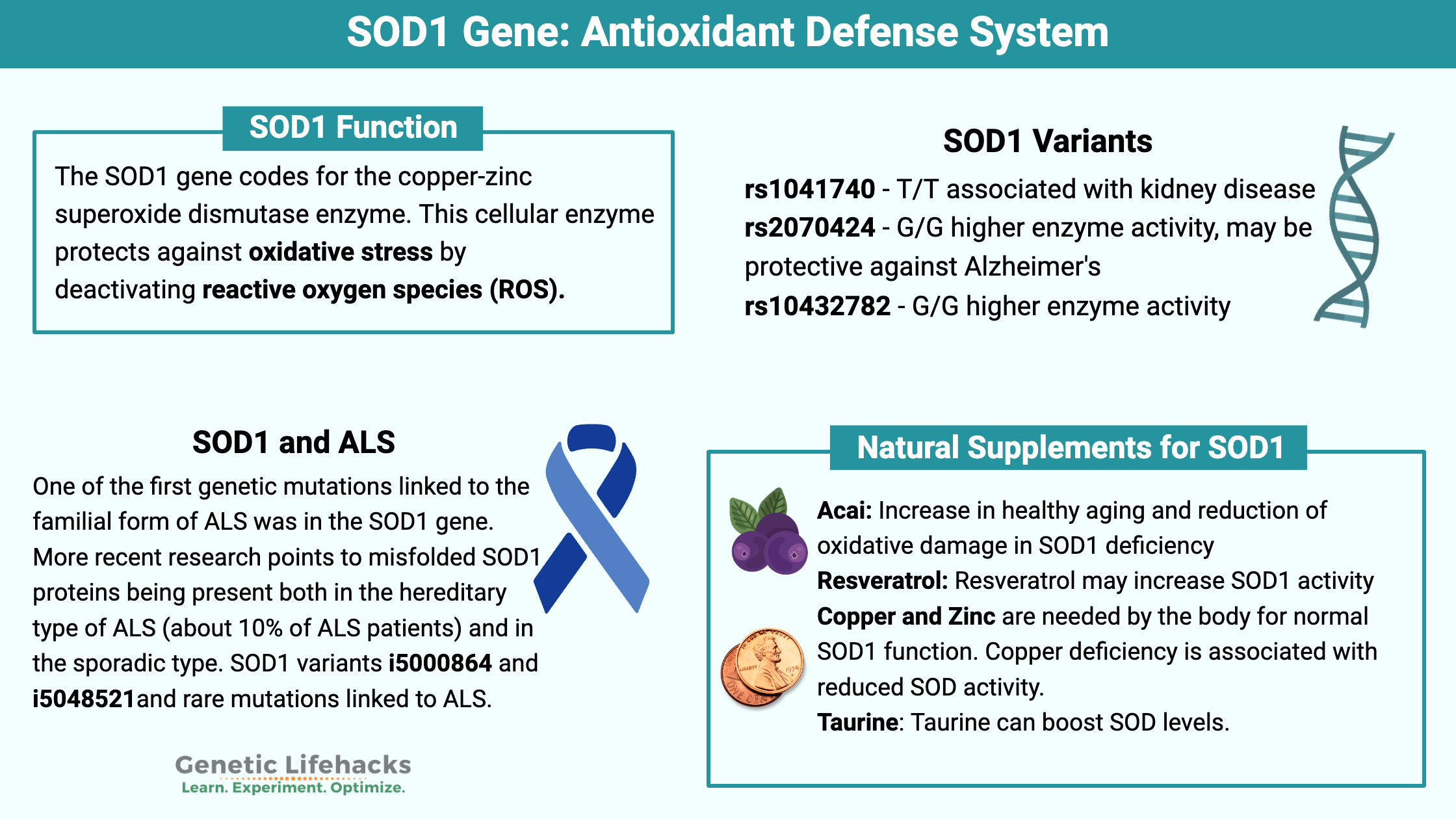
SOD1 gene antioxidant defense system, SOD1 variants, boosting SOD1

SOD1 Gene: Your Antioxidant Defense System

Our body has built-in antioxidants that fight against cellular stress. The superoxide dismutase enzyme fights against oxidative stress in your cells. 

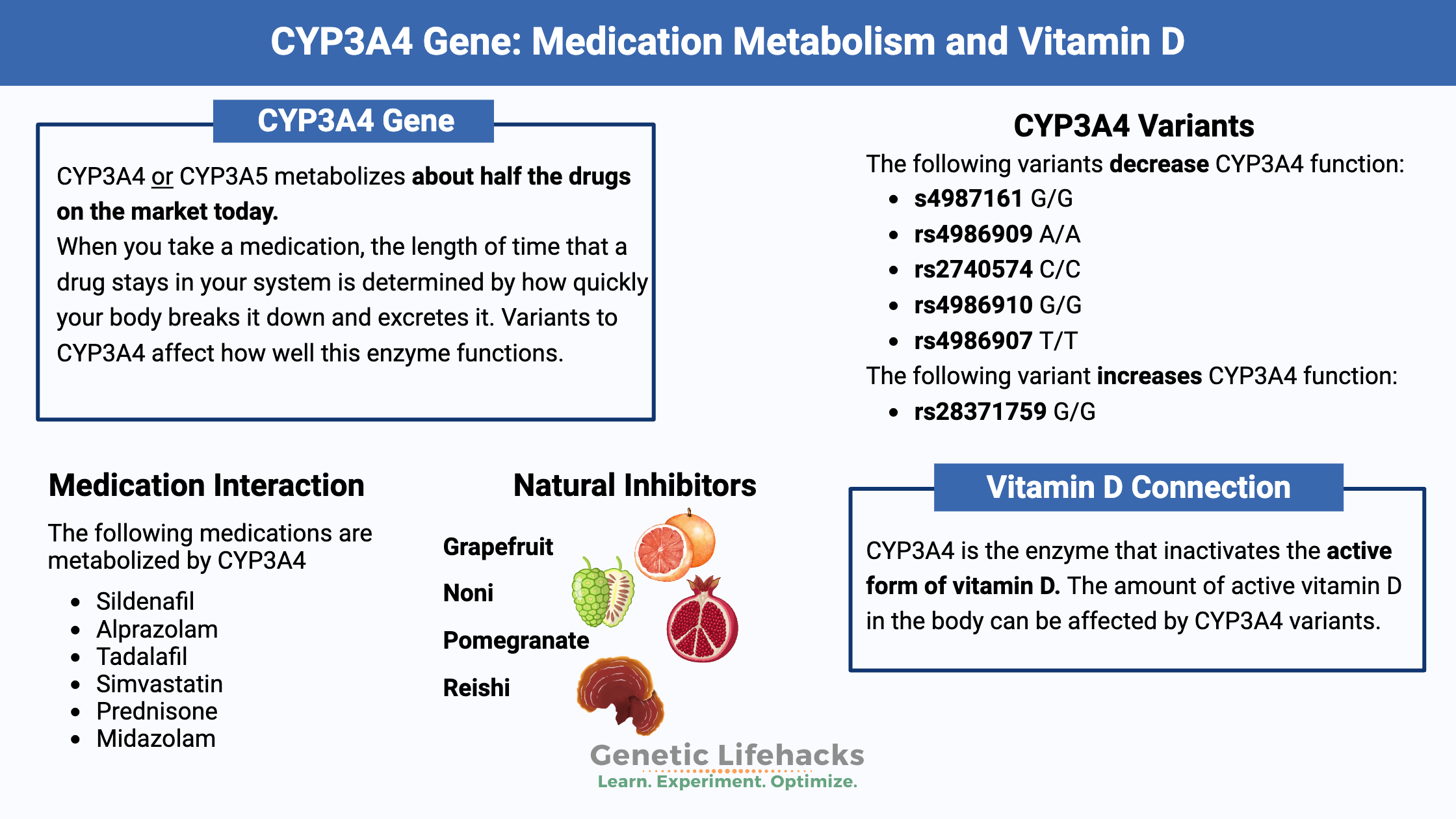
CYP3A4 Gene: CYP450 Family of Genes, Medication Metabolism and Vitamin D Interaction

CYP3A4 Gene: Impacting Prescription Drugs

The CYP3A family of genes is involved in metabolizing about half of the drugs on the market today. Check your genes to see if you carry variants that impact the speed at which you metabolize medications.

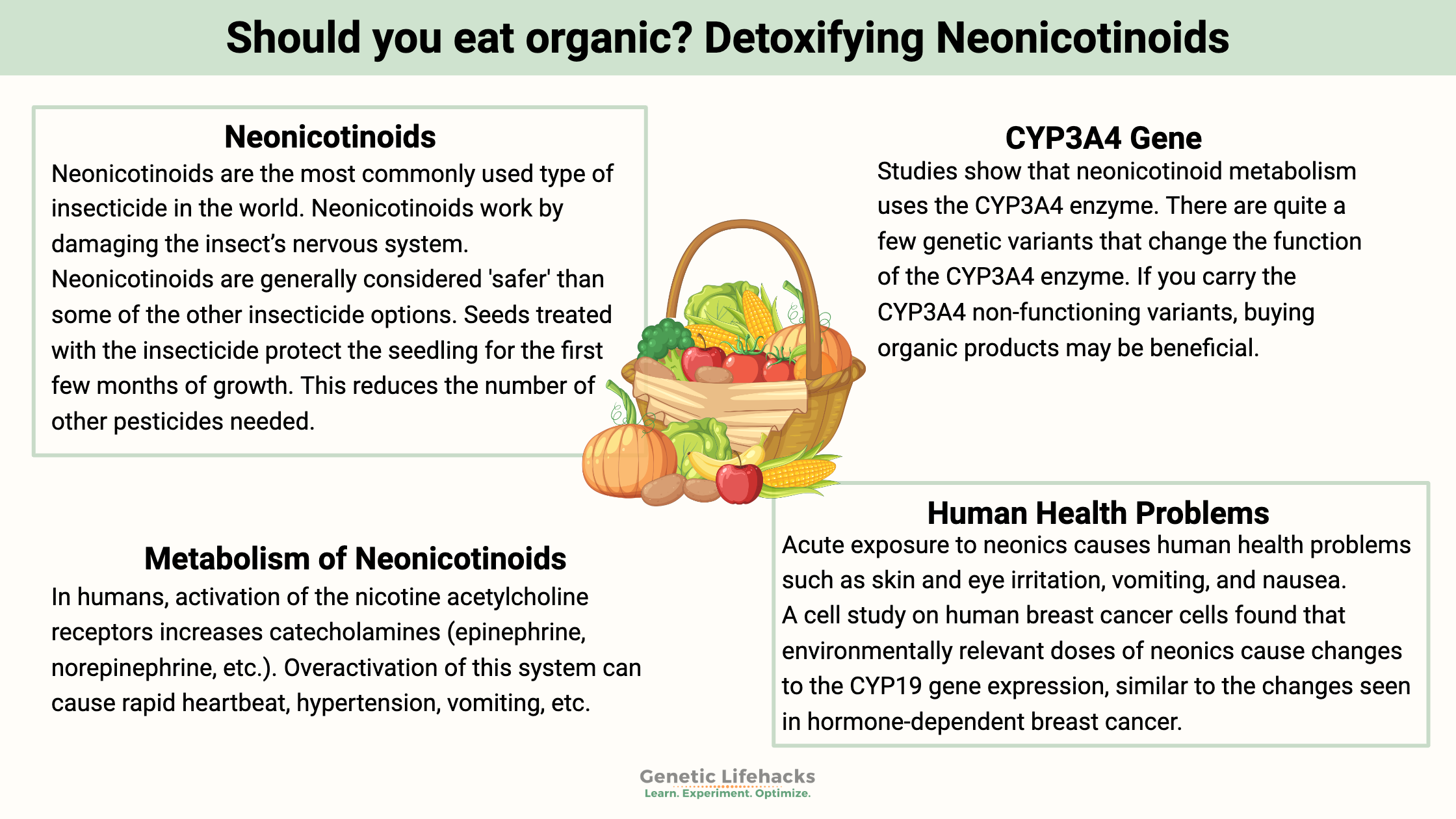
Should you eat organic? Detoxifying Neonicotinoids

Should you eat organic? Detoxifying Neonicotinoids

Is buying organic worth the extra cost? Pesticides that are sprayed on conventionally grown foods affect people differently. Some people carry genetic variants that decrease their ability to detoxify specific pesticides, others may be more resilient. This is Part One in a multipart series on pesticide detoxification. (Member’s article)

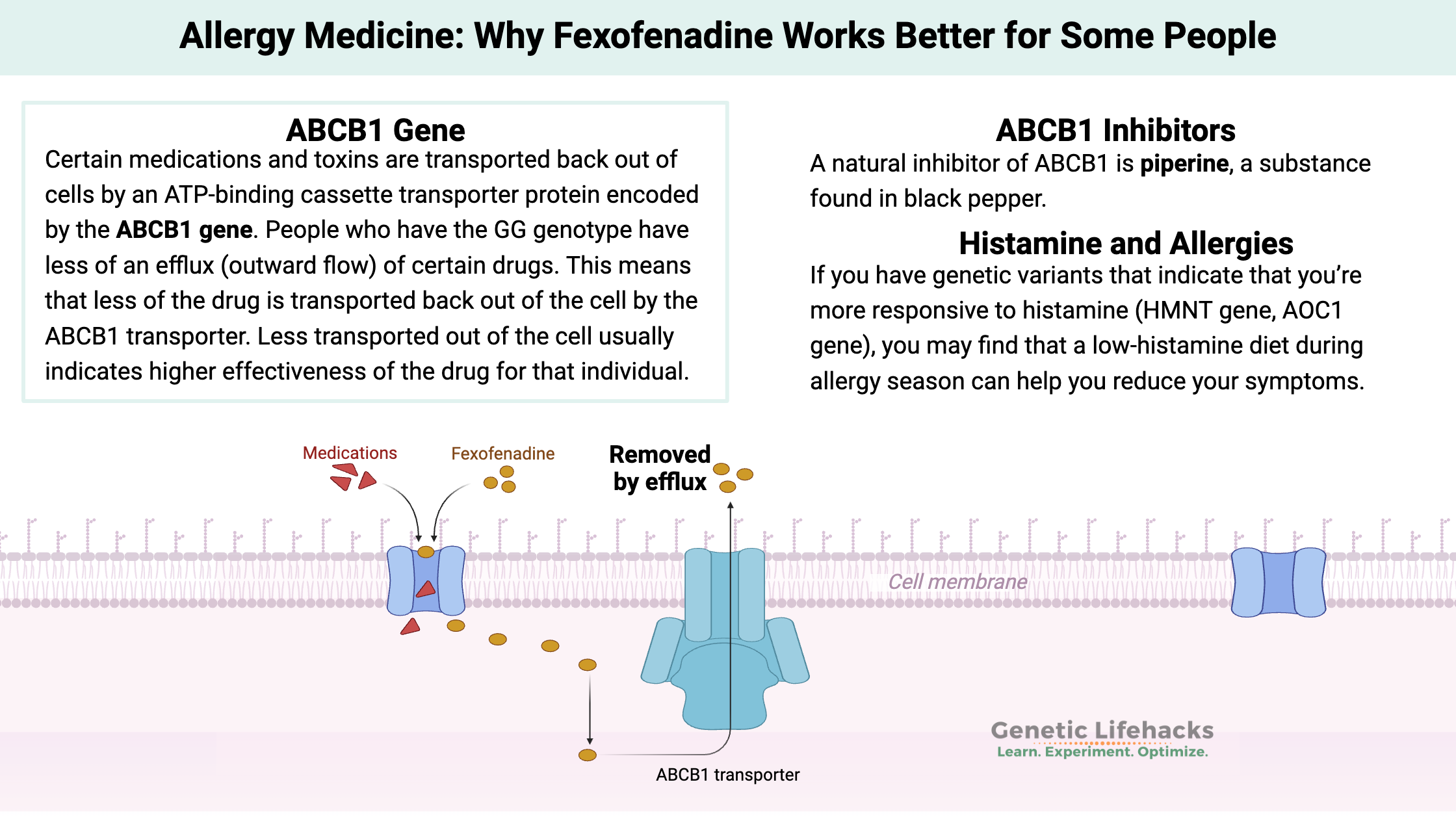
Allergy Medicine: Why Fexofenadine Works Better for Some People

Allergy Medicine: Why Fexofenadine Works Better for Some People

Ever wonder why a certain medication may work great for a friend and do nothing for you? One reason could be the genes involved in transporting the medication into and out of your cells. This article looks at the research studies on fexofenadine and the Multidrug Resistance Protein variants.

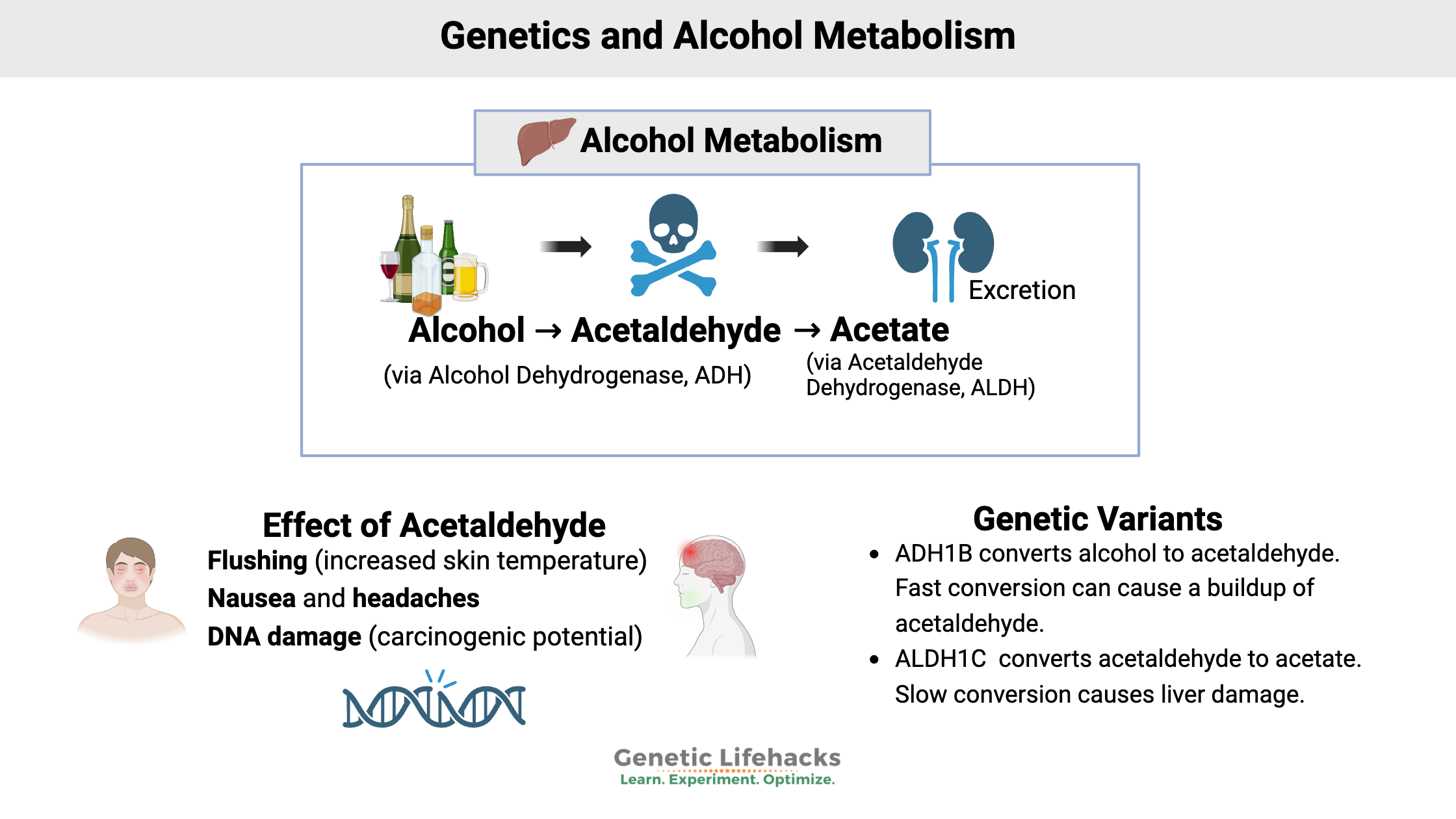
Genetics and Alcohol Metabolism

Alcohol Metabolism: ALDH2 and ADH1B Genes

Wondering why you don’t react the same way to alcohol as your friends do? Some people metabolize alcohol faster leaving a build-up of acetaldehyde. Learn more about why this can be a health problem for some.

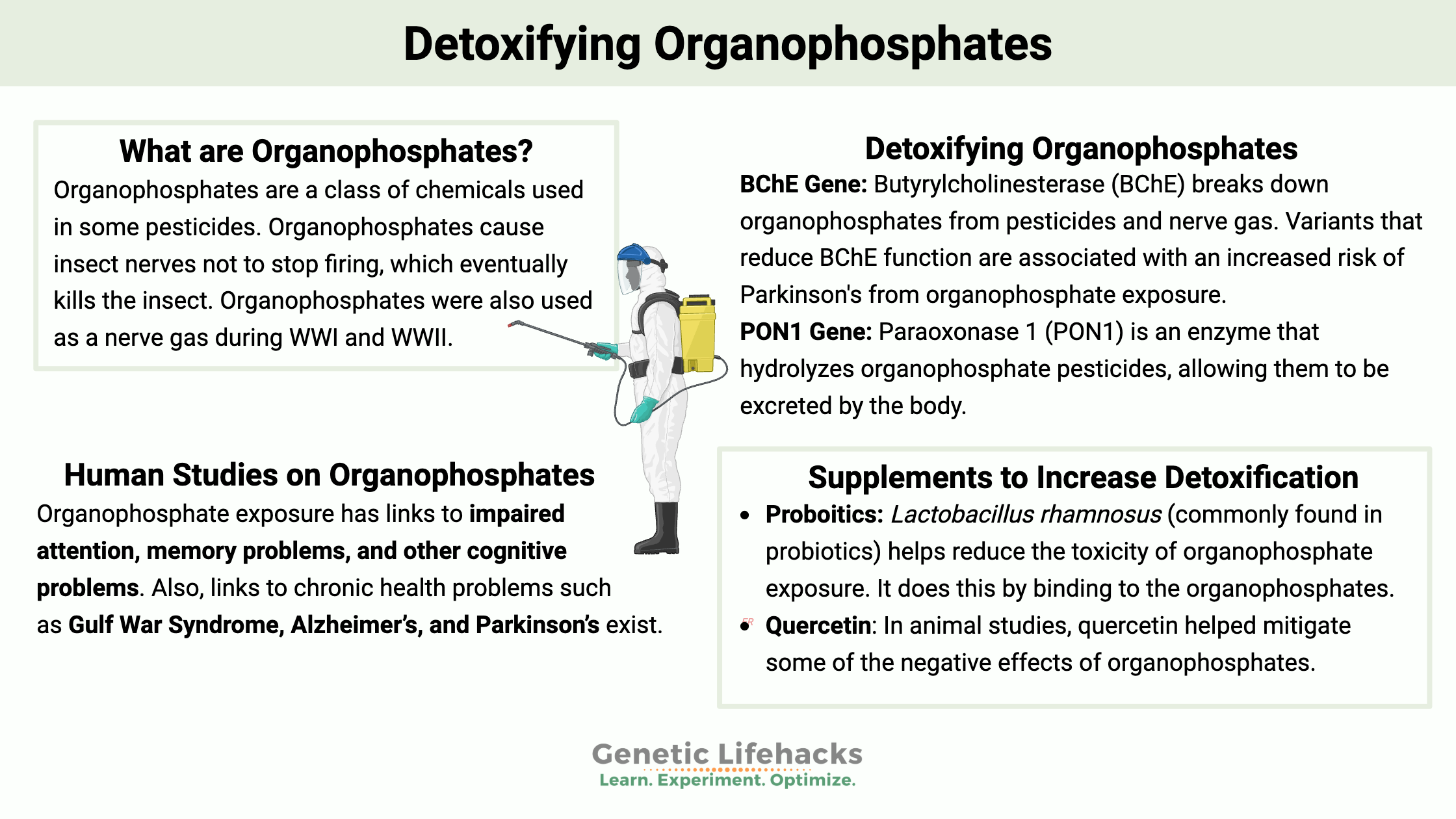
Detoxifying Organophosphates

Should you eat organic? Detoxifying Organophosphates

Is buying organic worth the extra cost? There isn’t a one-size-fits-all answer to that question. Pesticides that are sprayed on conventionally grown foods affect people differently. Some people carry genetic variants that decrease their ability to detoxify specific pesticides, others may be more resilient. This is Part Two in a multipart series on pesticide detoxification. 

Detoxification Summary Report

Utilize our Detoxification Topic Summary Reports with your 23andMe or AncestryDNA genetic data to see which articles may be most relevant to you. These summaries are attempting to distill the complex information down into just a few words. Please see the linked articles for details and complete references. (Member’s article)