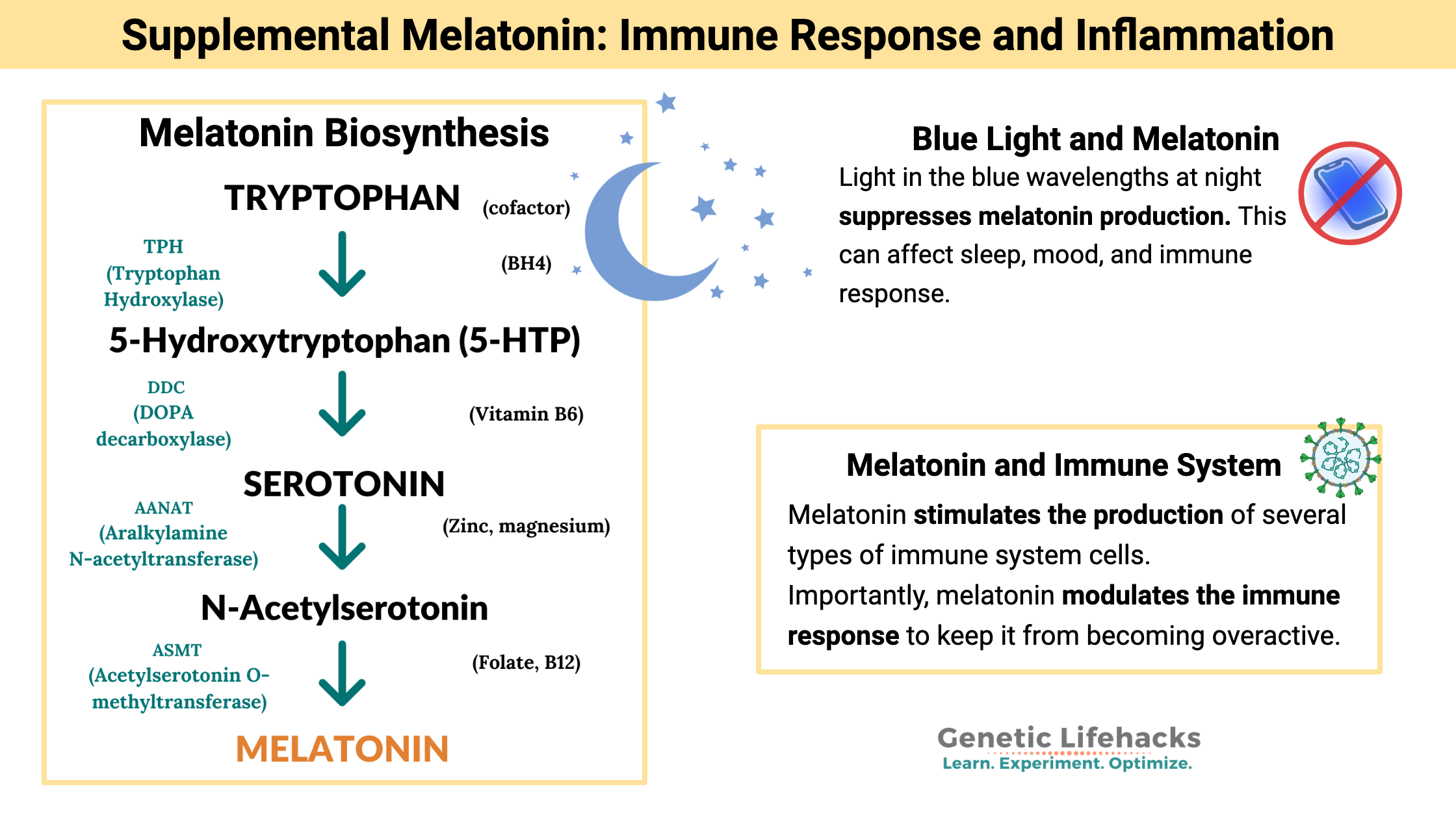
Supplemental Melatonin: Immune Response and Inflammation
Melatonin is important for setting your circadian rhythm and for immune health. Dig into the details on melatonin supplements, scientific research, and more.

Melatonin is important for setting your circadian rhythm and for immune health. Dig into the details on melatonin supplements, scientific research, and more.
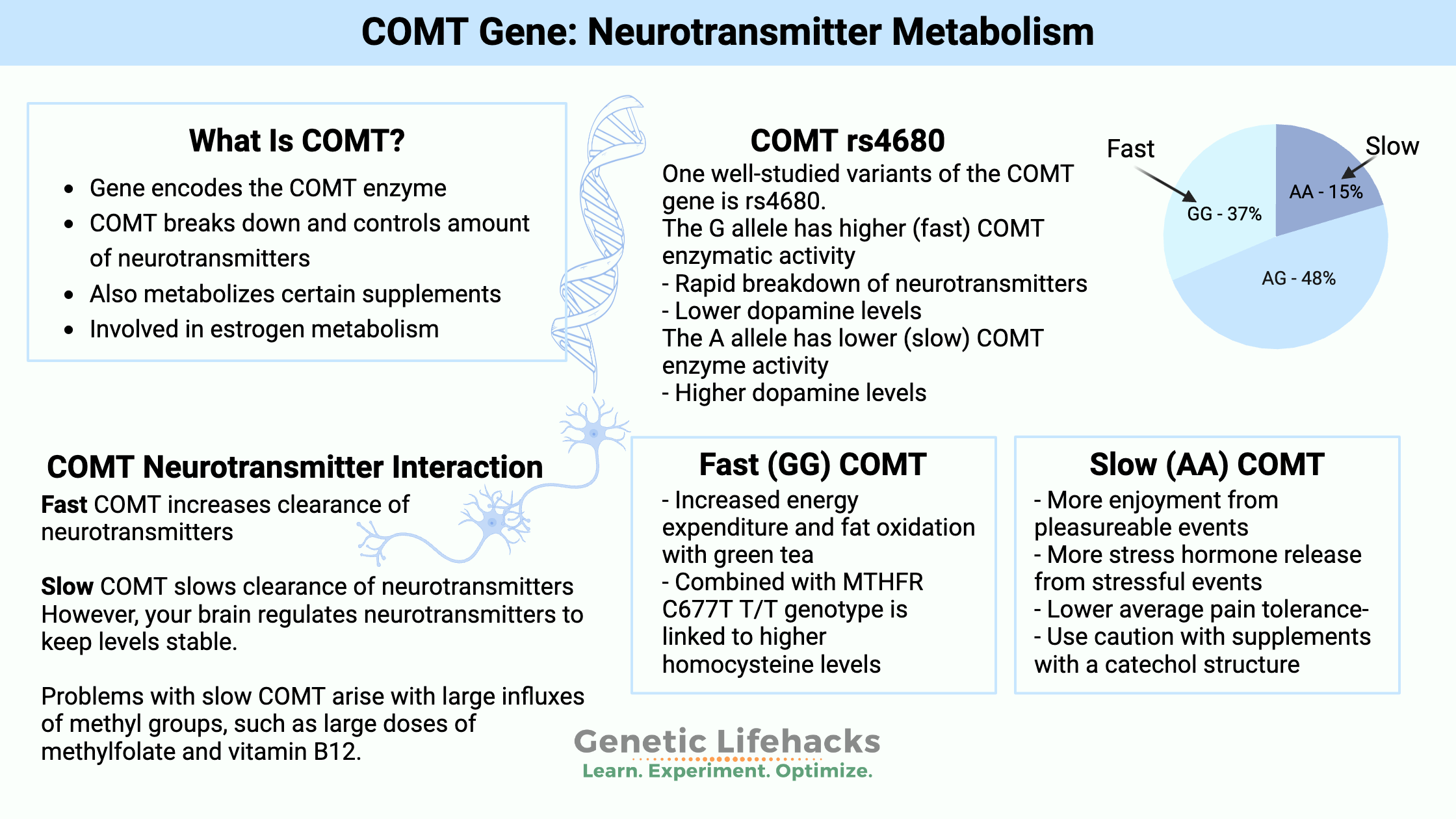
Wondering why your neurotransmitters are out of balance? It could be due to your COMT genetic variants. The COMT gene codes for the enzyme catechol-O-methyltransferase which breaks down (metabolizes) the neurotransmitters dopamine, epinephrine, and norepinephrine.
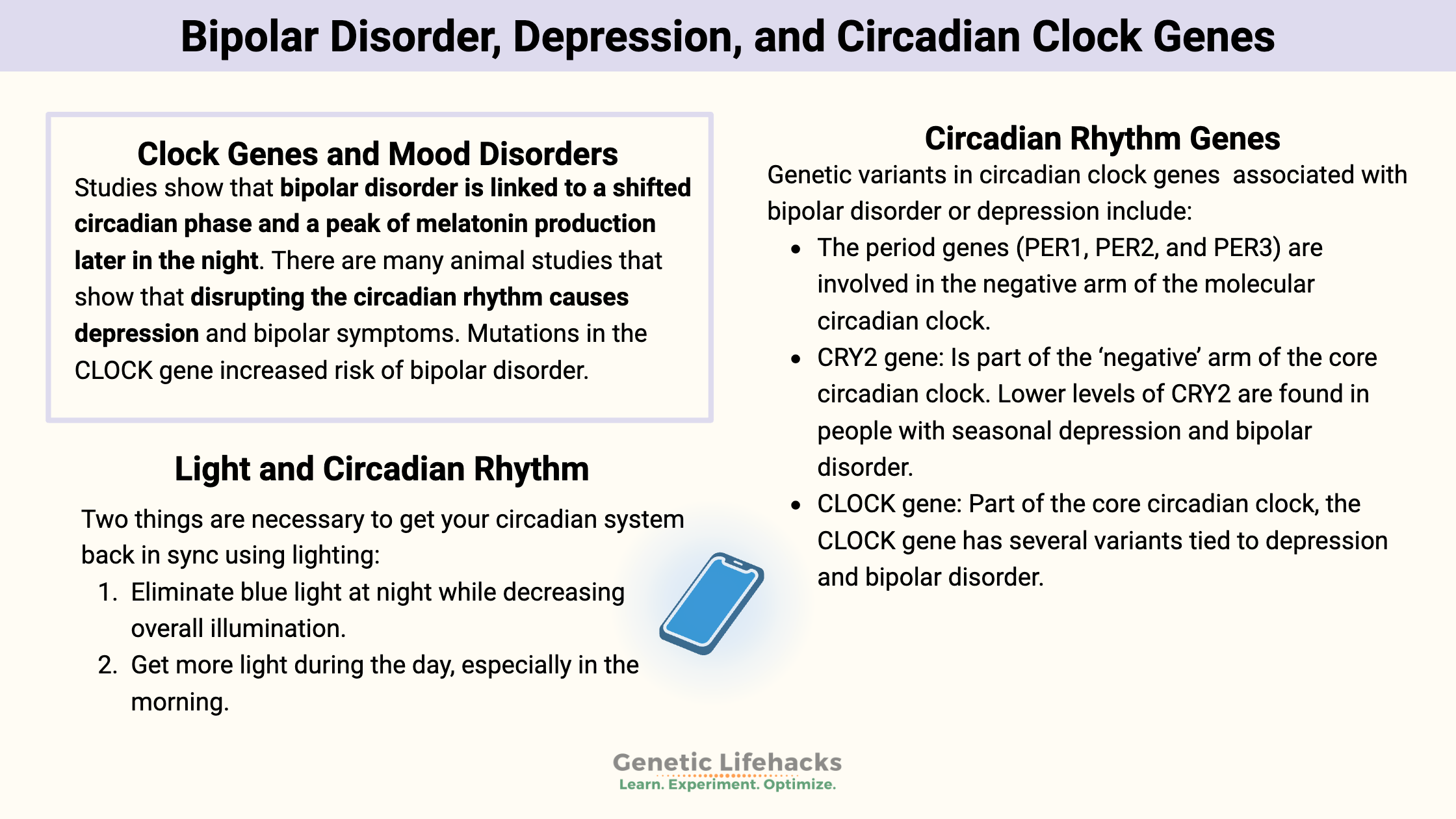
New research shows that depression and bipolar disorder are linked to changes or disruption in circadian genes. Some people carry genetic variants in the circadian genes that make them more susceptible to circadian disruption.
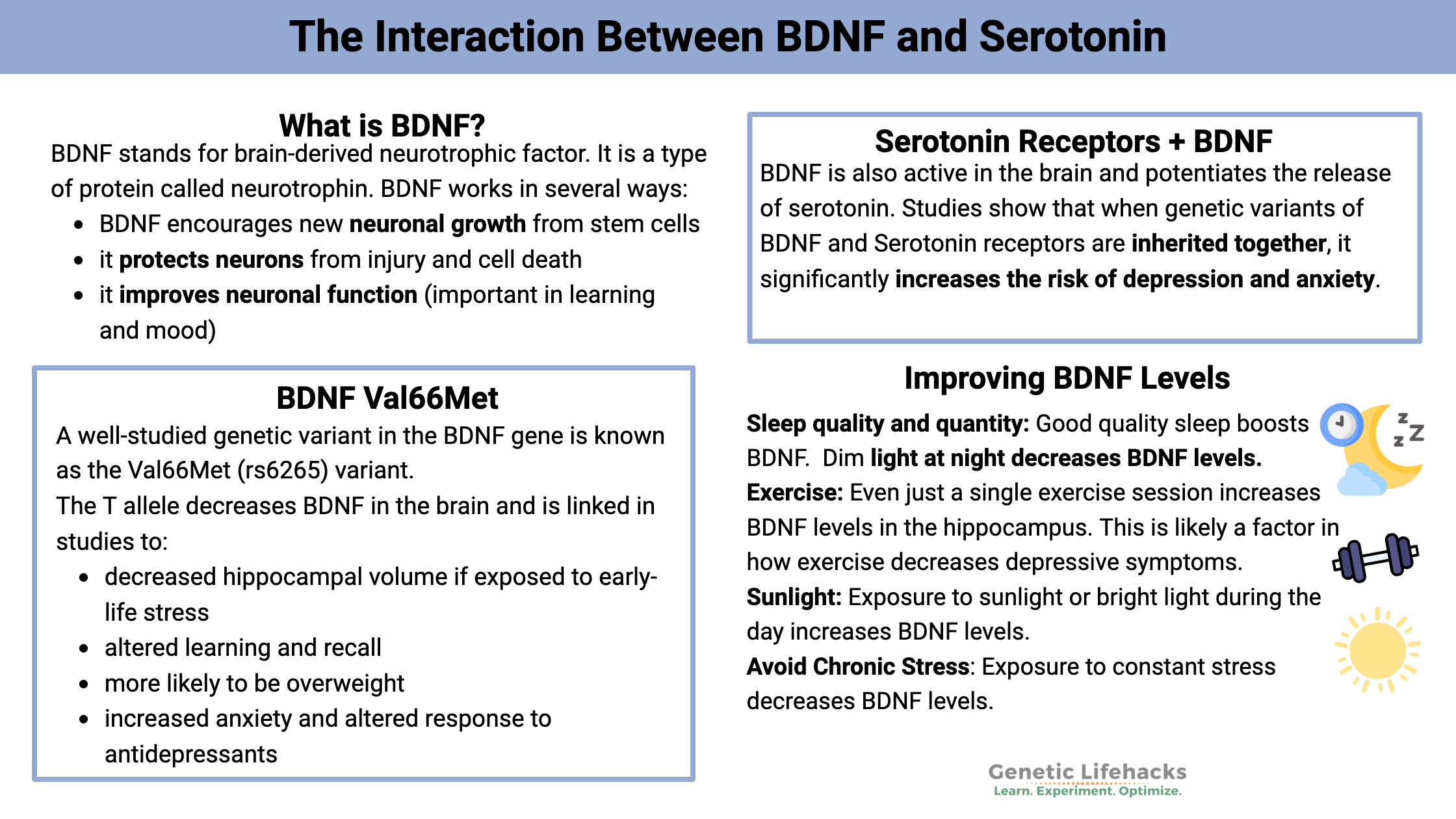
Genetic variants in the BDNF and serotonin receptor genes combine to increase the risk of depression and anxiety. Learn more about BDNF and how these variants interact — and check your genetic data to see how this applies to you.
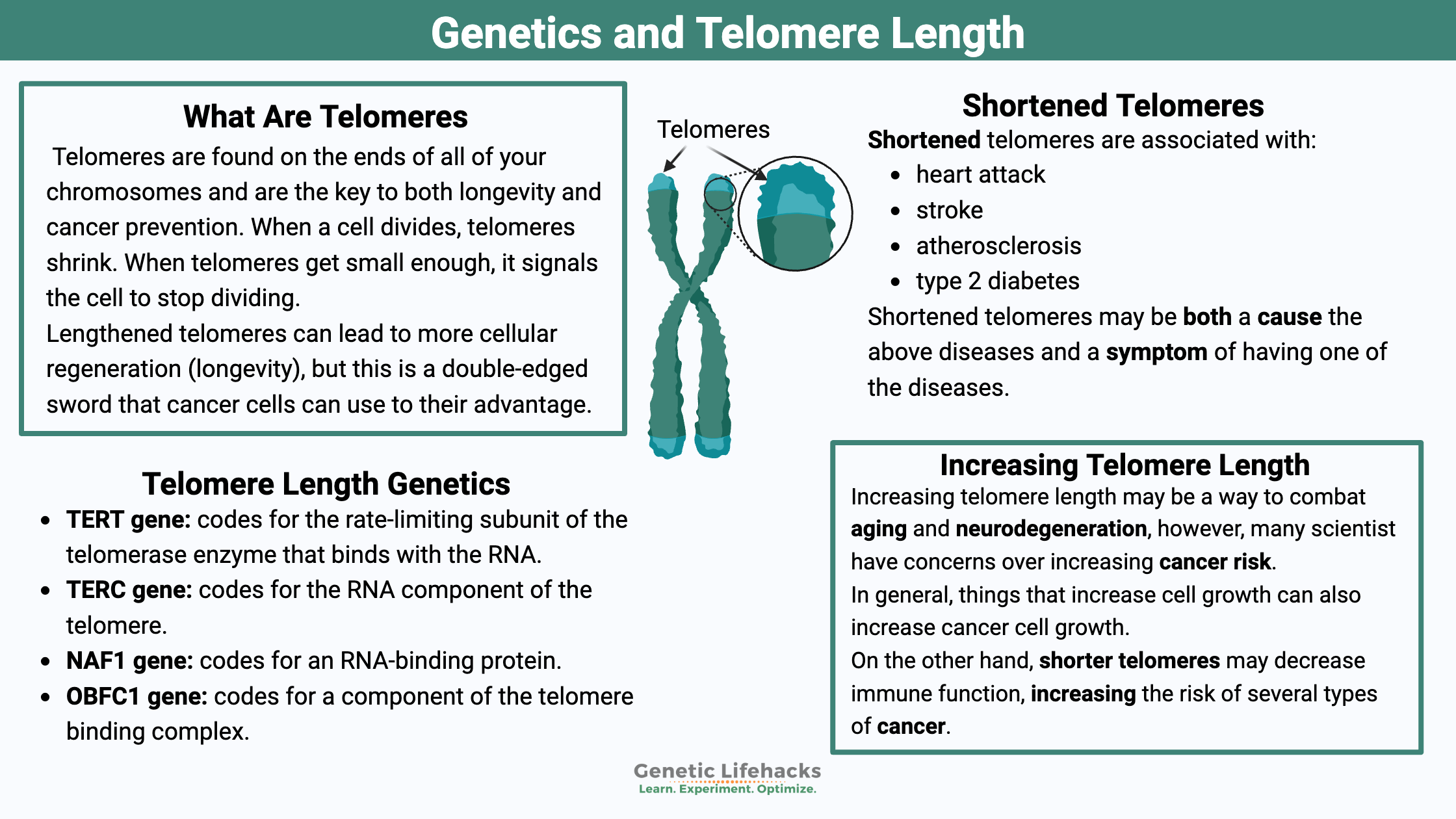
Your telomeres are the region at the end of each chromosome that keeps your DNA intact when your cells divide. Genetics plays a role here – along with diet and lifestyle.
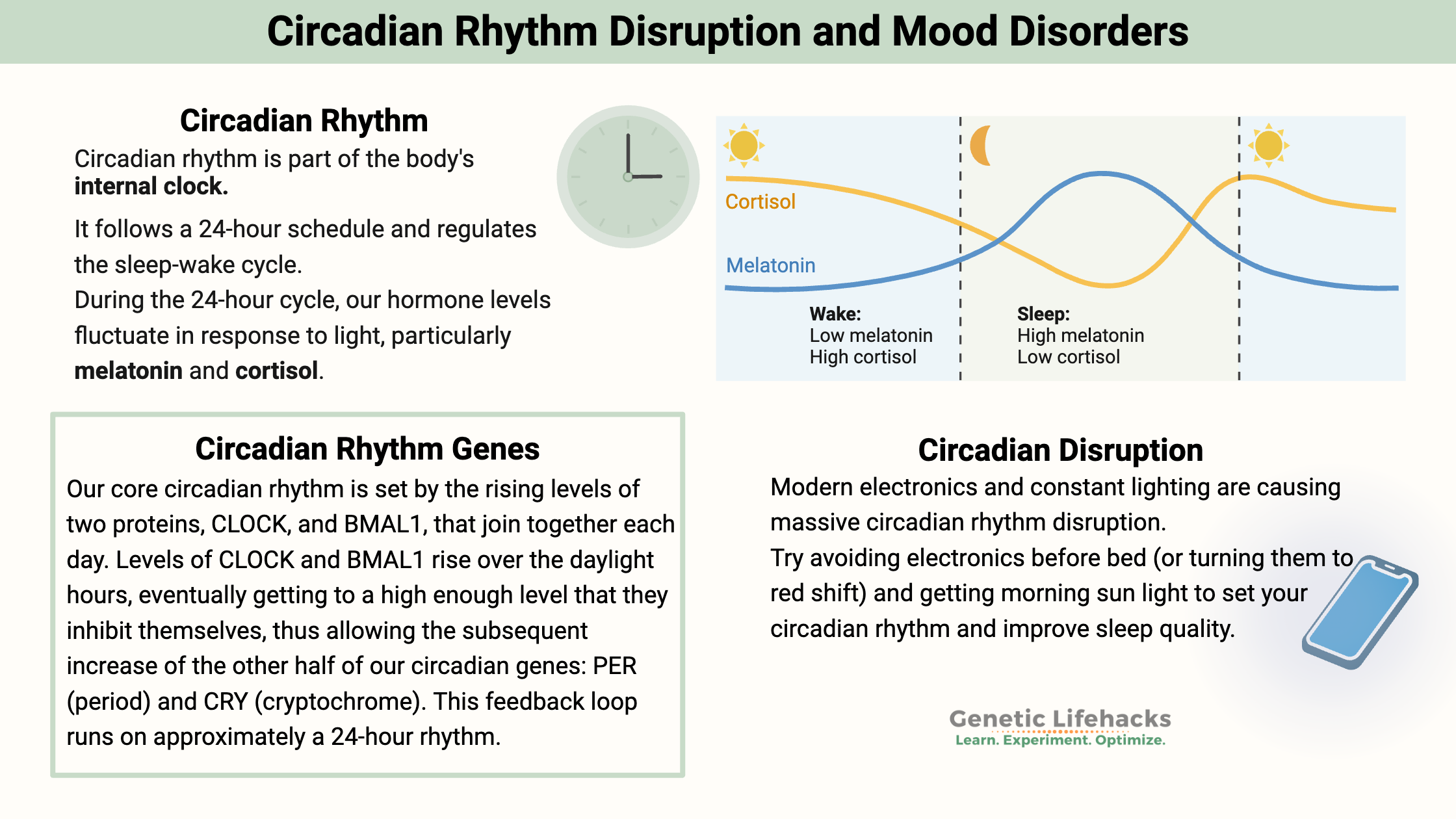
Circadian rhythm disruption can drive mood disorders. Learn more about the genes involved and the ways to normalize your circadian rhythm.