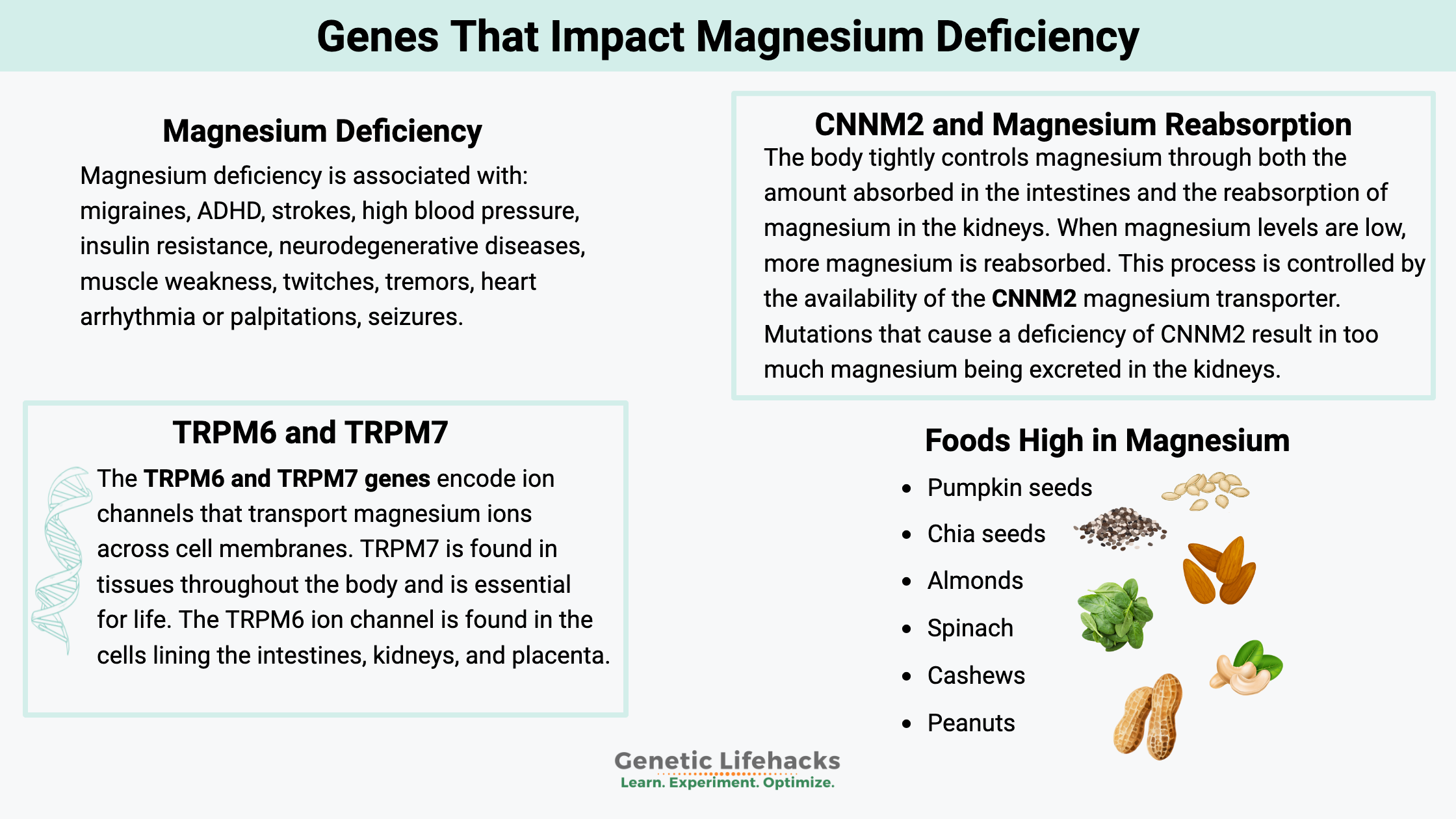
Magnesium Deficiency? Genes that Impact Magnesium Levels
Genes like TRPM6, TRPM7, and CNNM2 affect how well your body absorbs and retains magnesium. See your genotype report for Mg deficiency and types of supplements.

Genes like TRPM6, TRPM7, and CNNM2 affect how well your body absorbs and retains magnesium. See your genotype report for Mg deficiency and types of supplements.
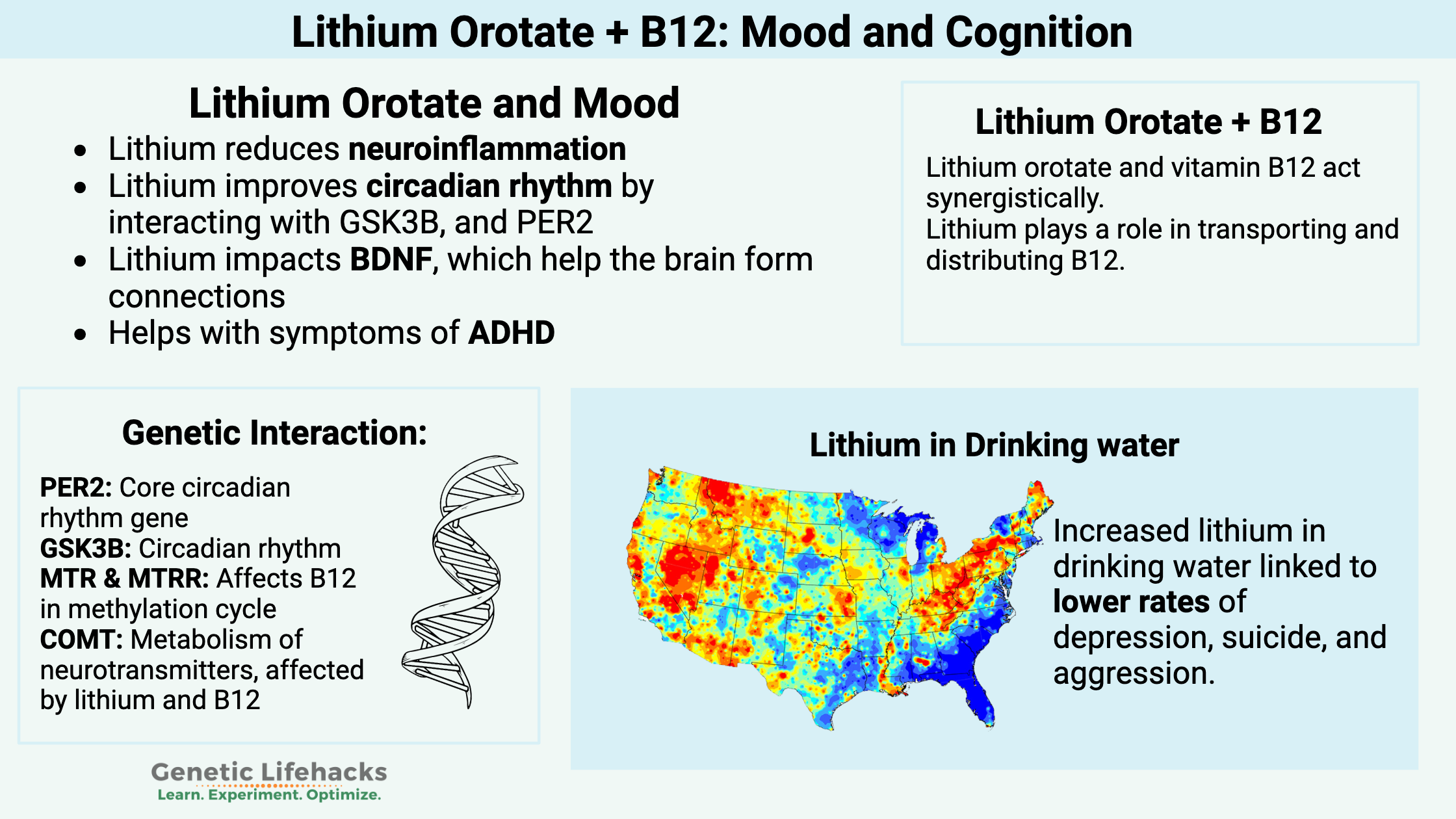
For some people, low-dose, supplemental lithium orotate is a game changer when combined with vitamin B12. But other people may have little to no response. The difference may be in your genes.
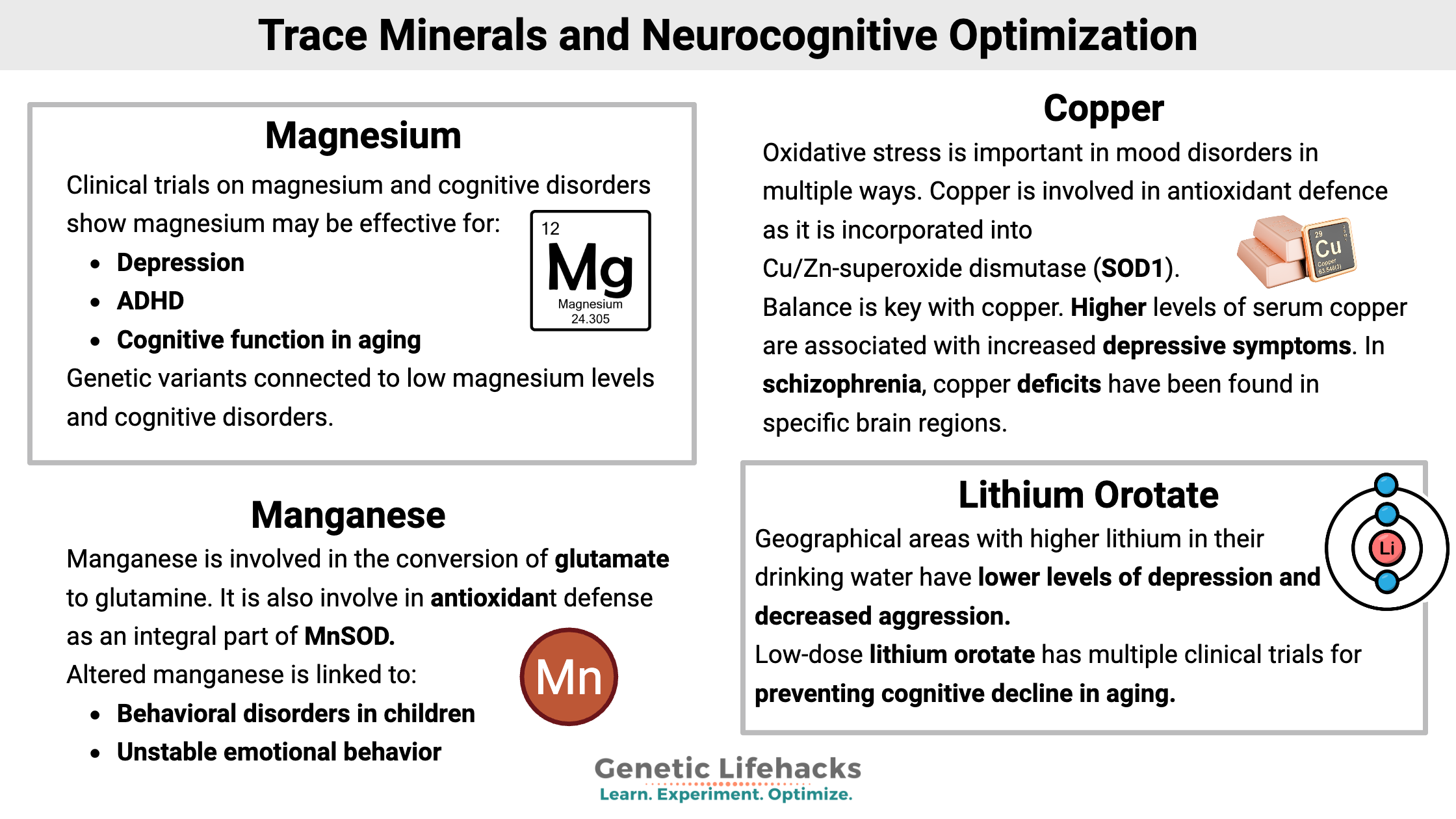
Trace minerals affect neurotransmitter levels and neuroinflammation. Getting the right levels of micronutrients can help optimize neurocognitive function.
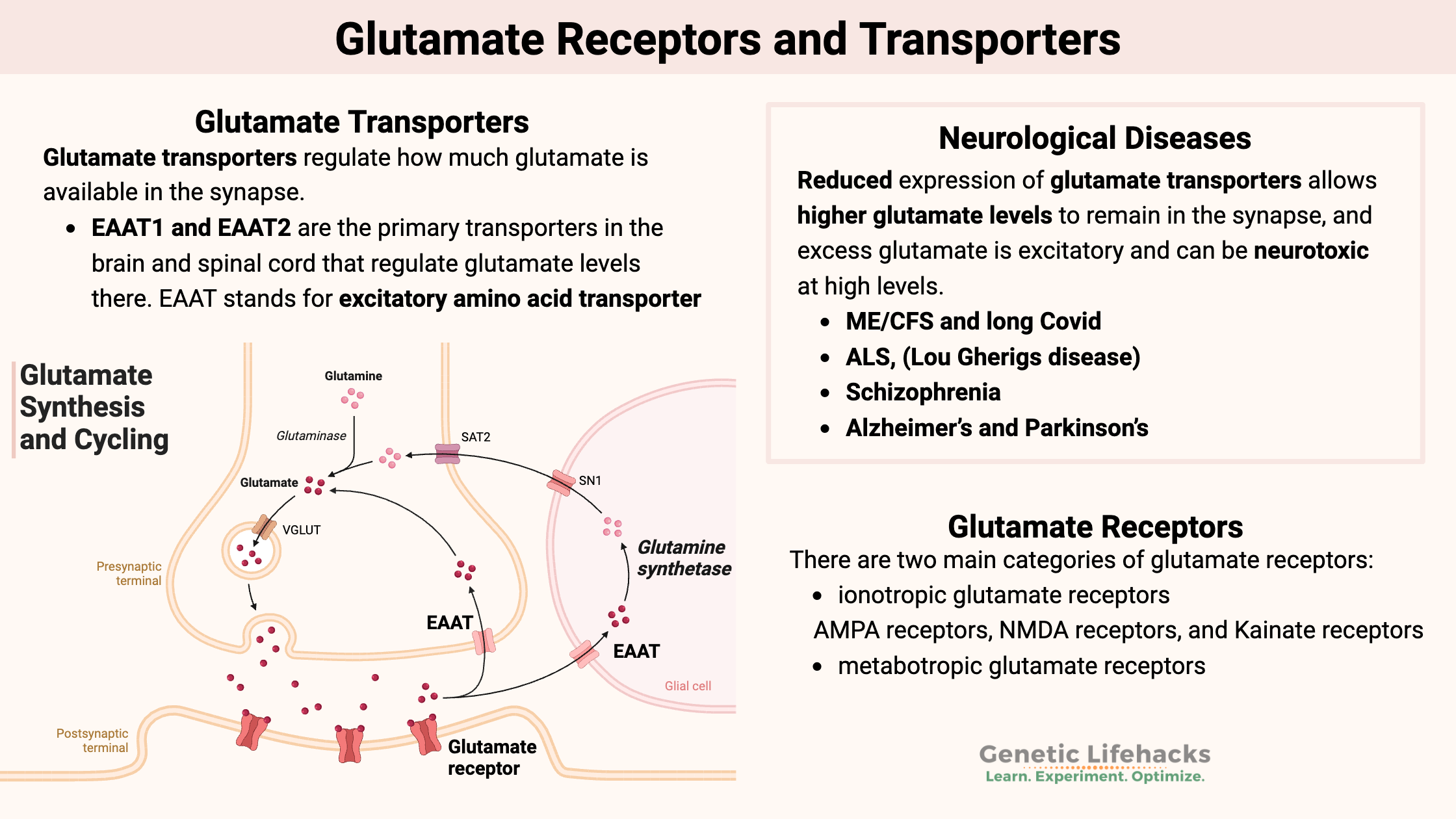
Glutamate transporters and receptors carefully balance glutamate levels in the brain. Variants in the glutamate genes can affect how your brain balances glutamate.
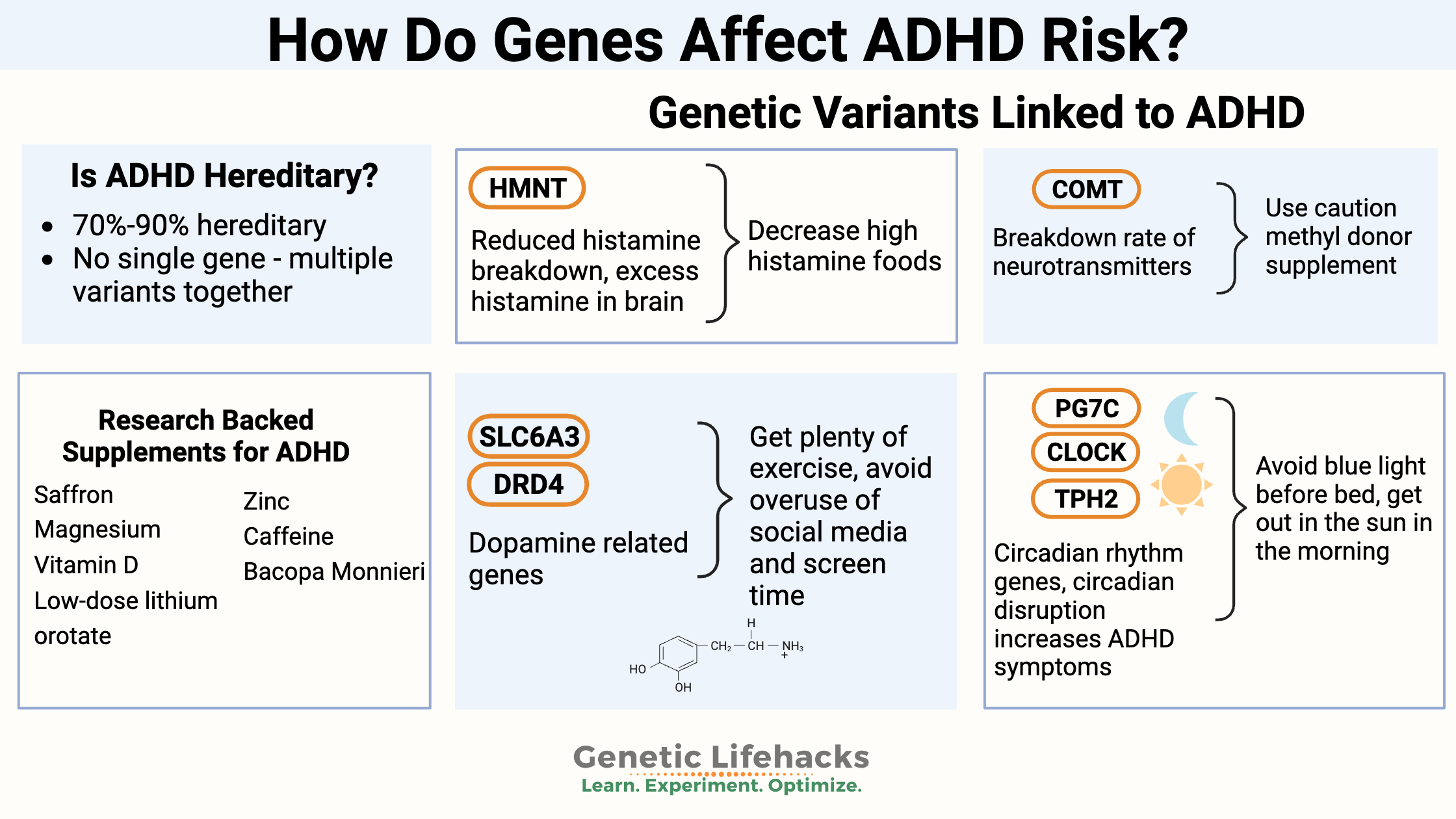
Discover the complex interplay of genetics and environment in ADHD susceptibility. Learn how circadian rhythm and neurotransmitter genes contribute to the disorder, and how toxicant exposure may increase risk.
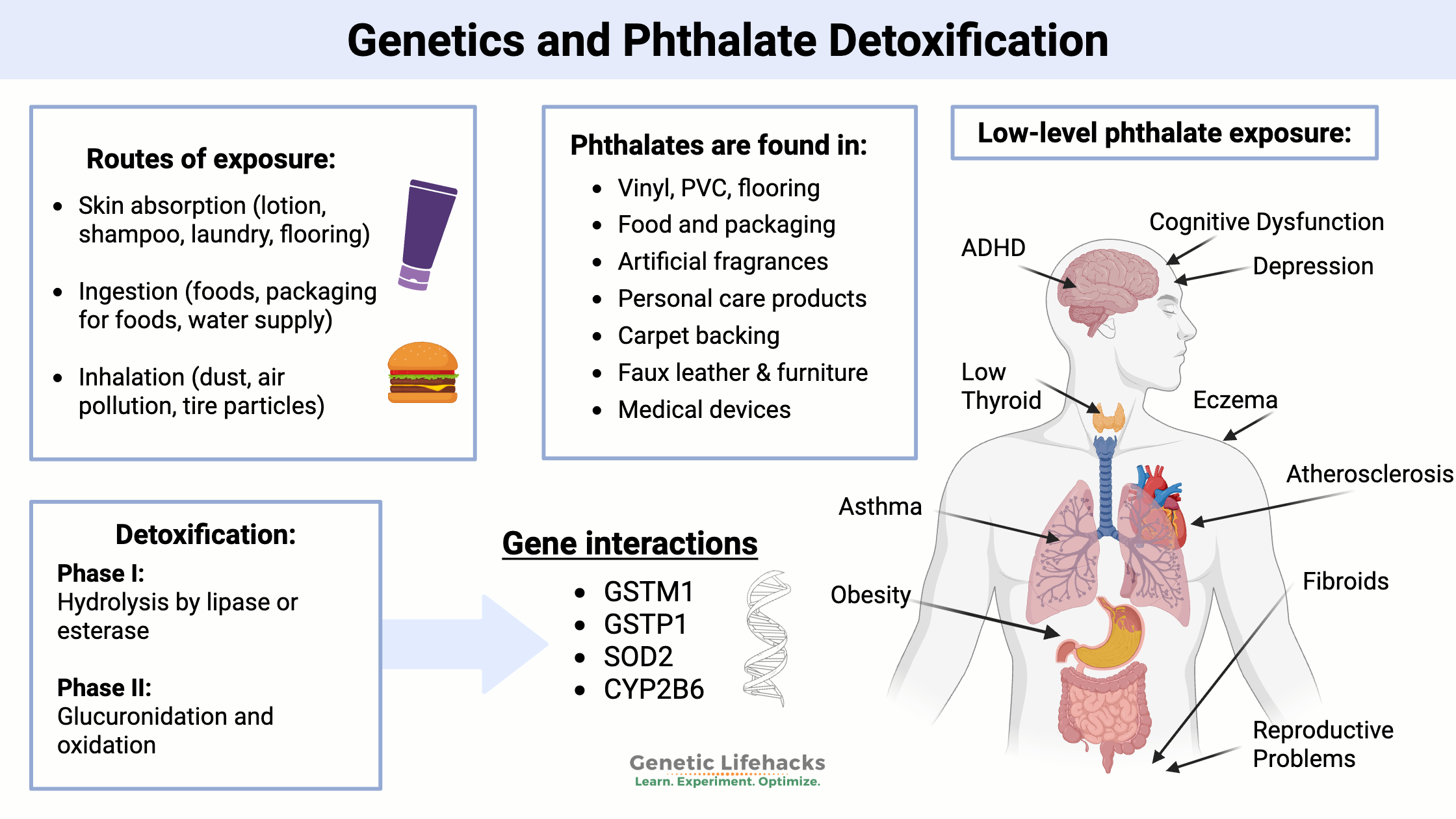
Phthalates are a type of chemical used as plasticizers to make plastics more pliable. There has been a lot of research on the endocrine-disrupting effects of phthalates. Your genetic variants may impact whether phthalates are a problem for you.
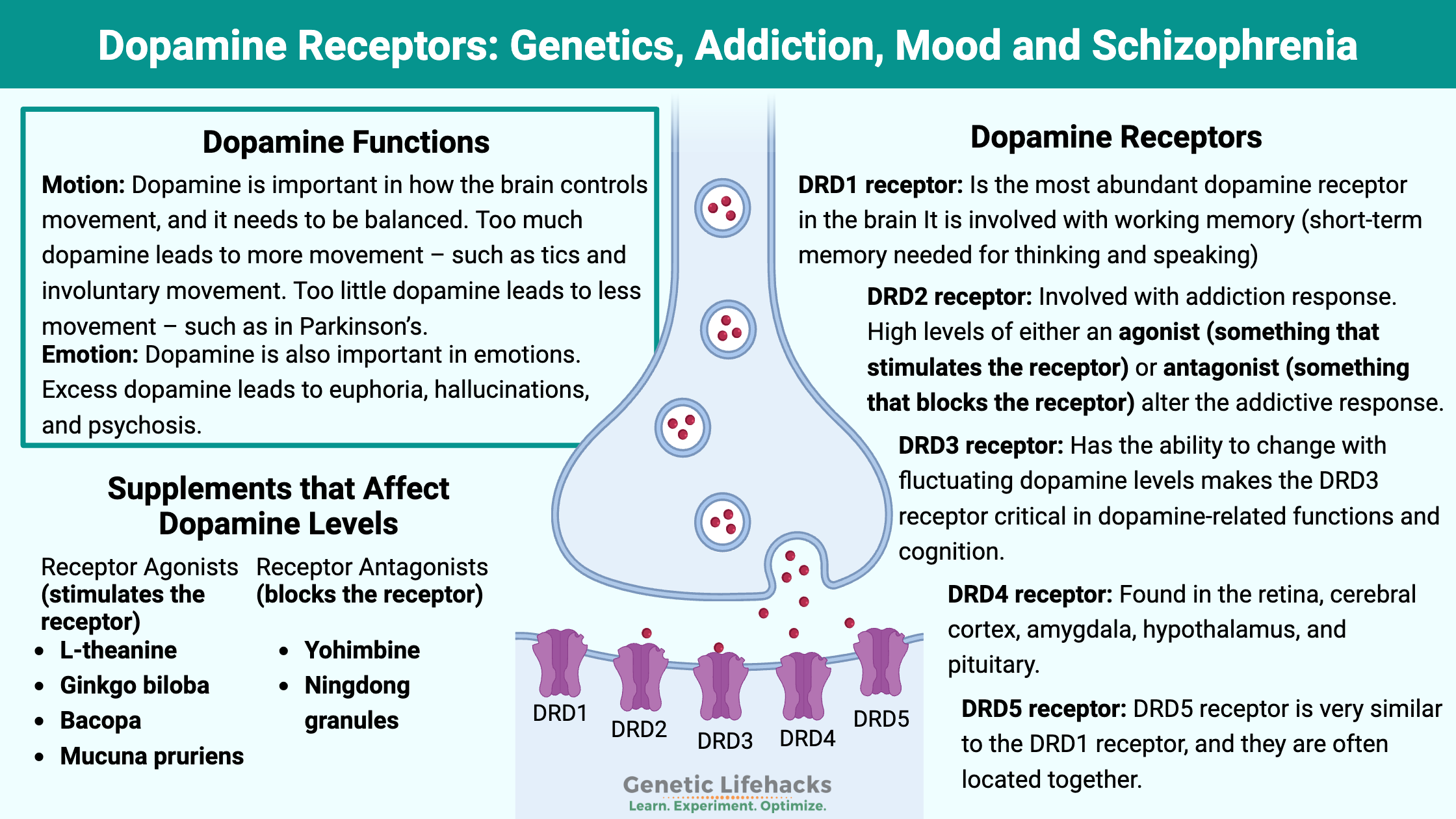
Dopamine is a powerful player in our cognitive function – impacting mood, movement, and motivation. Genetic variants in the dopamine receptors influence addiction, ADHD, neurological diseases, depression, psychosis, and aggression.
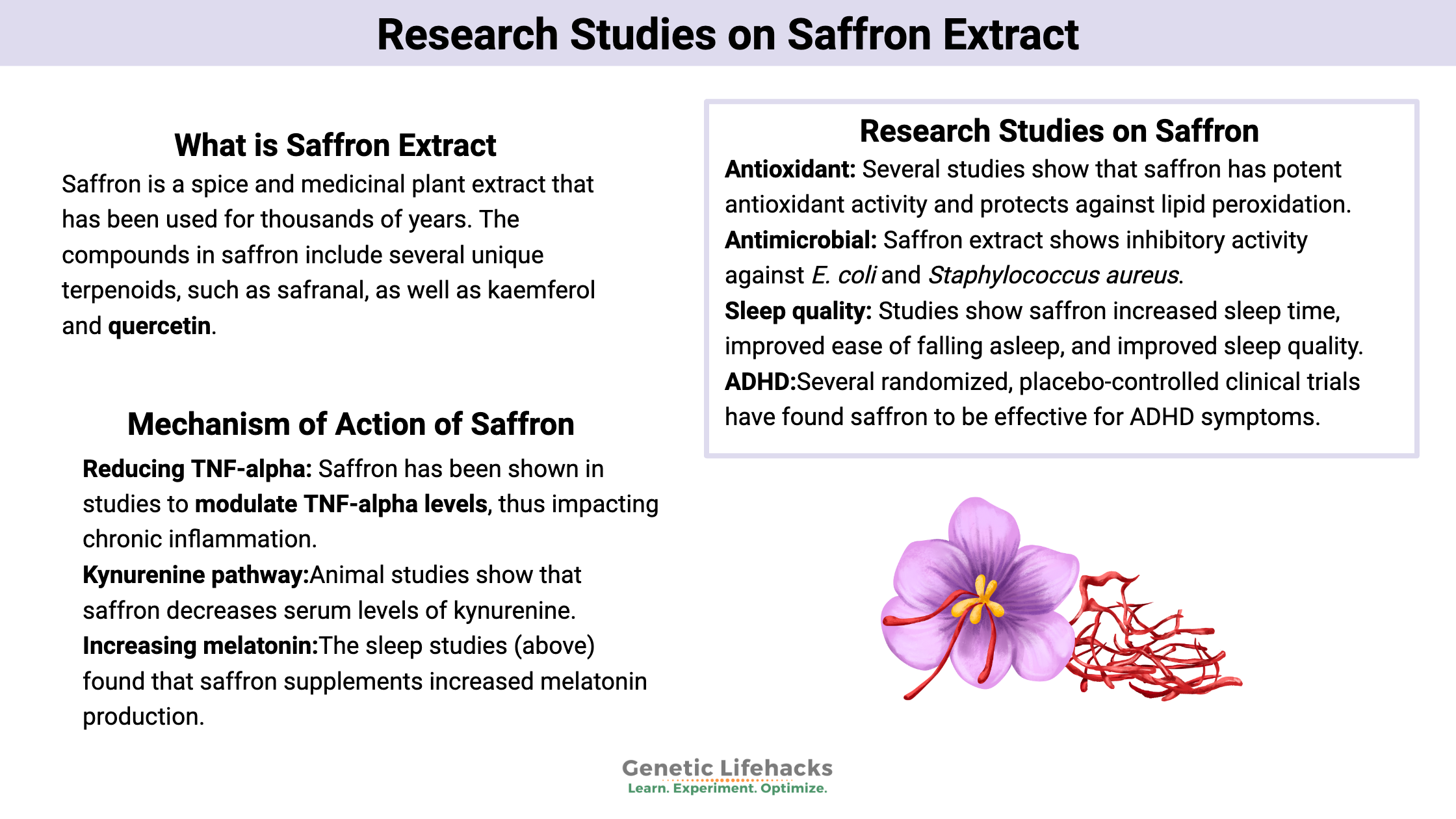
Recent clinical trials show that saffron extract is as effective as standard medications in some people for ADHD, Alzheimer’s, major depressive disorder, and high cholesterol.
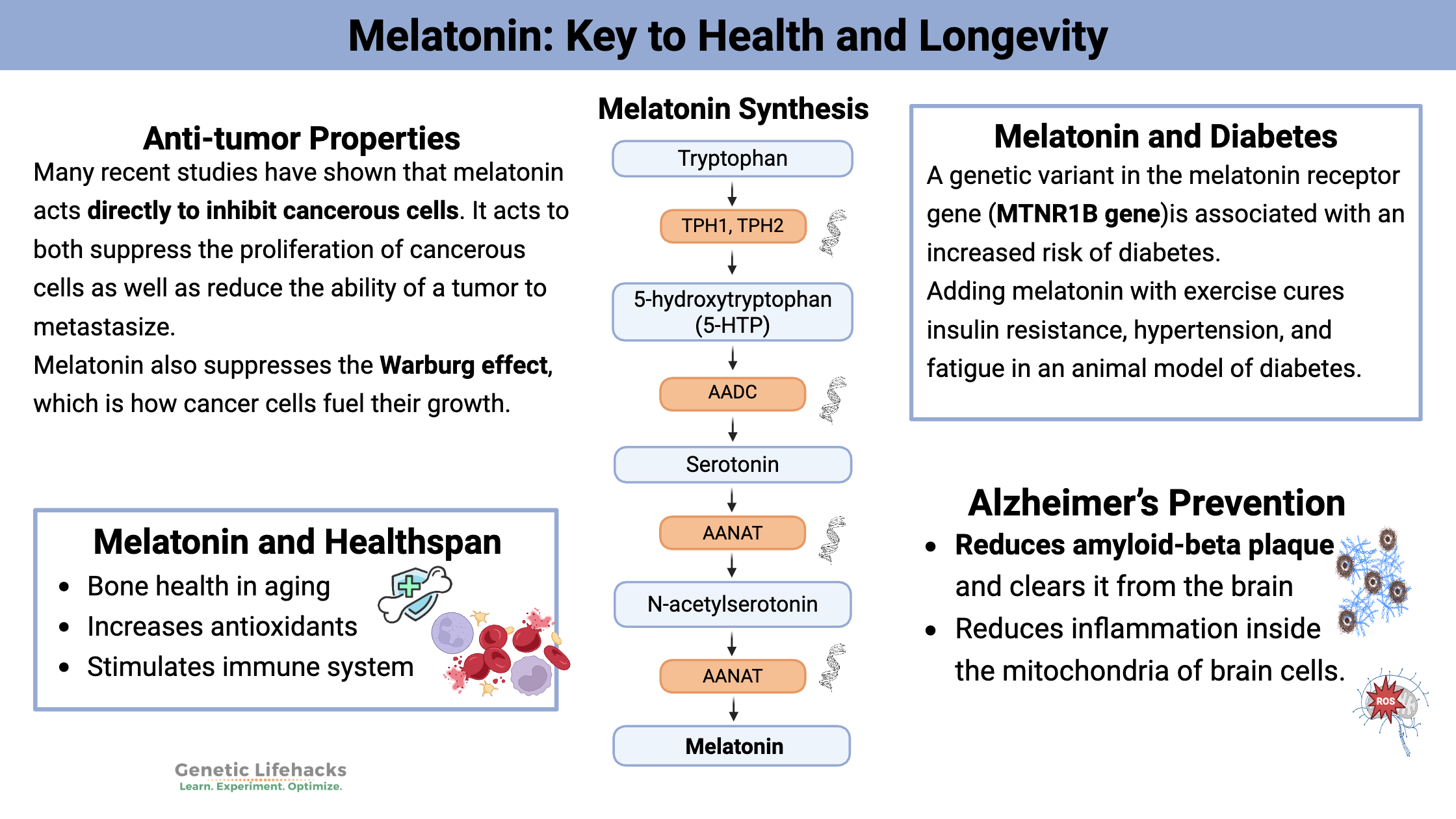
More than just a sleep hormone, melatonin is at the heart of many health topics. Your genetic variants play a big role in the production of melatonin. Learn how your lifestyle and diet interact with your melatonin-related genes.