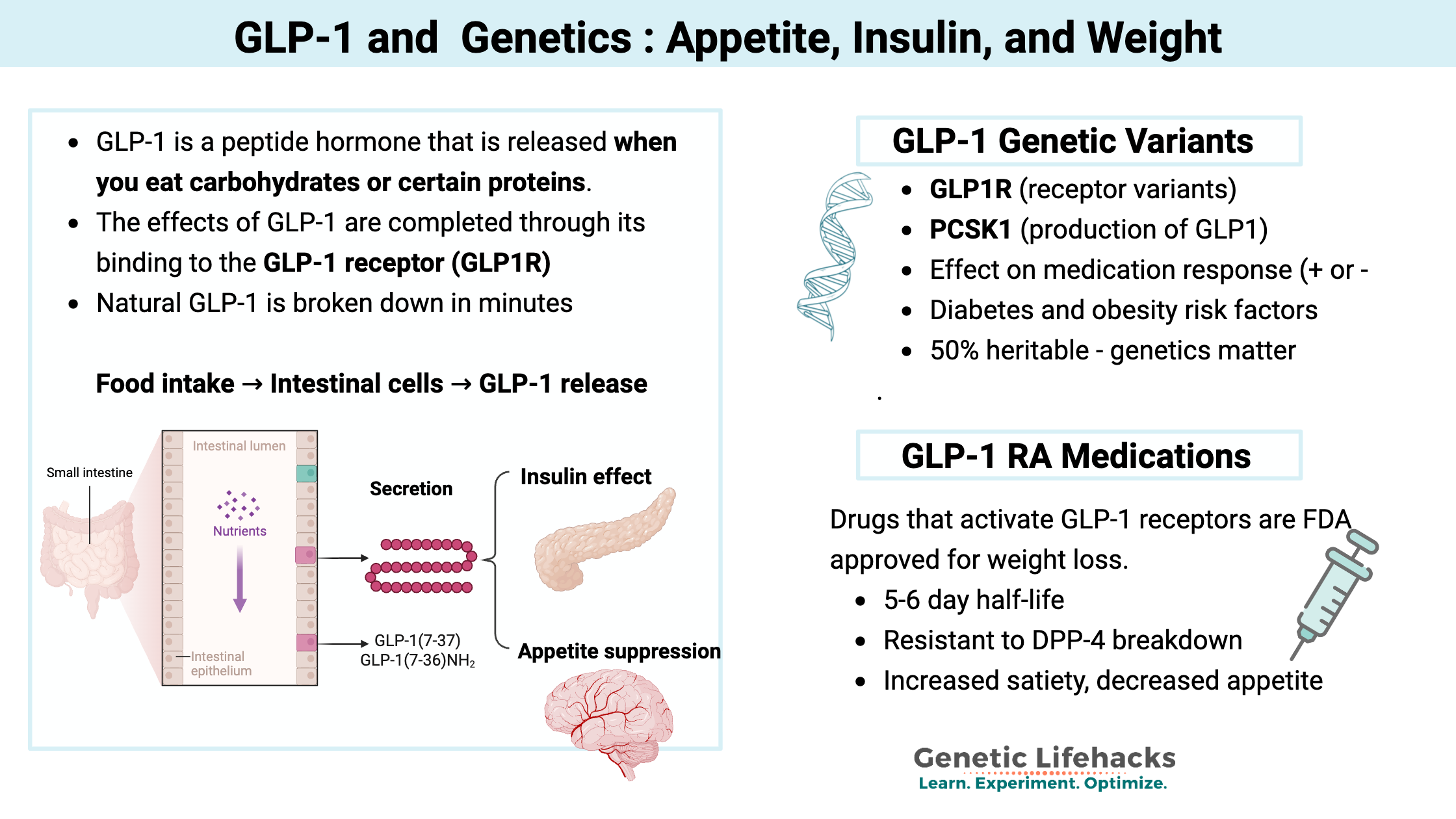
GLP-1 Genetics: How Genes Affect Appetite, Semaglutide, and Tirzepatide Response
Genes affect how well semaglutide (Ozympic) and tirzepatide work. Check your GLP-1 receptor gene variants linked to weight loss response. Genotype report included.

Genes affect how well semaglutide (Ozympic) and tirzepatide work. Check your GLP-1 receptor gene variants linked to weight loss response. Genotype report included.
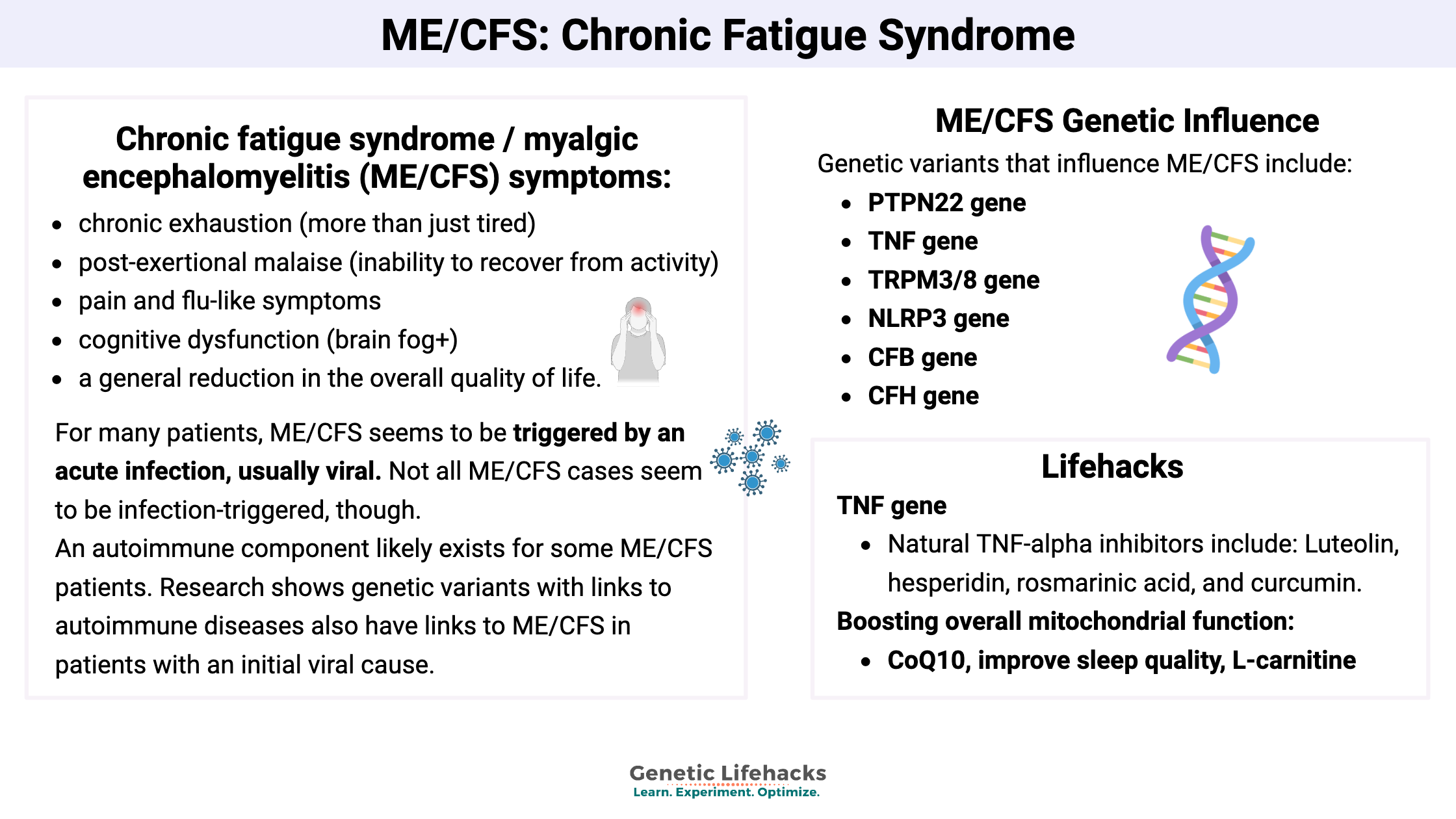
Genetic variants in immune, mitochondrial, and inflammatory pathways (NK cells, NLRP3, interferon, complement, TRP channels) increase ME/CFS susceptibility. Check your genes and explore research-backed solutions.
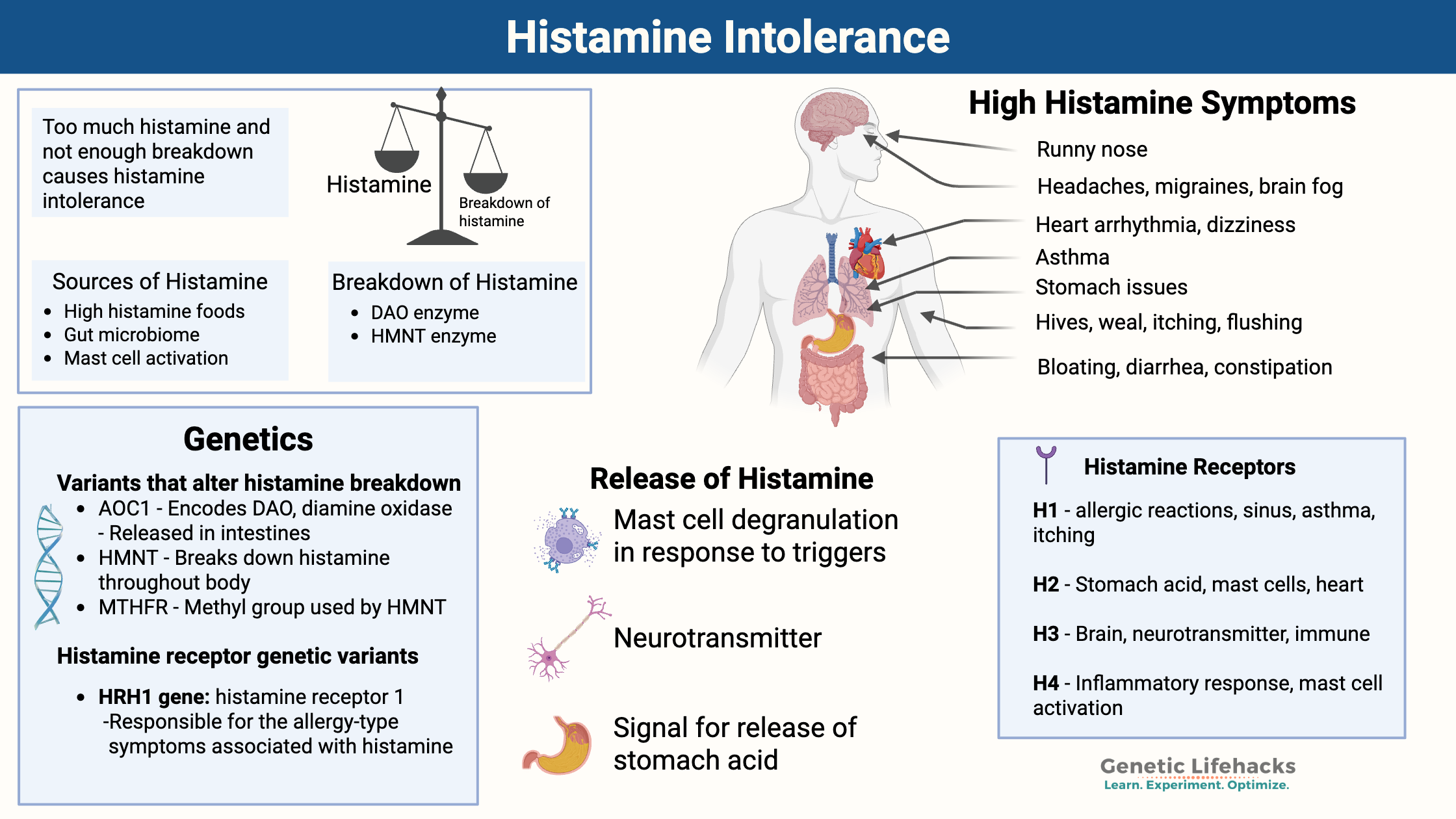
Genetic variants in DAO and HNMT genes affect histamine breakdown. Check your AOC1, HNMT, and HDC genotype. Low-histamine diet, DAO supplements, and more.
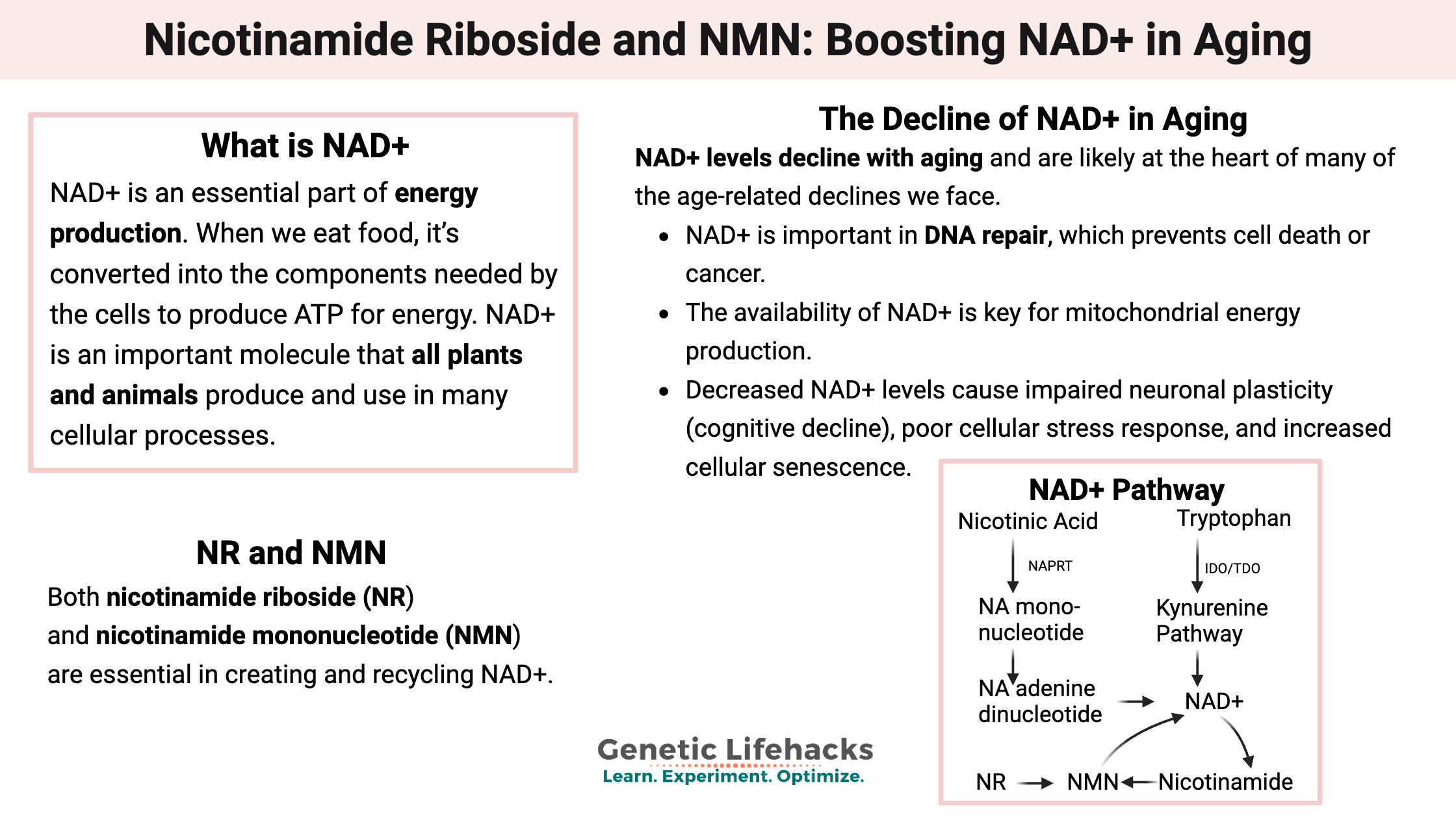
Explore the research about how nicotinamide riboside (NR) and NMN are being used to reverse aging. Learn about how your genes naturally affect your NAD+ levels and how this interacts with the aging process.
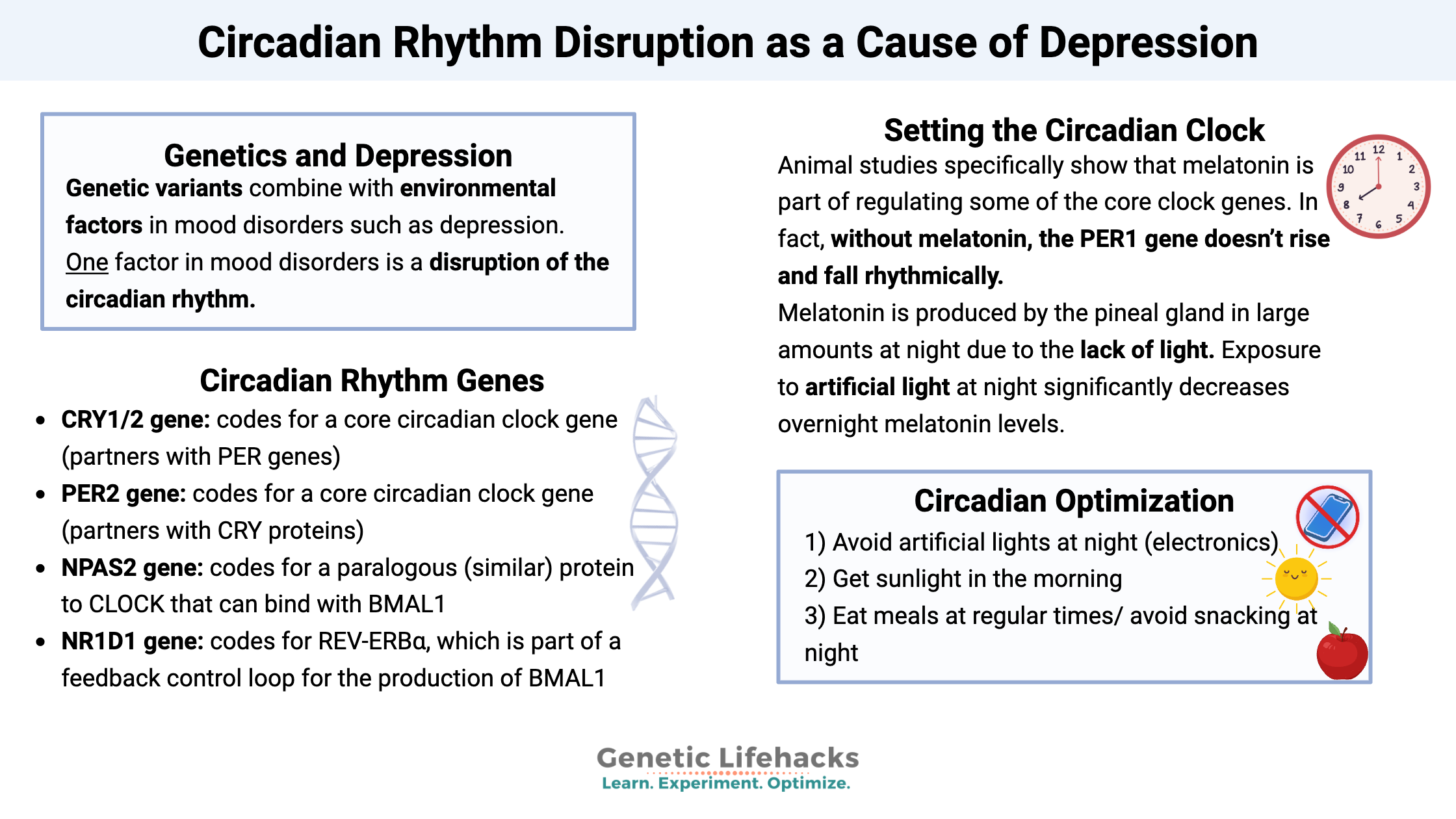
Research shows circadian clock gene variants influence depression risk. Learn how light exposure, genetics, and the molecular clock shape mental health.
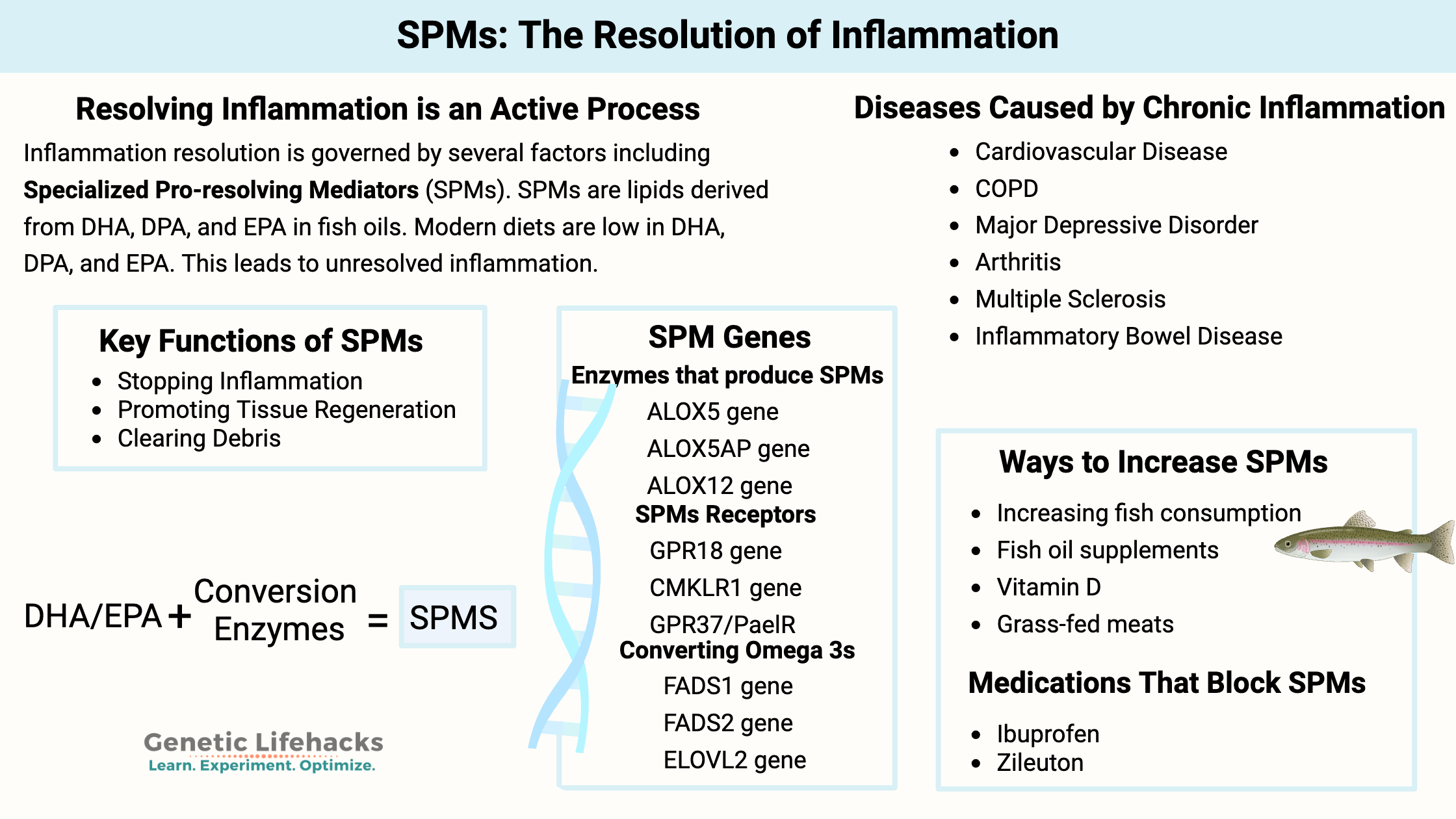
Chronic inflammation is at the root of all diseases. New research discusses how pro-resolving mediators are the key to the resolution of inflammation.
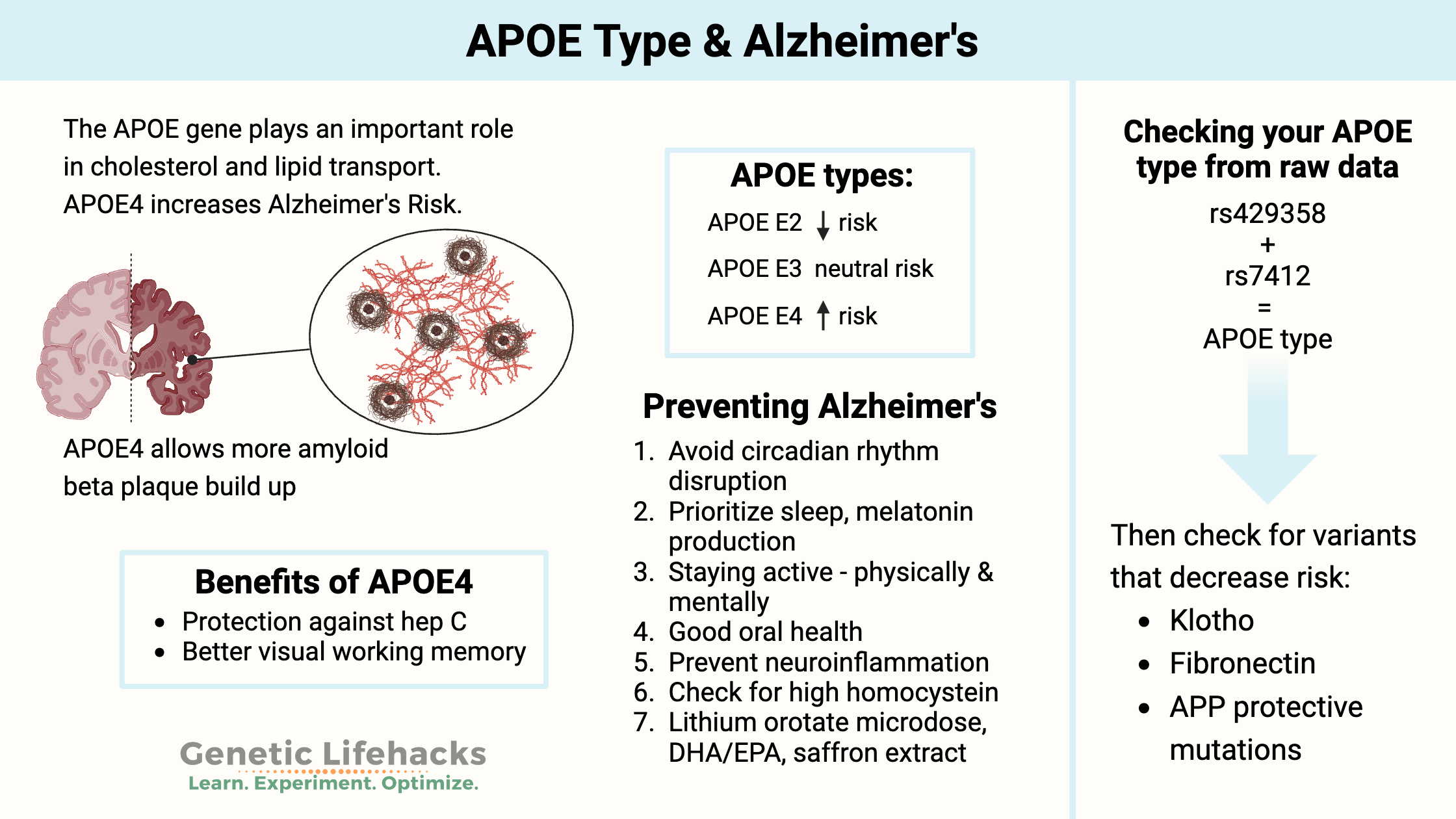
The APOE gene variants are linked with the risk of Alzheimer’s disease. Find out whether you carry the APOE risk type for Alzheimer’s – and learn what research shows about supplements and lifestyle changes to prevent this disease.
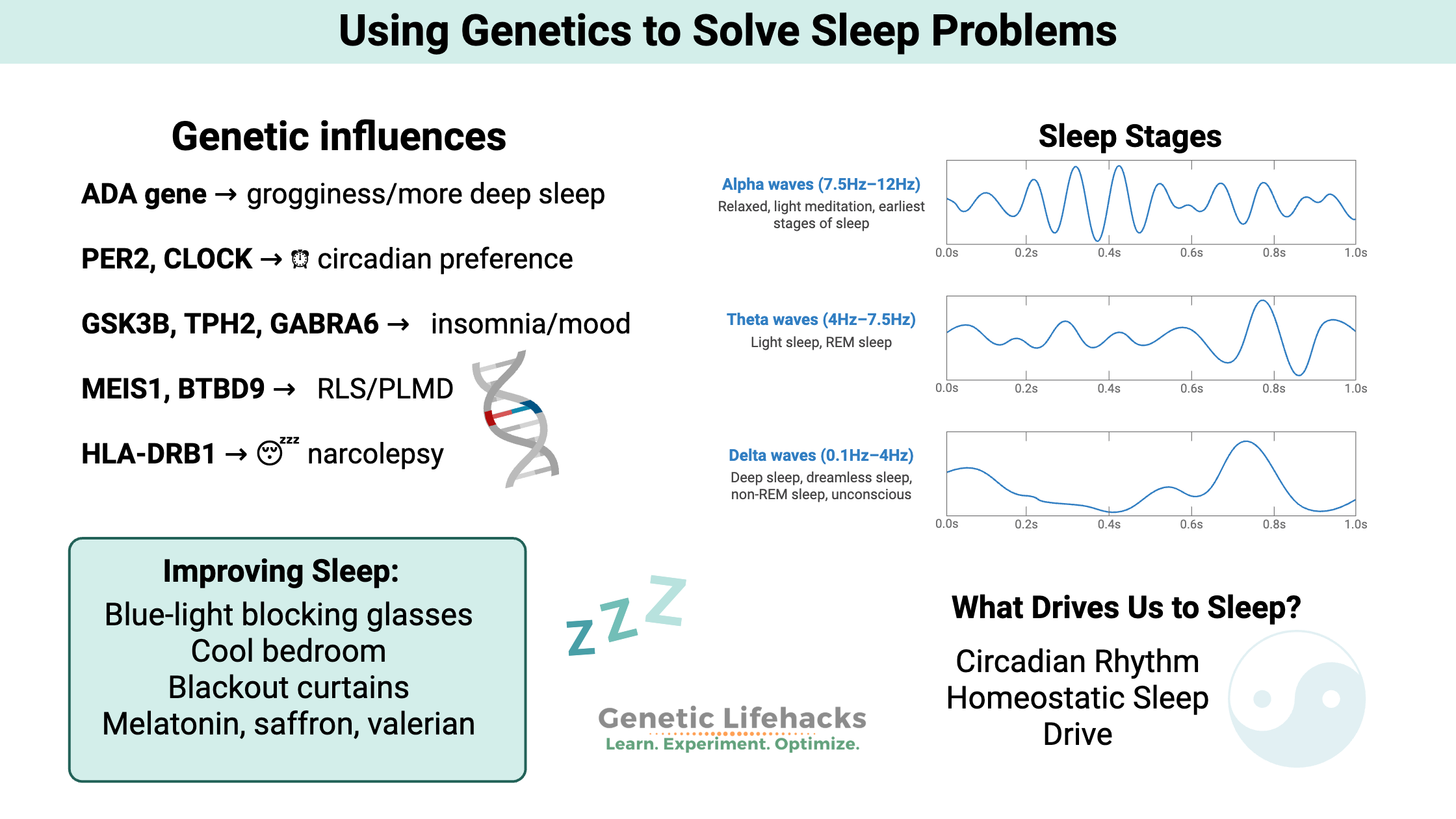
Overview how your genes impact sleep, including insomnia, restless leg, narcolepsy, and circadian rhythm genes.
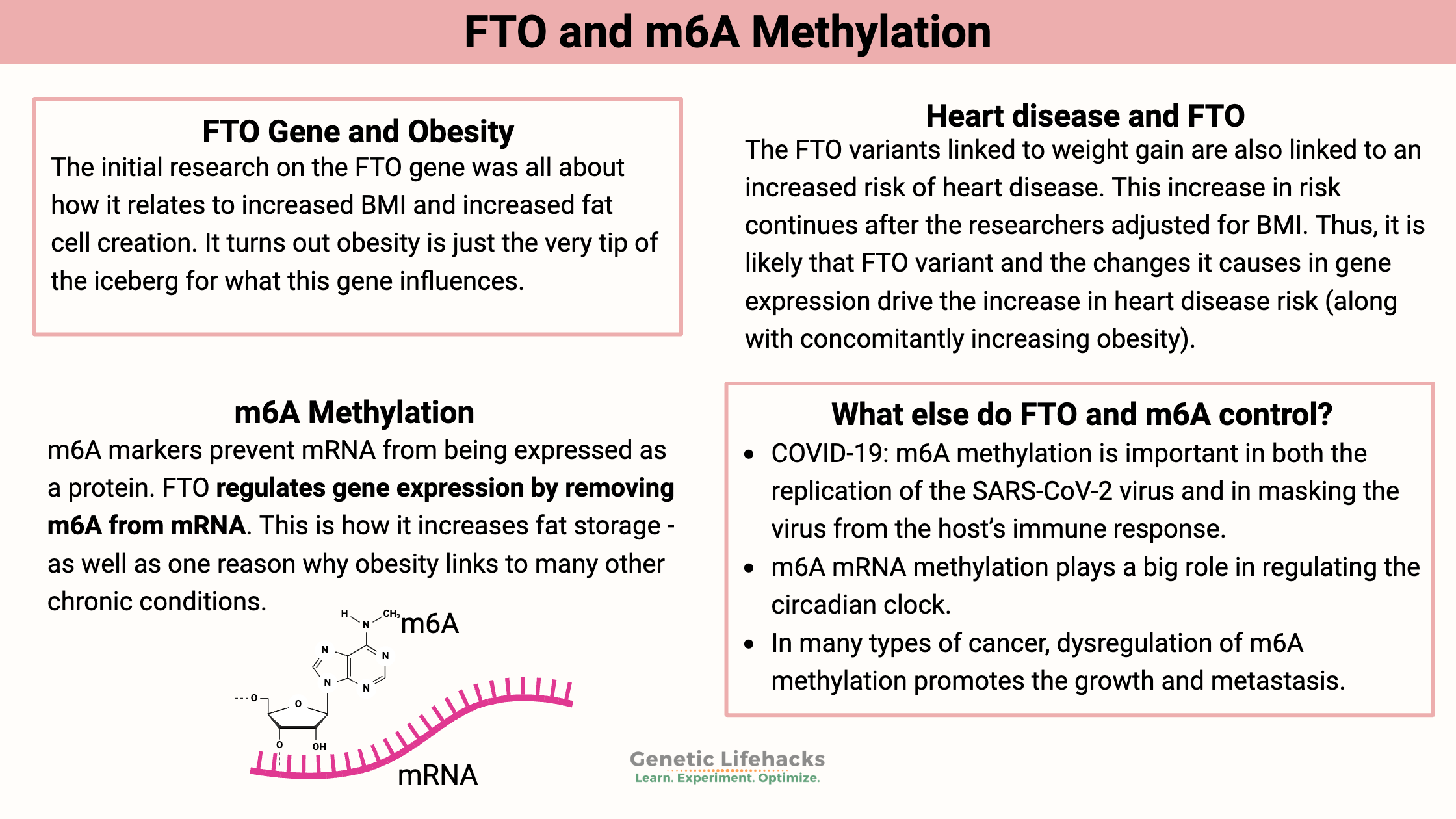
Recently, researchers discovered that FTO is an m6A eraser that removes methyl groups from mRNA. This discovery has opened up huge avenues of research on topics from cancer to immune response to heart disease.
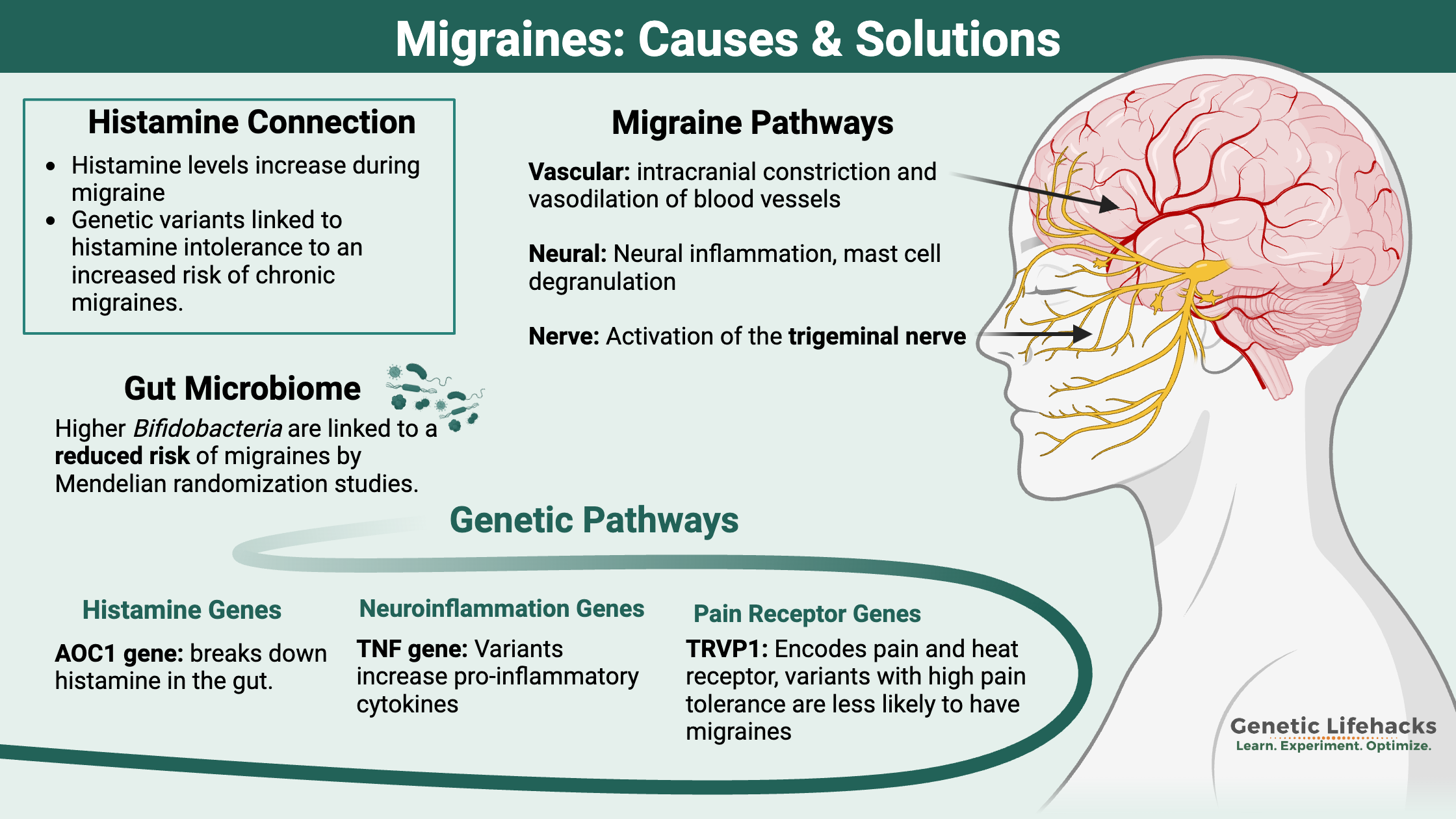
Discover how genetics, triggers, and personalized strategies shape migraine prevention and relief. Find actionable solutions based on your DNA.
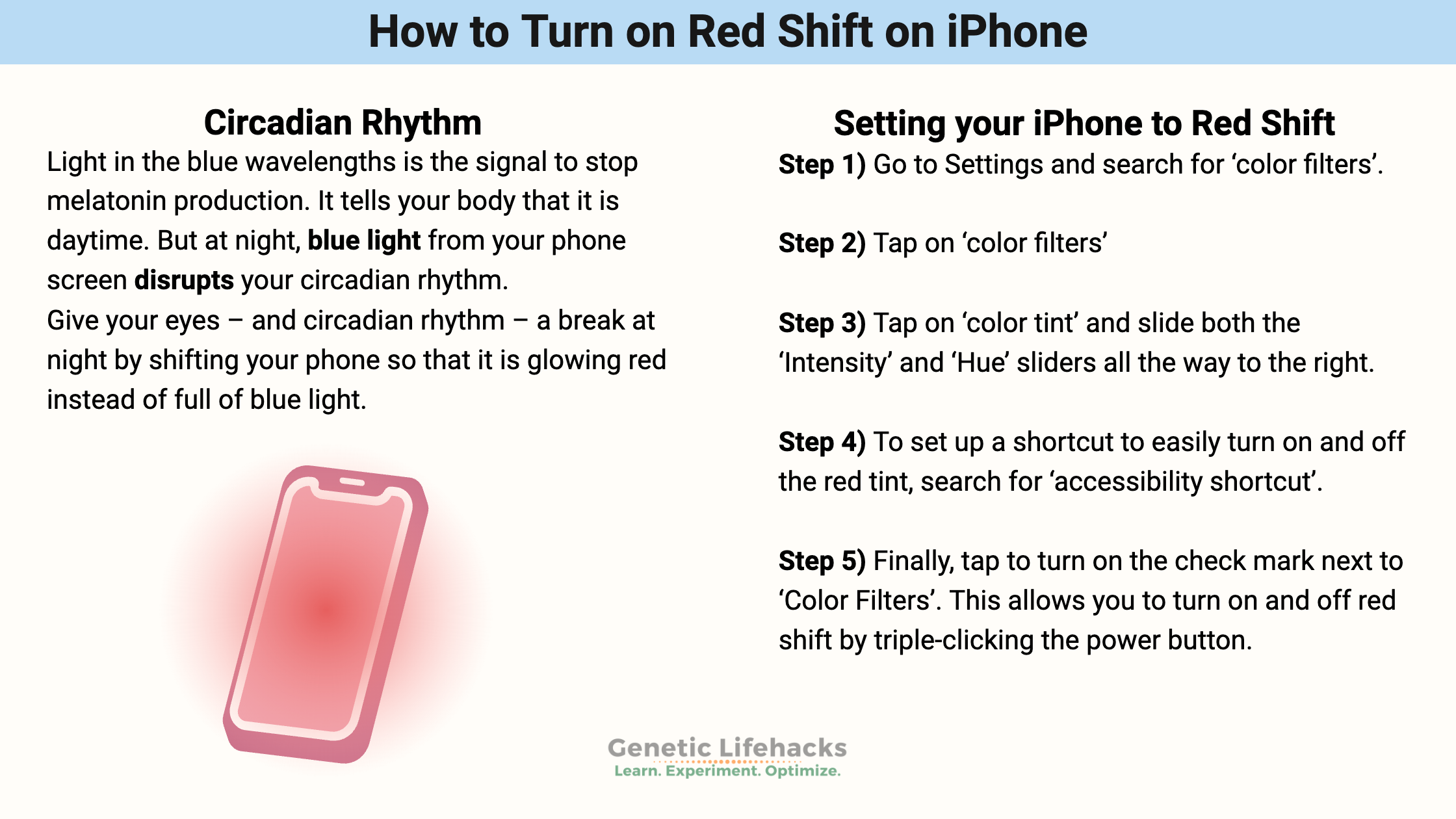
Learn how to shift your iphone screen to be completely red at night (no blue light) with a triple-click of the power button.
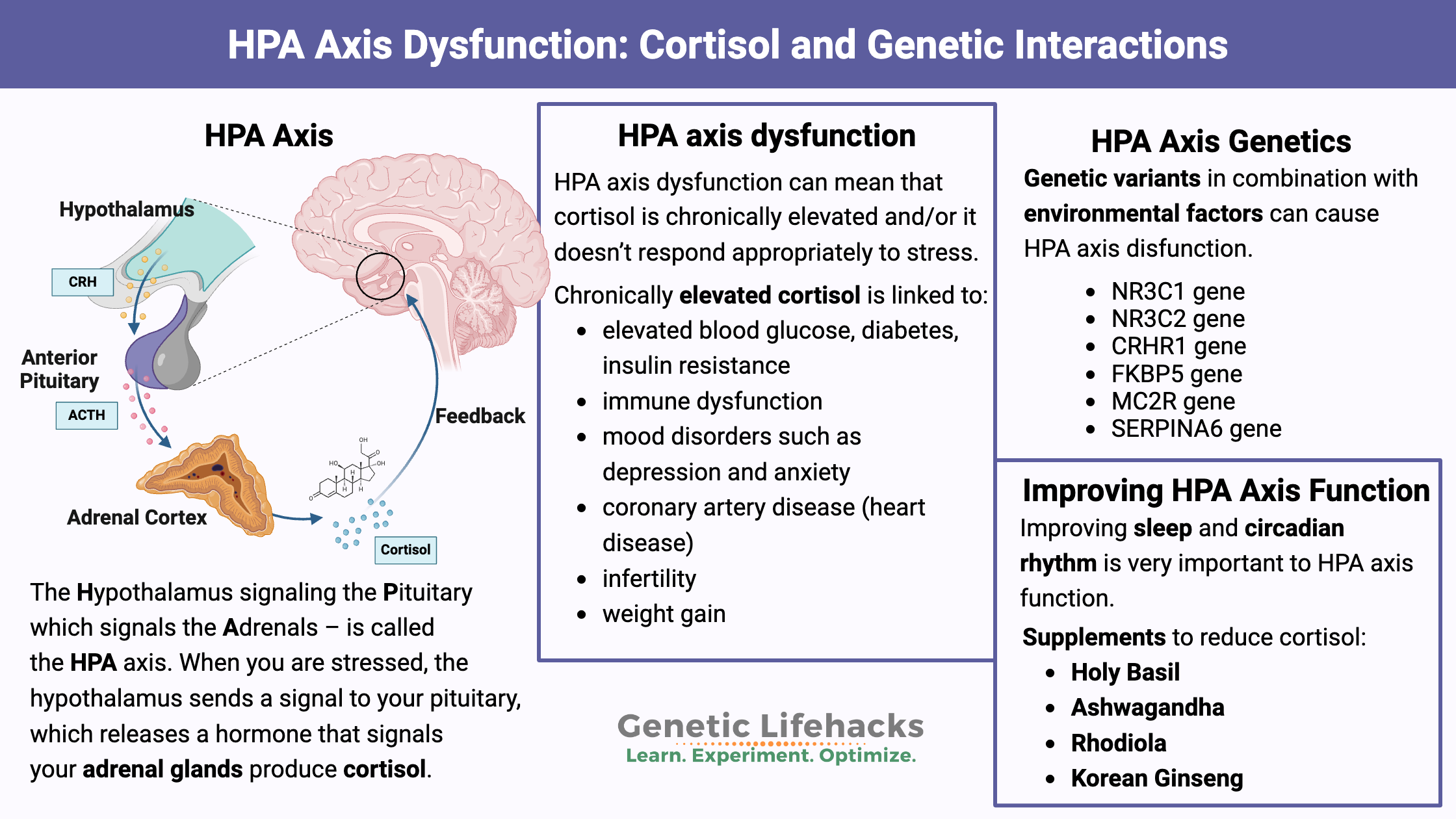
Cortisol is a hormone produced by the adrenal glands in times of stress, and it also plays many roles in your normal bodily functions. It is a multi-purpose hormone that needs to be in the right amount (not too high, not too low) and at the right time. Your genes play a big role in how likely you are to have problems with cortisol.
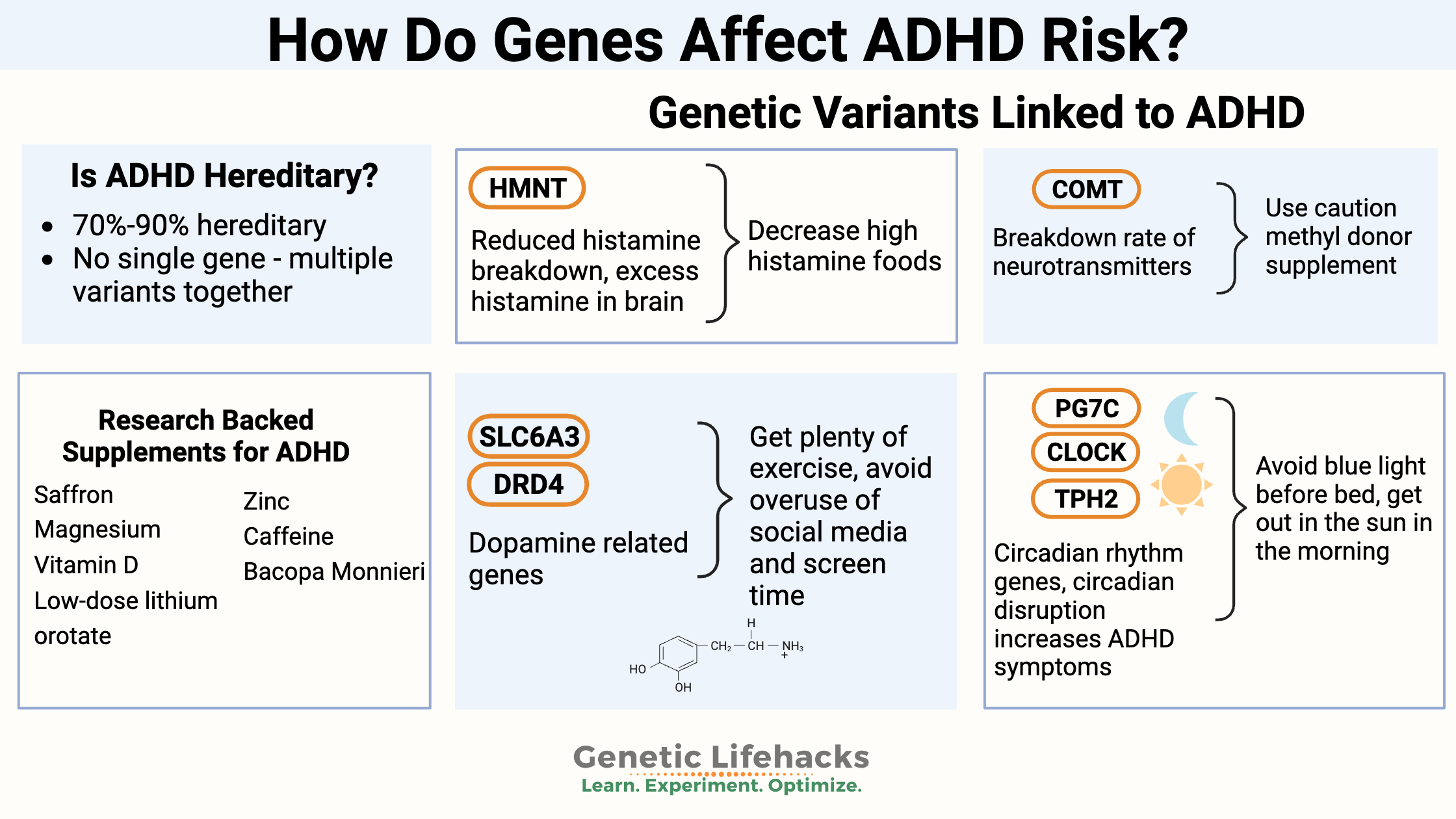
Discover the complex interplay of genetics and environment in ADHD susceptibility. Learn how circadian rhythm and neurotransmitter genes contribute to the disorder, and how toxicant exposure may increase risk.
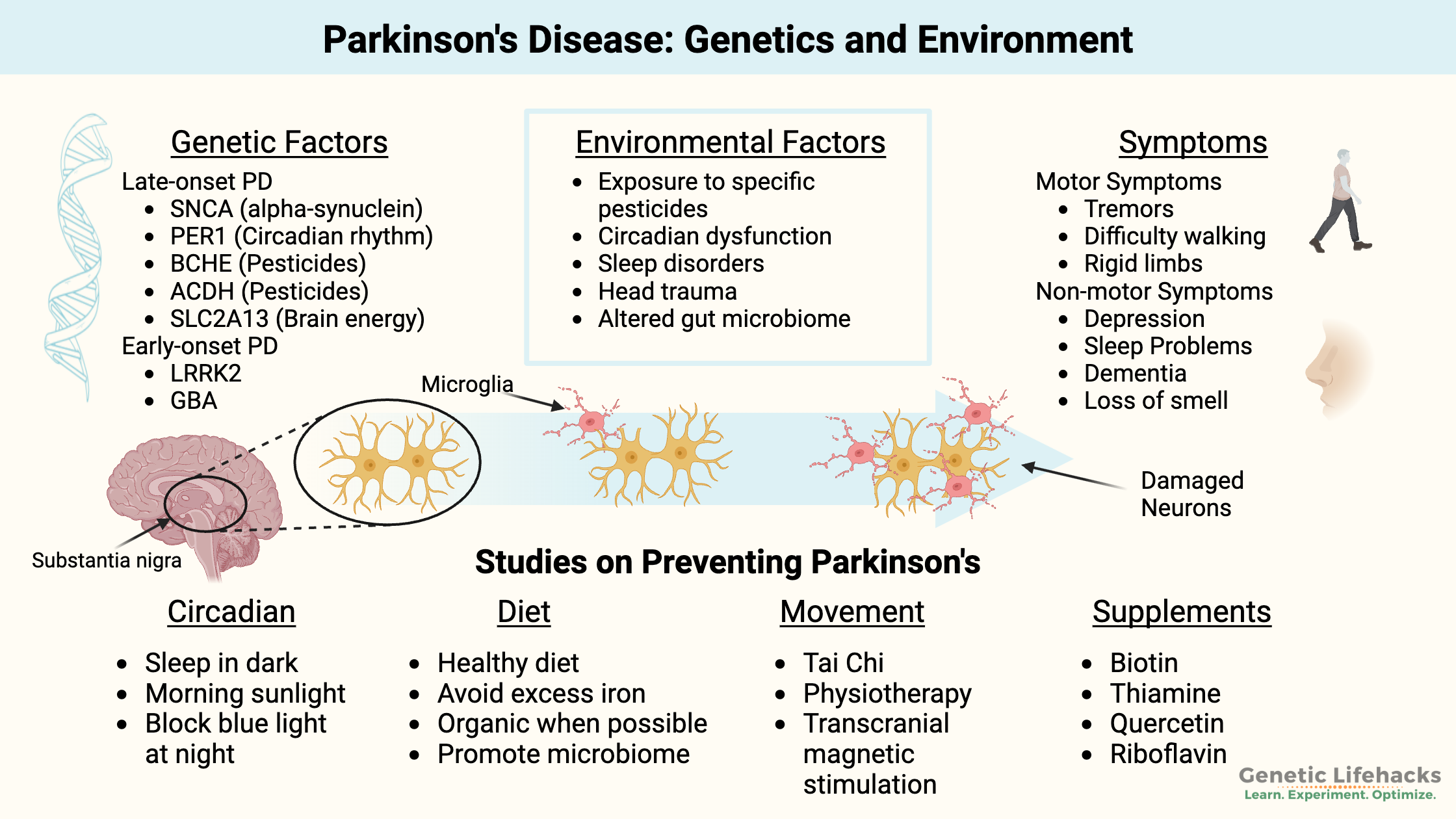
Discover how genetic variants and environmental factors combine to increase Parkinson’s disease risk. Learn about key genes, toxins, and prevention insights.
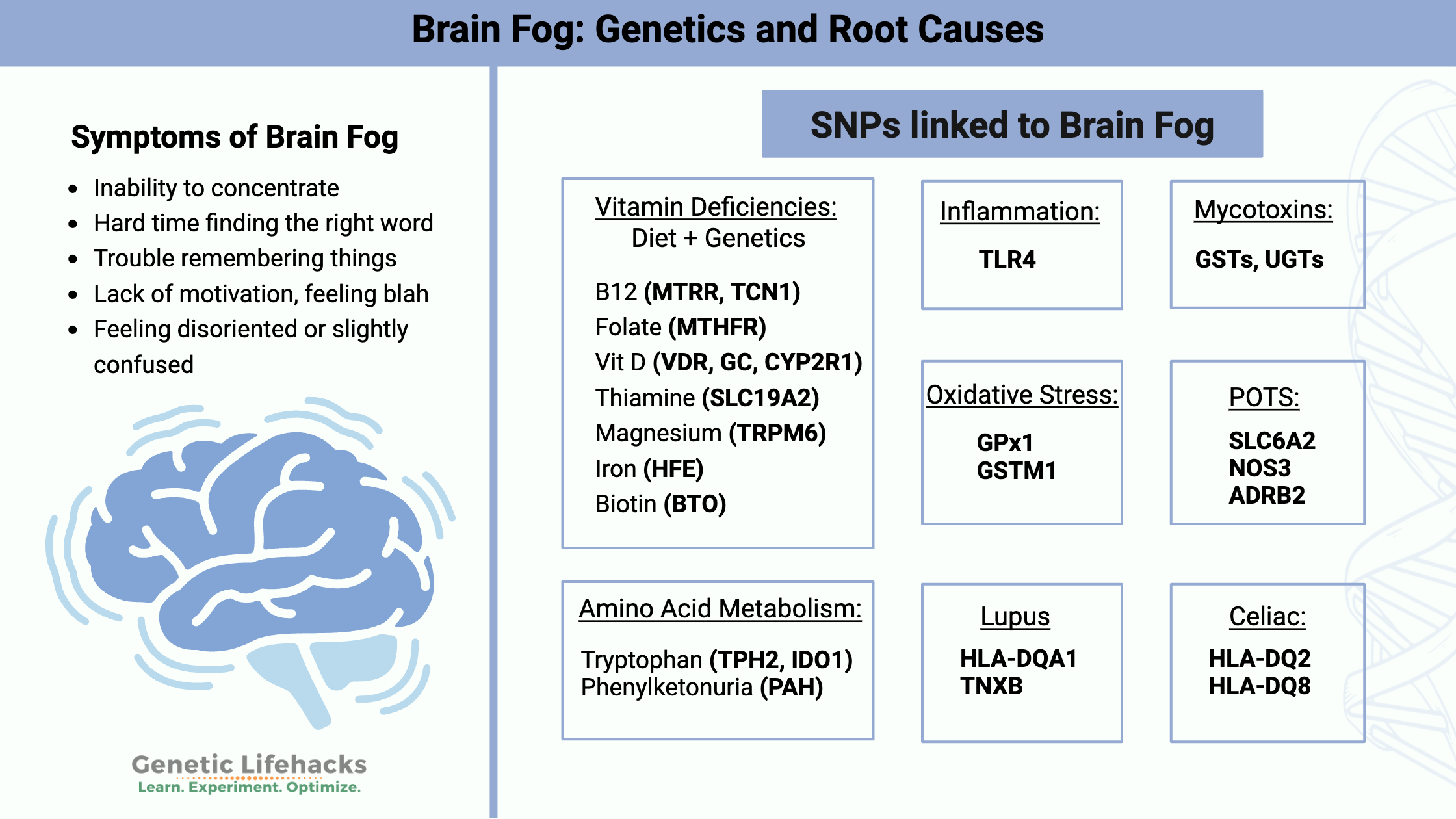
Explore brain fog in detail, looking at the physiological causes, genetic susceptibility, and personalized solutions.
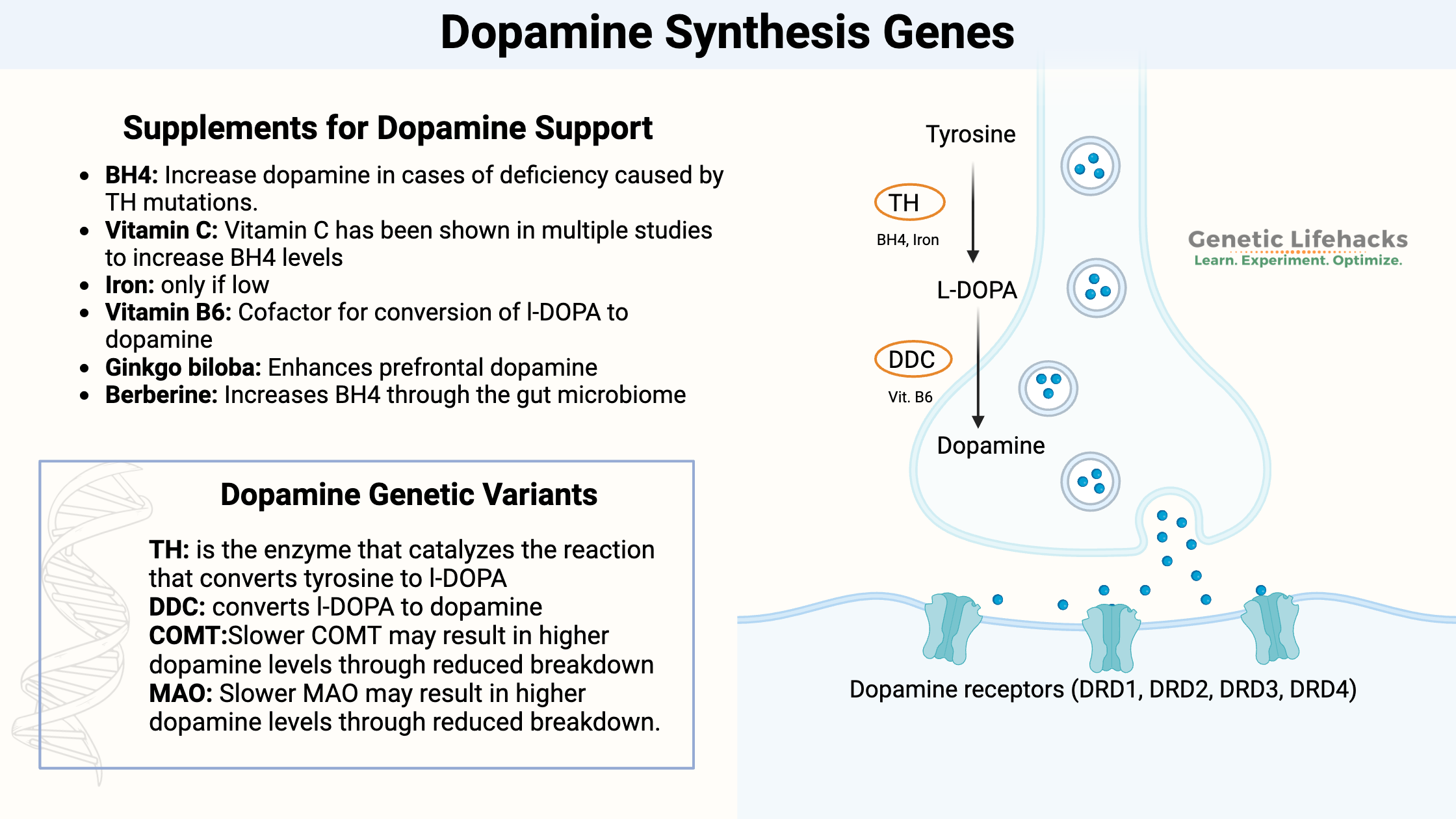
Two key enzymes are needed for dopamine synthesis. Genetics, diet, and lifestyle can influence your dopamine production.
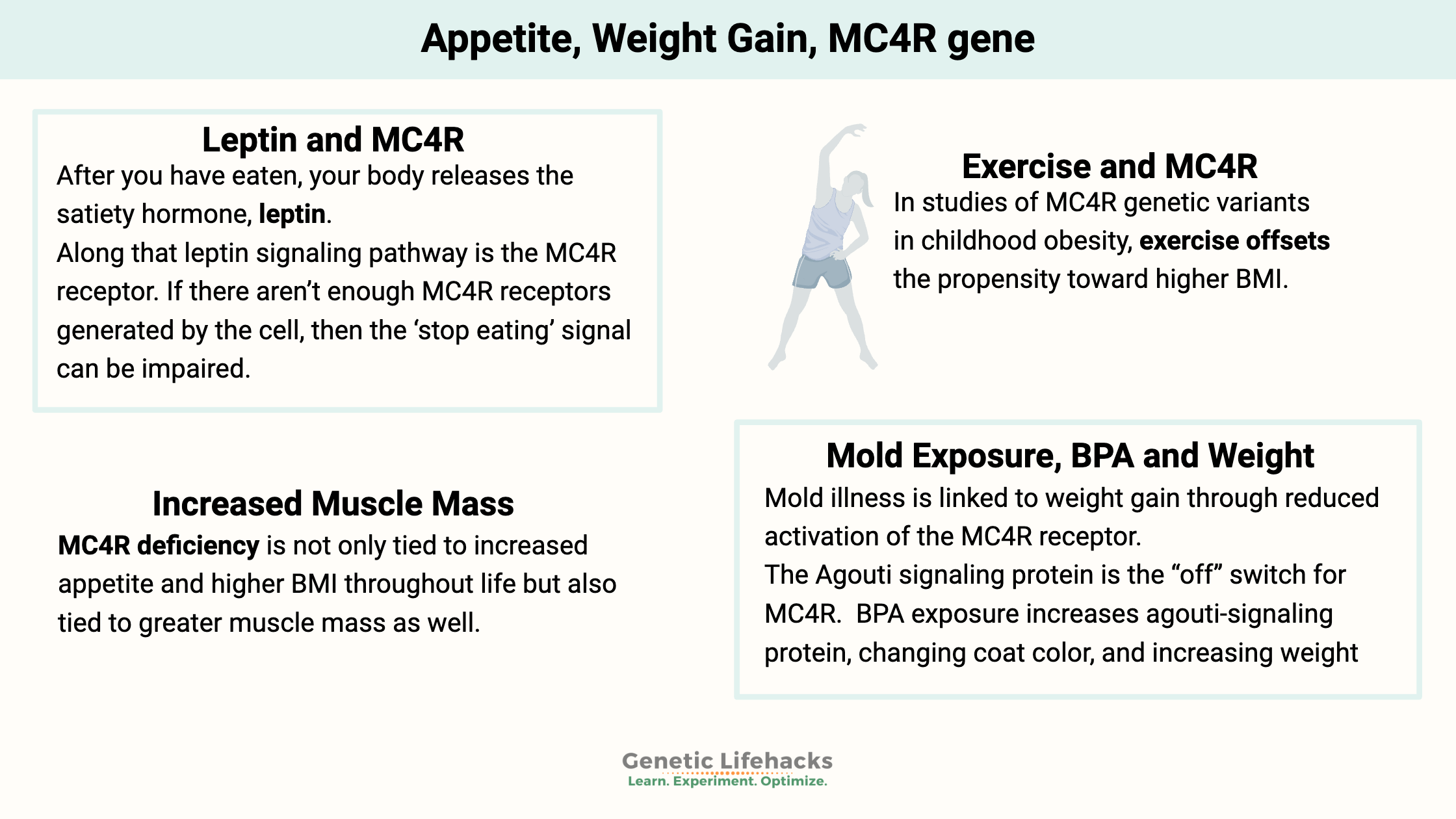
There are several key players in our body’s regulation of hunger, satiety, and energy expenditure. Leptin and ghrelin are two pivotal hormones involved in our desire to eat. Within that leptin pathway, another key regulator of our body weight is MC4R. (Member’s article)
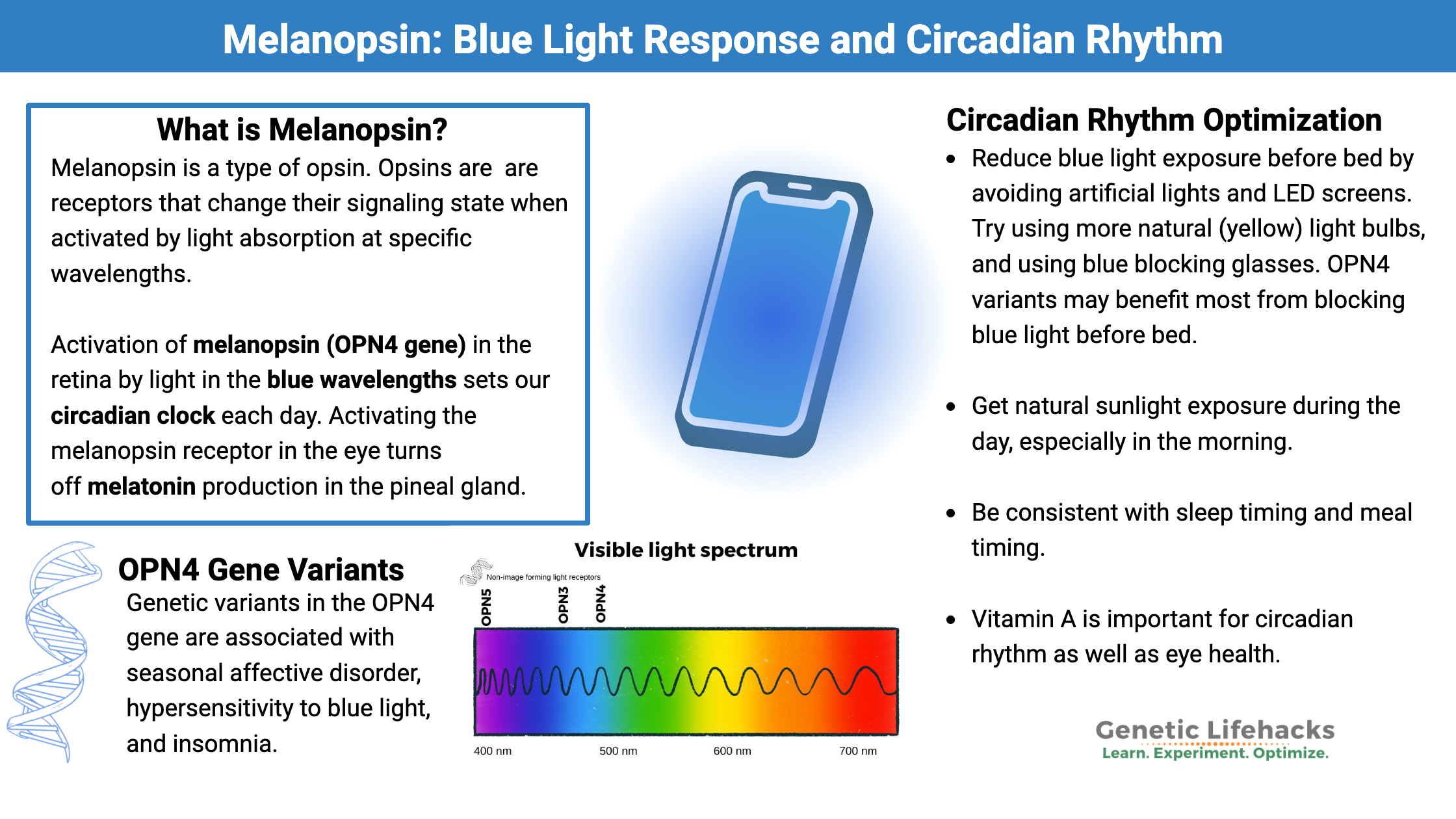
Melanopsin is the receptor for blue light. It is found in the retina, skin, adipose tissue, and blood vessels. Genetic variants can impact reaction to blue light.
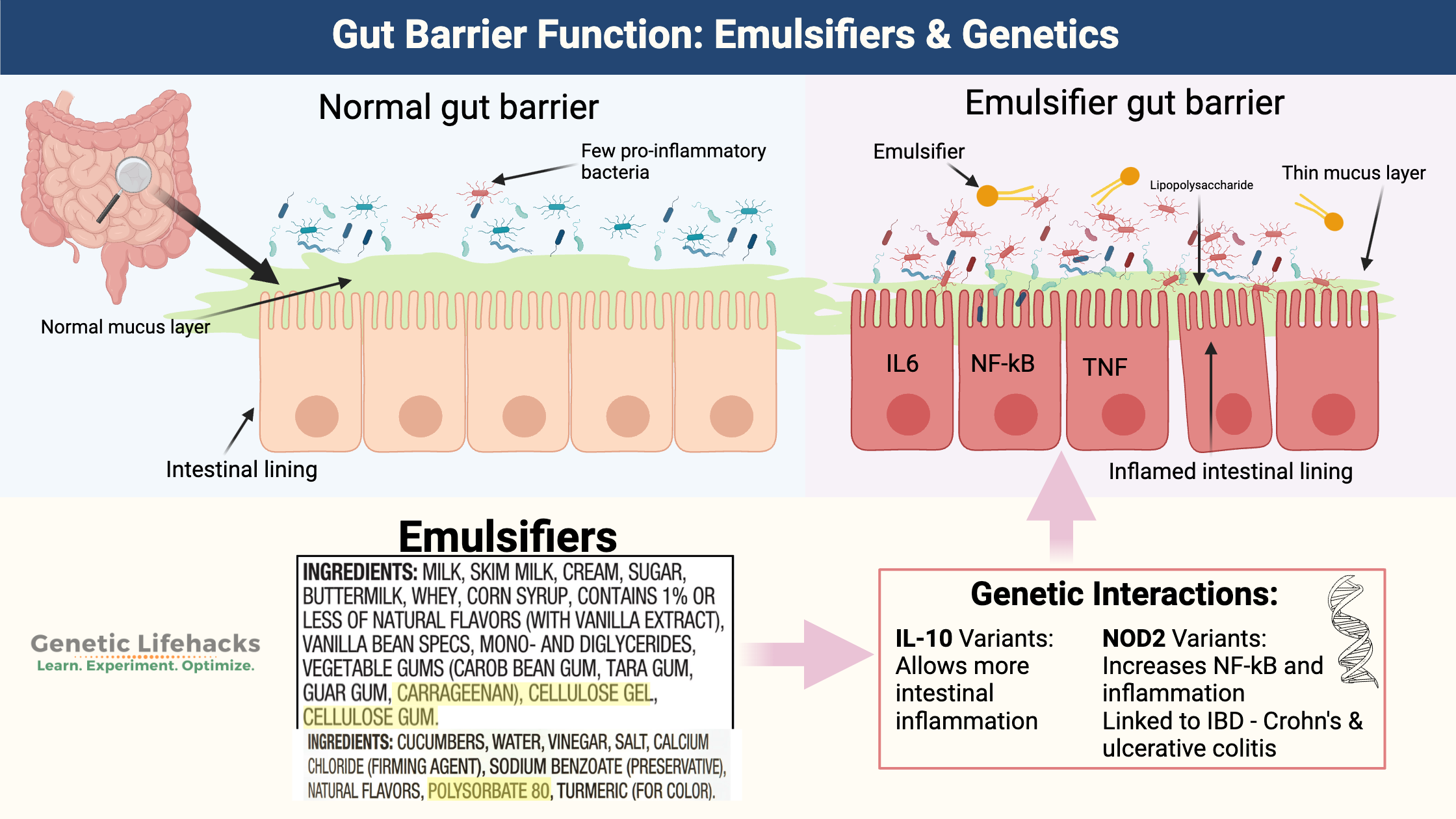
Emulsifiers, found in many processed and packaged foods, can trigger an inflammatory response in the intestines based on whether you carry specific genetic variants.
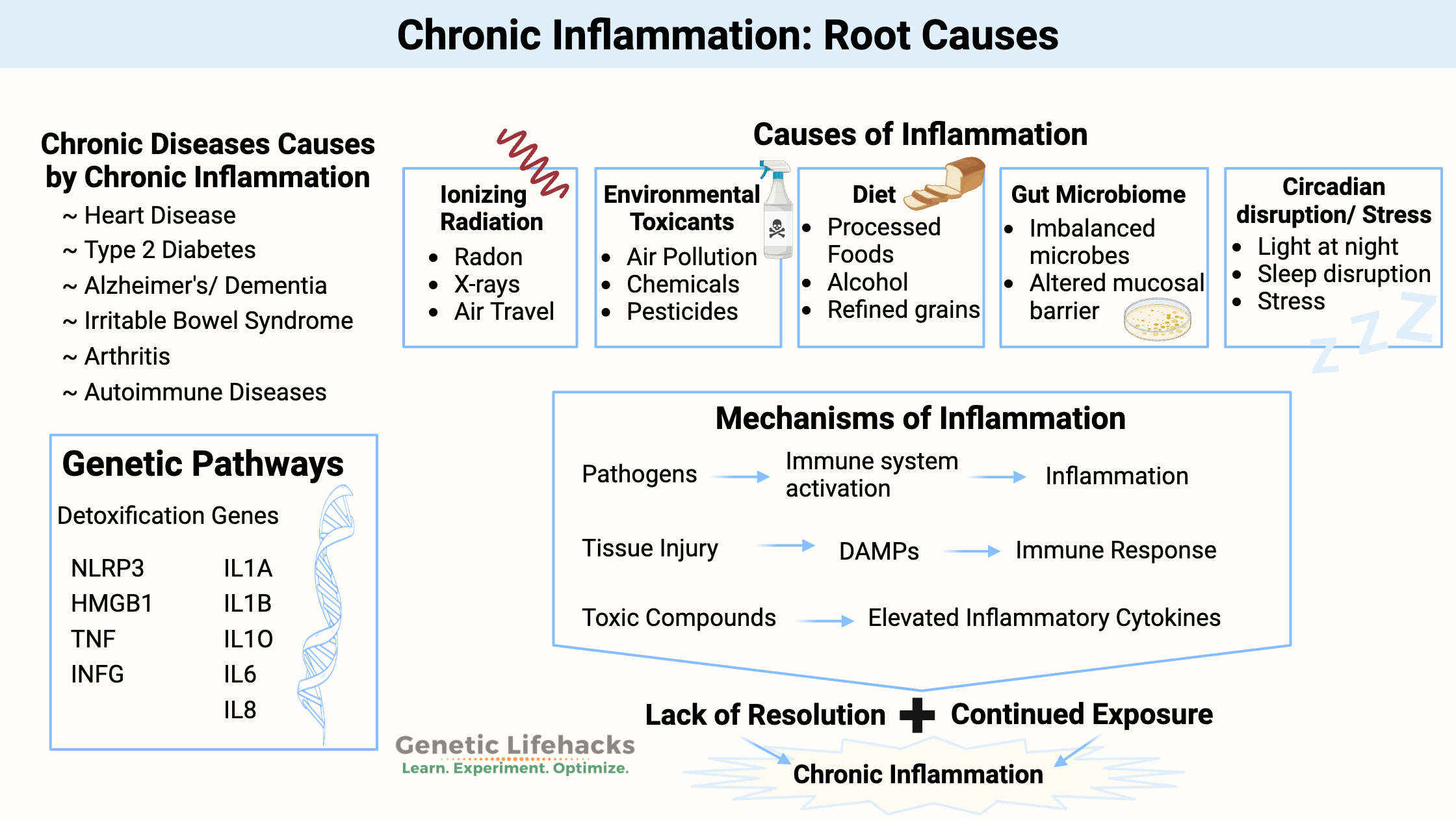
Take a deep dive into the causes of chronic inflammation and learn how to target specific inflammatory pathways to reverse or prevent chronic disease.
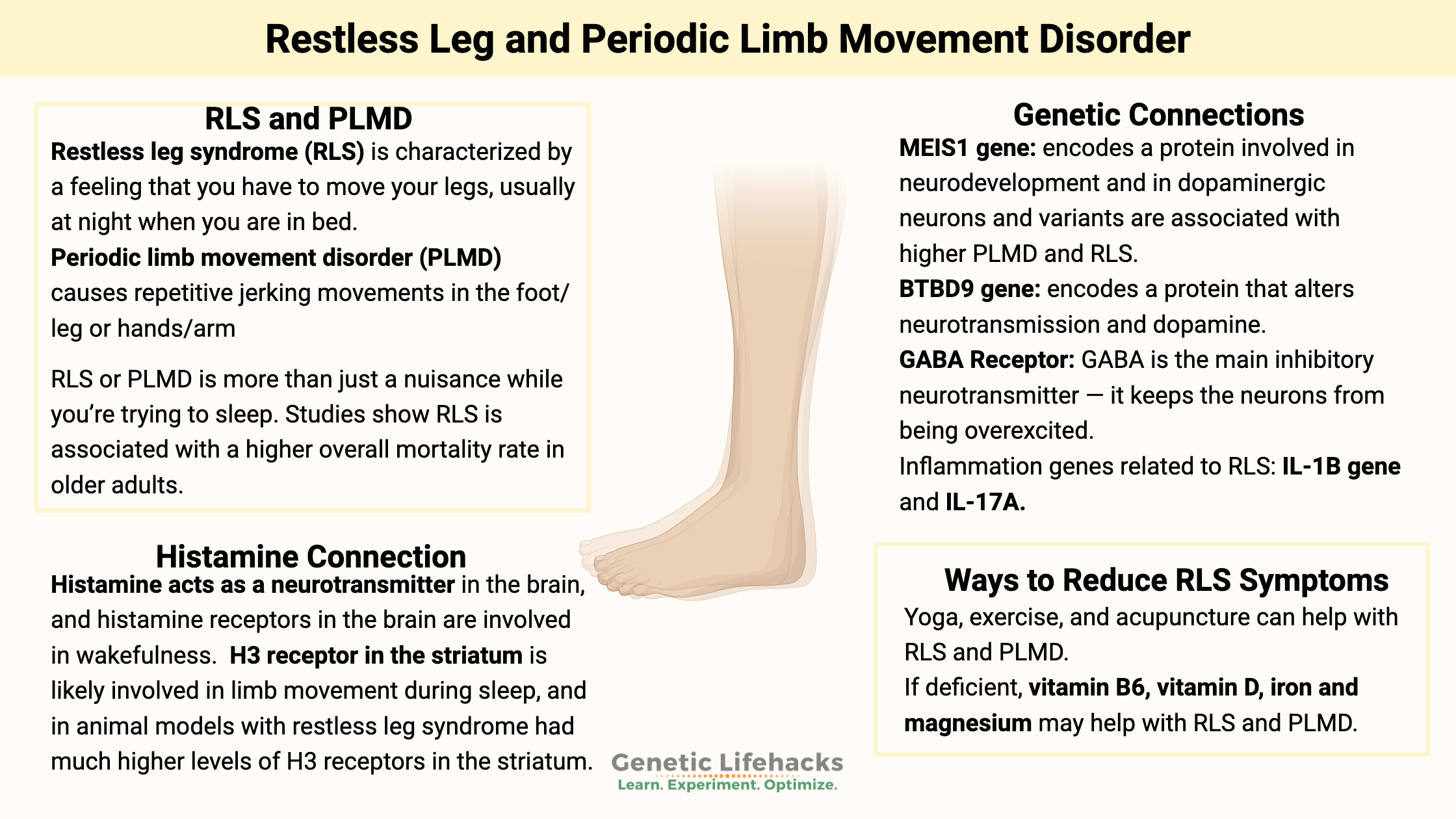
Many know the frustration of disrupted sleep due to RLS and periodic limb movement disorder (PLMD). Genes play a role in your risk for these disorders, and there are specific research-based treatments to explore.
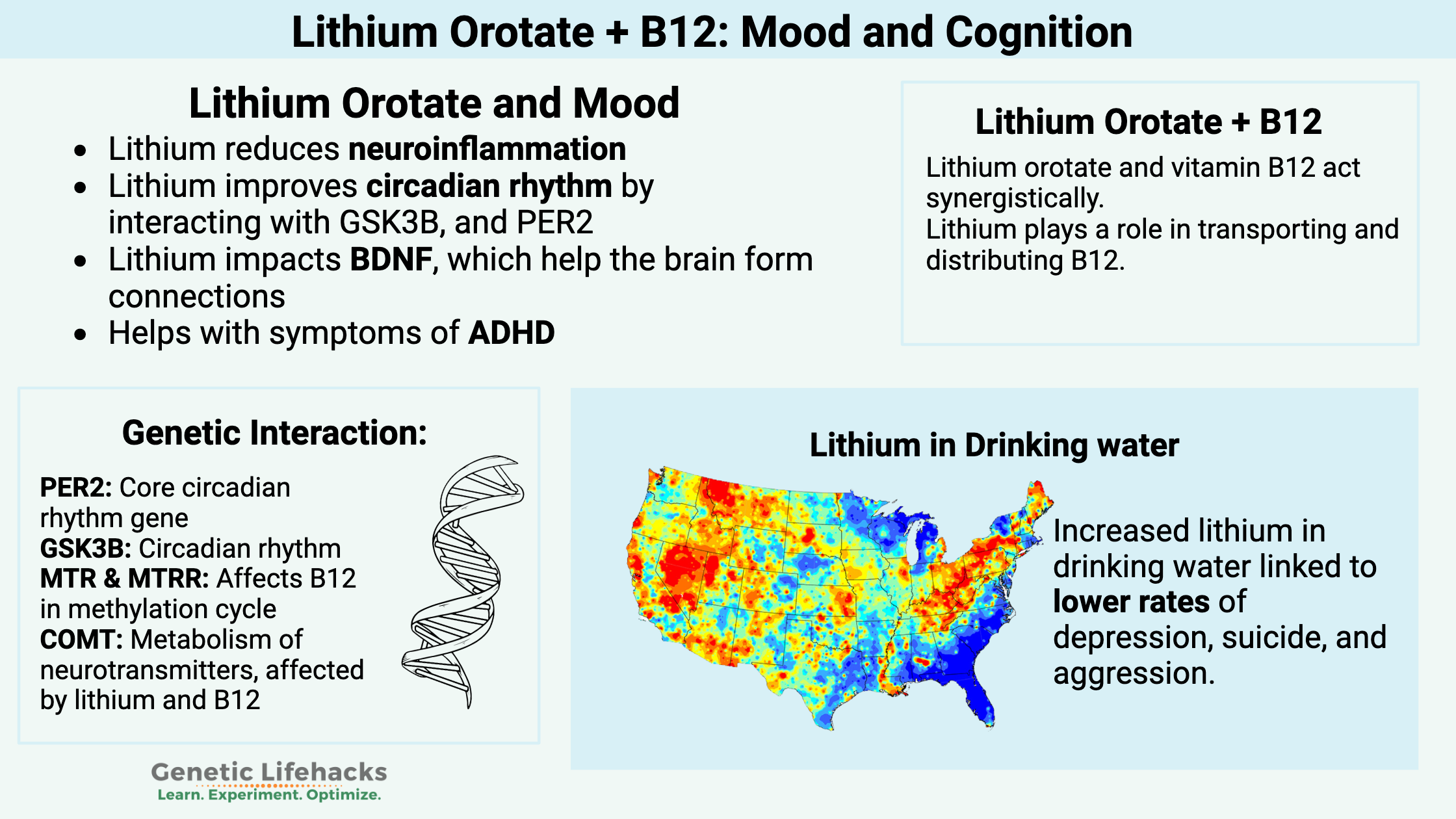
For some people, low-dose, supplemental lithium orotate is a game changer when combined with vitamin B12. But other people may have little to no response. The difference may be in your genes.
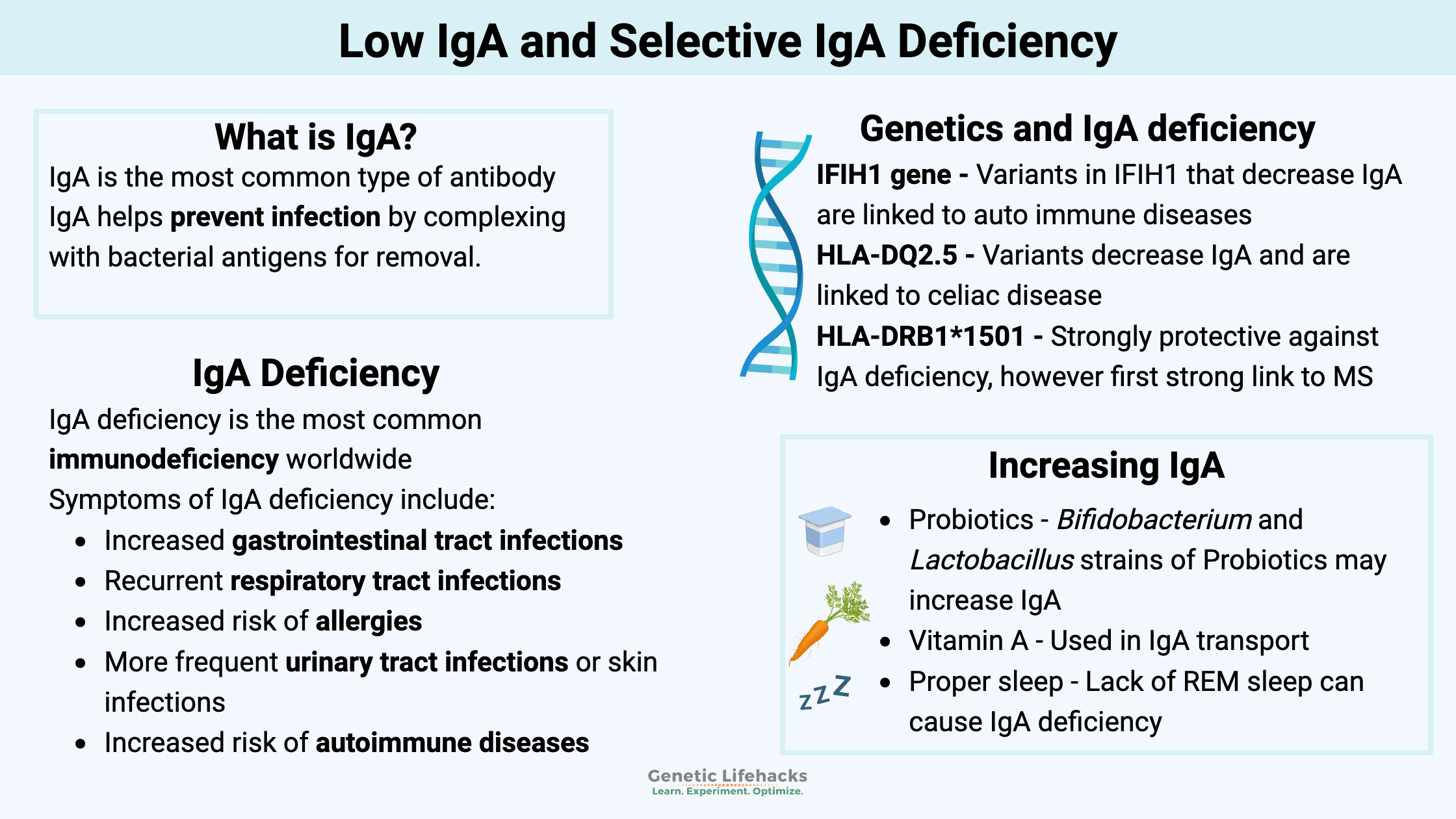
Partial IgA deficiency, which affects up to 1% of the population, can have a genetic component and overlaps with some autoimmune diseases.
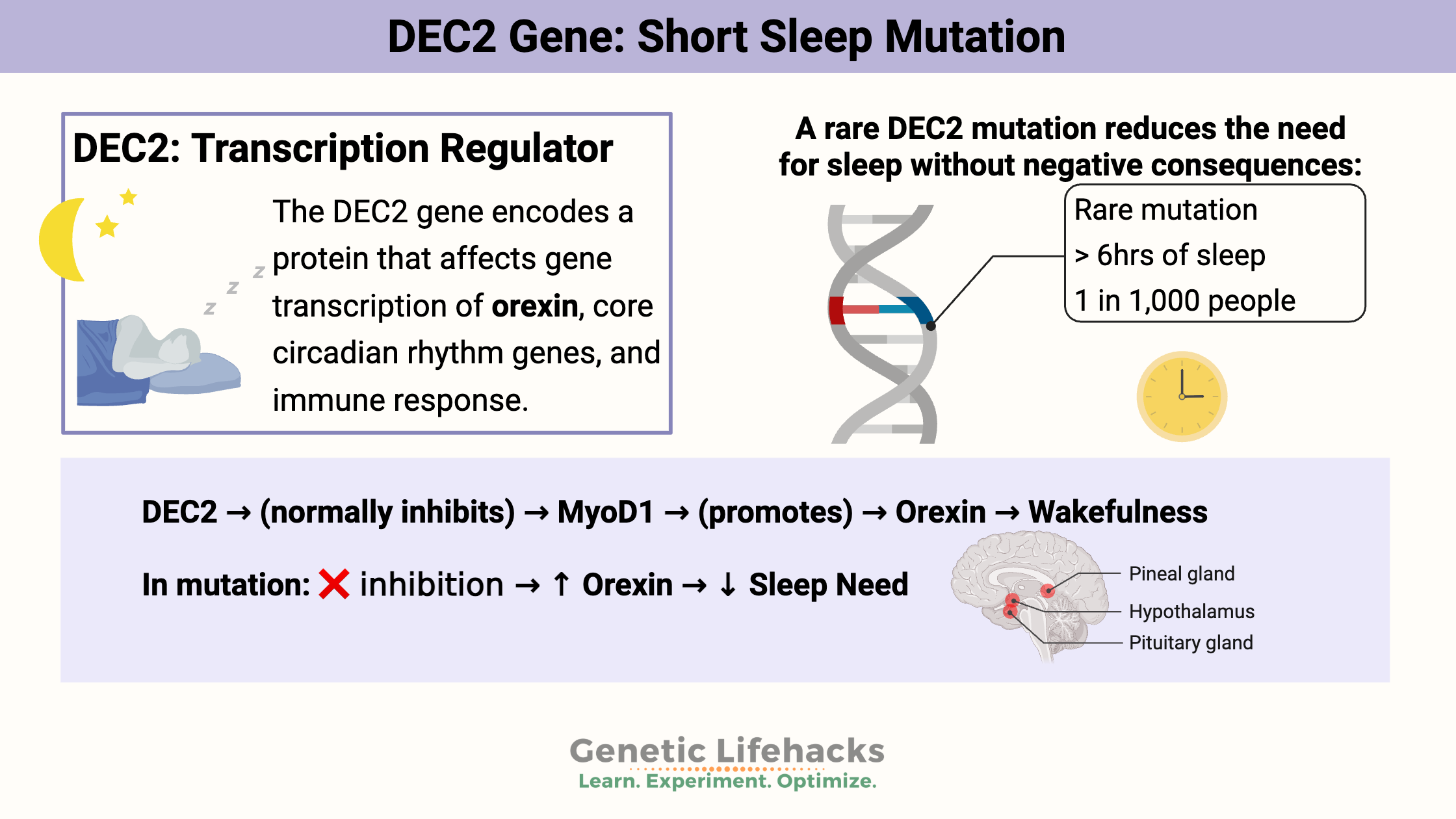
Are you naturally a short sleeper? Mutations in the DEC2 gene decrease the need for sleep.
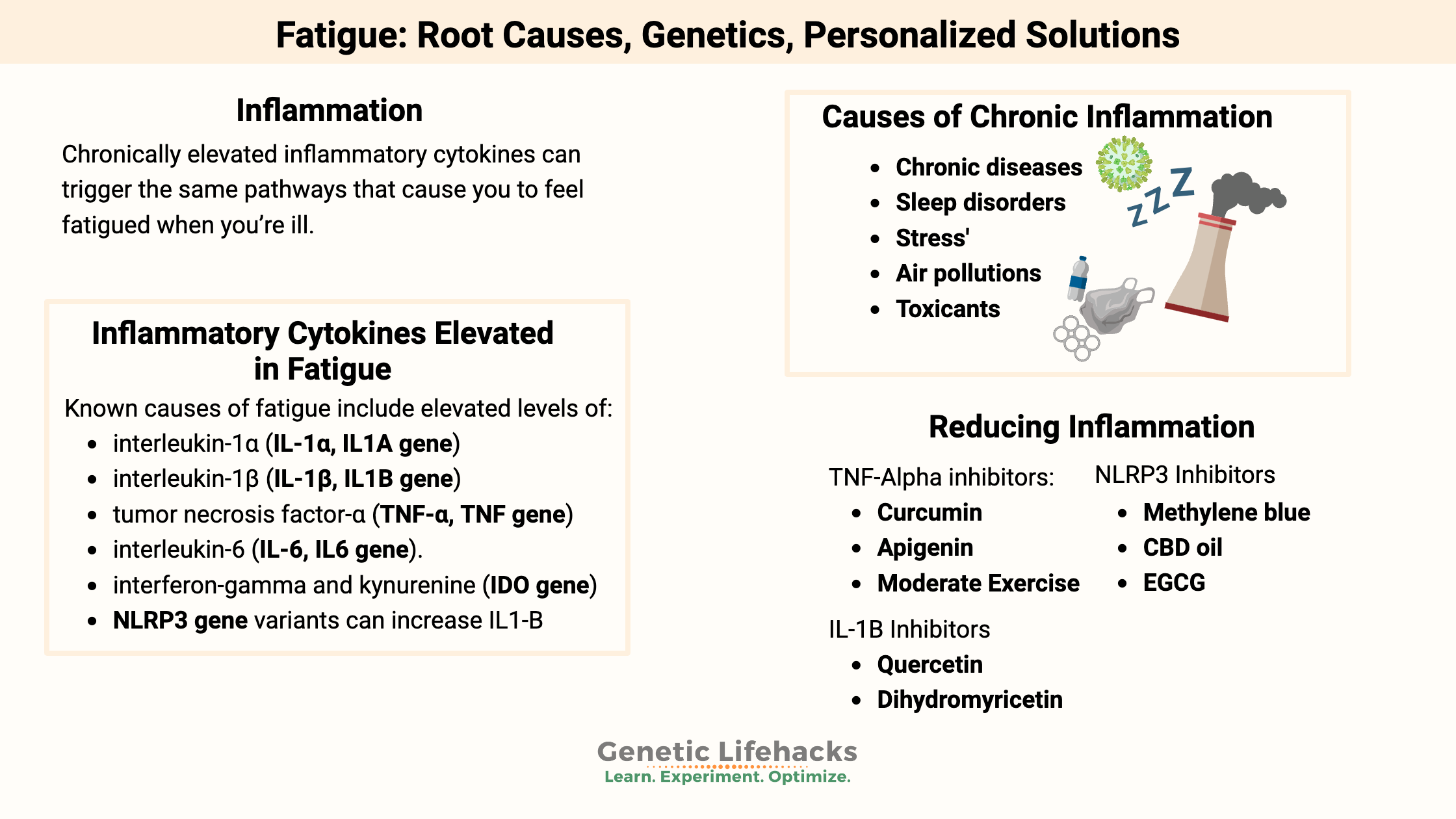
Are you always tired even when you know you slept well? Discover more about the newest research on fatigue and how genetic susceptibility plays a part for some people.