APOE and COMT: Cognitive Performance in Aging
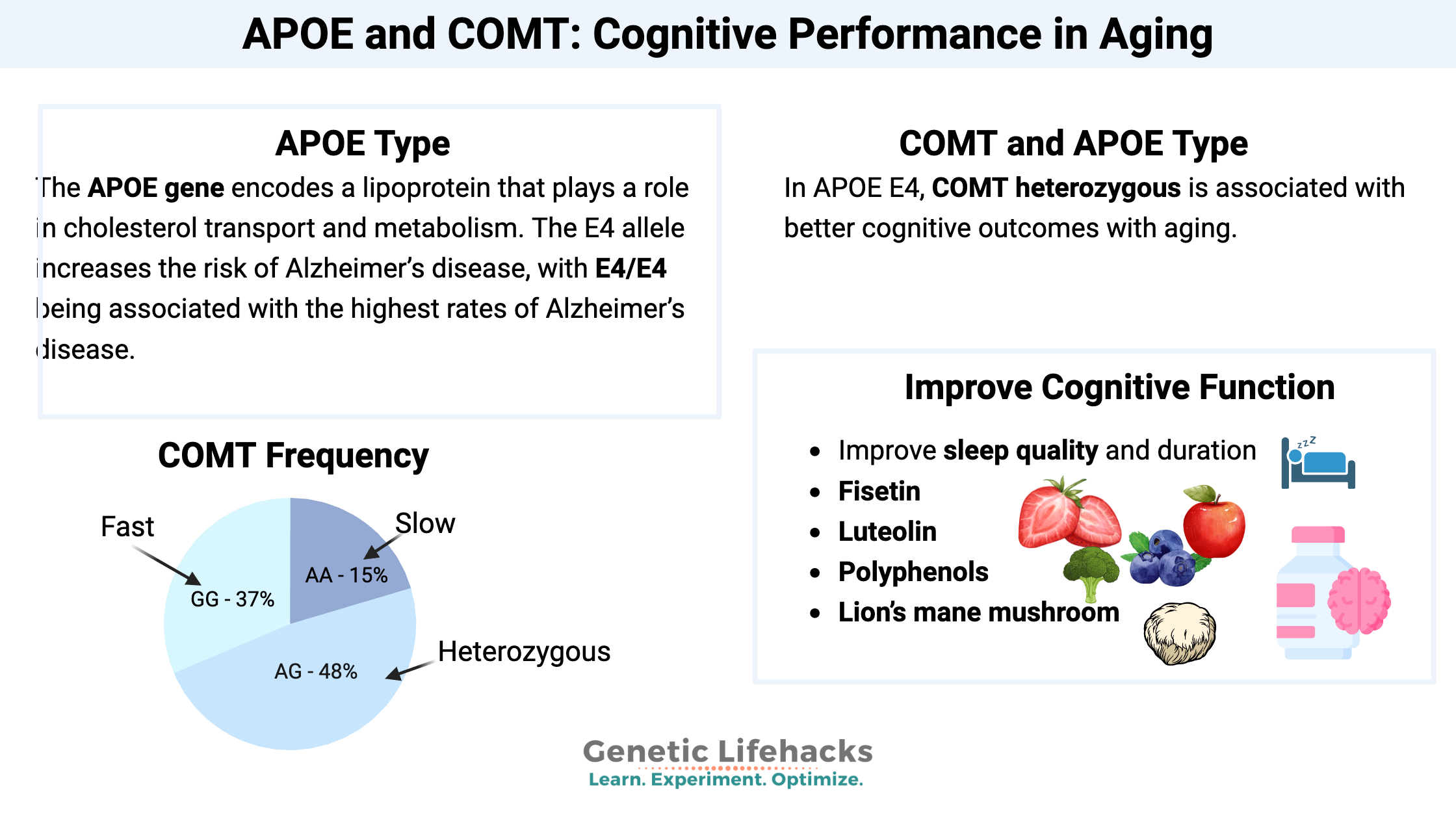
Your APOE and COMT genotypes together may impact memory and cognitive function in older age.

Your APOE and COMT genotypes together may impact memory and cognitive function in older age.
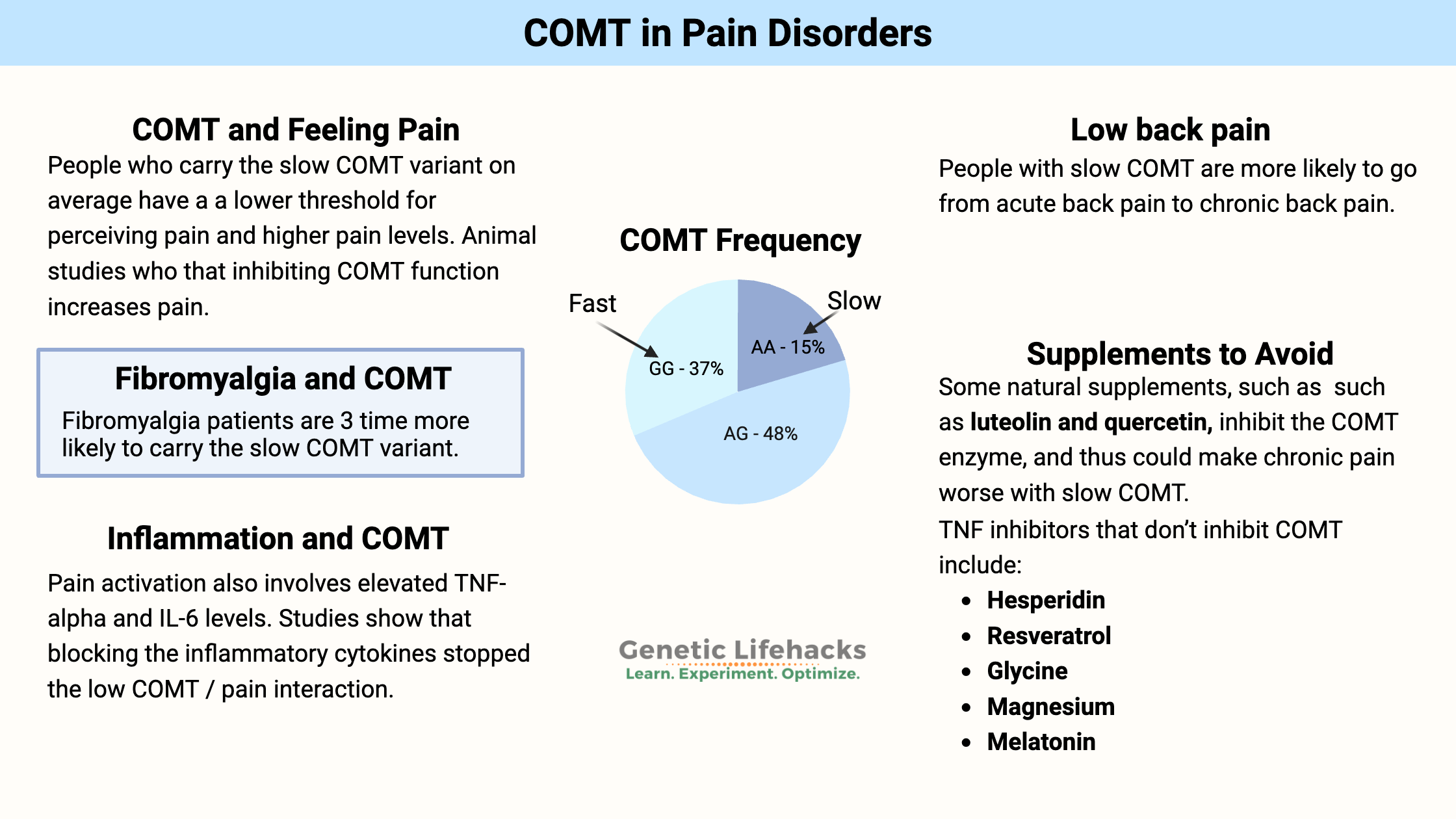
Genetic polymorphisms in COMT affect how we feel certain types of pain. These variants are linked to increased susceptibility to chronic pain disorders.
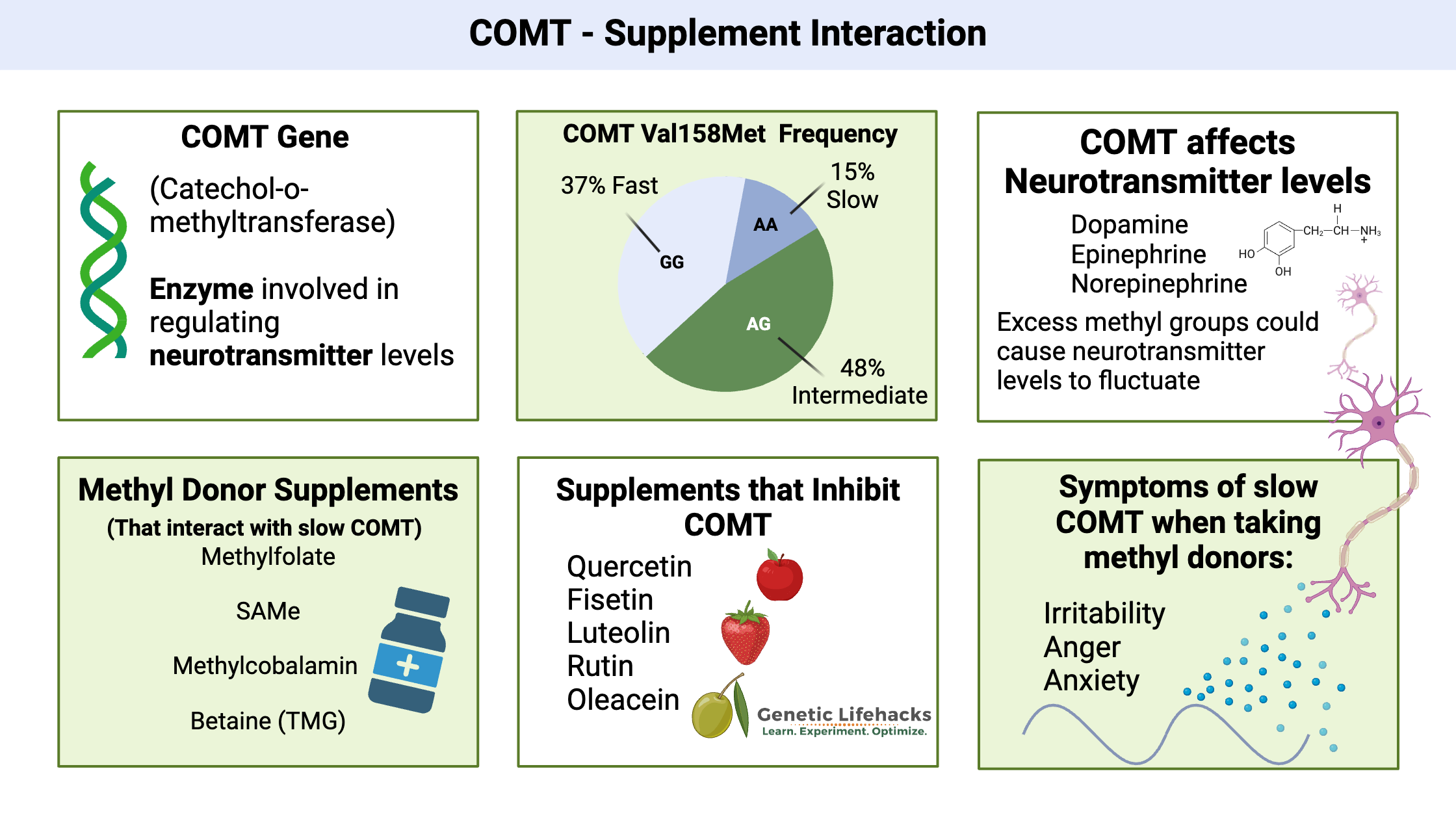
Some supplements interact with COMT variants to impact the rate at which neurotransmitters are broken down. Check your COMT genotype and discover how this may affect your reaction to different supplements or combinations of supplements.
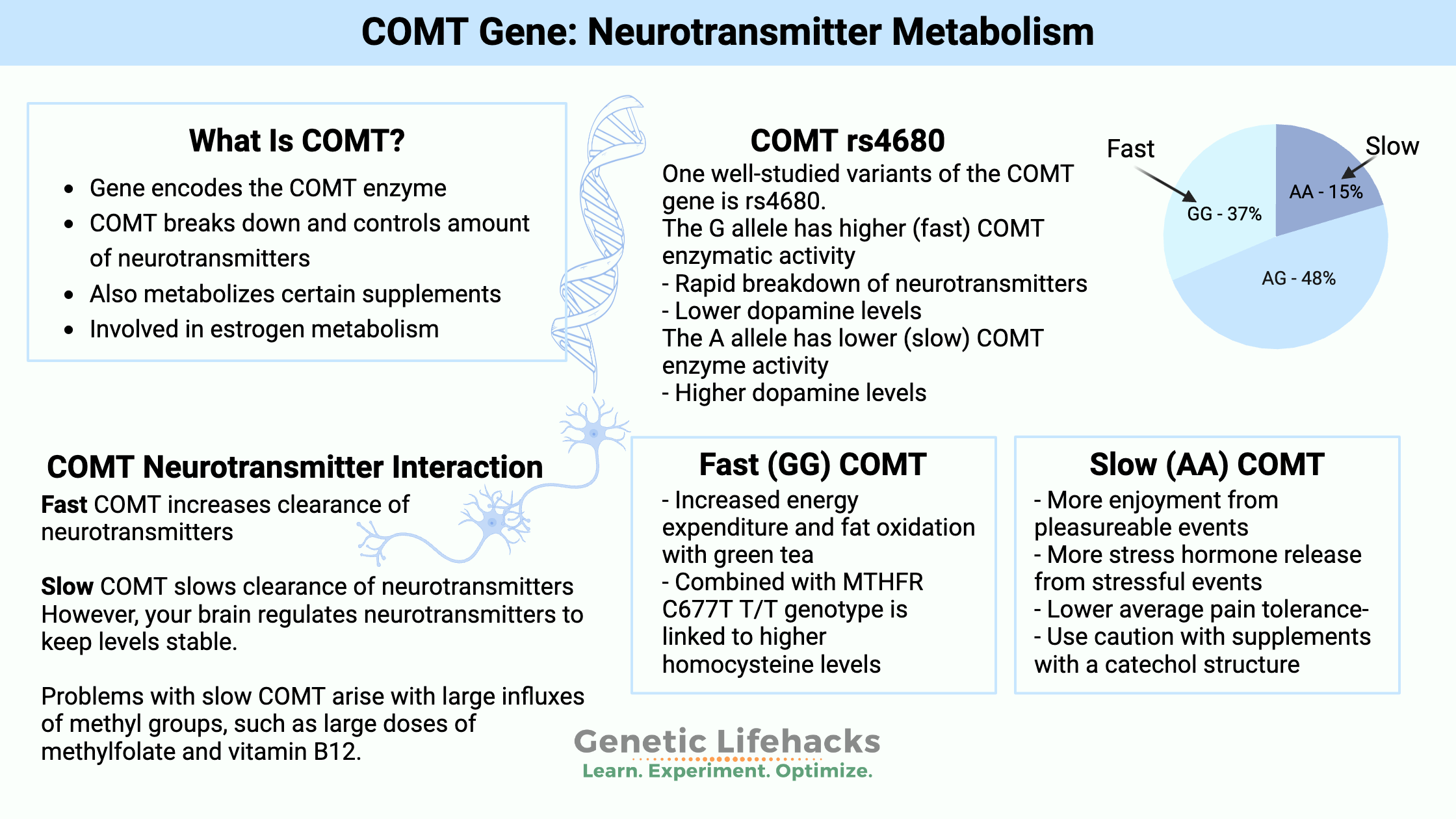
Wondering why your neurotransmitters are out of balance? It could be due to your COMT genetic variants. The COMT gene codes for the enzyme catechol-O-methyltransferase which breaks down (metabolizes) the neurotransmitters dopamine, epinephrine, and norepinephrine.
Bookmark Gene Function Explorer Search Gene

Your genetic raw data file is packed with insights that go beyond the ancestry and traits reports. By exploring your raw genetic data, you can discover information about nutrition, health and disease risk, supplement responses, nutrient interactions, methylation cycle pathways, detoxification pathways, and much more. But with fly-by-night genetic report … Read more
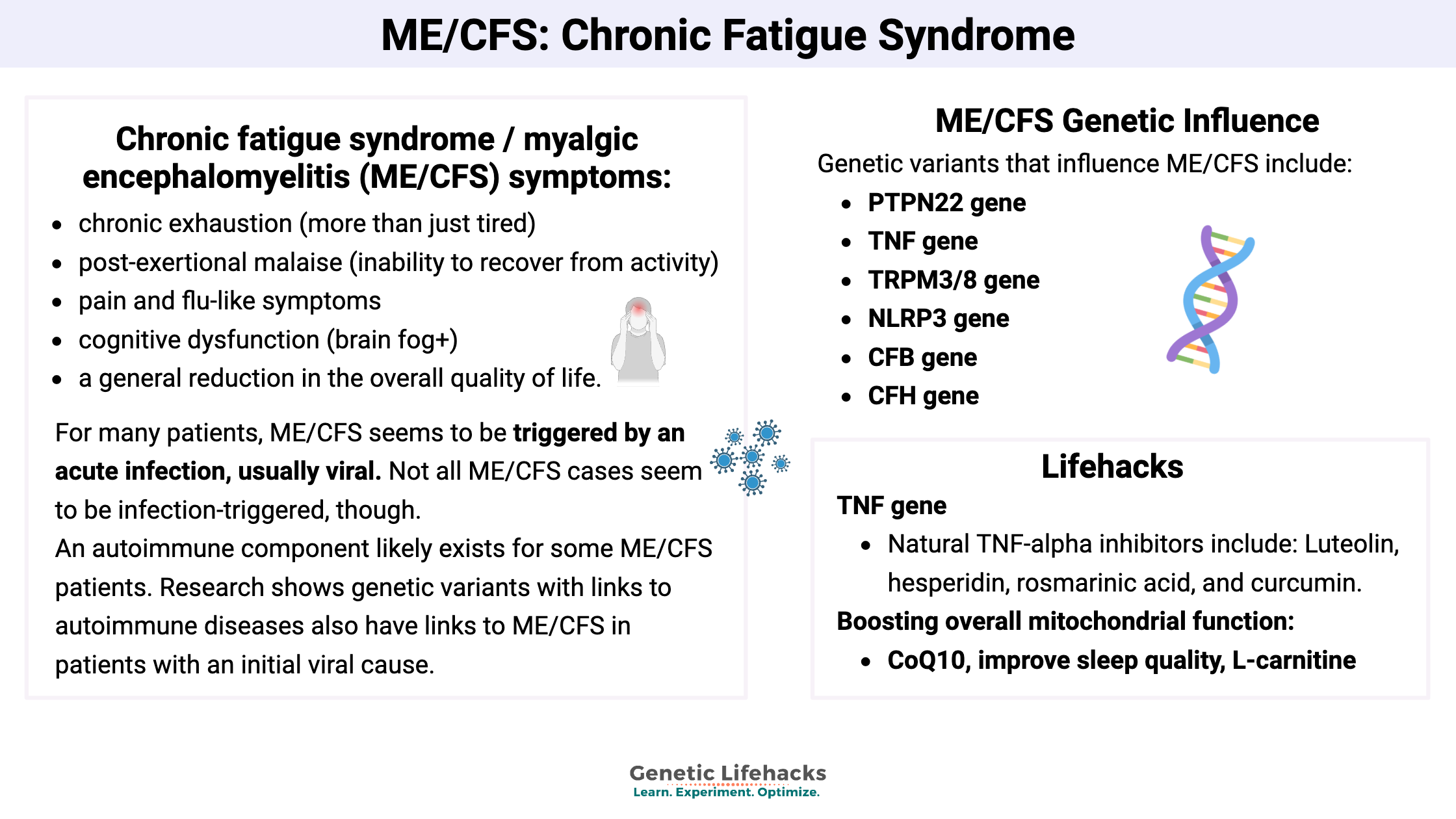
Genetic variants in immune, mitochondrial, and inflammatory pathways (NK cells, NLRP3, interferon, complement, TRP channels) increase ME/CFS susceptibility. Check your genes and explore research-backed solutions.
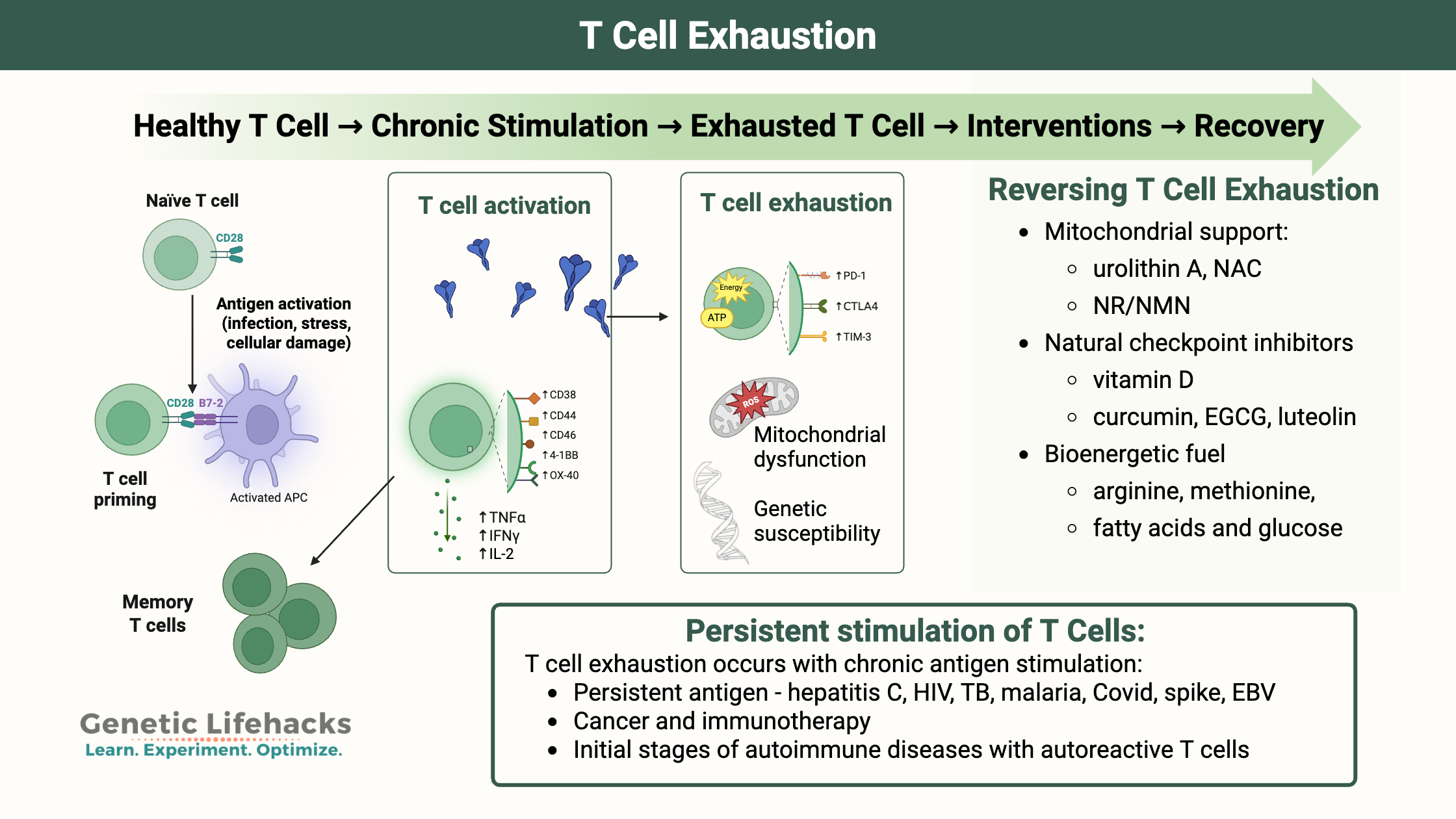
T cell exhaustion reduces your immune response in chronic infections, long Covid, and cancer. Check your genes, read the new studies on interventions, and understand the mechanisms.
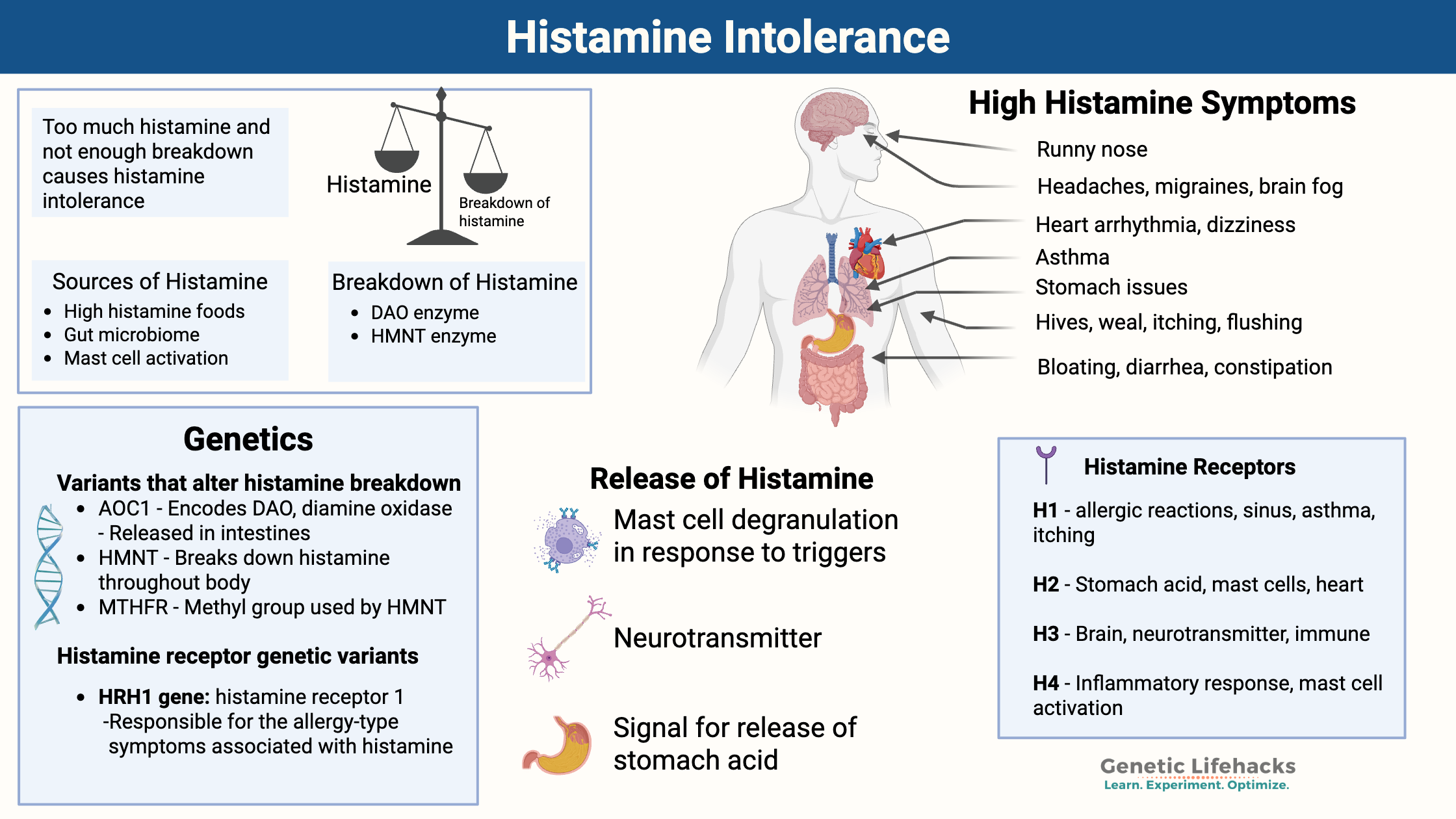
Genetic variants in DAO and HNMT genes affect histamine breakdown. Check your AOC1, HNMT, and HDC genotype. Low-histamine diet, DAO supplements, and more.
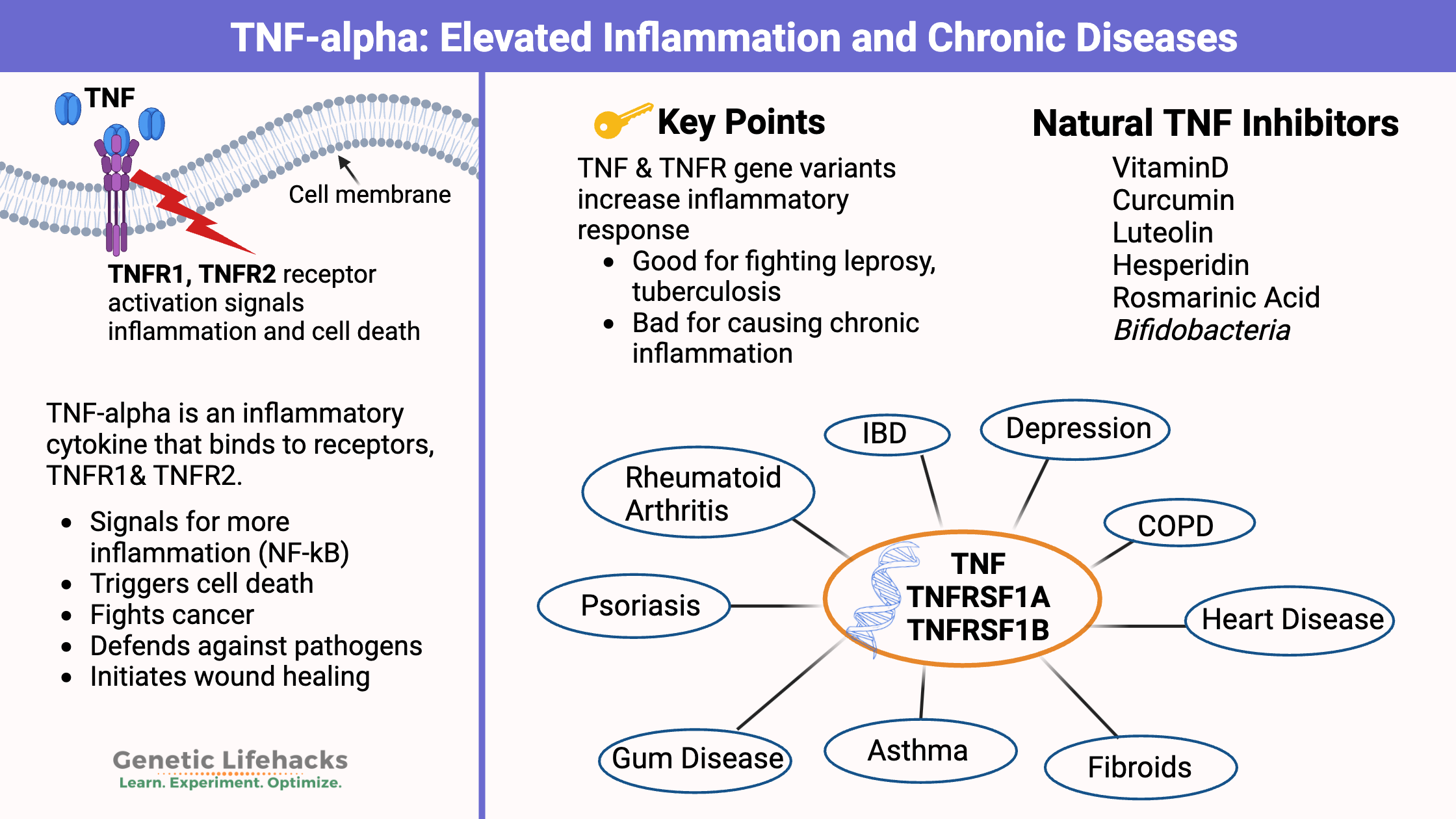
TNF-alpha is a key inflammatory cytokine linked to autoimmune, cardiovascular, mood, and neurodegenerative diseases. Learn how TNF gene variants affect your risk and potential natural TNF inhibitors.
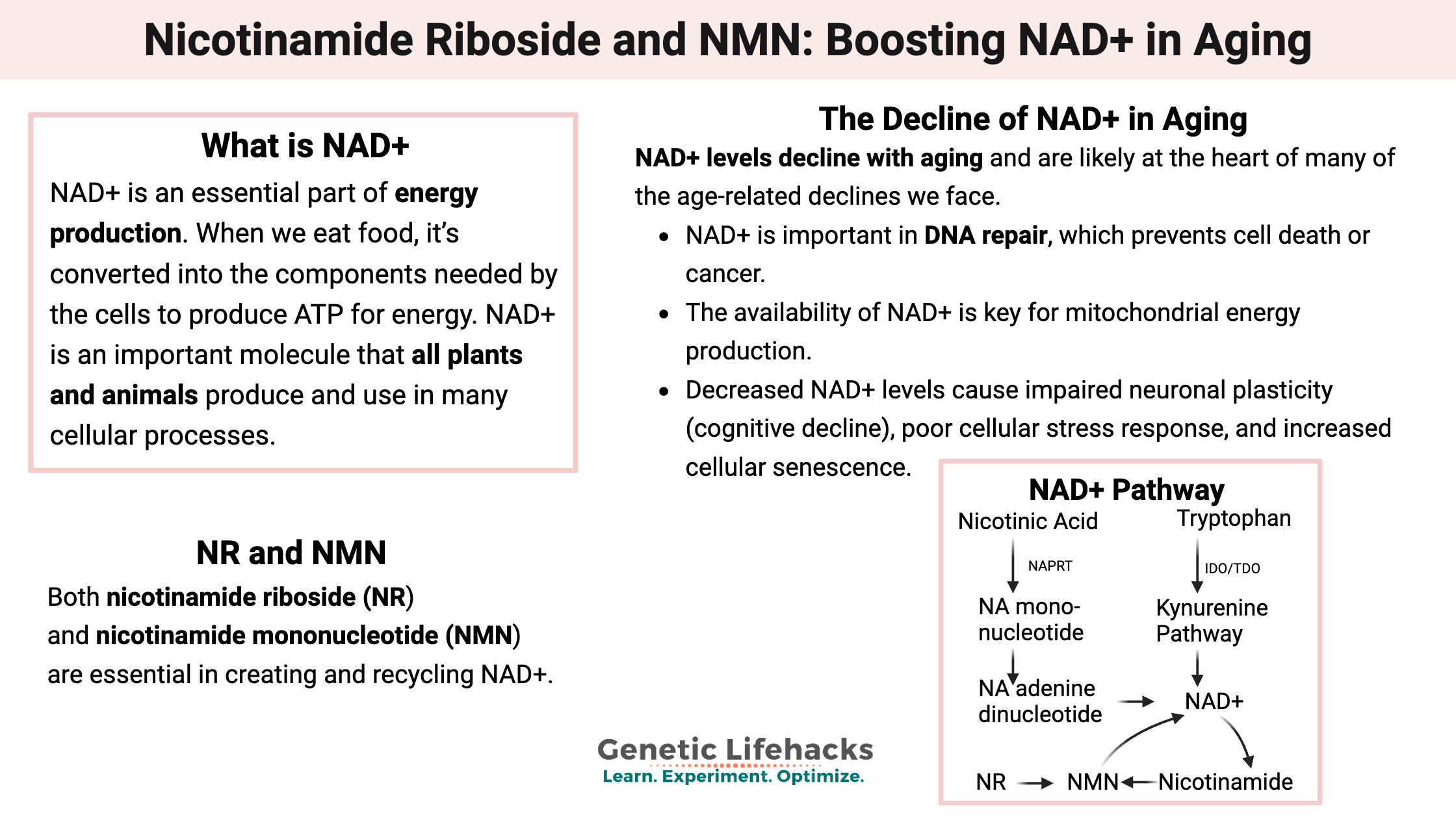
Explore the research about how nicotinamide riboside (NR) and NMN are being used to reverse aging. Learn about how your genes naturally affect your NAD+ levels and how this interacts with the aging process.
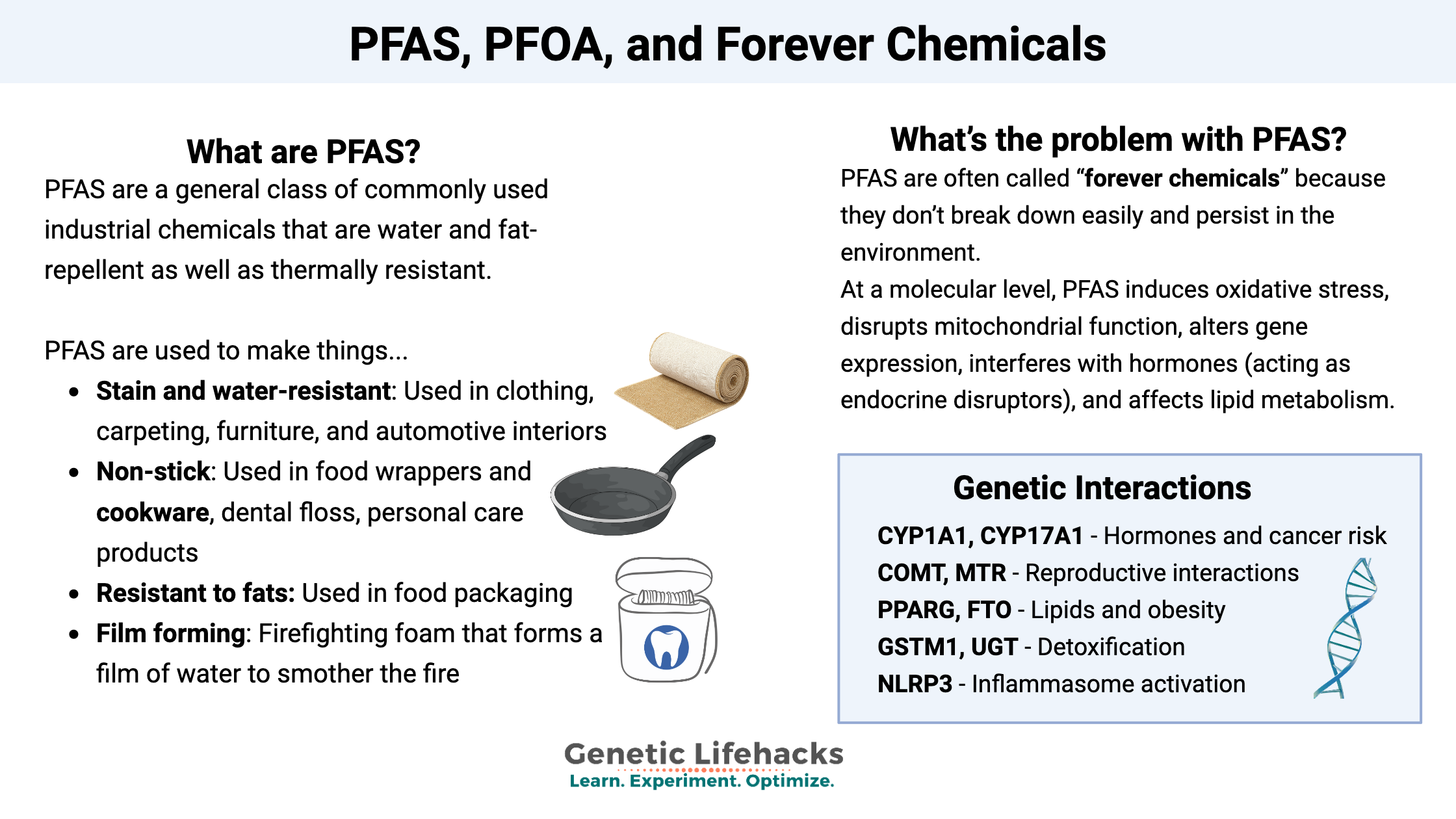
PFAS are persistent “forever chemicals” found in everyday products that are used to make products water-resistant, stain-resistant, and non-stick. Research shows PFAS are associated with reproductive issues, immune suppression, thyroid dysfunction, and more.
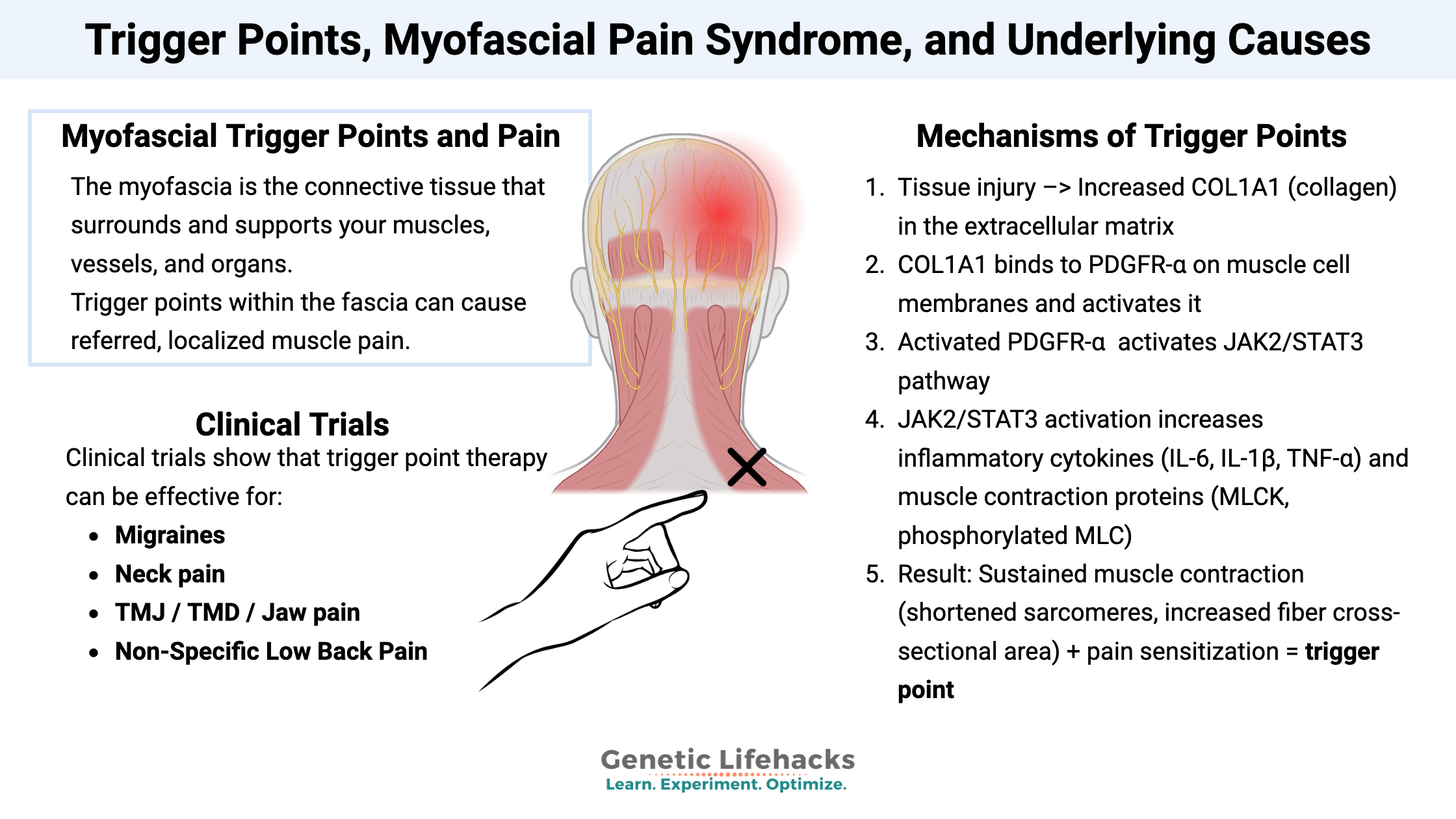
Trigger points are hyperirritated knots in the muscle and fascia that can refer pain to a nearby region of the body.
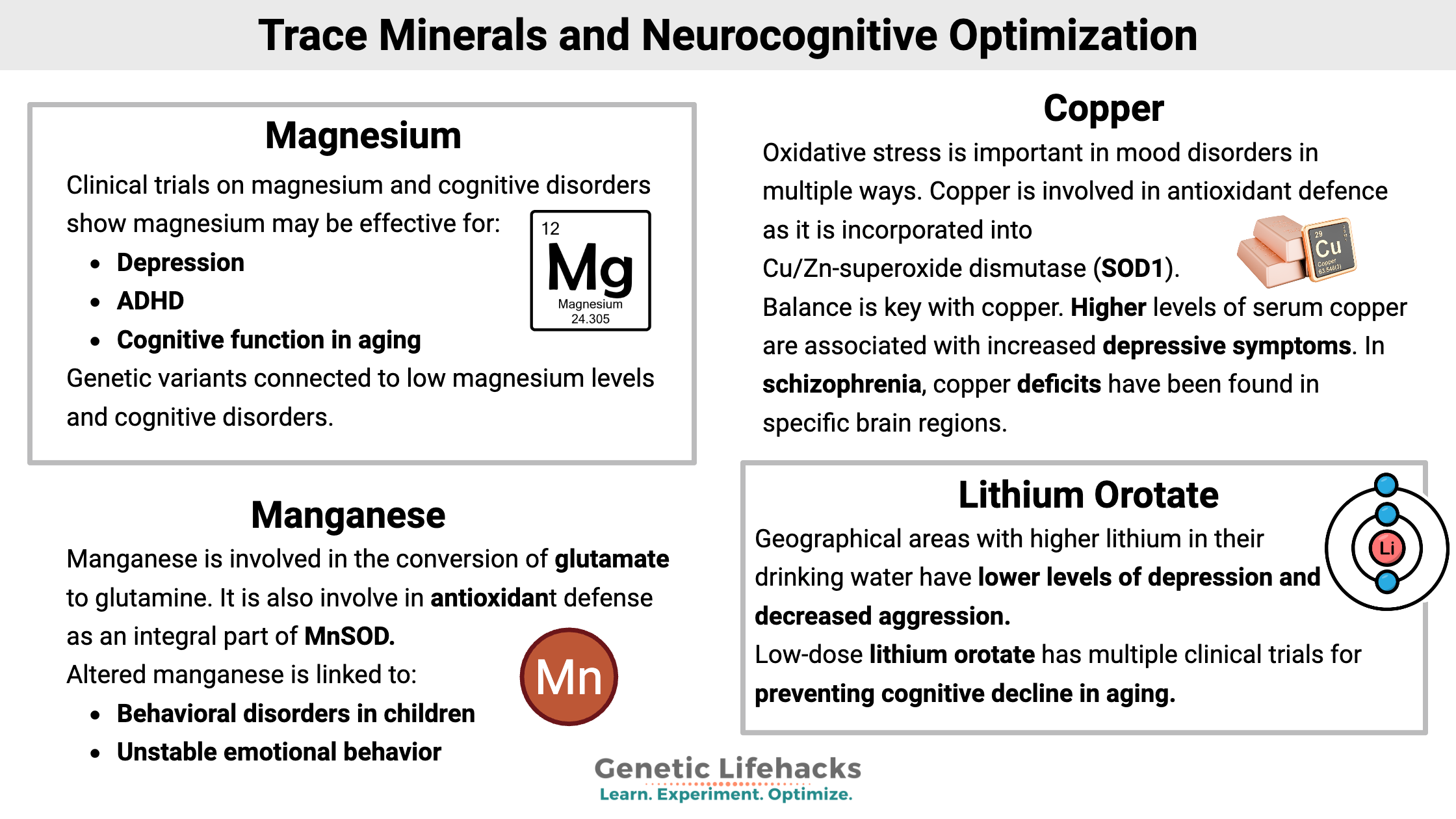
Trace minerals affect neurotransmitter levels and neuroinflammation. Getting the right levels of micronutrients can help optimize neurocognitive function.
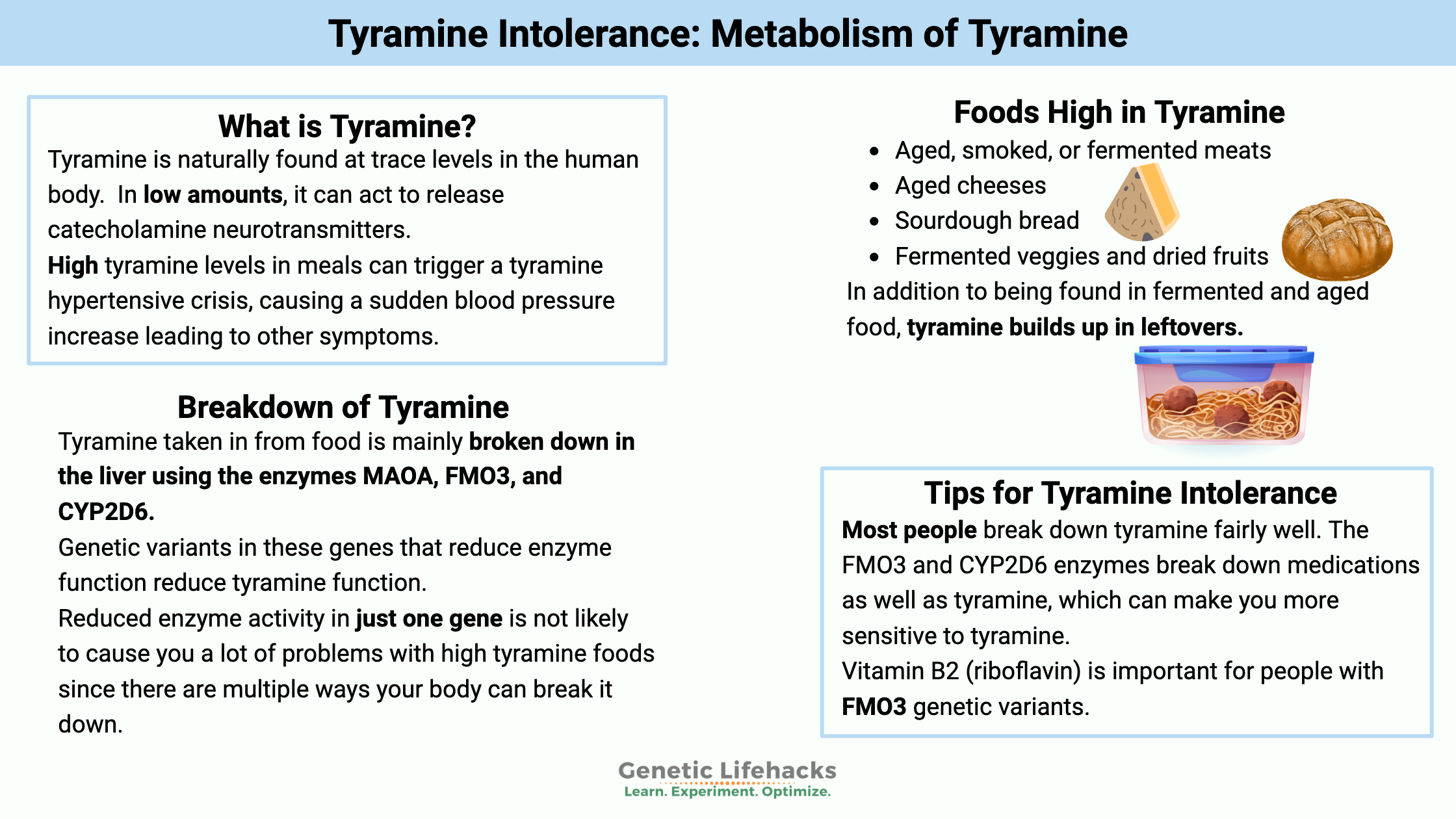
Tyramine intolerance happens when you can’t break it down. Too much tyramine can lead to a hypertensive crisis. Learn more and check your genetic raw data for results.
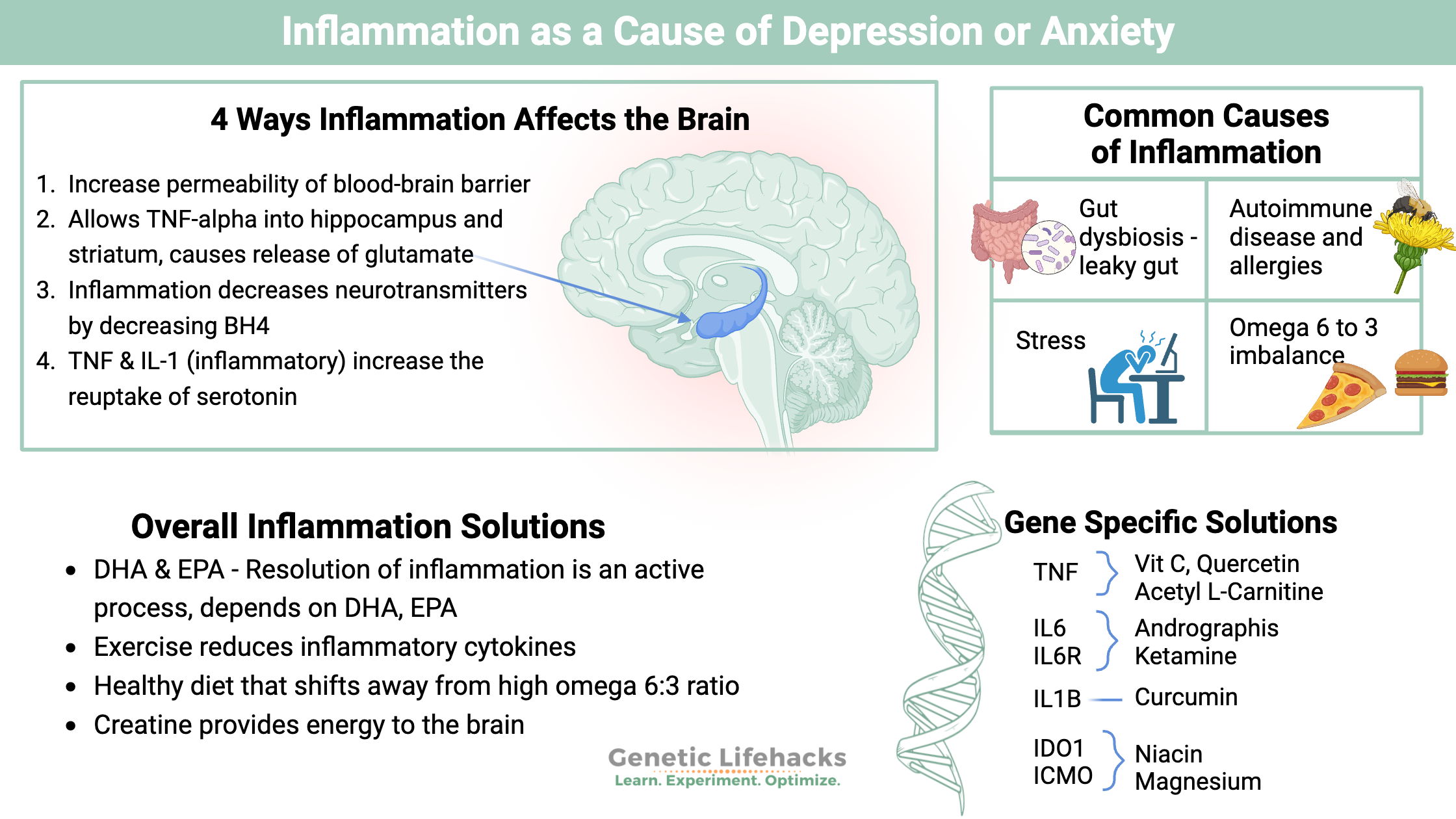
Discover why inflammation causes depression and how your genetic variants in inflammatory genes may play a role in depression or anxiety.
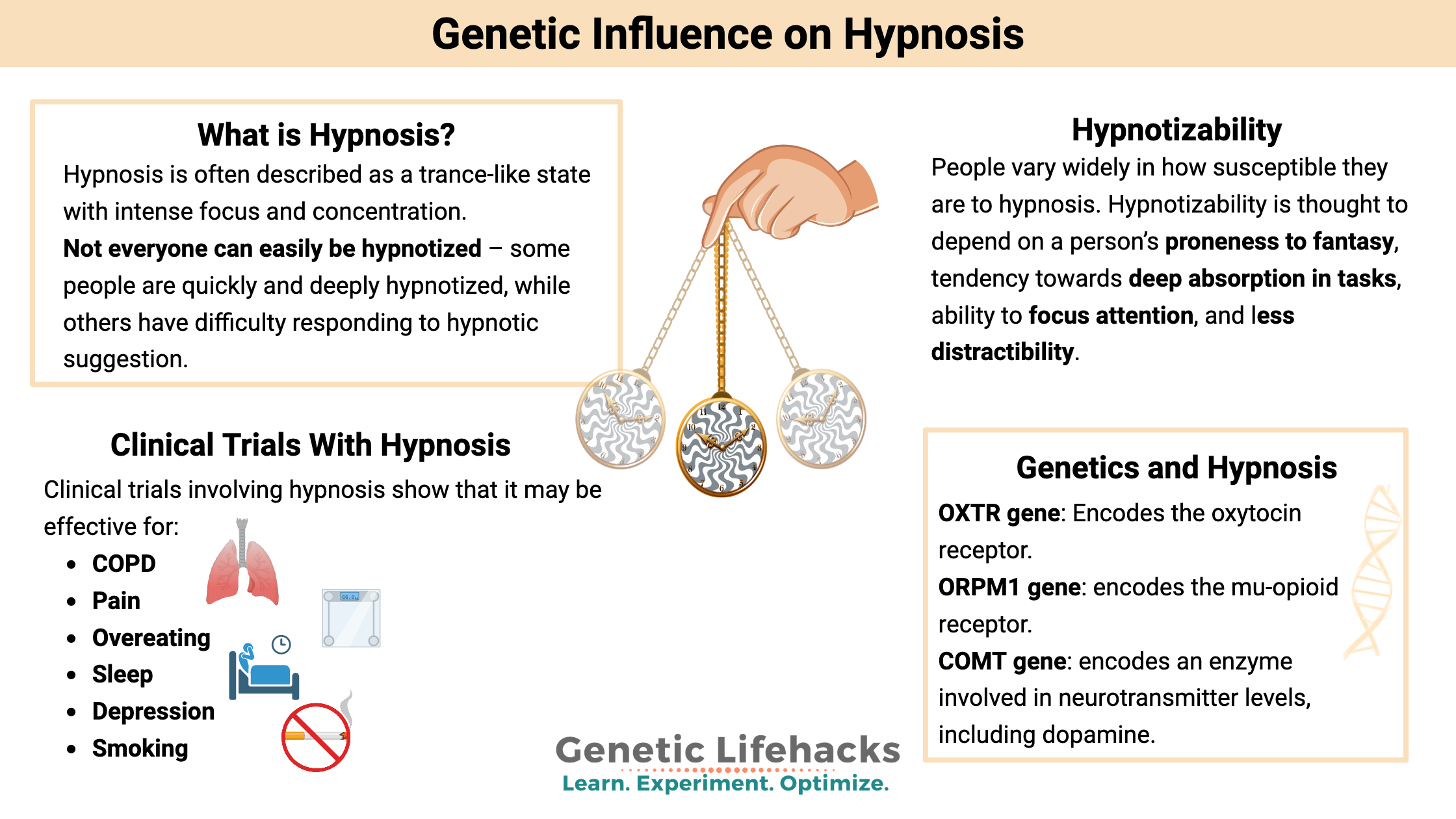
Not everyone is equally susceptible to hypnosis. Learn how your genetic variants play a role in how your brain focuses and responds to hypnotic suggestions.
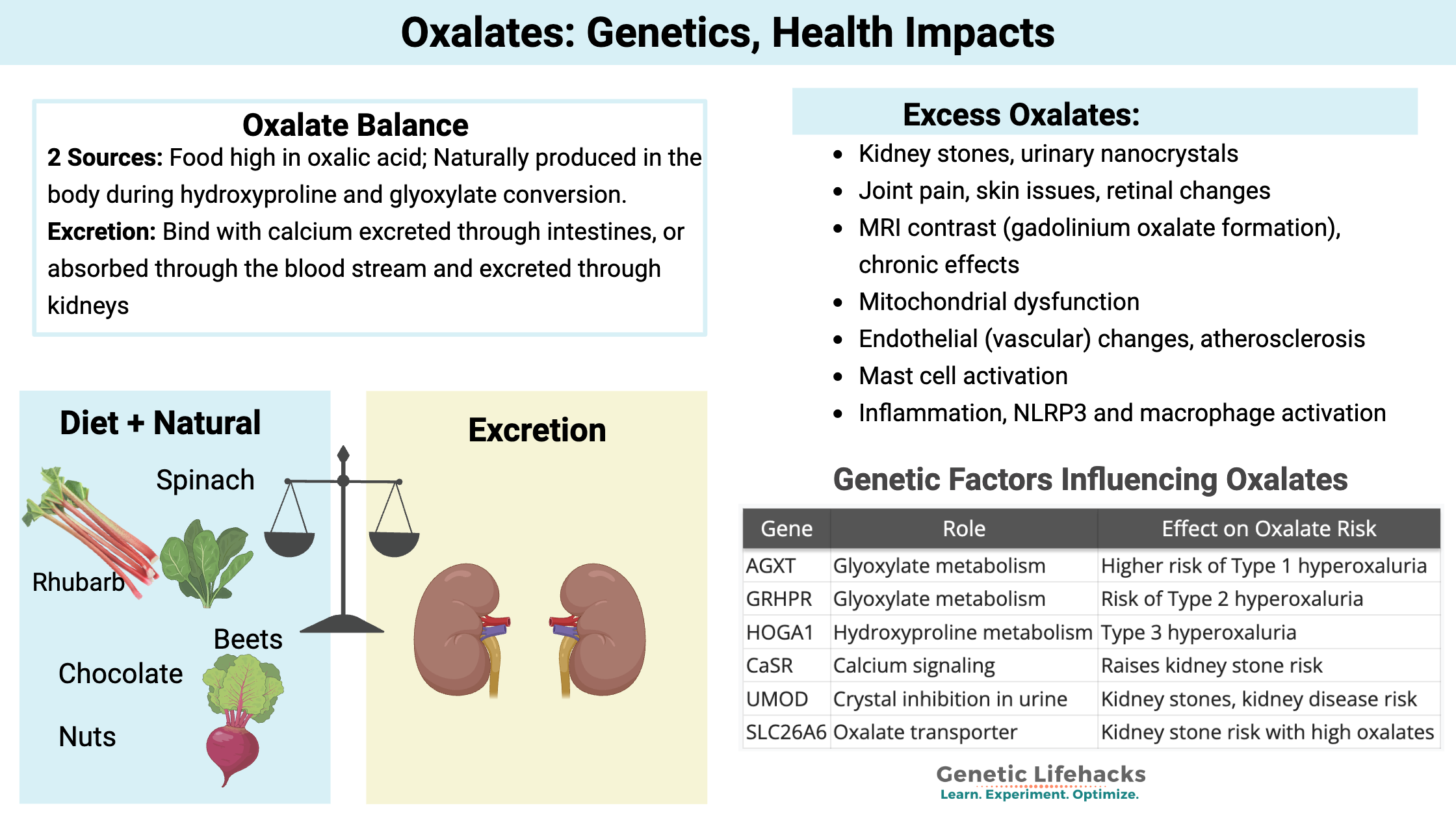
Green smoothies have been a health fad for quite a while now, but these health drinks can be a double-edged sword for some people due to their high oxalate content. Find out if you are genetically prone to kidney stones and what to do about it.
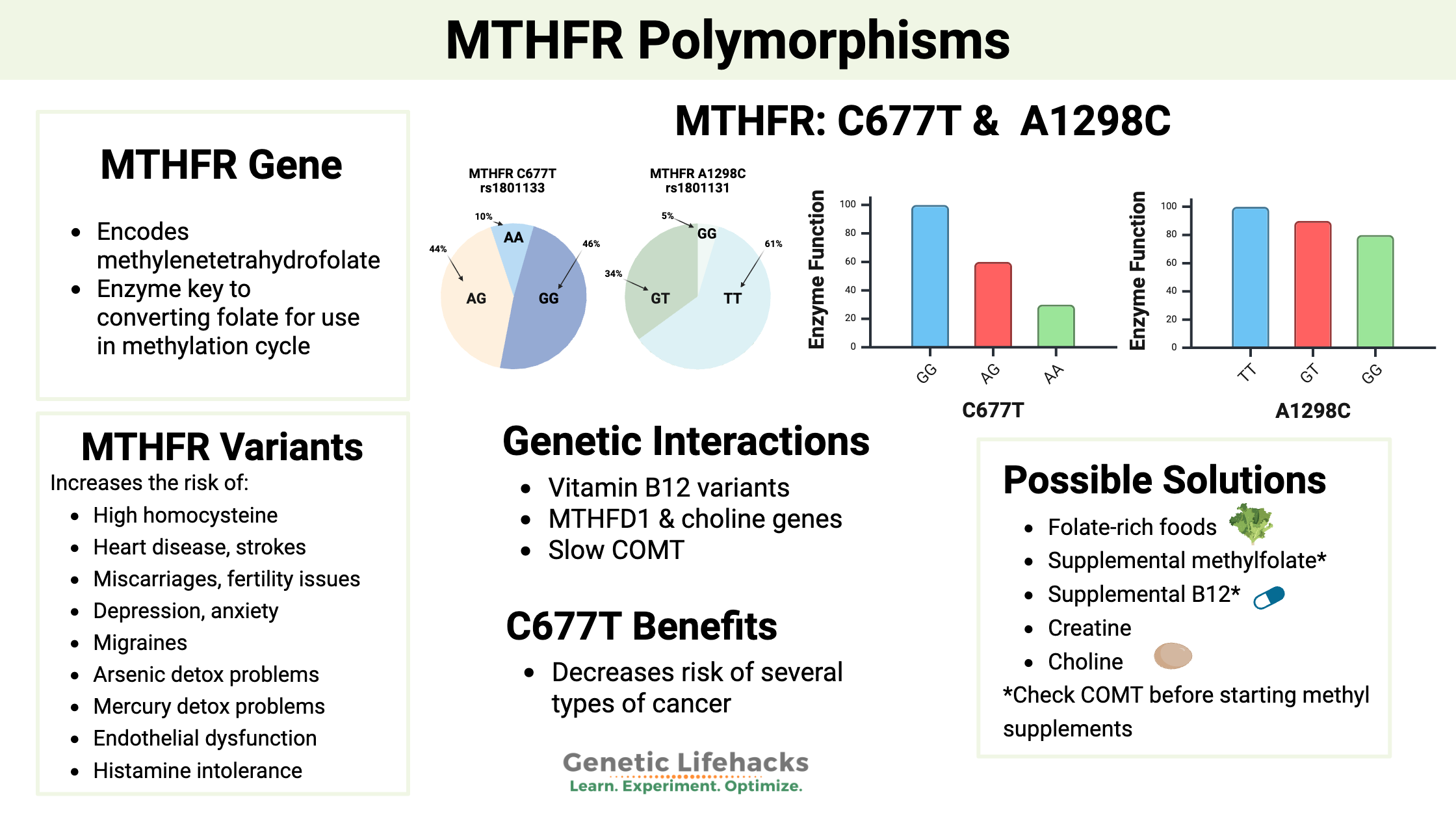
The MTHFR gene is important for how your body utilizes folate (vitamin B9) for creating neurotransmitters, detoxifying toxicants, and maintaining a healthy heart. It is a key gene in the methylation cycle.
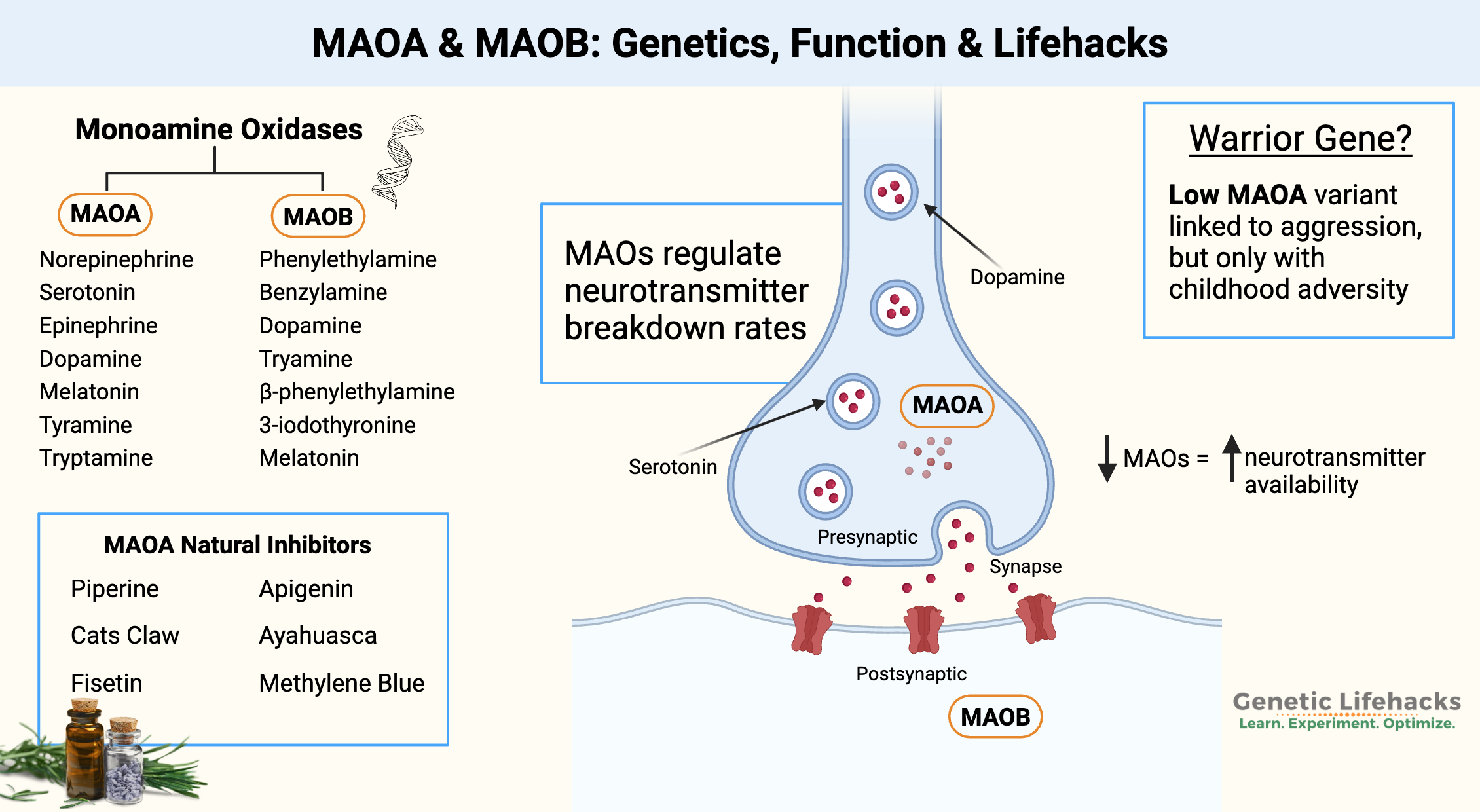
The MAOA and MAOB genes encode enzymes that break down certain neurotransmitters. People with low MAO may be prone to mood issues in certain circumstances.
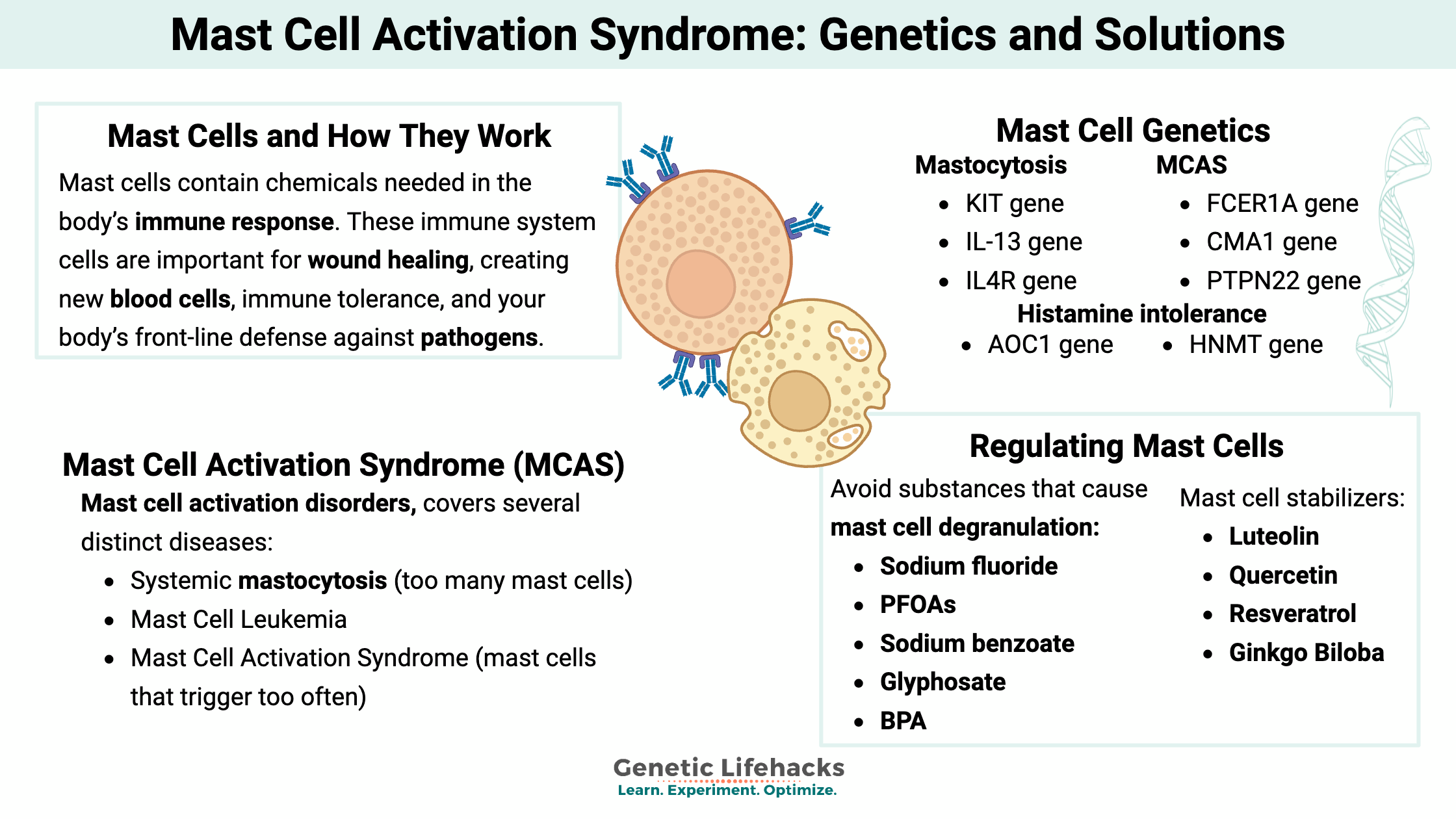
Mast cells are essential to your innate immune system, defending against pathogens and allergens. For some people, mast cells can be triggered too easily, giving allergy-like responses to lots of different substances.
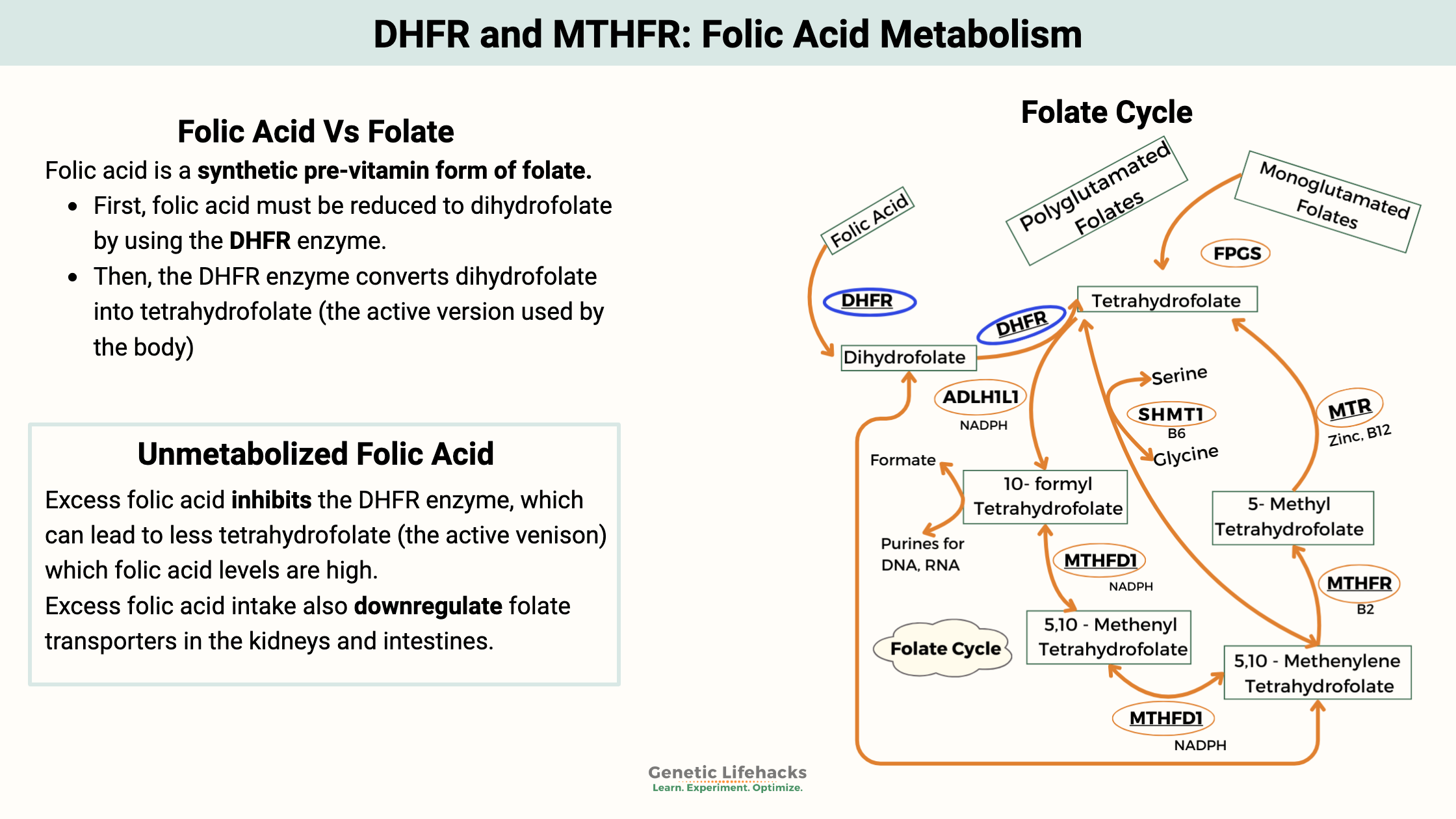
Methylfolate may be a better option than folic acid if you have certain genetic variants in the MTHFR or DHFR genes.