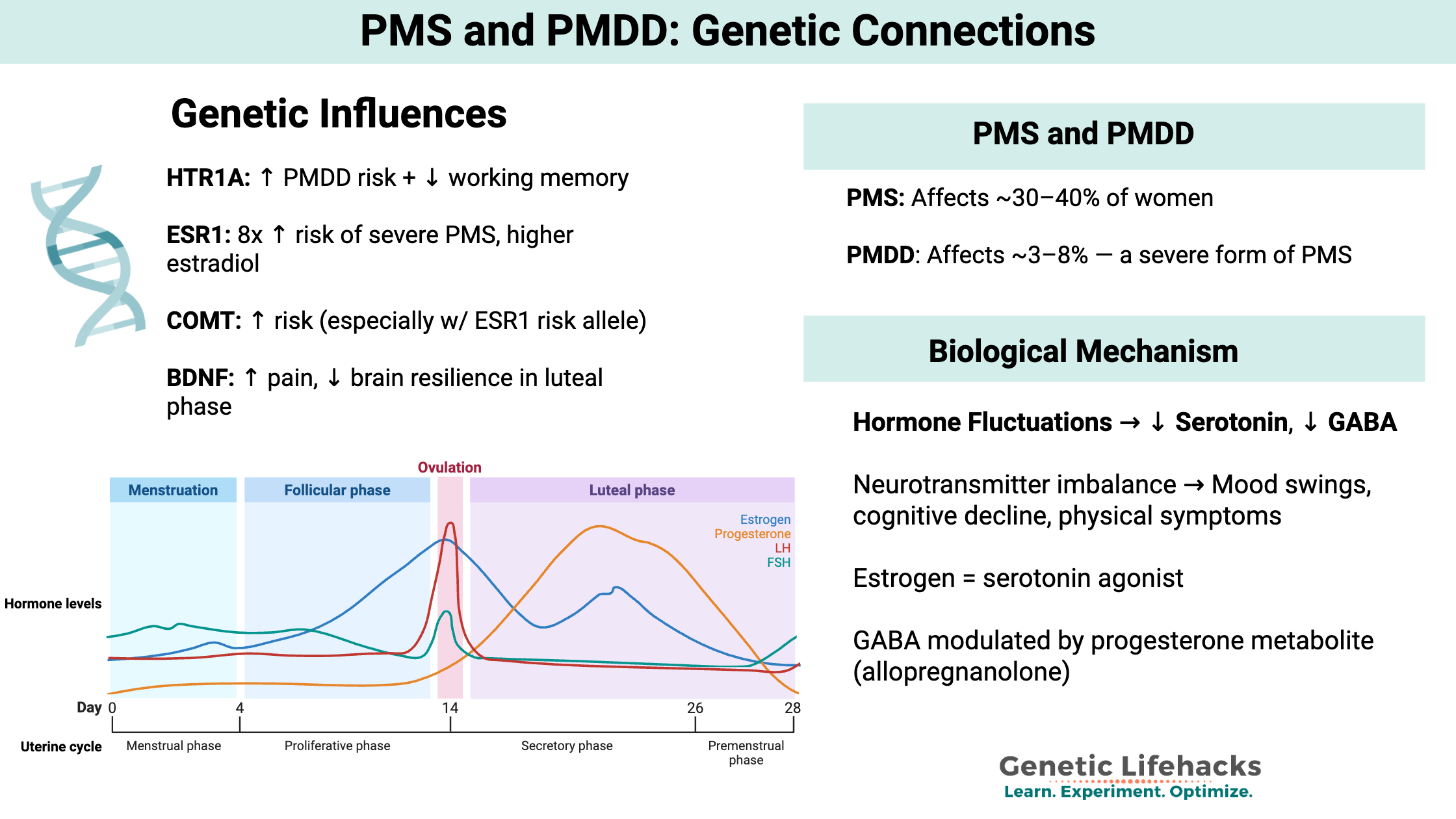
PMS, PMDD, Genetics, and Solutions
Studies estimate that PMS is up to 95% heritable – which means that it has a significant genetic component.

Studies estimate that PMS is up to 95% heritable – which means that it has a significant genetic component.

Unraveling MTHFR: A Comprehensive Guide The human body is a complex system, and understanding its intricacies can often seem like a daunting task. One such complexity lies in our genes, specifically the MTHFR gene. This gene, and the enzyme it produces, plays a crucial role in our health. However, mutations … Read more
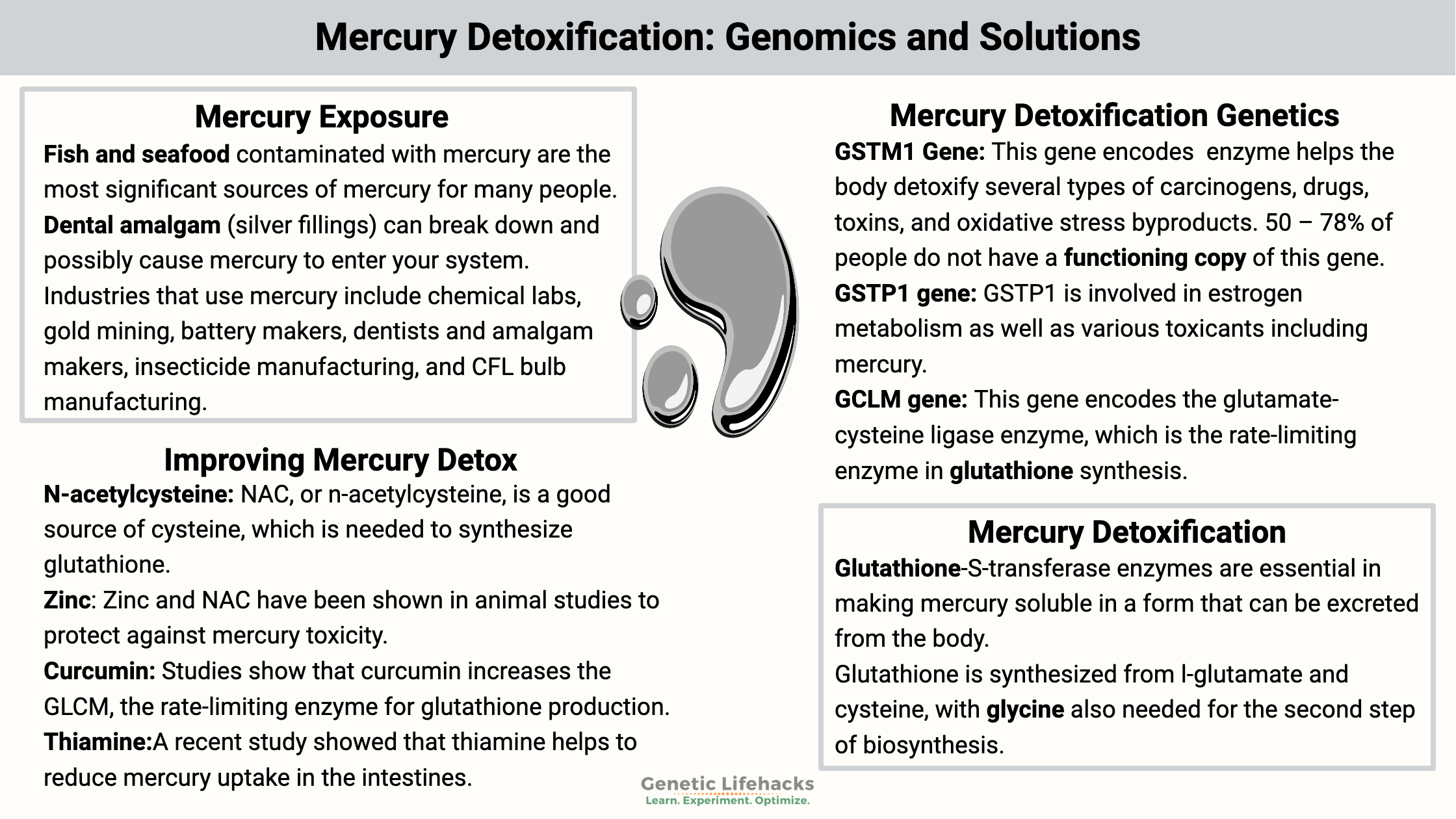
What are the physiological effects of mercury and how does the body eliminates it? Discover how genetic variants play a role in how quickly you excrete mercury.
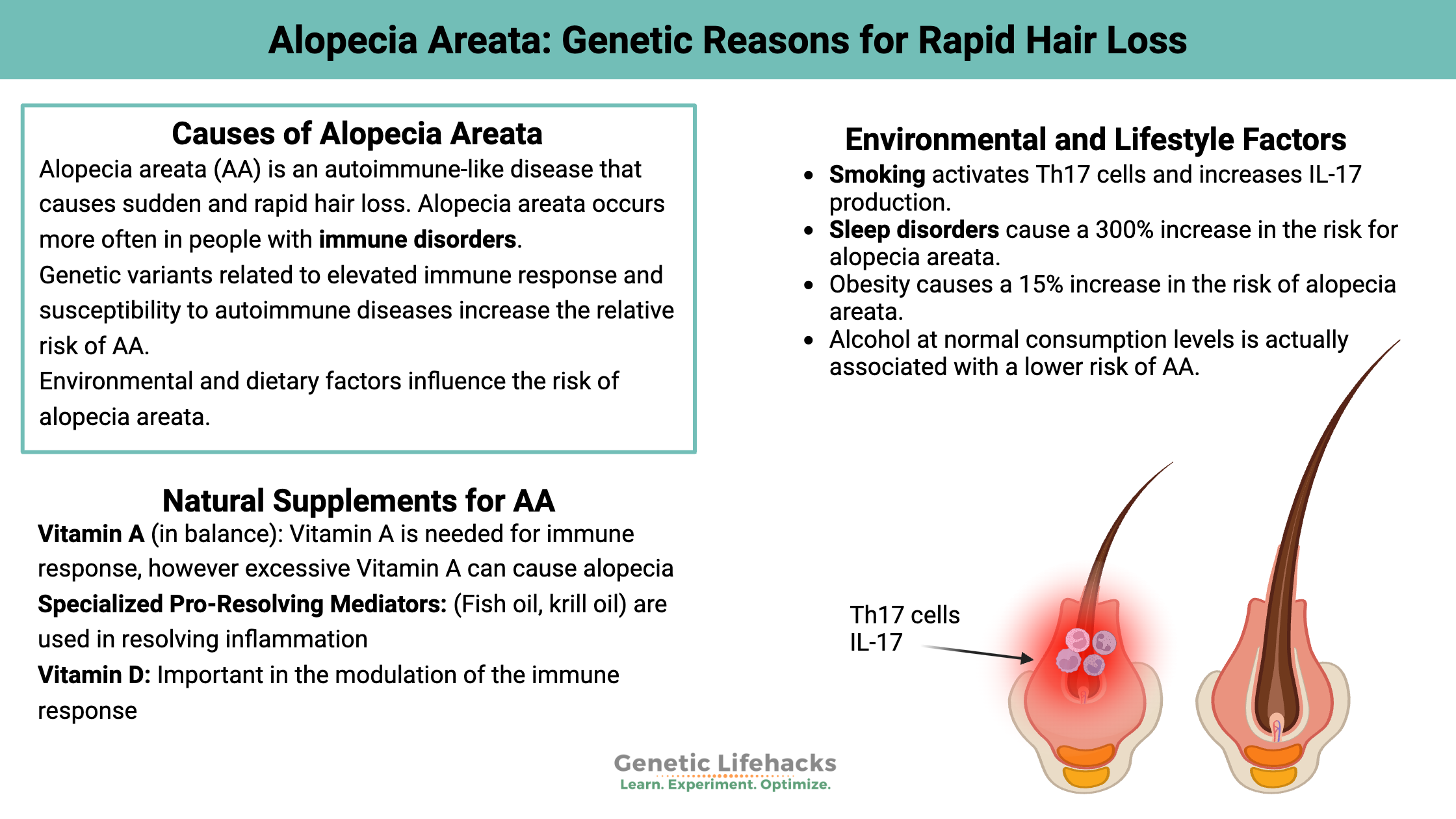
Alopecia areata is an autoimmune-like disorder in which the immune system attacks the hair follicle. Learn about the triggers of alopecia areata, why the hair falls out, genetic variants that increase susceptibility, and possible treatment options.
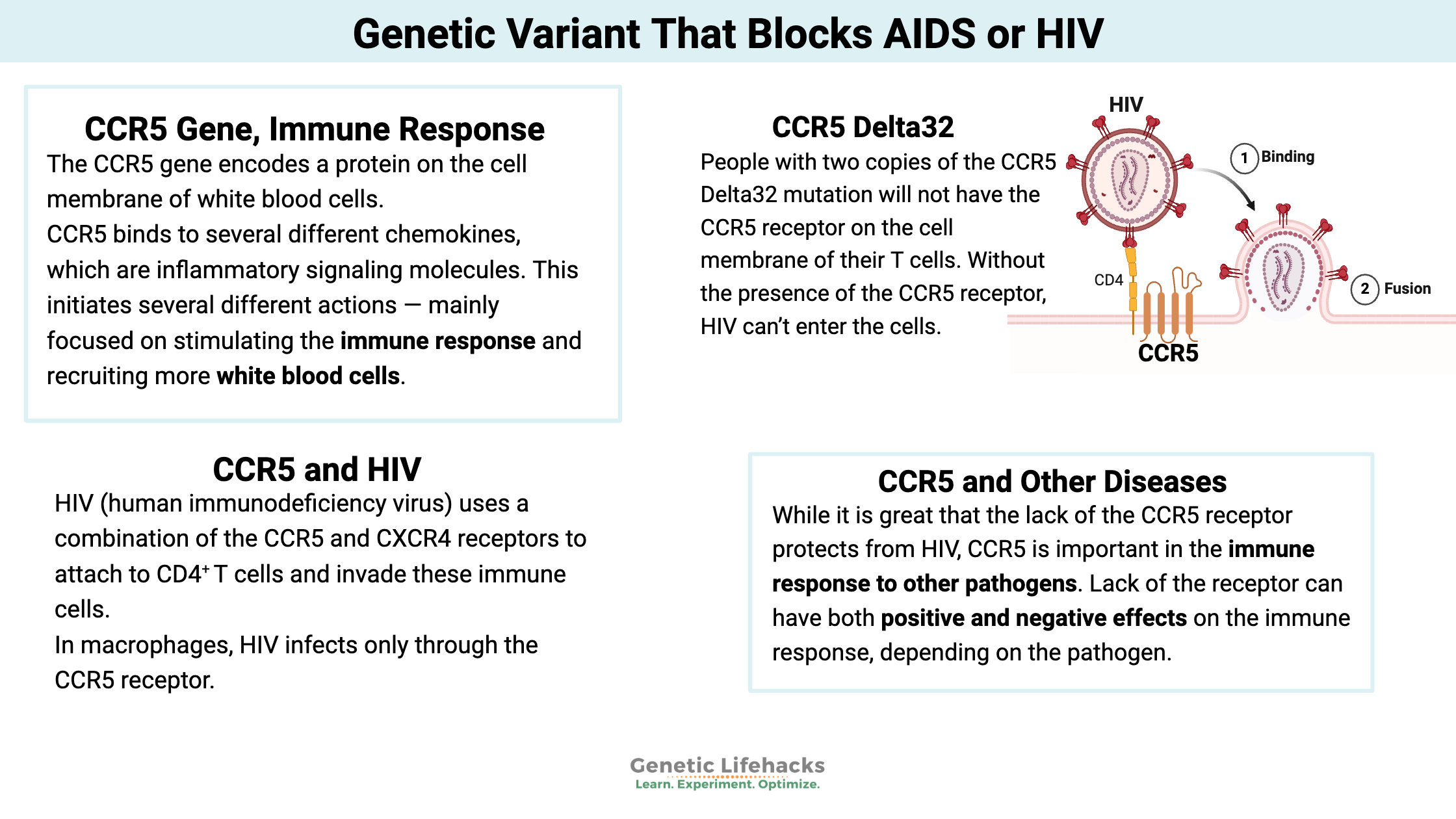
The CCR5 gene is an important player in the immune response. The CCR5-delta32 variant can reduce susceptibility to certain HIV strains, particularly in people with two copies.
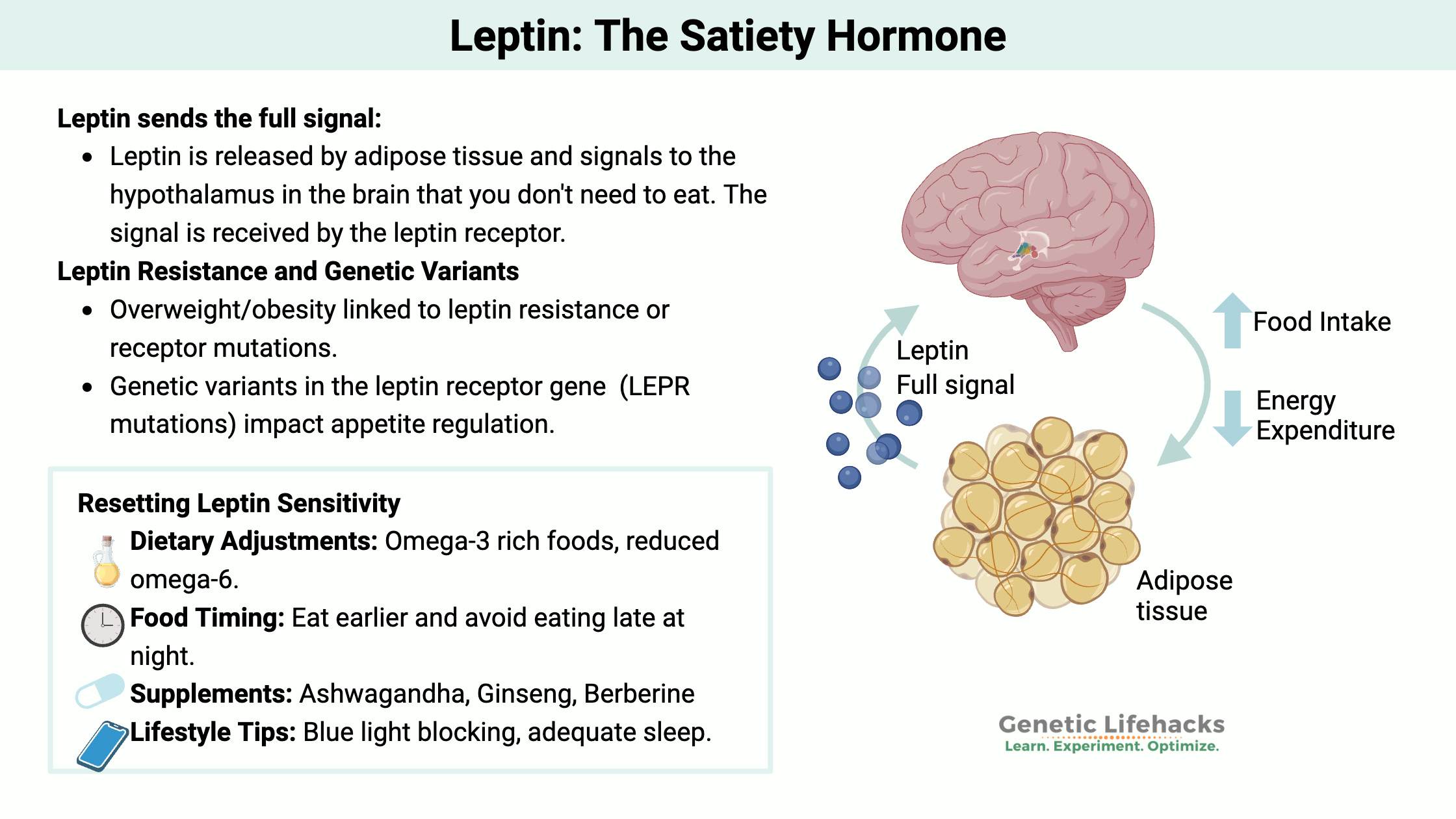
Do you wonder why other people don’t seem to struggle with wanting to eat more? Leptin is a hormone that signals to the brain when you are full and should stop eating. Genetic variants in the LEPR gene are linked to obesity and desire to eat more.
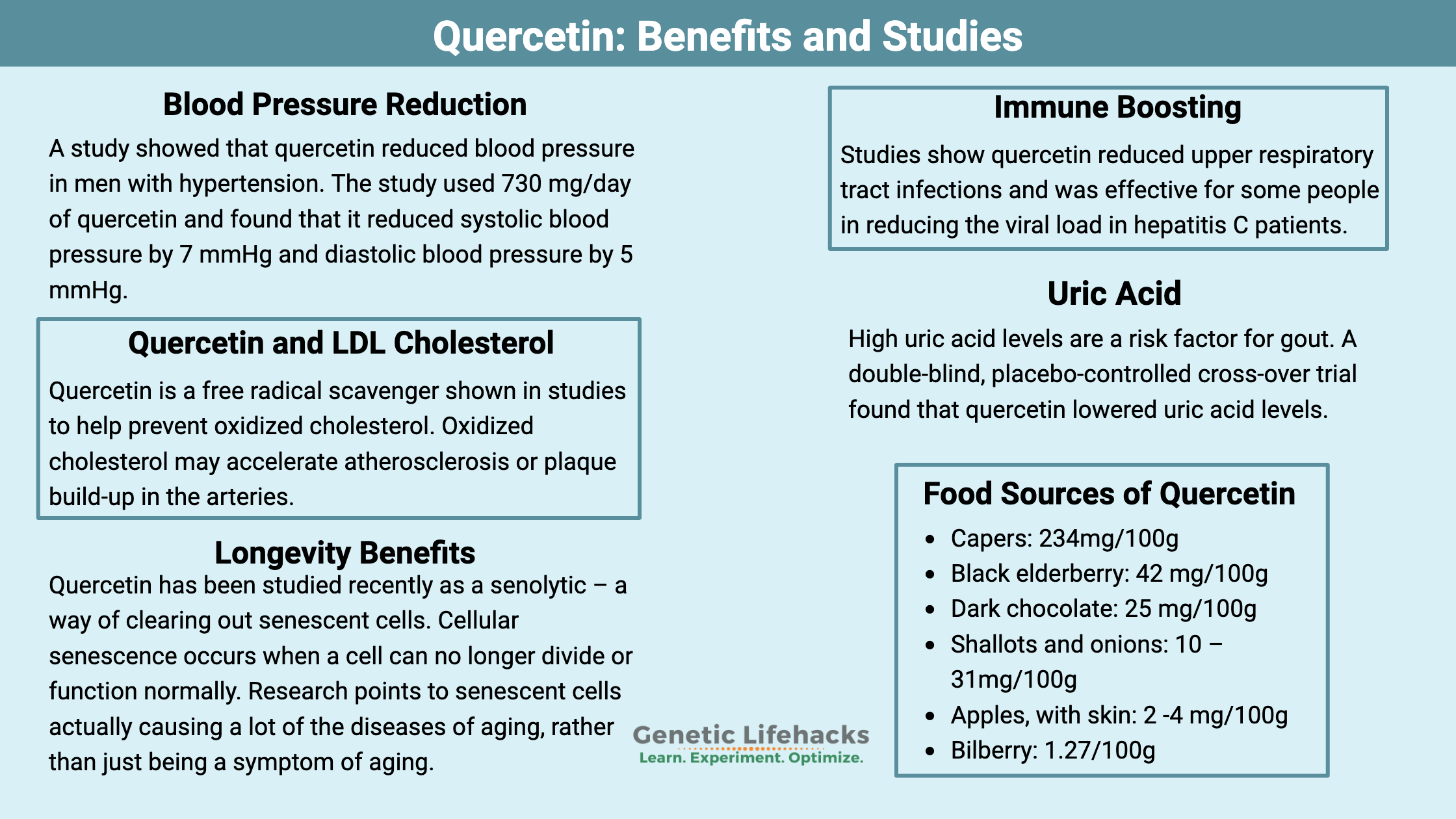
Quercetin is a natural flavonoid acting as both an antioxidant and anti-inflammatory. This article focuses on the results of clinical trials involving quercetin and links to specific genetic topics. Using your genetic data, you can make a more informed decision on whether quercetin is worth trying.
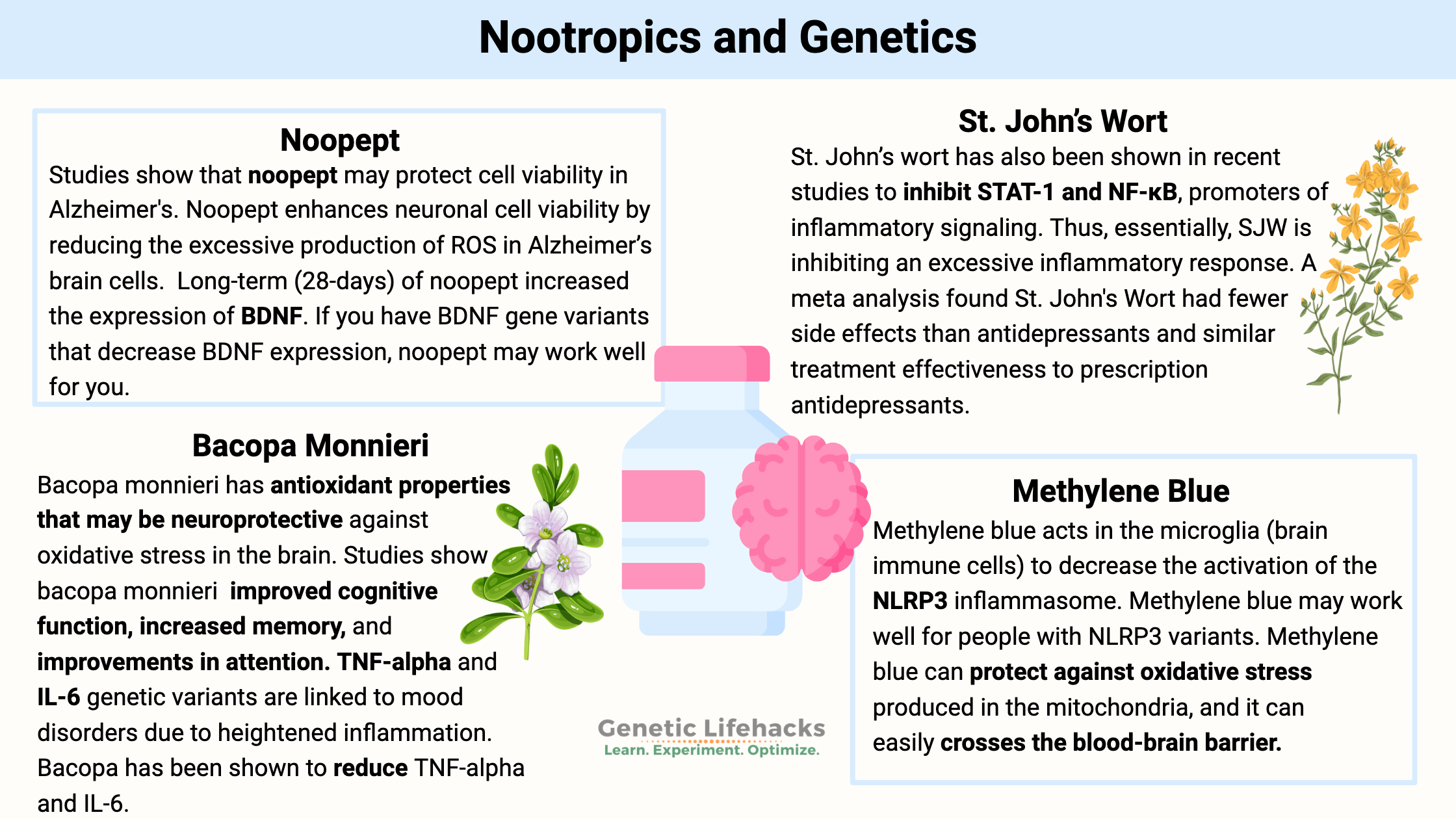
Nootropics are supplements used to boost cognition and memory. Learn how the substance works and the genes connected to the mechanism of action.
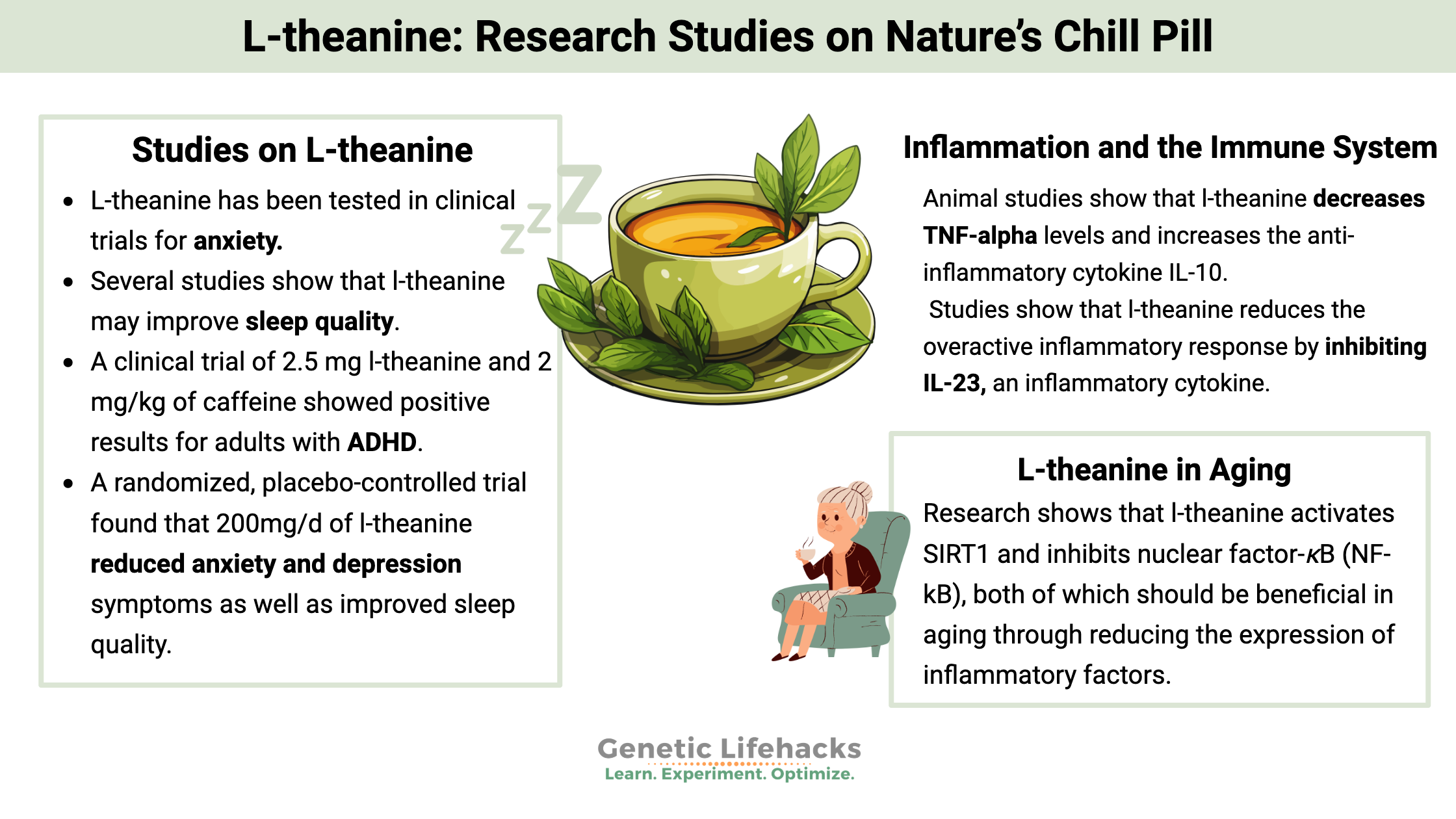
L-theanine is known for reducing anxiety and promoting sleep. Discover the many benefits of l-theanine and how supplementation might work for you.
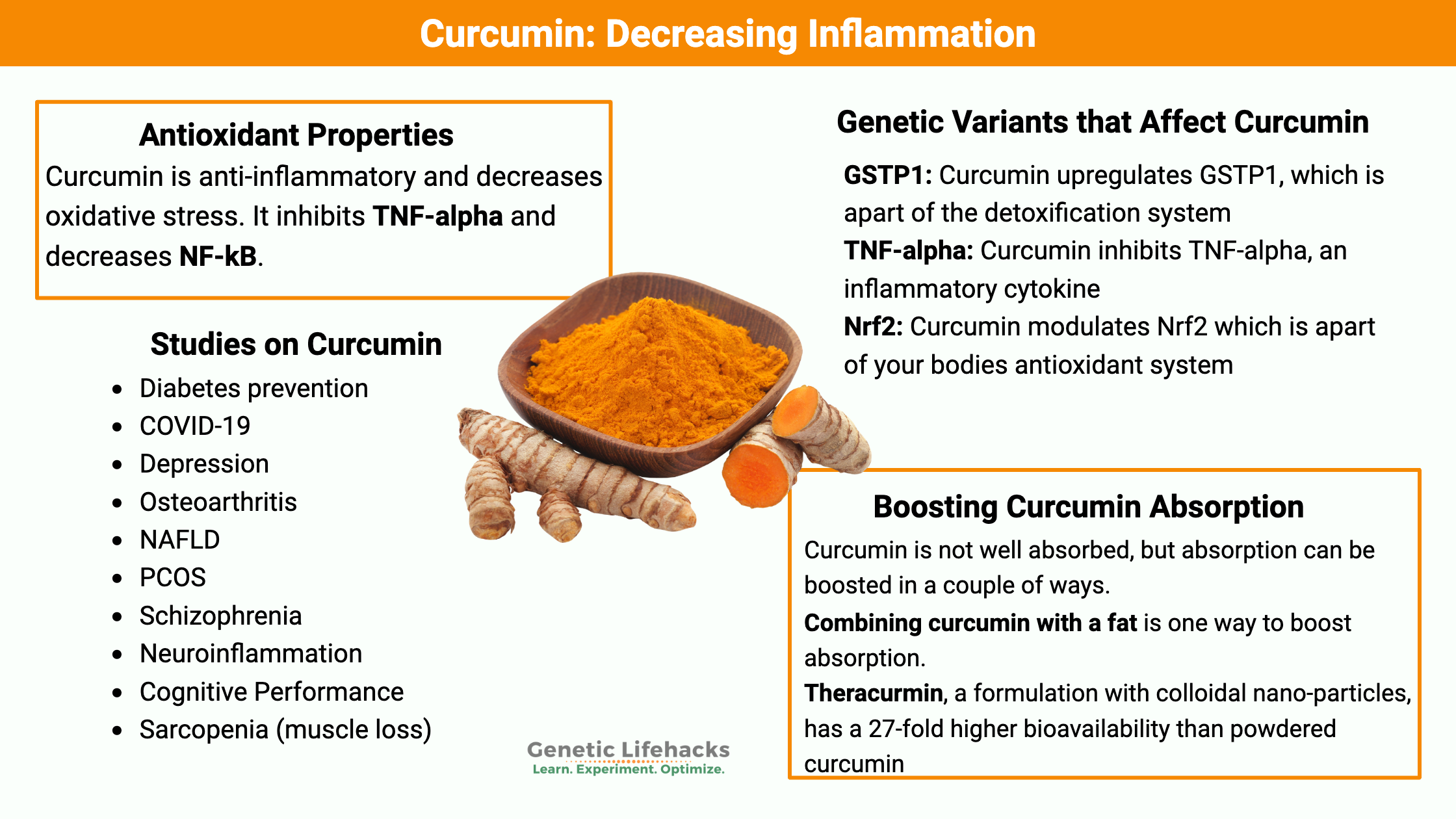
Have you heard that curcumin supplements offer a slew of health benefits? Discover the science behind how curcumin reduces inflammation for better outcomes in chronic diseases.
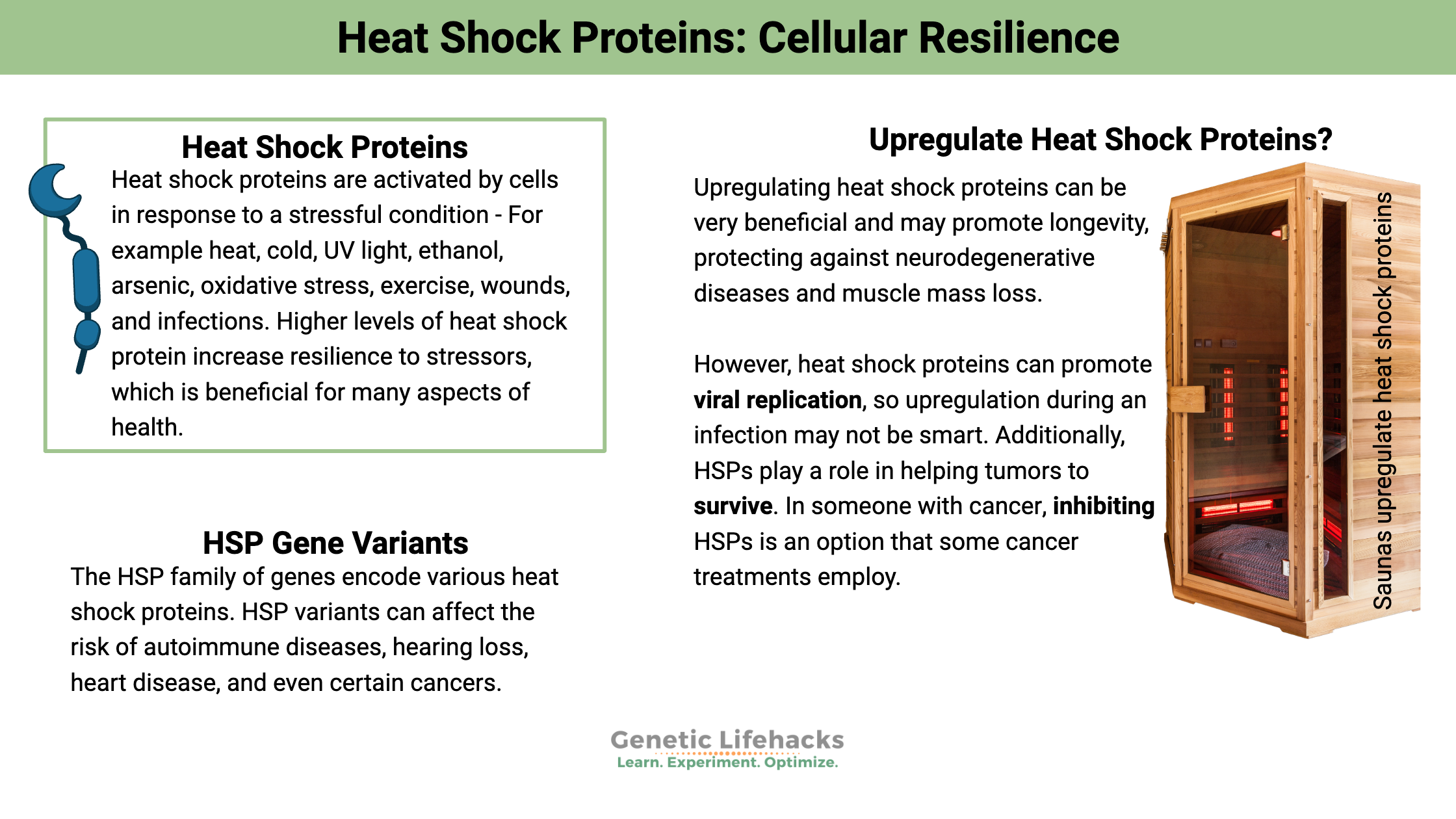
Heat shock proteins are activated by cells in response to a stressful condition, such as exposure to high heat. Learn more about the essentials of heat shock proteins, including how to activate them and the genetic variants that impact how well they work.
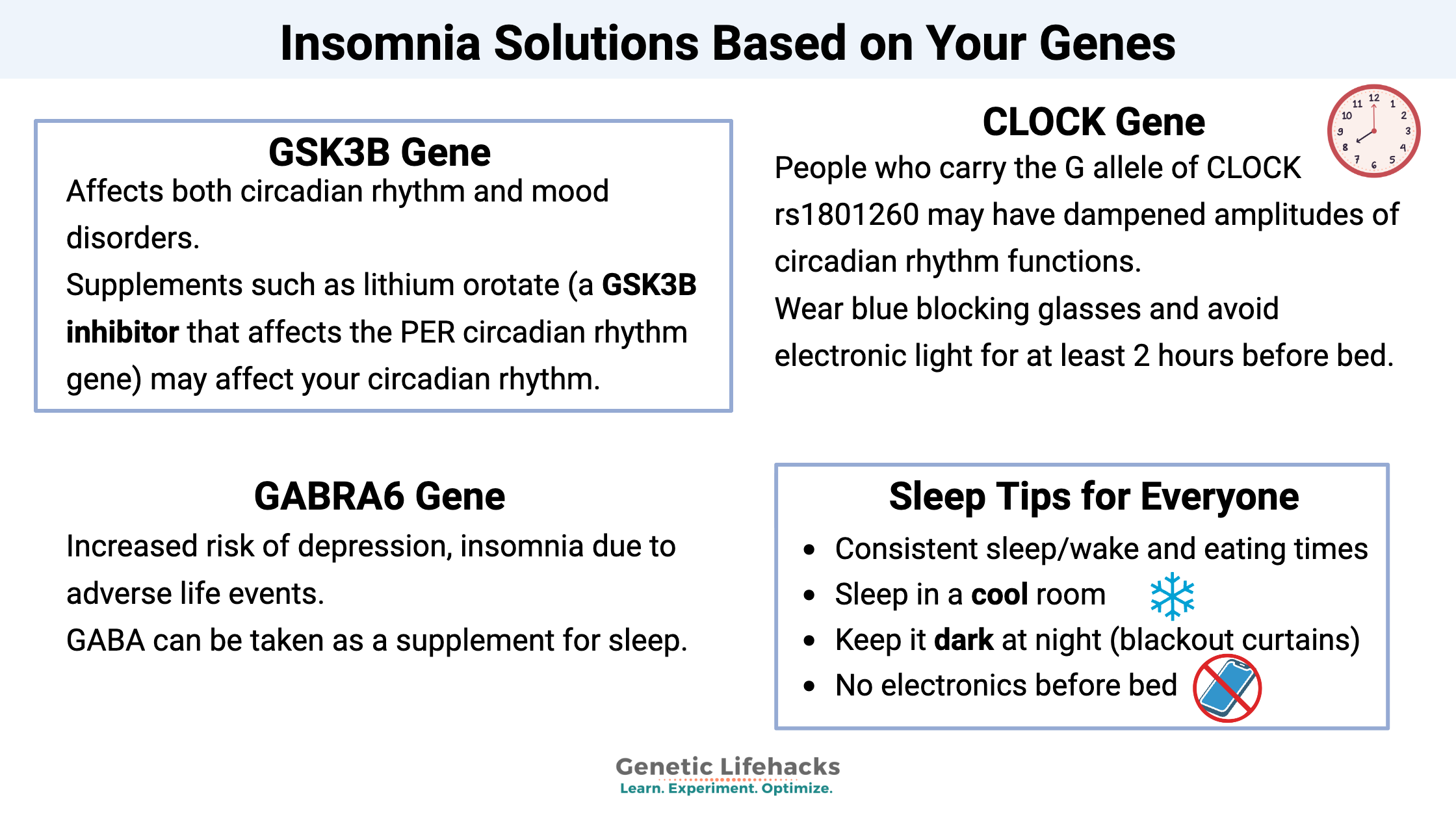
Learn about some of the genetic reasons for insomnia — and the solutions that may work for you based on your genetic variants.
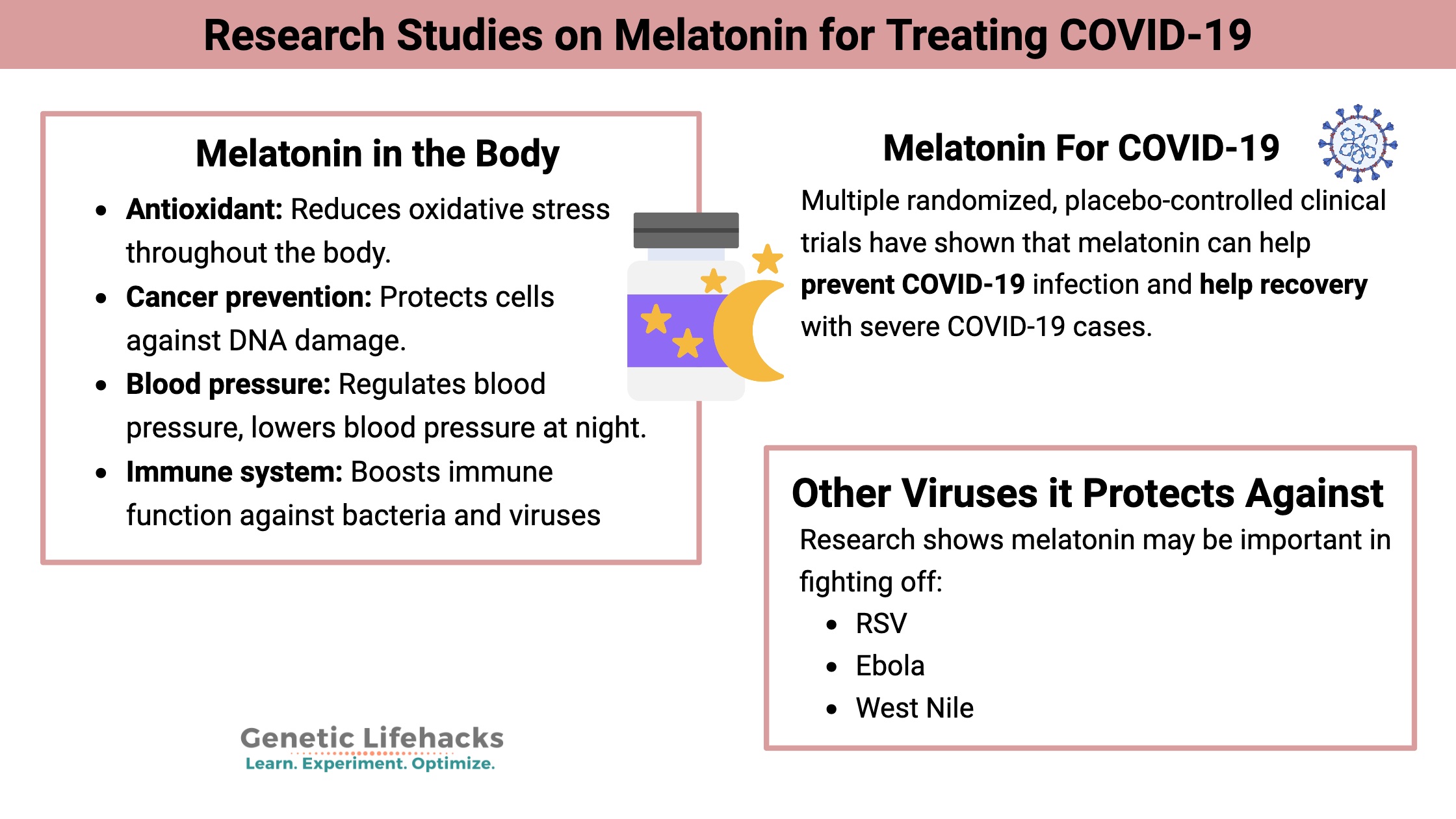
The research on melatonin shows that it plays an important role in our body’s inflammatory response to pathogens. Learn more about the current research on melatonin for COVID-19 and the science behind how it impacts immune response.
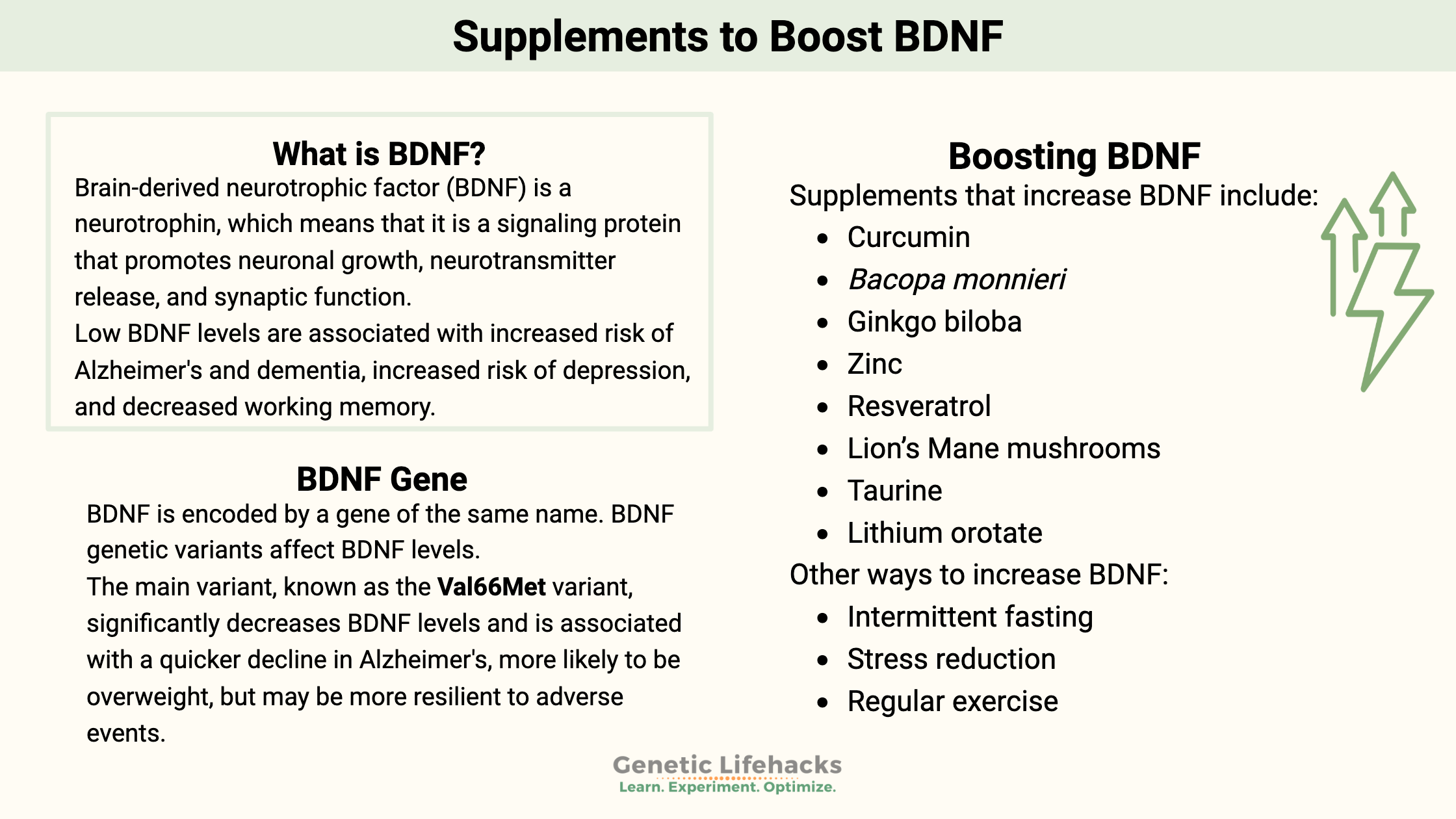
Is it smart to boost your BDNF levels? Discover more by digging into the research studies that show when, how, and why it is important to focus on BDNF.
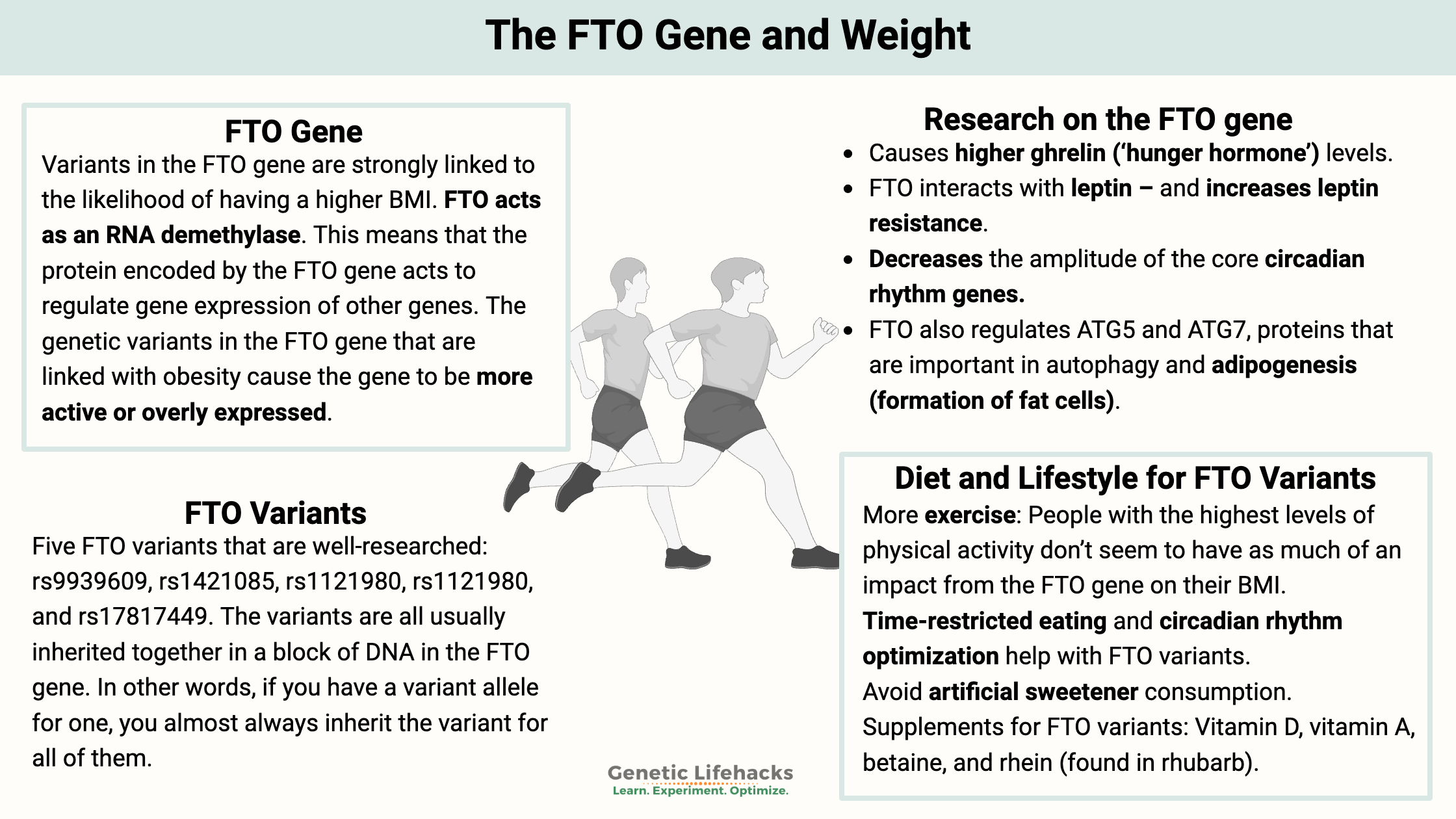
The FTO gene is nick-named the ‘fatso gene’ because of its association with obesity. This article digs into the current research on the FTO gene and then will give you some science-based options for controlling your weight if you carry the FTO genetic variant.
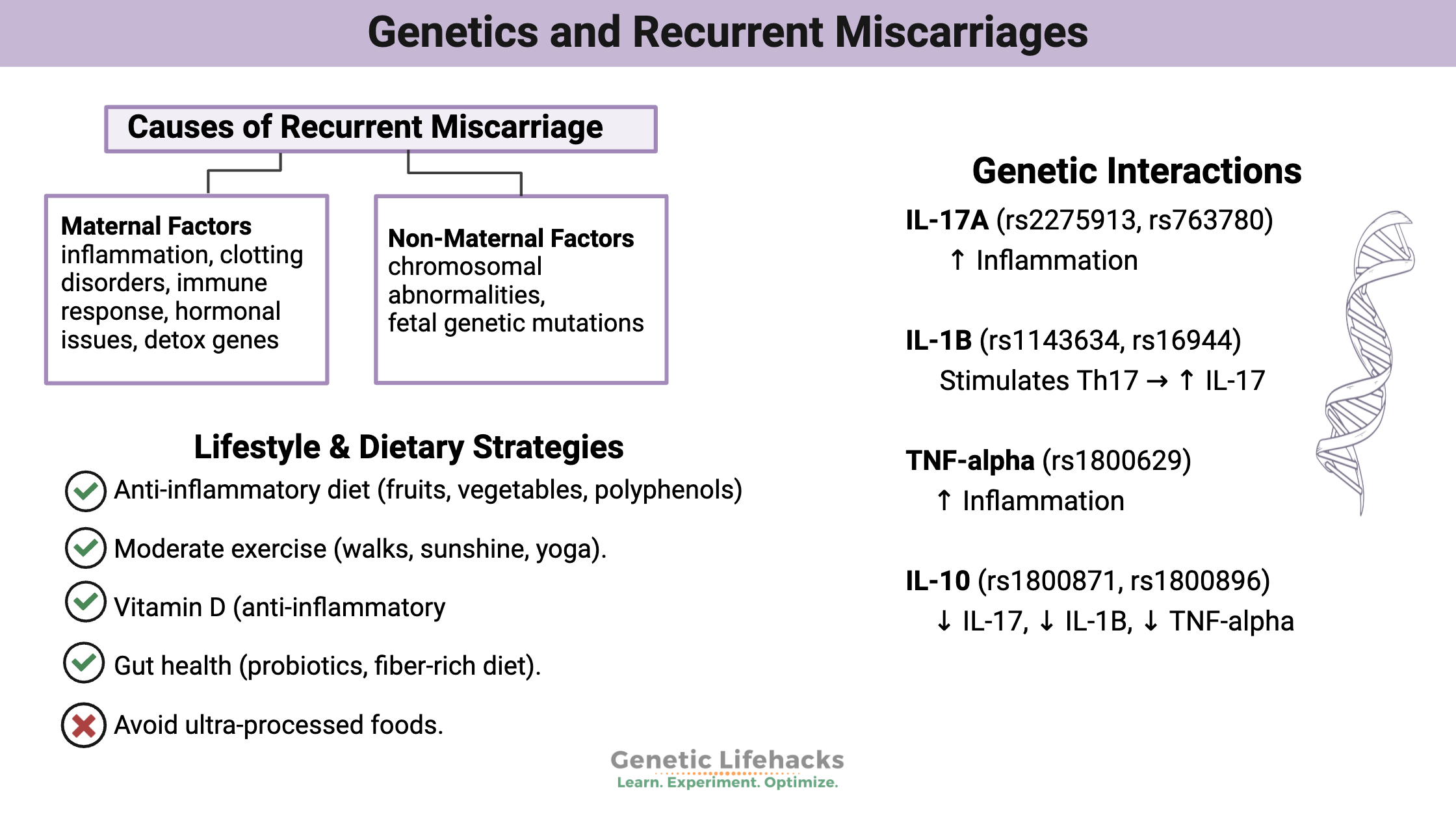
Learn about how genetic variants in certain inflammatory cytokines can increase or decrease the risk of recurrent miscarriage.
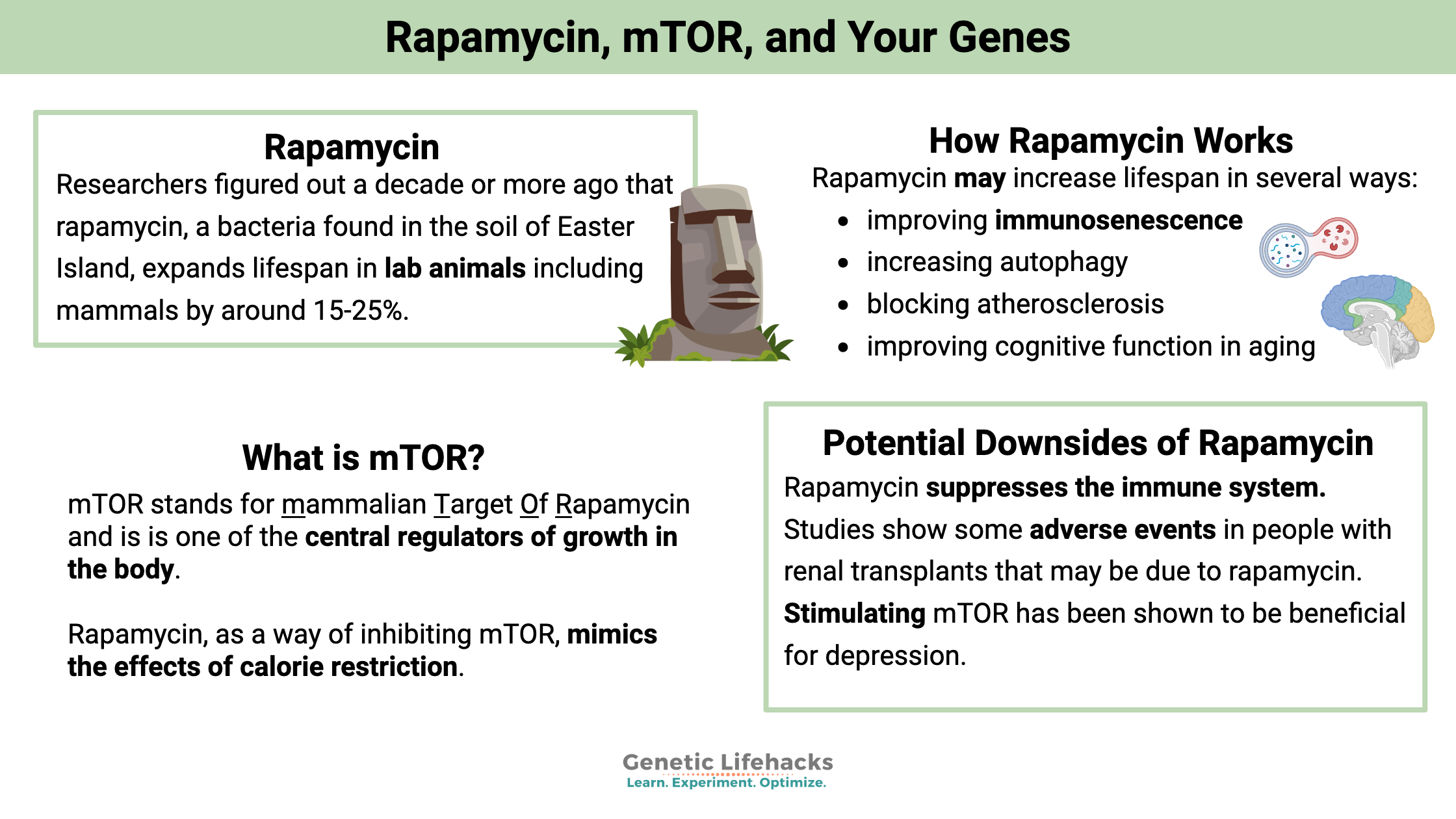
Rapamycin is an antibiotic used as an immunosuppressant, an anti-cancer agent, and to prevent blocked arteries. Rapamycin is now the focus of longevity and healthspan-extending research by inhibiting mTOR.
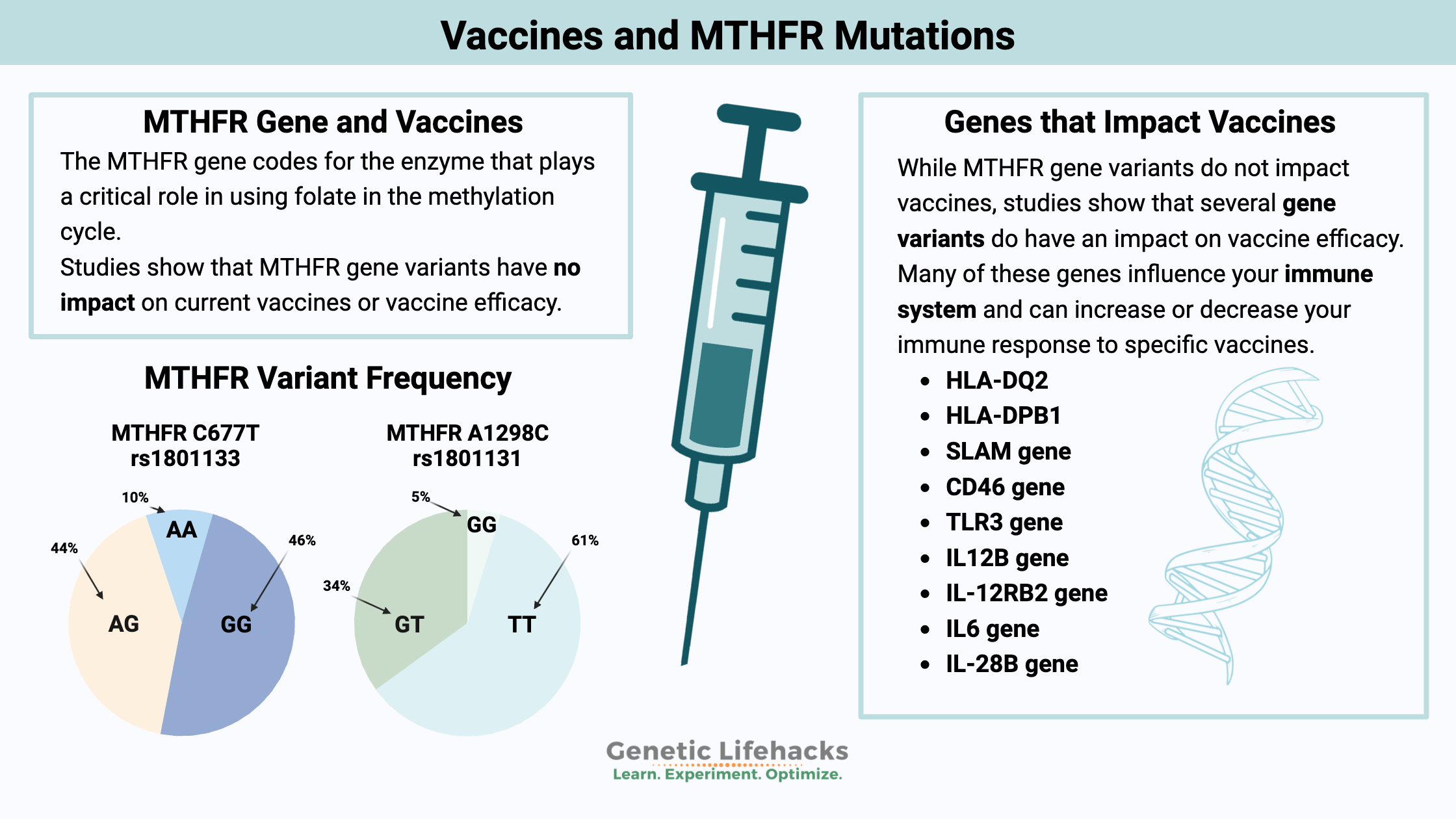
This article covers what the research shows about folate metabolism, MTHFR, and immune response. See what the research says.
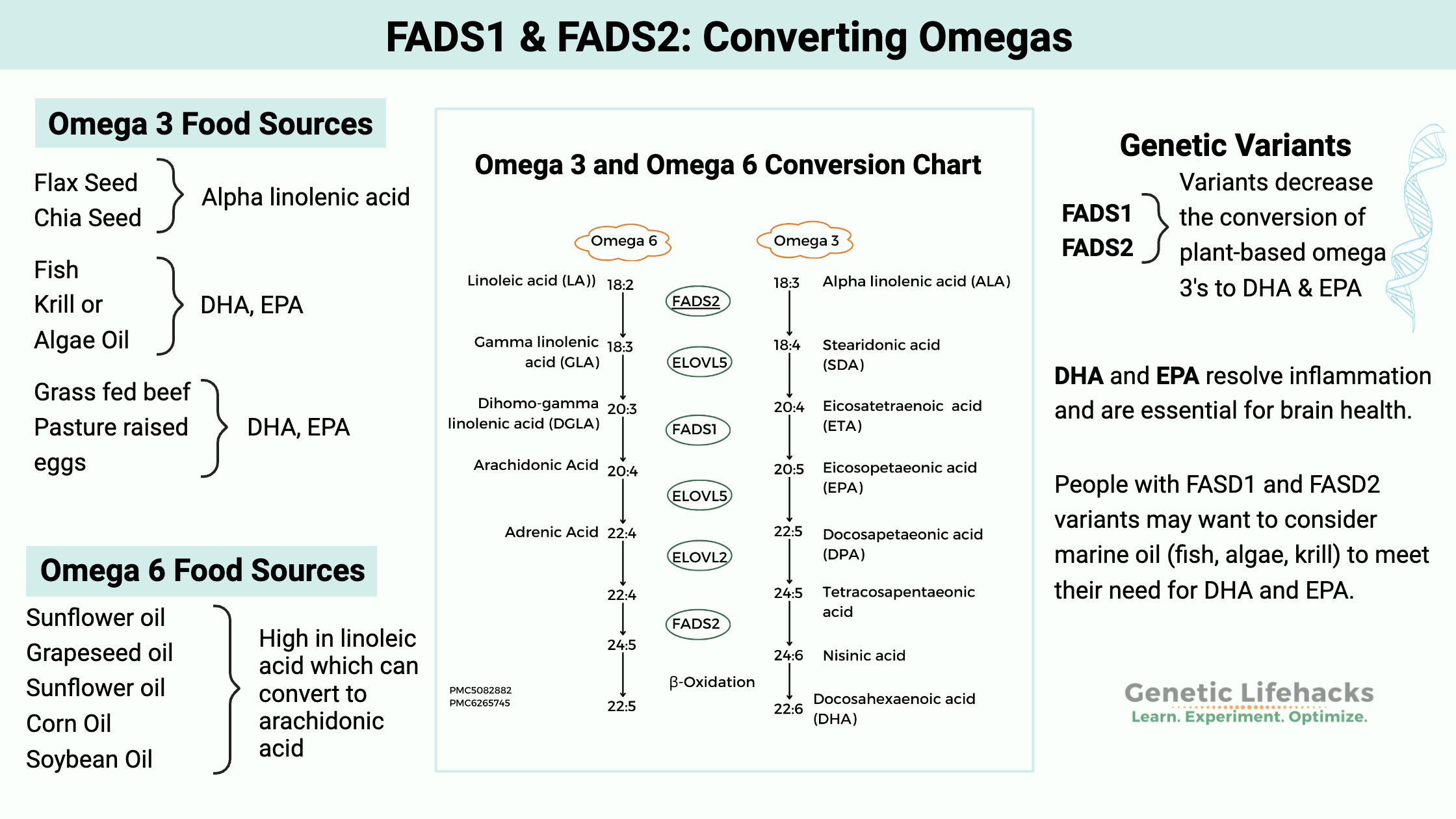
We all vary in how well we convert the plant-based omega-3 oils into the DHA and EPA that our body needs. Some people are really poor at this conversion and thus should either eat more fish or consider taking a DHA / EPA supplement. Learn more about how your variants might affect your health.
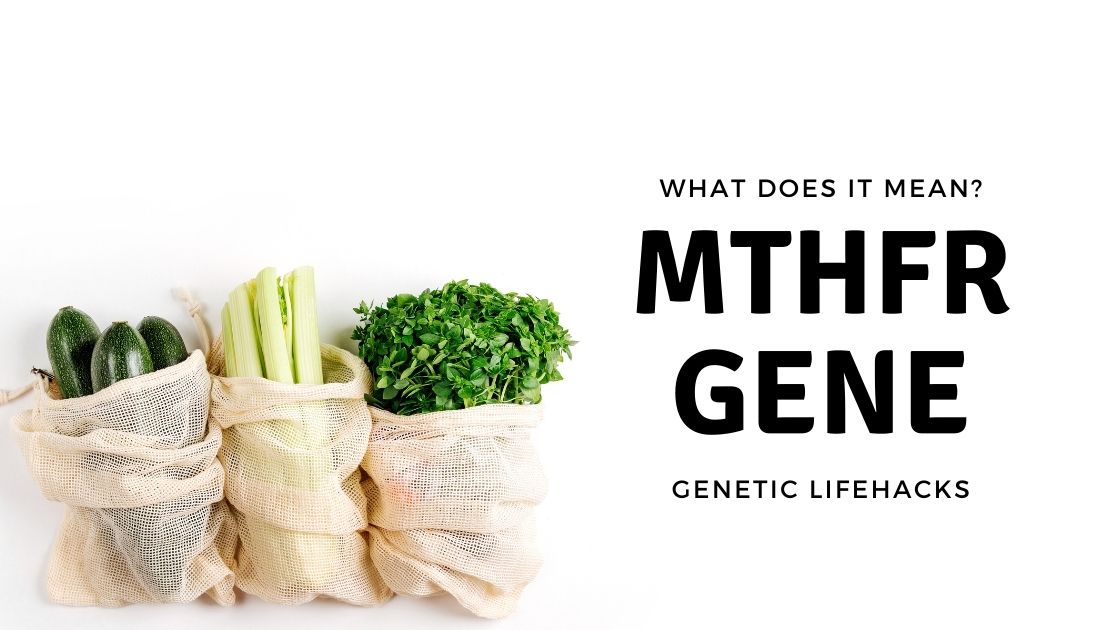
Wondering what MTHFR is all about? Learn what the research says about it and how to check your own raw data file.
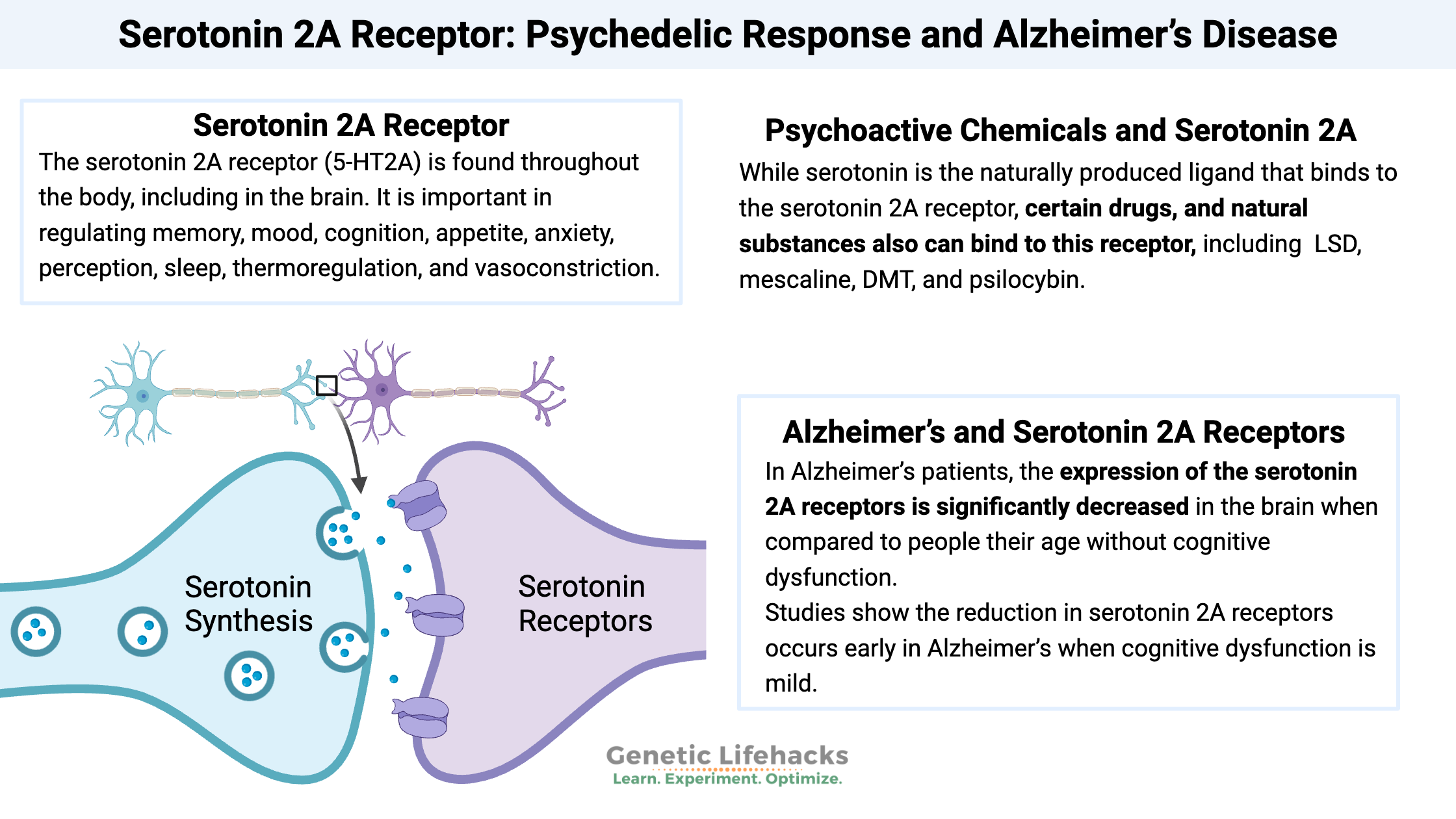
Learn how new research on brain aging and dementia connects the serotonin 2A receptor with psychedelics, brain aging, and Alzheimer’s.
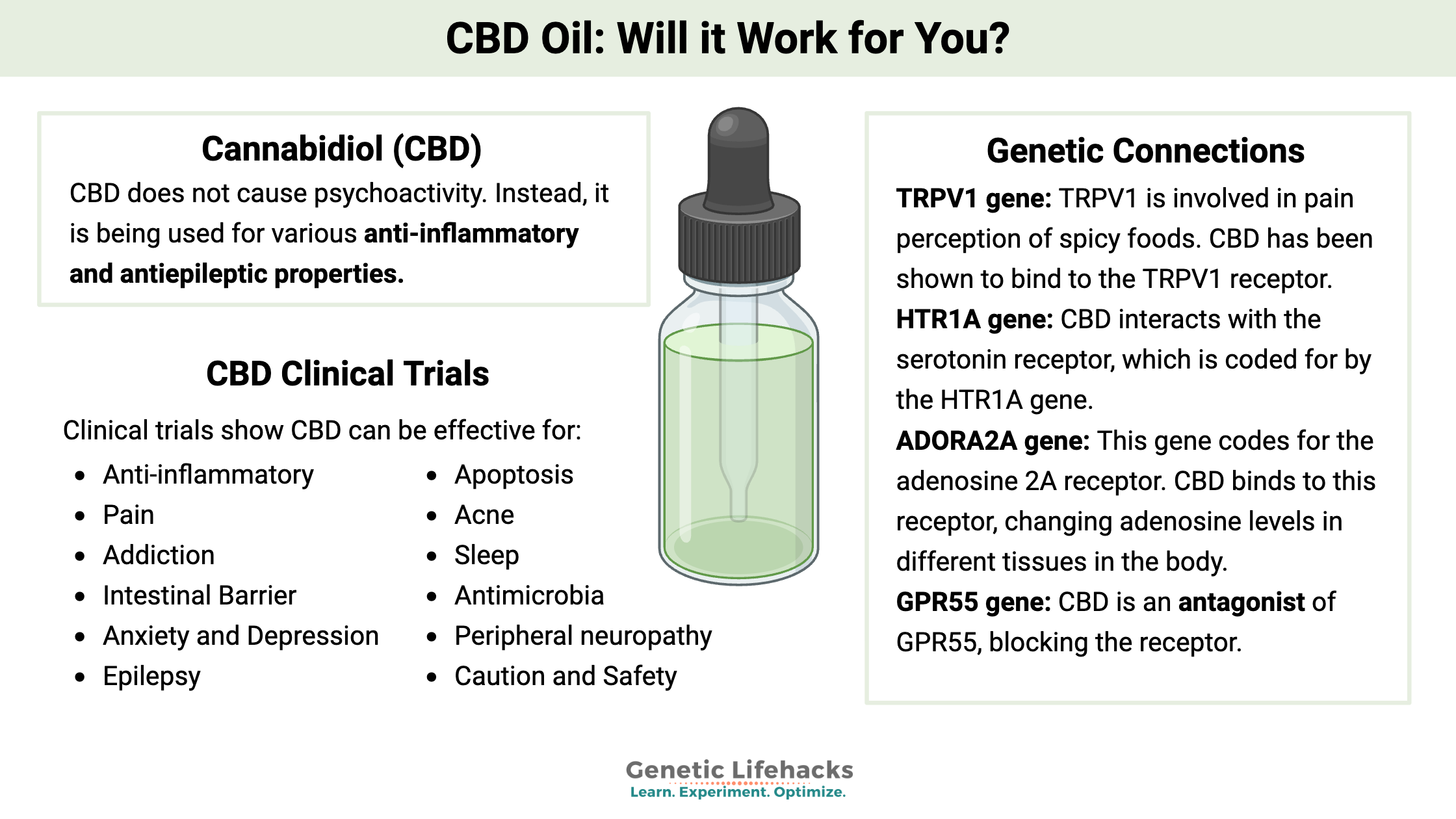
Why do some people get such great benefits from CBD while others notice nothing? Your genes play a role in how your body responds to CBD.

This is a quick (Member’s Only) overview of how your genetic variants impact various aspects of sleep including insomnia, circadian rhythm, and sleep quality.
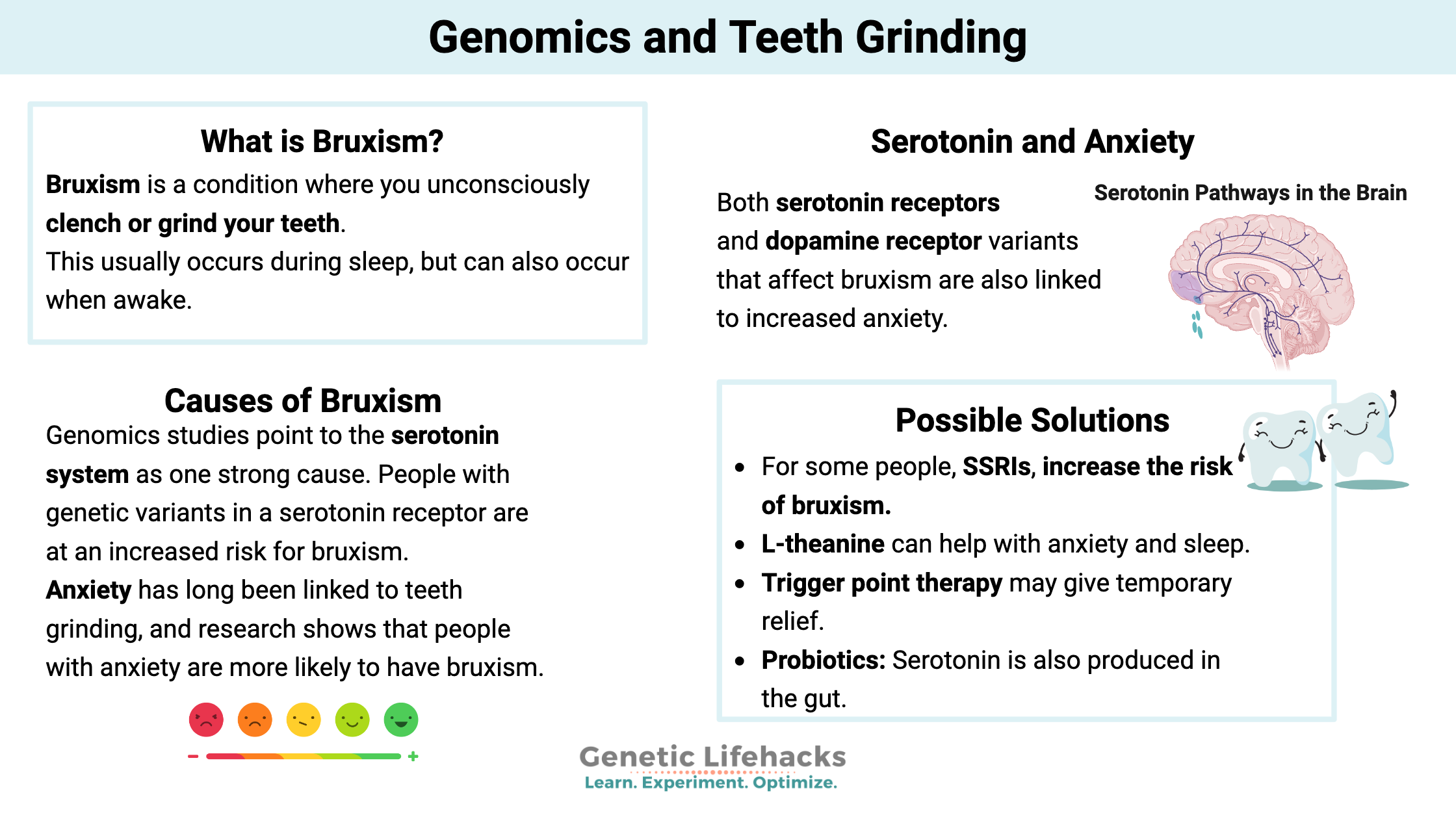
Grinding your teeth at night can be due, in part, to genetic variants in the serotonin genes.