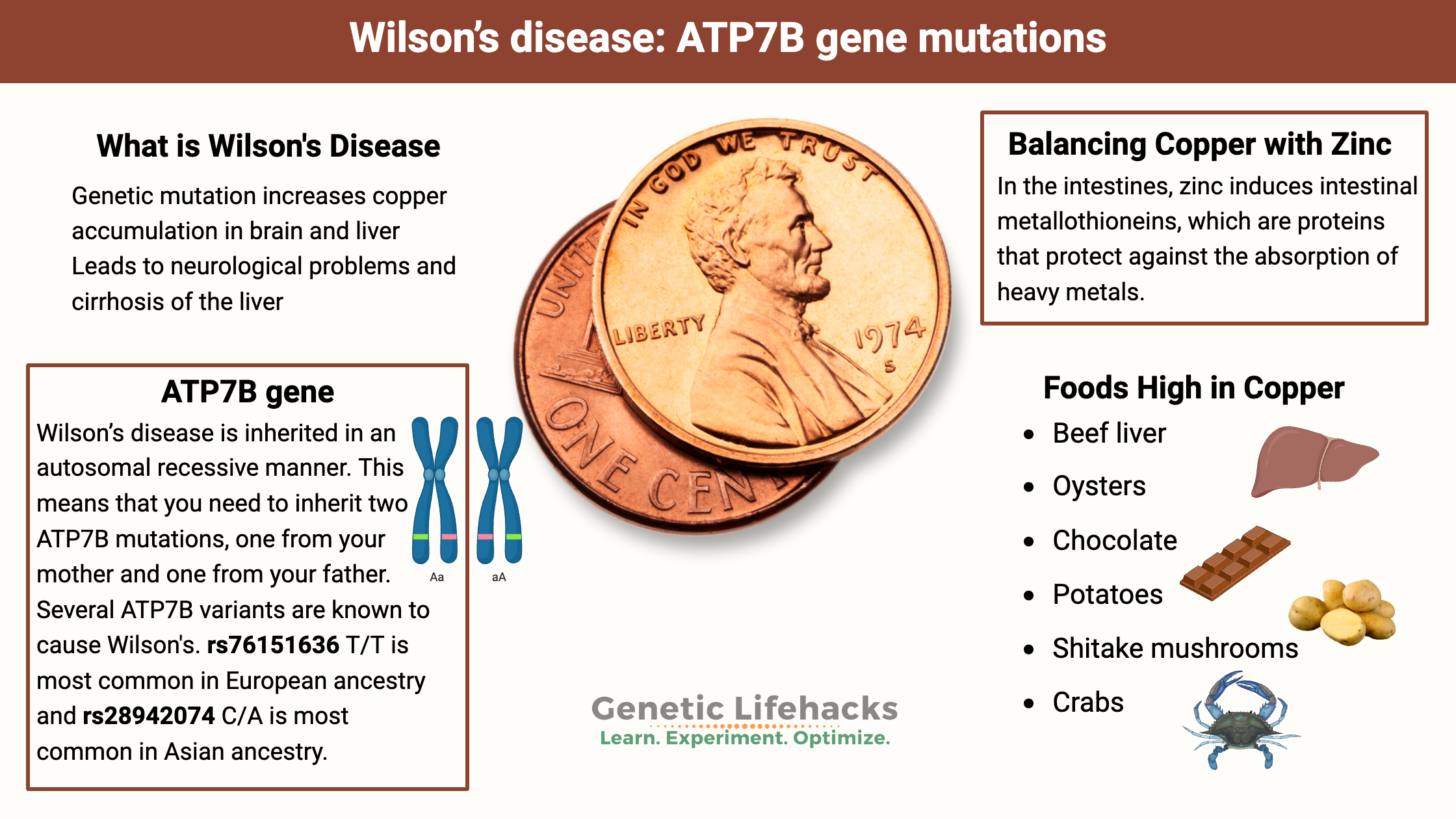
Wilson’s disease: ATP7B Gene Mutations and Copper Accumulation in the Brain
Mutations in ATP7B can cause copper dysregulation and Wilson’s disease. People carrying one copy of the mutation may also have subtle changes.
Your genes influence how well you absorb different vitamins and minerals, and your genes also interact with how your cells use nutrients. Genetic data can give you a starting point to know where you may need more – or less – of a specific nutrient. It can also point to problems with specific foods, like dairy, or with a component of foods, like histamine or tyramine.
Here you will find the tools you need to dial in your nutrition. This isn’t a one-size-fits-all approach. Instead, you’ll learn which nutrients may be more important for you, and then you can decide how best to implement the many possible solutions.
Popular topics
Summary report: Nutrients Summary Report
Mutations in ATP7B can cause copper dysregulation and Wilson’s disease. People carrying one copy of the mutation may also have subtle changes.
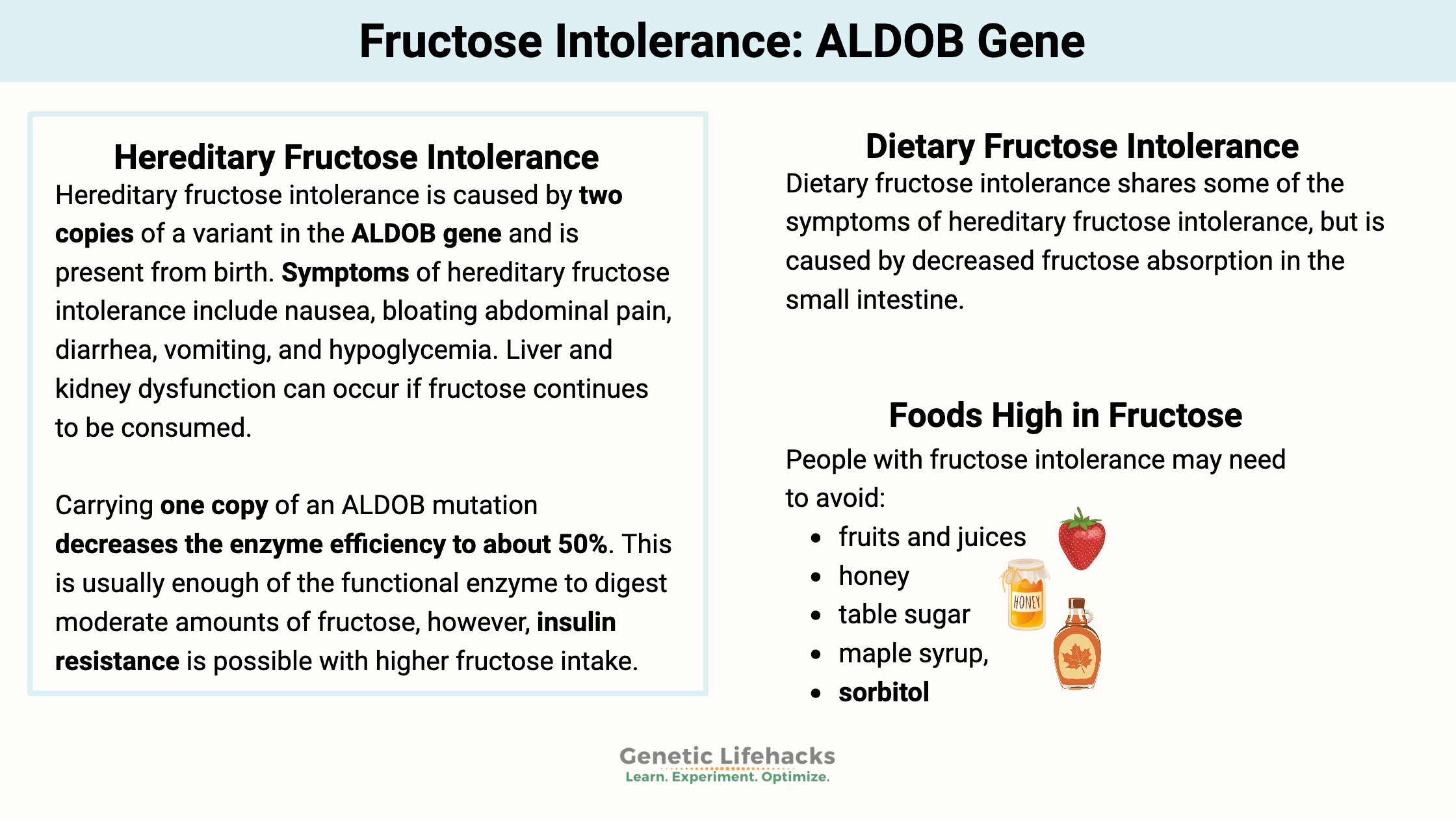
Fructose intolerance can be due to a rare mutation in the ALDOB gene or it can be due to reduced intestinal absorption.
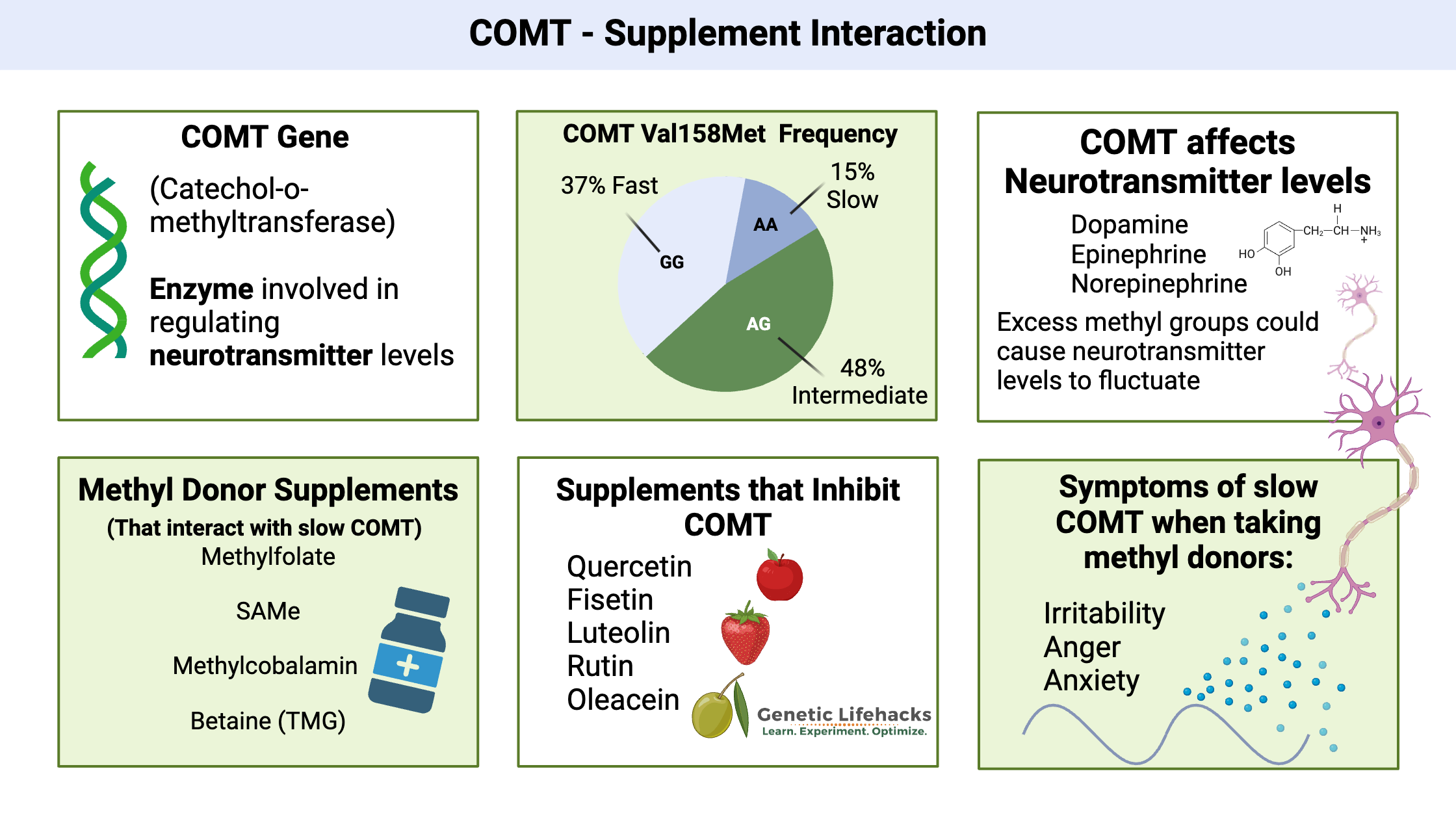
Some supplements interact with COMT variants to impact the rate at which neurotransmitters are broken down. Check your COMT genotype and discover how this may affect your reaction to different supplements or combinations of supplements.
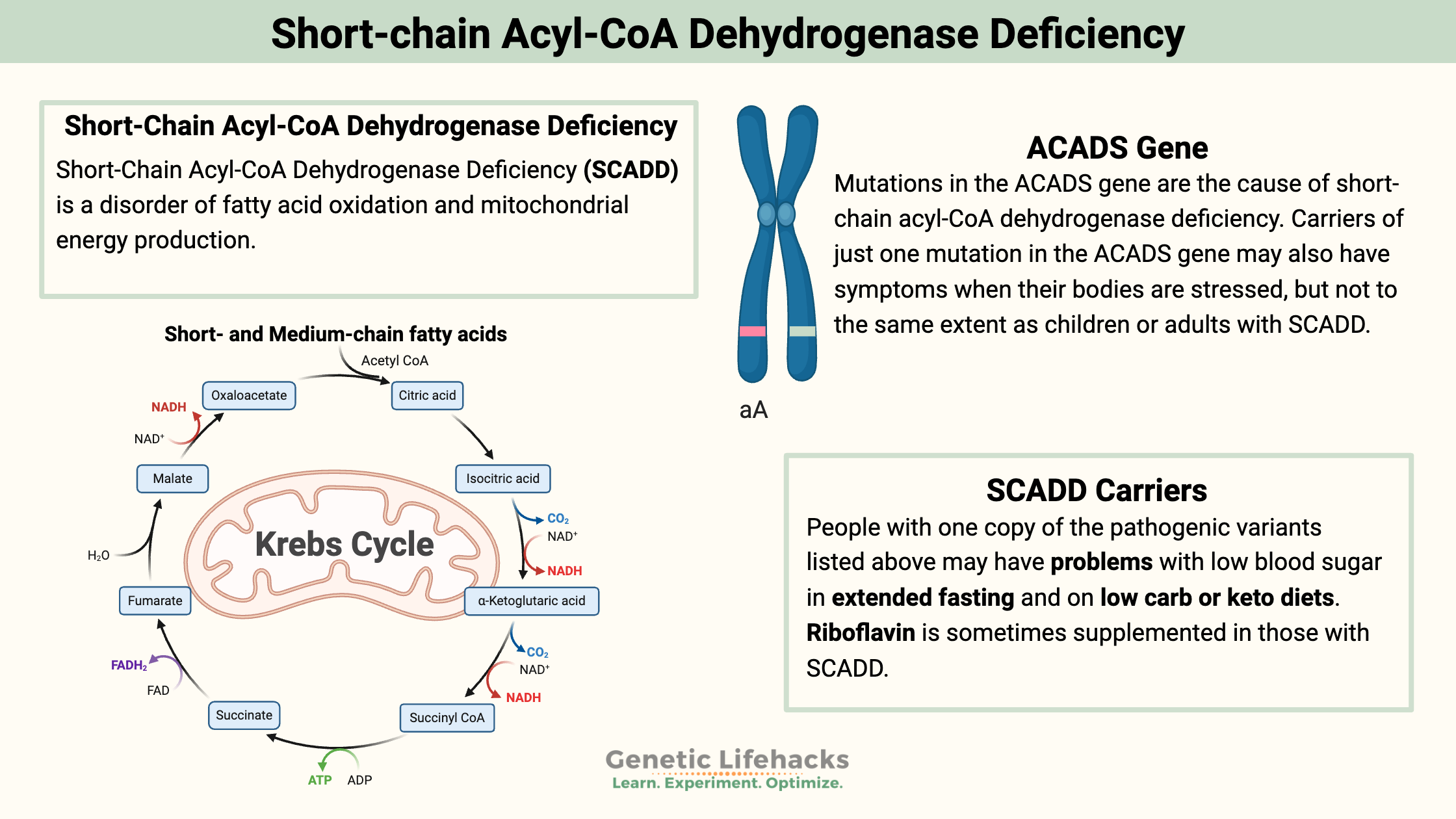
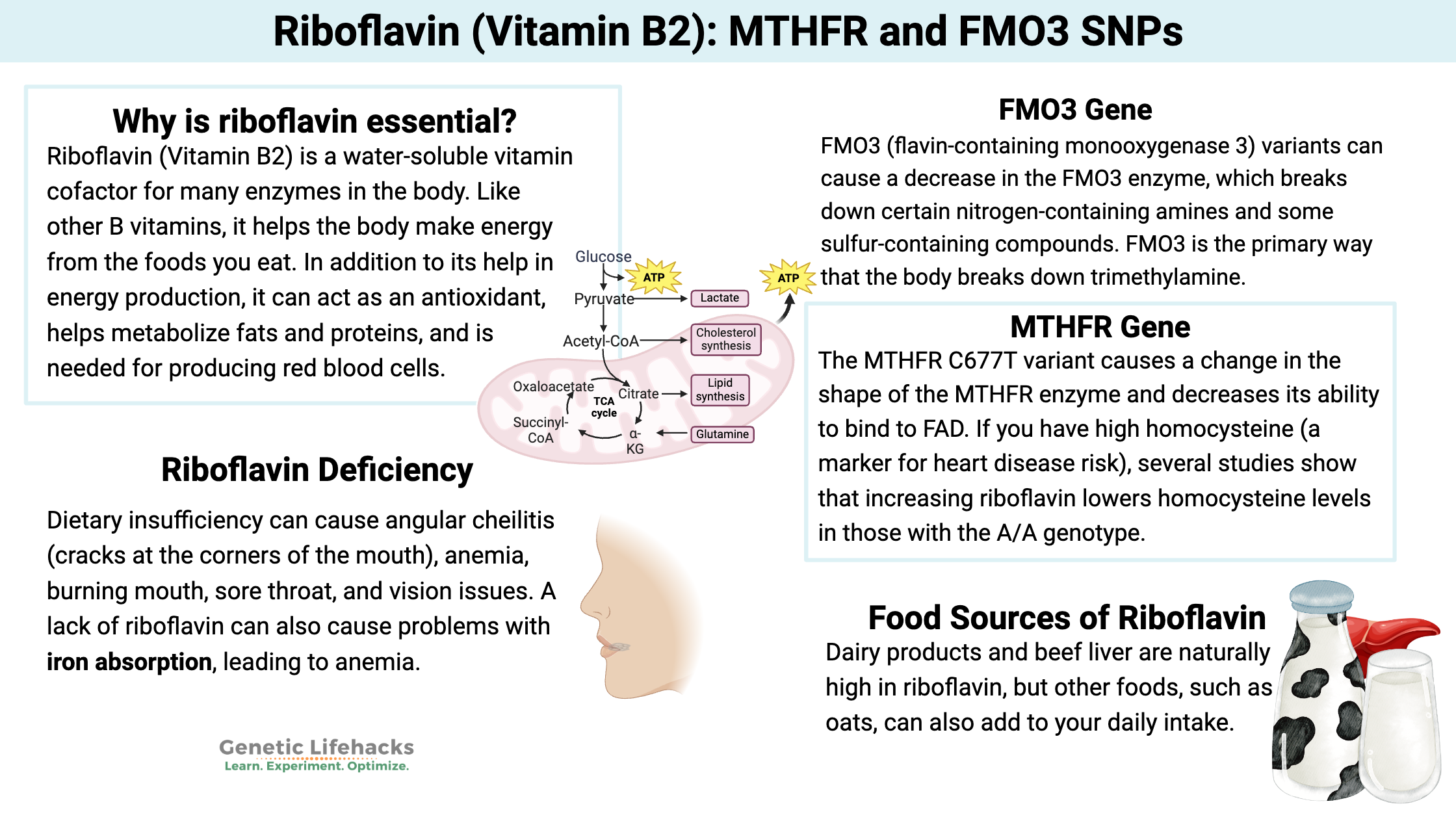
Riboflavin, or vitamin B2, is an essential cofactor for many biological pathways. Learn how to check your genetic raw data to see if you may need more riboflavin.
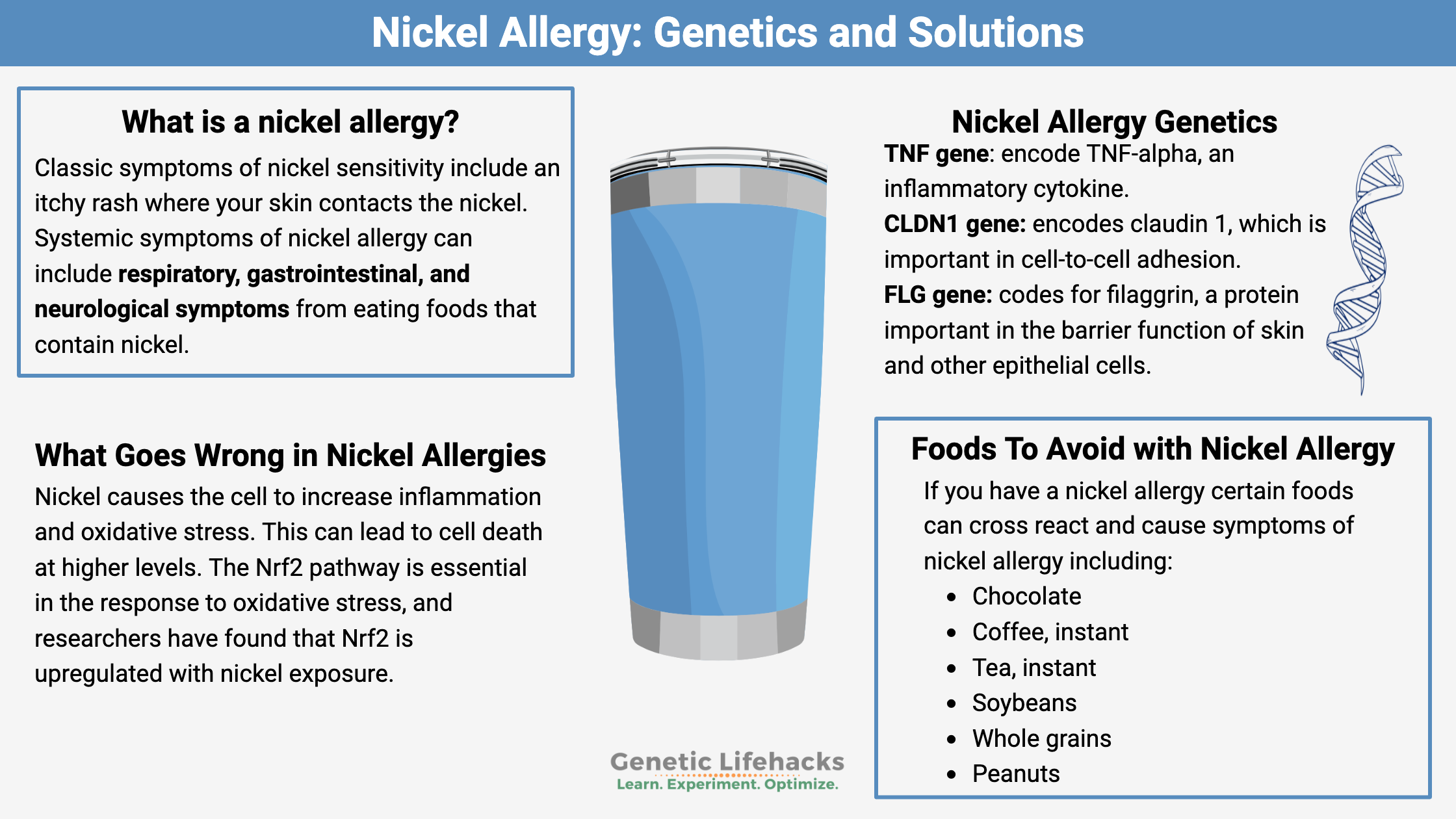
Nickel allergy can cause sensitivity to foods that contain nickel. Learn about how genes increase susceptibility and solutions.
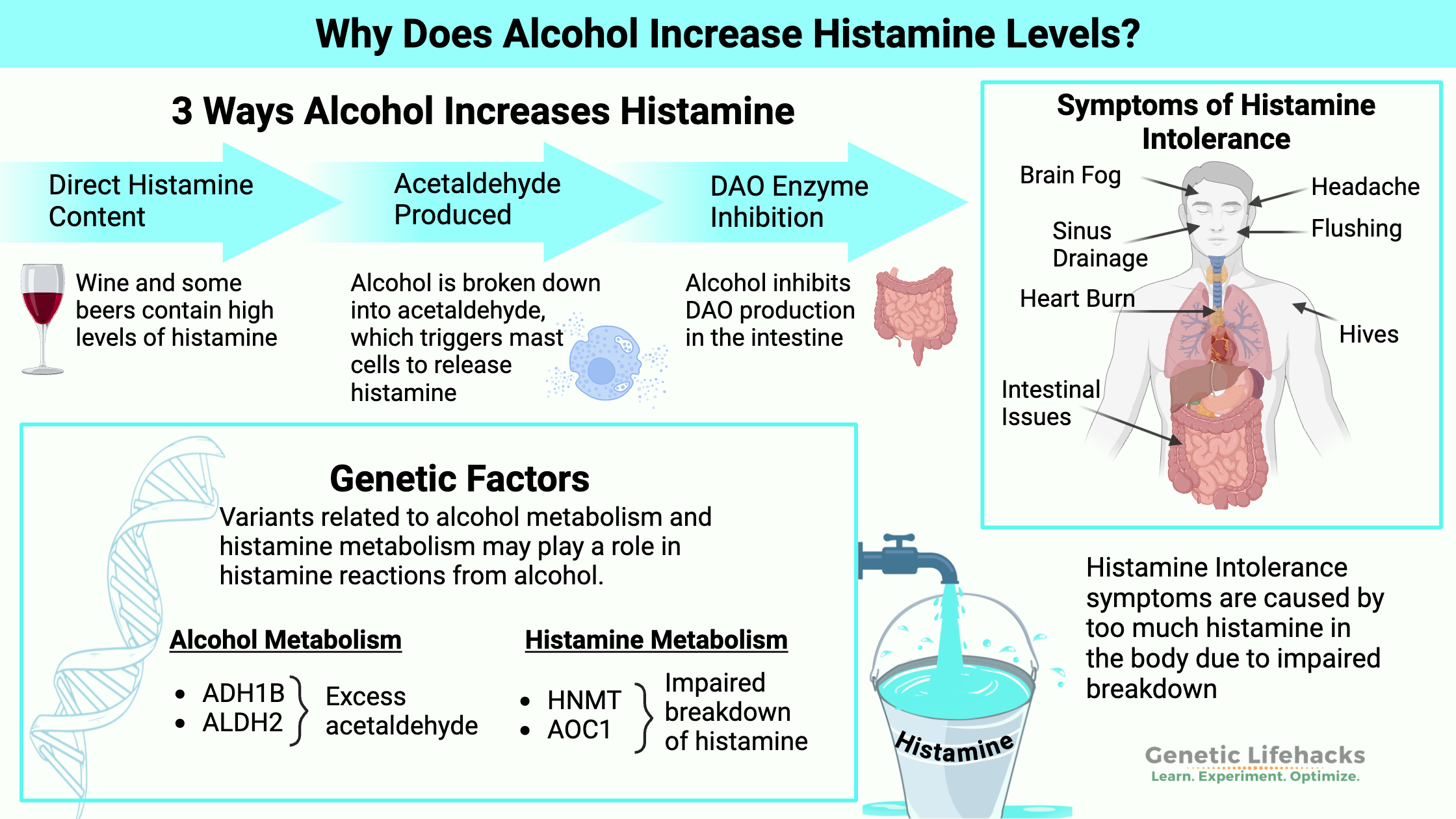
Drinking alcohol is often a problem for people with histamine intolerance. Learn about the pathways that are involved and how to avoid alcohol-induced reactions.
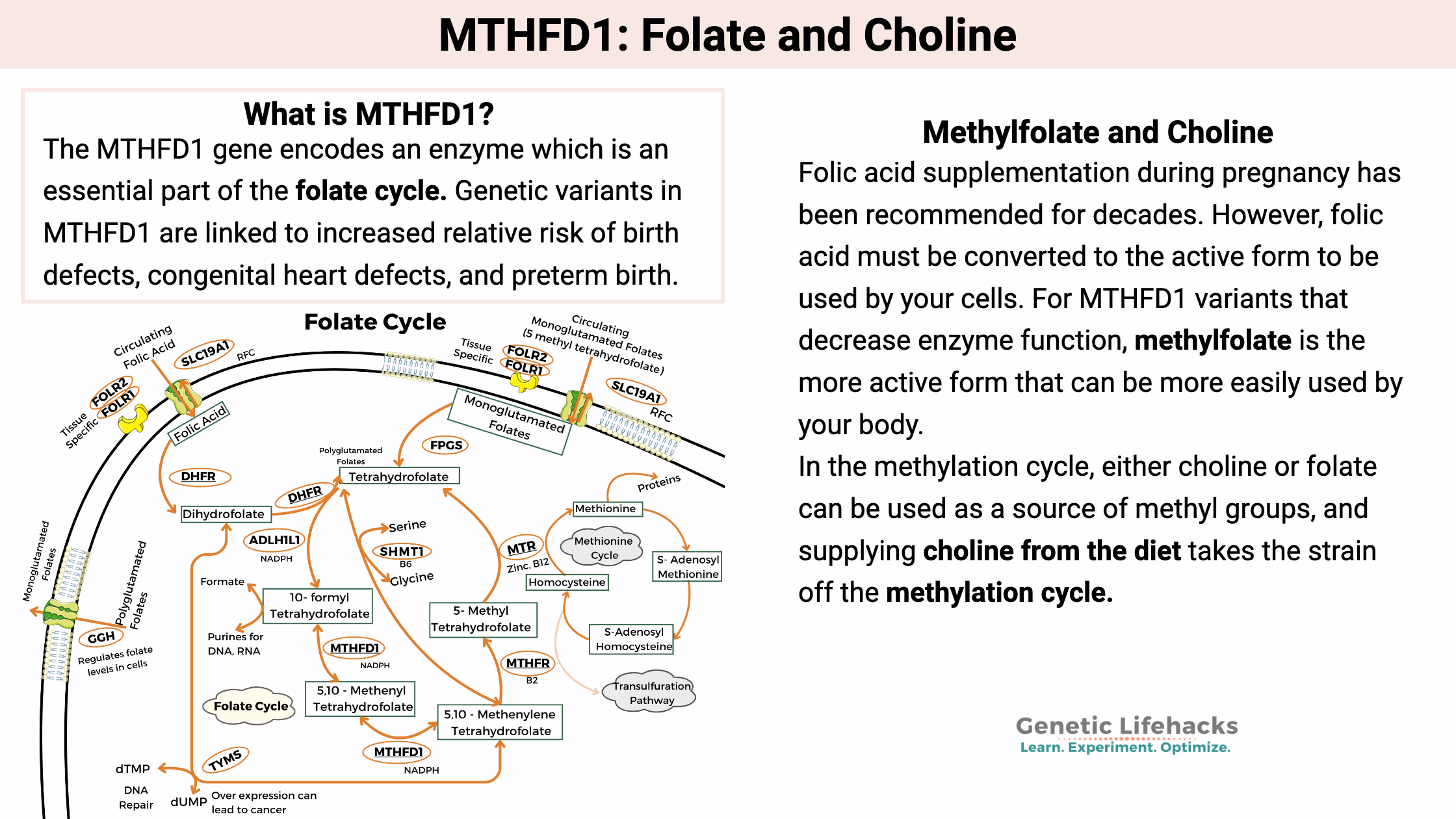
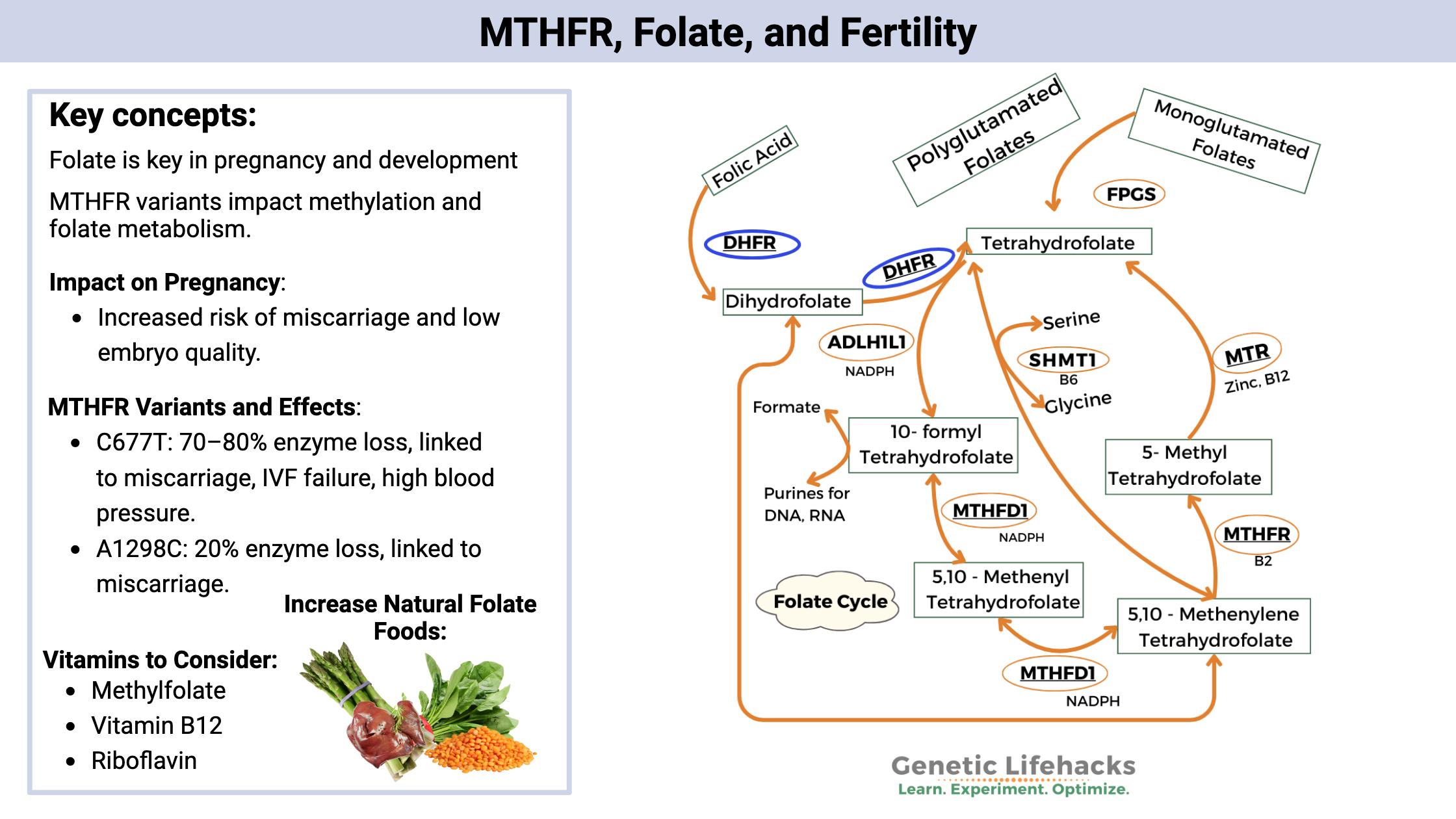
MTHFR variants affect the conversion of folate into the active form. Learn how this can affect you if you are trying to get pregnant.
Discover the importance of magnesium levels in your body and how genetics can influence your mineral needs.
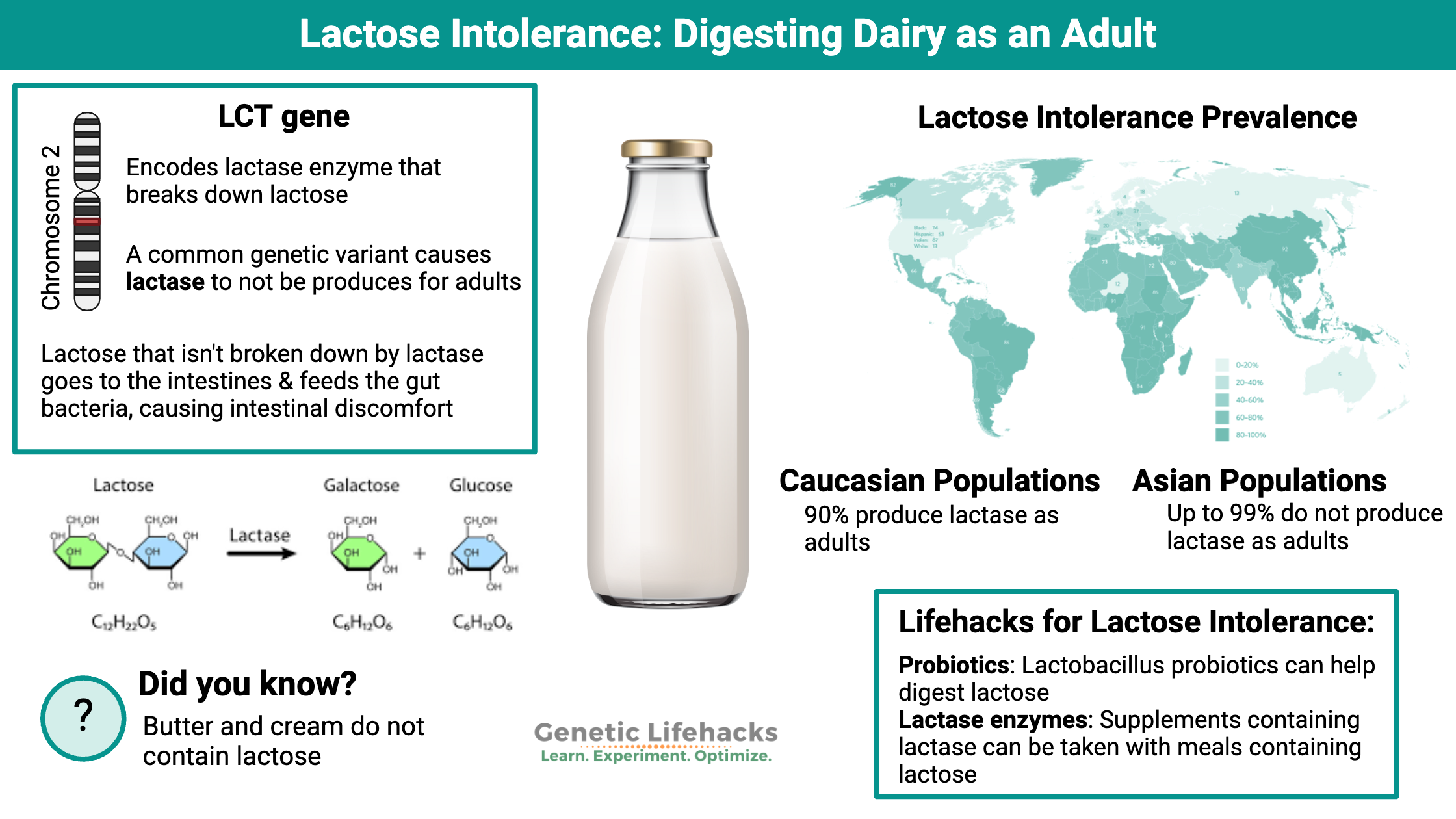
Your genes control whether you are likely to produce lactase as an adult. Check your 23andMe or other genetic data to see if you are likely to enjoy a big glass of milk.
Like most nutrients, our genes affect how vitamin C is absorbed, transported, and used by the body. It can influence your risk for certain diseases and make a difference in the minimum amount of vitamin C you need to consume each day.
Learn why zinc is important for your immune system and so much more. Find out how your genes impact your need for zinc and discover ways of boosting your zinc status.
Interested in low histamine foods and recipes? This article focuses on foods high in histamine so you can easily eliminate them from your diet.
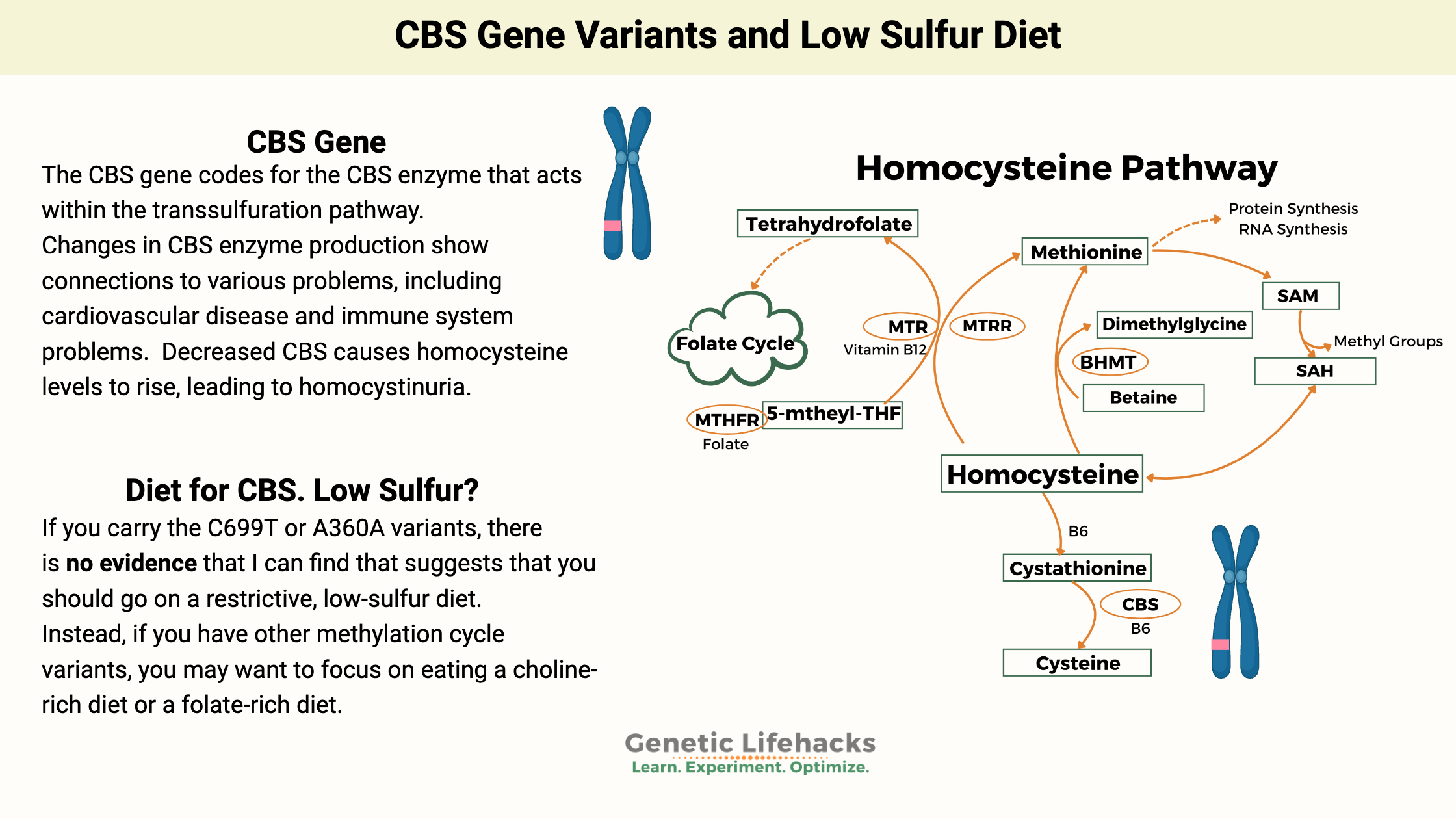
Some clinicians recommend a low sulfur diet for people with CBS mutations. Find out what the research shows – and why that recommendation is not backed up. (Member’s article)
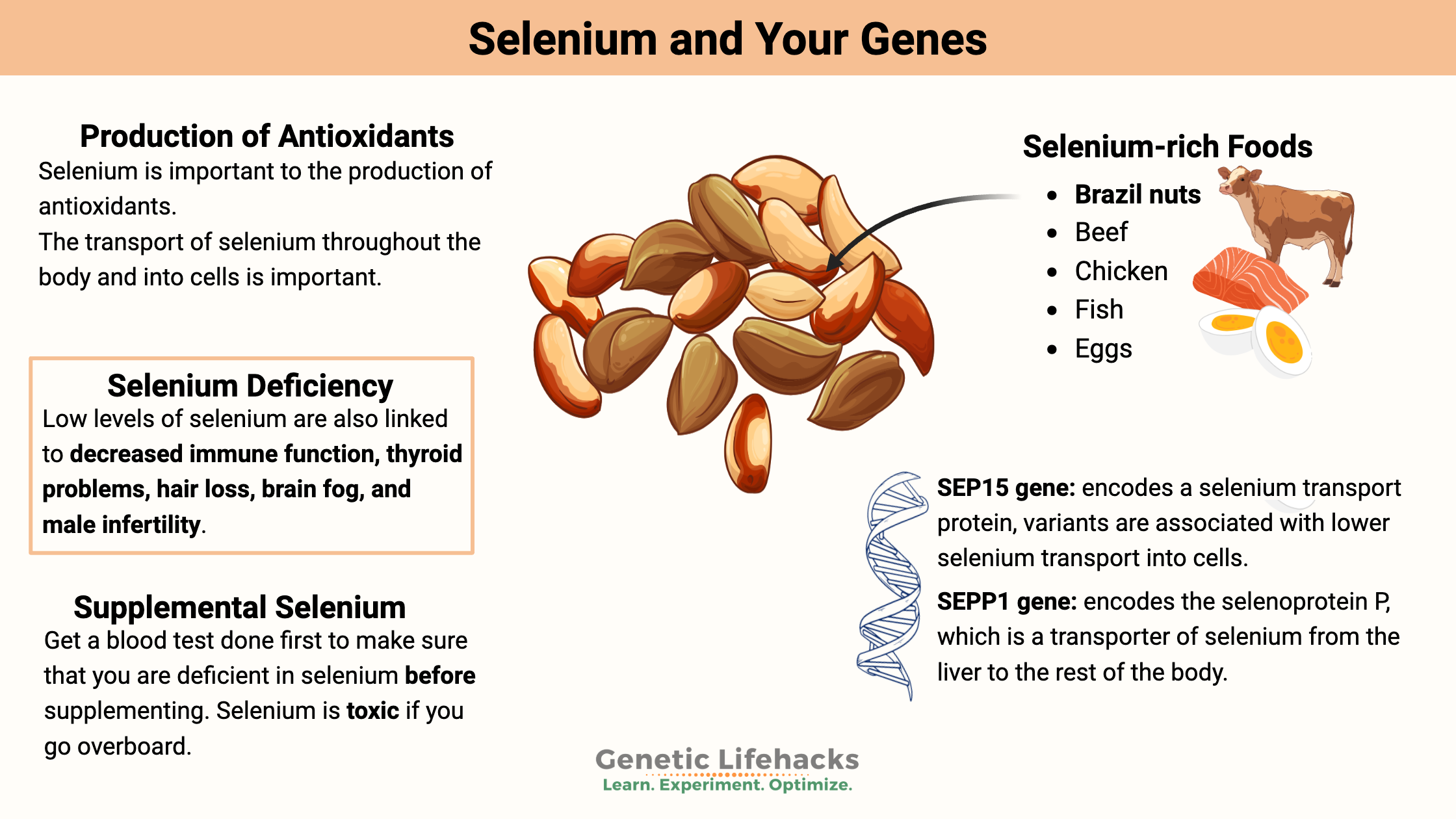
Selenium is a trace element found in certain foods. Learn how selenium is used in the body, why it is important, and how genetic variants can make someone more susceptible to problems with a selenium-deficient diet.
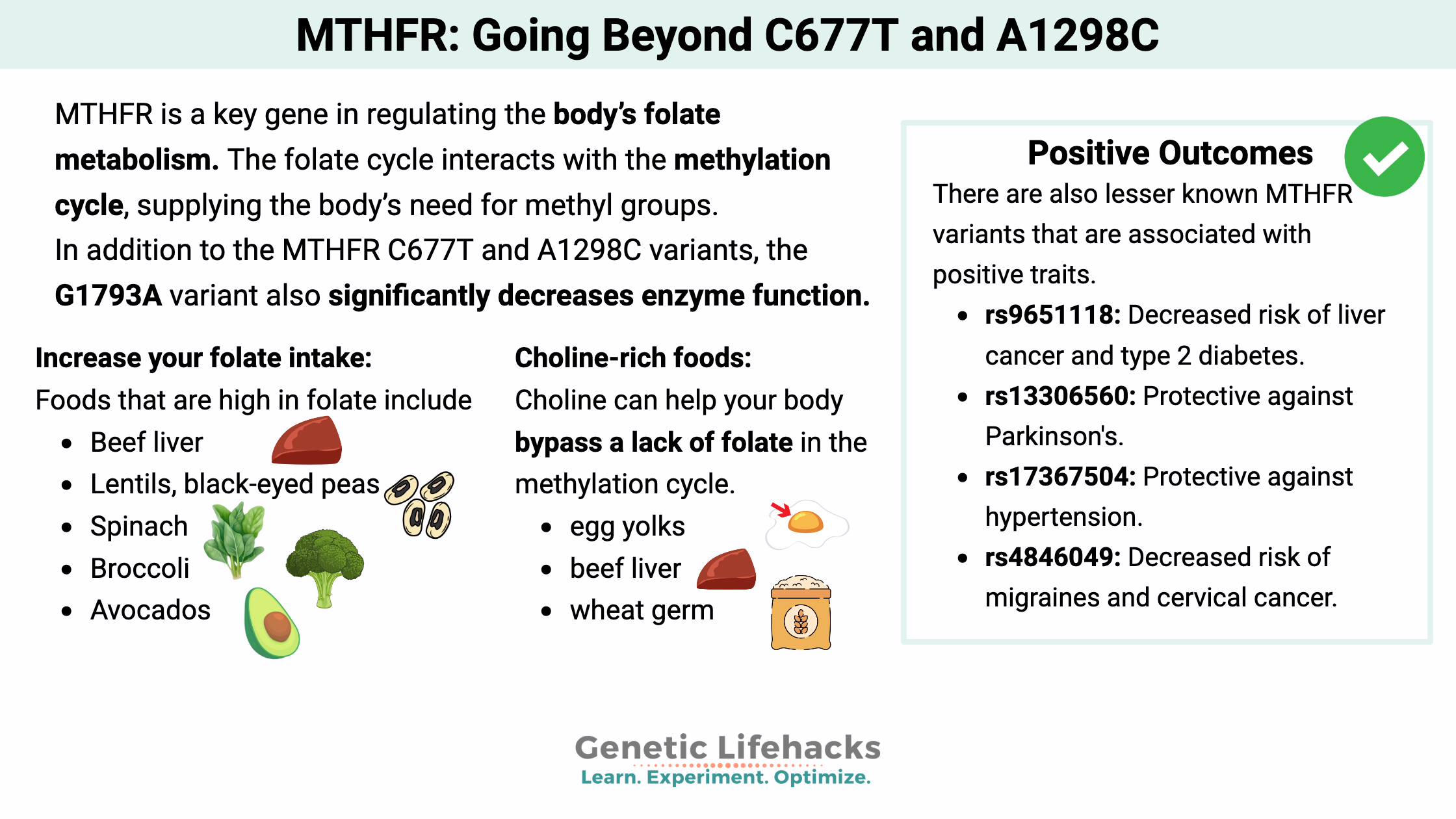
The MTHFR C677T and A1298C variants get a lot of press, but they do not give the whole picture of the MTHFR gene. Additional variants are impacting the functionality of the enzyme.
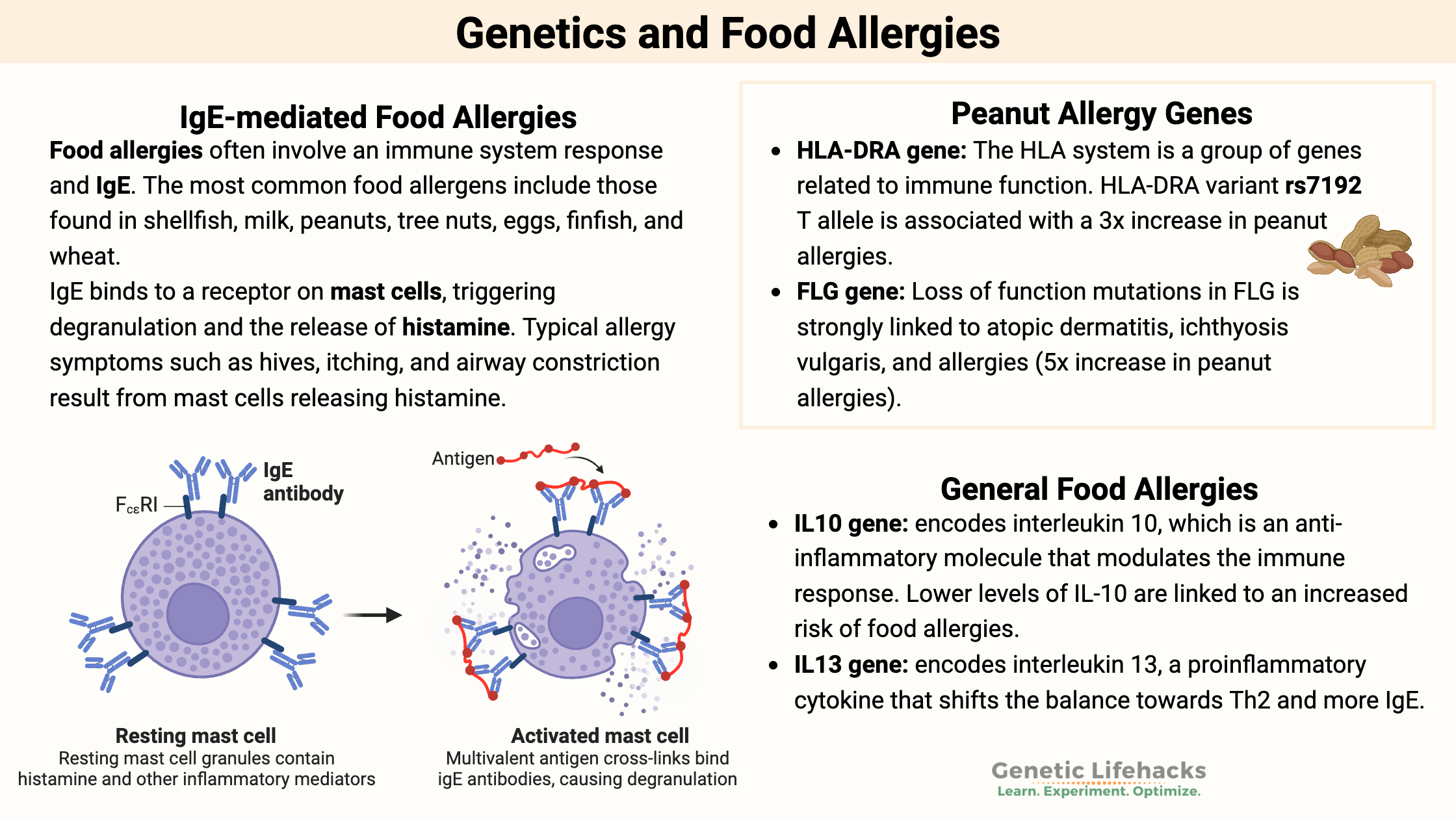
Do you have a food allergy? Discover how environmental factors and genetic susceptibility can shape individual reactions.
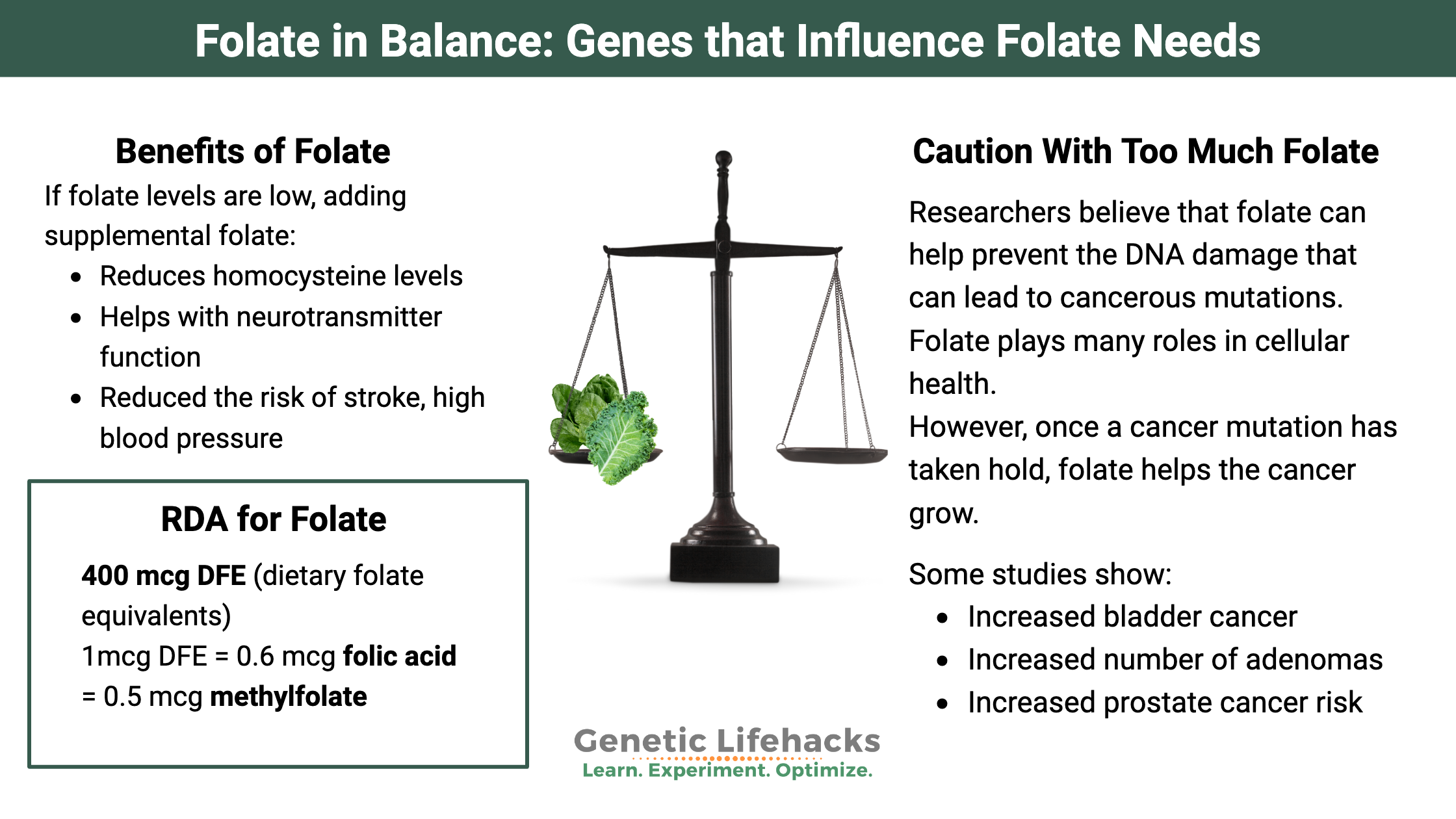
We are all genetically unique, and a common genetic variant in the MTHFR gene causes some people to be more susceptible to having low folate levels. This article explains the research linking MTHFR variants, folate, and depression — and gives you information on how diet or supplements may help.
A lot of people use the MTHFR variants as a reason not to vaccinate their kids. Is there any science to back this up? See what the research says.
We all vary in how well we convert the plant-based omega-3 oils into the DHA and EPA that our body needs. Some people are really poor at this conversion and thus should either eat more fish or consider taking a DHA / EPA supplement. Learn more about how your variants might affect your health.
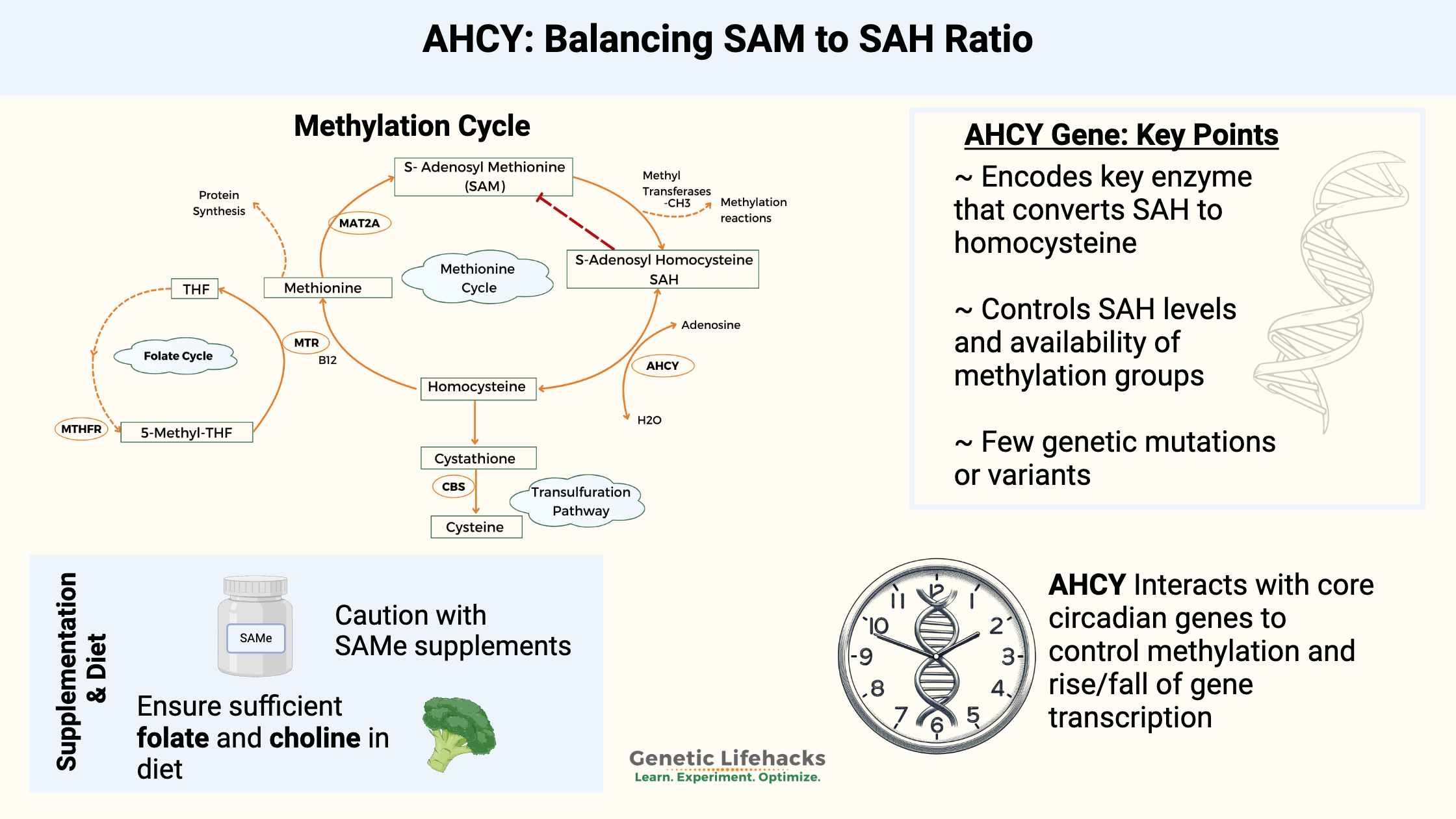
BHMT is involved in homocysteine methylation and impacts the methylation cycle.
Genetics plays a huge role in how well you convert beta-carotene into vitamin A! Discover how well you convert beta-carotene into retinol.
The MTHFR C677T variant increases the risk of migraines. Learn how to check your genetic data and how to mitigate the risk.
Tyramine intolerance happens when you can’t break it down. Too much tyramine can lead to a hypertensive crisis. Learn more and check your genetic raw data for results.
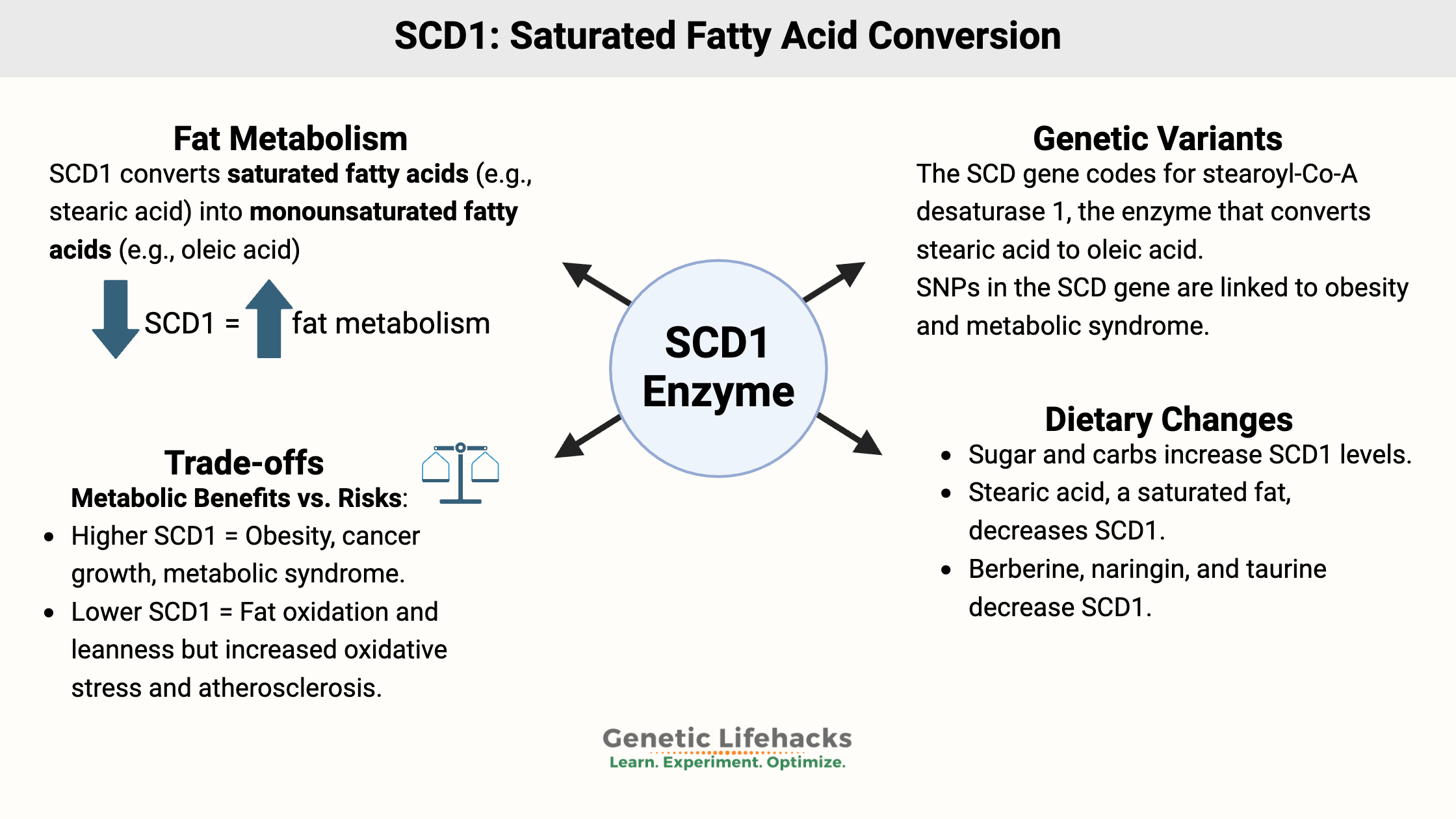
The SCD1 enzyme converts saturated fatty acids to unsaturated fats. Learn how your genes impact this enzyme, and how this relates to weight loss.
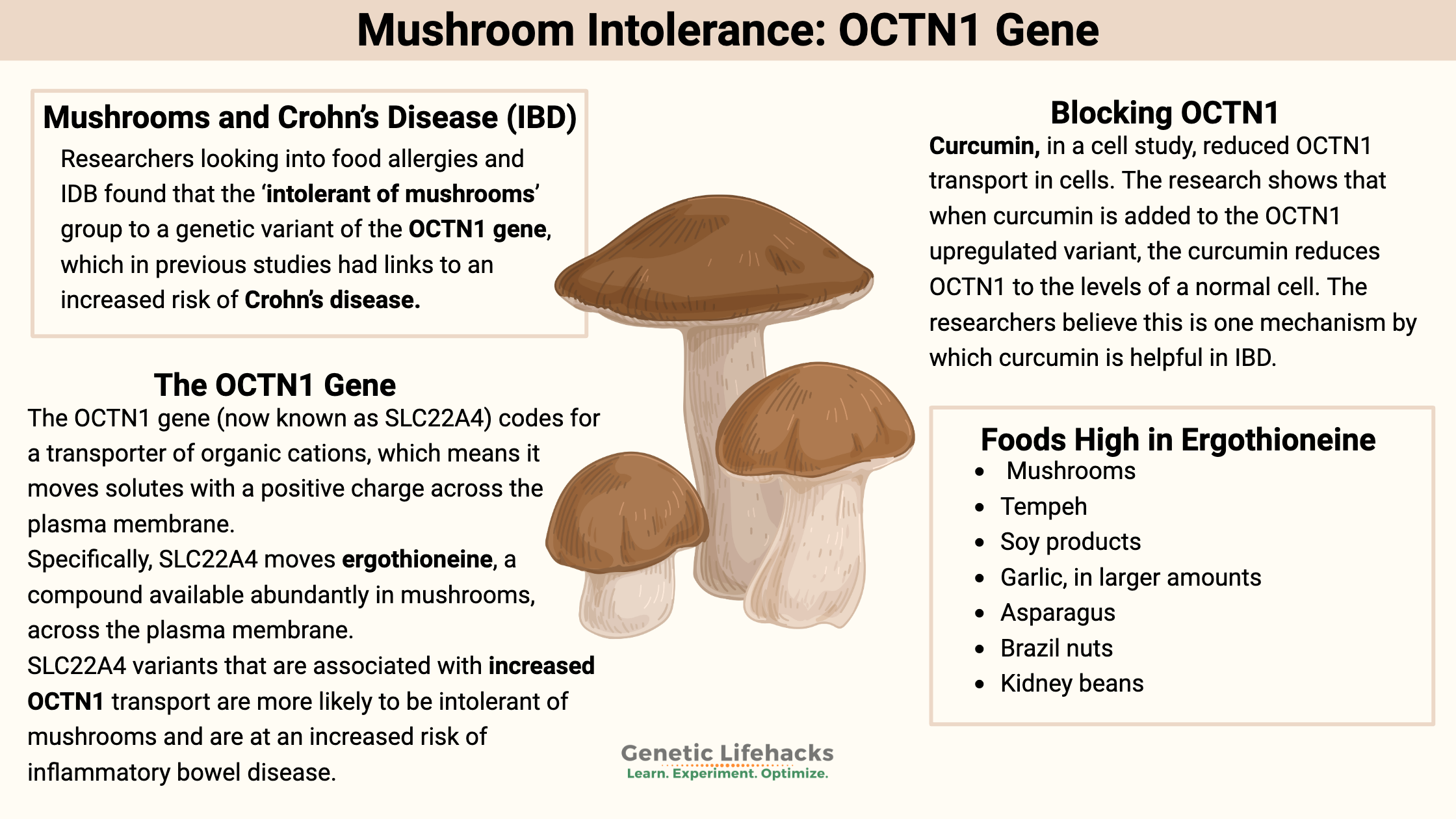
Mushrooms contain a healthy antioxidant called ergothioneine. But for people with a SLC22A4 genetic variant, this antioxidant can be too much of a good thing, leading to intestinal problems. Check your genetic data to see if you carry this mushroom intolerance variant.