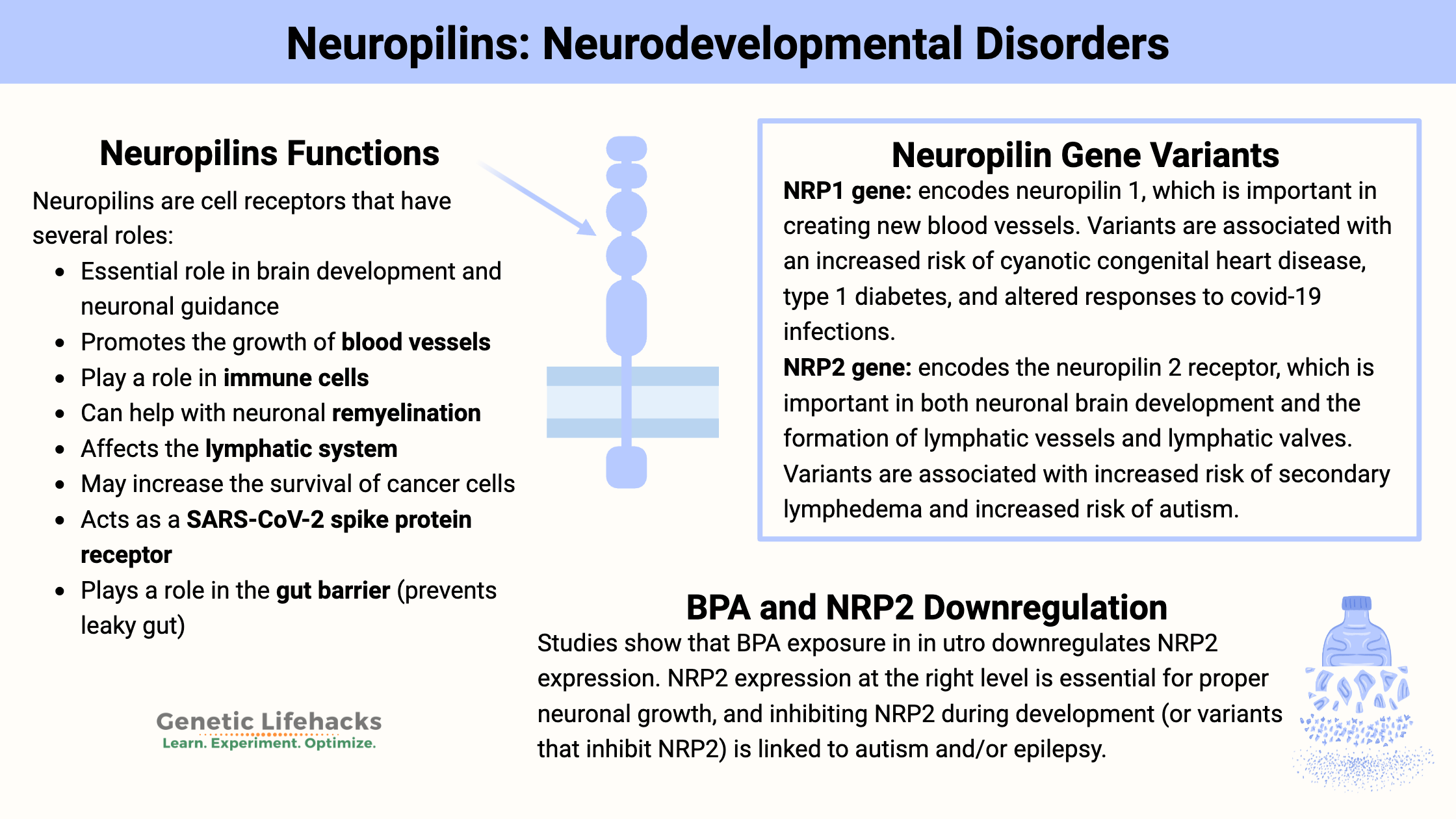
Neuropilins: Neurodevelopmental Disorders, Gut Barrier, & Covid Brain
Explore how neuropilin variants shape neurodevelopment, vascular permeability, gut barrier function, viral entry (SARS‑CoV‑2, EBV, CMV), and risks for autoimmunity and cancer.

Neurotransmitters are the chemicals released by neurons to communicate with nearby neurons or muscles.
Genetic variants can impact the creation of neurotransmitters, the breakdown rate of neurotransmitters, and the receptors available. These variants can affect mood, cognitive function, mental health, and neurodegenerative disease risk.
Read the latest articles about Neurotransmitters:
Explore how neuropilin variants shape neurodevelopment, vascular permeability, gut barrier function, viral entry (SARS‑CoV‑2, EBV, CMV), and risks for autoimmunity and cancer.
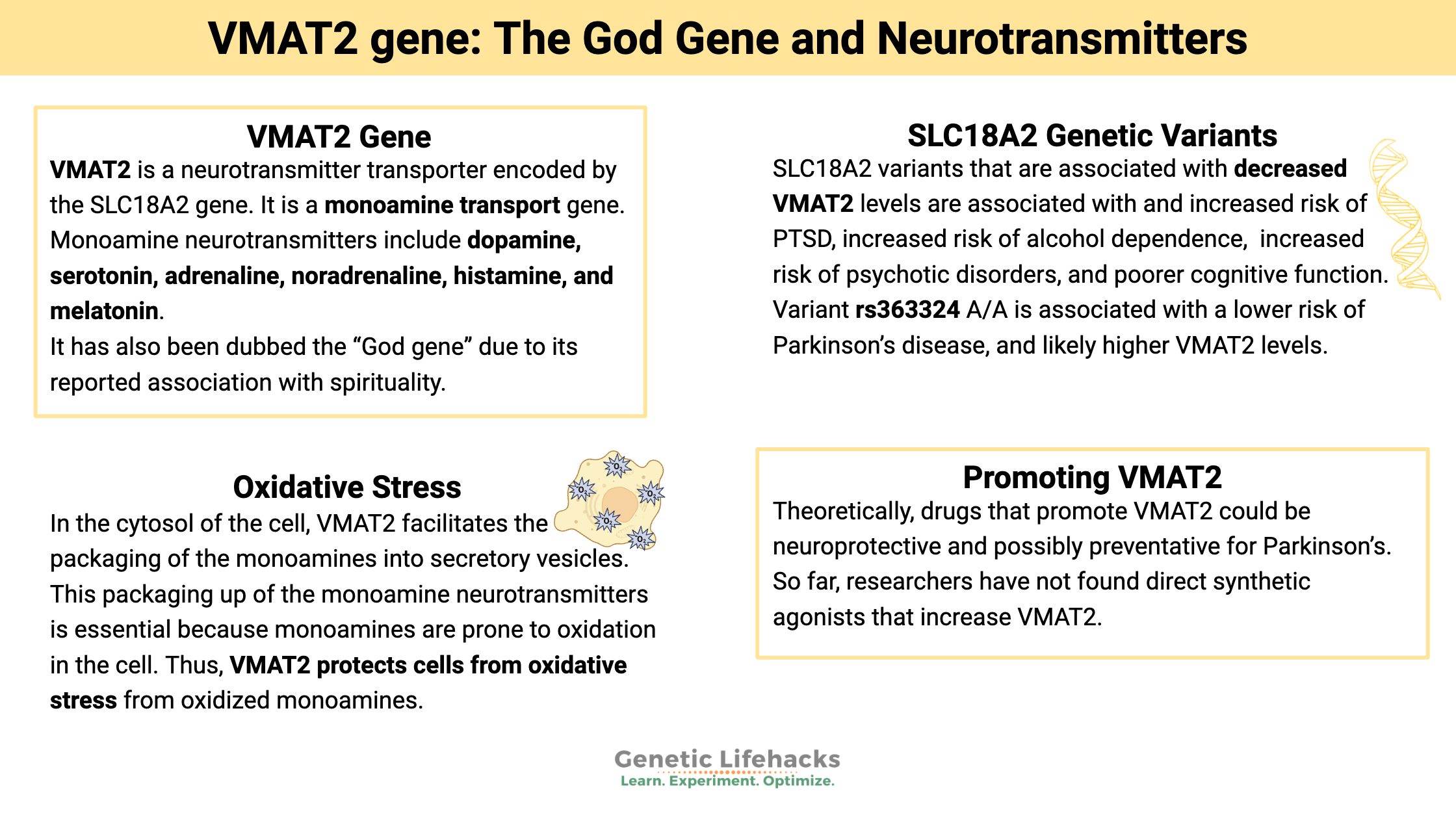
VMAT2, the so‑called “God gene,” packages dopamine, serotonin, and other monoamines into vesicles, protecting neurons from oxidative stress and influencing risks for Parkinson’s, PTSD, alcohol dependence, and diabetes.
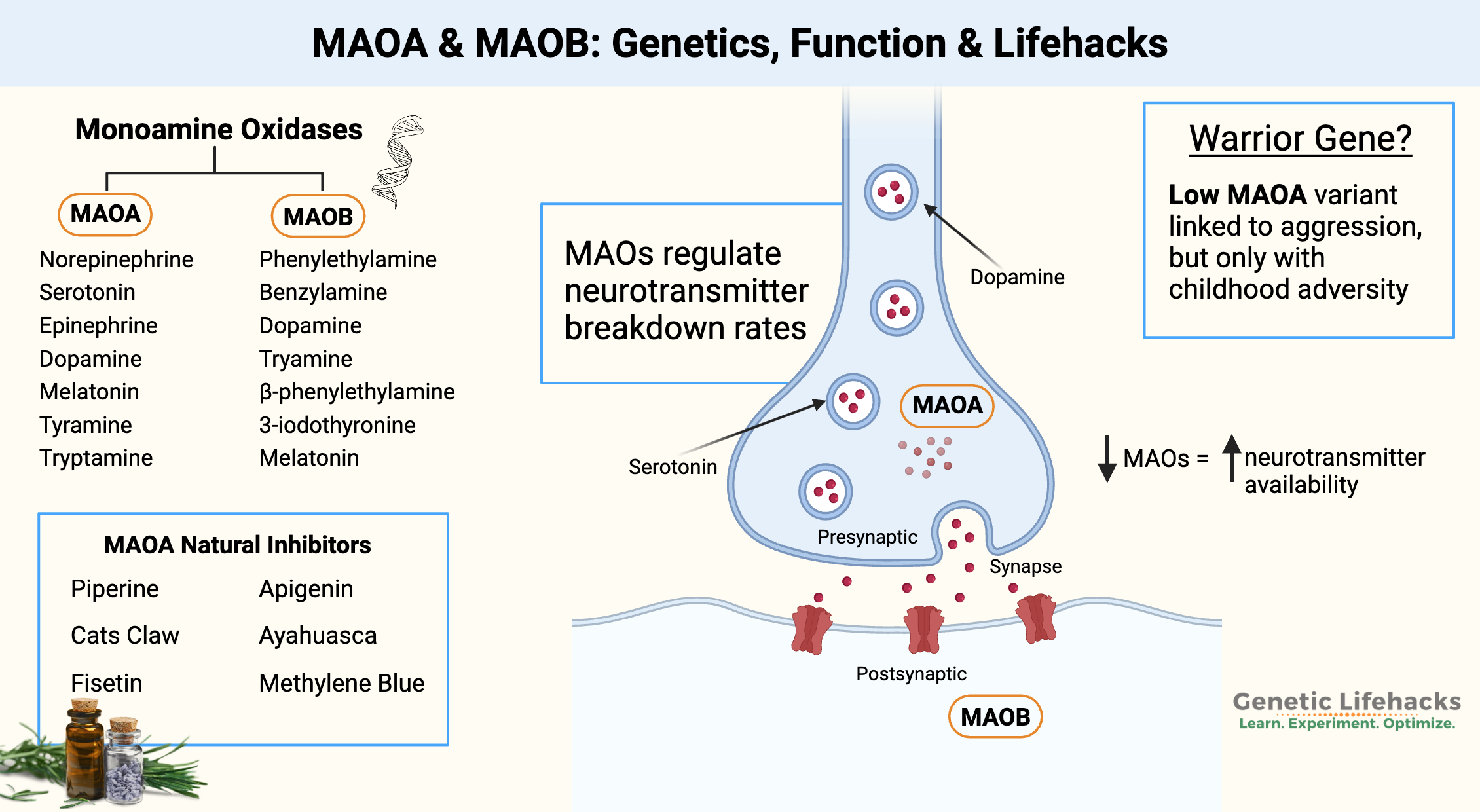
The MAOA and MAOB genes encode enzymes that break down certain neurotransmitters. People with low MAO may be prone to mood issues in certain circumstances.
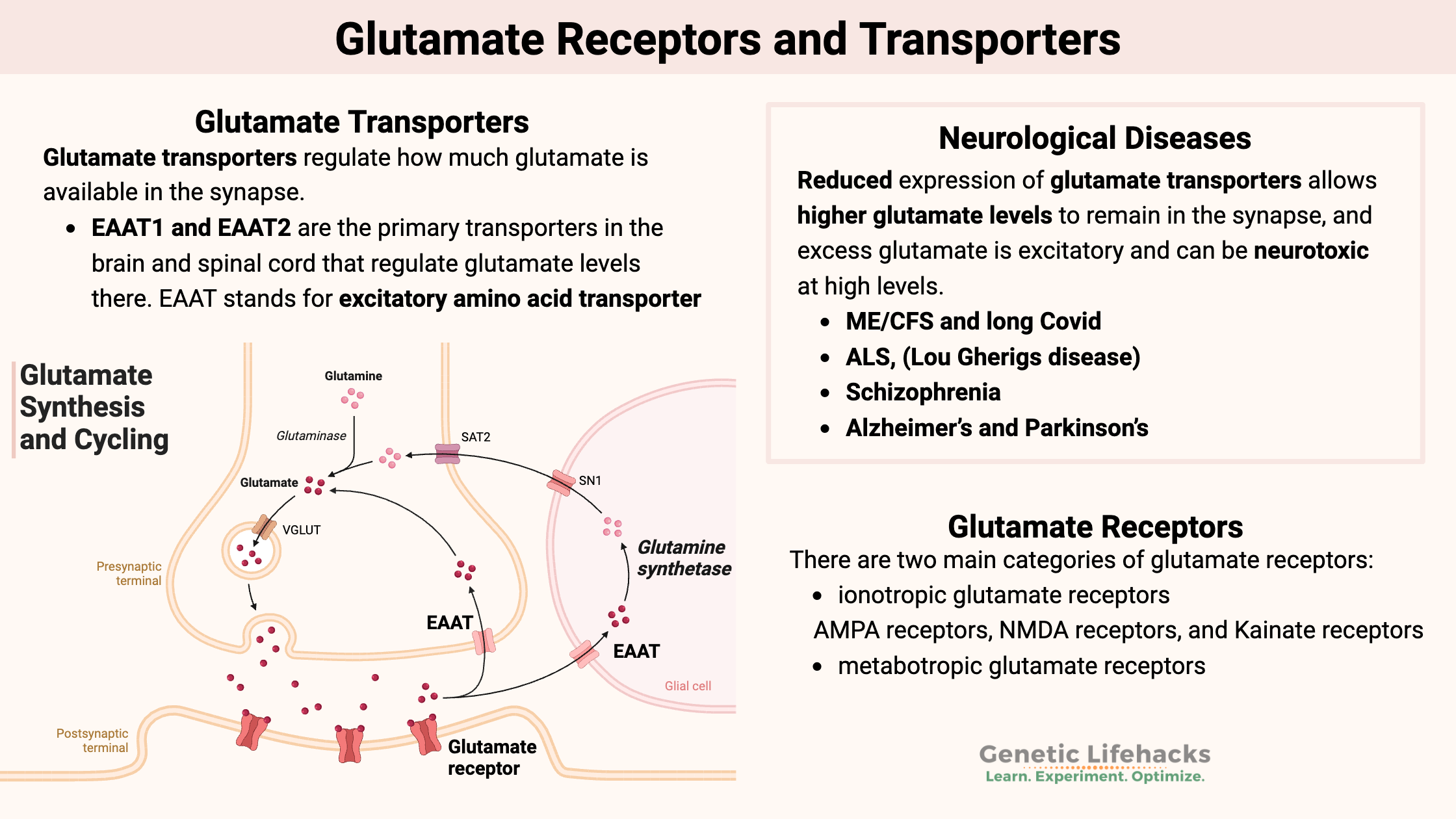
Glutamate transporters and receptors carefully balance glutamate levels in the brain. Variants in the glutamate genes can affect how your brain balances glutamate.
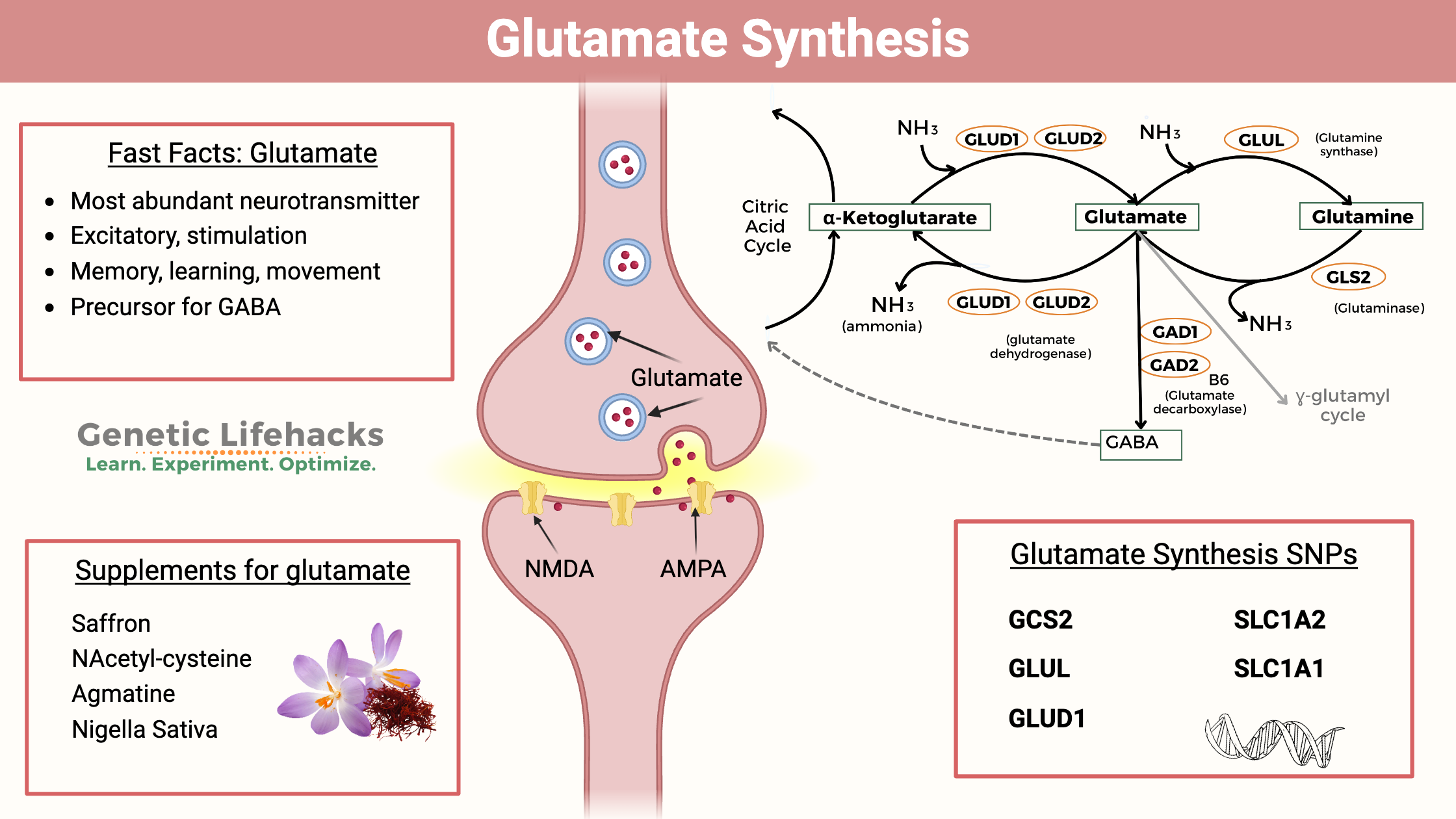
Glutamate, the main excitatory neurotransmitter, is tightly regulated through synthesis, transporters, and GABA balance, with genetic variants influencing risk for migraines, OCD, seizures, and schizophrenia.
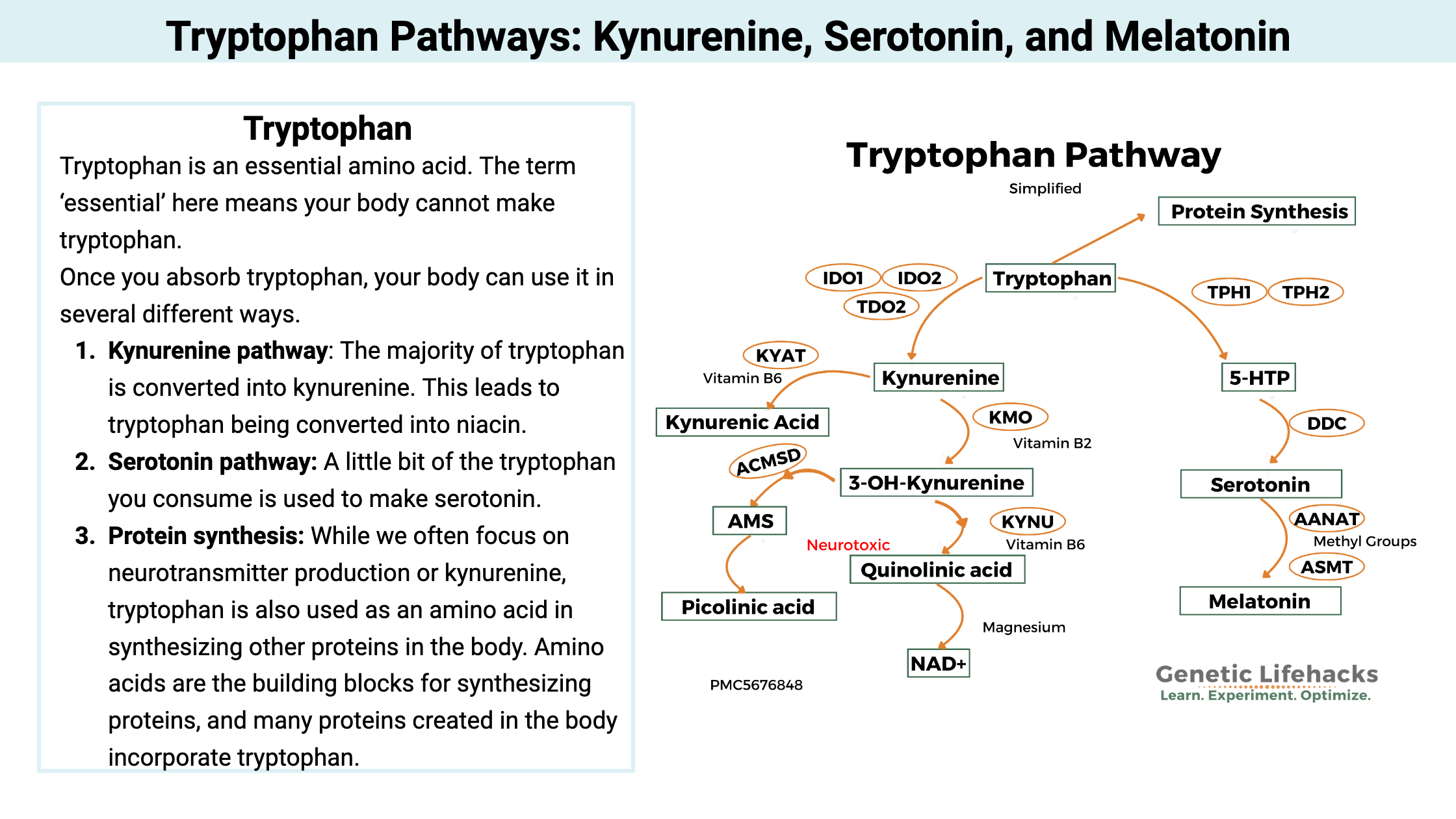
Genetic variants in tryptophan pathway enzymes alter quinolinic and kynurenic acids, NAD+ production, and serotonin synthesis. These genes influence mood, sleep, fatigue, immunity, and ong Covid brain fog risk.
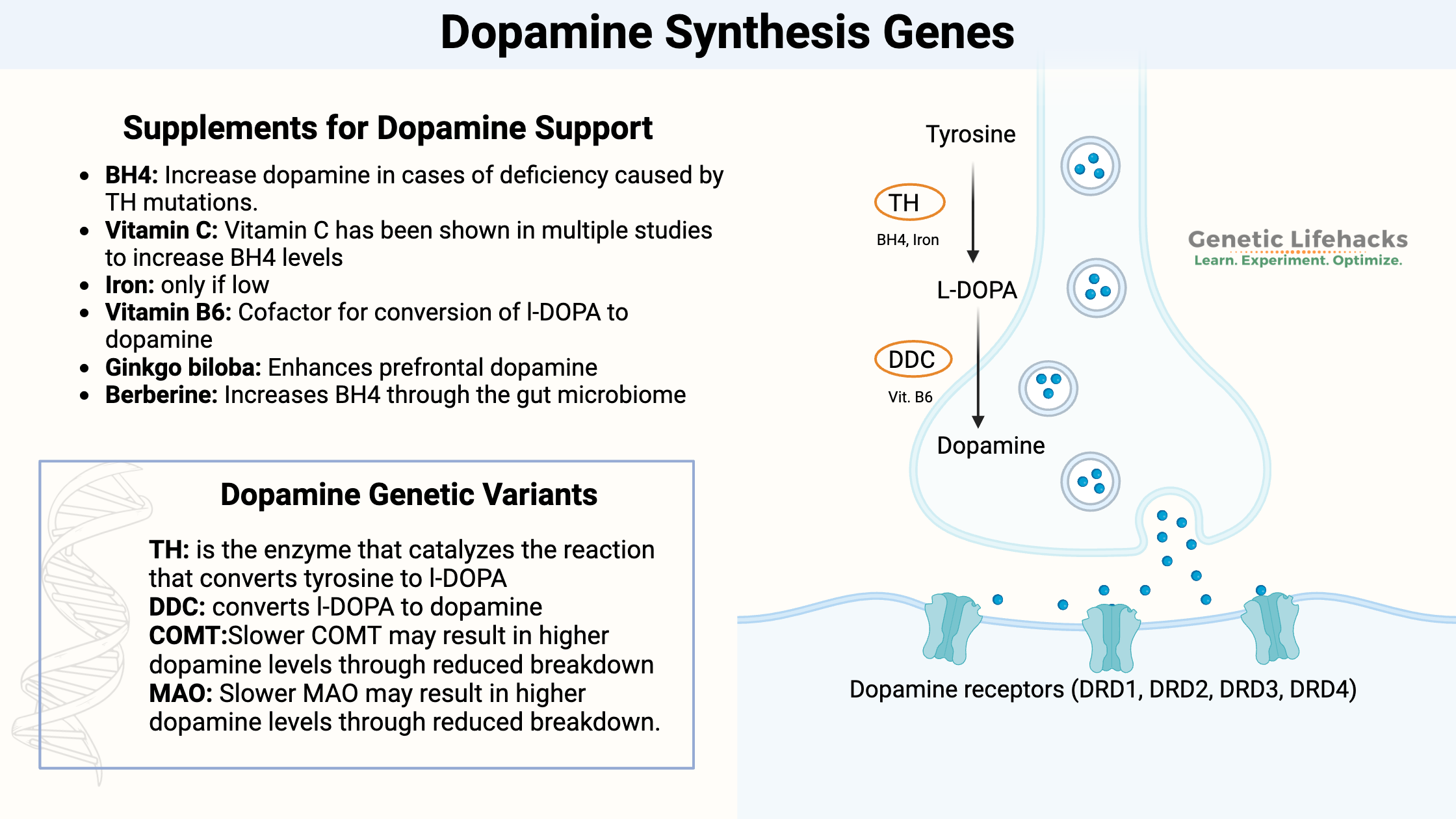
Genetic variants in dopamine synthesis and breakdown genes interact with circadian rhythm, gut microbes, nutrients, and toxins, shaping risks for procrastination, psychosis, hypertension, Parkinson’s, and addiction.
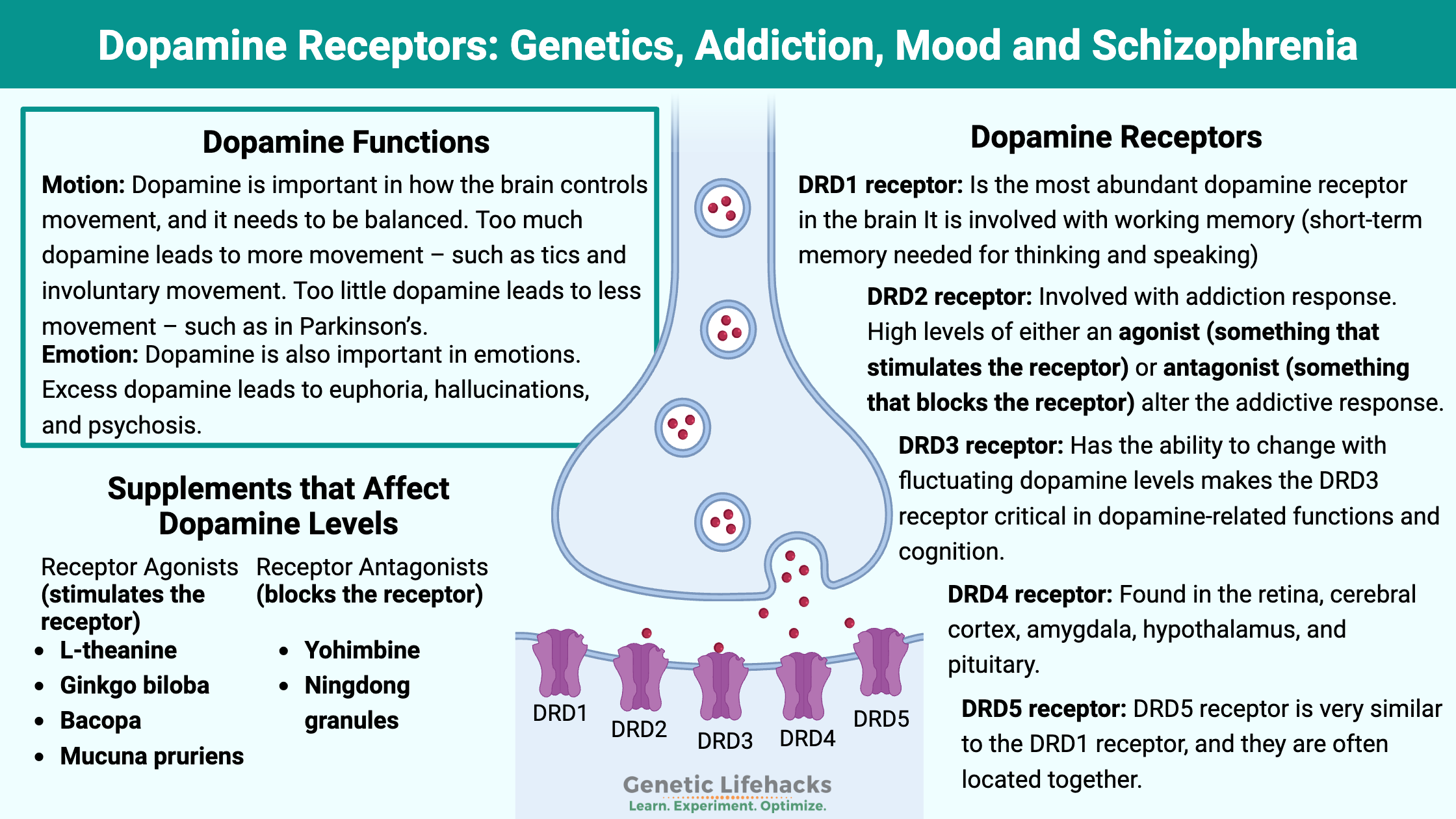
Dopamine is a powerful player in our cognitive function – impacting mood, movement, and motivation. Genetic variants in the dopamine receptors influence addiction, ADHD, neurological diseases, depression, psychosis, and aggression.
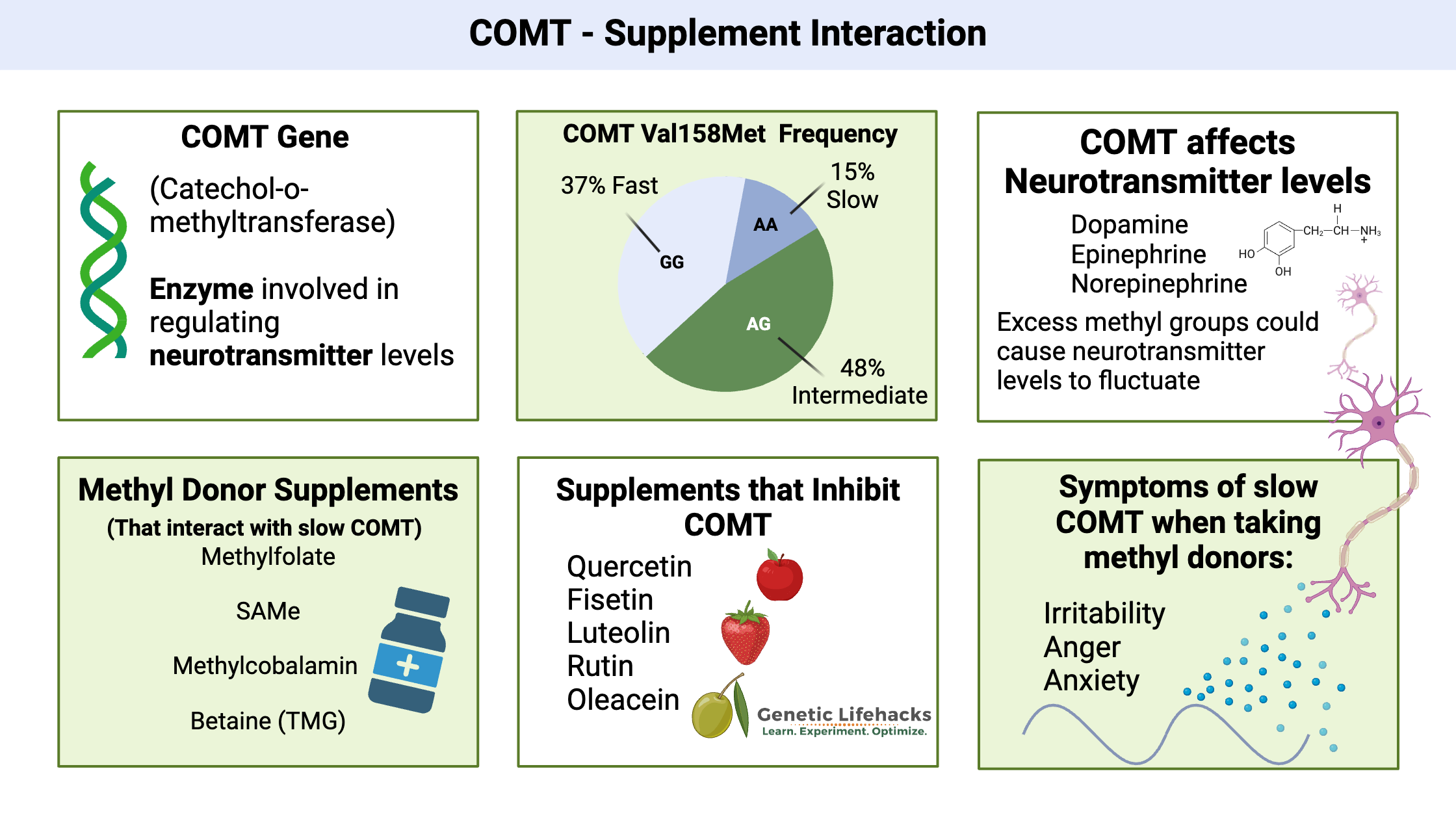
Some supplements interact with COMT variants to impact the rate at which neurotransmitters are broken down. Check your COMT genotype and discover how this may affect your reaction to different supplements or combinations of supplements.
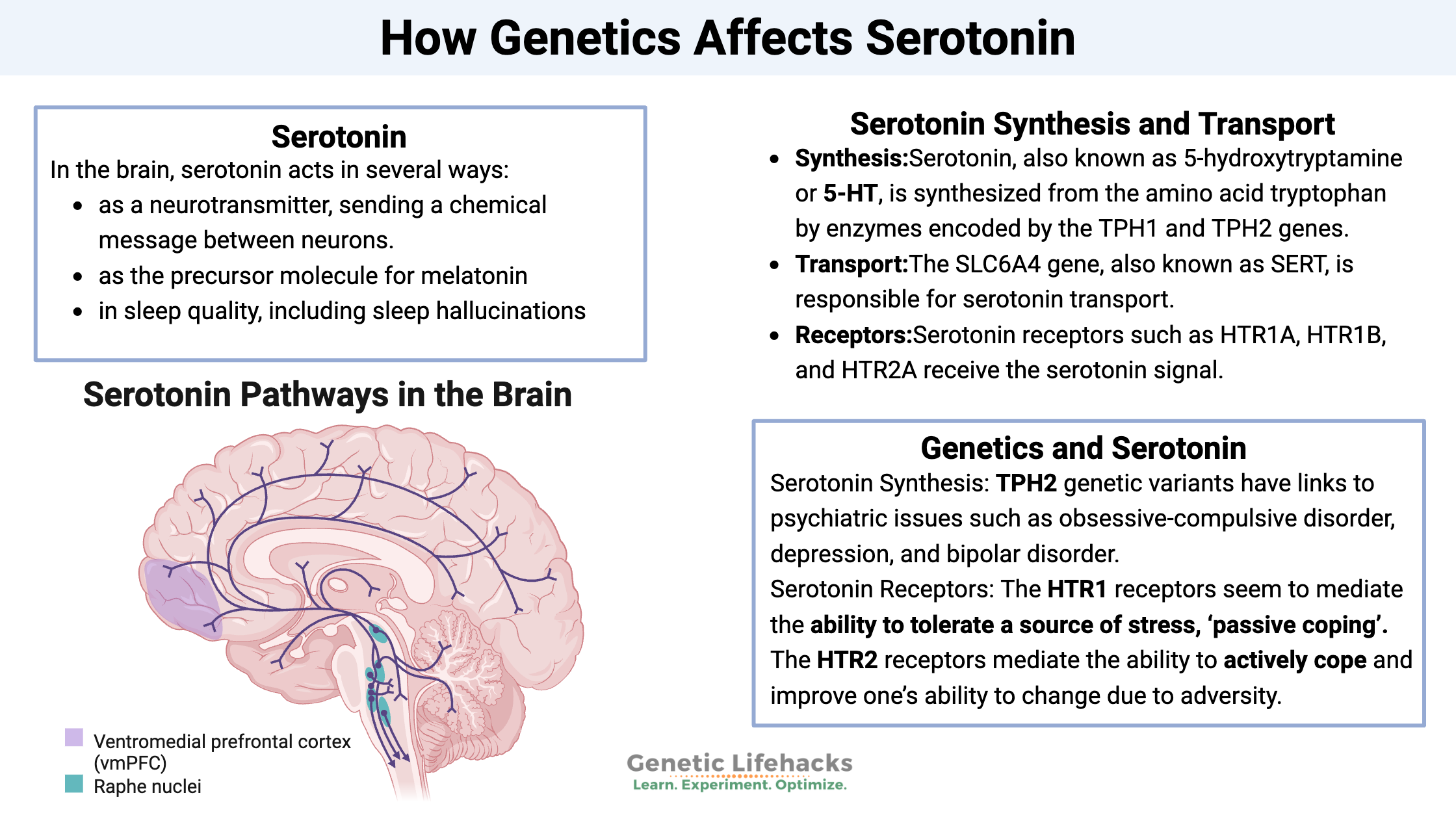
Serotonin is a neurotransmitter that is important in depression, sleep, and many other aspects of health. Learn how your genetic variants in the serotonin receptor genes impact their function.
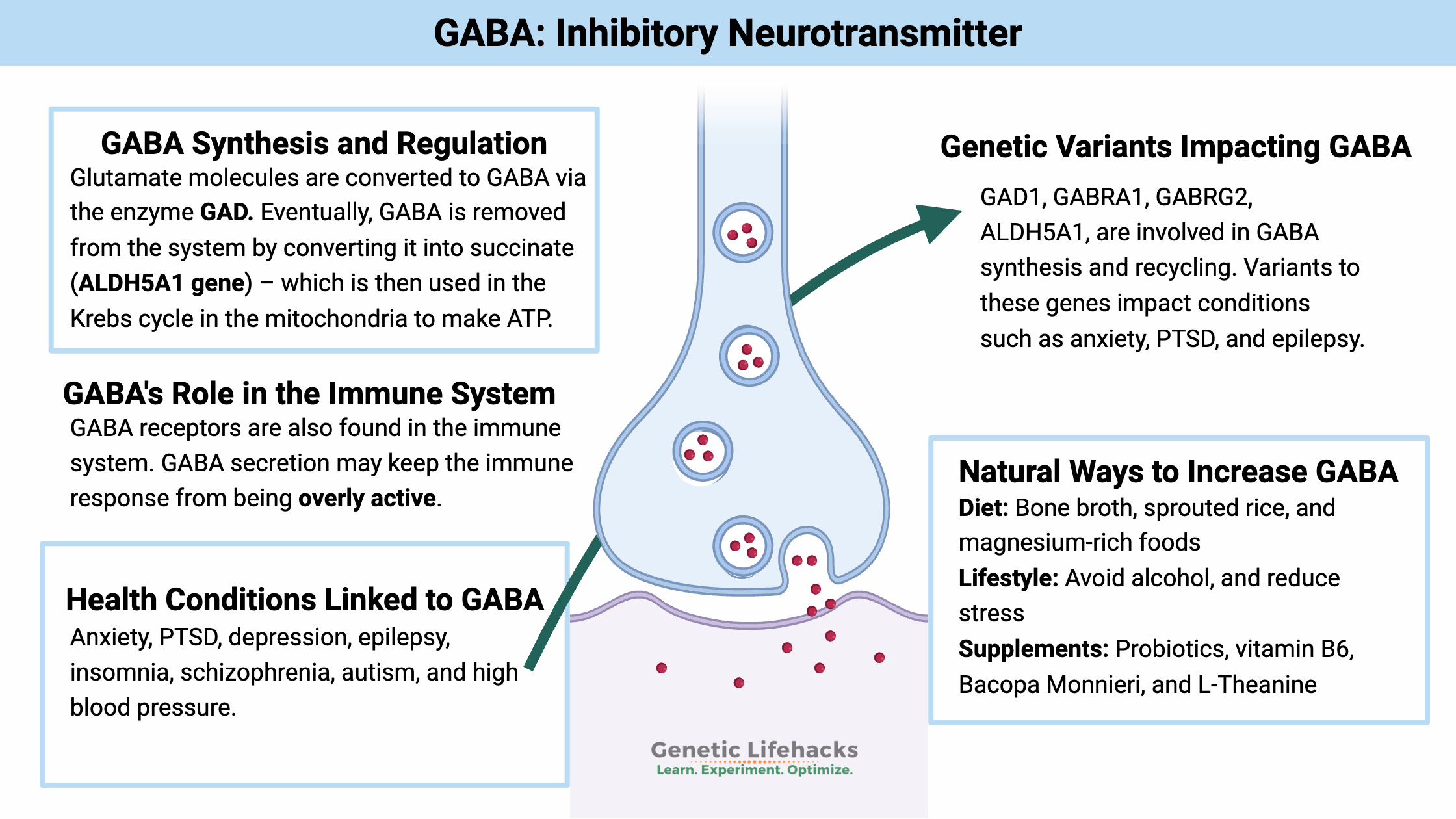
GABA (gamma-Aminobutyric acid) is a neurotransmitter that acts to block or inhibit a neuron from firing. It is an essential way that the brain regulates impulses, and low GABA levels are linked with several conditions, including anxiety and PTSD.
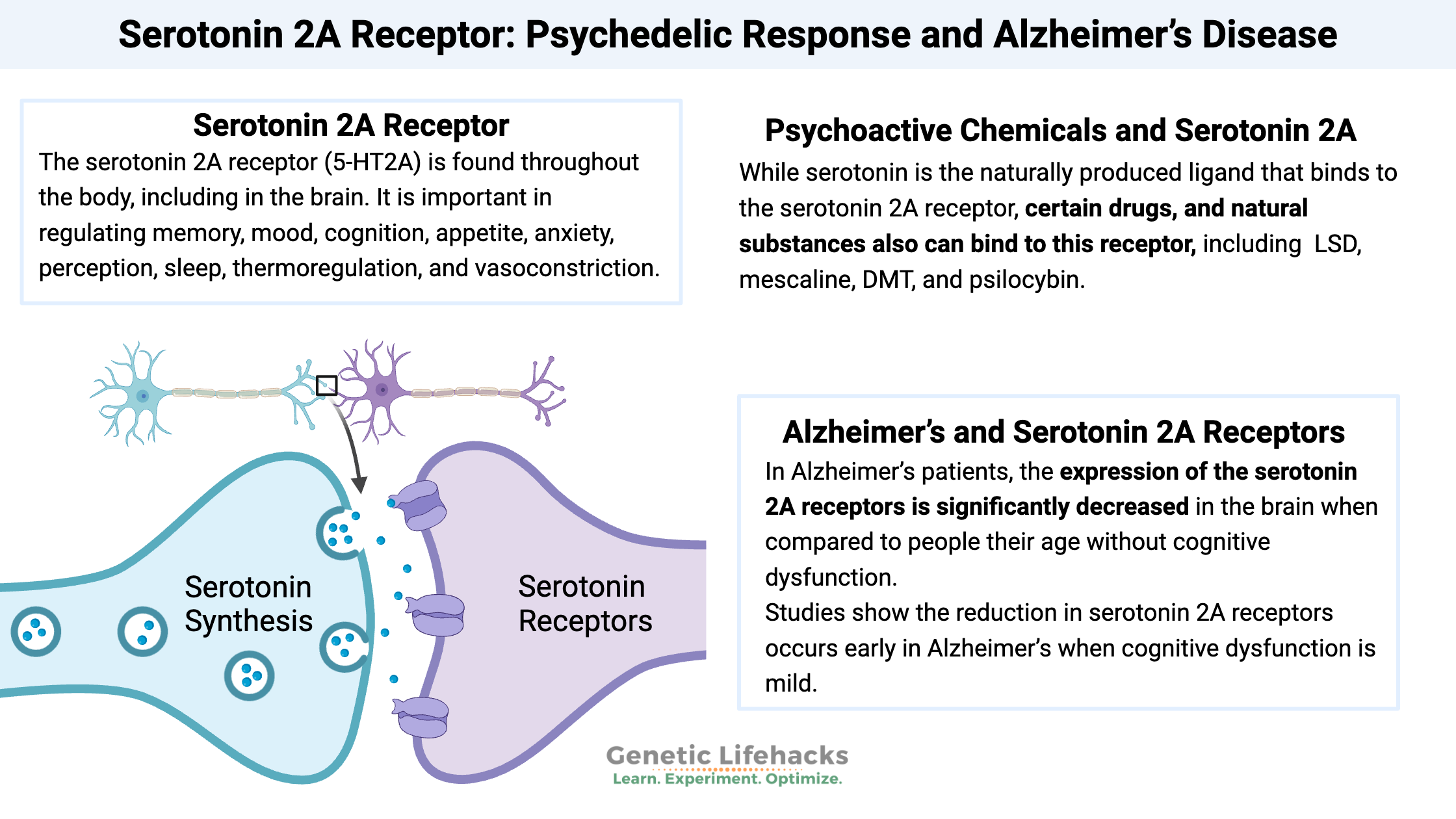
Learn how new research on brain aging and dementia connects the serotonin 2A receptor with psychedelics, brain aging, and Alzheimer’s.
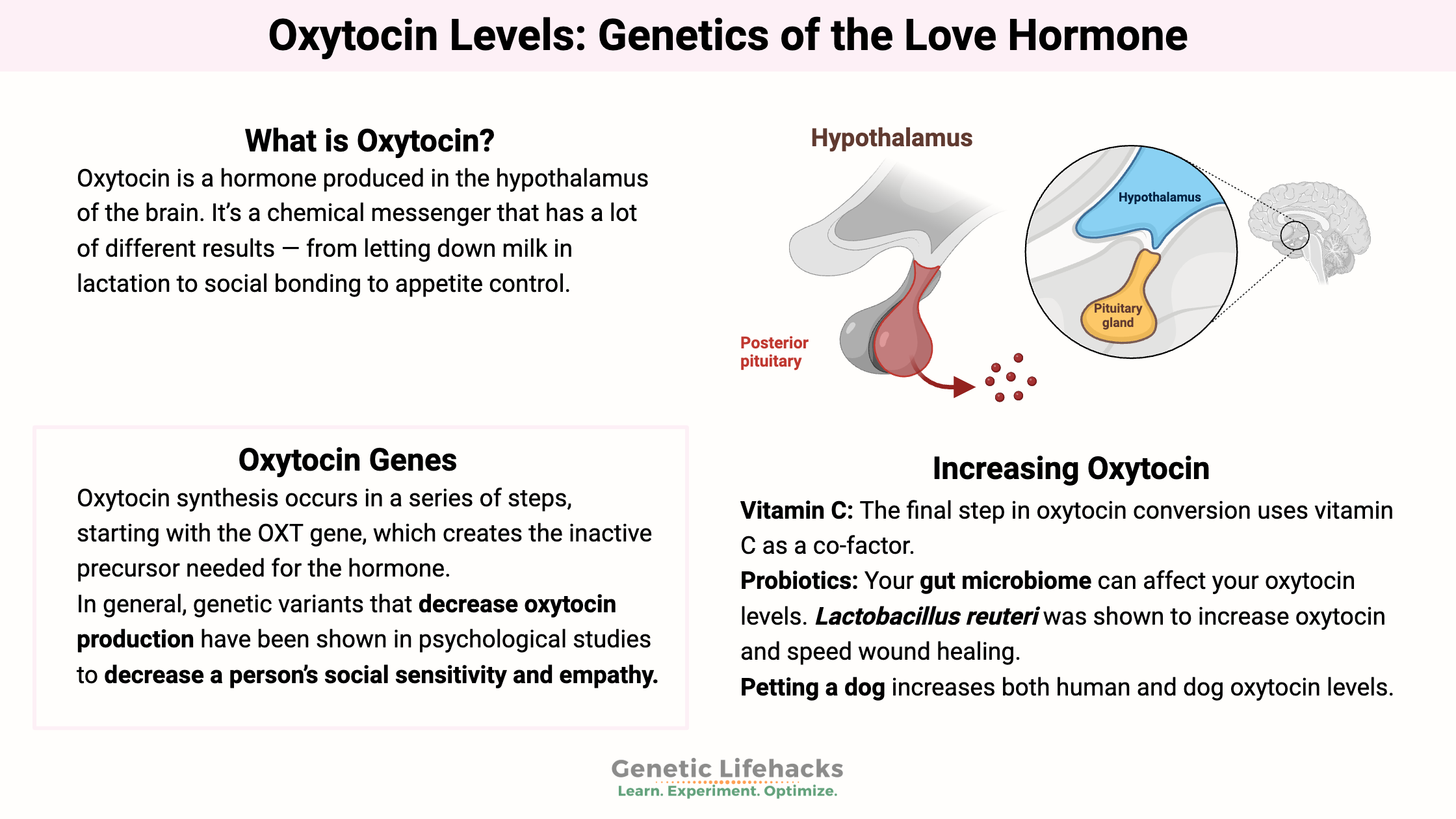
Oxytocin is called the love hormone. Genetic variants in the OXT gene are linked to being more social and empathetic vs being more of an introvert.
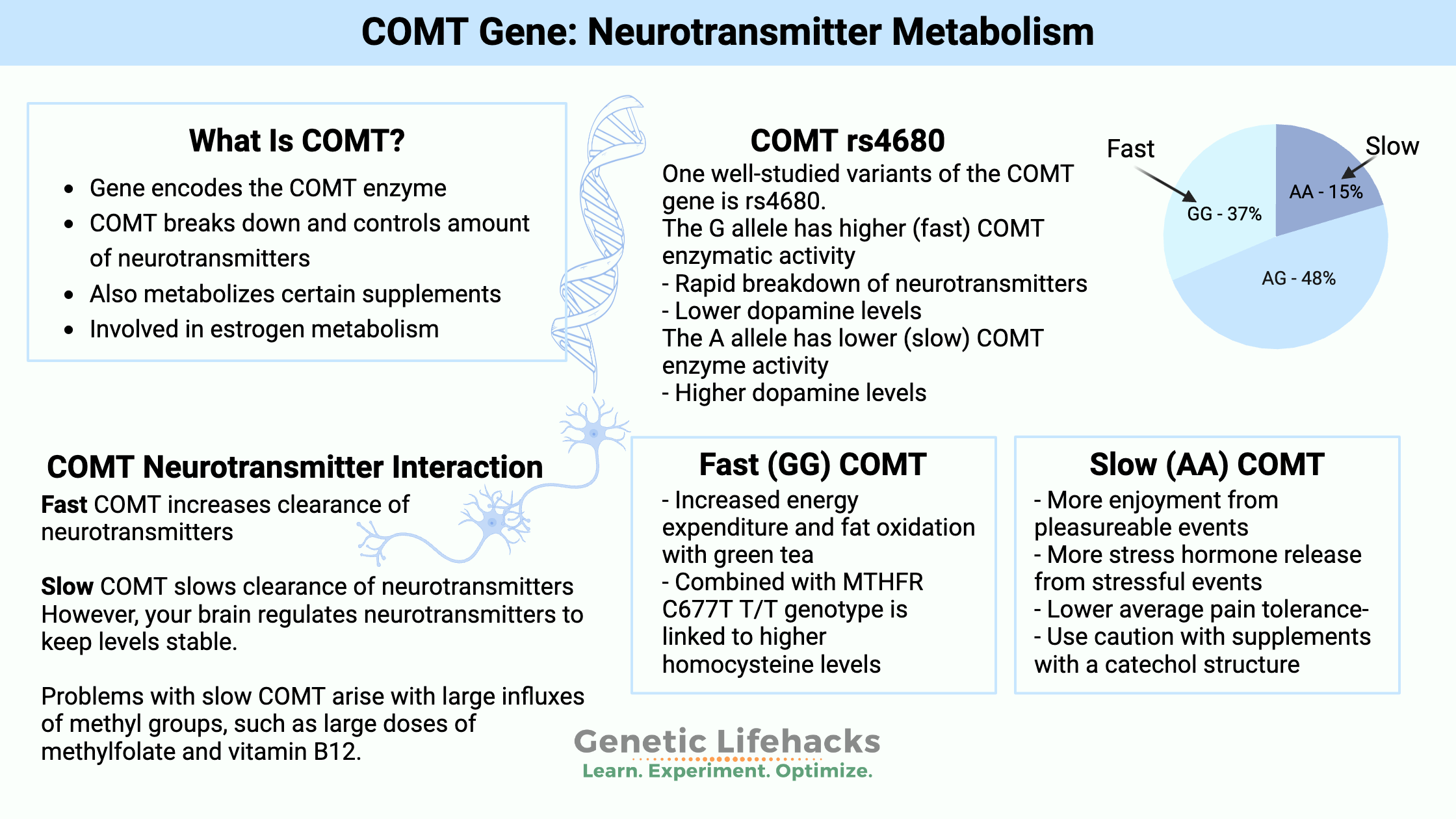
Wondering why your neurotransmitters are out of balance? It could be due to your COMT genetic variants. The COMT gene codes for the enzyme catechol-O-methyltransferase which breaks down (metabolizes) the neurotransmitters dopamine, epinephrine, and norepinephrine.
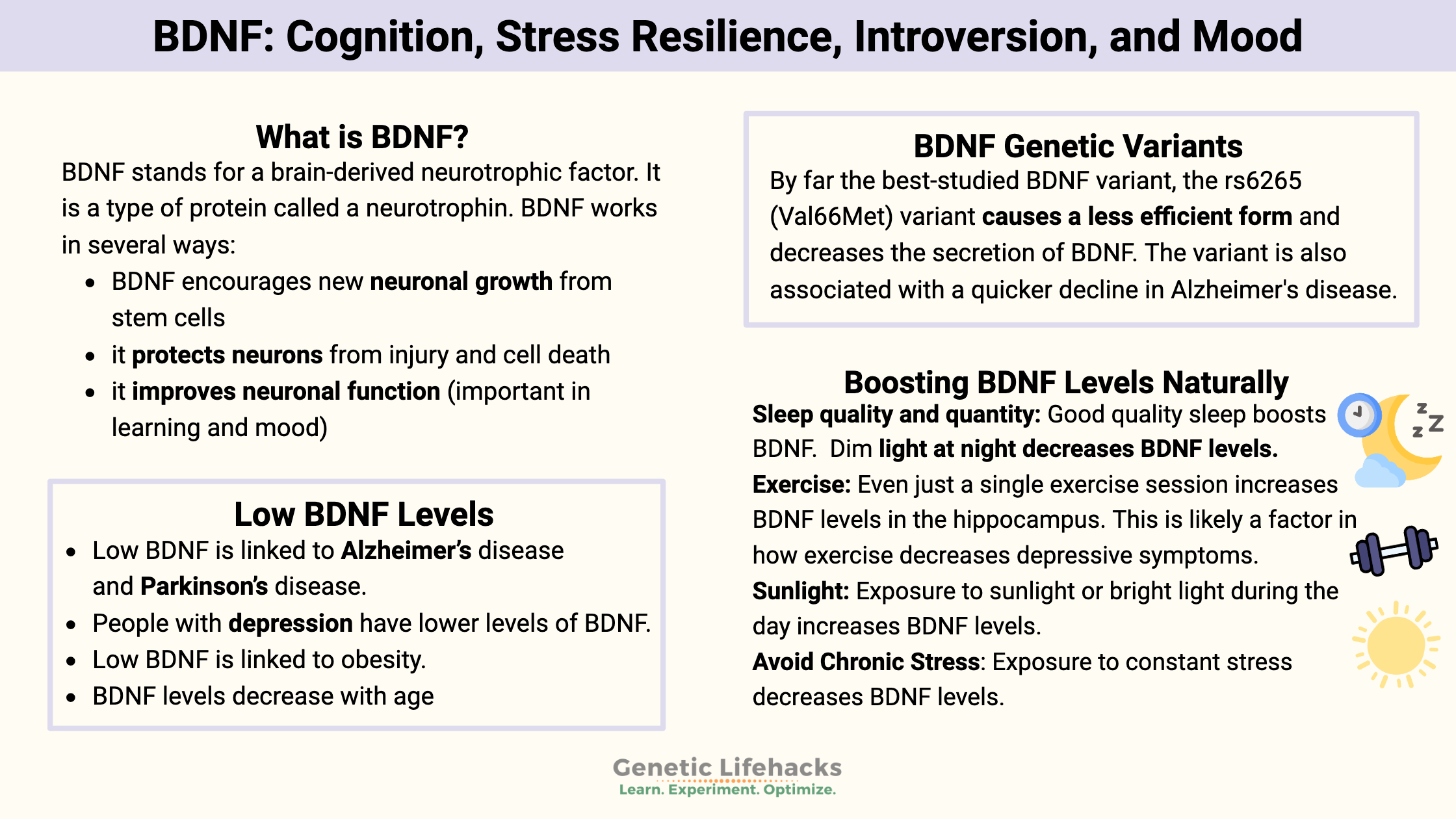
Low levels of BDNF (Brain-derived neurotrophic factor) are linked to introversion, stress resilience, cognition, and depression levels. Discover ways to increase your BDNF levels and mitigate the problems associated with the BDNF gene variants.