
Dirty Genes Protocol
Do your genes really get ‘dirty’? The quick answer is no but discover the meaning of this concept and how to better relate it to your genes.
Do your genes really get ‘dirty’? The quick answer is no but discover the meaning of this concept and how to better relate it to your genes.
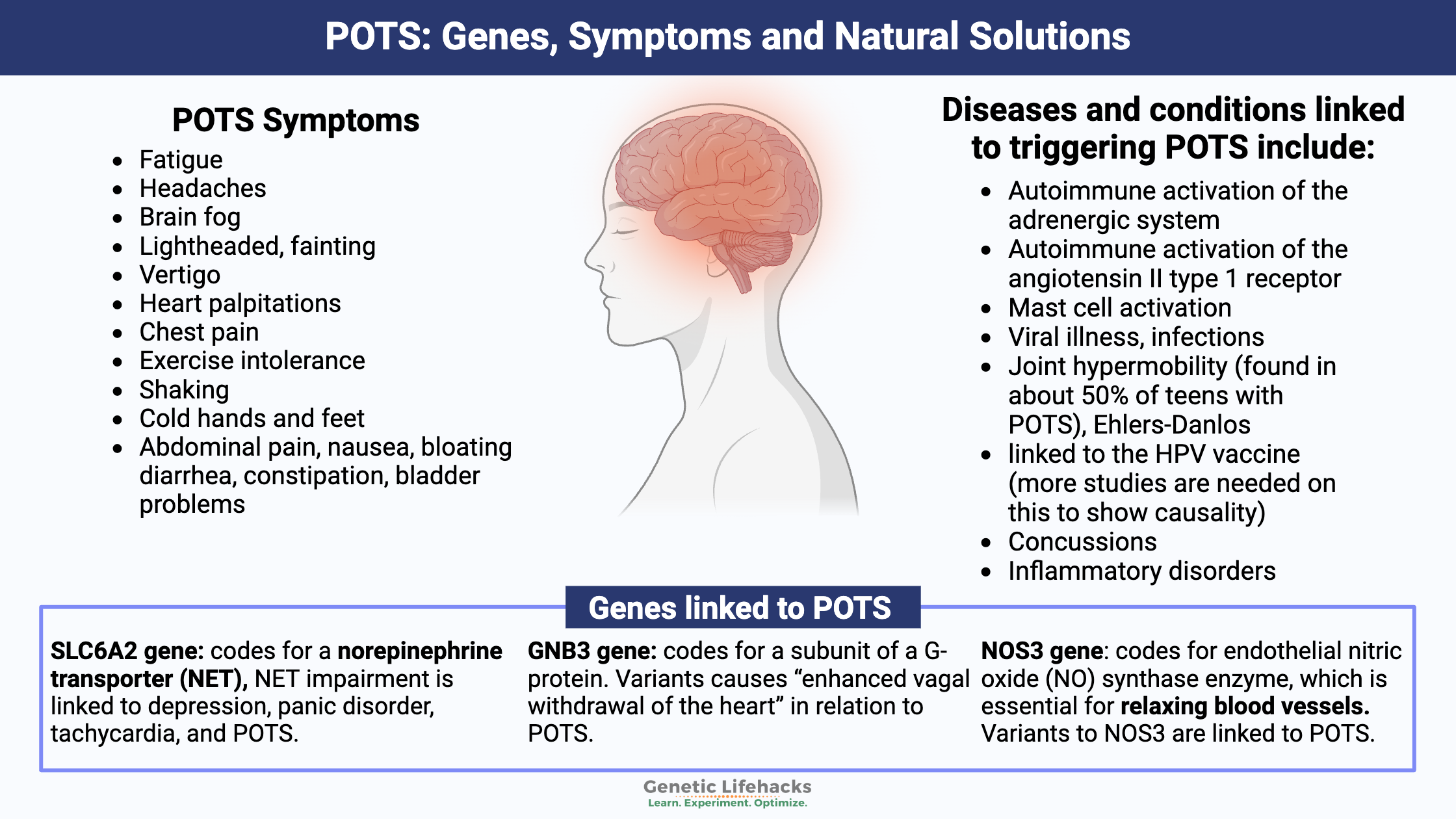
Explore the genetic basis of POTS, from HLA and norepinephrine transporter variants to EDS, MCAS, and long Covid connections, plus strategies to better manage symptoms.
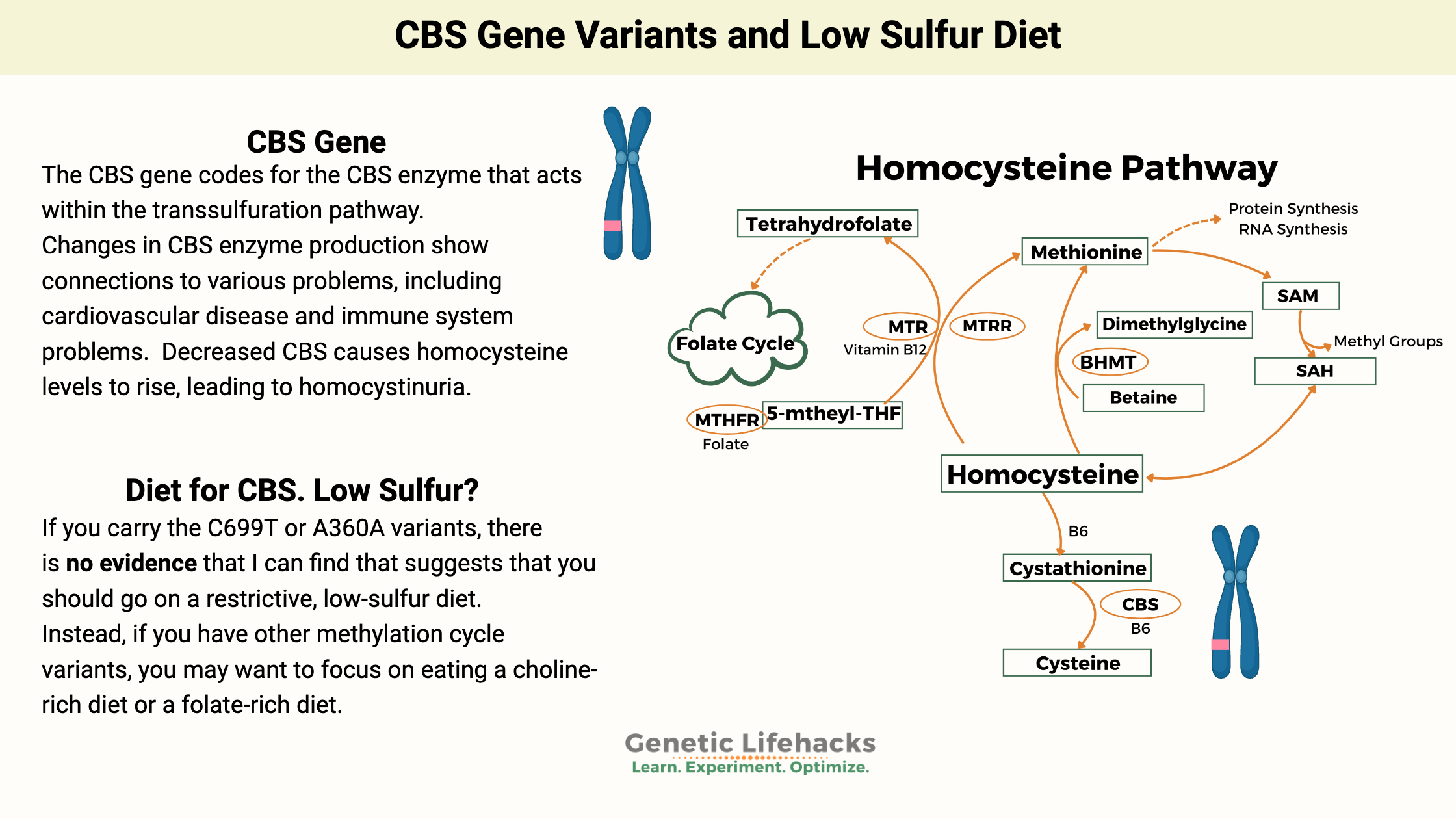
Some clinicians recommend a low sulfur diet for people with CBS mutations. Find out what the research shows – and why that recommendation is not backed up. (Member’s article)
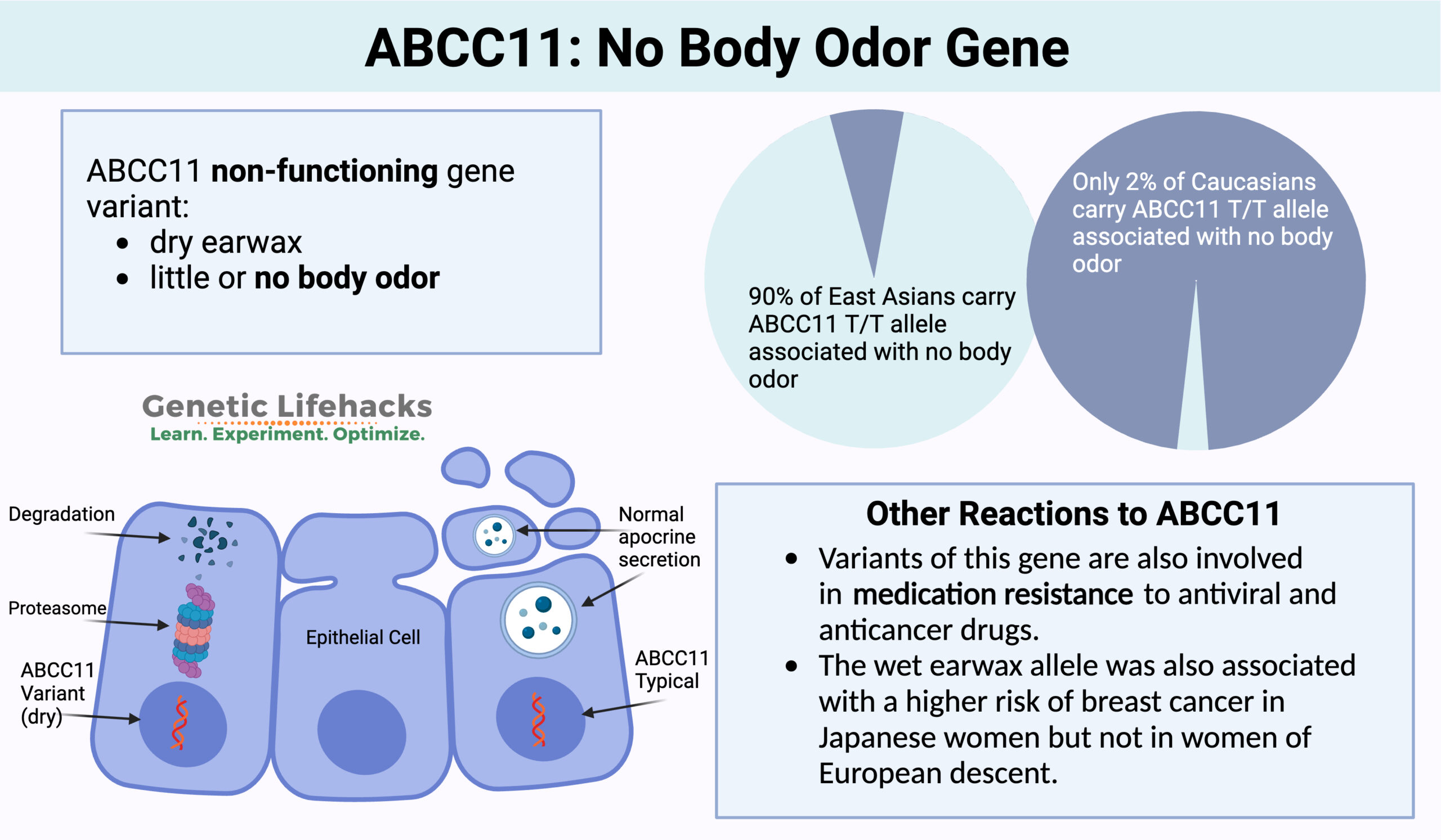
The ABCC11 gene determines both the type of earwax a person has and their armpit odor. Learn more about how a change in a single spot in the DNA of this gene can cause the gene not to function.
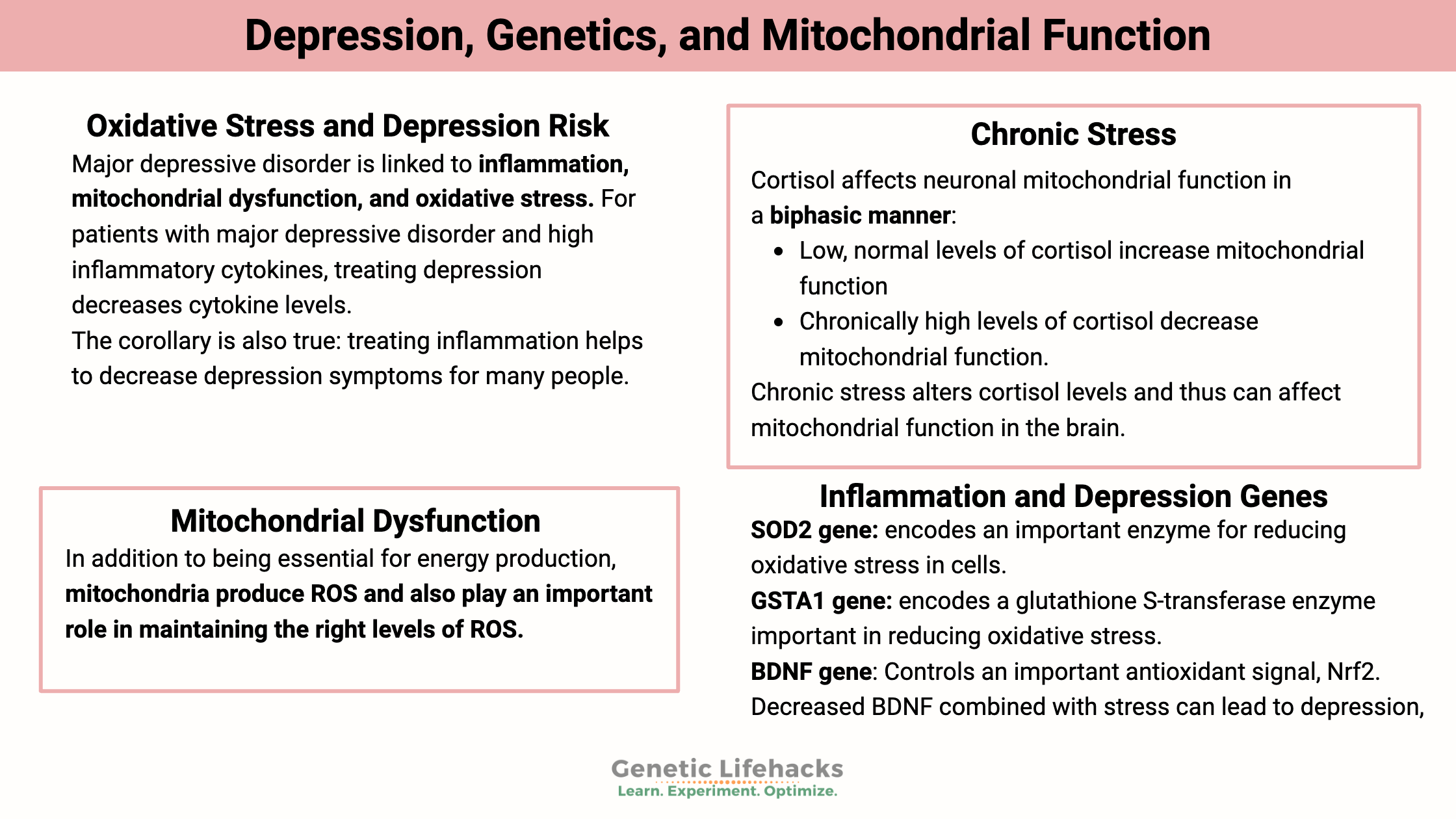
How does mitochondrial dysfunction relate to major depressive disorder? Learn about the causes of mitochondrial dysfunction as well as genetic variants that link the risk of depression to the mitochondria.
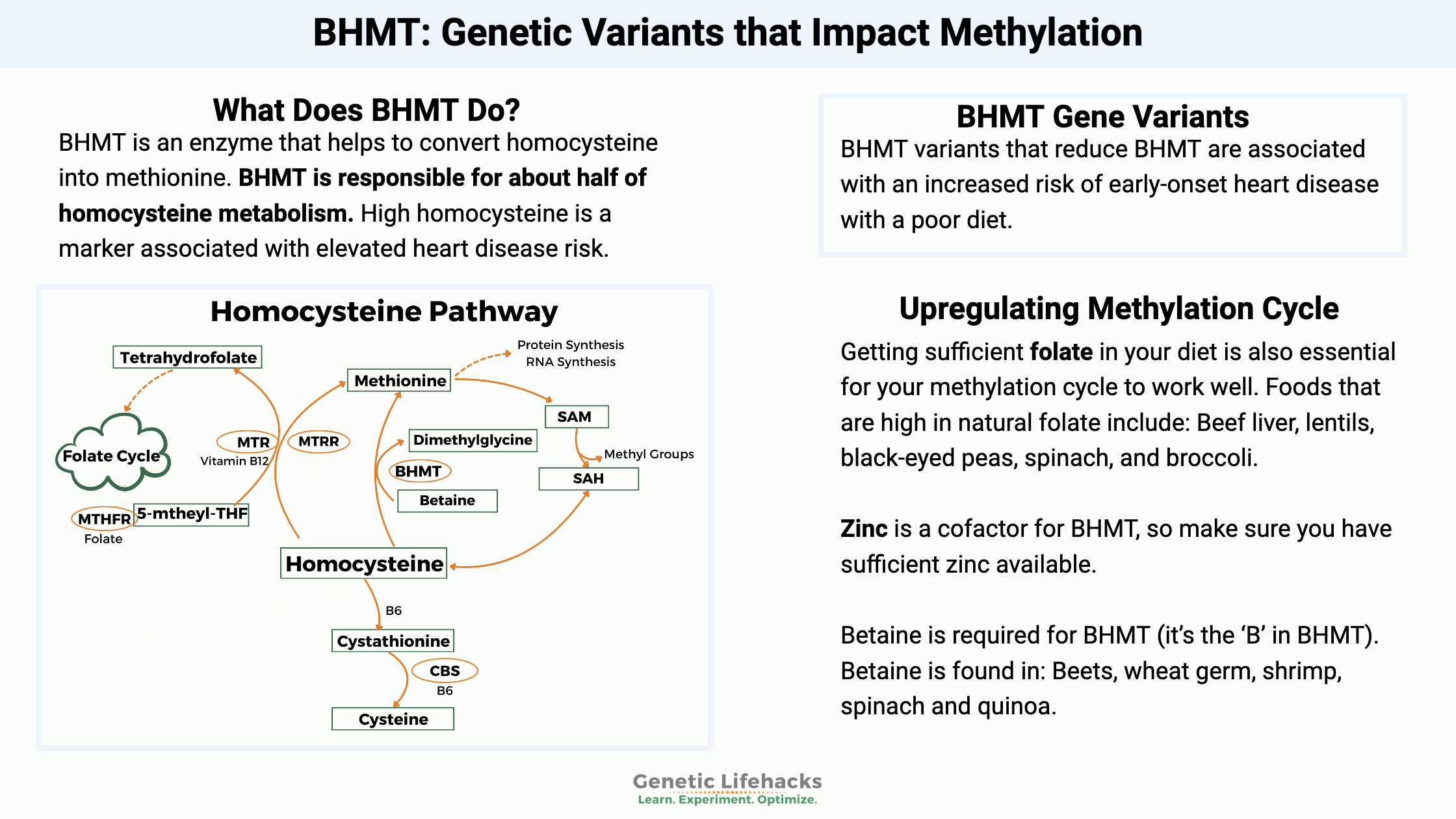
BHMT is involved in homocysteine methylation and impacts the methylation cycle.
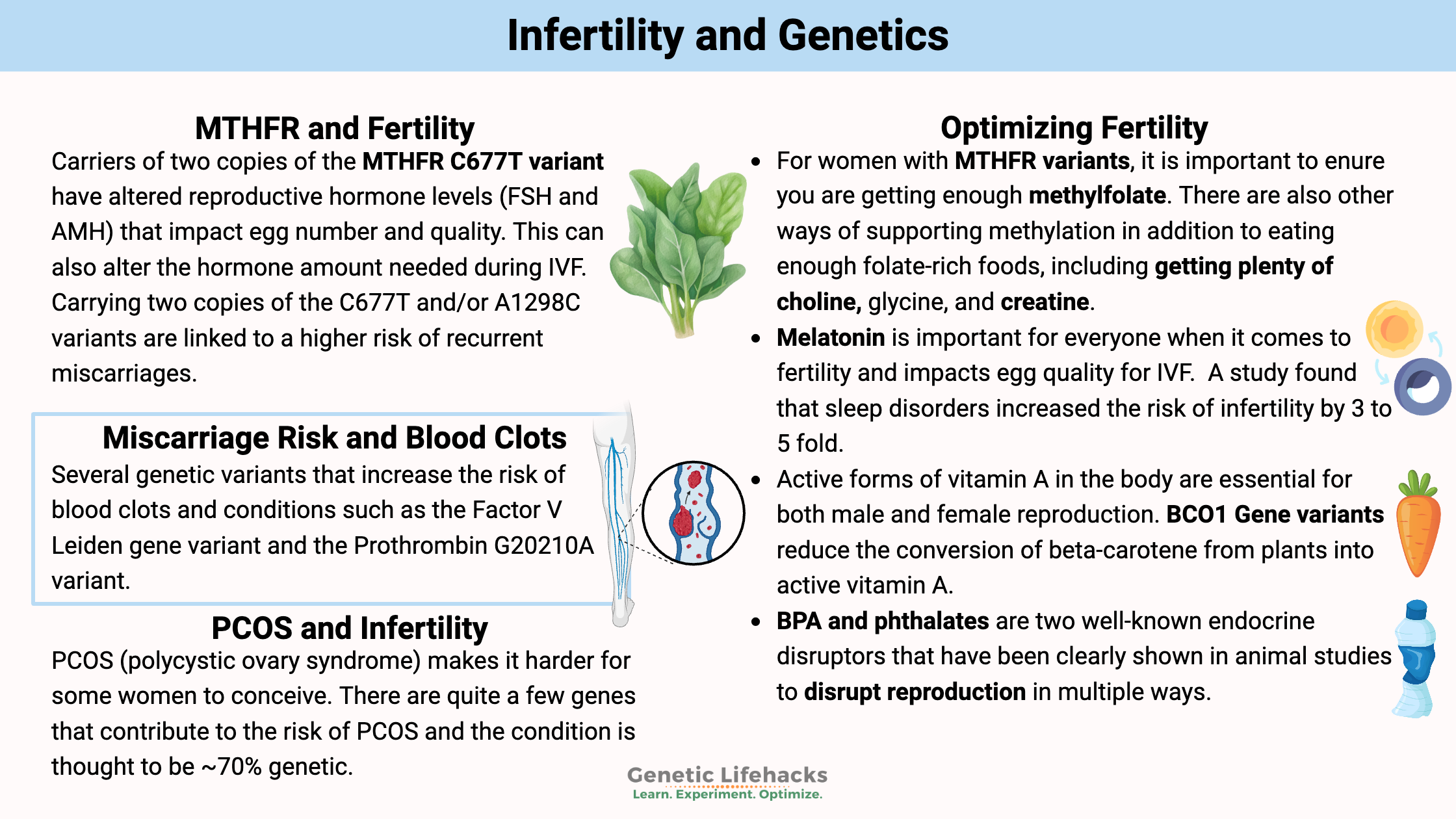
Your genes may be playing a role in your infertility — and knowing which genetic variants you carry may help you figure out solutions to try.
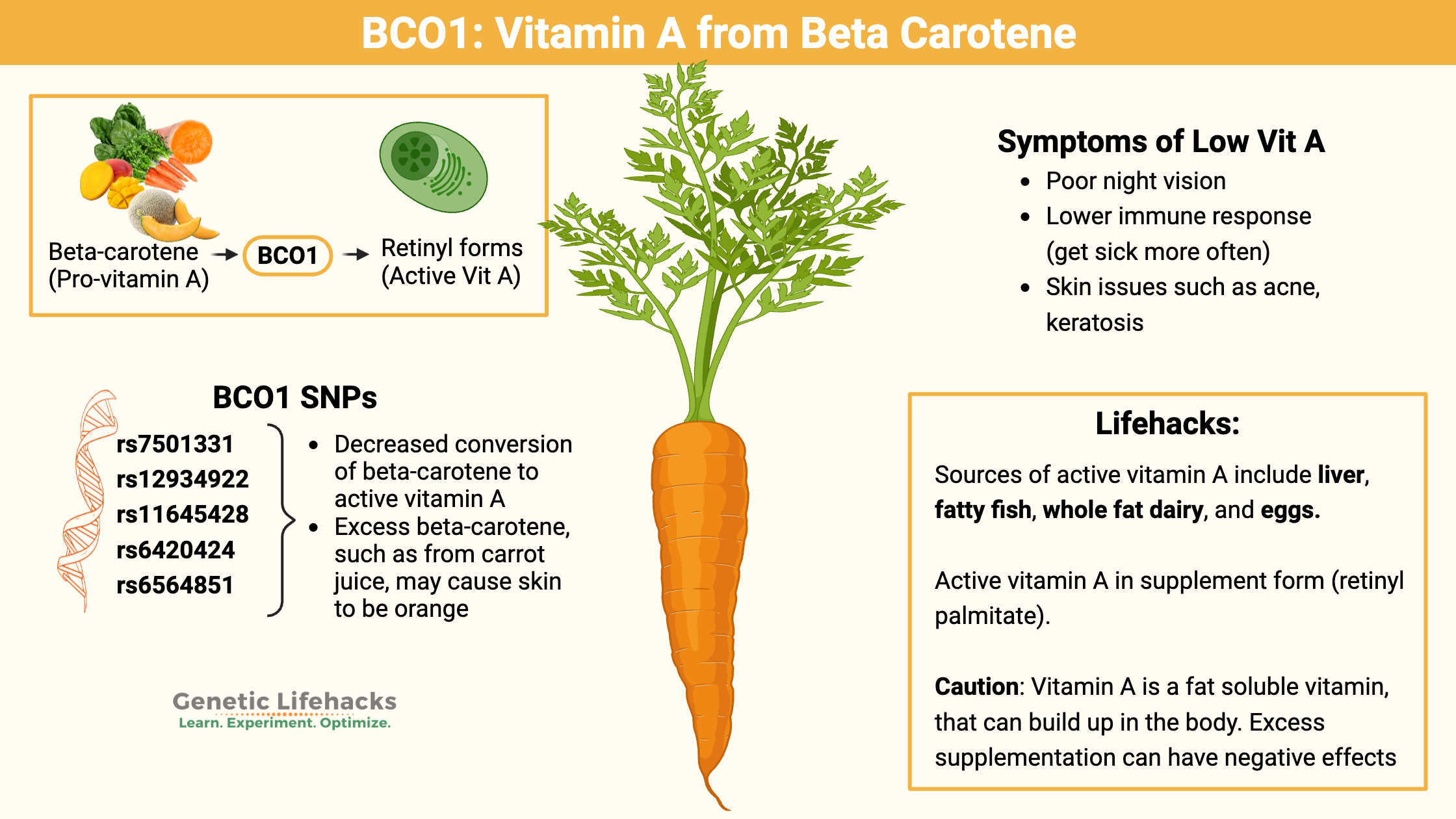
Genetics plays a huge role in how well you convert beta-carotene into vitamin A! Discover how well you convert beta-carotene into retinol.

Wondering whether to go with an Ancestry.com or 23andMe kit? This is a quick, no-nonsense comparison between the two.

My goal is to help you understand how to make the necessary changes to solve a health challenge or customize your diet for optimal health-all based on your genes. You can use raw genetic data from 23andMe, AncestryDNA, MyHeritage, etc. Genetic Lifehacks focuses on three key strategies: Learn, Experiment, and … Read more
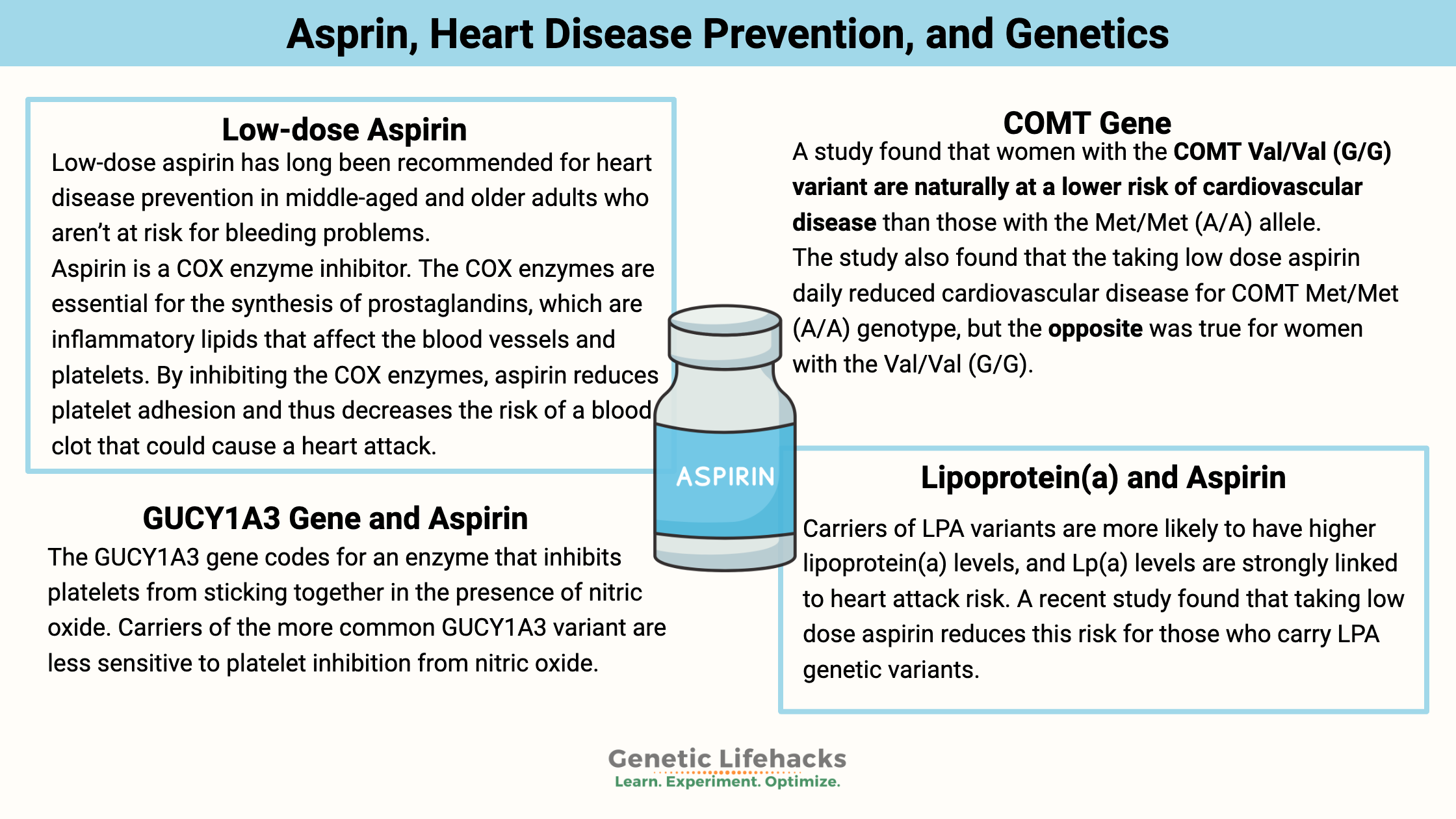
While large population studies show the benefits of aspirin, research shows that these heart-health benefits are dependent on your genes. Find out more and check your genetic raw data.
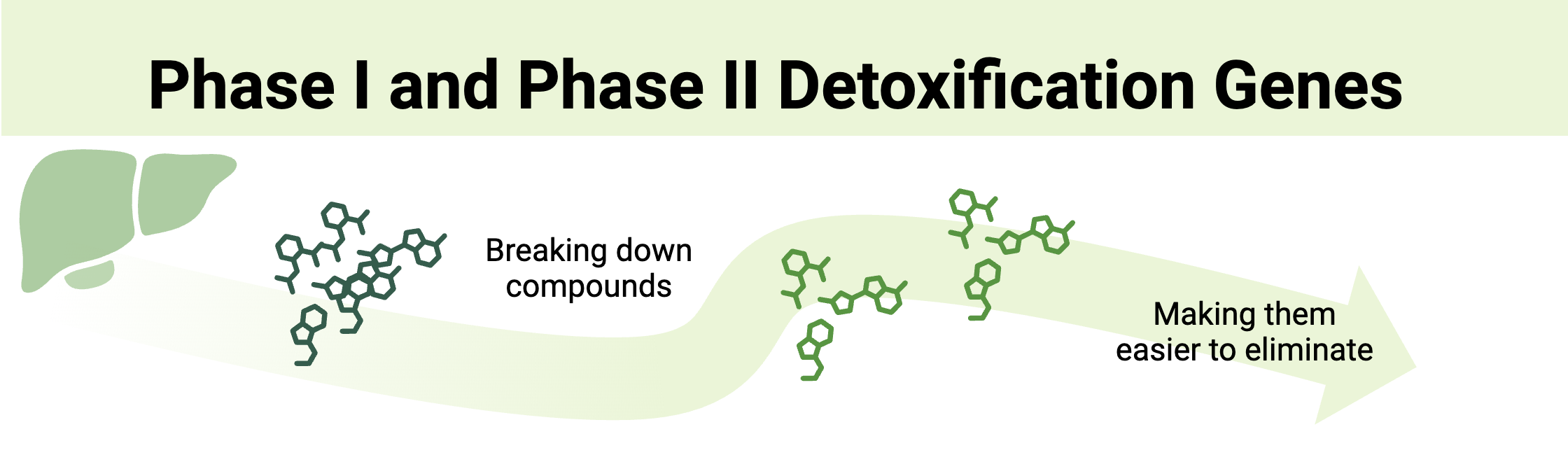
Key takeaways: ~ Phase I and phase II detoxification are the primary ways your body eliminates toxins. ~ Genetic variants in these pathways affect how well you detoxify certain substances. Detoxification and Genetic Pathways: Your body is remarkably capable of ridding itself of harmful substances through complex detoxification pathways. In … Read more
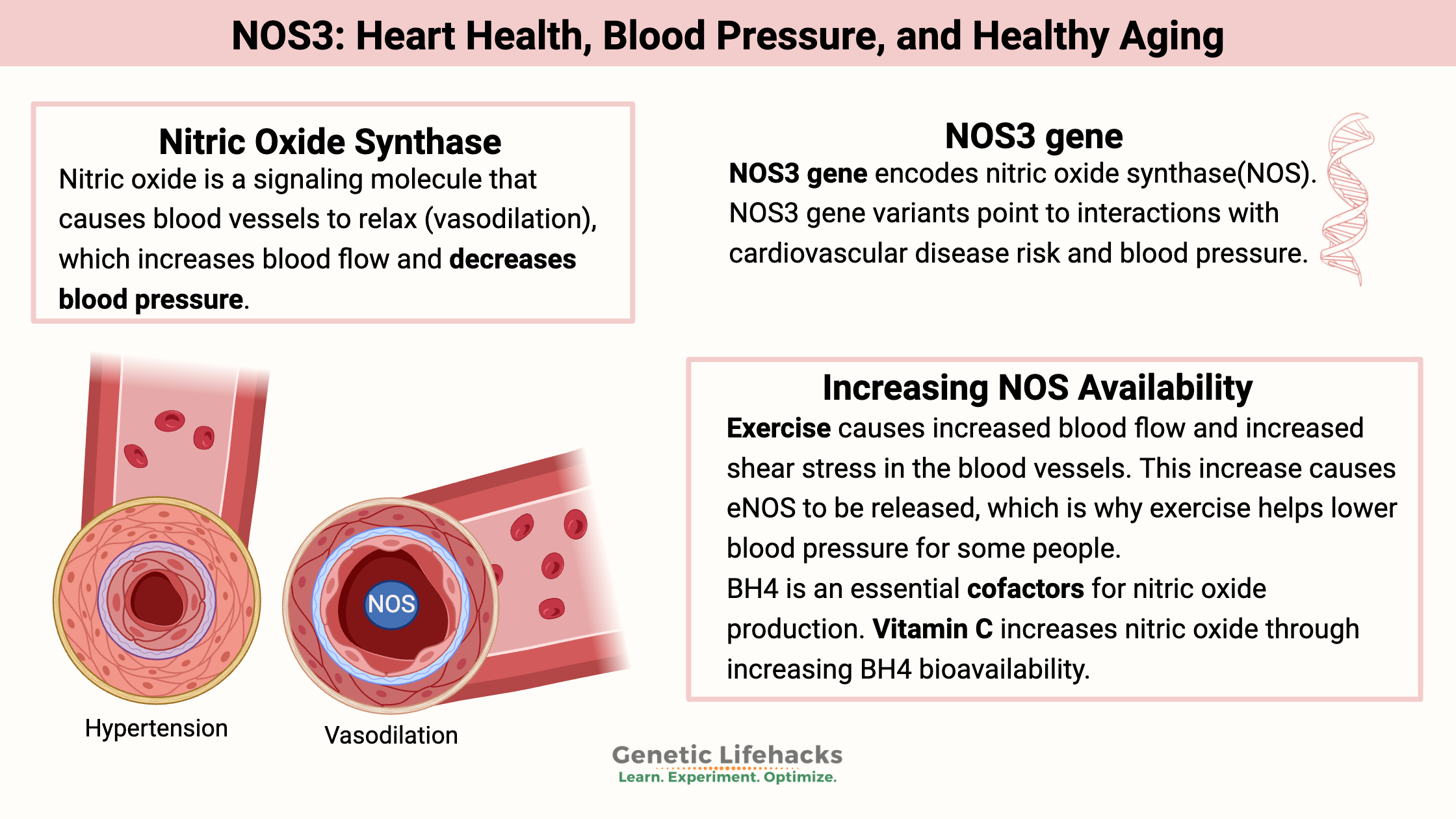
Nitric Oxide Synthase is an important signaling molecule in the endothelium of our blood vessels. It has roles in the regulation of blood pressure, cardiovascular disease, brain health, and more. Genetic variants in nitric oxide genes are important for a healthy heart. Find out how your genes could play a part in the interactions with cardiovascular disease risk and blood pressure.
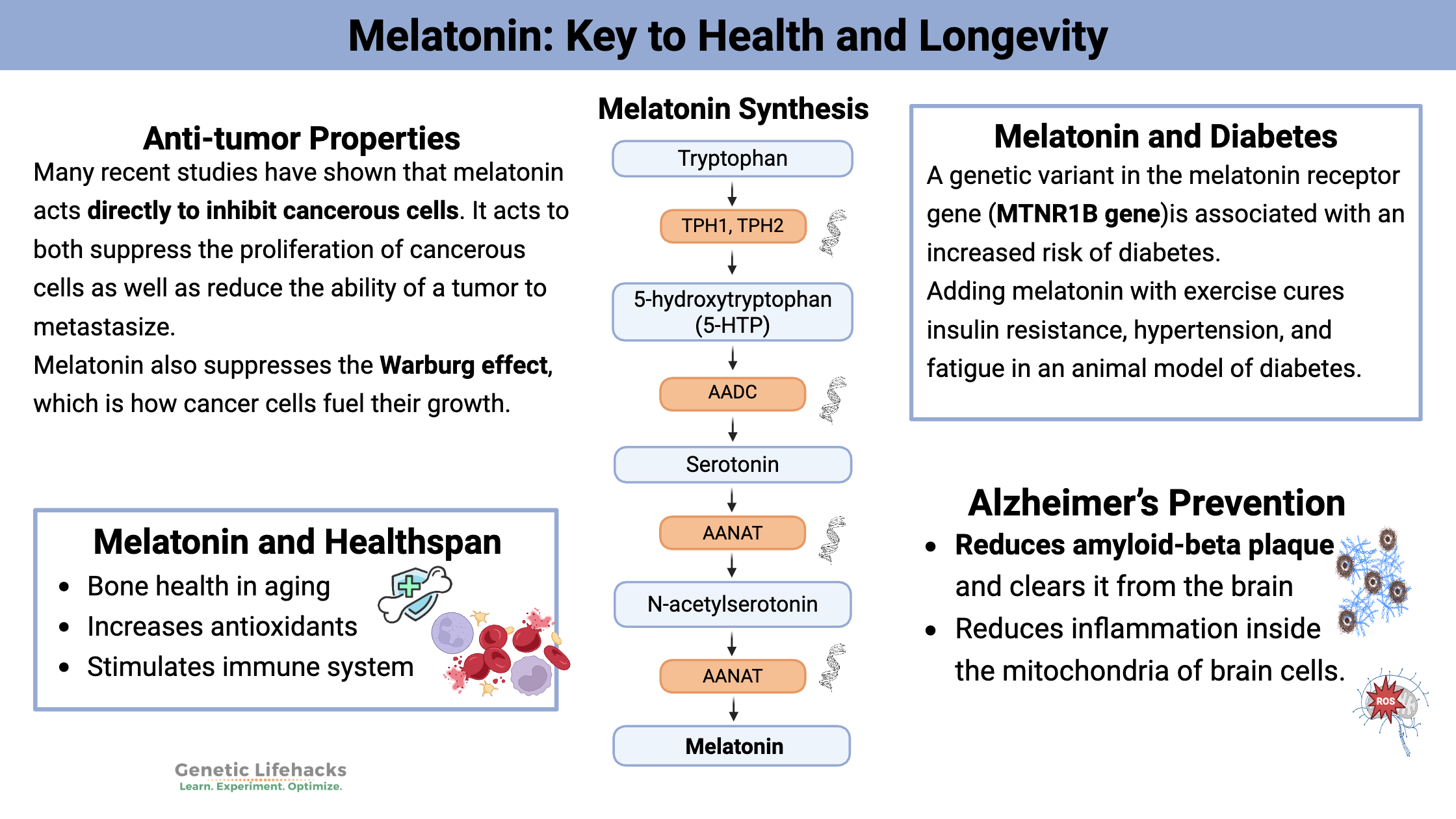
More than just a sleep hormone, melatonin is at the heart of many health topics. Your genetic variants play a big role in the production of melatonin. Learn how your lifestyle and diet interact with your melatonin-related genes.
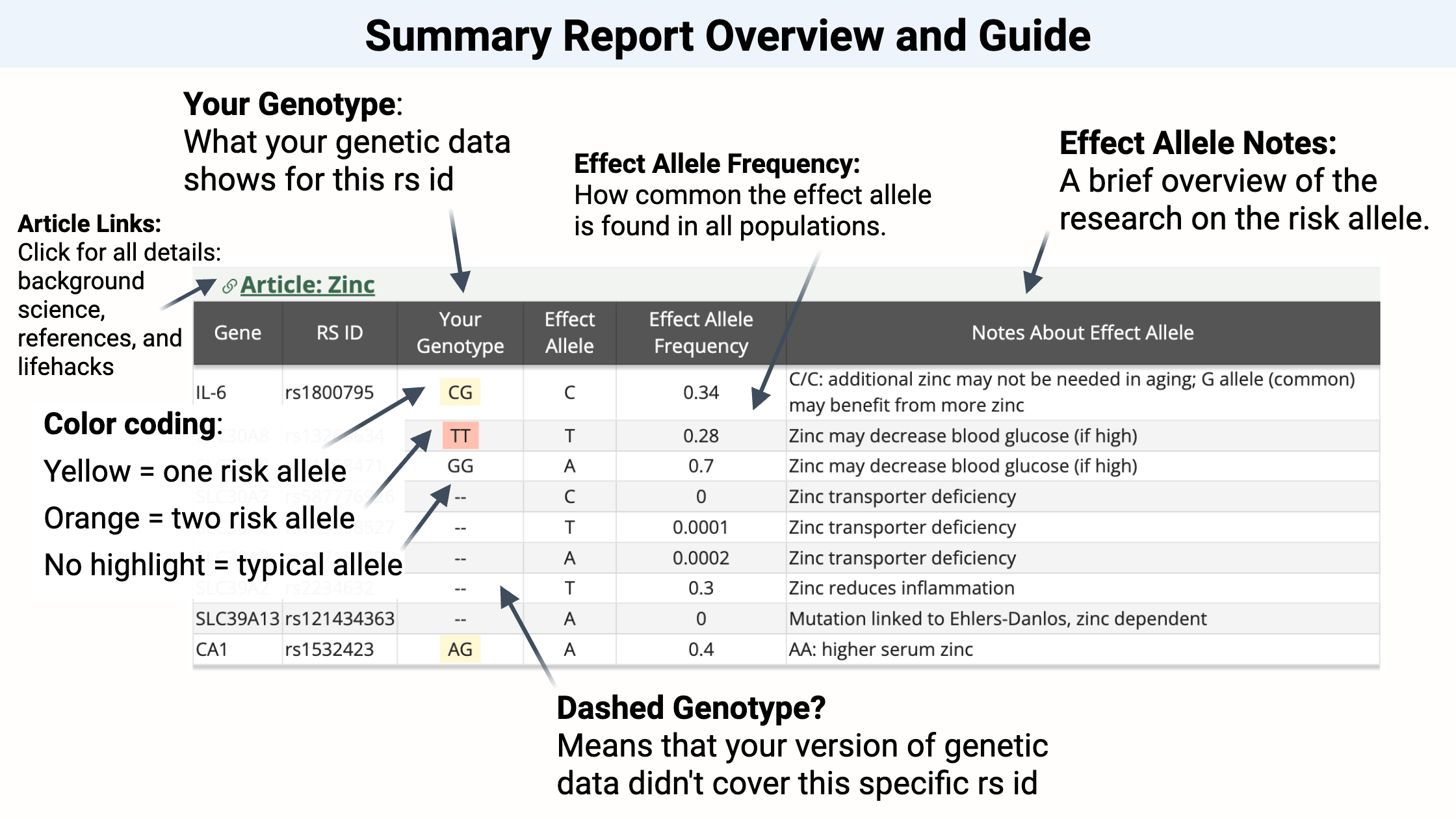
BookmarkThree types of Genetic Lifehacks reports: How to read the report & What is Effect Allele Frequency
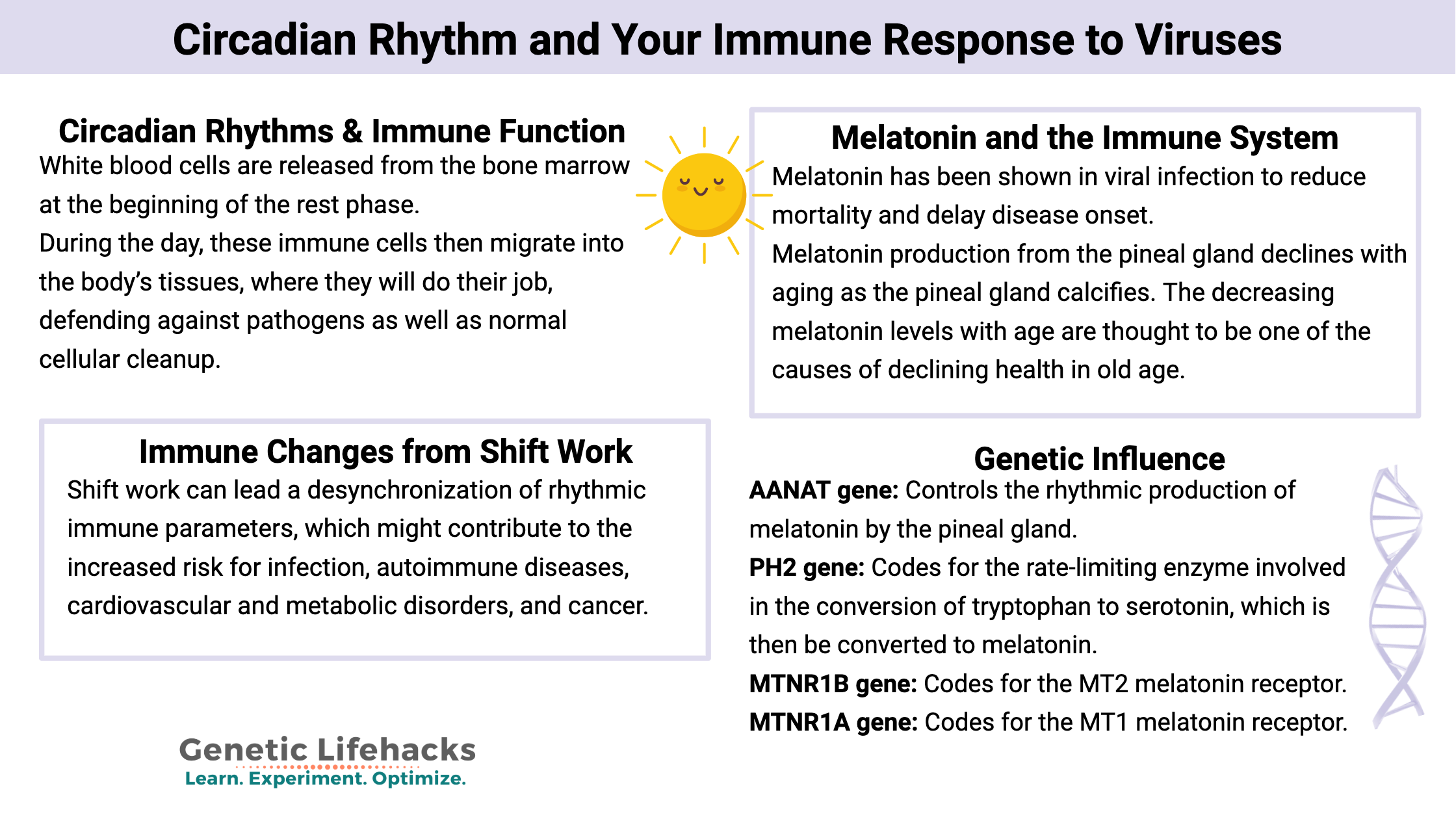
Your circadian rhythm influences your immune response. Learn how this rhythm controls white blood cell production and why melatonin protects against viral and bacterial infections.
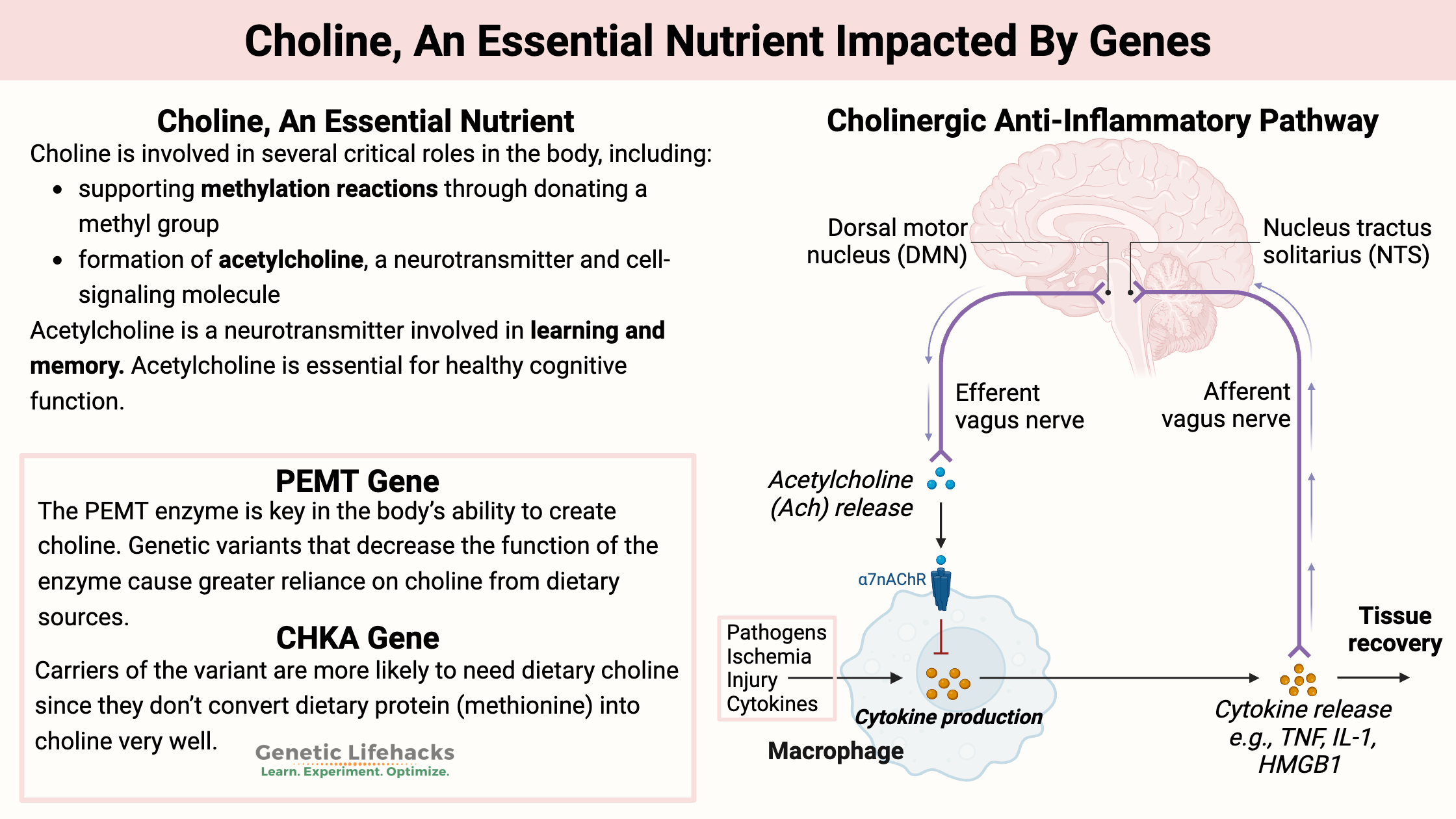
An essential nutrient, your need for choline from foods is greatly influenced by your genes. Find out whether you should be adding more choline into your diet.
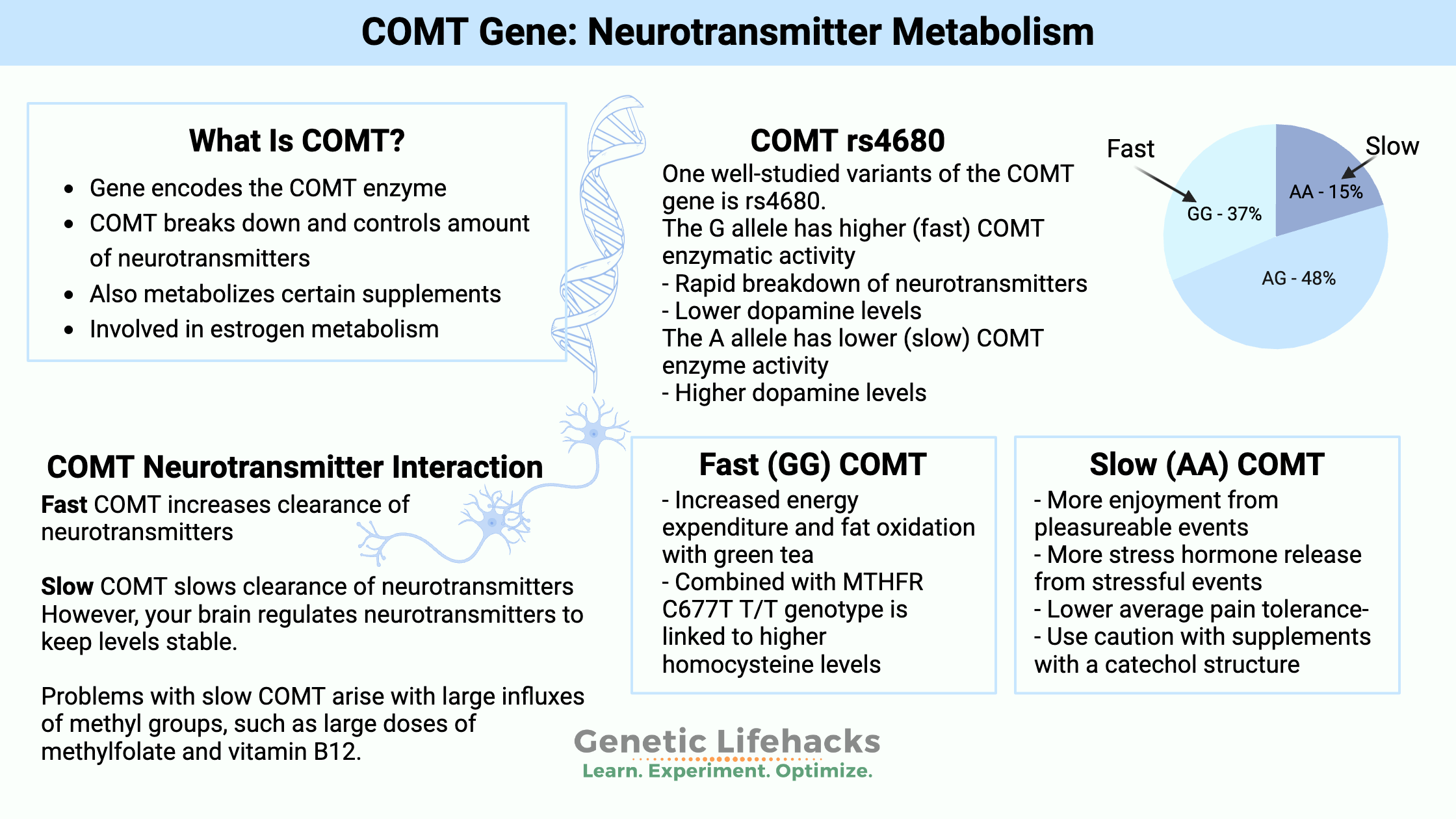
Wondering why your neurotransmitters are out of balance? It could be due to your COMT genetic variants. The COMT gene codes for the enzyme catechol-O-methyltransferase which breaks down (metabolizes) the neurotransmitters dopamine, epinephrine, and norepinephrine.
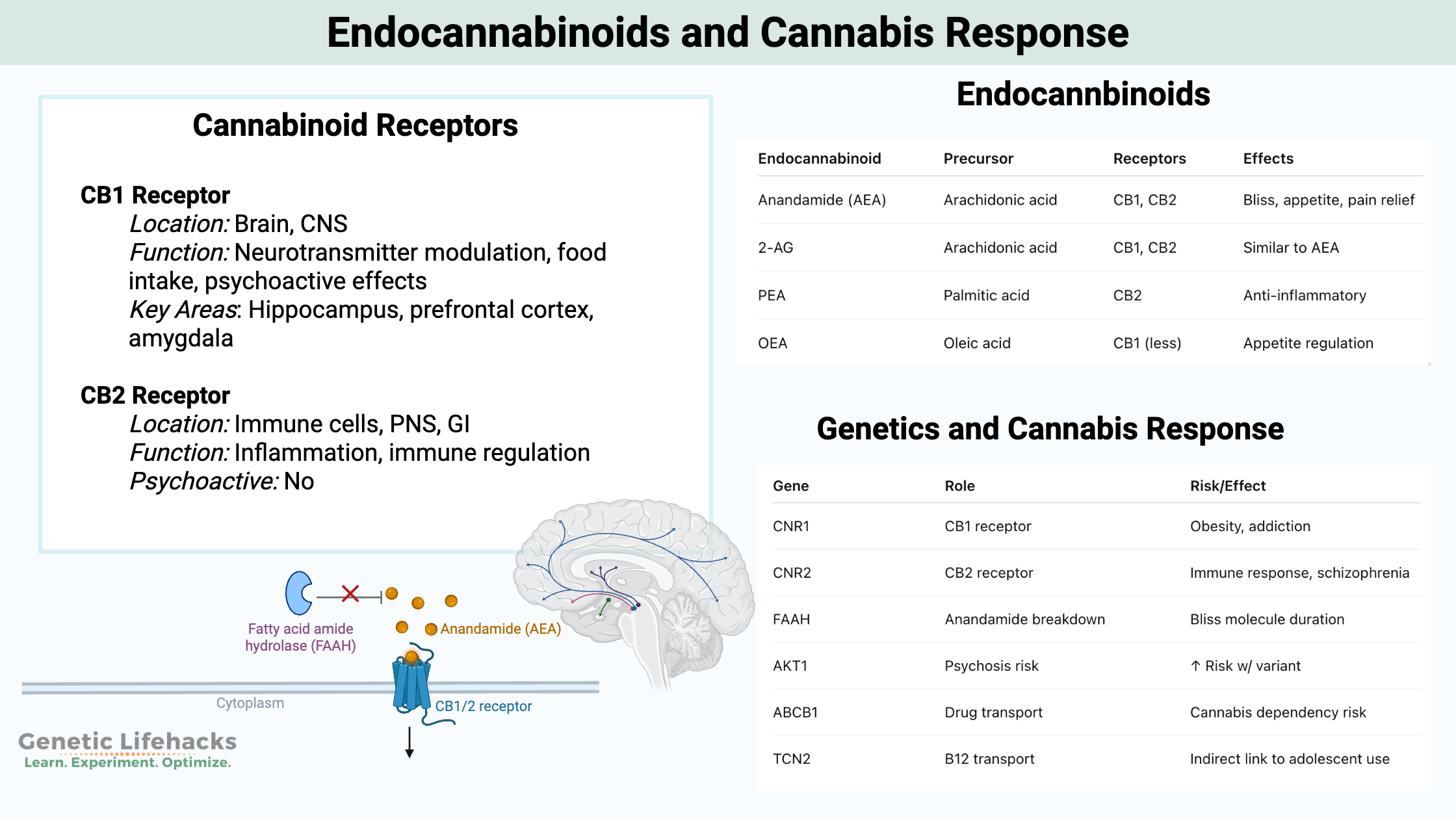
Discover how genetic variants influence your susceptibility to substance abuse, and how the variants impact your body’s reaction to cannabis. (Member’s article)

Thanks for signing up for the Genetic Lifehacks Newsletter! Expect to receive the next edition on Thursday 🙌 Be sure to add geneticlifehacks.com to your whitelist. Meanwhile, get started on learning more about your genes. Here are a few places to start: See if you are at a higher risk for … Read more
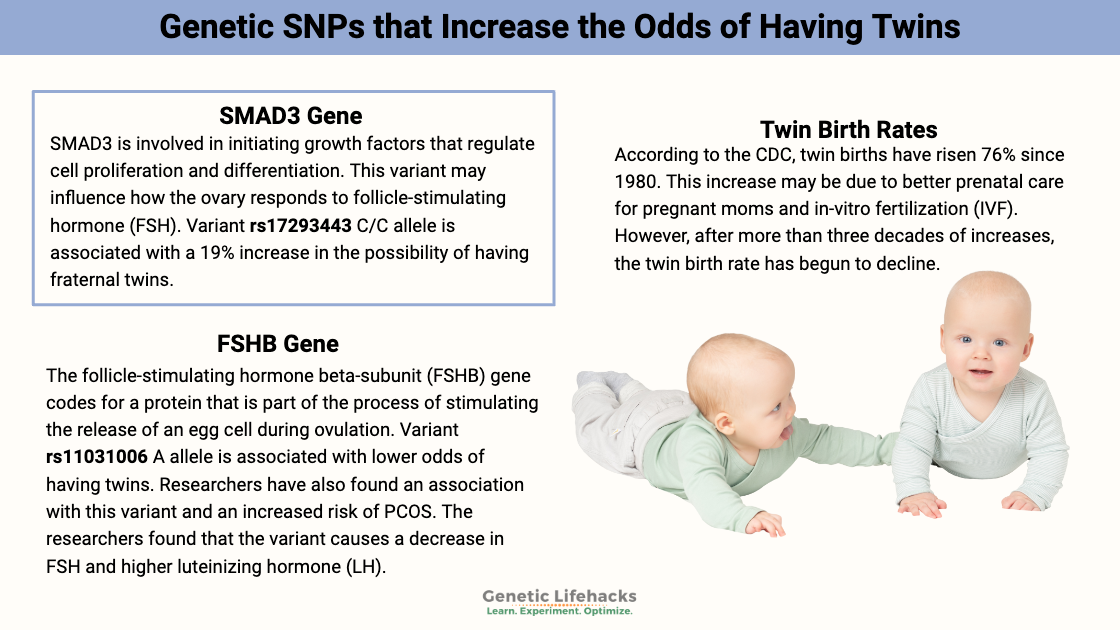
Twins tend to ‘run in families’, which is a colloquial way of saying that there is a hereditary component that increases the likelihood of having twins. Check your genetic data (women only :-) to see if you are more likely to have twins.
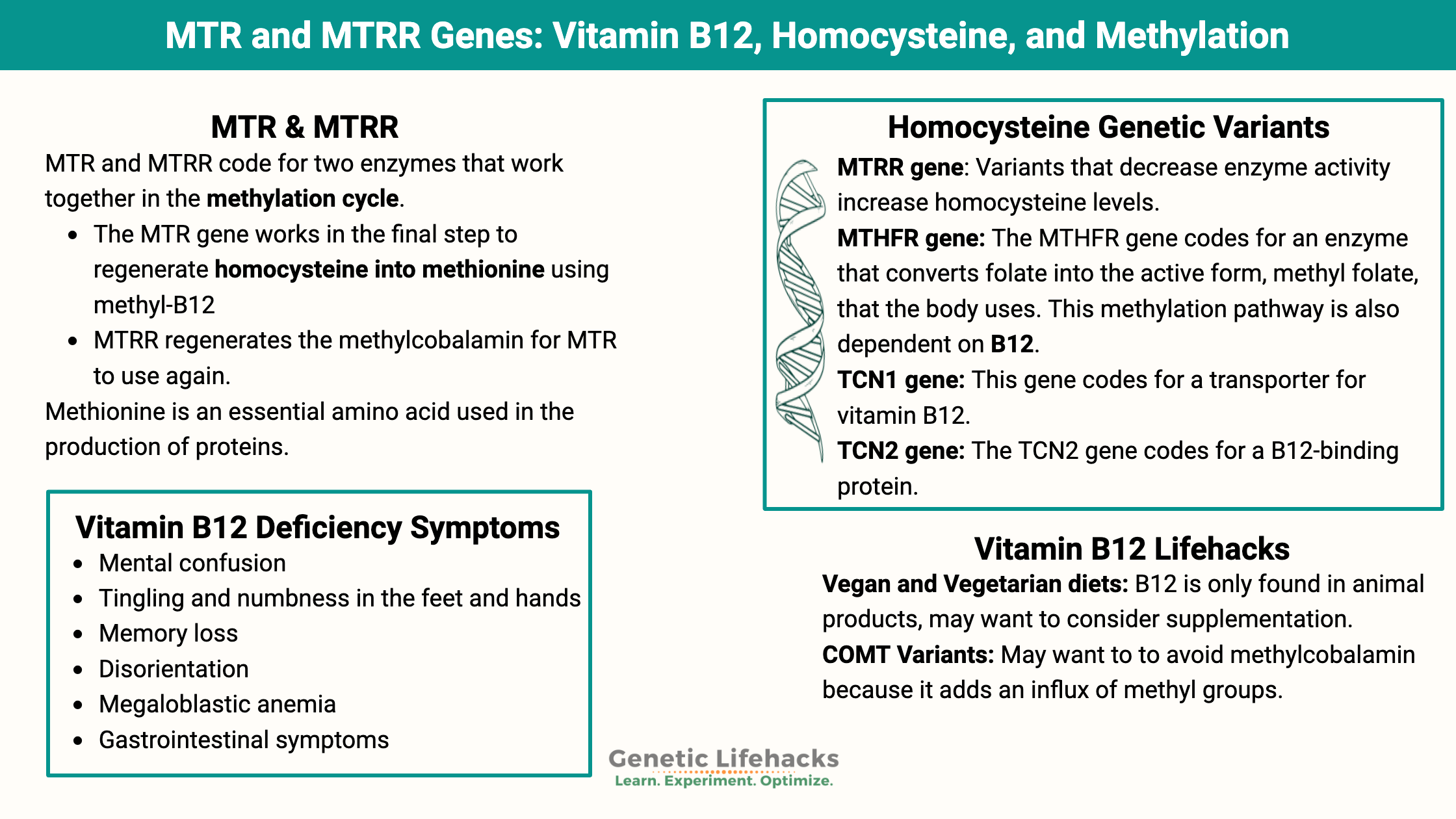
This article explains where the MTR and MTRR genes fit within the methylation cycle. I’ll show you how to check your 23andMe or AncestryDNA raw data for the MTR and MTRR SNPs, and then explain how to optimize your diet for these variants.
Your patients are coming in with their 23andMe data and wanting you to tell them what to eat, what supplements to take, and when they are going to get disease XYZ. Sound familiar? Doctors and health practitioners today are under enormous pressure to keep up with the rapidly changing science … Read more
Utilize our Methylation Cycle Topic Summary Reports with your 23andMe or AncestryDNA genetic data to see which articles may be most relevant to you. These summaries are attempting to distill the complex information down into just a few words. Please see the linked articles for details and complete references. (Member’s article)
Your genetic data is a gold mine of information about your health and ways to prevent chronic diseases. If you are just getting started with learning about your genes, keep in mind that most chronic issues are caused by the combination of genetics and environmental factors (diet, lifestyle, sleep, microbiome). … Read more