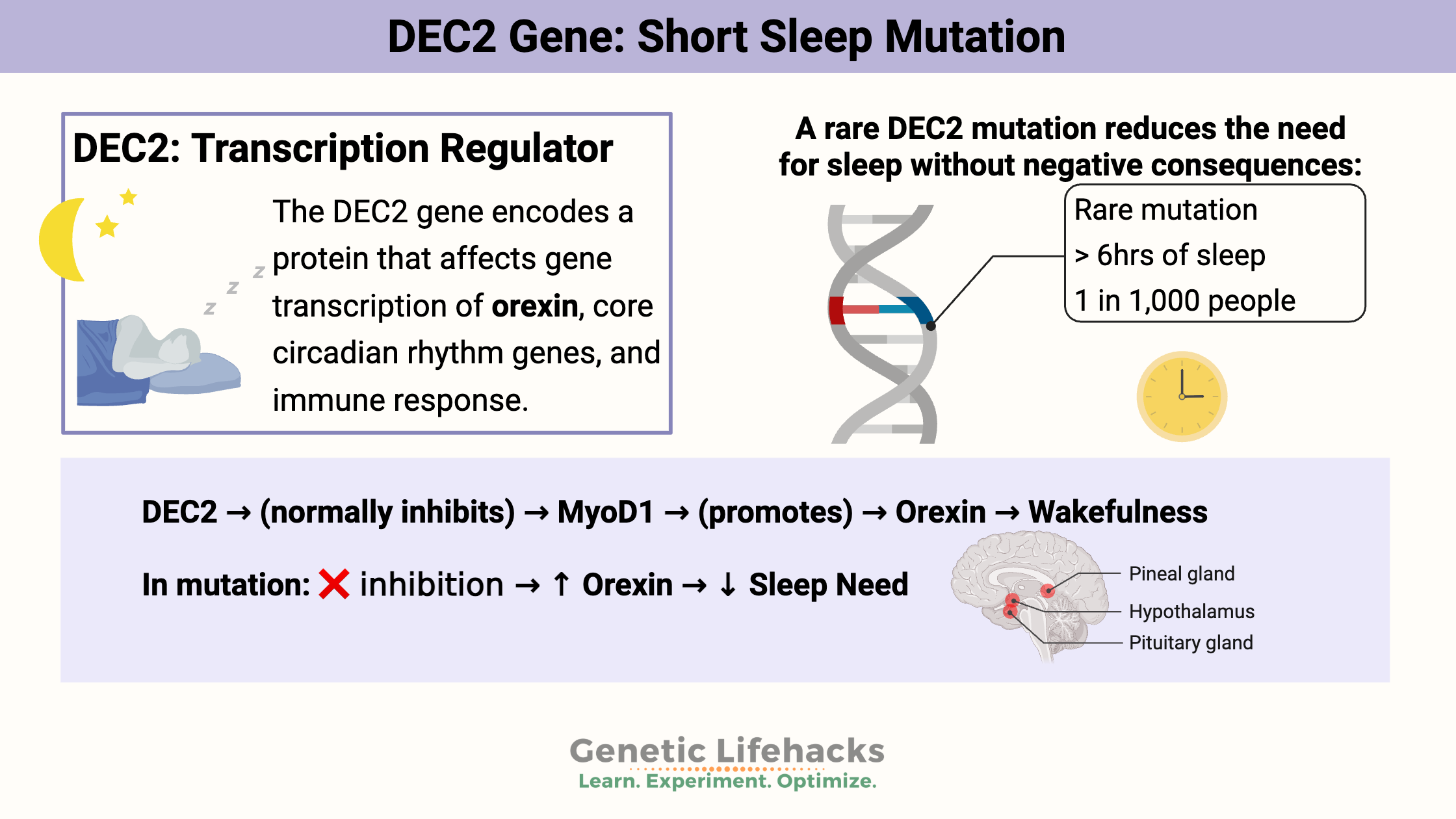
DEC2 Gene: Short Sleep Mutation
Are you naturally a short sleeper? Mutations in the DEC2 gene decrease the need for sleep.

Are you naturally a short sleeper? Mutations in the DEC2 gene decrease the need for sleep.
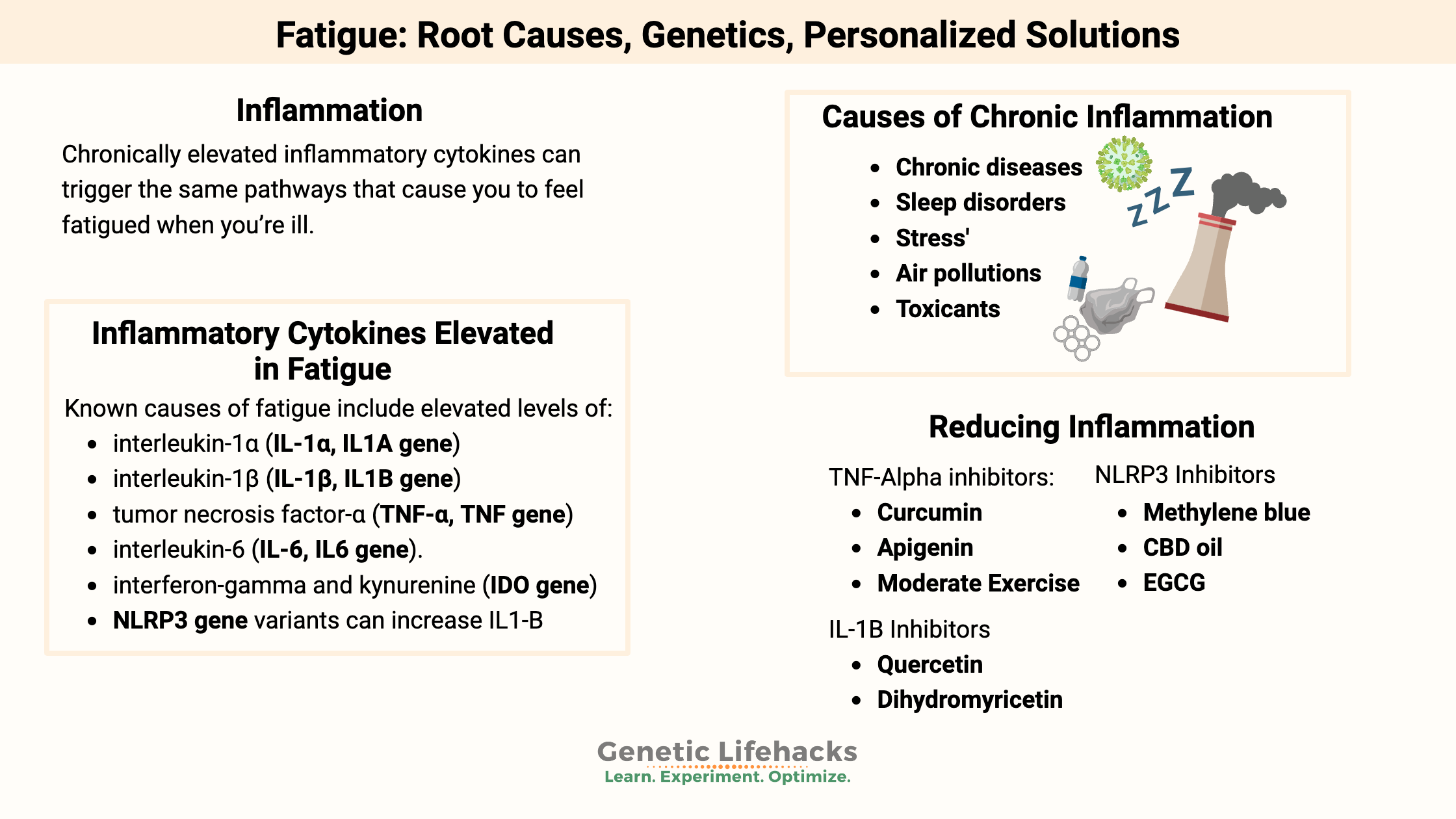
Are you always tired even when you know you slept well? Discover more about the newest research on fatigue and how genetic susceptibility plays a part for some people.
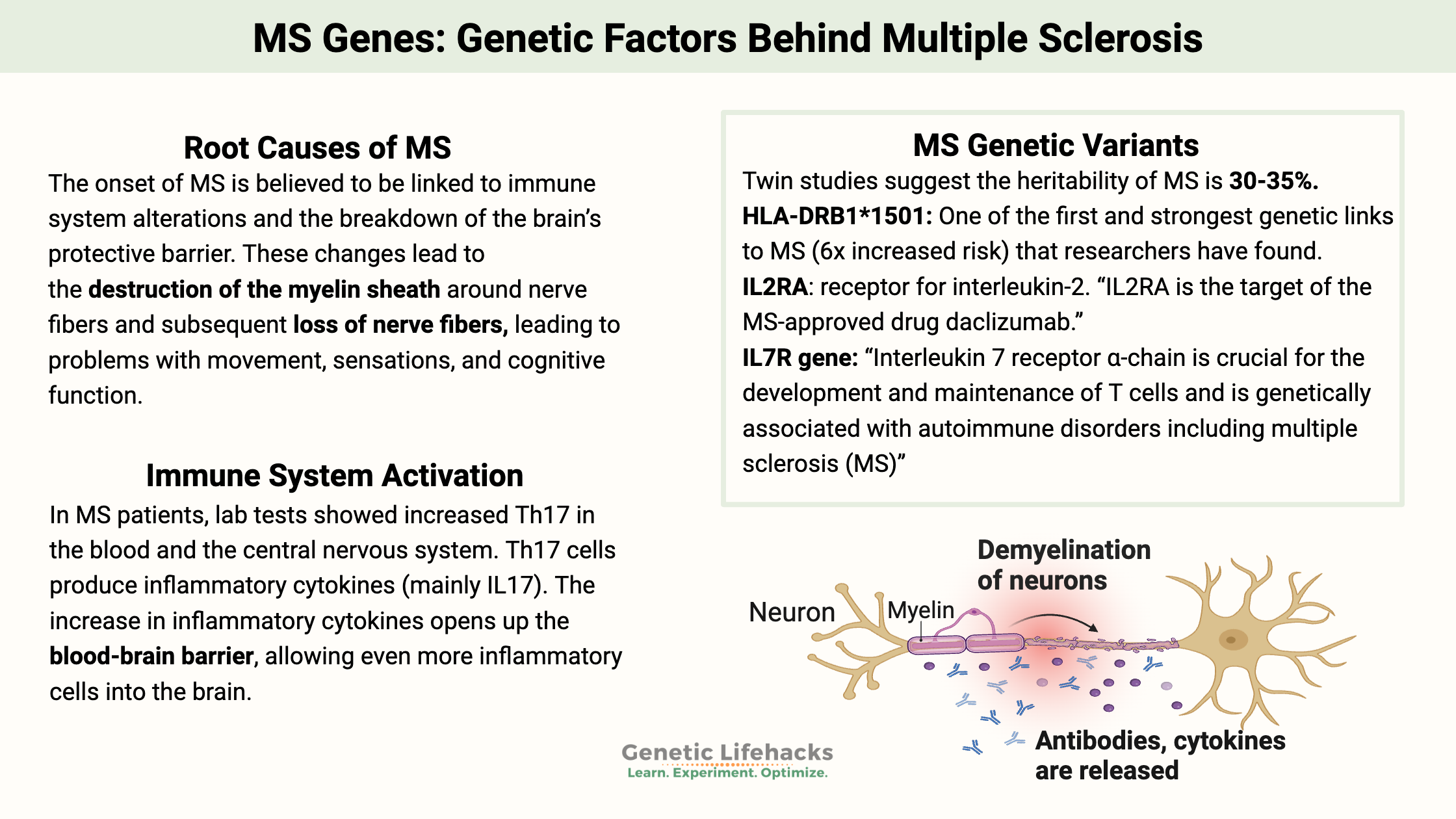
MS susceptibility is linked to both genetic causes and environmental factors. Learn how those two combine – and possible solutions.
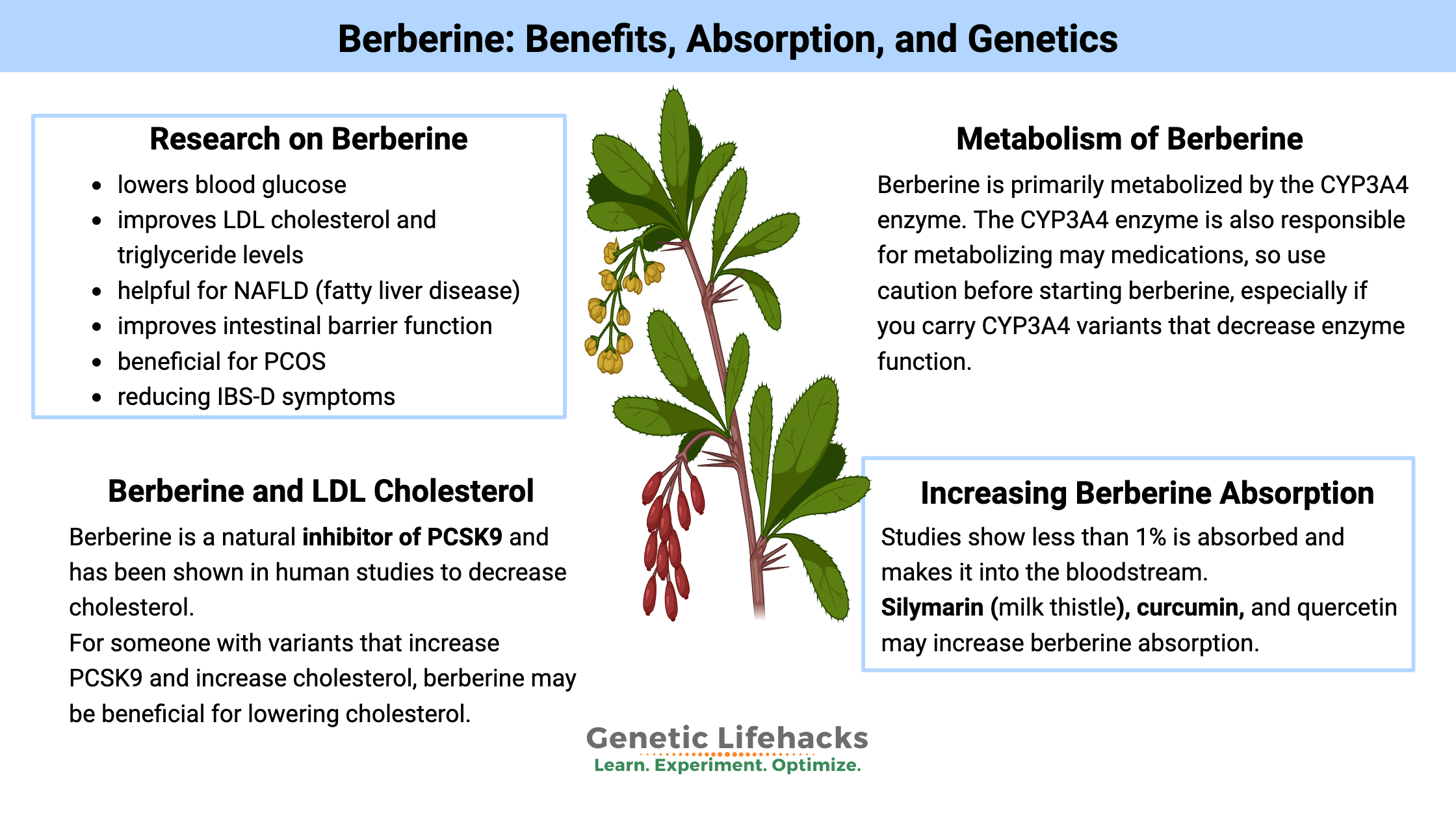
Berberine, a natural compound, is found in plants such as Oregon grape, barberry, and goldenseal. It has been a staple of Traditional Chinese Medicine for thousands of years. Take a look into the research and health benefits of this age-old compound.
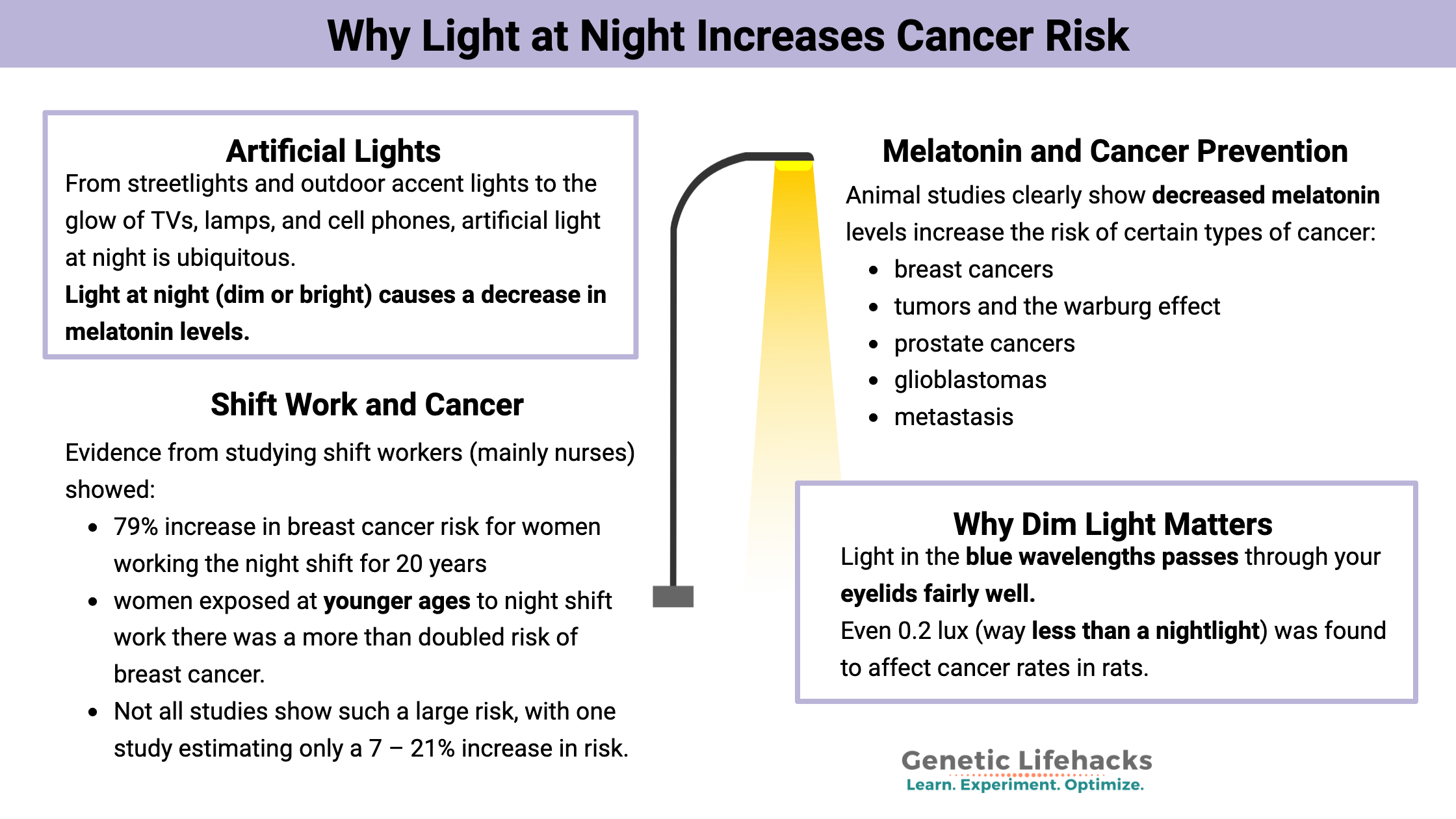
The World Health Organization (WHO) categorizes light at night as a probable carcinogen. Learn why dim light at night increases your risk of breast cancer — and what you can do to easily reduce this risk. (Member’s article)
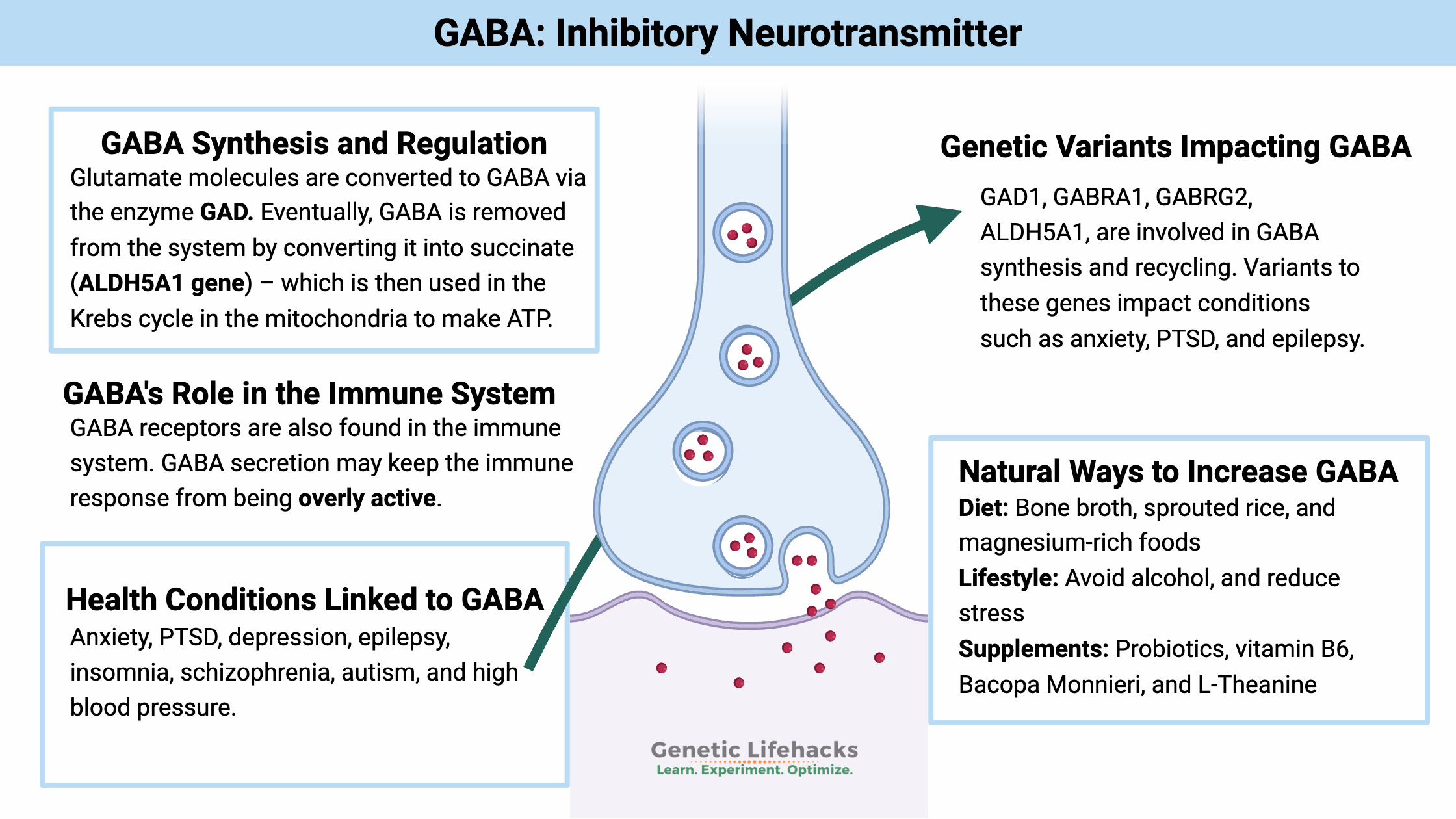
GABA (gamma-Aminobutyric acid) is a neurotransmitter that acts to block or inhibit a neuron from firing. It is an essential way that the brain regulates impulses, and low GABA levels are linked with several conditions, including anxiety and PTSD.
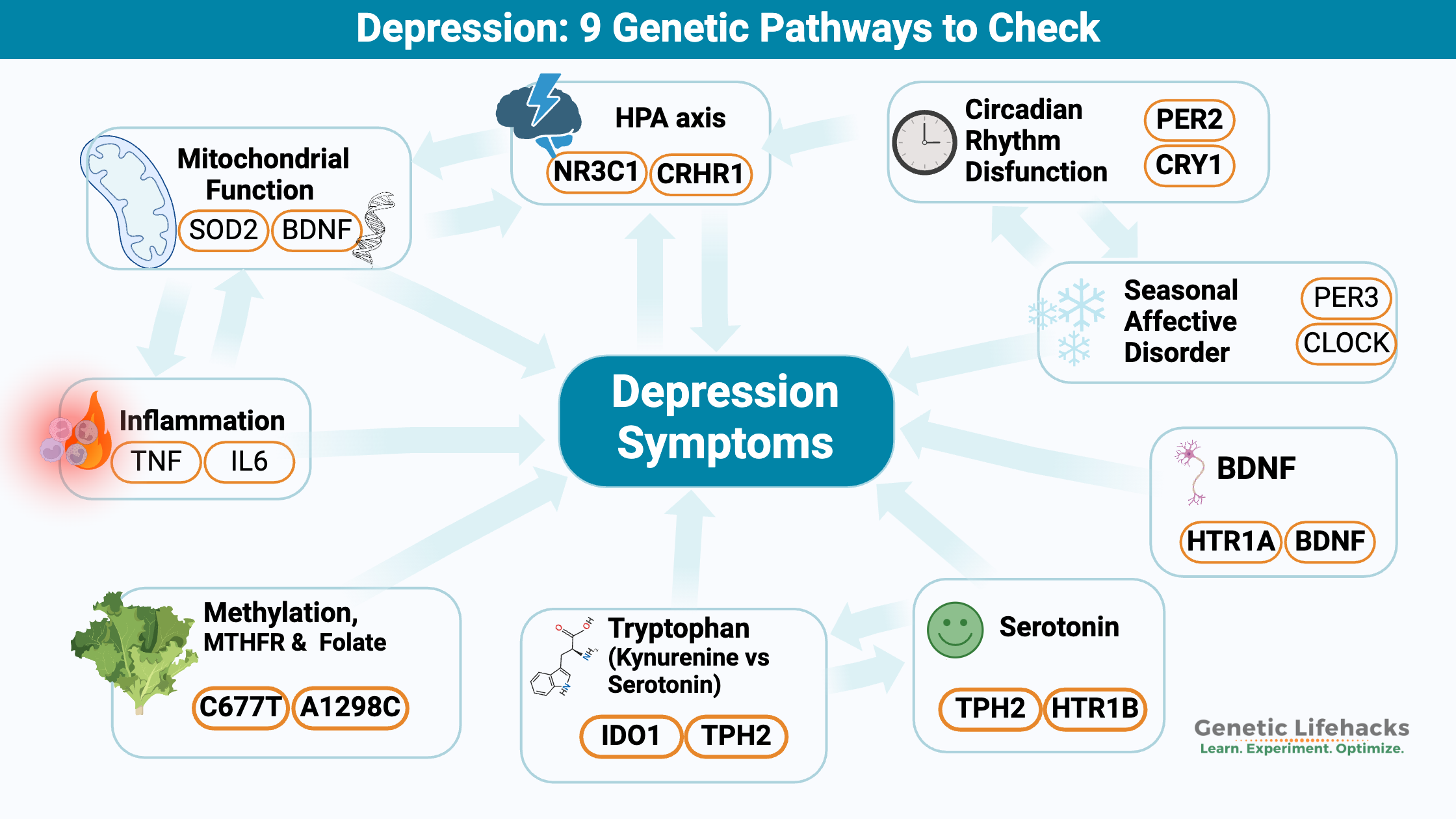
Depression can have multiple physiological causes. This article ties together 9 separate articles on depression to simply your genetic search.
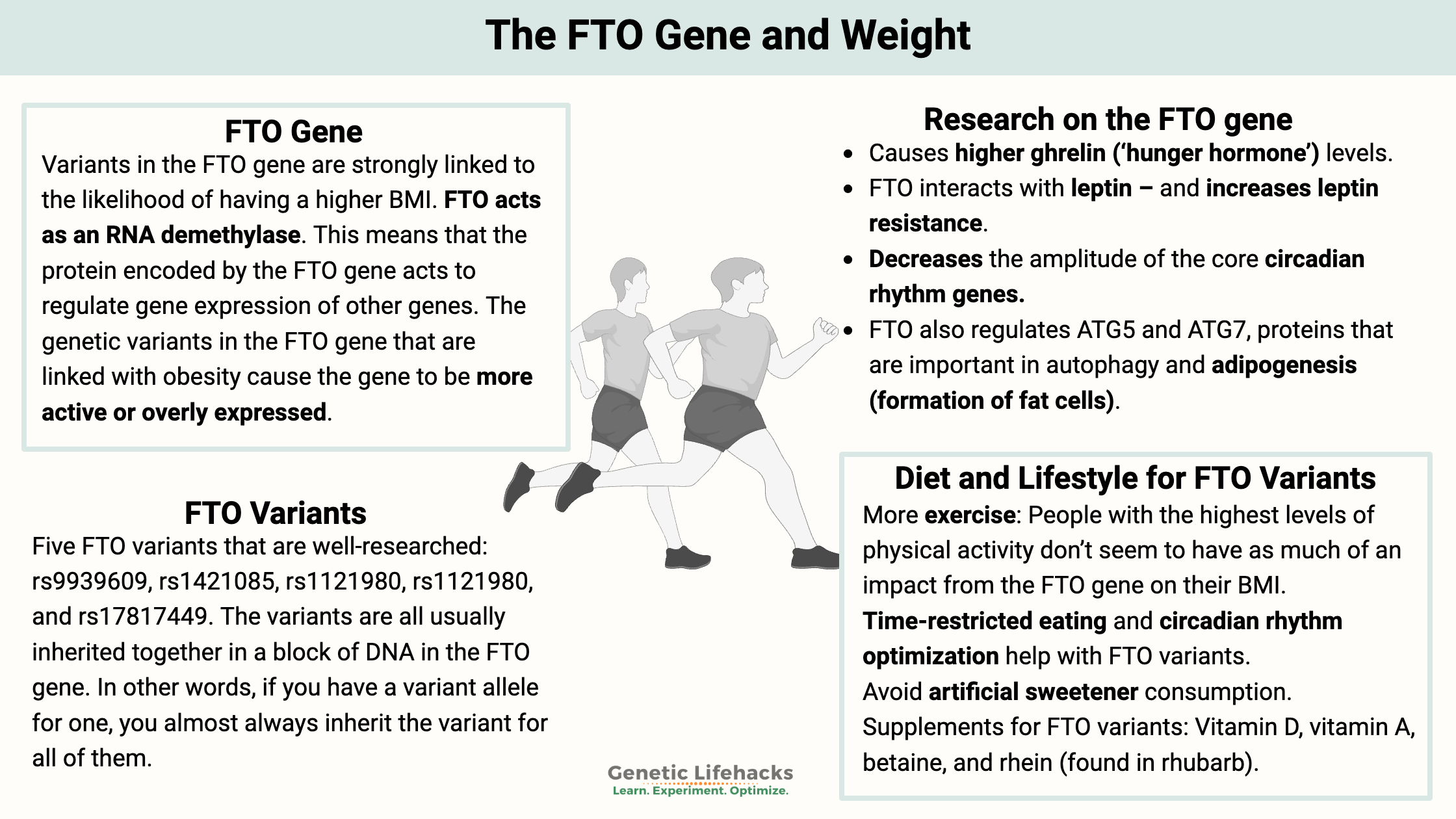
The FTO gene is nick-named the ‘fatso gene’ because of its association with obesity. This article digs into the current research on the FTO gene and then will give you some science-based options for controlling your weight if you carry the FTO genetic variant.
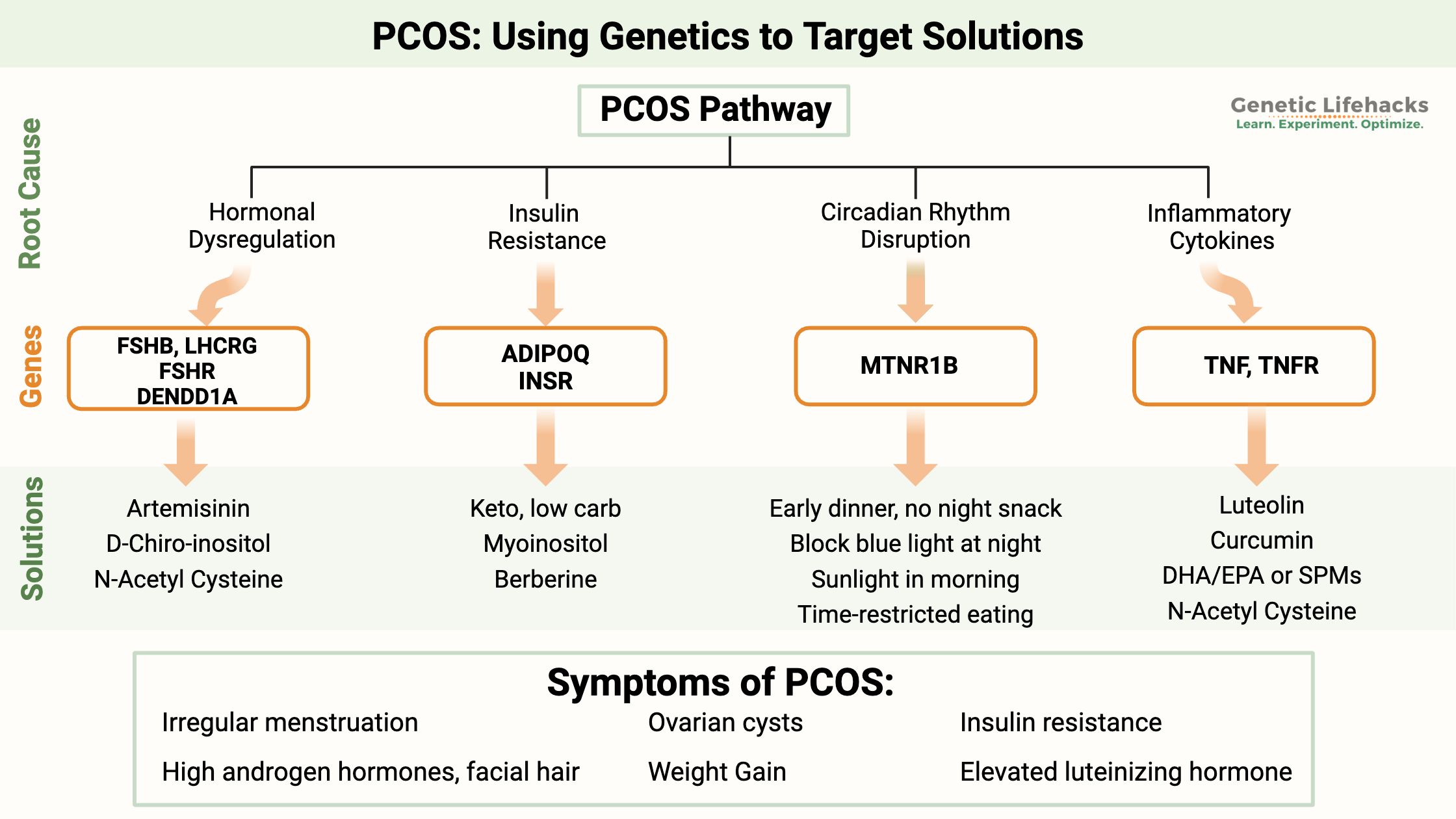
Explore the complexities of PCOS, including symptoms, hormonal dysregulation, and the role of genetics. Learn how to target individual pathways.
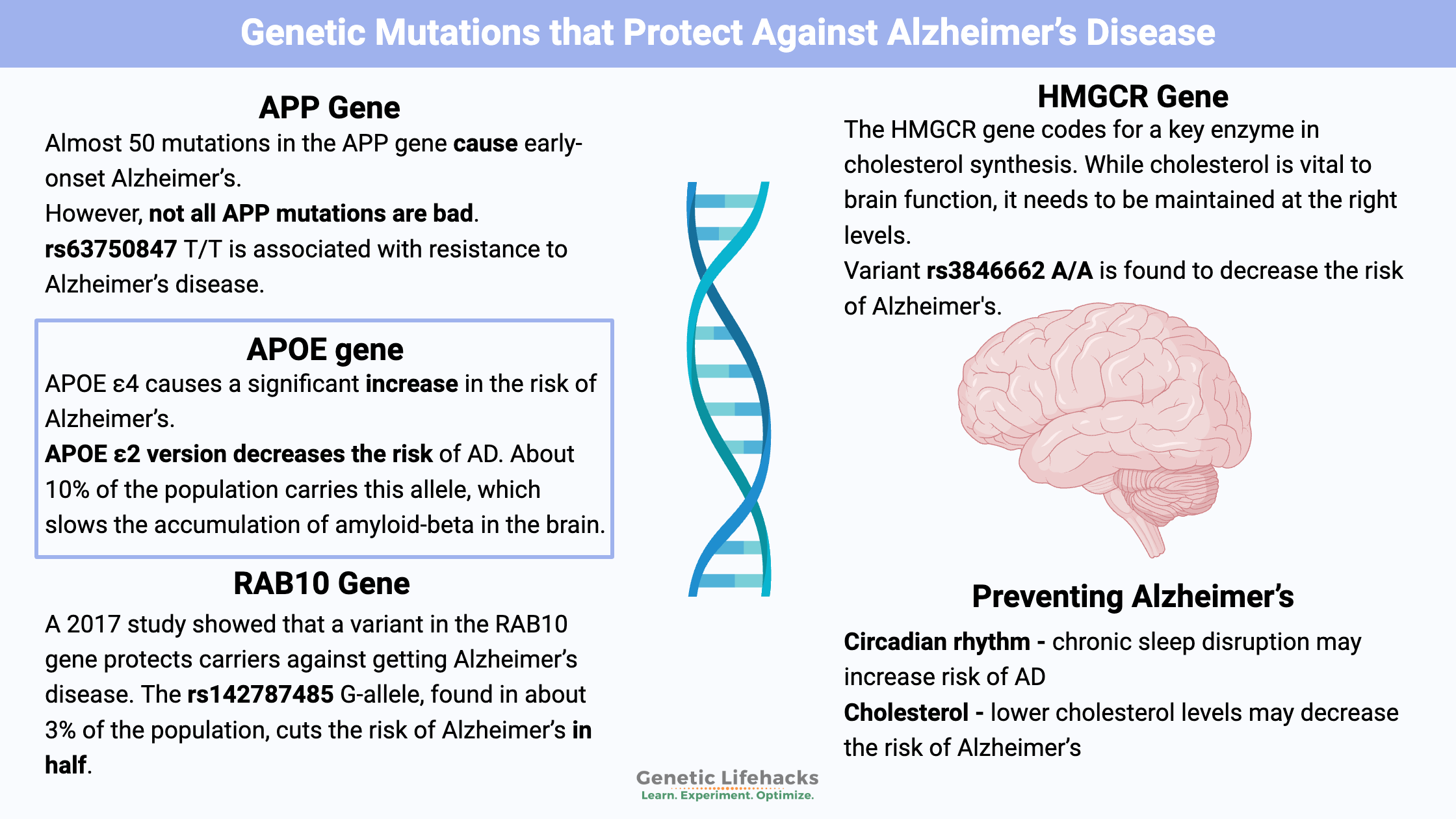
Just like there are genetic variants that increase the risk of Alzheimer’s, there are also variants that protect against this disease. Check your genetic data to get a better picture of your risk factors. (Member’s article)
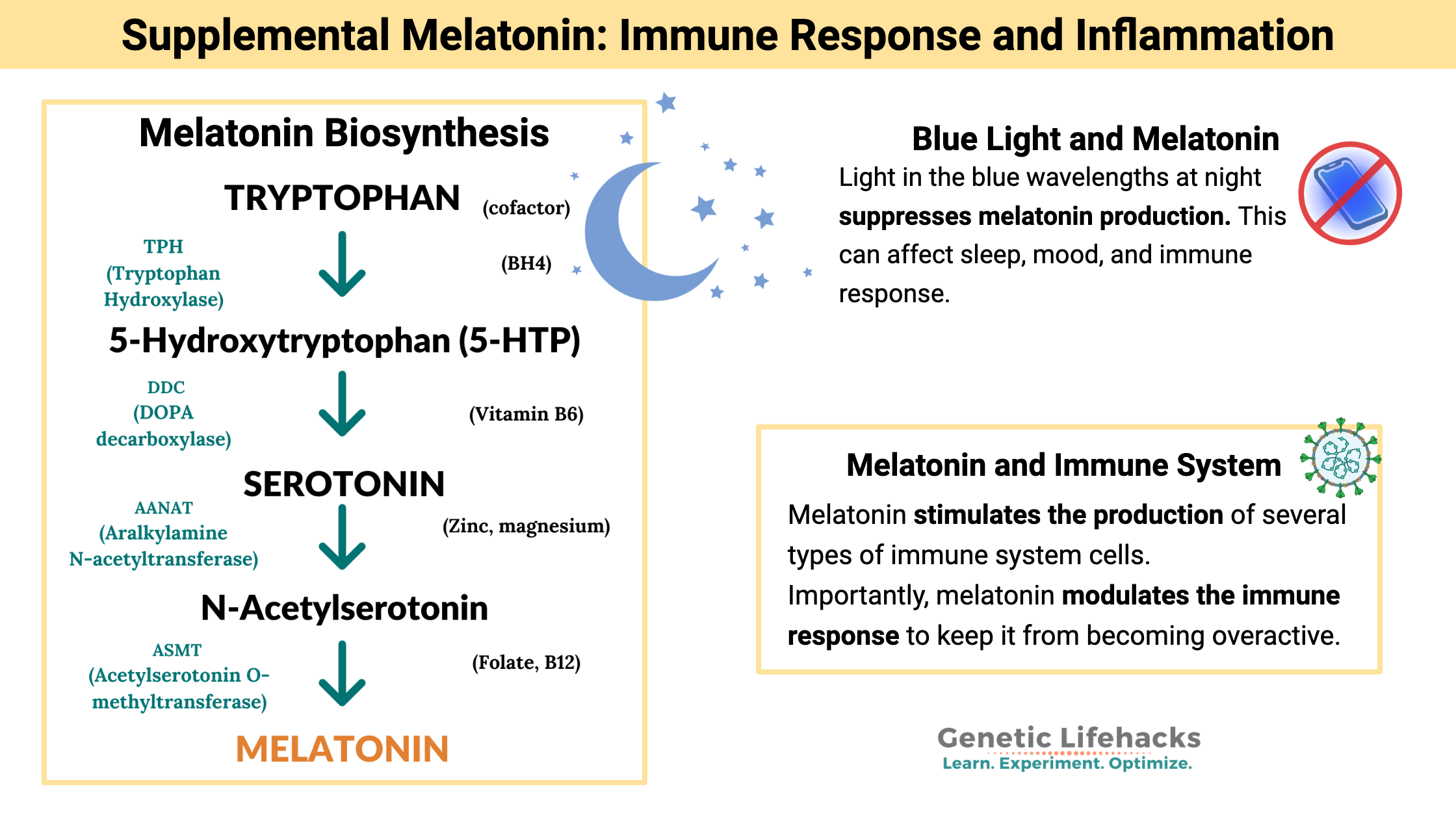
Melatonin is important for setting your circadian rhythm and for immune health. Dig into the details on melatonin supplements, scientific research, and more.
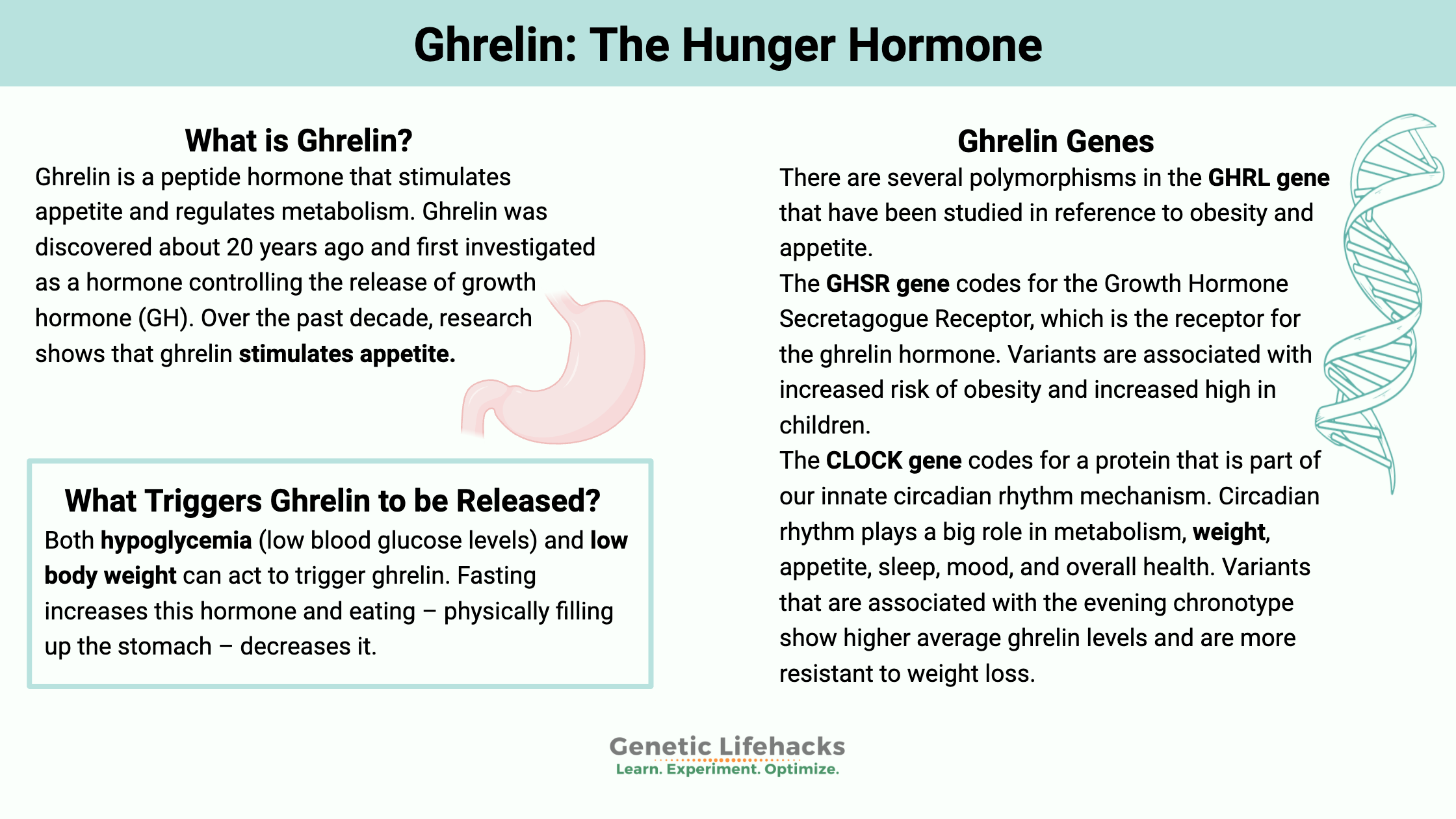
The hunger hormone, ghrelin, is important in appetite regulation and satiety. Learn how your genes interact with your diet when it comes to ghrelin levels. (Member’s article)
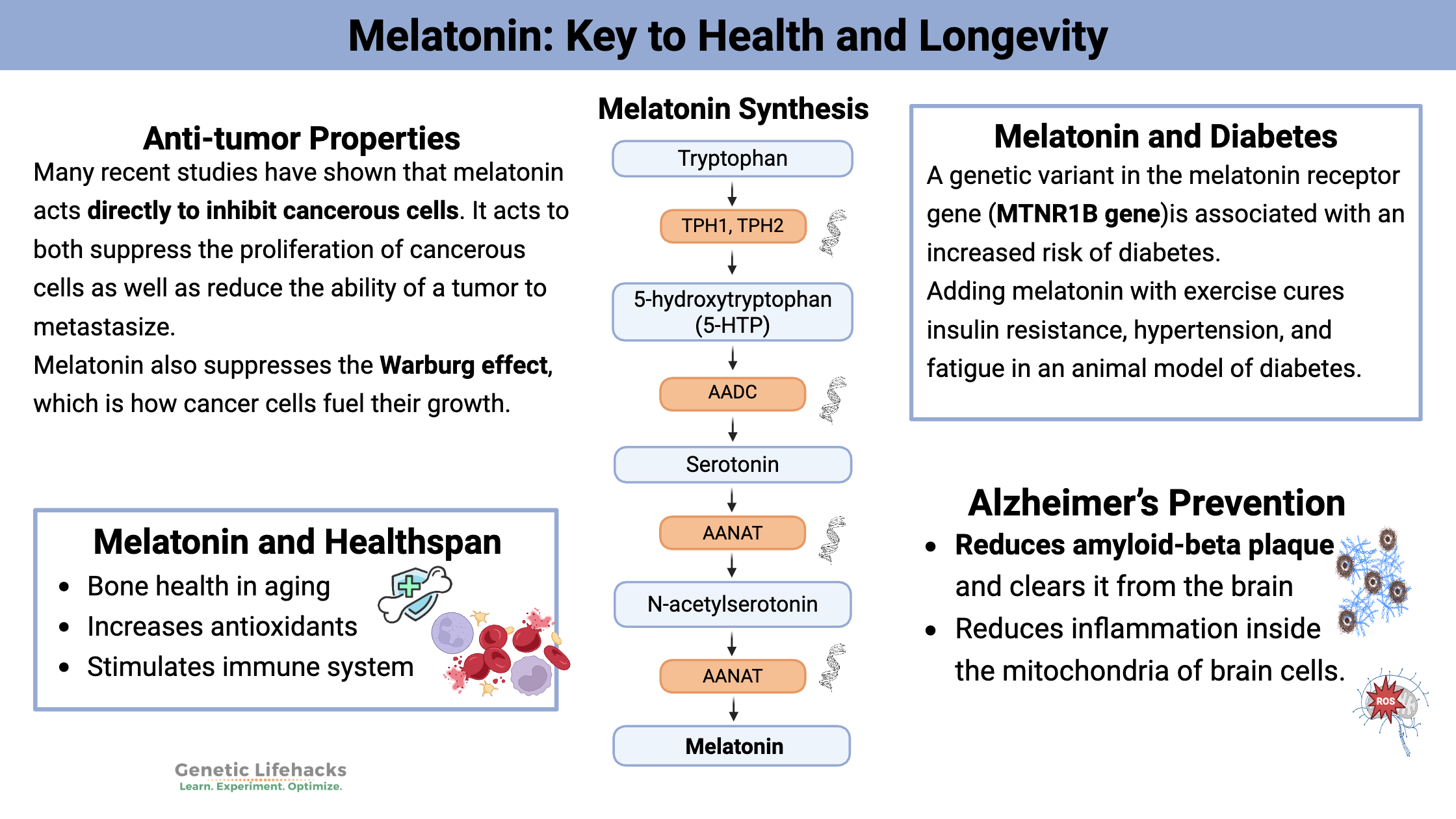
More than just a sleep hormone, melatonin is at the heart of many health topics. Your genetic variants play a big role in the production of melatonin. Learn how your lifestyle and diet interact with your melatonin-related genes.
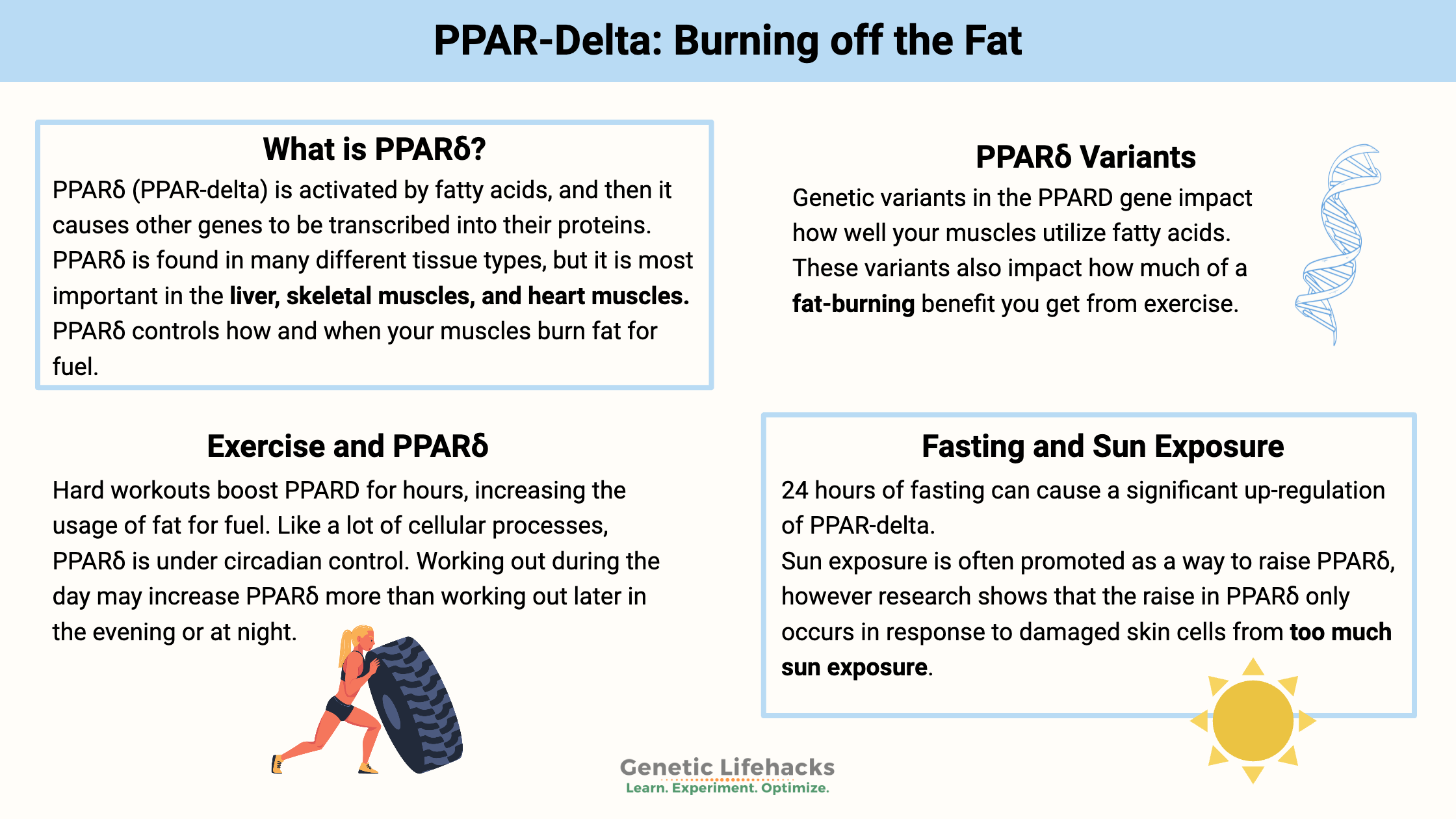
PPARδ is a key player in how and when your muscles burn fat for fuel. Genetic variants in the PPARD gene impact how well your muscles utilize fatty acids. These variants also impact how much of a fat-burning benefit you get from exercise.
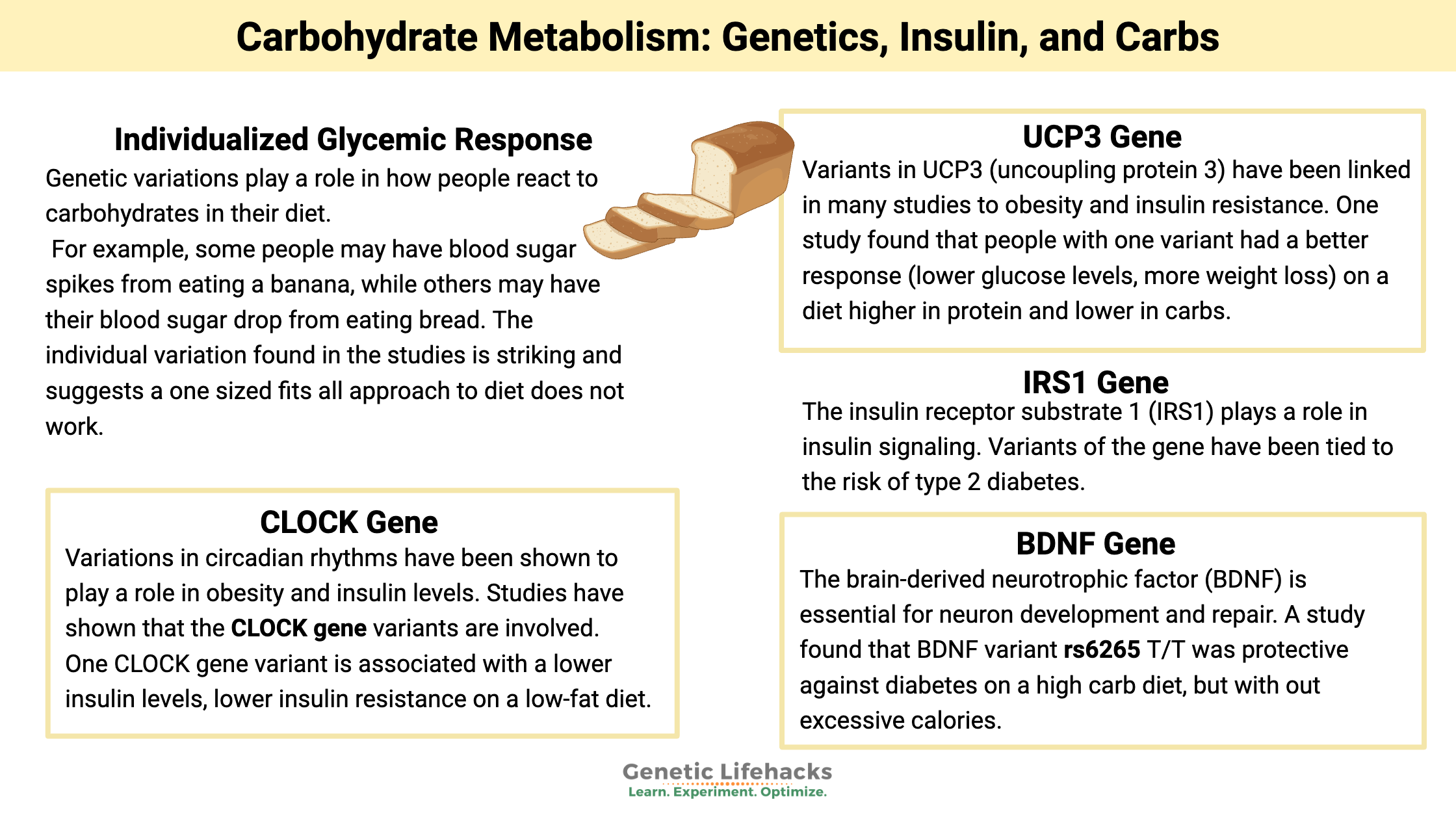
Genetic variations play a role in how people react to carbohydrates in the diet. Learn about a few genes that affect insulin or glucose levels based on carbohydrate consumption. Use your genetic raw data and discover how your body handles carbohydrates.
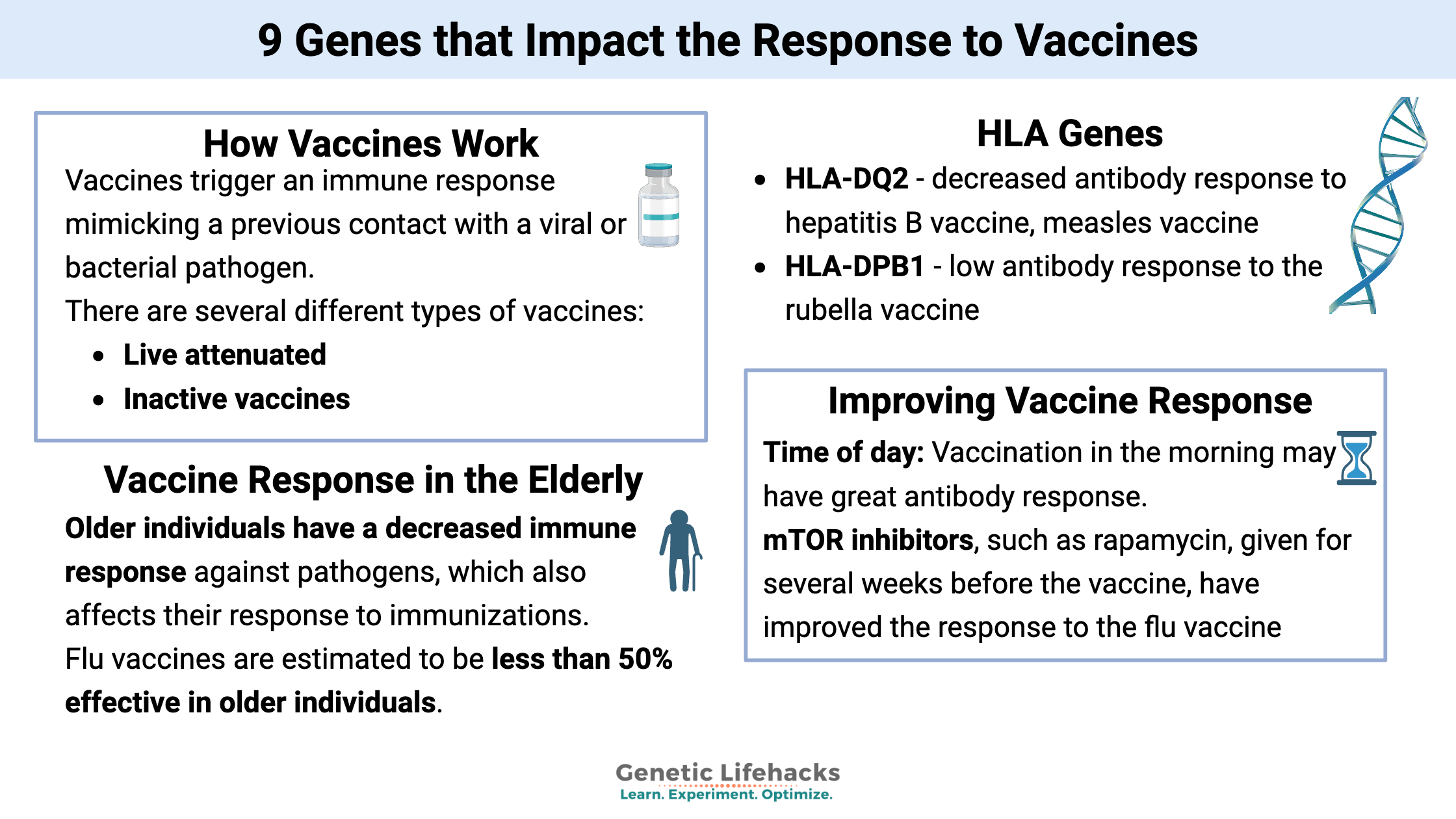
Genetics plays a huge role in how an individual responds to a vaccine. Learn more about vaccines, immunity, and genetic variants that affect the response.
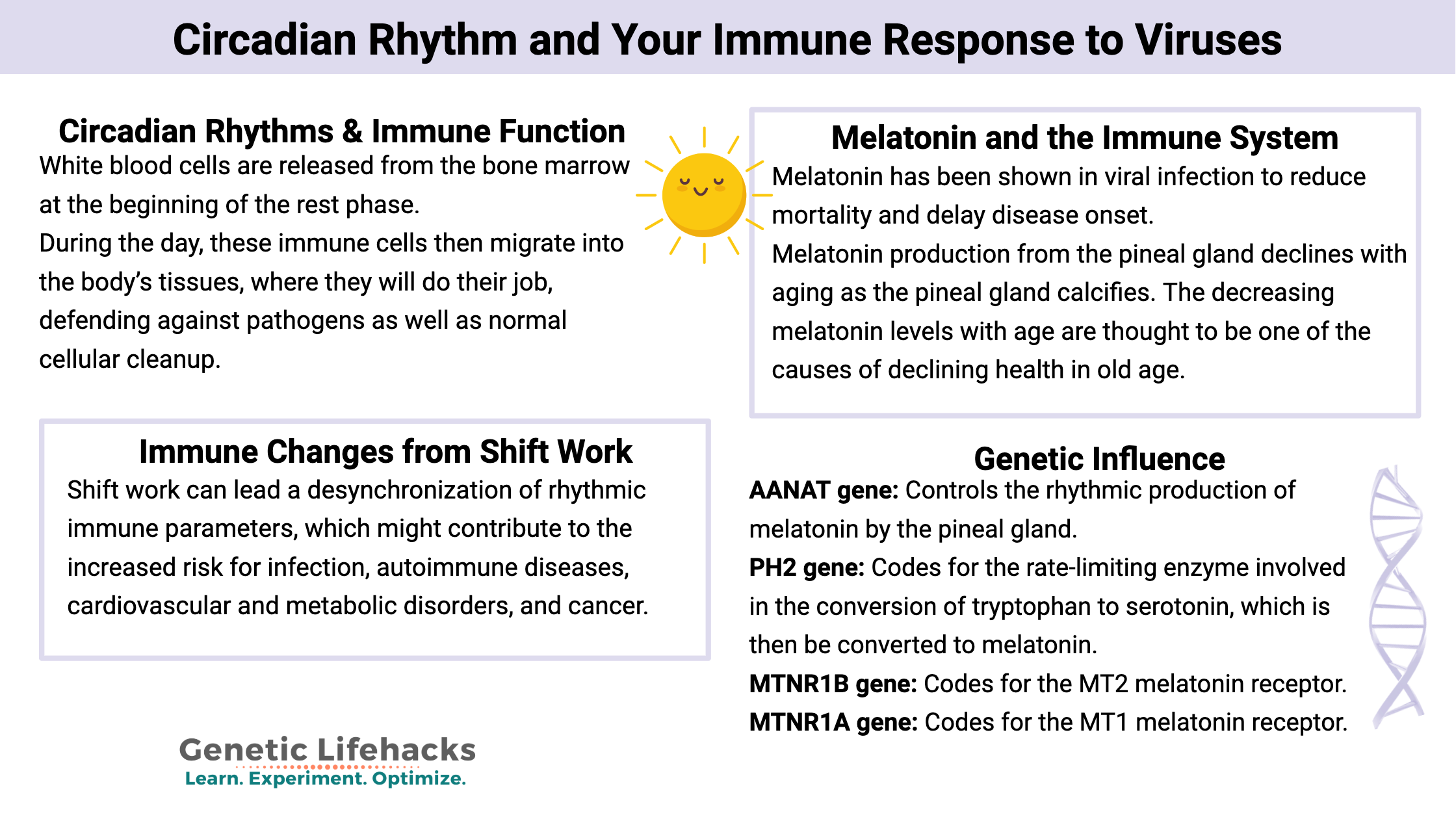
Your circadian rhythm influences your immune response. Learn how this rhythm controls white blood cell production and why melatonin protects against viral and bacterial infections.
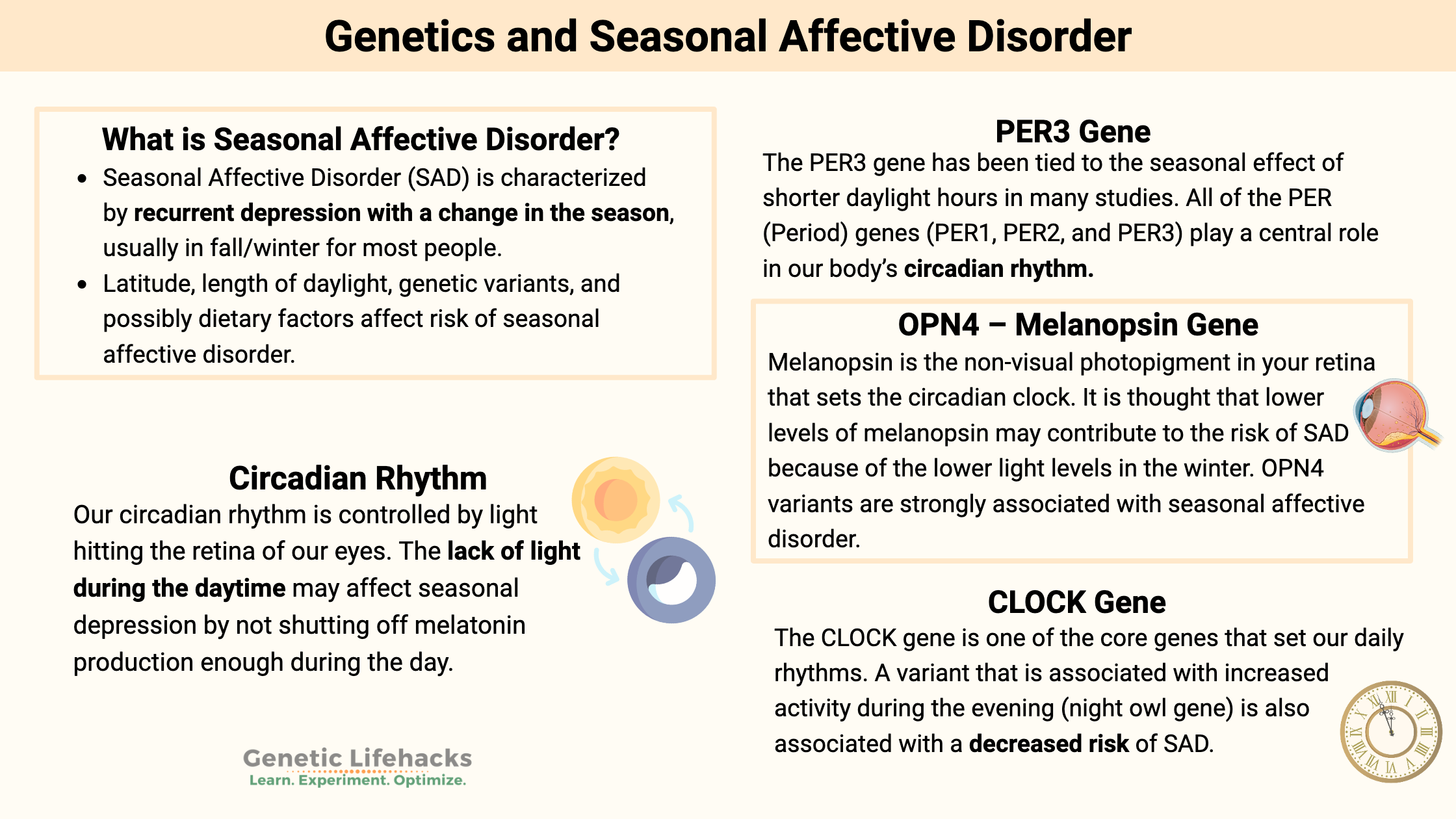
Seasonal Affective Disorder (SAD) is characterized by recurrent depression with a change in the season usually in fall/winter for most. Scientists think this is possibly due to an aberrant response to light – either not enough brightness to the sunlight or not enough hours of light. Your genes play a big role in this responsiveness to light.
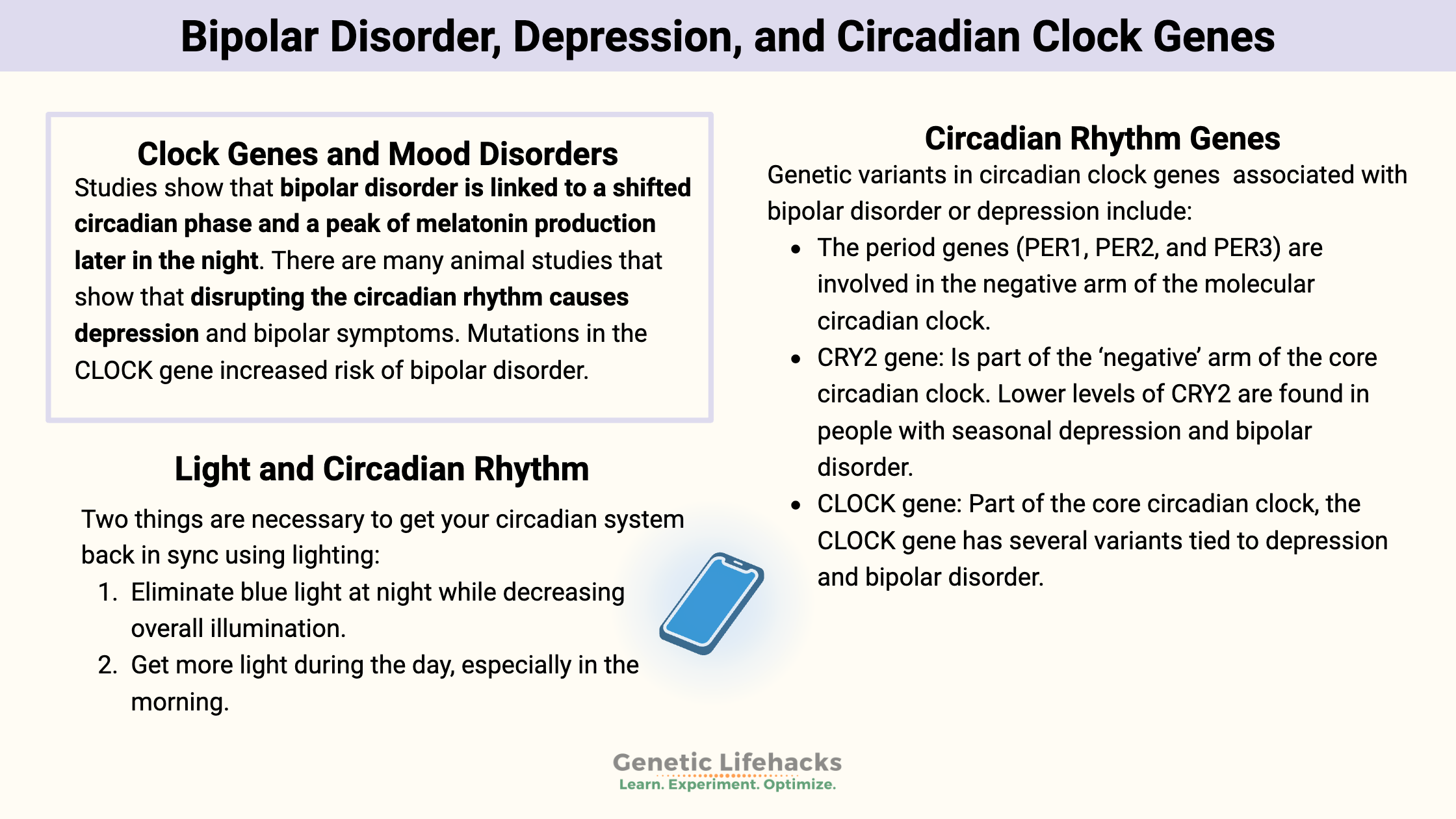
New research shows that depression and bipolar disorder are linked to changes or disruption in circadian genes. Some people carry genetic variants in the circadian genes that make them more susceptible to circadian disruption.
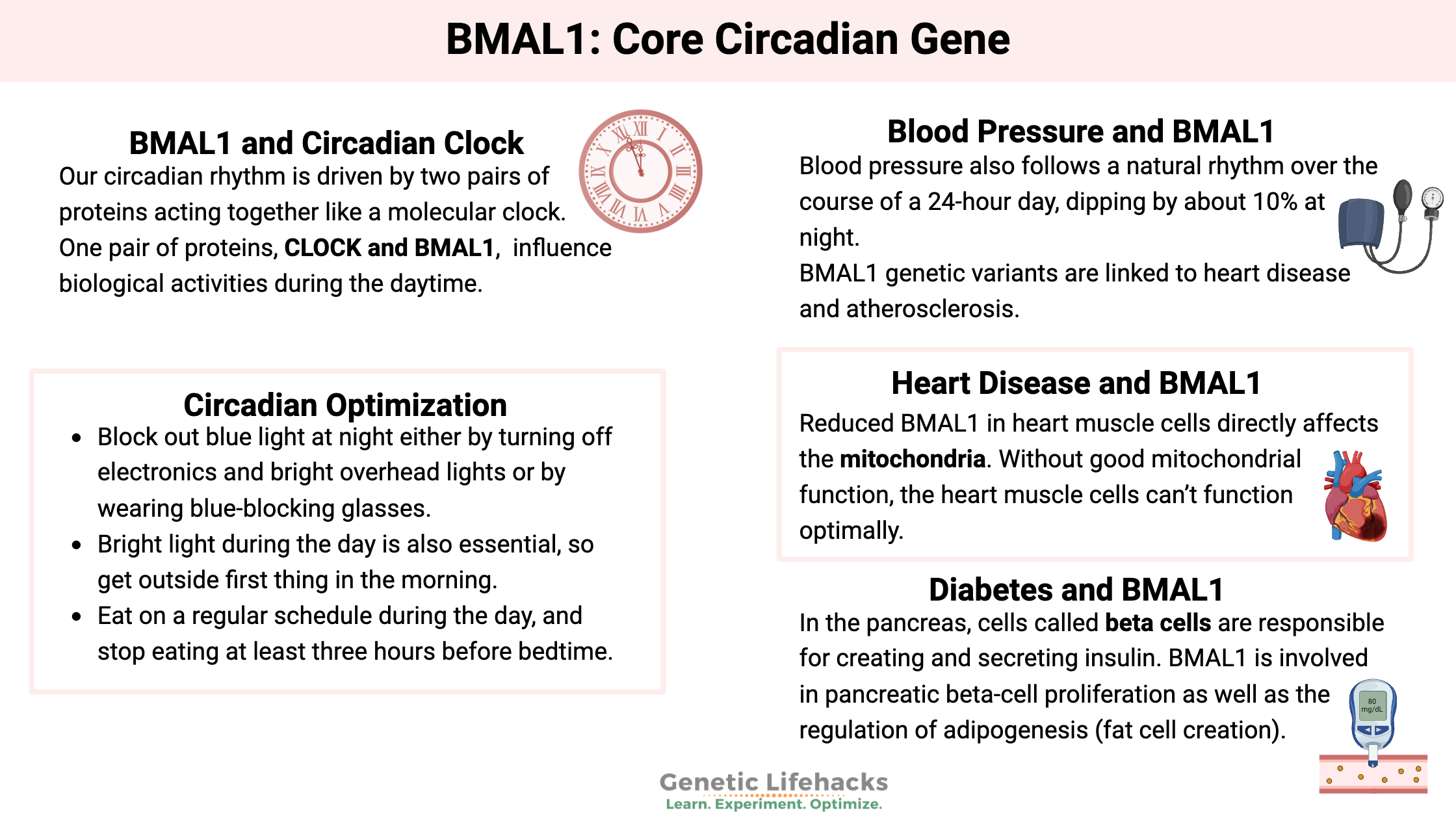
A core circadian rhythm gene, BMAL1, influences heart disease risk, diabetes, and cancer. Check your genes and learn how to mitigate the risk.
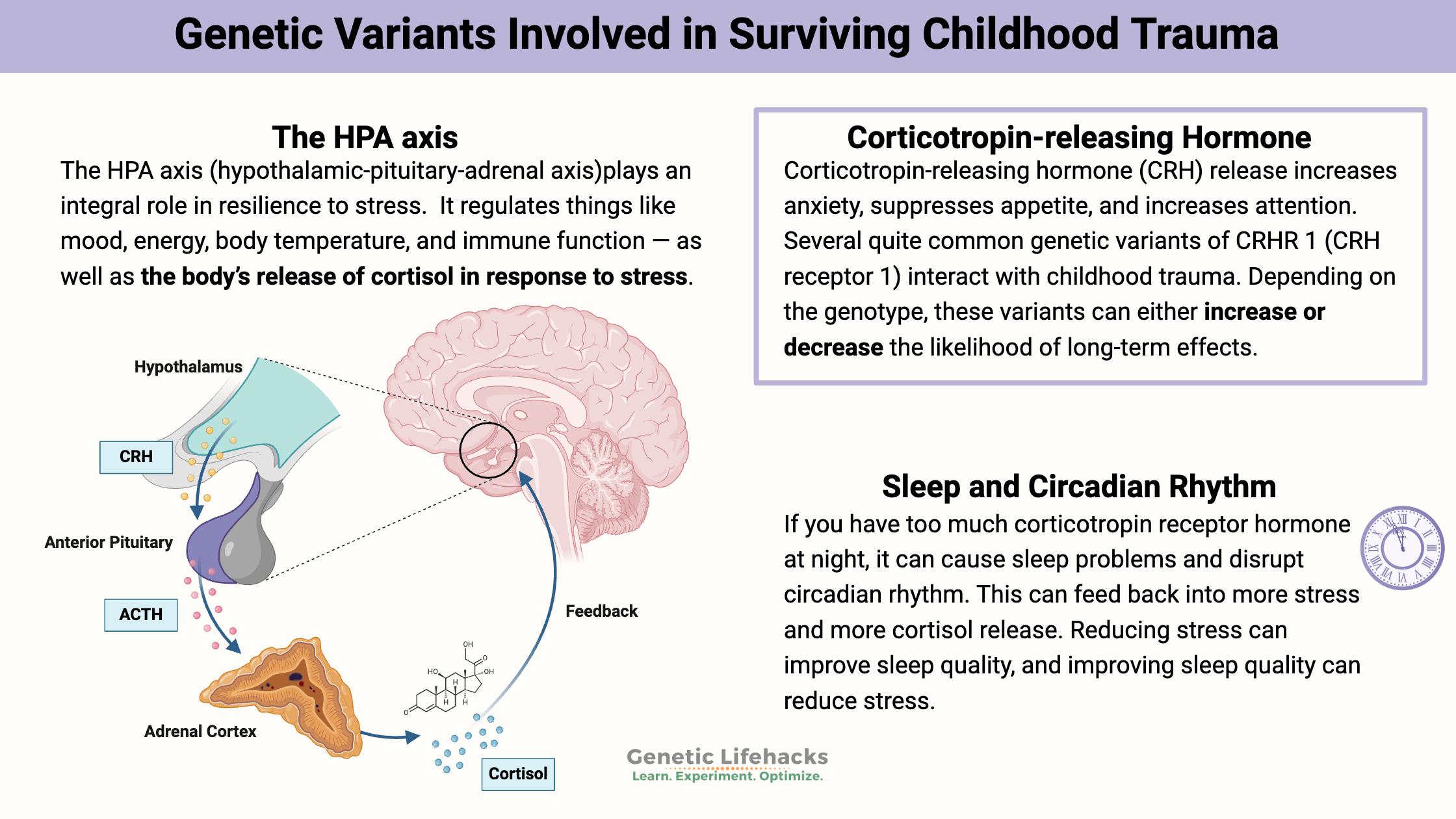
Exposure to childhood trauma, such as exposure to abuse, violence, or repeated stress, can have a long-lasting effect. Genetic differences in the CRHR1 gene are linked to elevated cortisol levels in adults who were exposed to trauma in childhood.
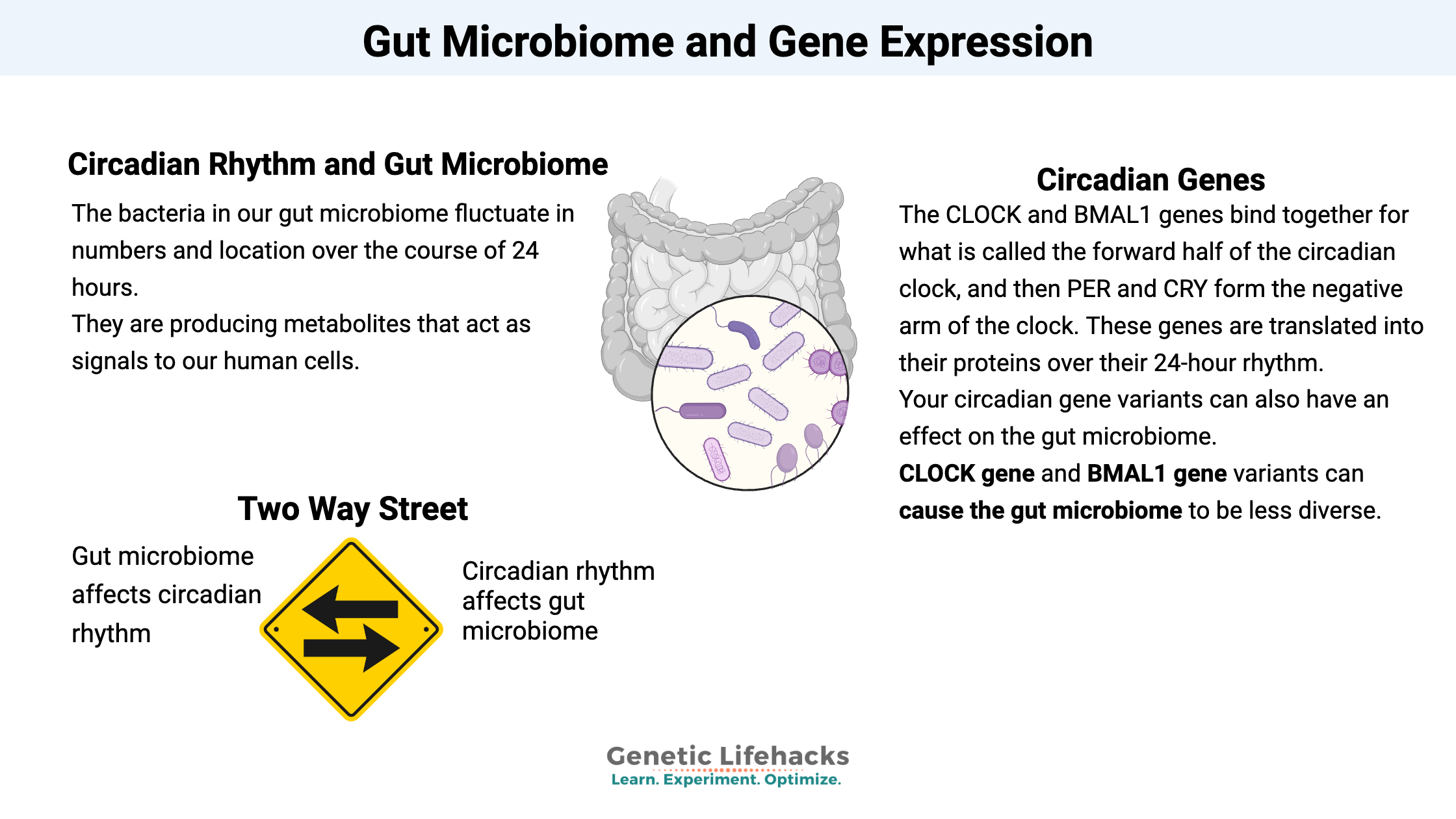
Learn how your gut microbiome influences the expression of your core circadian rhythm genes.
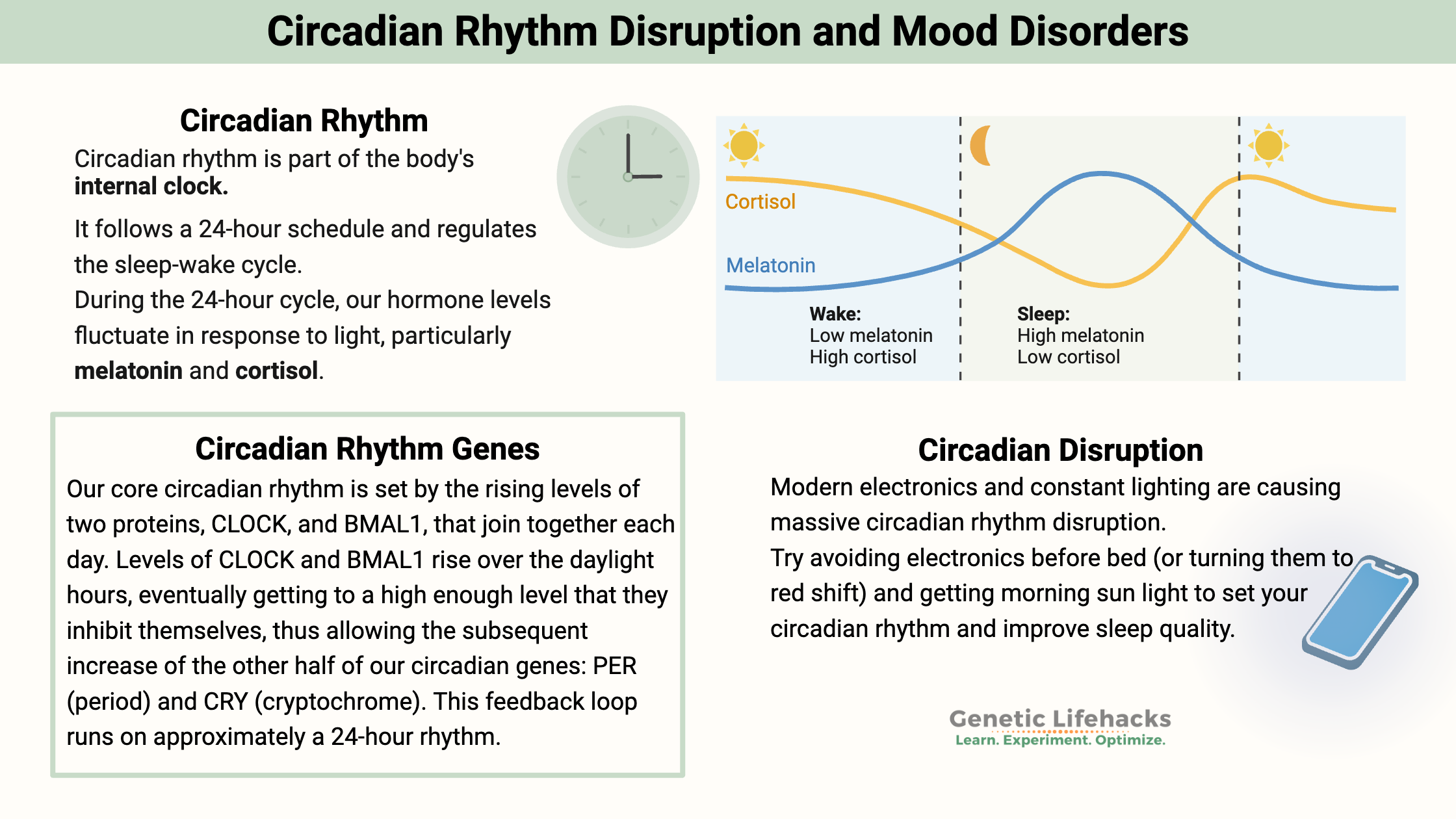
Circadian rhythm disruption can drive mood disorders. Learn more about the genes involved and the ways to normalize your circadian rhythm.
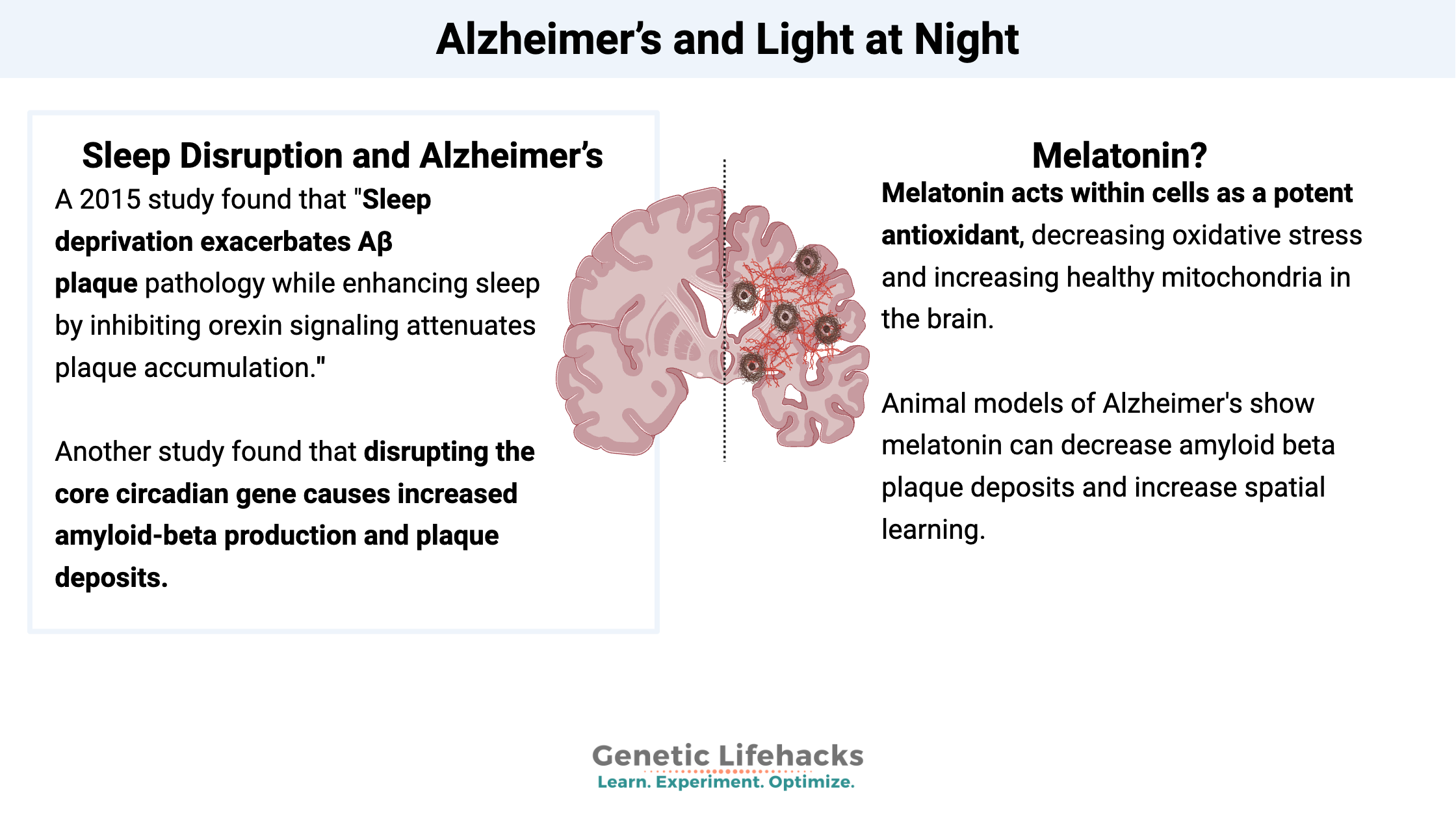
Too much blue light at night is standing out as a player in circadian rhythm dysfunction and can increase your risk of Alzheimer’s disease. Discover ways to improve your sleep quality and environment to help lower your modifiable risk.
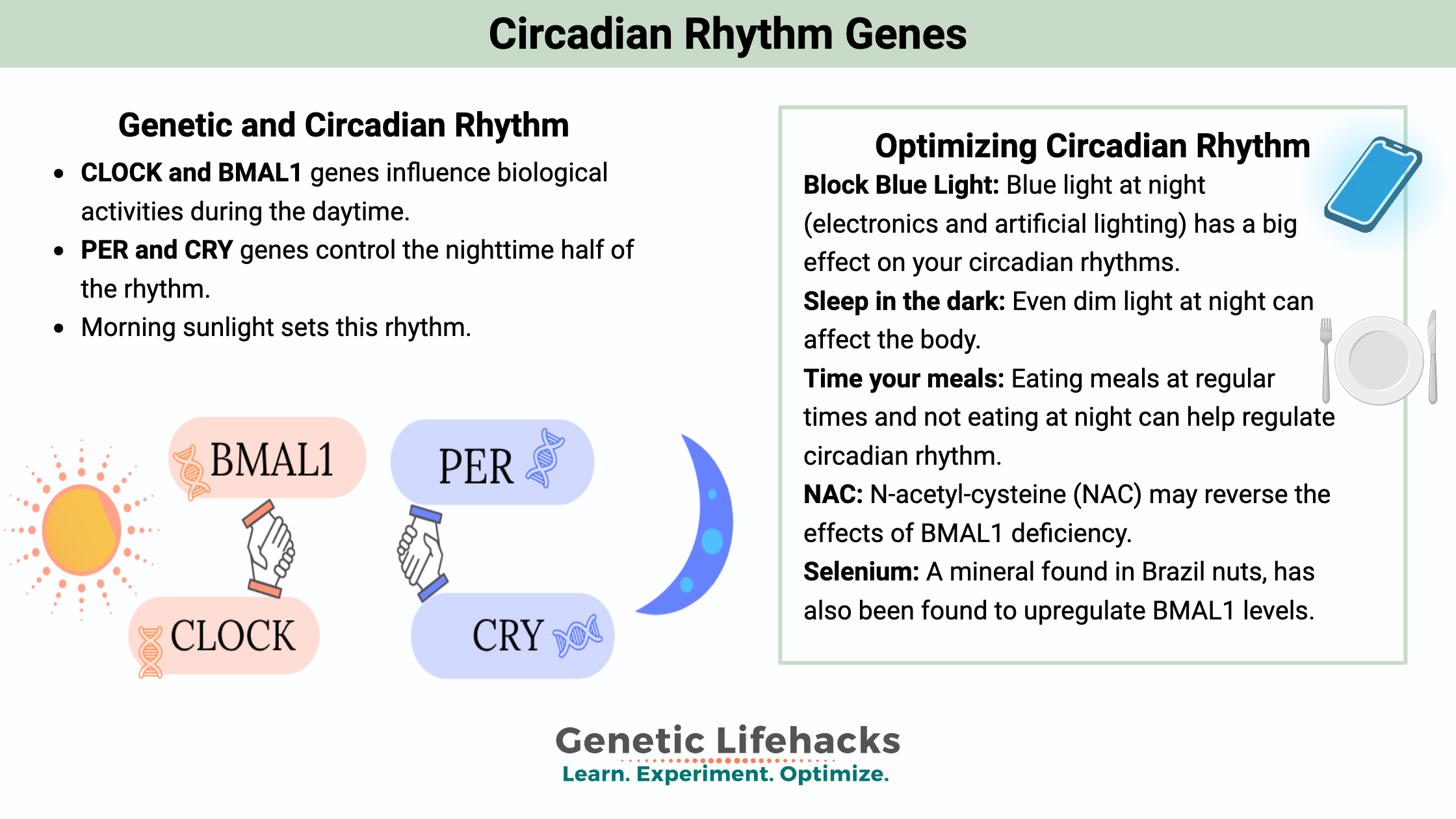
The body’s circadian clock regulates many different functions over the course of a 24-hour day. The genes that code for different parts of the circadian clock have a wide-ranging effect on sleep, mood, and overall health.