

400+ in-depth articles with embedded genetic reports:
- Explore research-backed solutions and choose what works for you
- Understand the background science
- View your genes in the genotype report section
Where do you want to start?
Articles with Genotype Reports (by Publication Date)
- TRPM3: The Ion Channel Behind Pain, Migraines, and ME/CFS
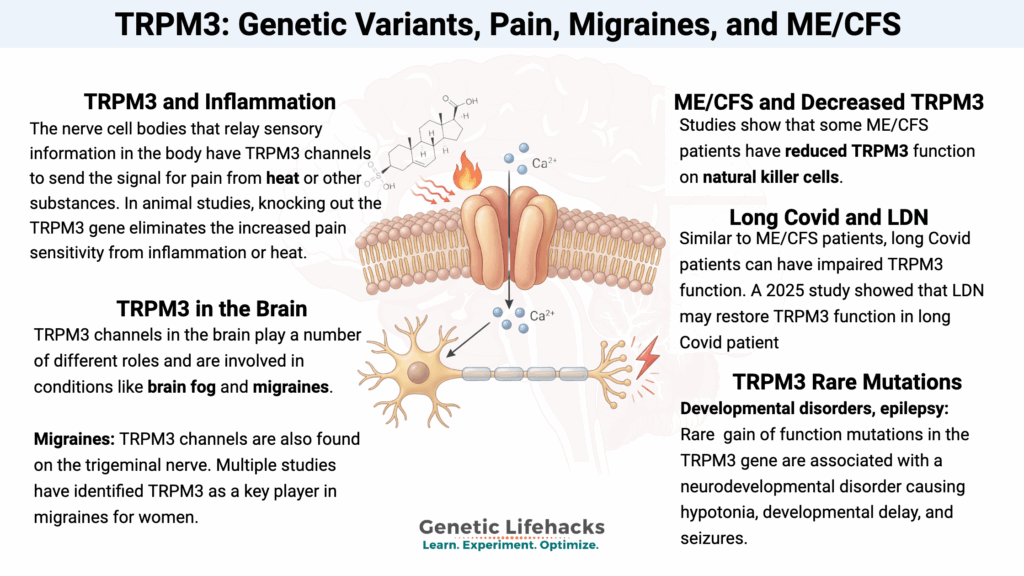 TRPM3 is a calcium ion channel involved in heat sensing, pain transmission, migraines, and immune function. Your TRPM3 gene variants may affect susceptibility to ME/CFS, long Covid, and chronic pain.
 - Lipoprotein(a): Genetics and Lp(a) Levels
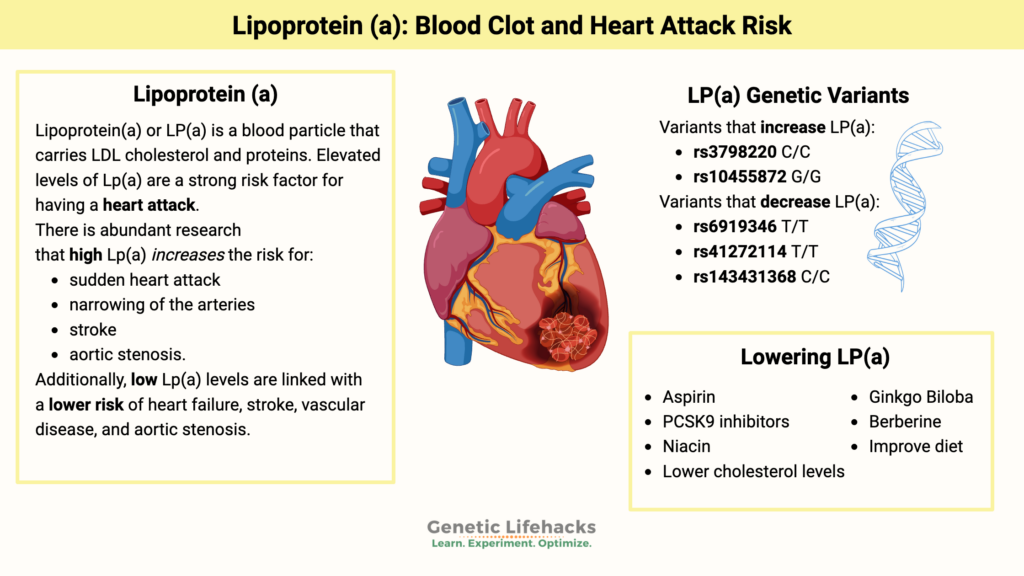 High Lp(a) levels are a big risk factor for sudden heart attacks. Your Lp(a) levels are mainly controlled by your genetic variants. Check to see if you carry genetic variants that increase or decrease Lp(a).
 - TRPV1 Gene: Receptor for Spicy Foods, Sensing Cold, and CBD Oil
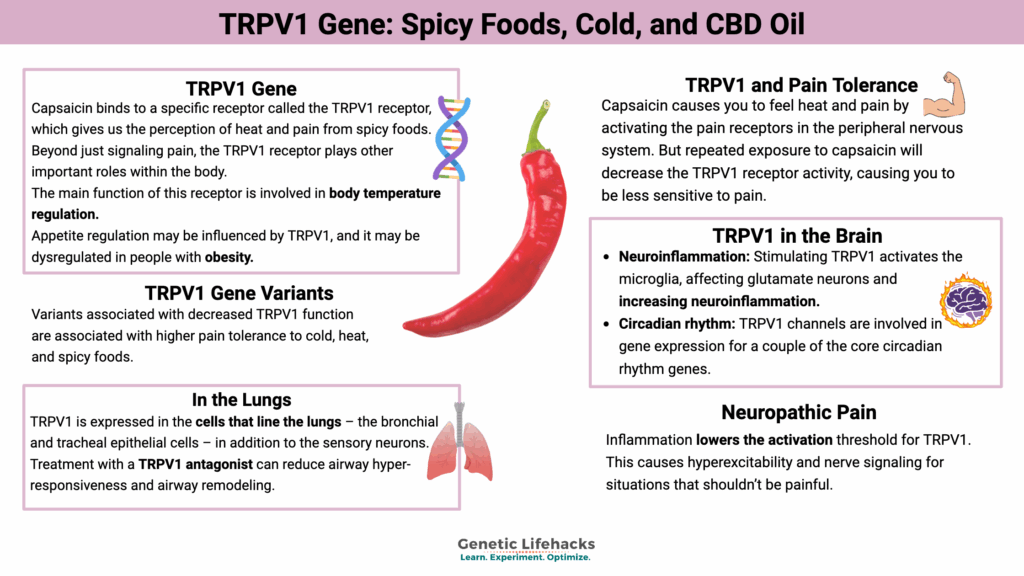 Learn how the TRPV1 gene shapes your reaction to spicy foods, pain, temperature, neuroinflammation and CBD oil, plus see how your genetic variants may affect tolerance and health.
 - Candida Biology, Pathogenesis, and Genetic Susceptibility
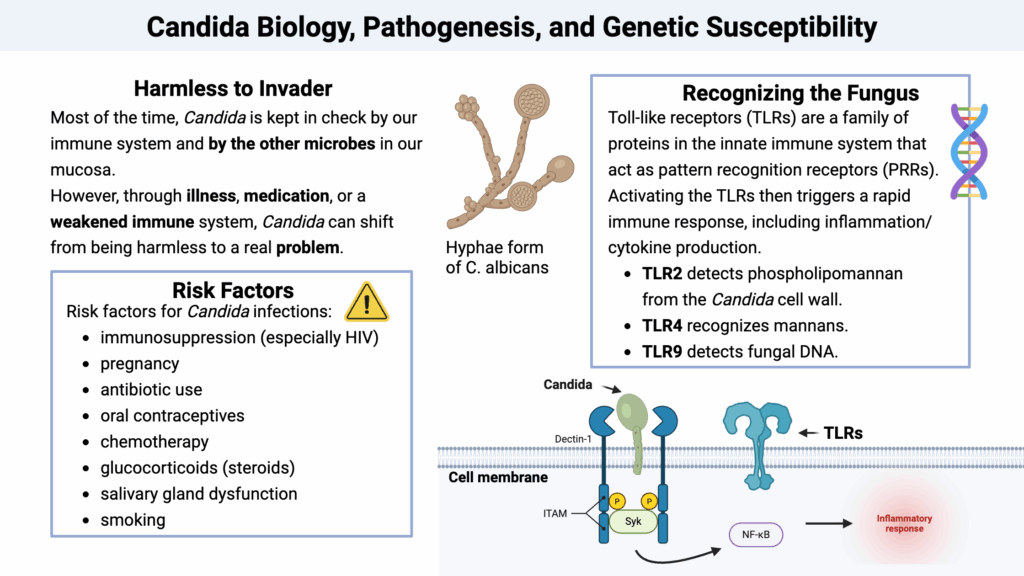 Learn why genetic variants in IL‑17, TLRs, dectin‑1, MBL, FUT2, and STAT1 can make some people much more susceptible to chronic or severe Candida infections.
 - AHCC: Mushroom Compound That Modulates NK and T Cells
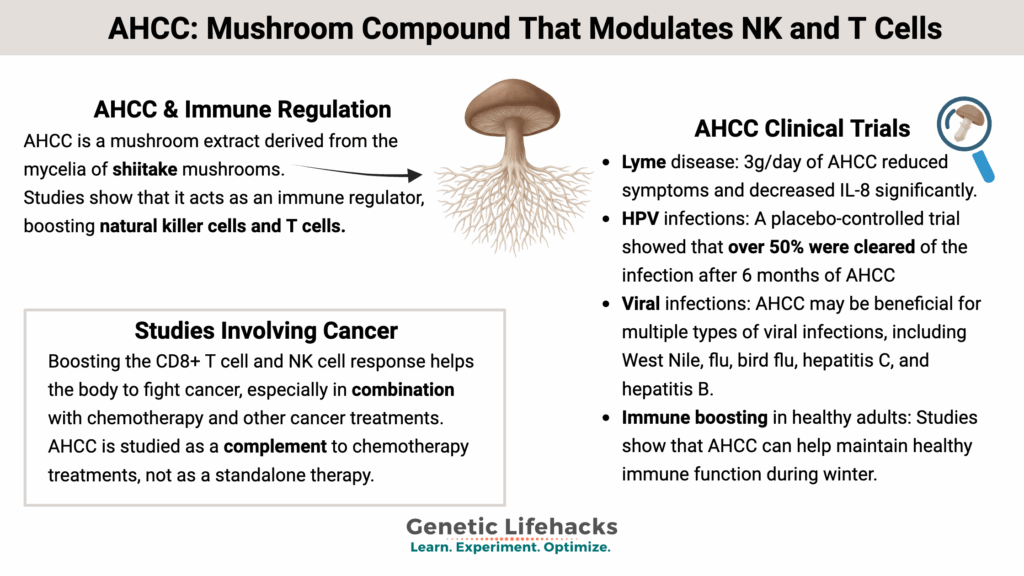 AHCC, a mushroom extract, boosts NK cells and T cells. Learn what the studies show for HPV, immune health, and chemotherapy support — plus drug interactions.
 - Genetics of Mannose-Binding Lectin (MBL) Deficiency
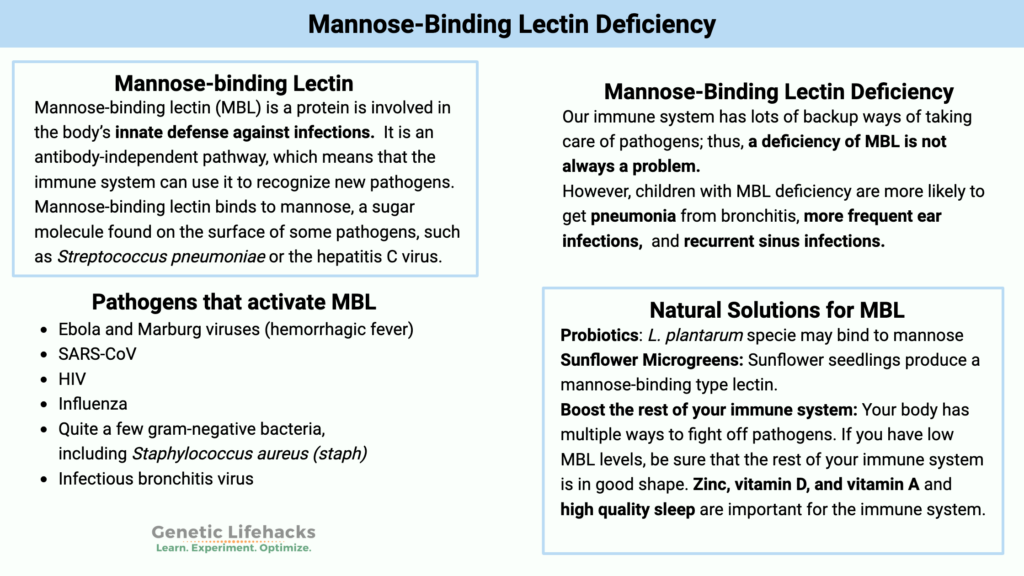 Mannose-binding lectin, also known as mannose-binding protein, is involved in the body’s innate defense against infections. Find out how genetic variants in this system increase your susceptibility to specific pathogens.
 - IL-2 Genetics and Immune Balance
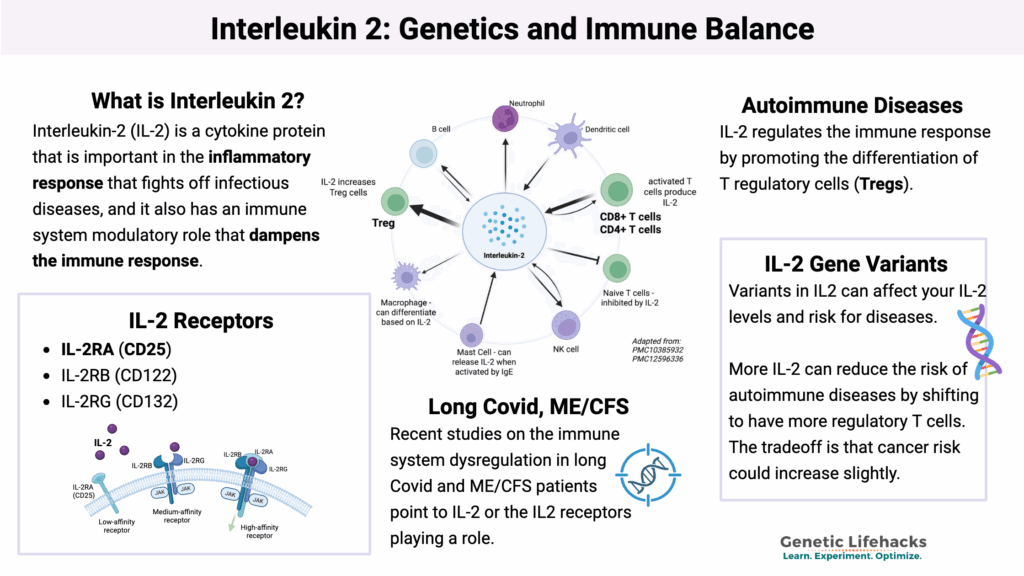 IL-2 dysregulation affects long COVID, autoimmune diseases, and cancer therapy response. Learn about your IL-2 genetic variants and natural ways to support IL-2.
 - GLP-1 Genetics: How Genes Affect Appetite, Semaglutide, and Tirzepatide Response
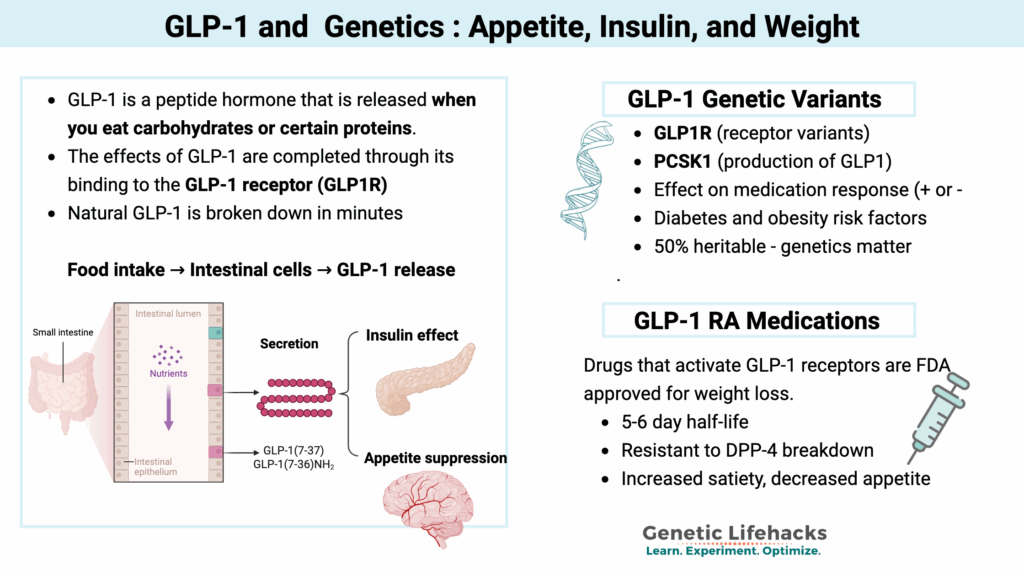 Genes affect how well semaglutide (Ozympic) and tirzepatide work. Check your GLP-1 receptor gene variants linked to weight loss response. Genotype report included.
 - MMUT Gene Variants & Methylmalonic Acid: B12 Status & Genetics
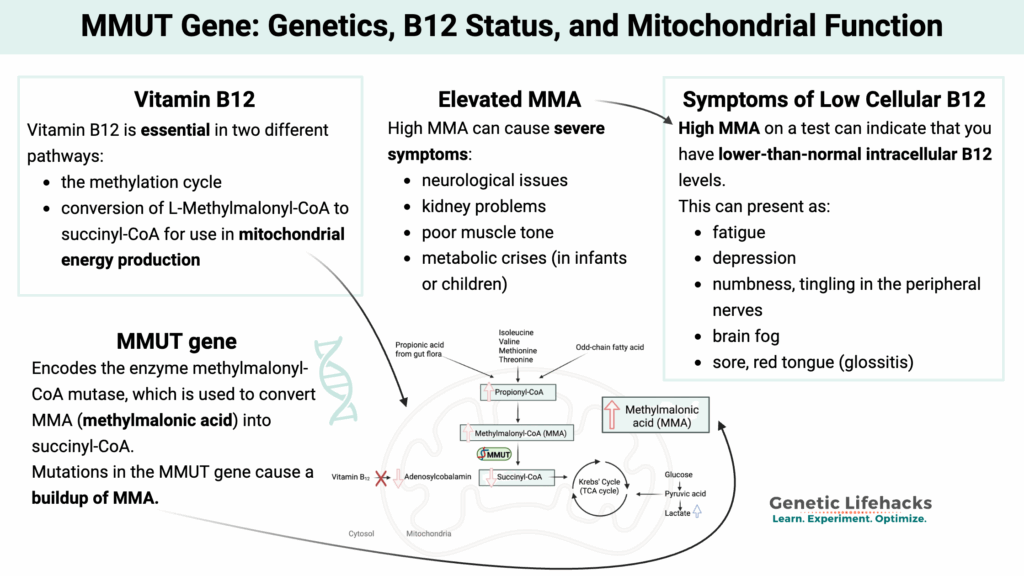 MMUT gene variants affect how your body uses B12 for mitochondrial energy. Learn how MMA testing reveals intracellular B12 deficiency and which form of B12 can help.
 - ME/CFS and Genetics: Chronic Fatigue Syndrome Genes, Immune Pathways, and Natural Solutions
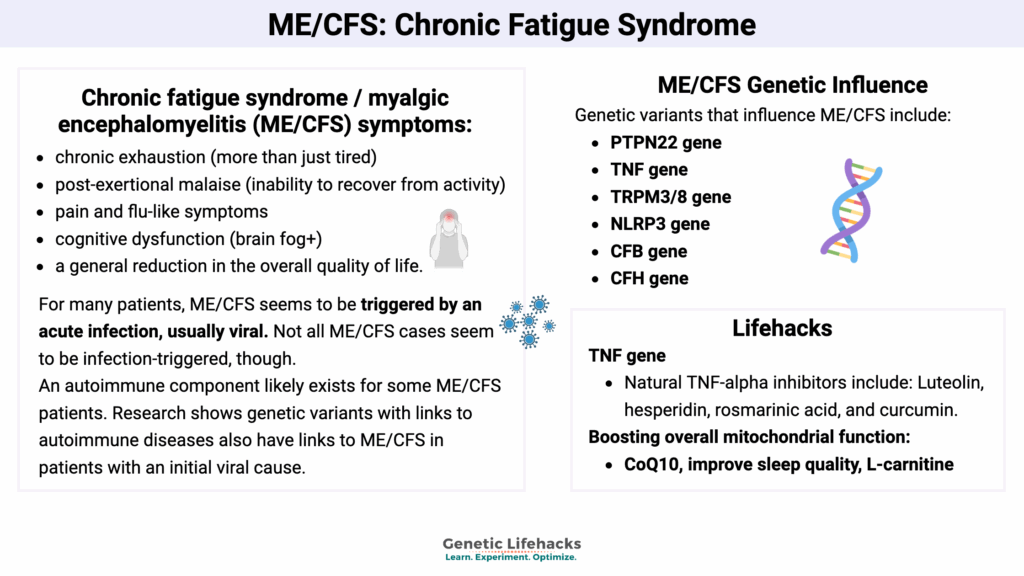 Genetic variants in immune, mitochondrial, and inflammatory pathways (NK cells, NLRP3, interferon, complement, TRP channels) increase ME/CFS susceptibility. Check your genes and explore research-backed solutions.
 - T Cell Exhaustion in Long COVID, ME/CFS, and Cancer: Mechanisms and Solutions
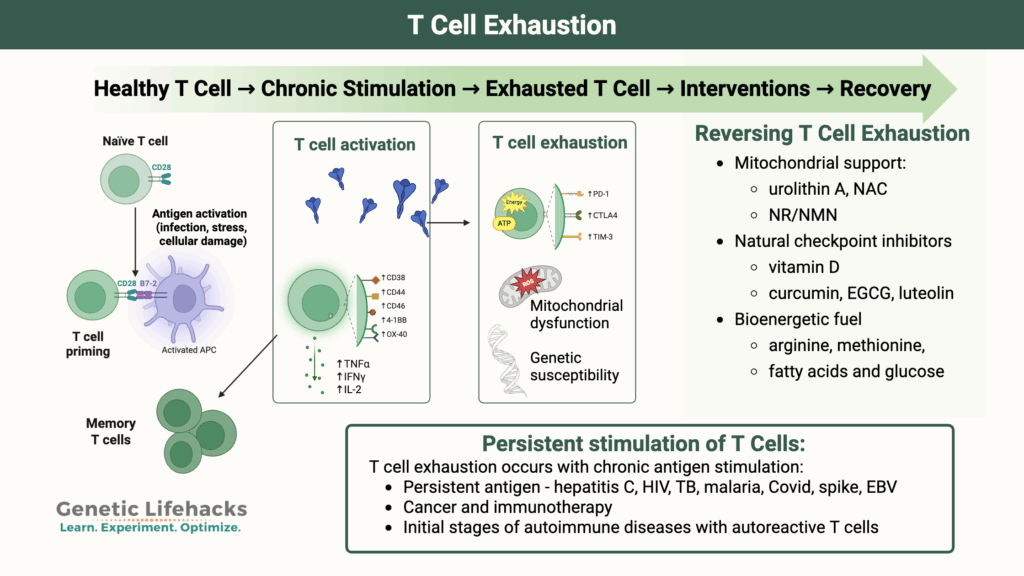 T cell exhaustion reduces your immune response in chronic infections, long Covid, and cancer. Check your genes, read the new studies on interventions, and understand the mechanisms.
 - Histamine Intolerance Genetics: DAO & HNMT Genes, Supplements
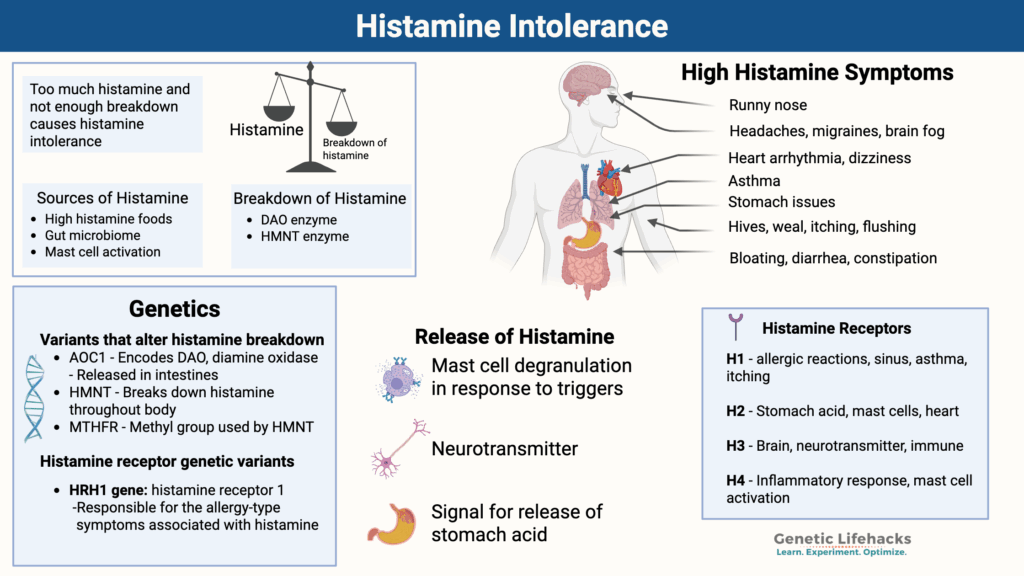 Genetic variants in DAO and HNMT genes affect histamine breakdown. Check your AOC1, HNMT, and HDC genotype. Low-histamine diet, DAO supplements, and more.
 - Thiamine: Genomics, Cellular Energy, and Cognitive Function
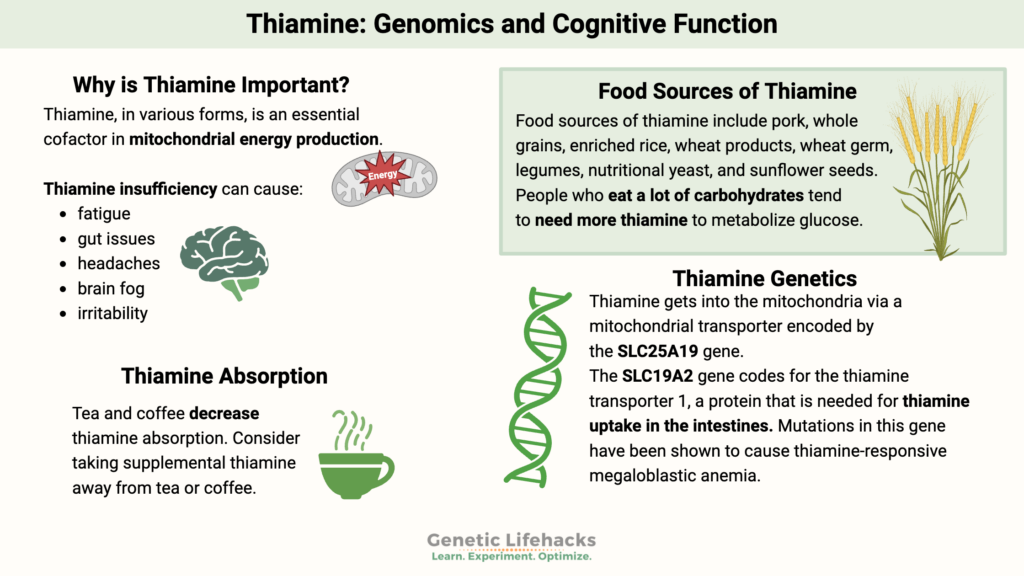 Also known as vitamin B1, thiamine is essential for energy production and brain function. Learn how your genes influence your need for thiamine.
 - Vitamin B5 (Pantothenic Acid): Genetics, Deficiency, and Neurodegenerative Disease
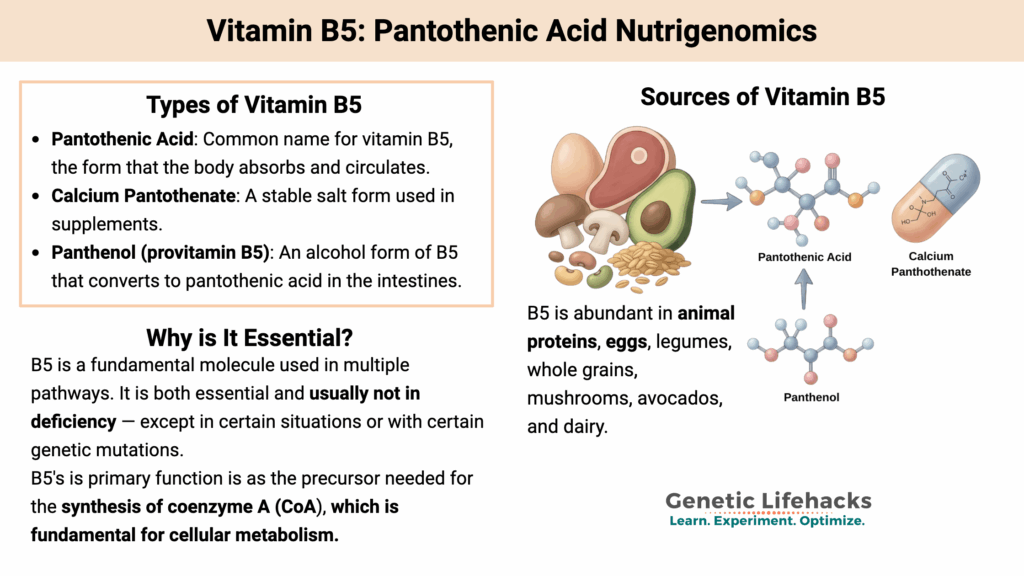 Pantothenic acid (vitamin B5) is essential for coenzyme A synthesis and brain energy. Learn about B5 deficiency, PANK2 mutations, and links to Alzheimer’s.
 - Borderline Personality Disorder: How Genes, Trauma, and Inflammation Interact
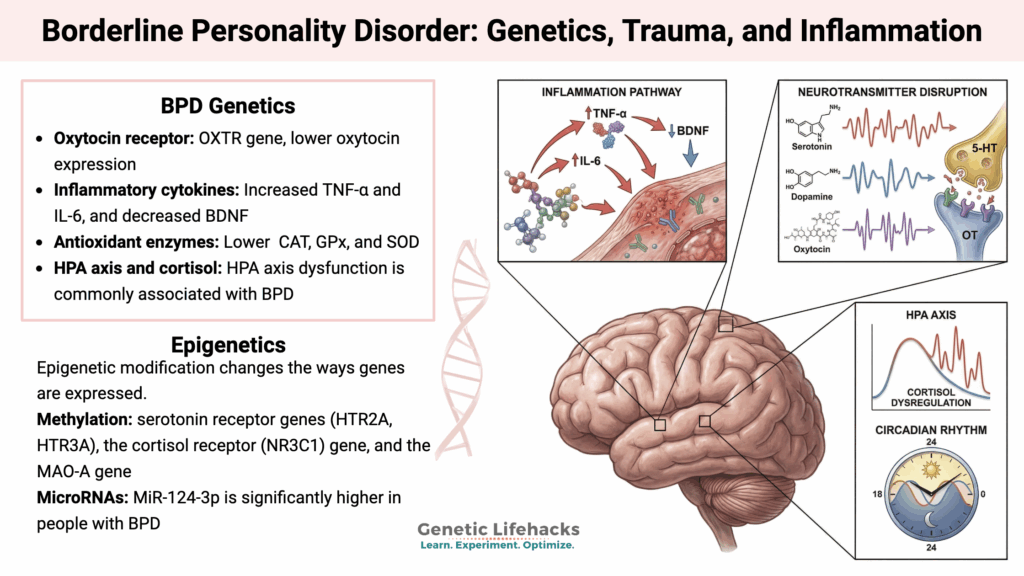 Genetics, epigenetics, and childhood trauma all contribute to BPD. Understand the neurotransmitter disruptions, inflammatory markers, and circadian rhythm issues—with solutions that work.
 - Artificial Sweeteners: Sucralose, Aspartame, and Genetic Interactions
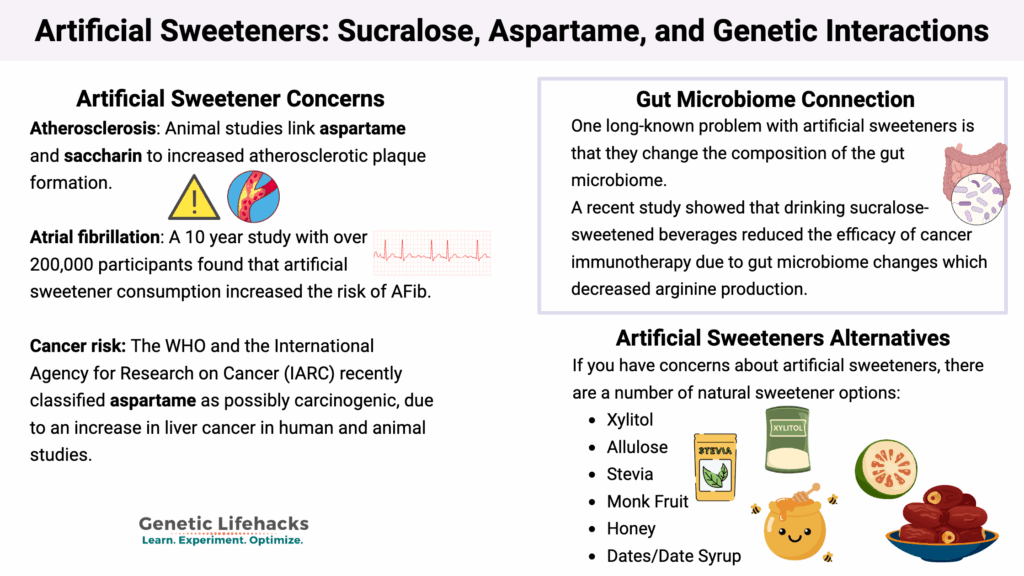 Health Effects from Artificial Sweeteners; Clinical trials on Sucralose, Aspartame, and Genetic Interactions
 - Interleukin-15 (IL-15): Immune response, cancer, long Covid, and genetics
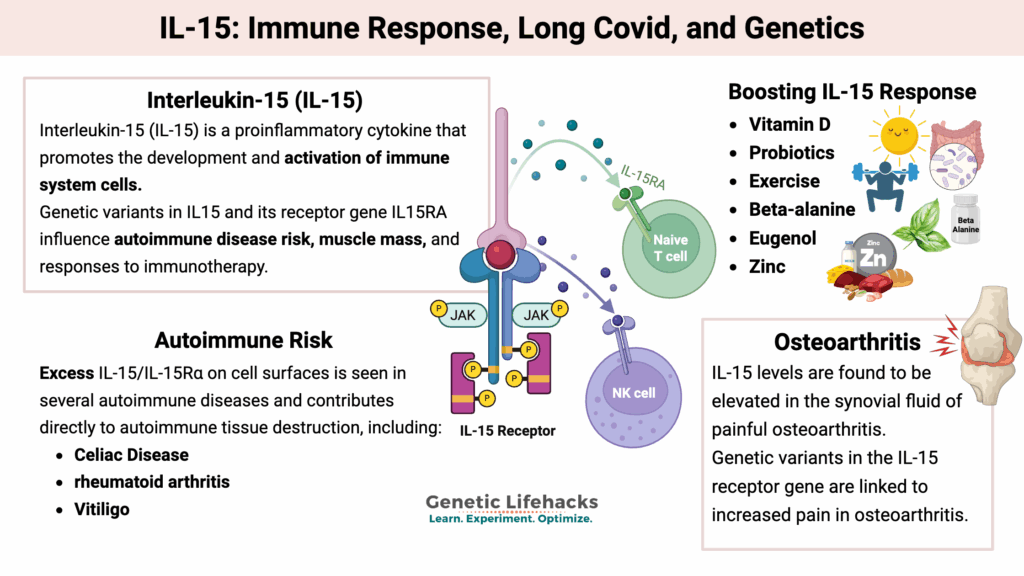 Learn how IL-15 influences NK cells and CD8+ T cells in the immune response to pathogens and cancers. Find out how your genetic variants influence IL-15 levels.
 - Gut Mucosal Barrier & Mucin Genes: Diet and DNA Shape Your Gut Defense
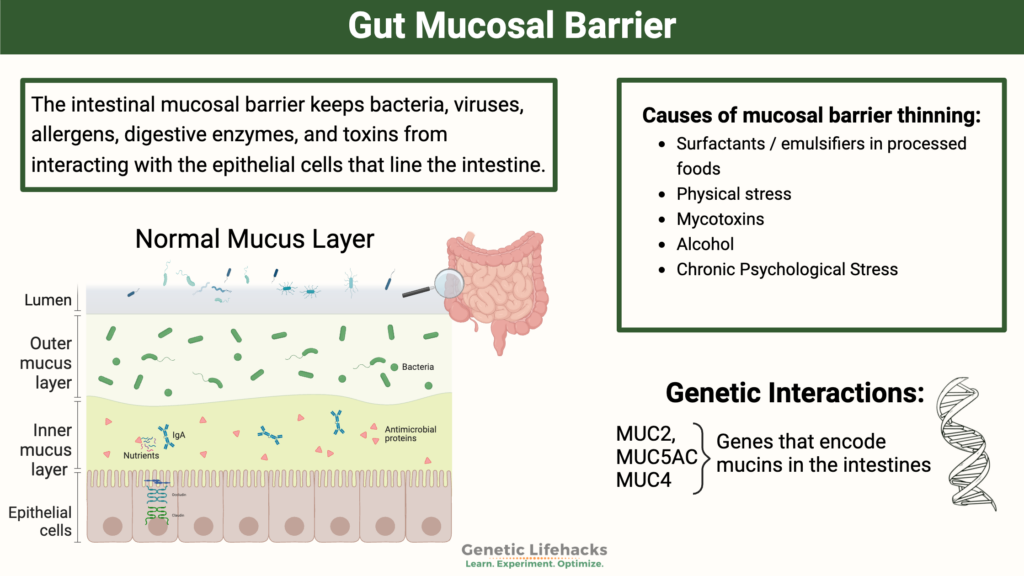 Your gut mucosa protects you from microbes in the gut, your own digestive enzymes, and toxins from the environment. Learn what you can do to keep your gut mucosal barrier healthy.
 - BChE gene: Nightshade sensitivity, Anesthesia risk
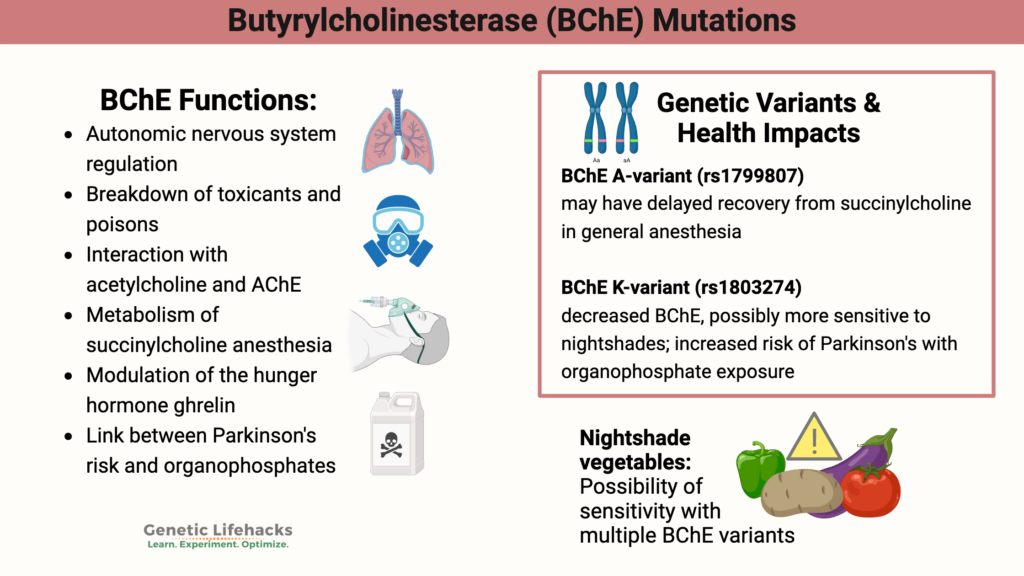 Genetic variants of the BChE gene decrease its enzyme’s activity. This can lead to various and seemingly unconnected consequences…such as an increased risk for Parkinson’s or food sensitivity to potatoes.
 - TNF-alpha: Inflammation, Chronic Diseases, and Genetic Susceptibility
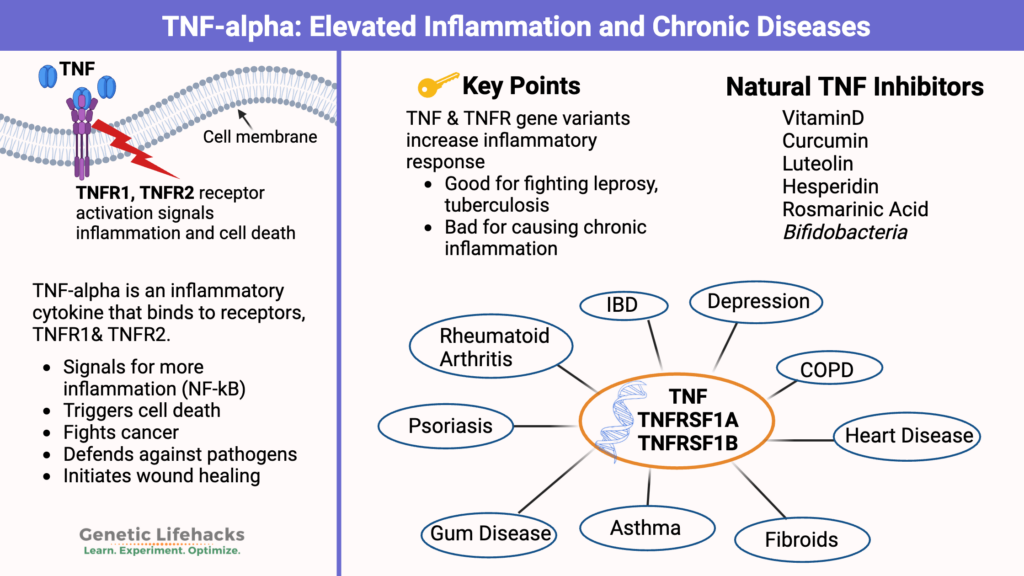 TNF-alpha is a key inflammatory cytokine linked to autoimmune, cardiovascular, mood, and neurodegenerative diseases. Learn how TNF gene variants affect your risk and potential natural TNF inhibitors.
 - Nicotinamide Riboside and NMN: Boosting NAD+ in Aging with Supplements
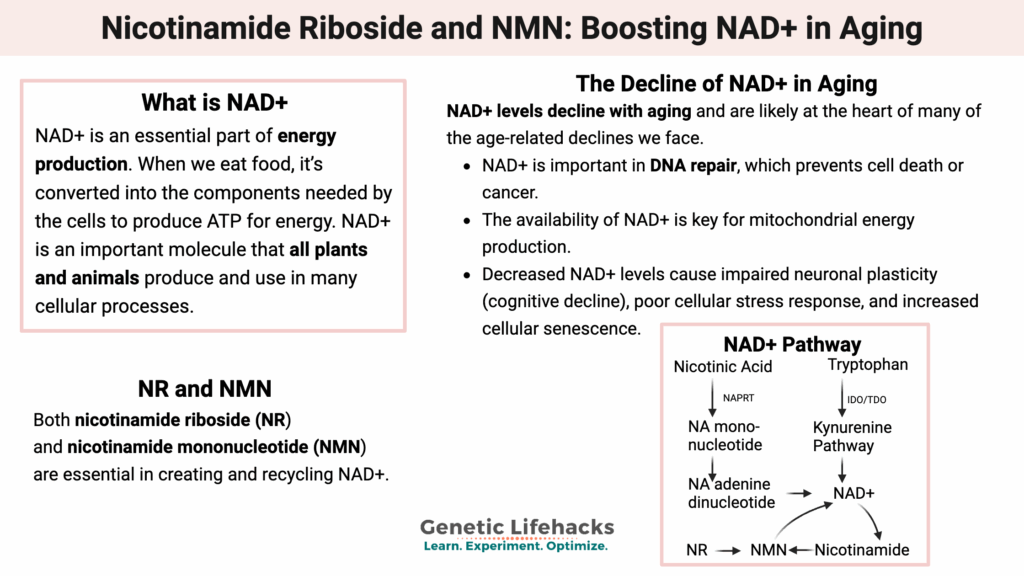 Explore the research about how nicotinamide riboside (NR) and NMN are being used to reverse aging. Learn about how your genes naturally affect your NAD+ levels and how this interacts with the aging process.
 - GLP-1: Genetic Variants Related to GLP-1 RA Medications
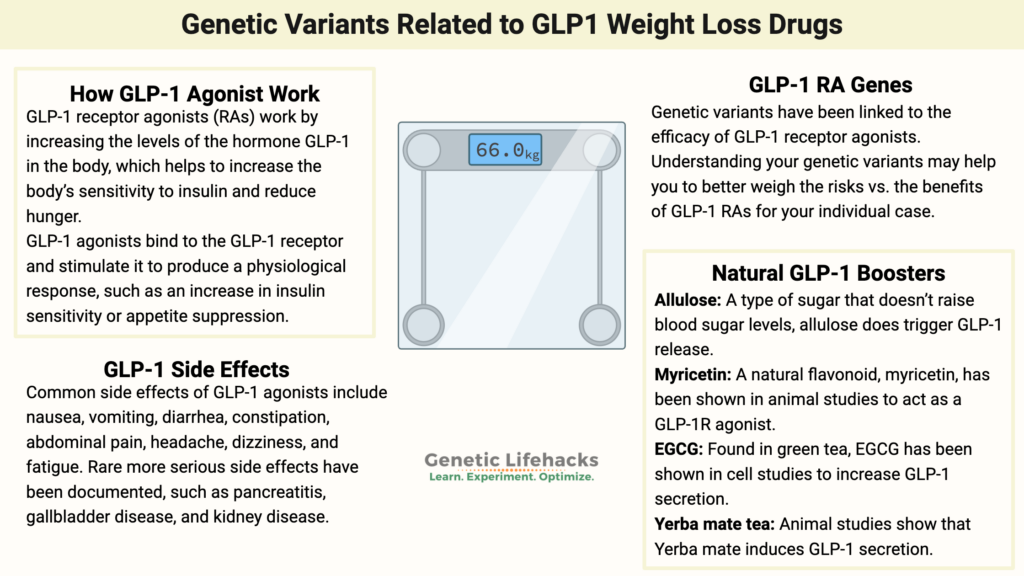 GLP-1 receptor agonists are used for weight loss by increasing the body’s sensitivity to insulin and reducing hunger. However, genetic variants can alter the response in some people.
 - Urolithin A for Mitochondrial Health and Muscle Function
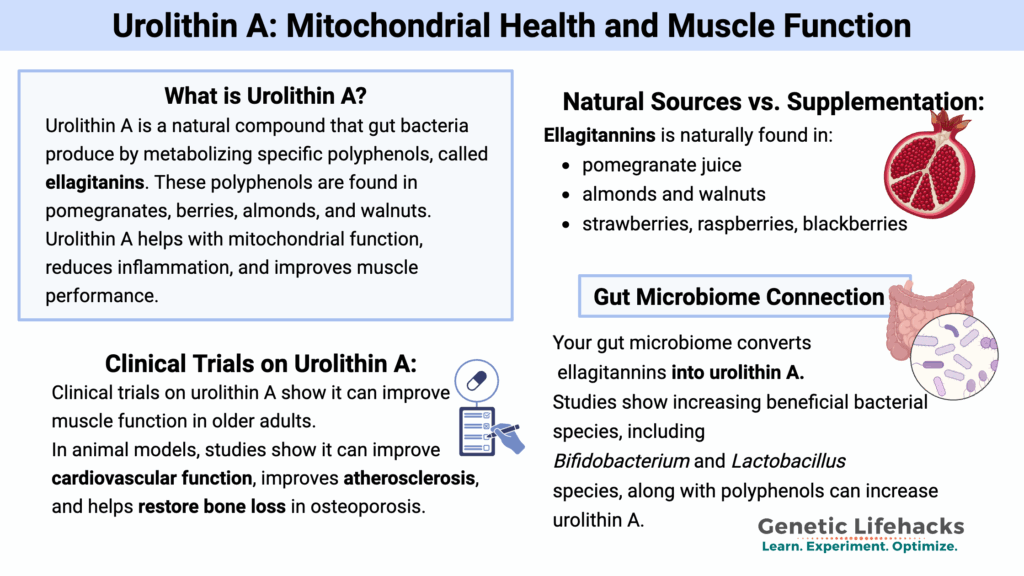 Urolithin A supports mitochondrial function and muscle health. Discover how your gut produces it, who benefits most from supplements, and what the research shows.
 - PFAS, Your Genes, and Your Health: From Mitochondrial Function to Immune Response
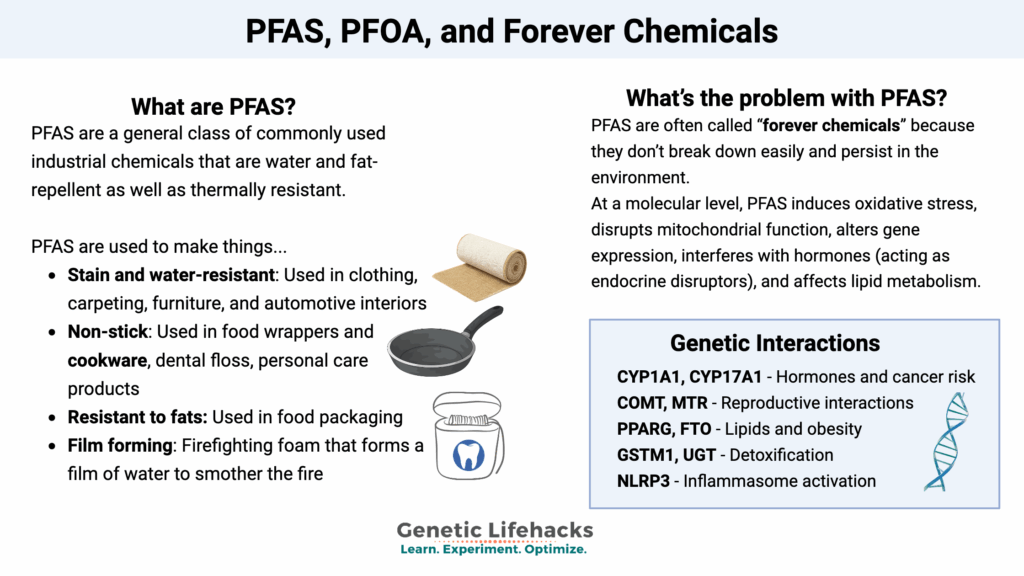 PFAS are persistent “forever chemicals” found in everyday products that are used to make products water-resistant, stain-resistant, and non-stick. Research shows PFAS are associated with reproductive issues, immune suppression, thyroid dysfunction, and more.
 - Raynaud’s: Causes, Symptoms, and Genetics
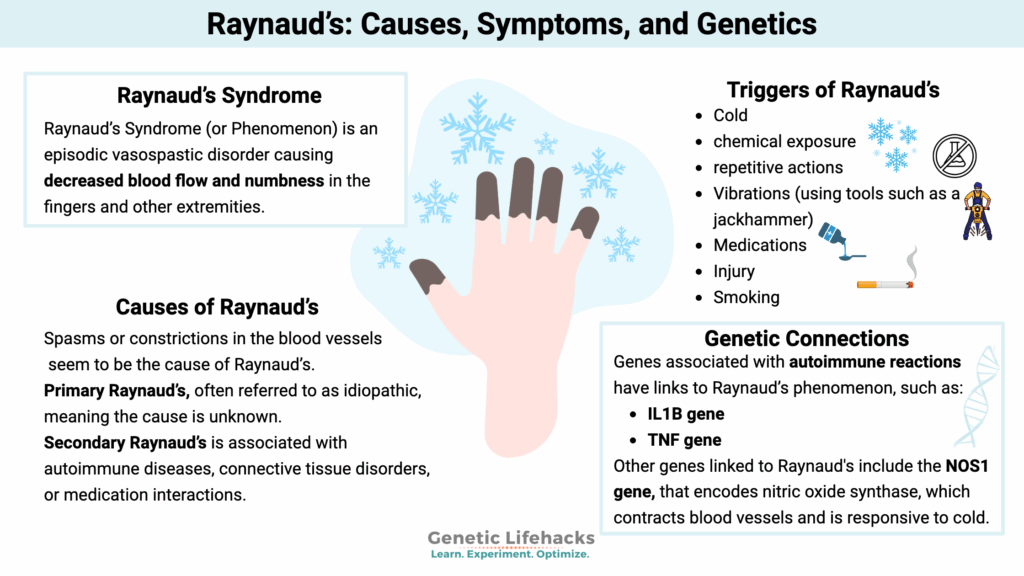 Do your fingertips turn white and blue when cold? Discover the causes and symptoms of Raynaud’s syndrome and your genetic susceptibility.
 - Trigger Points, Myofascial Pain Syndrome, and Underlying Causes
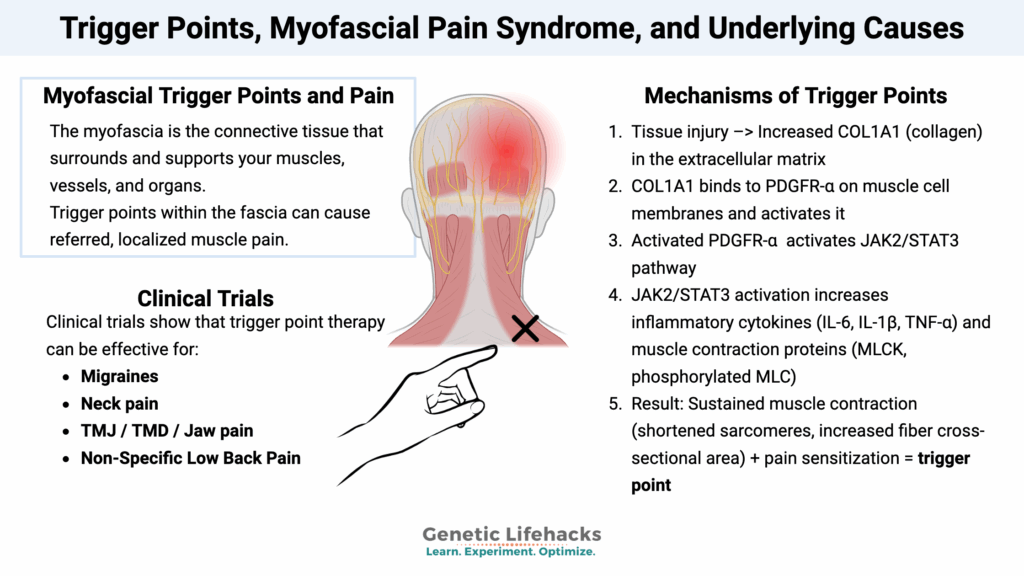 Trigger points are hyperirritated knots in the muscle and fascia that can refer pain to a nearby region of the body.
 - Risk of Osteonecrosis from Bisphophonates
 A small percentage of people taking bisphosphonates will experience osteonecrosis – bone death – in the jaw. Genetic variants are part of the susceptibility.
 - Dry Eyes: Using Genetic Data to Find the Right Solutions
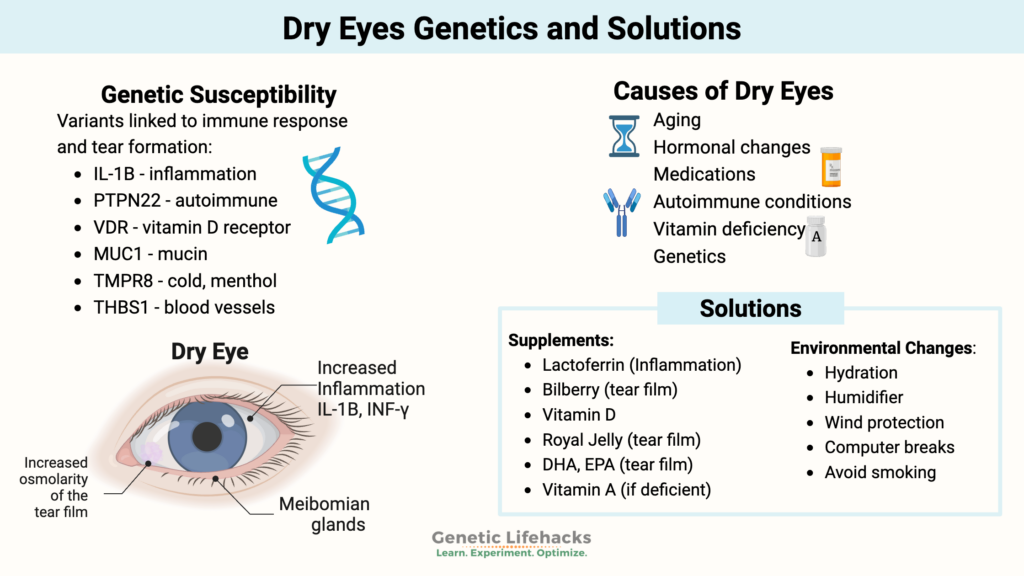 Use your genetic data to understand the root causes of dry eyes, from immune response to meibomian glands, and explore research-backed options to relieve symptoms.
 - Circadian Rhythm Disruption as a Root Cause of Depression
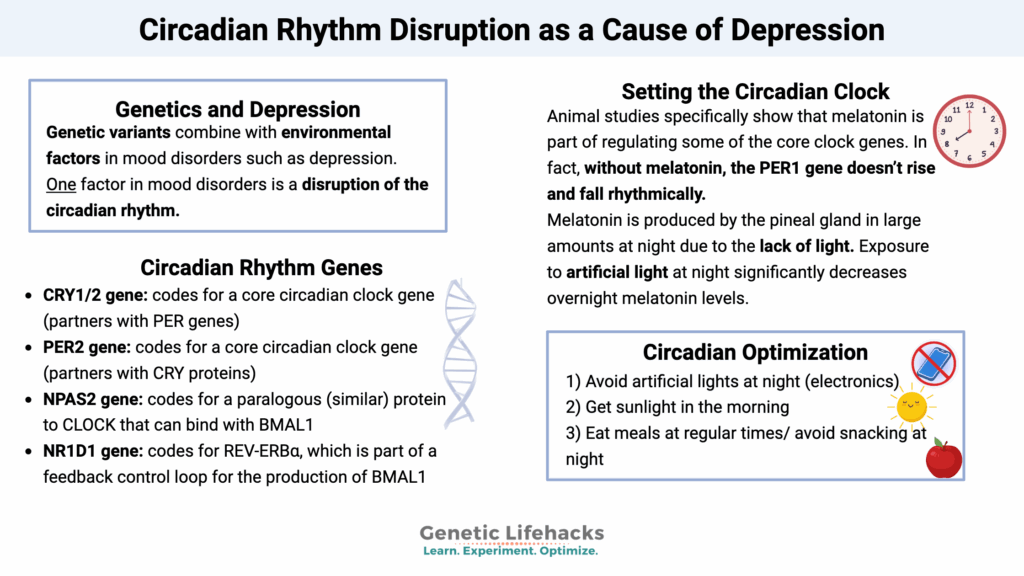 Research shows circadian clock gene variants influence depression risk. Learn how light exposure, genetics, and the molecular clock shape mental health.
 - Neuropilins: Neurodevelopmental Disorders, Gut Barrier, & Covid Brain
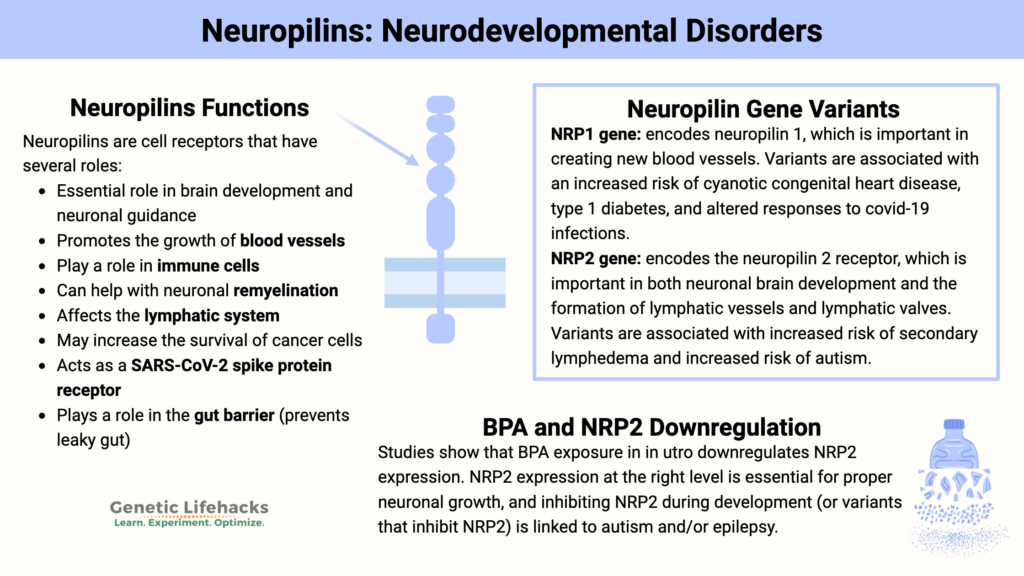 Neuropilins act as receptors and are found on the surface of cells. Learn about its many roles body, such as in the immune, vascular and nervous systems.
 - BPC-157: Tendon Repair and More
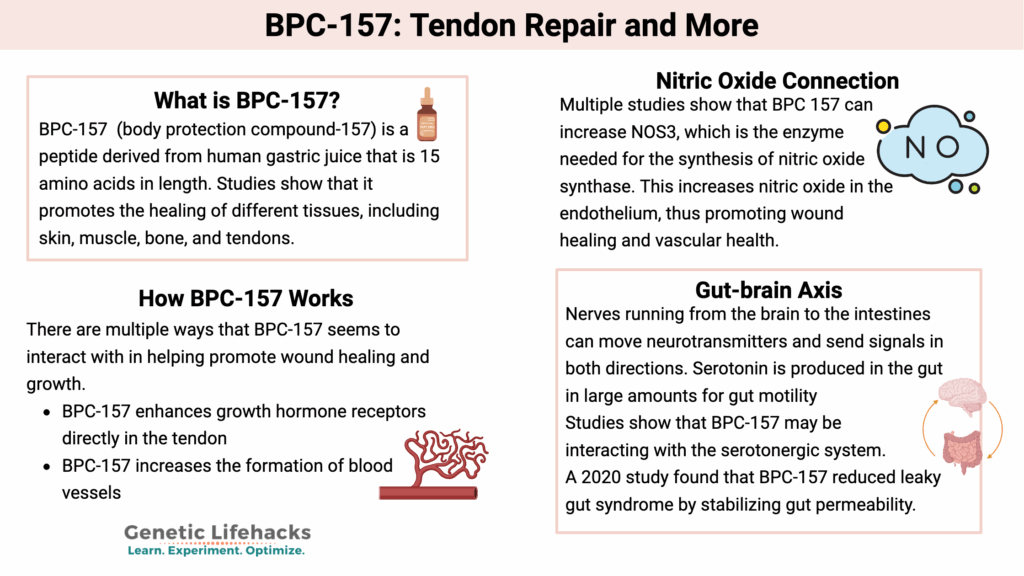 BPC-157 (body protection compound-157) is a peptide derived from human gastric juice that is 15 amino acids in length. Studies show that it promotes the healing of different tissues, including skin, muscle, bone, and tendons.
 - Trace Minerals and Neurocognitive Optimization
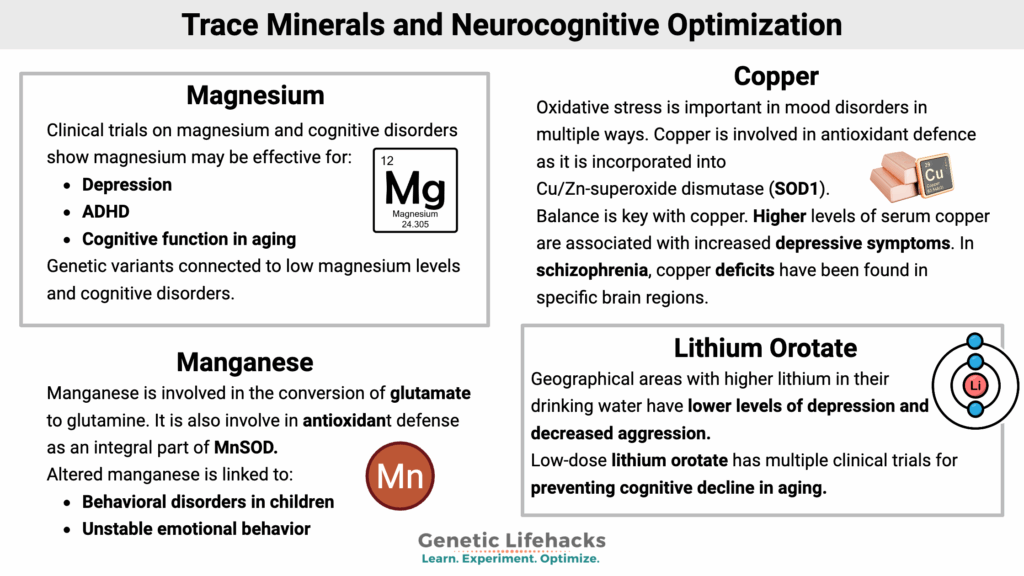 Trace minerals affect neurotransmitter levels and neuroinflammation. Getting the right levels of micronutrients can help optimize neurocognitive function.
 - Thymosin Beta 4: Genetics & Supplemental Peptides
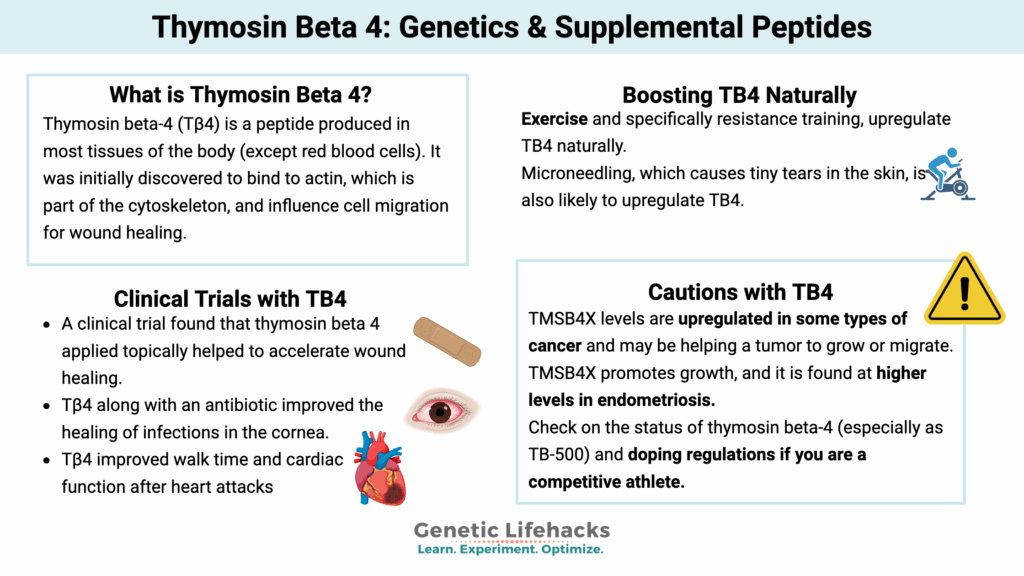 Thymosin beta 4 is a natural peptide that is made in the body and helps with wound healing, muscle recovery, and decreasing inflammation. It is also available as a supplemental peptide.
 - ABCB1 (P-glycoprotein): Response to Medications, HRT, and Environmental Toxins
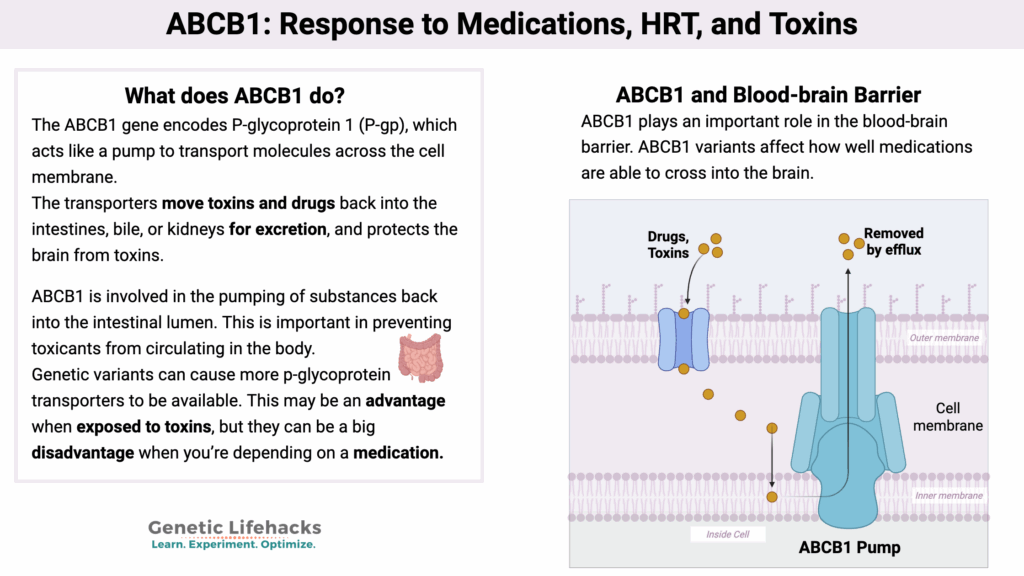 ABCB1 encodes P-glycoprotein, a transporter that removes toxins – and medications – from the body. Genetic variants in the ABCB1 gene can affect how well a medication works for you.
 - Molybdenum: Genetic Connections, Sulfur Metabolism, and Cofactor Deficiency
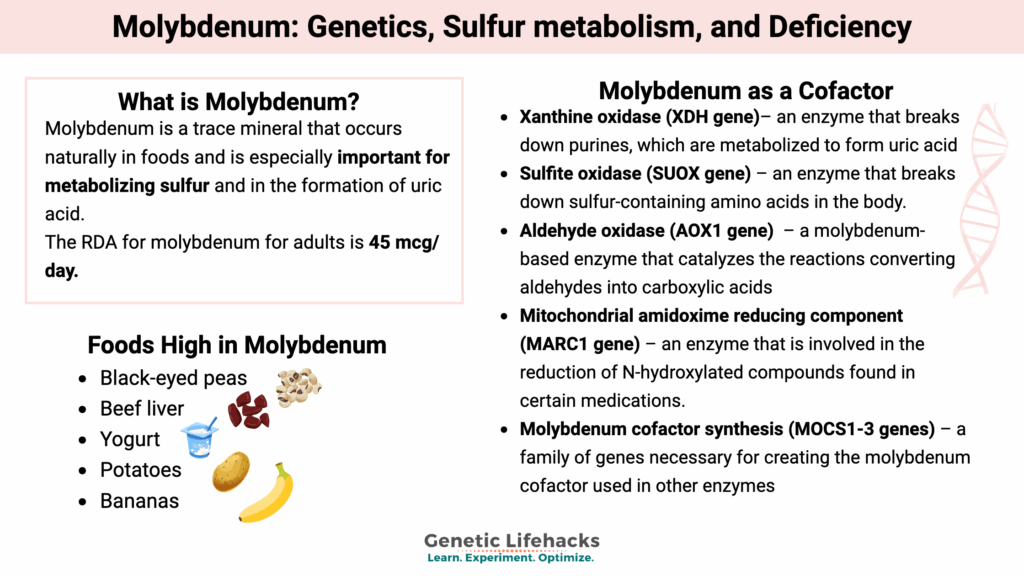 Molybdenum is a trace mineral needed in the right amounts for sulfur detoxification and the formation of uric acid.
 - Tyramine Intolerance: Symptoms, High-Tyramine Foods, and Genetics
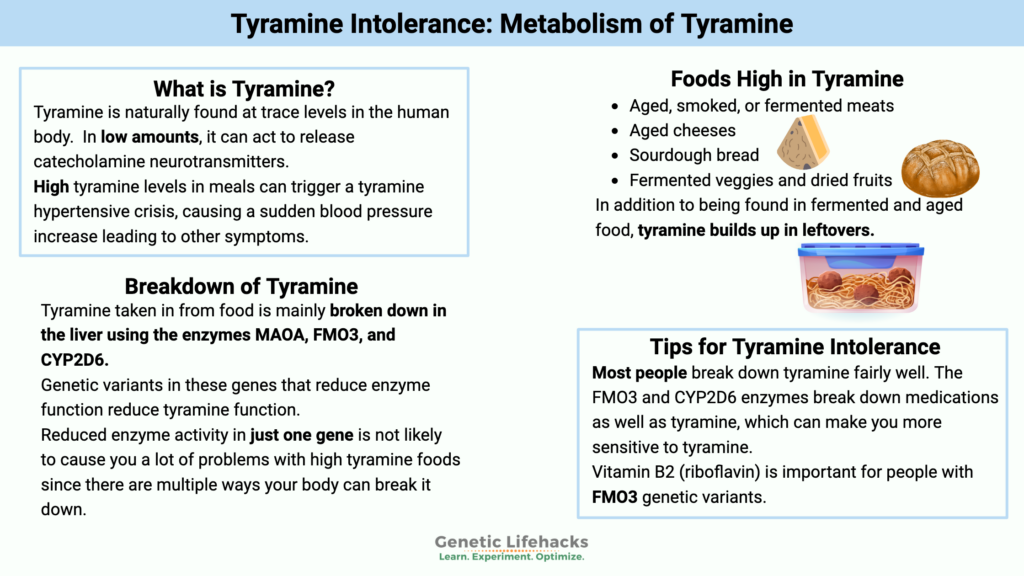 Tyramine intolerance happens when you can’t break it down. Too much tyramine can lead to a hypertensive crisis. Learn more and check your genetic raw data for results.
 - APOB gene: Apolipoprotein B Levels and Health Risks
 ApoB is a better predictor of heart disease risk than LDL-C or total cholesterol. Genetic variants can increase or decrease ApoB levels.
 - Very Long Chain Acyl-CoA Dehydrogenase Deficiency (LCAD)
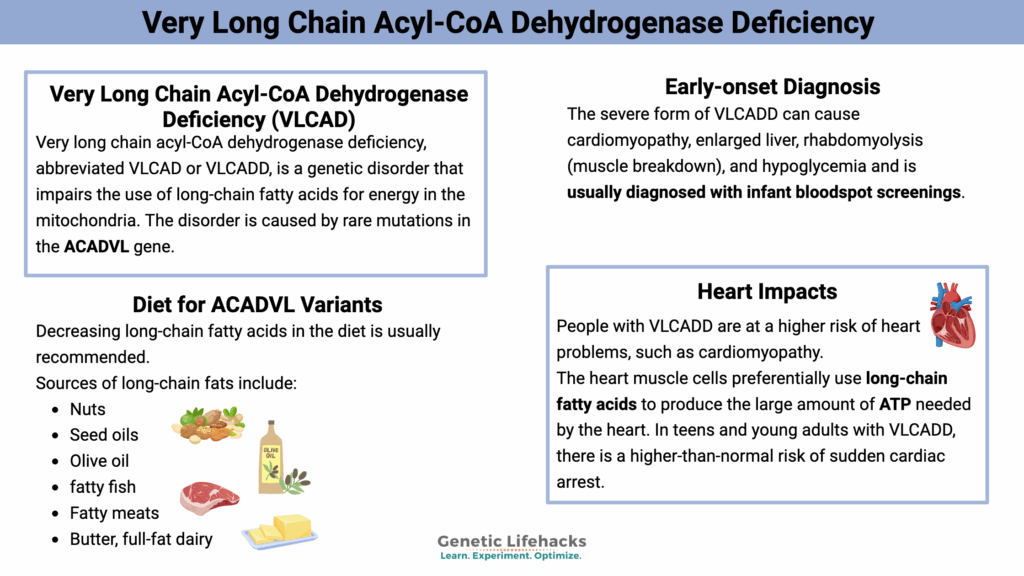 VLCAD deficiency causes the mitochondria to be unable to use long-chain fatty acids for energy production. This can result in hypoglycemia or mitochondrial dysfunction.
 - Inflammation as a Cause of Depression and Anxiety
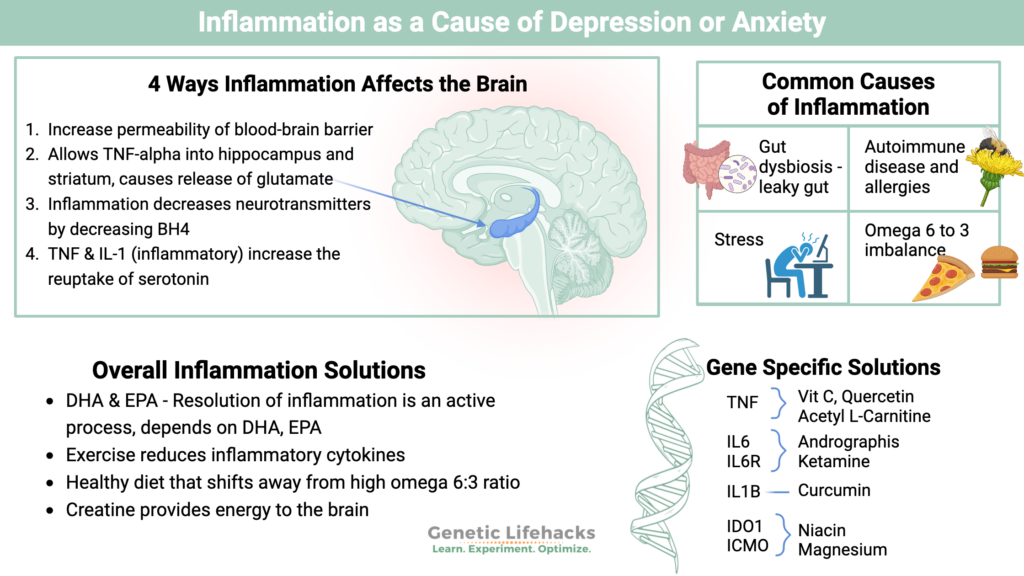 Discover why inflammation causes depression and how your genetic variants in inflammatory genes may play a role in depression or anxiety.
 - Hypnosis Genes: Genetic Influences on Hypnosis
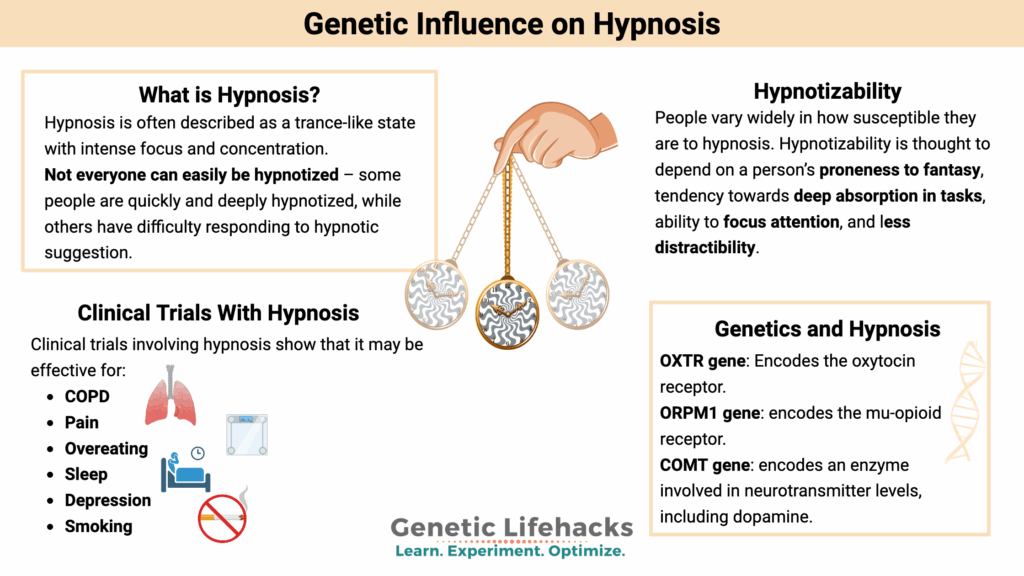 Not everyone is equally susceptible to hypnosis. Learn how your genetic variants play a role in how your brain focuses and responds to hypnotic suggestions.
 - Lactate, Lactate Dehydrogenase, and Lactate Transporters
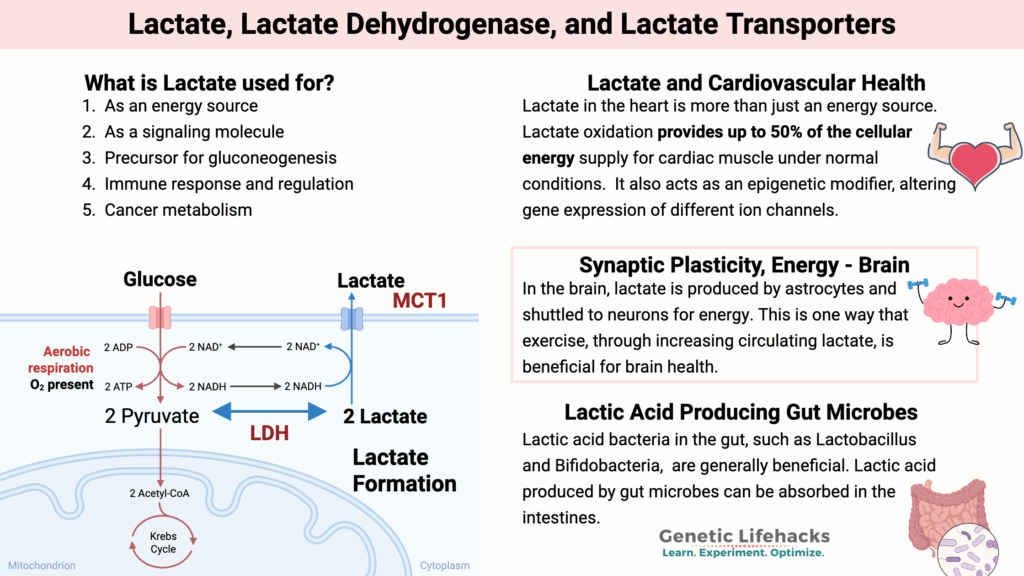 Lactate is much more than a workout byproduct—it’s a key energy source, signaling molecule, and regulator of metabolism, brain health, and disease.
 - Oxalates: What Your Genes and Diet Say About Oxalate Health Issues
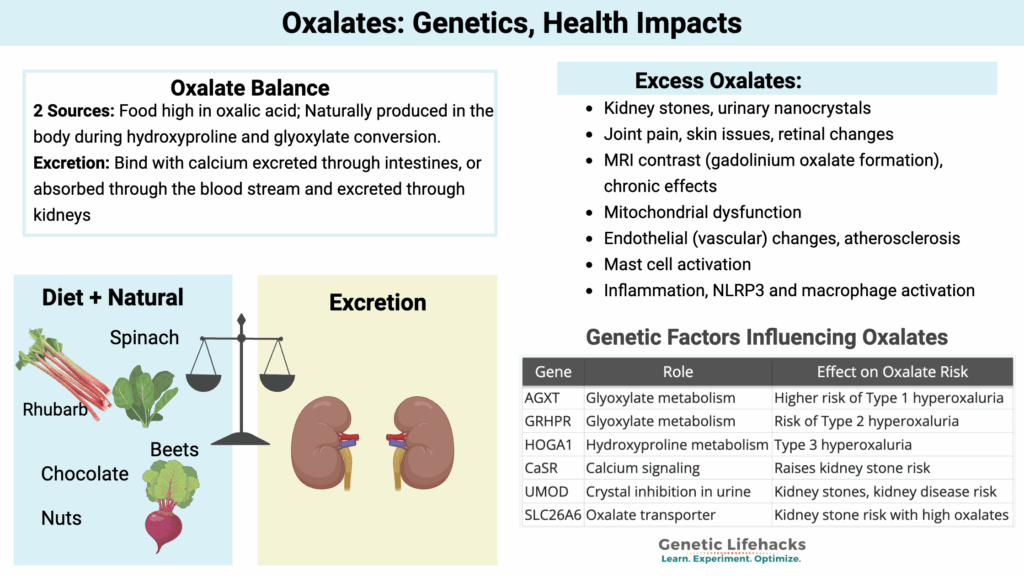 Green smoothies have been a health fad for quite a while now, but these health drinks can be a double-edged sword for some people due to their high oxalate content. Find out if you are genetically prone to kidney stones and what to do about it.
 - Cordyceps: Clinical Trials, Mechanism of Action, and Genetic Connections
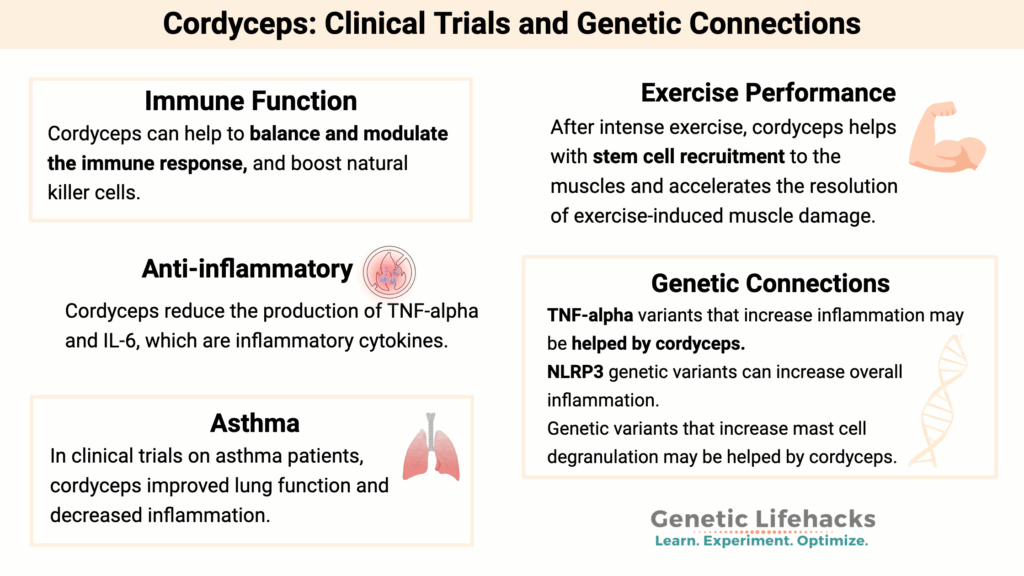 Cordyceps mushroom extract has immunomodulatory and anti-inflammatory effects. Studies show benefits for asthma, resistance training, endurance training, and kidney disease.
 - MTHFR Gene Explained: C677T and A1298C Variants, Testing, and Solutions
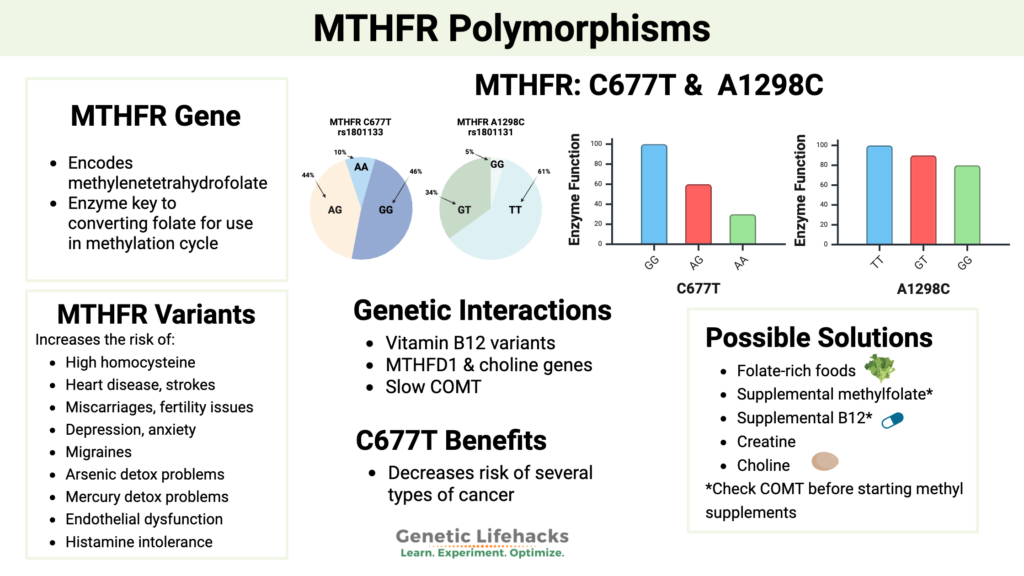 The MTHFR gene is important for how your body utilizes folate (vitamin B9) for creating neurotransmitters, detoxifying toxicants, and maintaining a healthy heart. It is a key gene in the methylation cycle.
 - Specialized Pro-resolving Mediators (SPMs): The Resolution of Inflammation
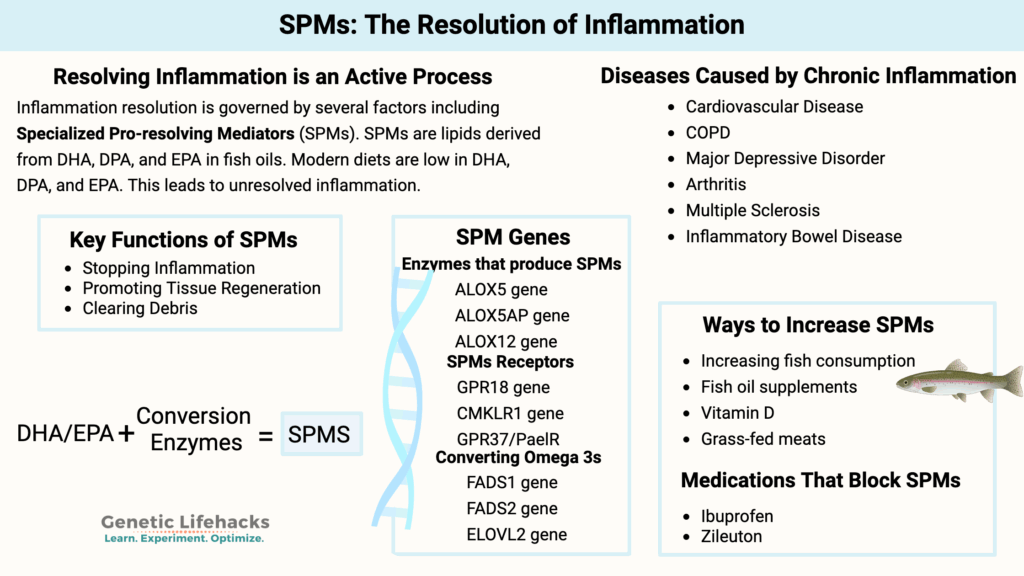 Chronic inflammation is at the root of all diseases. New research discusses how pro-resolving mediators are the key to the resolution of inflammation.
 - MAO-A & MAO-B: Monoamine Oxidase, Warrior Gene, and Mood
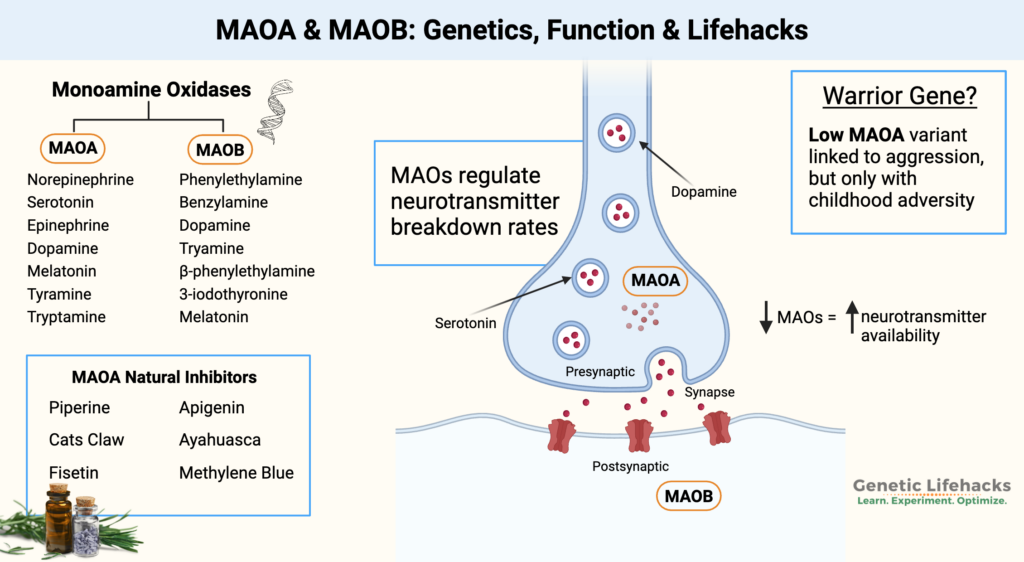 The MAOA and MAOB genes encode enzymes that break down certain neurotransmitters. People with low MAO may be prone to mood issues in certain circumstances.
 - Epstein-Barr Virus: Genetic Risks, Reactivation, and Chronic Illnesses
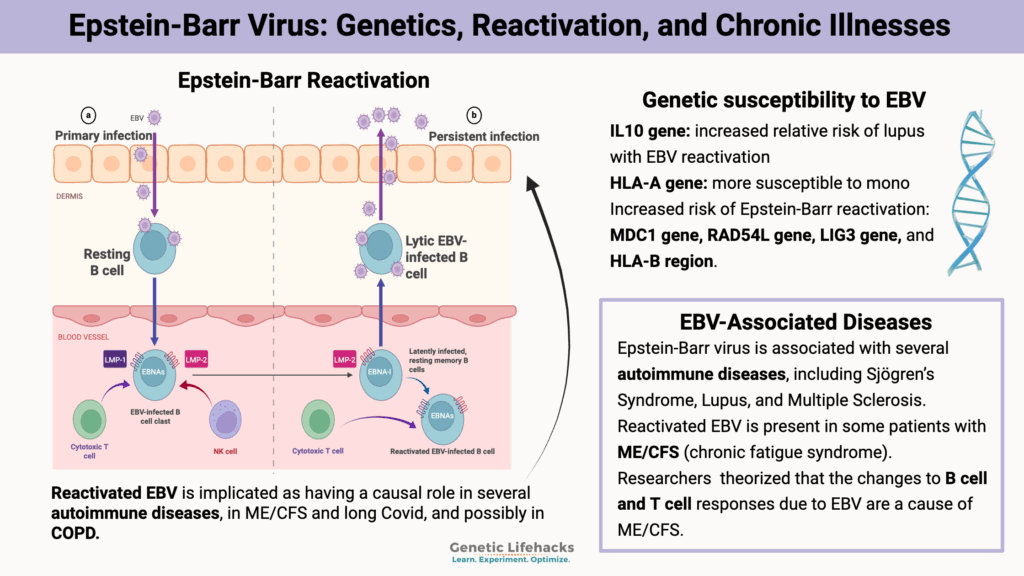 Epstein-Barr virus (EBV) impacts lifelong health, links to autoimmune diseases, genetic risk factors, and practical steps to reduce reactivation.
 - Red Light and Photobiomodulation: ATP from Photons
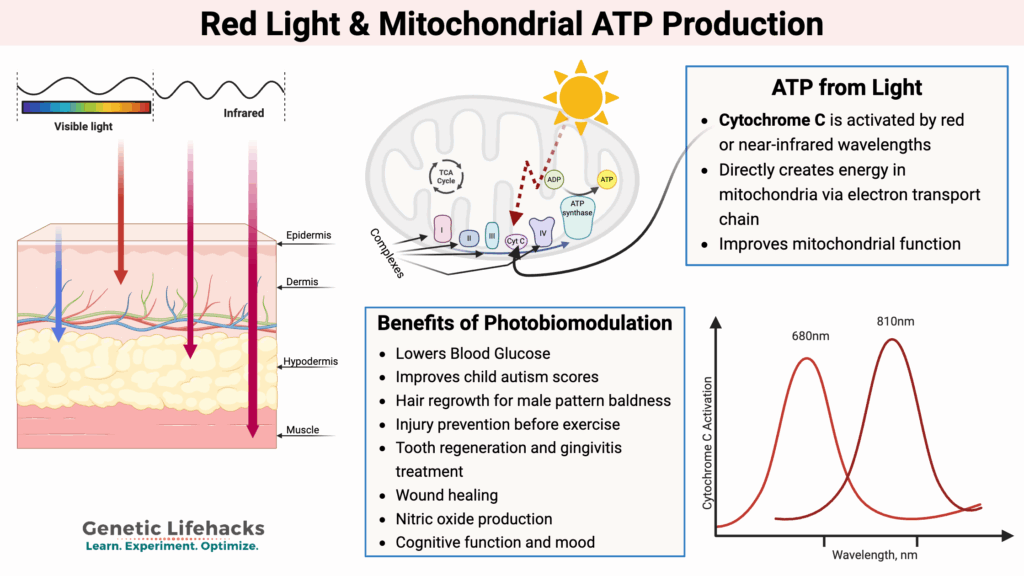 Red and near-infrared wavelengths of light interact with mitochondria to produce ATP. Learn why – and discover how mitochondrial genes may play a role.
 - Your APOE Type and Alzheimer’s Risk: How to Find It, What It Means, and What to Do
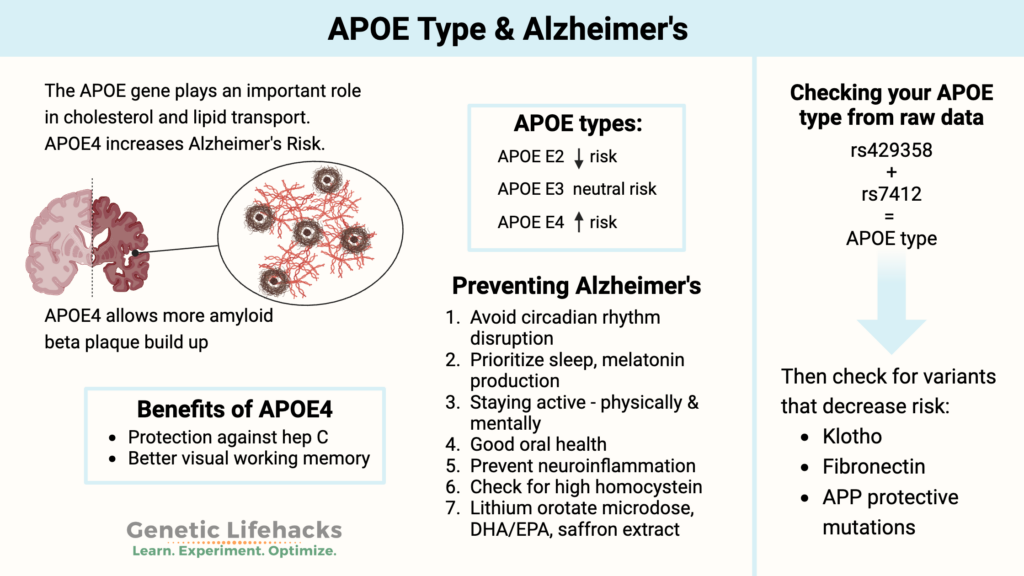 Find out your APOE type, understand your Alzheimer’s risk by genotype, sex, and ancestry, and learn about real prevention strategies.
 - Snoring: Genes and Solutions
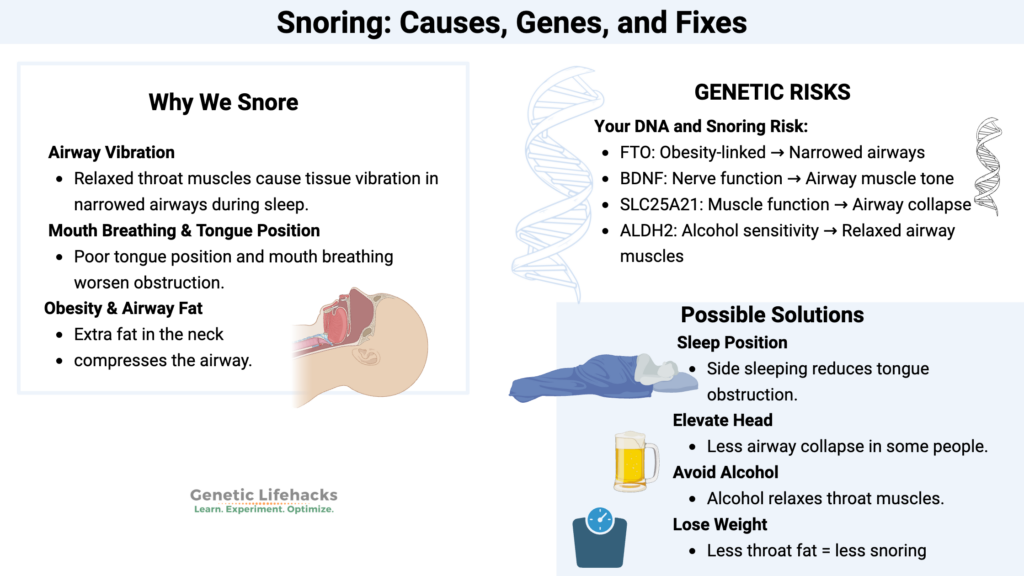 Genetics plays a role in snoring —certain genes affect airway structure, fat distribution, and muscle control.
 - Alpha-Ketoglutarate (AKG) Supplements: What the Research Actually Shows [2026 Update]
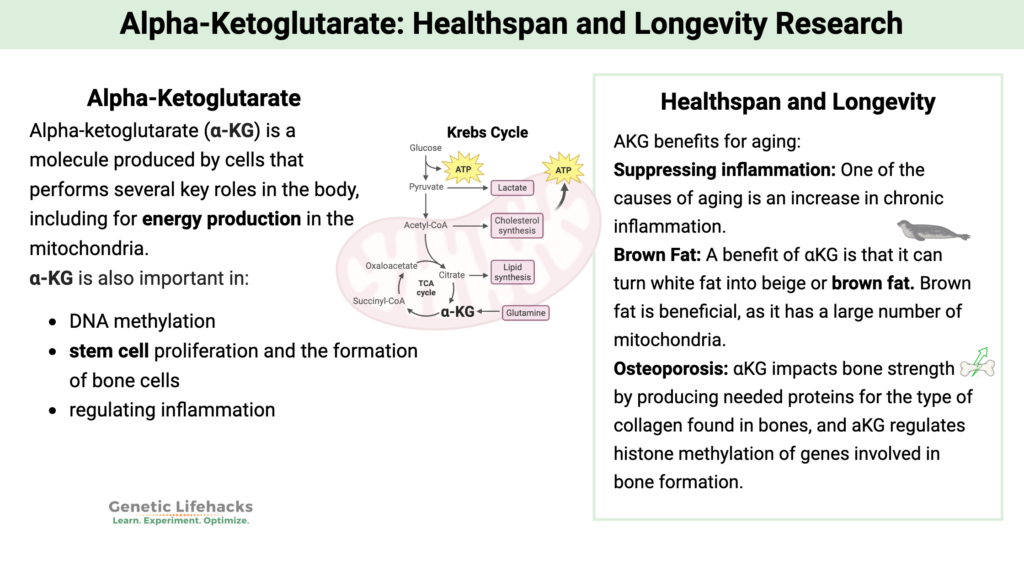 Alpha-ketoglutarate for longevity: the science behind AKG supplements, including clinical trials, brain health, joint protection, supplement forms, and dosing.
 - Problems sleeping? Your genes can point to individualized solutions
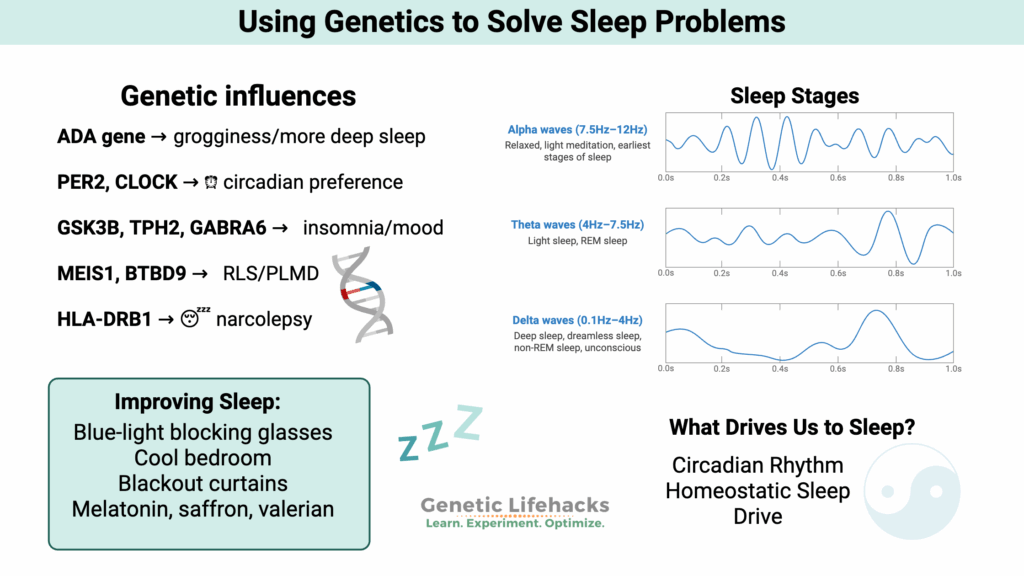 Overview how your genes impact sleep, including insomnia, restless leg, narcolepsy, and circadian rhythm genes.
 - Mast Cells: MCAS, Genetics, and Solutions
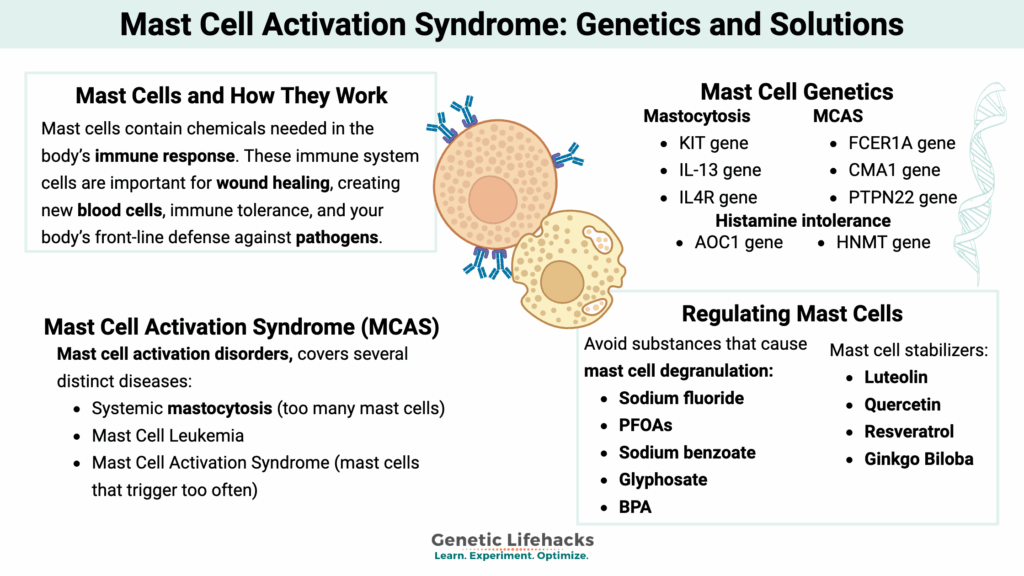 Mast cells are essential to your innate immune system, defending against pathogens and allergens. For some people, mast cells can be triggered too easily, giving allergy-like responses to lots of different substances.
 - FOLR1 and FOLR2: Transporting Folate, Folinic Acid, and Folic Acid into Cells
 Genetic variants in the FOLR1 and FOLR2 genes (folate receptors alpha and beta) can impact folate in the brain and in the immune response.
 - Carnitine: Genetic Variants Affecting Mitochondrial Energy and Health
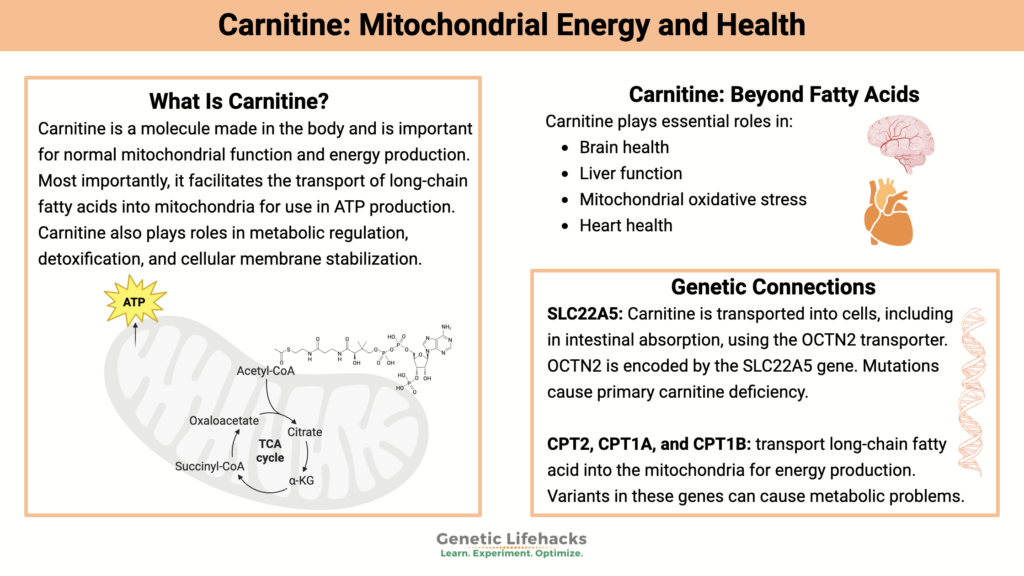 Learn how carnitine powers cellular energy, supports organ health, and influences metabolism. Discover its benefits for brain, liver and immune function, plus how genetics affect your carnitine needs.
 - DHFR and MTHFR: Folic Acid Metabolism
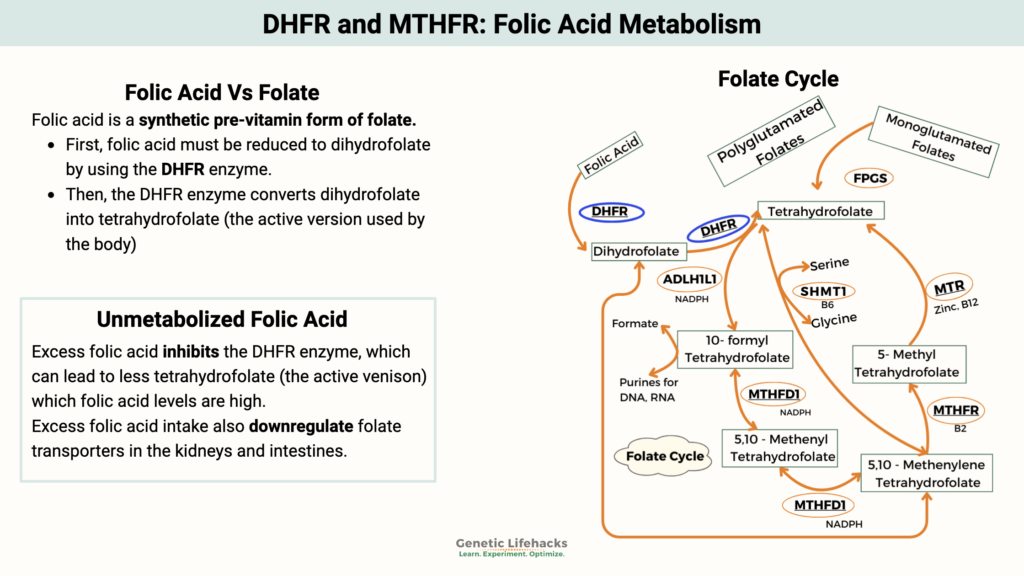 Methylfolate may be a better option than folic acid if you have certain genetic variants in the MTHFR or DHFR genes.
 - Pregnancy: How Your Genes affect the Nutrients You Need
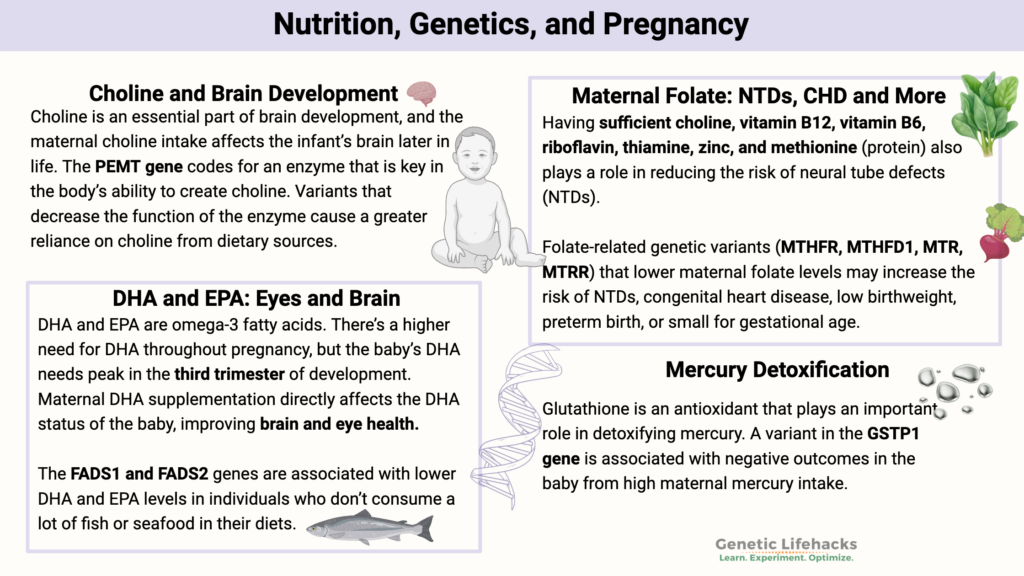 Pregnancy is a time of increased nutritional needs, and your genes can help you dial in your diet to prevent nutrient deficiencies.
 - Reelin – Long Covid, Depression, and Alzheimer’s
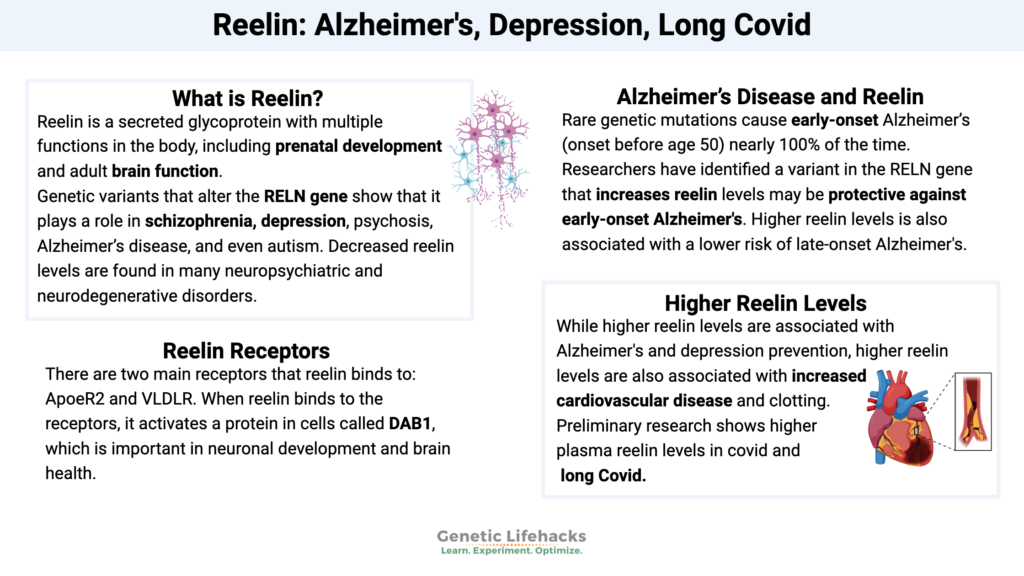 Reelin is a key glycoprotein involved in brain development, cognition, and neurodegenerative diseases like Alzheimer’s, schizophrenia, autism, and cardiovascular health.
 - FTO and m6A Methylation
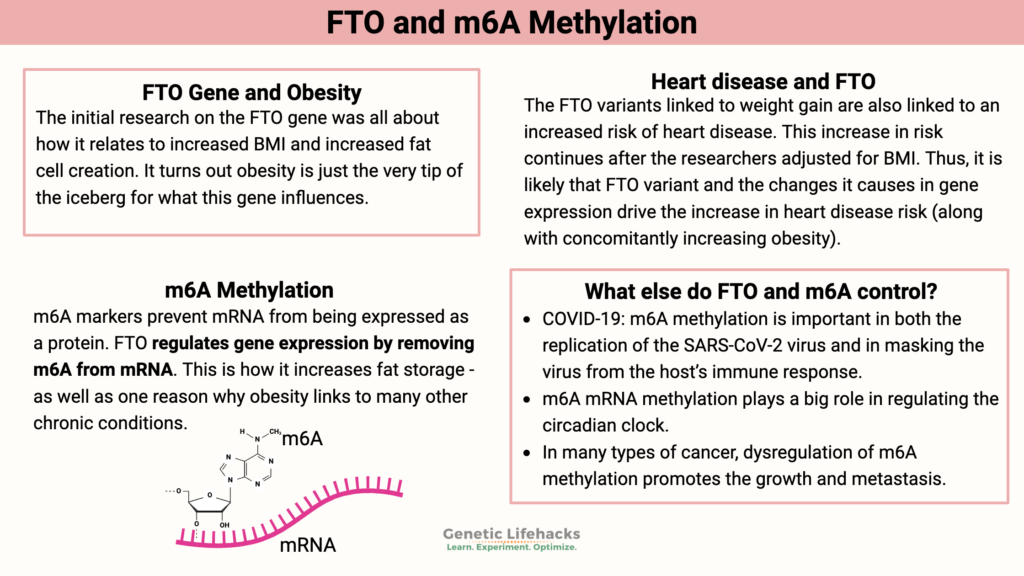 Recently, researchers discovered that FTO is an m6A eraser that removes methyl groups from mRNA. This discovery has opened up huge avenues of research on topics from cancer to immune response to heart disease.
 - Methylene Blue: Genetic Connections and Research Studies
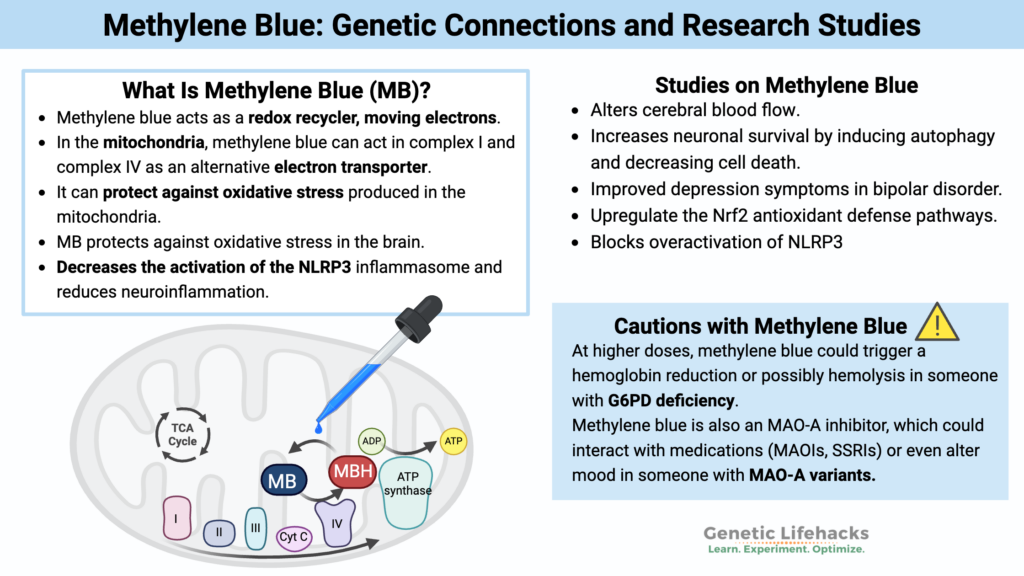 Methylene blue has neuroprotective and anti-inflammatory properties, but it isn’t for everyone. Learn about the genetic variants that throw a caution flag on this one.