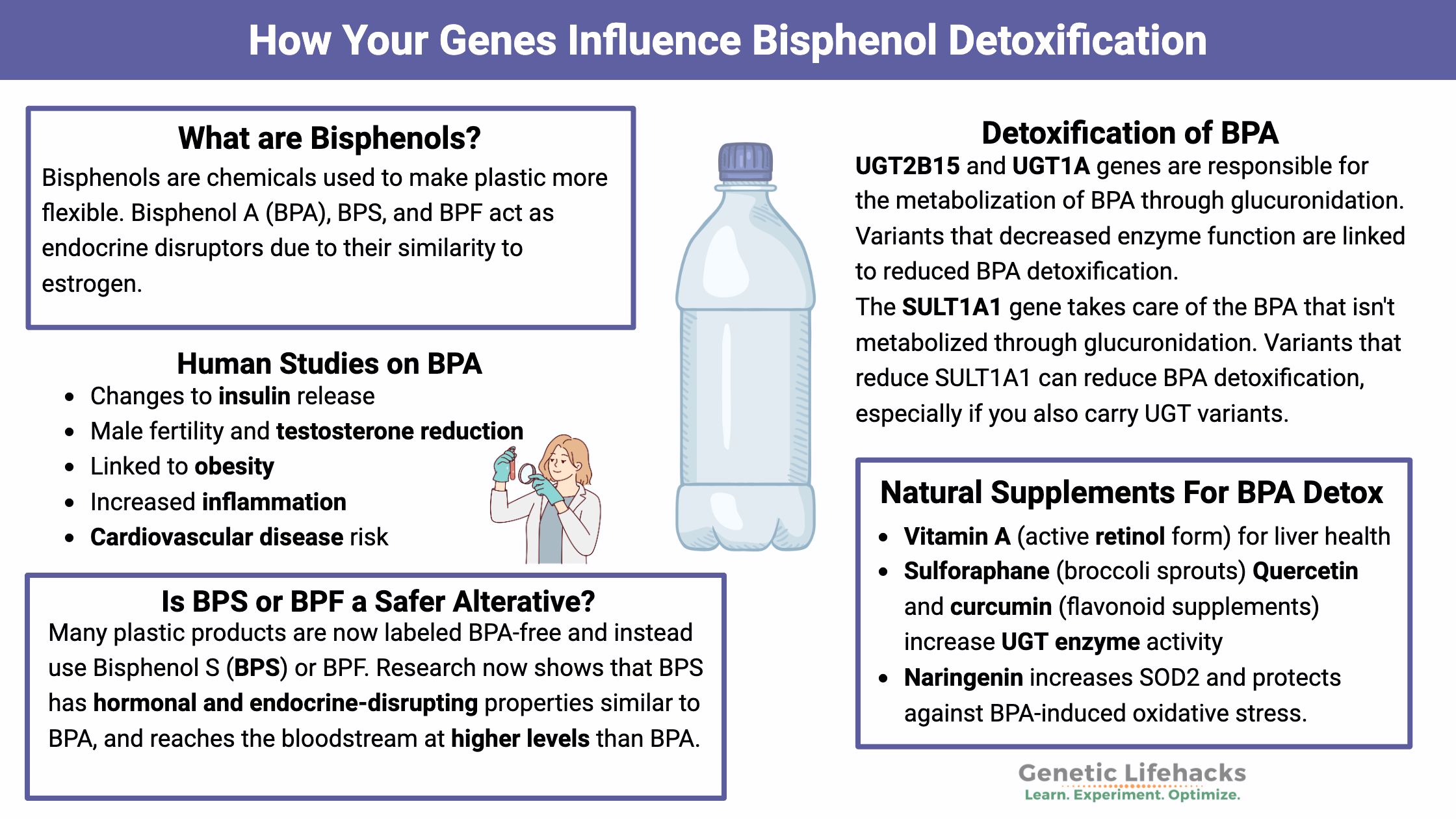
BPA and BPS: How Your Genes Influence Bisphenol Detoxification
BPA, a chemical found in some plastics, has been linked to a variety of health issues in people. Learn more about BPA and the research into genetic responses to this chemical.

BPA, a chemical found in some plastics, has been linked to a variety of health issues in people. Learn more about BPA and the research into genetic responses to this chemical.
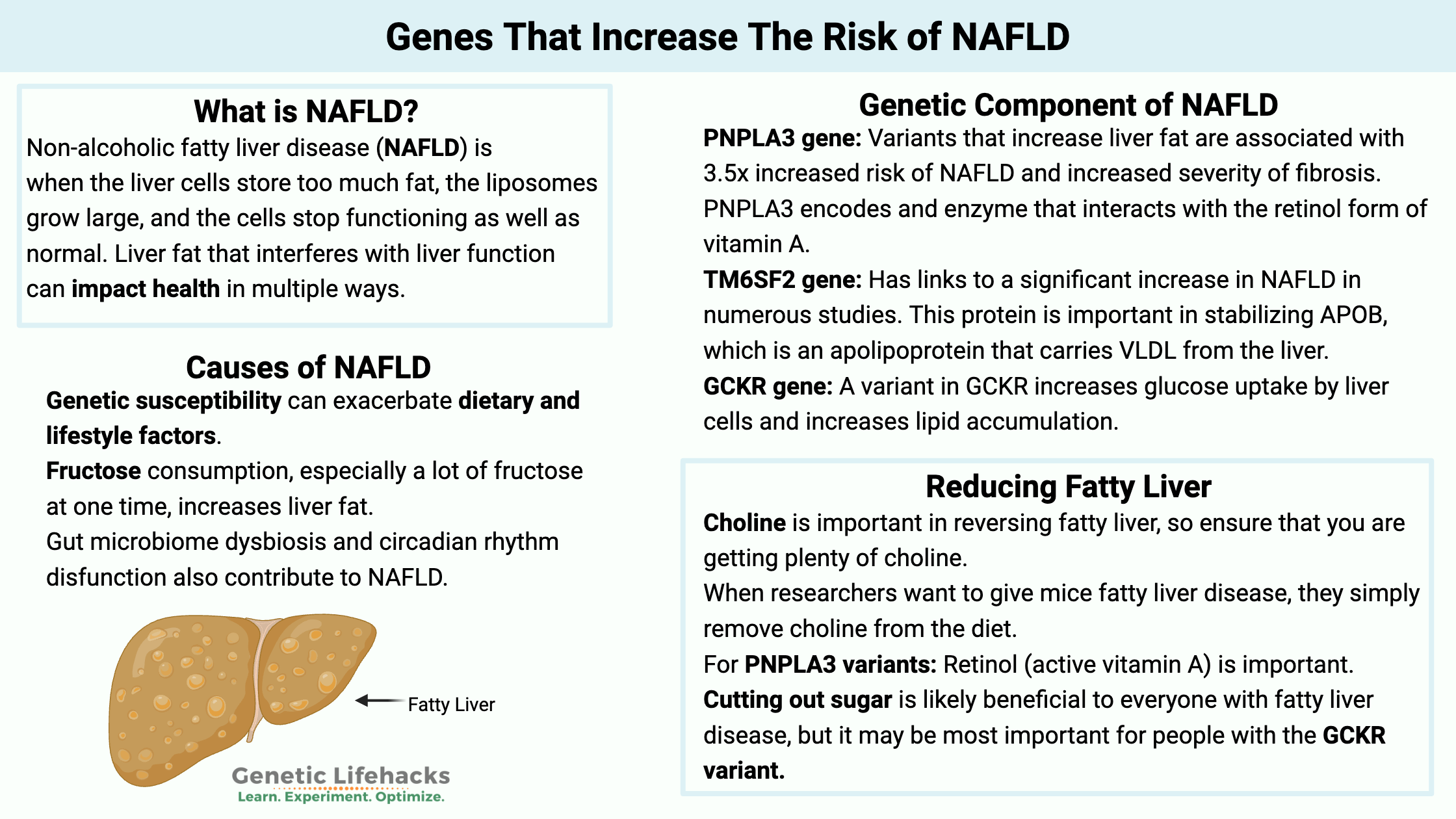
Non-alcoholic fatty liver disease (NAFLD) can be caused by genetic susceptibility, diet, and lifestyle factors. The good news is that fatty liver disease is reversible.
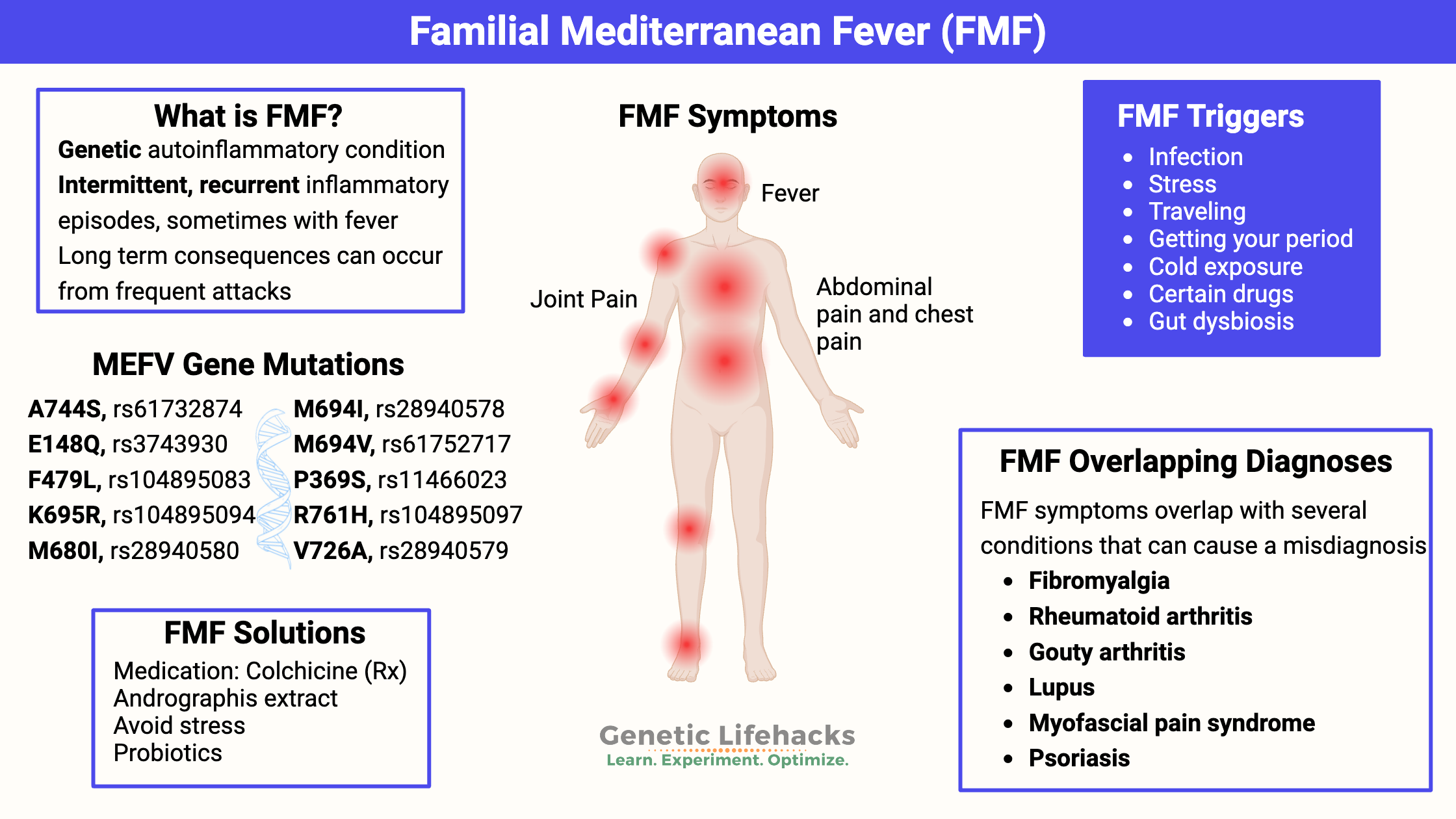
Explore how MEFV mutations drive autoinflammatory flares, the overlap of FMF with fibromyalgia, gout, lupus, and MCAS, and evidence-based options from colchicine to natural anti-inflammatory strategies.
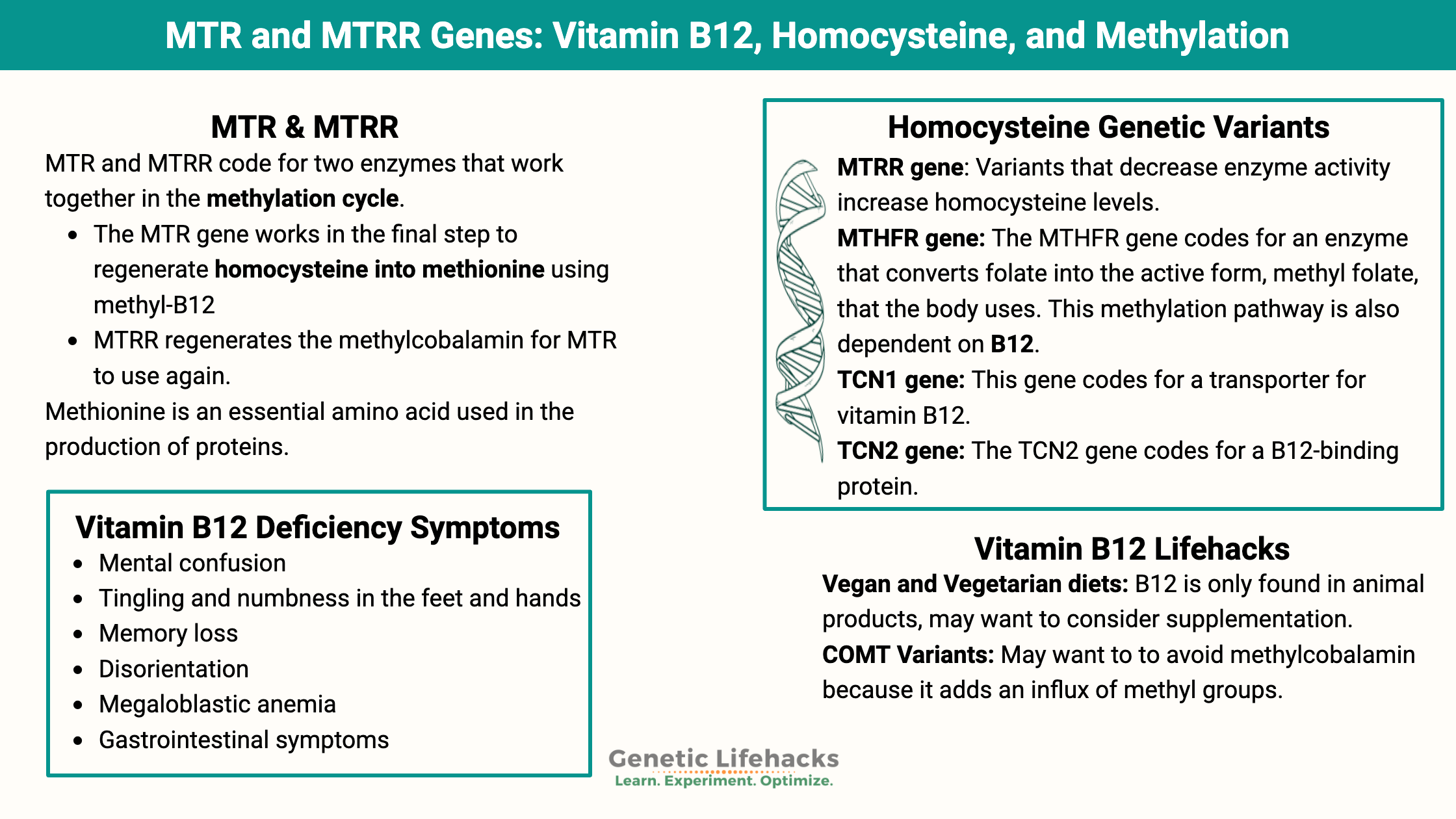
There are several genes that can influence your absorption, transport, and need for vitamin B12. Some people need higher amounts of B12, and some people thrive on different forms of B12. Take a look at your genetic data to see if you should up your intake of B12.
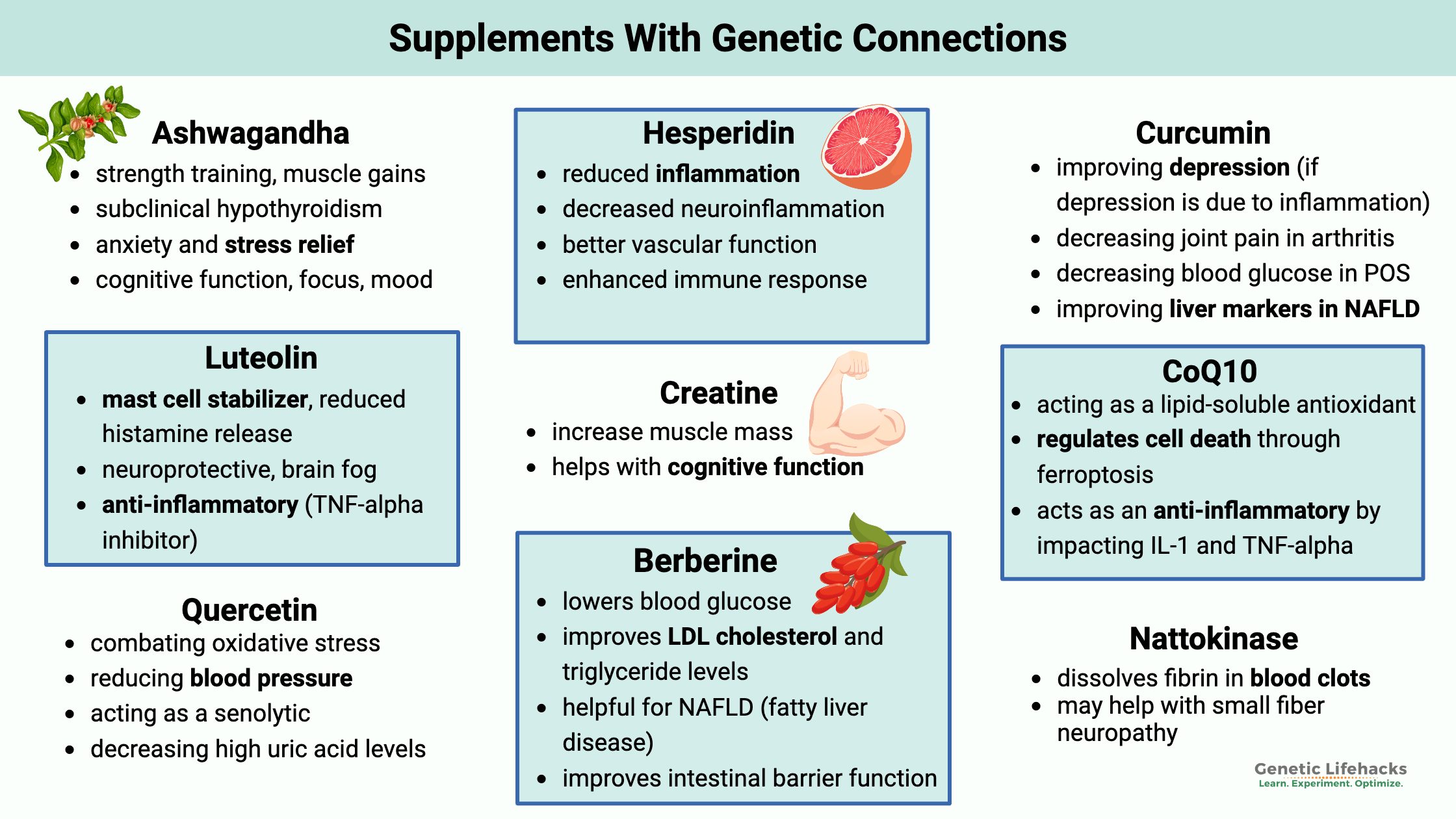
Linking supplements and genetic SNPs so that you can more easily find out what may work for you – and what to be cautious about.
Genetic Terms Cell Biology Terms Types of Genetic Tests Types of Genetic Files Genetic Terms Glossary Allele A variant form of a gene. Alleles can be dominant or recessive, and they determine specific traits in an organism. Autosome Any chromosome that is not a sex chromosome (X or Y). Humans … Read more
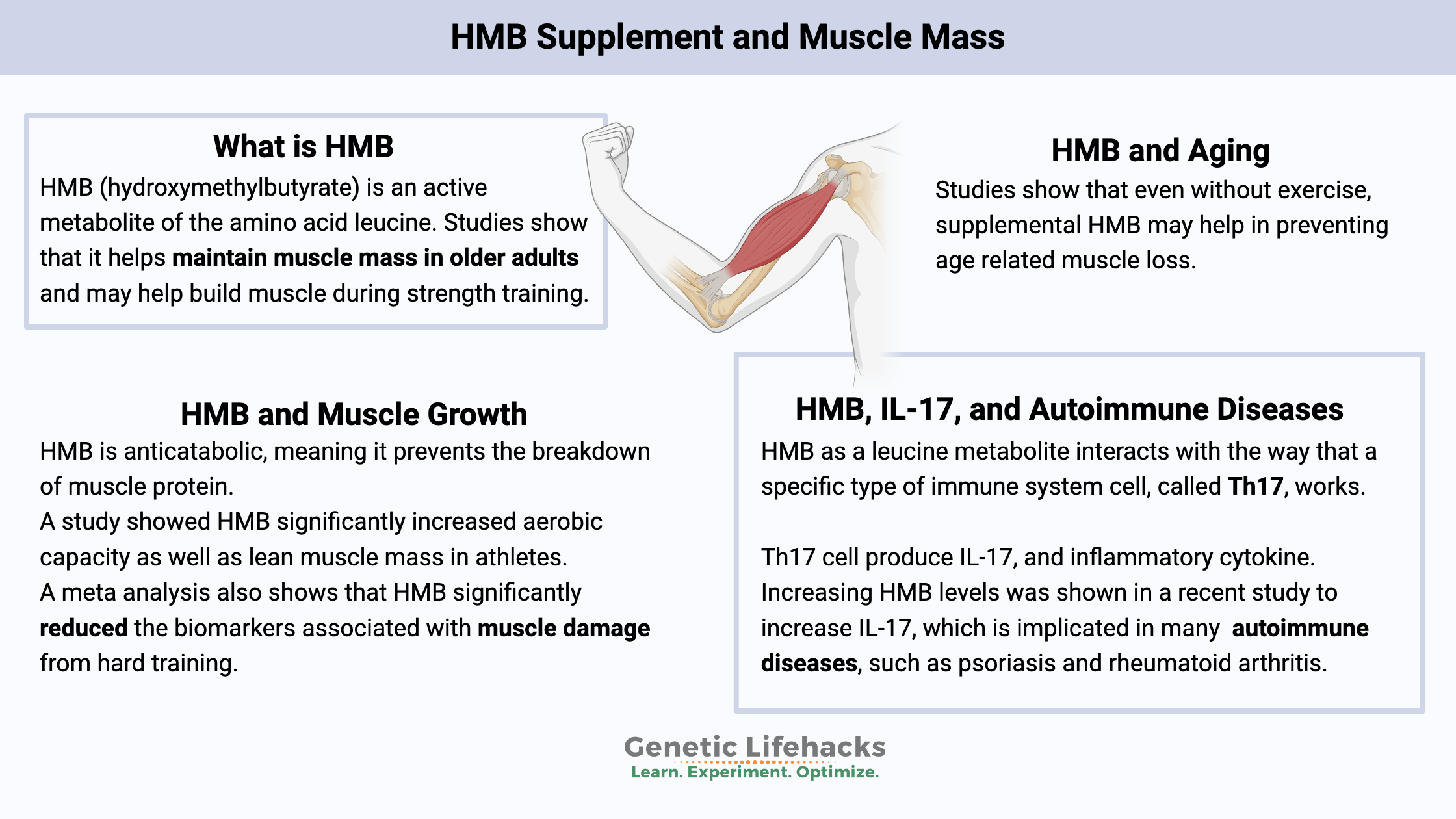
HMB – hydroxymethylbutyrate – is a supplement that helps to prevent muscle loss in aging and may help with building muscle when working out.
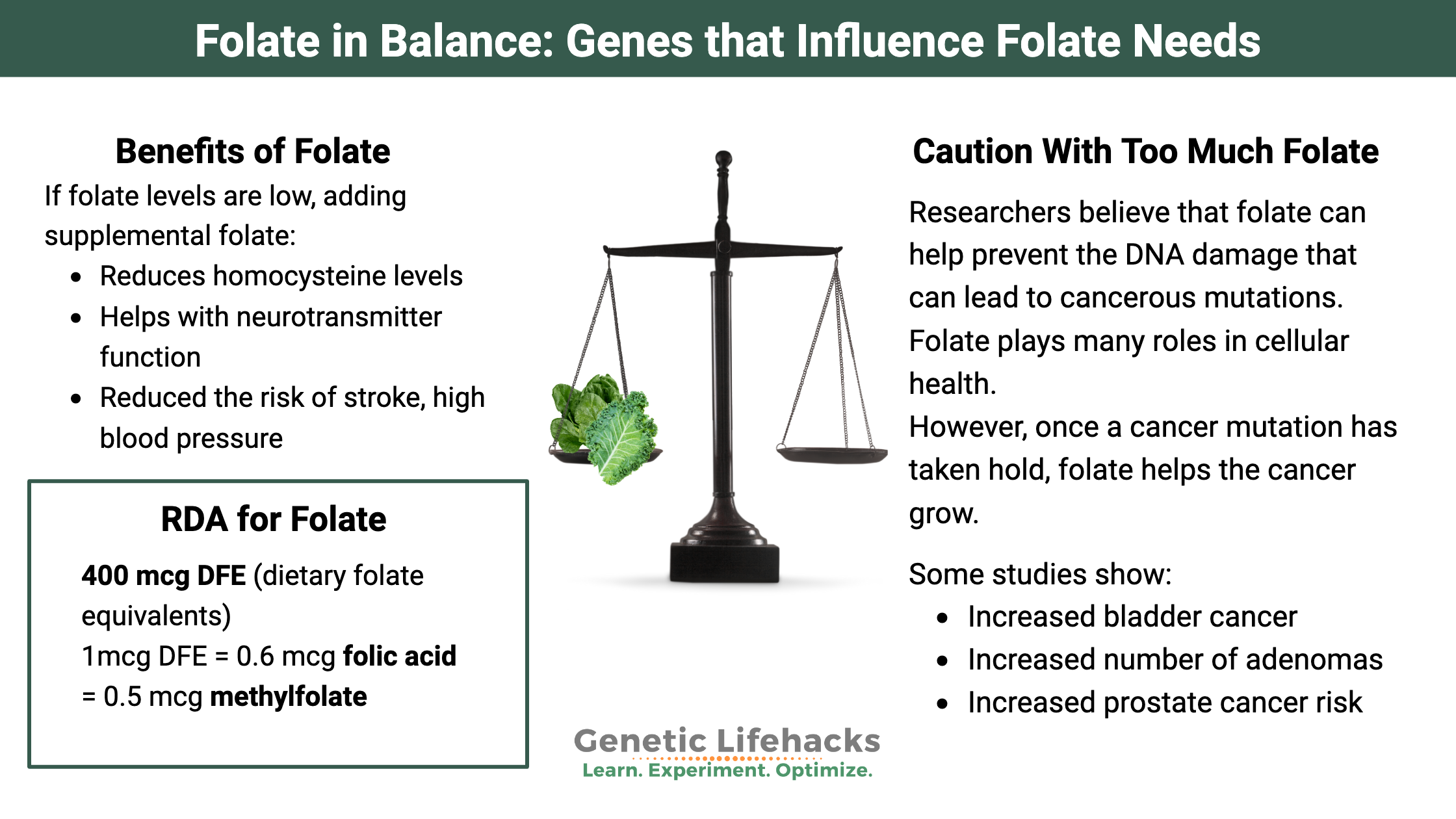
Folate is an essential vitamin with many benefits from getting an adequate amount. However, excess folate from high dose supplements may have potentially detrimental effects.
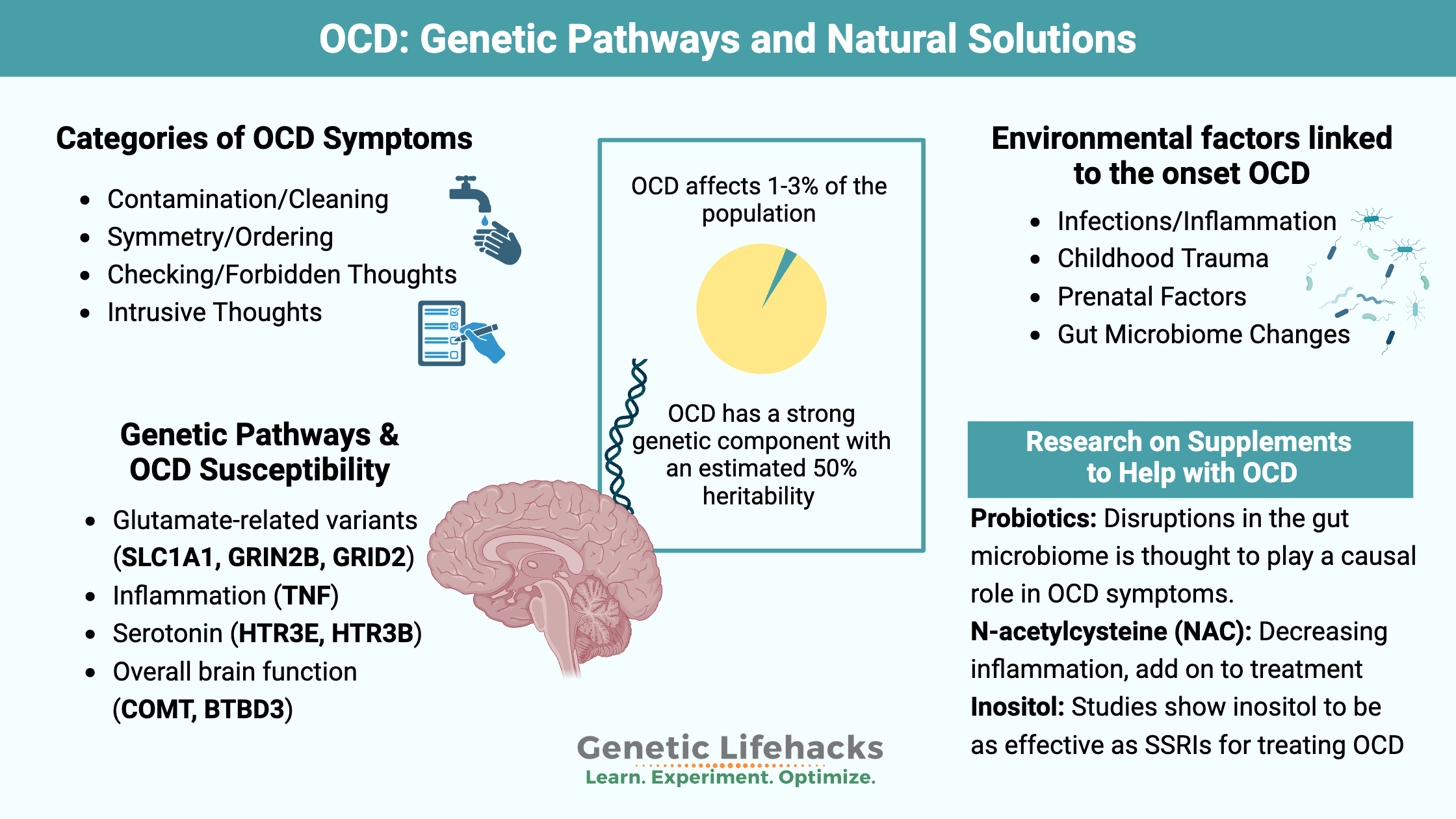
Genetic variants play a role in susceptibility to obsessive-compulsive disorder. Understanding your genes may help you understand OCD better and help you to target the right treatment.
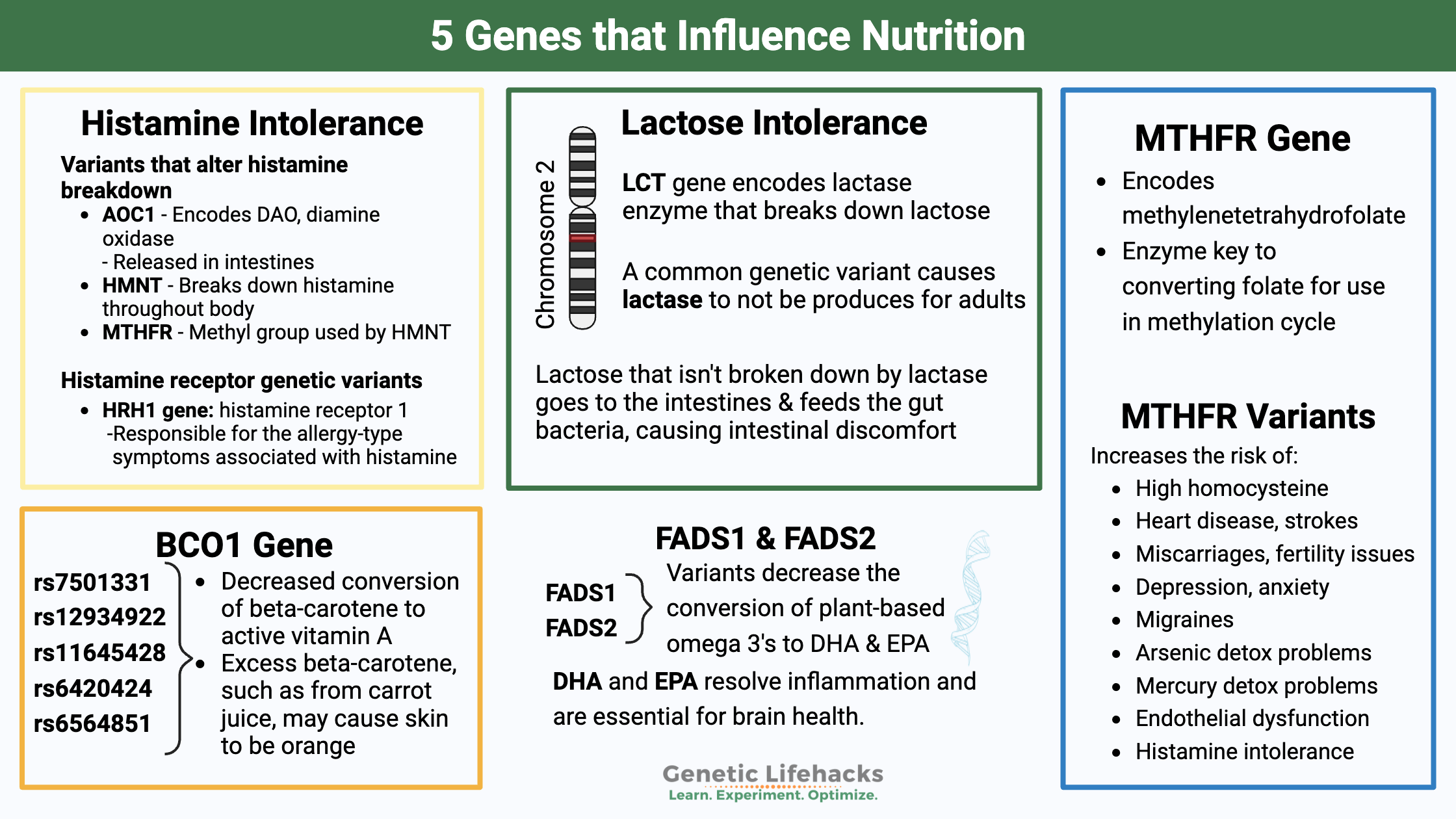
BookmarkTired of guessing which vitamins and nutrients you need more of? Use your genetic raw data from 23andMe or AncestryDNA to find out! Here are five examples of how you can use your genetic data to understand how your genes can influence your need for specific nutrients. This is a … Read more

One of the more common questions that I get is: What’s the best DNA testing option? Here are multiple options with the pros and cons listed so that you can choose what is right for your situation and location. Genetic Lifehacks has no affiliation with any of these companies. Please … Read more
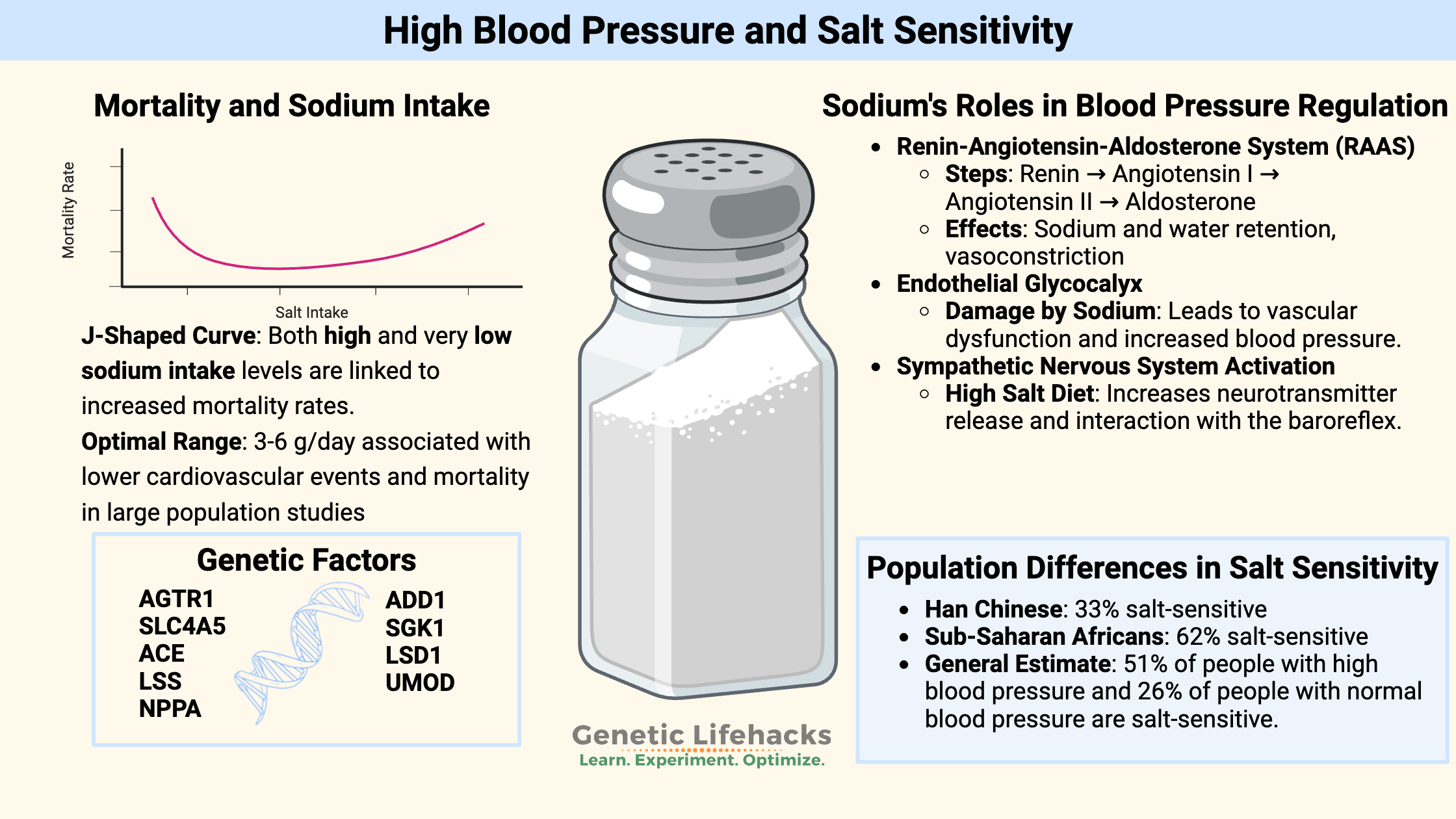
Genetic variants significantly influence individual salt sensitivity, with certain genotypes making people more prone to high blood pressure in response to high salt intake
You’re invited… …to steal my stuff! Genetic Lifehacks PRO members are free to reuse my article images (graphical overviews) on your social media sites. All I ask is that you give credit back to Genetic Lifehacks – a link, tag, note of where you … Read more
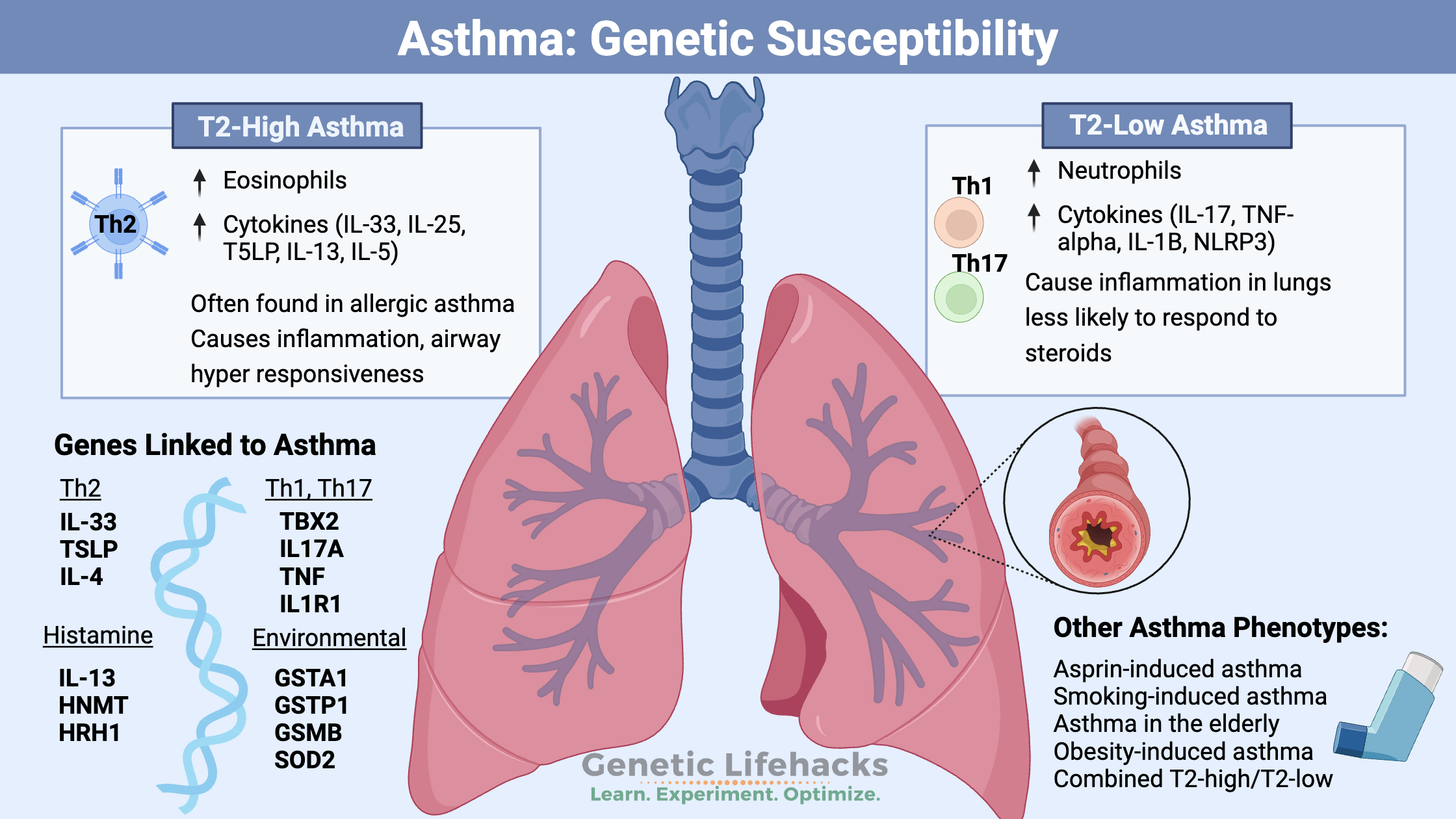
Genes and environmental factors combine to cause asthma. Learn how your genes impact the pathways involved in the different types of asthma.
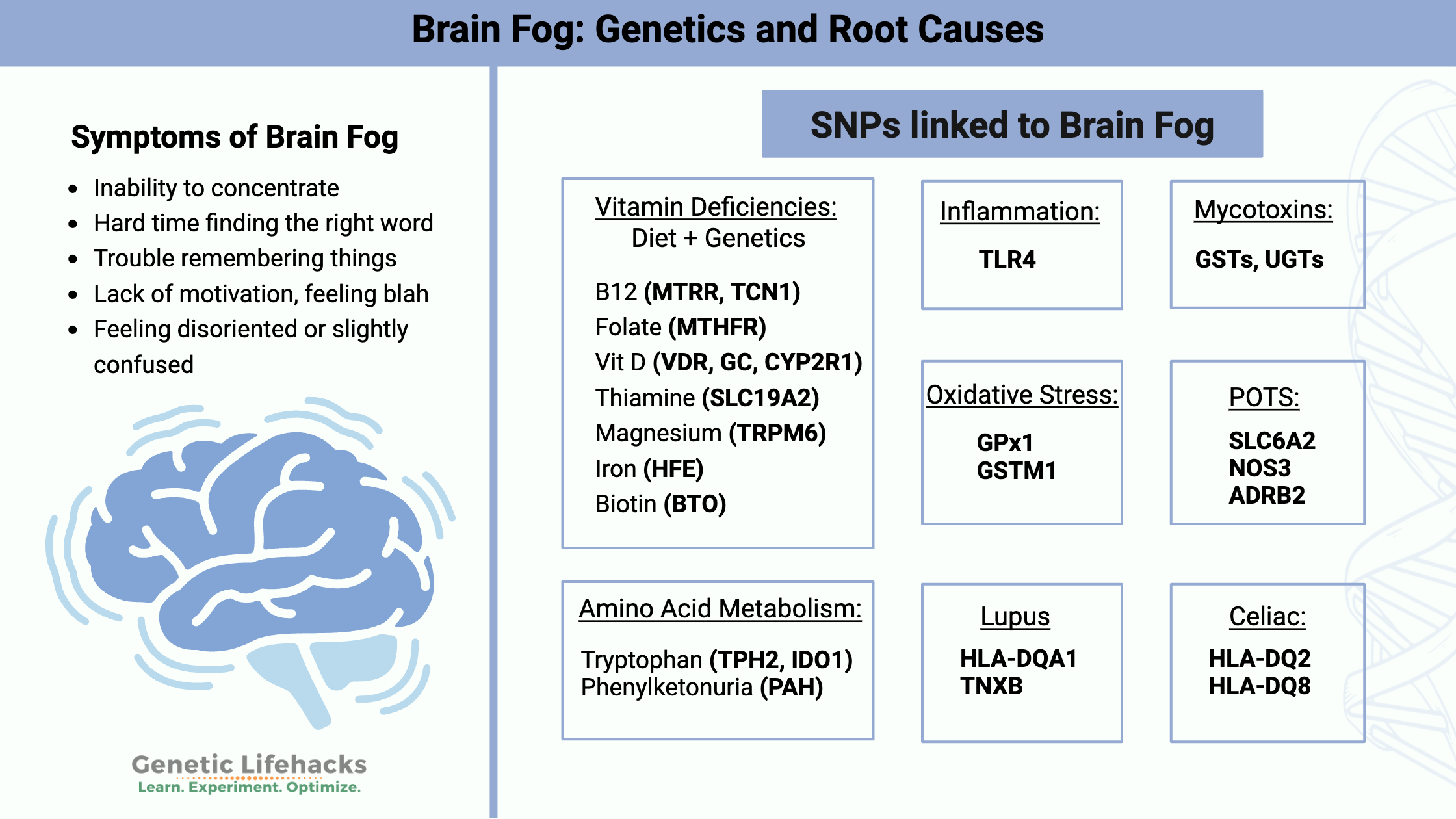
Brain fog has many roots: nutrient deficiencies, hypoxia, inflammation, viral infections, microclots, histamine, amino acid metabolism, and genetics — plus targeted strategies to restore clear thinking.
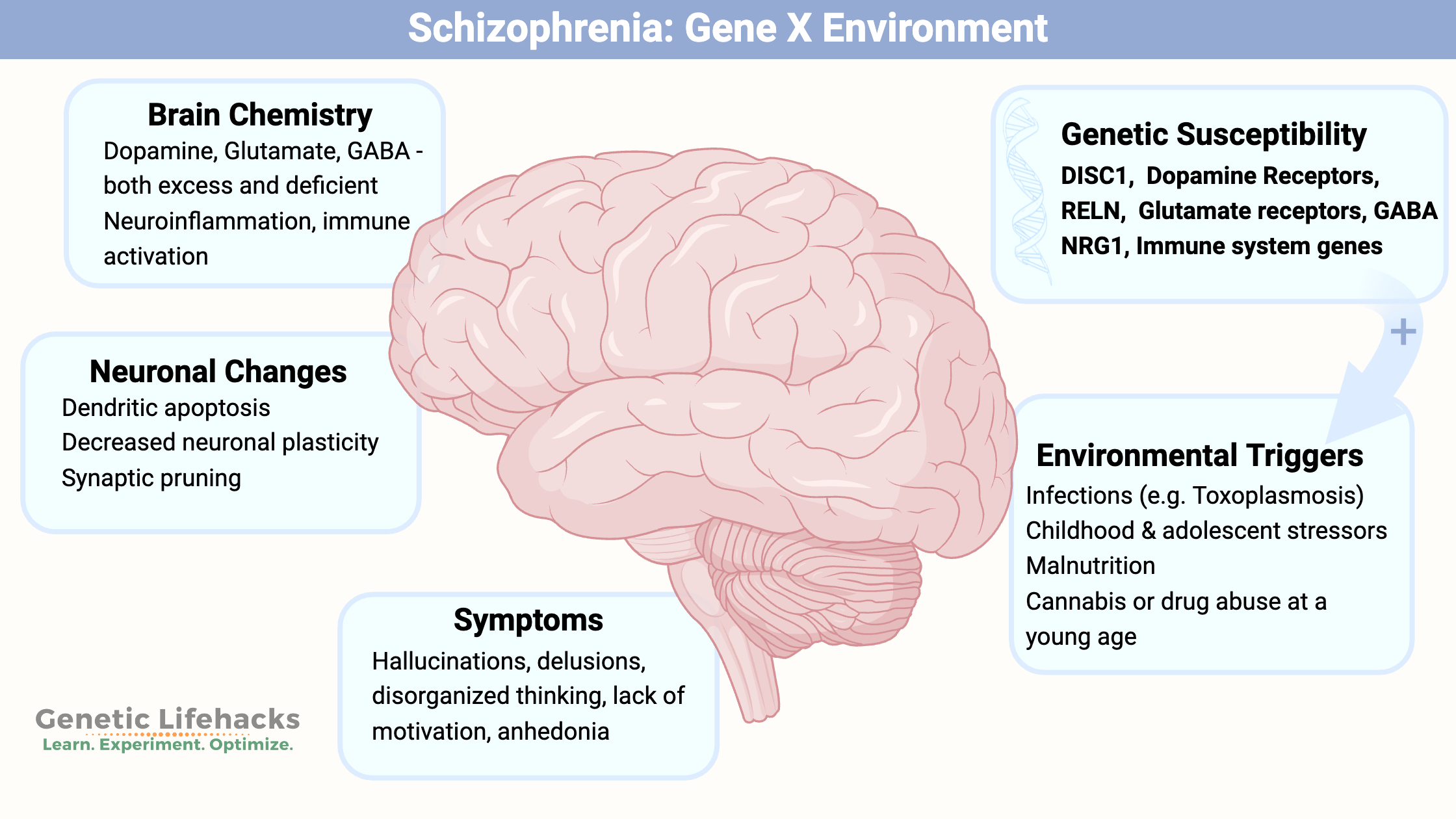
Schizophrenia is a complex disease caused by a combination of genetic susceptibility along with environmental factors. Research points to multiple pathways involved in schizophrenia and schizoaffective disorder.
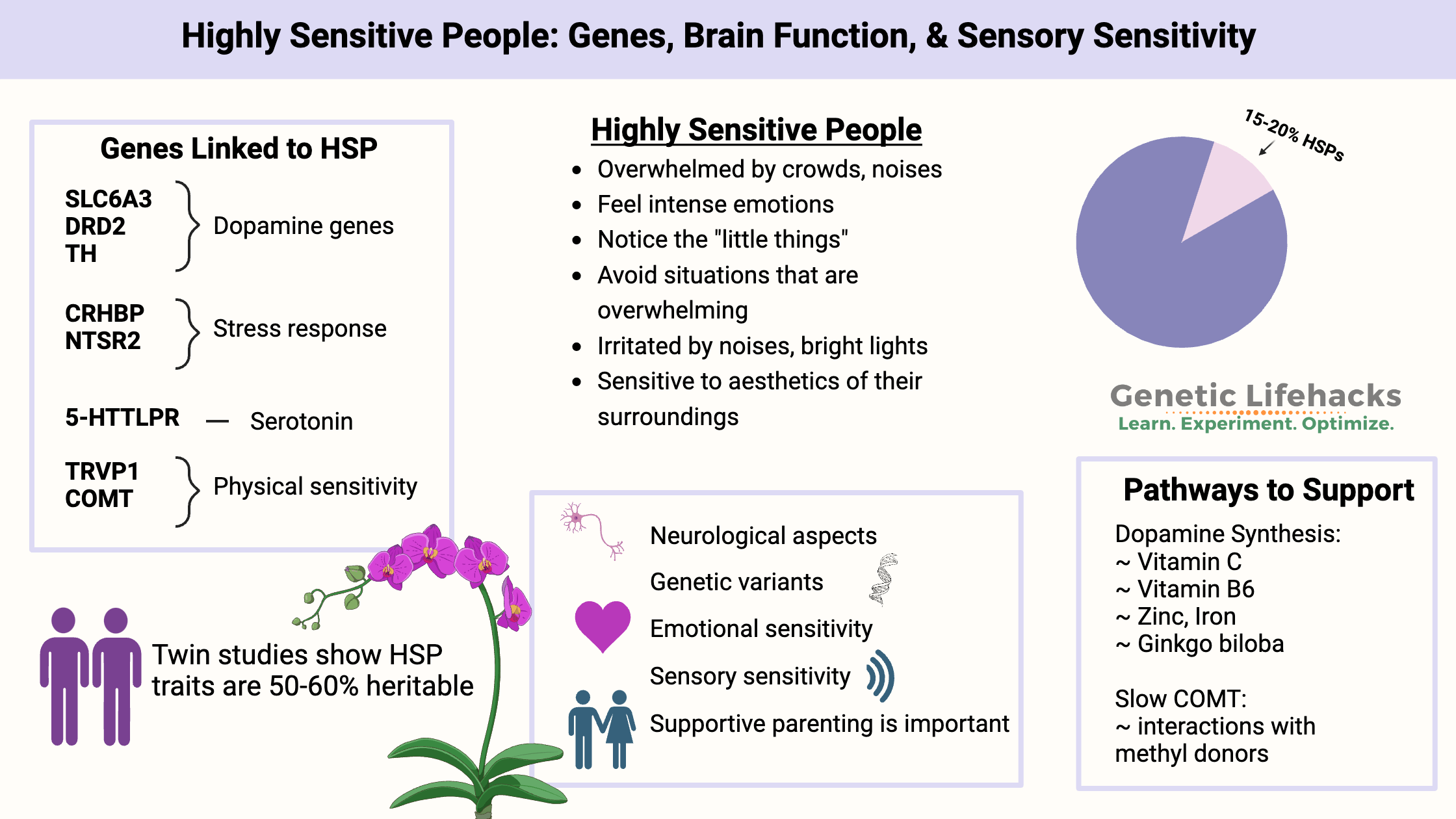
Genetic variants are linked to being a Highly Sensitive Person – feeling more deeply and more sensitive to environmental stimuli.
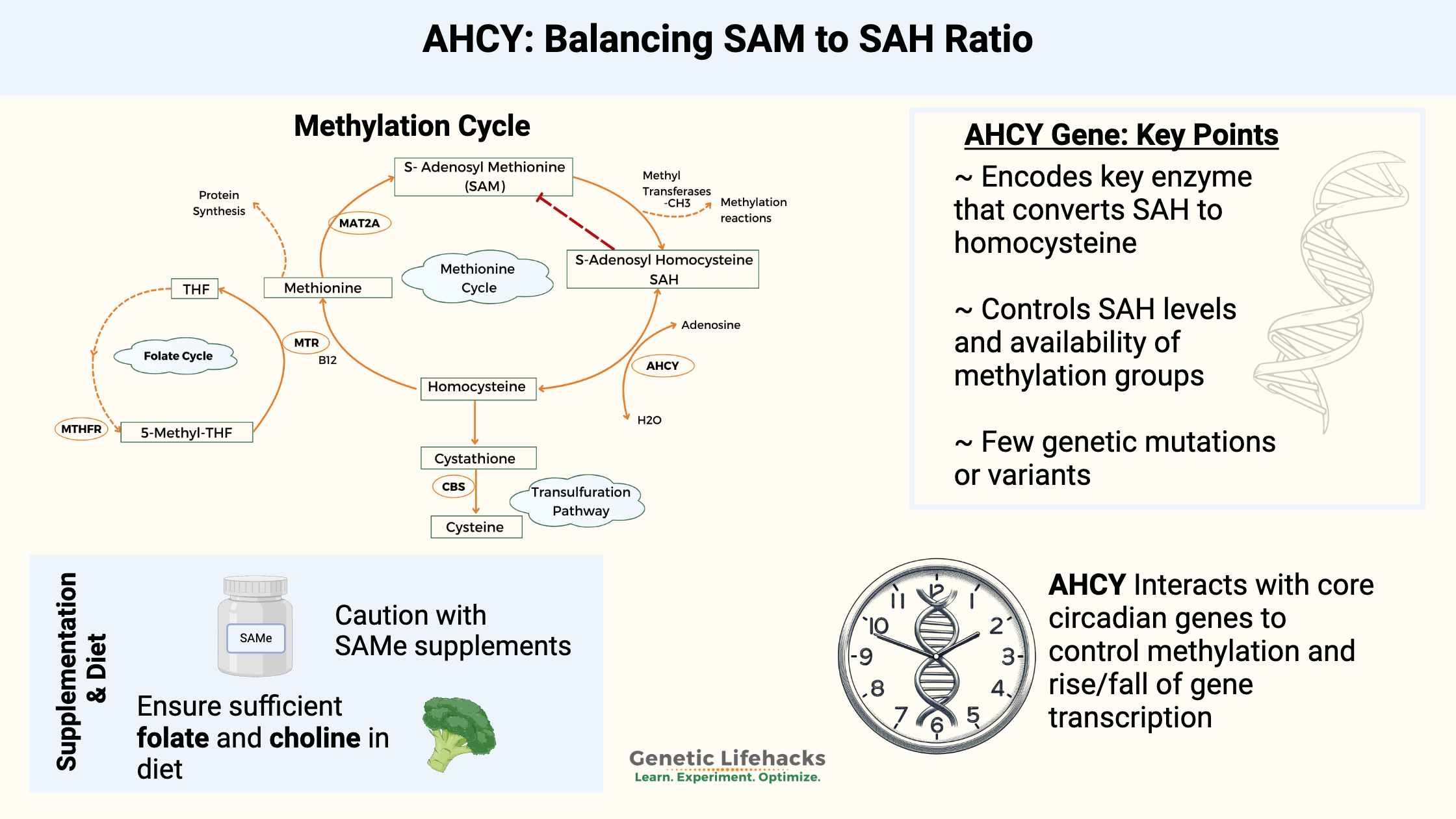
AHCY is a key gene in the conversion of SAH to homocysteine and in the regulation of the SAM/SAH ratio. It also plays an important role in the circadian regulation of gene expression.
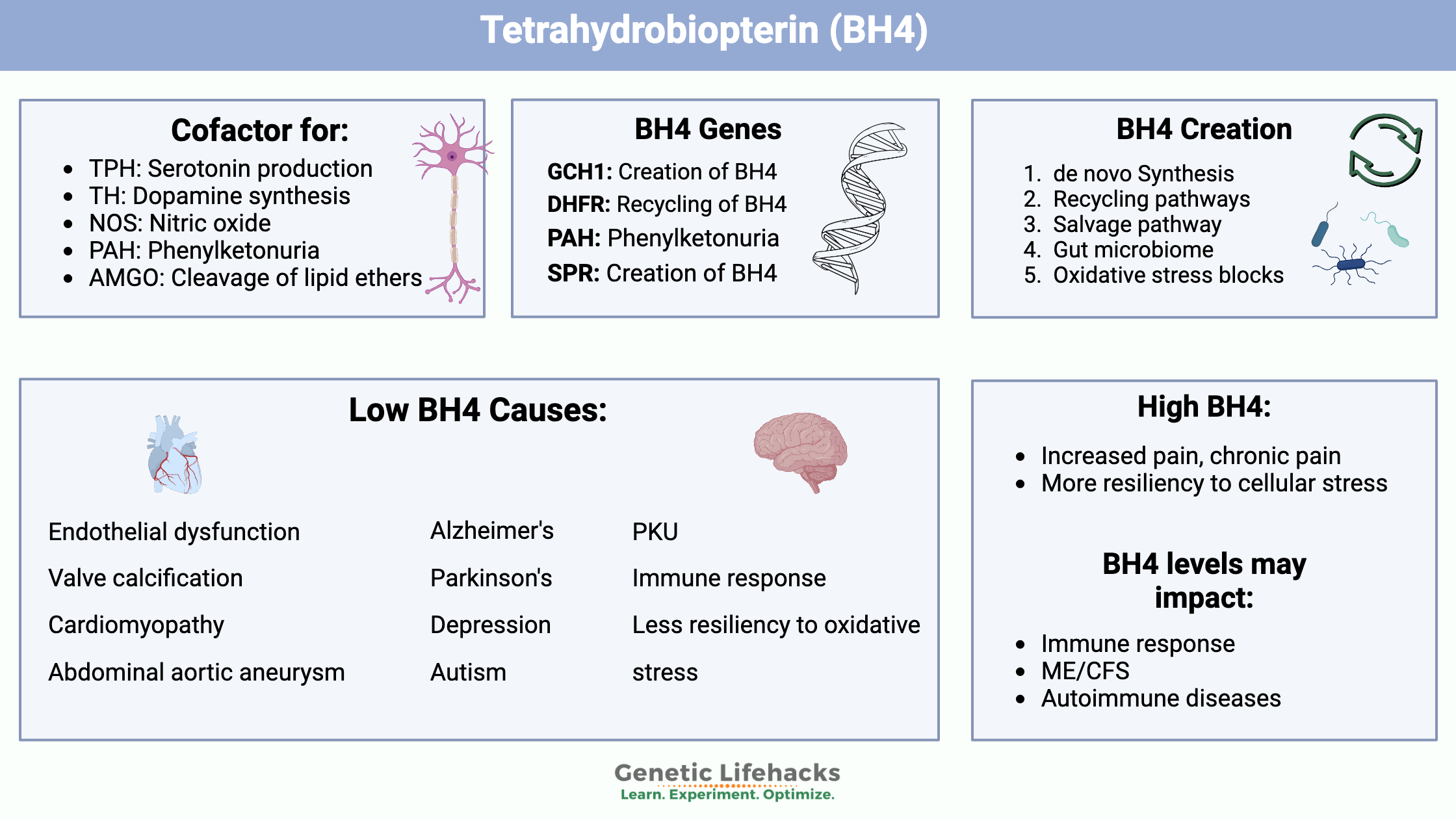
Tetrahydrobiopterin (BH4) is an essential cofactor in the production of neurotransmitters and nitric oxide. Genetic variants impact BH4 levels which can affect heart disease, cognitive function, and immune response.
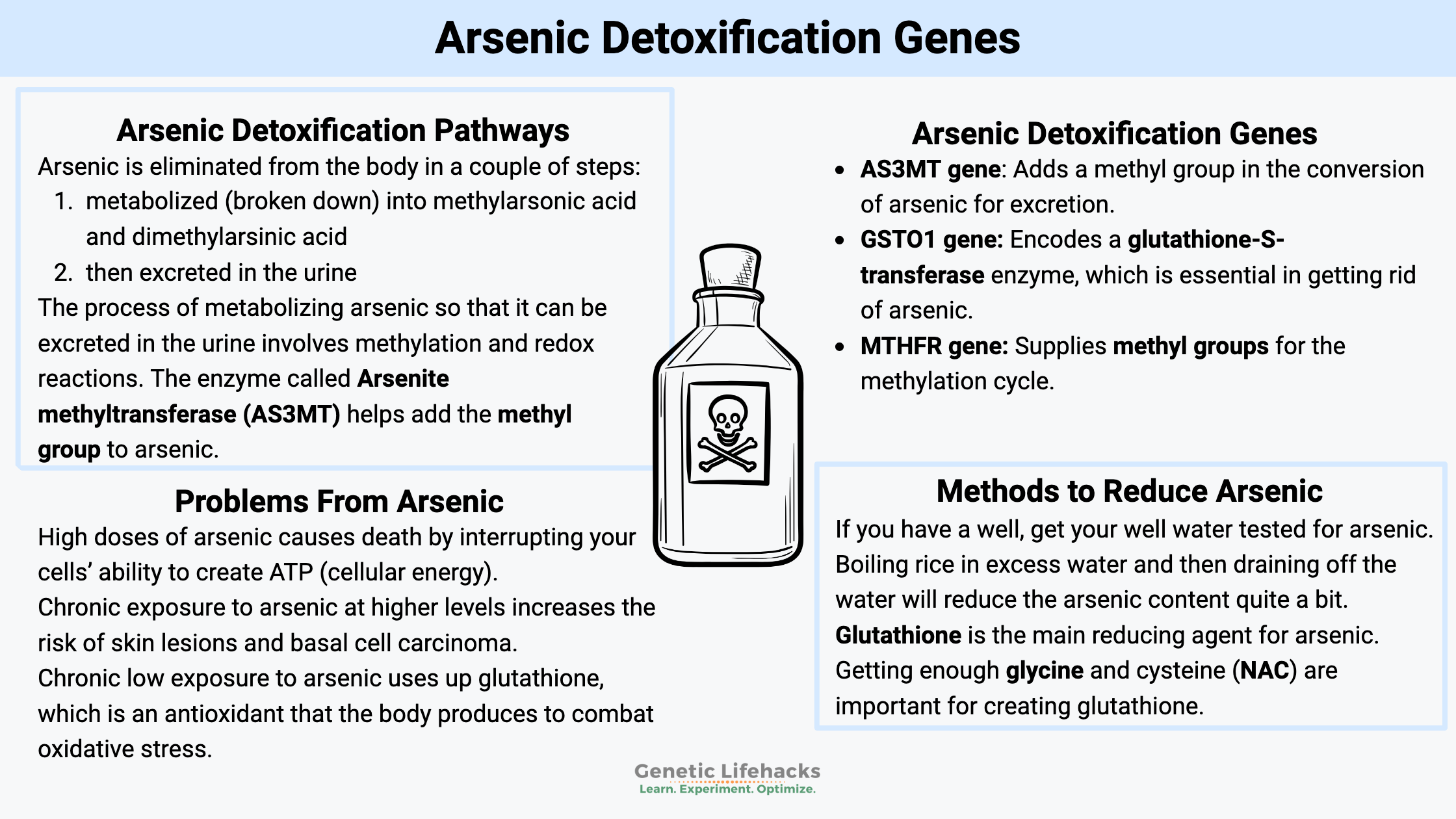
Explore arsenic metabolism genes, including AS3MT, GSTO1, and MTHFR, plus practical ways to reduce arsenic exposure from water and food.
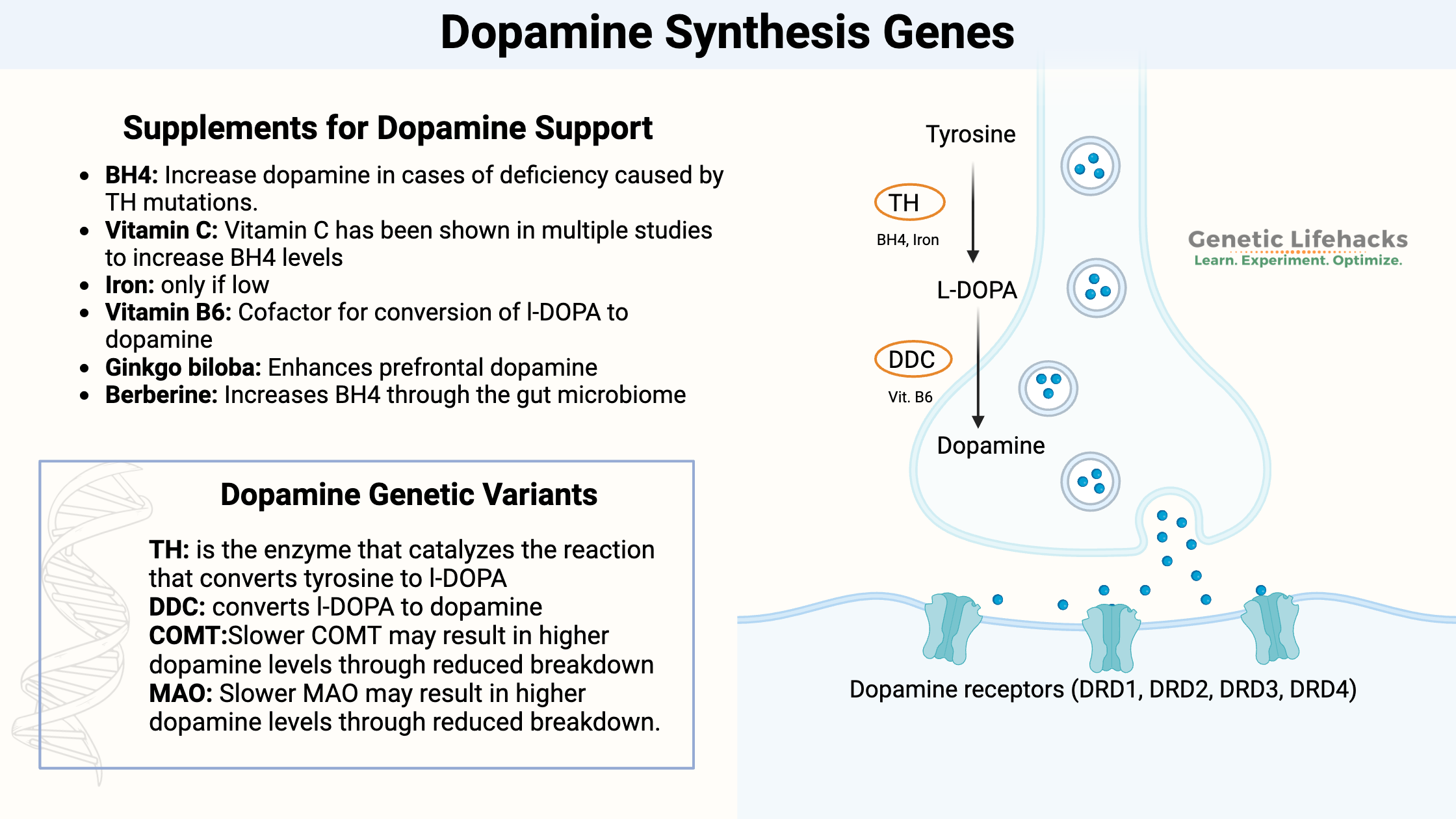
Genetic variants in dopamine synthesis and breakdown genes interact with circadian rhythm, gut microbes, nutrients, and toxins, shaping risks for procrastination, psychosis, hypertension, Parkinson’s, and addiction.
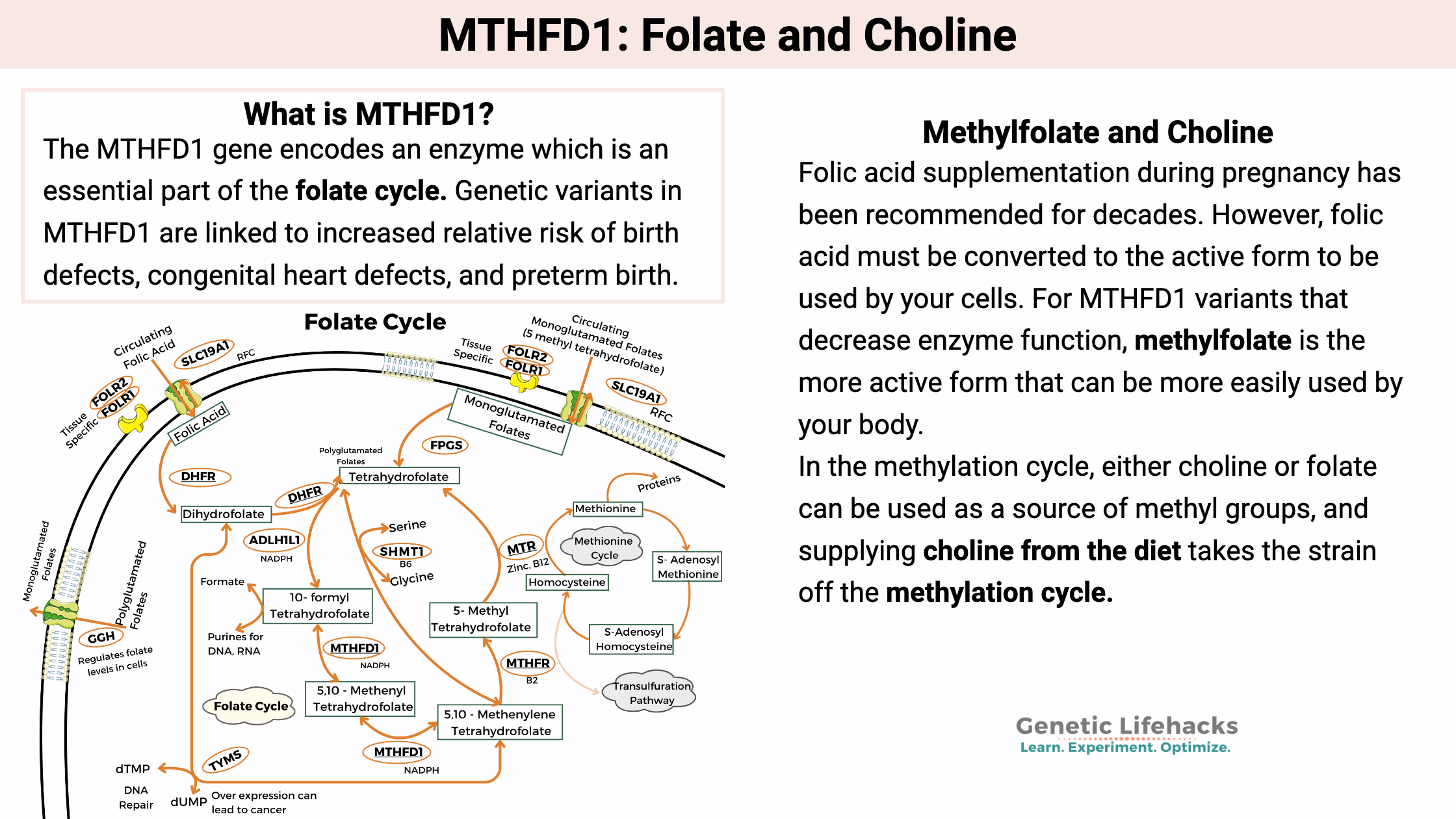
The MTHFD1 gene encodes an enzyme in the folate cycle. Genetic variants here can indicate a greater need for choline or folate in the diet.
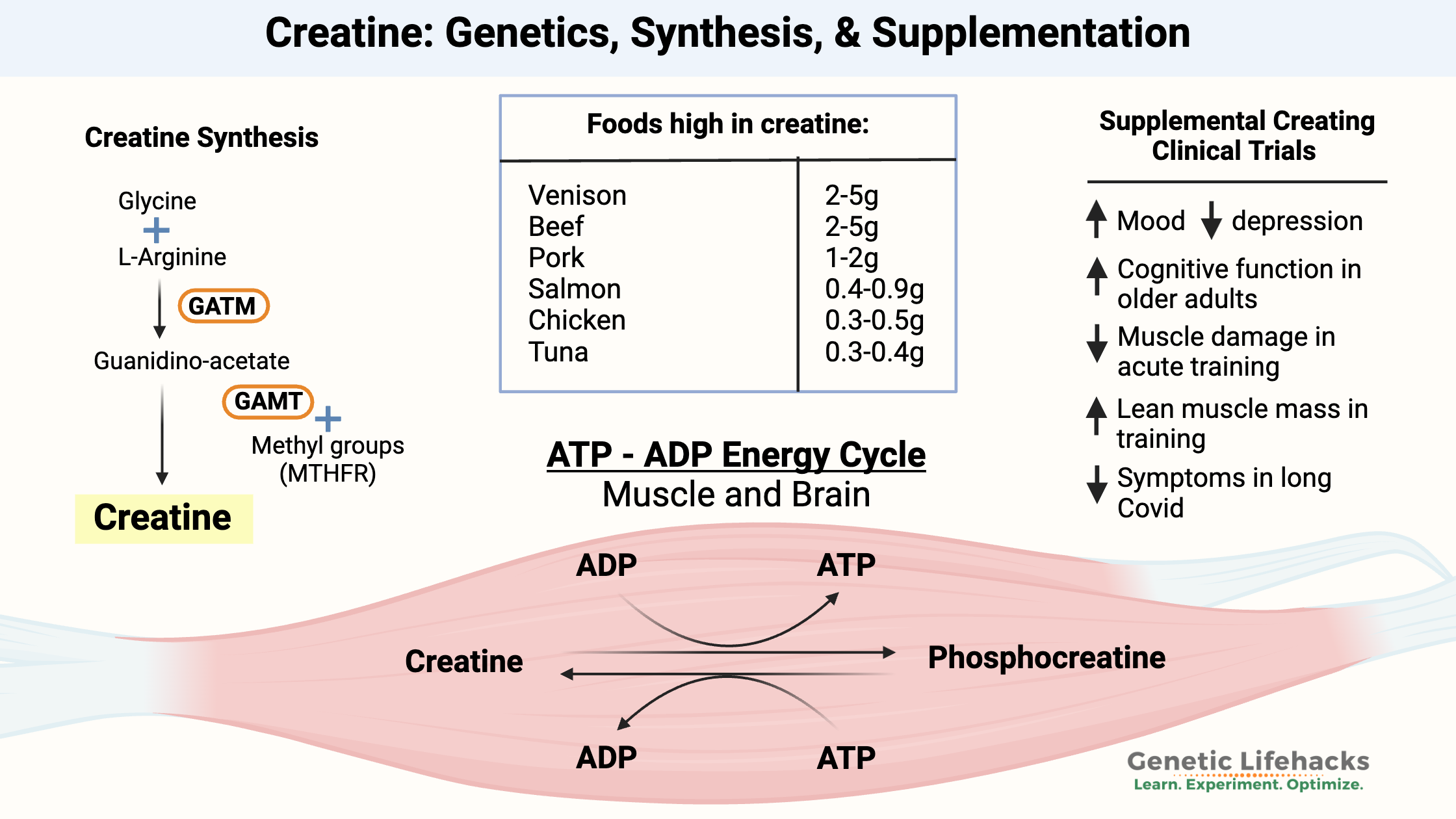
Creatine is an amino acid used in muscle tissue and the brain for energy in times of stress. Genes play a role in creatine synthesis. Find out what the research shows about creatine supplements for muscle mass and cognitive function.
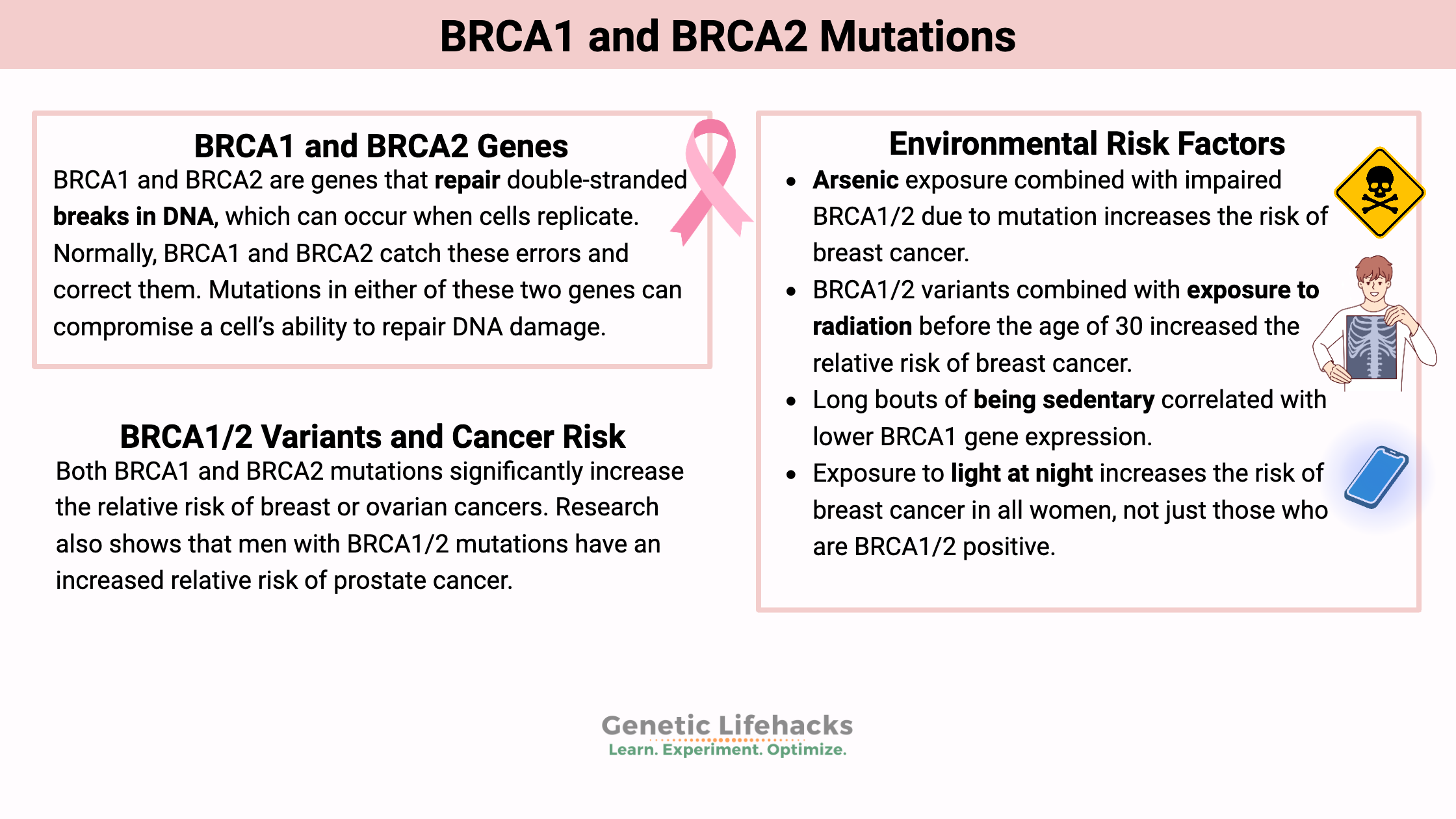
Women with BRCA1/2 mutations may face additional risk from certain environmental toxins or other genetic variants.
Feel free to use any of the following social media assets to promote your genetic expertise on Instagram, FaceBook, or other platforms! Simply right click the image and choose “Save As”. Use these to help educate your followers about how genes impact diet, health, and wellness. Let me know if … Read more