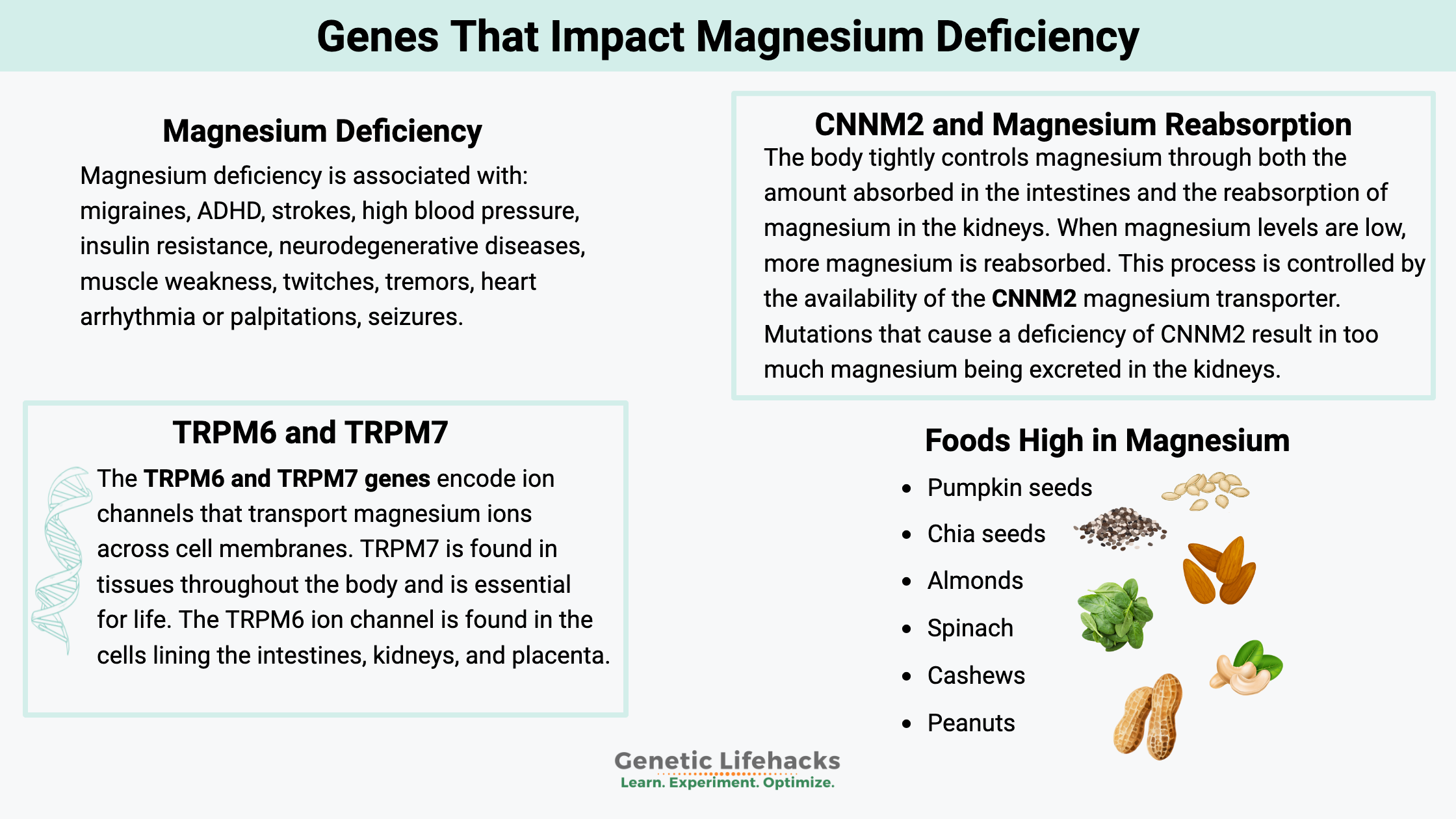
Magnesium Deficiency? Genes that Impact Magnesium Levels
Genes like TRPM6, TRPM7, and CNNM2 affect how well your body absorbs and retains magnesium. See your genotype report for Mg deficiency and types of supplements.

Genes like TRPM6, TRPM7, and CNNM2 affect how well your body absorbs and retains magnesium. See your genotype report for Mg deficiency and types of supplements.
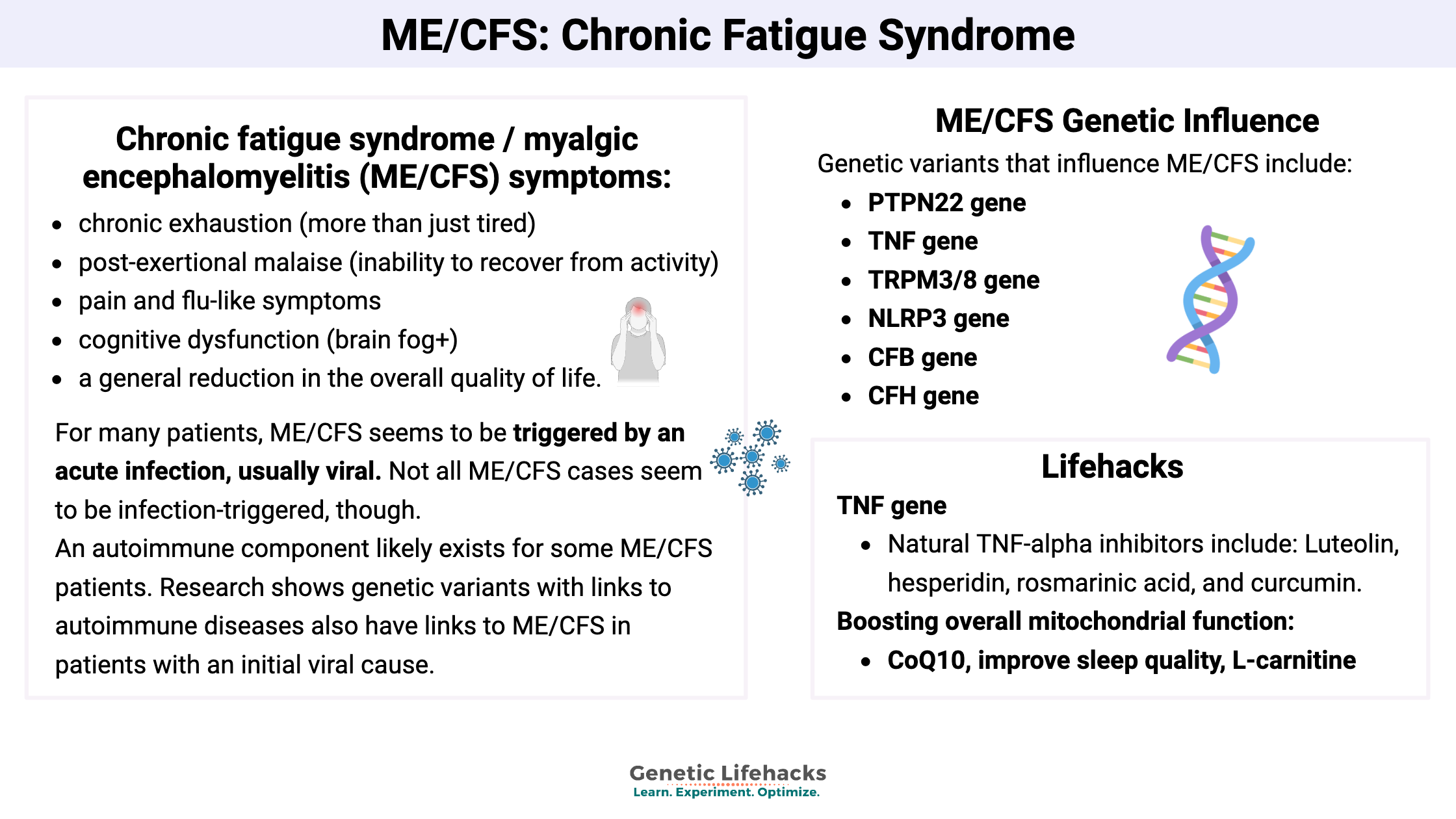
Genetic variants in immune, mitochondrial, and inflammatory pathways (NK cells, NLRP3, interferon, complement, TRP channels) increase ME/CFS susceptibility. Check your genes and explore research-backed solutions.
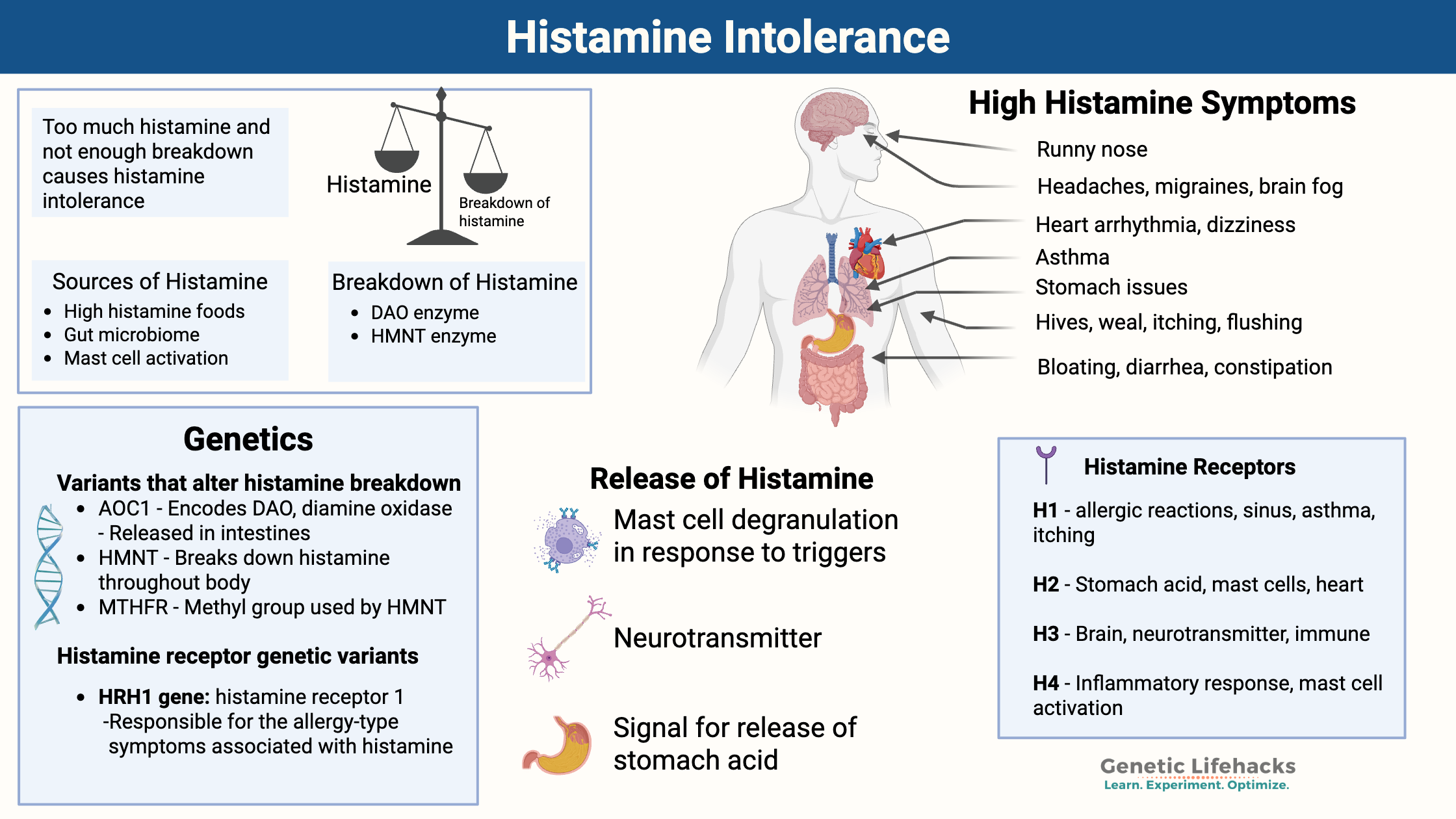
Genetic variants in DAO and HNMT genes affect histamine breakdown. Check your AOC1, HNMT, and HDC genotype. Low-histamine diet, DAO supplements, and more.
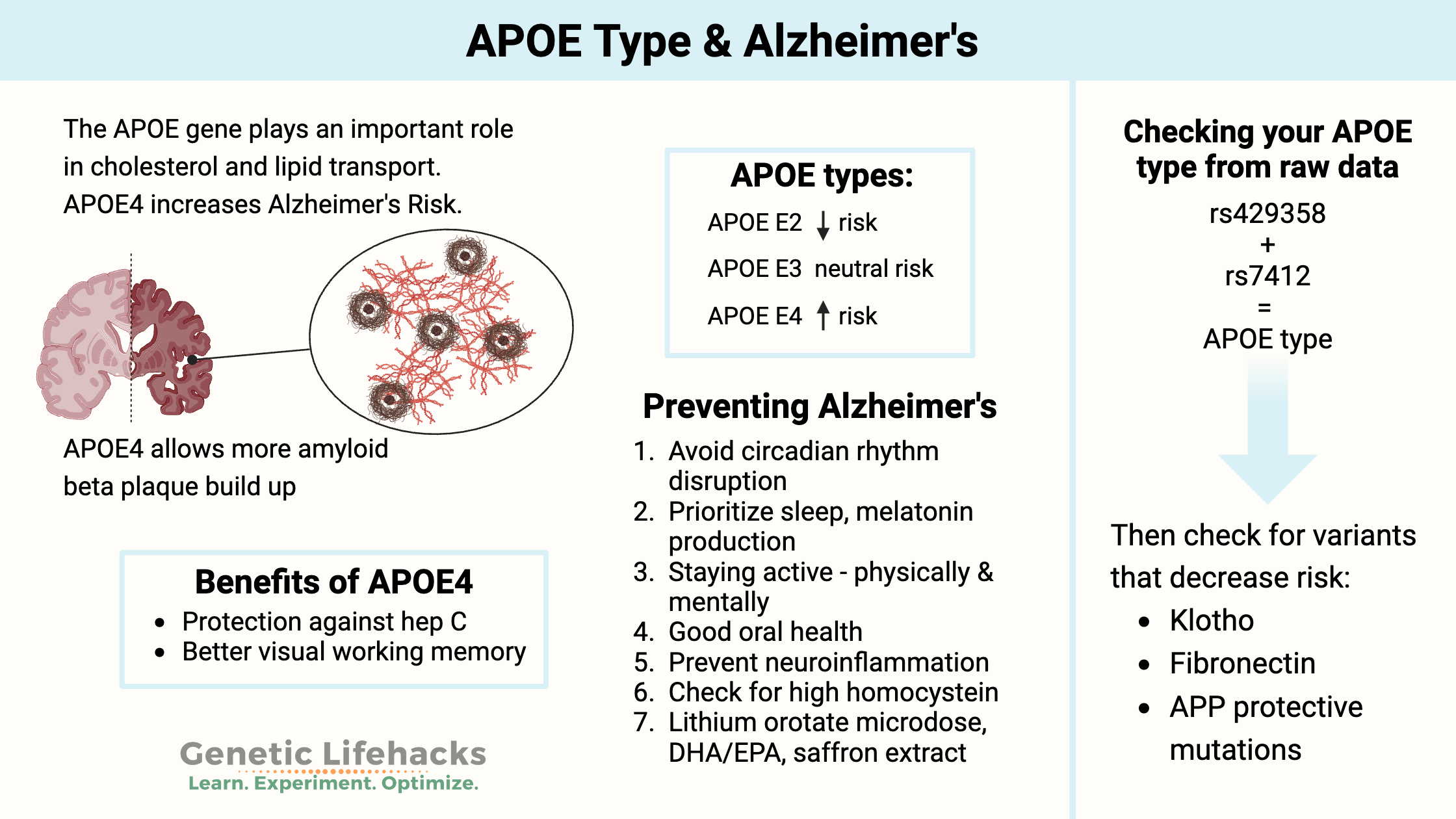
Find out your APOE type, understand your Alzheimer’s risk by genotype, sex, and ancestry, and learn about real prevention strategies.
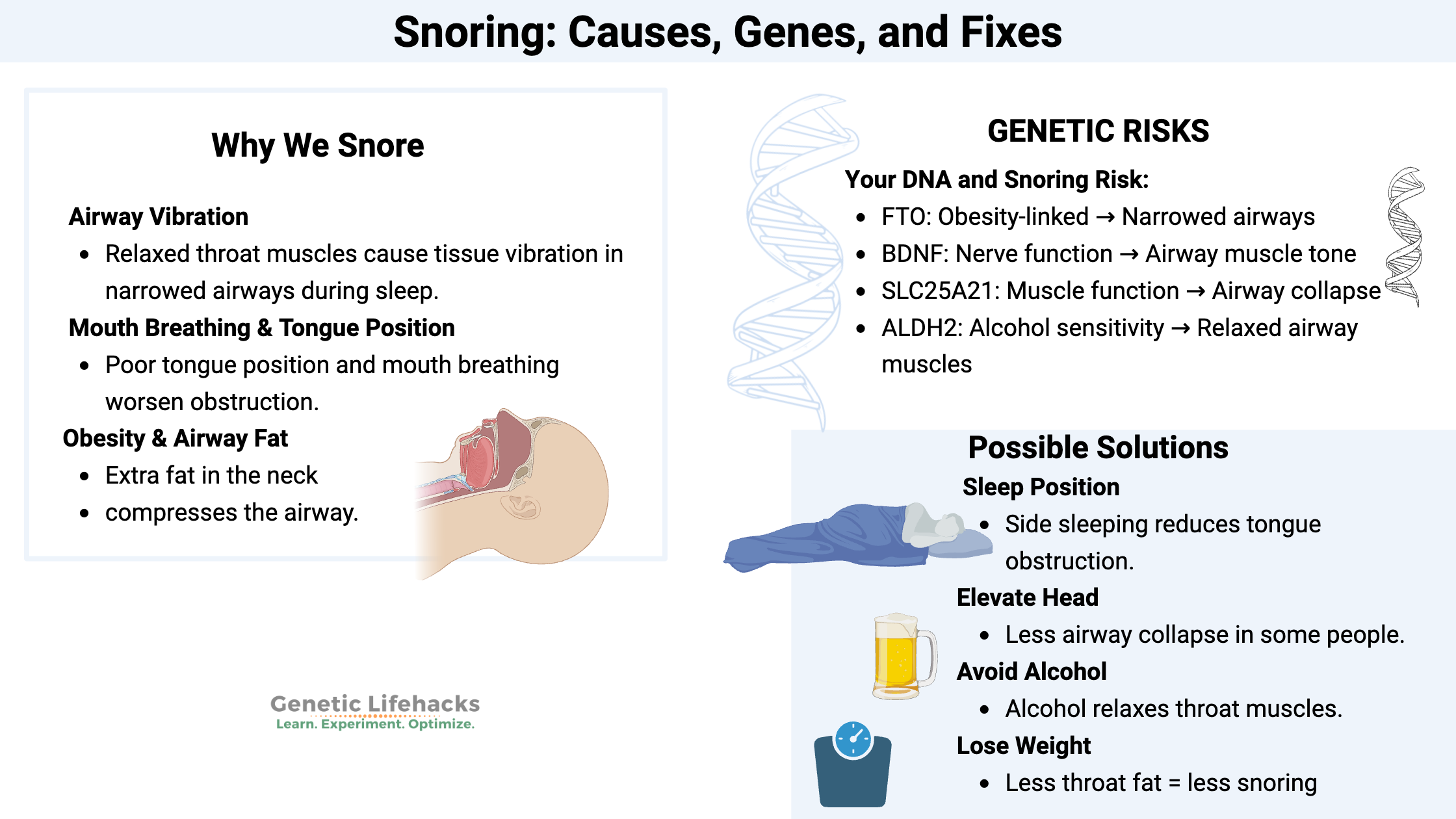
Genetics plays a role in snoring —certain genes affect airway structure, fat distribution, and muscle control.
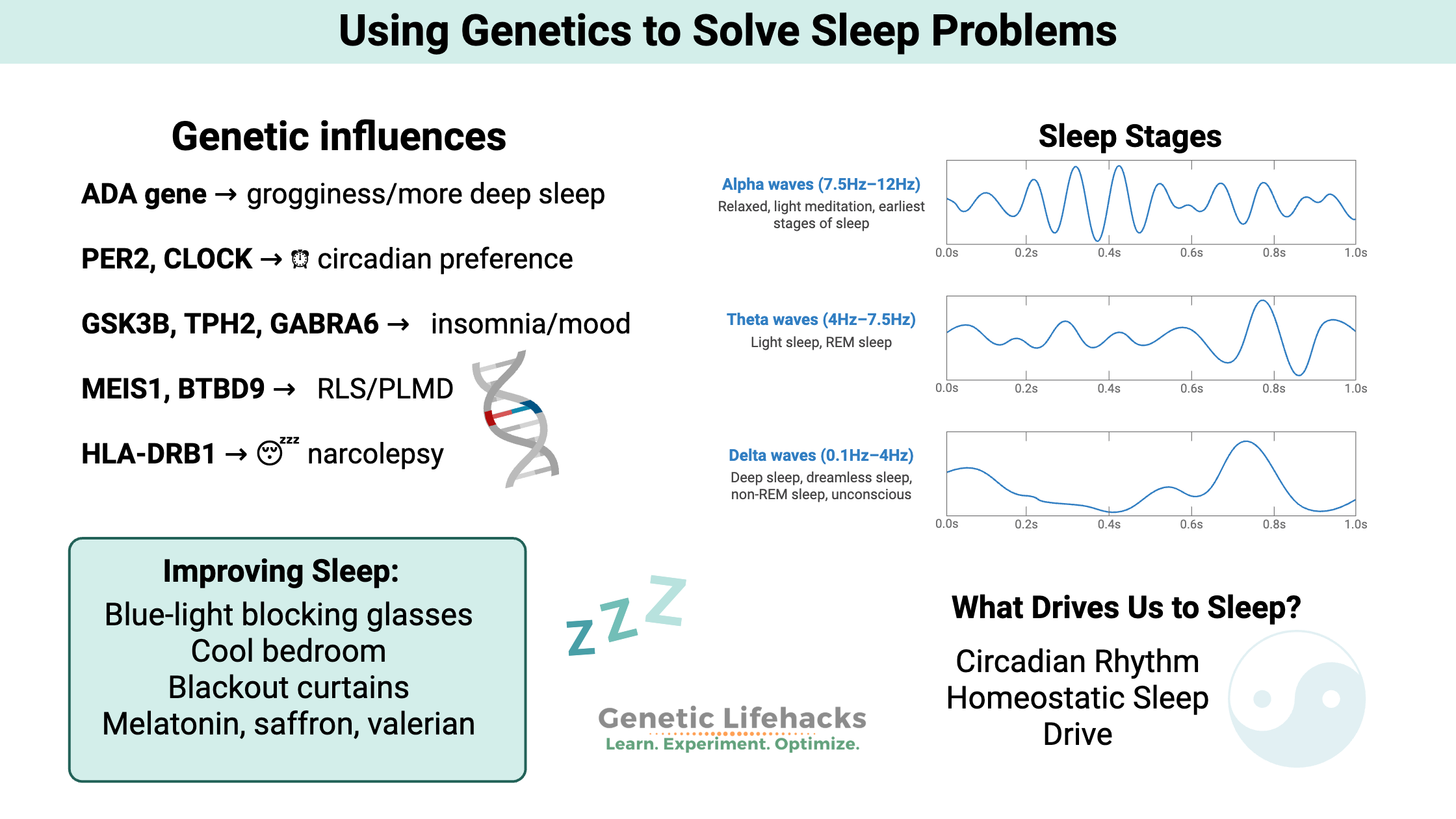
Overview how your genes impact sleep, including insomnia, restless leg, narcolepsy, and circadian rhythm genes.
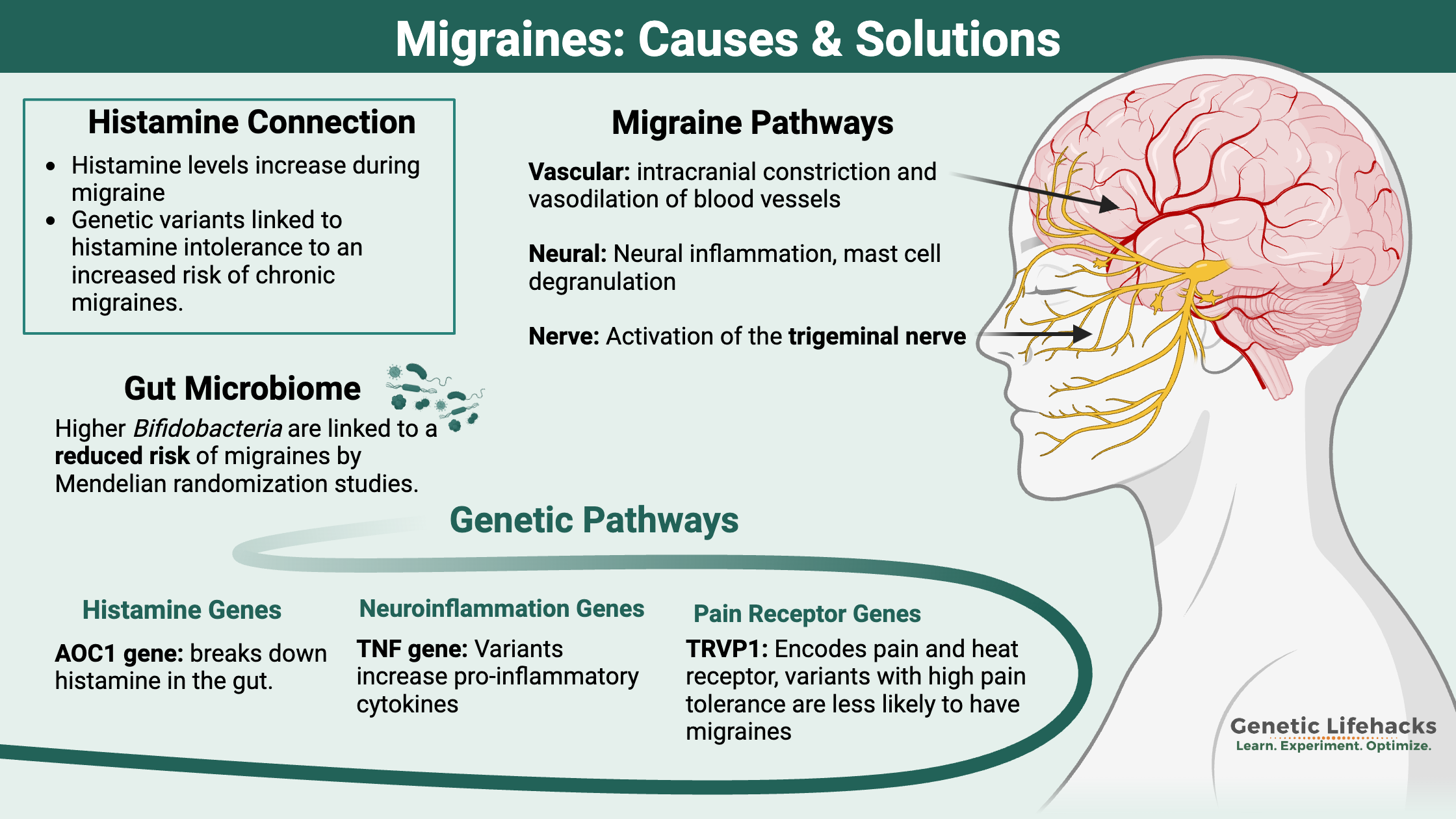
Discover how genetics, triggers, and personalized strategies shape migraine prevention and relief. Find actionable solutions based on your DNA.
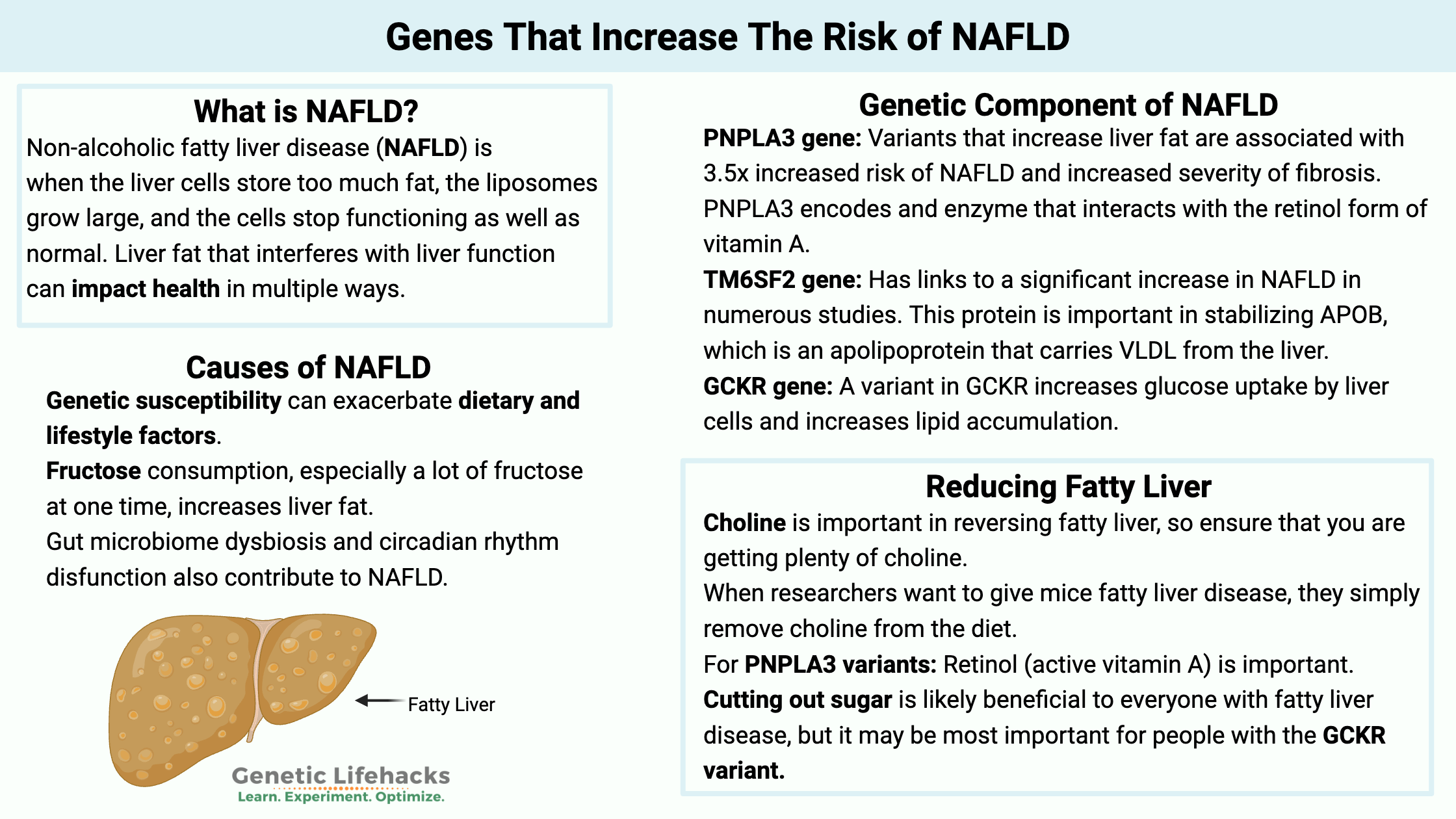
Non-alcoholic fatty liver disease (NAFLD) can be caused by genetic susceptibility, diet, and lifestyle factors. The good news is that fatty liver disease is reversible.
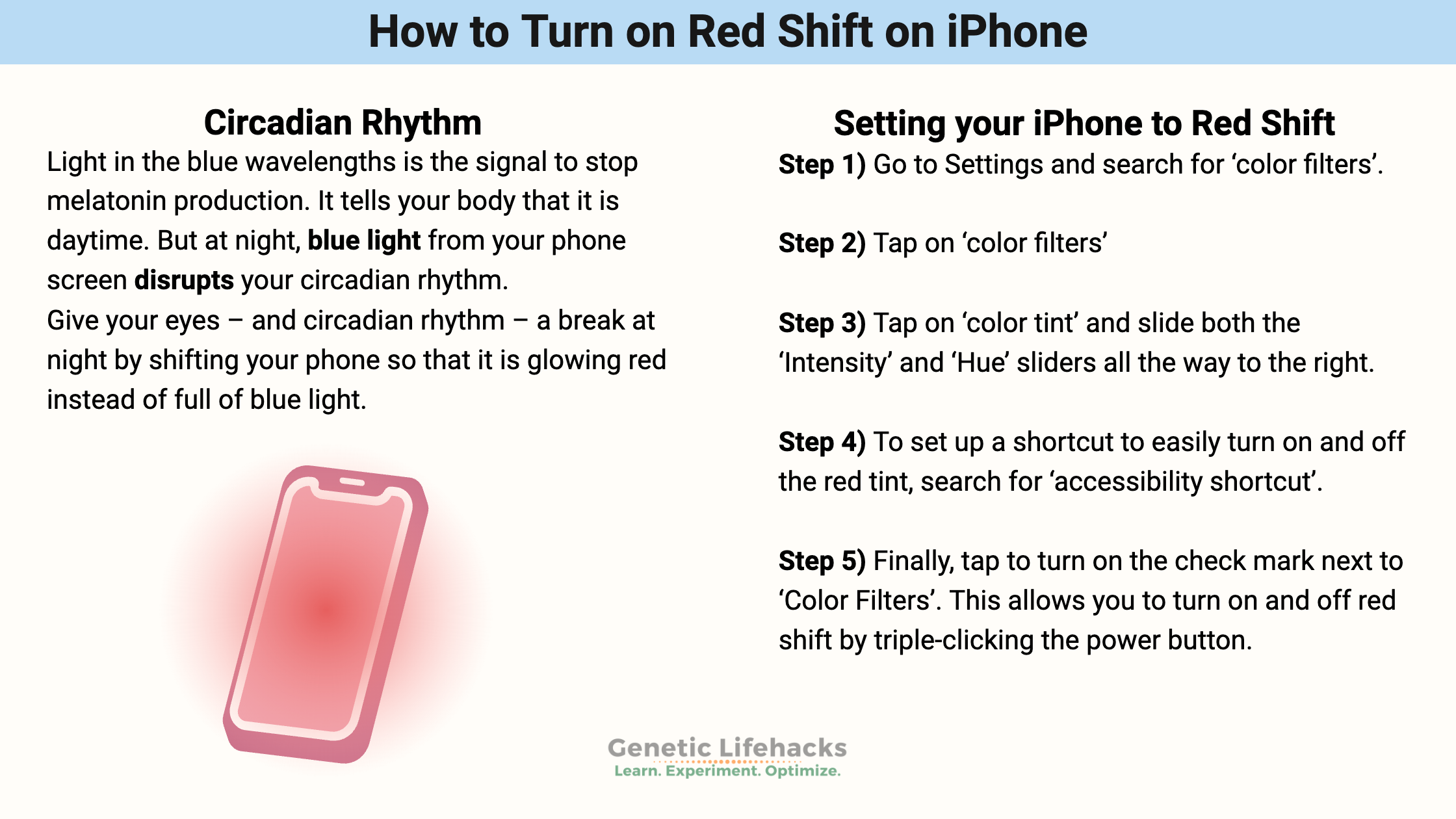
Learn how to shift your iphone screen to be completely red at night (no blue light) with a triple-click of the power button.
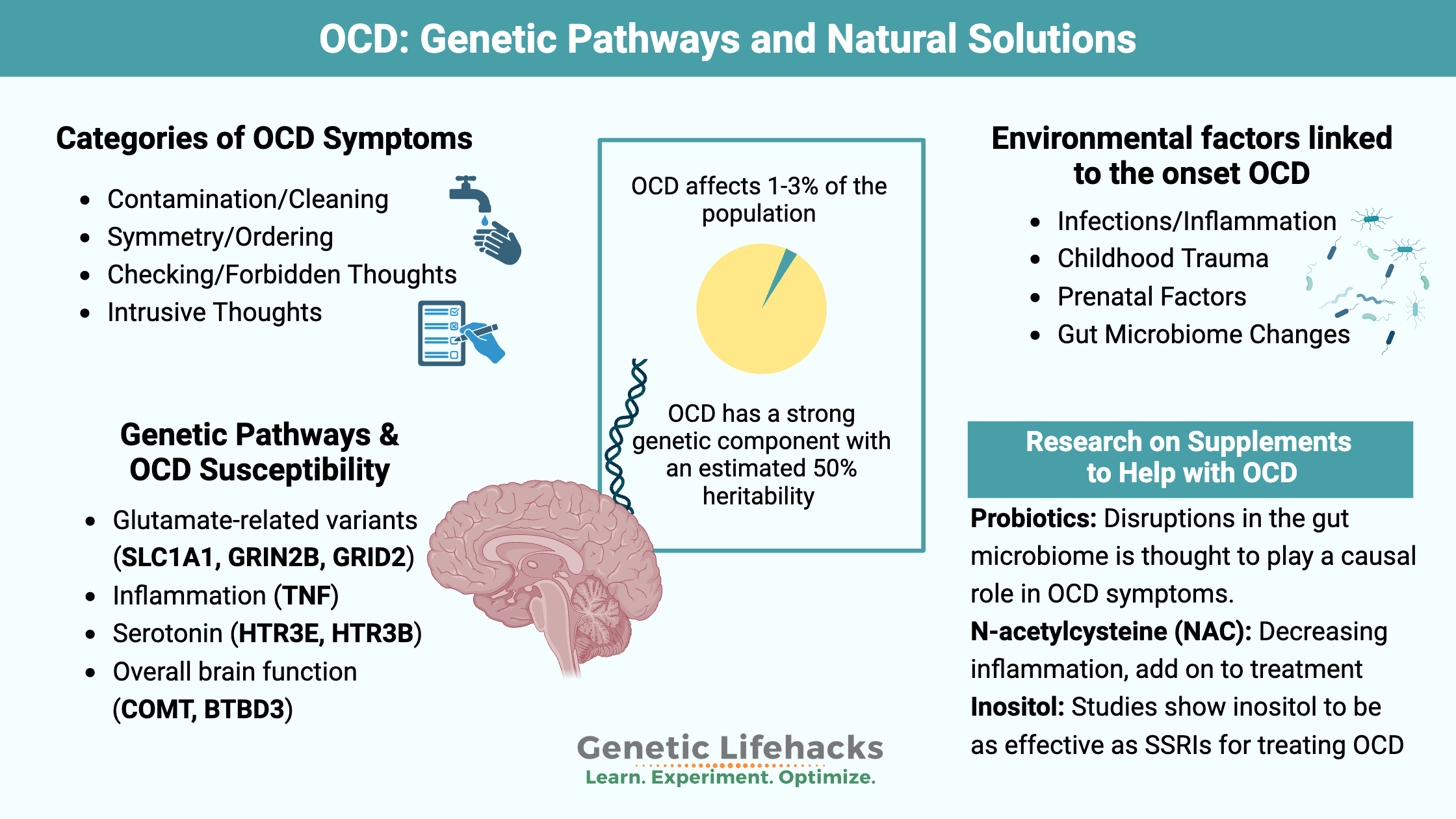
Genetic variants play a role in susceptibility to obsessive-compulsive disorder. Understanding your genes may help you understand OCD better and help you to target the right treatment.
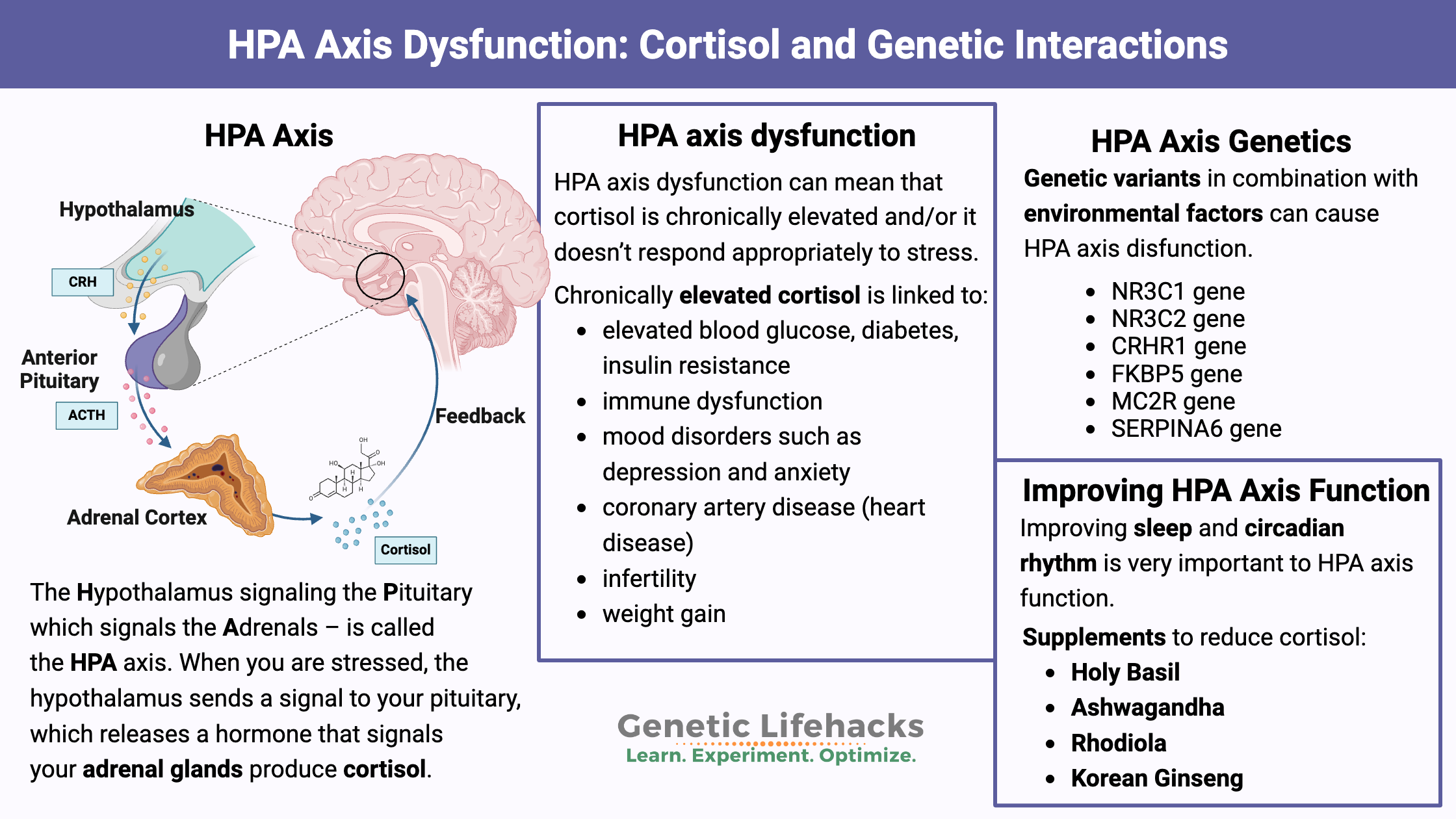
Cortisol is a hormone produced by the adrenal glands in times of stress, and it also plays many roles in your normal bodily functions. It is a multi-purpose hormone that needs to be in the right amount (not too high, not too low) and at the right time. Your genes play a big role in how likely you are to have problems with cortisol.
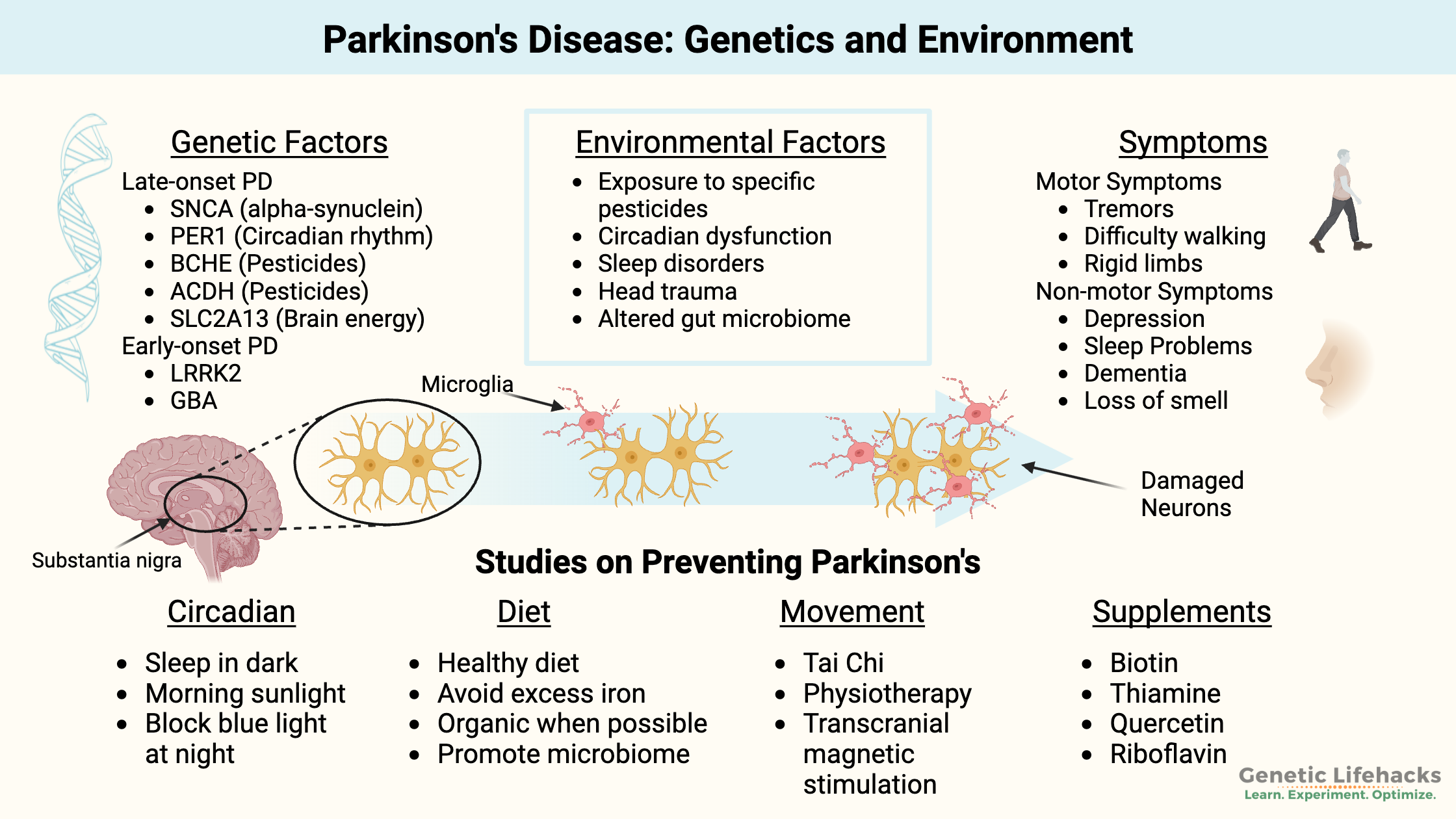
Parkinson’s: Explore key genes, environmental risks, gut microbiome factors, and research‑based lifehacks that may help protect dopaminergic neurons.
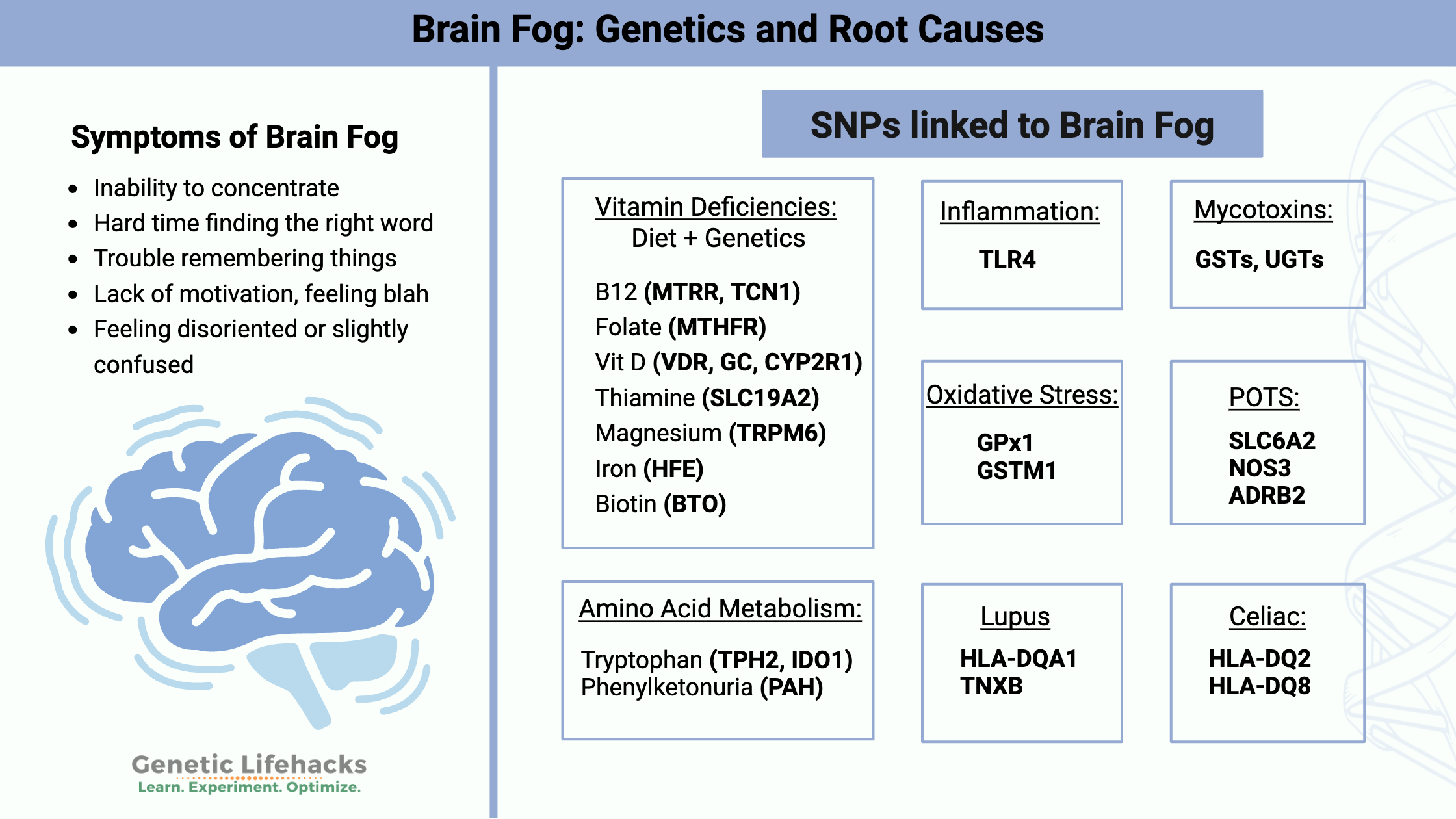
Brain fog has many roots: nutrient deficiencies, hypoxia, inflammation, viral infections, microclots, histamine, amino acid metabolism, and genetics — plus targeted strategies to restore clear thinking.
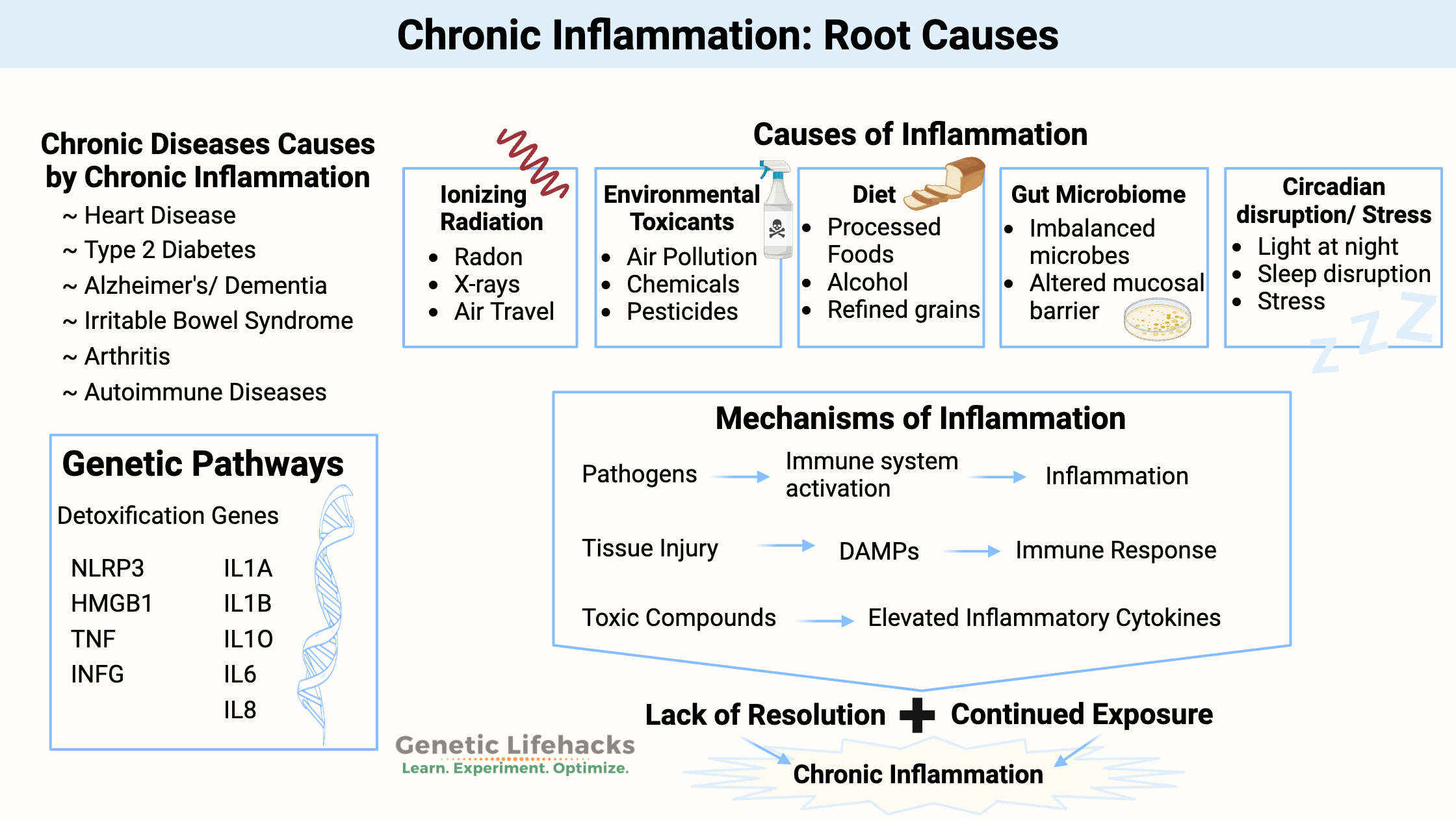
Take a deep dive into the causes of chronic inflammation and learn how to target specific inflammatory pathways to reverse or prevent chronic disease.
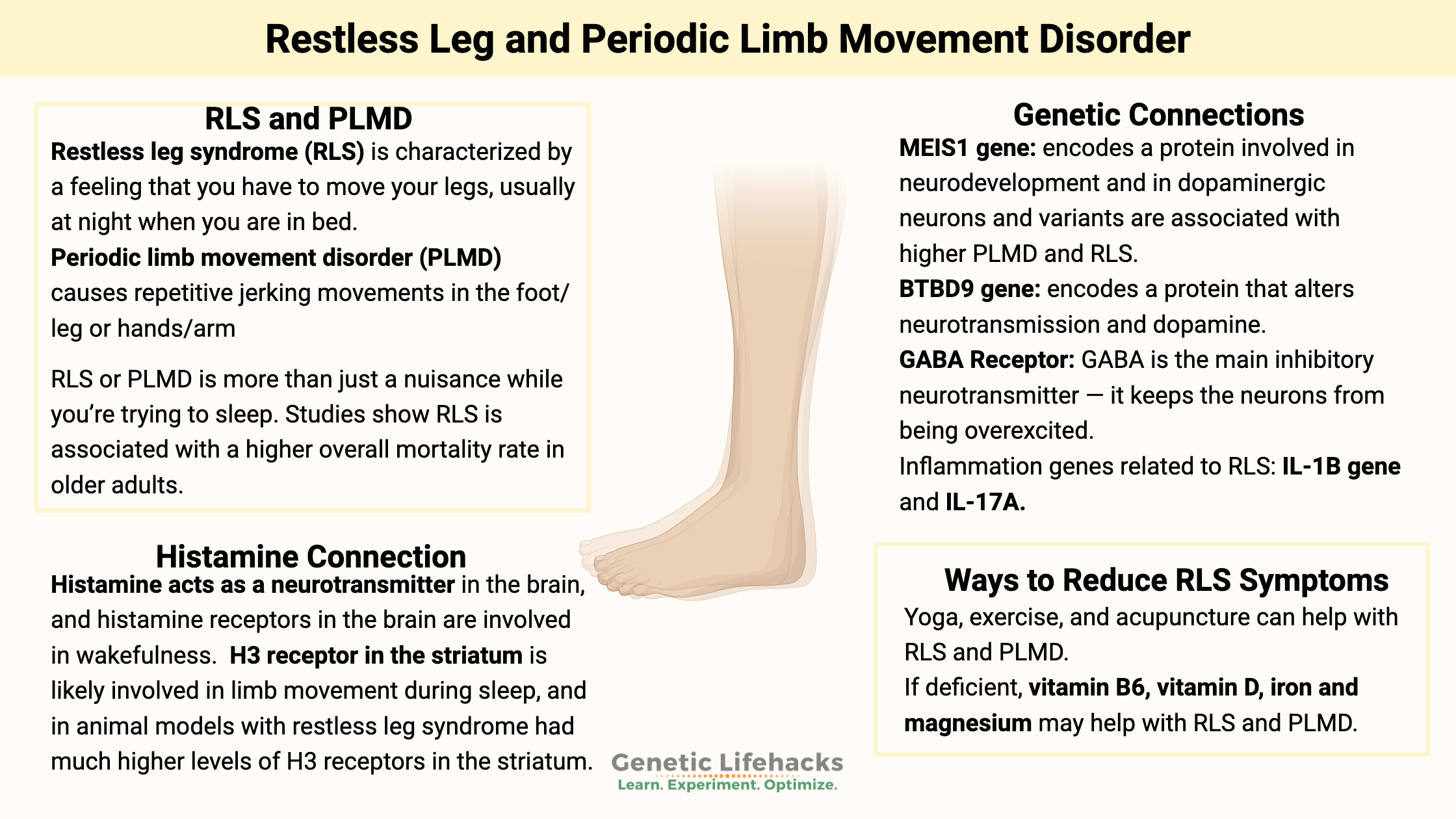
Many know the frustration of disrupted sleep due to RLS and periodic limb movement disorder (PLMD). Genes play a role in your risk for these disorders, and there are specific research-based treatments to explore.
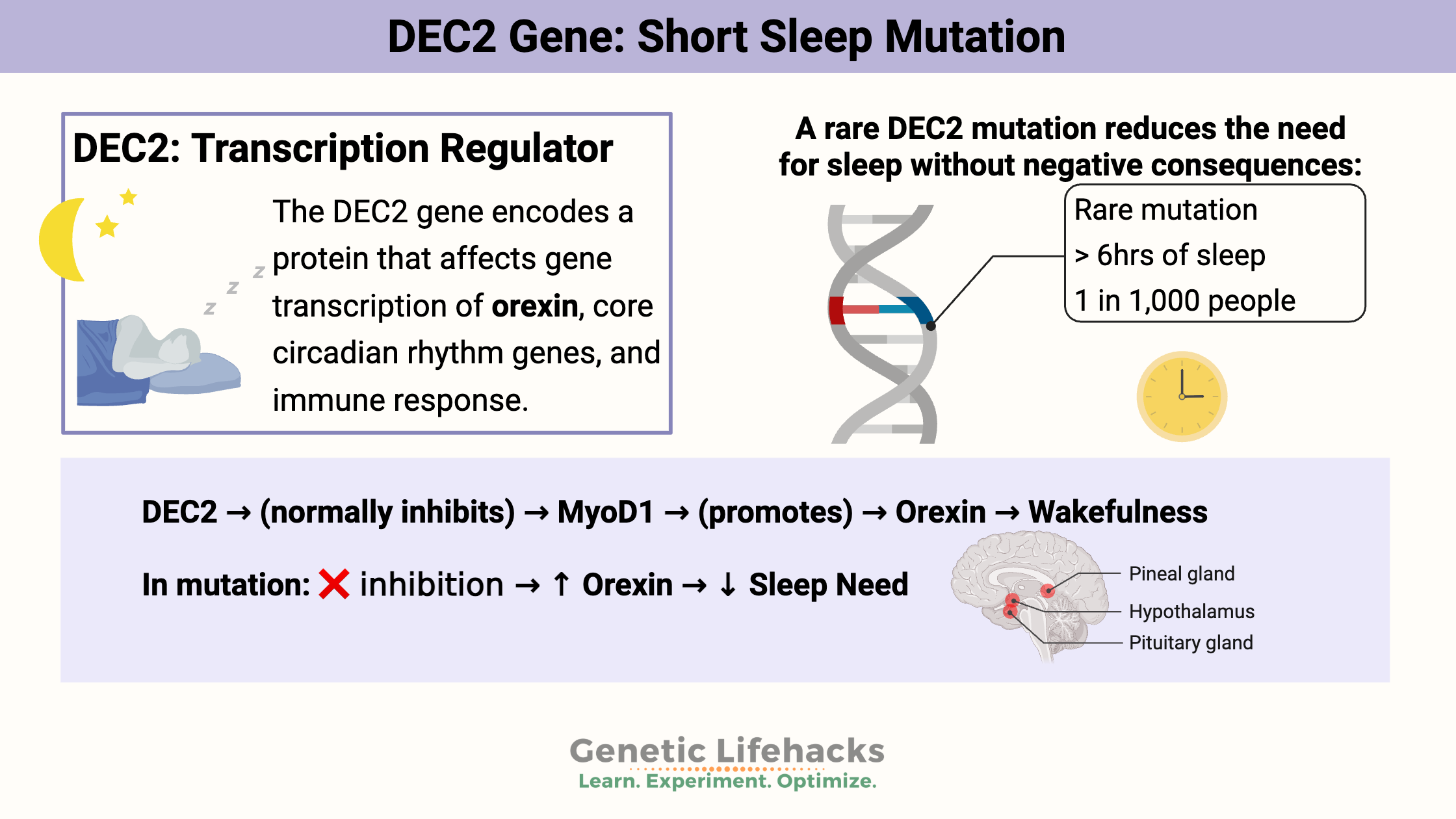
Are you naturally a short sleeper? Mutations in the DEC2 gene decrease the need for sleep.
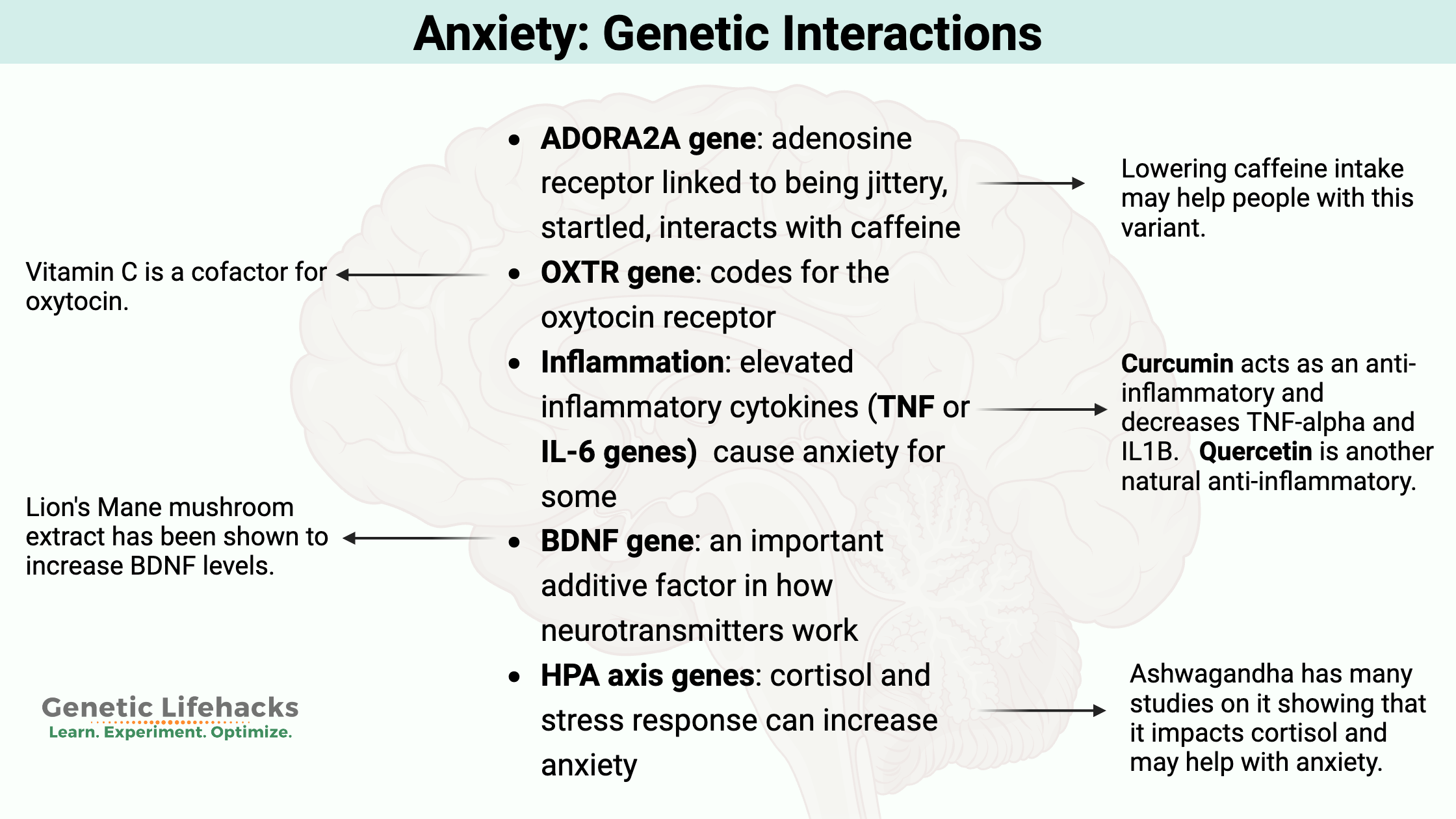
When it comes to anxiety, genetic variants combine with environmental factors (nutrition, sleep, relationships, etc) when it comes to anxiety. Understanding your anxiety genes can help you figure out which pathways to target.
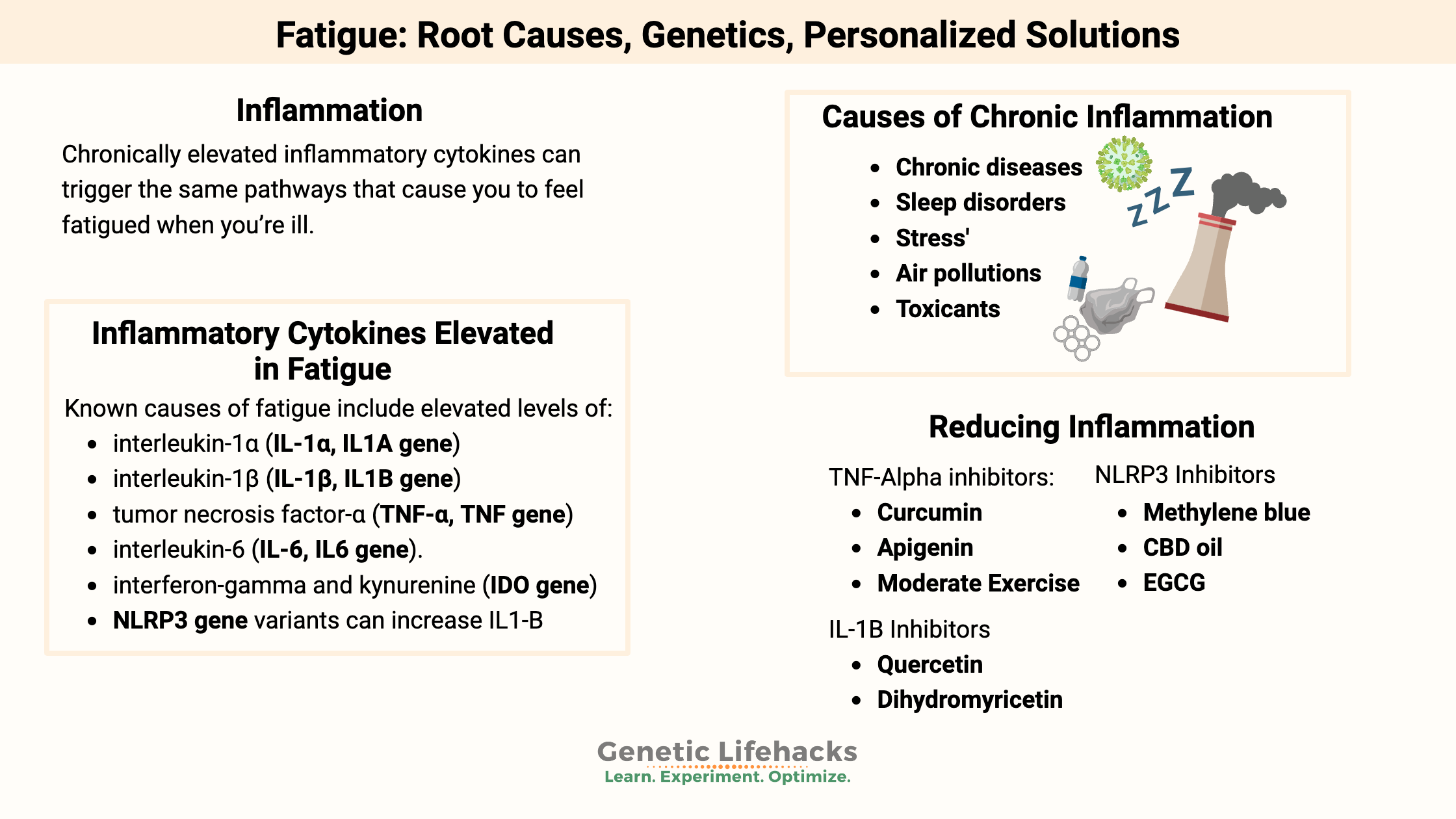
Are you always tired even when you know you slept well? Discover more about the newest research on fatigue and how genetic susceptibility plays a part for some people.
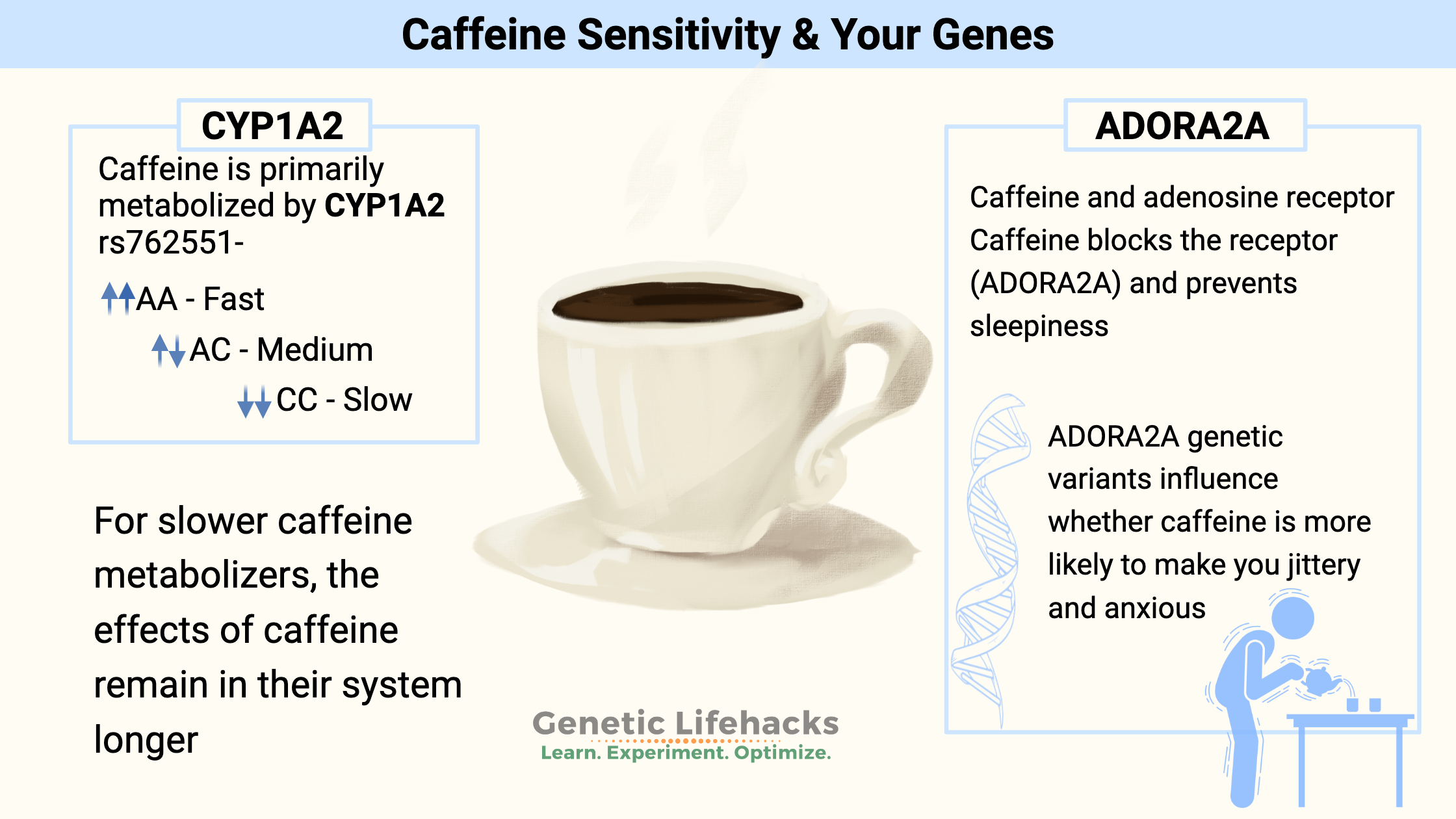
Caffeine remains the most popular ‘drug’ of choice for a large percentage of the population. Genetics determines how quickly your body processes and eliminates caffeine and whether it is likely to make you jittery or anxious.
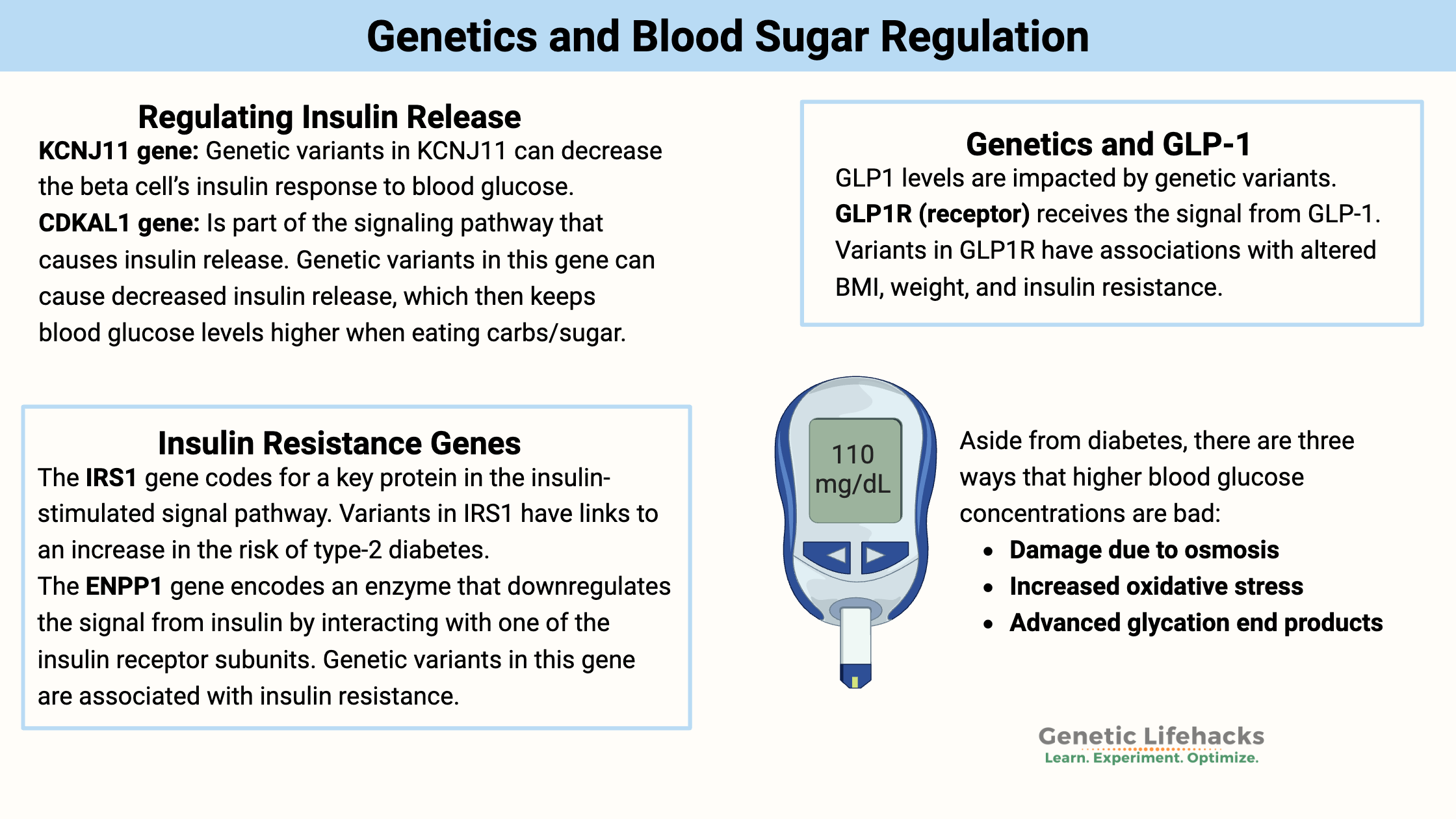
Genetics plays a significant role in your blood glucose regulation. Discover your genetic susceptibility to blood sugar problems to help with blood glucose stability.
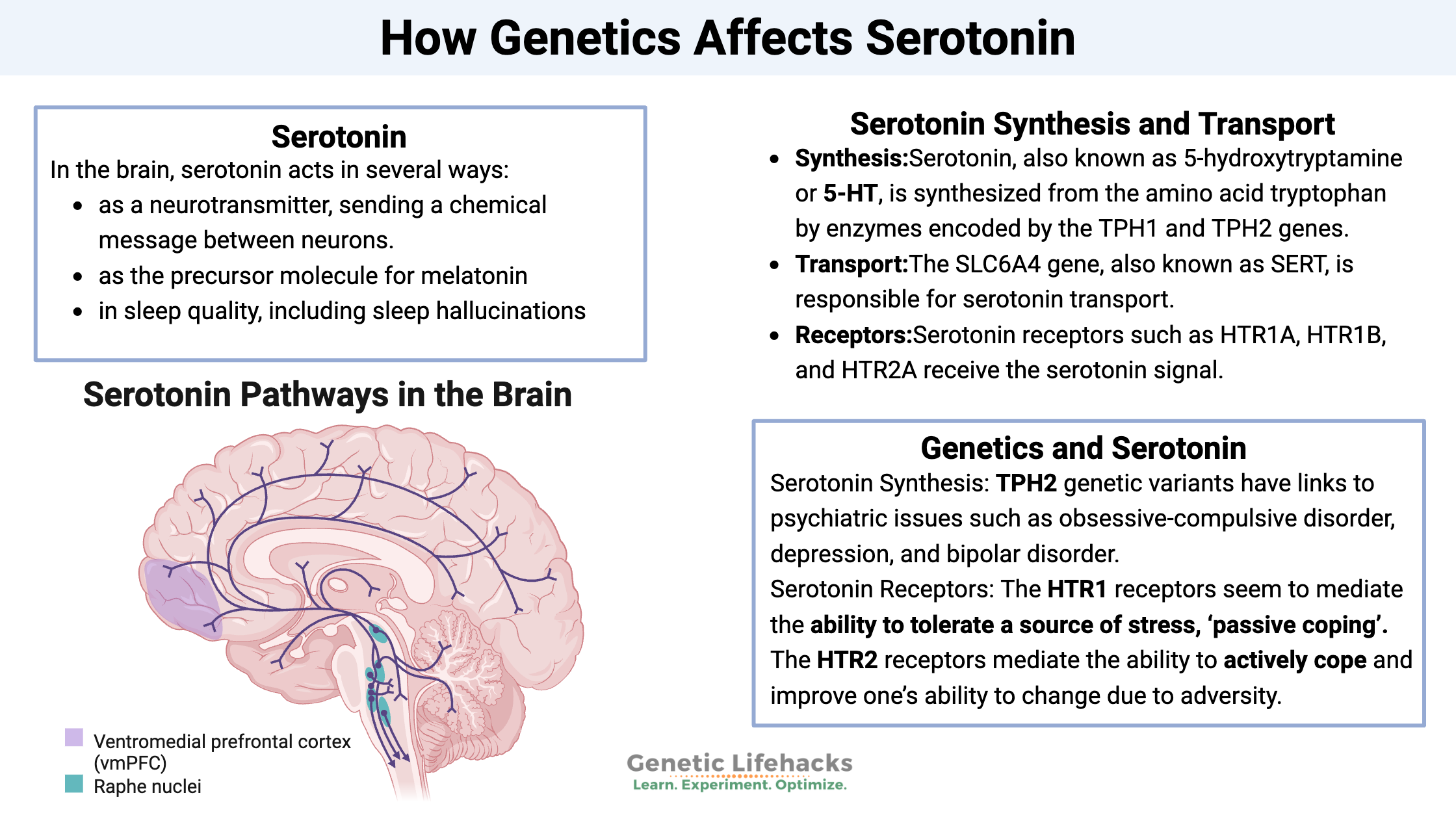
Serotonin is a neurotransmitter that is important in depression, sleep, and many other aspects of health. Learn how your genetic variants in the serotonin receptor genes impact their function.
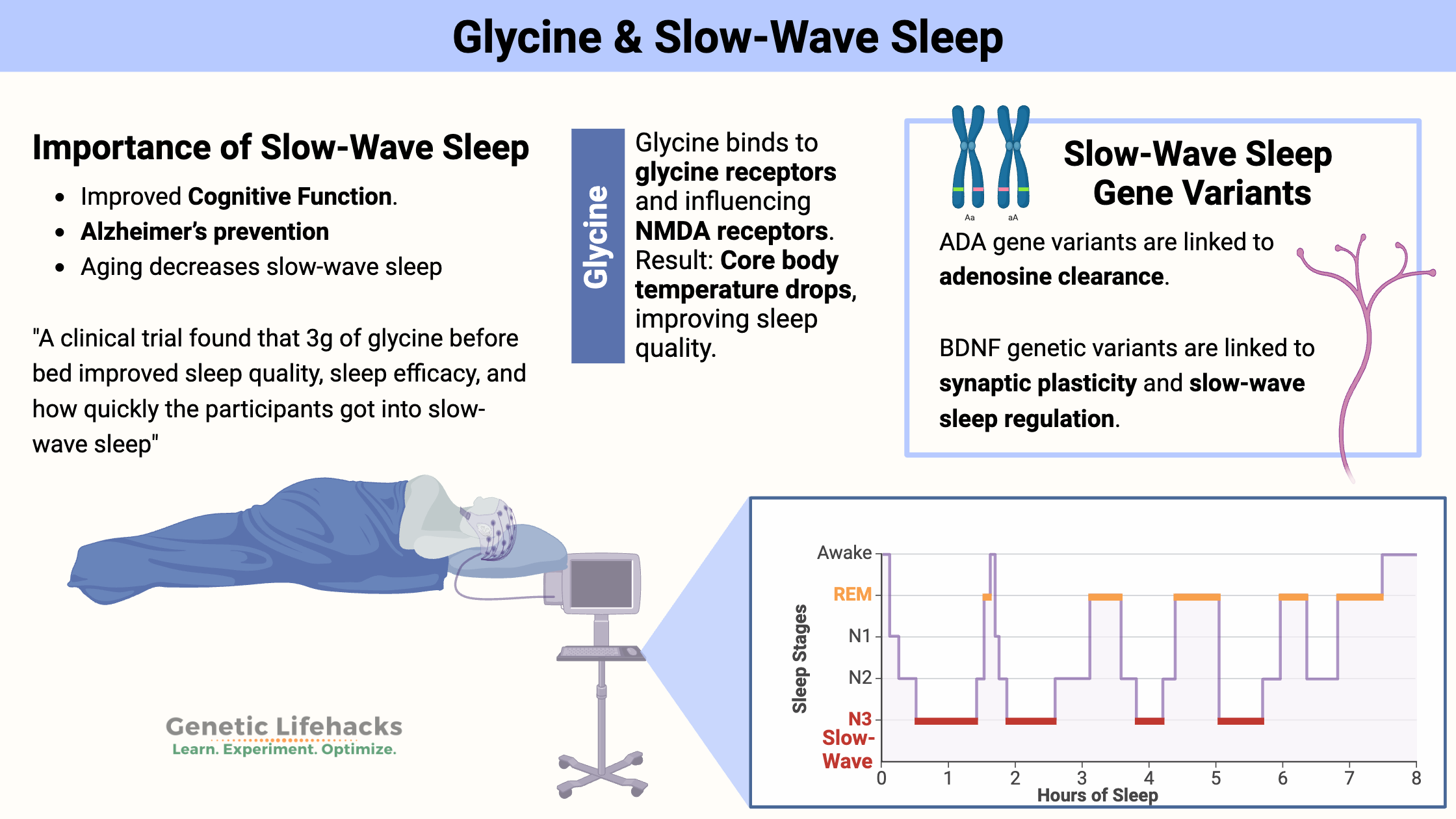
Sleep quality is essential for good health and our genetics play a role in how much slow wave sleep we naturally get.
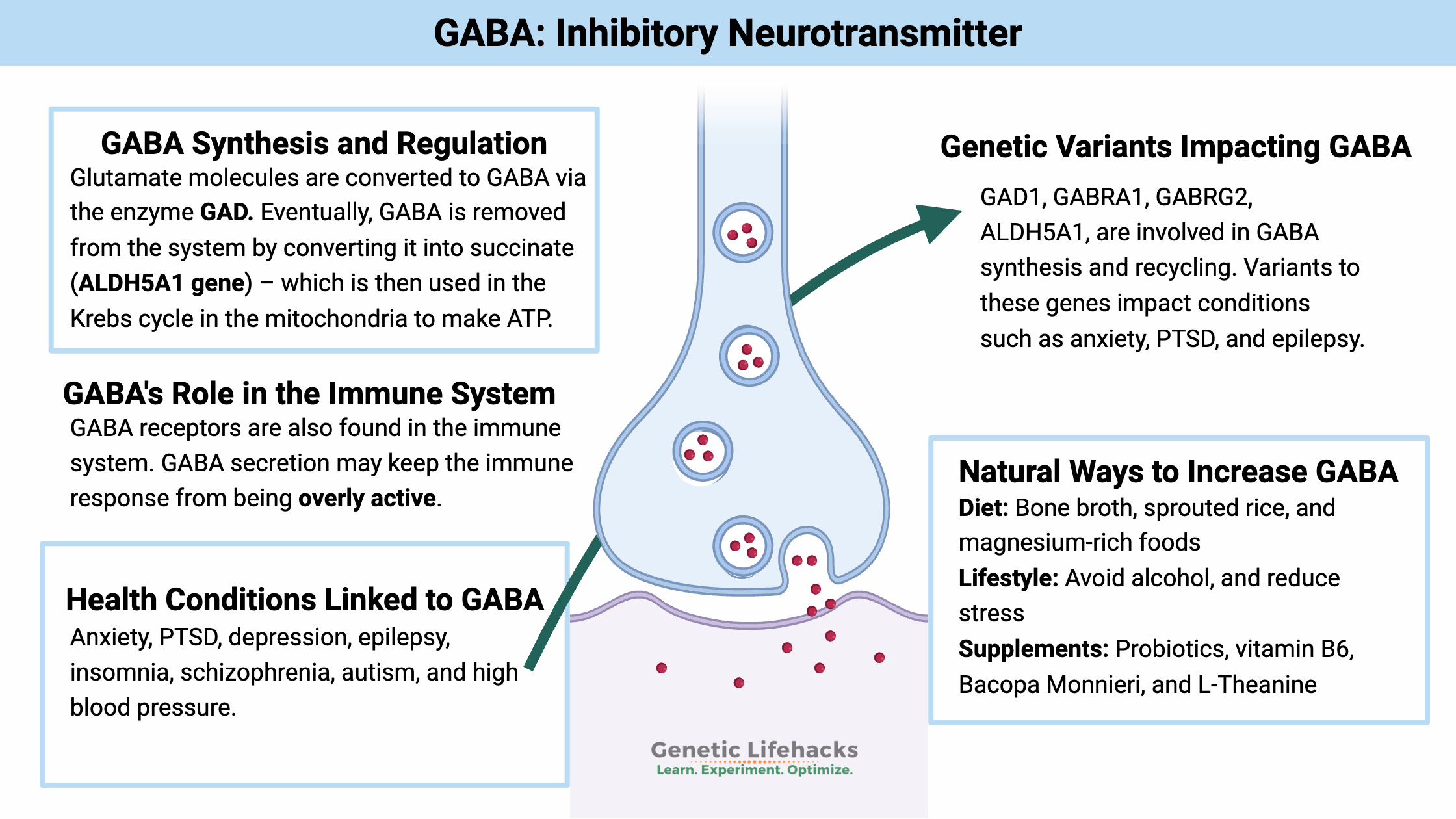
GABA (gamma-Aminobutyric acid) is a neurotransmitter that acts to block or inhibit a neuron from firing. It is an essential way that the brain regulates impulses, and low GABA levels are linked with several conditions, including anxiety and PTSD.
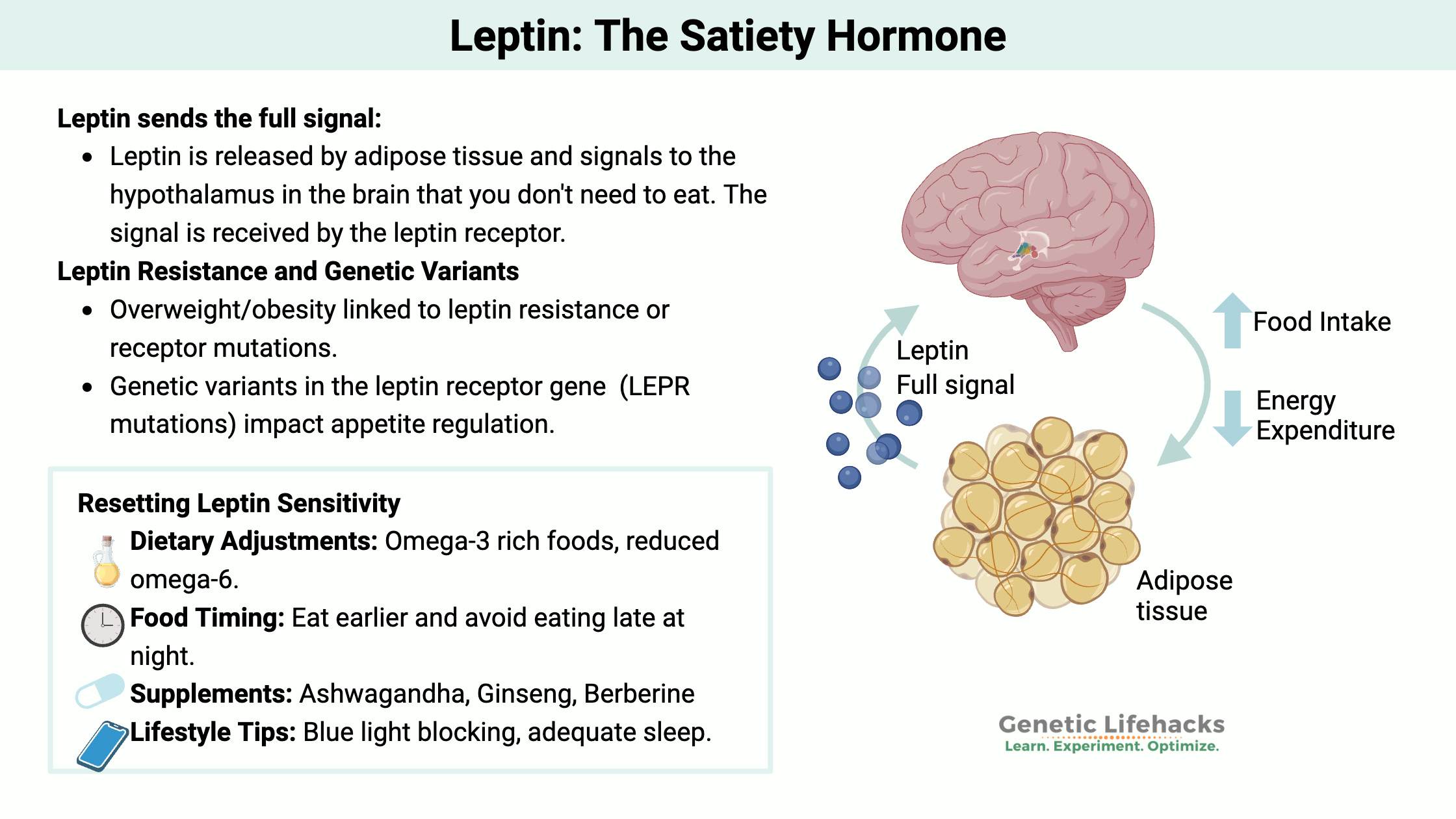
Do you wonder why other people don’t seem to struggle with wanting to eat more? Leptin is a hormone that signals to the brain when you are full and should stop eating. Genetic variants in the LEPR gene are linked to obesity and desire to eat more.
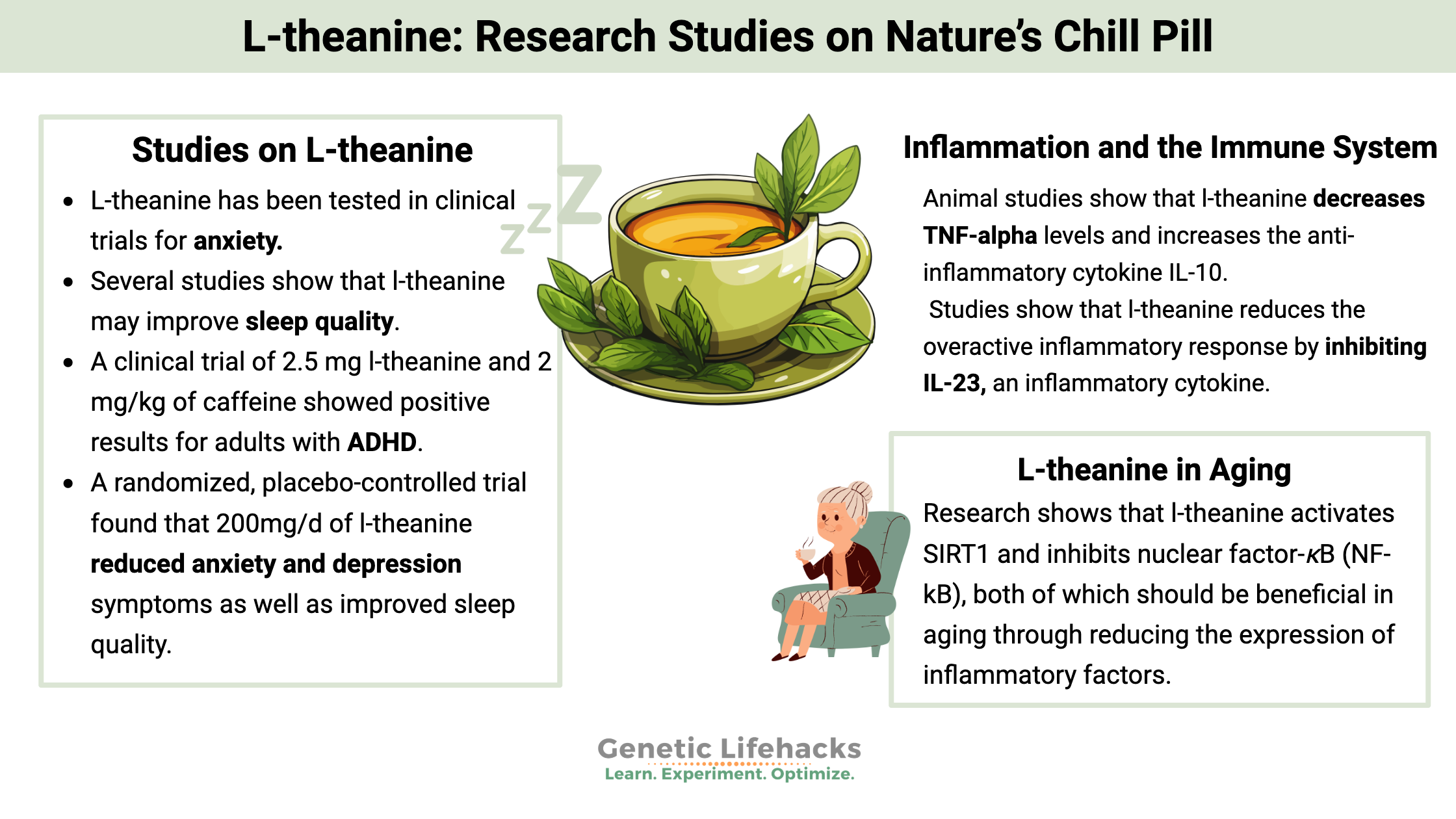
L-theanine is known for reducing anxiety and promoting sleep. Discover the many benefits of l-theanine and how supplementation might work for you.