
Learn. Experiment. Optimize.
You’ve been guessing… Your DNA has actual answers.
Connect to your raw data from 23andMe, AncestryDNA, MyHeritage, Sequencing.com, TellMeGen, or any other DNA test, and see what your own genes say about the food, supplements, medications, and lifestyle changes that fit you.
Your DNA file never leaves your device. We don’t store it, we don’t track you, and we have no supplements to sell you. Not sure your file will work? Check compatibility before you join.

- 11 yearsof reading the studies and writing them up, one at a time
- 5+ millionreaders
- 410+genotype reports with detailed articles that are constantly updated as new research comes outs
Explore by topic hub:
Latest Genotype Reports:
- Arginine: Genetics, Nitric Oxide, Immune Response, and Ammonia Clearance
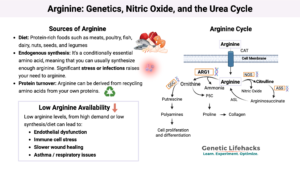 Learn how ARG1 and ARG2 variants influence arginine levels, nitric oxide, and urea-cycle balance—plus food, L-arginine vs citrulline, and safety trade-offs.
 - TNF-alpha: Inflammation, Chronic Diseases, and Genetic Susceptibility
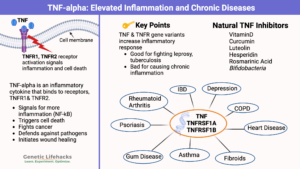 TNF-alpha is a key inflammatory cytokine linked to autoimmune, cardiovascular, mood, and neurodegenerative diseases. Learn how TNF gene variants affect your risk and potential natural TNF inhibitors.
 - ABCC4 (MRP4) Gene: Drug Transport, Genetic Variants, and Medication Response
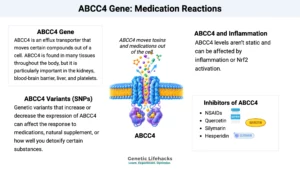 Learn how the ABCC4 (MRP4) gene transports drugs, toxins, cAMP, and prostaglandins. Explore common variants, medication interactions, and factors that alter ABCC4 activity.
 - Hypophosphatasia (HPP) and the ALPL Gene
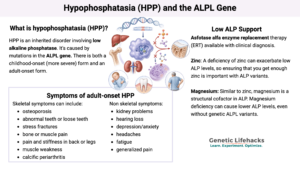 Hypophosphatasia (HPP) is a genetic disorder caused by ALPL mutations that lower alkaline phosphatase (ALP), leading to bone, dental, and vitamin B6-related issues. Learn how low ALP is diagnosed and supported in adults.
 - NQO1 Gene: Metabolism of Quinones, Benzene, and More
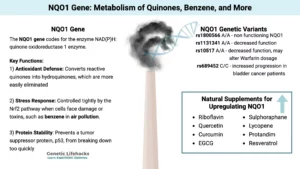 The NQO1 gene codes for an important enzyme in phase II detoxification. This enzyme is responsible for metabolizing the cancer-causing benzene (e.g. from air pollution) and cigarette toxins. Learn more and check your genes. (Member’s article)
 - Magnesium Deficiency? Genes that Impact Magnesium Levels
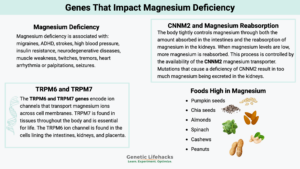 Genes like TRPM6, TRPM7, and CNNM2 affect how well your body absorbs and retains magnesium. See your genotype report for Mg deficiency and types of supplements.
 - Norepinephrine: Focus, stress, genetics, and brain function
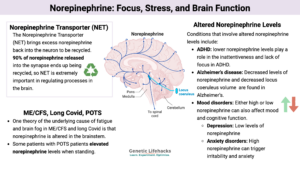 Discover how norepinephrine and your genes affect ADHD, ME/CFS, long COVID, POTS, and mood, plus evidence‑based ways to support healthy norepinephrine balance.
 - Drug-Induced Depletions: Medications and Missing Micronutrients
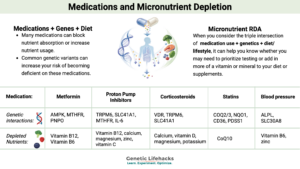 Common medications can deplete micronutrients, especially when combined with a genetic susceptibility to lower levels of certain vitamins or minerals. If you’re on any prescription drugs, check your genes and consider testing your micronutrient levels.
 - Dopamine and Digital Addictions: Internet Use, Gaming, and Smartphones
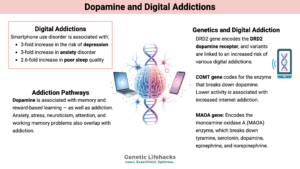 Genetics plays a role in susceptibility to addictive behavior, including internet and smartphone addiction. This article examines the latest fad of dopamine fasting along with genetic variants tied to internet use problems, smartphone usage disorder, and gaming disorders.
Recently updated:
Staying up to date with new research is important! Check out these genotype reports that have been updated:
CYP17A1: Steroid Hormone Production (Testosterone, Estrogen, and DHEA)
Acne: Root Causes, Genetic Variants, & Personal Solutions
Hot flashes in menopause: Genetics and natural solutions
Estrogen: How It Is Made and How We Get Rid of It
Thyroid Hormones: Genes, Hypothyroidism, and T4/T3 Conversion
HPA Axis Dysfunction: Understanding Cortisol and Genetic Interactions
NLRP3: Genetic Variants that Increase Chronic Inflammation
POTS: Genetics, Causes, and Solutions for Postural Orthostatic Tachycardia Syndrome
My Story…
Hi! I’m Debbie Moon, founder of Genetic Lifehacks.
When I first had my genetic data sequenced, I was both amazed and frustrated: amazed by all of the genetic research available in academic journals, but frustrated by the disconnected topics and lack of accessibility.
I started Genetic Lifehacks to bridge the gap — to help everyone understand how their genes influence their health, diet, and longevity with practical and useful information based on current research studies.
With my undergraduate degree in engineering as a foundation and a Master’s degree in Biological Sciences from Clemson University (2019), I’ve built Genetic Lifehacks into a platform that has helped over 5 million readers and 19,000+ members to optimize their health through understanding their genetics.
~ Debbie
Learn more About Genetic Lifehacks